Love Story: The True Story Behind the ’90s Kate Moss Calvin Klein Campaign That Changed Fashion


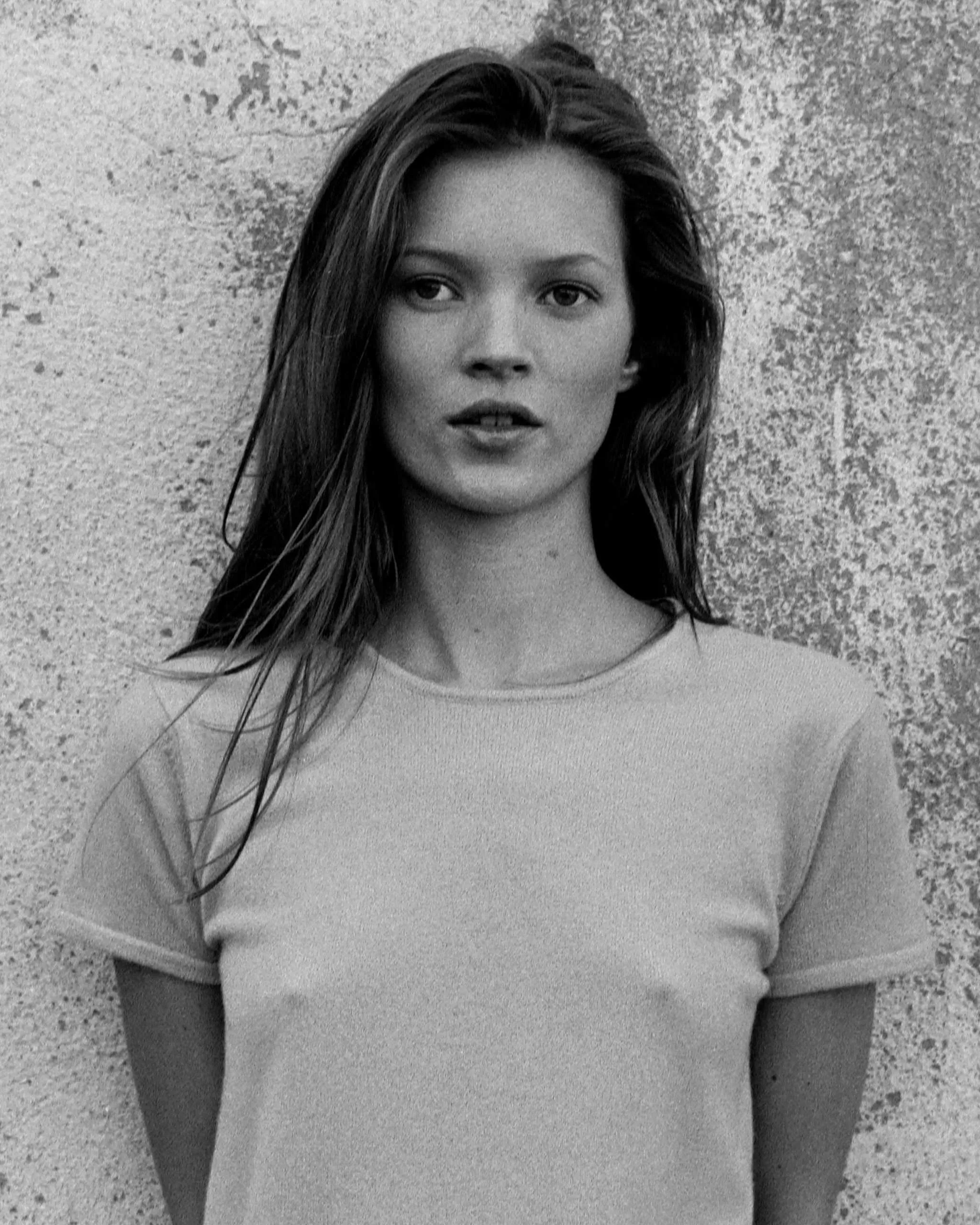
Kate Moss at the Calvin Klein headquarters in New York City, 1994.Photo: WWD/Getty Images
Note: This story contains spoilers for episode four of Love Story: John F. Kennedy Jr. & Carolyn Bessette.
The fourth episode of Love Story opens with two teenage girls stealing a poster out of a telephone booth, giggling as they snatch the topless photo of Kate Moss. They run down the street, fleeing the scene of the crime as John F. Kennedy Jr. walks by.
Based on a real Calvin Klein fragrance campaign from the early 1990s, the poster reads “Obsession for men.” Later in the episode, Bessette and Klein discuss the extreme attention that the campaign brought Moss. In real life, as in the show, it was an ad campaign that became iconic, changed Moss’s career, and helped to usher in the “heroin chic” era of fashion.
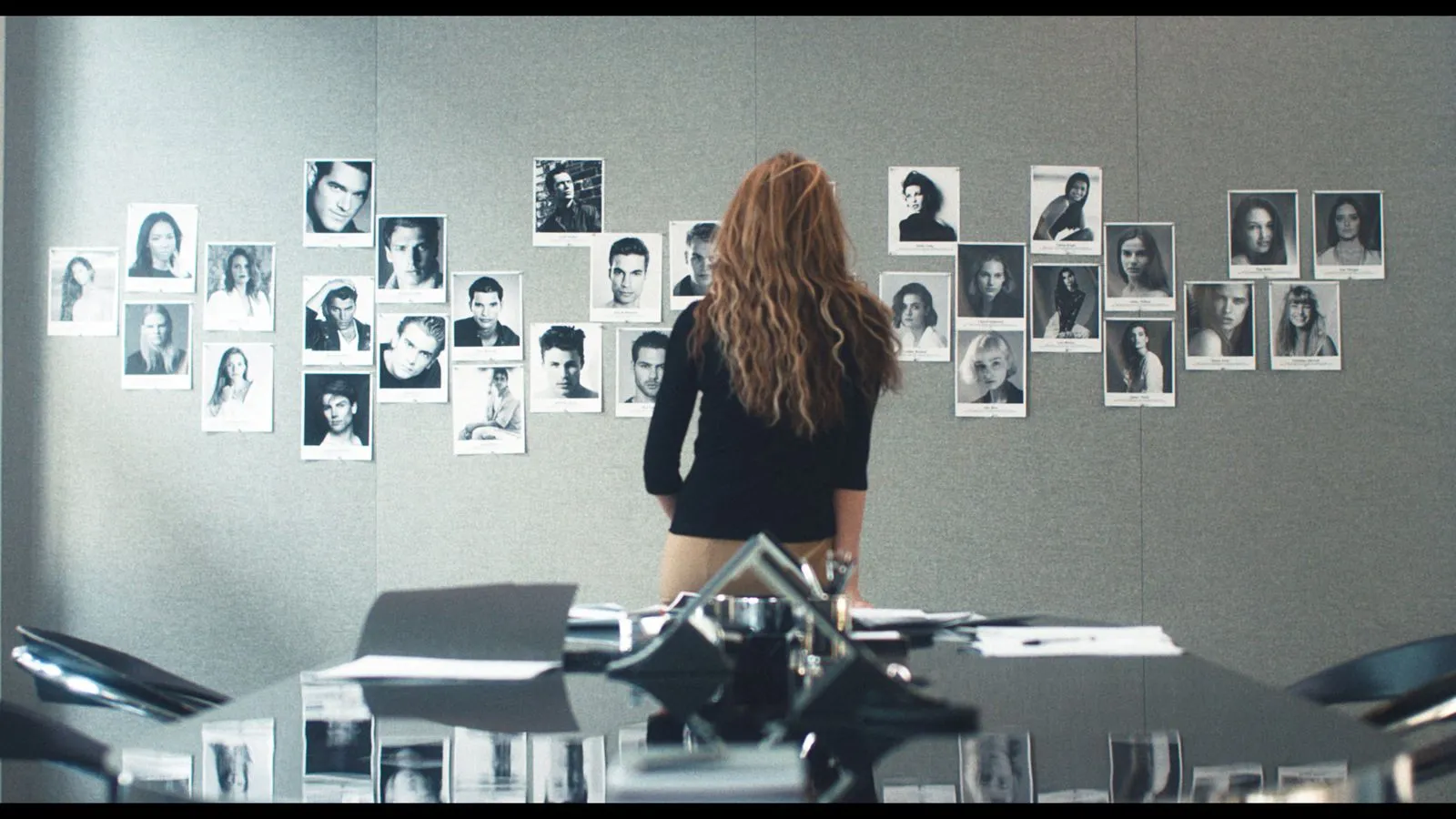
Earlier in the new Ryan Murphy series, the audience watches as Carolyn Bessette selects Kate Moss’s headshot out of a slush pile in Calvin Klein’s office. It’s a striking moment: Bessette showing off her innate sense of what’s cool, and singlehandedly convincing the designer to bring the young model into the fold.
In reality, Bessette didn’t exactly “discover” the model in the way the show suggests. However, she did advocate for Moss’s casting in the brand’s controversial 1992 underwear ad, in which she appeared alongside Mark Wahlberg (then known as Marky Mark). According to Maureen Callahan’s book Champagne Supernovas, per Town and Country, Bessette and art director Fabian Baron convinced Klein that the then-unknown Moss was just the kind of face he needed at that time, when the company was on the verge of bankruptcy. They were right: The success of the underwear and fragrance lines would ultimately help save the company.
As for the story behind the 1993 “Obsession” campaign depicted in the show? At the heart of it is another love story: one between Moss and her boyfriend at the time, photographer Mario Sorrenti.
Klein told the story to Interview, explaining that Moss told him about Sorrenti, and Klein asked to meet him and see his portfolio. “And I look at the pictures, and it just says to me Obsession—he was obsessed with her,” Klein said. The feeling was mutual. In 2017, Moss reflected on their relationship to Elle, saying: “We were young and it was passionate, and it was my first love. It’s the kind of love that never happens again, really. I was obsessed with him.”
The Klein team decided to try to document that love. They sent the young couple (at the time, Moss and Sorrenti were reportedly 18 and 20 years old, respectively) on a vacation to the British Virgin Islands to take photos.
“I knew it was a job, but I thought it was going to be a right laugh. It was the only time I got paid to go away. It’s never been like that since,” Moss told Harper’s Bazaar of the trip, adding, “Mario worked me like a dog. He was more professional than I was. He didn’t stop taking pictures even when I was sleeping. I was like, ‘Leave me alone.’ I’d wake up to the click of the Pentax. I don’t remember relaxing. I remember working.”
Thus, the campaign—full of raw, stripped-down (literally) shots of Moss, nude on the couch and on the beach, in the look that would come to define the era—was born.
True to the Calvin Klein advertising playbook back then, the campaign wasn’t without controversy: some criticized Moss’s thin, waif-like figure, and some magazines reportedly banned the ads. But just like in the show, the campaign became a phenomenon. The ads were all over buses and billboards, and possibly even stolen by fans. In 2017, Sorrenti told Vogue that he remembers going to parties at the time and seeing the magazine ads pasted on people’s walls. It’s safe to say that people were obsessed.
This article was originally published on Vogue.com.
Frequently Asked Questions
The collaboration began in 1993 when photographer Mario Sorrenti traveled with a young Kate Moss to the British Virgin Islands. Calvin Klein, impressed by the intimate and raw images Sorrenti had captured of his girlfriend, hired them both for what would become the iconic “Obsession” campaign.
Unlike the highly produced, glamorous fashion imagery of the 1980s, the Obsession campaign offered a stark, minimalist contrast. It captured a sense of vulnerability, imperfection, and unfiltered intimacy that challenged traditional beauty standards and heralded the “heroin chic” era.
At the time of the campaign, the two were in a romantic relationship. This personal bond is largely credited for the authentic, non-performative nature of the photographs, as Sorrenti was able to capture Moss in moments of genuine ease and comfort that a traditional fashion shoot might have missed.
The campaign catapulted Kate Moss from a rising fashion model to a global superstar. It established her signature look—natural, unstyled, and ethereal—which became the blueprint for the 90s supermodel archetype and solidified her status as a cultural icon for the decade.
Yes, the campaign remains a touchstone for “authentic” brand storytelling. It taught the industry that raw, personal narratives often resonate more deeply than polished campaigns, influencing how brands approach celebrity partnerships and visual branding to this day.