What Makes Philippine Textiles Worth Their Price


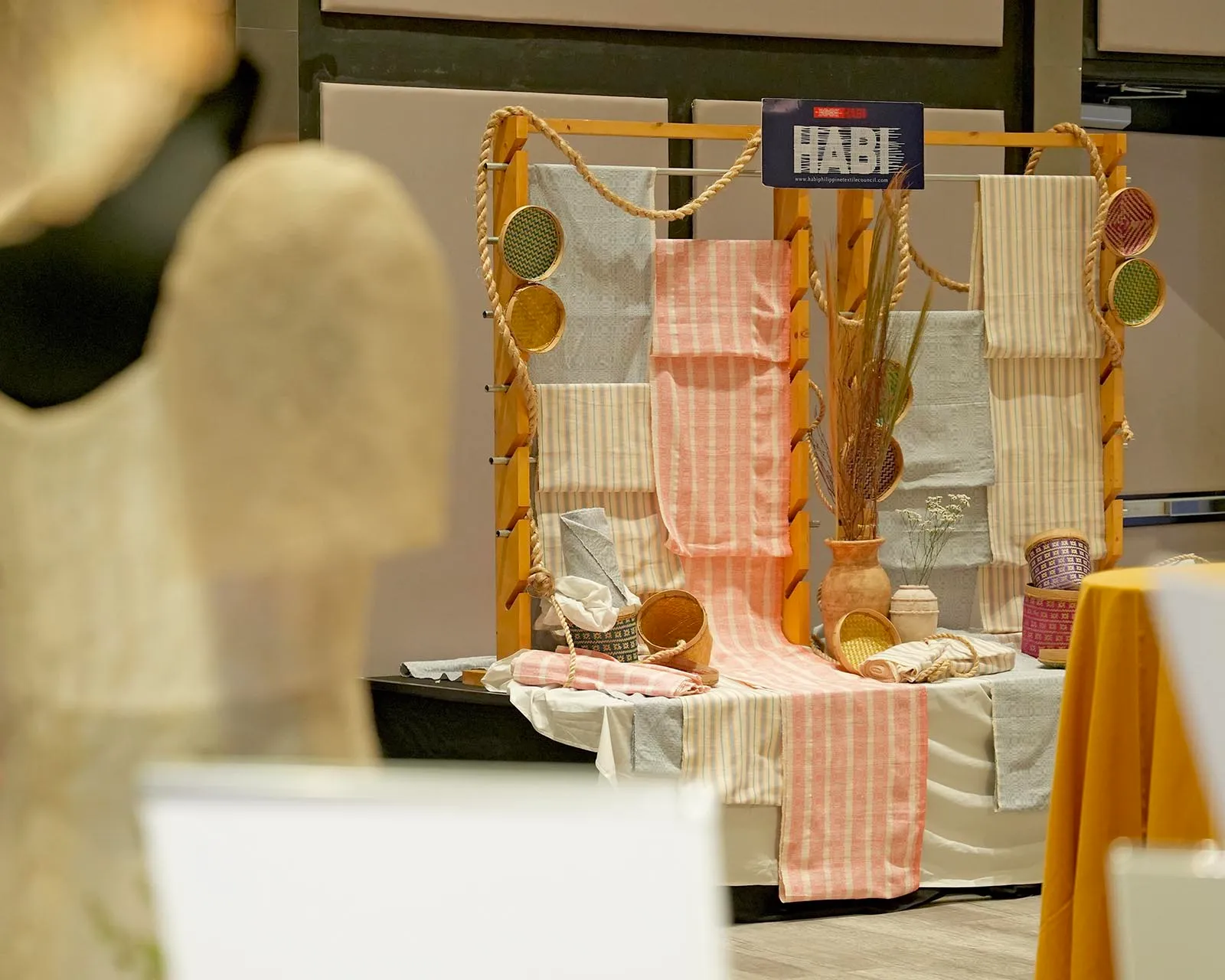
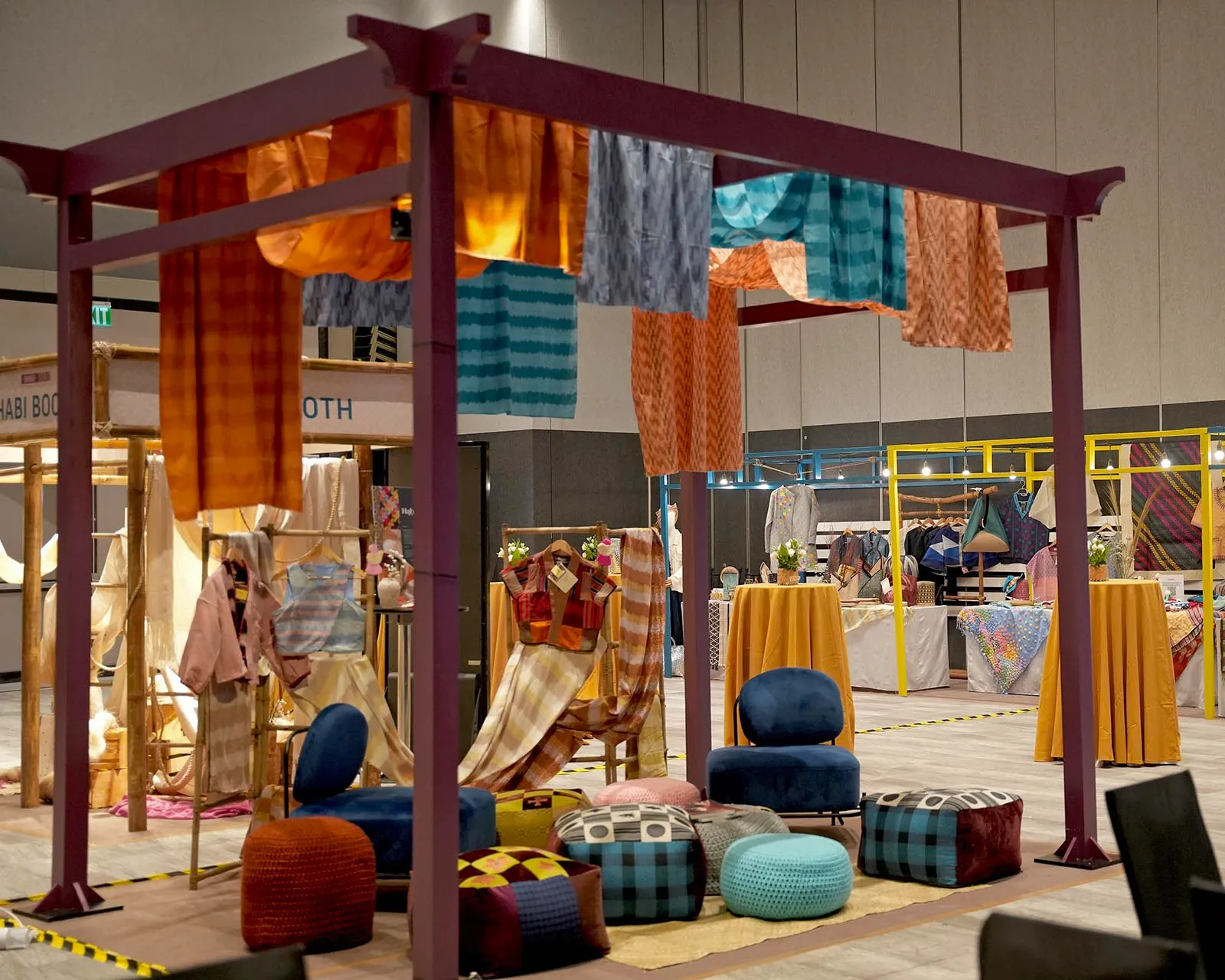
Courtesy of Habi: The Philippine Textile Council
Vogue Philippines sits down with Mia Villanueva to discuss the story behind this year’s Habi Market Fair theme, “Worth Every Thread.”
“Bakit ang mahal?” is the question that keeps being asked when people see the products at the Likhang Habi Art Market Fair. Now that the fair has been around long enough and is celebrating its 16th anniversary, Mia Villanueva, president of Habi: The Philippine Textile Council, shares that it’s finally time to address this once and for all.
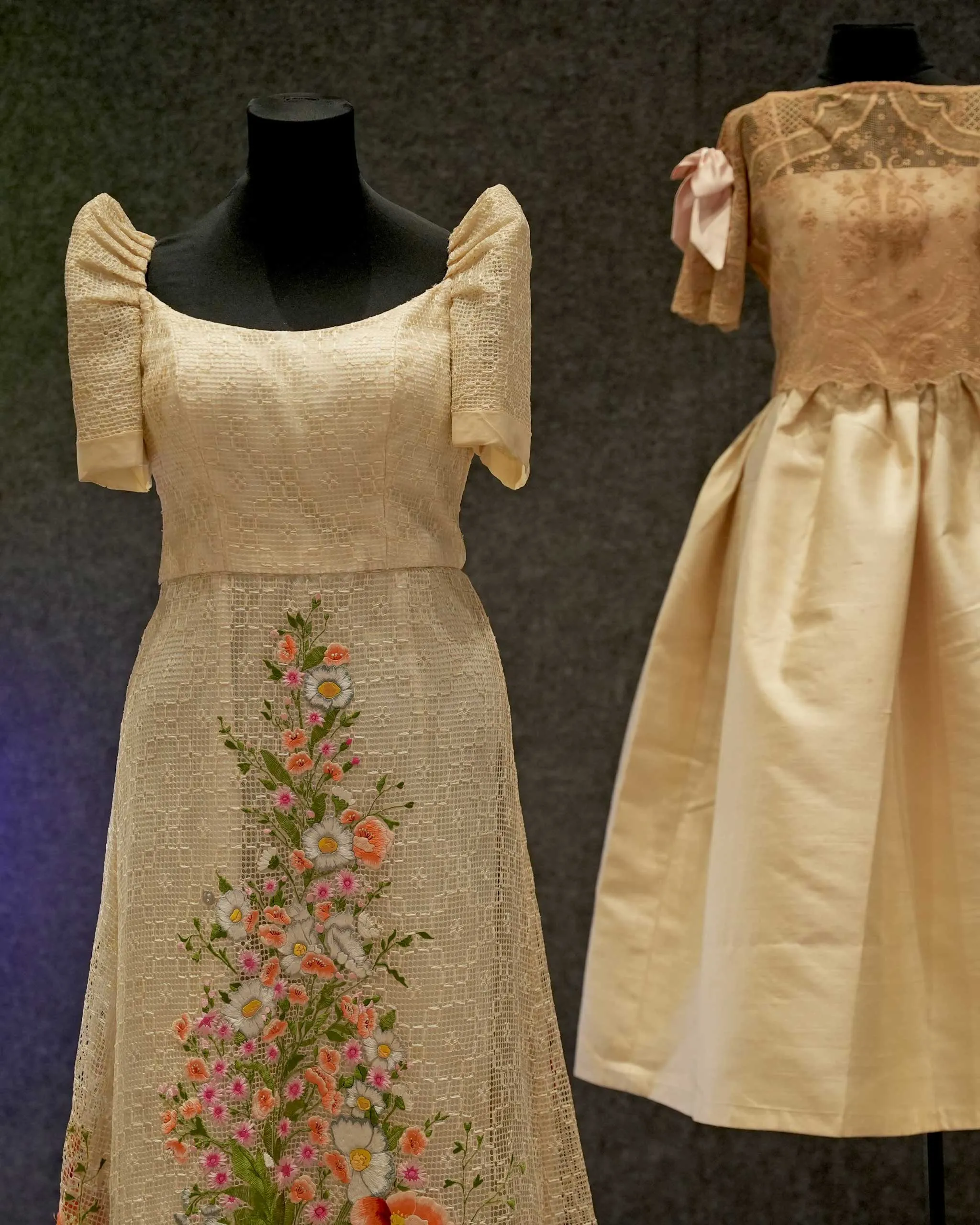
This year, the fair’s theme is “Worth Every Thread,” which sums up the answer to the question: The products are made by the bare hands of local artisans using indigenous materials, and every bit of it is worth it.
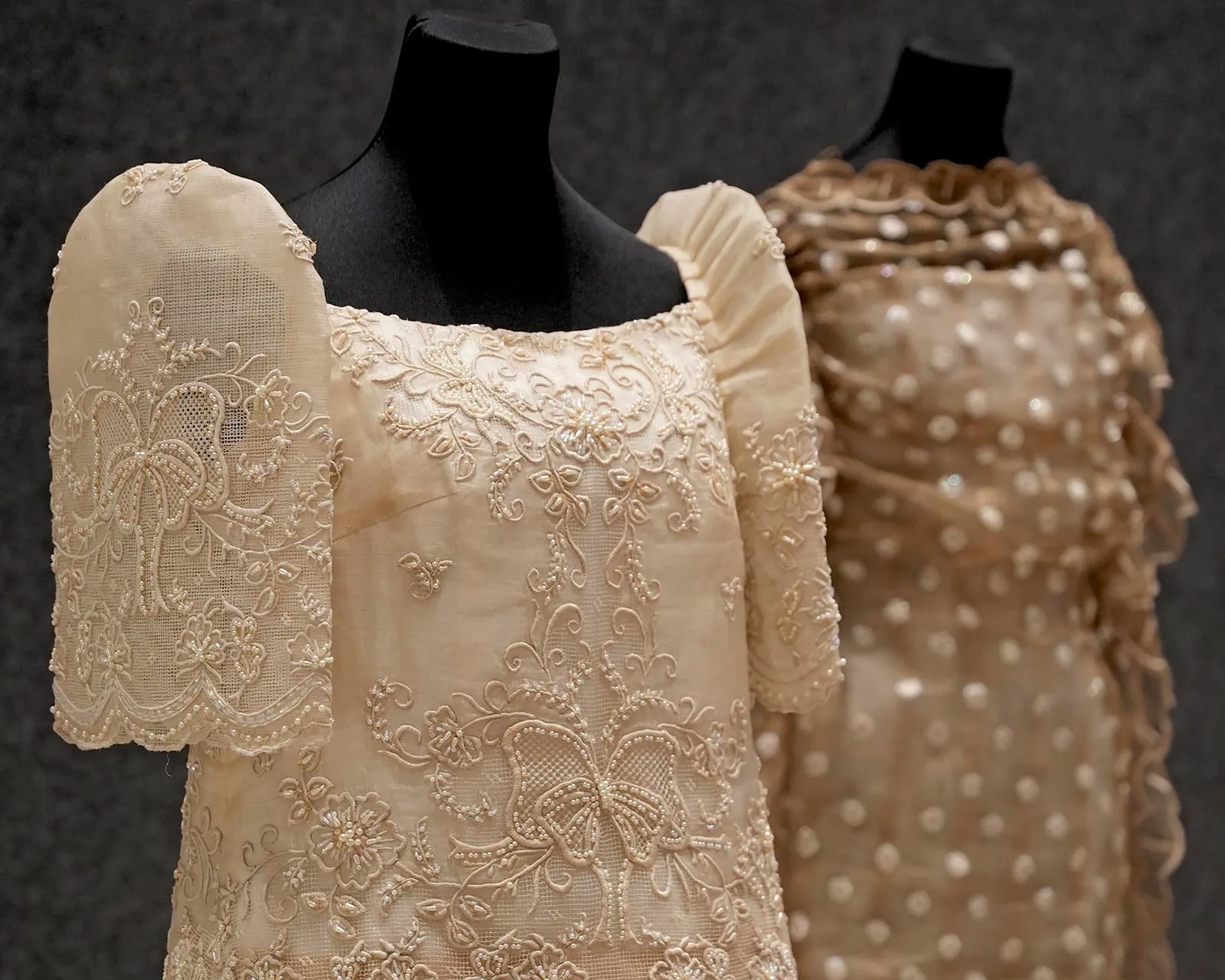
Instead of asking why the products are expensive, Villanueva would like to turn it around and ask: Why is it worth what it is? “These people are artists. They’re creating something using their hands. It’s worth all that. It’s like it’s gone through generations, and it carries our identity. You are taking them on the journey of what goes into the work,” she says.
On the value of the products, Villanueva acknowledges that, contrary to the questions they usually receive, the younger generation has done quite the opposite by staying informed about the importance of the craft and immersing themselves in the process of creating it.
Meanwhile, while these developments are evident at the fair due to its decade-and-a-half run, Filipino weavers and textile communities still face challenges today, such as access to materials.
“Ideally, you want to use natural dyes. So that’s another thing, like education on how to use nonchemical dyes or the normal, the real indigenous fibers. [And] sometimes, they’re not educated on what is available or how to get it,” she adds.
One example that Villanueva gives is how polyester isn’t allowed in the European market, and some Filipinos aren’t aware of that. At Habi, they educate and prepare them so they’ll know what to expect. The other challenge is logistics: Sometimes, from the high mountains of the Cordillera, they have to get their wares down and ship them themselves before morning.
On the other hand, Habi has always valued authenticity and the stories behind the products, such as creating product tags that tell consumers about the textile’s origin. For Villanueva, it’s a necessary step to distinguish what is real from what’s fake, so consumers get their money’s worth.
“Because you have to know where it’s from. Is it real? Is it really authentically Filipino? And what materials go in? [And they’ll say] ‘Ah, it’s PiñaPiñaA luxurious, translucent fabric hand-woven from pineapple leaf fibers, most closely associated with Aklan in Panay. The painstaking process of extracting and knotting the fibers makes piña rare and costly,Go to Piña Glossary,’ but it’s not. Then sometimes young people get crazy because they don’t know the difference. That’s why I wanted the tagging,” she says.
After all, it’s more than money; it is about recognizing the real weavers behind the work, and uplifting Filipino craft.
Likhang Habi Fair returns to Space at One Ayala in Makati City from October 9 to 11, 2026.
Frequently Asked Questions
Mia Villanueva is the president of Habi: The Philippine Textile Council, an organization that promotes Philippine textiles and traditional weaving. She is also involved in initiatives that support local artisans and textile communities.
Habi: The Philippine Textile Council is a nonprofit organization that advocates for the preservation, development, and appreciation of Philippine handwoven textiles. It works with weavers, artisans, designers, and communities to help sustain the country’s textile traditions.
Likhang Habi Fair is an annual event that showcases Philippine handwoven textiles, crafts, and products made by local artisans. It brings together textile communities, makers, and consumers to highlight the country’s weaving traditions.
This year’s Likhang Habi Fair will take place from October 9 to 11, 2026, at Space in One Ayala, Makati City. The 2026 edition marks the fair’s 16th anniversary and carries the theme “Worth Every Thread.”
You can follow Habi: The Philippine Textile Council on Instagram for updates about the upcoming fair.