Alchemy of Space: The Nude Floor Founders Believe Dance Can Connect and Heal


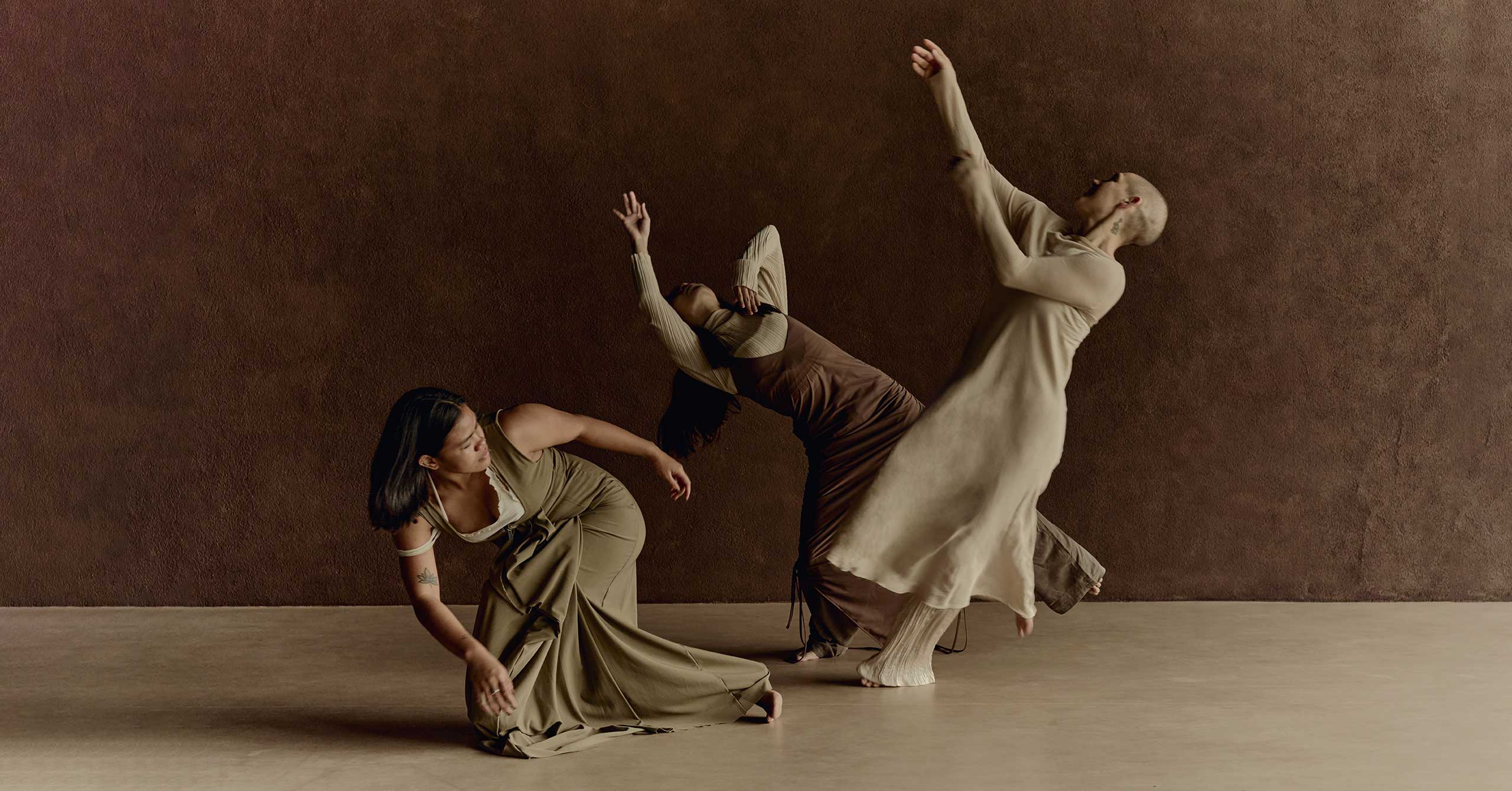
Photographed by Artu Nepomuceno and styled by Mano Gonzales for the September 2024 Issue of Vogue Philippines
Photographed by Artu Nepomuceno and styled by Mano Gonzales for the September 2024 Issue of Vogue Philippines
“Everything about dance is spiritual,” says dance studio Nude Floor founder Shayna Cua. “The way we freestyle and the body allows you to connect with something deeper, beyond yourself is spiritual.”
“I refuse to call it a safe space,” says Shayna Cua of the dance studio she founded, Nude Floor. With deep respect to the dancers she’s welcomed to the creative grounds in Makati, she refuses to dictate what is spiritually sacred, and what is sanctuary.
Instead, Cua sees the studio as a canvas for endless exploration. Together with her husband and co-founder Byron Hontiveros, the two began to curate for a community that required both stage and refuge. Crediting Japan’s art island, Naoshima, as inspiration, Shayna and Byron recounted the sense of space and how the spirit of creativity instantly invaded all senses upon entrance. “It didn’t feel empty,” says Cua, “not even cold. It felt like the space was made deliberately for the art it was showing.” A full immersion. It was this warmth that the couple sought to capture through intentional design in Nude Floor.
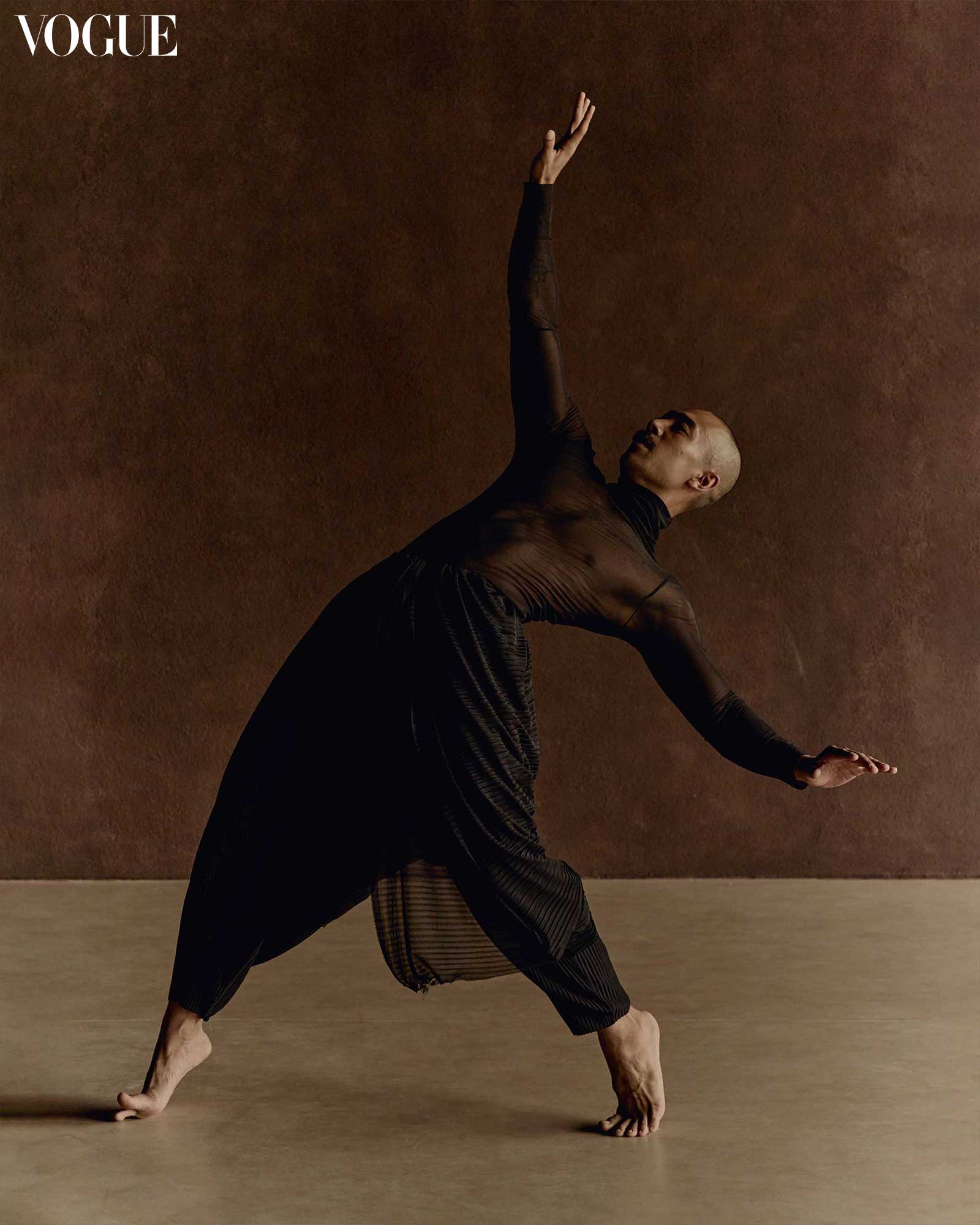
The studio walls are artfully painted, a backdrop for the sway of limbs and warm bodies that dance before it. The floor curves onto the walls, right up to the ceilings—in an ode to the entanglement of beginnings and ends.
“People warned us about calling it Nude Floor,” says Hontiveros. A quick Google search would betray the reasons for such well-meant warnings. But while “nude” was initially meant to speak about the neutral palette the studio is painted with, it also references other neighboring definitions. We suddenly appreciate how “nude” is not just translated as “naked,” but as an homage to the historical pieces that once displayed nudes as art.
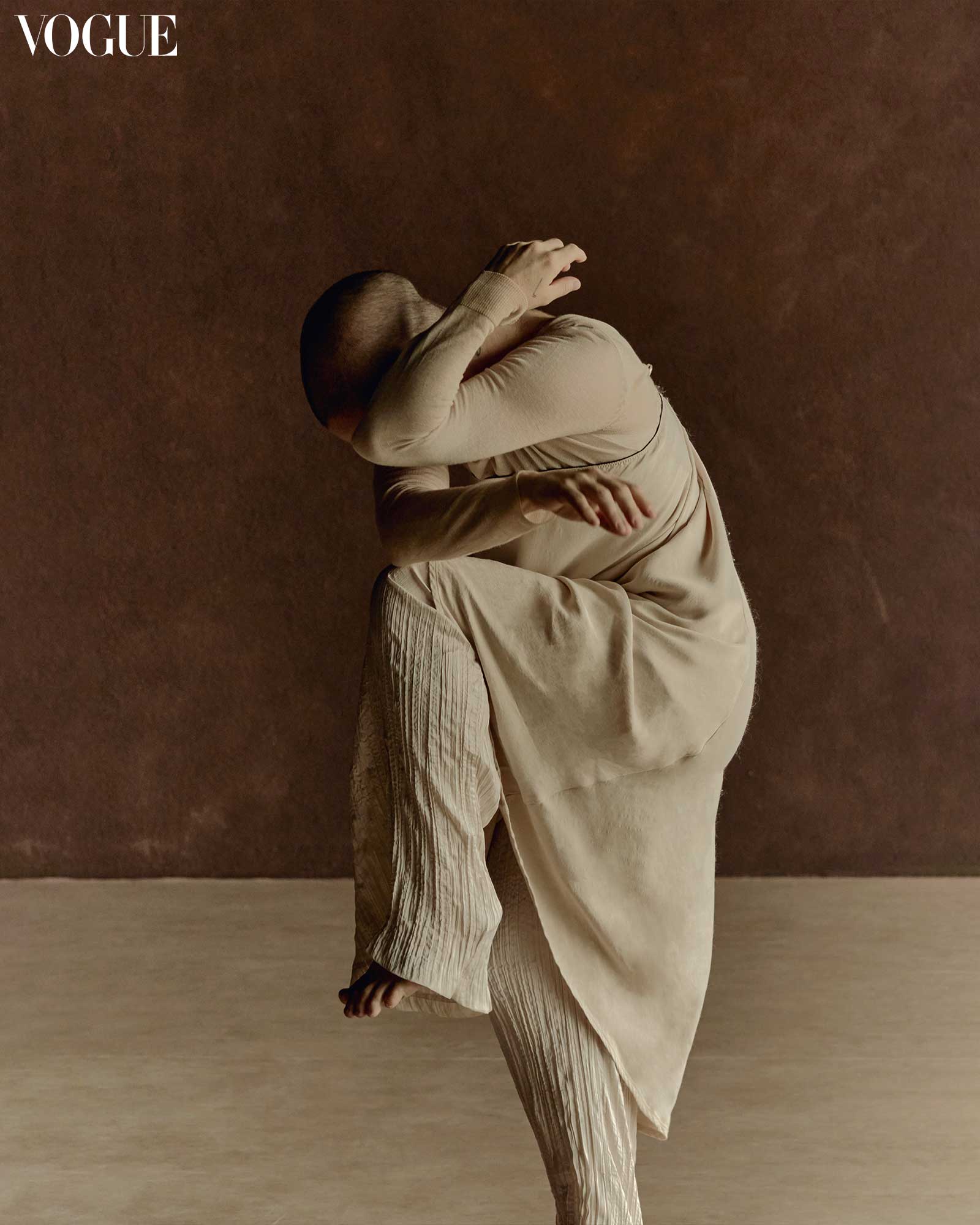
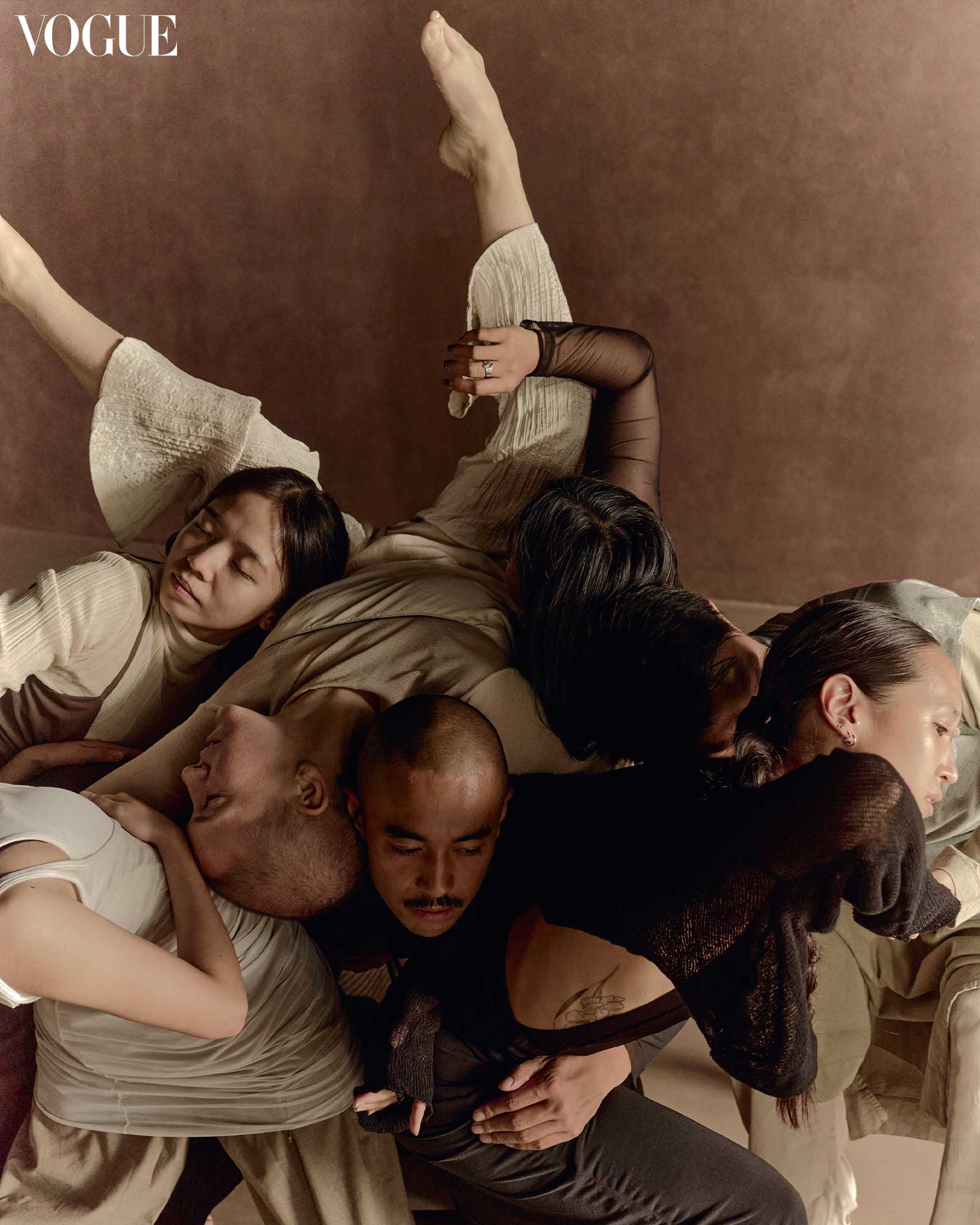
For decades women have held the title of museMuseA person who inspires a designer, photographer, or artist and often becomes the face or embodiment of their creative vision. Famous muses have shaped entire collections and eras of fashion,Go to Muse Glossary and object. Through dance, women step onto the floor, themselves as the artist. They sculpt their bodies to tell intimate histories to an audience. Dance becomes a storytelling device, each form an exclamation, each step punctuated by a luxurious pause, and each assembly, an honest portrait.
“The way that dance has the power to heal is spiritual.”
“I remember in one of my classes there was this regular who was always shy; she suddenly put her hand forward at the end of the session and performed this piece; and I just felt like I could see her and feel her,” recounts Cua of how dance has taught her to hold space for others. “When someone laughs, you’re suddenly also laughing; when someone breaks their ankle you can feel it. It’s the same way with dance and what it can bring out,” explains Joey Atayde, a board certified dance and movement therapist and mental health clinician. “When you see someone move a certain way, there’s what we call ‘mirror neurons’ that allow empathy where you can say, ‘I’m with you. I don’t know what you’re going through but I see you and I validate you.’”
As dance enables one to express personal tragedies, we also become spectators to how the exchange can be one of humble healing.
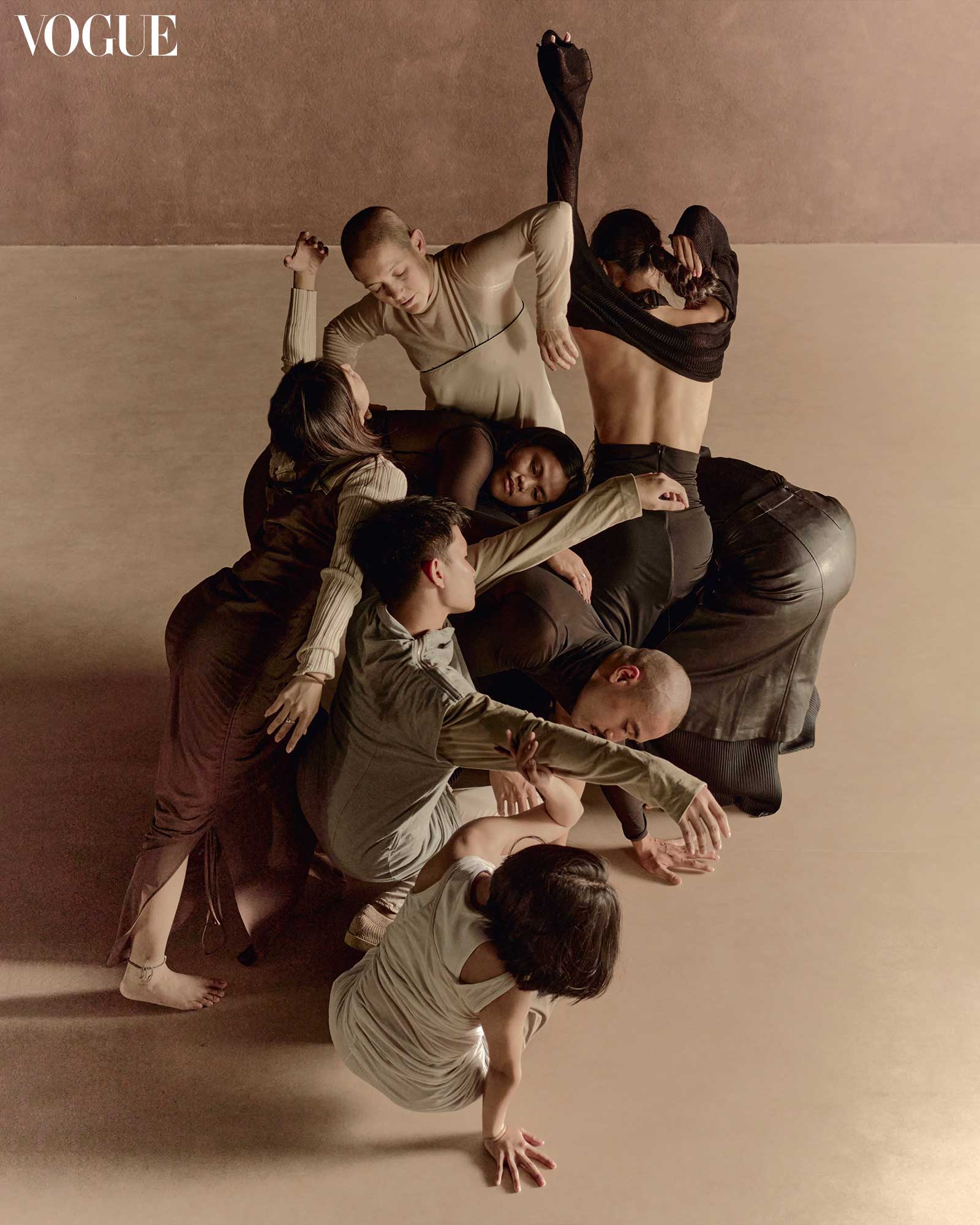
“I just needed a space where I could feel like myself again…having people around who celebrate our individuality and how we express that through dance is very liberating,” offers Angelica Hernandez, who frequents the studio.
Cua herself seemingly rediscovered her breathing as she returned to dance after what she calls a dark period in her life. There is an elegance in the strength and sense of fragility with Cua as she recounts her own relationship with movement and the years-long lack thereof. But perhaps it’s this vulnerability that makes her the perfect person to gather a community of artists.
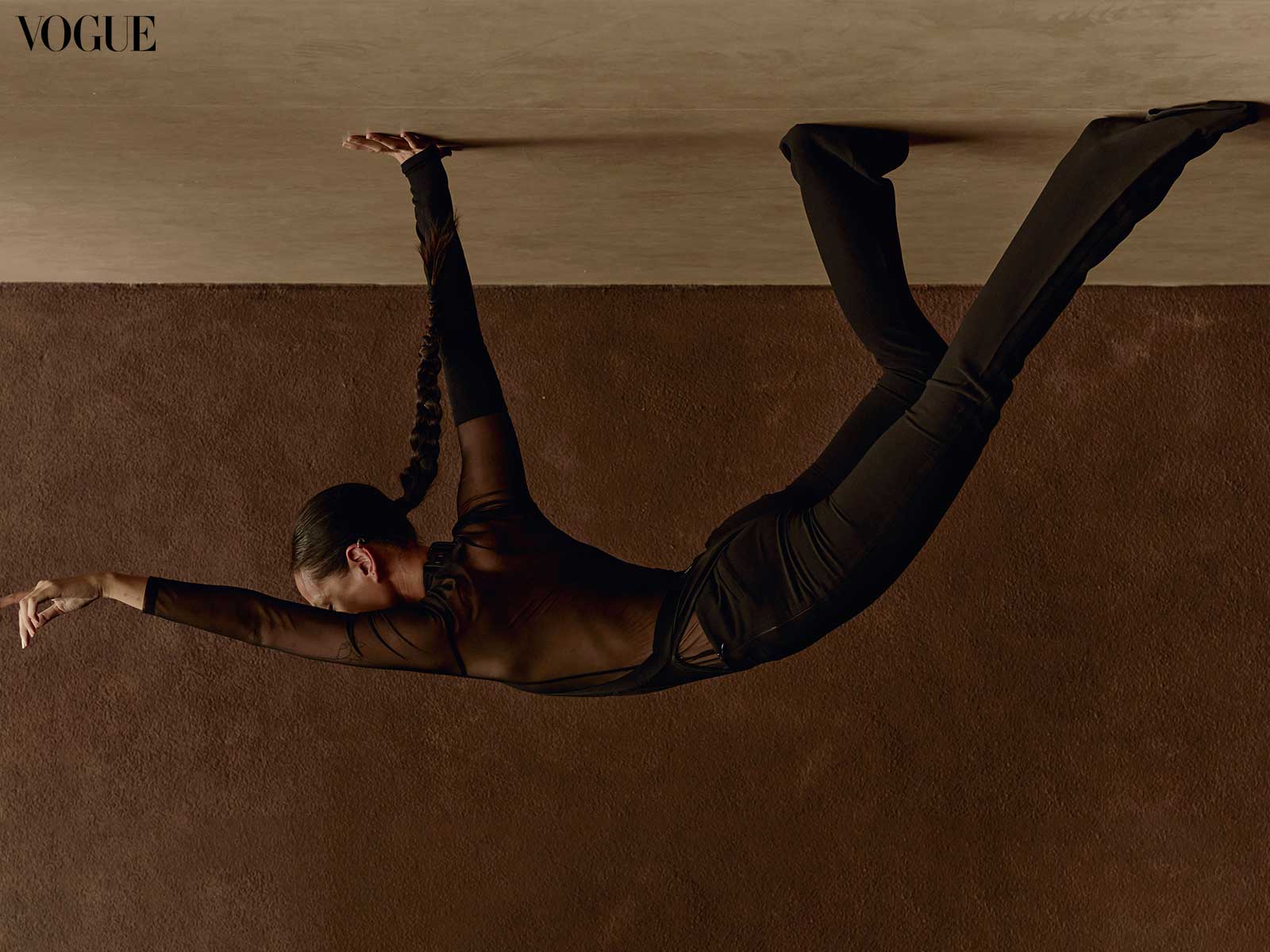
“Everything about dance is spiritual,” says Cua, “I think that the energy and connectedness we feel in a space while [dancing] together is spiritual. The way we freestyle and the body allows you to connect with something deeper, beyond yourself is spiritual. The way that dance has the power to heal is spiritual.”
But what is the alchemy that transforms four walls into a safe space, a floor into a stage, or a class into a community? Perhaps it’s in the quiet intention of those who hold it for others.
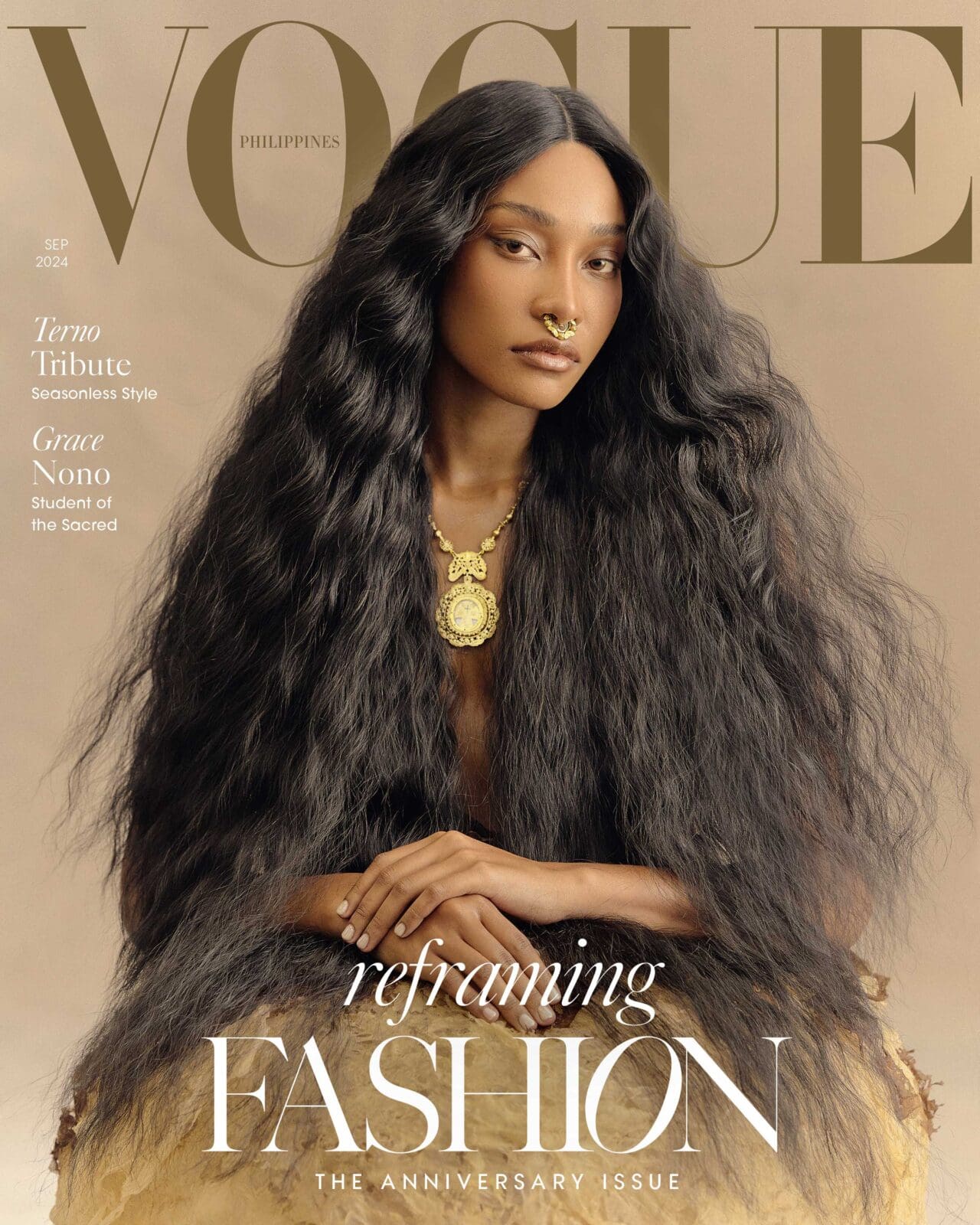
By MEG MANZANO. Photographs by ARTU NEPOMUCENO. Stylist: Mano Gonzales. Dancers: Angelica Basa, Jigoro Gragasin, Karla Hembrador, Kristina Cabochan, Gella Gonzales, Nunoy Revlon, Shayna Cua, Zoee Marsh. Production Crew: Ina Tirthdas, Shayna Cua. Photographer’s Assistants: Aaron Carlos, Choi Narciso, Jorsette Vallespin.