
I Visited Bahay Nakpil-Bautista, a Former Home to Katipuneros. Here’s What It Looks Like Now


Photographed by Angelo Tantuico
In the busy streets of Quiapo, Bahay Nakpil-Bautista stands as one of the few well-preserved heritage sites.
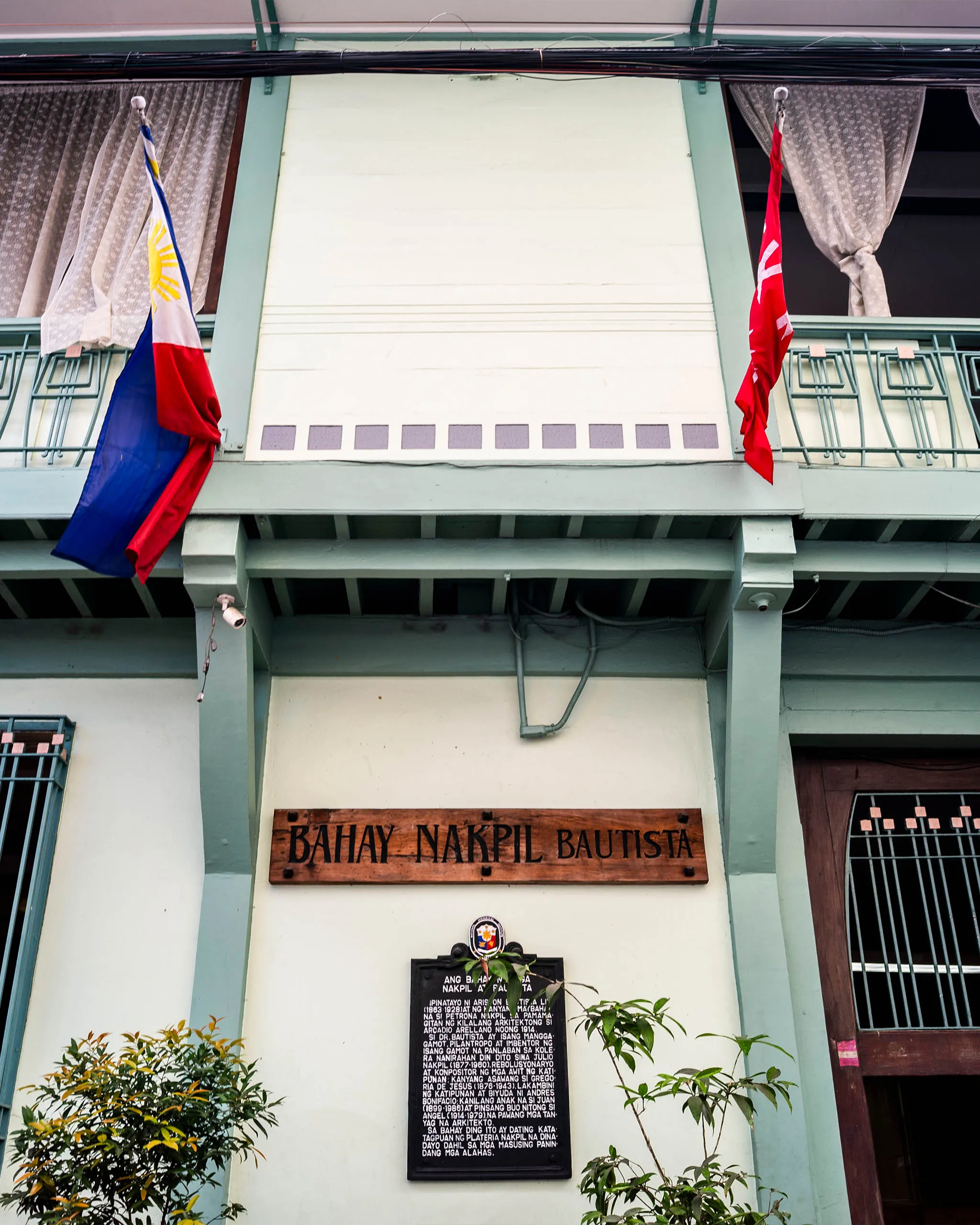
When you visit Quiapo, remnants of its once golden past lie hidden in its crowded streets, full of vendors and passers-by who may be unaware of the district’s history. Across Quiapo Church, and near the Muslim town, a heritage house is tucked away on A. Bautista Street, known as the “Tahanan ng mga Katipunero (Home to the Katipunero).” Once the home of Julio Nakpil and the national hero Gregoria de Jesus, Bahay Nakpil-Bautista is one of the few heritage houses still standing in the district.
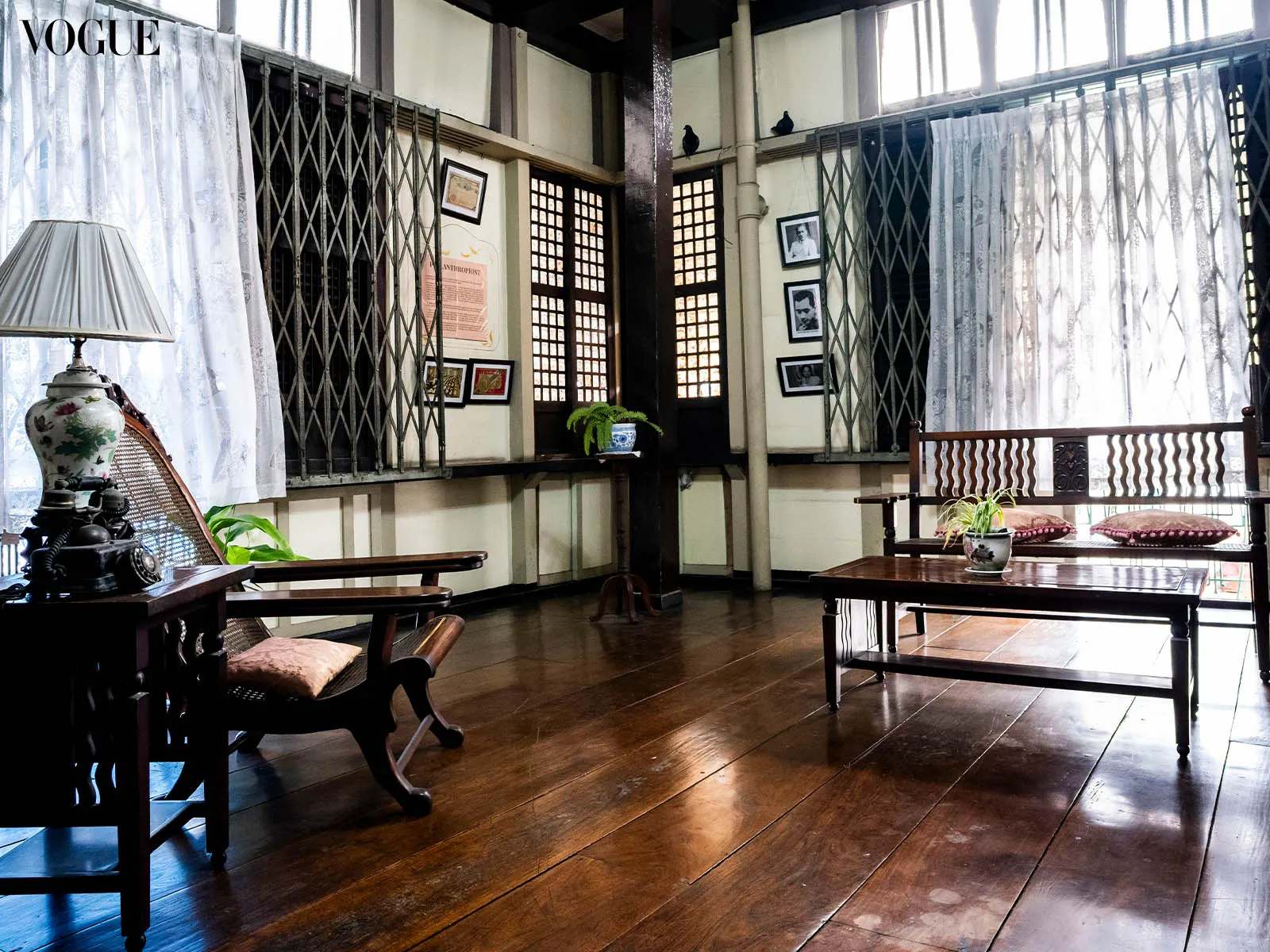
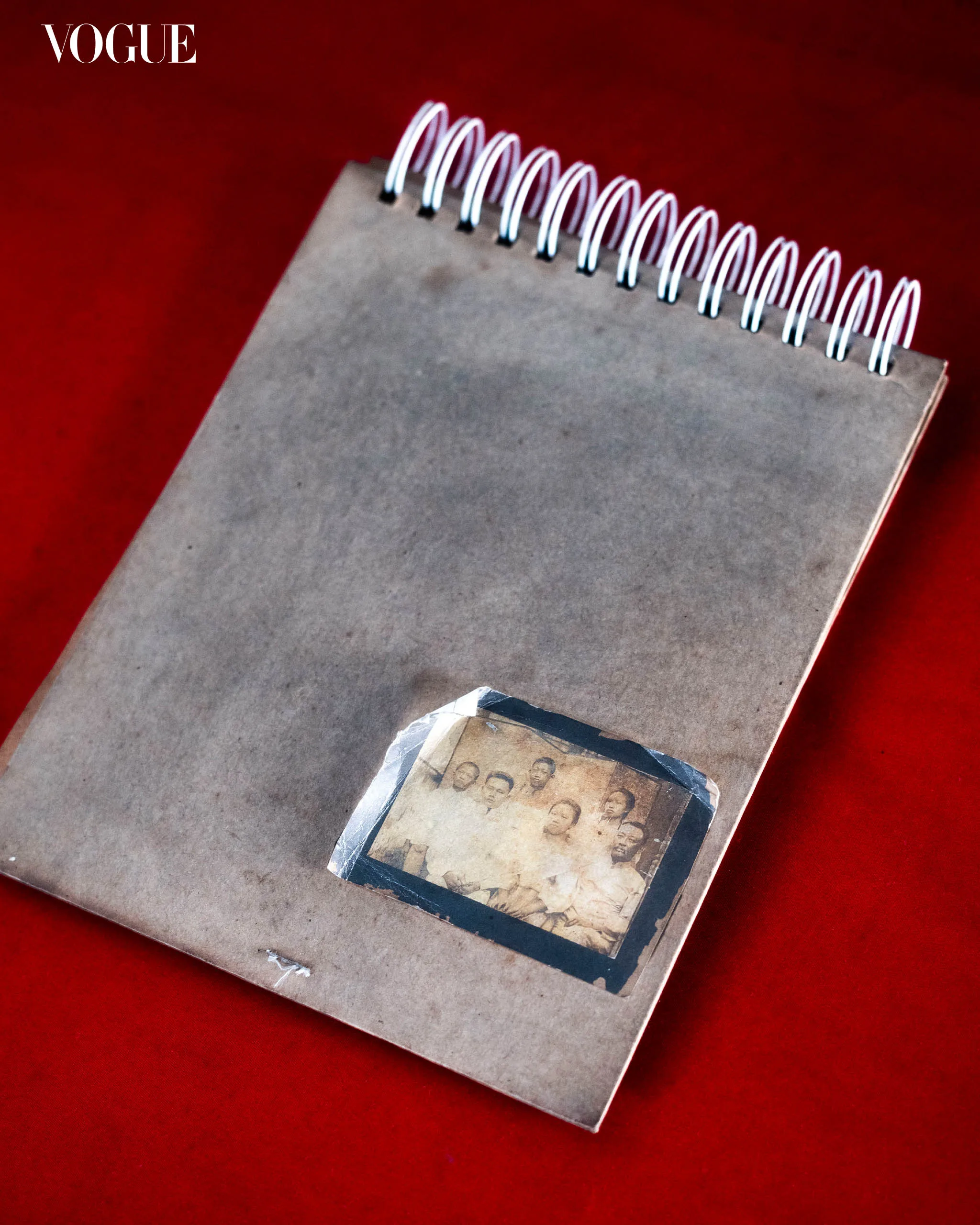
After the death of national hero Andrés Bonifacio, her former husband and the Supremo (supreme president) of the Katipunan, de Jesus married Nakpil, a general in the Philippine Revolution. They married at Quiapo Church and decided to raise their family in the district. The house was also home to Francisco Nakpil, a silversmith and member of La Liga Filipina; Dr. Ariston Bautista, a doctor of medicine and member of the Propaganda Movement; Juan F. Nakpil, the first Filipino National Artist for architecture; and Angel Nakpil, who is the architect of the Rizal Park complex.
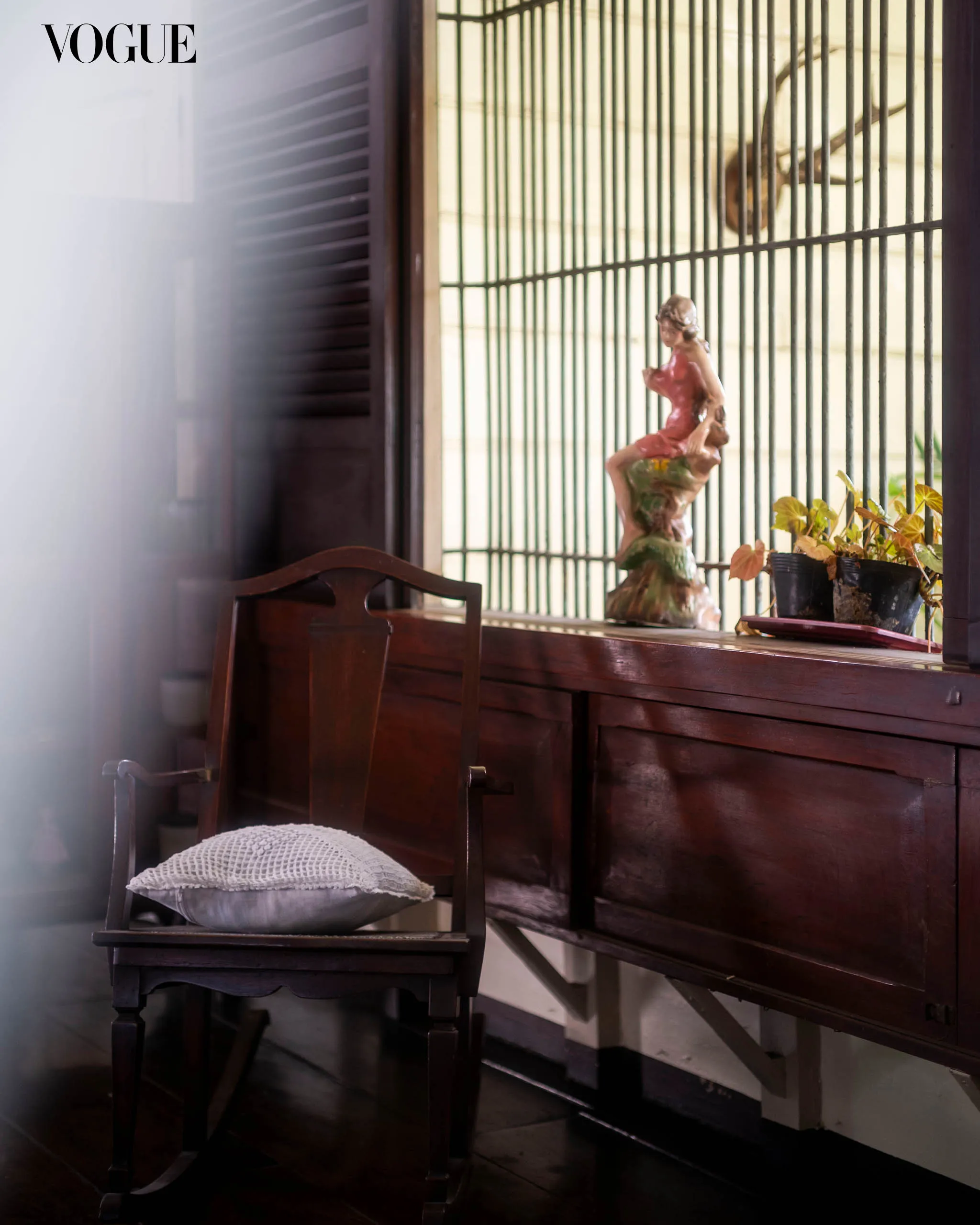
Today, Bahay Nakpil-Bautista stands as a museum and cultural center, an exhibit of the house’s history and of Quiapo. As someone who was born and raised in Manila, I have always been interested in the heritage house but never had the chance to visit until Mercedes Olondriz, one of de Jesus’ descendants, reached out to me. And, like me, she admits she is still learning about her family’s history.
“Of course, I’d hear about the house and how we are related to Gregoria and Julio, but growing up, you don’t really understand the importance of those people,” she says. As she got older, her interest in the house grew, and she desired to preserve the structure and its history. One of the most recent efforts is a partnership with Surface Sense, the sole authorized retail outlet for the paint brand Benjamin Moore in the Philippines, to repaint the house.
A year ago, the house’s exterior was painted beige and pale yellow, and when they began scraping off the paint, they found a shade of vibrant green. Upon this discovery, it was decided that the house would be repainted in this hue, as another way to remember and respect part of its past.
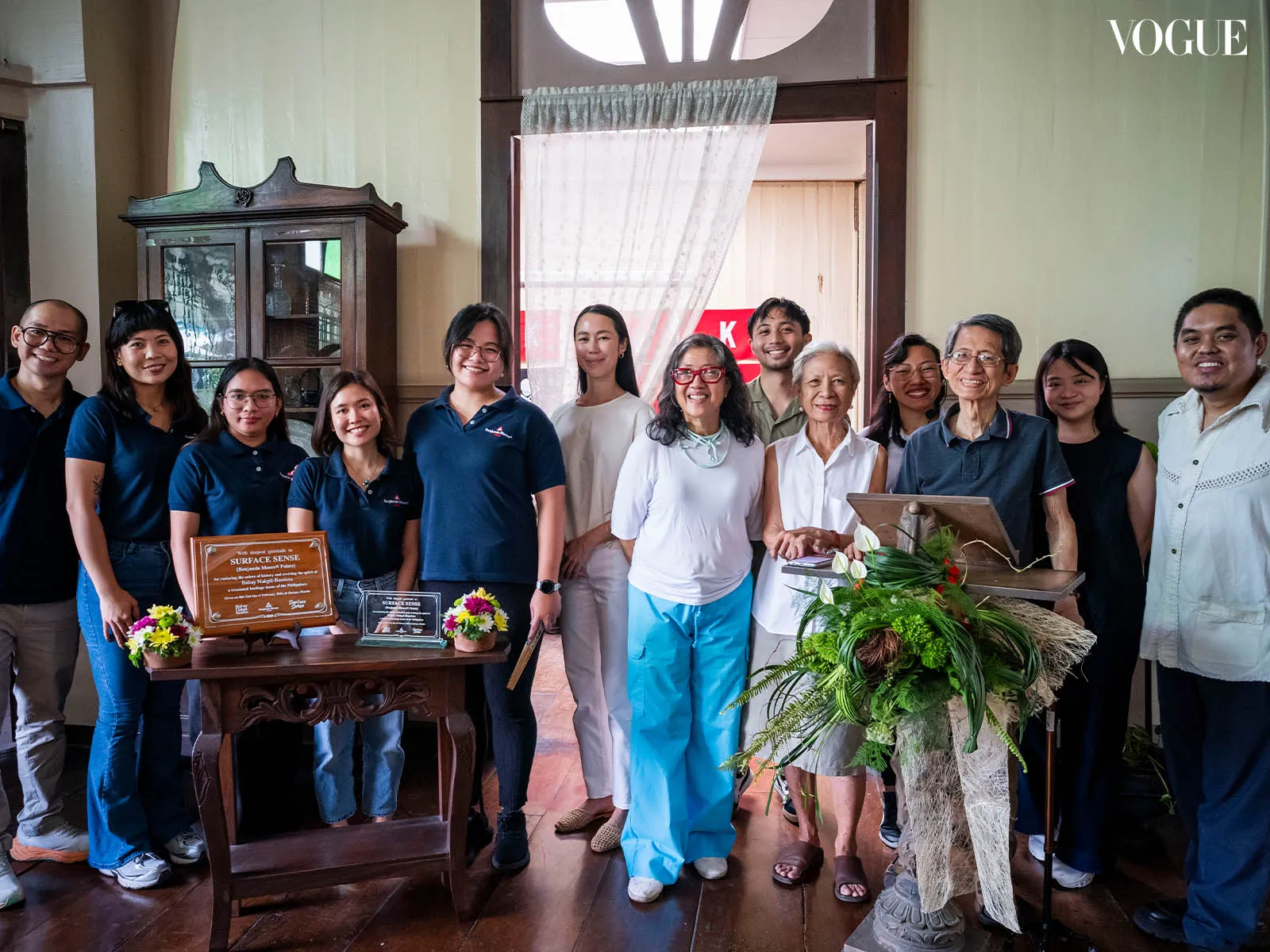
“What I learned in my history class is that it was actually vibrant, so it makes sense that it was a vibrant green,” says Klarice Cureg, the retail and community director of Surface Sense. “It was really nice bringing that historically accurate color back into the structure because we need to see how our ancestors saw it originally.” Aside from matching the paint color as best as they can, the paint they selected comes from the Element Guard paint line, which helps fights again elements such as rain, harsh sunlight, and humidity.
Now, it’s hard to miss the house on Bautista Street, with the vibrant green shade immediately catching the eye. By repainting the house, Olondriz hopes to generate more curiosity. “I hope they ask questions about why and look into that more because there’s still a good amount of ancestral homes that are preserved that are of a similar palette. But in Quiapo, there’s only a handful of our neighbors that are like that,” she says.
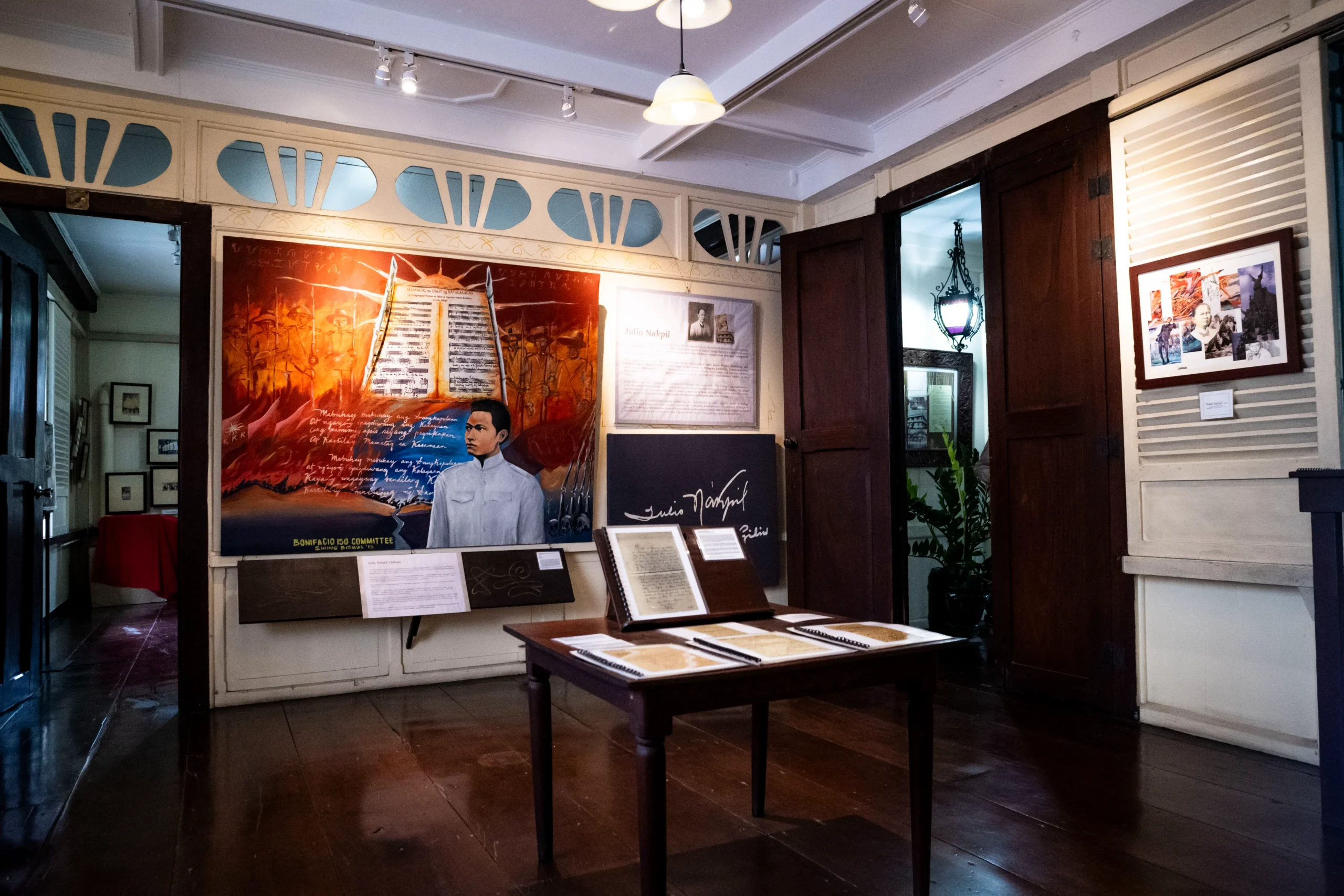
The project is just one of many plans they have for the heritage house. In the future, they look forward to hosting more pop-up stores, seminars, and similar events, as well as serving as a setting for photo and video shoots. Weekly, visitors can take the tour and learn more about its history. Although its original residents are long gone, their memory lives on in a house tucked away in a busy, crowded street in Quiapo.
Frequently Asked Questions
Bahay Nakpil-Bautista is a historic ancestral house built in 1914 in Quiapo, Manila.
Bahay Nakpil-Bautista is located at 432 A. Bautista Street, Quiapo, Manila.
Bahay Nakpil-Bautista is owned and managed by the Nakpil family and the Bahay Nakpil-Bautista Foundation.
Bahay Nakpil-Bautista is painted vibrant green to match its historically accurate original color, discovered after scraping away old layers of beige paint.
Yes, Bahay Nakpil-Bautista is open for weekly historical tours, cultural seminars, pop-up events, and private photo or video shoots.