
A Look at the Heritage of Filipino Contemporary Jewelry


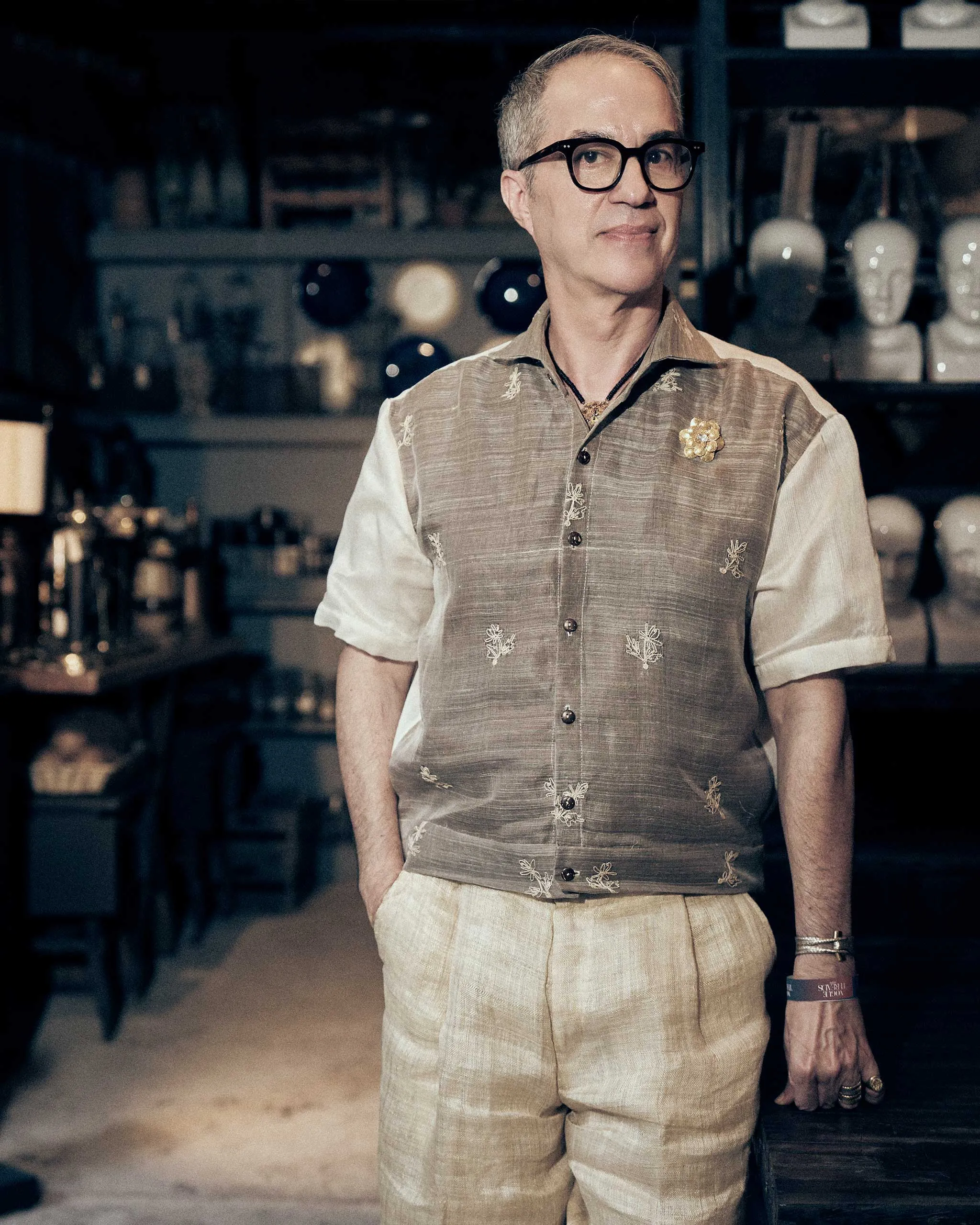
Photographed by Lyndon Kyle Asuncion
For the second day of Vogue Threads Manila, three artists reflect on their path to jewelry making and what the future holds.
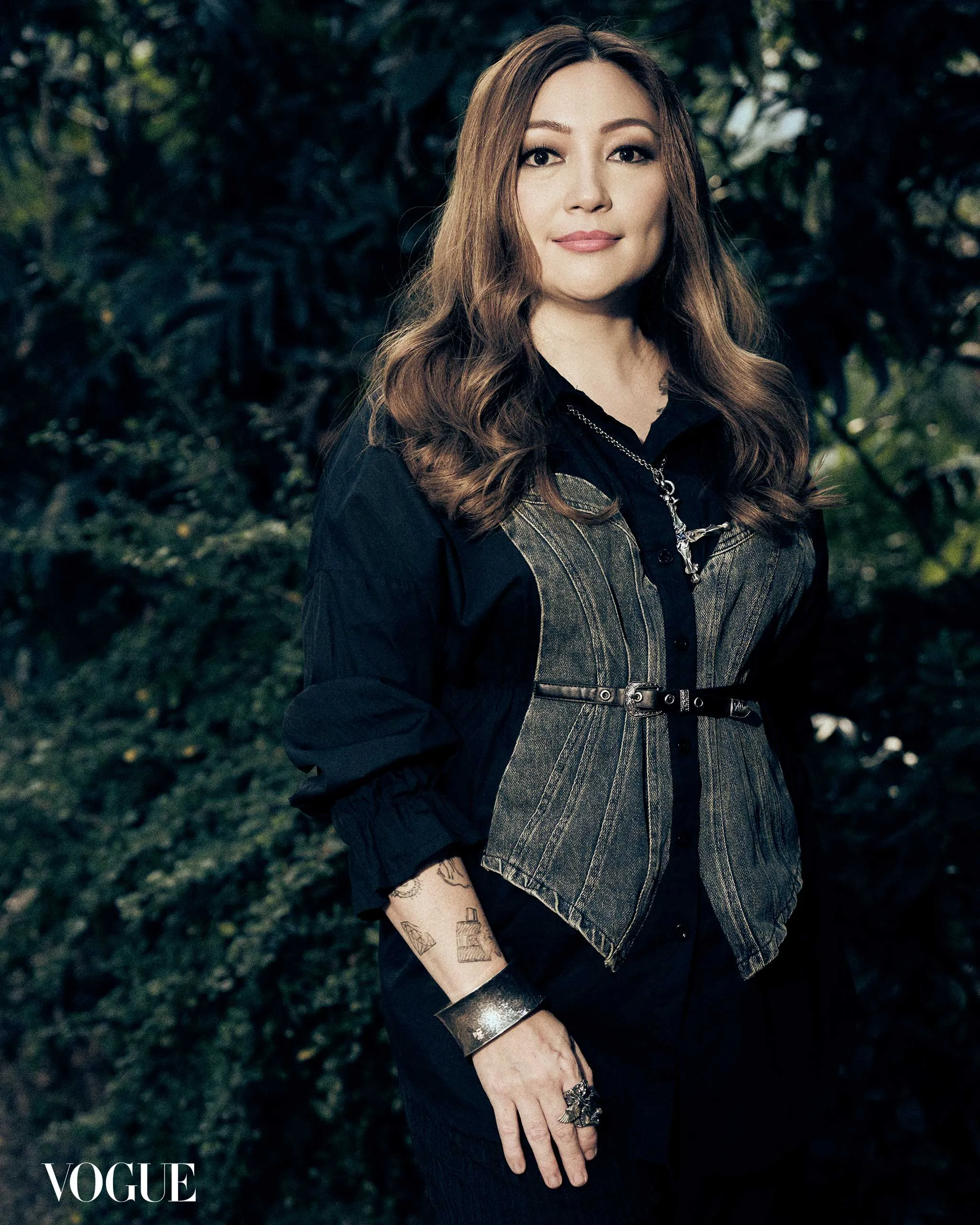
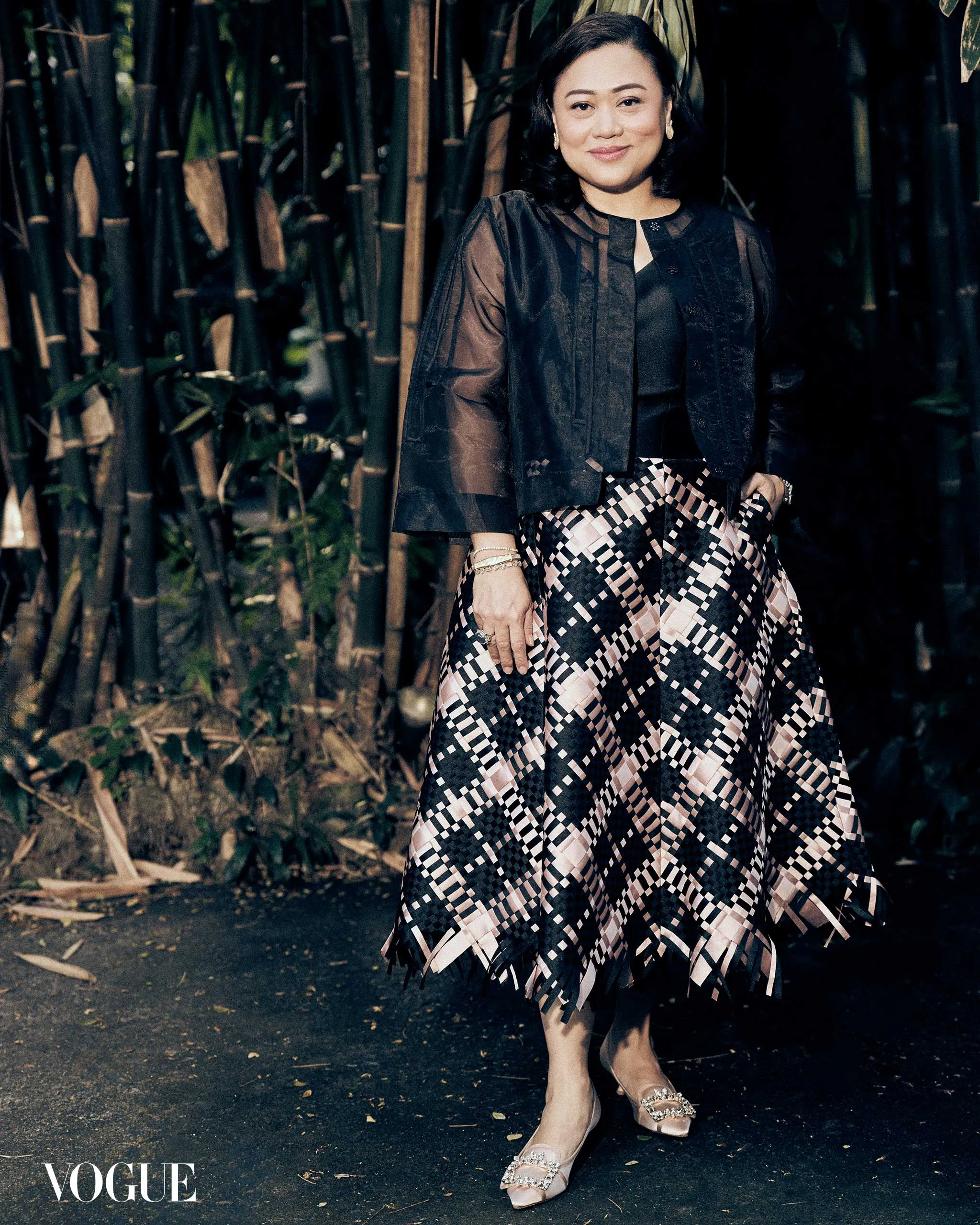
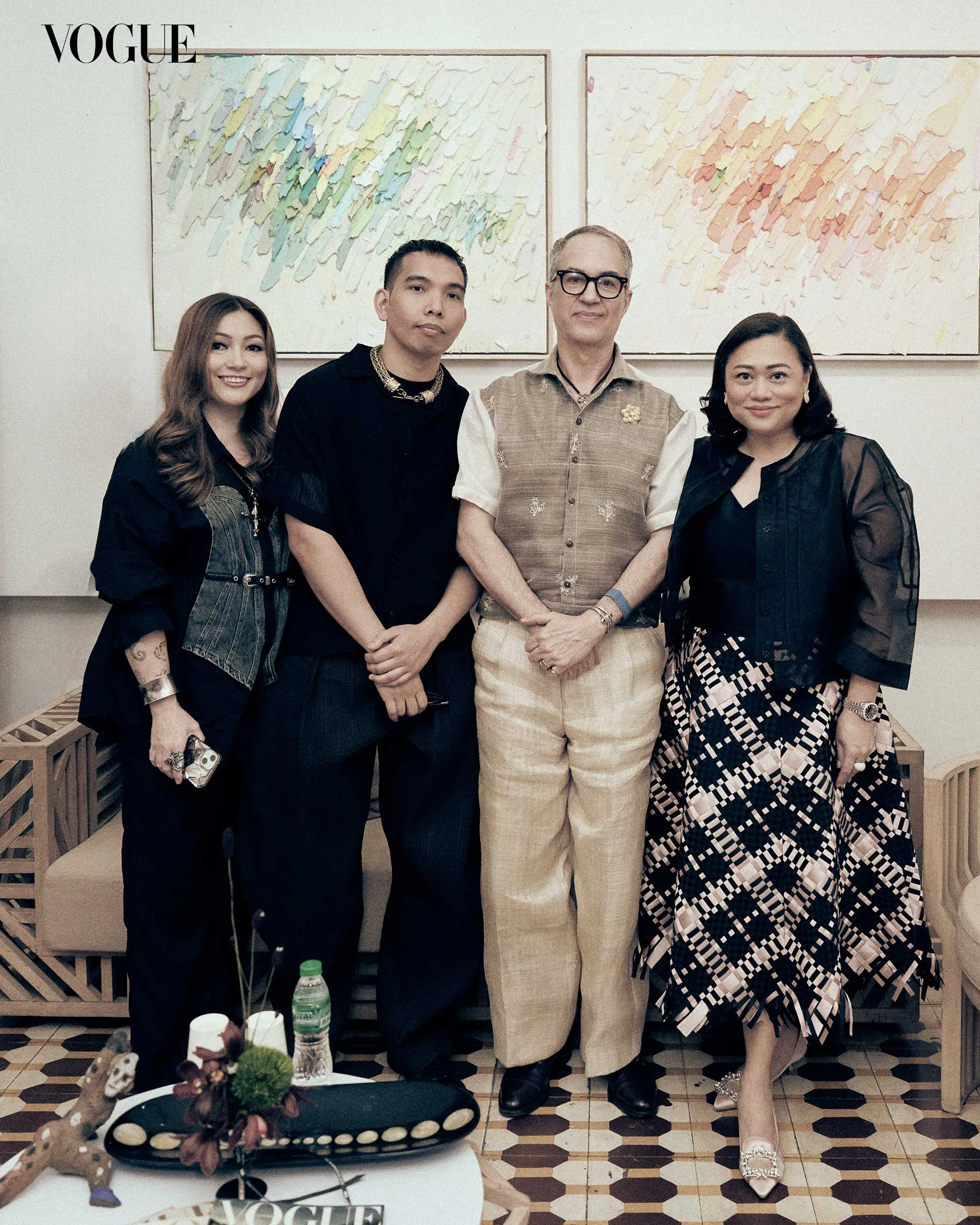
In the Vogue Talks conversation on craftsmanship, Caro Wilson founder Mark Wilson, Canadian-Filipino artist Allan Matudio, and designer Michelline Syjuco (whose newest collection of wearable sculpture is on exhibit at the Fashion House of Vogue Threads 2026) sat down with Candy Dizon, former Lifestyle Asia editor-in-chief and third-generation jewelryJewelryDecorative adornments worn on the body, from fine pieces in gold, diamonds, and pearls to fashion jewelry made of accessible materials. Jewelry completes an outfit and often holds sentimental orGo to Jewelry Glossary designer of Jul B. Dizon, to discuss the future of contemporary jewelry and the importance of representing Filipino heritage through each piece.
To celebrate the rich history that carries our culture forward, they discussed how heritage informs and inspires design without being confined by it.
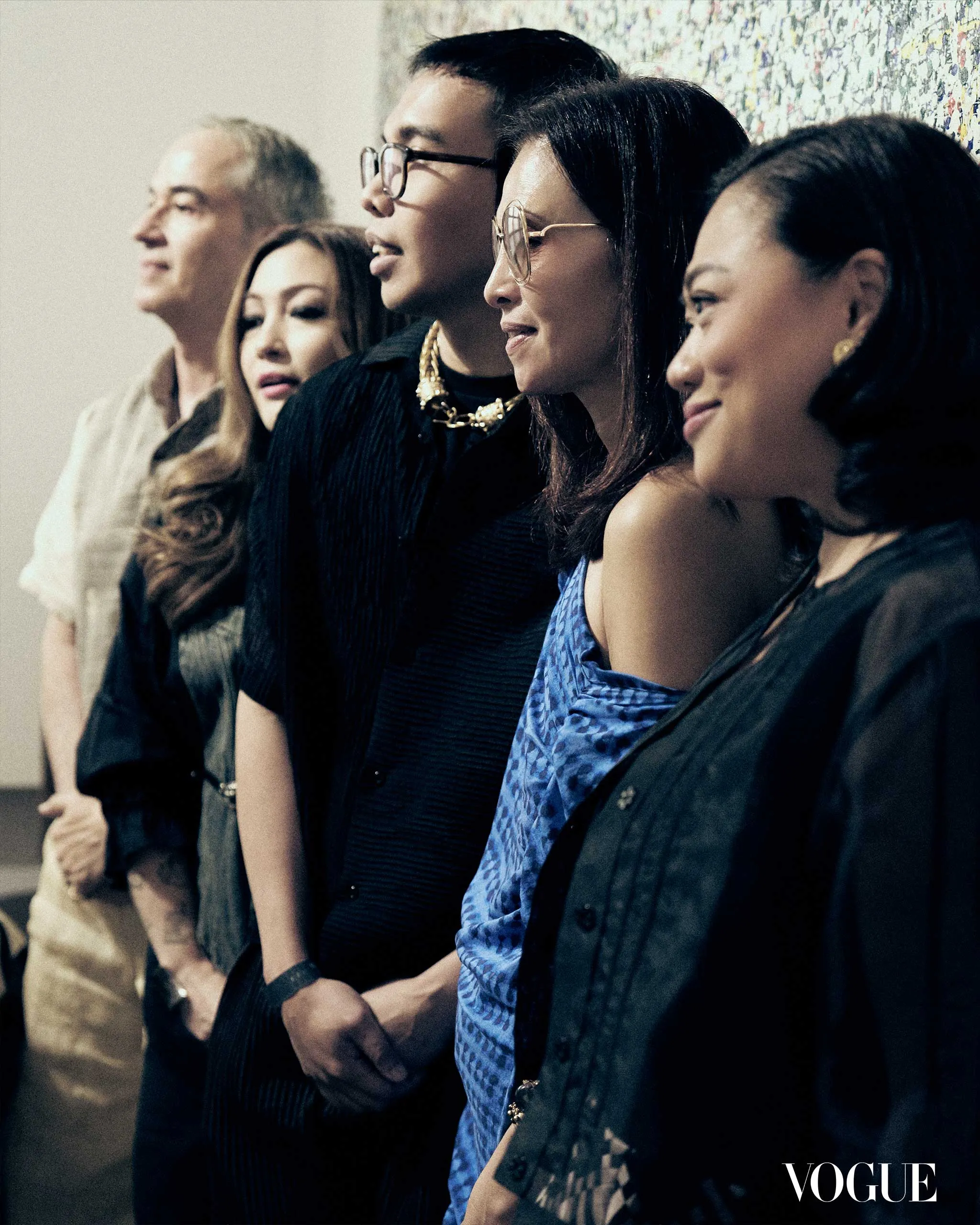
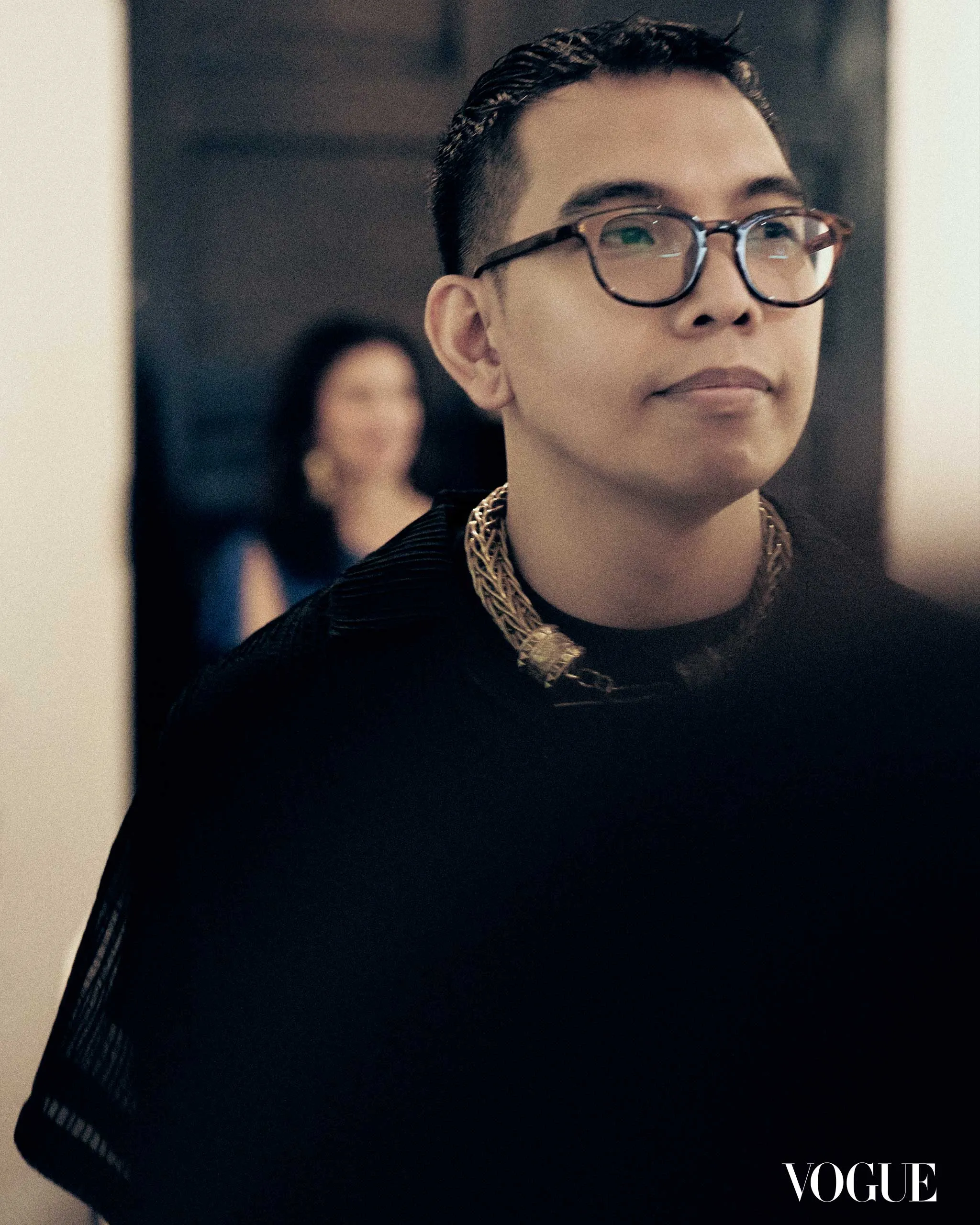
Coming from different points of Filipino life, each jeweler offered a wholly unique perspective. Opening the floor, interior and lighting designer Wilson cited the late art historian and antiques collector Ramon Villegas as the main inspiration for him moving into jewelry design. He said he looks to the country’s landscape and history in crafting each of his pieces. “You can see the Philippines has more coastline than land, and it has given us this ability to look out and absorb,” he said.
Matudio grew up in Montreal, working as an illustrator for video games. Feeling disconnected from his Filipino identity, he sought out to learn more about his culture, publishing graphic novels about Filipino mythology. He also noticed that from the local jewelryJewelryDecorative adornments worn on the body, from fine pieces in gold, diamonds, and pearls to fashion jewelry made of accessible materials. Jewelry completes an outfit and often holds sentimental orGo to Jewelry Glossary in his area, none reflected the stories of the motherland, and decided to learn how to make them himself. “These were just things I wanted to wear, and this is what resonated with me, my background and my culture.”
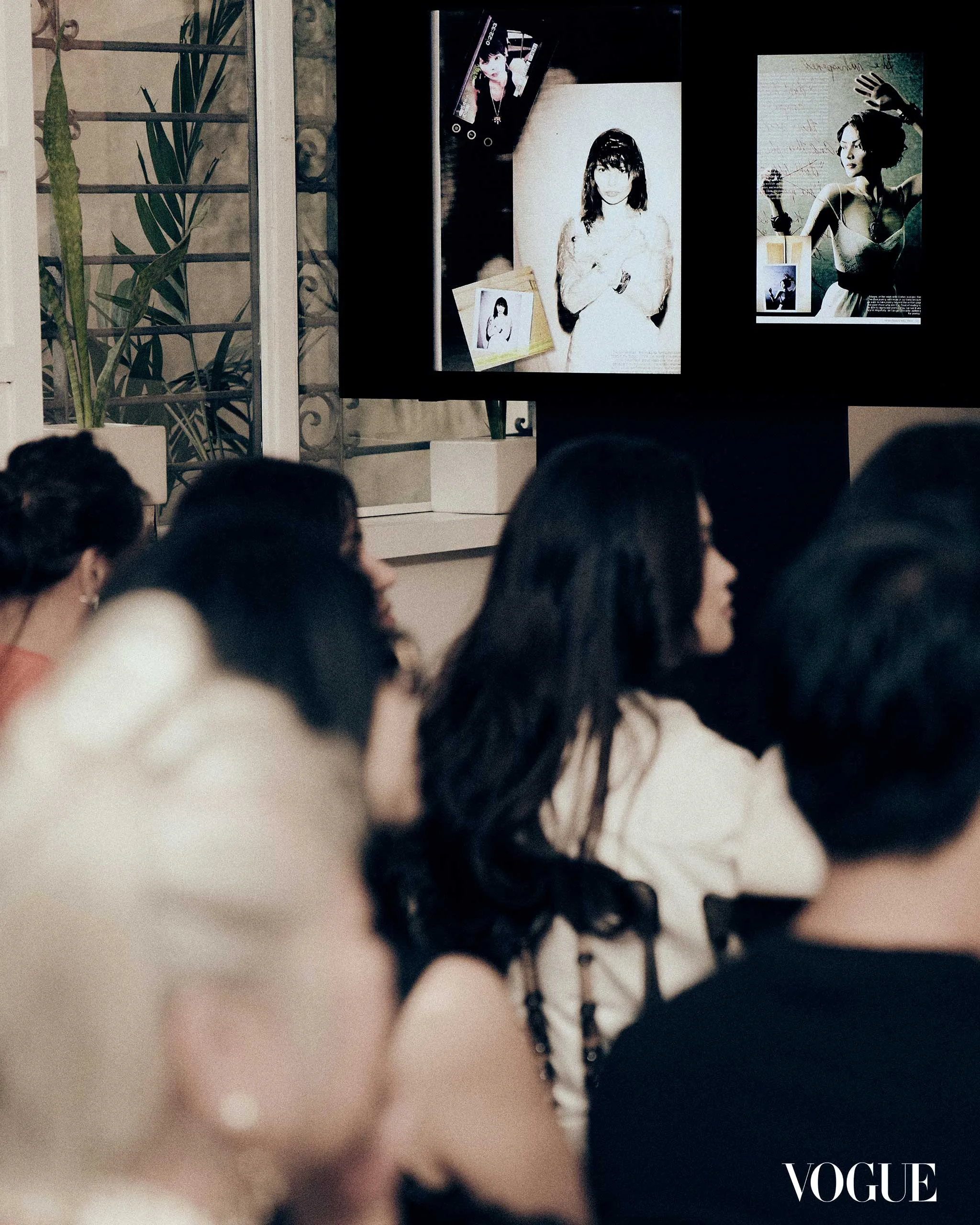
Syjuco, on the other hand, had her start in music. Growing up in a highly artistic household, she and her siblings formed the late-grunge era band, Faust. After her musical stint, she took up a corporate job, but realized that her calling was in the arts. Only when she fashioned a bracelet out of metal sheet found in her house did she envision becoming a jewelryJewelryDecorative adornments worn on the body, from fine pieces in gold, diamonds, and pearls to fashion jewelry made of accessible materials. Jewelry completes an outfit and often holds sentimental orGo to Jewelry Glossary designer, and debuted an 88-piece avant-garde collection titled Armadillion. Throughout her career, she has always had an eye for transformation. She explained, “I’m always trying to push the limits of materiality and what objects can become.”
When asked about the traditions or references they look to for inspiration, Syjuco cited the Quiapo market, a home to a hodgepodge of raw materials she is more than happy to hoard. Matudio, on the other hand, said he focuses more on the purpose and meaning behind each item, while Wilson said he looks forward to the future rather than relying on a particular cultural moment for a source of originality. “When you look, for instance, at an Indian design, you know it’s Indian. It always seems ethnic and traditional, and I’m not trying to do that,” Wilson added.
As the jewelry industry continues to advance, there is a looming worry that the artisans and welders would be undermined as automation becomes cheaper to outsource. Wilson expounded on this pain point with the example of Thailand, a country whose machines are paid for and provided for by the government. With clear institutional support, he contrasted this with Philippine jewelers who don’t have the same platform to advance and upscale their crafts.
For all the issues that these artists face, the talk held out hope for the future of young creatives. Syjuco said, “I have no idea what’s going to happen, but I think it’s going to be promising. Even with the panelists here, I already feel inspired because everyone here does different things.”
“I hope AI doesn’t replace hand skills,” Wilson said. “Fine hand skills are the real speciality of Filipino jewelry. I hope our design industry can become so strong that it’s something that we can be known for.”
Frequently Asked Questions
Vogue Threads Manila is an annual celebration of Filipino culture, creativity, and community, helmed by Vogue Philippines. The event bridges local heritage and contemporary art through exhibitions, experiential rooms, Vogue Talks, and portfolio reviews for emerging creatives.
Vogue Threads Manila 2026 is happening from October 26 to 28 (Monday to Wednesday) at the 2680 Compound on F.B. Harrison Street in Pasay. Day 1 is open from 2:00 PM to 7:00 PM, while Days 2 and 3 are open from 10:00 AM until 7:00 PM.
Purchase a Premium Access ticket at sarisari.shopping/collections/vogue-threads-manila. You will receive your access QR code via email within two to three days from the date of purchase. Upon arriving at the event, present your QR code at registration and you will be given a Premium Access wristband, which grants you access to Vogue Talks.
Vogue Talks will be held on the first floor of F.A.B. Creatives, which is the last house in the 2680 Compound on F.B. Harrison Street, Pasay.
The speakers at Vogue Talks span Vogue Philippines editors, industry veterans, and artists across fashion, wellness, business, the arts, and publishing. The lineup includes National Artist for Design Patis Tesoro, Filipino historian and author Ambeth Ocampo, art critic and curator Marian Pastor Roces, and more.
- A Tour of the Fashion House at Vogue Threads Manila 2026
- The Unofficial Guide to Scaling Your Creative Business with Vania Romoff, Hindy Weber, Chrissi Morillo, and Joyce Oreña
- At Vogue Talks, Patis Tesoro Insists on Keeping Filipiniana Craft Alive
- The Making of the Anniversary Issue at Vogue Threads Manila 2026