
Lyle Ibañez and Celestina Maynila Bring the Best of Both Worlds at Harbin Fashion Week


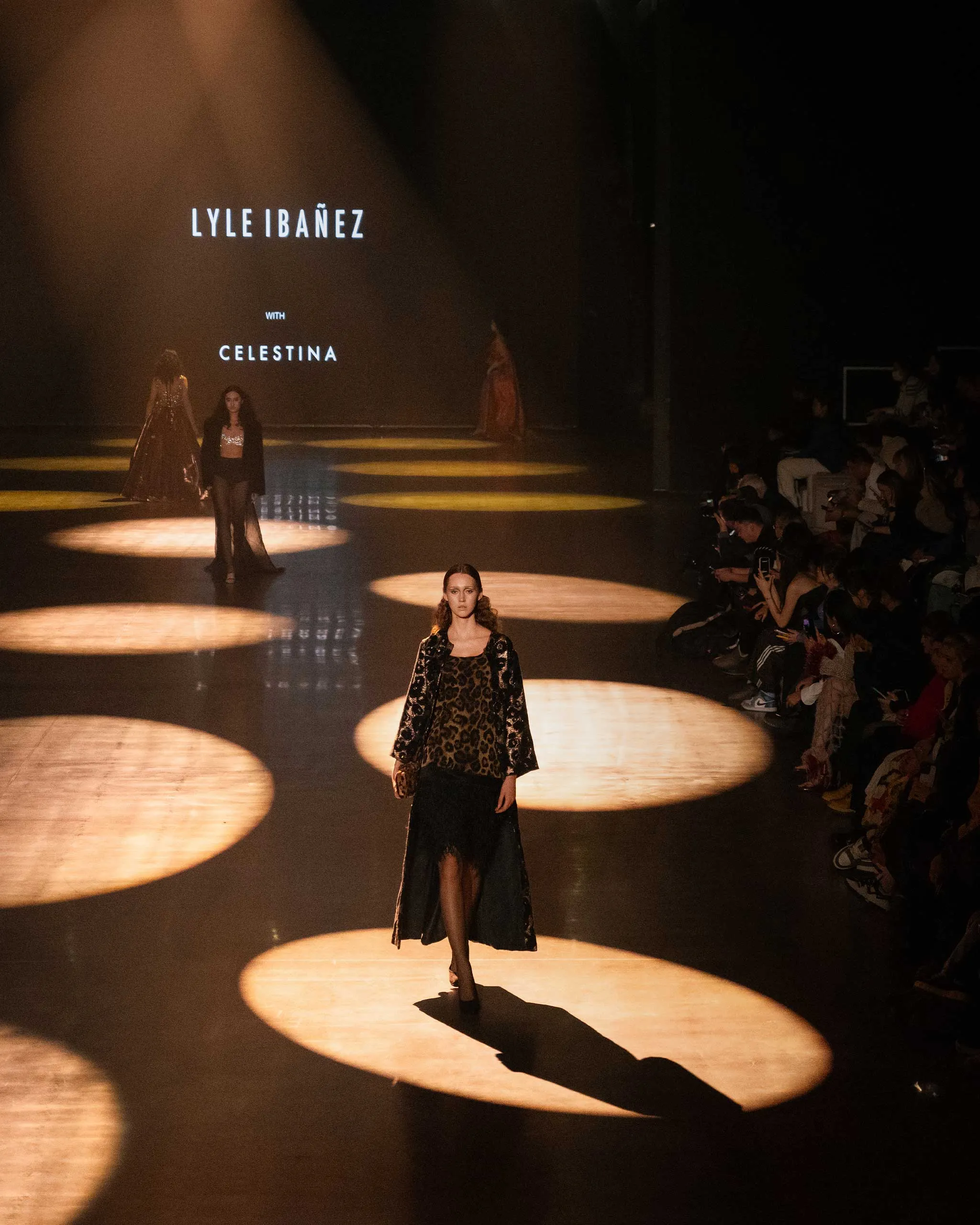
Photographed by Minh Duc Mimduke
Lyle Ibañez brought modern Filipiniana into conversation with Chinese culture, in collaboration with Celestina Maynila.
It all began with a collaboration initiated by fashion director Ariel Lozada, who proposed a partnership with Tina Maristela Ocampo of Celestina Maynila. “I was ecstatic,” Lyle Ibañez recalls. “I’ve known Tina way back in the 80’s when I was designing for [the local multi-concept store] Sari-Sari. It’s a dream collaboration.” The challenge, he explains, was to remain faithful to both identities. “I have to adhere to my DNA and Celestina’s aesthetics to come up with a restrained yet modern and wearable collection.” When Maristela-Ocampo introduced him to raw crocodile skins, he was struck by the stark contrast in process and construction. “I was so amazed at how soft the skins are yet structured when turned into bags.” The same principle guided his approach to clothing, “structured yet with softness within.”
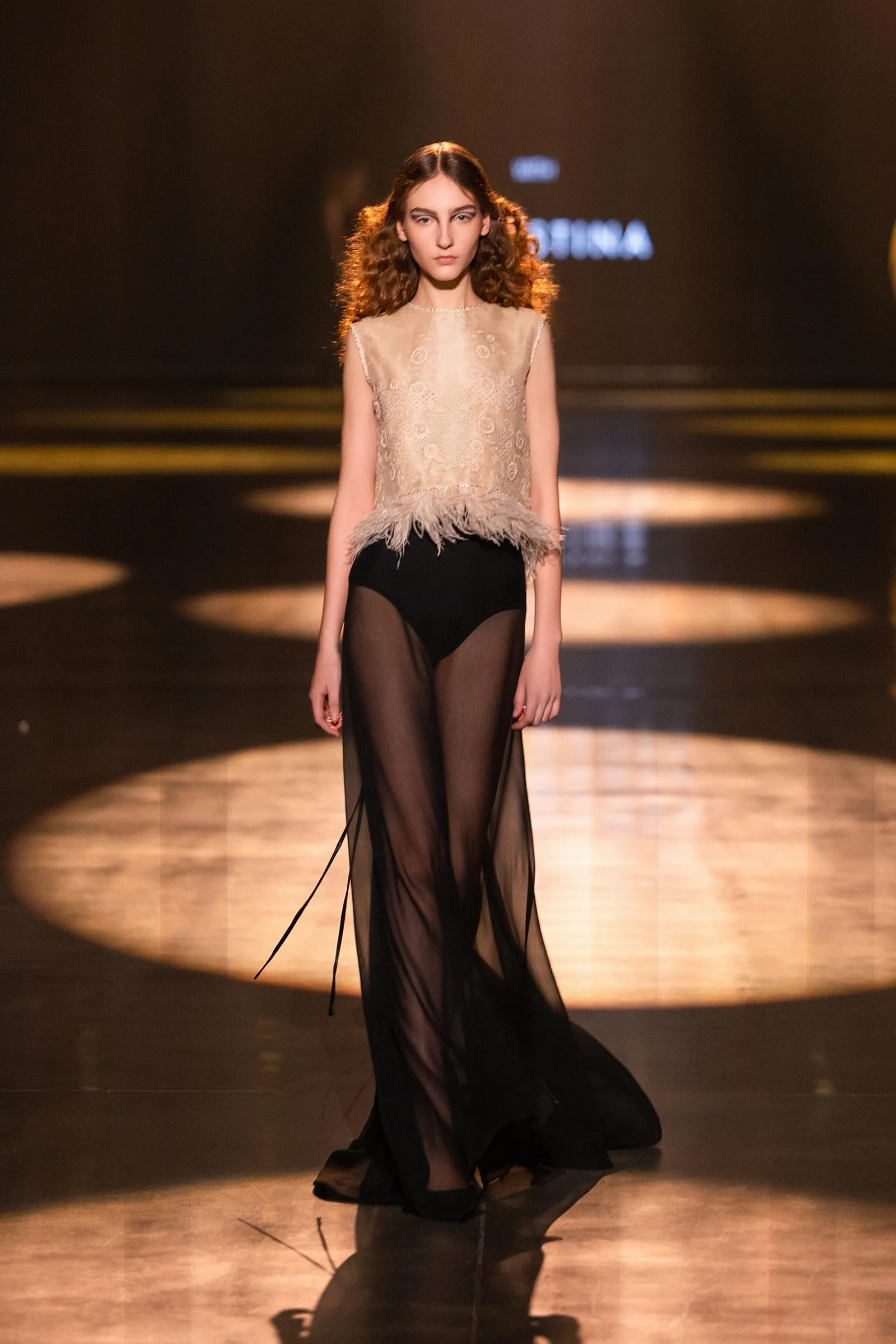
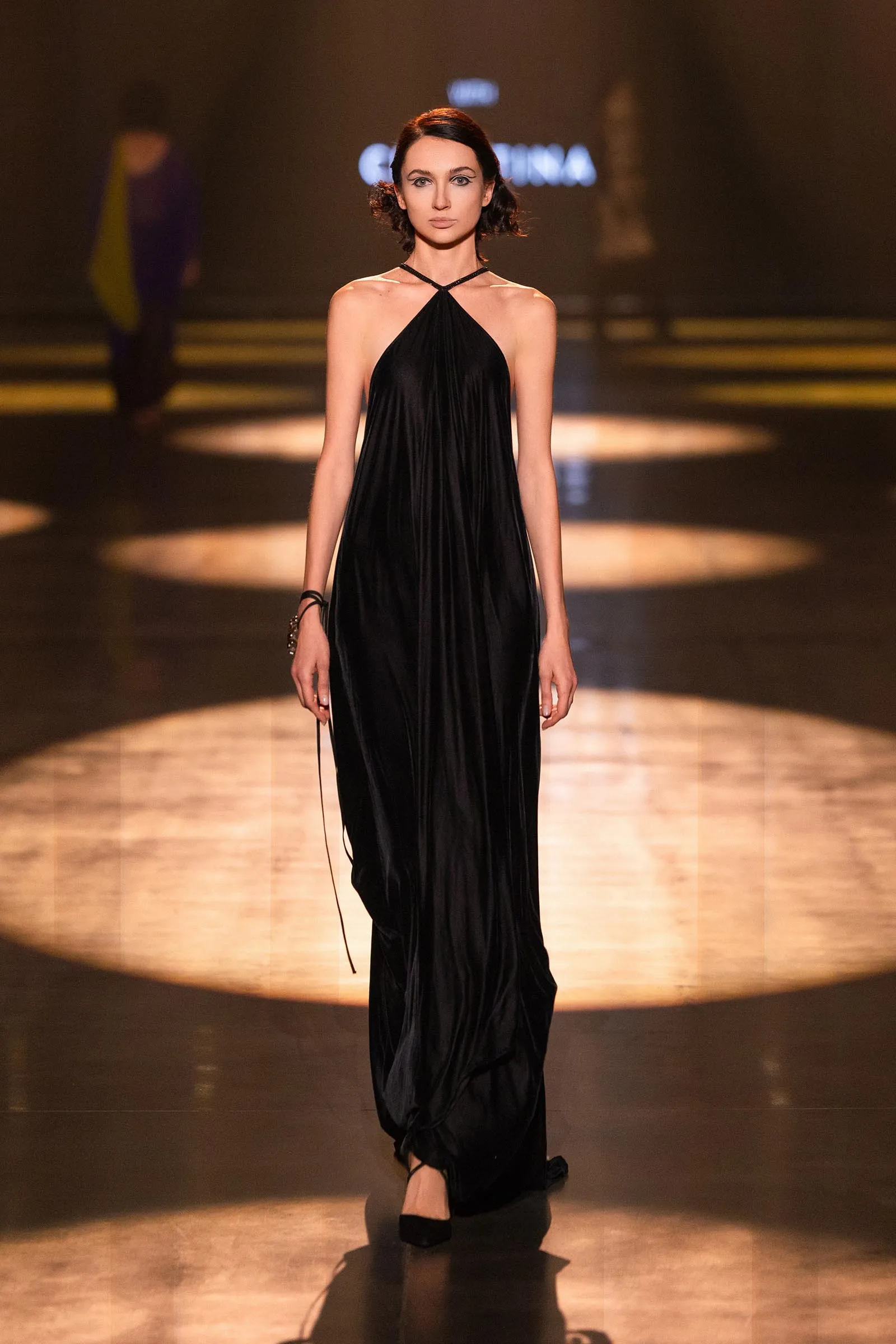
In its hypothesis, the collection speaks to the cultural exchange of two nations, as the show was held in Harbin, the capital of Heilongjiang in Northeast China. “Merging of cultures. Crossing borders,” Ibañez says. Elements of Chinese culture appear throughout the collection, while remaining firmly “rooted to our heritage as Filipinos and adapted to the modern times.” Rather than overt symbolism, these ideas emerge through subtle hints and references.
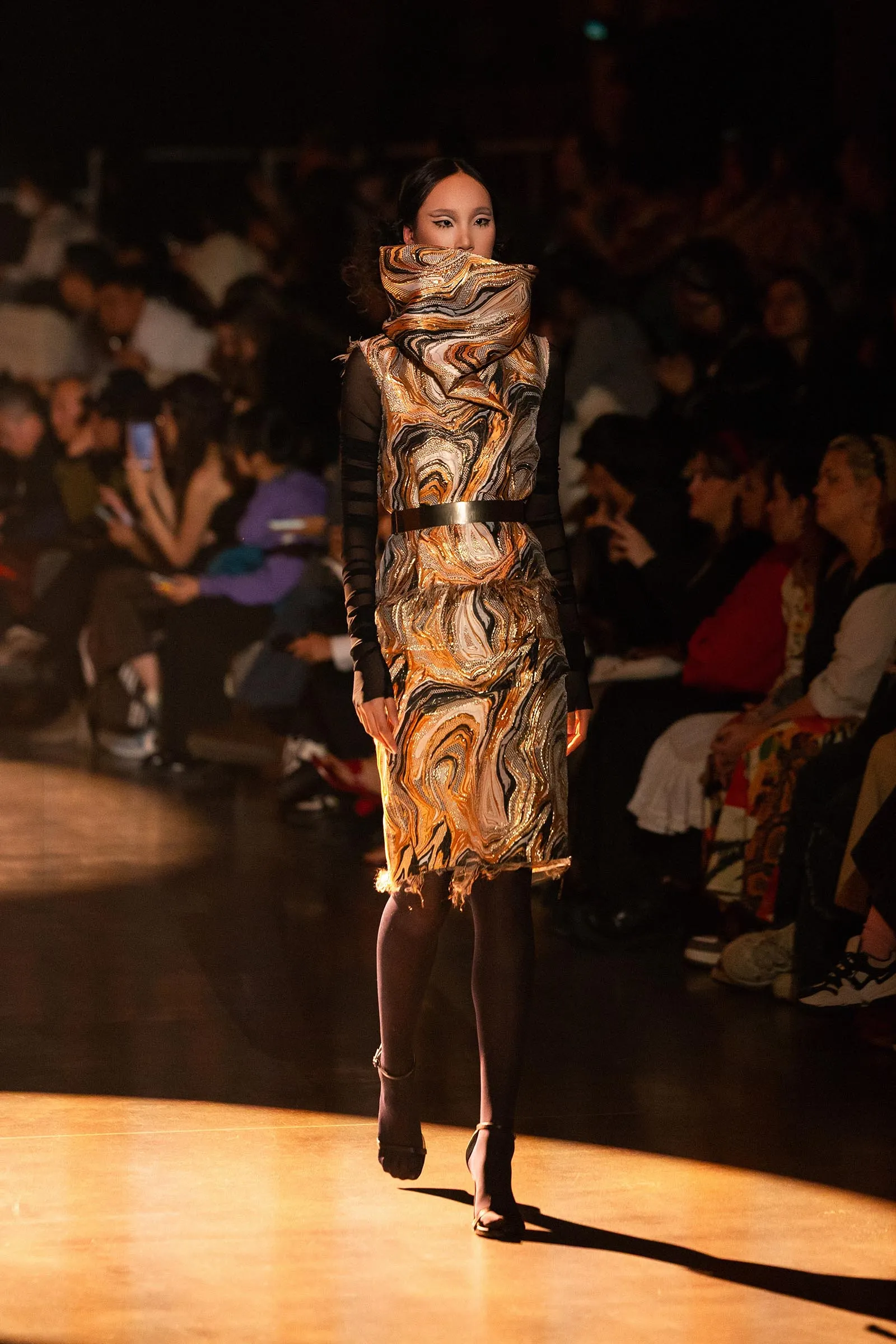
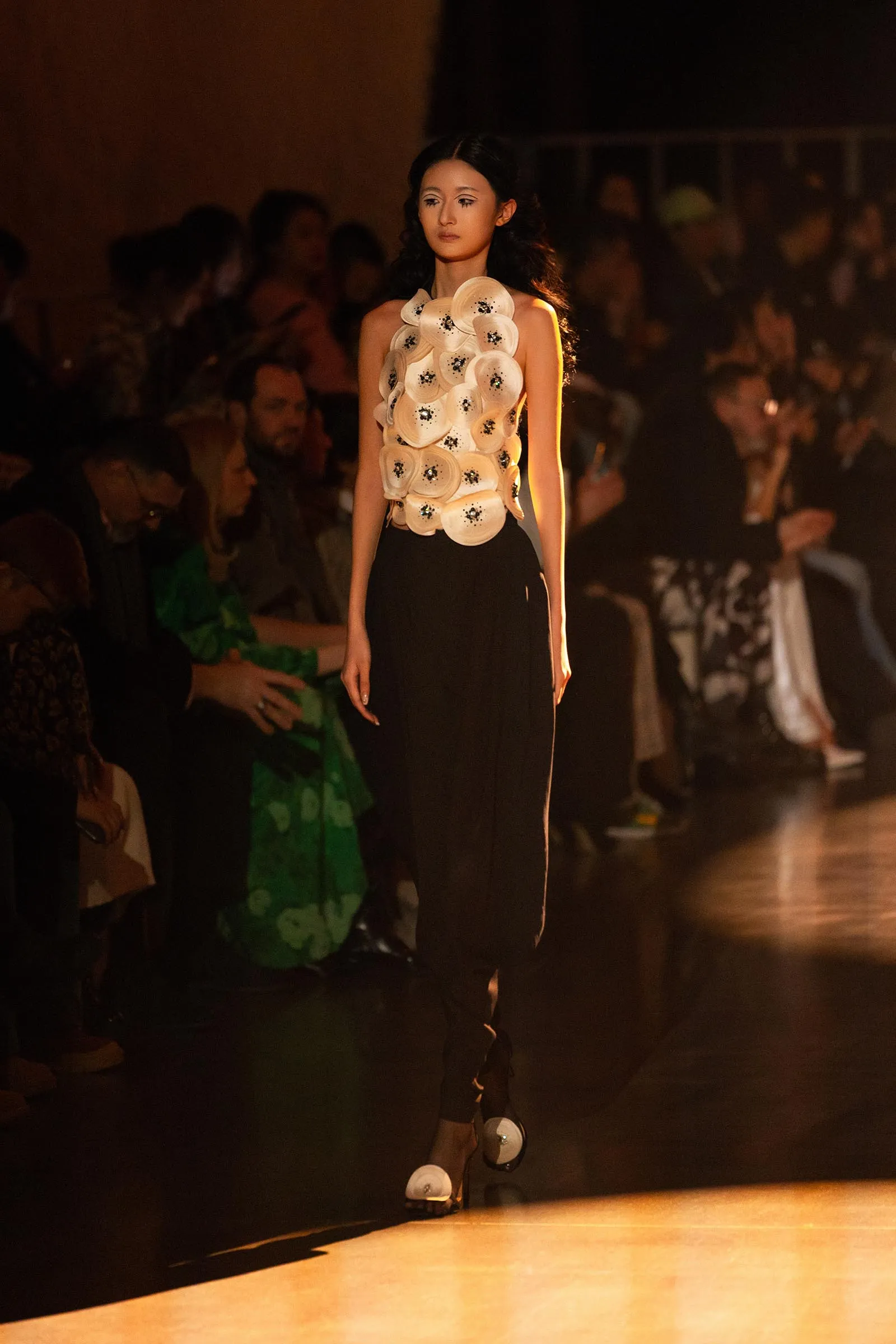
Ibañez used “luxurious silks in soft chiffons, silk velvets, silk brocade,” alongside native Filipino materials, demonstrating that piñaPiñaA luxurious, translucent fabric hand-woven from pineapple leaf fibers, most closely associated with Aklan in Panay. The painstaking process of extracting and knotting the fibers makes piña rare and costly,Go to Piña Glossary and abaca can reach different realms beyond the traditional terno or Barong Tagalog. Among his personal favorites are a black neoprene sheath dress with circular punched holes trimmed with jet-black micro crystals and long strands of tassels, layered tulle opera coats in black and gunmetal grey, an oversized neoprene trench with a cinched waist paired with crystal-studded boy leg pants, and a cropped embroidered piña top with ostrich feather trims worn over a black silk chiffon-de-cola skirt. “It’s better to see the actual pieces,” he says, “to appreciate the details and techniques that go with each piece of the garment.”
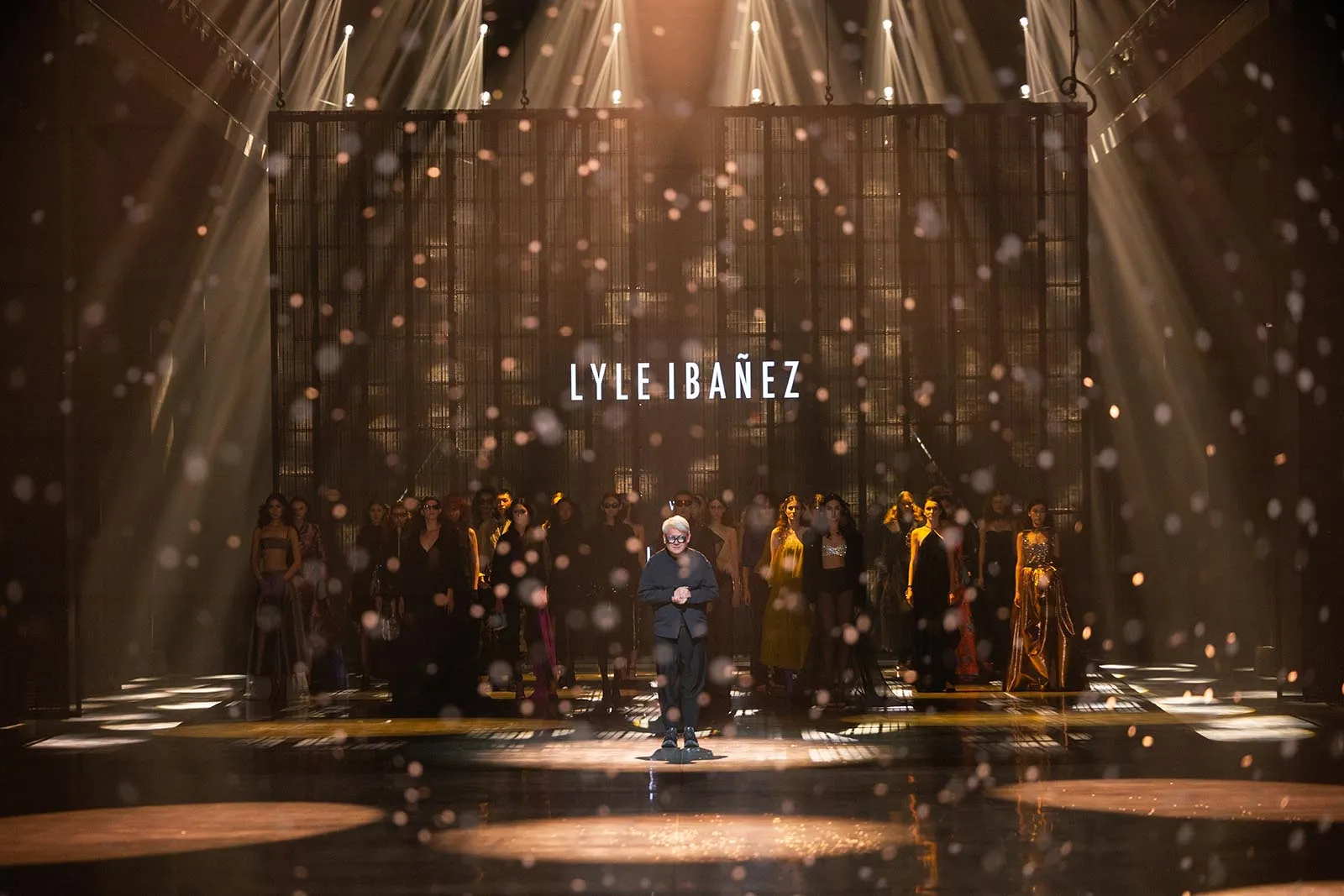
On a final note, the collection is a celebration of love, craftsmanship, and the power of beautiful clothes. Ibañez wants women to feel “confidence, unbothered by all the latest trends.” Reflecting his philosophy again, he emphasizes, “Restraint in design is powerful. It lets the eyes see what is only essential.”
Frequently Asked Questions
Lyle Ibañez is a Filipino fashion designer previously affiliated with the Sari-Sari label in the 1980s, known for restrained, structured silhouettes softened by fluid materials. His design philosophy centers on restraint, which he describes as a way to let the eye focus only on what is essential.
Celestina Maynila is a Filipino luxury leather goods house founded by Tina Maristela Ocampo, known for crocodile-skin bags. Ocampo introduced designer Lyle Ibañez to raw crocodile skins for his Harbin Fashion Week collection, shaping the collection’s structured-yet-soft design principle throughout.
Lyle Ibañez and Celestina Maynila presented a joint collection at Harbin Fashion Week, held in Harbin, the capital of Heilongjiang province in Northeast China. The show explored cultural exchange between the Philippines and China through modern Filipiniana silhouettes layered with subtle Chinese textile references.
The collection combined silk chiffon, silk velvet, and silk brocade with native Filipino piña and abaca alongside Celestina Maynila’s crocodile leather. Standout pieces included a neoprene sheath dress with crystal-trimmed tassels and a cropped piña top with ostrich feather trims over a silk chiffon skirt.
Rather than overt symbolism, the collection layers subtle Chinese cultural references over silhouettes rooted in Filipino heritage, including piña and abaca fabrics historically used in the terno and Barong Tagalog. Ibañez described the approach as a merging of cultures and a crossing of borders.