
Gucci Spring/Summer 2027: Demna’s Italian Woman, Reconstructed


Courtesy of Gucci
The house turns the runway into a retail fantasy, with an archival study of bourgeois archetypes, nostalgia, and the evolving language of global luxury.
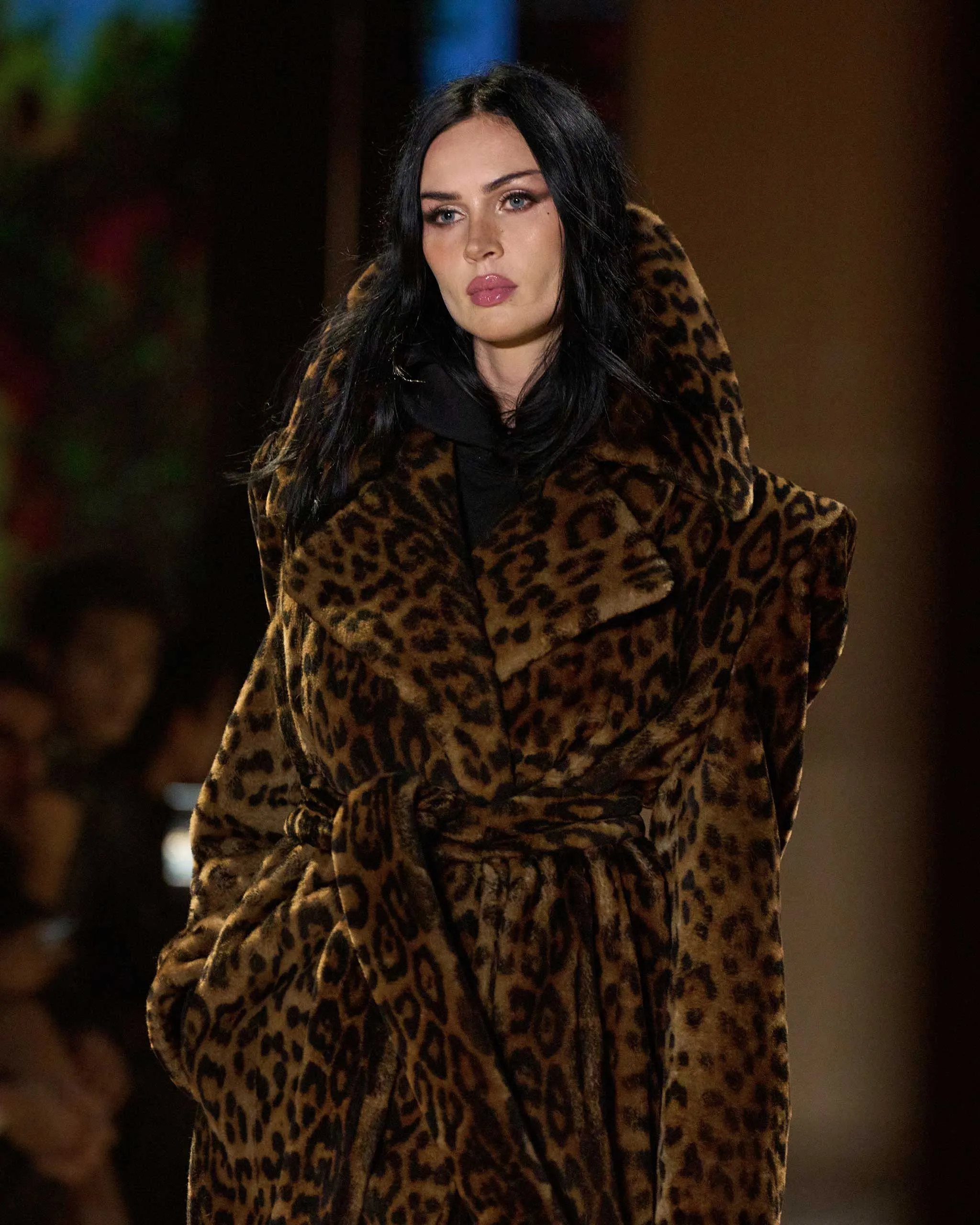
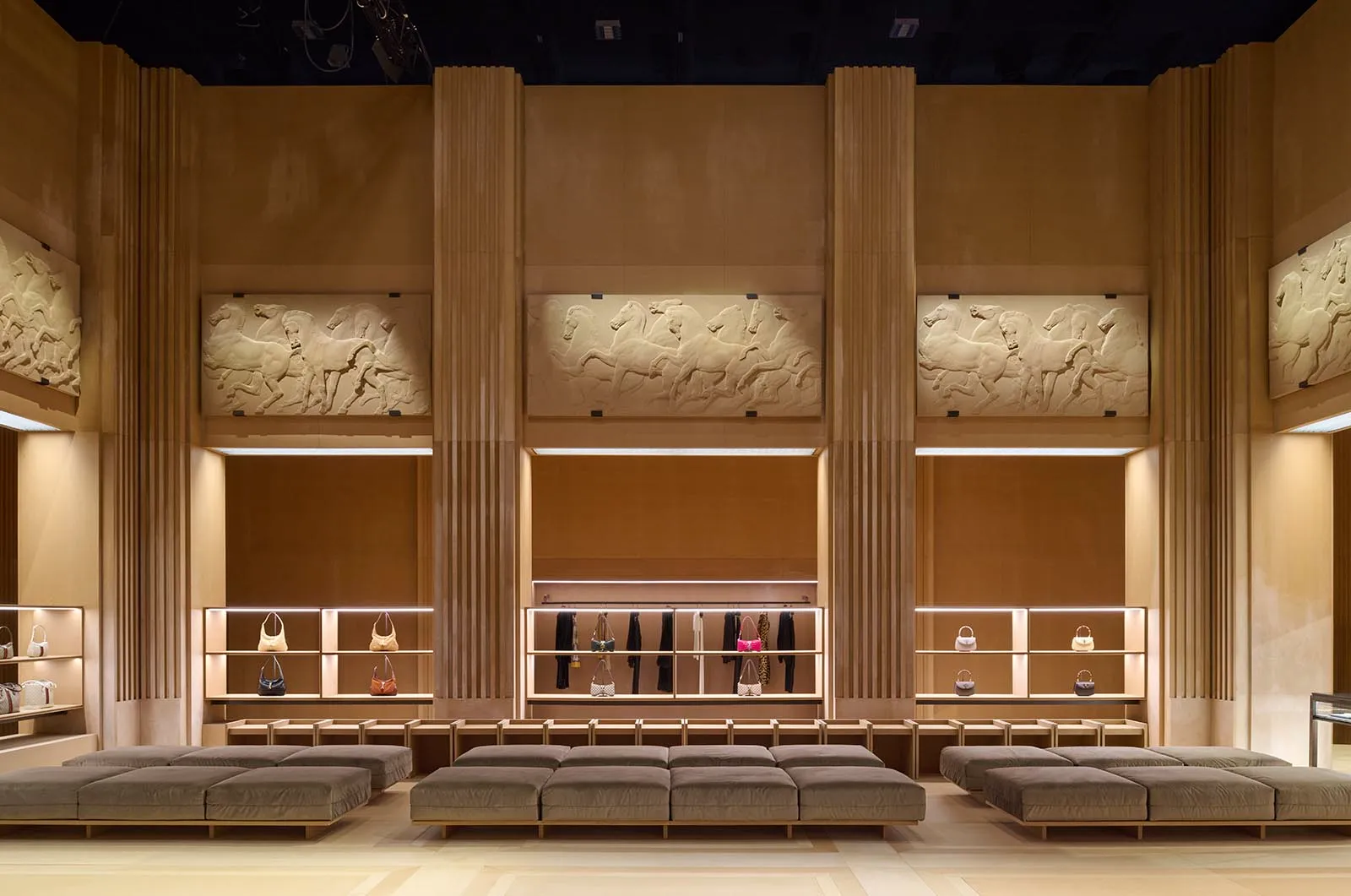
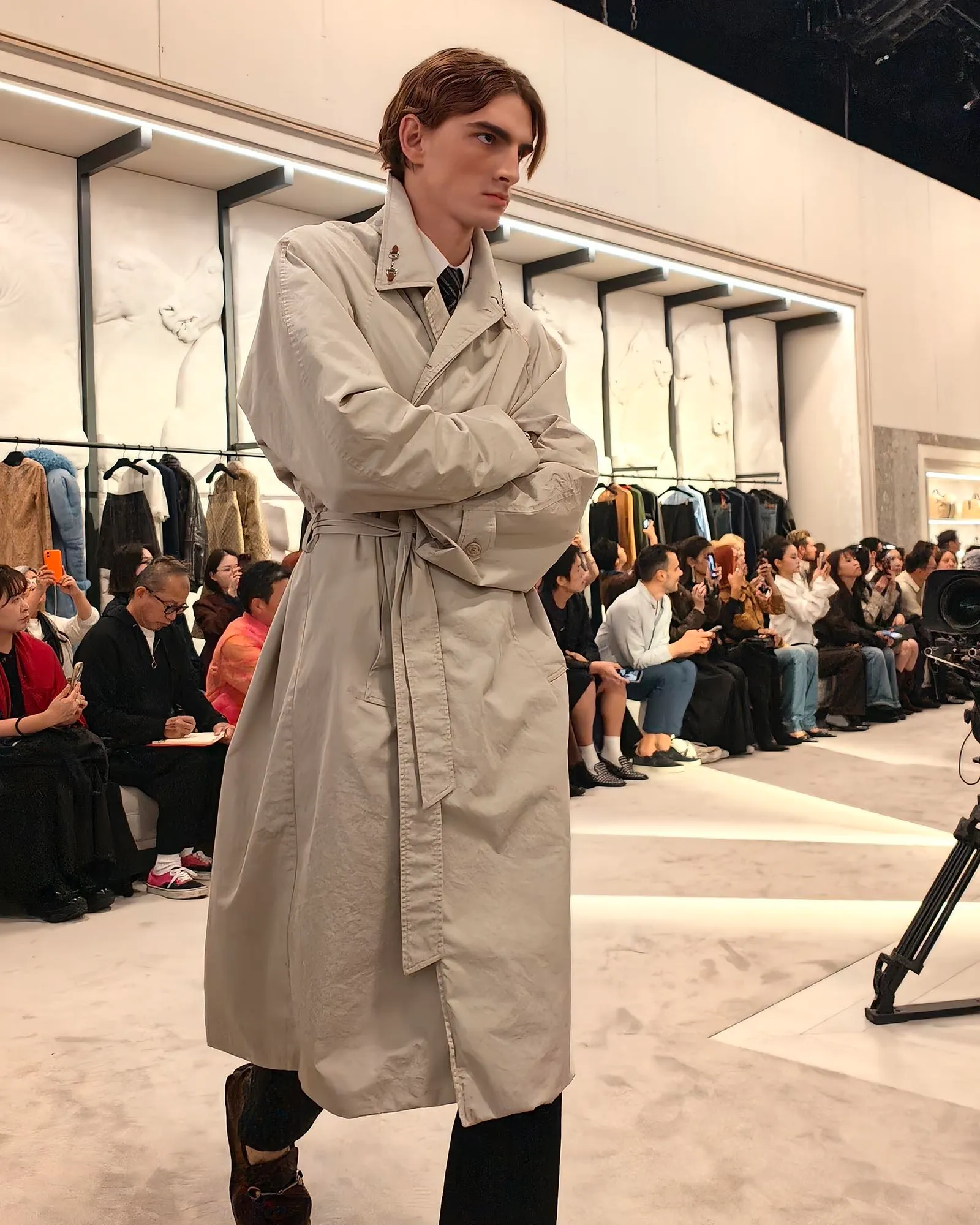
On Via Bartolomeo Colleoni in Milan, an expansive convention space was stripped of traditional runwayRunwayThe platform or catwalk on which models present a designer's collection to an audience of editors, buyers, and guests. Runway shows establish the creative statement of a season, and Vogue'sGo to Runway Glossary drama and reconstructed into a full-scale Gucci flagship boutique. Press, buyers, and VIPs were seated not along a catwalk, but inside a simulated retail ecosystem complete with carpeted displays, polished shelving, plush ottomans, and pristine lighting.
On the surface, constructing a store inside a fashion show venue feels like a blunt, hyper-commercial move. But through Demna’s lens, it carries a double edge. Is this an admission that fashion today lives and dies on the retail floor, or is it a classic Demna satire of luxury consumption reducing the spectacle of the runwayRunwayThe platform or catwalk on which models present a designer's collection to an audience of editors, buyers, and guests. Runway shows establish the creative statement of a season, and Vogue'sGo to Runway Glossary into pure, unadulterated merchandise ready for the checkout line?
Demna’s trajectory from subverting codes at Vetements and Balenciaga to steering Kering’s flagship house has been defined by this friction between conceptual commentary and commercial pragmatism. Shaped by early years in post-Soviet Georgia and formal training at Antwerp’s Royal Academy of Fine Arts, his design ethos has long oscillated between post-Soviet cynicism and high-fashion subversion. This is a perspective that led The Washington Post to credit him with “changing what we consider fashion,” while critic Cathy Horyn observed that his oversizedOversizedA cut that is intentionally larger and roomier than the body, producing a relaxed, voluminous silhouette. Oversized blazers, shirts, coats, and knits balance comfort with style, and they work especiallyGo to Oversized Glossary silhouettes “actually changed how people dressed.”
At Gucci, however, his mandate requires balancing irony with scale. Moving away from the hyper-intellectualized streetwear of his past, Demna is now focused intently on defining a recognizable Gucci silhouetteSilhouetteThe overall outline or shape of a garment or look, such as A-line, column, or hourglass. Silhouette defines the first visual impression of an outfit and is often the mostGo to Silhouette Glossary. As he explained in an interview with Vogue, “This is how fashion should be: more intuitive and emotional… either ‘I hate it’ or ‘I love it.’”
For Demna, shaping this silhouetteSilhouetteThe overall outline or shape of a garment or look, such as A-line, column, or hourglass. Silhouette defines the first visual impression of an outfit and is often the mostGo to Silhouette Glossary required letting go of purely cerebral constructs to embrace an emotional approach to form, admitting to Vogue that “Gucci is a very pragmatic brand, and it’s about product. It’s liberating not to have to conceptualize a dress just to make a dress that you love.”
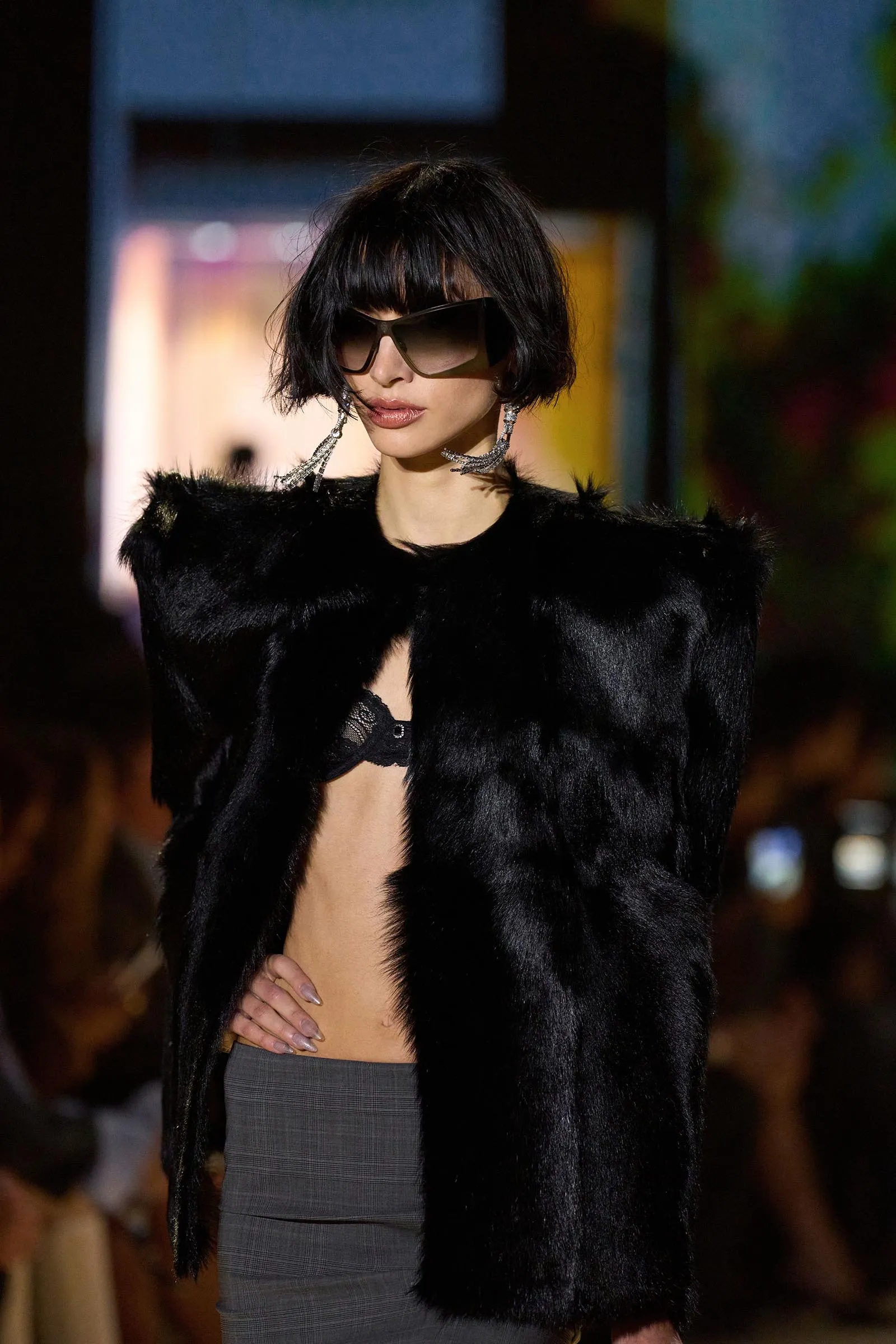
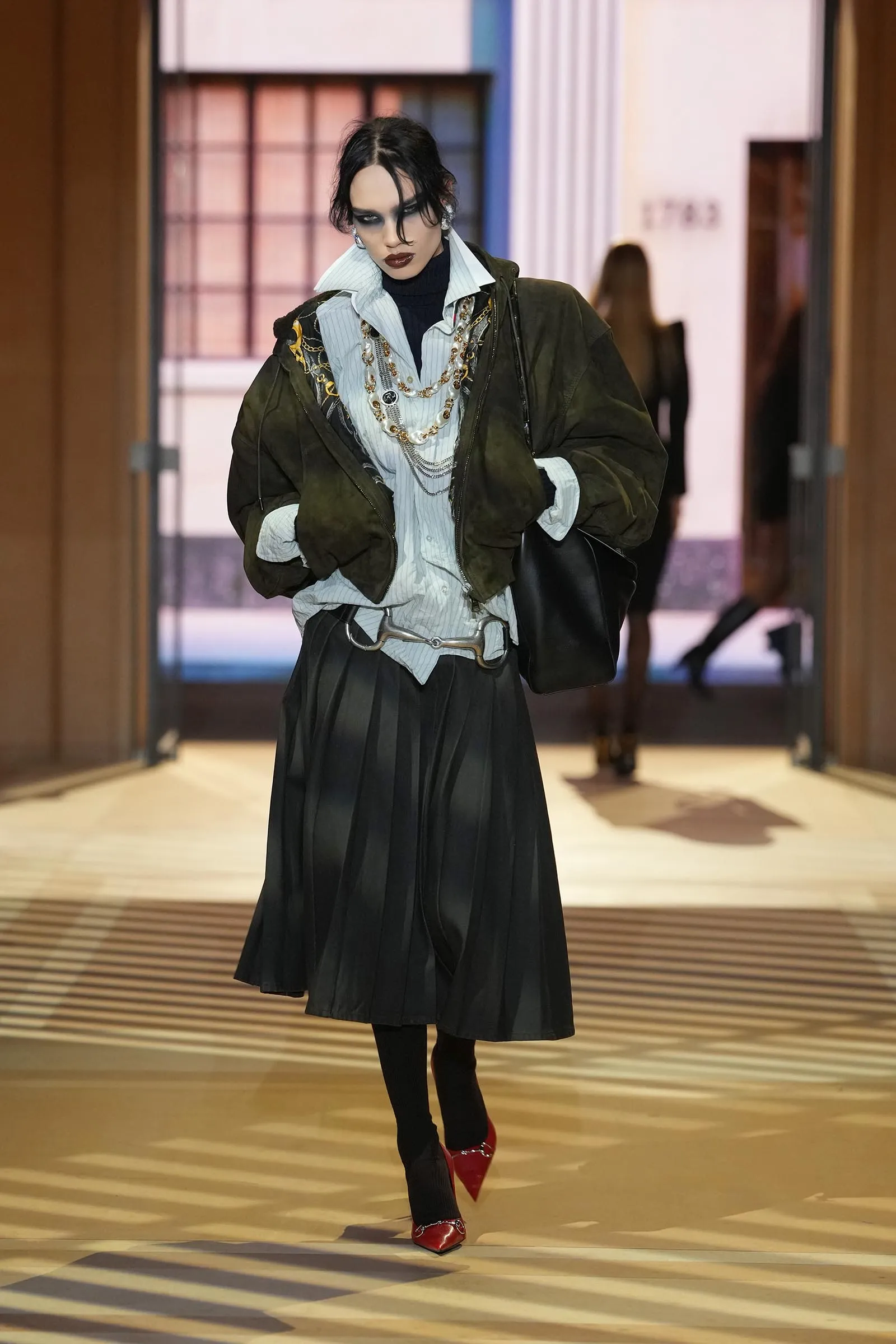
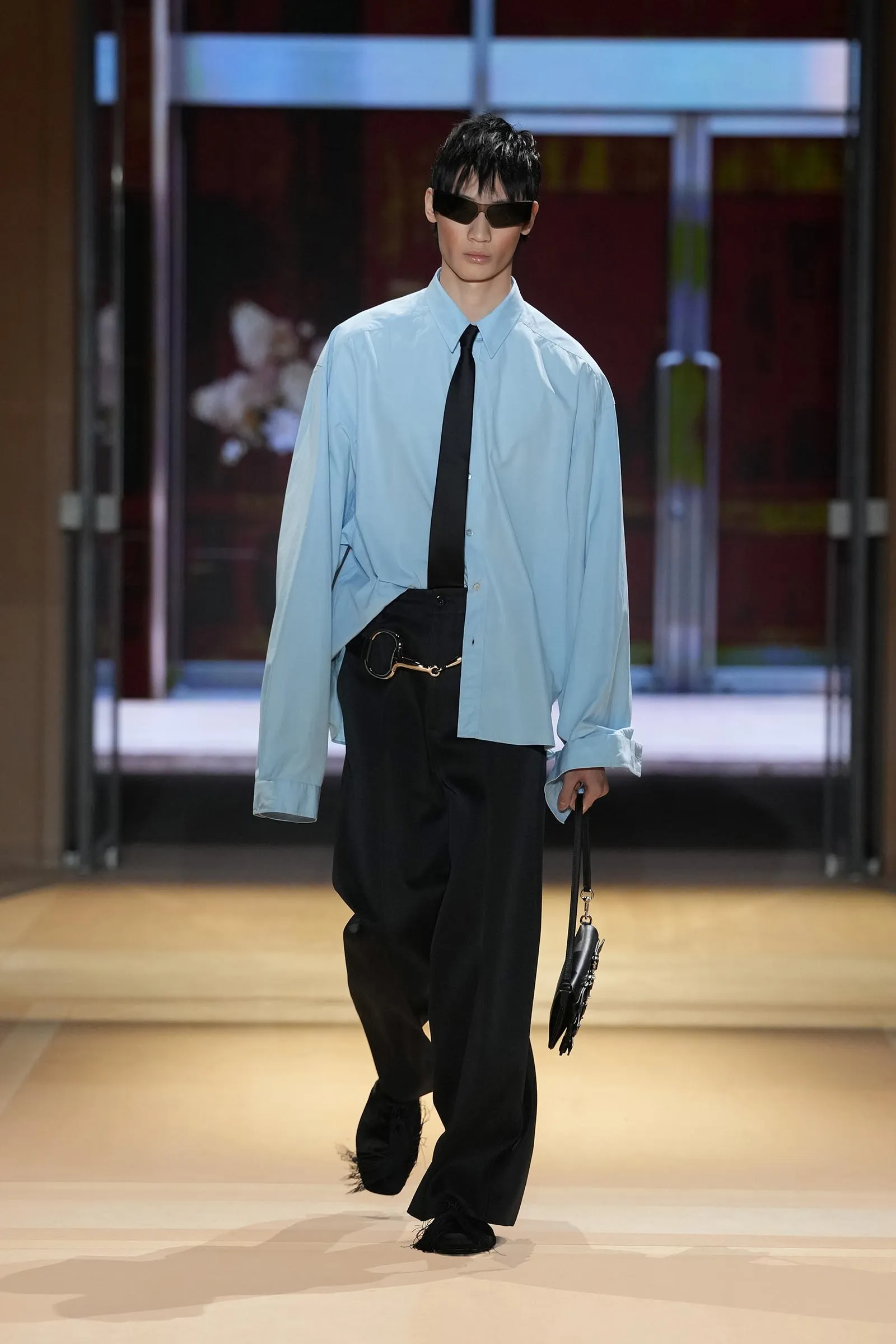
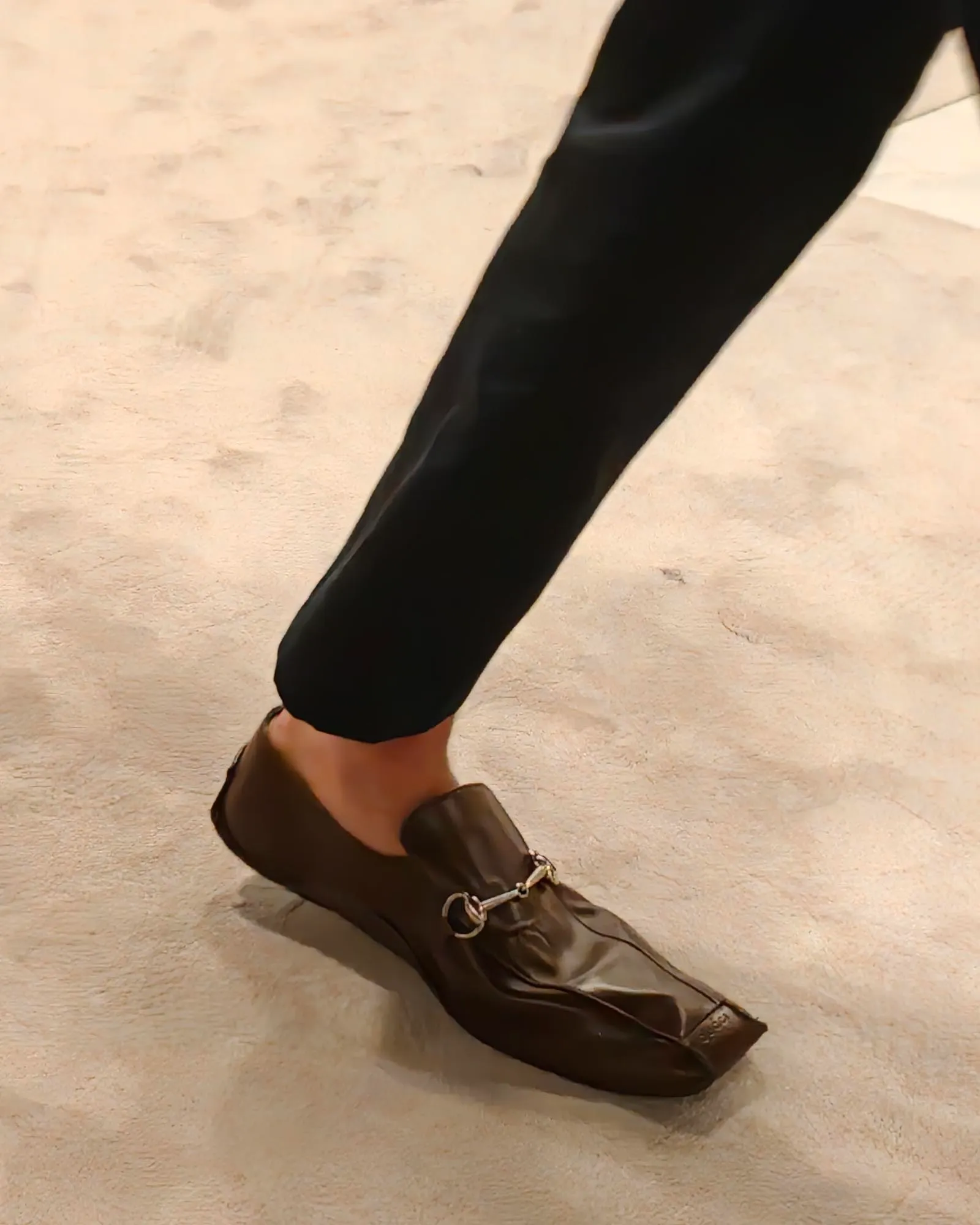
For Spring/Summer 2027, he translates a year of archival study and silhouetteSilhouetteThe overall outline or shape of a garment or look, such as A-line, column, or hourglass. Silhouette defines the first visual impression of an outfit and is often the mostGo to Silhouette Glossary exploration into a dual-gender collection structured around three distinct archetypes: The Rebellious Aristocrat, The Snob, and The Eccentric. Menswear opens with cropped trousers, sockless loafers, and pagoda shoulders, quickly giving way to puff-shaped outerwear on slender, slouchy denim.
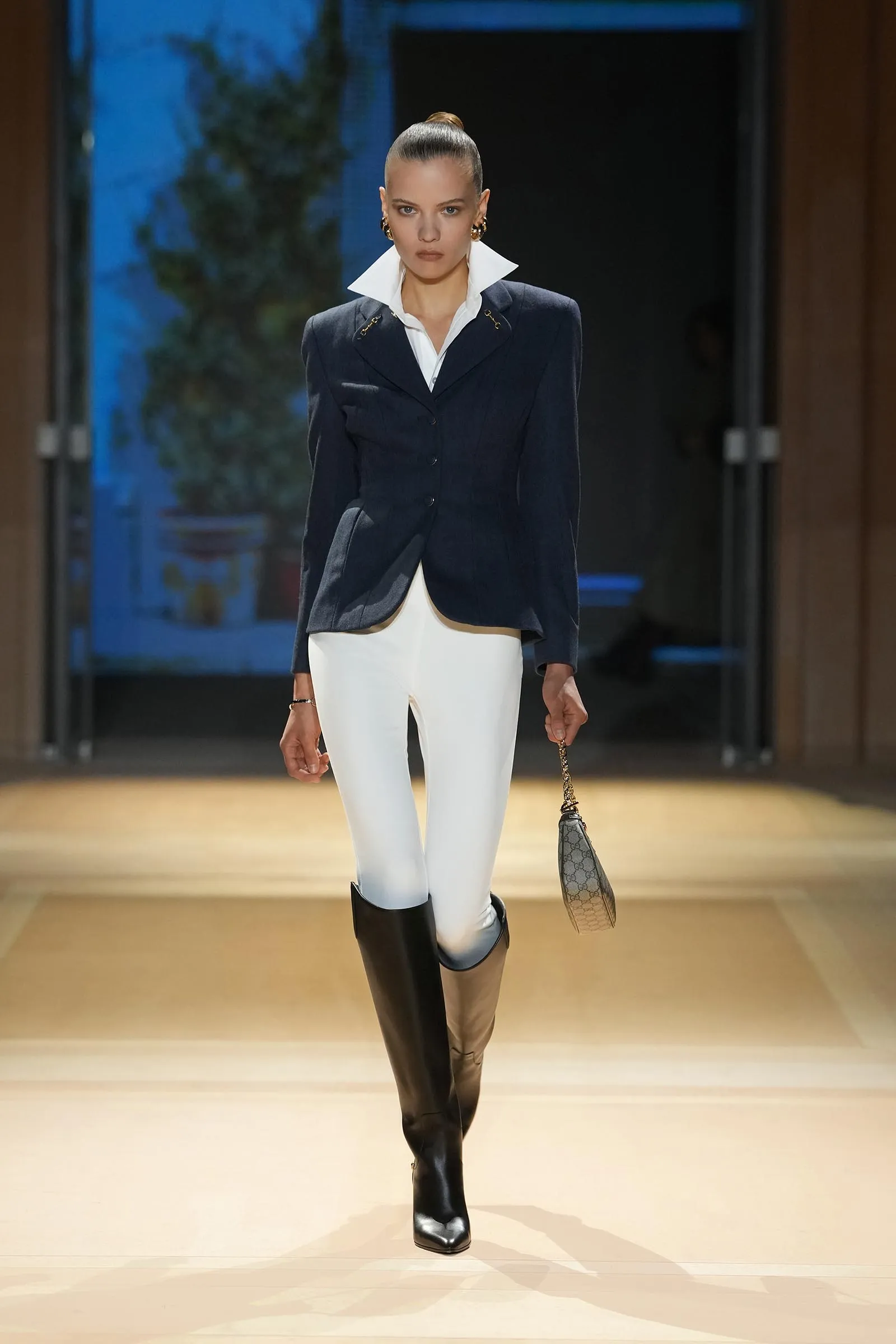
The womenswear starts with equestrian-infused bourgeois tailoringTailoringThe craft of cutting, shaping, and sewing structured garments such as suits, blazers, and trousers to fit the body precisely. Good tailoring relies on skilled pattern work and fine finishing,Go to Tailoring Glossary and transitions to unpadded, sharp-shouldered jackets layered over rugby tops, masculine shirting, and pleated A-line skirts in Scottish tartans and leather. House codes are amplified throughout: 3X Horsebit cummerbunds cinch “New Romantic” silhouettes, lingerie flirts with voluminous shearling, and fluid evening wear culminates in a “gravity” gown held together by a single teardrop weight.
Accessories double down on heritage icons, spanning bamboo-handled messengers, sleek driver-soled loafers, and restyled GG Marmont and Ophidia lines.
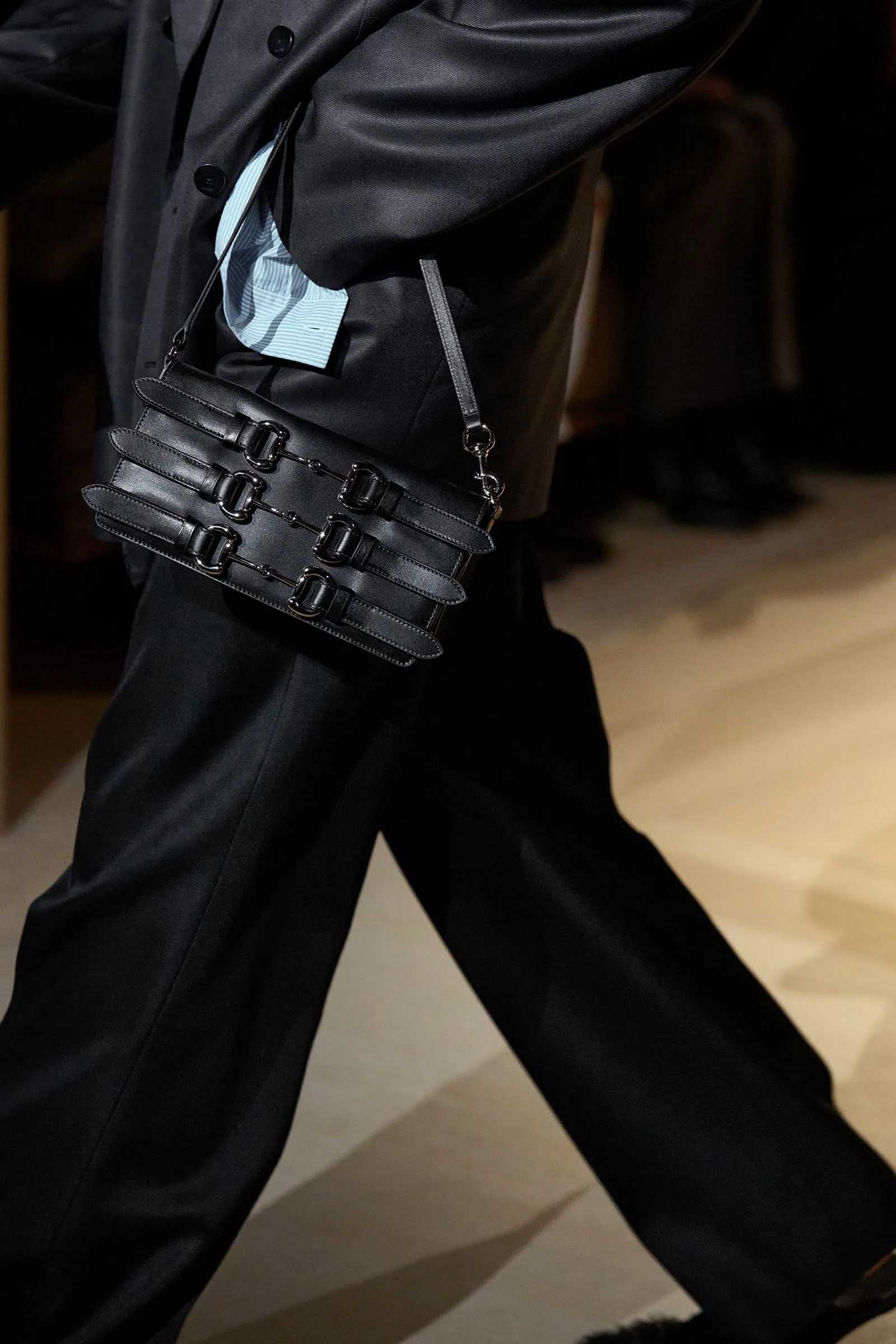
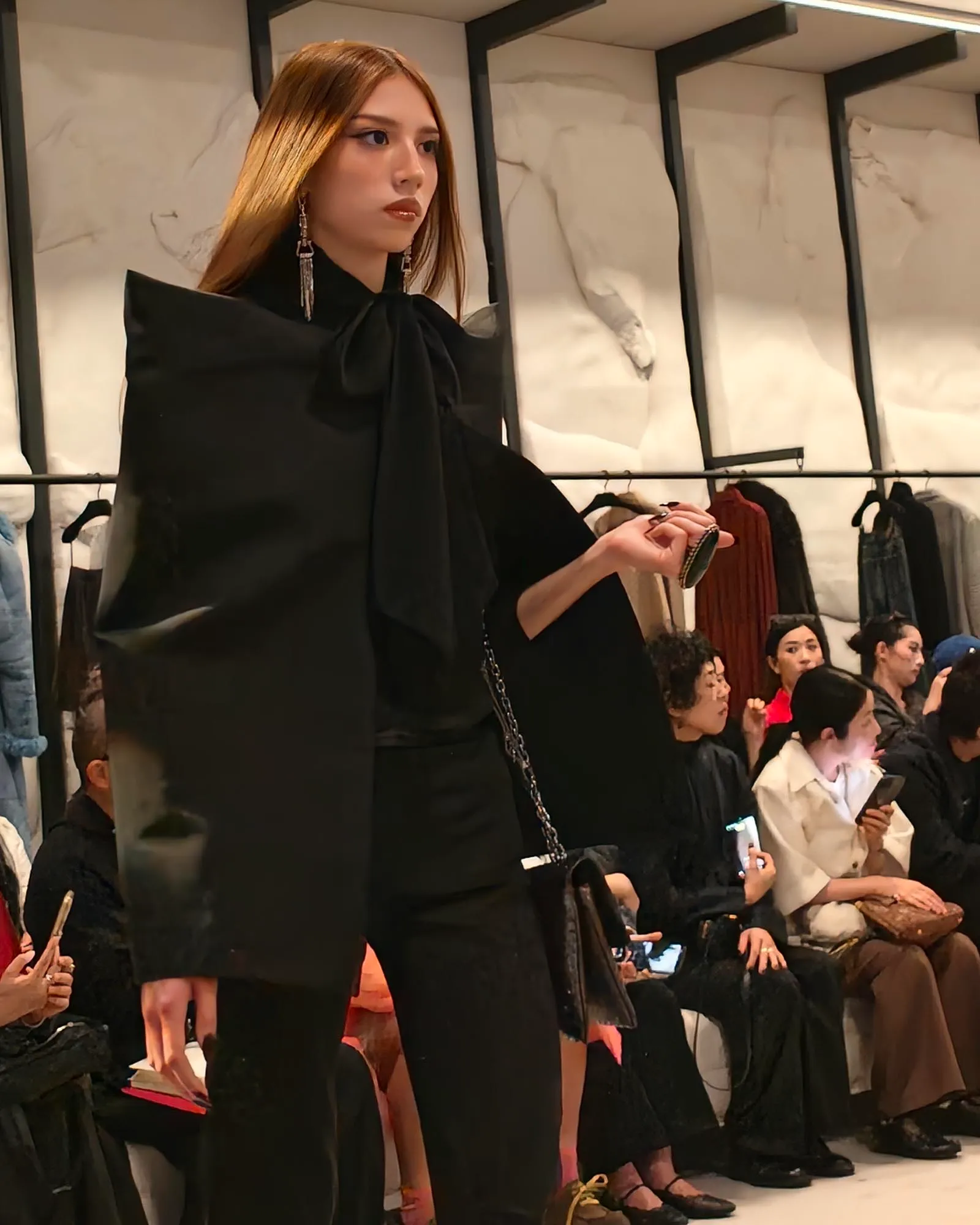
For me, the true highlights of this collection lie in the individual pieces when viewed purely as products that are impeccably tailored and constructed, and built for the real world. The rebellious collegiate looks stand out in particular, striking just the right tension between uptown bourgeois polish and a darker, almost sinister undertone. Meanwhile, the exaggerated 3X cummerbund belts emerge as the collection’s most potent styling tool, capable of easily redefining the proportions of a piece of clothing.
However, this calculated observation of Italian identity seen through an Eastern European lens raises a question: Can an outsider’s conceptualized idea of an Italian woman truly resonate with the lived reality of the consumers it aims to capture? More pointedly, does this version of an Italian woman ring true for Italian women themselves?
This tension feels critical when viewed from the Southeast Asian and Philippine luxury markets. In regions where high-end retail has historically been driven by an appetite for western status symbols, the contemporary consumer is shifting rapidly toward discernment and local relevance. Demna’s reliance on “the bourgeois,” “the snob,” and “the eccentric” assumes a cultural narrative rooted largely in European codes.
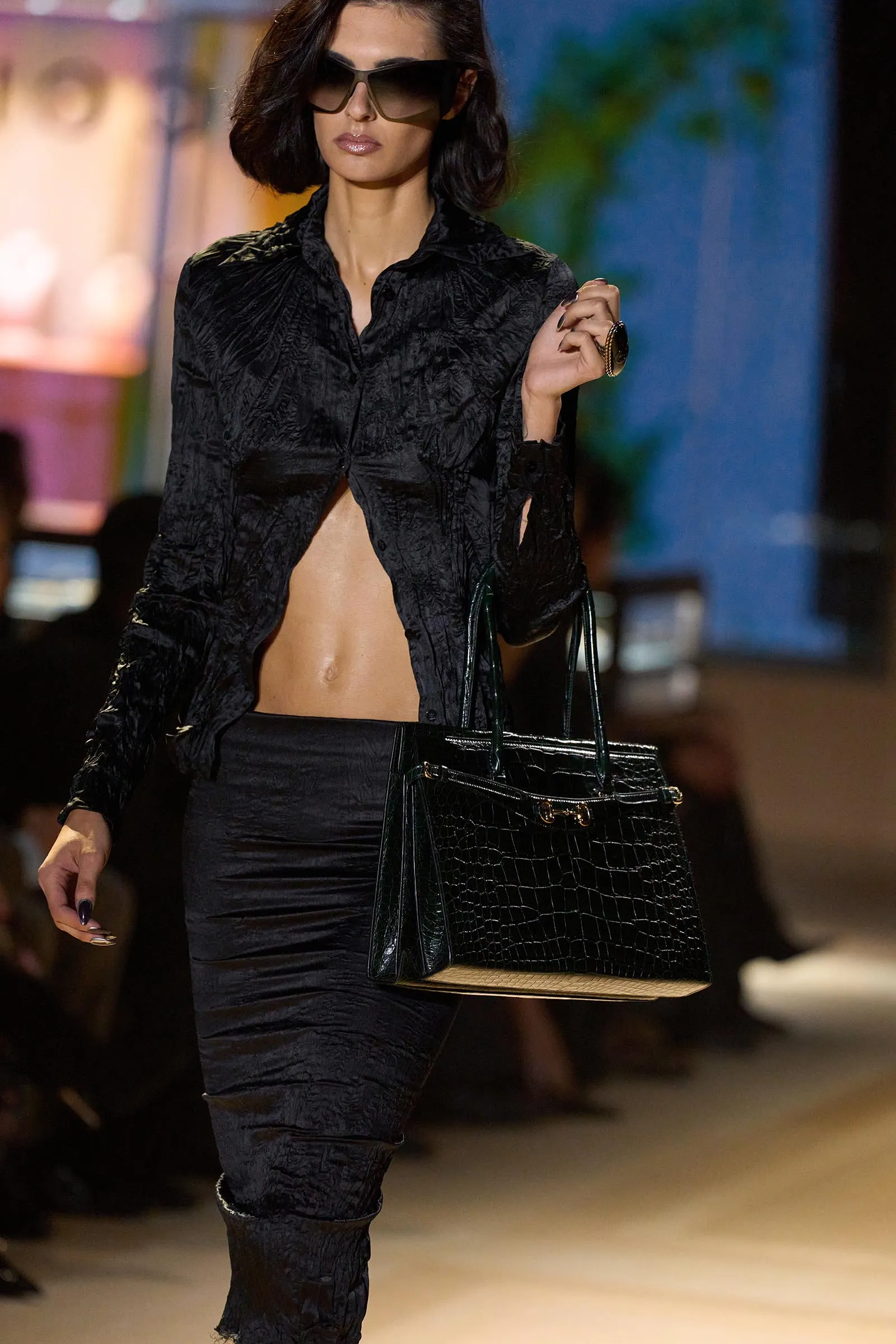
For mature Asian luxury hubs and emerging Southeast Asian markets like the Philippines, where the consumers blend regional heritage with global fashion, one has to ask: Does a European ideal of glamour still carry currency? Or is it time for legacy houses to realize that the modern global consumer no longer just wants to buy into an Italian fantasy, but demands that luxury speak directly to their own cultural complexity?
Or perhaps, this is precisely the point. Could this reconstruction of the Italian woman, filtered through archival codes and Demna’s clear-cut, stylized sinister motifs, be designed to appeal to a new generation of global luxury shoppers whose fixation on vintageVintageClothing and accessories from an earlier era, generally at least twenty years old, that reflect the style and craftsmanship of their time. Vintage pieces offer unique character and often superiorGo to Vintage Glossary aesthetics and nostalgia overrides regional nuance in favor of a romanticized past?
Frequently Asked Questions
Gucci Spring/Summer 2027 was designed by Demna, who became the house’s creative director in 2025.
The collection explores three archetypes: The Rebellious Aristocrat, The Snob, and The Eccentric, alongside Gucci’s archival codes and Italian identity.
Highlights include 3X Horsebit cummerbund belts, equestrian-inspired tailoring, pagoda shoulders, tartan skirts, bamboo-handled bags, and the gravity gown.
It revisits house signatures such as the Horsebit, GG Marmont, Ophidia, and bamboo details, placing them within a sharper, more contemporary wardrobe.
Beyond its Italian references, the collection raises questions about whether traditional European ideals of glamour still resonate with today’s increasingly global and culturally diverse luxury consumer.
- Inside Demna’s Gucciverse: How Fashion’s Restless Disrupter Is Reinvigorating the Global Mega-Brand
- Demna’s Sly, Subversive Gucci Exhibition Gets Milan Design Week Talking
- It’s Demna at Gucci! Fashion’s Master Maverick Will Helm Italy’s Largest Luxury House
- Gucci Primavera Brings Together a Star-Studded Cast