
Furne Amato’s Latest Show In Cebu Celebrates His Roots


Photographed by Zach Aldave
Photographed by Ed Simon
The Dubai designer’s collection pays tribute to his hometown, local communities, and the next generation of Filipino designers.
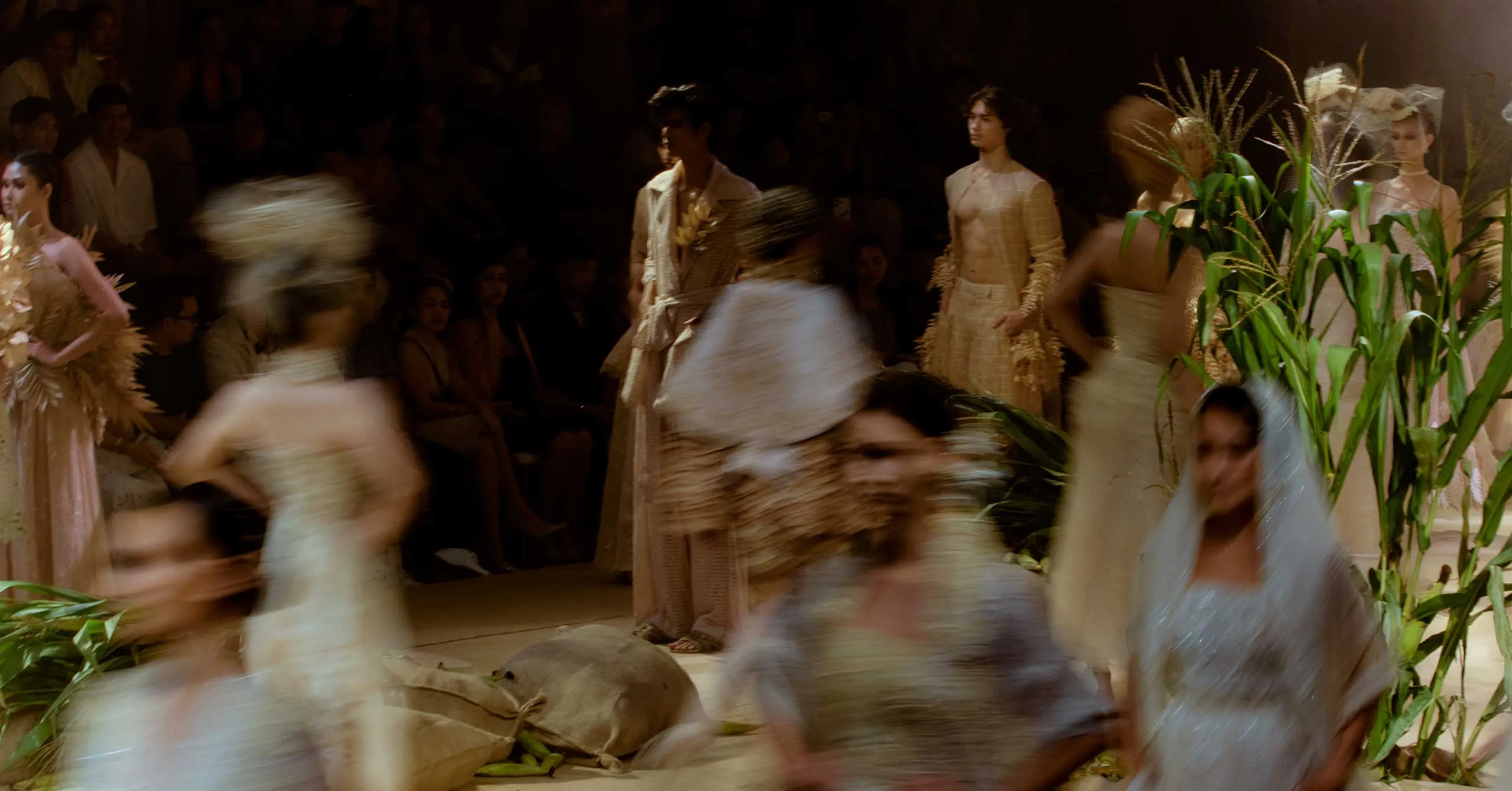
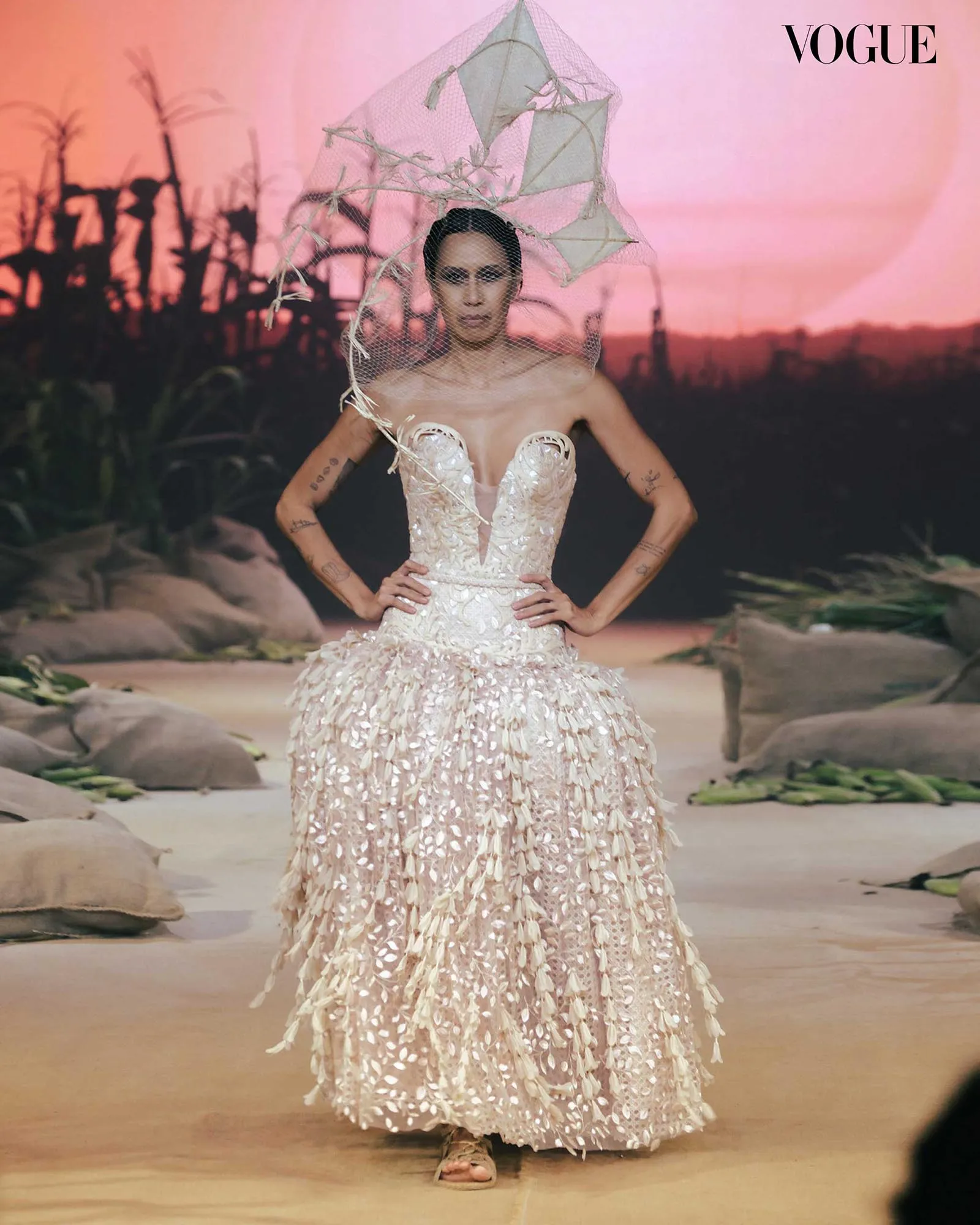
A wooden barn door slides open, revealing the sun on a flaming pink horizon. Whether it’s a sunrise or sunset is unclear, but the sight is transfixing all the same, its vivid hues casting a rose-tinted glow.
If it weren’t for the static on the LED screen, the view might have passed for real. A slight glitch on the leftmost panel reminded us of where we were: neither a barn nor a field, and certainly not the outdoors. We were inside the air-conditioned Oakridge Pavilion in Cebu, witnessing “Harvest: A Season of Gratitude,” the latest runway showRunway ShowA runway show refers to a live fashion presentation where models display a designer's collection while walking a defined path before an audience of press and buyers. Filipino designers useGo to Runway Show Glossary of Dubai-based couture house Amato, founded by Cebu-born creative director Furne Amato.
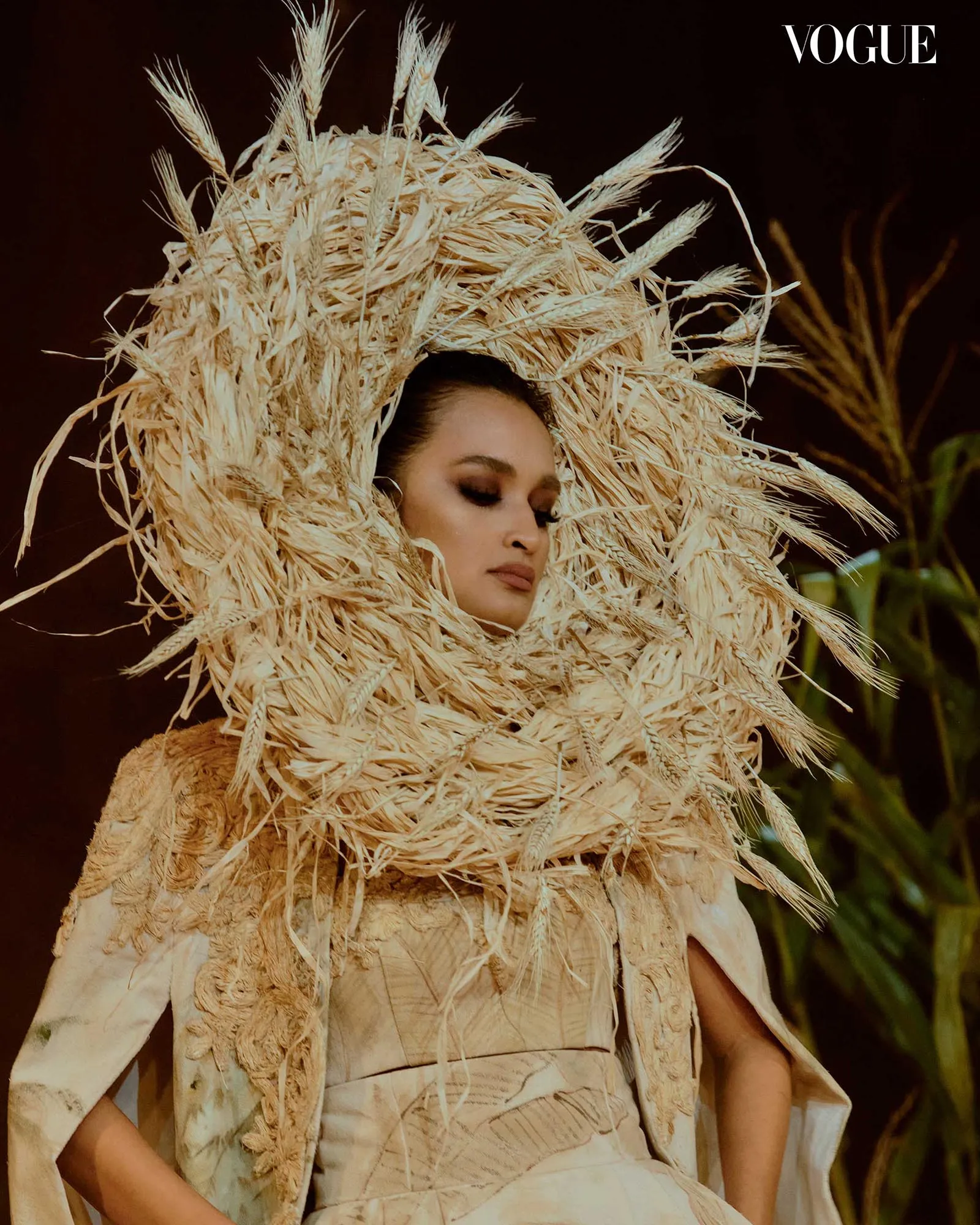
“It’s the golden hour, actually. It was a collaborative concept with Furne, and I think it worked,” show director Mark Masa tells Vogue, gesturing to the plants and sacks scattered around the stage. He explains that they’re actual corn crops transported from southern Cebu in a large truck.
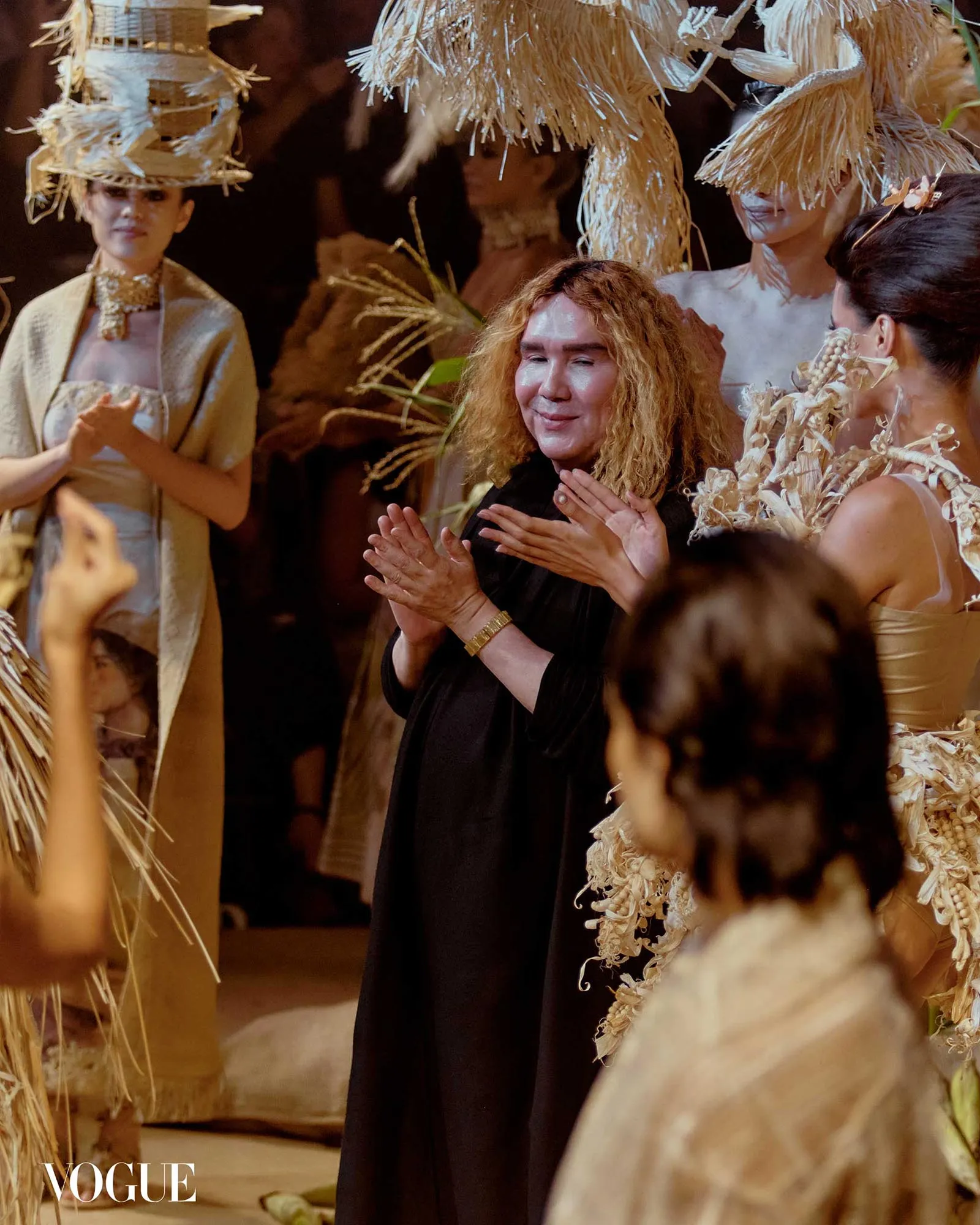
The mise en scène lends itself to the show’s main concept of reaping what one has sown. In Furne’s case, these were seeds planted not only this past year but also over the course of his nearly three decades in fashion (three years ago, he celebrated his silver anniversary). He tells Vogue, “I’m not getting any younger, so you know, it’s time to give back. And I decided, more time here, less time around the world.”
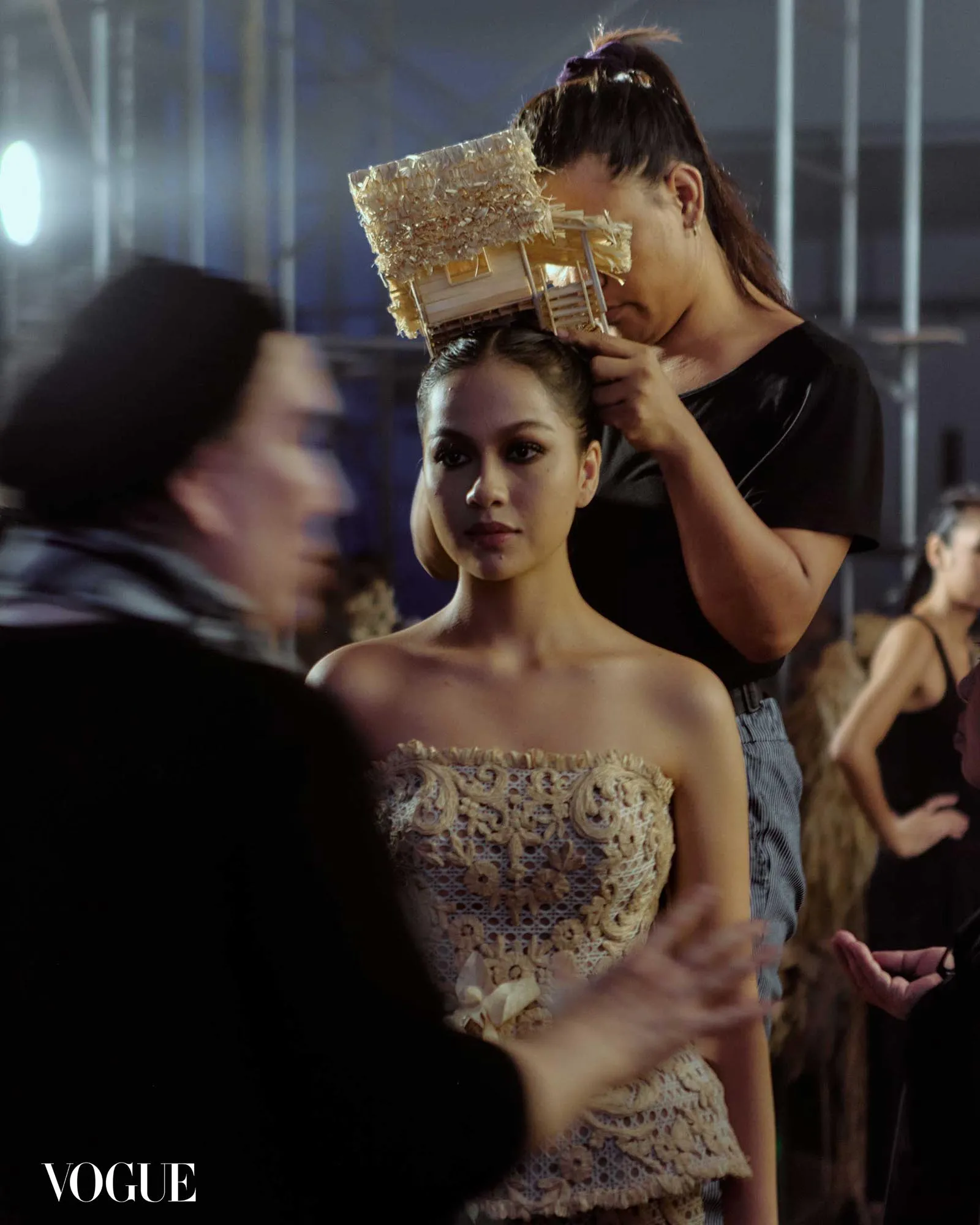
Here is Cebu, where the creative directorCreative DirectorThe person who sets the overall visual vision of a fashion house, publication, or campaign and guides designers, photographers, and stylists toward it. A creative director's influence shapes collections, imagery,Go to Creative Director Glossary grew up. Amato was based in Dubai for a significant part of his career, and while he still maintains a store there, all roads eventually led him back home. Recent years have brought new ventures, like the establishment of a café and homeware boutique where he teaches students the basics of fashion design. “That’s planned already,” he smiles, as if referring to a path forged by a higher being.
This is also where he launches Amato Parfums, the brand’s fragrance line developed with the 131-year-old perfumery house Firmenich from Geneva, Switzerland. Reimagining the creation myth, Furne turns to the less-explored side of the biblical tale, owing to a personal penchant for contradictions. “I’ve always been religious,” he shares in a statement. “But also quite the provocateur.”
And so, five scents were born: Adam, Eve, Garden of Eden, Forbidden, and Sacred.
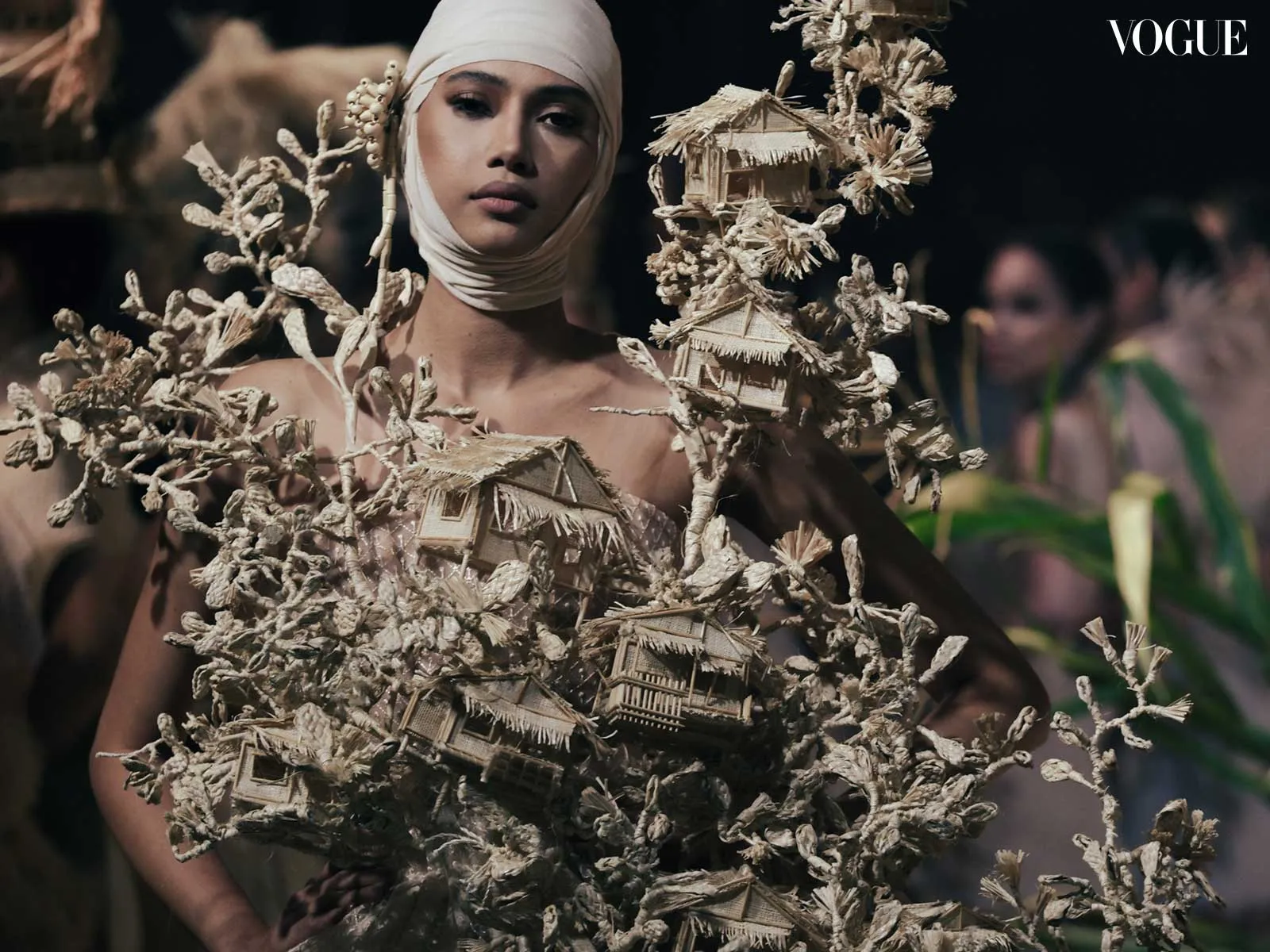
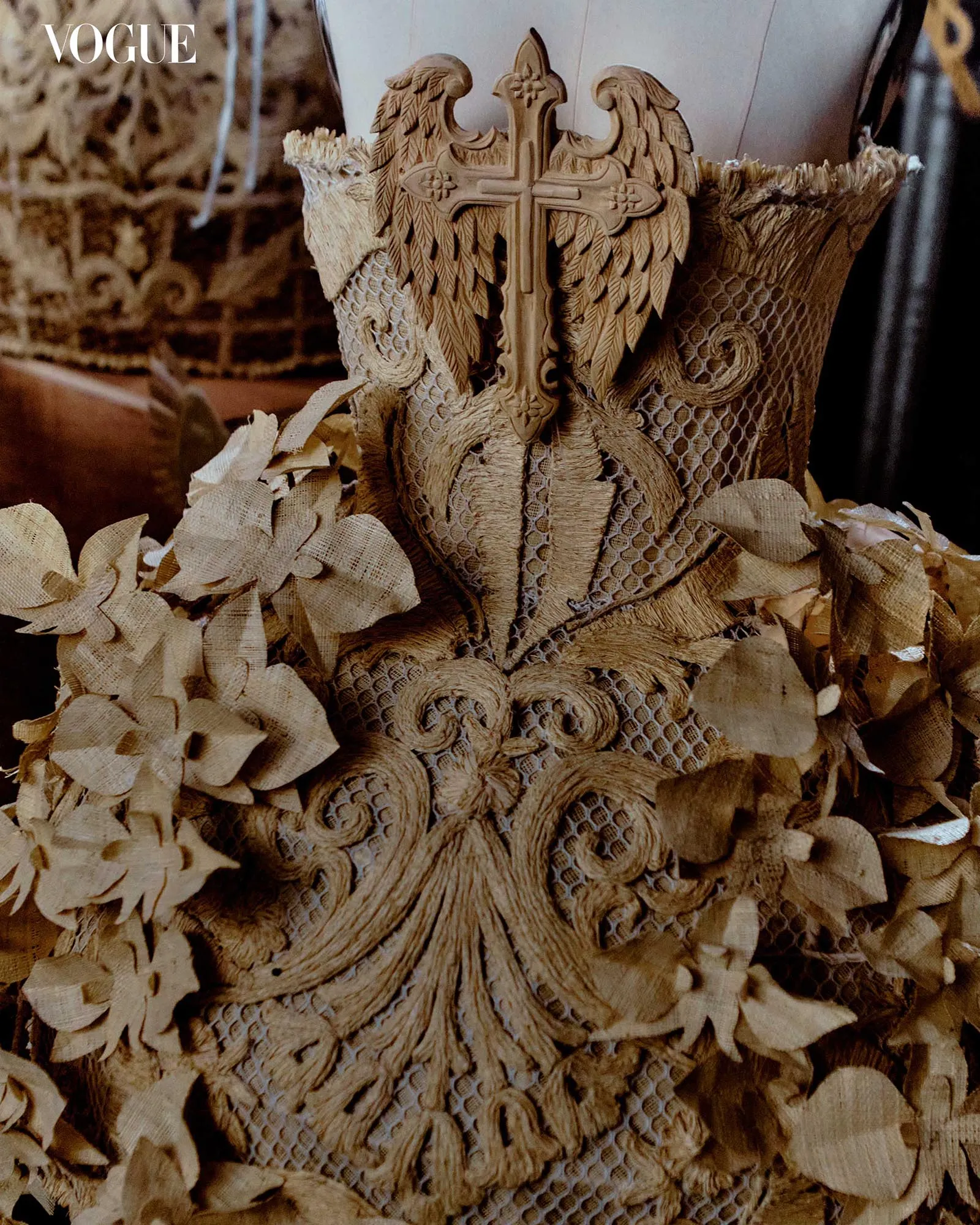
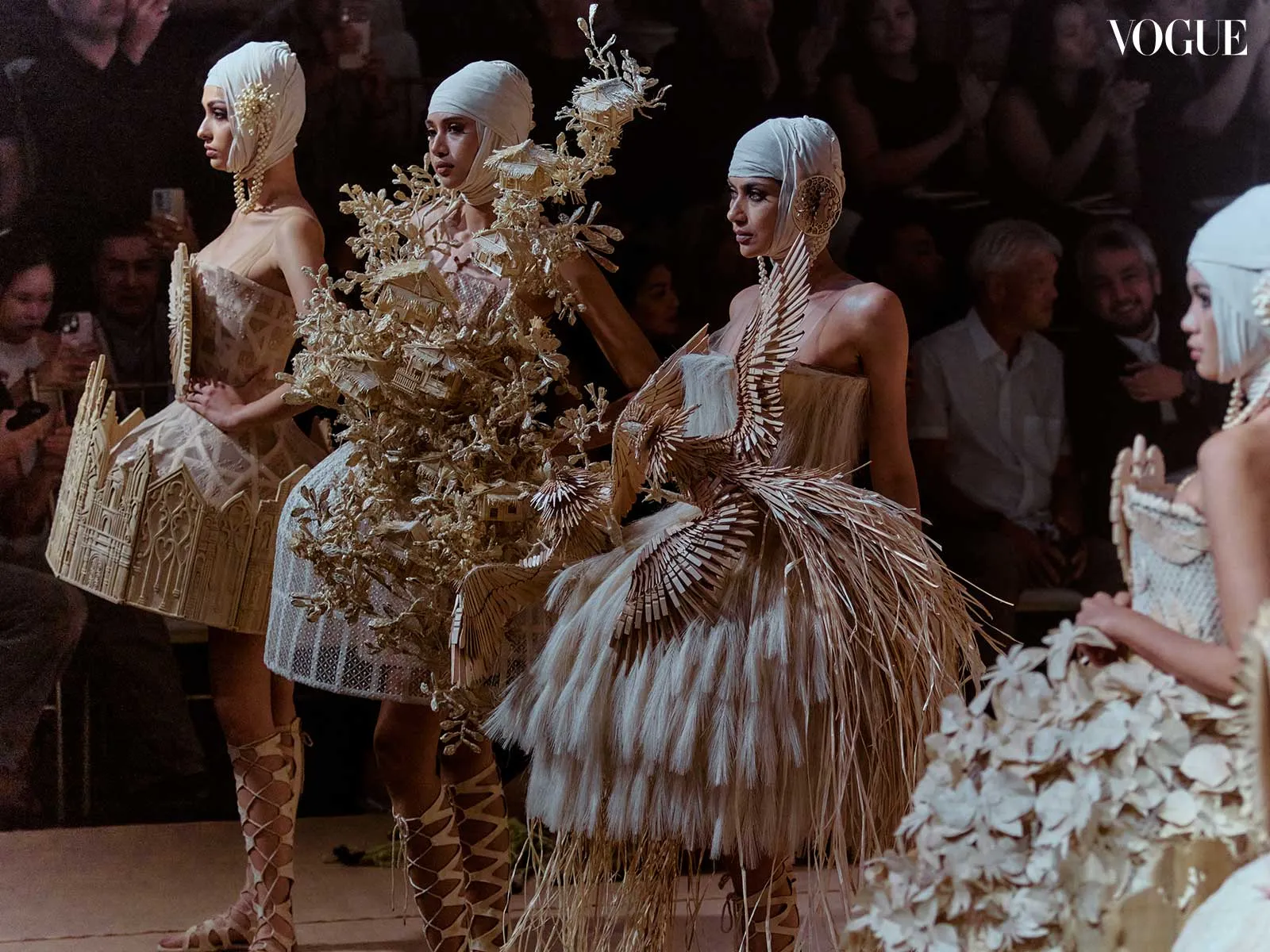
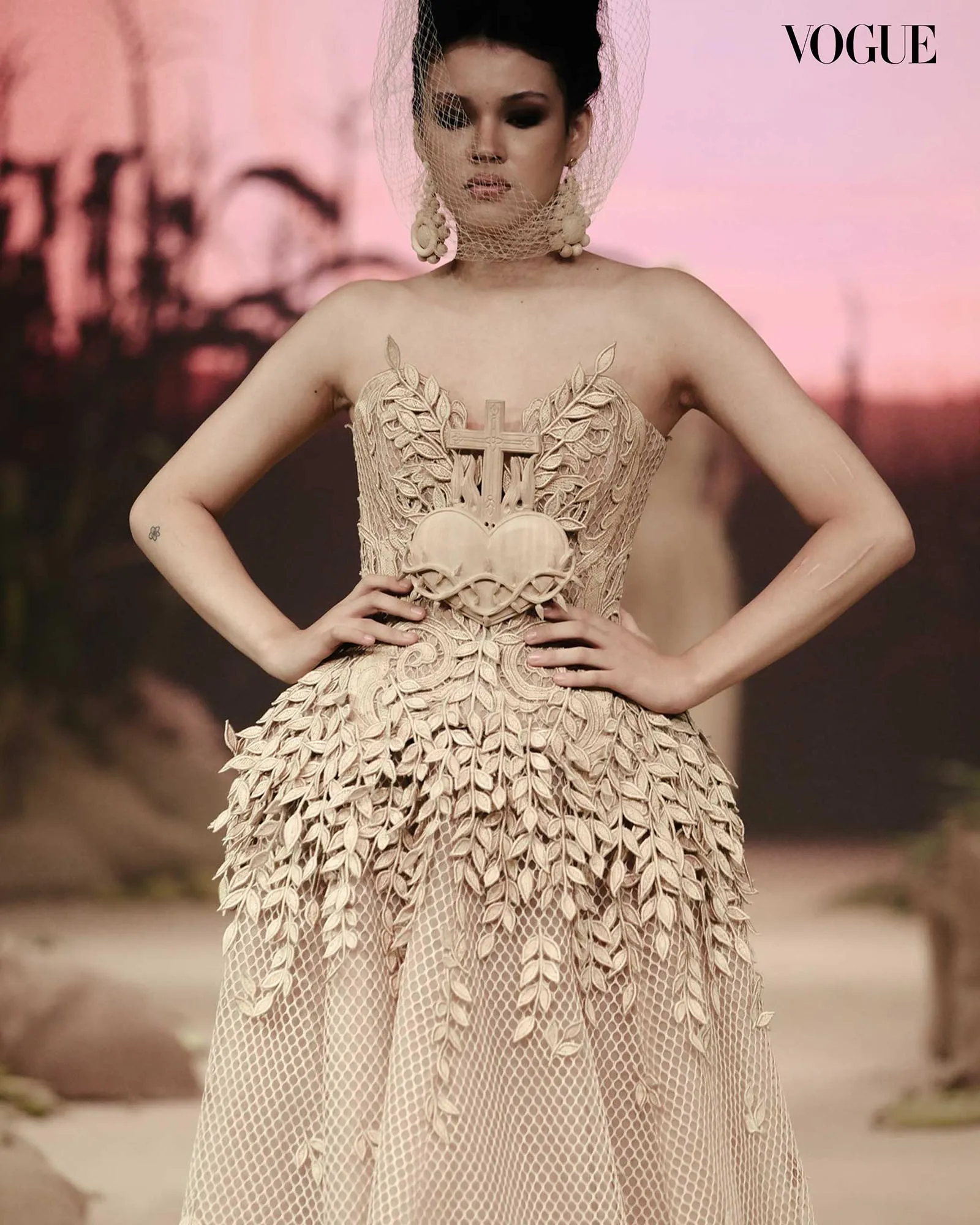
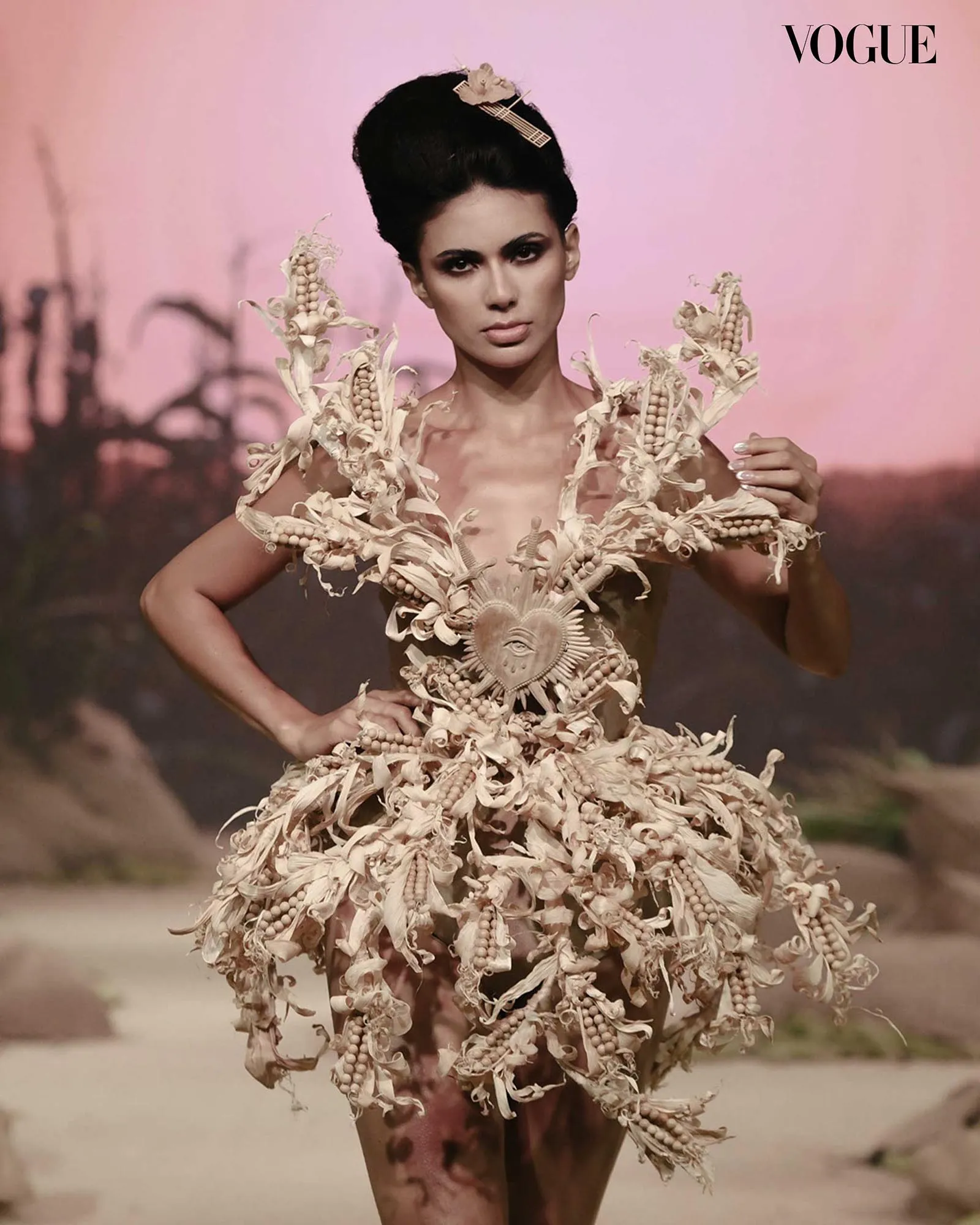
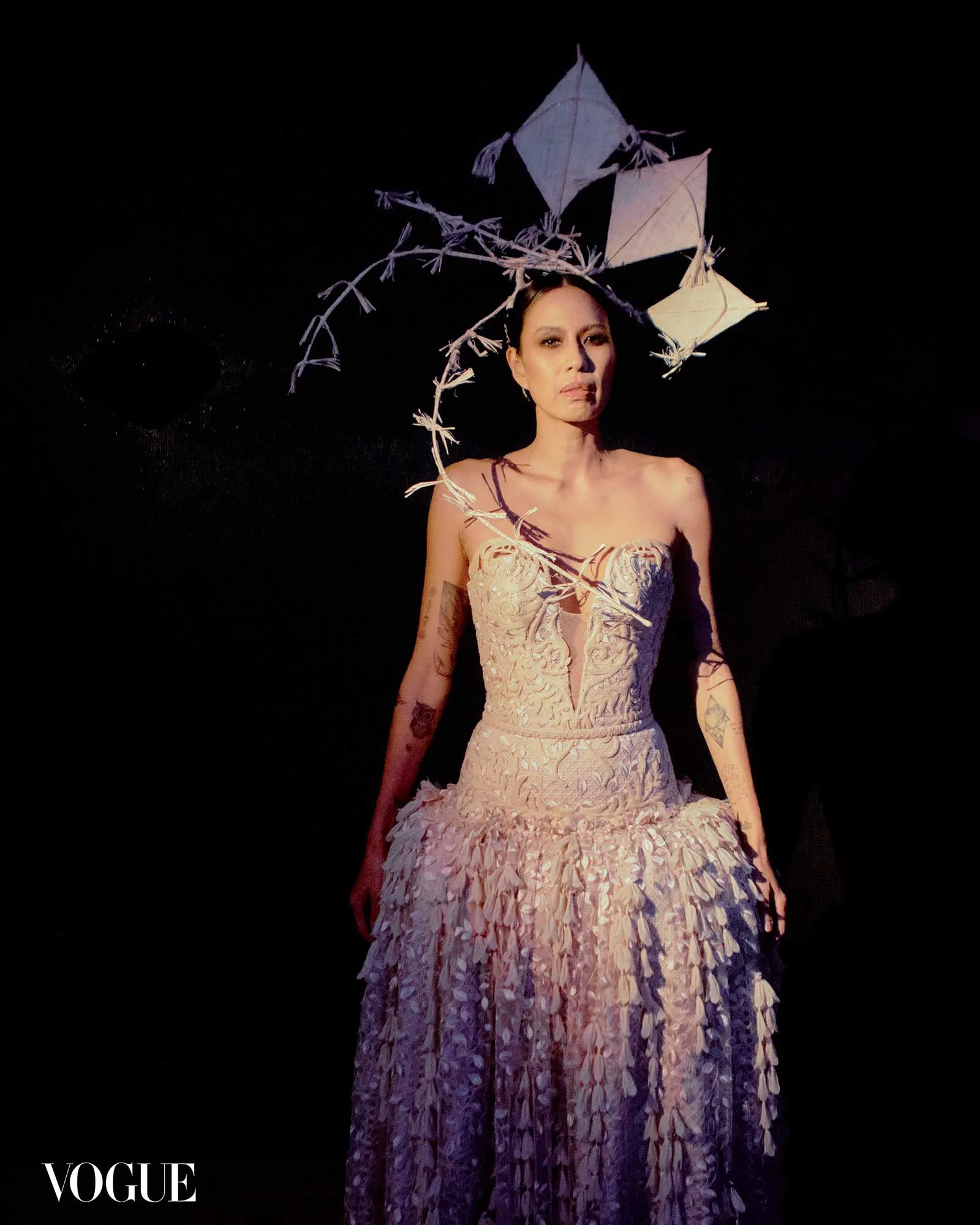
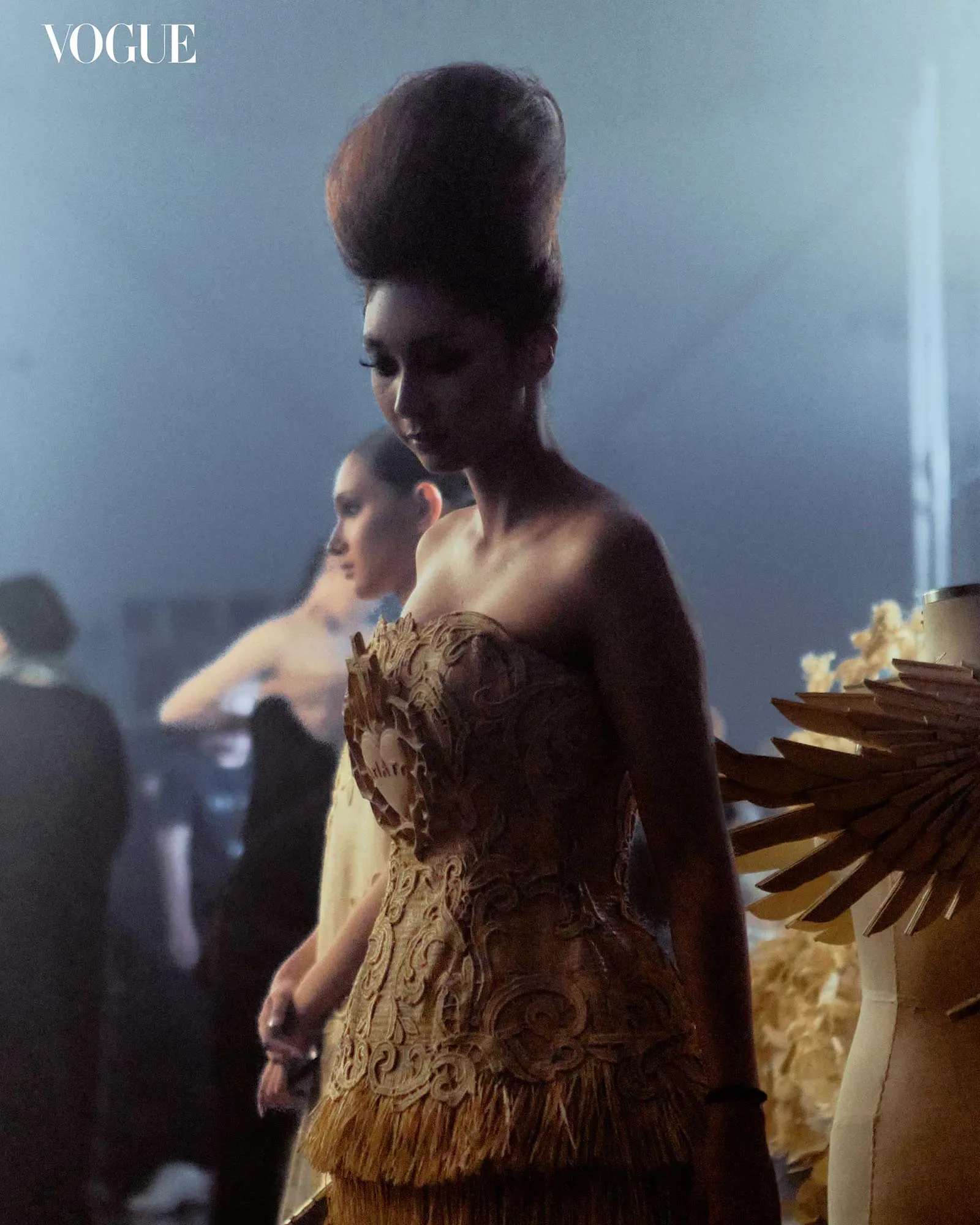
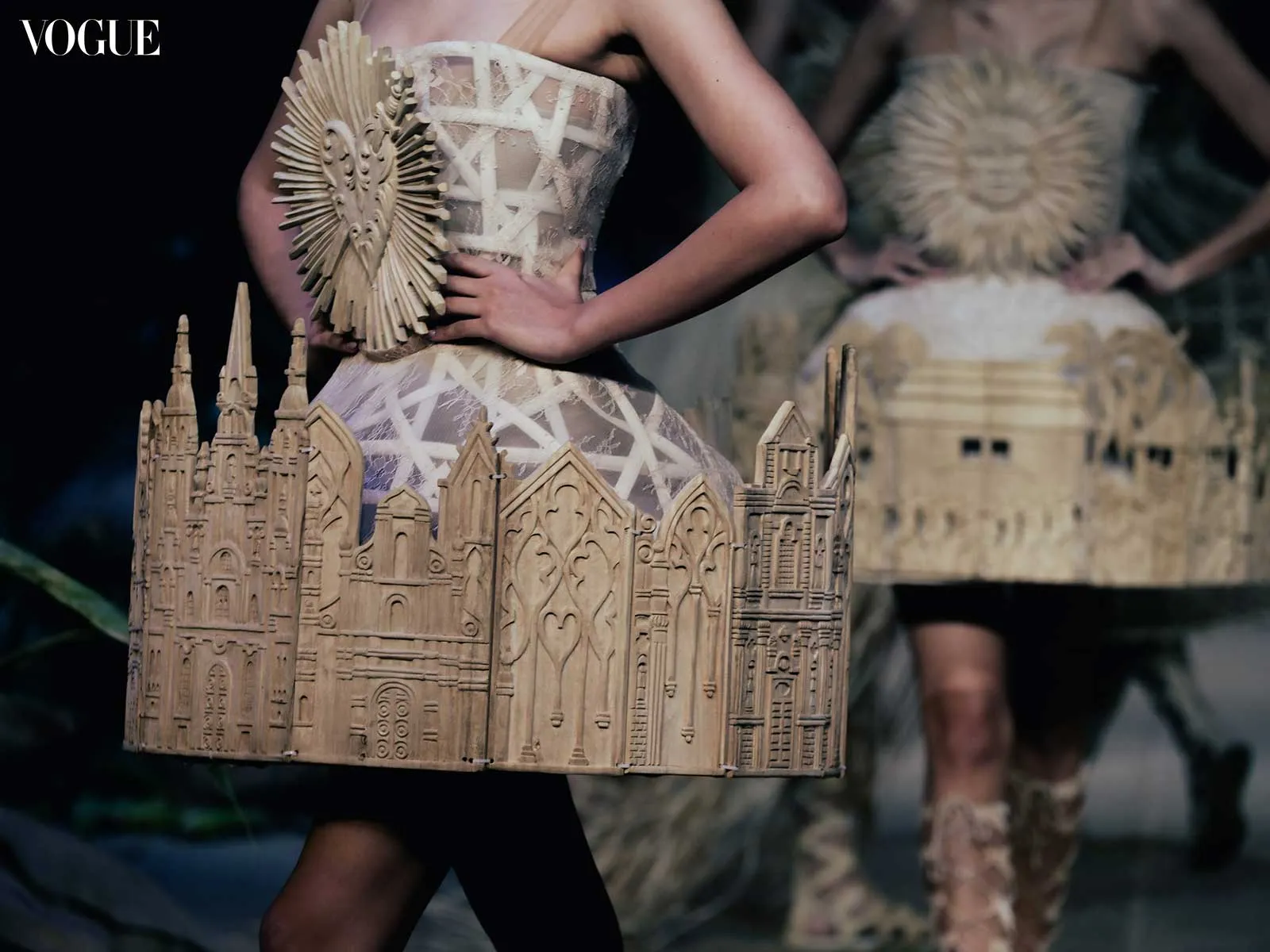
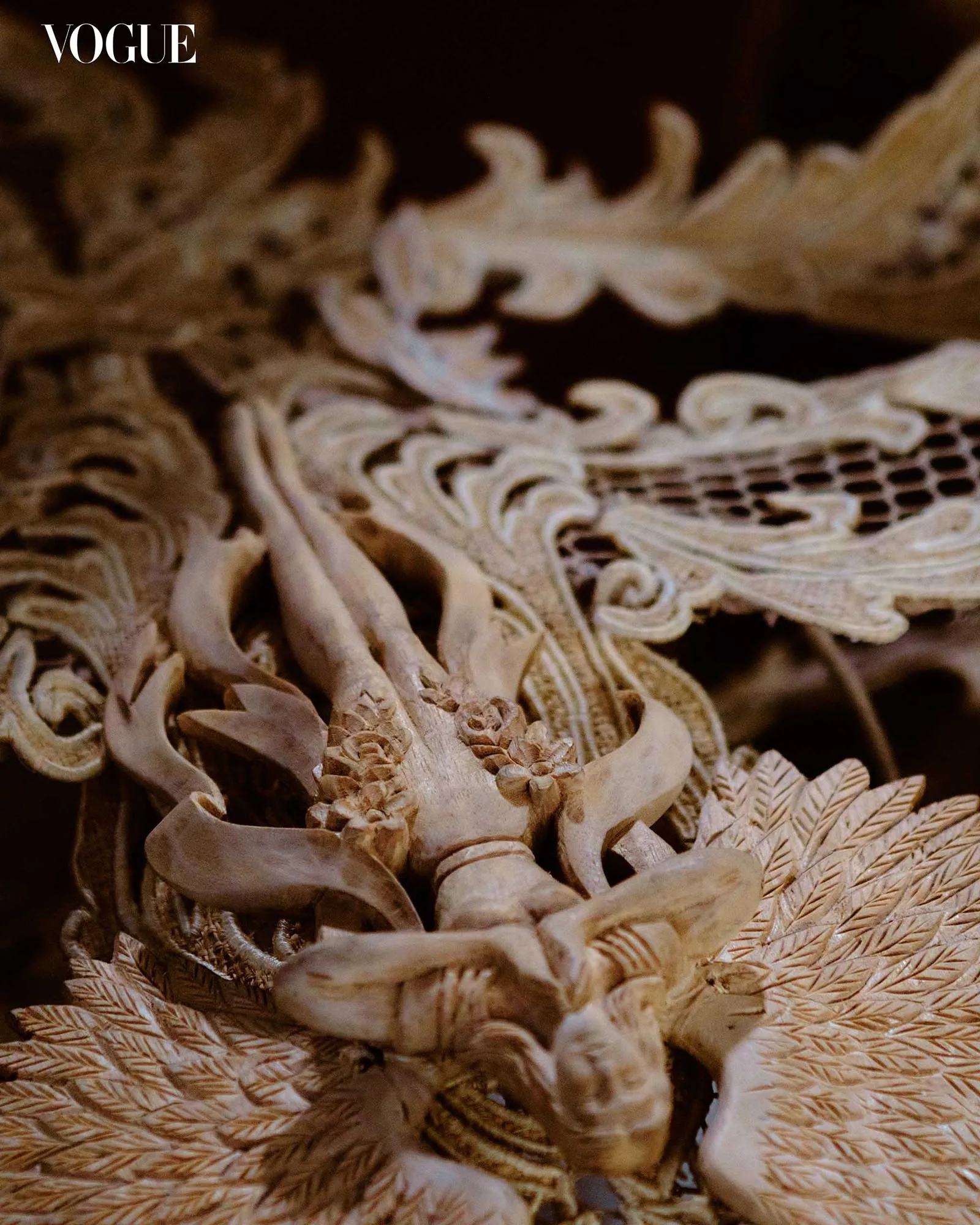
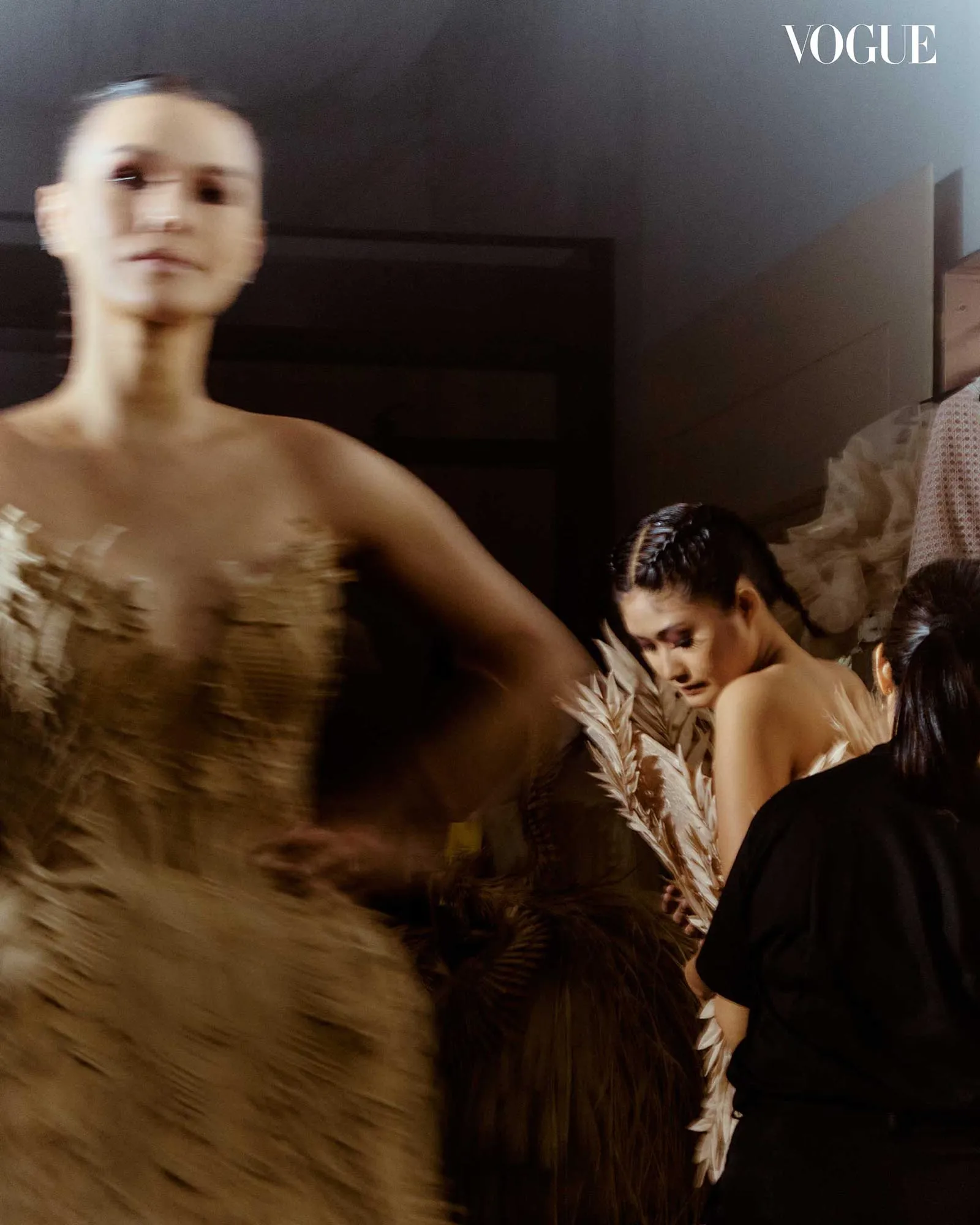
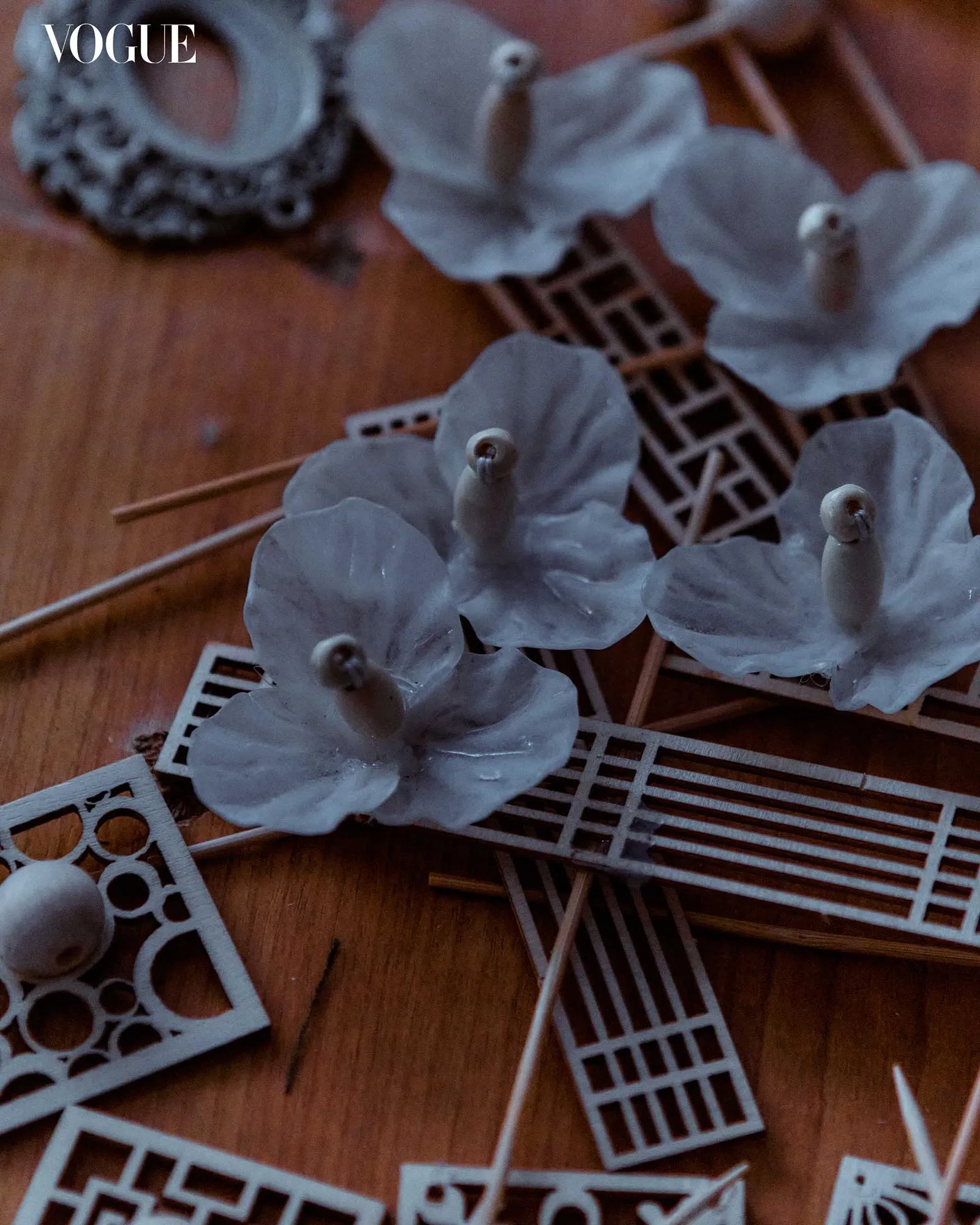
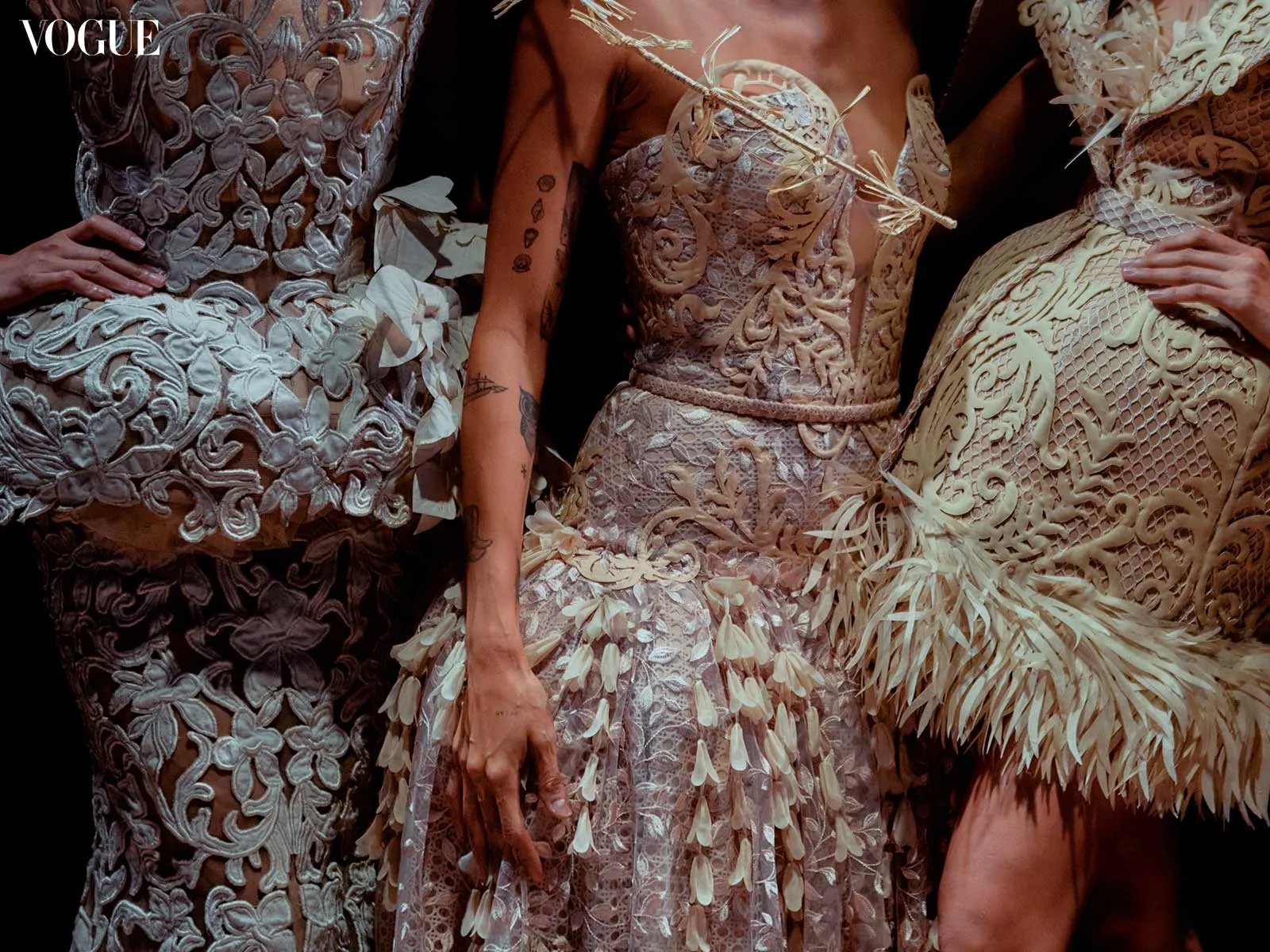
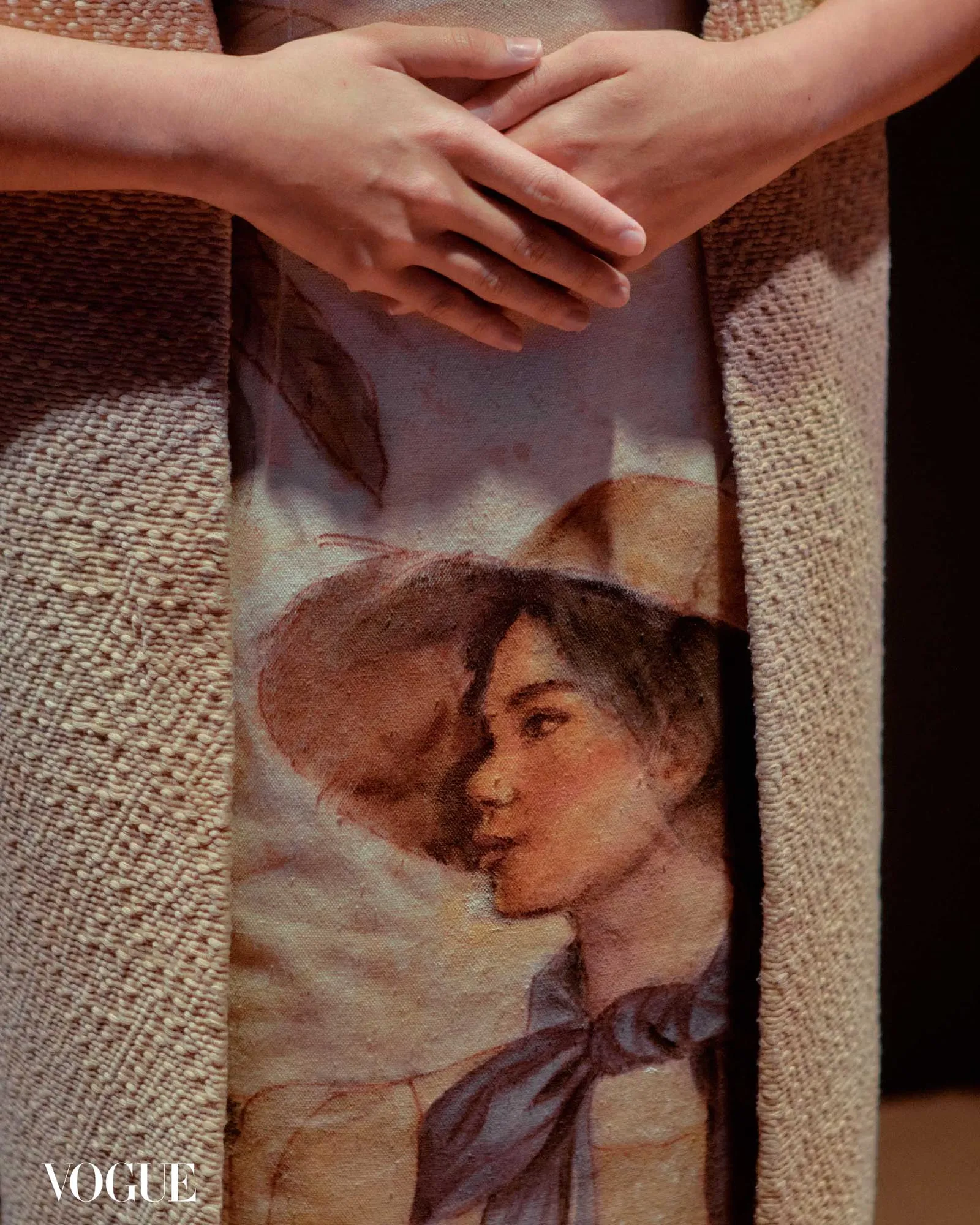
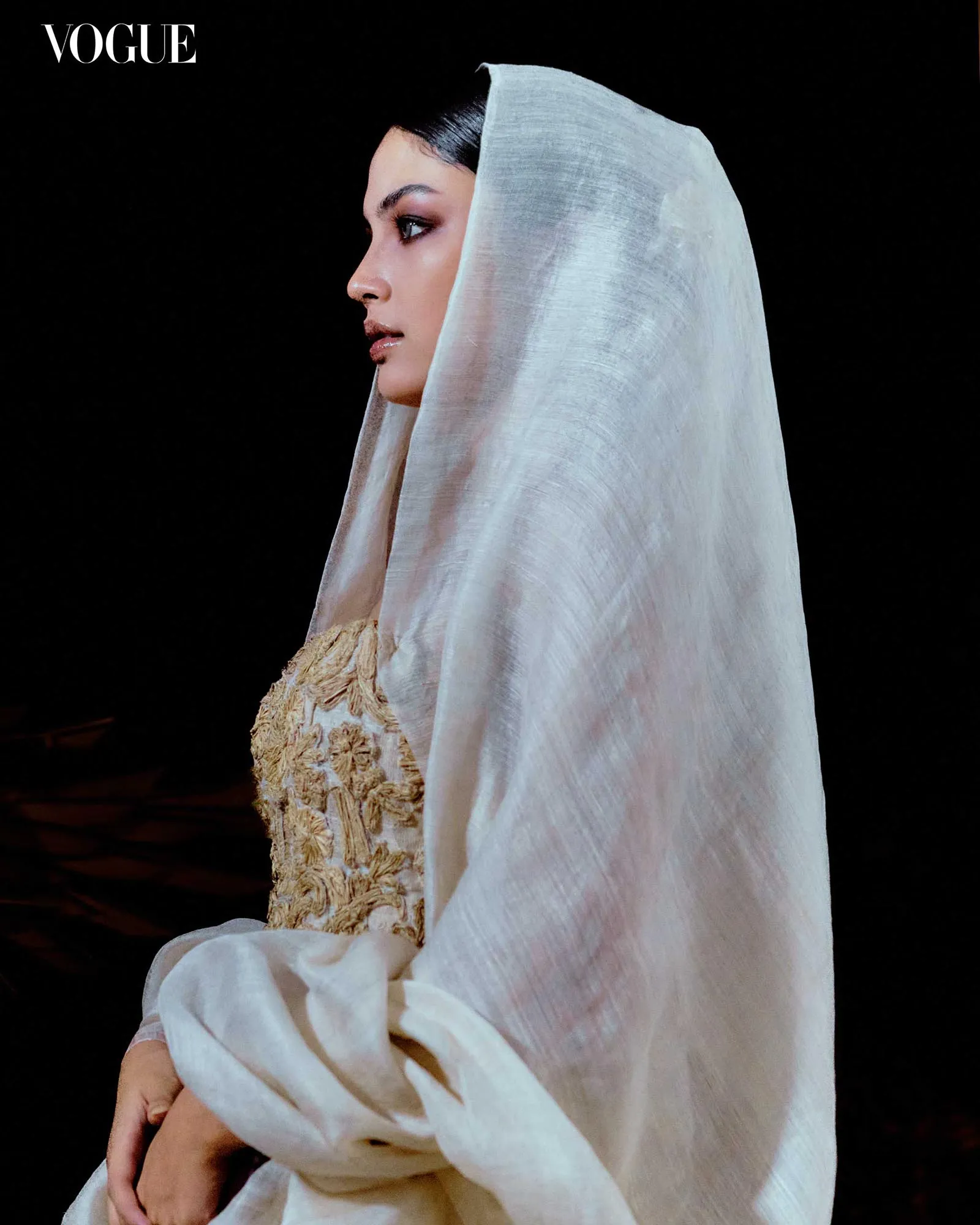
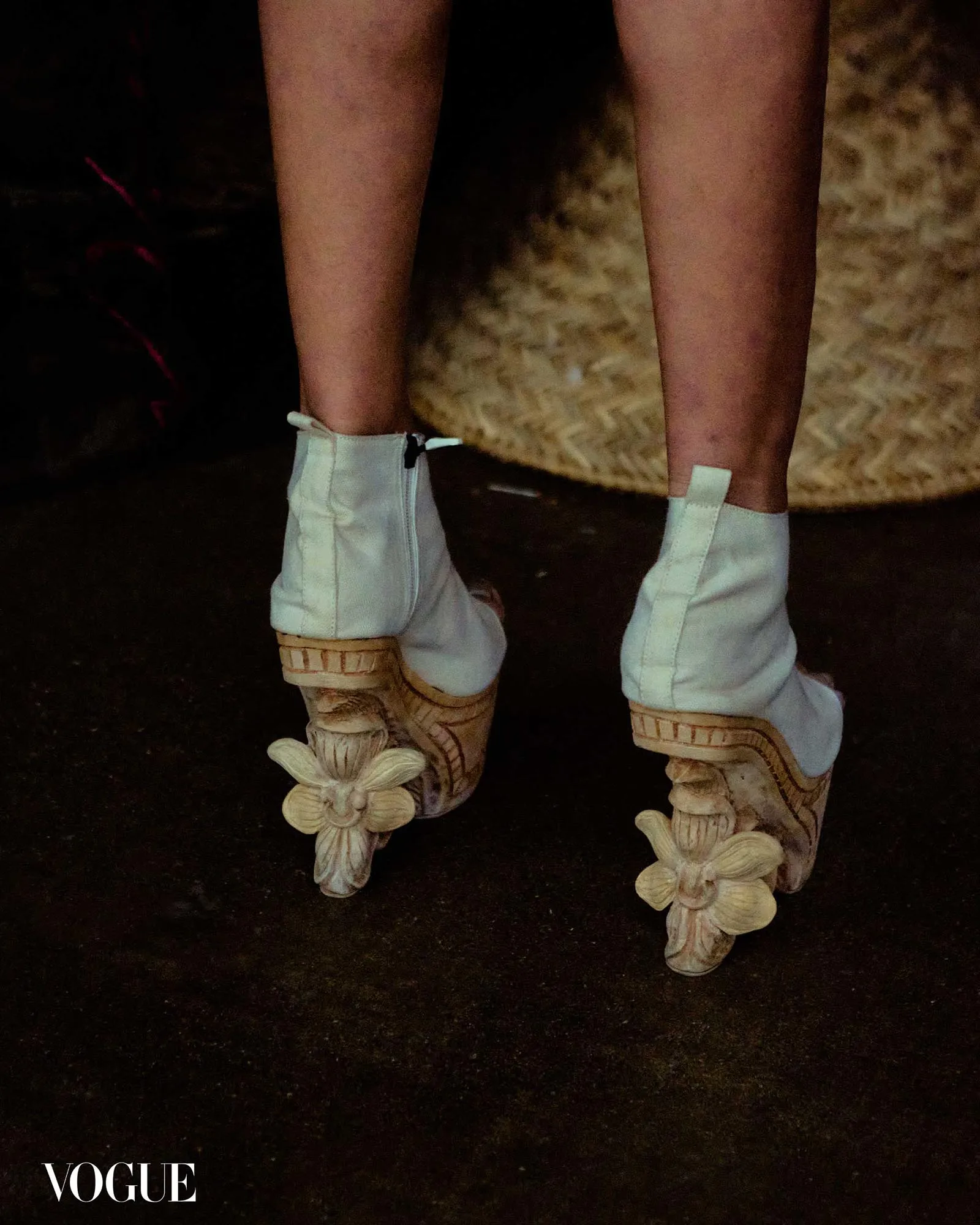
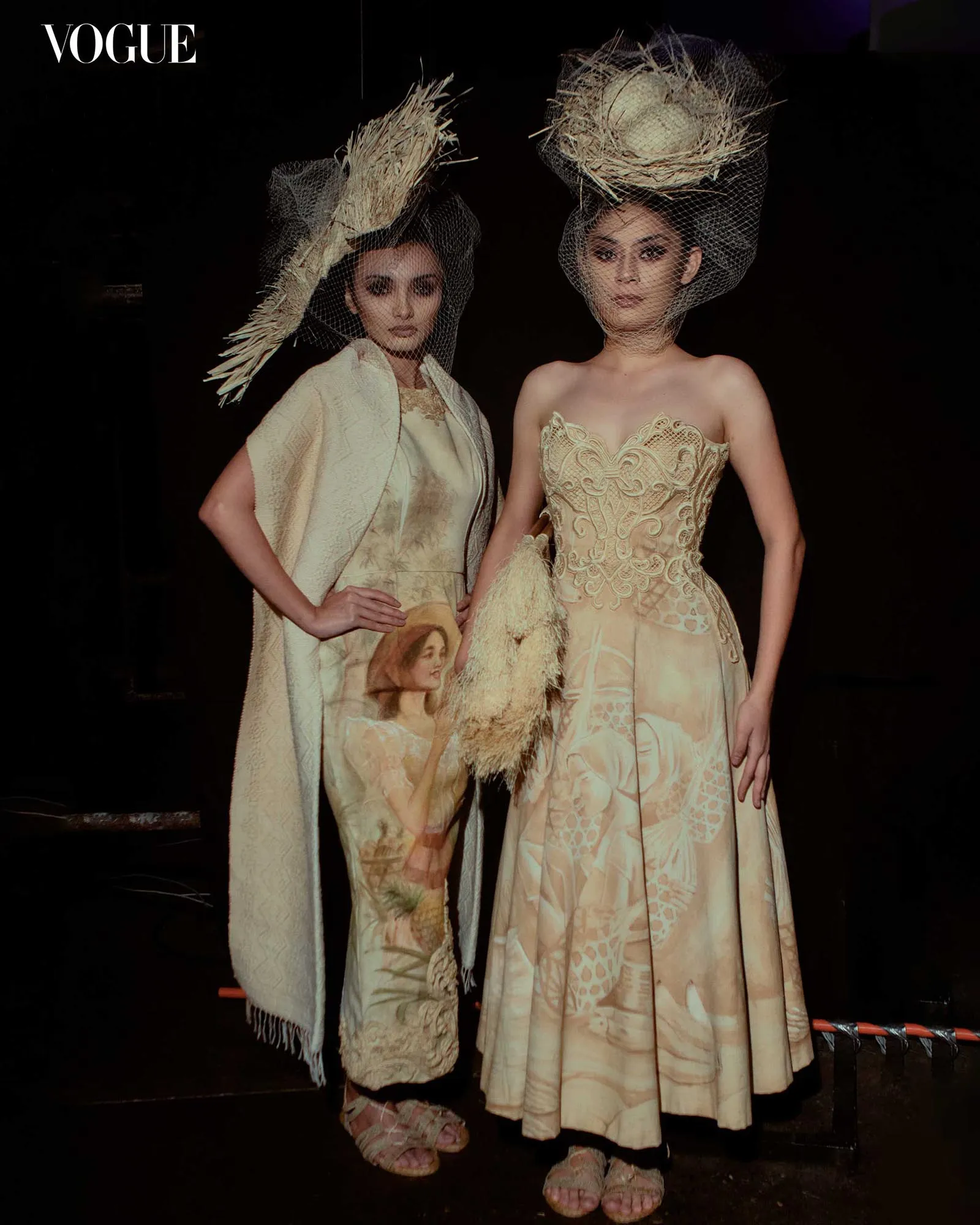
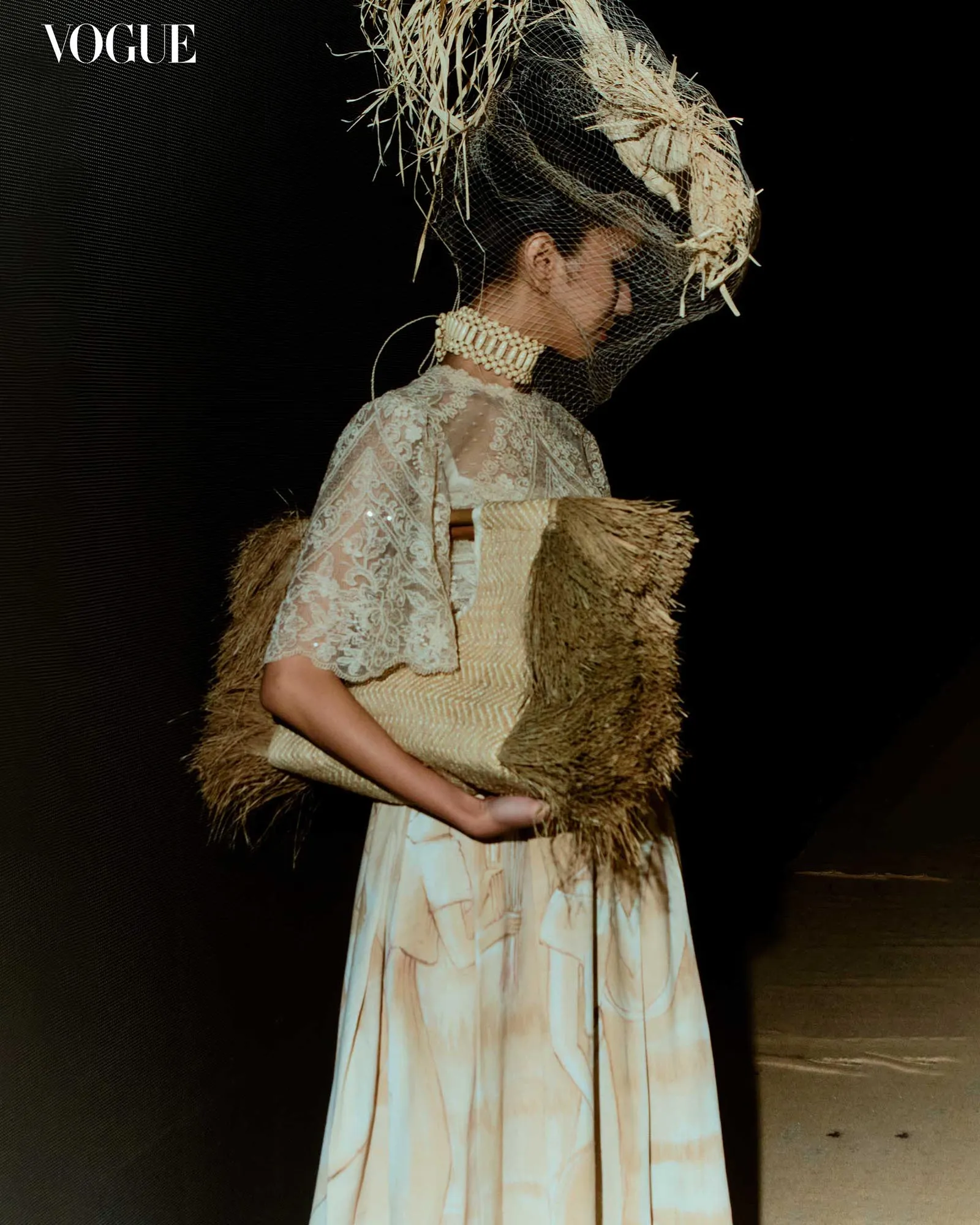
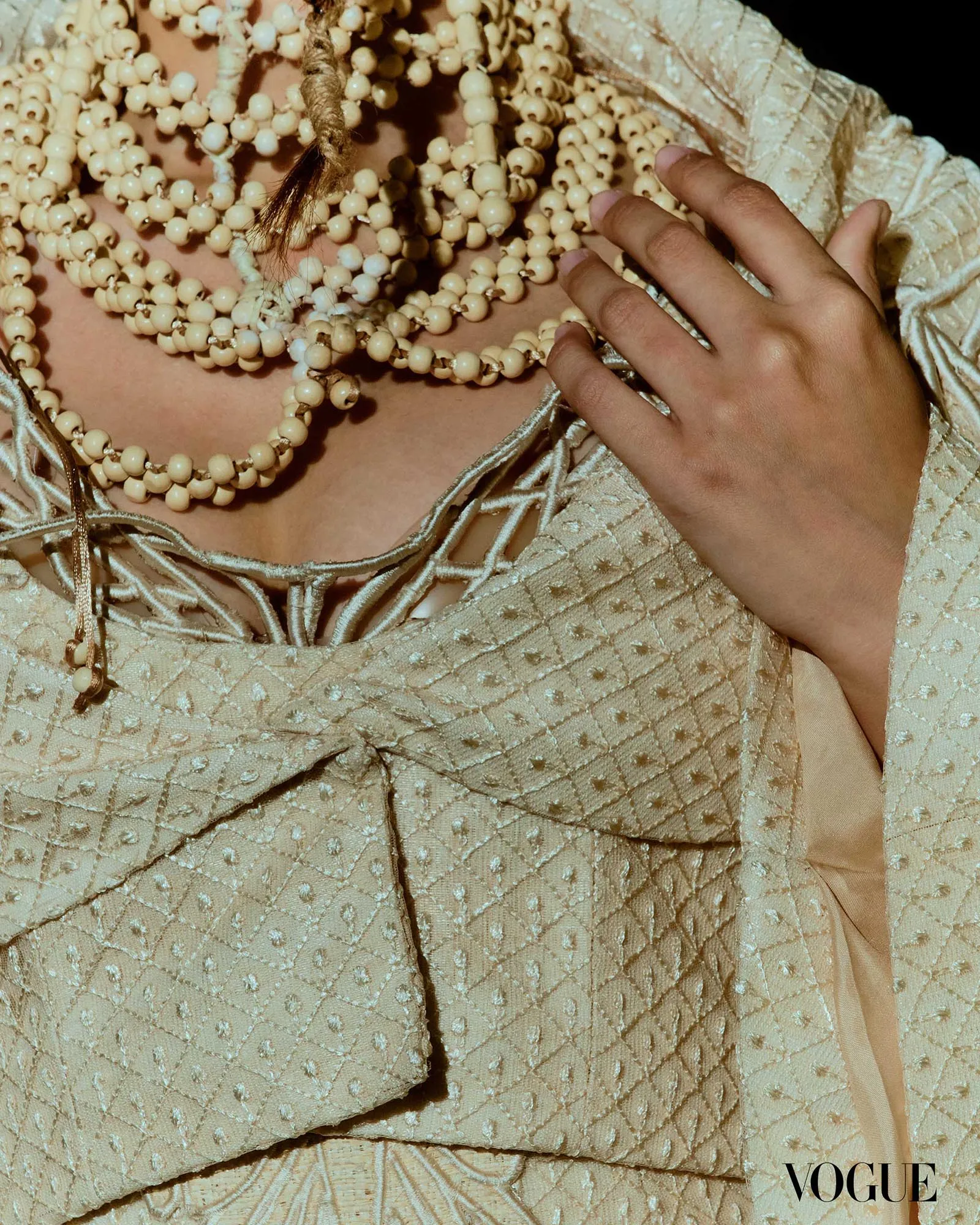
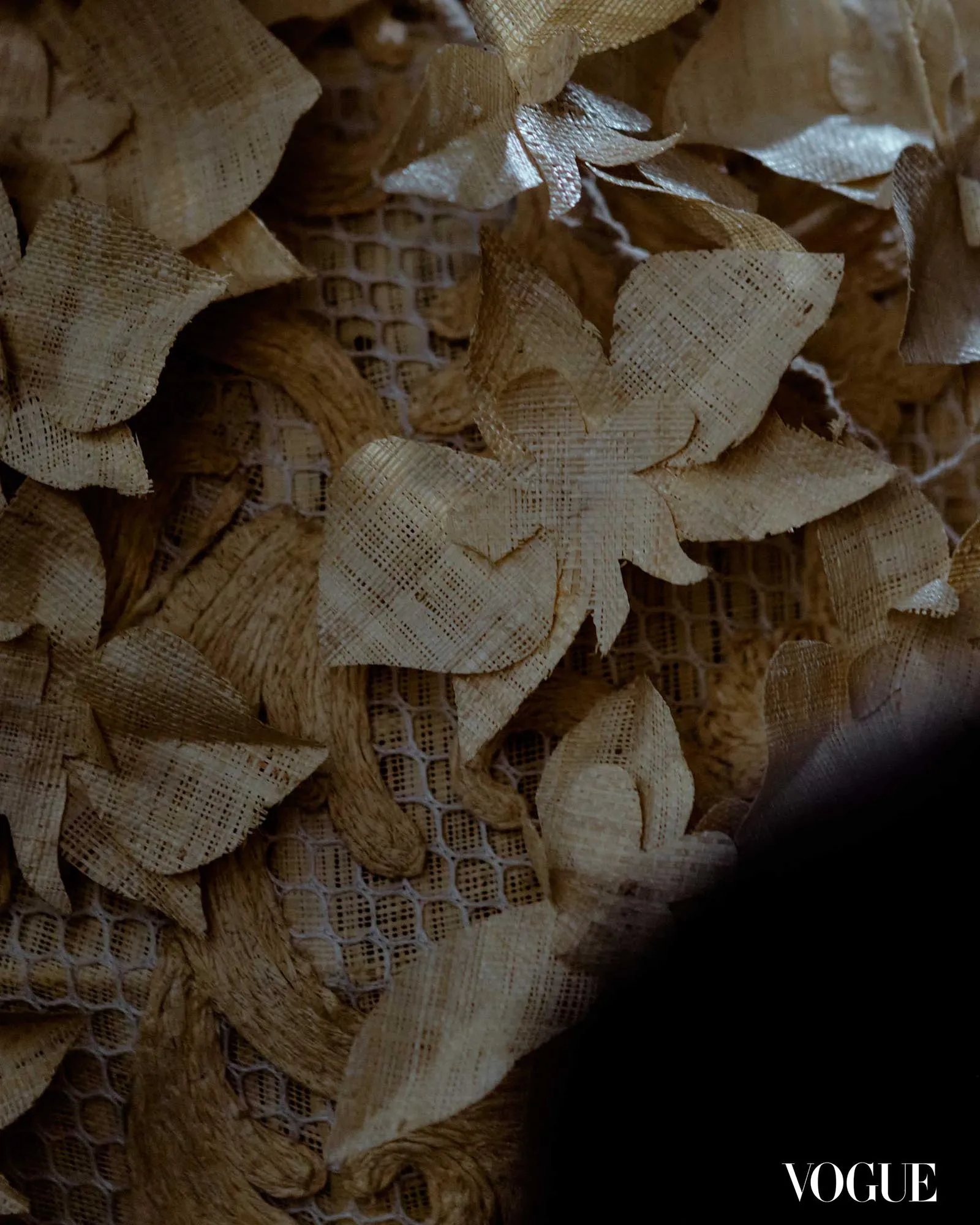
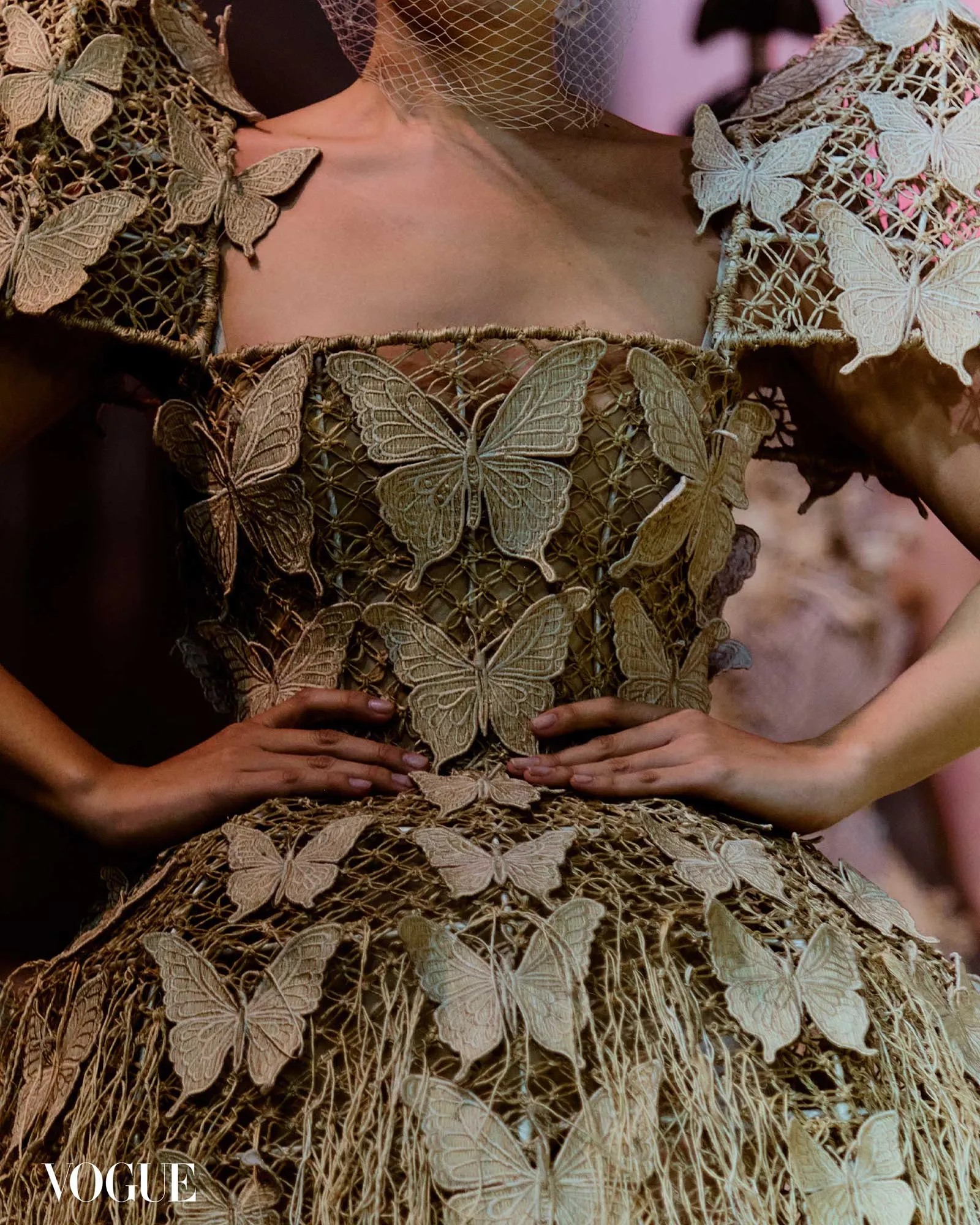
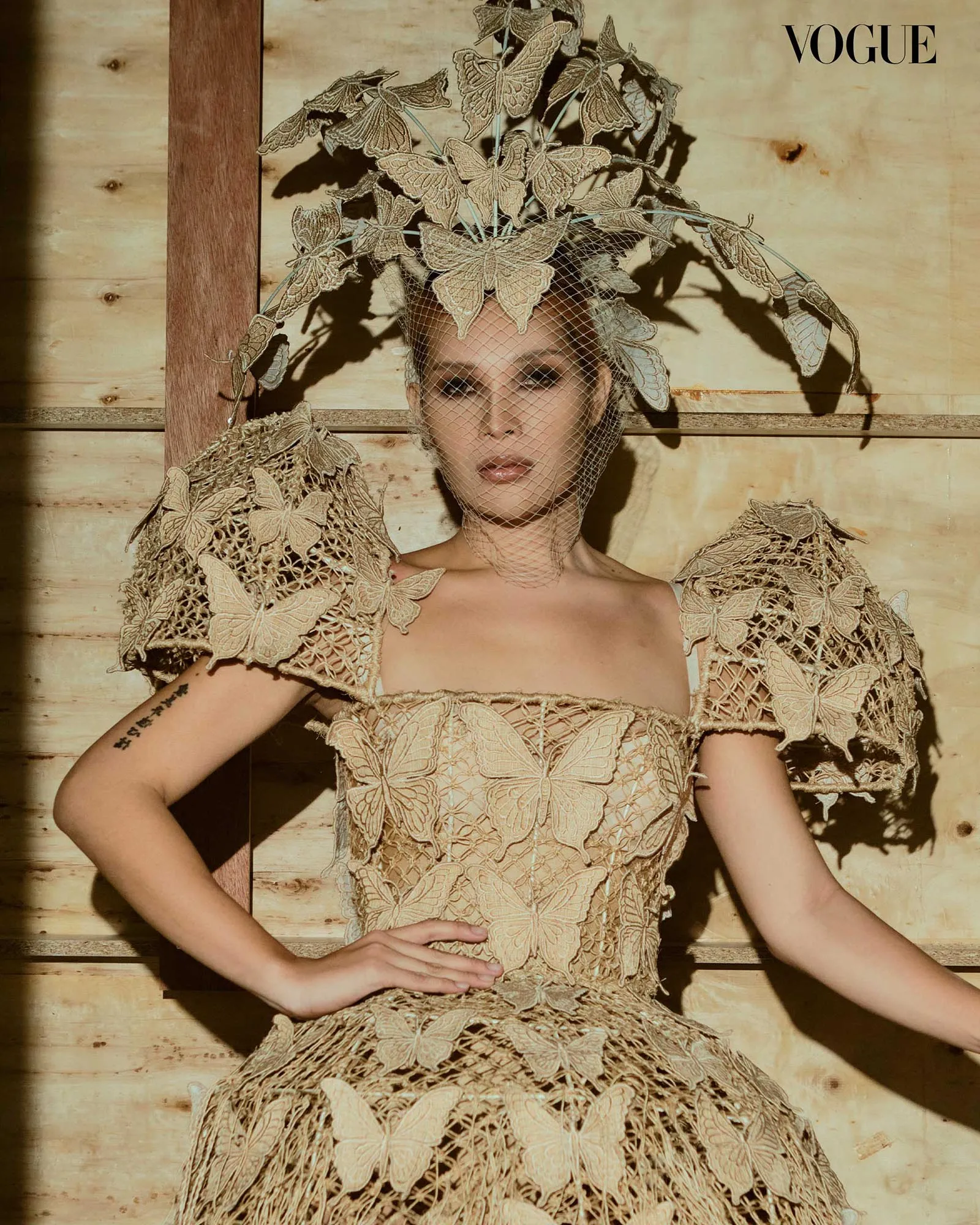
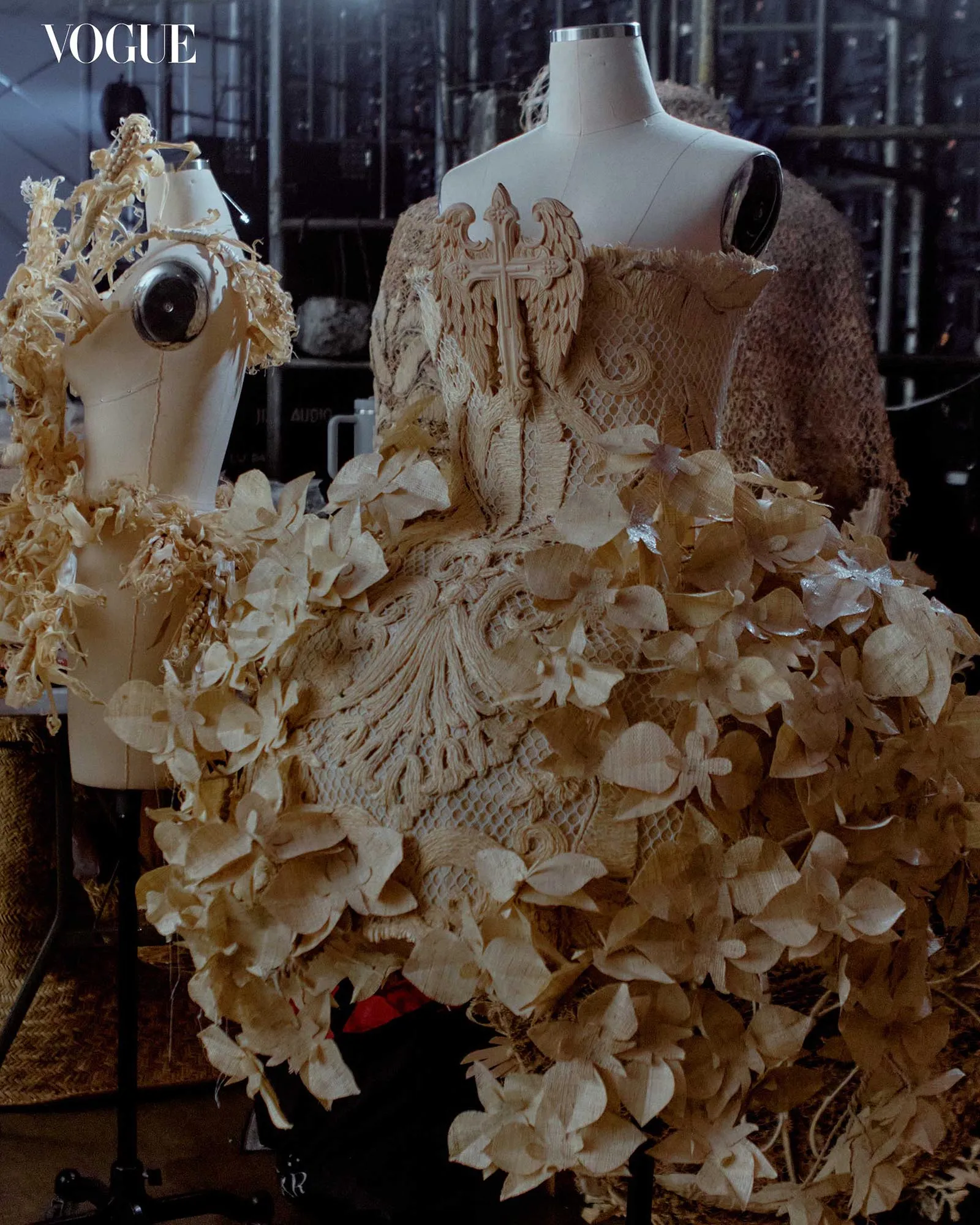
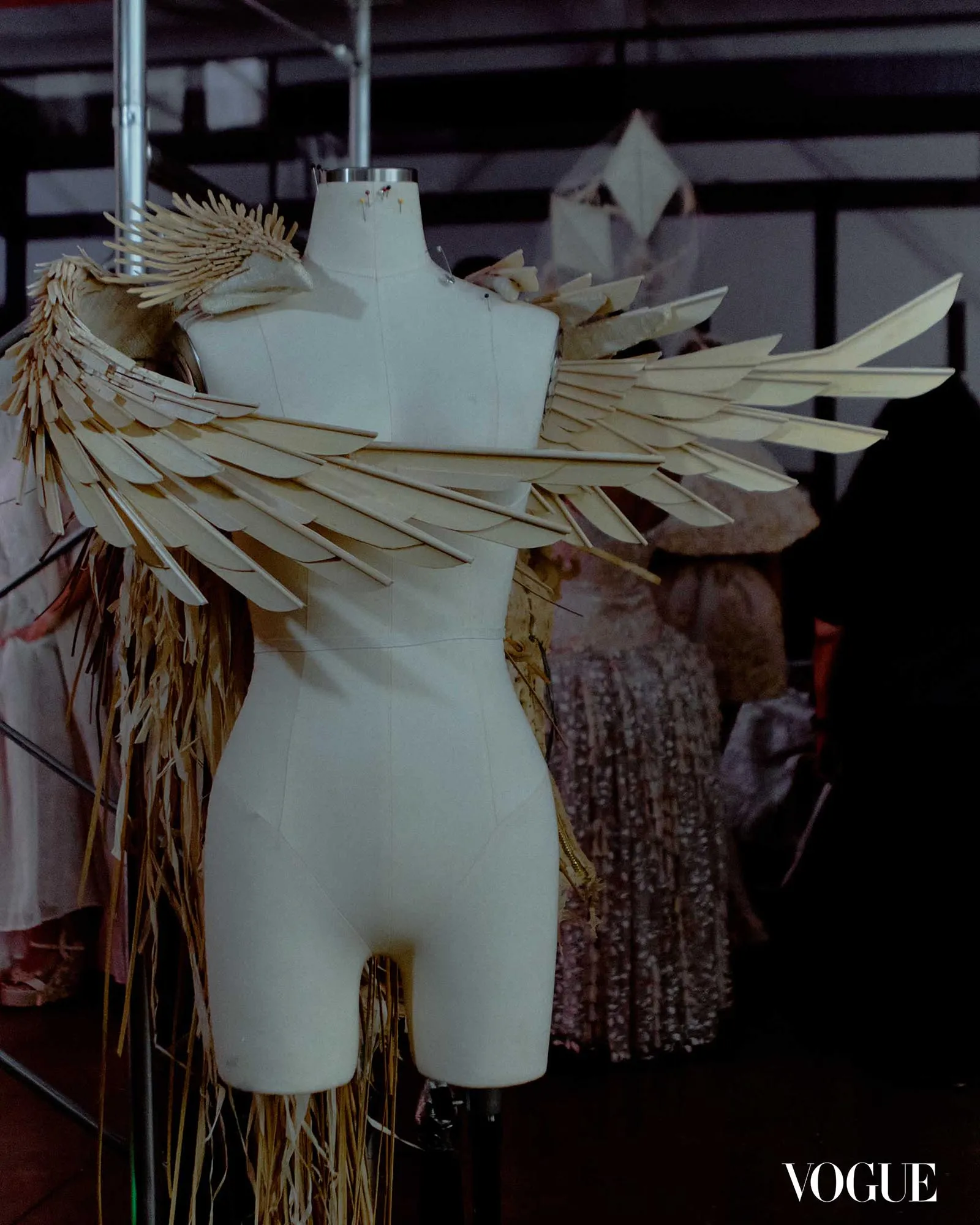
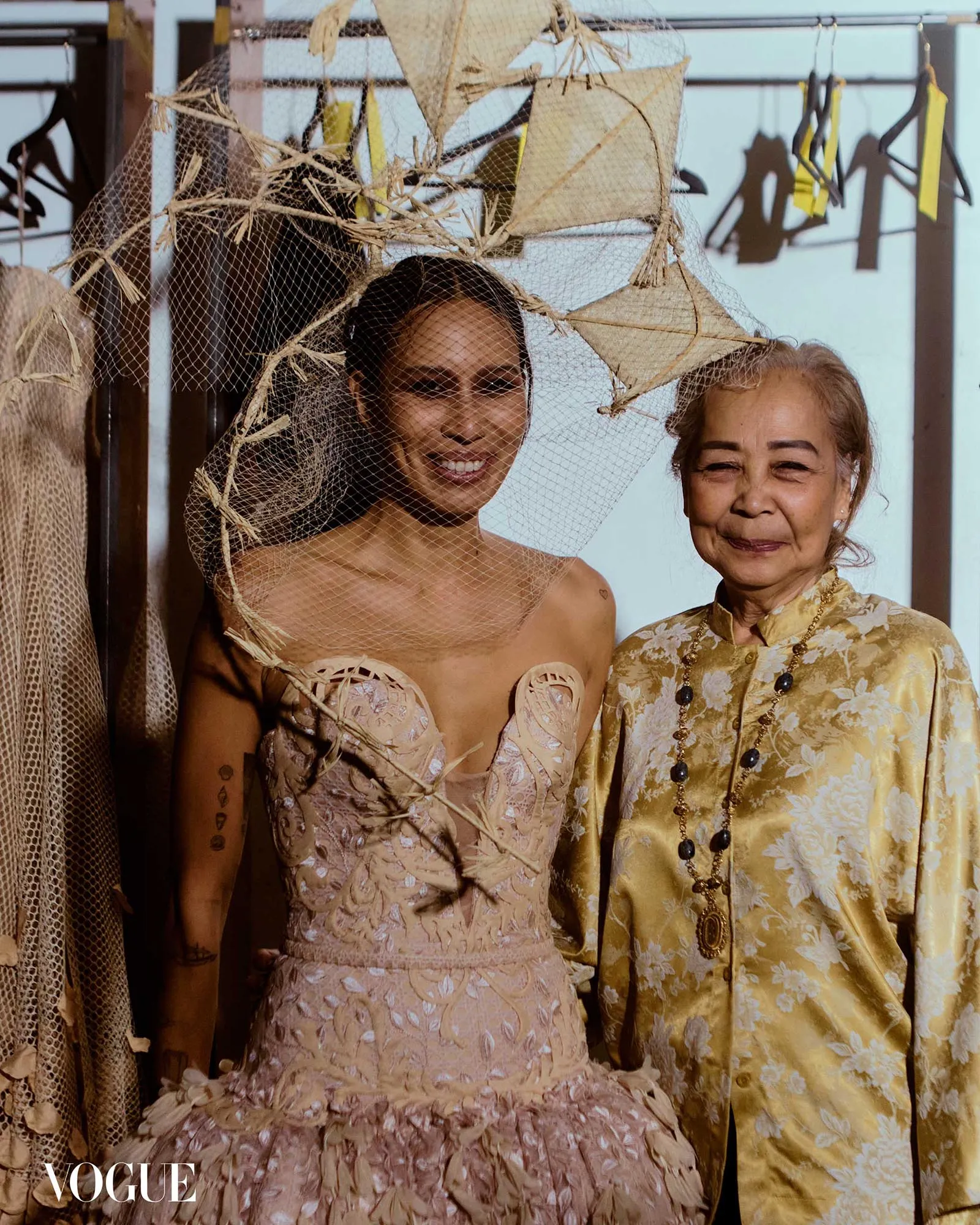
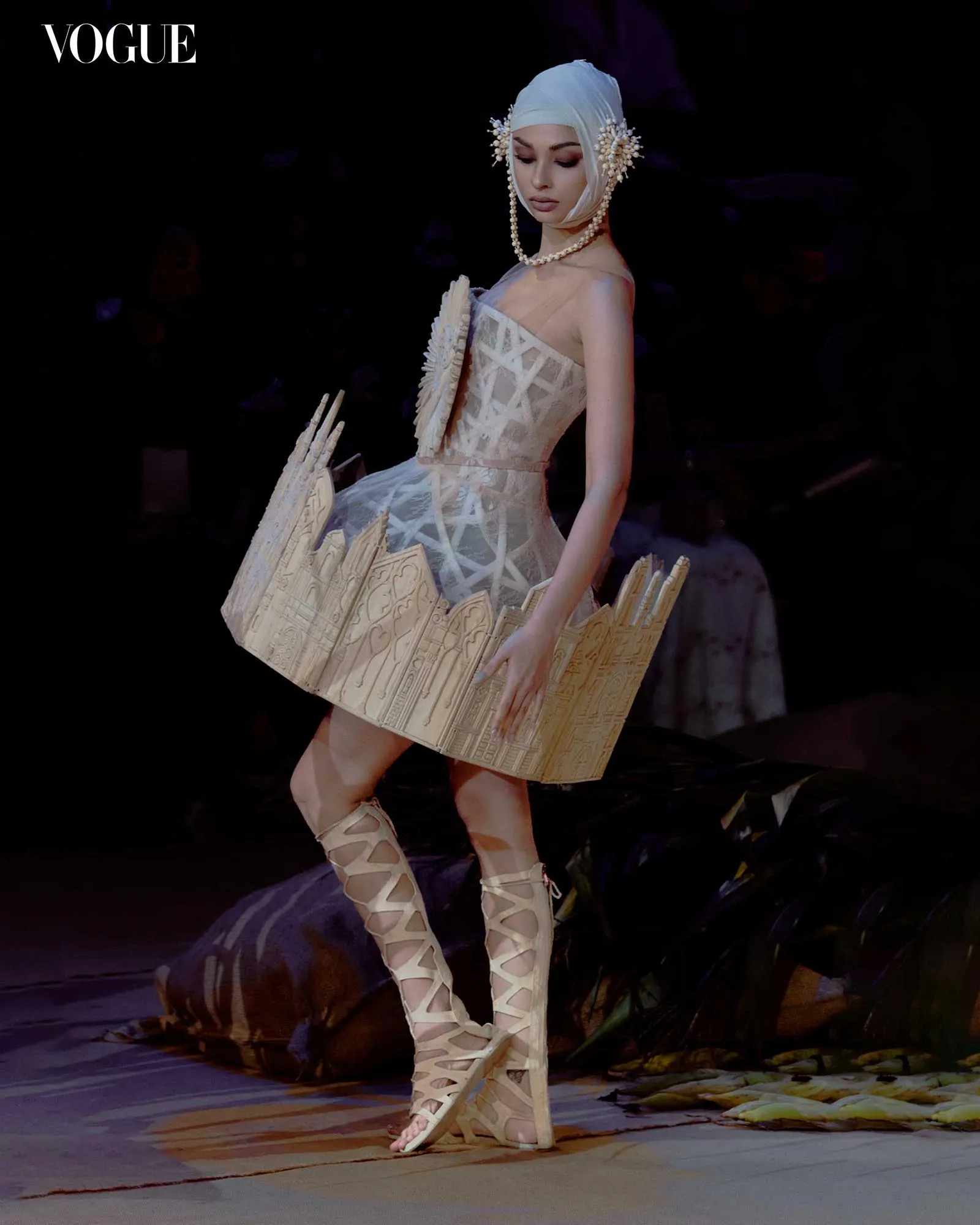
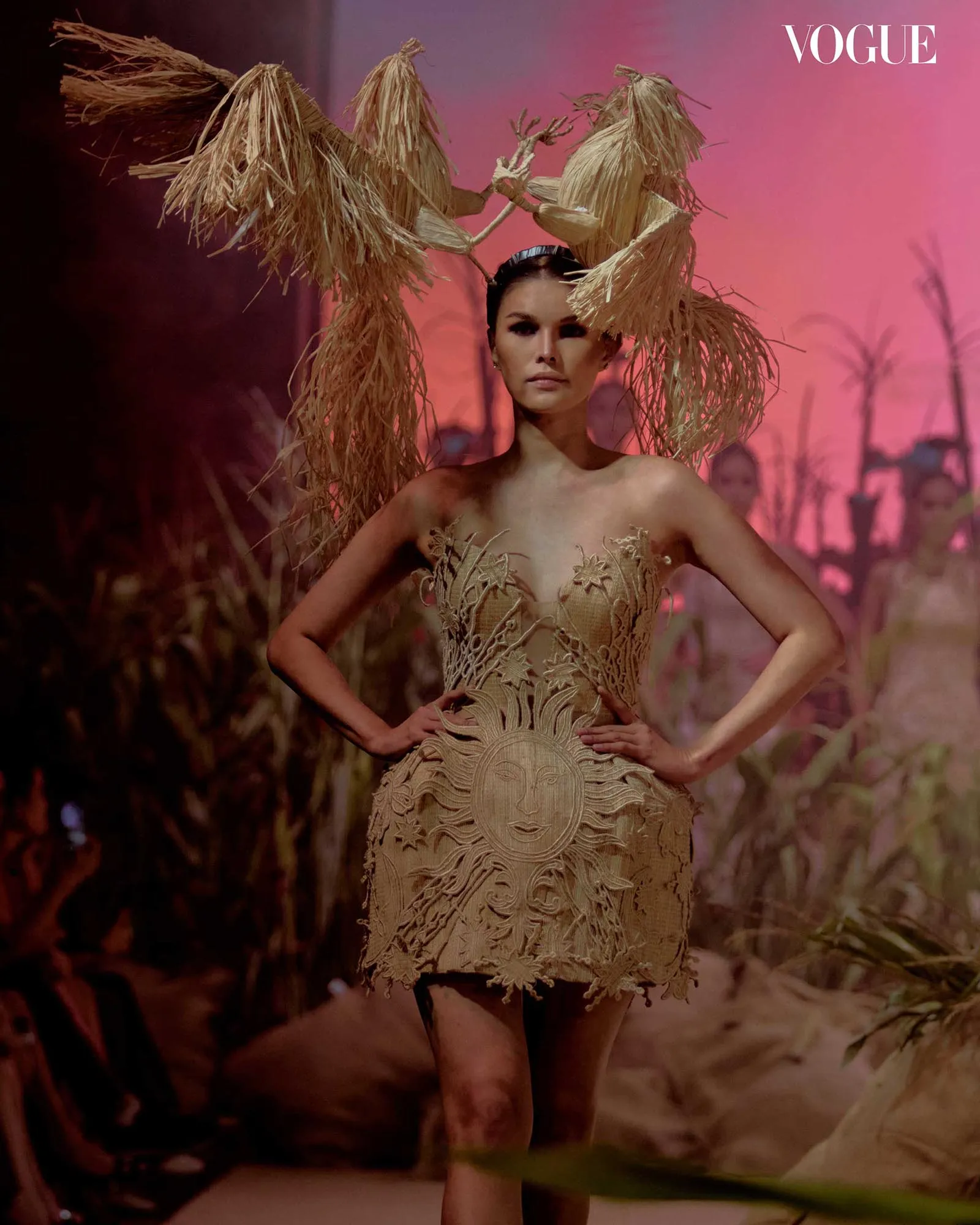
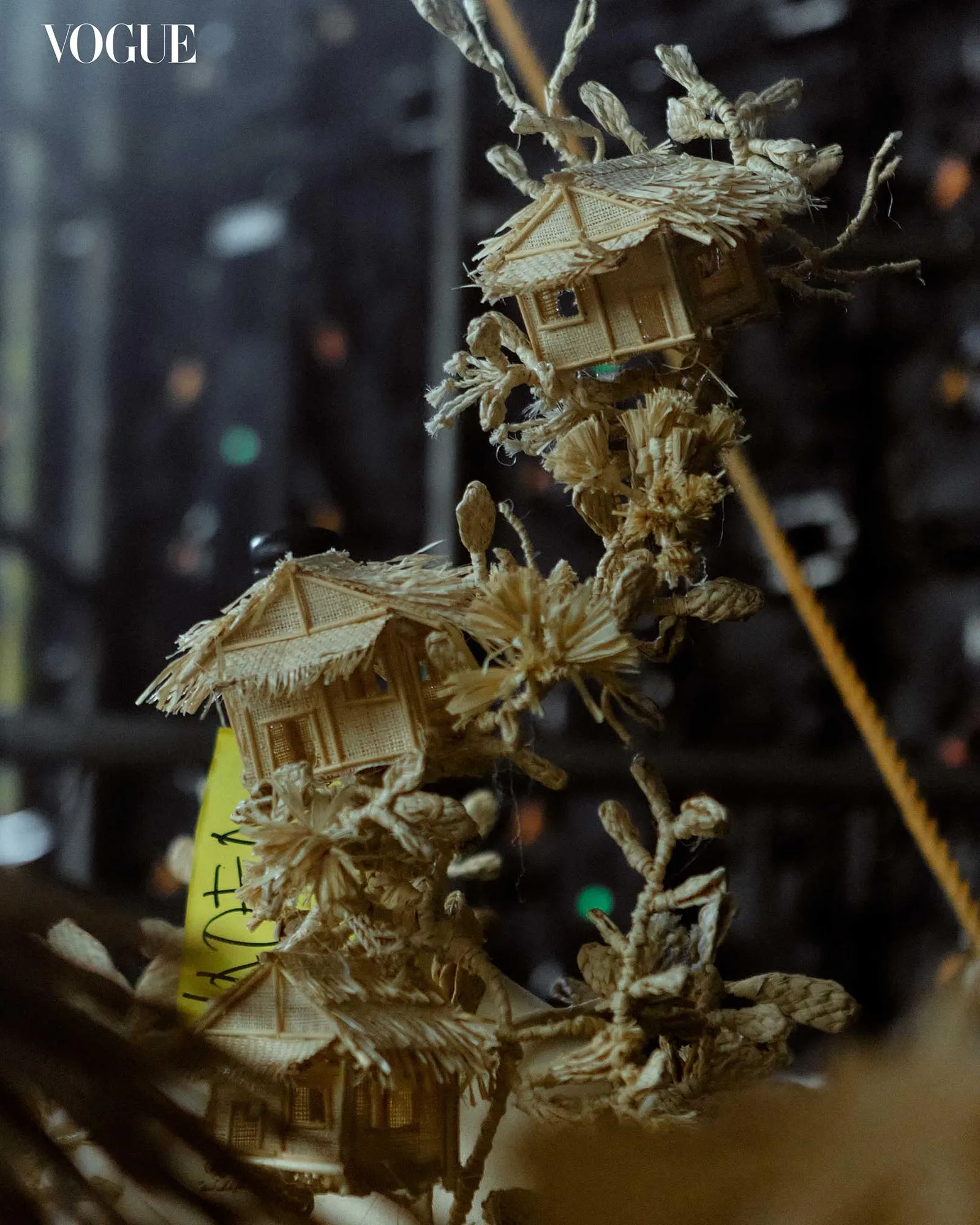
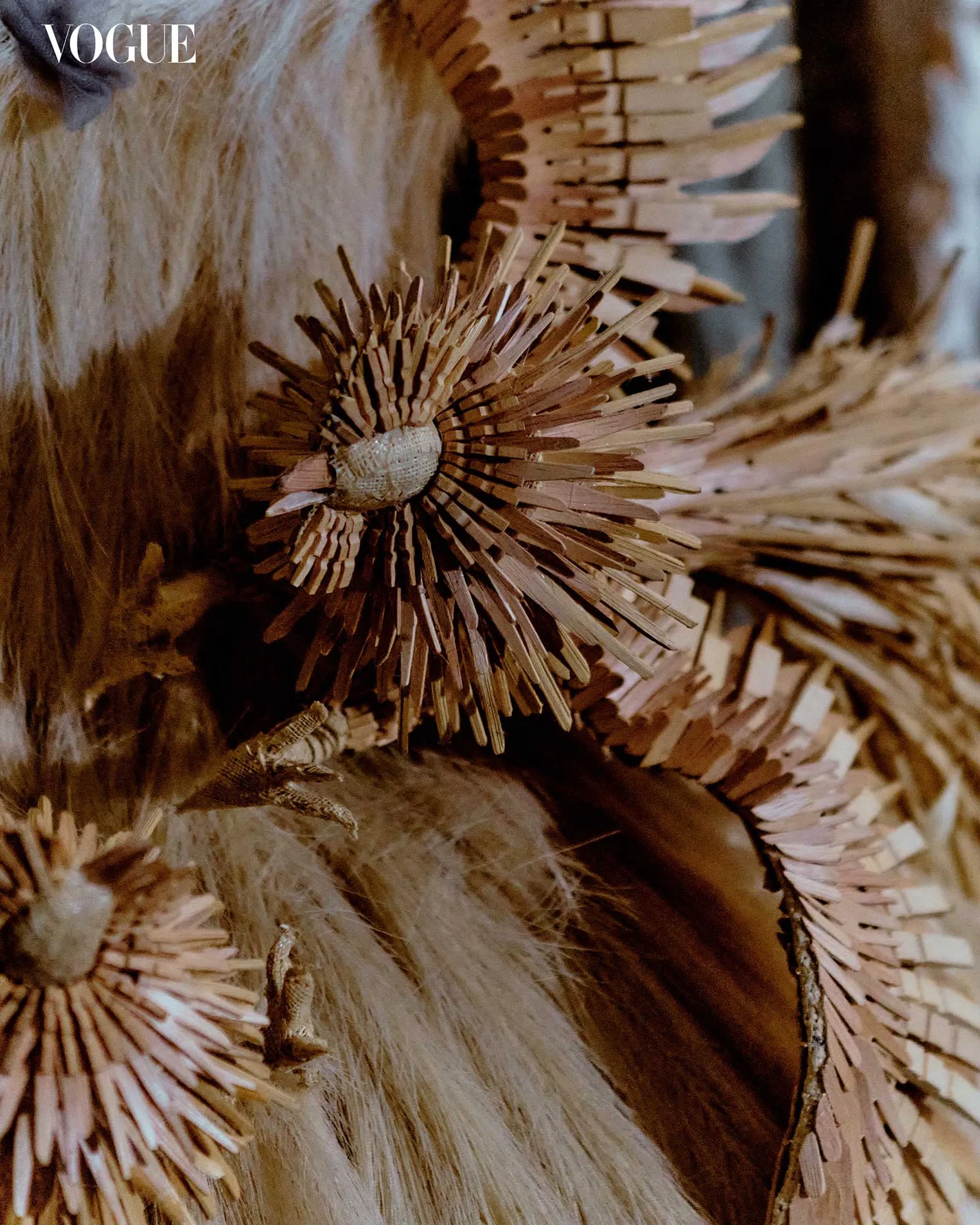
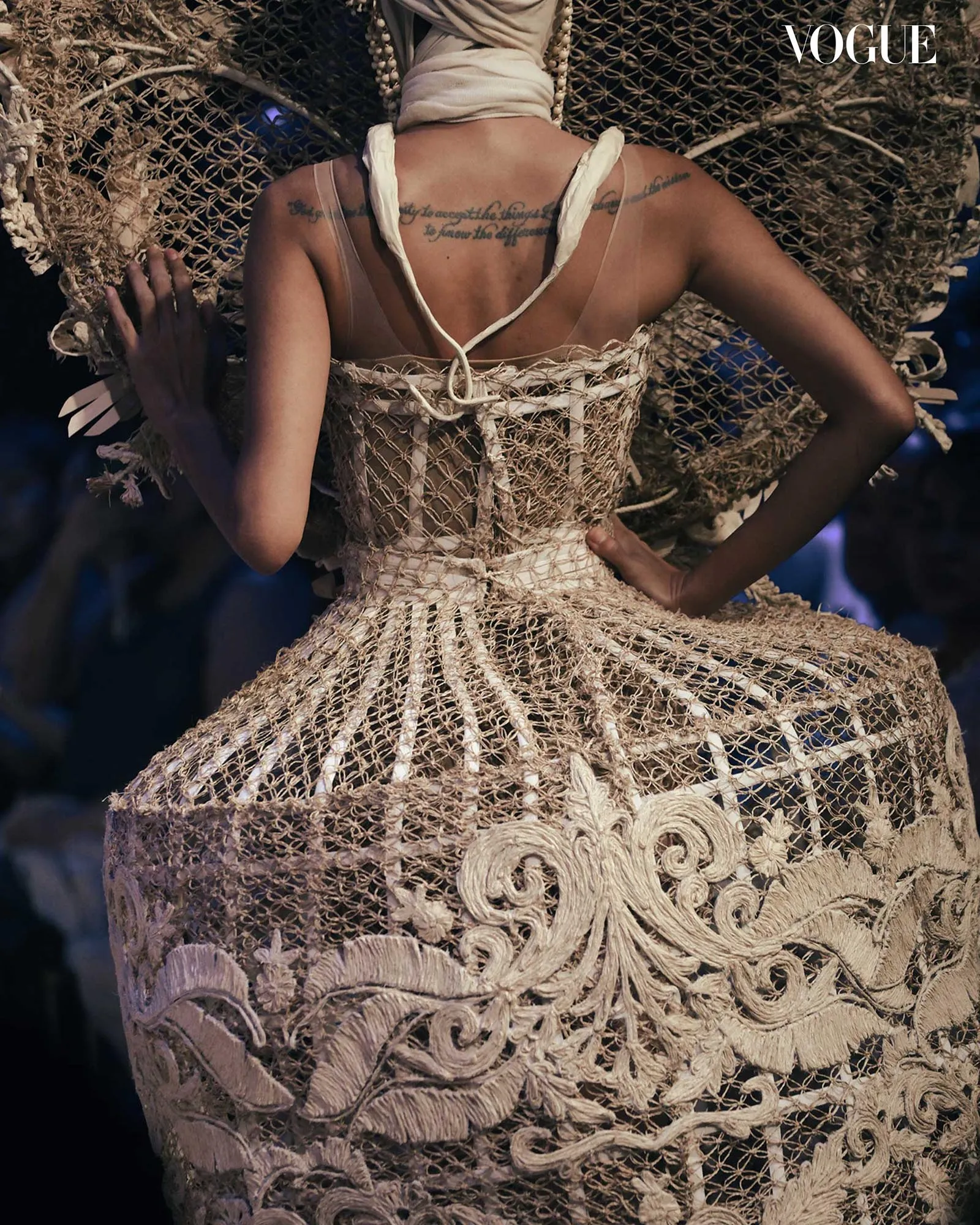
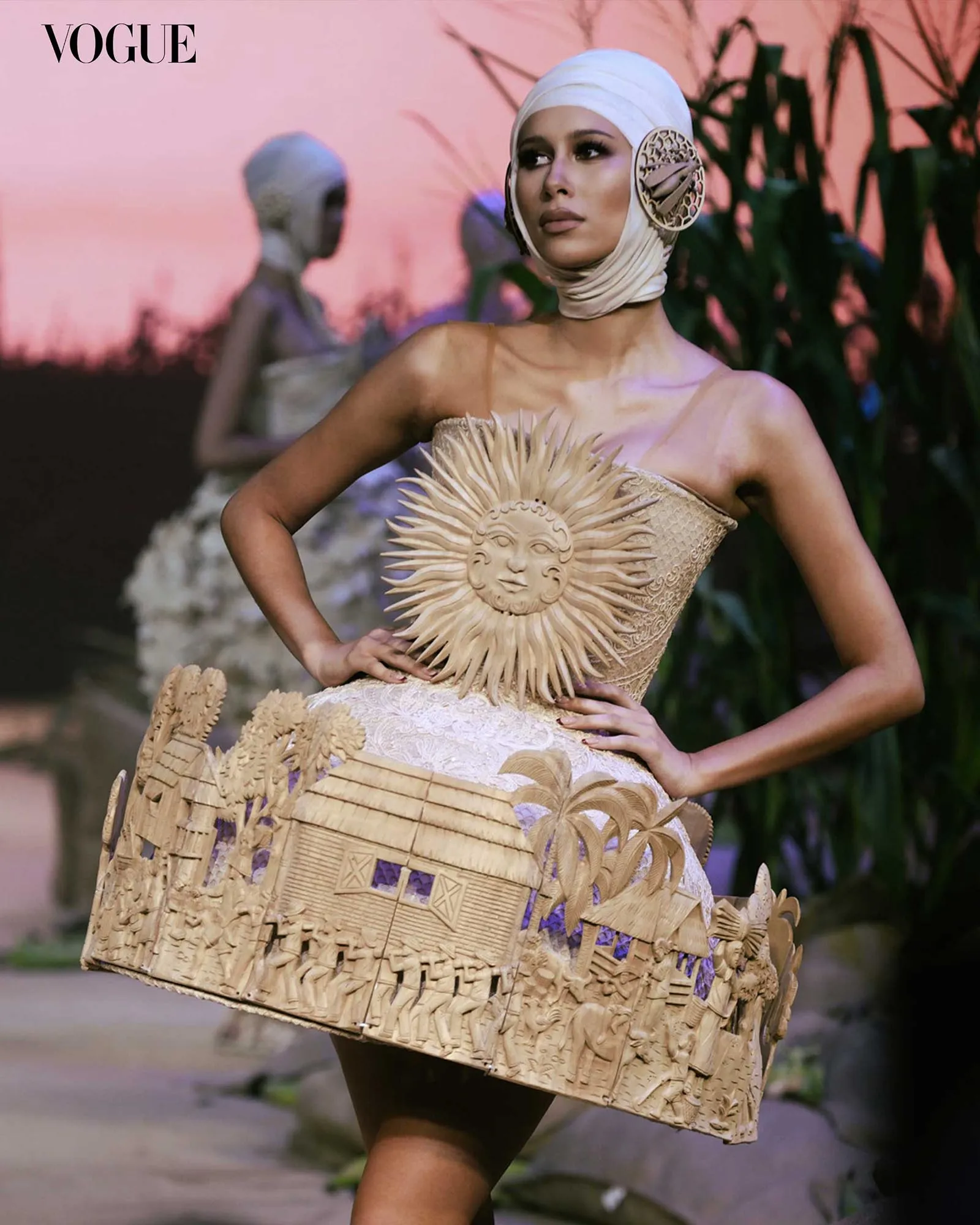
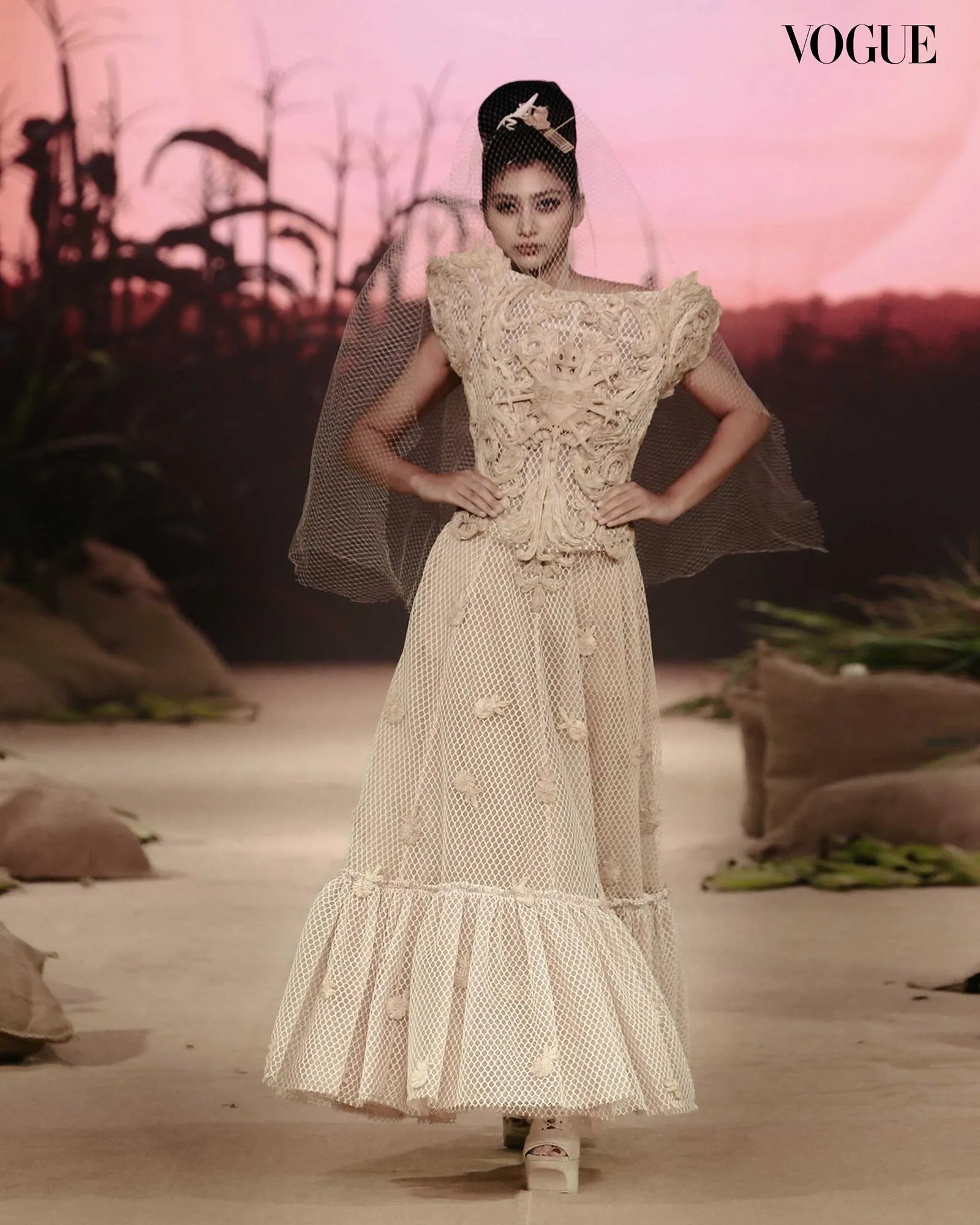
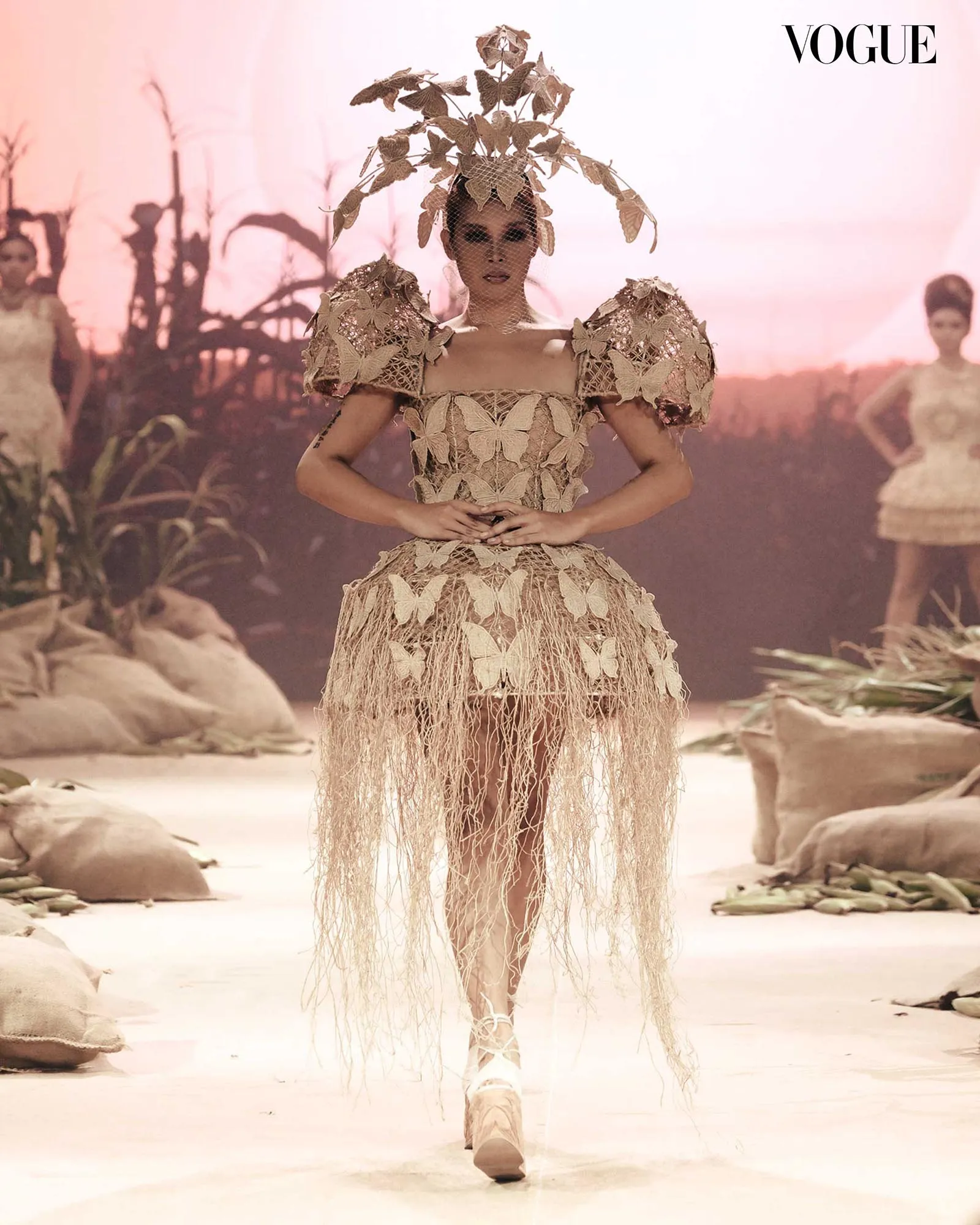
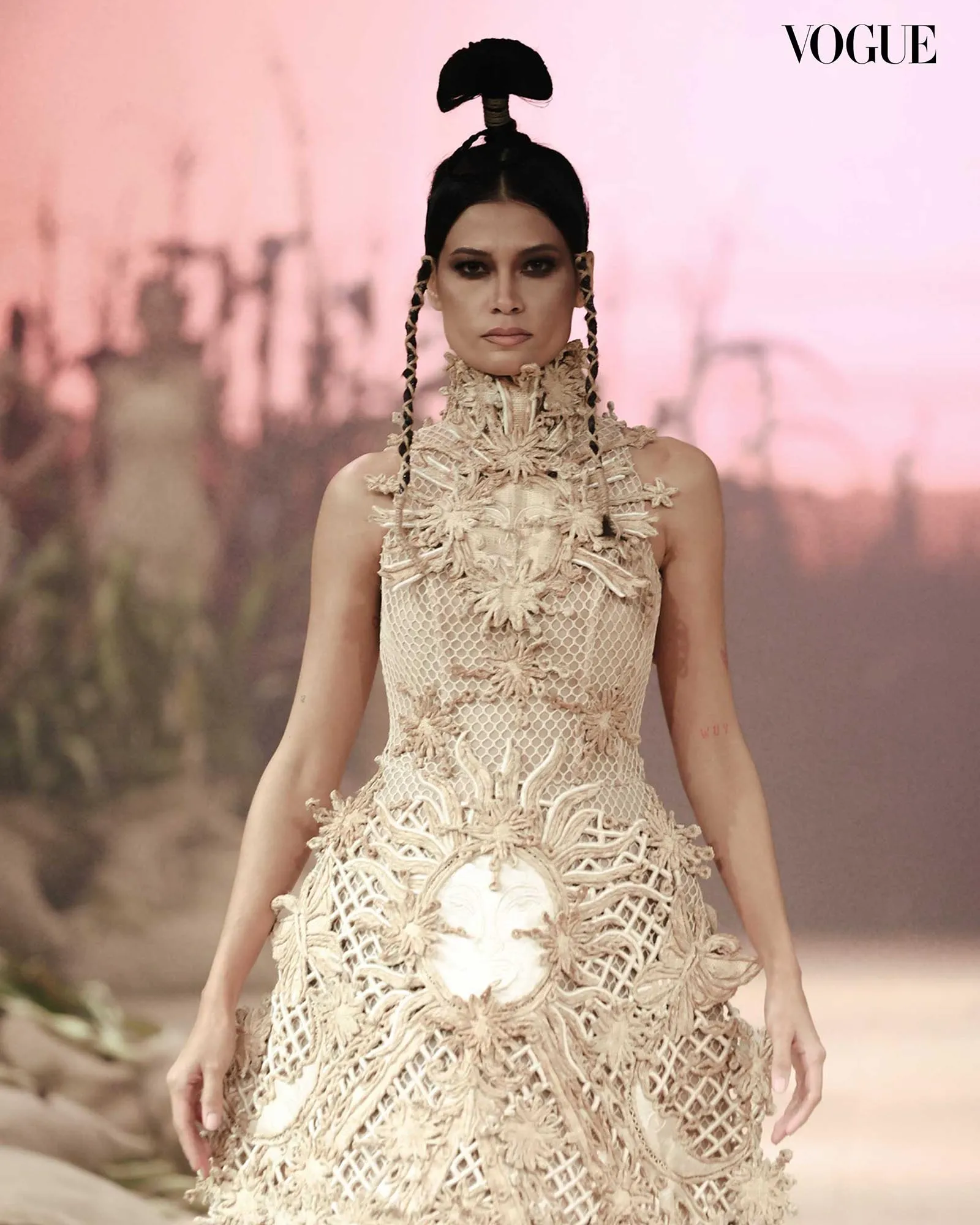
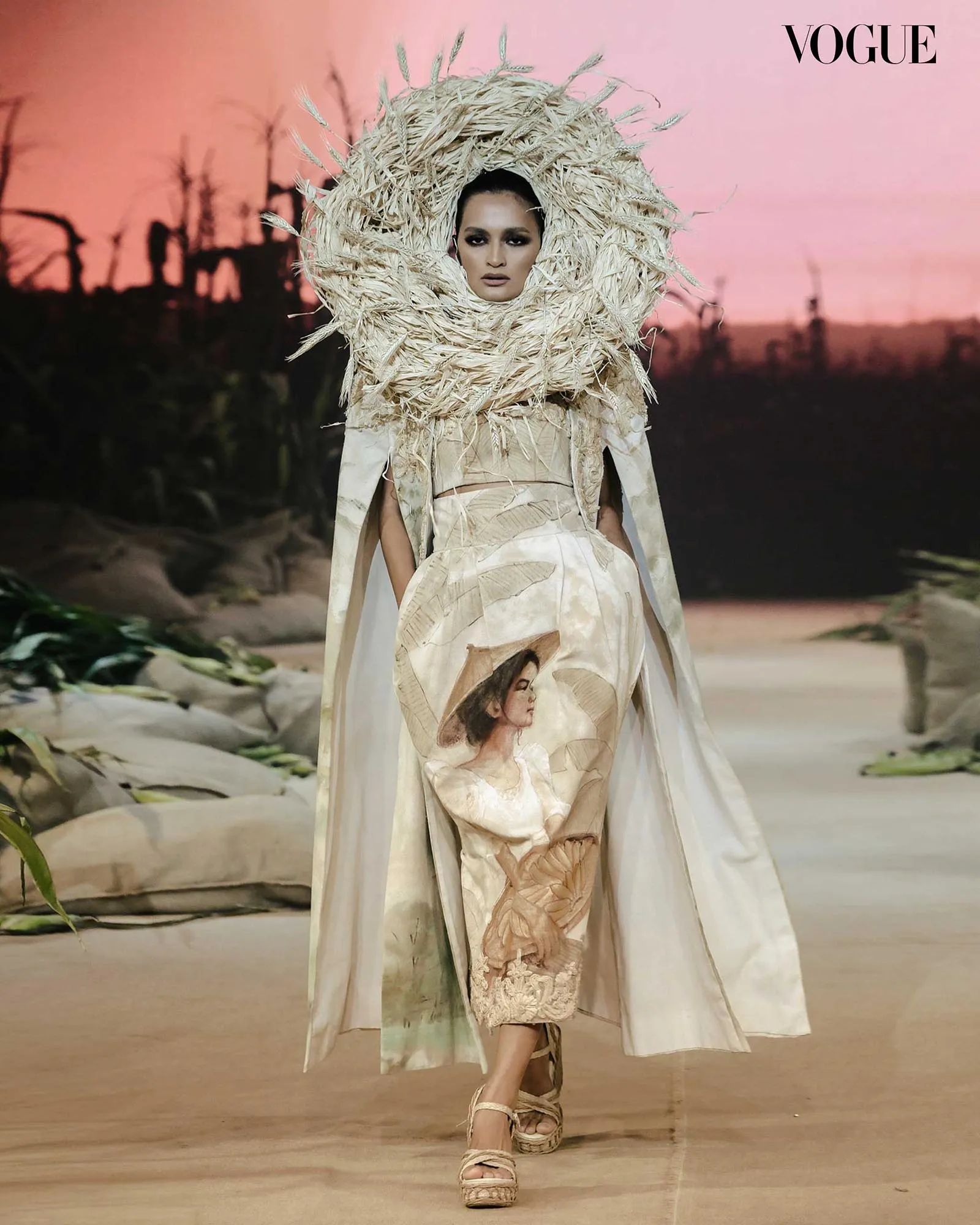
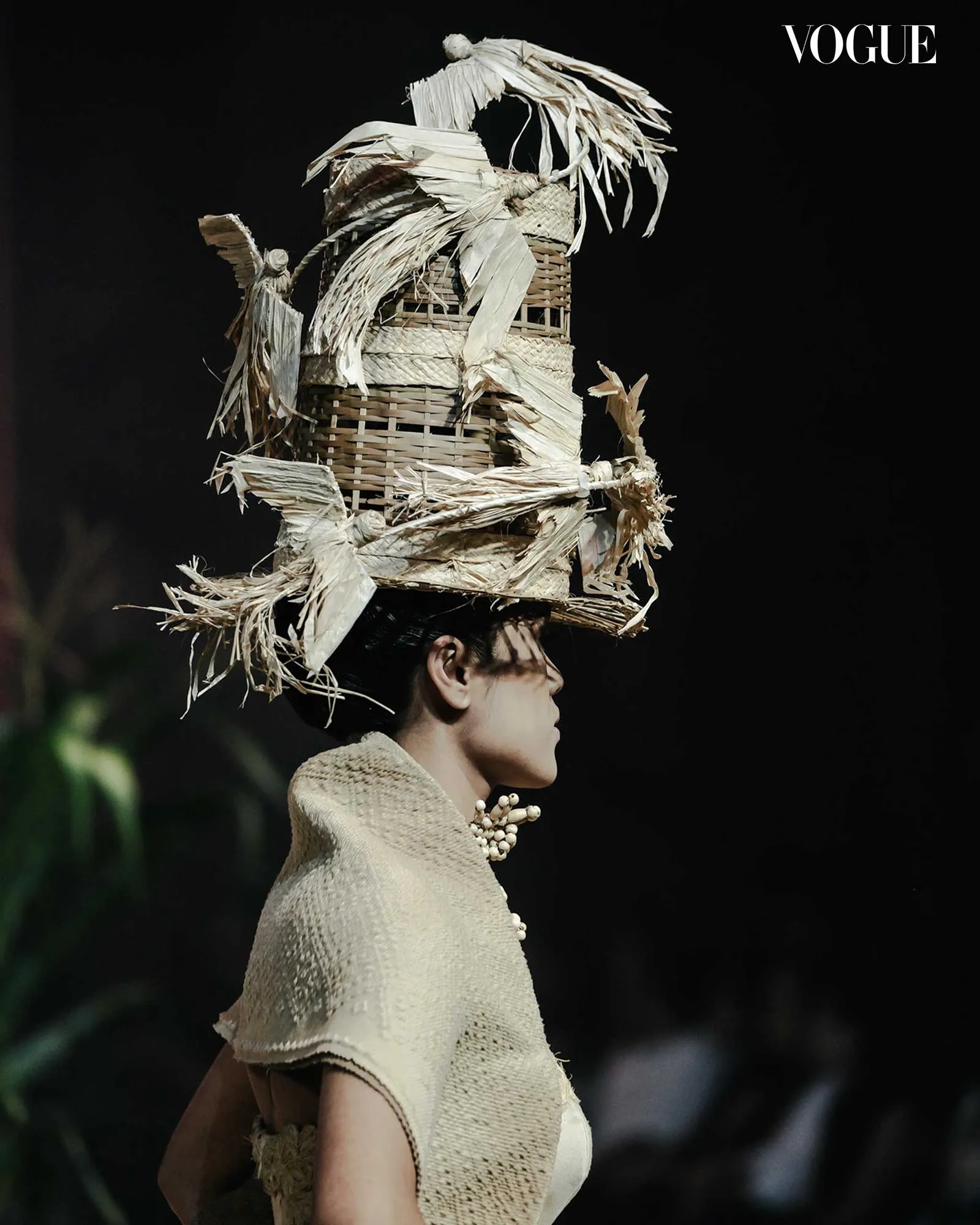
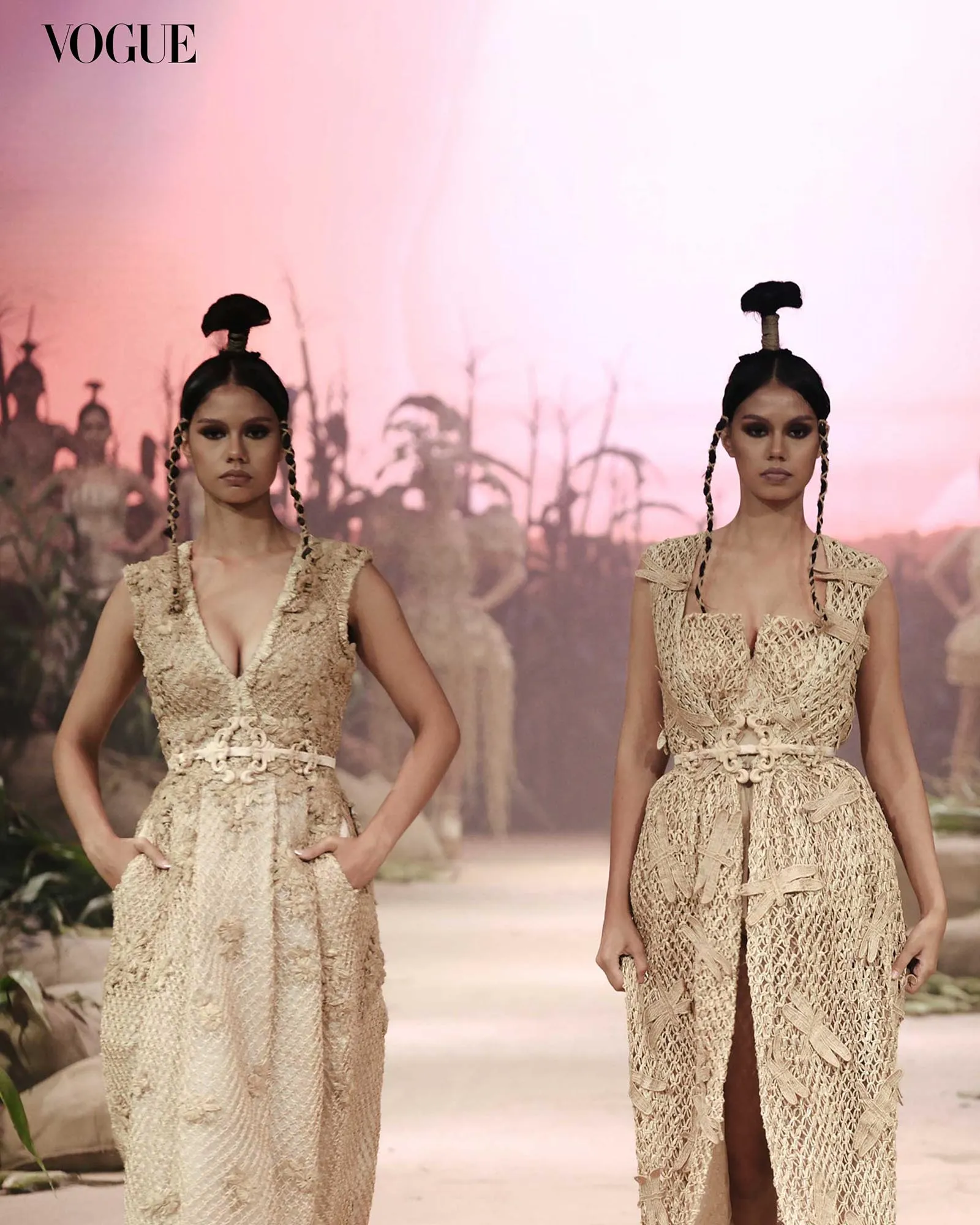
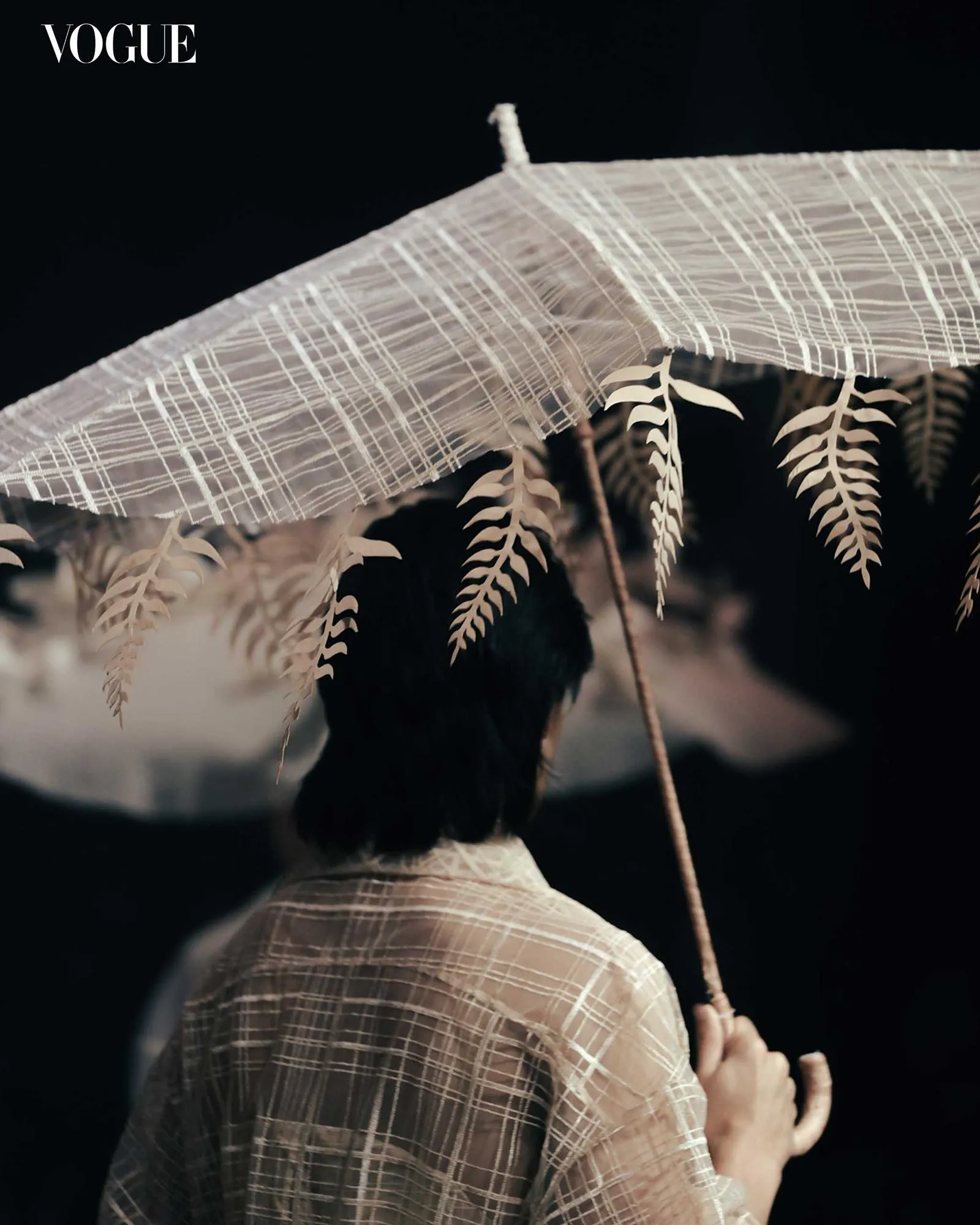
The perfumes implicitly evoke a bucolic sensibility shared with the 70-piece “Harvest” collection, which is anchored in a milky white hue. At the hands of Furne and his collaborators, the simple color is a canvas on which natural, religious, and fantastical elements venture into a paradisiacal portal. Amato’s embellished frocks take a high craft turn with the help of artisans from all over Cebu: intricate wood carvings from Carcar, handwoven ropes from Tabogon, natural dyes made from Minglanilla’s guavas, and handpainted works by artists in Talisay.
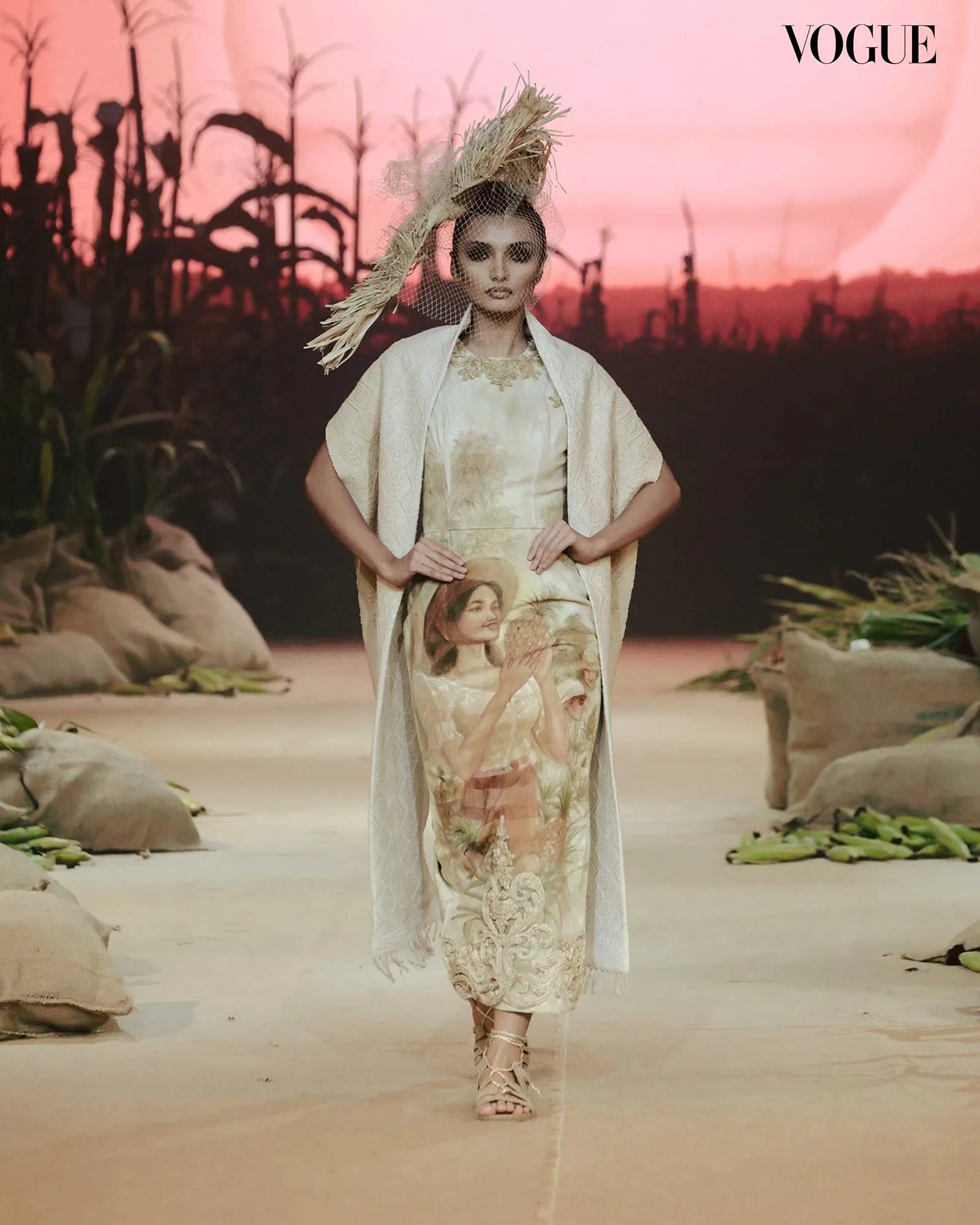
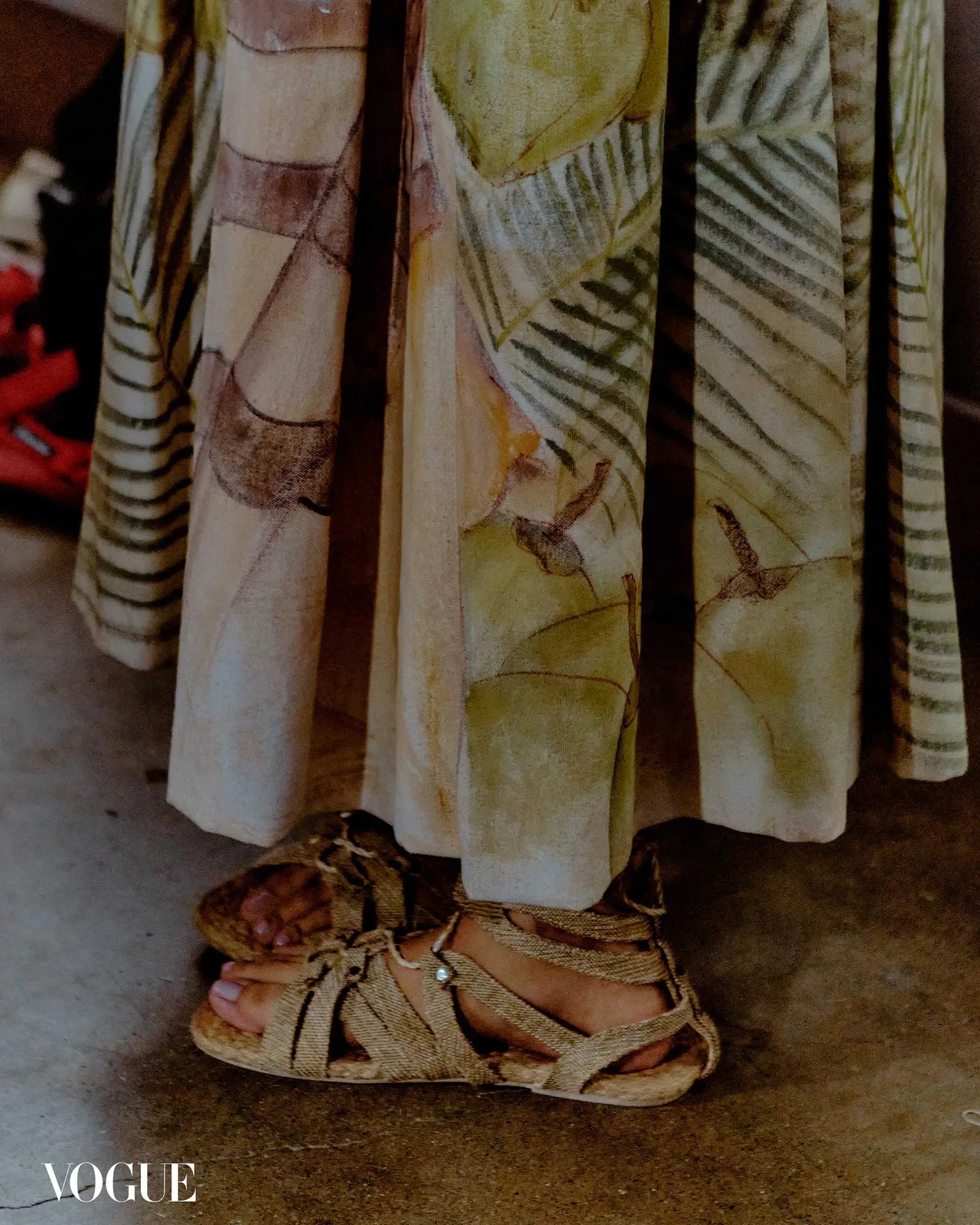
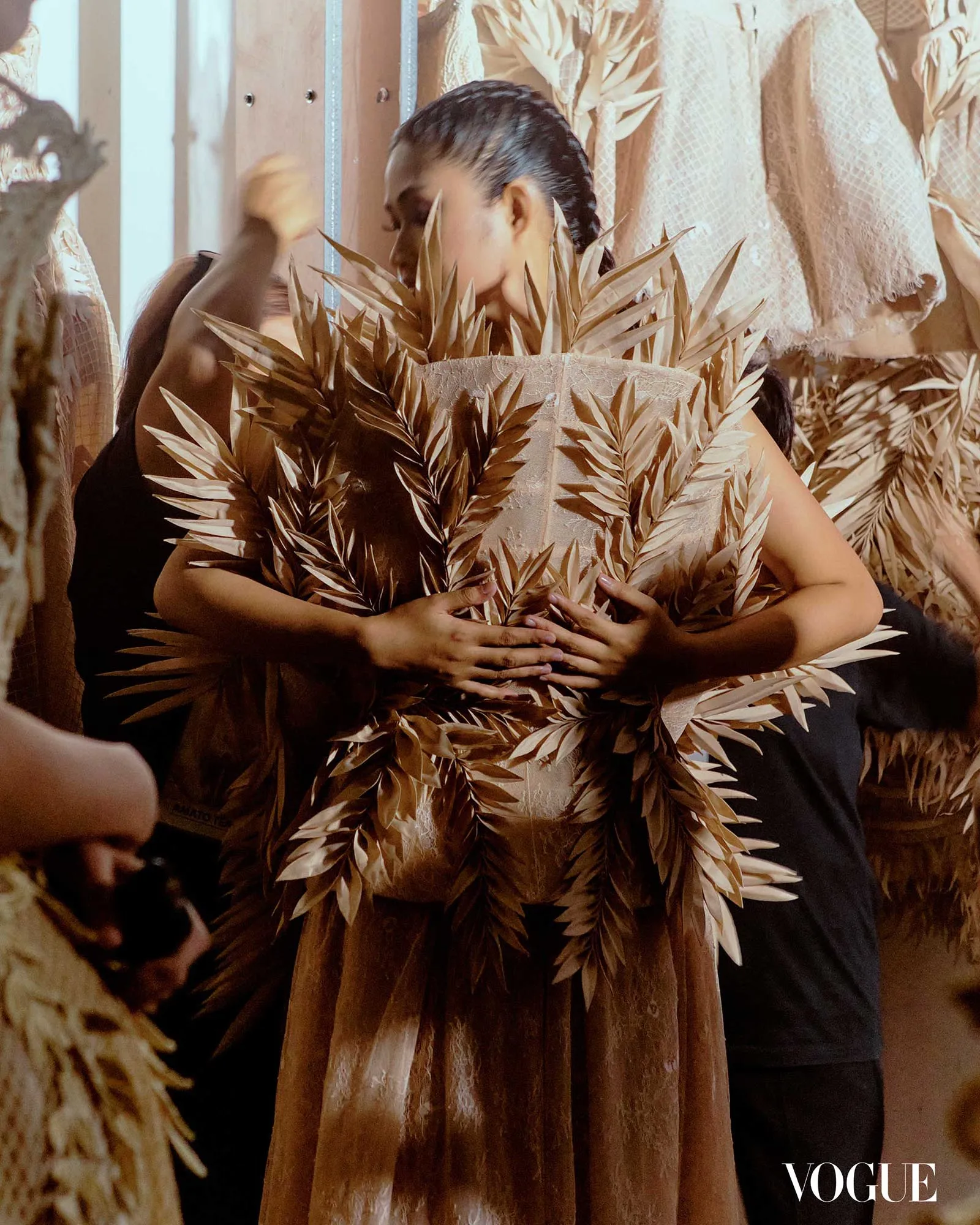
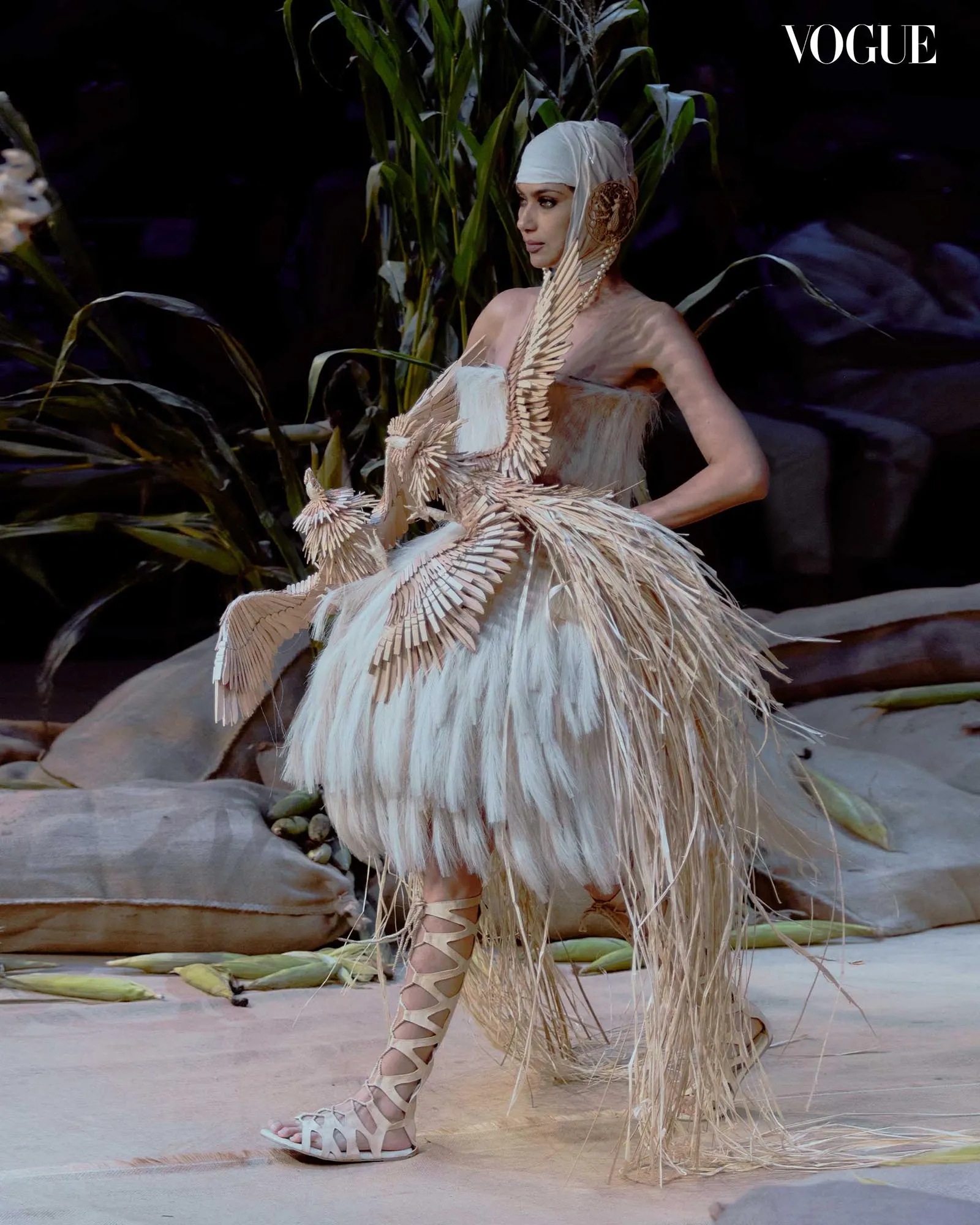
Unfolding in chapters, the show begins with corsetry adorned with spiked foliage, followed by a series of hand-painted and hand-dyed dresses depicting women gathering fruits and vegetables into baskets and bilaos. Then, animalia: a cockfight suspended atop a model’s head, a pair of bees resting on honeycombs on a model’s ears, and dragonflies and butterflies swarming across the models’ bodies. The Sacred Heart is exalted in a myriad of ways, as are crucifixes.
Closing the show is a fully woven skirt channeling the breadth of a pannier and the bulbousness of a hoop skirt, from which extends a large orb framed by doves flying toward the crucifix (which vaguely resembles the Santo Niño) at the crest. The frock shifts depending on who beholds it. It is a confessional to the pious, an oracle to the superstitious, a looking glass to those wanting to see within.
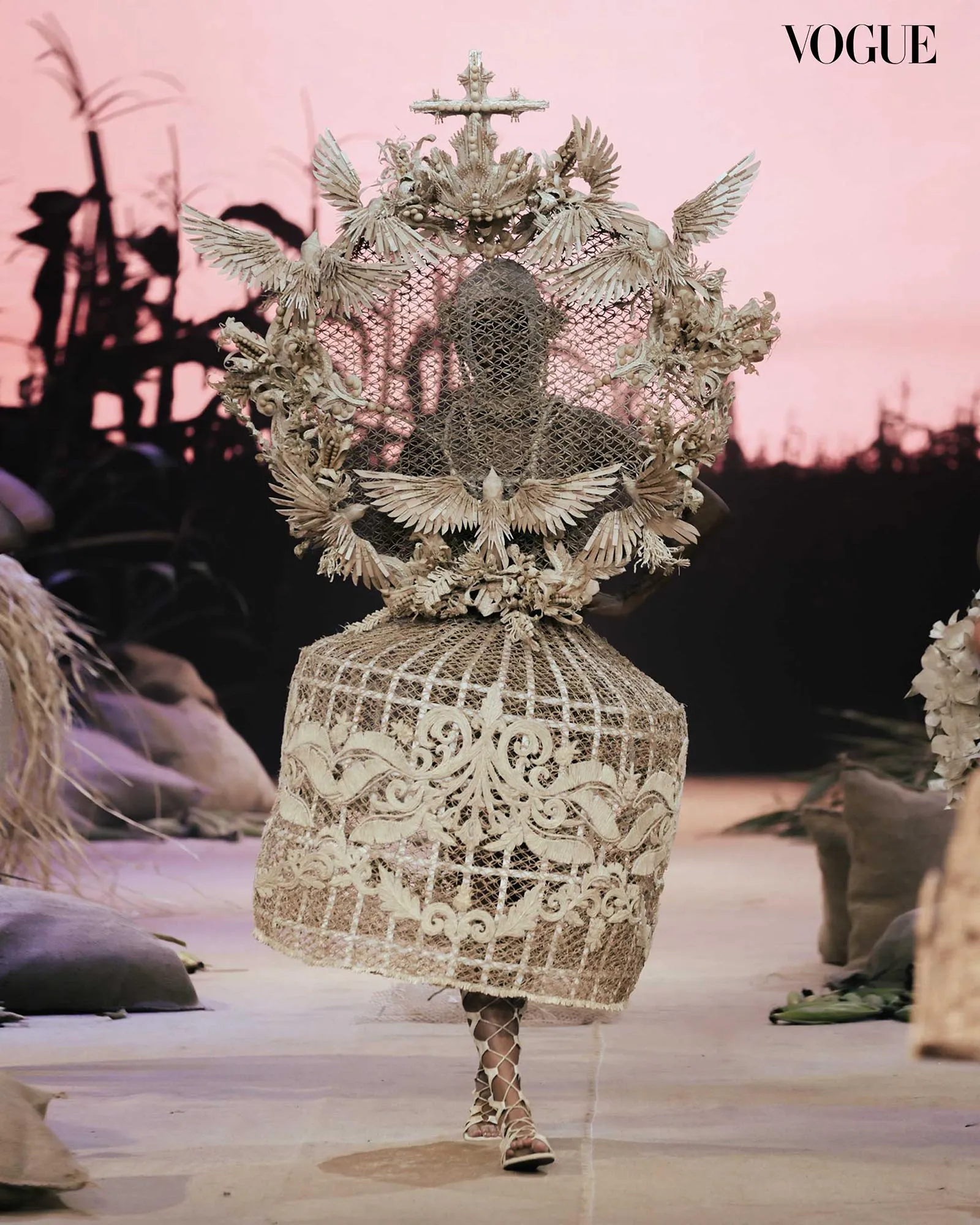
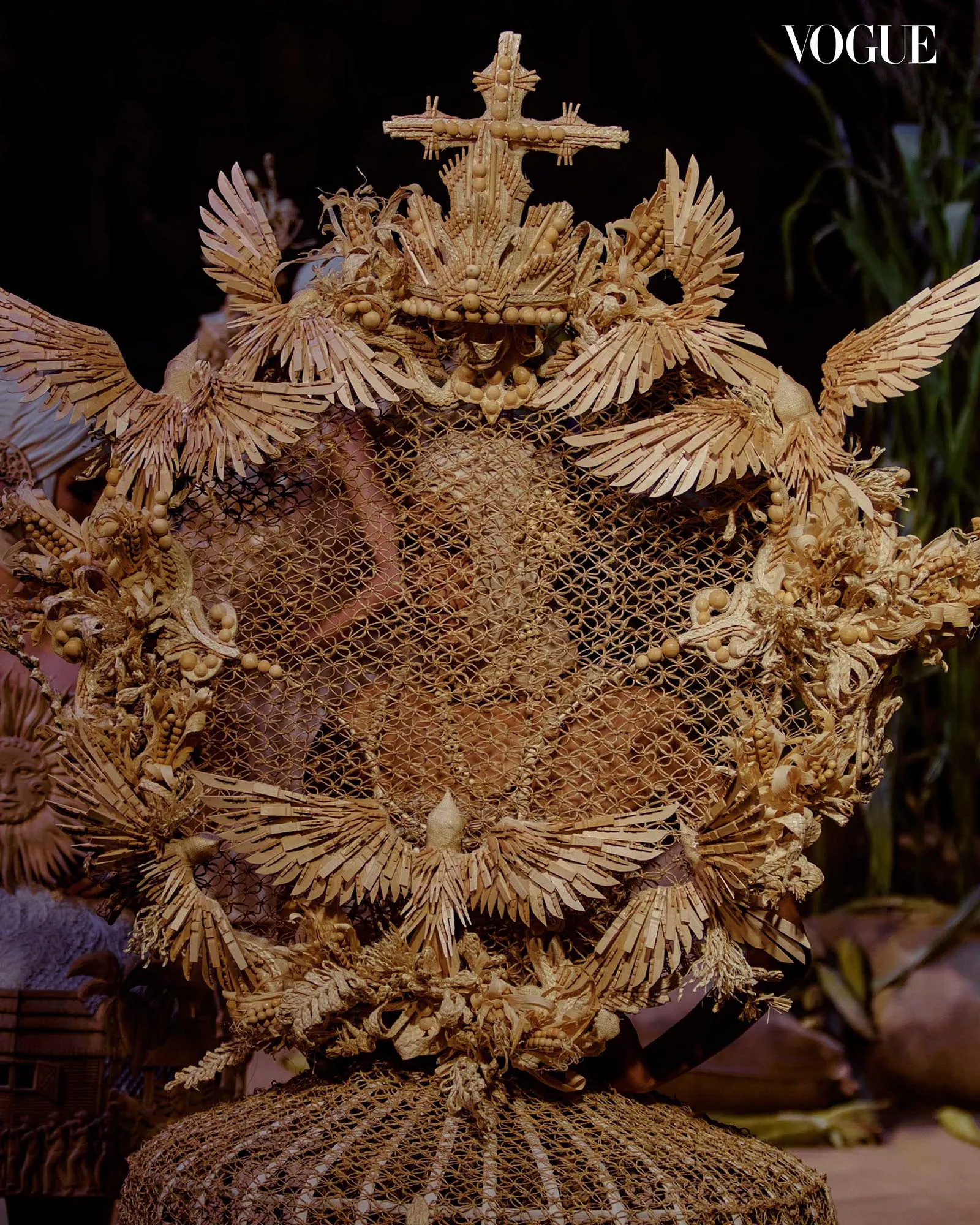
It also happens to be made by one of Furne’s students. Furne designed the look, and once they began the sampling process, his student told him, “I cannot do this.” To which the mentor replied, “Why ‘you cannot’? You’re talented!”
Pushing others beyond their perceived limits is natural to Furne, whether they are local craft communities or his own students. For “Harvest,” the artisans first expressed uncertainty about whether they could achieve his vision, until he insisted that it was possible, and they did. As part of his mission to give back to others, Amato partnered with TESDA to provide a free 12-day course on fashion. From Fashion Illustration and Design to Development of Mood Boards and Color Stories, the courses are taught by Furne alongside other industry luminaries.
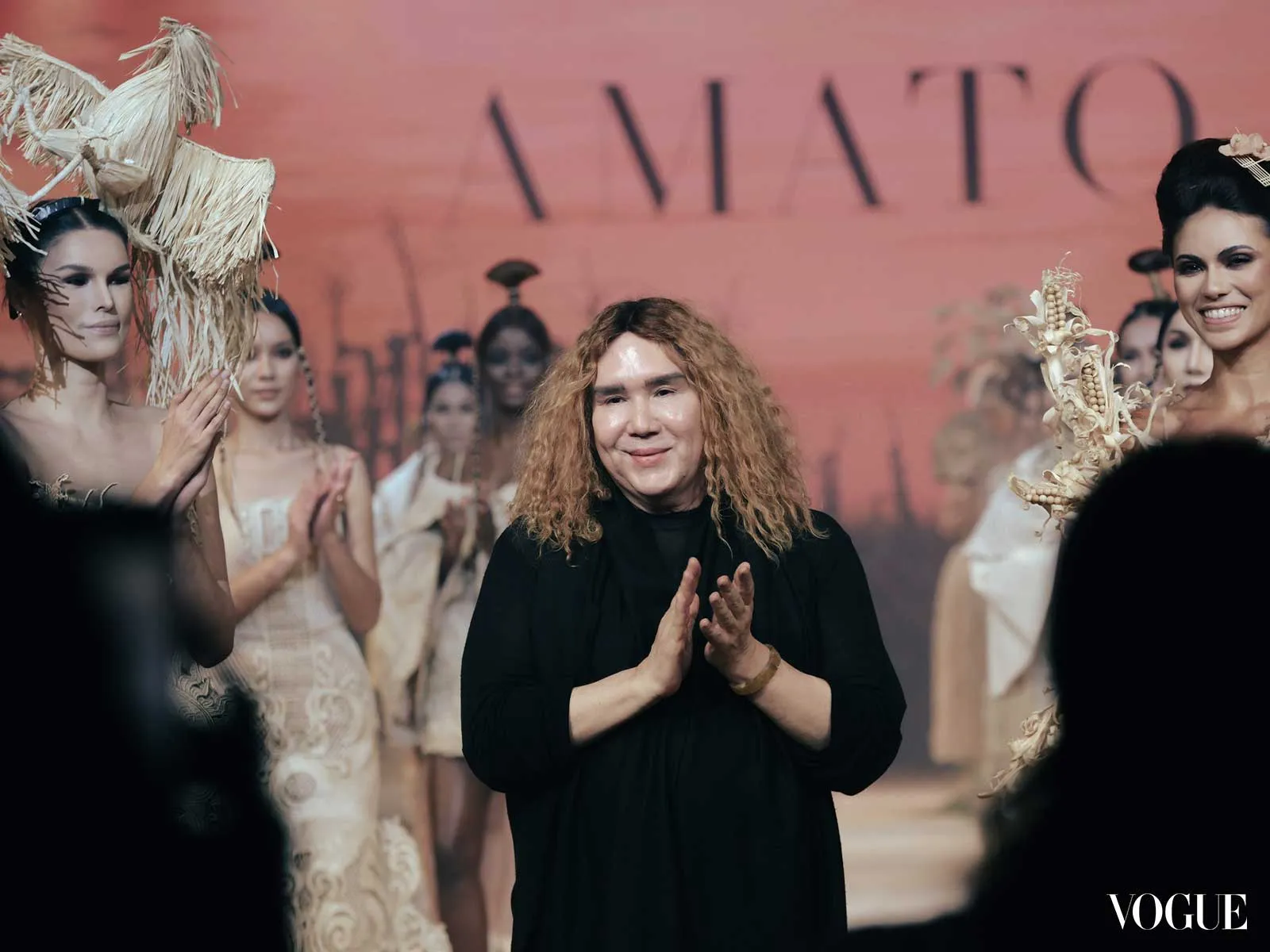
Today, they are on their eighth batch of students. “We’re doing the master class next year,” Furne reveals. “[For those] who took my beginners [course], the second level is the masterclass where they have to make their own product and we exhibit them, or if we have the budget, we’ll do a show for them.”
At this point in his life and career, there is nothing clearer to the couturierCouturierA couturier is a designer who creates high-end, made-to-order garments by hand, directing an atelier of skilled artisans in cutting, draping, and finishing. The term originates from French fashion, andGo to Couturier Glossary than the desire to create opportunities for those around him. When he remembers the years that have gone by, what he feels is gratitude.
“Not just this year, [but] it’s like, career-wise, I’m blessed,” he reflects. “There are a lot of designers, there are a lot of artists. But I was given an opportunity. So it’s time to give back.”
-
 Photographed by Zach Aldave1/38
-
 Photographed by Zach Aldave2/38
-
 Photographed by Ed Simon3/38
-
 Photographed by Zach Aldave4/38
-
 Photographed by Zach Aldave5/38
-
 Photographed by Zach Aldave6/38
-
 Photographed by Zach Aldave7/38
-
 Photographed by Zach Aldave8/38
-
 Photographed by Zach Aldave9/38
-
 Photographed by Zach Aldave10/38
-
 Photographed by Zach Aldave11/38
-
 Photographed by Zach Aldave12/38
-
 Photographed by Zach Aldave13/38
-
 Photographed by Zach Aldave14/38
-
 Photographed by Zach Aldave15/38
-
 Photographed by Zach Aldave16/38
-
 Photographed by Zach Aldave17/38
-
 Photographed by Zach Aldave18/38
-
 Photographed by Zach Aldave19/38
-
 Photographed by Zach Aldave20/38
-
 Photographed by Zach Aldave21/38
-
 Photographed by Zach Aldave22/38
-
 Photographed by Zach Aldave23/38
-
 Photographed by Zach Aldave24/38
-
 Photographed by Zach Aldave25/38
-
 Photographed by Zach Aldave26/38
-
 Photographed by Zach Aldave27/38
-
 Photographed by Ed Simon28/38
-
 Photographed by Ed Simon29/38
-
 Photographed by Ed Simon30/38
-
 Photographed by Ed Simon31/38
-
 Photographed by Ed Simon32/38
-
 Photographed by Ed Simon33/38
-
 Photographed by Ed Simon34/38
-
 Photographed by Ed Simon35/38
-
 Photographed by Ed Simon36/38
-
 Photographed by Ed Simon37/38
-
 Photographed by Zach Aldave38/38