
Courtesy of Ziv Rei Alexi. Photographed by Karl King Aguña
Courtesy of Ziv Rei Alexi. Photographed by Karl King Aguña
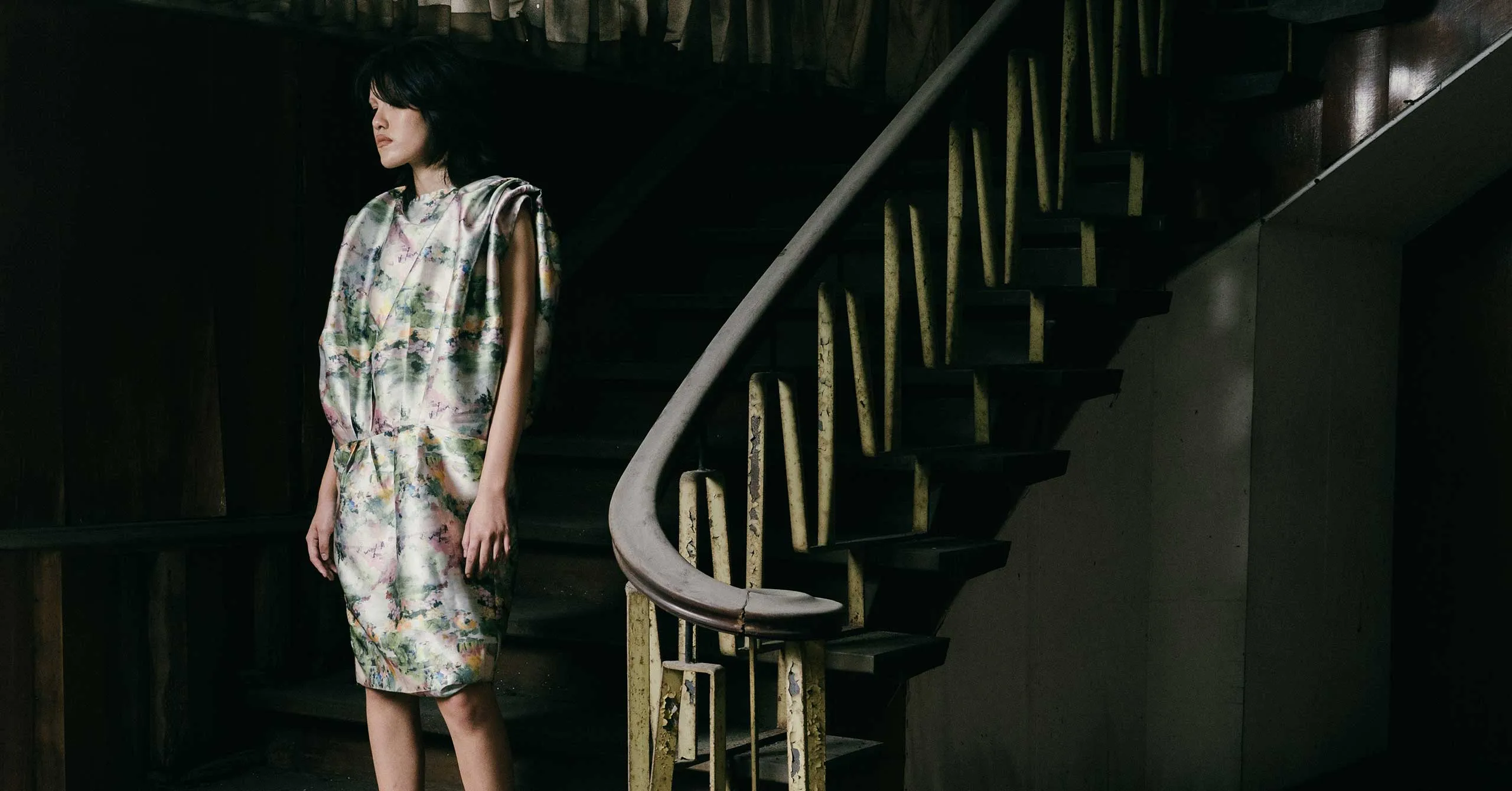
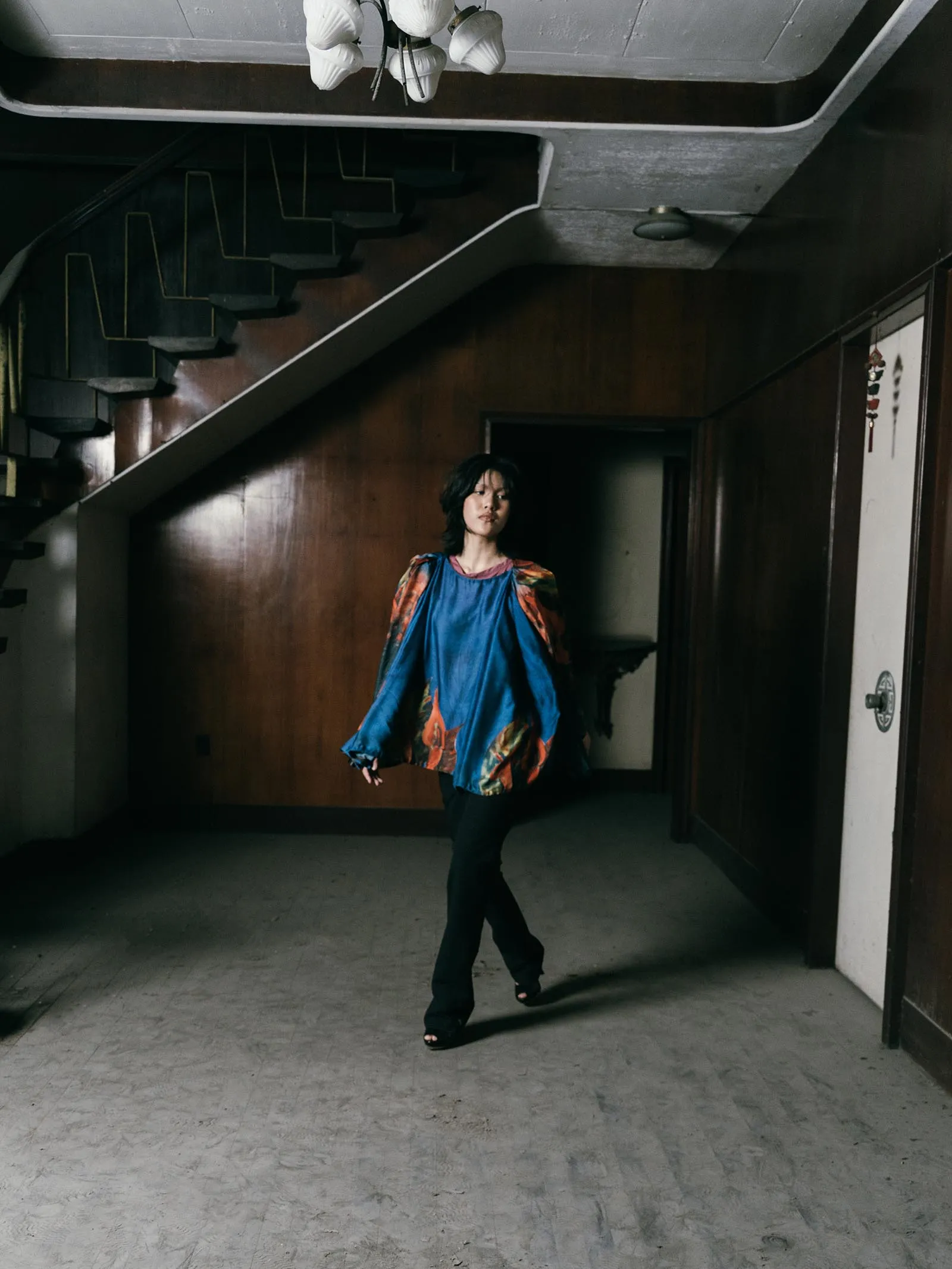
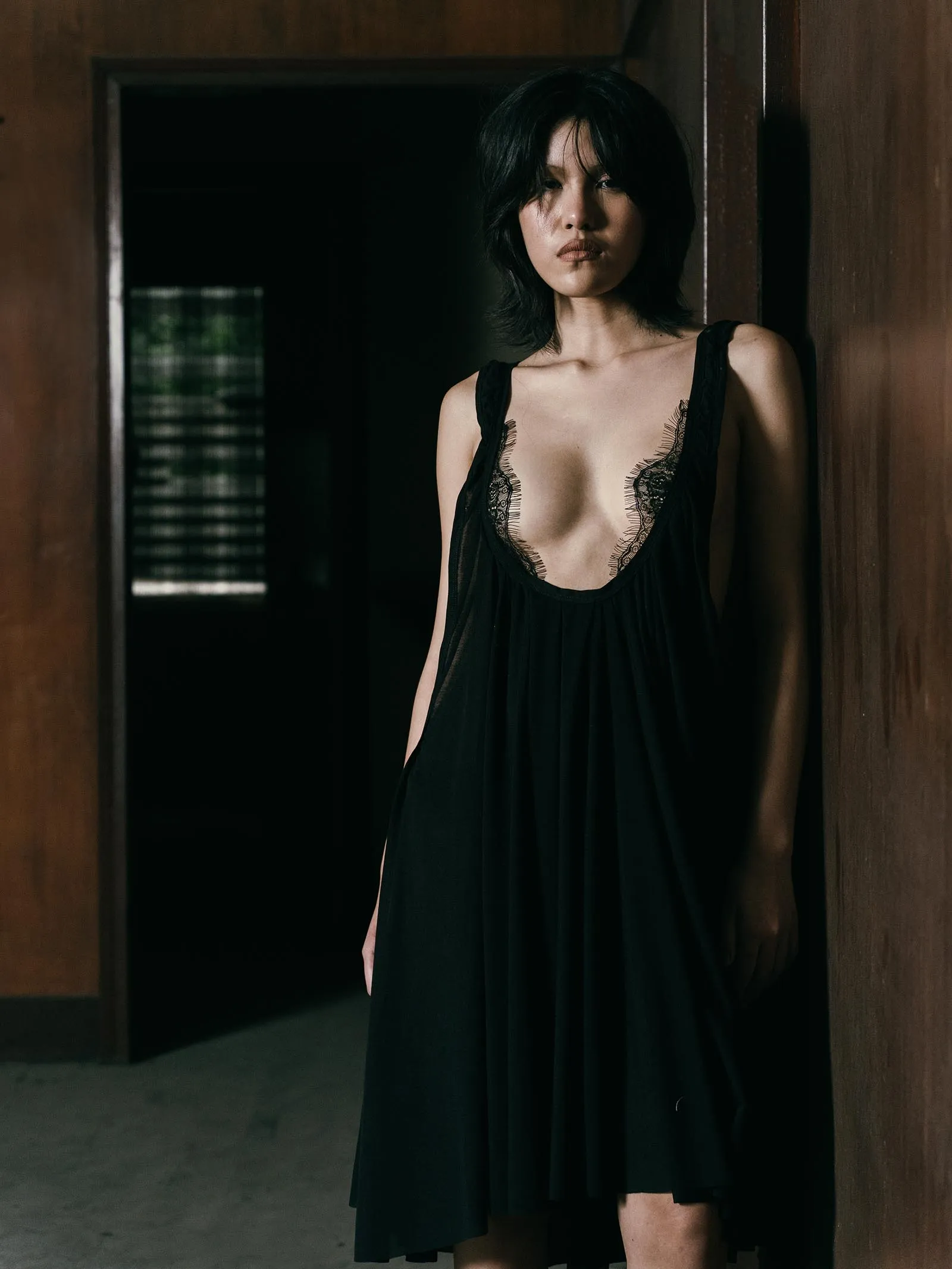
Taking cues from the everyday Filipino, the latest collection by Ziv Rei Alexi gives a taste of Filipino swagger and punk attitude.
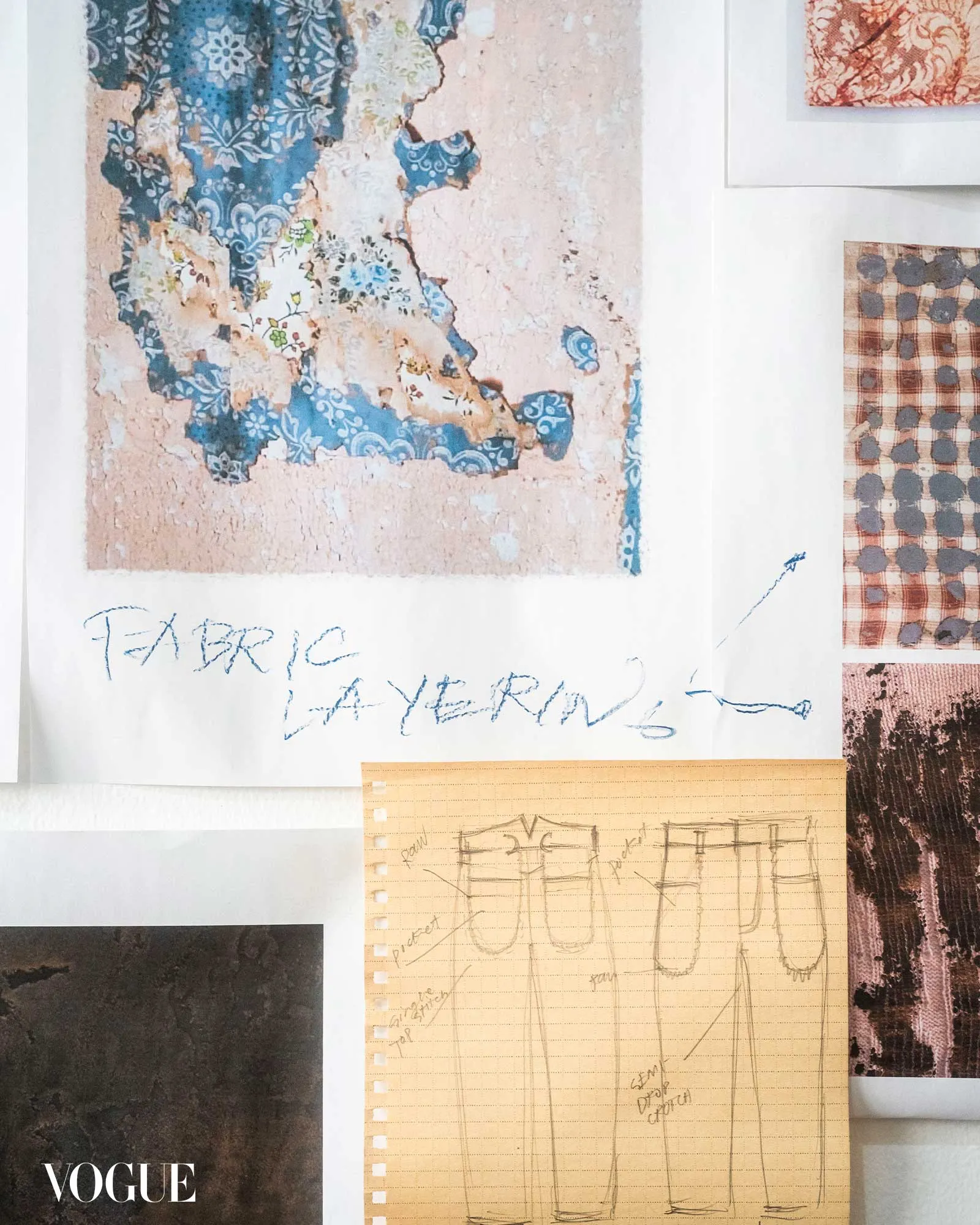
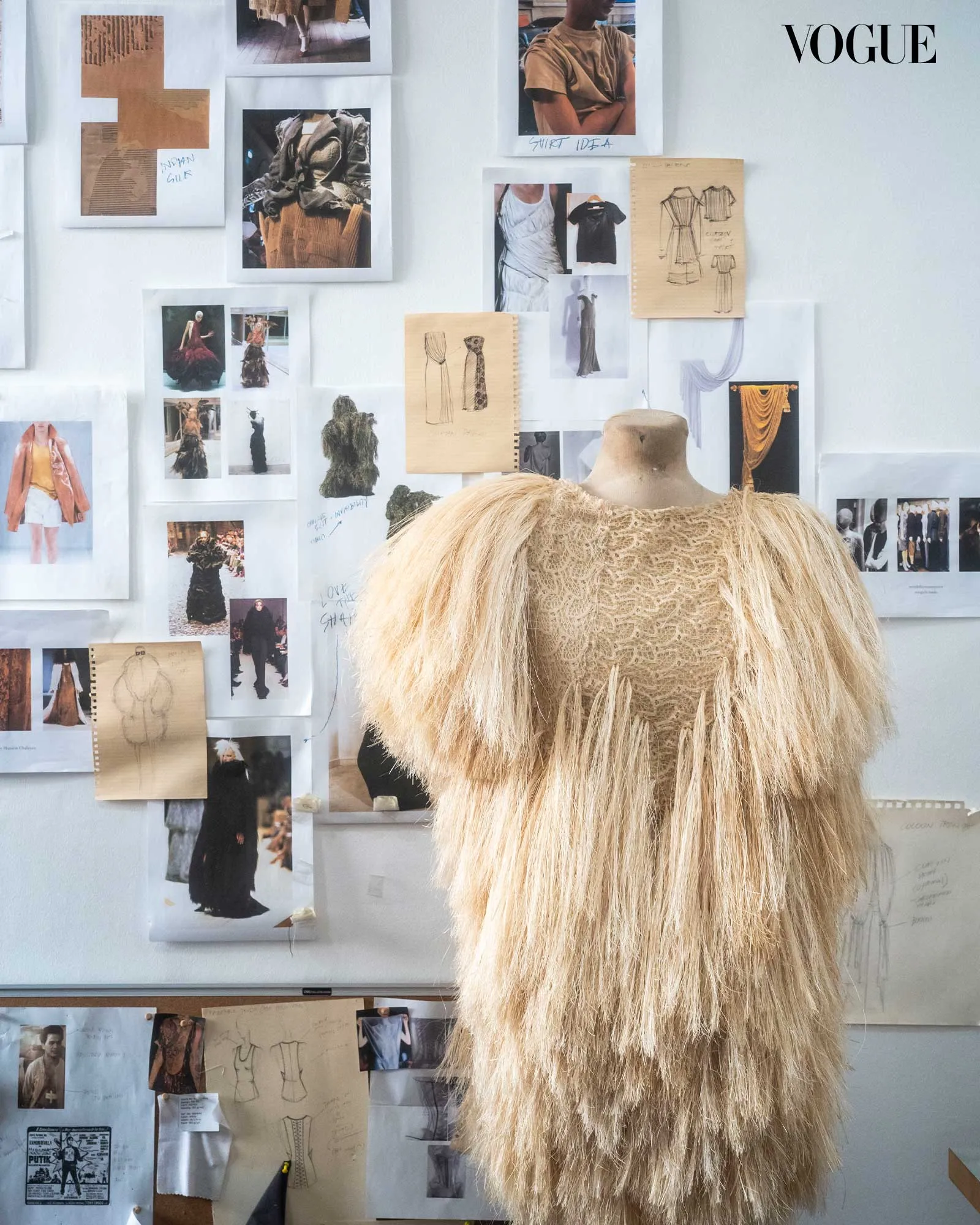
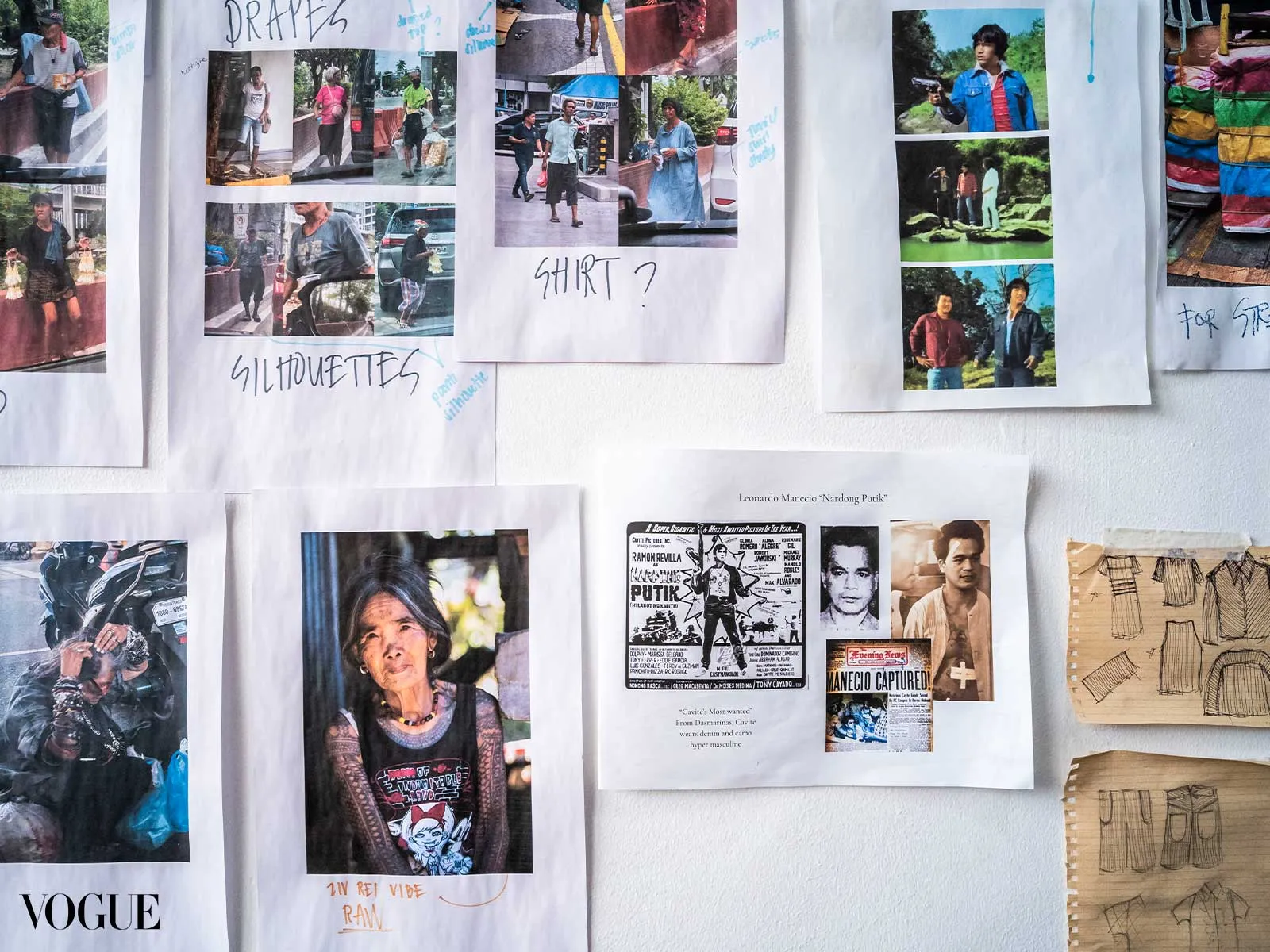
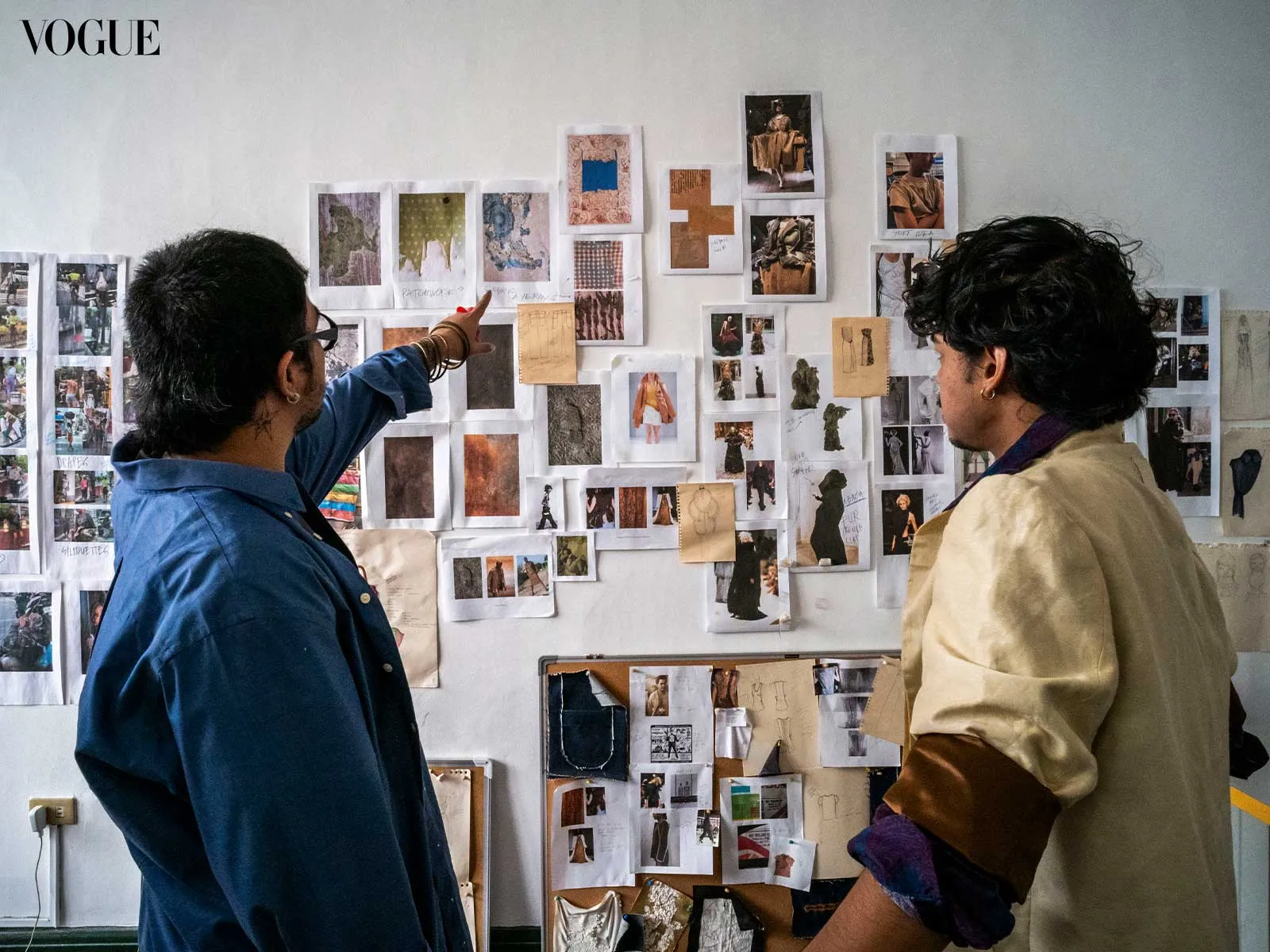
To travel from Cavite to Manila, the drive takes between one and a half and three hours, depending on traffic conditions. This commute is part of everyday life for designer Ziv Rei Alexi. As he travels from his home in Cavite to his studio in Escolta, his eyes drift from the asphalt roads to the people on the streets, noticing how the everyday Filipino dresses. Prints on prints, layers and layers of clothing, mixing patterns and colors while creating distinct silhouettes. And so, every day, the designer took photos of their outfits, which ended up on the moodboard for his latest collection, “Nardo.”
While the everyday Filipino inspired the collection’s texture and silhouette, the germ of the idea came from the film Nardong Putik (1972) by director Tony Cayado. The film is based on the real-life Caviteño gangster Leonardo Malihan Manicio, or “Nardong Putik,” who is famously known for his ability to survive and escape with his anting-anting (amulet) and by covering himself with mud. Ziv resonated with Nardong Putik’s character, as a Caviteño and lover of punk culture and attitude.
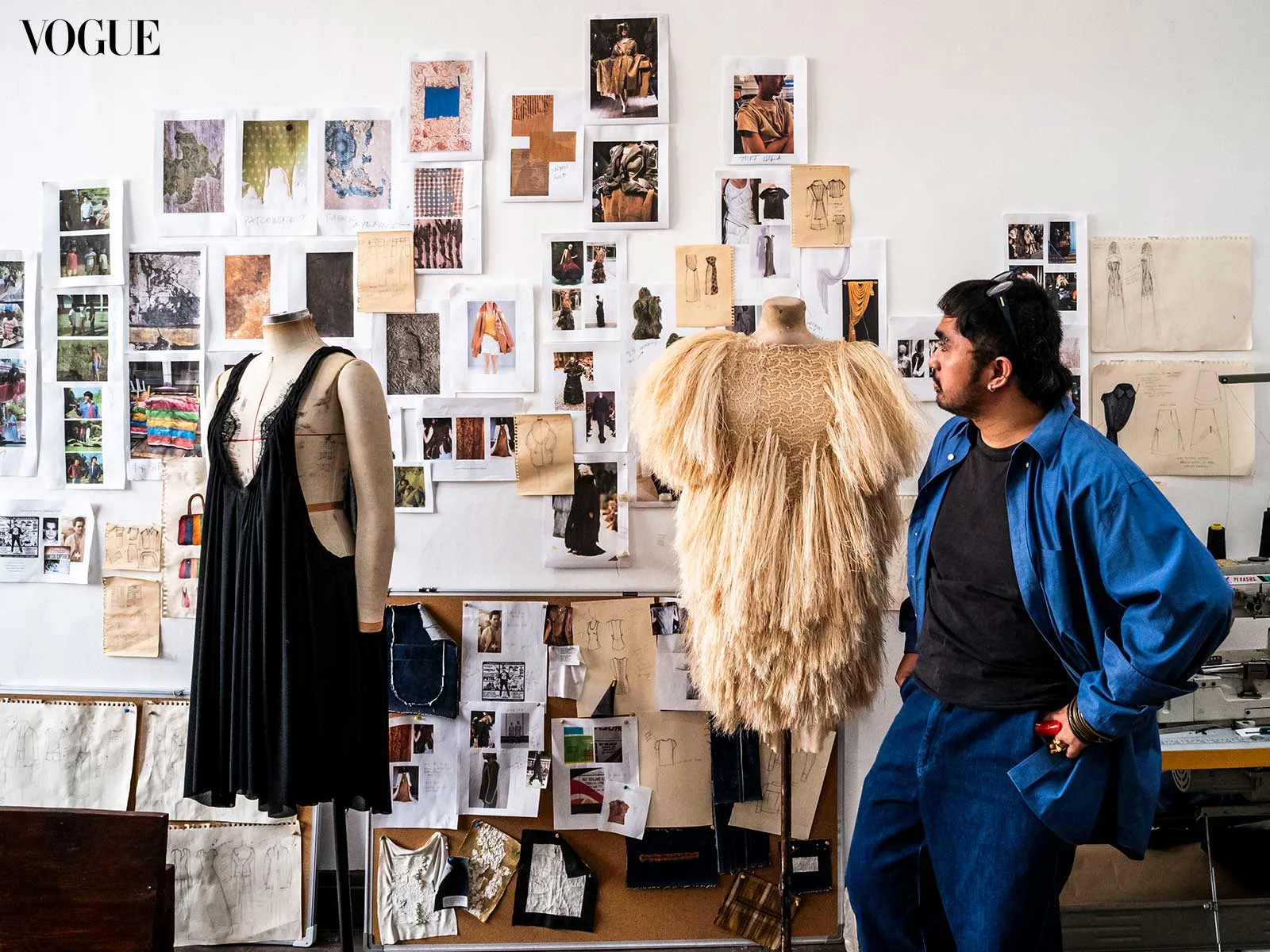
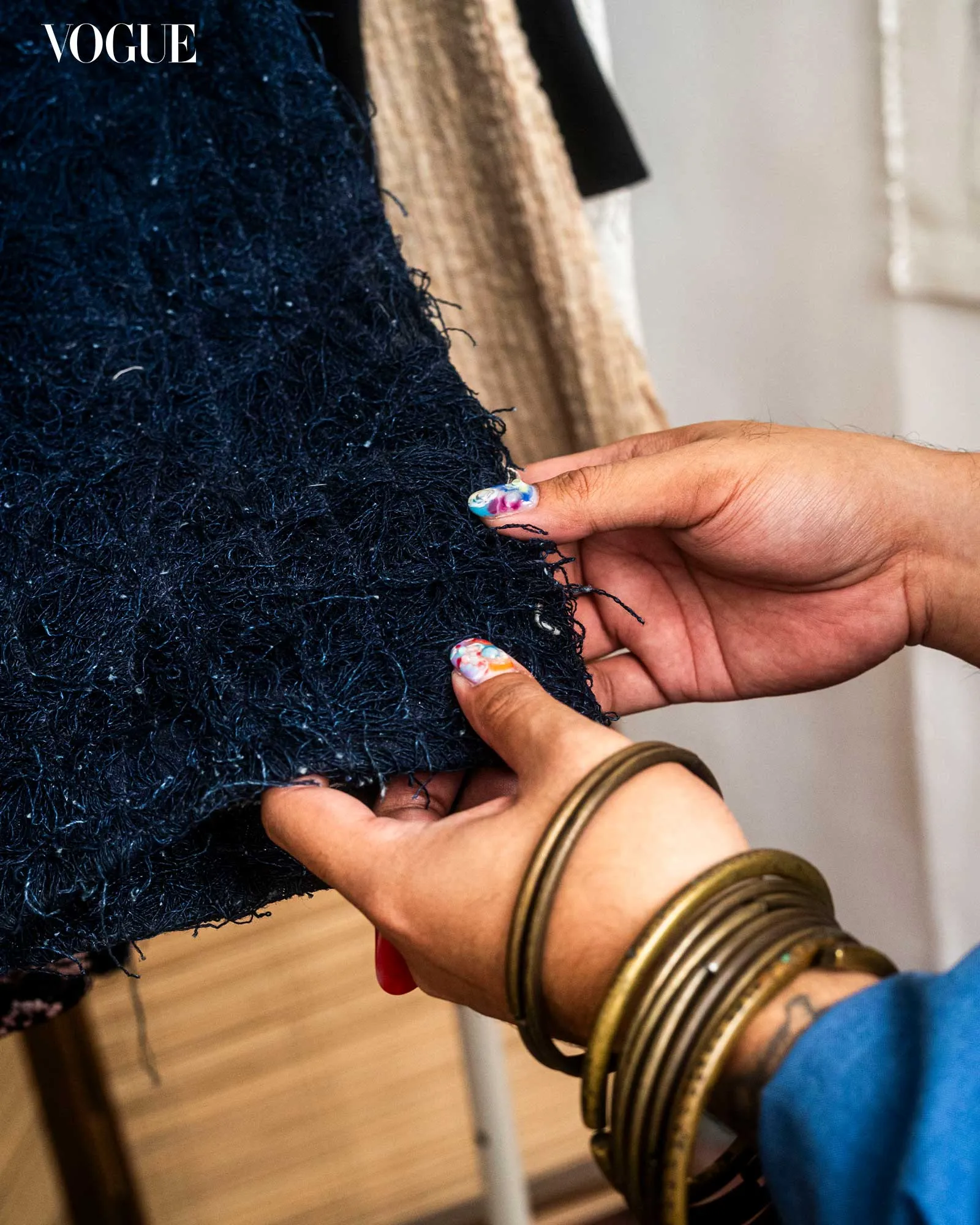
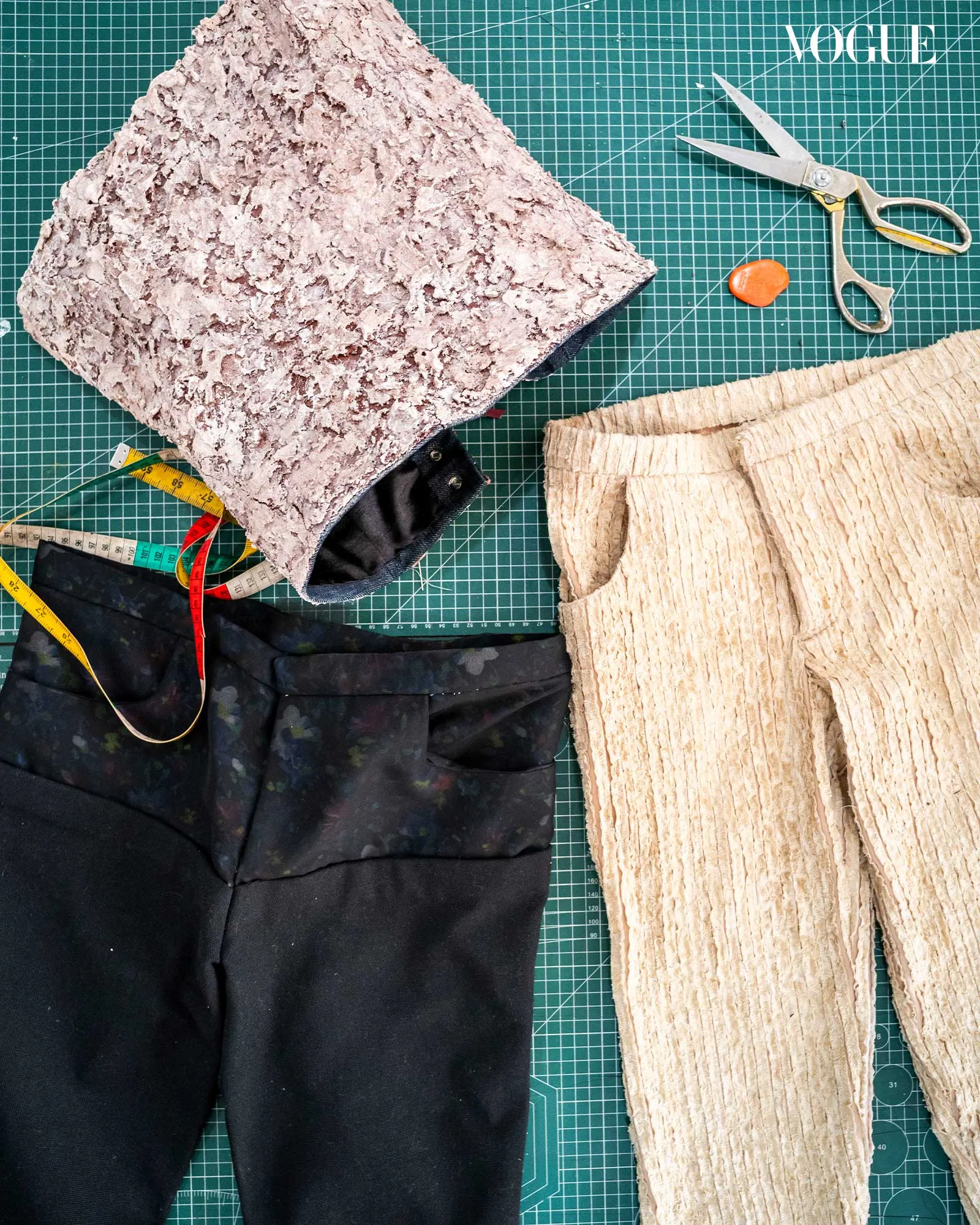
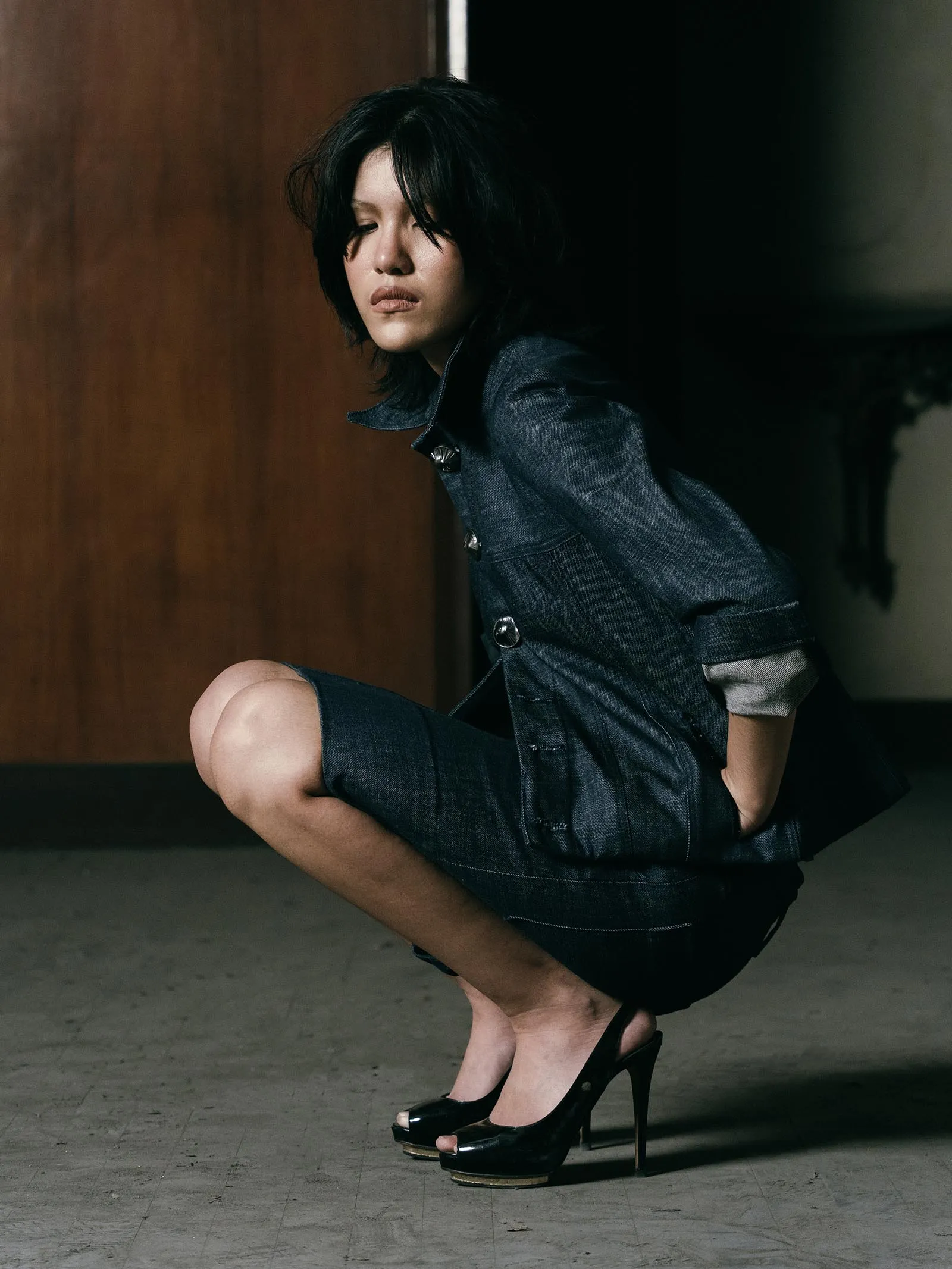
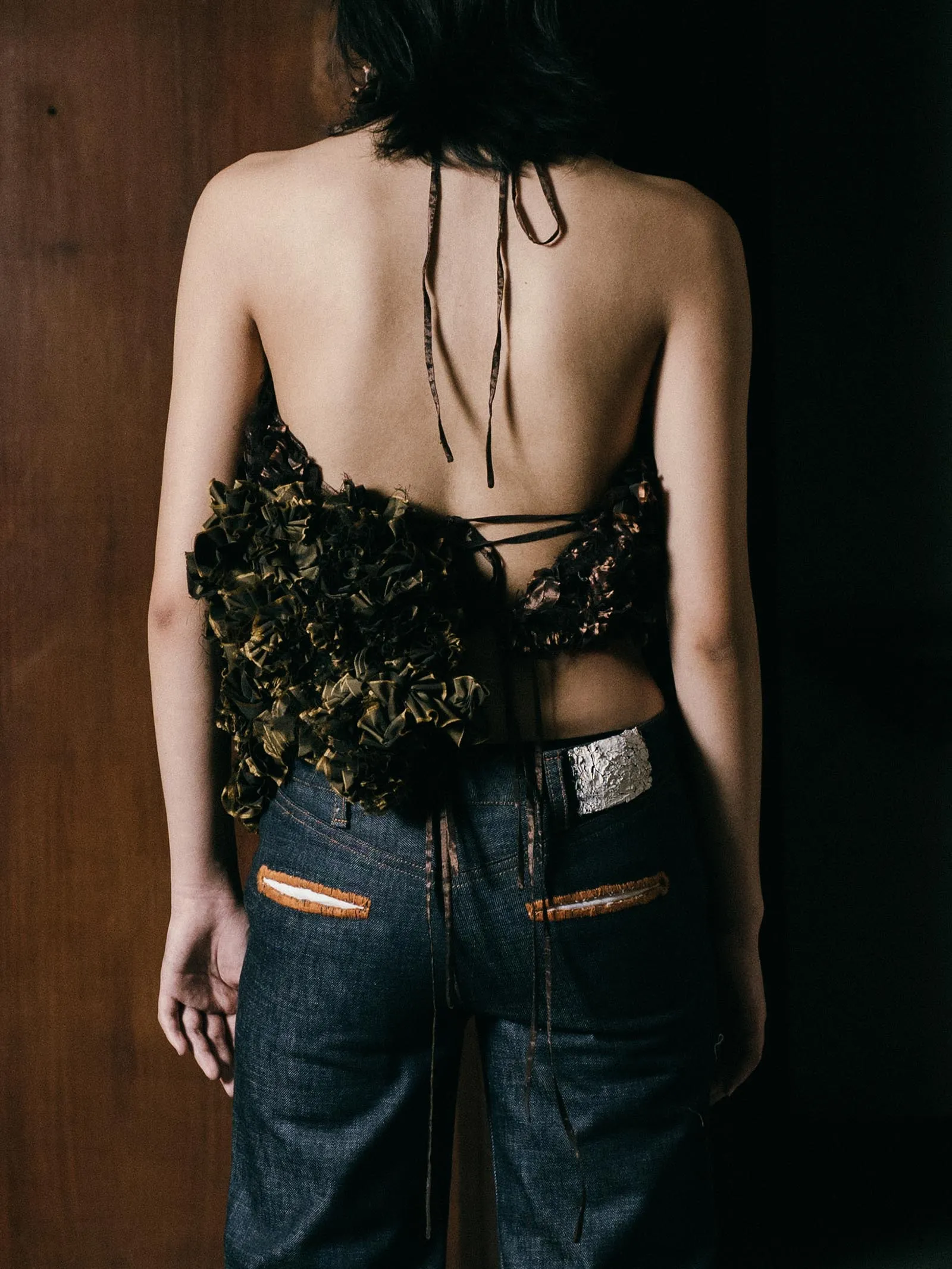
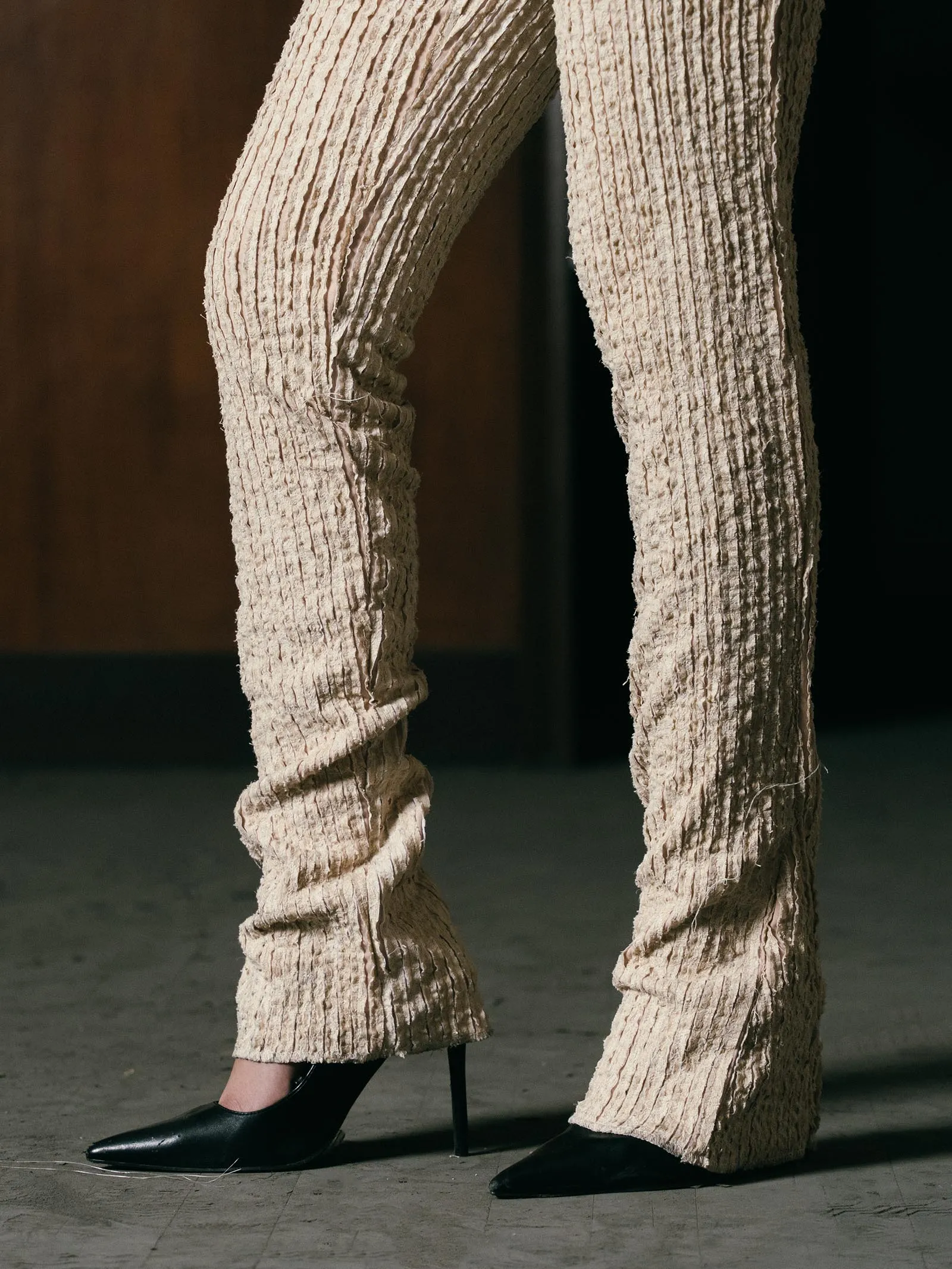
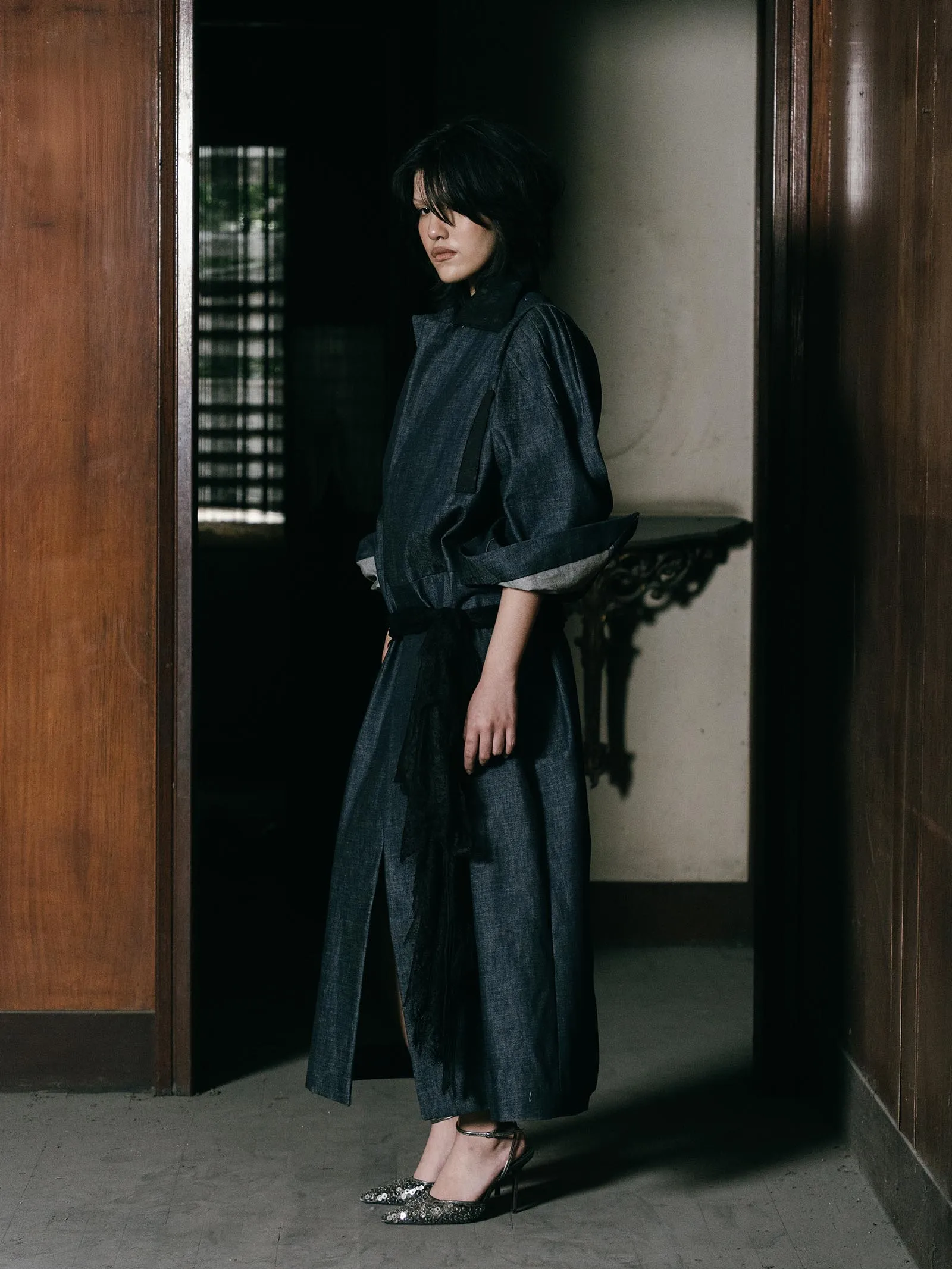
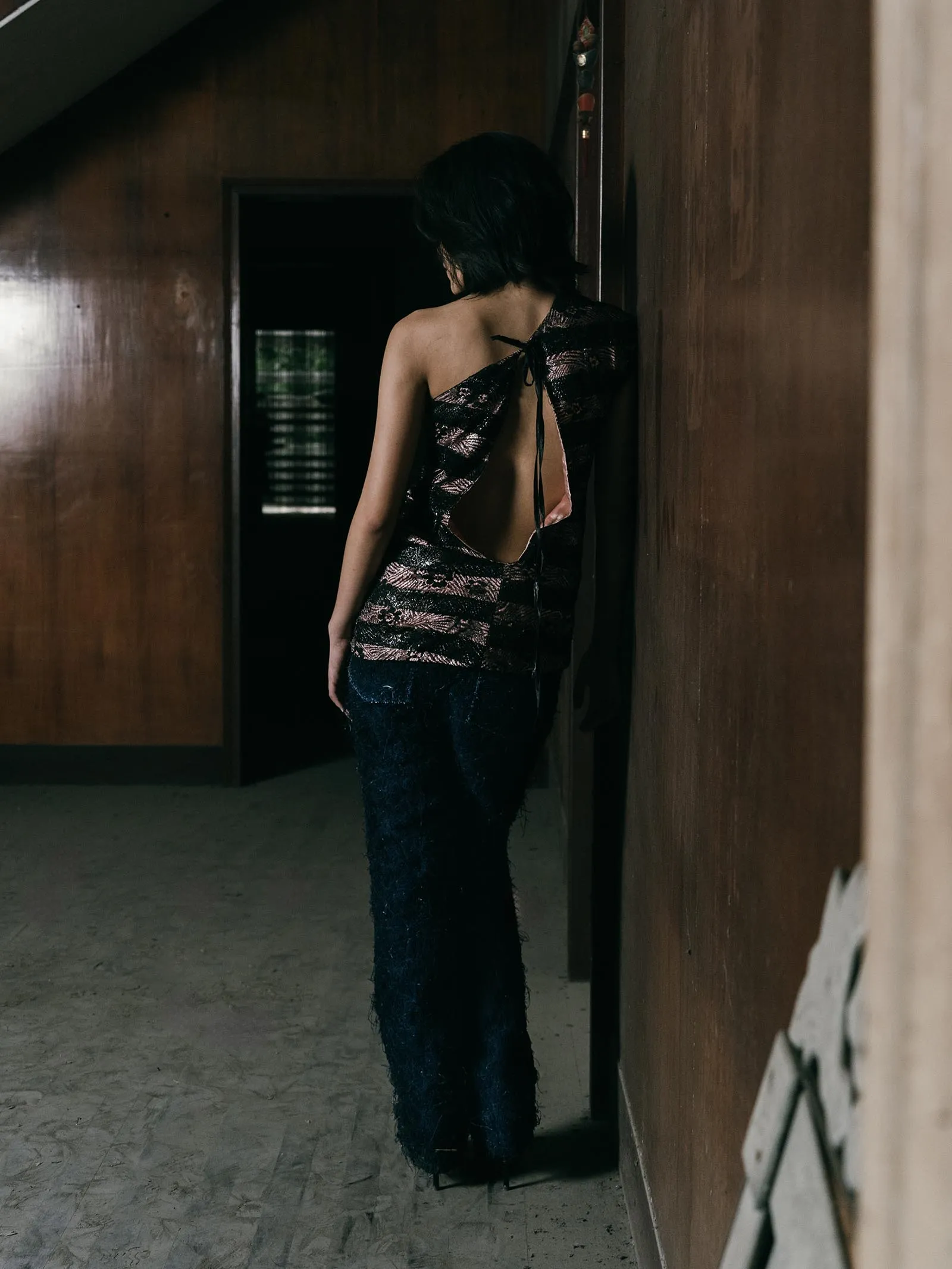
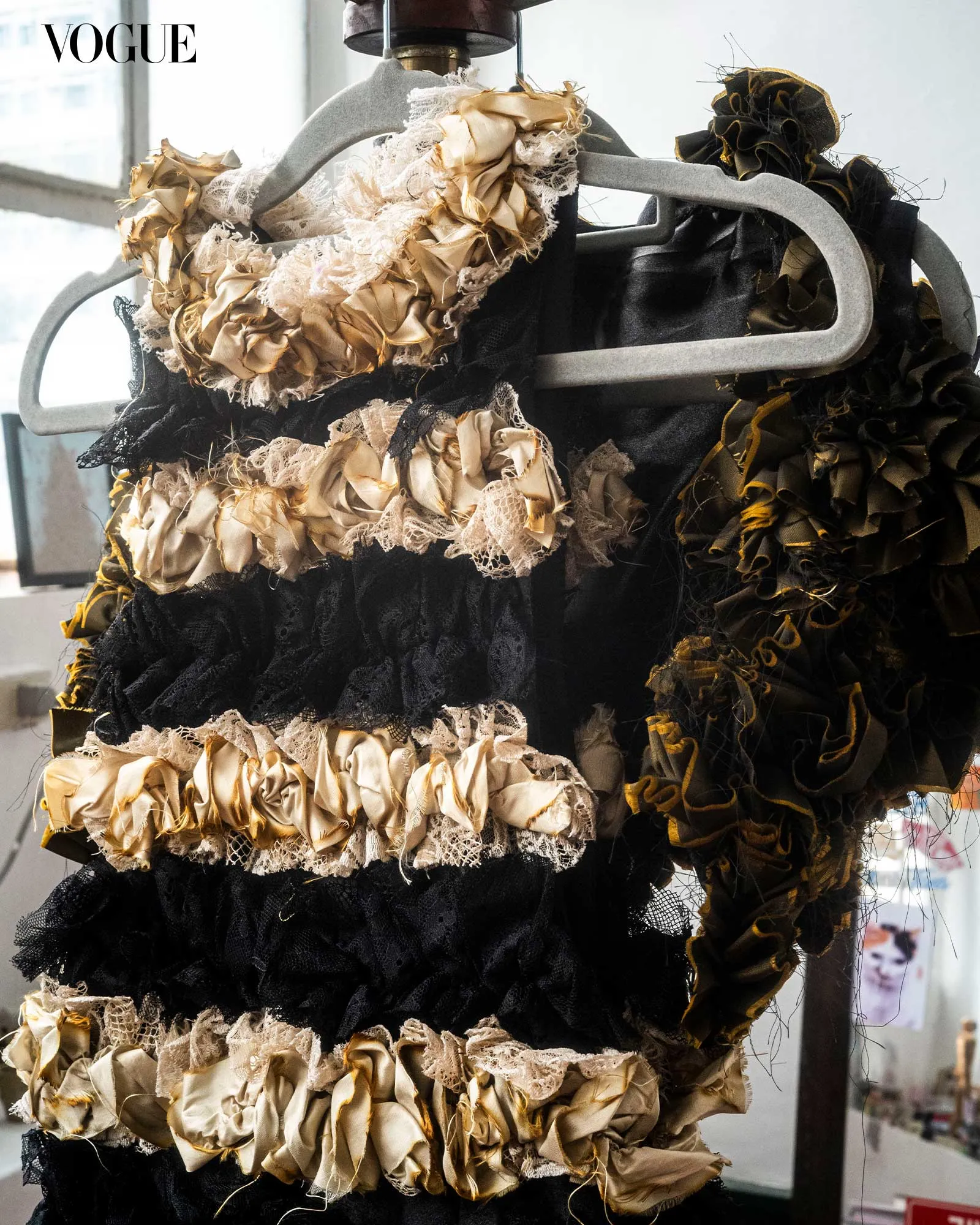
Nardong Putik’s costumes were primarily two things: denim and camo. For this collection, Ziv borrowed these elements from the film. Denim appears as pants and a two-piece matching set, and the designer also experimented with texture by stitching old, frayed denim threads onto a denim fabric, using the same technique used to make basahan (rags).
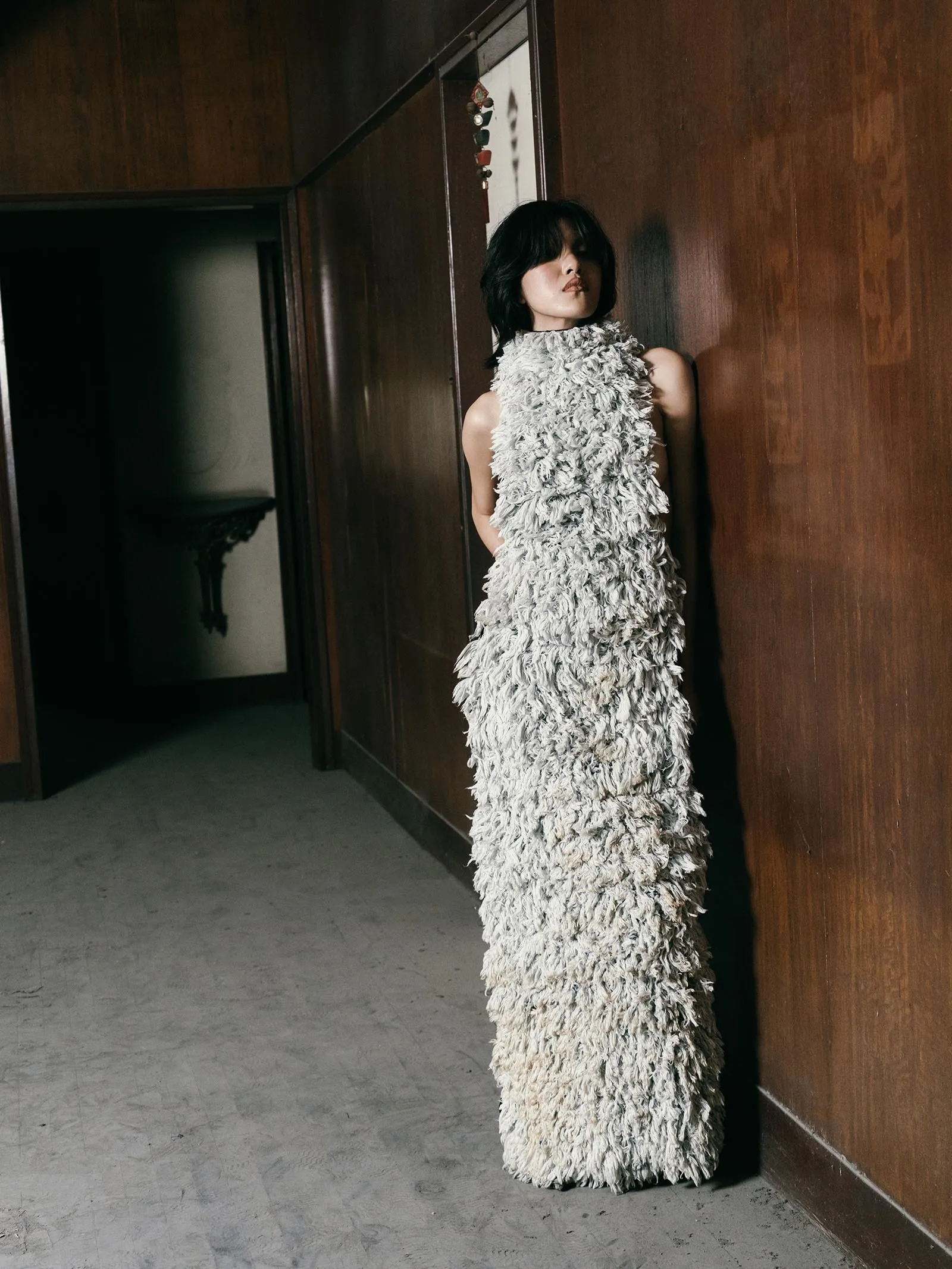
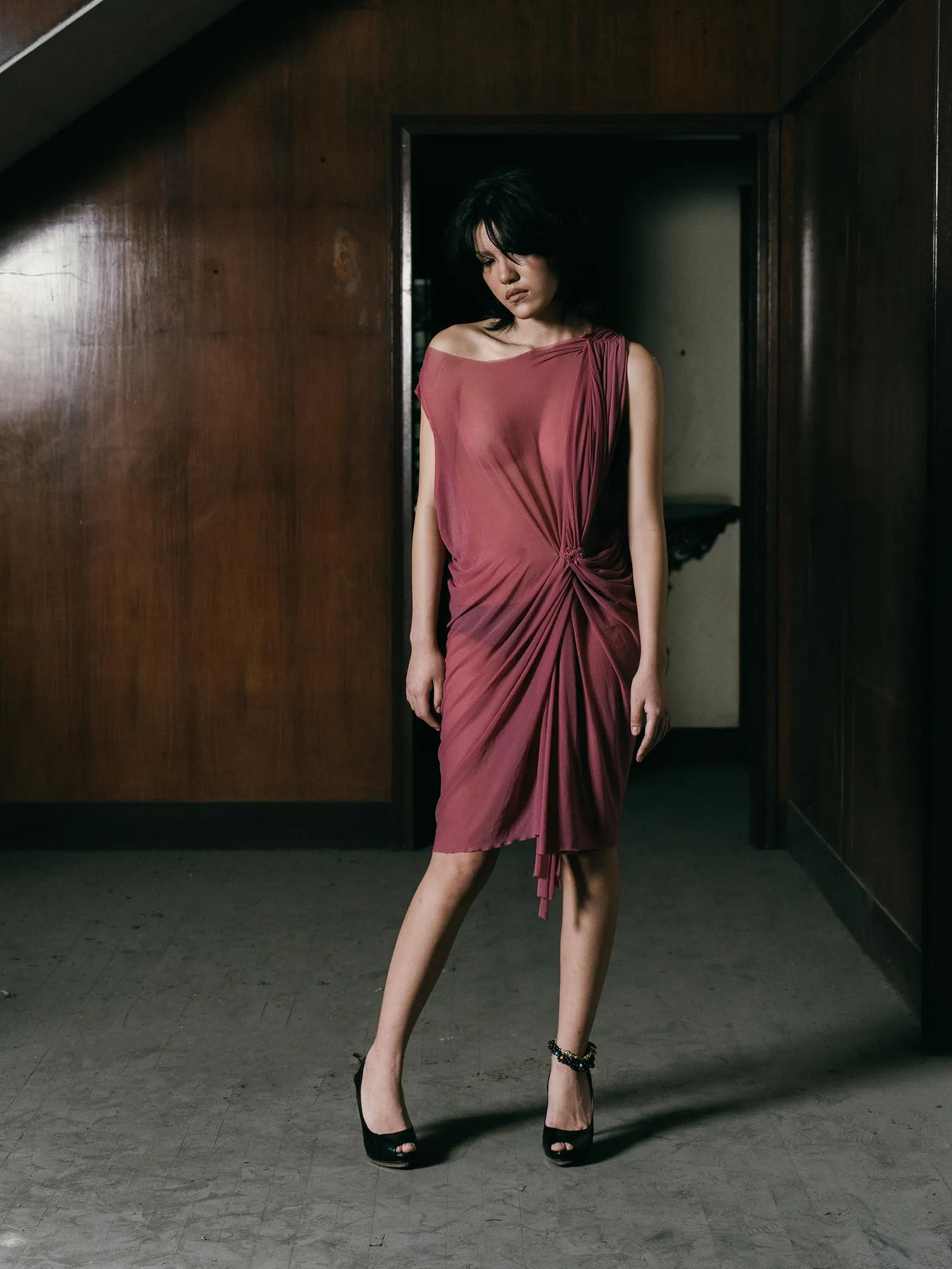
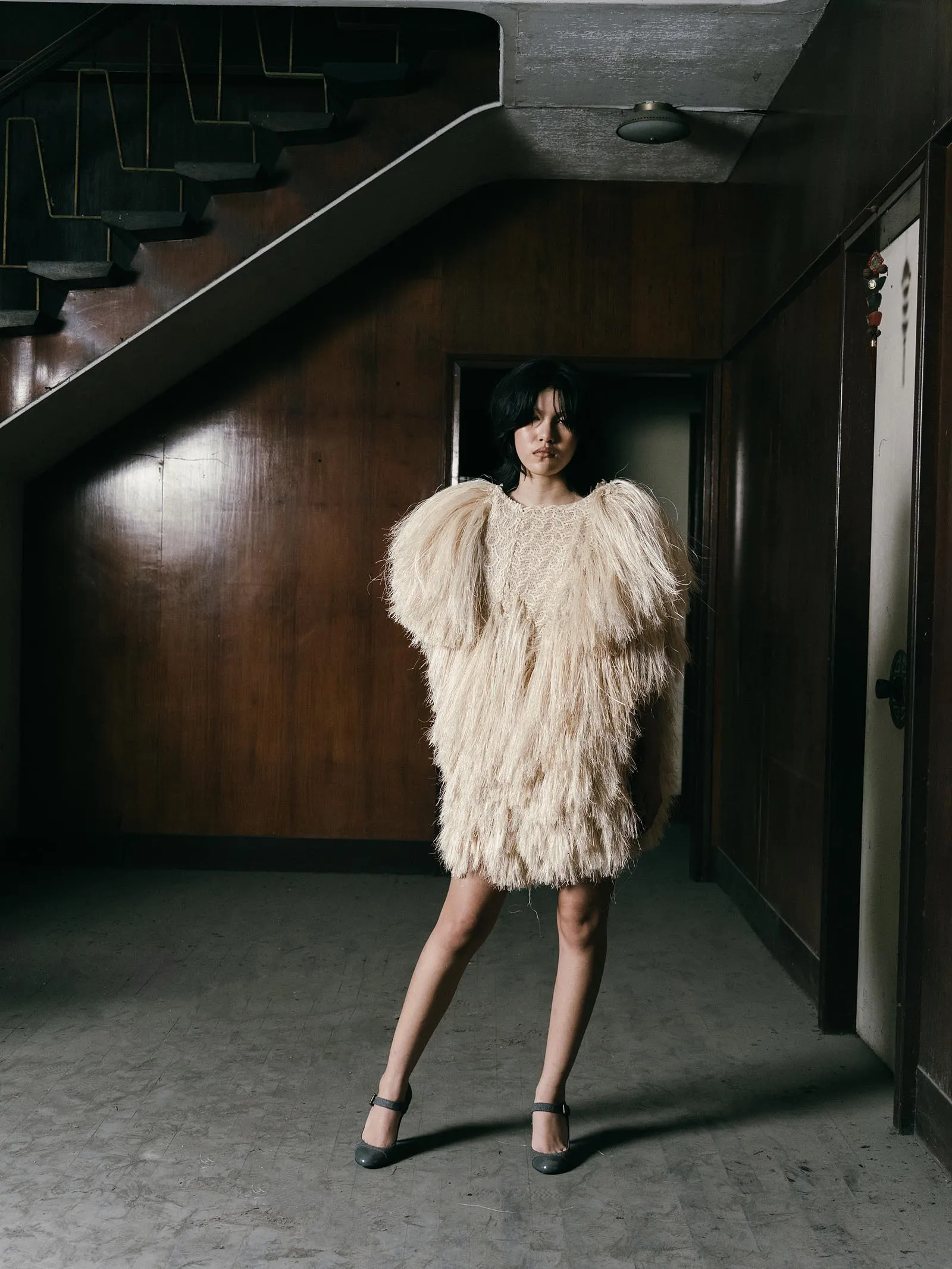
Adapting the camo print proved a bit of a challenge. To capture the concept of a camo, Ziv looked into ghillie suits, incorporating the same technique with abaca to create a “fur” coat. In the same vein as camouflaging or hiding oneself, curtains also inspired him. The collection uses this idea to play with the draping on the dresses and tops, adding more “balance and flow” to the pieces.
The collection was also largely influenced by his collaboration with Jason Mago. The pair initially made plans to collaborate on a different collection, but when plans fell through, the project took on a different direction. “Kung nirelease namin ‘to last year, hindi siya magmumukhang work namin this year,” Ziv says. “Kasi may mga elements nun na hindi namin naisip last year kasi di namin nakita. Tapos di namin na-realizena ‘Pinoy din pala ‘to’ [If we released this last year, it wouldn’t look like what it does this year. There were elements back then that we didn’t think of last year, because we didn’t see them. We didn’t realize then that ‘Oh, this is also Pinoy’].”
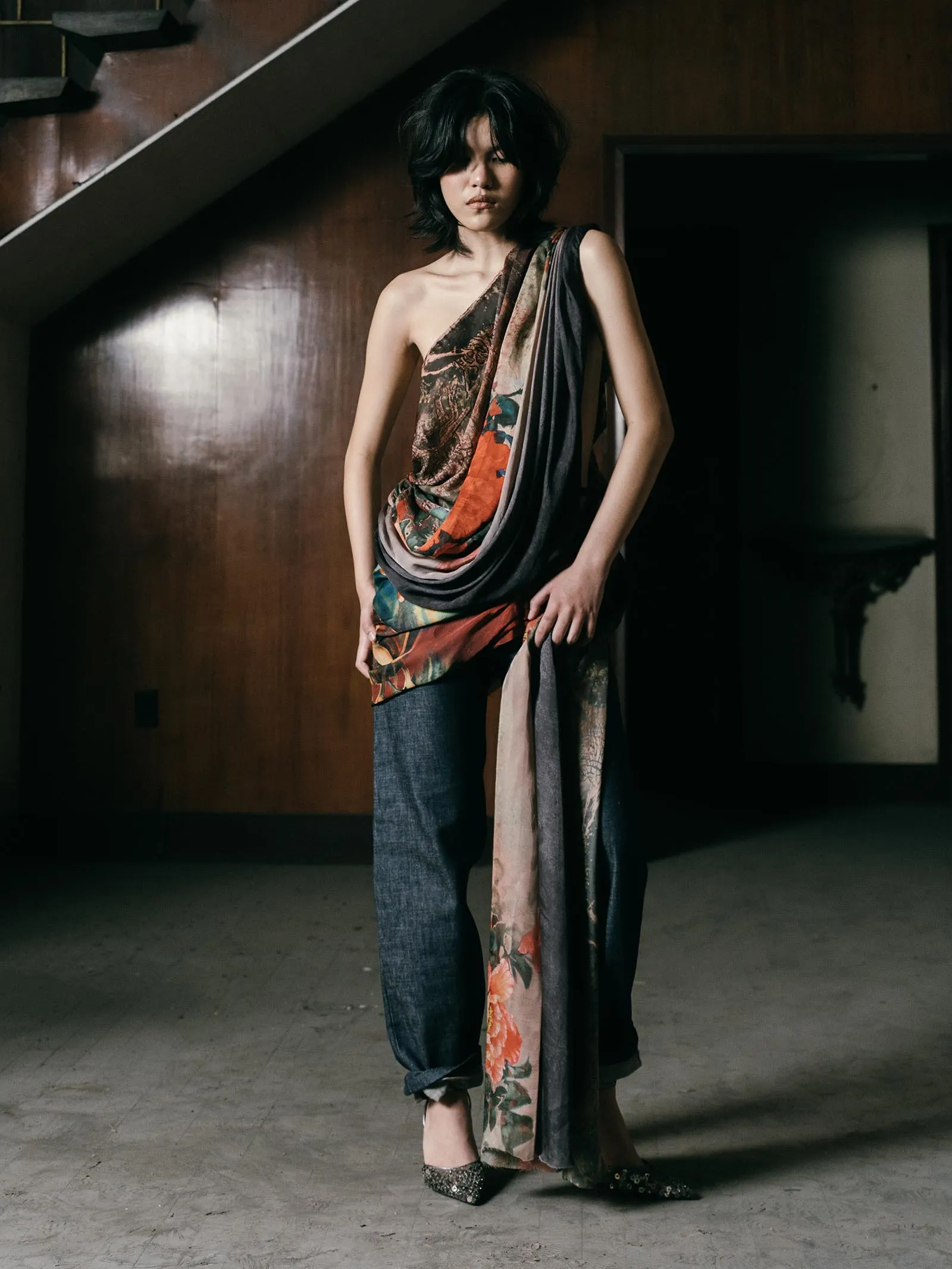
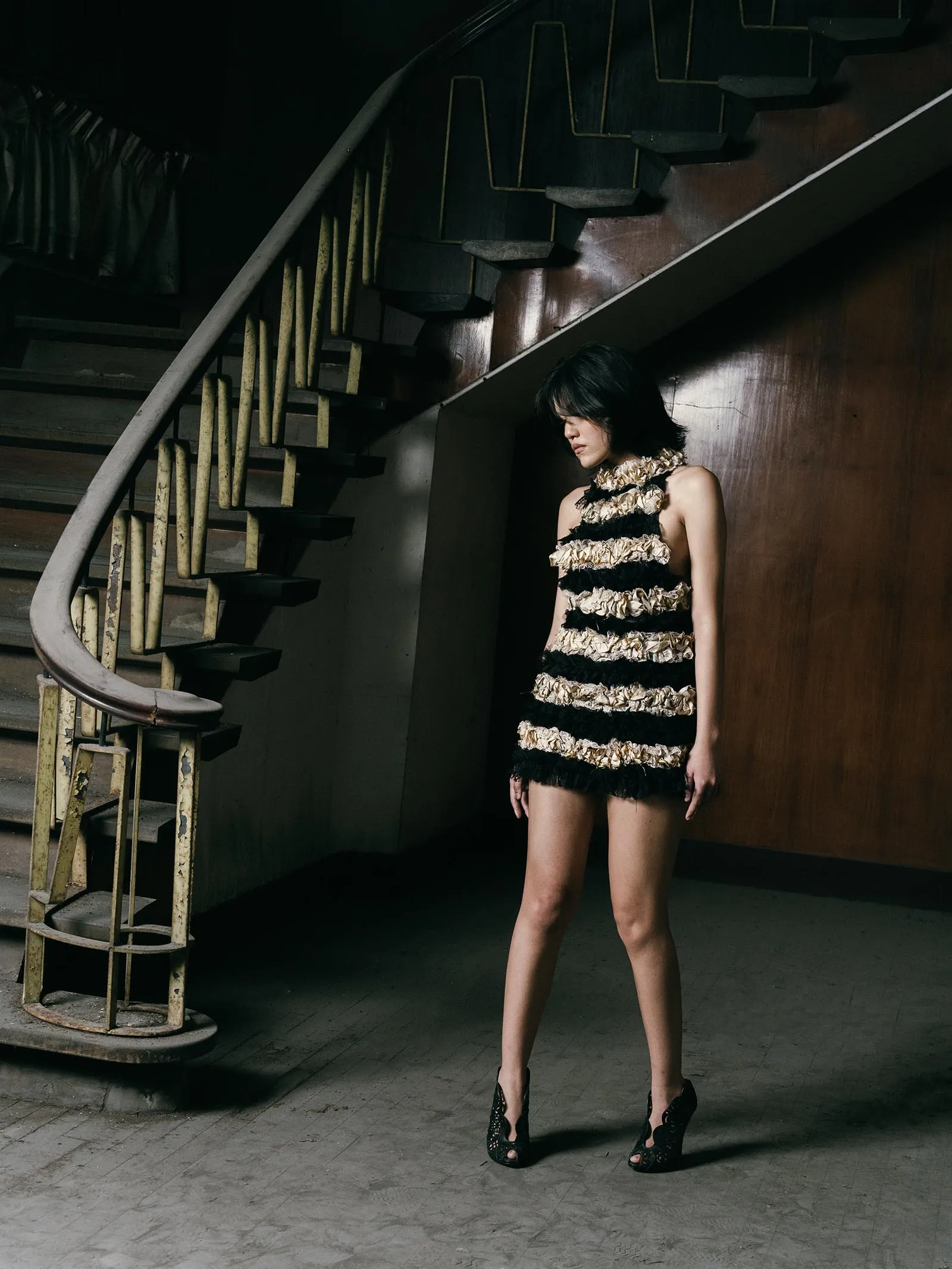
They describe the collection as his take on what Filipino aesthetics are, from a Caviteño perspective. “Wala namang pake yung mga Caviteño sa mga sinusuot nila [Caviteños don’t care about what they wear],” jokes Ziv. “And yun yung essence ng collection, yung attitude nila [And that’s the essence of the collection, their attitude],” adds Jason. In the same way that Caviteños are “maangas” (cool, swagger) and “matapang” (brave), Ziv wants the wearers of his designs to feel the same way. “Gusto ko na ma-empowersila na parang pag sinuot nila [yung collection], parang ‘Sino ka ba? Di mo ako pwedeng ganyanin’ [I want to empower them so that when they wear the collection, they can go, ‘Who are you to treat me like that?’].”
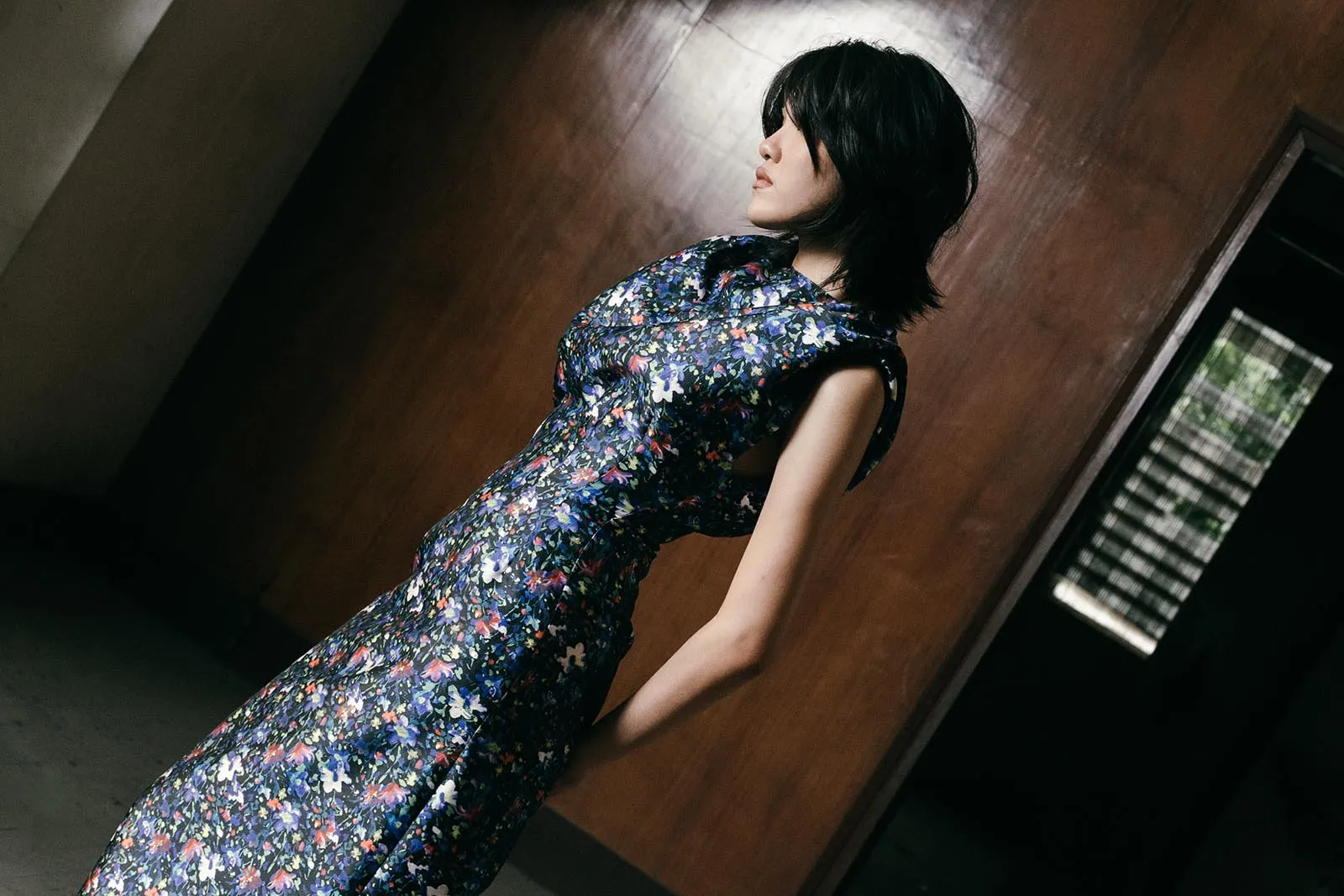
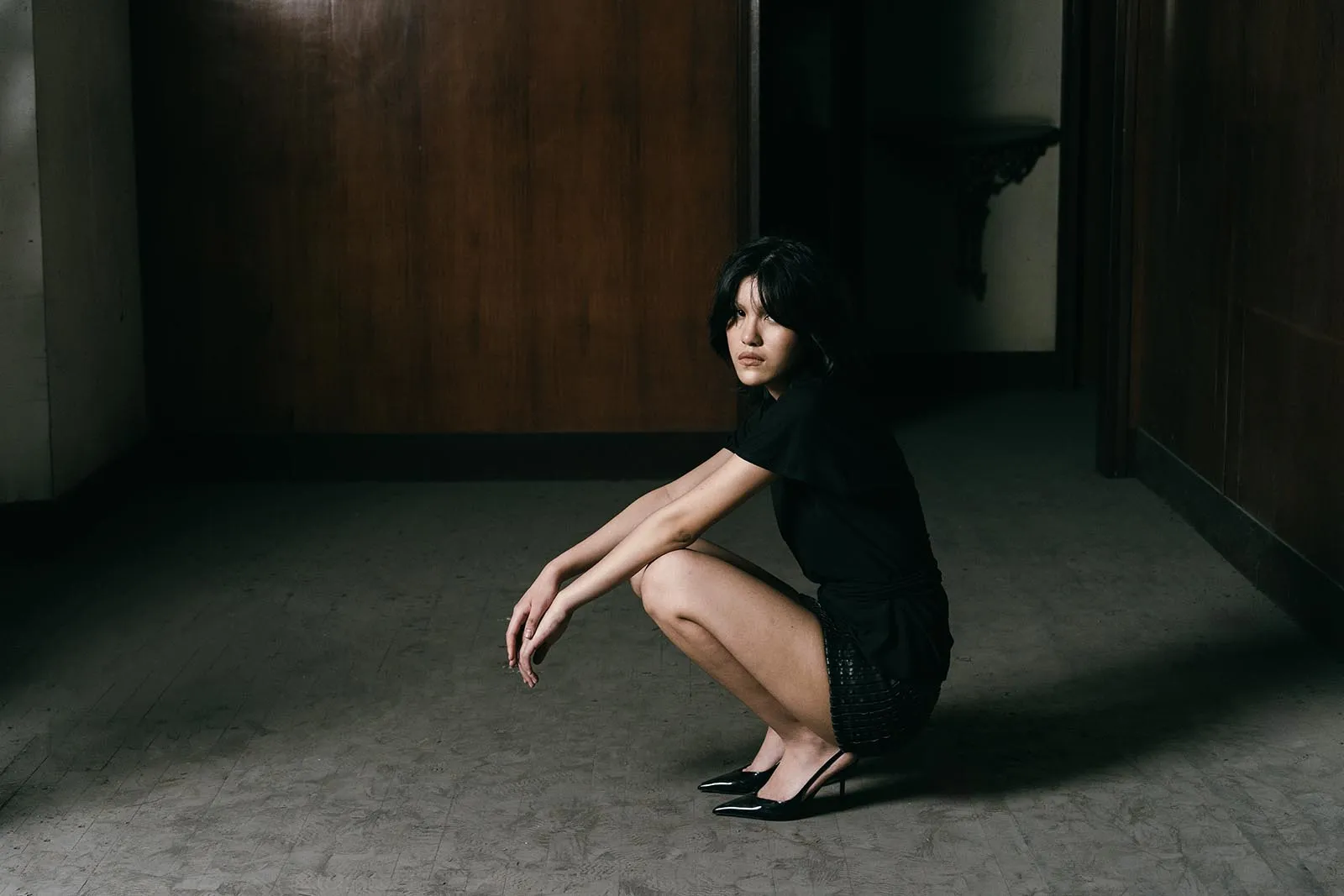
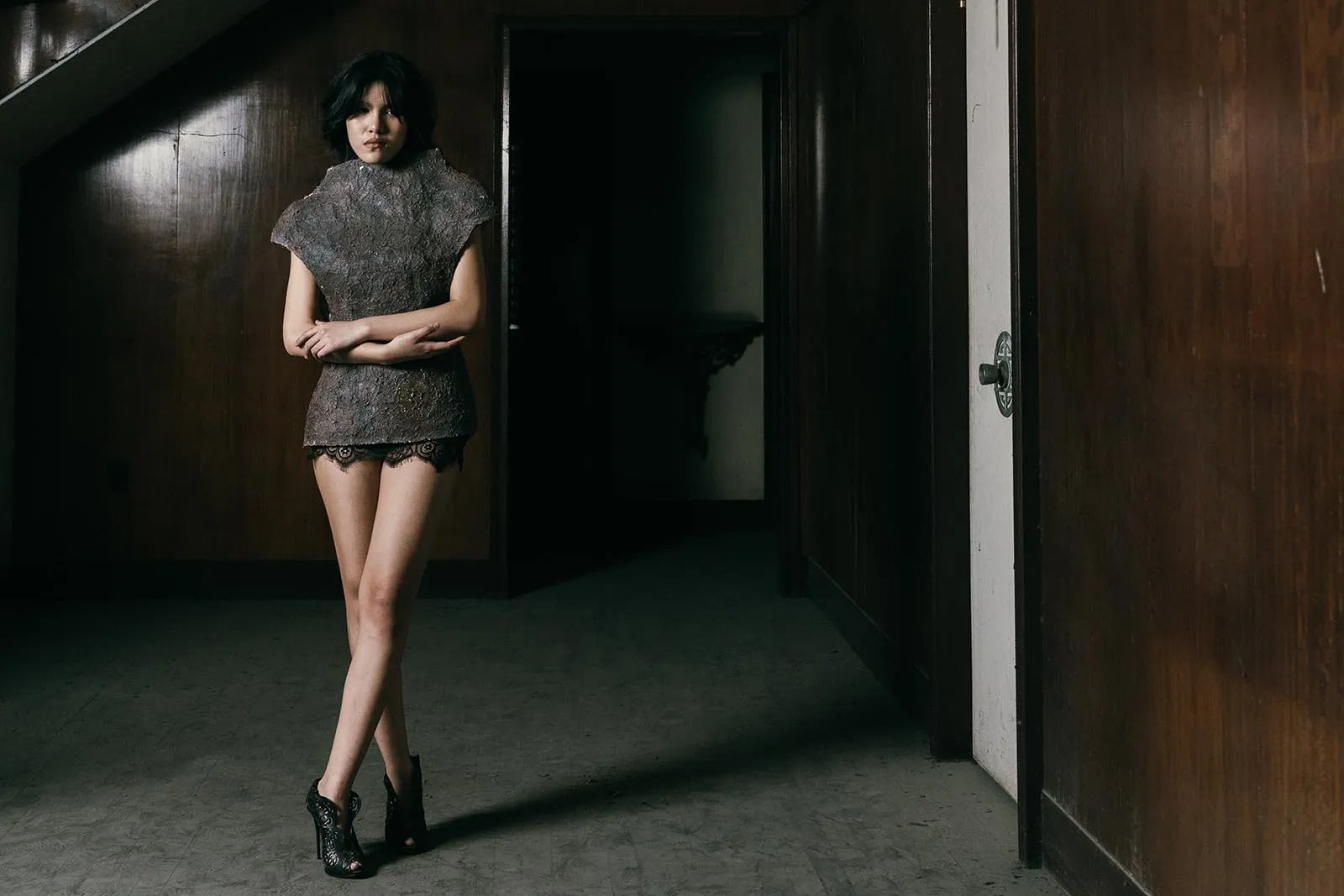
He also wants wearers to make the collection their own. Keeping the lookbook silhouettes minimal, the designer focused on making each piece textured and maximalist, allowing room for mixing and matching and adding personal touches. The goal was also to make each piece distinct, so that the branding is instantly recognizable. “For this collection, ang goal namin kasi kahit di ka bumili ng Ziv Rei, kahit ma-recreate mo lang yung look ng Ziv Rei [For this collection, our goal was that even if you don’t buy Ziv Rei, you can recreate the look of Ziv Rei],” he says.
Jason also notes that for him, the collection is rooted in emotions. “Filipinos sobrang rooted talaga sa emotions,” he says. “Nae-expressnila yun sa prints, sa pagiging maximal. Kaya yung mga jeep natin, kung anu-ano na lang yung art. May humor, may wit, and hindi ka naman makaka-developng ganung witkung hindi ka matalino [Filipinos are really rooted in their emotions. They express that through prints and being maximalists. That’s why our jeepneys have this random style of art. There’s humor, there’s wit, and you can’t develop that kind of wit if you’re not smart enough].”
This is one of the many reasons why the two took inspiration from the streets. The pair describes the everyday Filipino as having a style that is deeply “innate,” styling clothing in ways that shouldn’t work but do. “[Ang] hinahabol namin ngayon, yung magmukha siyang totoong damit [What we’re chasing right now is to make it look like real clothing],” Ziv says. With a brand that focuses on authenticity and what’s personal, he eliminated the “middleman” of Pinterest boards and runway inspirations and focused on what he saw in his life. “Natural nang dadating sayo yung mga ideas kung ang ginagamit mo isyung personal experience and yung point-of-view mismo [The ideas will come naturally if you use personal experience and point-of-view itself].”
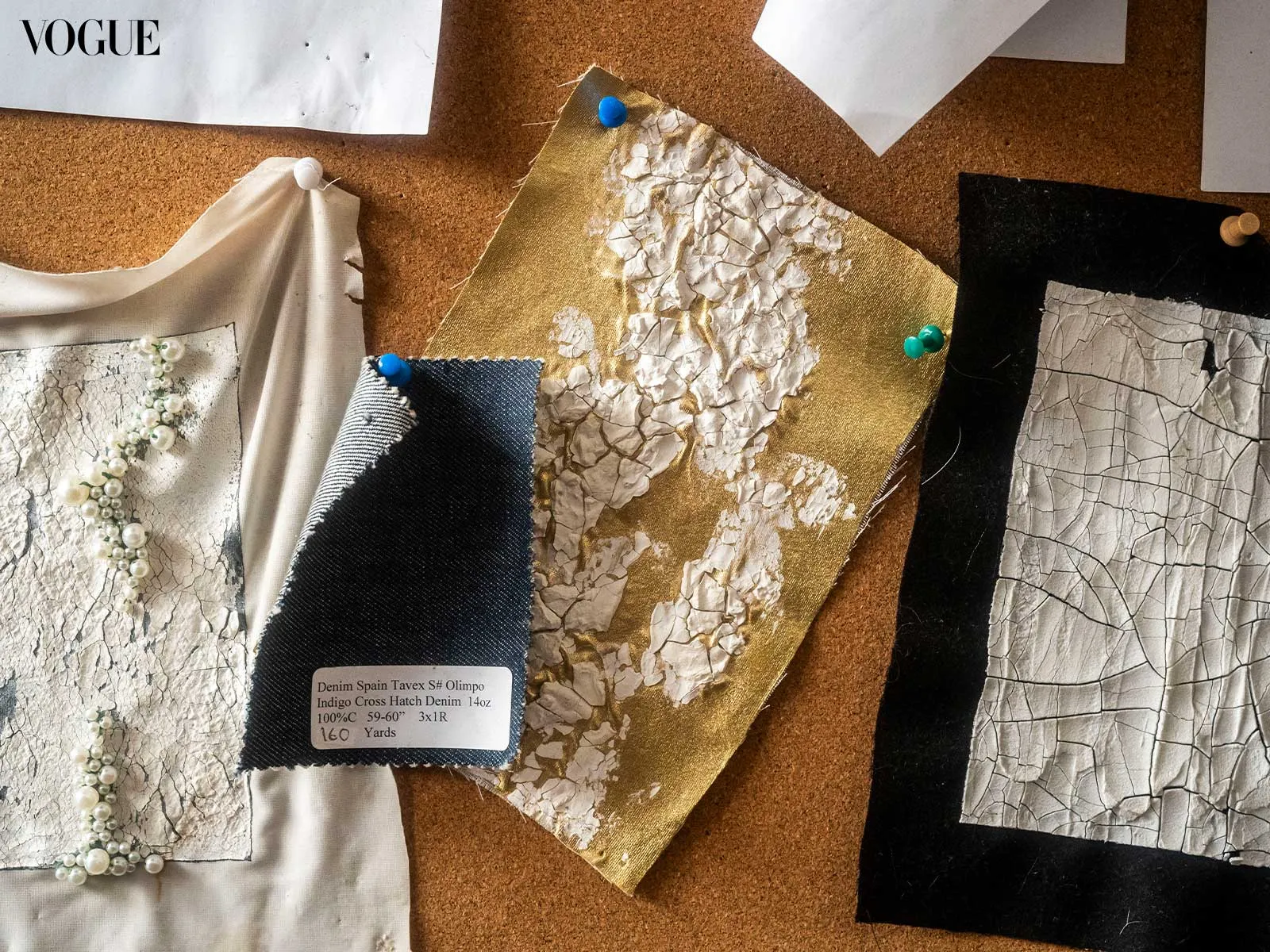
It’s reminiscent of what Mrs. Prada did in 1996 with her “Banal Eccentricity” collection, which was inspired by a 1980 Venice Biennale exhibition of mundane, mass-produced objects. The collection introduced “Ugly Chic,” challenging the glamor of the 90s by using murky colors, clashing patterns, and “bad taste” textiles. “People at the time were saying that it was so baduy, [that it’s] one of the worst collections ever,” Jason says. Yet 30 years later, Ziv is applying the same philosophy. Miuccia Prada found inspiration in the mundane objects she saw every day; Ziv saw it with the people he encountered.
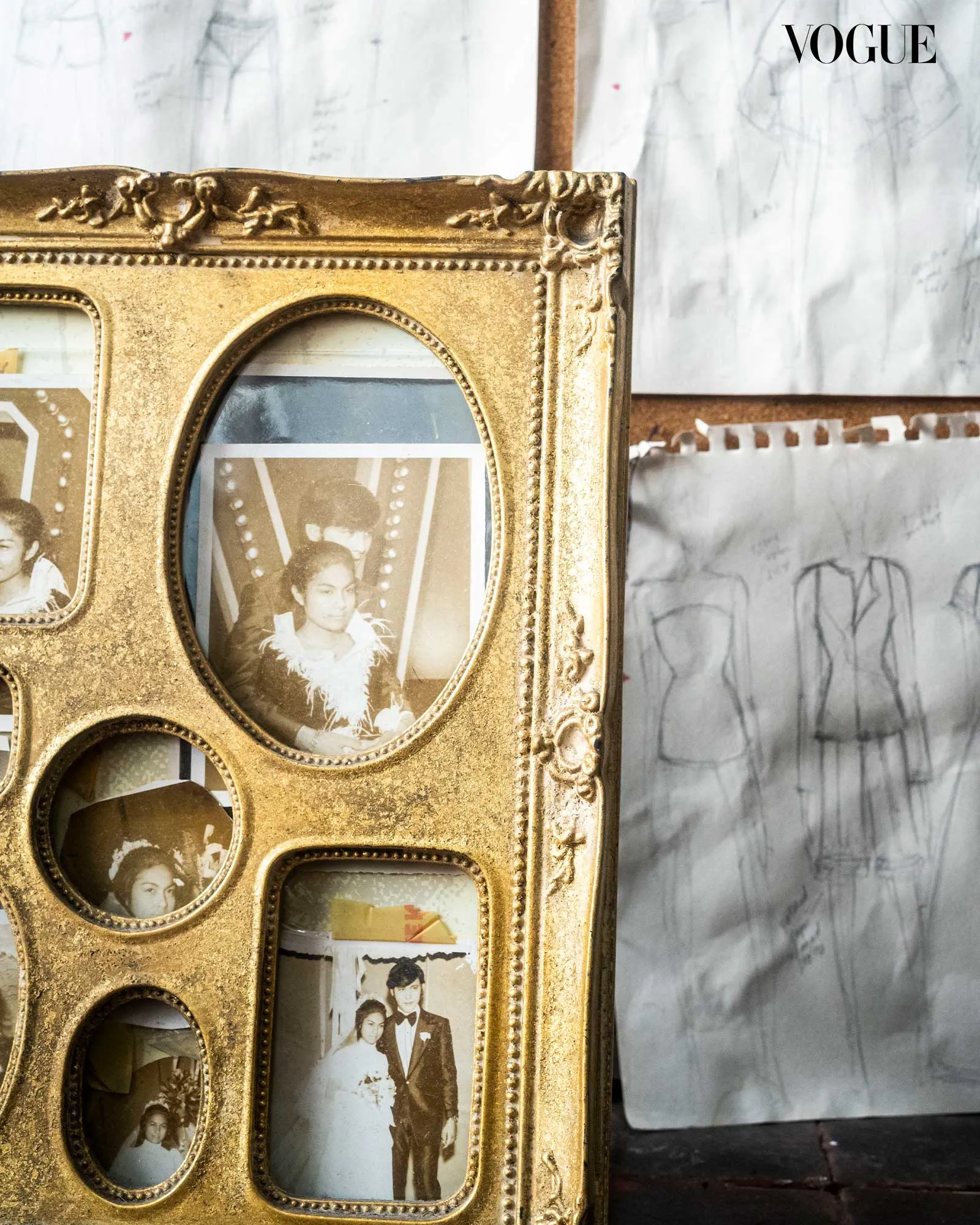
It challenges the idea of what we consider to be “Filipino.” Ziv shares a conversation he had with Glorious Dias’ Jodinand “Jodee” Aguillon, in which Ziv talked about his own doubts about the “Filipino-ness” of his collection. Jodee assured him: “Kahit ano pang gawin mo, kahit sobrang Western pa nyan, basta yung gumawa Pinoy, Pinoy pa din yan eh [Whatever you do, even if it’s too Western, as long as it’s made by a Filipino, it’s still Filipino].” Ziv likens it to Japan and Korea’s contemporary fashion, which has its roots in Western style, yet feels distinctly Japanese and Korean. The same can be said for him. While he takes his cues from Western ‘90s grunge and punk culture, the collection remains uniquely Filipino, informed by the people, styles, and aesthetics he encounters in his daily life.
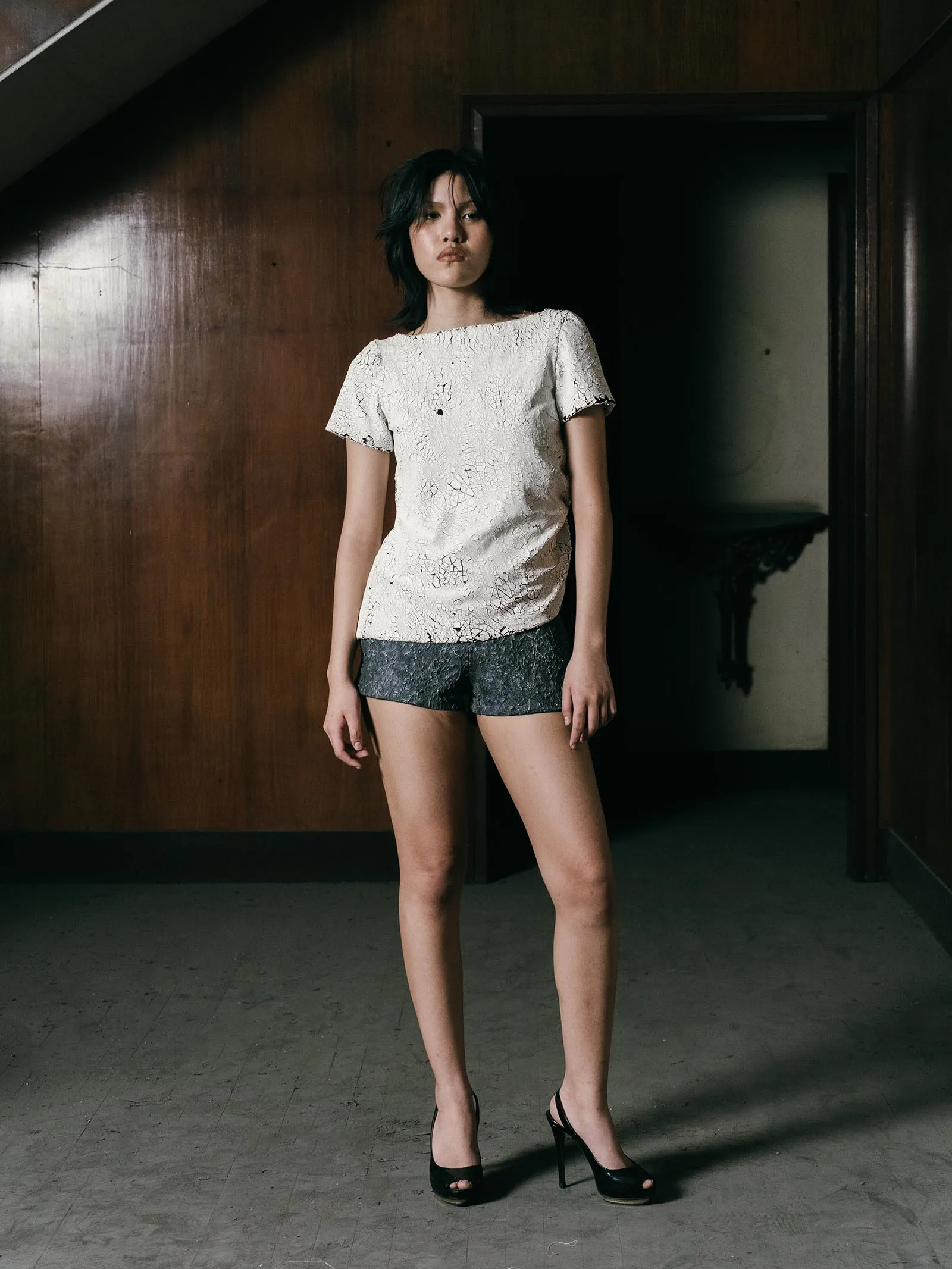
It challenges us to look beyond what is already “seen.” Beyond the runways and the glossy magazine pages, what informs our fashion and style? Ziv’s eyes are always searching for inspiration, from the gritty texture of old walls to the imprint of a footprint on asphalt.
-
 Courtesy of Ziv Rei Alexi. Photographed by Karl King Aguña1/22
 -
 Courtesy of Ziv Rei Alexi. Photographed by Karl King Aguña2/22
 -
Courtesy of Ziv Rei Alexi. Photographed by Karl King Aguña3/22
-
 Courtesy of Ziv Rei Alexi. Photographed by Karl King Aguña4/22
 -
 Courtesy of Ziv Rei Alexi. Photographed by Karl King Aguña5/22
 -
 Courtesy of Ziv Rei Alexi. Photographed by Karl King Aguña6/22
 -
Courtesy of Ziv Rei Alexi. Photographed by Karl King Aguña7/22
-
 Courtesy of Ziv Rei Alexi. Photographed by Karl King Aguña8/22
 -
 Courtesy of Ziv Rei Alexi. Photographed by Karl King Aguña9/22
 -
 Courtesy of Ziv Rei Alexi. Photographed by Karl King Aguña10/22
 -
 Courtesy of Ziv Rei Alexi. Photographed by Karl King Aguña11/22
 -
 Courtesy of Ziv Rei Alexi. Photographed by Karl King Aguña12/22
 -
 Courtesy of Ziv Rei Alexi. Photographed by Karl King Aguña13/22
 -
 Courtesy of Ziv Rei Alexi. Photographed by Karl King Aguña14/22
 -
 Courtesy of Ziv Rei Alexi. Photographed by Karl King Aguña15/22
 -
 Courtesy of Ziv Rei Alexi. Photographed by Karl King Aguña16/22
 -
 Photographed by Angelo Tantuico17/22
 -
 Photographed by Angelo Tantuico18/22
 -
 Photographed by Angelo Tantuico19/22
 -
 Photographed by Angelo Tantuico20/22
 -
 Photographed by Angelo Tantuico21/22
 -
 Photographed by Angelo Tantuico22/22
- Veejay Floresca New York Fashion Week Debut Inspired by Willem de Kooning
- Discover the Full Lahí Couture Collection by Rajo Laurel in Bangkok
- Lyle Ibañez and Celestina Maynila Bring the Best of Both Worlds at Harbin Fashion Week
- Sacred Reset: Nicomede Returns to Fashion With His Fall 2026 Collection


