
Palengke Finds Beauty in the Souvenirs You Never Meant to Keep


Photographed by Dani Pojas, courtesy of Palengke
Inspired by the memories and mementos of childhood holidays, Palengke’s Kalachuchi Island Resort collection celebrates the joy of Filipino travel through artisan-made accessories.
After launching its collection of pukpuk repoussé J3 Bic lighter cases and incense sticks earlier this year, Palengke returns with another drop of grail-worthy designs that you’ll want to get your hands on.
This time, the proudly kulit brand’s latest collection, Kalachuchi Island Resort, continues the philosophy of transforming the overlooked and mundane into cult classics to keep, drawing inspiration from common souvenirs you never intended to purchase or bring home. Think complimentary hotel slippers and single-use vanity kits, afternoons spent beachcombing in search of washed-up treasures, and roadside pasalubong shops visited on the drive home.
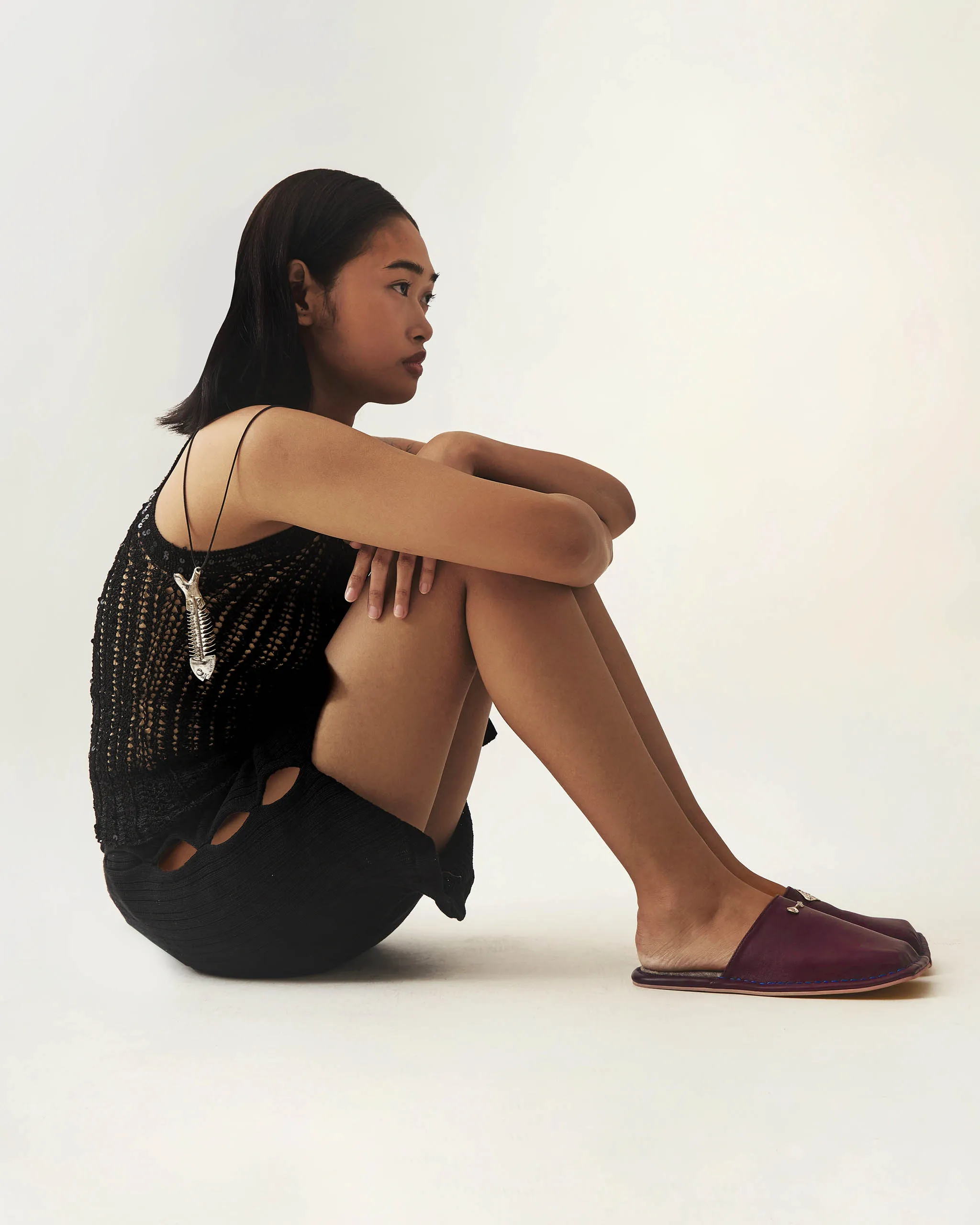
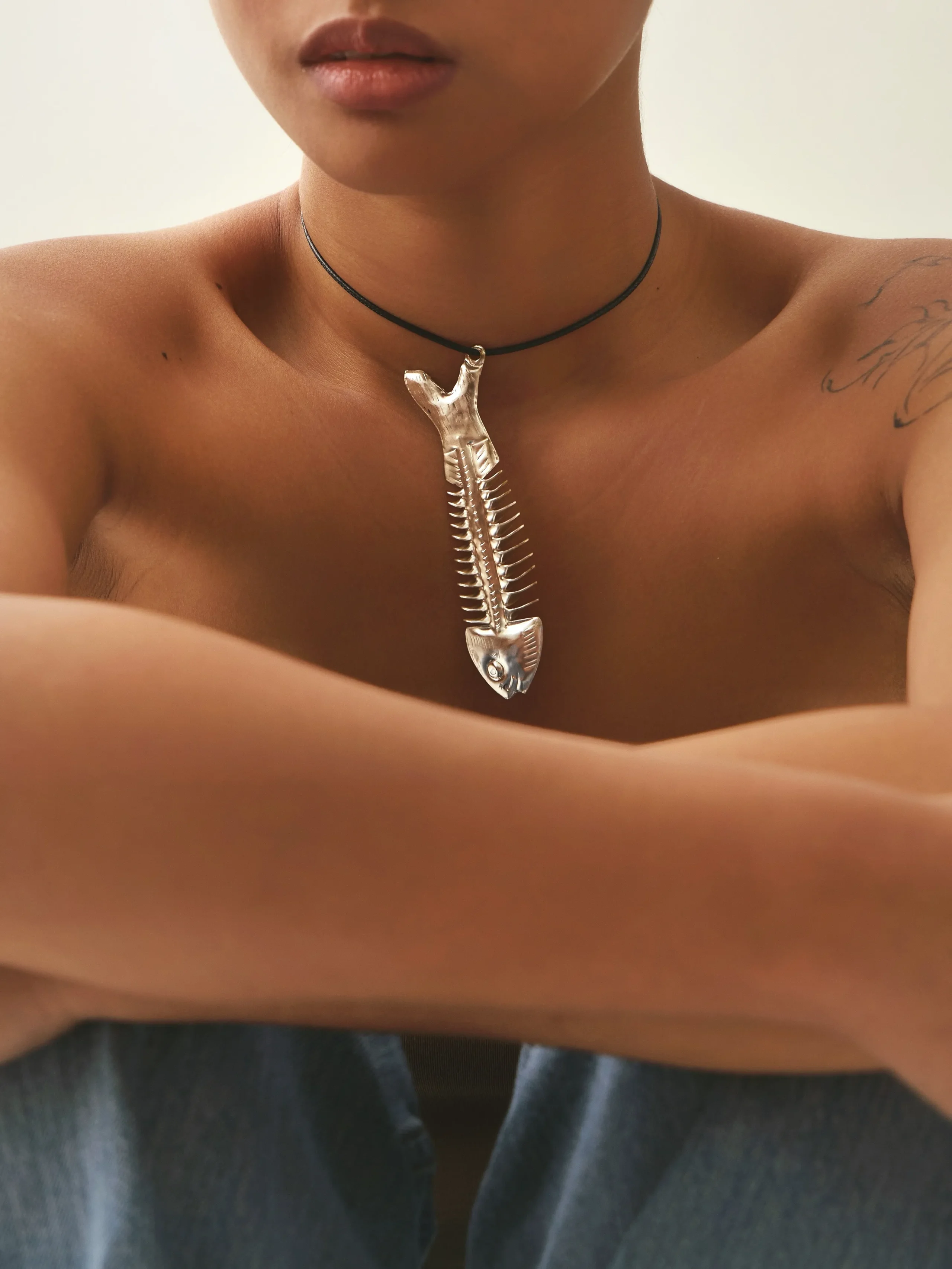
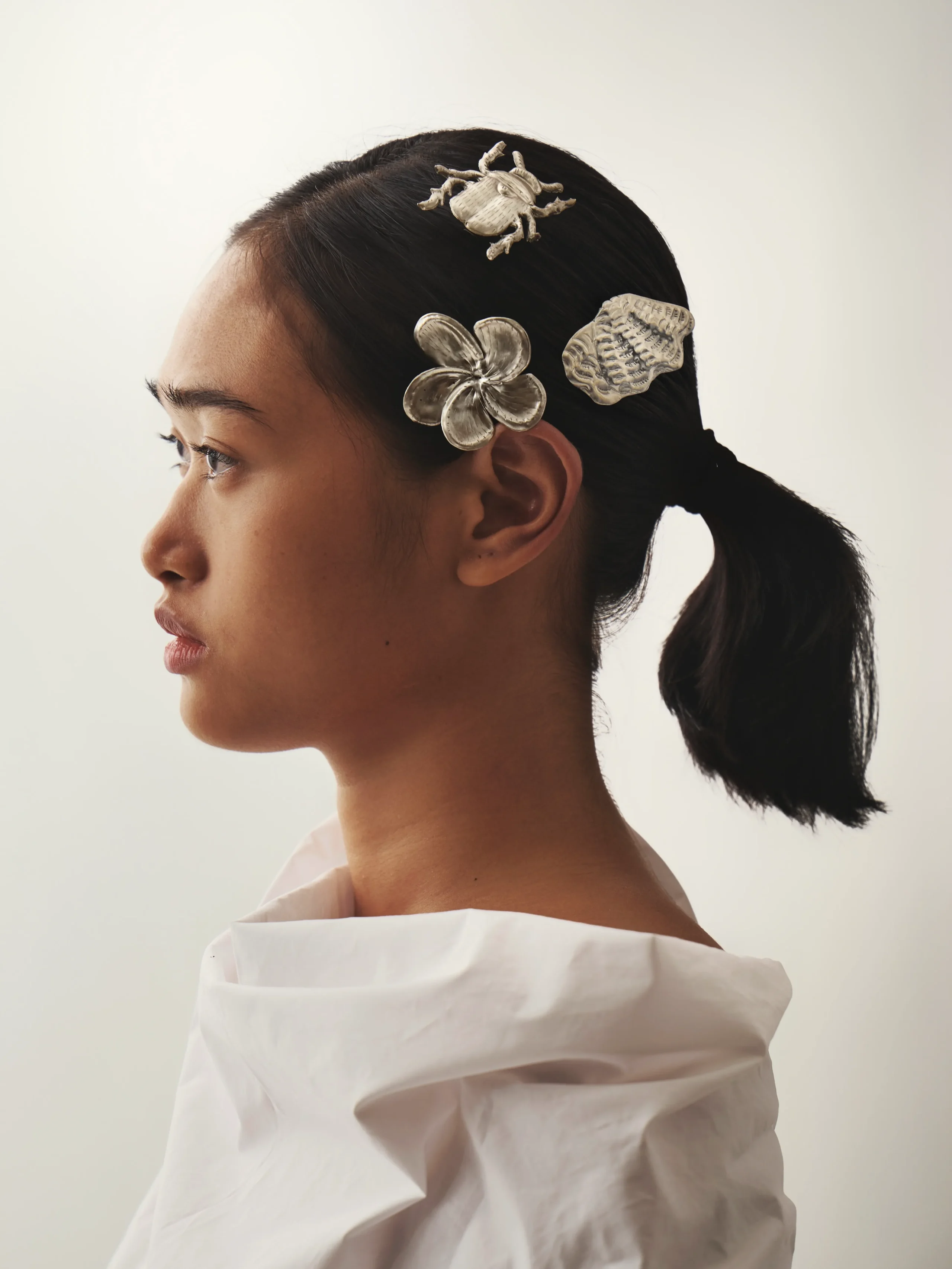
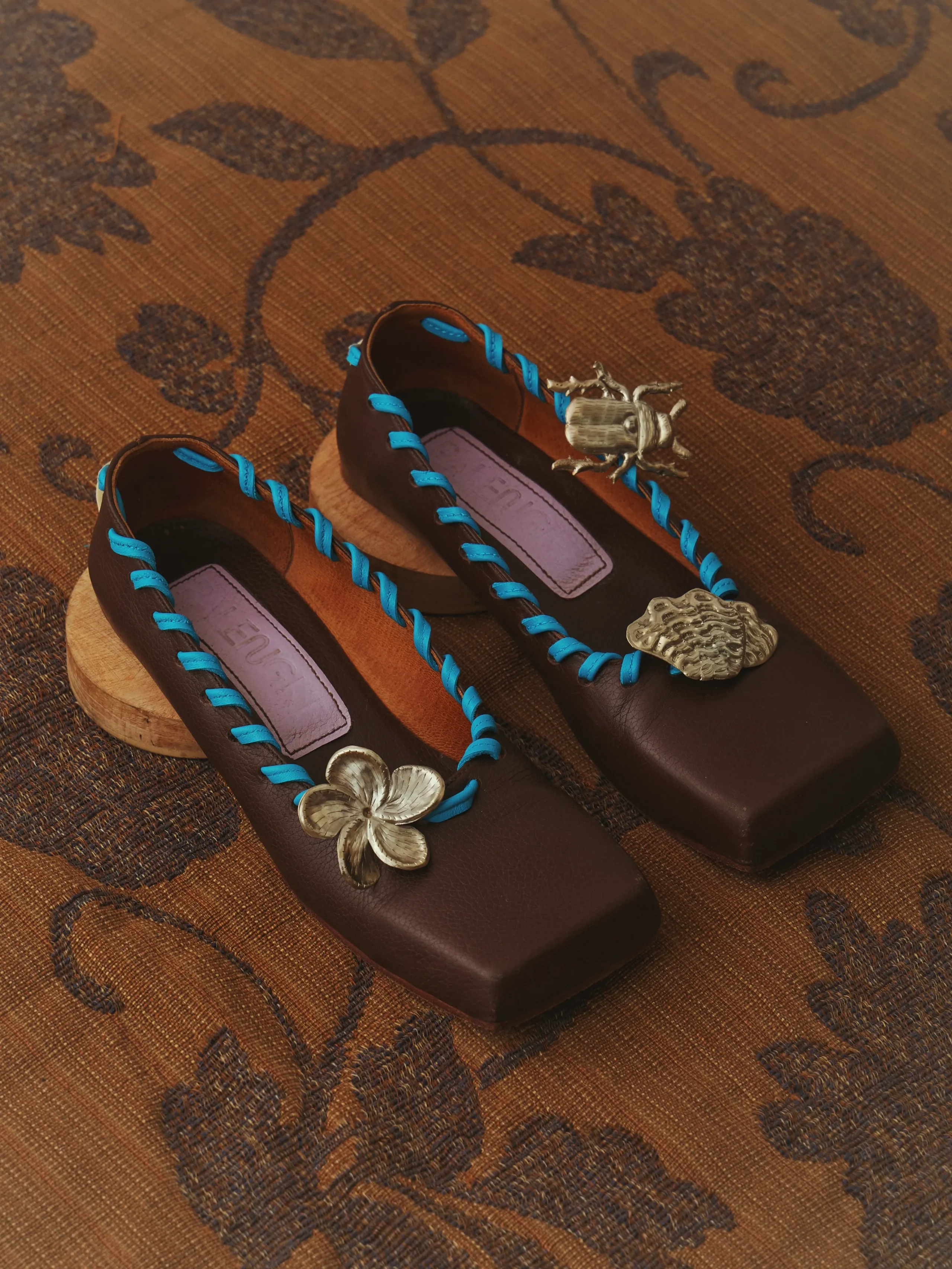
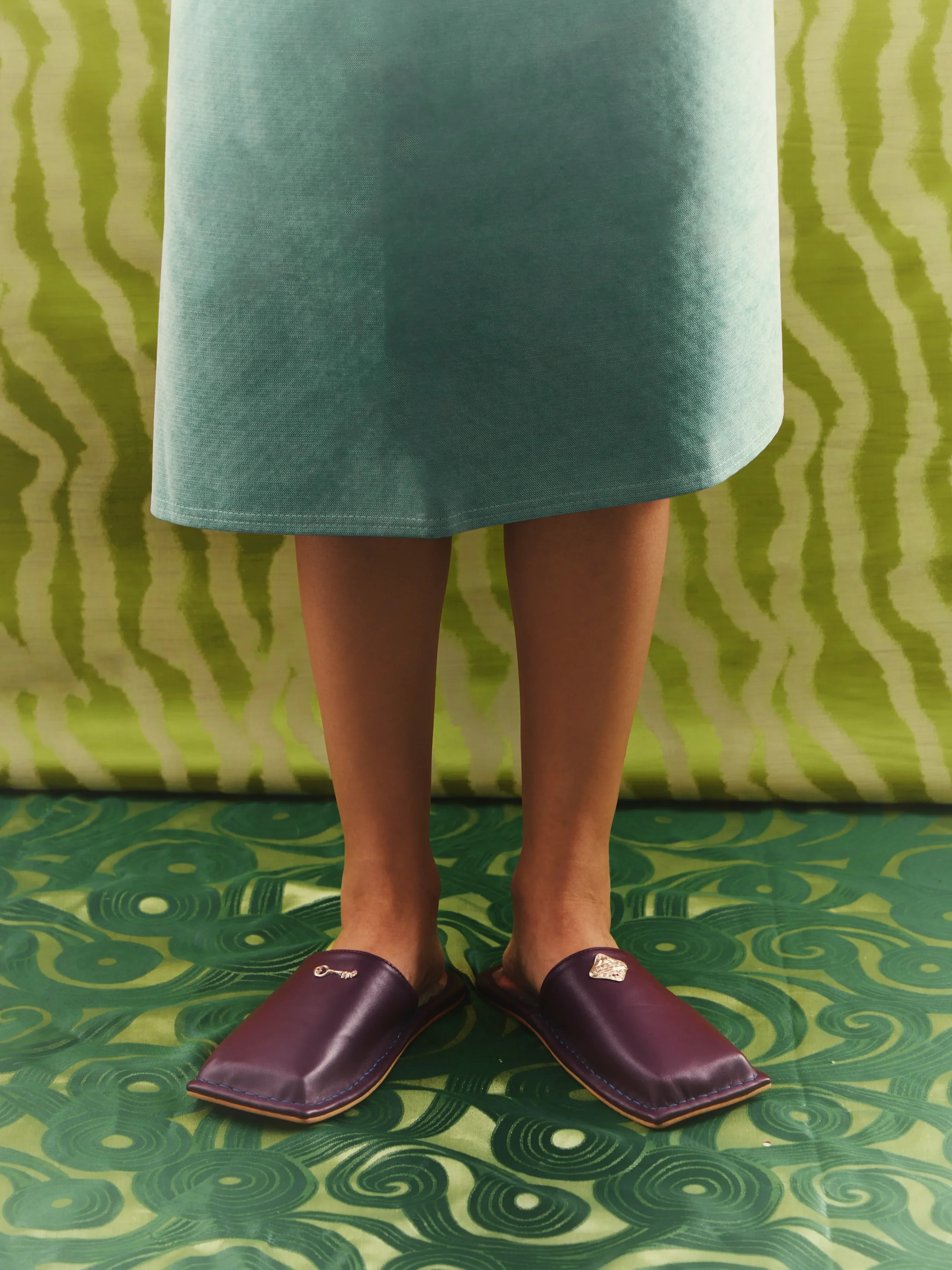
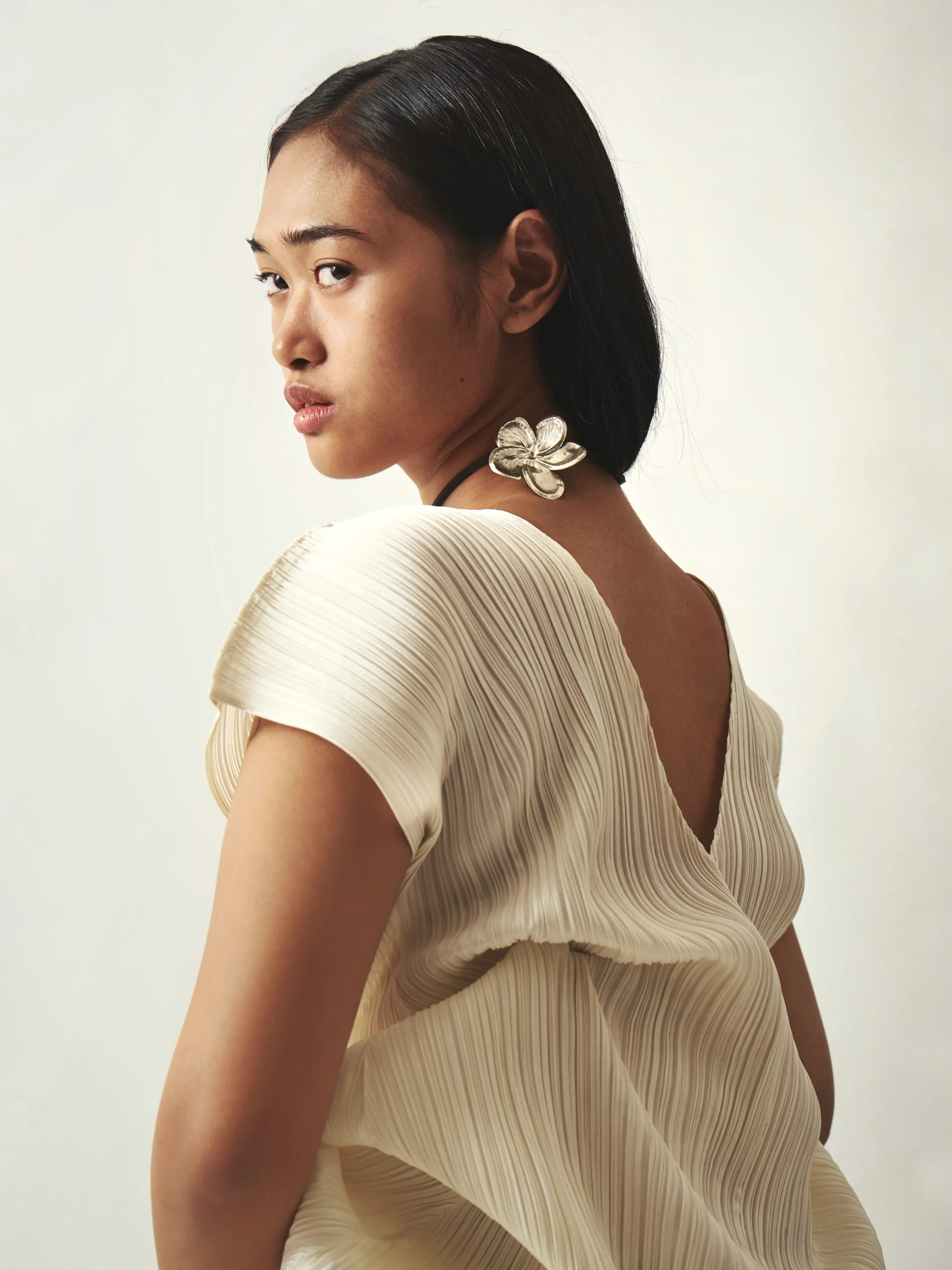
Crafted by artisans in Pampanga and Marikina, the collection showcases traditional Kapampangan hand-hammering across three new pieces: the Tinik Comb, a fishbone-shaped brass pendant that doubles as a comb; the Pusod Set, a trio of interchangeable charms; and the Dekwat Slipper, a nappa leather slide with hand-formed brass detailing and a reclaimed carpet footbed.
In the Q&A below, Palengke founders Jilliane Santos and Paulina Dayrit speak with Vogue Philippines about the creative process behind Kalachuchi Island Resort, the childhood memories that shaped the collection, and what lies ahead for the designers.
Vogue Philippines: What inspired the Kalachuchi Island Resort collectionResort CollectionA line shown between the main fashion seasons, originally designed for vacation travel and warm-weather escapes, also known as cruise. Resort collections feature lighter fabrics, relaxed silhouettes, and vibrant prints,Go to Resort Collection Glossary? Why did you want to explore the world of Filipino resort souvenirs?
Jilliane Santos: Growing up, my family was very spontaneous when it came to road trips. We’d just pile into the car with my cousins and end up at a beach, a resort, or somewhere a few hours away from Pampanga. Looking back now, those are some of my favorite childhood memories. I think that’s really where the idea for Kalachuchi Island Resort came from. Paulina and I wanted to revisit those memories through adult lenses. We wanted the collection, and especially the campaign, to capture that feeling.
Paulina Dayrit: When we say “souvenirs,” we don’t necessarily mean the things you buy from gift shops. Jill and I have always found it funny that whenever we’d stay in hotels, we’d always make sure to take home the “free” things in the room instead (ballpens, slippers, toiletries, and such). I feel like it’s a habit many Filipinos like us share. For this collection, we wanted to reinterpret these vacation souvenirs into objects that feel relatable, but also uniquely our own.
What drew you to these familiar everyday objects?
Jill: I think for us it always starts with the memory before the object. Through craft we wanted to reinterpret them in a way that still feels familiar, but reflects who we are now. I also think they give us enough room to play. There’s a sense of humor and a sense of kulit in taking something so ordinary and reimagining it into something people wouldn’t expect, and I think that’s a big part of Palengke’s DNA.
Please tell us about the story behind the Tinik Comb, Pusod Set, and Dekwat Slipper.
Jill: The Dekwat Slipper is probably the most straightforward. It’s inspired by something that I think a lot of families do, which is taking home hotel slippers after a trip. We thought it would be funny to turn something so disposable into something people would actually treasure and keep. We even used reclaimed carpet for the footbed because old resorts and hotels used to have these carpet interiors. It became a small detail that not everyone will immediately notice, but it ties back to that whole resort experience while also making the slipper more comfortable.
The Tinik Comb was inspired by childhood, and specifically by growing up watching The Little Mermaid. I always loved how Ariel was so resourceful with the things she found around her. She’d turn everyday objects from the ocean into her own little treasures and accessoriesAccessoriesThe finishing pieces of an outfit, including bags, belts, scarves, hats, eyewear, and jewelry. Accessories can elevate a simple look or define it entirely, and fashion editors often treat themGo to Accessories Glossary. We imagined what our own Palengke version of that would look like. It still carries that same sense of childhood imagination and play, but reinterpreted through Filipino craft and made into something you can actually wear.
For the Pusod Set, I remember always noticing the little things around a resort or along the shoreline. As kids, we’d spend hours looking at shells, flowers, little stones, or whatever caught my attention. Back then, those little discoveries were part of the fun. They kept you curious, and somehow they made every resort feel like somewhere worth exploring.
We wanted to take those very ordinary discoveries and reinterpret them into something refined and thoughtfully crafted. I like that contrast. The inspiration comes from something playful and almost childlike, but the final piece feels chic enough to wear today. It still carries the same sense of curiosity, just expressed in a different way.
The pieces were made by artisans in Pampanga and Marikina. What was it like working with them, and what did they bring to the collection?
Jill: Everything starts as an idea between Paulina and me, but the collection really becomes what it is because of the artisans. They know the craft so much better than we do. They know what’s comfortable, what’s feasible, what needs to change, and how to make an idea actually work.
Since we don’t have one central workshop, everything involves a lot of coordination. There are a lot of visits, phone calls, and messages because we’re working with different makers in different places. It definitely isn’t the easiest way to work, and sometimes coordination becomes the biggest challenge. But I think seeing different crafts from different regions come together into one collection is also one of the most fulfilling parts of the process.
Paulina: Working with them comes with a great deal of trust, especially knowing they’ve spent years working with their craft. It really is a collaboration. There will always be limitations to what we imagine on paper, and their experience helps us navigate those realities. At the same time, they understand our values as a brand. There are many instances where they’ll suggest ways to make a piece more “sulit” or more versatile, or recommend adjustments that improve both the initial design and the function. Those are the conversations that become an important part of the creative process.
What do you hope people feel when they wear or collect these pieces?
Jill: I hope people feel a little whimsical. I hope they smile a little, maybe even laugh a little. At the same time, I hope people still see the pieces as something chic, tasteful, and even a little sexy. I like that contrast. The inspiration might come from something playful or nostalgic, but the final piece still feels elevated and something you’d genuinely want to wear today. I think that’s very Palengke.
More than anything, I hope these stories become a bridge into appreciating the craftsmanship behind the pieces. We use these familiar memories as a language that helps people connect with the artisans, the materials, and the amount of work that goes into making each object.
Paulina: Of course, I hope people appreciate the narrative and thought behind each piece. Beyond enjoying the humor and functionality of our designs, I also hope they recognize that every Palengke product is made by actual human hands. Behind each one are craftsmen whose skill, care, and years of experience make what they wear possible. I hope owning or wearing something from Palengke feels like discovering something familiar in a new and special way. That’s the feeling we always hope to create.
What does the collection say about the future of Palengke? Are there new stories, places, or aspects of Filipino culture you’re excited to explore next?
Jill: I think this collection gave us more confidence to keep exploring. The Philippines has so many layers, and I honestly feel like we’ve only scratched the surface. There are still so many places, rituals, habits, everyday objects, and childhood memories that deserve to be revisited through craft. The more we look around, the more we realize there’s still so much left to tell.
What excites me the most is that, even as the stories change, they all feel connected. They’re all coming from the same place, which is looking at Filipino culture with curiosity, humor, and a sense of kulit. I think that’s something that will always be at the heart of Palengke.
Paulina: This collection definitely brought out the childlike spirit in us. We don’t like putting ourselves in a box, and we’re always open to trying something new. We explored categories we’ve never worked on before, like multi-use accessories, and experimented with materials we hadn’t used before, like the carpets for our Dekwat slipper soles. It truly reminded us that some of our best ideas come from simply being curious.
At this point, “What if?” has become a running joke between Jill and me. Our conversations are always, “What if we did this?” or “What if we tried that?” Somehow, those random ideas often end up becoming our next collection. Even if they’re the most random ideas, we always entertain them, and I think this collection really reflects that mindset. The future of Palengke is about following those curiosities while continuing to tell familiar Filipino stories in unexpected ways. We still have so many ideas, materials, and everyday experiences we want to explore, and we’re excited to see where those “what ifs” take us next.
Frequently Asked Questions
Palengke is a Filipino accessories brand established by childhood friends Jilliane Santos and Paulina Dayrit.
The name, which means “market” in Filipino, reflects the founders’ interest in the everyday. Much like a bustling local market, the brand celebrates ordinary objects, shared experiences, and cultural traditions that are often overlooked.
The brand is guided by three principles: kulit, sulit, and craft, balancing humor with meticulous artisanal production.
The collection is inspired by childhood family vacations and Filipino resort culture, reimagining familiar vacation keepsakes, beach discoveries, and hotel souvenirs as handcrafted accessories.
The collection is handcrafted by artisans in Pampanga and Marikina.