Meet @Y2KBags, The “Bag Whisperer” on Handbag Culture


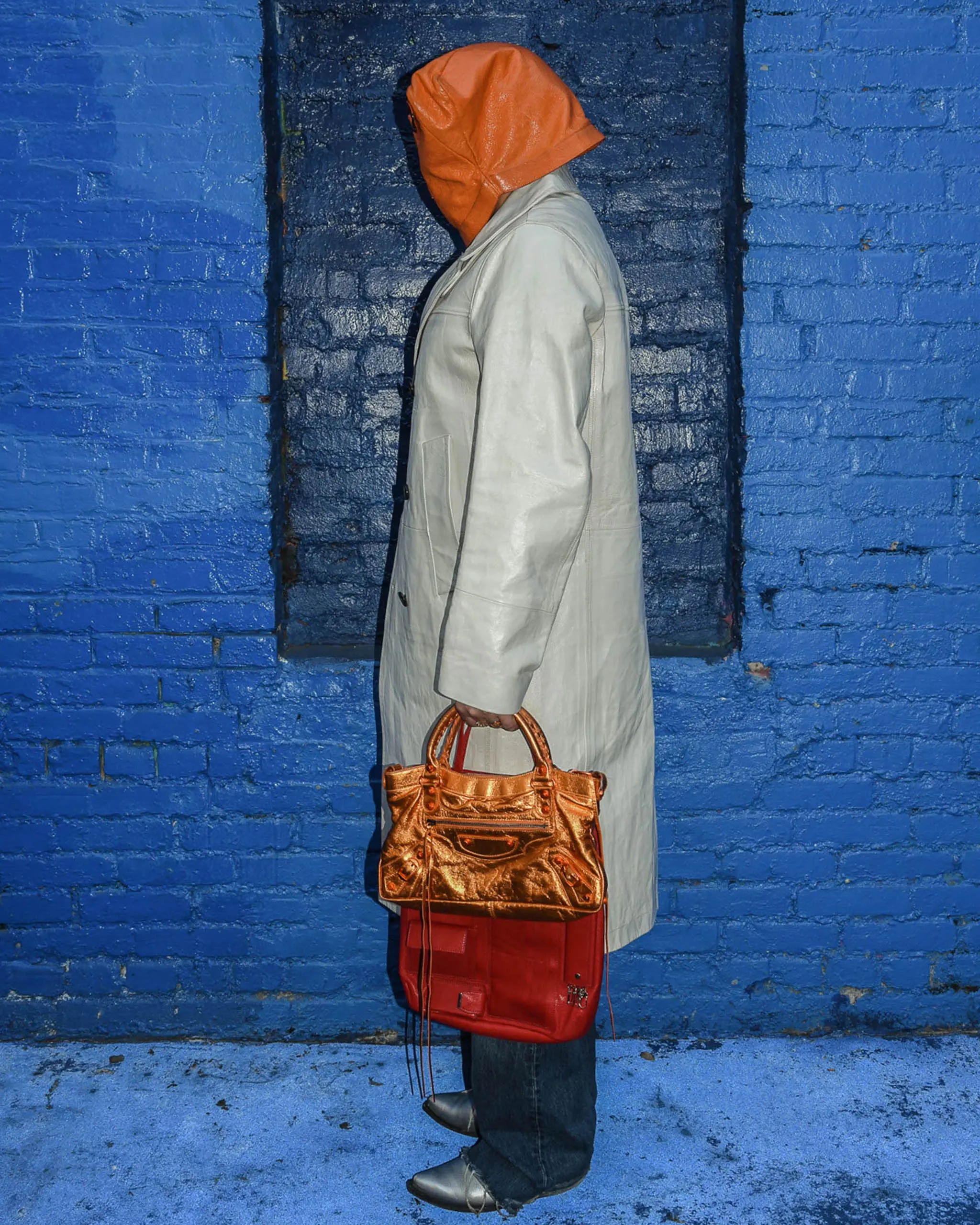
“Once a hot bag, always a hot bag. That should honestly be on my tombstone.” Photographed by Matt Weinberger
Alejandro of @y2kbags is fashion’s trusted crystal ball for the next “It” bag. Vogue Philippines speaks to him about nostalgia, delusion, and why your next obsession may already be in your wardrobe.
WGSN may call itself the global authority on change with a five-figure subscription fee, but Y2KBags is in a league of its own when it comes to forecasting and trendsetting in the world of handbags. The price, you ask? Just hit follow on Instagram.
“I find it fascinating that my predictions do come to life,” Alejandro says from his apartment in New York City via Google Meet. Although he keeps a level of anonymity online, he has the warmth and sincerity of a good friend in his voice. As the ye olde (2006) track by Justin Timberlake goes, “what goes around, goes around, goes around comes all the way back around,” so there’s a strong chance Alejandro has already posted and declared its comeback months in advance. “My friends like to call it the Y2KY2KA fashion aesthetic revived from the late 1990s and early 2000s, featuring low-rise jeans, baby tees, metallics, rhinestones, and playful accessories. Y2K style fuses nostalgia with futurism, and its returnGo to Y2K Glossary Bags of dread, because I spend so much time talking about it. I believe in the power of the universe, that energy becomes a reality.”
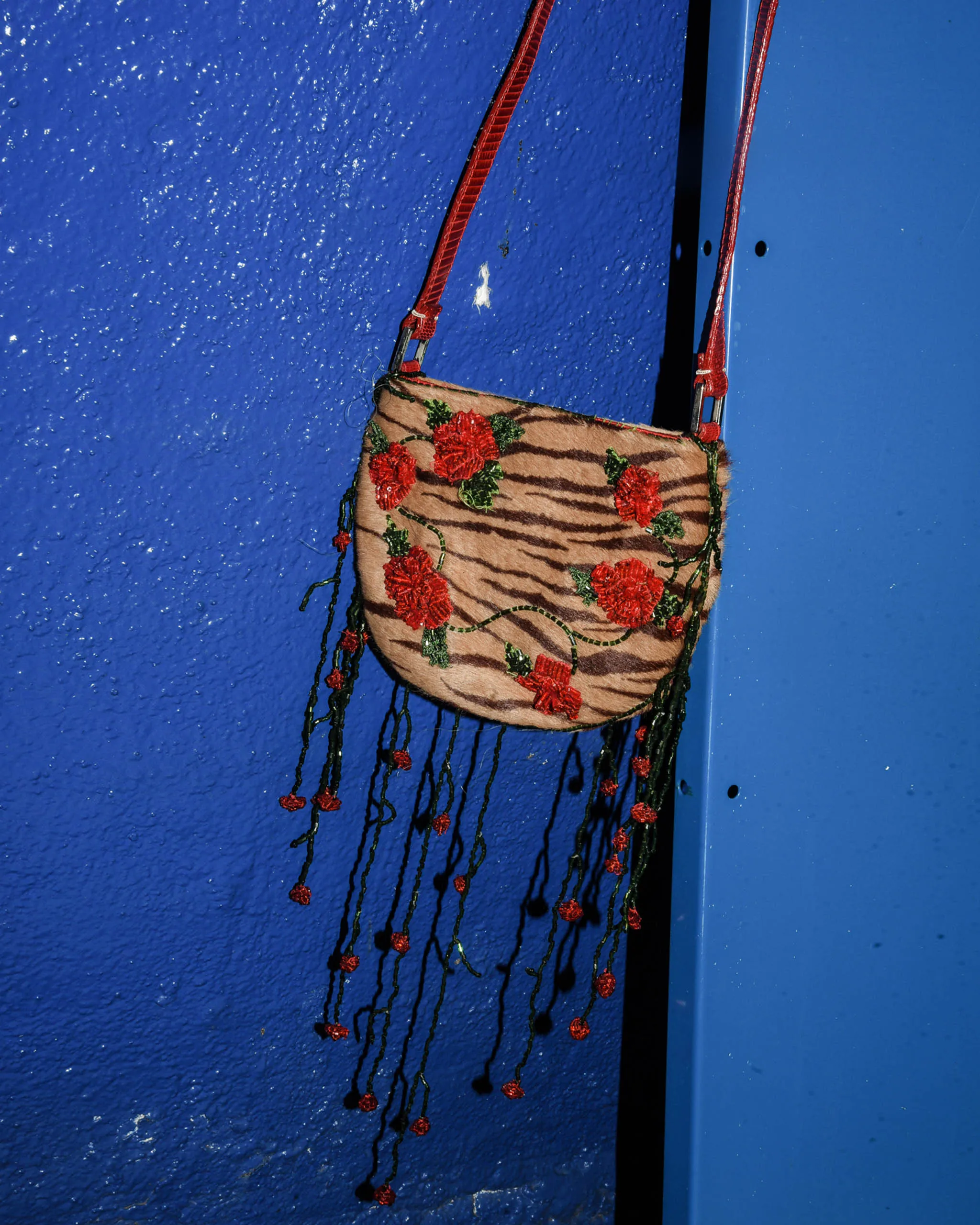
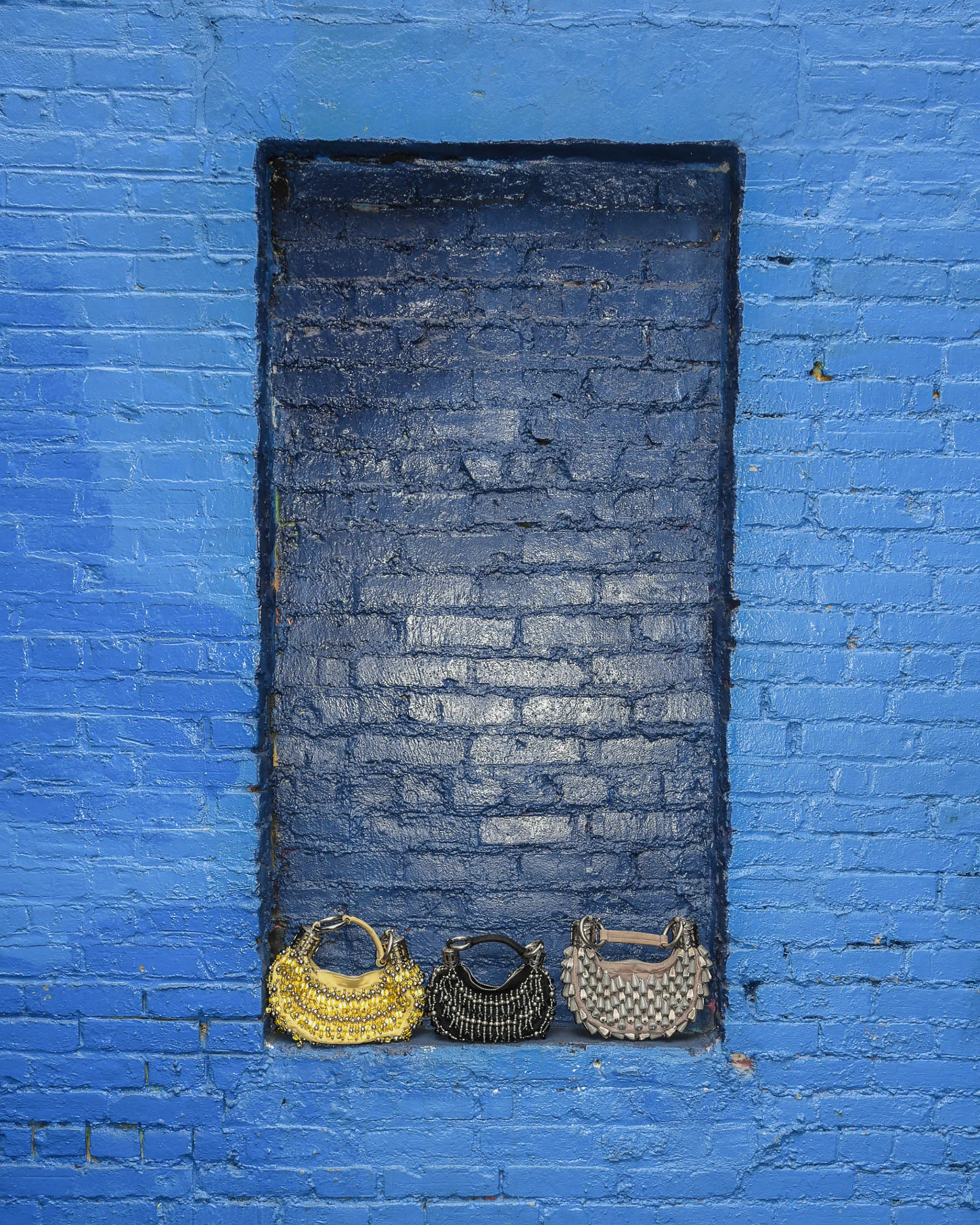
Before Chloé reissued the Paddington, or Balenciaga fully revived the City bag, Alejandro had already identified both as sleeping giants in the resale market. This year, the Mombasa made a comeback in Saint Laurent’s Spring/Summer 2026 campaign with Bella Hadid; Alejandro had been a fan prior to Anthony Vaccarello being creative directorCreative DirectorThe person who sets the overall visual vision of a fashion house, publication, or campaign and guides designers, photographers, and stylists toward it. A creative director's influence shapes collections, imagery,Go to Creative Director Glossary. At one point, he owned 18 versions of the bag. “Now I only have four because I’m normal,” he laughs. “But I was not normal and psycho, and I had 18 of them.”
The “It” bag, as we understand it, is largely a 21st-century phenomenon. In previous decades, handbags often rose to prominence more organically through gradual adoption and cultural osmosis. Today, these bags are engineered like iPhones, propelled by multimillion-dollar campaigns and gifted to celebrities and influencers to manufacture desirability and accelerate hype. One could say they’re the “industry plants” of the fashion business.
For Alejandro, a bag is not merely a momentary symbol of clout but a lifelong sidekick. “Once a hot bag, always a hot bag,” he repeats throughout the conversation like a thesis statement, underscoring his philosophy that true desirability doesn’t fade with the seasons, but compounds over time like the art market.
Growing up, Alejandro’s fascination with luxury handbags began with his mother and godmother, who regularly swapped bags between themselves. “They would literally trade bags for years,” he recalls. “My mom would get bored of a bag, and she would just trade bags with my godmother.” By the time he was a tween, he was already styling his older cousin and flipping through celebrity magazines like Us Weekly and People. “I became obsessed with bags,” he says simply. His first significant handbag purchase came at 23, shortly after moving to San Francisco: a Balenciaga Part Time bag with Giant 21 hardware, bought from a friend for just $100.
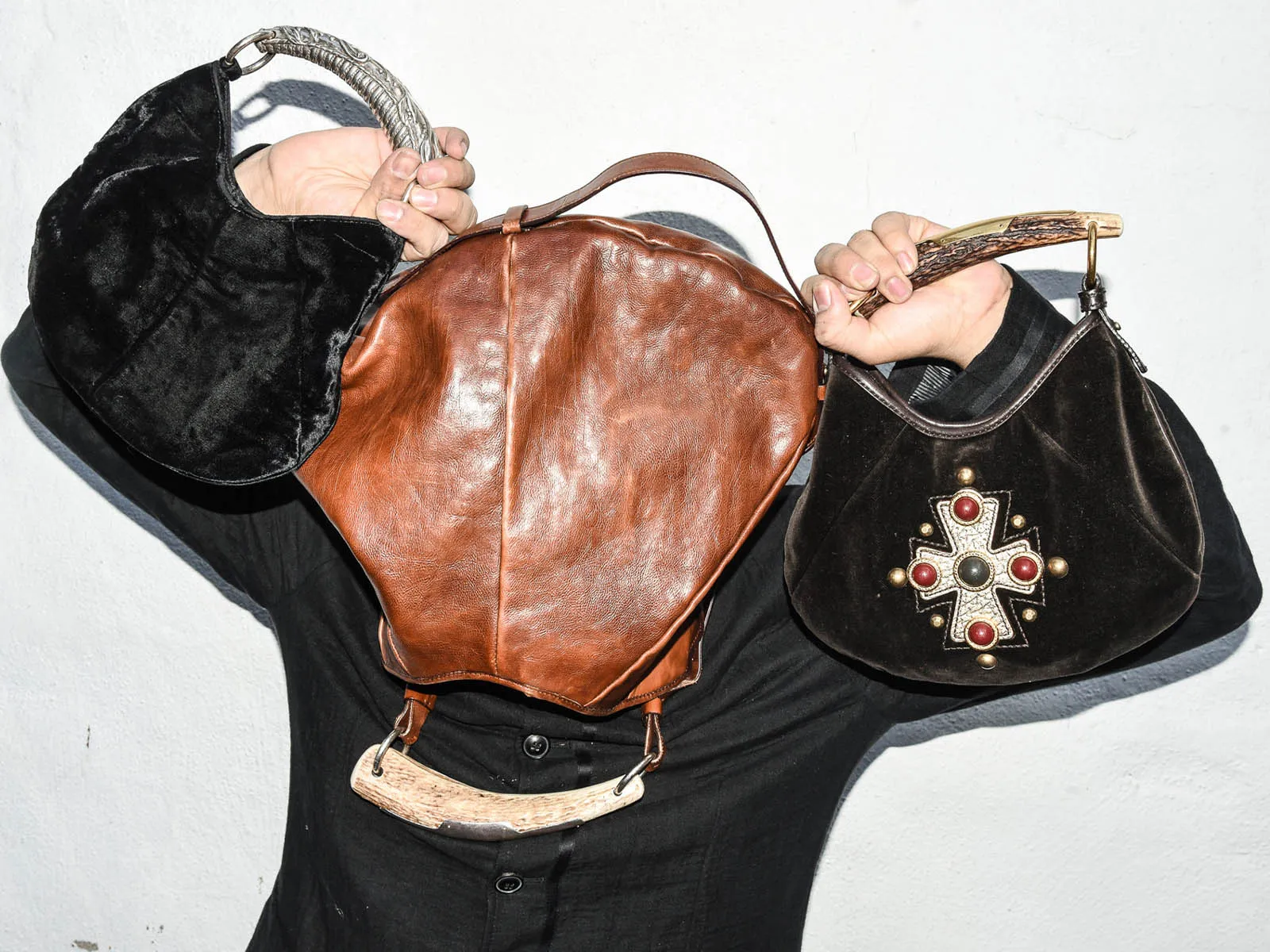
Today, Alejandro’s relationship with bags sits somewhere between collector, low-key historian, and full-on bag addict. He owns around 60 bags, though he confesses the number overwhelms him. “It’s like the Cheesecake Factory,” he jokes. “There are so many options that you feel like you don’t want anything.”
Unlike the usual “bagoholics” on YouTube, Alejandro isn’t a label loyalist or dictated by price hierarchy, and speaks about commercial entry-level bags with the same enthusiasm as a Blazy-era Chanel. “I love all bags,” he says. “I love leather. I love pony hair. I love skins. I love construction and hardware.”
That democratic approach is what makes Y2K Bags resonate with people around the world, creating a space where anyone can join the conversation without needing to keep up with the Joneses. He treats resale, archival fashion, and accessibility as equally vital parts of handbag culture. “Just because you wear an Hermès bag doesn’t mean you can’t shop at Kate Spade or Coach,” he says assertively.
The account itself was born accidentally during his second winter in New York. Bored indoors and looking for a creative outlet, Alejandro revisited an abandoned Instagram account he had once created called itgirls.itbags. “I was like, okay, this name is too long,” he remembers. “And then I thought, oh my God, wait, Y2KY2KA fashion aesthetic revived from the late 1990s and early 2000s, featuring low-rise jeans, baby tees, metallics, rhinestones, and playful accessories. Y2K style fuses nostalgia with futurism, and its returnGo to Y2K Glossary Bags!”
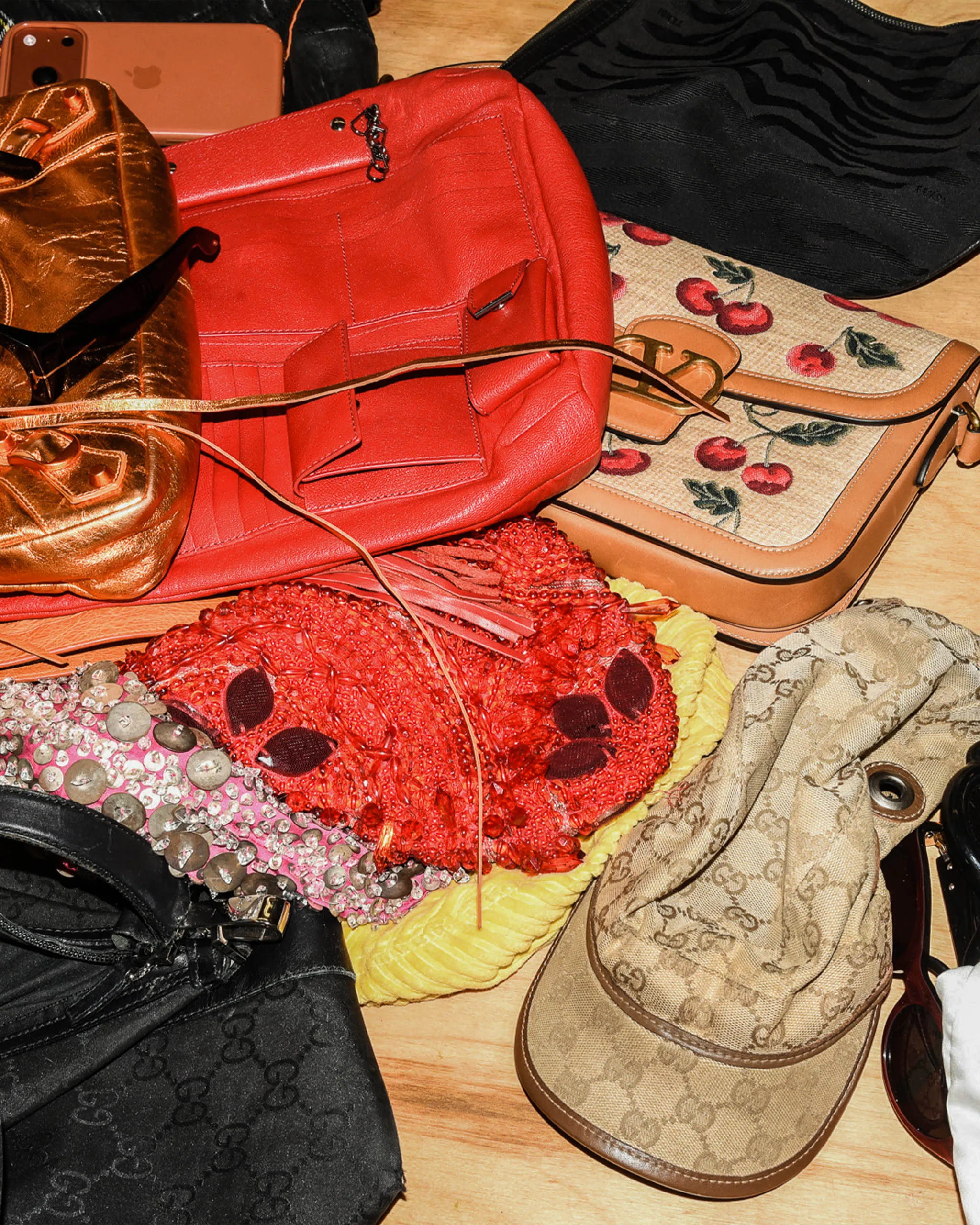
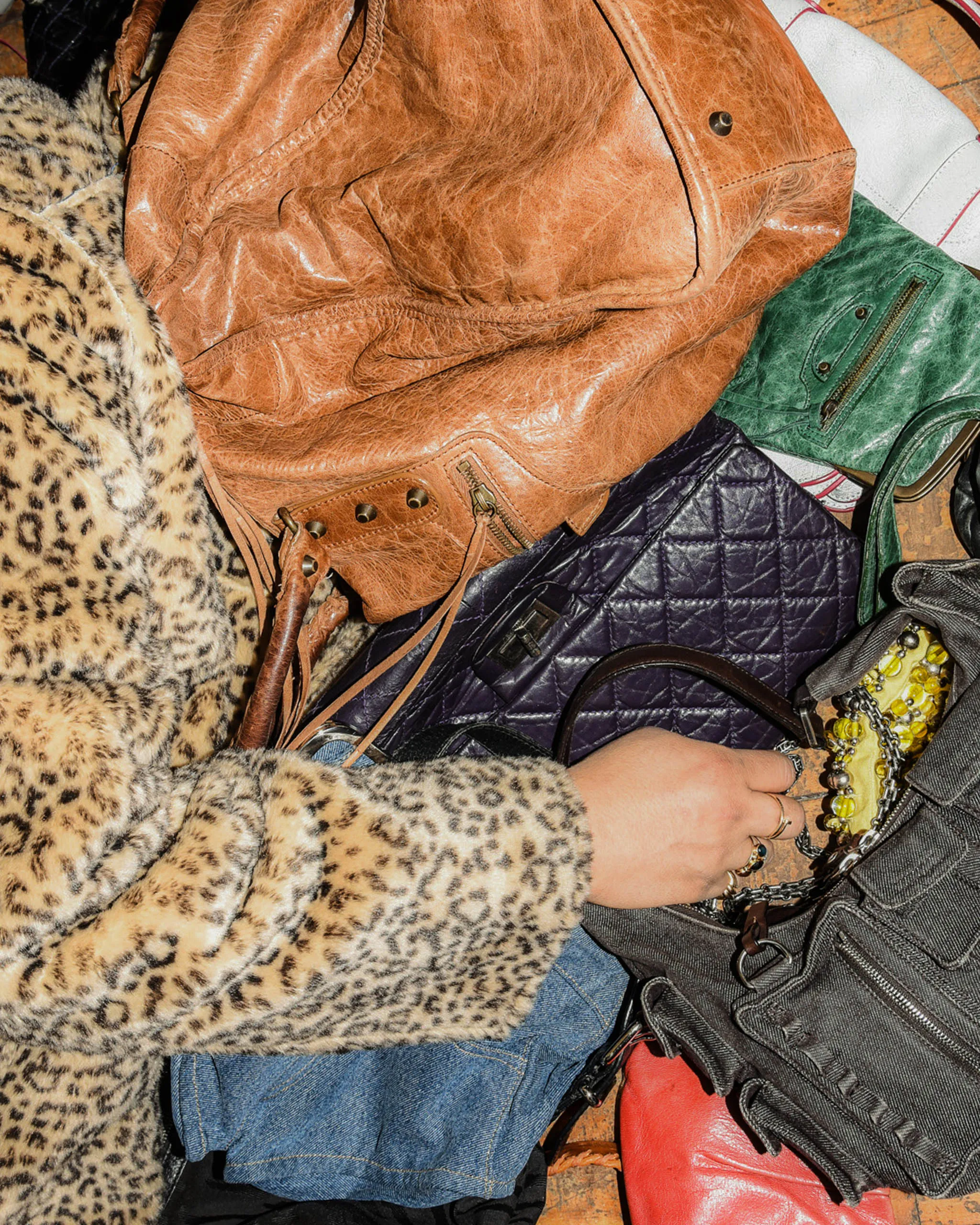
For months, the account remained casual, with just an occasional post here and there. In May 2022, he decided to fully commit, posting more aggressively and building what became an encyclopedia of early-2000s handbags. He created carousels identifying every bag Lindsay Lohan or Victoria Beckham wore in the “McBling” era of Hollywood, and deep dives into discontinued models like the Spy and Stam, complete with runwayRunwayThe platform or catwalk on which models present a designer's collection to an audience of editors, buyers, and guests. Runway shows establish the creative statement of a season, and Vogue'sGo to Runway Glossary, ad, and paparazzi documentation from the time.
Like an actor, his online breakthrough came when fashion journalist Liana Satenstein discovered the grid and interviewed him for Vogue. Since then, he’s moved from the margins to the front rowFront RowThe seats nearest the runway at a fashion show, reserved for editors, celebrities, buyers, and top clients. The front row signals influence and access, and its famous faces and street-styleGo to Front Row Glossary, documenting the latest releases and anticipating the next bestsellers like an investment banking analyst reading the market. He believes the Proenza Schouler PS1 is on the cusp of a major comeback, and Tom Ford and Frida Giannini-era Gucci bags, all studs, rivets, and grommets, are poised to soar on The RealReal and Vestiaire Collective.
Alejandro also sees (and secretly hopes) the handbag market shifting away from severe minimalismMinimalismA design approach built on clean lines, restrained color palettes, and a small number of well-made pieces. Minimalist fashion favors quality, fit, and fabric over embellishment, helping people build versatileGo to Minimalism Glossary. “Bags need to be playful,” he says. “Yes, you should have a simple black leather bag. Everyone should. But bags need personality.”
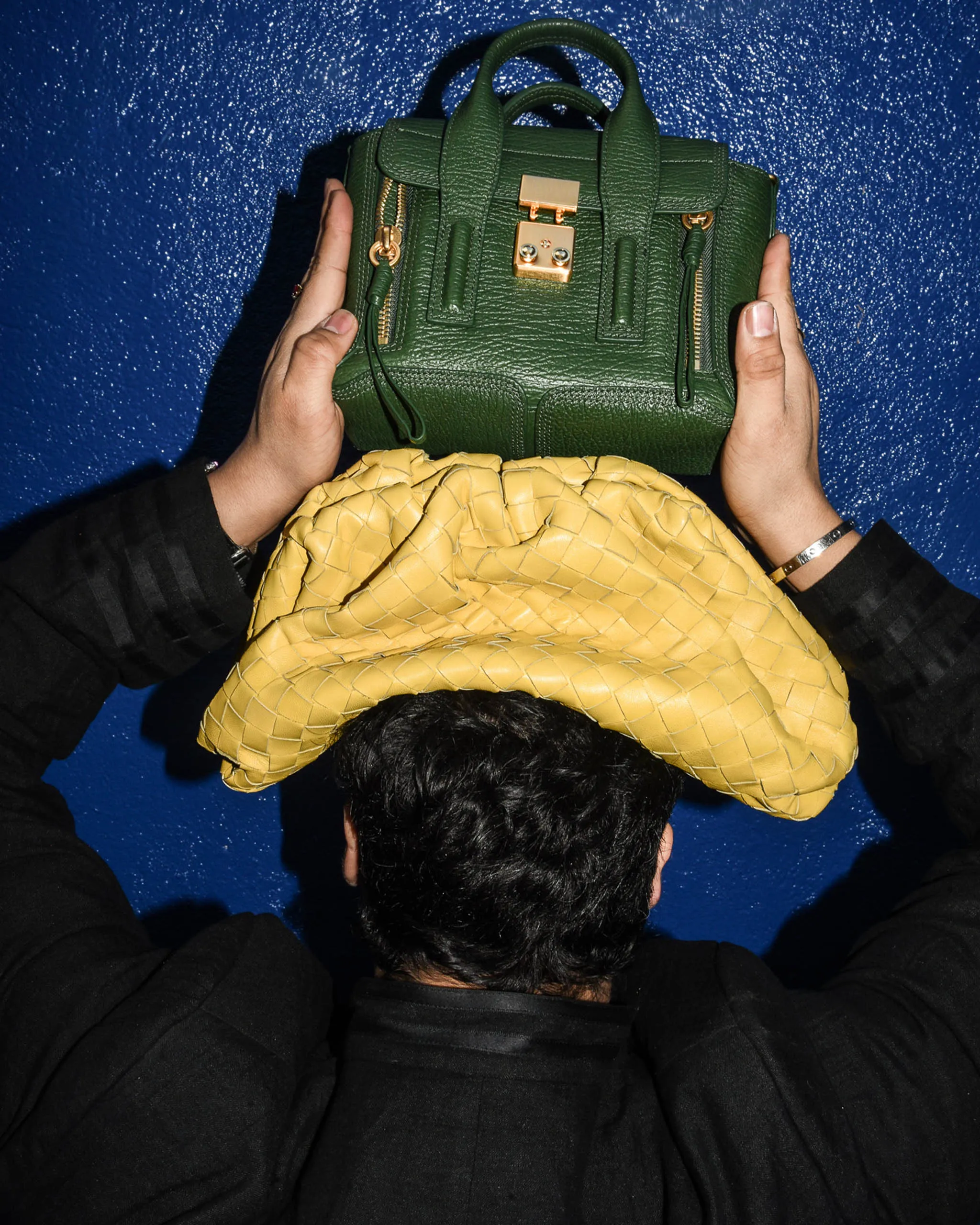
But which bags make the cut for the Y2KBags Hall of Fame, you might ask?
At the top of his list sits the Hermès Kelly Pochette, which he calls his ultimate “holy grail.” “I would get rid of all my bags once I get my hands on a Kelly Pochette,” he says. Ideally, he dreams of finding one in shiny alligator skin, preferably green. “Green’s my favorite color,” he says. His other favorites include the Dior Saddle bag, the Proenza Schouler PS1, and a rare cargo bag from Jil Sander Spring/Summer 2003.
Recently, Alejandro envisions Y2KY2KA fashion aesthetic revived from the late 1990s and early 2000s, featuring low-rise jeans, baby tees, metallics, rhinestones, and playful accessories. Y2K style fuses nostalgia with futurism, and its returnGo to Y2K Glossary Bags evolving beyond Instagram into a media brand in its own right. He has already begun filming his “Bagvestigate” series, where he explores the wardrobes of collectors and fashionistas, focusing specifically on their bag collections rather than their clothes. “You don’t need to worry about me,” he says of the concept. “We need to worry about the bags.”
A book is also part of the vision. “That’s definitely my goal,” he says. And for someone whose work revolves around nostalgia, Alejandro’s outlook remains surprisingly future-facing. In his world, a forgotten bag is never truly forgotten; it’s waiting in the back of the wardrobe for the right person to believe in it again.
Frequently Asked Questions
Y2K Bags is an Instagram account dedicated to early-2000s handbag culture, featuring legendary “It” bags, fashion archives, and vintage styles making a comeback.
The account is run by Alejandro, a California-born handbag enthusiast and resale expert whose knowledge of fashion archives and pop culture helped turn Y2K Bags into a cult favorite among fashion insiders and collectors.
The resurgence is fueled by nostalgia, celebrity influence, and growing interest in resale and archival fashion. Early-2000s bags carry a distinct sense of personality and drama that many fashion fans feel is missing from today’s more corporate luxury landscape.
Rather than focusing solely on status or luxury price points, Y2K Bags approaches handbags through storytelling, fashion history, resale culture, and trend forecasting, creating a more accessible and community-driven lens on fashion collecting.
The account regularly spotlights classics like the Balenciaga City, Givenchy Nightingale, Yves Saint Laurent Mombasa, Fendi Baguette, Chloe Paddington, Dior Saddle, Celine Luggage, Proenza Schouler PS1, and Louis Vuitton’s Takashi Murakami collaborations.
- Meet Kieran Tamondong, the Filipino American Actor Behind Monster, The Paper Tigers, and Warrior
- Meet Chloe Magno: The Filipino Who’s Modeled For Gucci, Miu Miu, And Balenciaga
- Meet John-Paul Pietrus, The Designer Creating Bejeweled Eyewear
- Meet Andrea Macasaet, The Broadway Star Paving The Way For Filipinos