
In Tokyo, Levi’s Honors the Women Behind Their 150-Year Legacy


Photographed by Ticia Almazan
A new pop-up and Blackpink’s Rosé’s capsule collection celebrate the women whose stories helped shape the brand’s history.
One weekend in 1948, a group of teenage friends were camping in the Mojave Desert when they decided to wander into the abandoned Calico Mine. Without a flashlight, the group went as far as the light could illuminate the cave, until one of the teens, Barbara Hunter, came across a pile of Levi’s jeans. On her hands and knees, she rummaged through the stack and took a pair of 501s. At home, she patched up the holes before wearing the jeans to school.
Months went by before she realized that one of the inside pockets bore a double horse emblem, and a print about the jeans being made “for over 17 years.” When it clicked that her pair was an original from 1890, she wrote a letter to Levi Strauss & Co. offering to donate her rare jeans.
“We, of course, were happy to get them, and they’ve been at the headquarters since 1948,” reveals Levi’s historian and director of archives Tracey Panek, in an intimate talk in their Tokyo media department. The jeans are so special they’re kept in a stringently guarded fire-proof safe, and Hunter’s letter (along with Levi’s response, which was donated to the company by Hunter’s daughter after she passed) is kept in the archives as well.
Panek recalls meeting Barbara back in 2014, a month into her job at Levi’s. “What Barbara taught me is that there’s often hidden women’s stories that we don’t always know about,” she reflects. “The first to wear the Calico were the miners, but then Barbara wore it to high school. This was in the 1940s, and she would create and start a trend that would be popular in the late ’60s with young teenagers wearing blue jeans. She was ahead of her time, and she was an example of some of the original women who wore our Levi’s.”

The blue jean was born on May 20, 1873, the day that Levi Strauss received a US patent for his riveted denim pants. Originally designed for working men, they were widely worn by miners, railroad engineers, carpenters, farmers, and cowboys, whose hands-on outdoor occupations required tough garments.
It was 45 years later when the brand introduced their Freedom-Alls, a one-piece for women featuring a long tunic over balloon pants. “It was a reference to the freedom that women would have wearing them, because they could do things in them that they hadn’t done before,” Panek explains. “This was at a time when women were not wearing pants. It was not acceptable. And so we created a product that was kind of a transition between dresses and pants.”
Then followed the Lady Levi’s jeans in 1934, and seminal campaigns like the 1981 Travis commercial, which launched the 501 jeans for women, all the way to Beyoncé’s 2024 remake of the 1985 Levi’s ad titled Launderette. In between, many ladies in Levi’s: Bertha Blanchett, one of the most prolific women in rodeo, who wore a Levi’s silk shirt, and Rosie the Riveter, the symbolic figure representing women joining the workforce for the first time during World War II. When men were in the army, “so many women were coming into factories. They were helping with the production of ships and airplanes, and they would often take the jobs of riveting,” Panek enthuses. Many of them took on these new roles in their Levi’s jeans.
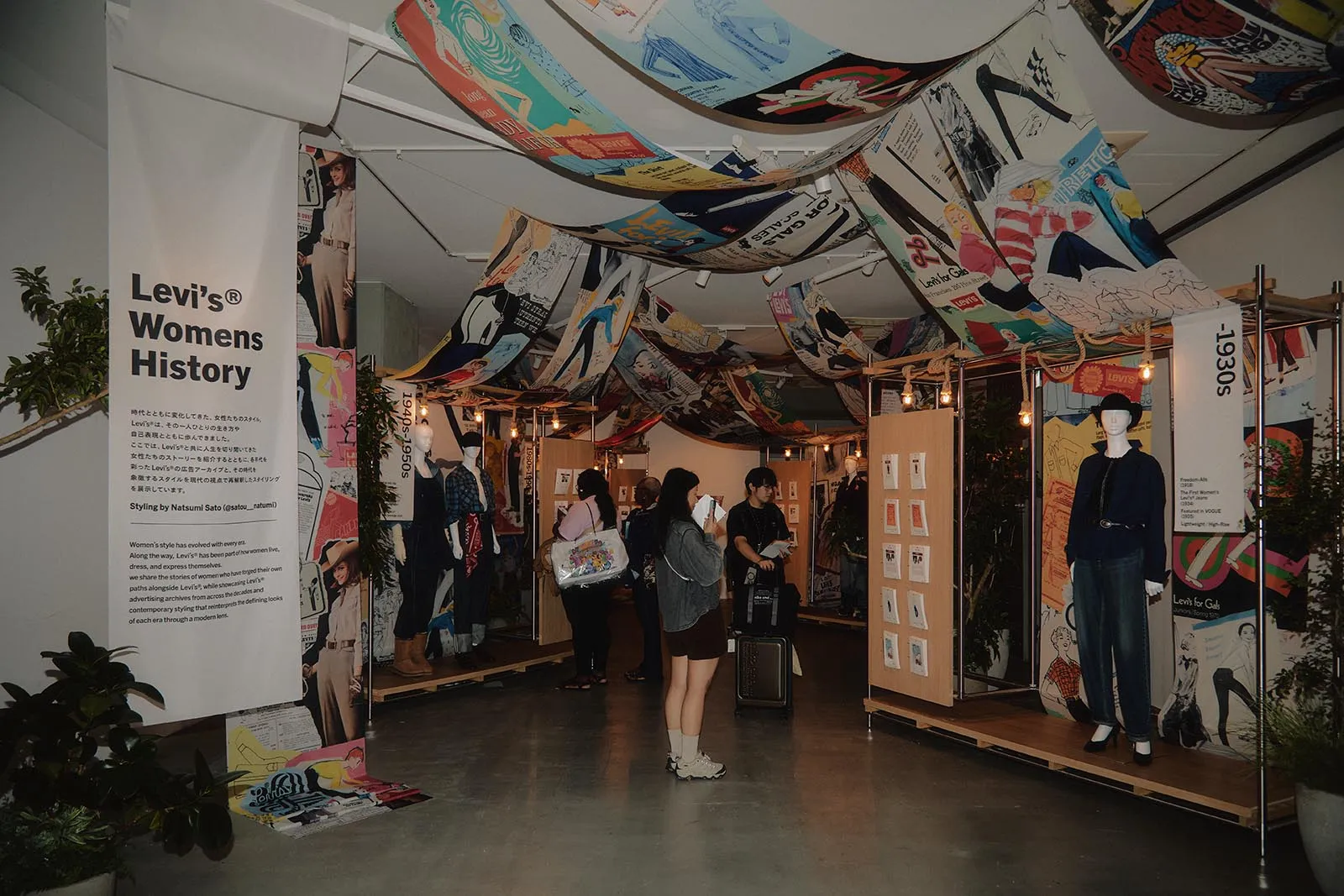
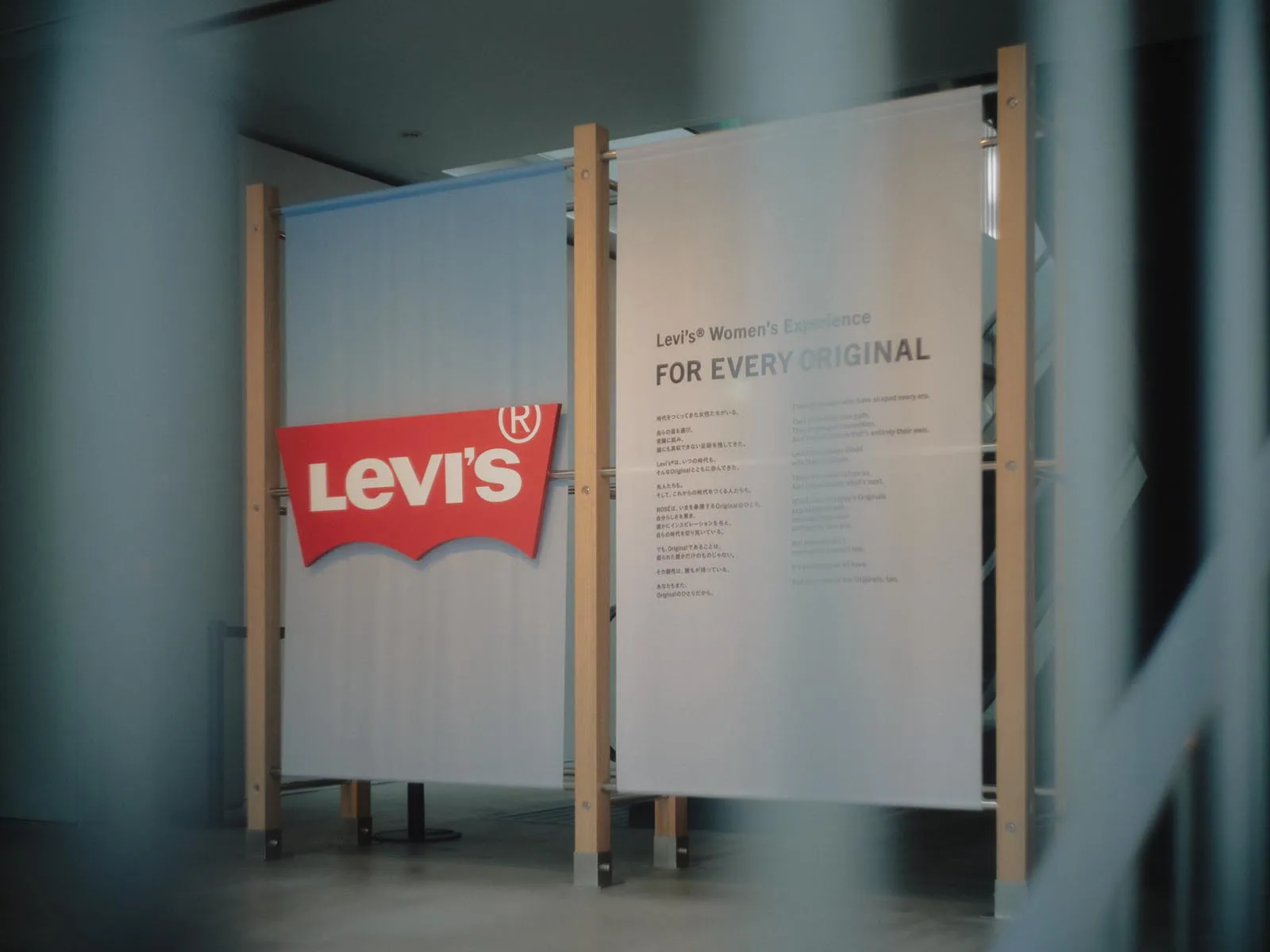
Dedicated to bringing this rich history to the fore, Levi’s has opened its three-story For Every Original pop-up located in Shibuya, Tokyo.
A journey through the decades, the first floor hosts the Levi’s Women History exhibit, charting the evolution of how Levi’s has been worn by women from the 1930s to the 1990s.
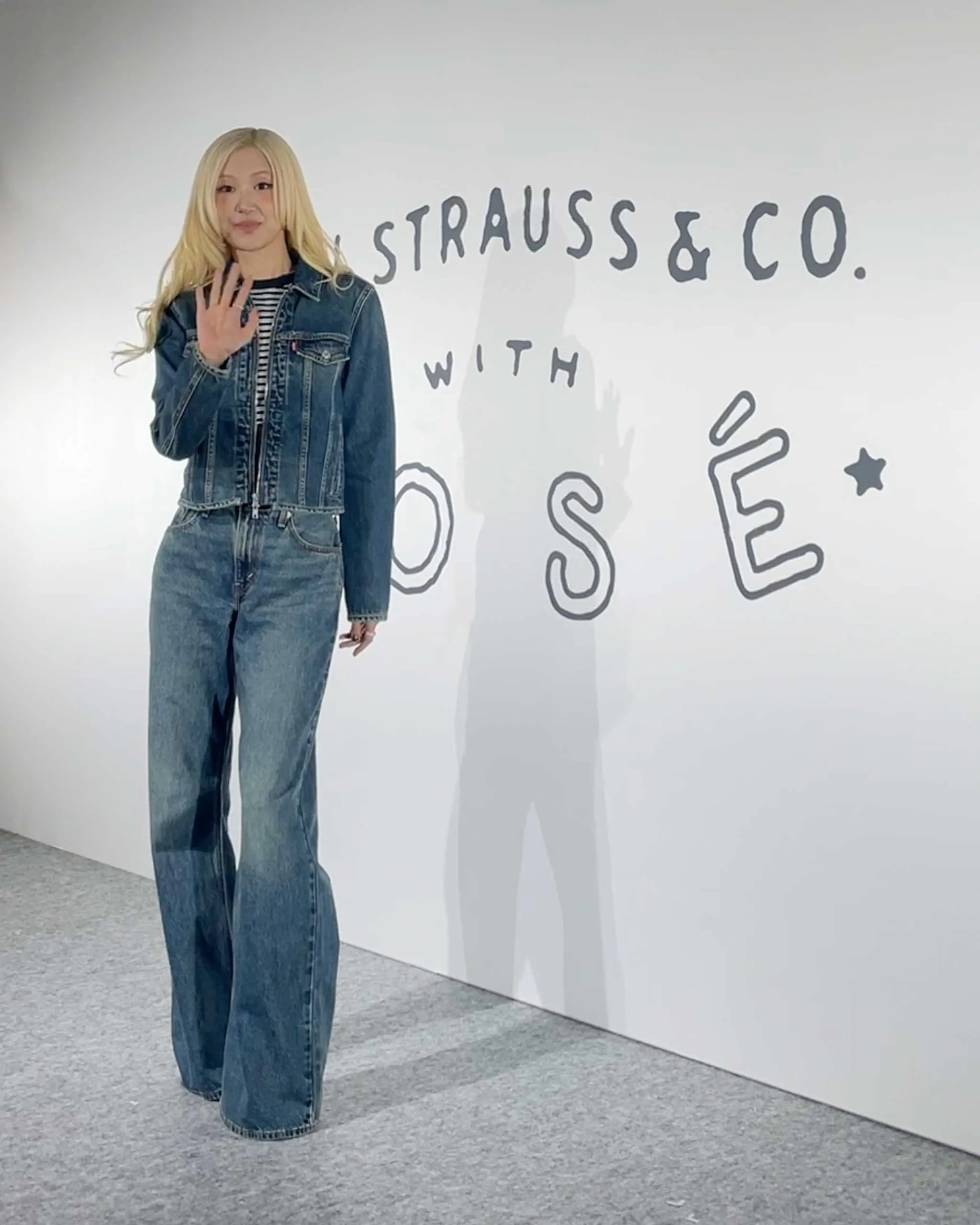
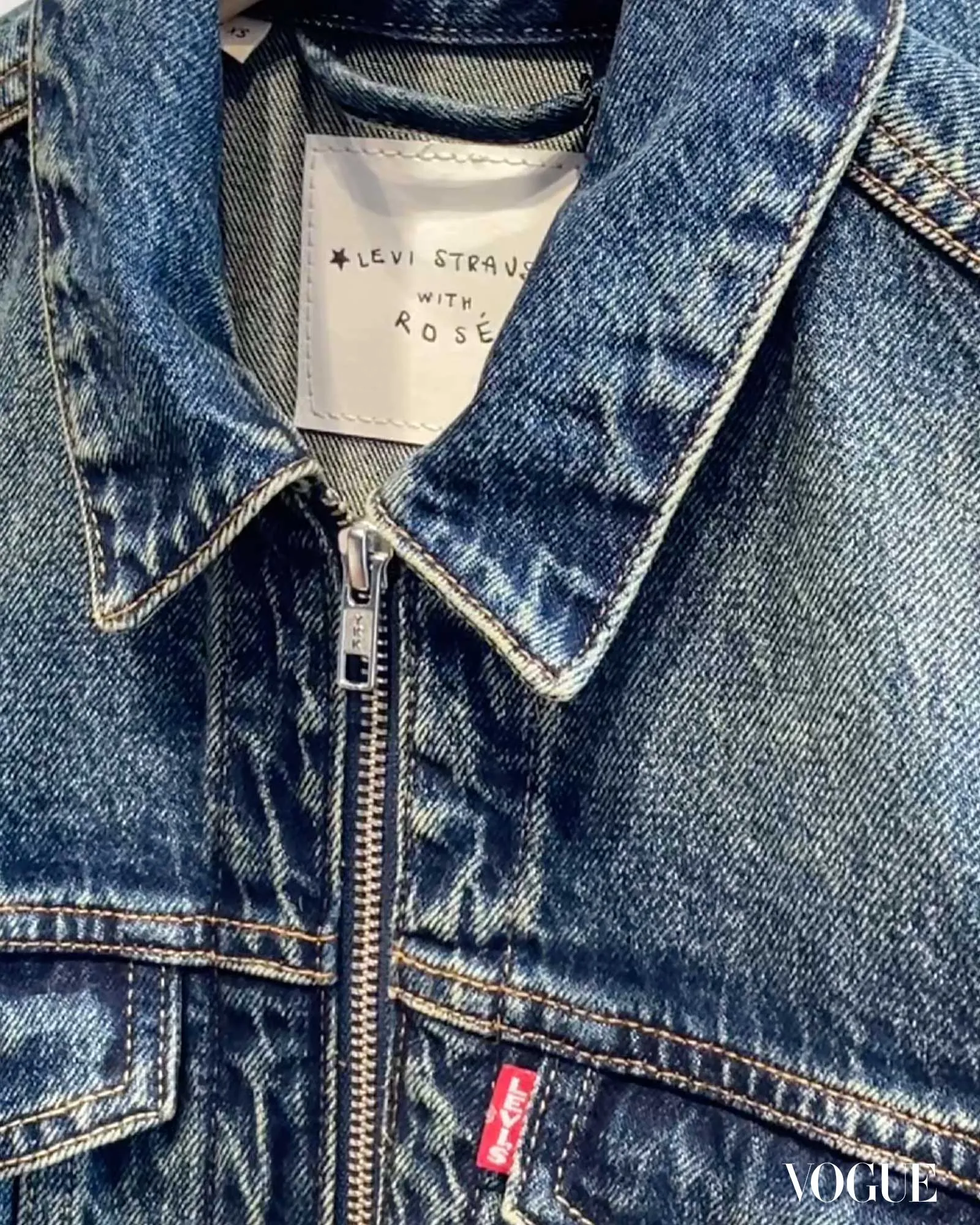
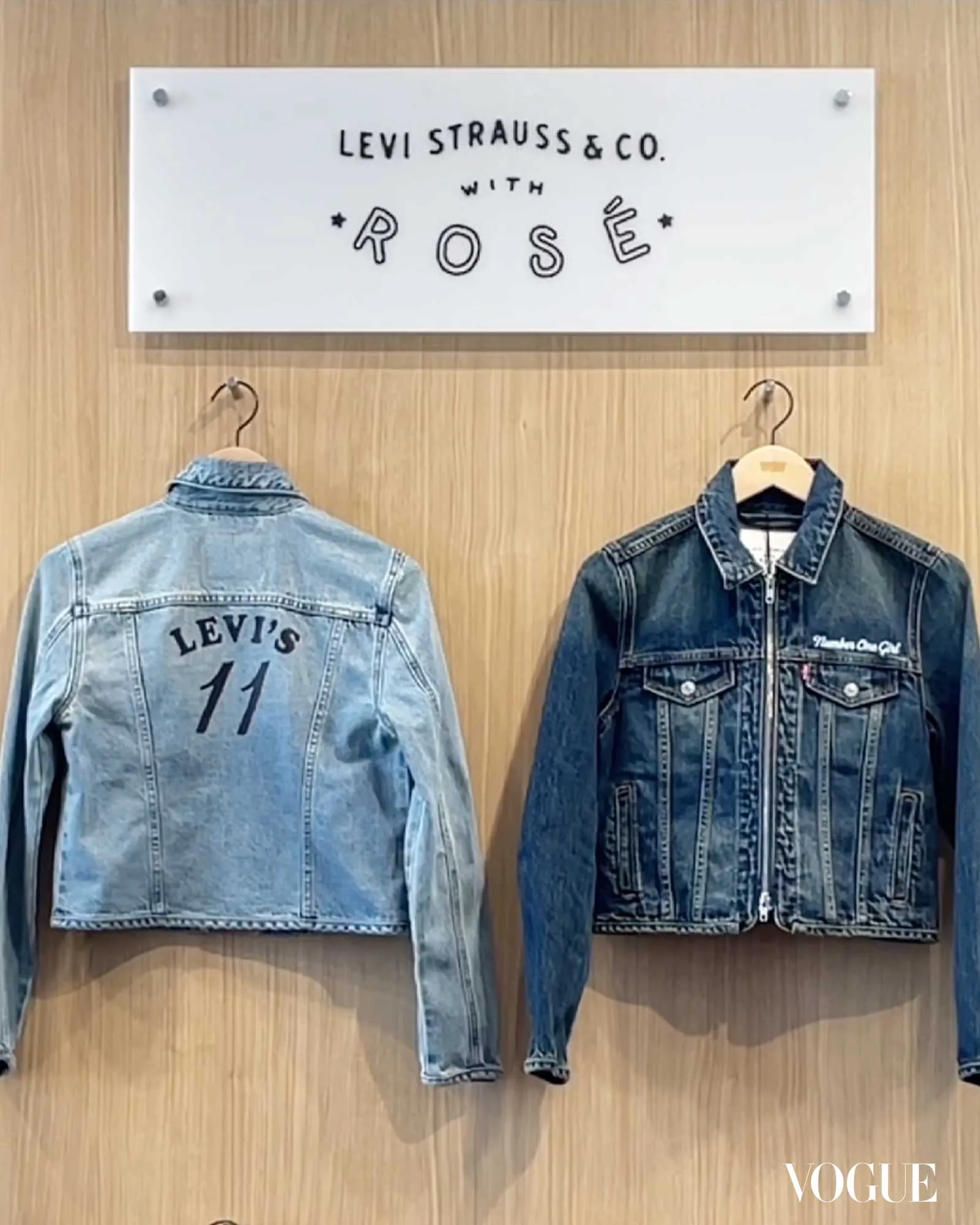
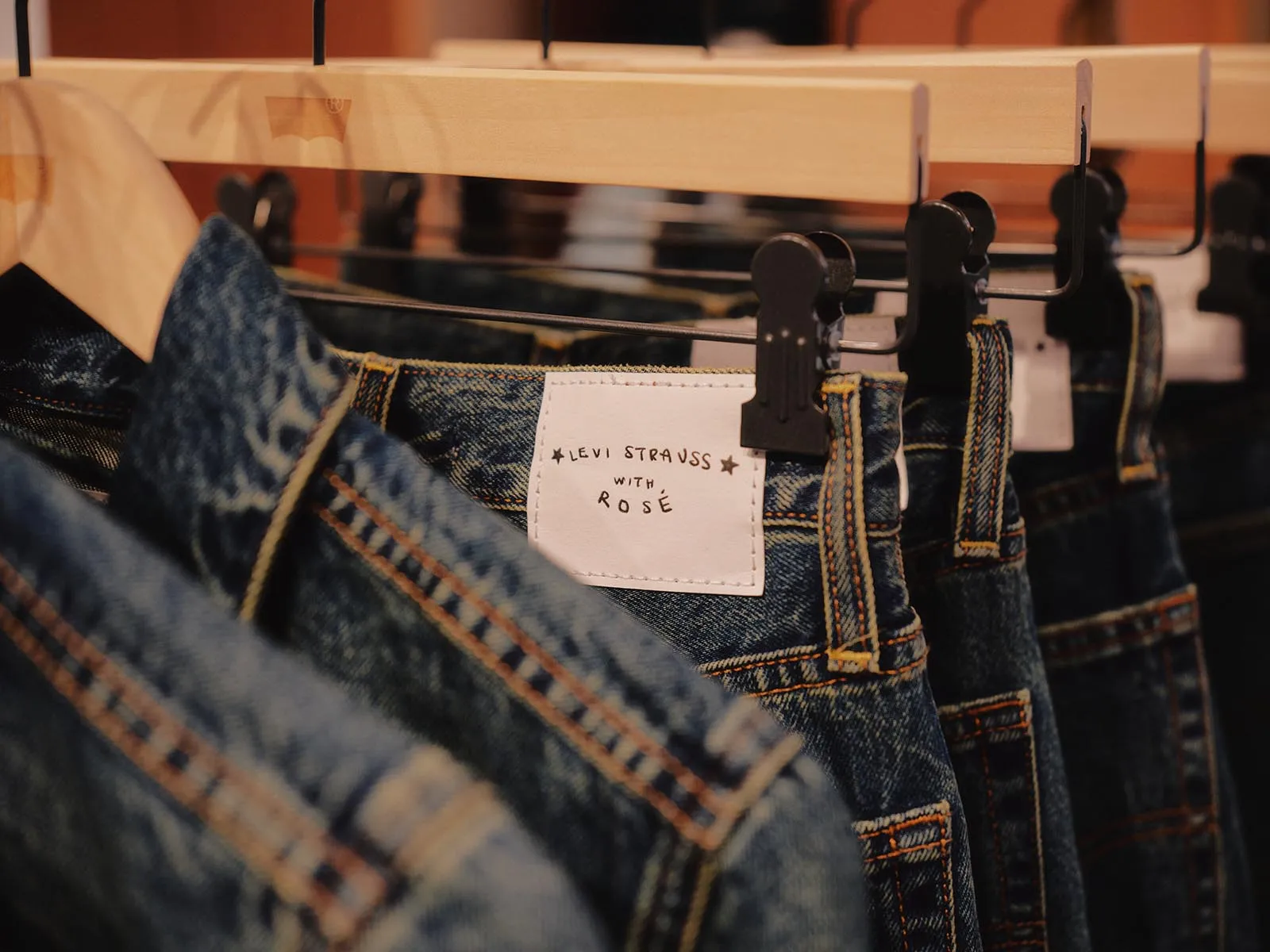
On the upper floors, guests get a first look at the new capsule made in collaboration with Blackpink’s Rosé, which includes a trucker jacket and loose boot jeans in medium and dark washes, featuring a custom back patch in her handwriting.
“I wanted this collection to capture what makes Levi’s such a classic brand while feeling personal, like something out of my own closet,” Rosé said in a statement.
Guests are free to personalize their denim with exclusive sundries and heat press patches bearing the number 11, the musician’s birth date and favorite number. Her edit is displayed alongside the Keep It Lose campaign, which she also fronts.
From their earliest years up to the present, “It really is a story of original women who weren’t afraid to break barriers, to create a path for themselves, and to be especially confident, wearing their Levi’s,” Panek narrates. “[It’s] something that we still aspire to today.”
Levi’s legacy continues to be written today, and Panek has many more stories to show how women have contributed immensely to that narrative. “Probably too many,” she tells Vogue with a laugh. “But there are [many more stories], and you can’t make them up. They just are there, so it’s really wonderful.”
The Levi’s For Every Original pop-up is located in the Media Department, Shibuya, Tokyo, and runs until September 20, 2026.
Frequently Asked Questions
To celebrate 150 years of women’s denim heritage, Levi’s opened its three-story pop-up experience, For Every Original, in Shibuya, Tokyo, on September 15, 2026. At the same time, the brand also launched a collaboration with its global ambassador Rosé, featuring customizable pieces in dark and medium washes. The pop-up will run until September 20, 2026.
Roseanne Park is a New Zealand-born South Korean singer-songwriter who is best known by her stage name Rosé and as the main vocalist and lead dancer of the global K-pop girl group Blackpink.
Tracey Panek has been the historian and director of archives at Levi’s since 2014. She oversees and preserves garments, printed matter, and artifacts in the Levi’s company archives.
Nearing the end of World War I, as women began entering the workforce in the US, Levi Strauss & Co. introduced Freedom-Alls, a one-piece suit that comprised a belted tunic worn over harem pants. This is Levi’s first garment designed specifically for women, introduced 45 years after the inception of the blue jean.
The Levi’s Women History exhibit is part of the Levi’s For Every Original pop-up experience in Shibuya, Tokyo, that traces how women wore denim from the 1930s to the 1990s.