
Catsua’s Catrina Suarez Steps Into a New Chapter


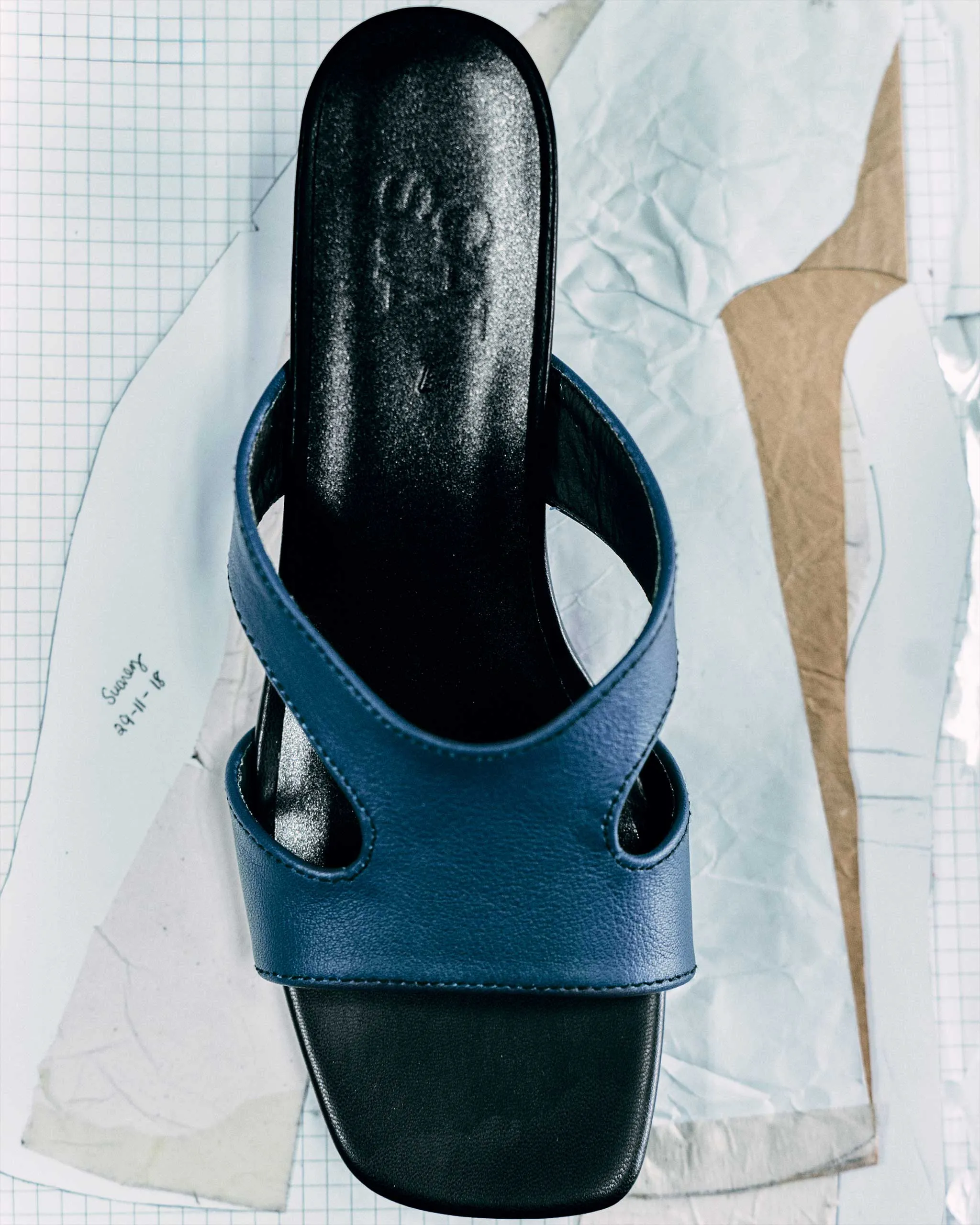
Each of Catsua’s pairs are made in Carcar, Cebu’s shoe capital. Here, a sample style that was available to purchase at the Last Dance. Photographed by Sela Gonzales for the November 2026 Issue of Vogue Philippines
The Milan-trained, Cebu-based footwear designer contemplates a new shift for her brand.
Moving across the world to pursue a nascent interest might seem impulsive or even incredulous to some, but not for Catrina Suarez. On the cusp of her twenties, the now-footwear designer and shoemaker was fresh out of high school when Polimoda’s three-year leather technology program piqued her curiosity.
“I would say I only got interested in shoes when I started studying it. That’s when my eyes opened to all the things that a shoe was, and how it was made from start to finish,” she tells Vogue. “Looking back, I don’t know what I was thinking. I wasn’t even into fashion when I was young. I was interested in just making things.”
Vogue first encountered Suarez at the PHx Fashion Conference in 2023, when her label Catsua was one of six selected for a portfolio reviewPortfolio ReviewA session in which emerging designers, models, photographers, and stylists present their work to industry experts for feedback and guidance. Portfolio reviews at Vogue Threads Manila give young creatives directGo to Portfolio Review Glossary. At the time, her modest product range consisted of the Una thong sandals, whose varnished wooden soles feature a gap in the center, reminiscent of the traditional Japanese geta. Its straps came in full-grain leather, puffy vegan leather, and binakol weave from northern Philippine provinces.
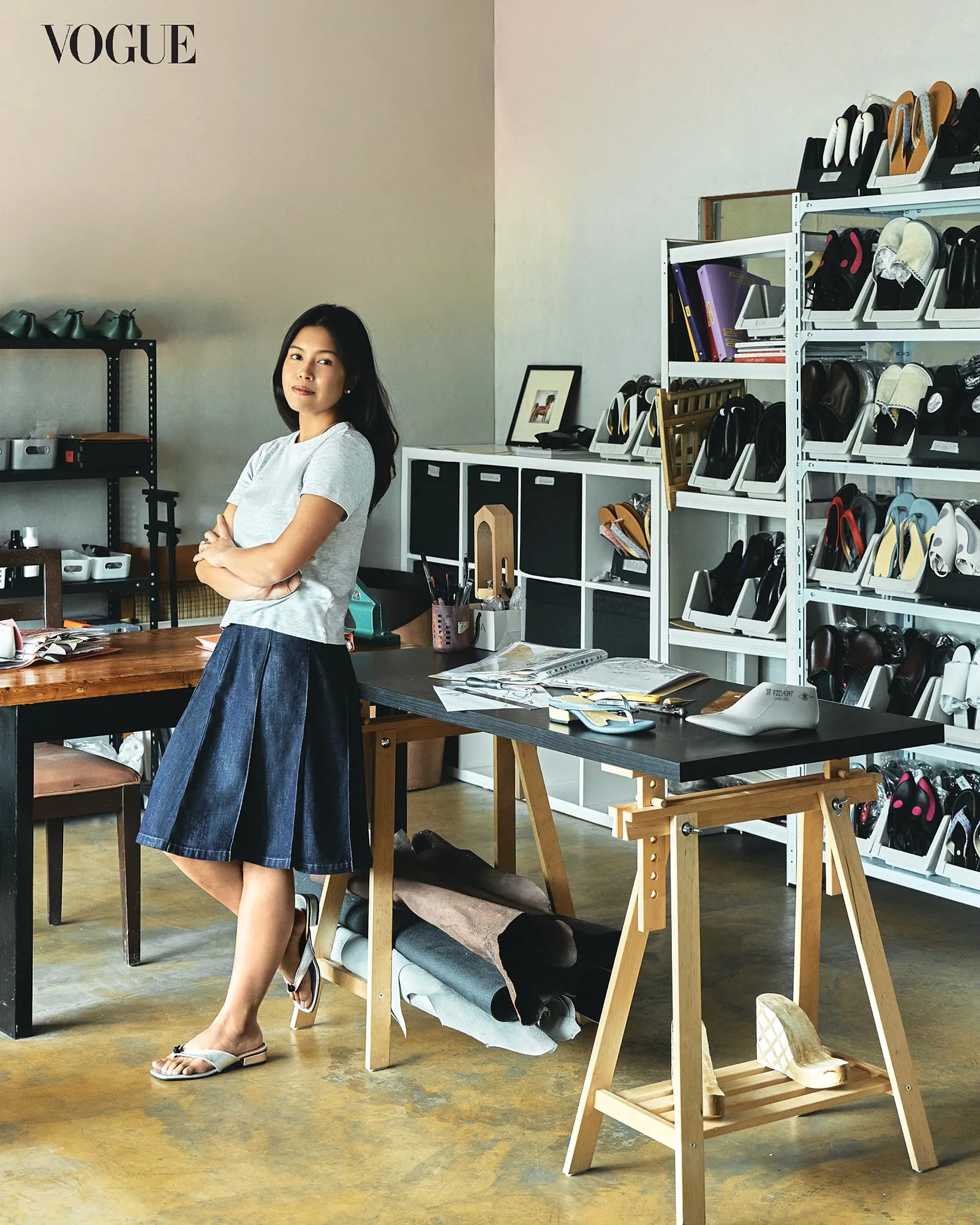
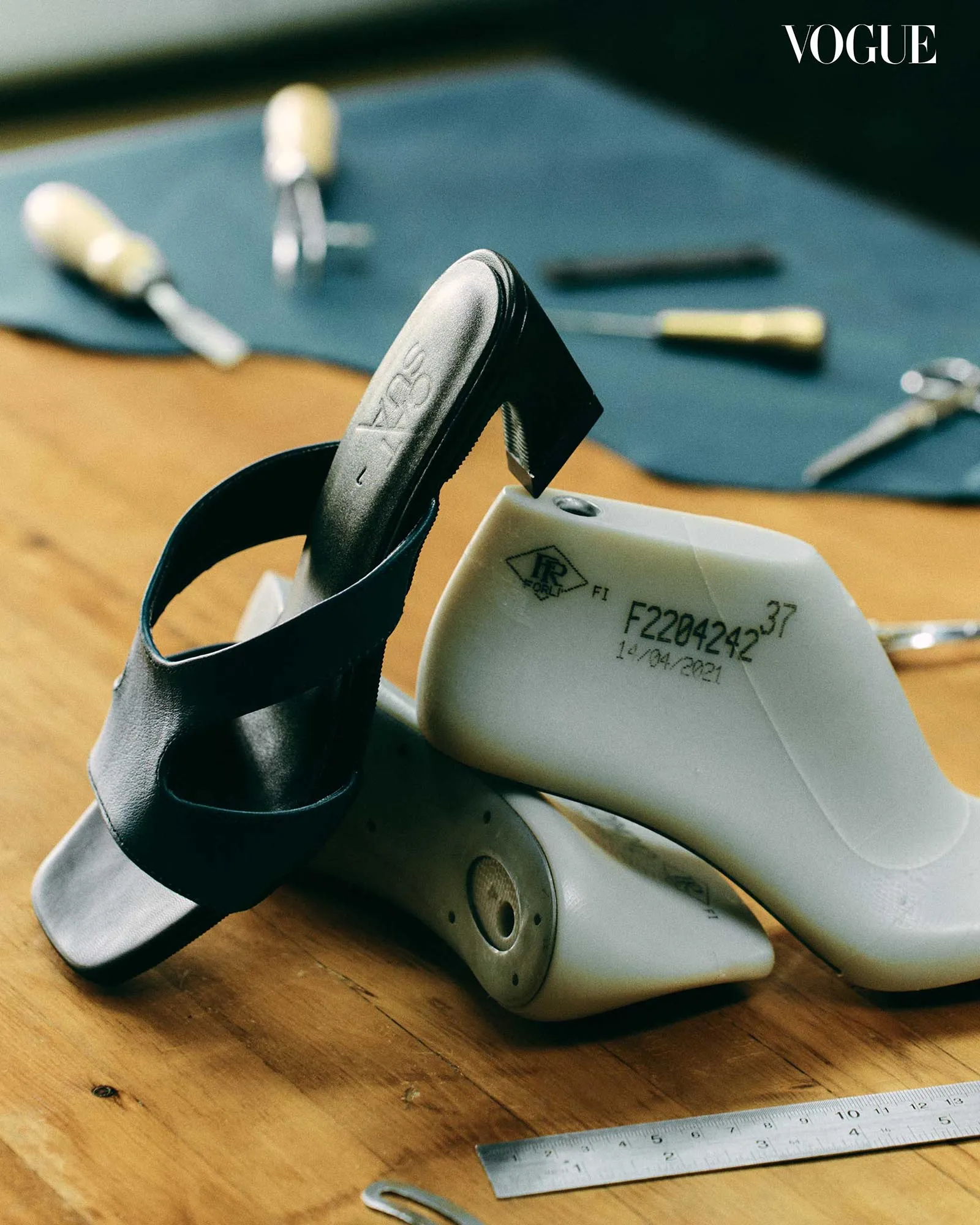
That first collection has branched out in the last three years to include slip-ons and lace-ups. Of the latter, her L.Lamp kitten heels are one of her most defining silhouettes, inspired by a move back home to Cebu after eight years of residing in Italy, then Manila. Reflecting on the plethora of shifts her life had undergone by that point, she began thinking about a lava lamp that goes with the flow, no matter its orientation. “I think the majority of my inspiration or what pushes me is life events,” she expounds. “I like to bend my own rules. It’s nice to have a foundation, or else you’re just going to be inspired by every single thing along the way, and it could get a bit distracting.”
Each of her pairs are made in Carcar, a city touted as Cebu province’s shoe capital. She works closely with a small circle of shoemakers, who taught her as much about the process as her Italian education did. She compares and contrasts the Florentine and Cebuano ways of approaching craft: “There were very big similarities, but not too many differences. Everyone has their own set of golden rules, so it’s really just trying to either adjust or find a good balance where you can respect both cultures of artisans.”
In Florence, for instance, they’re very strict about utilizing precision knives to segment the leather, while in the Philippines, they are accustomed to heavy-duty scissors. Tools and techniques may differ on either side of the world, but both hold their work to the same standards.
Born and raised in Cebu, Catrina spent a significant part of her childhood in their abode as a homeschooled student. Without a television or computer to entertain herself during free time, Catrina became finely attuned to her environment, which was how she noticed a bothersome extension wire that was aesthetically out of place in her room. And so goes the tale behind her first project, a shoebox punctured with holes and covered in gift wrapper and scrapbook paper, with which she concealed the unflattering cord. At seven or eight years old, she began to understand that function and beauty were of equal importance. She didn’t know yet that her adorned shoebox would become a proverbial symbol for her eventual career.
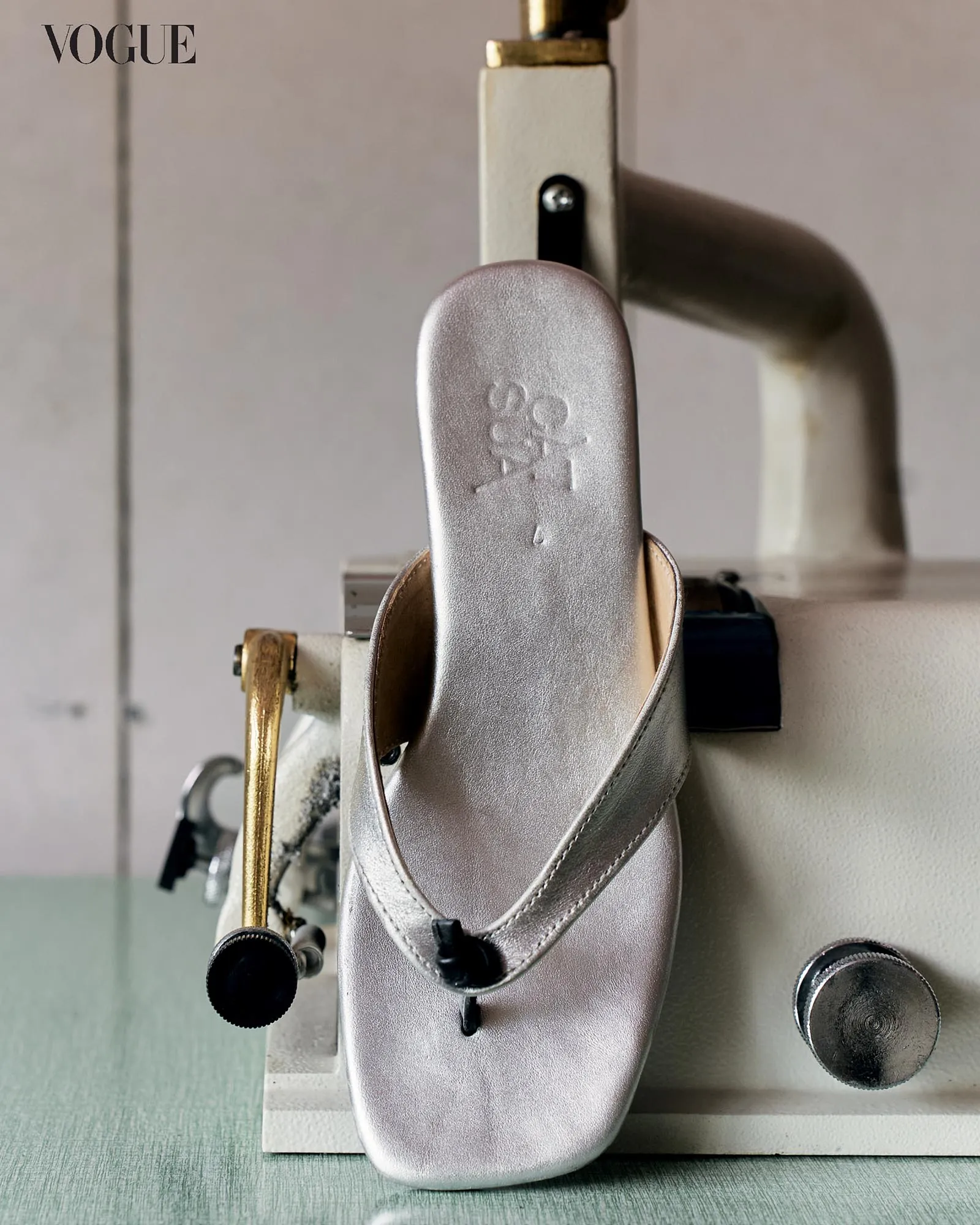
After graduation, she returned to the Philippines to work as a product development lead for a small Filipino shoe brand. Her responsibilities included designing and procuring tech sheets, but she also took the opportunity to observe the sales floor and back-end of production. While there, she toyed with the idea of her own label, “with the encouragement of my supportive bosses,” she launched Catsua in October 2022.
“When I started, that Catsua page was actually my student portfolio page. While I was in Italy, I would post what I was doing just to share with family and friends,” she recalls. As she decided to move the brand forward, she realized that her primary challenge wasn’t so much finding her own voice, but listening to it. “I was blessed with lots of people advising me, but as much as it’s a blessing, it can also be a curse, because then everyone gives you different advice. But I really believe the Lord guided me in those times.”
That period seems a long way from where Catsua is now. At the time of our conversation, Catrina had just announced the Last Dance, her final bow under this era of Catsua. The plan was to bring all her remaining stock to Purveyr Fair, where clients would get a chance to shop her first designs for the last time.
When asked about the move, she explains it with a revelation: “So, actually, I’m engaged now.”
This milestone reinforced questions she’d already been asking herself in the lead-up: Where do I want to see Catsua later on? How will I want it to grow with me? What is it that I really want?
“Right now, it’s like, I’m having so much fun, but is there a certain direction I want to take it?” she continues. “To put it very blankly, I want to go more into made-to-order. Even though I would consider us slow production, I want to make it slower but more artisanal. I kind of want to just start with bridal because that’s where my life is taking me now.”
She’s spent the past few months experimenting with local furniture makers, another craft their region is celebrated for. Their expertise (and the long slew of possibilities they suddenly unfurled) were eye-opening for the young designer.
“These guys are so skilled that they can really make anything,” she gushes. “When I learned about these furniture makers, my mind just blew up because there are people specializing in capiz, people who are specializing in wood-cutting. That’s how I got inspired to move to this direction. One, I don’t see a lot of shoes that do that, and two it’s so much more fun for me,” she laughs. “It’s like a treasure hunt.”
At the fair, Catsua’s last dance was in full swing. The booth was packed with people trying on the last few pairs, frantically asking sales associates if their sizes were available. Around the space, one-of-one samples went up for sale, while initial prototypes for the forthcoming release were strewn about: a pair of nine-inch hand-carved wooden wedge heels inlaid with capiz shells, akin to a quintessential old-fashioned window we might see in our lolo and lola’s homes, and two other pairs with uppers of premium silk thread florals and embroideryEmbroideryThe decorative stitching of designs onto fabric by hand or machine, central to Philippine formalwear. Hand embroidery from places like Lumban in Laguna and Taal in Batangas adorns barongs, ternos,Go to Embroidery Glossary.
Her new atelierAtelierThe French word for workshop, describing the studio where a designer's garments are cut, fitted, and finished by hand. In couture, the atelier is the heart of the house, homeGo to Atelier Glossary concept is set to launch next year, “because I’m so busy now. My wedding is in December. I just want to enjoy the end of a season and beginning of a new one in my life.”
Four years after Catsua’s inception, and nearly a decade removed from that tentative foray into leather technology, Catrina has never been more certain that this is what she was meant to do.
“I don’t know if you believe in God or anything, but for me, I really do. And I think it’s the most gratifying part, knowing that this is the calling that he’s put specifically into my life, and for however long he allows me to do it, I’ll happily be doing it,” she ruminates. “I go to sleep very well knowing that this is where I’m supposed to be at this time of my life. And you never know where next year will take me.”
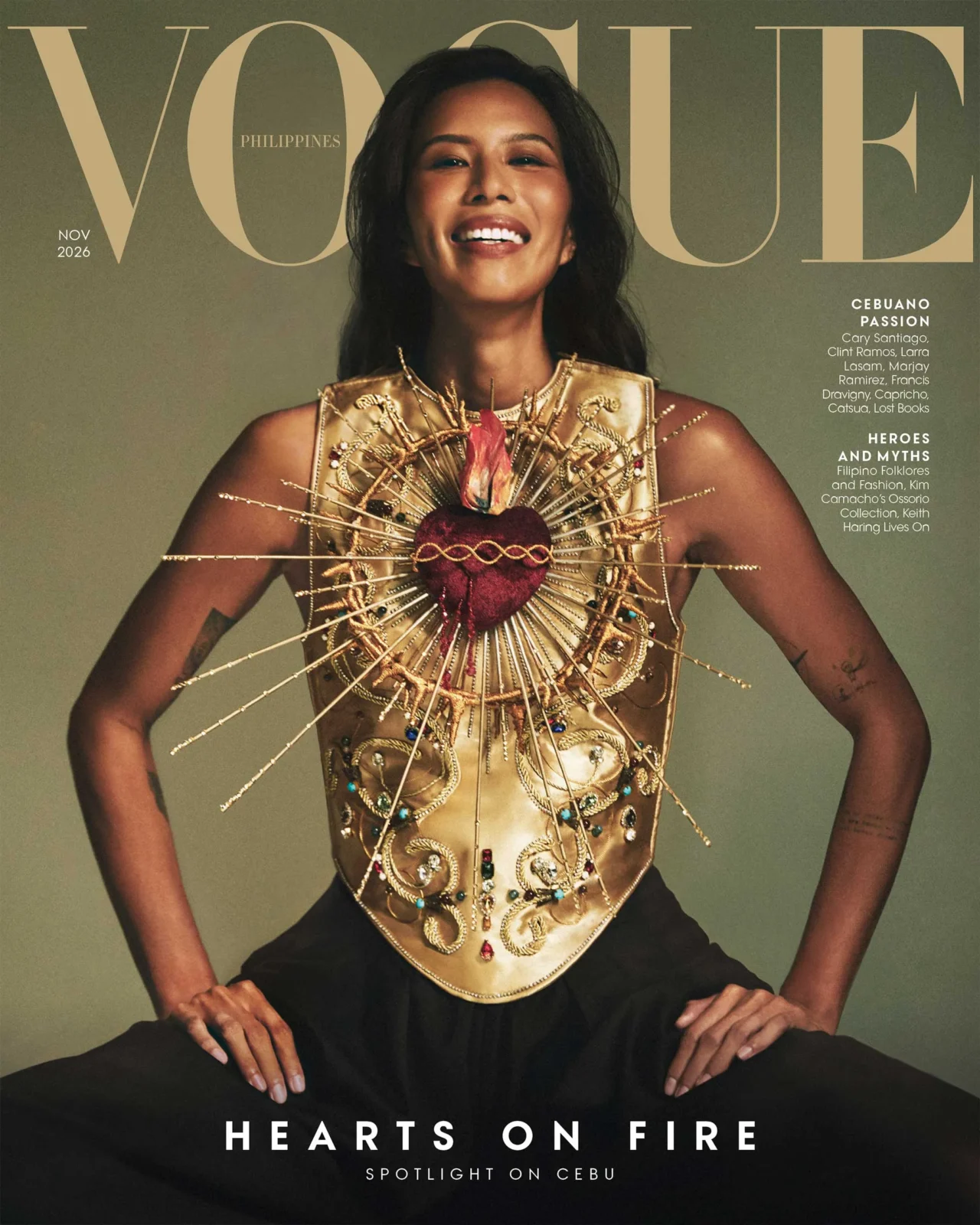
By TICIA ALMAZAN. Photographs by SELA GONZALES. Art direction: Mcaine Carlos. Producer: Bianca Zaragoza.
- Extra Sweet: Alexie and Catsua’s Shoes Share a Special Secret Ingredient
- A Journey to Basilan, Where Cultures Co-Exist in the Heart of Connection
- At The Center Of Capricho: The Story Of Cebu’s Solohiya Masterful Weavers
- Pia Wurtzbach Wears Gucci From Demna’s Debut Collection to The Vogue Arabia Ball 2026