
Inside BINI’s Historic Debut at Coachella With Ica Villanueva


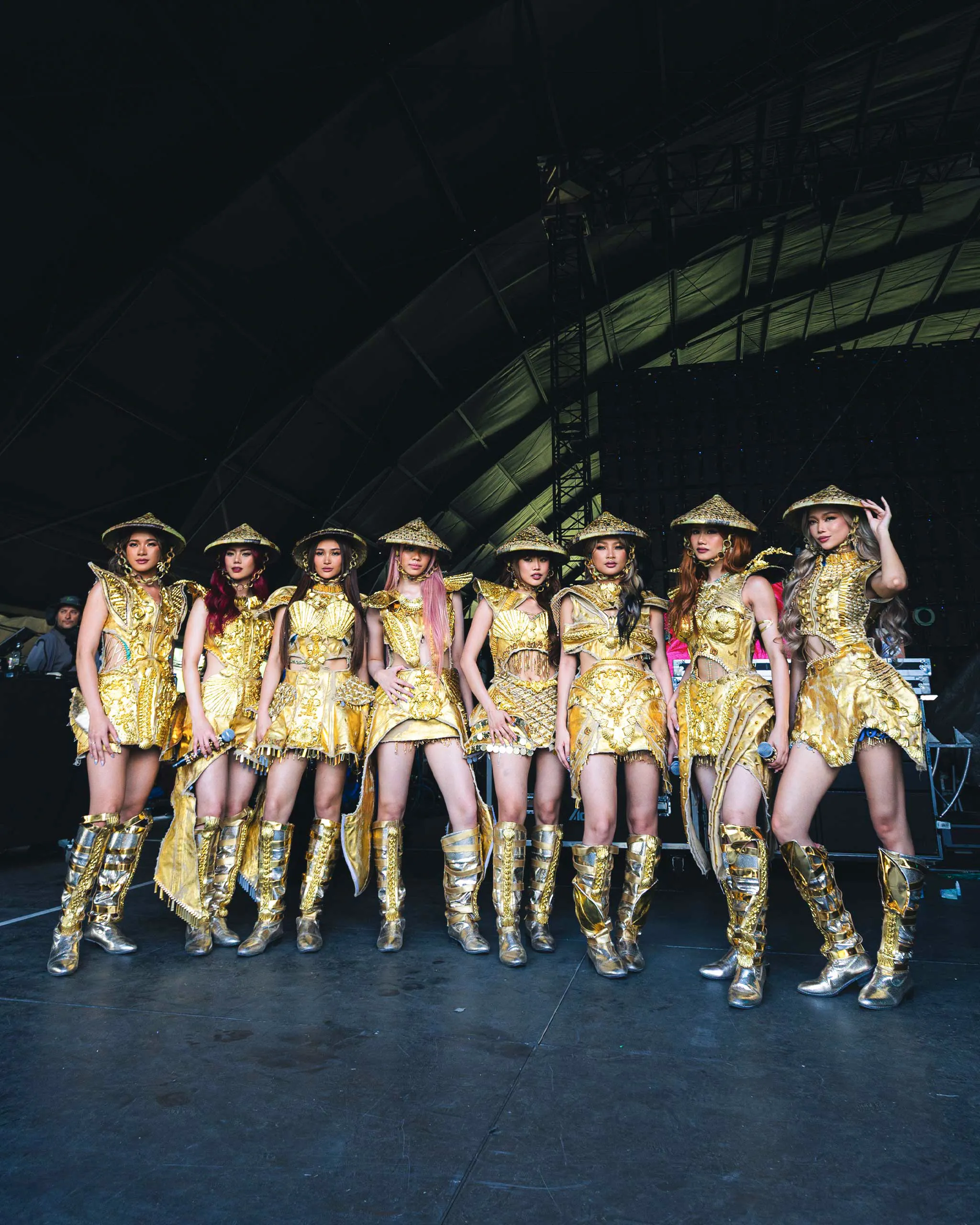
“My main goal is to make everything intentional… per era, per song, there’s a meaning behind all of their outfits.” Photographed by Phil Tani
As the first Filipino act at Coachella, BINI marks a historic debut as visual director Ica Villanueva shares the thinking behind the costumes and OPM on a global stage.
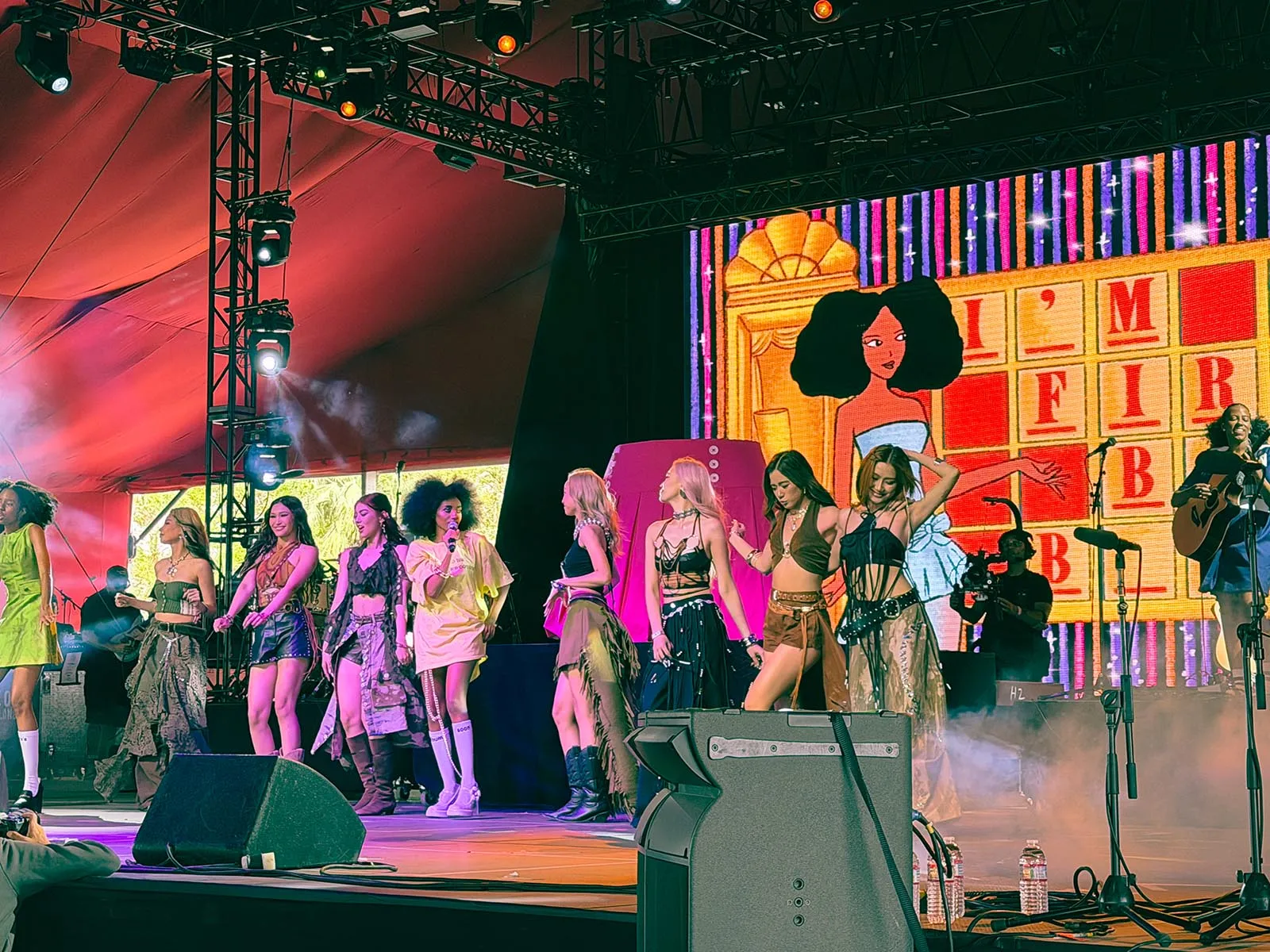
Fewer than a dozen Filipino artists have taken the stage at Coachella, including H.E.R., Beabadoobee, Olivia Rodrigo, apl.de.ap of Black Eyed Peas, but this year, BINI became the first P-pop girl group to perform for a multicultural audience, arriving with more than just a setlist.
“It’s their first time performing Coachella… the biggest stage yet,” says the band’s visual director Ica Villanueva. Scheduled at 4:30pm on the first day of the weekend, the group navigated the desert heat, quick changes, and long transitions between artist compounds and stage, conditions that demanded precision and stamina. “The whole experience is very nerve-wracking but exciting at the same time.” Behind the scenes, the scale was deceptively intimate. “It’s always me versus the eight girls,” she adds, underscoring the intensity of a lean creative team.
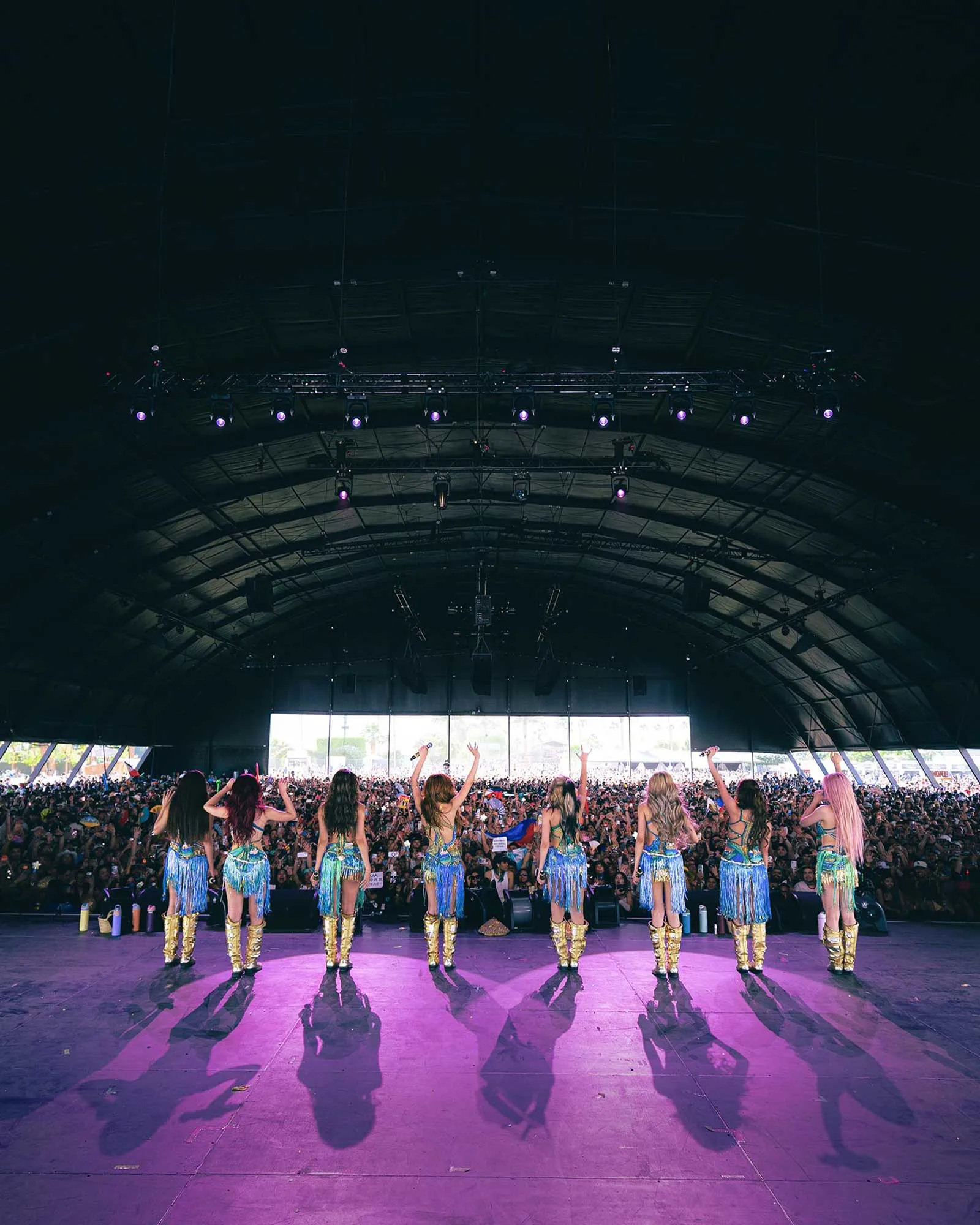
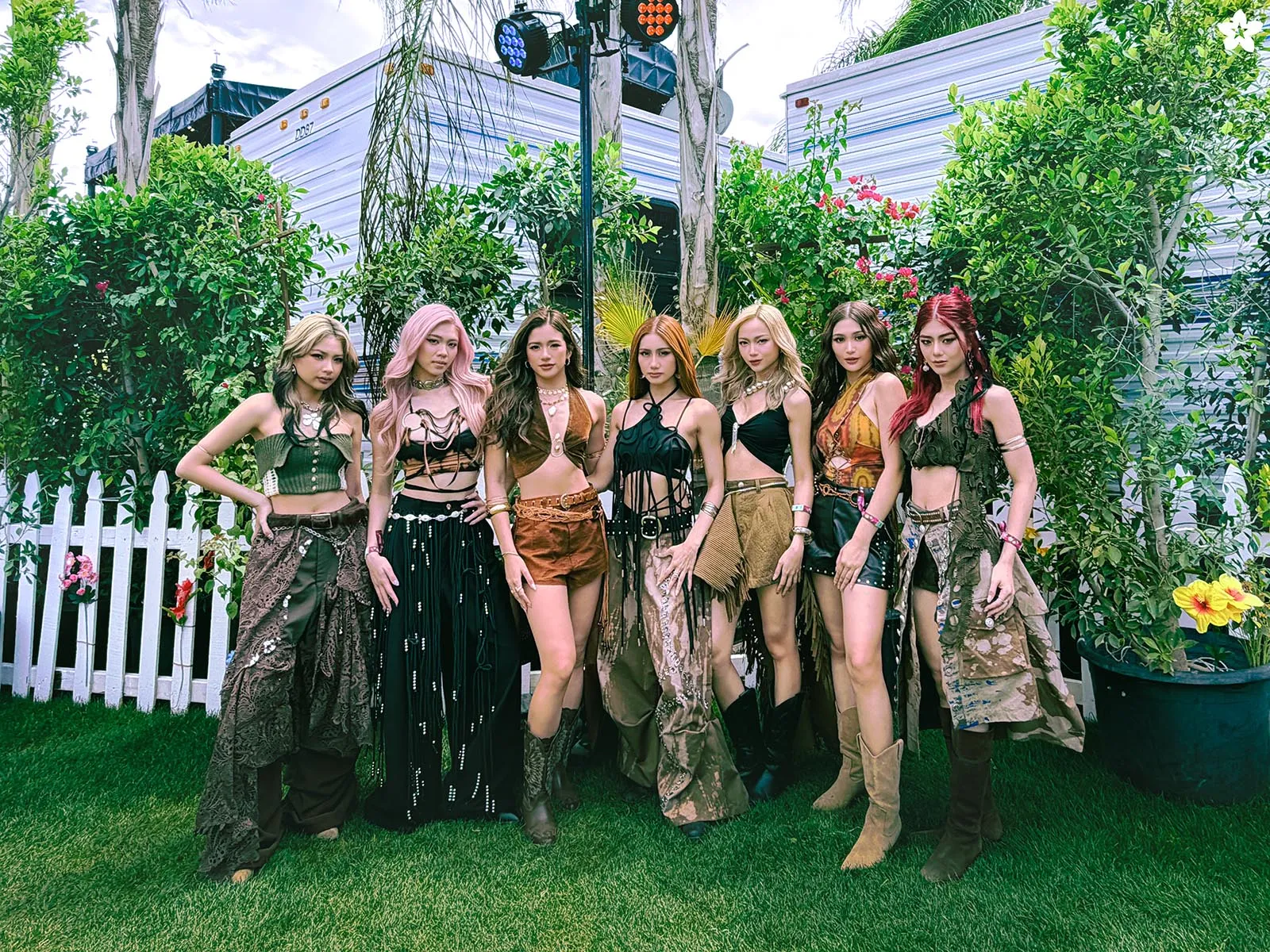
For this once-in-a-lifetime moment, Villanueva had strong aspirations to create a memorable look for the girls. “I don’t want to make them wear an outfit, and it’s meaningless.” The result was a two-part narrative that translated BINI’s Signals era into a visual language rooted in place, casting the group as “Tropical Queens” within the sunbaked landscape of the California desert.
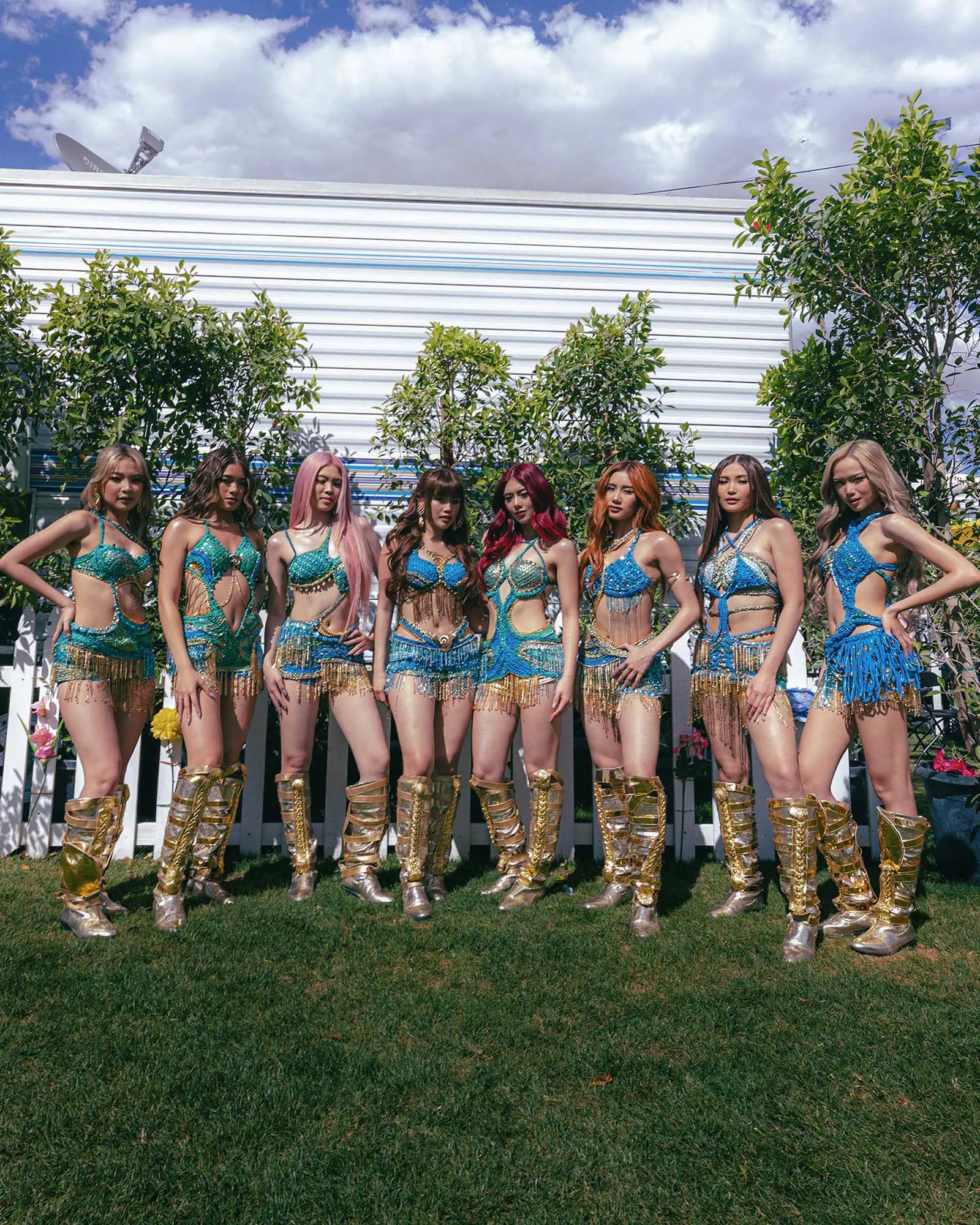
Emerging as “female golden warriors of the sea” on stage, as a contemporary study on myth and tradition. “We don’t want it to be super cultural… we want it to be young, cool warriors,” Villanueva explains. Built on a denim khaki base, the looks were layered with handwoven panels, macramé, tassels, and wooden beads, each detail catching the light through gold foil treatments. Seashell and mother-of-pearl elements were crafted locally, including accessoriesAccessoriesThe finishing pieces of an outfit, including bags, belts, scarves, hats, eyewear, and jewelry. Accessories can elevate a simple look or define it entirely, and fashion editors often treat themGo to Accessories Glossary by Arnel Papa, introducing texture without veering into costume. A reimagined salakot, finished with gold foil and beadwork, anchored the look in a distinctly Filipino vernacular.
For the second weekend, the looks will pivot from sea to land, recasting natural elements through a futuristic lens. Drawing on flora and fauna, Villanueva translates organic forms into a “Y2KY2KA fashion aesthetic revived from the late 1990s and early 2000s, featuring low-rise jeans, baby tees, metallics, rhinestones, and playful accessories. Y2K style fuses nostalgia with futurism, and its returnGo to Y2K Glossary cyberpunk” vocabulary, with metallic pinks and purples, sculpted silhouettes, and embellishments formed from recycled zippers and winged structures. The sampaguita motif is abstracted into sculptural floral appliqués, bridging the symbolism of the national flower and hyper-modernity.
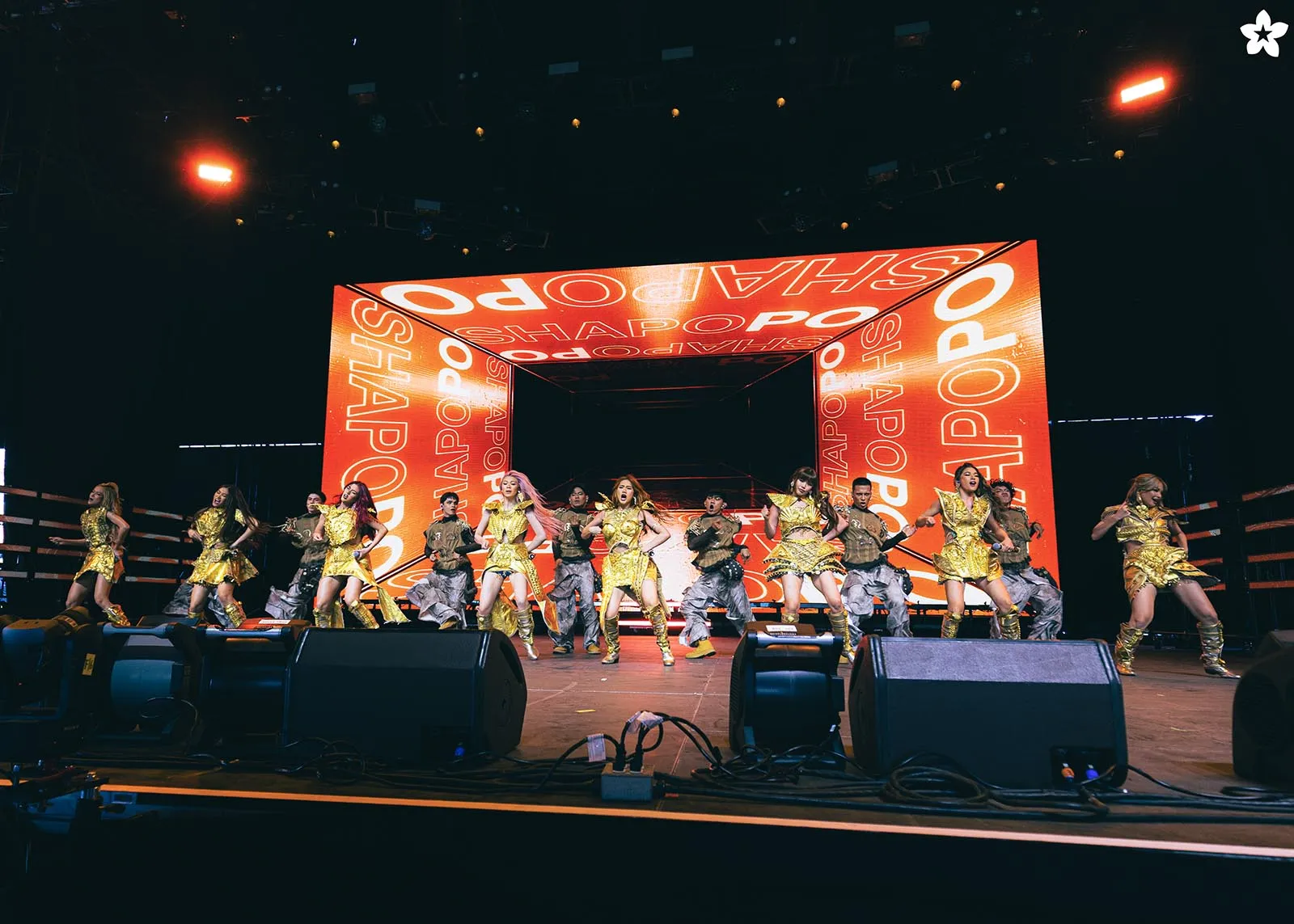
The reaction spread rapidly like wildfire, even with Coachella’s official social media team resharing images and clips from the performance to hundreds of thousands of likes. “You can really feel that when Filipinos come together… It’s like the moments of Manny Pacquiao,” says Villanueva.
More than a debut, the 45-minute set gave a sense of cultural pride to a Western audience. Singing in Tagalog and foregrounding Filipino design, BINI’s presence resonated with audiences both on-site and online. “I didn’t realise how deep the impact… many Filipinos feel represented,” Villanueva reflects.
Between weekends, rehearsals continue each day alongside brand appearances across Los Angeles, part of a broader effort to position the group on an international stage. “We want to introduce ourselves… and put Filipino talent on the global stage.” What began as a manifestation, “we manifested performing in Coachella,” now reads as a prelude to world domination.
-
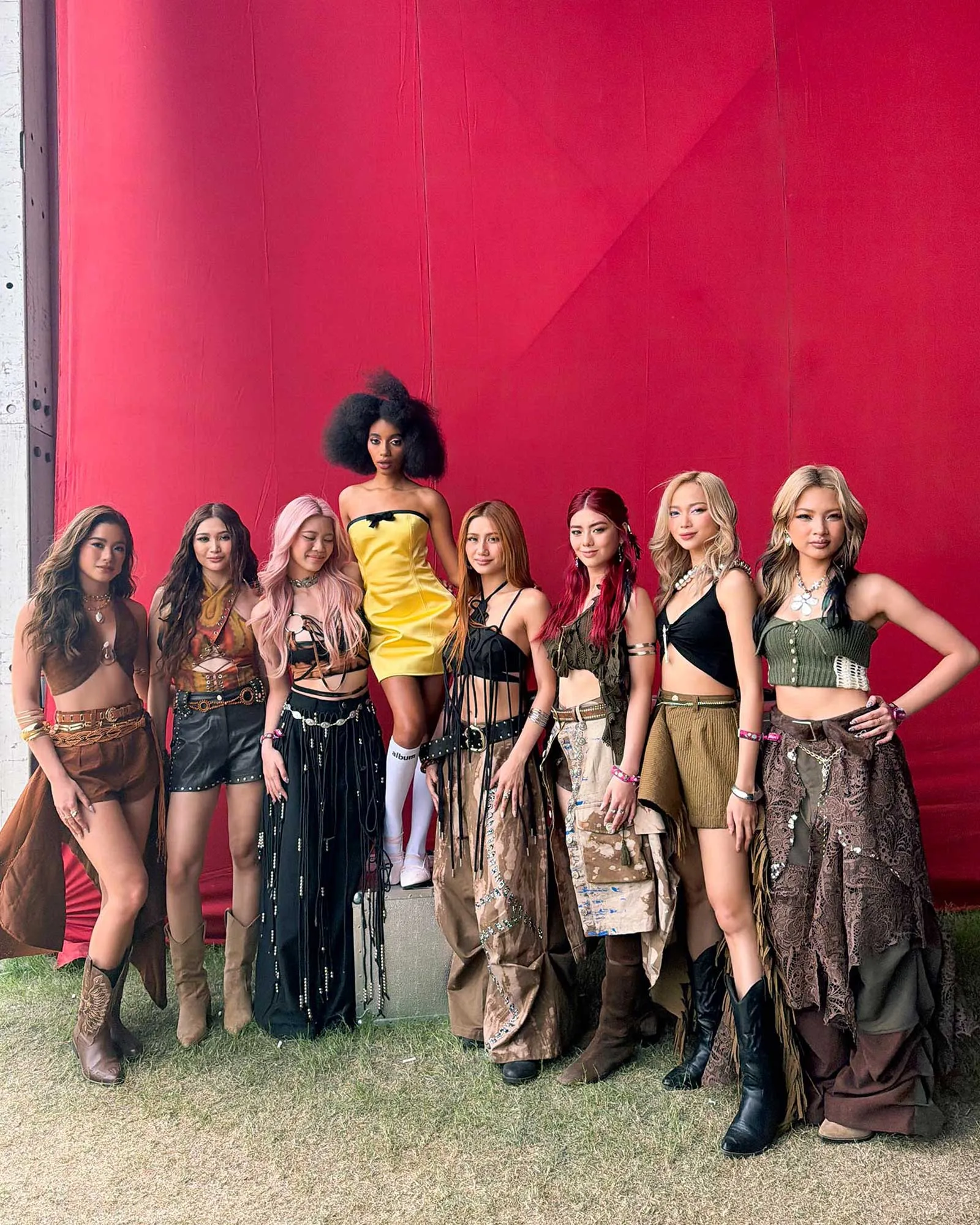 Courtesy of BINI US1/4
 -
 Courtesy of BINI US2/4
 -
 Courtesy of BINI US3/4
 -
 Courtesy of BINI US4/4
Frequently Asked Questions
BINI’s stage wardrobe was concepted and executed by the group’s visual director, Ica Villanueva. Working with a lean creative team, Villanueva engineered a two-part sartorial narrative that transformed the eight members into “Tropical Queens” specifically tailored for the California desert stage.
For weekend one, the outfits used a denim khaki base layered with handwoven panels, macramé, tassels, and wooden beads under gold foil treatments. The ensembles featured custom local seashell and mother-of-pearl accessories by Arnel Papa, topped with reimagined, gold-beaded salakots.
BINI’s weekend two wardrobe shifted to a “Y2K cyberpunk” aesthetic inspired by local flora and fauna. The looks combined metallic pinks and purples, structural silhouettes made from recycled zippers, winged shapes, and sculptural floral appliqués that abstracted the national sampaguita flower.
BINI made history as the very first P-pop girl group to perform at the festival. Joining an exclusive group of Filipino artists to take the desert stage, their 45-minute live set delivered contemporary OPM and Tagalog-lyric pop to a broad, international audience.
The performance achieved widespread digital reach, with Coachella’s official social media platforms amplifying clips to hundreds of thousands of likes. Visual director Ica Villanueva likened the surge of collective cultural pride and representation to the historic sports milestones of Manny Pacquiao.