
Benny Andallo, The ‘Silly Crown Designer,’ Takes On The Chanel & The King’s Foundation Millinery Fellowship


Photographed by Carmel King, courtesy of Benny Andallo
The British Filipino designer trades his playful hats for a deep dive into the traditions, techniques, and history of millinery.
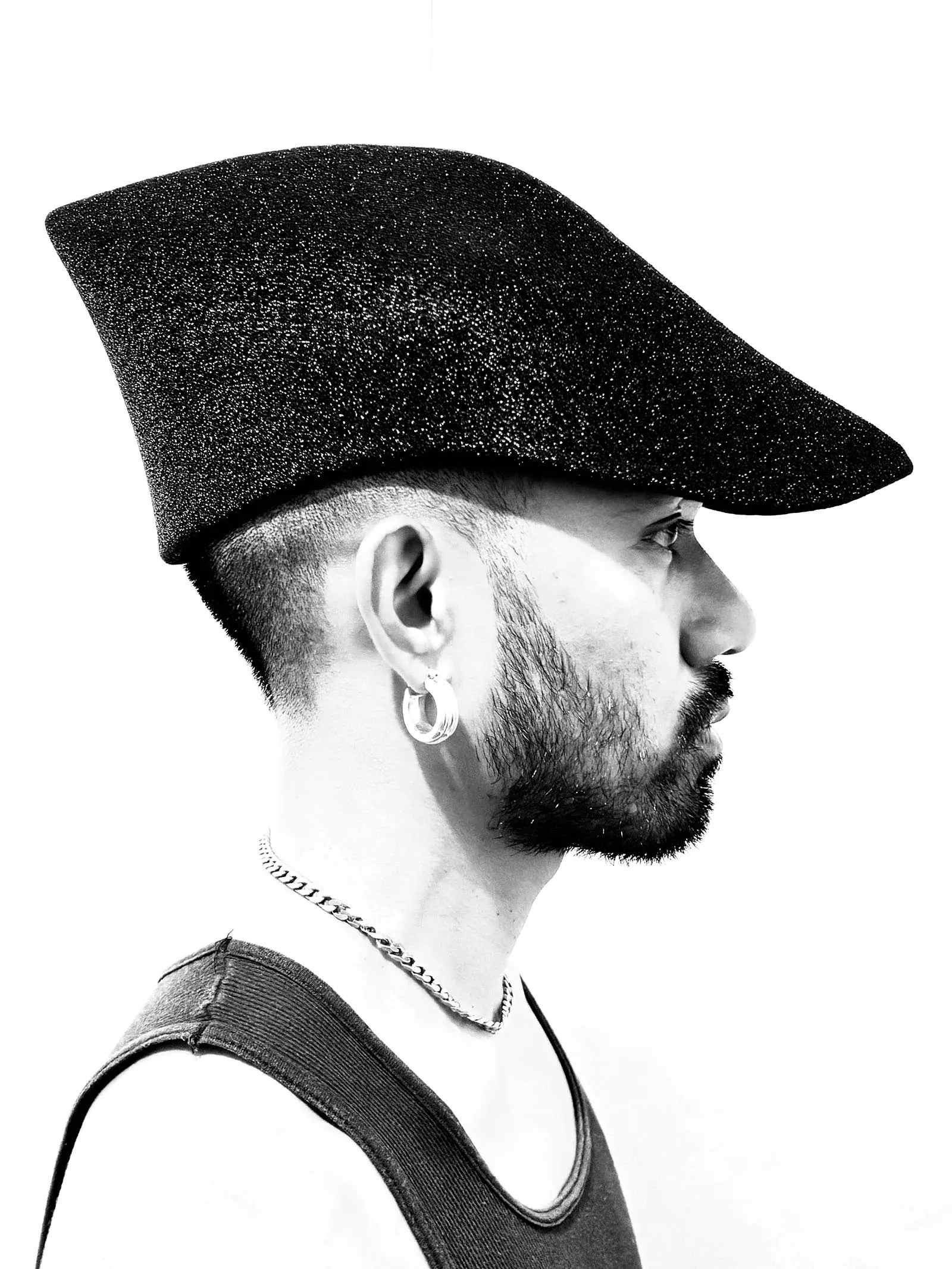
For Benny Andallo, becoming a milliner has never been about following tradition. Celebrated for his playful “silly crowns,” inspired by music, club culture, and street styleStreet StyleFashion captured outside of runway shows and studios, reflecting how people really dress in their everyday lives and around fashion weeks. Street style photography documents emerging trends and personal creativity,Go to Street Style Glossary, the Filipino British designer initially entered hat-making through menswear and cut-and-sew at university rather than formal millinery training. This year, Andallo advanced his knowledge and skills as one of the six fellows selected for The Chanel & The King’s Foundation Millinery Fellowship, a 35-week program that aims to nurture emerging milliners and preserve traditional techniques.
Based at Highgrove Gardens in Gloucestershire, the fellowship granted Andallo the opportunity to explore techniques previously out of reach, including blocking, working with felt and strip straw, and traditional construction and finishing. He also trained at Maison Michel at le19M in Paris alongside some of the industry’s leading artisans for a two-week workshop.
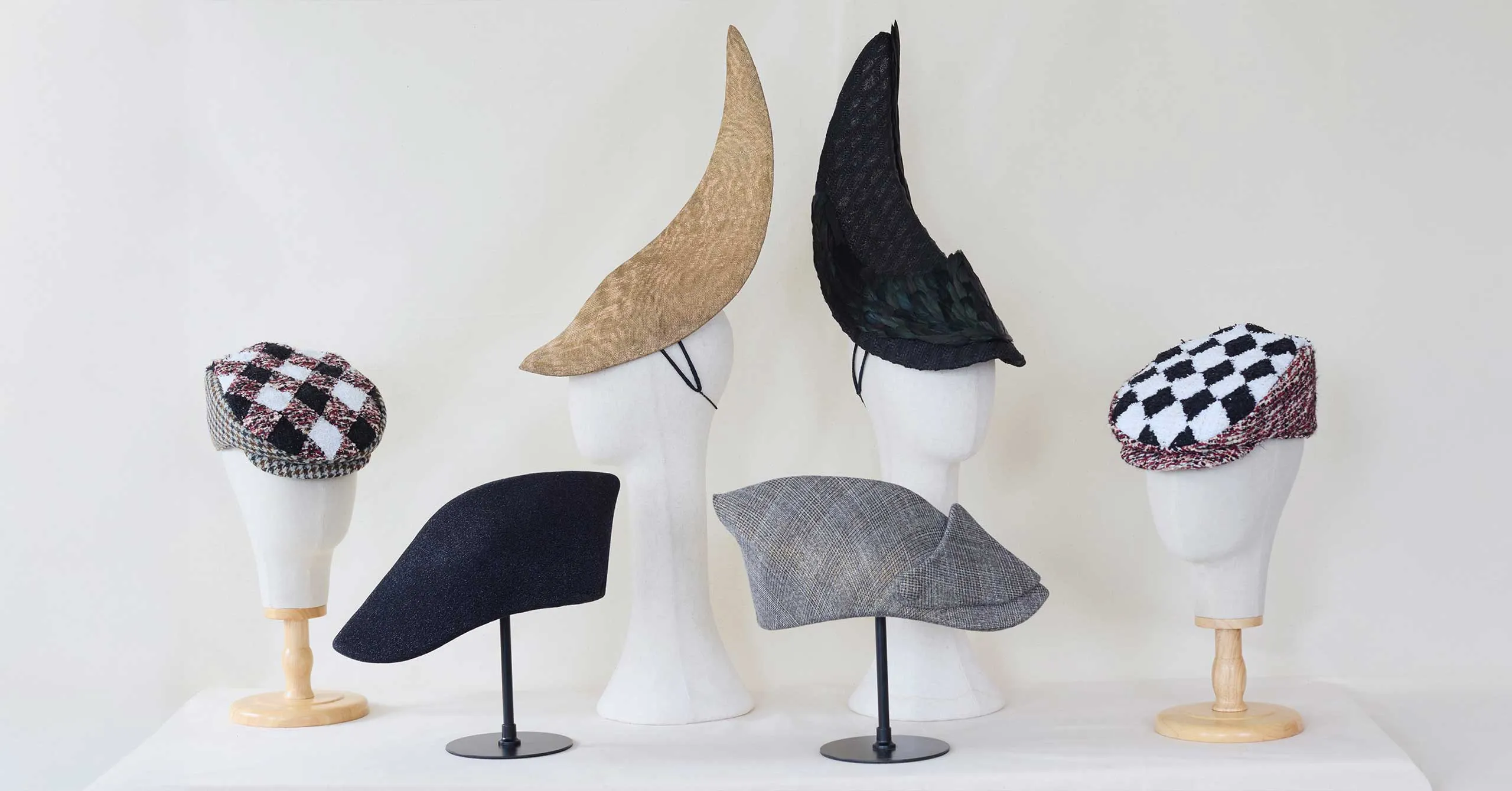
Rather than altering his aesthetic, Andallo says the experience supplied him with the technical skills to push his style further. For his final collection, Glamorous Guardian, he drew inspiration from Queen Elizabeth II’s relationship with British fashion and the countryside, blending traditional millinery with references to British tailoring, equestrianism, and Parisian couture.
Here, Andallo reflects on his journey through the fellowship, discovering an unexpected connection between his family and Philippine hat-making, and what comes next for his “slightly baby milliner” era.
Congratulations on being selected for The Chanel & The King’s Foundation Millinery Fellowship. What was your first reaction when you found out?
My first reaction was, “Well, I guess I’m moving to the Cotswolds then!”
Having lived in London for most of my life, the idea of relocating to the countryside for the fellowship felt quite daunting. But the opportunity to have the time and support to develop the vital skills I had been wanting to learn was simply too good not to pursue. Immediately, my mind switched to the practicalities. I was figuring out how I was going to navigate rural life without knowing how to drive, while also planning how to keep my business running throughout the fellowship. At the same time, I was incredibly excited by the opportunity to learn from some of the very best in millinery. It felt like such a rare chance to immerse myself in the craft and develop my skills.
What does this opportunity mean to you personally and professionally at this stage of your career?
The fellowship came at exactly the right time in my career. I had developed a distinctive creative voice through my cut-and-sew hats, but I wasn’t feeling as creatively fulfilled as I wanted to be because so much of my time was being taken up by running my business. There were also certain commissions and opportunities I couldn’t pursue because I didn’t yet have the technical millinery skills required.
As a self-employed maker, it can be difficult to step away from your business to invest in your own development, so the fellowship gave me a rare opportunity to focus on learning and growing. Returning to education after nearly a decade was a big adjustment, but as an older student I was much more open to constructive criticism and saw feedback as an opportunity to refine my ideas.
Meeting fellow students who shared the same passion for millinery and learning from some of the most skilled makers in the industry was a hugely valuable part of the experience. Being based in the Gloucestershire countryside and training at the Chanel Métiers d’Art Training AtelierAtelierThe French word for workshop, describing the studio where a designer's garments are cut, fitted, and finished by hand. In couture, the atelier is the heart of the house, homeGo to Atelier Glossary at the Highgrove education workshop gave me the space to fully immerse myself in the craft.
The fellowship took me back to the foundations of millinery while allowing me to bring my own aesthetic into traditional techniques. It has given me the skills, confidence, and inspiration to broaden my designs and continue developing my brand.
You’ve described yourself as a “silly crown designer” rather than a traditional milliner. Did your style change or adapt for a program focused on traditional craftsmanship and centuries-old techniques?
I don’t think my style has fundamentally changed. It has evolved. Learning traditional millinery techniques hasn’t altered my aesthetic but it’s given me the technical skills to extend and refine it. I can now bring ideas to life in ways that simply weren’t possible before.
I’ve always described myself as a “silly crown designer” because my route into hat making came through menswear design rather than traditional millinery. It also reflects my approach to making hats. I’ve never been drawn to the traditional millinery world. My work is rooted in music, club culture, and street styleStreet StyleFashion captured outside of runway shows and studios, reflecting how people really dress in their everyday lives and around fashion weeks. Street style photography documents emerging trends and personal creativity,Go to Street Style Glossary. I call my hats “crowns” because, historically, hats have often signified status and identity. I liked the idea of reclaiming that symbolism and suggesting that anyone can crown themselves with pride, regardless of their background or social status. I still find telling people I make hats for a living quite silly, and I think that sense of play has always been part of both my personality and my work.
My goal on the fellowship was to understand how certain iconic and historical hats are constructed. Learning those centuries-old techniques didn’t make me want to reproduce traditional hats, instead they gave me the knowledge to reinterpret them through my own contemporary lens. My work has always been about finding a balance between fantasy and reality—creating something that feels both new and familiar.
I still think of myself as a “silly crown designer”, but thanks to the fellowship I now feel comfortable calling myself a fully fledged, if still slightly baby milliner. The traditional skills I’ve gained haven’t changed who I am as a designer, but they’ve given me the confidence and technical foundation to push my ideas even further.
Is there a particular class, workshop, or experience during the fellowship that has stood out to you the most?
One of the biggest highlights of the fellowship was the opportunity to train at the Chanel-owned hat-making house Maison Michel at le19M in Paris. Spending my first week there really threw me in at the deep end. Coming from a cut-and-sew background, techniques such as blocking and working with materials like felt and strip straw were completely new to me. Traditional millinery is incredibly skilled, labor-intensive, and time-consuming, and the process is very different from cut-and-sew, so learning these techniques was a completely new way of approaching making. Having direct, step-by-step guidance from the atelier, while using their woodblock archive, materials and machinery was an incredible experience.
Being surrounded by people with such a deep knowledge and passion for the craft taught me so much about the patience, precision, and problem-solving involved in traditional millinery. It was fascinating to see how French and British millinery differ, not only in their techniques but also in their design preferences and creative approach.
Throughout the fellowship, I also had one-to-one tutorials with Maison Michel’s creative director, Priscilla Royer, who challenged and supported me to push my designs further without losing my own design identity.
Another memorable part was receiving honest feedback from my design tutor, fellow Filipino milliner Mich Dulce. She once told me some of my designs “sucked” and she was right! As I was exploring new territory and feeling hesitant, her direct critiques helped me understand when an idea wasn’t reaching its full potential. It reinforced something I strongly believe: craftsmanship is essential, but a design also needs to create an emotional connection with people.
What can you tell us about the designs you’ve made for the collection and the ideas behind them?
The brief for our final collection was to take inspiration from Queen Elizabeth II: Life in Style, exploring how she championed British couture and influenced British fashion throughout her reign. We were asked to respond to themes of British luxury and Parisian couture, taking inspiration from the Golden Age of Couture in the 1940s and 1950s.
My collection, Glamorous Guardian, explores the duality of Queen Elizabeth II’s style—balancing the glamour of her public role with the understated elegance of her life in the countryside. I was particularly interested in bringing those two worlds together through traditional millinery techniques and a contemporary design approach.
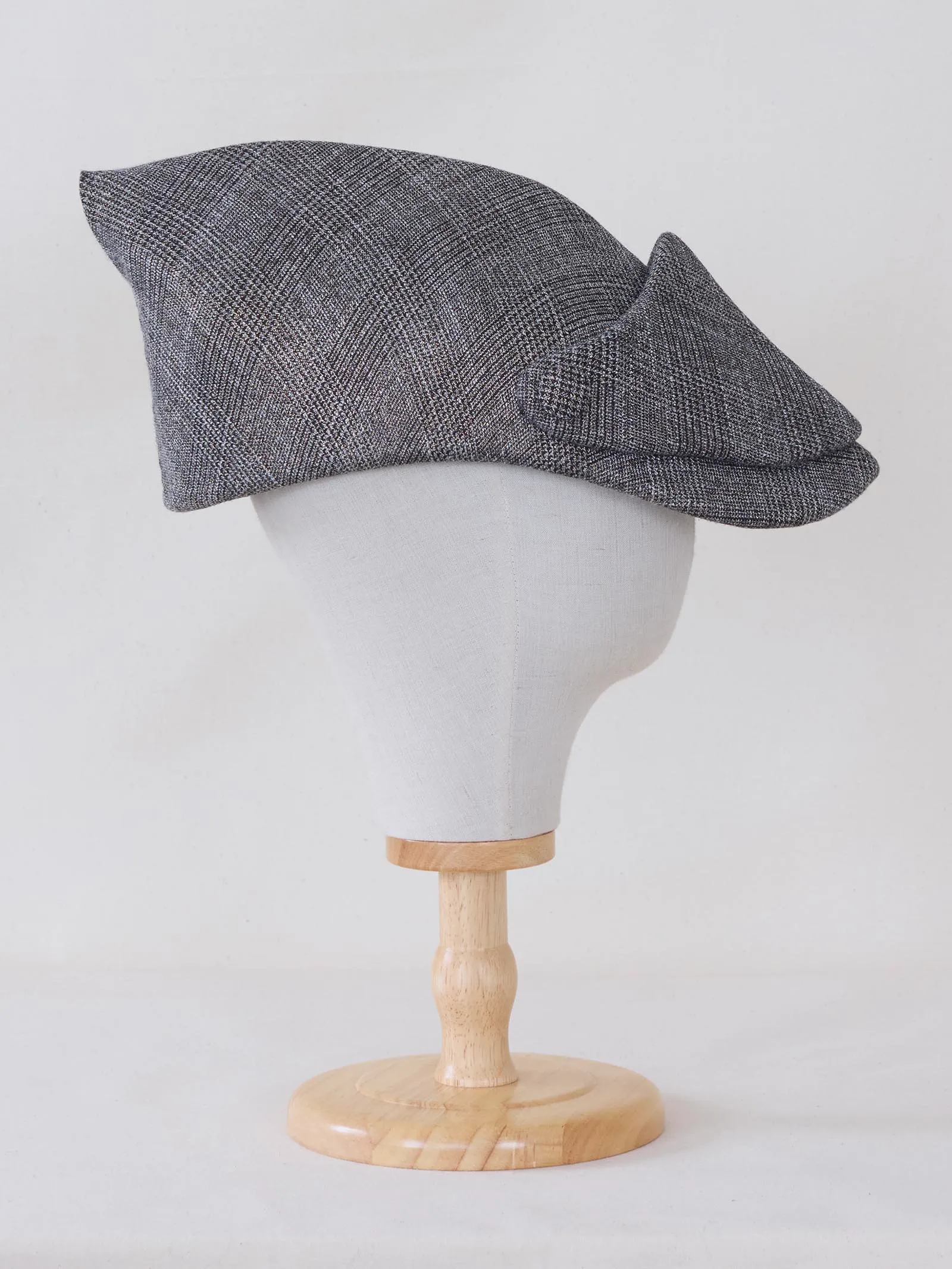
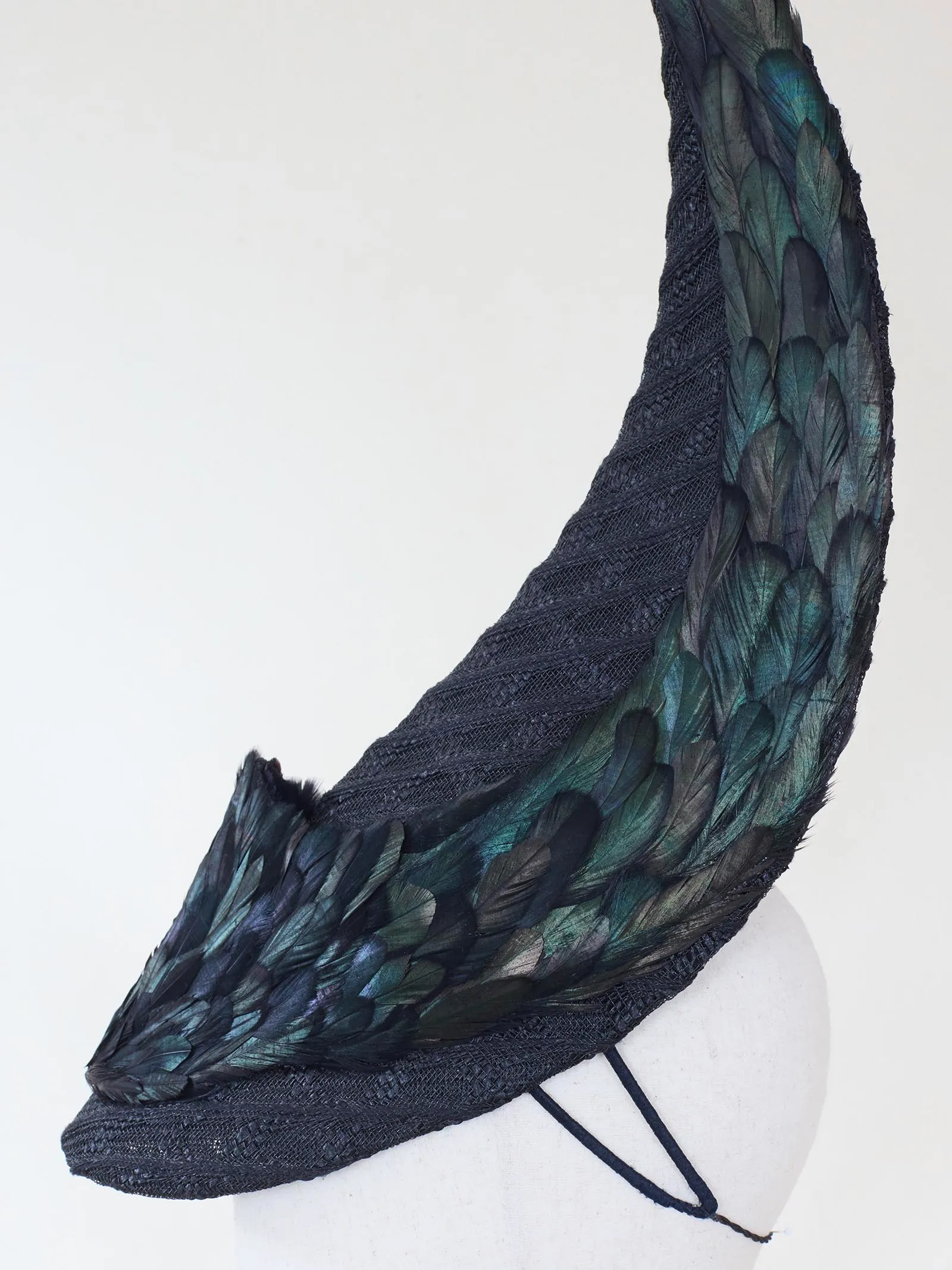
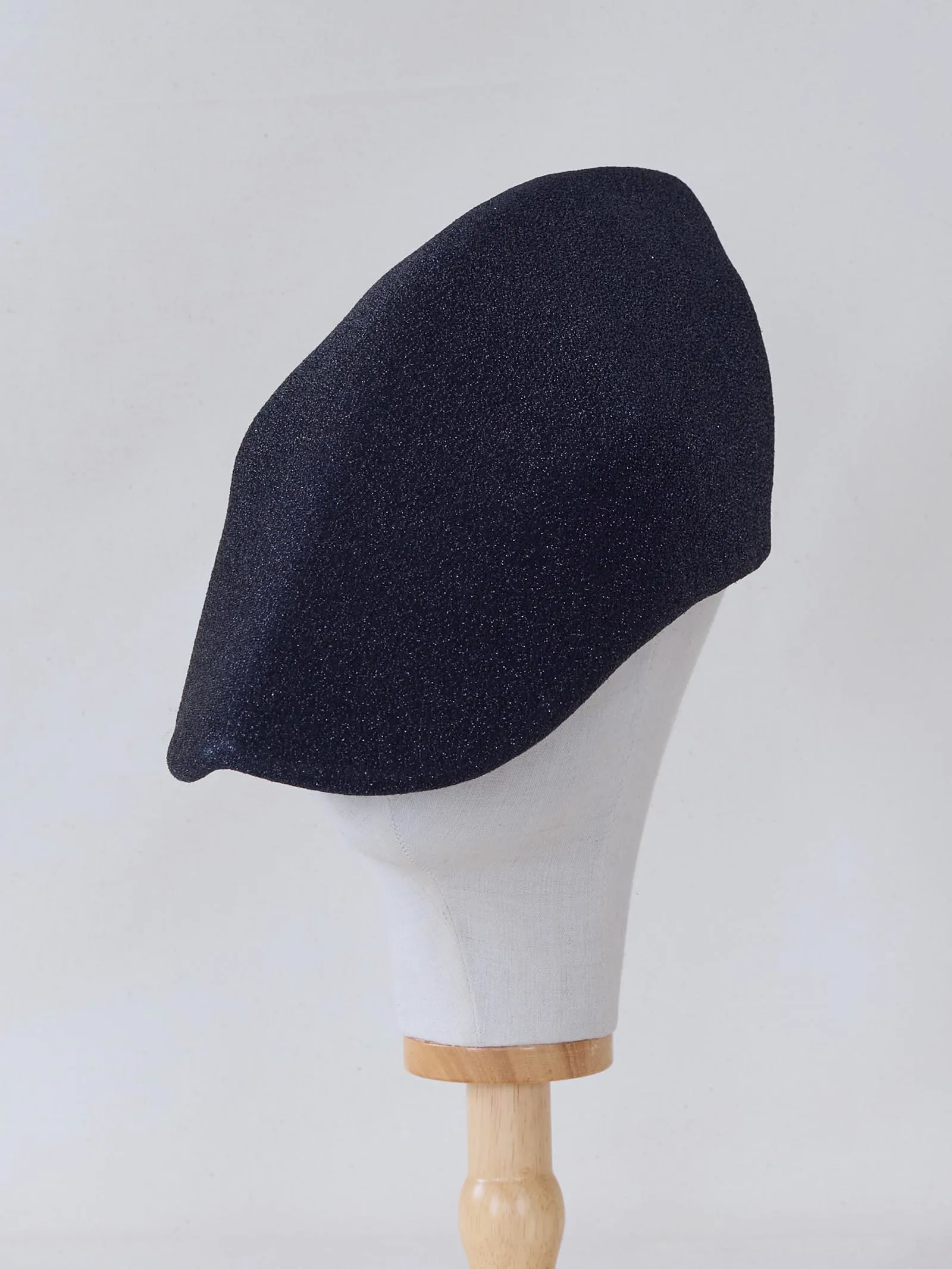
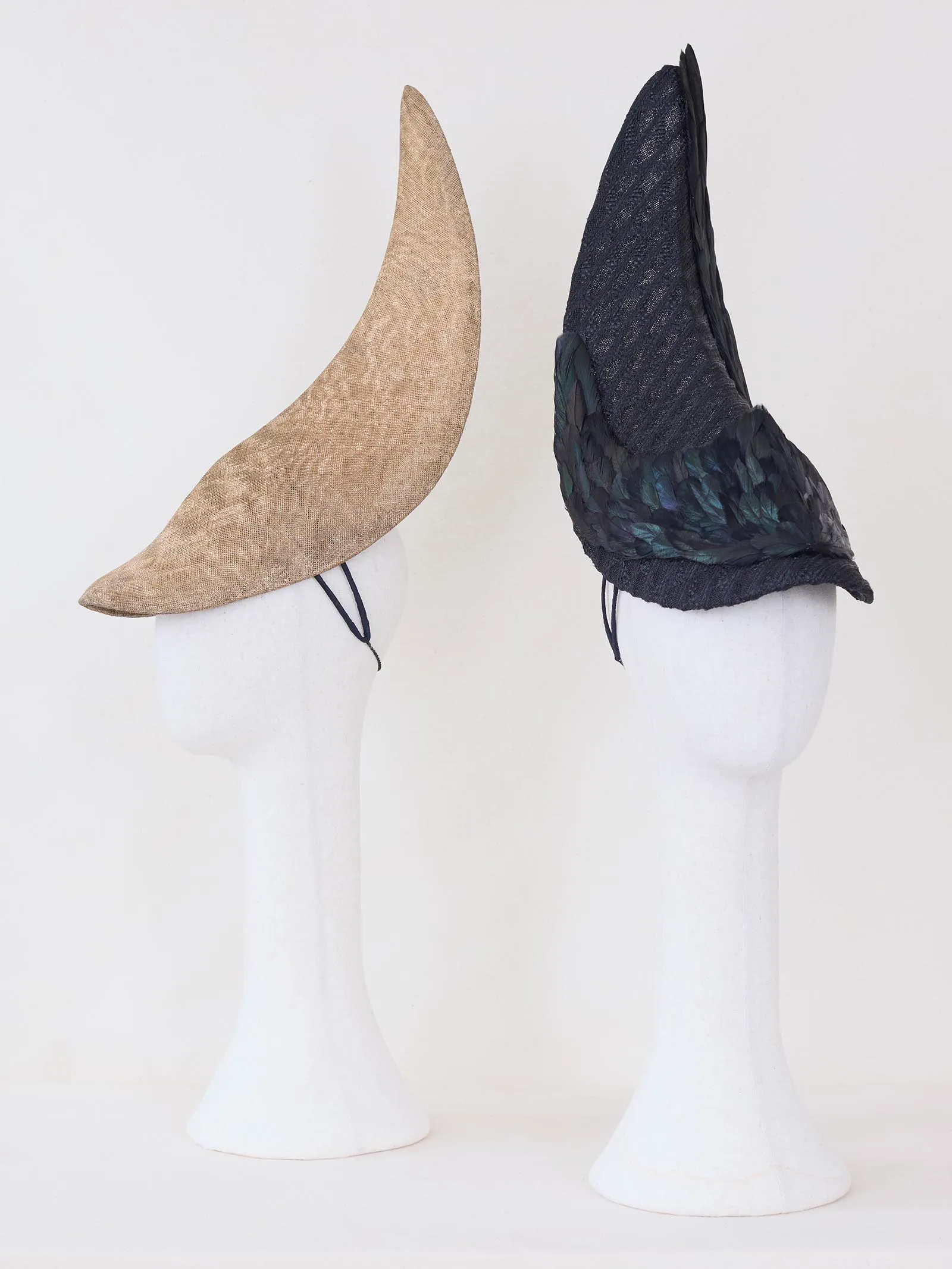
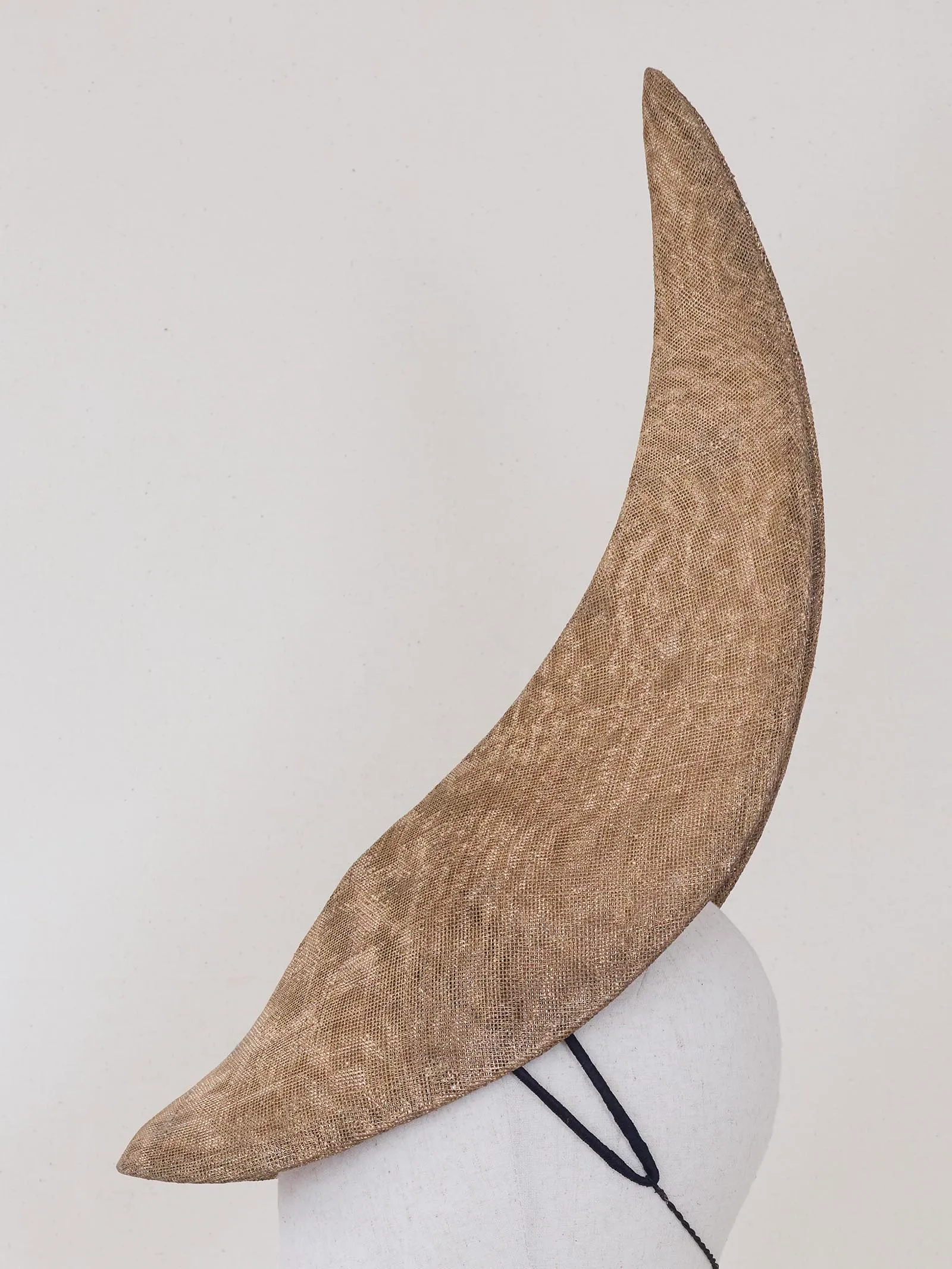
I drew on her countryside wardrobe, using British tailoring fabrics such as tweeds, checks, and wools alongside references to her lifelong connection with horses. This inspired sculptural silhouettes that echo the form and movement of the horse, with subtle nods to historical horse armor. Using techniques I learned during the fellowship, I combined paper block construction with sinamay, straw, and felt to create lightweight forms that feel both strong and elegant.
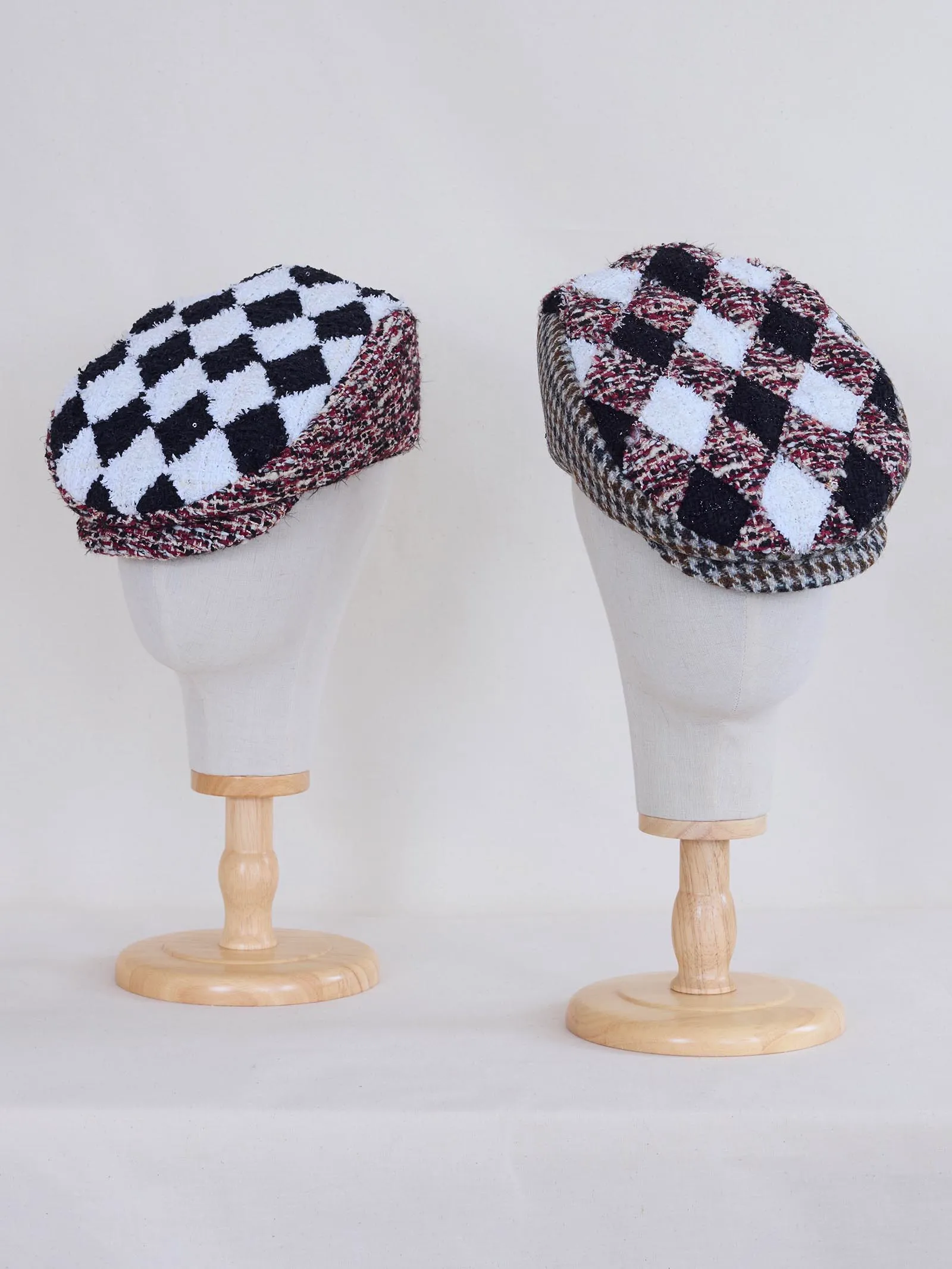
I also reimagined the traditional flat cap through a contemporary lens, inspired by the bold colors and graphic patterns of horse jockey silks. By combining Chanel tweeds with Harris Tweed, I wanted to celebrate both British and French textile heritage while creating something that felt fresh and unexpected.
Throughout the collection, I used iridescent bronze feathers, gold metallics, and shimmering lurex to capture the richness of the Queen’s royal presence. Ultimately, the collection is about finding a balance between fantasy and reality—honoring tradition while reinterpreting it in a way that feels modern and unmistakably my own.
As a Filipino British designer, what did you bring from your own background and perspective to the work you created during the fellowship?
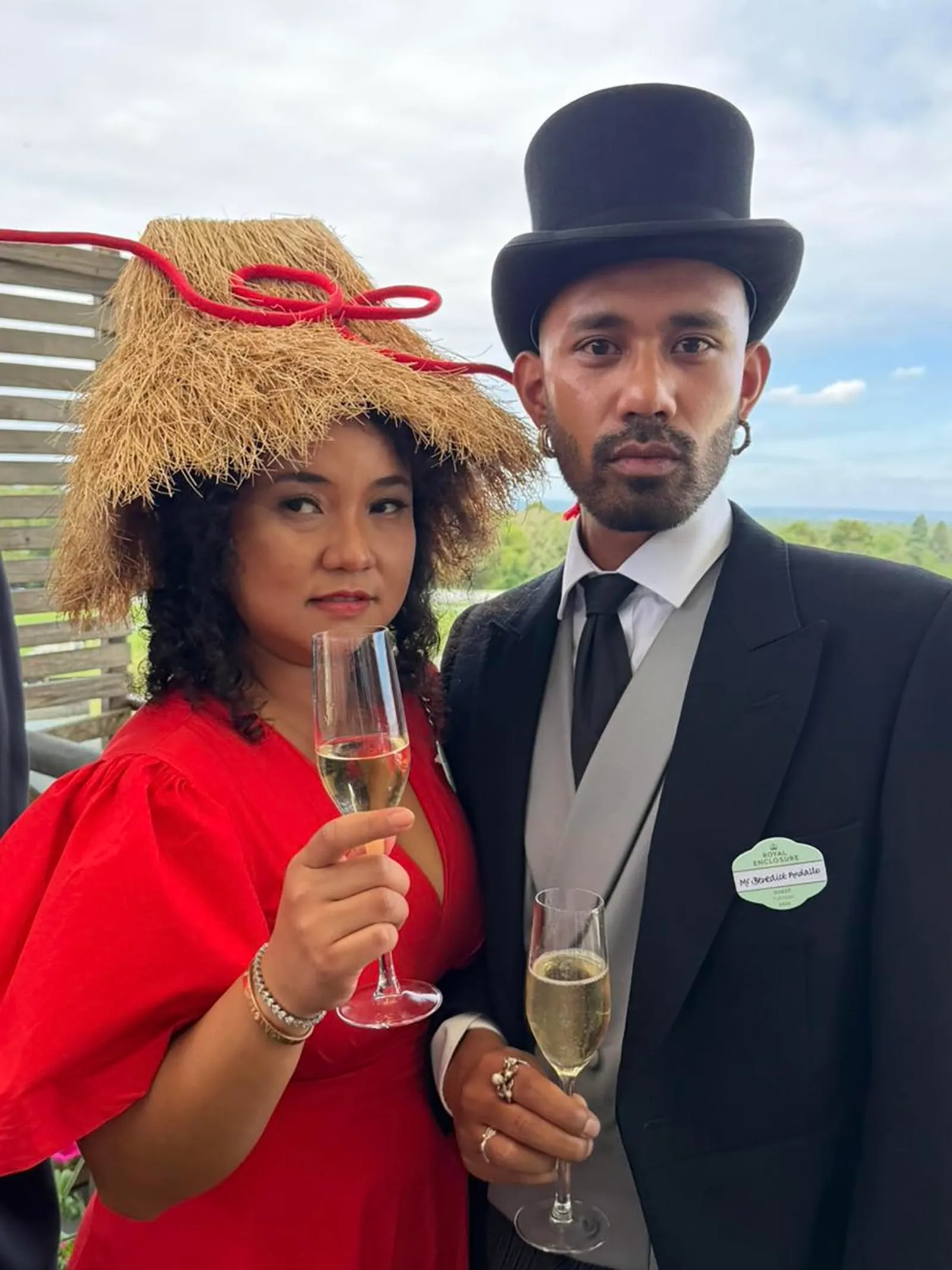
Being Filipino British has naturally shaped the way I approach design. I’ve always been interested in bringing together different cultures, histories and craft traditions, reinterpreting elements of heritage through a contemporary lens.
The craft of hat-making also has a personal connection within my own family. During a trip to the Philippines last summer, before starting the fellowship I was gathering visual inspiration and discovered the work of traditional tabungaw (round gourd) hat maker Teofilo Garcia. I later found out he is my paternal grandmother’s cousin, which was a really meaningful discovery. It felt like an unexpected connection to a craft tradition that already existed within my own heritage.
Another unexpected connection came while learning to work with sinamay. I discovered that this material, so fundamental to Western millinery, is made from the fibers of the abacá plant, native to the Philippines, and that the word sinamay itself comes from the Visayan word meaning “to weave.” I found it fascinating that such an important millinery material has its roots in the Philippines.
Those discoveries made the fellowship feel even more personal. They deepened my appreciation for both my own heritage and the traditions I was learning, reinforcing my belief that craftsmanship is a shared language that connects cultures across the world. I approached traditional millinery techniques with respect for their history while exploring how they could be transformed through my own contemporary creative language. Ultimately, my work is about finding harmony between old and new, heritage and innovation.
What can we expect from Benny Andallo in the near future?
More drama, more fabness, more sexy!
I’m excited to keep pushing my work into new territory, building on everything I’ve learned during the fellowship and continuing to blur the lines between traditional millinery and contemporary fashion.
The hats created by myself and my fellow fellows during the program will be exhibited in London this September, showcasing the pieces we developed throughout the fellowship. I’m really looking forward to sharing the collection and celebrating the work of everyone involved.
Frequently Asked Questions
Benny Andallo is a Filipino British milliner and accessories designer based in London. A Central Saint Martins menswear graduate, he has created hats for artists including Rihanna and FKA Twigs and collaborated with designers including Junya Watanabe.
A 35-week program created by Chanel and The King’s Foundation in partnership with le19M to develop the next generation of milliners and preserve specialist craft techniques.
The fellowship combines intensive studio training, specialist tuition, design development and industry experience. Students learn techniques including blocking, felt shaping, dyeing, feather and flower making, sewn straw and couture finishes. The program also includes a visit to Maison Michel in Paris, mentorship from experts at le19M, museum and research visits, and a two-week industry placement in the UK.
The main program is based at the Chanel Métiers d’Art Training Atelier at Highgrove in Gloucestershire.
Maison Michel is a Parisian millinery house and one of the specialist Maisons d’Art associated with le19M, the Paris space created by Chanel to bring together its specialist craft houses.