
Photographed by Alexis Dave Co. Courtesy of Rajo Laurel.
Photographed by Alexis Dave Co. Courtesy of Rajo Laurel.
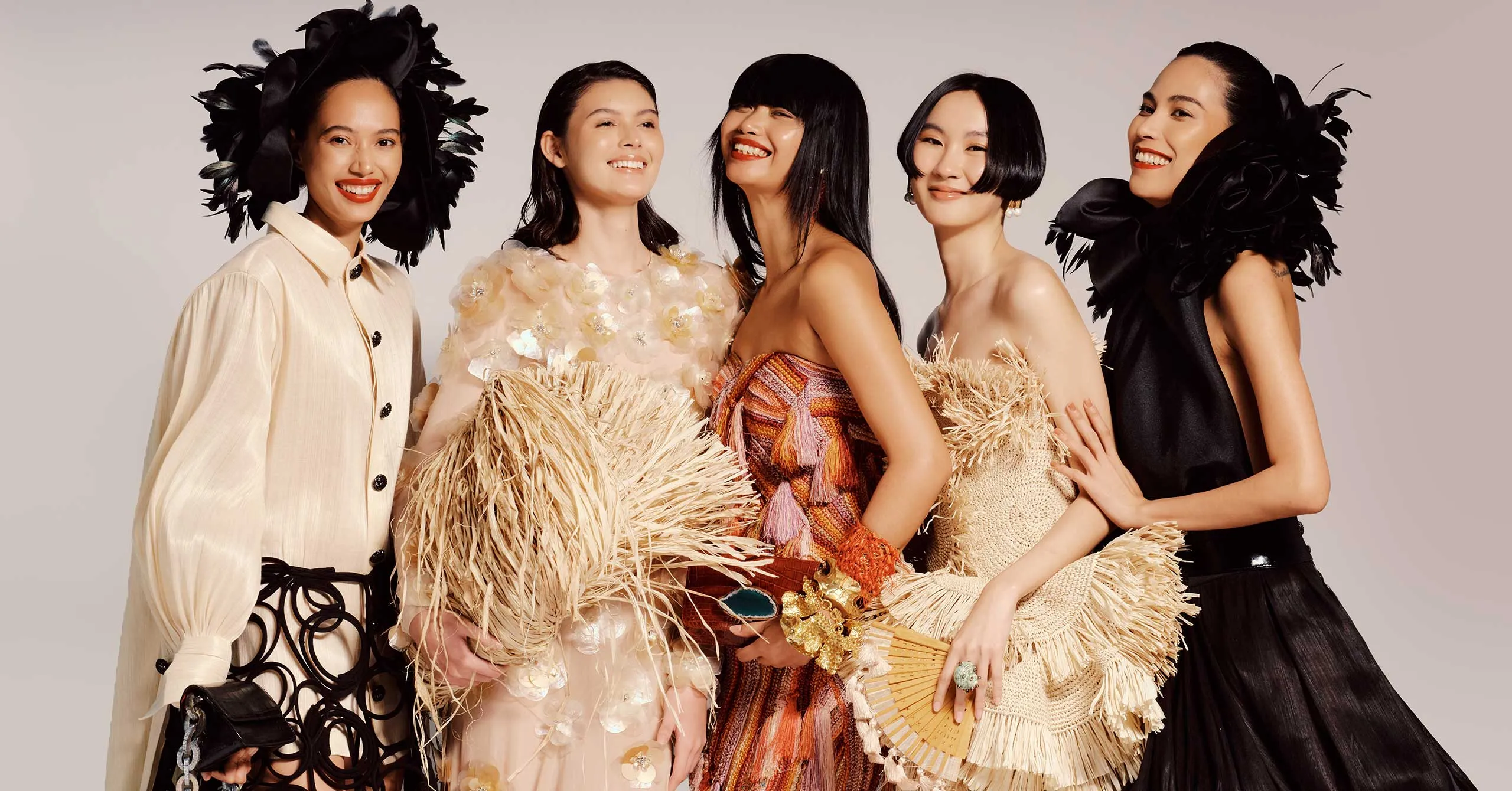
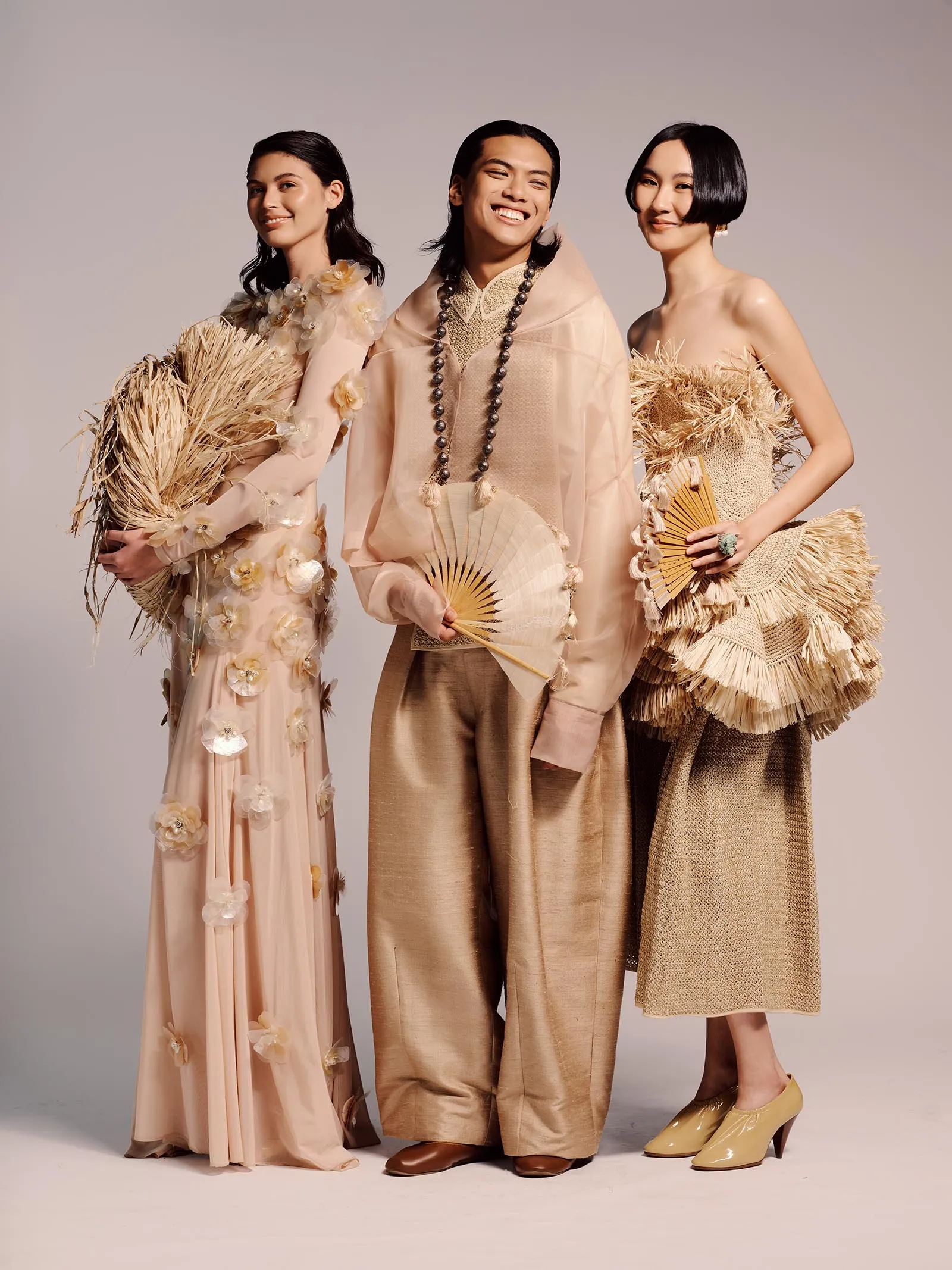
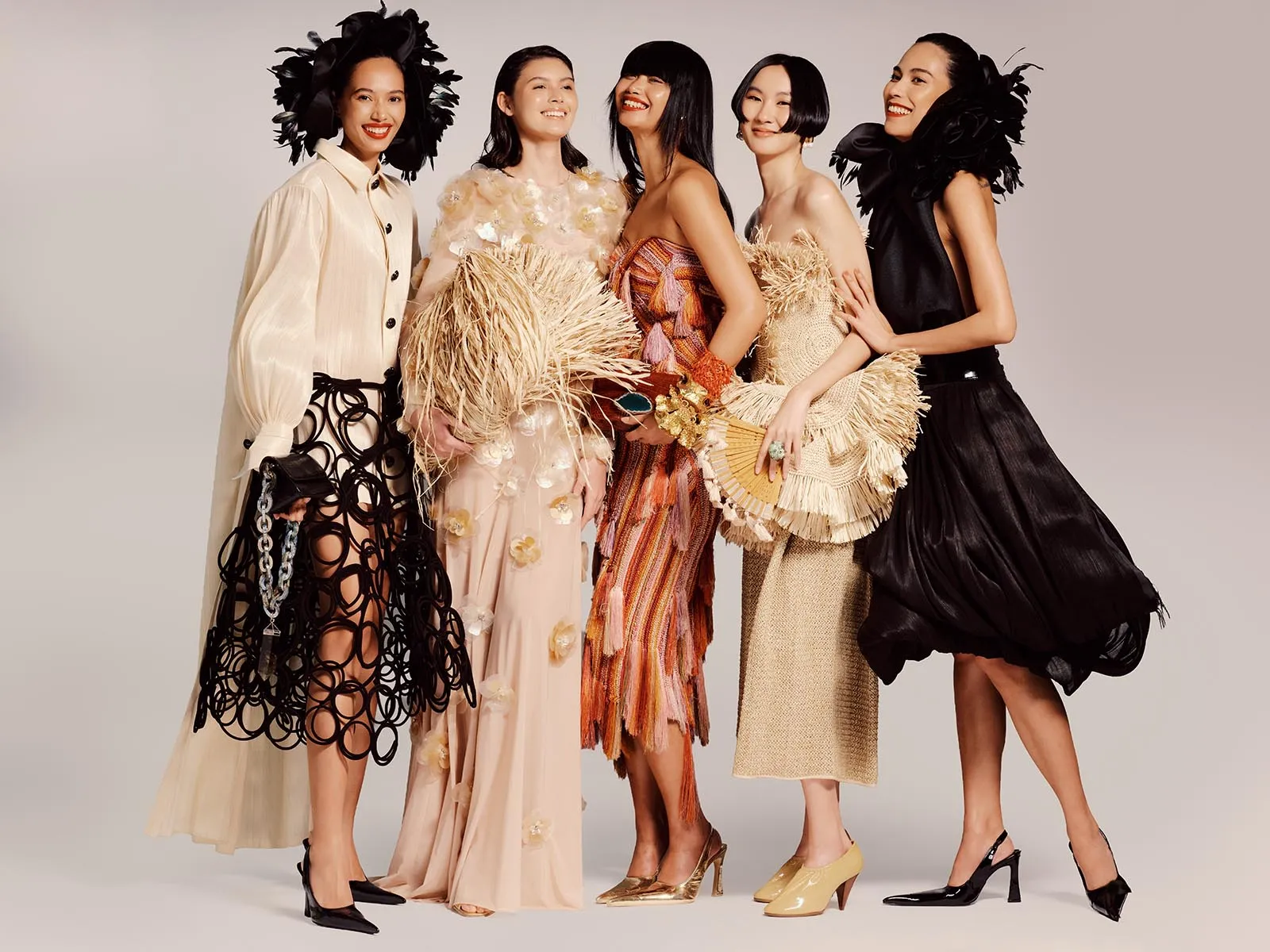
Rajo Laurel presented seven looks from his Lahi collection, showcasing traditional craftsmanship, regional textiles, and the collaborative spirit of bayanihan.
It all began with a single question for Rajo Laurel: “Who is the Filipino?” He answers this inquiry through a 30-piece couture collection titled Lahi, set to be presented in Bangkok early next year as both a cultural statement and creative partnership. It stems from Rajo’s own reflections on the multiplicity of Filipino identity, and collaborations with local creatives Arnel Papa, Celestina Maristela Ocampo, Cholo Ayuyao, Monchét Olives, and MX Studios by Maxine Santos Tuaño.
“Fashion has been my medium to understand heritage, identity, and culture—not only through materials, but through how our people interact, the values that guide us, and how these stories can remain relevant for today and for future generations,” he says. The process, he explains, required a collective imagination. “Lahi is a storyboard of Philippine fashion developed through collaboration. Bayanihan is a core Filipino value. There is strength in creating a point of view together with other Filipino creatives.”
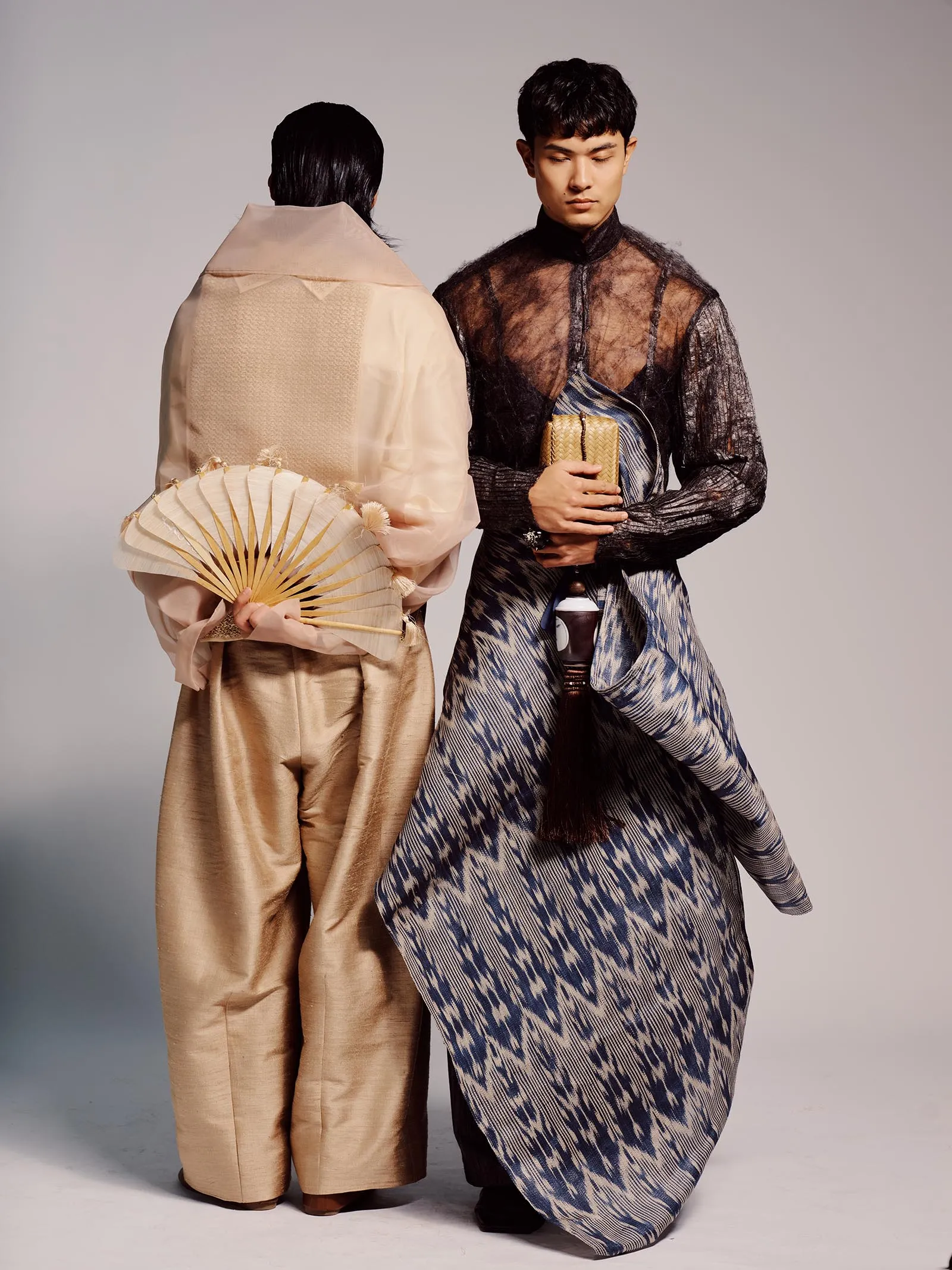
Bagong Barong opened the salon presentation at Manila House Private Club, described as “a twist on our National Barong, but I layered this and added an ‘alampay’ addition,” paired with “wide raw silk ‘farmer’ style wide leg pants woven in Bulacan and a jute ‘bib’.” The look was completed with “a handmade stampita, and a ‘lanyard’ style abaniko.”
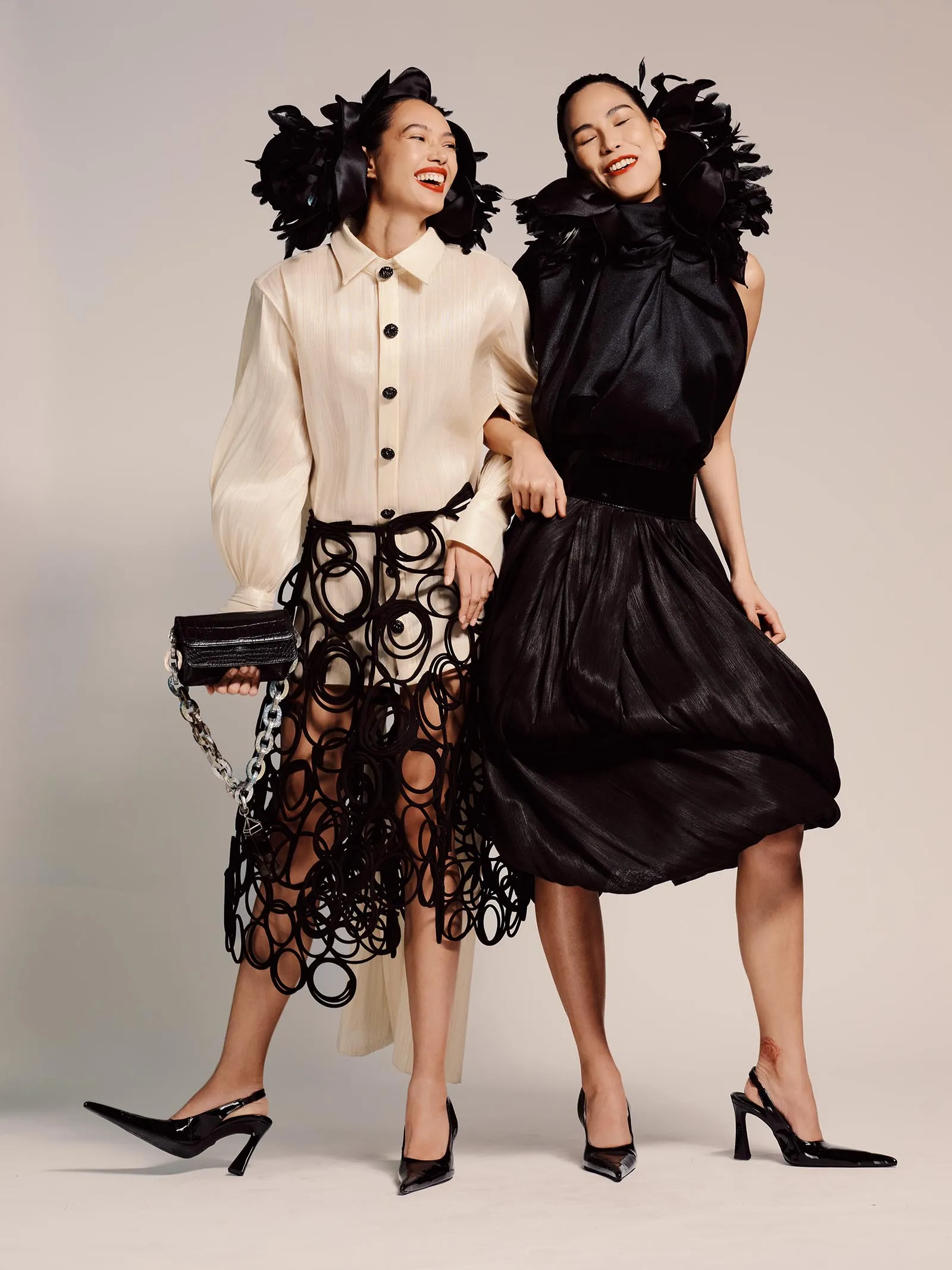
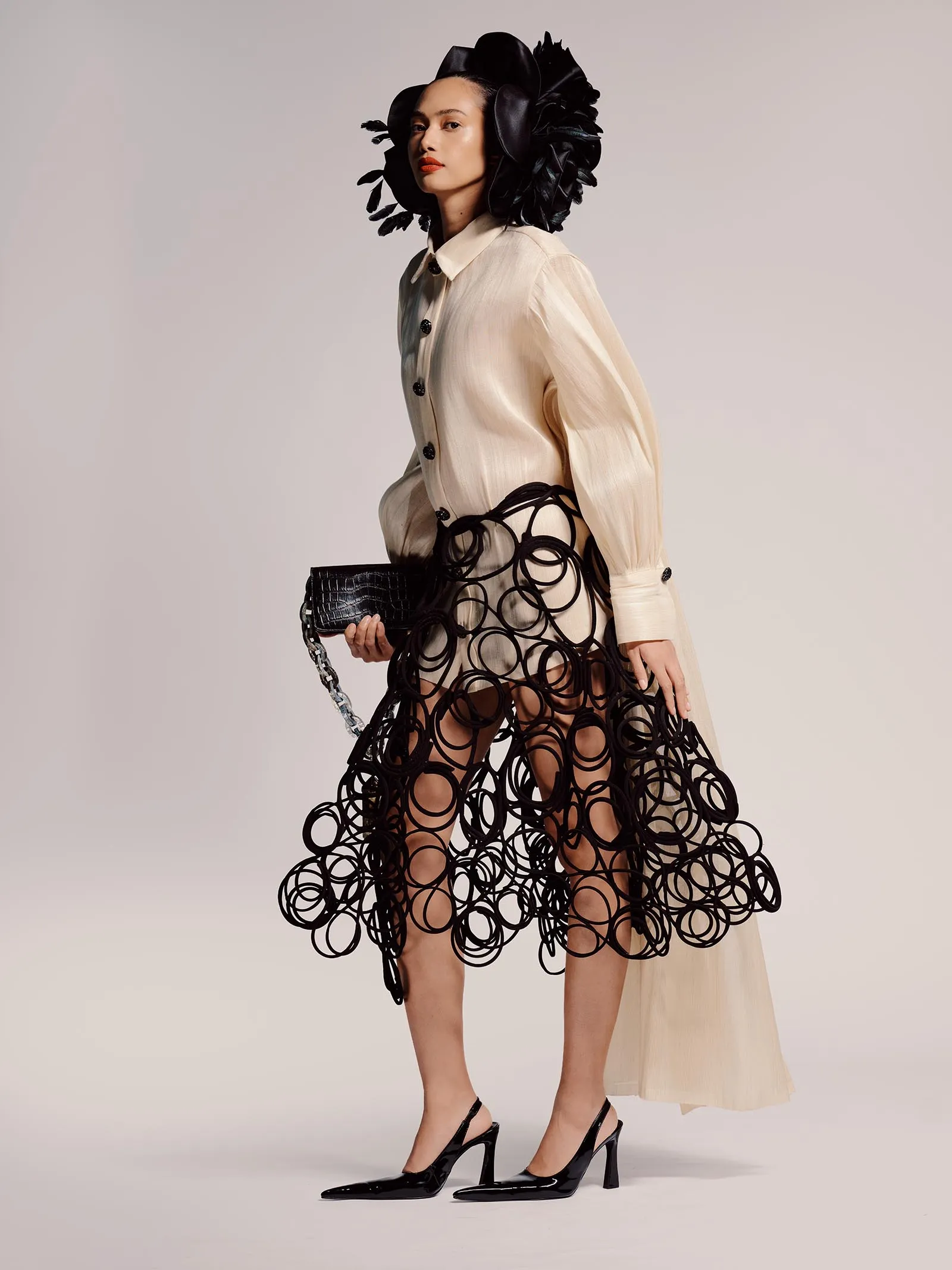
Manileña was inspired by Laurel’s childhood memories of his mother going to work. “She used to wear these crisp white blouses and interesting skirts. However, I then took the memory and brought this to where it is now,” he explained. Crafted in jusi with a satin finish, the ensemble was paired with a doodle skirt, symbolizing “the beautiful chaotic energy that is Venice.”
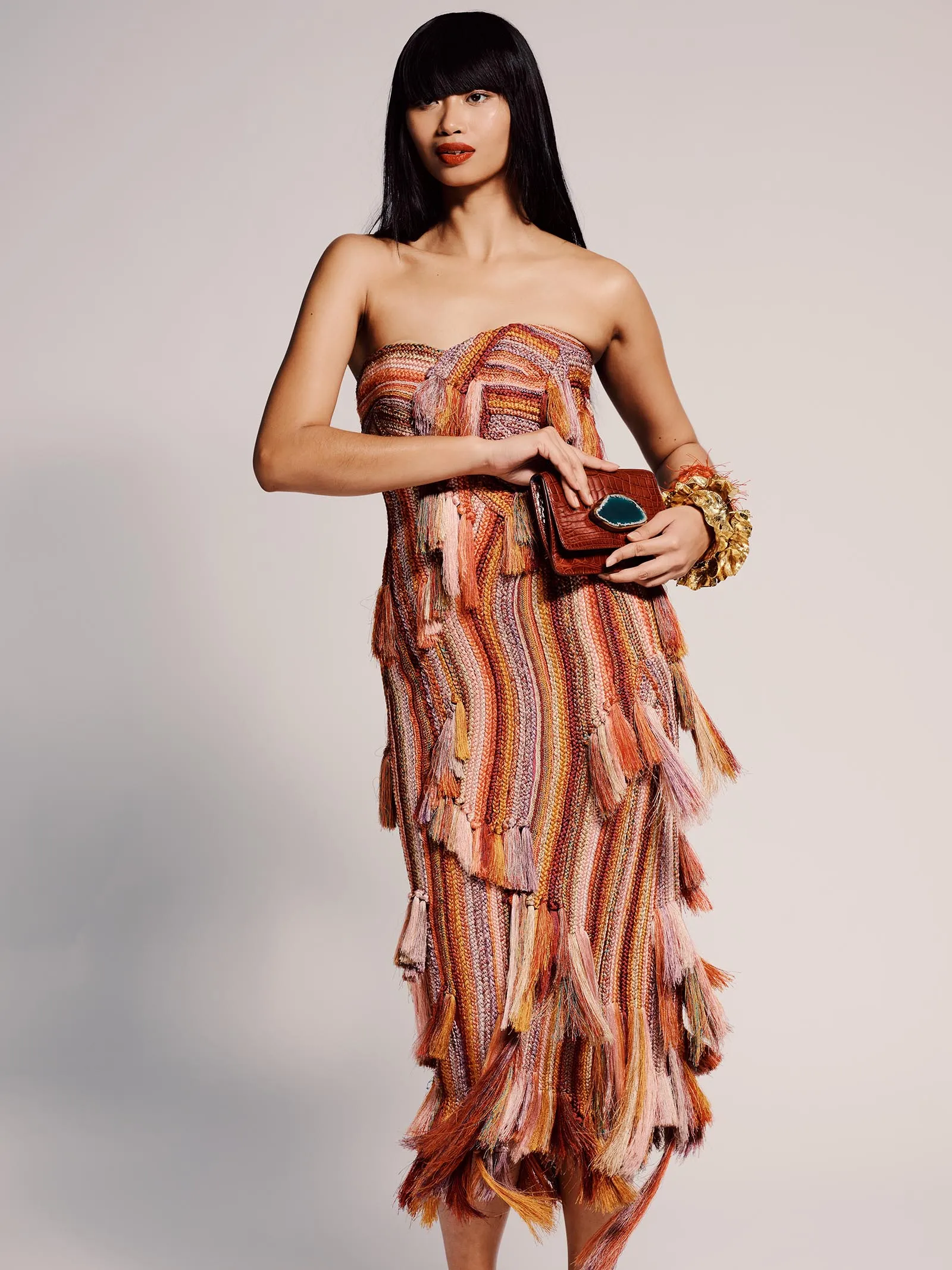
The Ugnayan dress translated the textures of the Cordilleras into cloth, which was shot in Vogue Philippines’ February 2025 Issue. Laurel recounted, “When I was 15 or 16, I took a trip to Baguio to meet up with the world-famous weaver Narda Capuyan. I was doing a paper on her work, and after spending an afternoon with her, my takeaway is that what she does is really about community. It takes her a lot of time to do what she does, and I loved that.” The look featured hand-weaving braids akin to “friendship bracelets that signify the ties that bind our community and our culture.”
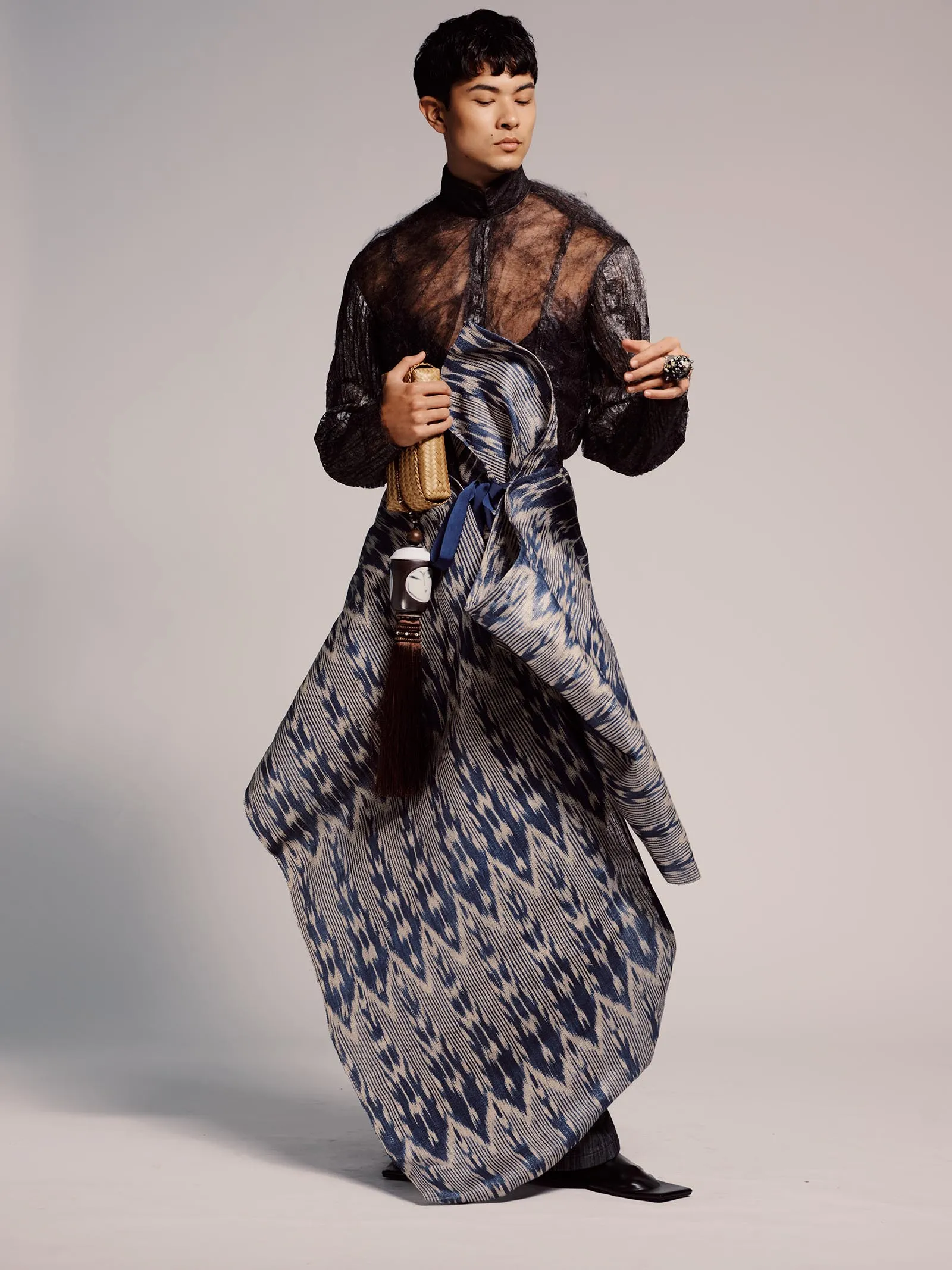
Datu turned to Mindanao, shaped by the traditions of the T’boli. Laurel said it is “composed of a paper silk shirt matched with a ramie linen trouser and a Malong made by their tribe, but introducing a new color story this time in beige and indigo,” accented by “a Tampipi and a giant bead tassel.”
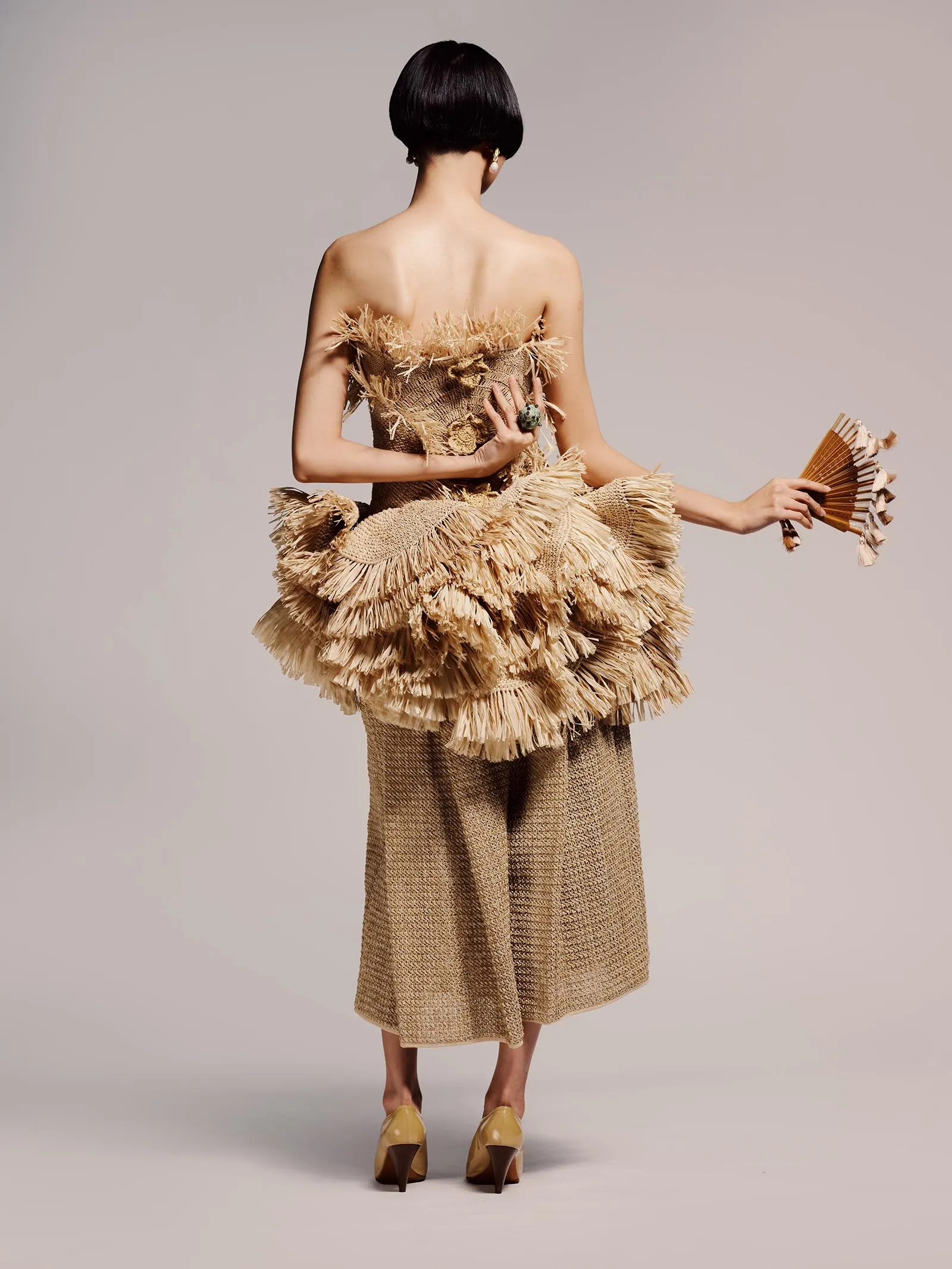
Kadayawan embodied the celebratory spirit of Mindanao with a bodice “made from handwoven straw from Sorsogon, while the cropped culottes are made from a ‘jusi’ inspired technique made from Rayon and silk, woven in Vigan from the Ilocos region.”
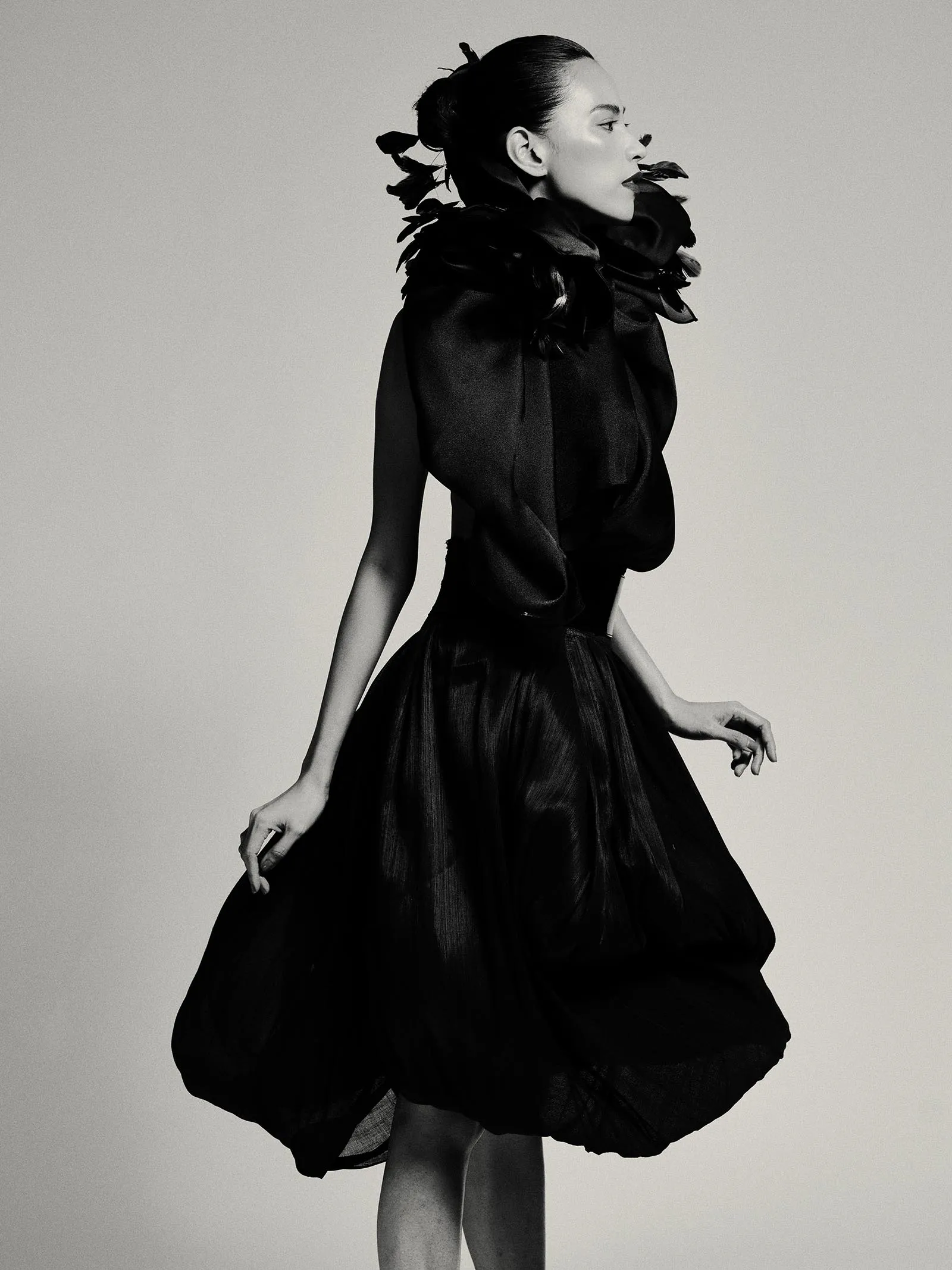
The Mestiza reinterpreted the classic camisa and palma ensemble, combining “black silk jusi woven and dyed in Iloilo” with a dramatic skirt of raw silk and abaca from Abra, finished with “royal blooms accented by Coq feathers.”
Finally, the preview ended with Paradiso, Laurel’s tribute to Palawan, which he calls “the most beautiful island paradise in the world.” A nude base glimmered under thousands of pearls and capiz shells from Bacolod, paired with an oversized raffia clutch by Arnel Papa, capturing the island’s natural luminosity and untouched beauty.
-
 Photographed by Alexis Dave Co. Courtesy of Rajo Laurel.1/7
 -
 Photographed by Alexis Dave Co. Courtesy of Rajo Laurel.2/7
 -
 Photographed by Alexis Dave Co. Courtesy of Rajo Laurel.3/7
 -
 Photographed by Alexis Dave Co. Courtesy of Rajo Laurel.4/7
 -
 Photographed by Alexis Dave Co. Courtesy of Rajo Laurel.5/7
 -
 Photographed by Alexis Dave Co. Courtesy of Rajo Laurel.6/7
 -
 Photographed by Alexis Dave Co. Courtesy of Rajo Laurel.7/7
- Pieces of Me: Rajo Laurel’s Menswear Debut Is a Reflection on Life and Loss
- Rajo Laurel’s Latest Men’s Collection Is a Return to His Creative Roots
- Watch: Marian Pastor Roces, Marlon Rivera, and Rajo Laurel on Design and Identity for Vogue Talks
- Catch a Wave: Rajo Laurel’s Dress Is Inspired by Our Shores


