
The Duo Behind Capricho Look Back on Five Years of Craft


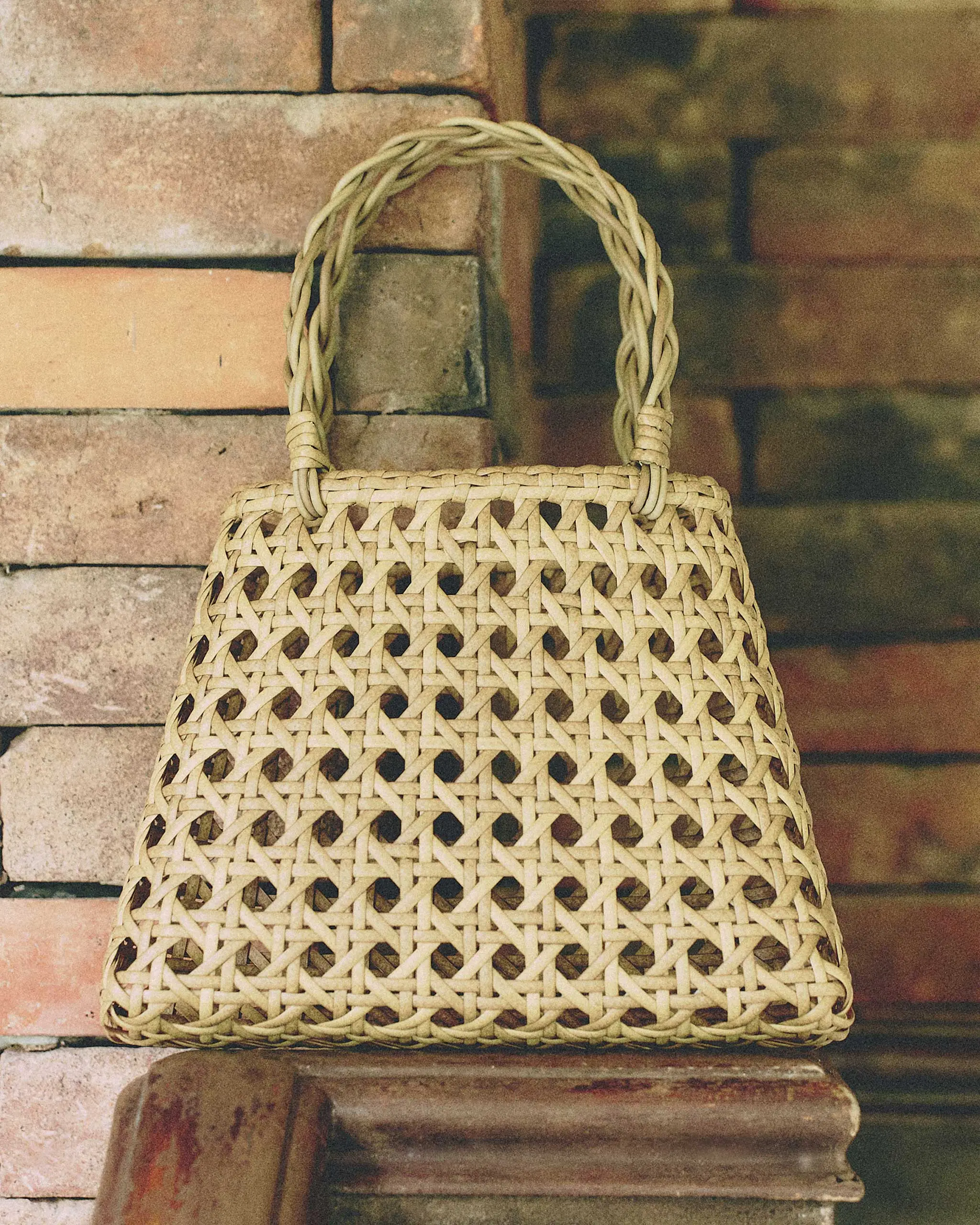
One of the brand’s best-selling solihiya bags. Photographed by Sela Gonzales for the November 2026 Issue of Vogue Philippines
The founders of the Cebu-based bag brand, Emil Khodaverdi and Ariana Herranz-Khodaverdi, talk to Vogue about sustaining their wares and weavers.
A year after Emil Khodaverdi and Ariana Herranz-Khodaverdi’s relationship began over the pandemic, online and long-distance, they decided it was time to take a step forward.
Ariana flew to Cebu to visit Emil’s hometown, and while she was toured around the Khodaverdi family’s ancestral home, she was enamored with a showroom in their garden. It was filled with outdoor furniture, everything from laundry bins to fashionable baskets, which turns out, were all produced by Emil’s aunt. In the manufacturing business for over two decades, she specializes in polyethylene fiber, which is favored by furniture makers for its durability and weather-resistant qualities.
That moment inspired Ariana to transform those baskets into bags, while simultaneously modernizing solihiya, a sunburst weave typically applied to furniture. They pitched the idea to Emil’s aunt, placed an order for samples, and three months later, launched Capricho.
“Capricho is a Spanish word for whim,” Ariana smiles, recounting the early stages of their passion project. “When we started the brand, we didn’t think of it as anything big that will actually sustain us in our caprichos in life.”
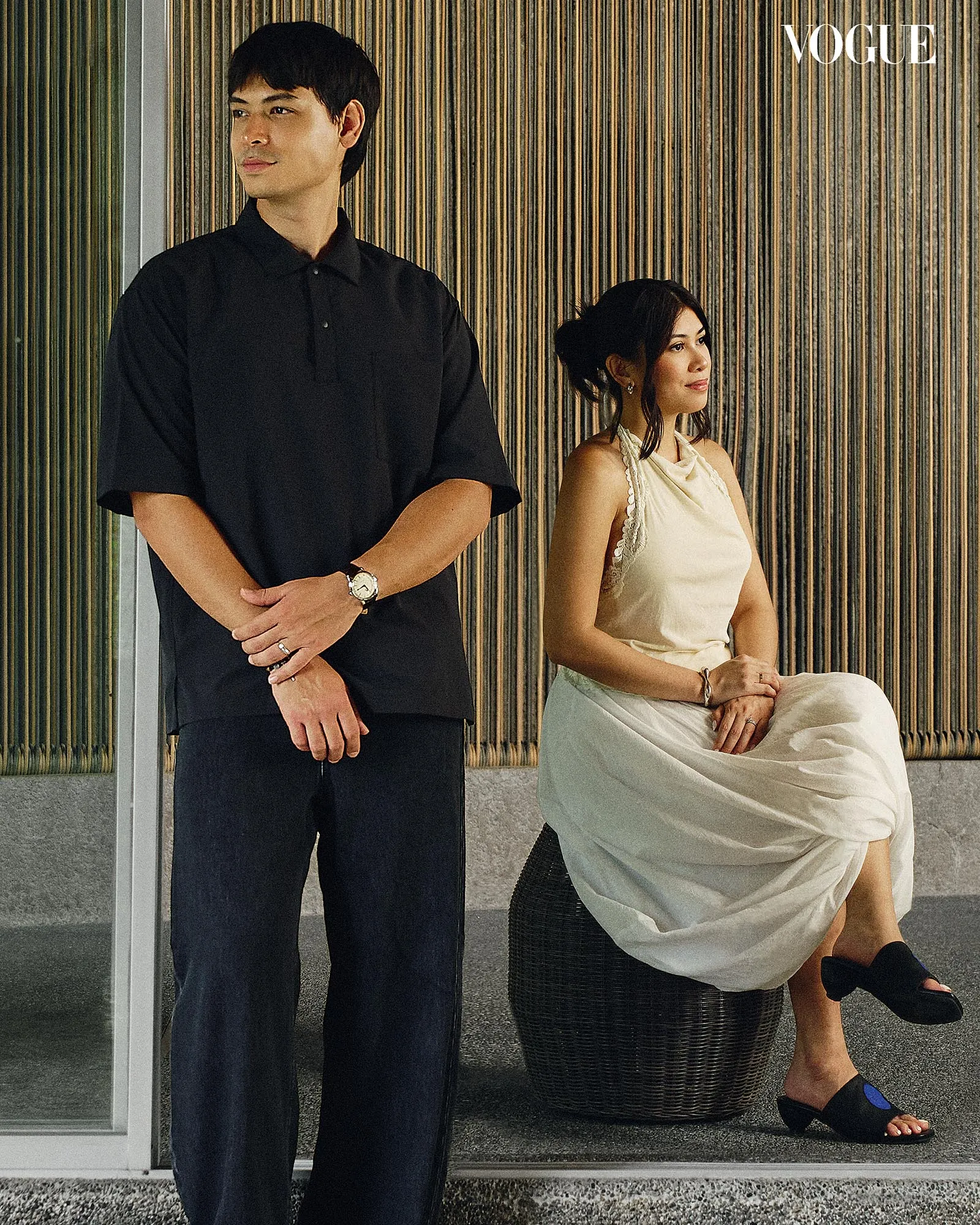
The newlyweds dial in from their residence in Cebu. Emil works with his aunt full-time, and during office days, makes it a point to drive home to have lunch with his wife. The two seem easygoing and low-maintenance, an energy and approach we later learn is also applied to their business. It is the reason why they do what they do in the first place.
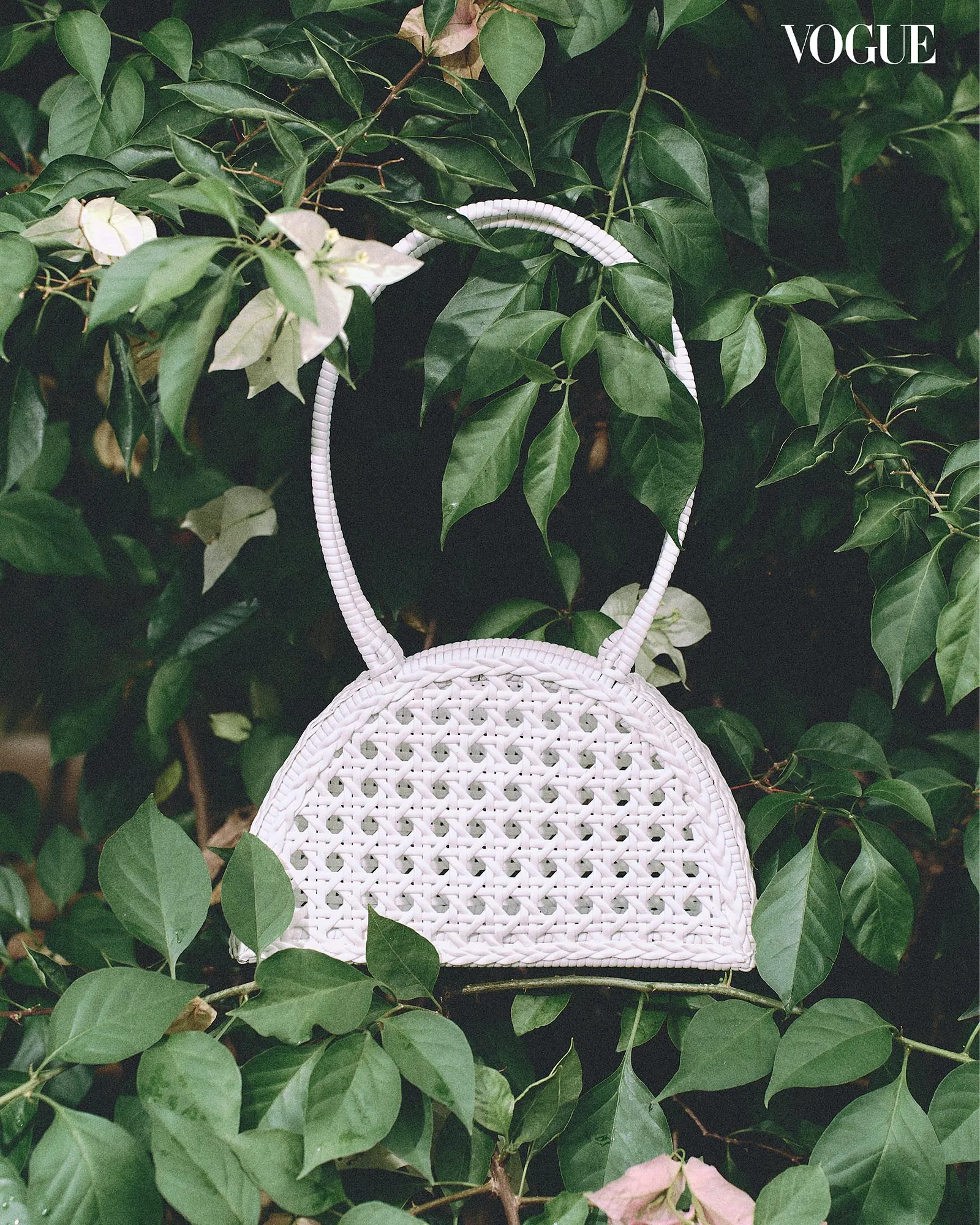
Having lived in Manila, both are familiar with the metropolitan’s modernity in contrast with the province’s unhurried pace of life. Their bags are designed to keep both lifestyles in mind, which is why their product range includes everything from capacious carry-alls to shrunken body bags. The solihiyaSolihiyaSolihiya is a traditional Philippine weaving technique using rattan or cane strips in a distinctive diamond lattice pattern, historically applied to furniture seating and backs. The pattern has become aGo to Solihiya Glossary weave persists as their best-selling style, although they’ve introduced one-by-one and square-open patterns. Most recently, they launched their densest and softest bags yet: large totes that include editions in red, a rare departure from their muted palette of khaki, black, white, and beige. Manila’s bustle gave way to Capricho’s roomier bags built for office days, while their smaller offerings were a response to those who wished for errand and party bags. Emil himself does away with the dichotomy entirely, using his bags to the office and to the gym.
Between them, Ariana heads creative direction, inventory, and marketing, while Emil takes charge of operations, sales, and logistics. That Emil’s aunt is already a manufacturer gave them a headstart. In fact, it’s how they met their weaver Laurito.
“I would see him before because the workshop is within the house,” Emil recounts. “He actually worked with my aunt first.”
When Laurito’s father passed away, he moved back home to care for his mother. He’s a two-hour car ride from Cebu City, and to reach him, Ariana and Emil park on the side of the mountain road and traverse the remaining distance on foot.
In Laurito’s home workshop, there is an abundance of possibility. “It’s super cool because you can literally show them a weaving pattern on a picture, and just give them a couple of hours. They’ll figure it out even if it’s not something they’ve done before,” shares Emil.
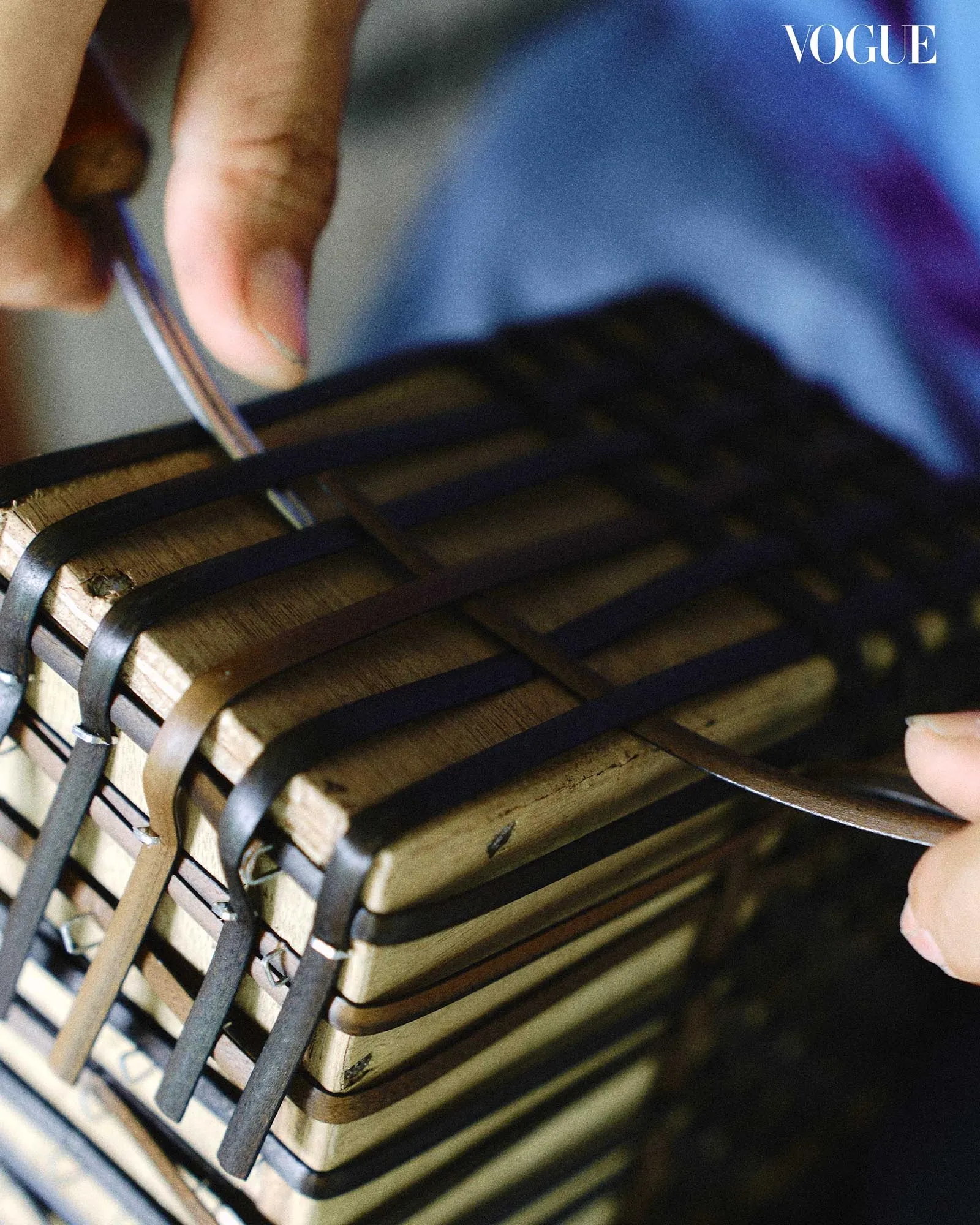
The challenge, then, is coming across more people who are willing to learn the craft. As opposed to natural fibers like rattan, which makes use of staple nails to keep the strands in place, polyethylene requires soldering so that the strips adhere to one another by way of heat. “These weavers are also trying their best to learn and develop their own skills because they’re so used to rattan and wicker. It shows a lot about their drive,” Emil marvels. “It’s very inspirational. Honestly, sometimes I just go there and look at them weavingWeavingWeaving refers to the technique of interlacing two sets of yarn, the warp and weft, on a loom to create cloth, central to Philippine textile heritage. Regional weaving traditions, fromGo to Weaving Glossary and I’m like, I wish I could do that. That’s really one of our goals: to fly them to one of the shows and let people see firsthand how they [do it].”
Fascinated, he continues, “When they’re in a rhythm, you can’t distract them and they’re so focused. When they say ‘runner’s high,’ [there’s also a] weaver’s high. I see it.”
The couple’s process begins with selecting their material, taking into account its size, color, and dimensions. Ariana is admittedly not the most artistic, hence her simplistic design sketches (“Sometimes it’s really just like a rectangle with circles to show that it’s solihiya,” she laughs). Once their artisan receives the drawing, he makes a jig or wooden mold on which fibers are later woven. Upon the frame’s approval, Laurito begins weaving.
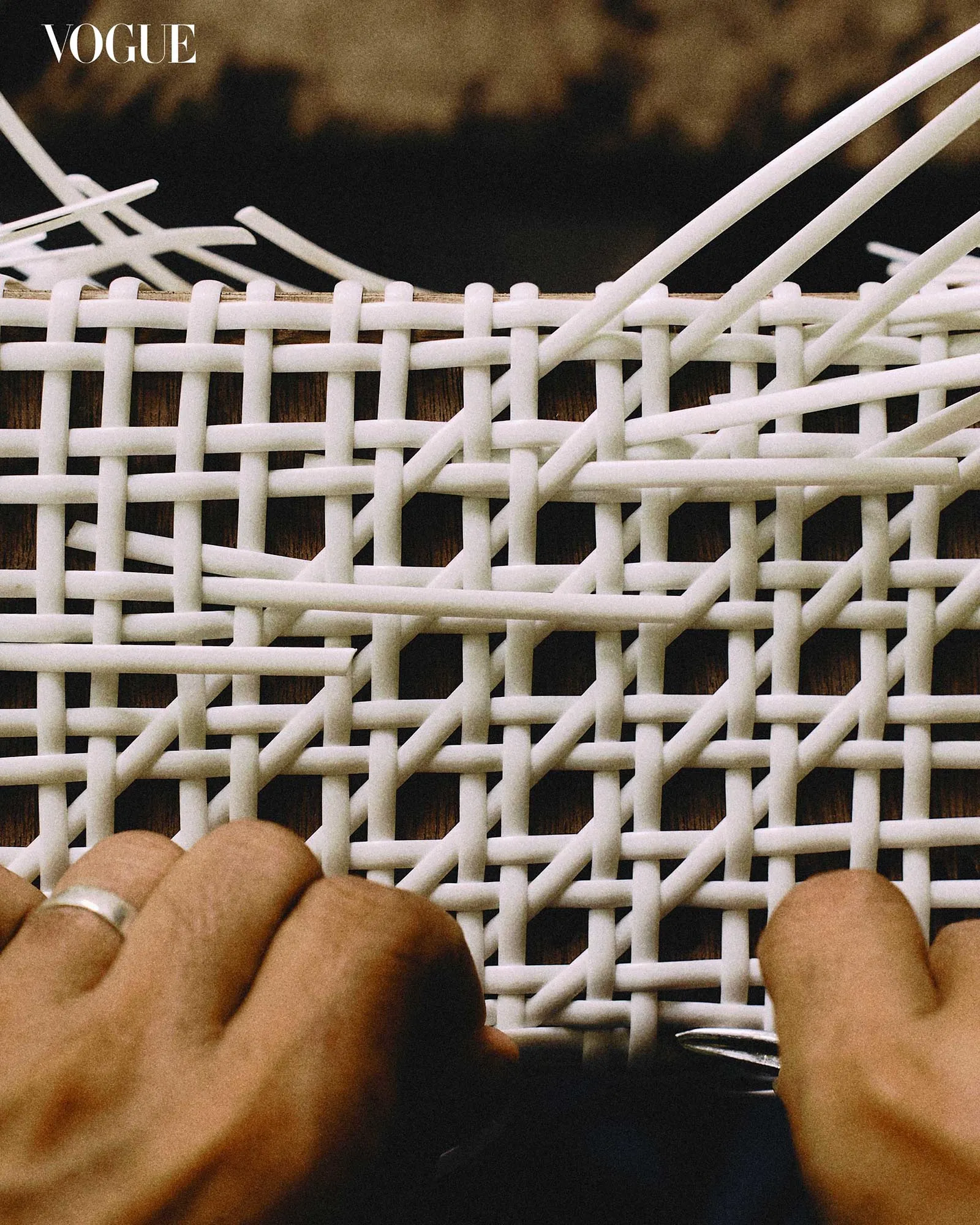
His craftsmanship speaks for itself. “We have customers go up to us who bought from when we started and say [that until] now, the bag looks brand new,” Ariana illustrates. “It doesn’t look like it’s been worn and beaten. And even [Emil’s] aunt’s old customers became our customers, because they have items from 20 years ago and they would attest that the quality is the same.”
However no matter how excellent the product, there will always be a question of responsibility. Especially when it comes to polyethylene, which is made of plastic, and therefore non-biodegradable. It may be convenient to relegate these difficult conversations to the “gray area,” but what does this say about who we are as makers and consumers? The term “sustainable” in itself bears much weight, and not every brand can be characterized as such, nor does every brand want to be. But there is something to be said about how designers today often contemplate it, even if (and perhaps especially if) they are aware that their definition of sustainability deviates from what is often prescribed.
“I’d like to think our brand is sustainable in a sense, because the material is durable and literally will last you a lifetime,” Ariana points out.
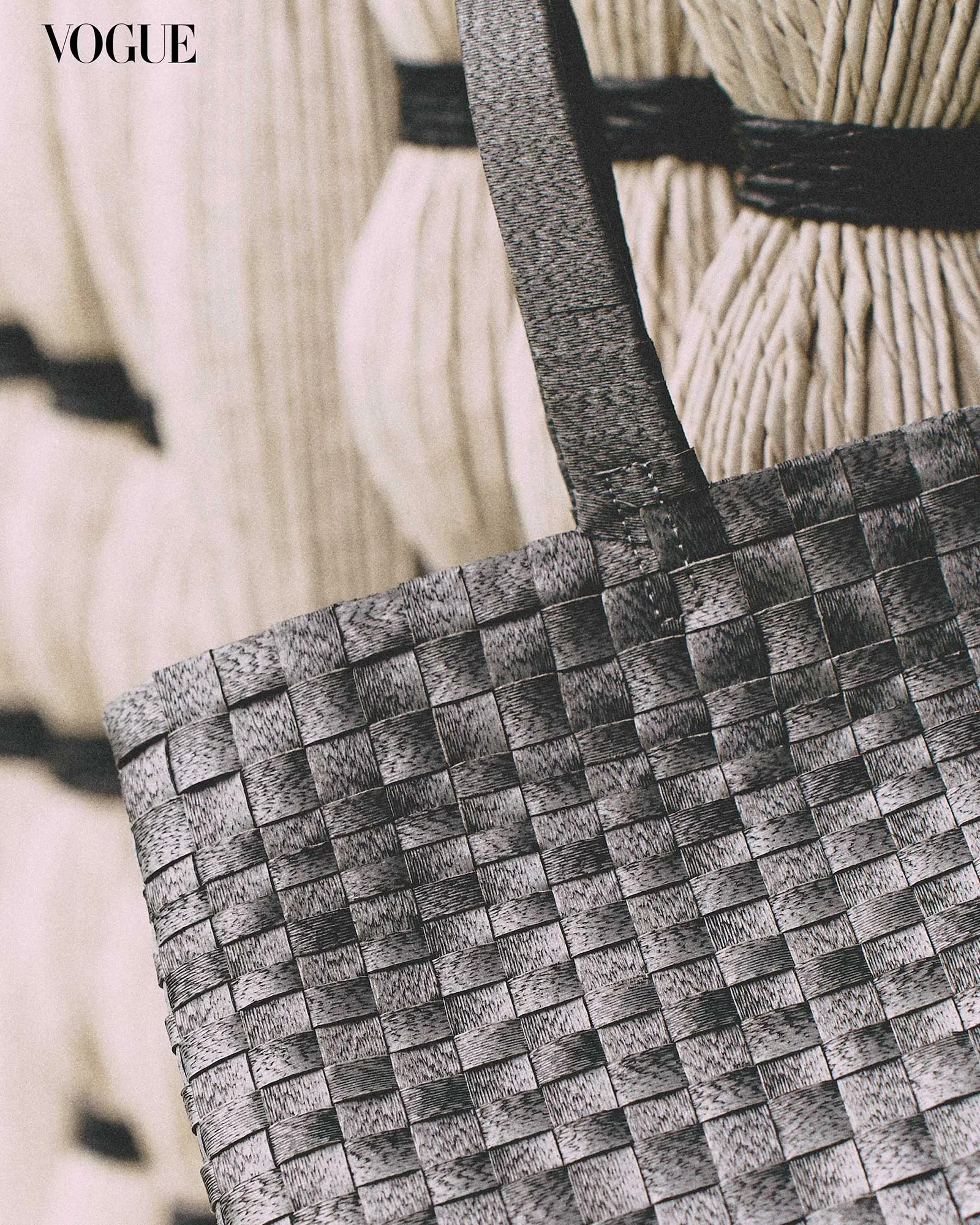
They compare it to the experience of purchasing a rattan bag, whose lifespan may not be as long due to its vulnerability to natural elements which can lead to breakage. “We look at what is the need for the client,” Emil adds. “If they’re looking for something that is long-lasting, very durable, and maintenance-free, then you may find that with our bags. Sometimes, just because a material is natural, doesn’t necessarily mean it’s as sustainable. We have to look at its life cycle, its performance, how often it needs to be replaced or maintained, and other factors like transportation.”
They stray from the label “sustainable,” as they think it can sometimes be a one-dimensional buzzword. Emil’s grandfather, for one, used to export natural rattan and wicker. Where hectares and hectares of trees were once planted is now just soil.
The kind of sustainability they prioritize at the moment is that of their weavers’ livelihoods, which their bags have played a role in over the past five years. “It actually started with one weaver, Laurito. He has a brother, Belindo, that went on board recently,” says Emil. “But when it was just [Laurito], he had a very small shed and he really wanted to build a house that could fit comfortably his two other siblings and eventually, grow from there. Now, if you go to his house, it’s a two-bedroom, it has a weaving space, and then a sari-sari store. He made a home, basically. Using the funds that we were able to give him for the bags. So I can say now we’re not just sustainable in the sense of the material, but also for the people within the brand.”
By TICIA ALMAZAN. Photographs by SELA GONZALES. Art direction: Mcaine Carlos. Producer: Bianca Zaragoza.