
A New Coffee-Table Book Celebrates the Filipiniana and the Designers Keeping It Alive


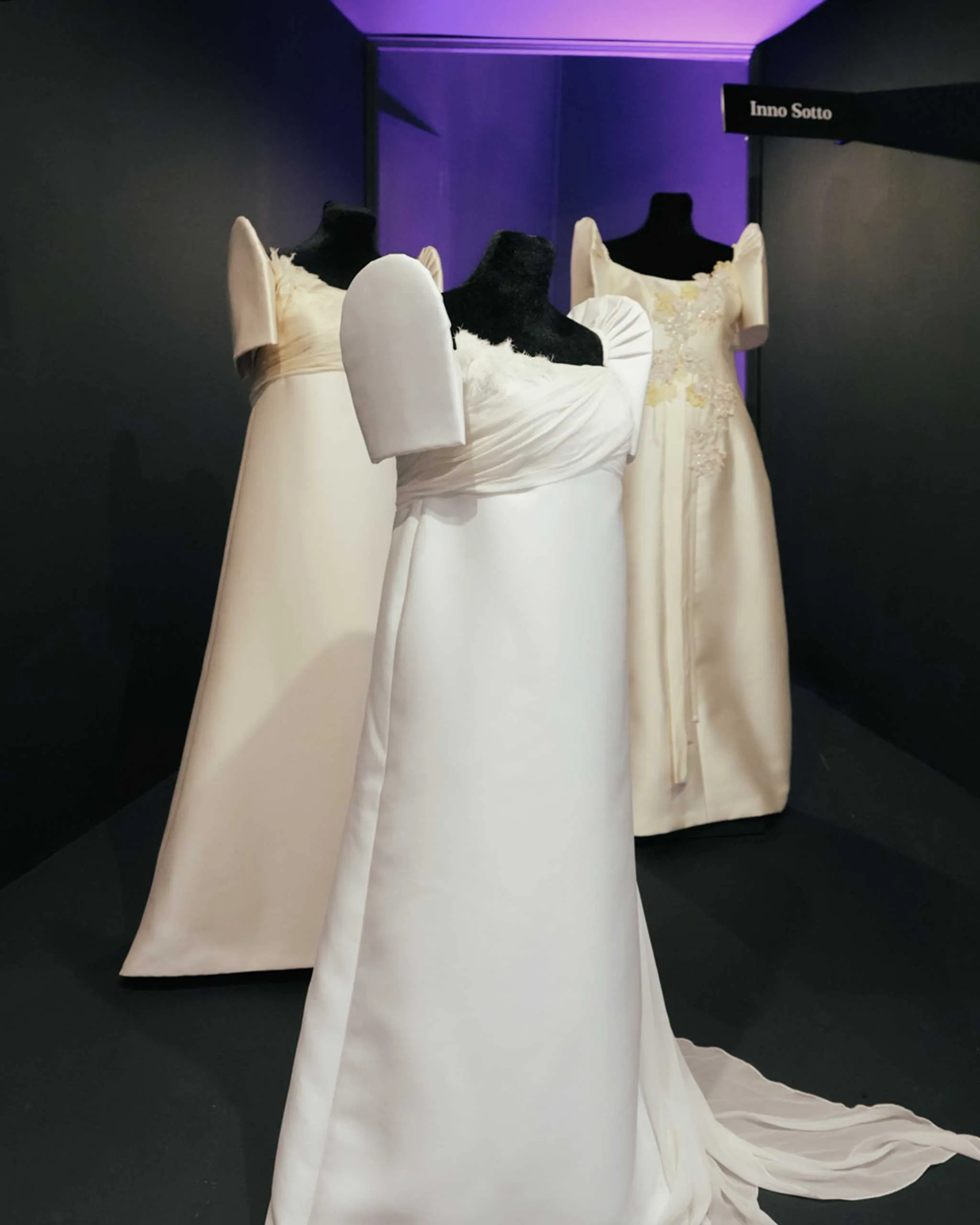
A collection of white and cream-colored Filipiniana dresses by Inno Sotto. Courtesy of Patrick Rosas
Patrick Rosas traces the evolution of the traditional Filipino attire, from its colonial roots to its contemporary interpretations.
The Filipiniana, with its distinct butterfly sleeves, traces a long history of transformation: From its earliest ancestor, the baro’t sayaSayaThe Filipino word for skirt, and a key element of the baro't saya and Maria Clara ensembles, typically long, full, and made from fabrics like cotton, silk, or piña. VariationsGo to Saya Glossary, which was worn during precolonial times, to the addition of the pañuelo during the Spanish colonial period to meet Christian standards of modesty, and eventually, the Maria Clara in the late 19th century.
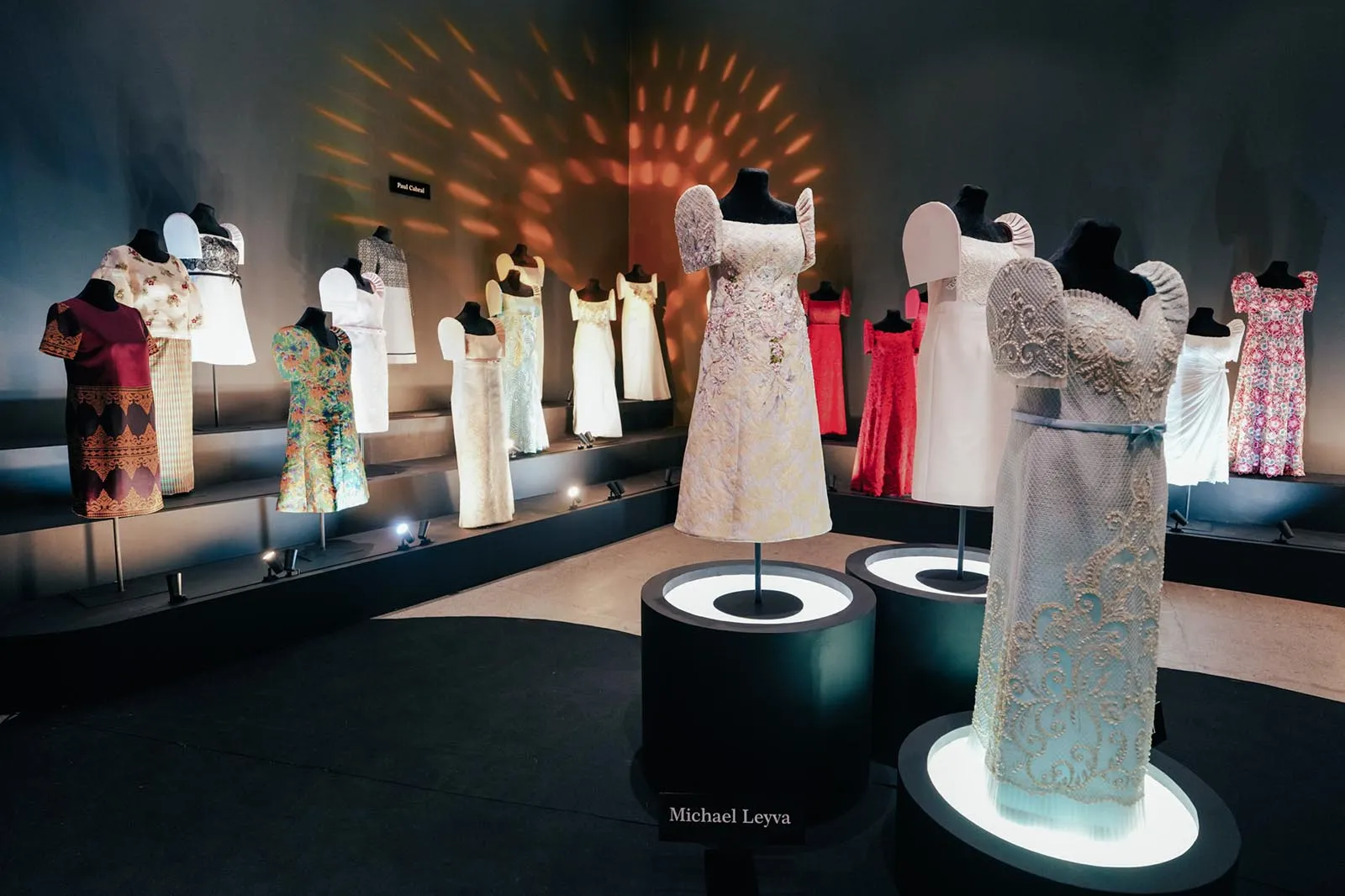
To trace the evolution of the FilipinianaFilipinianaThe umbrella term for traditional Philippine attire, most often referring to formal dress for women, such as the terno and Maria Clara gown, and the barong Tagalog for men. FilipinianaGo to Filipiniana Glossary and celebrate those who continue to shape its identity, the new coffee-table book Filipiniana: Liza Araneta-Marcos highlights not only the traditional attire’s history but also the designers, artisans, and traditions that keep it alive. In the same spirit, Fashion Aid Philippines has opened an exhibition dedicated to Filipiniana at the Metropolitan Museum of Manila, welcoming members of the creative community to its ribbon-cutting ceremony.
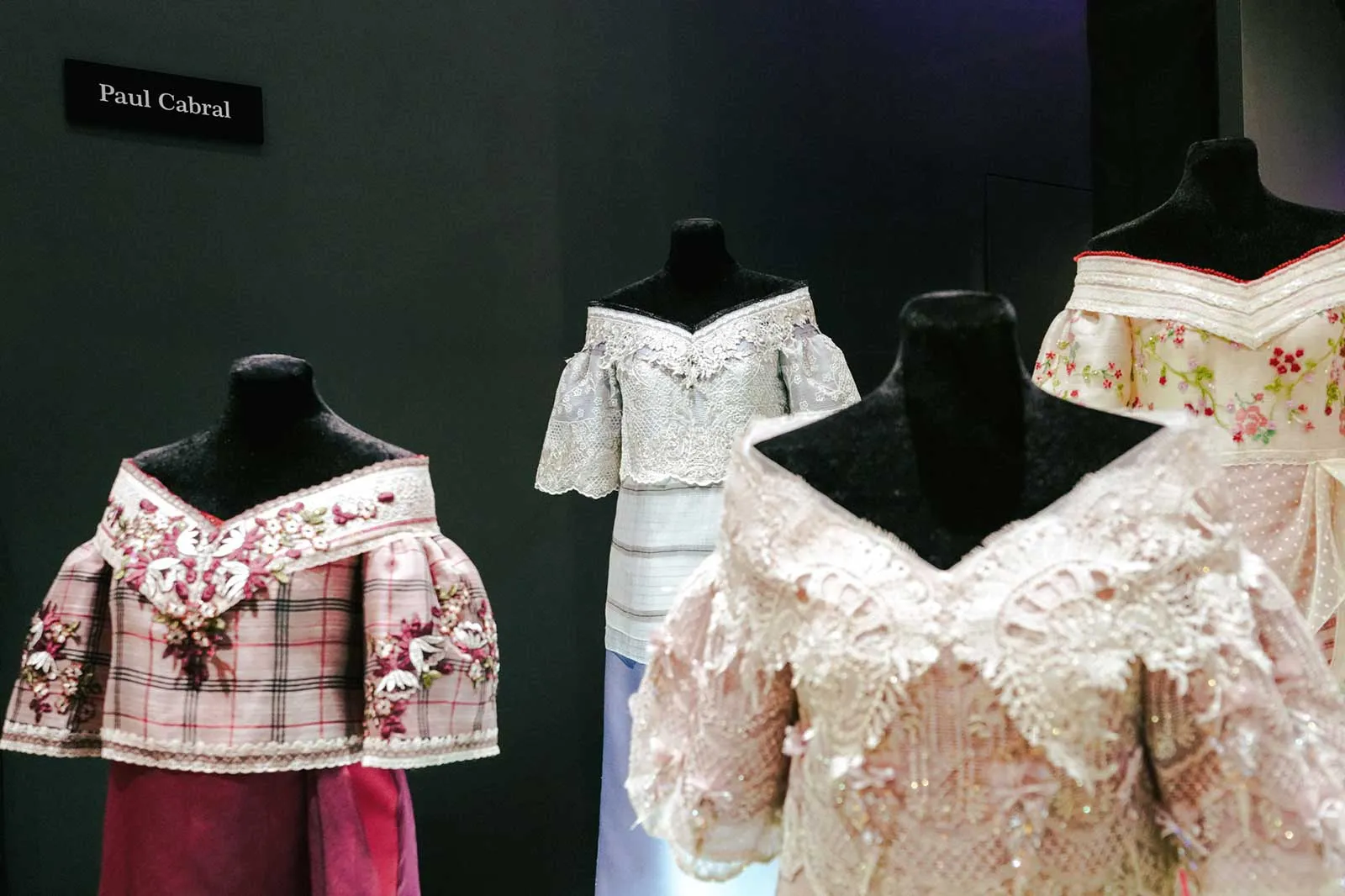
Developed under the creative direction of makeup artist Patrick M. Rosas, who serves as creative-at-large, the publication traces the historical development of the dress, including the traje de mestiza, the Maria ClaraMaria ClaraA classic Filipiniana gown named after the heroine of José Rizal's novel Noli Me Tangere, featuring a baro blouse, voluminous saya skirt, panuelo shawl, and often a tapis overskirt. PopularGo to Maria Clara Glossary ensemble, and the evolution of the terno.
The featured wardrobe includes creations by leading Filipino designers, including Paul Cabral, Michael Leyva, Francis Libiran, Lesly Mobo, Ivarluski Aseron, Patis Tesoro, and the late Pepito Albert. Each designer offers their own interpretation of the traditional attire through different styles, showcasing the range of craftsmanship within Philippine fashion.
Rosas’ experience working with designers and creative practitioners throughout his career has shaped the book’s vision, as has his commitment to sustaining Philippine fashion beyond publication. In addition to helping establish Fashion Aid Philippines, he supports 109 students in Mindanao who are training to become seamstresses. Through this initiative, they aim to preserve technical knowledge and ensure the craftsmanship behind Filipino garments, including the Filipiniana, thrives for generations to come.
The FilipinianaFilipinianaThe umbrella term for traditional Philippine attire, most often referring to formal dress for women, such as the terno and Maria Clara gown, and the barong Tagalog for men. FilipinianaGo to Filipiniana Glossary we see today, whether at gatherings or on the runway, is a product of centuries of collaboration among Filipino creatives who have ensured that the traditional garment not only keeps pace with the times but also continues to thrive and evolve.
Frequently Asked Questions
Patrick Rosas is a makeup artist who led the creative direction for the book Filipiniana: Liza Araneta-Marcos. He is also a co-founder of Fashion Aid Philippines and actively supports aspiring seamstresses in Mindanao to help preserve traditional craftsmanship.
Fashion Aid Philippines is an initiative co-established by Patrick Rosas that supports the local fashion community and its traditions. They recently opened an exhibition dedicated to the Filipiniana at the Metropolitan Museum of Manila to celebrate Filipino design and craftsmanship.
The Maria Clara ensemble is a traditional Filipiniana dress that evolved during the late 19th century in the Spanish colonial period.
The Metropolitan Museum of Manila (also known as “The M”) is located at the MK Tan Centre on 30th Street in Bonifacio Global City (BGC), Taguig, Metro Manila.
Patrick M. Rosas supports 109 students in Mindanao through his initiative. The program trains them to become seamstresses so that technical knowledge and traditional Filipino garment craftsmanship are preserved for future generations.