
Cebu Is in the Heart of Clint Ramos


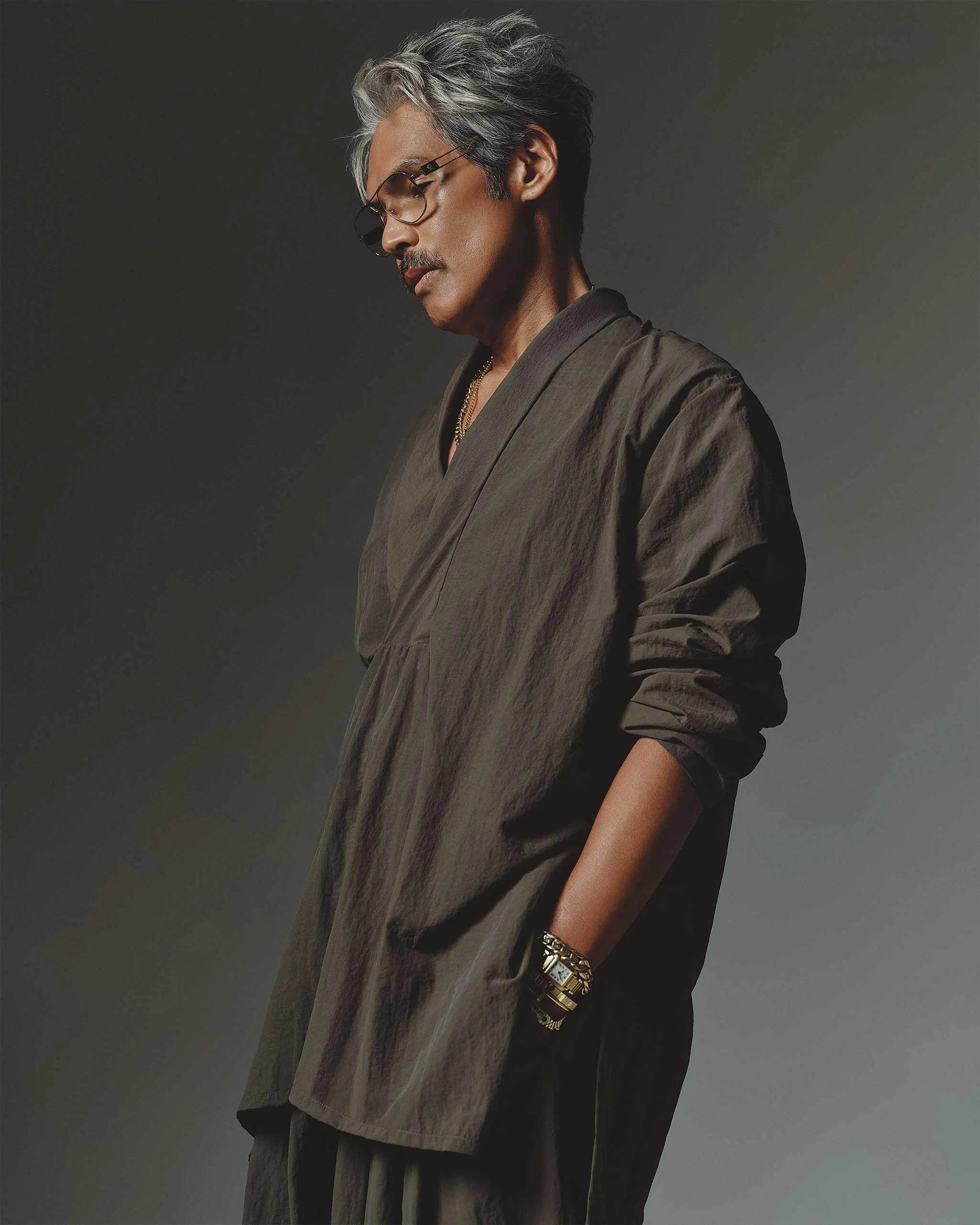
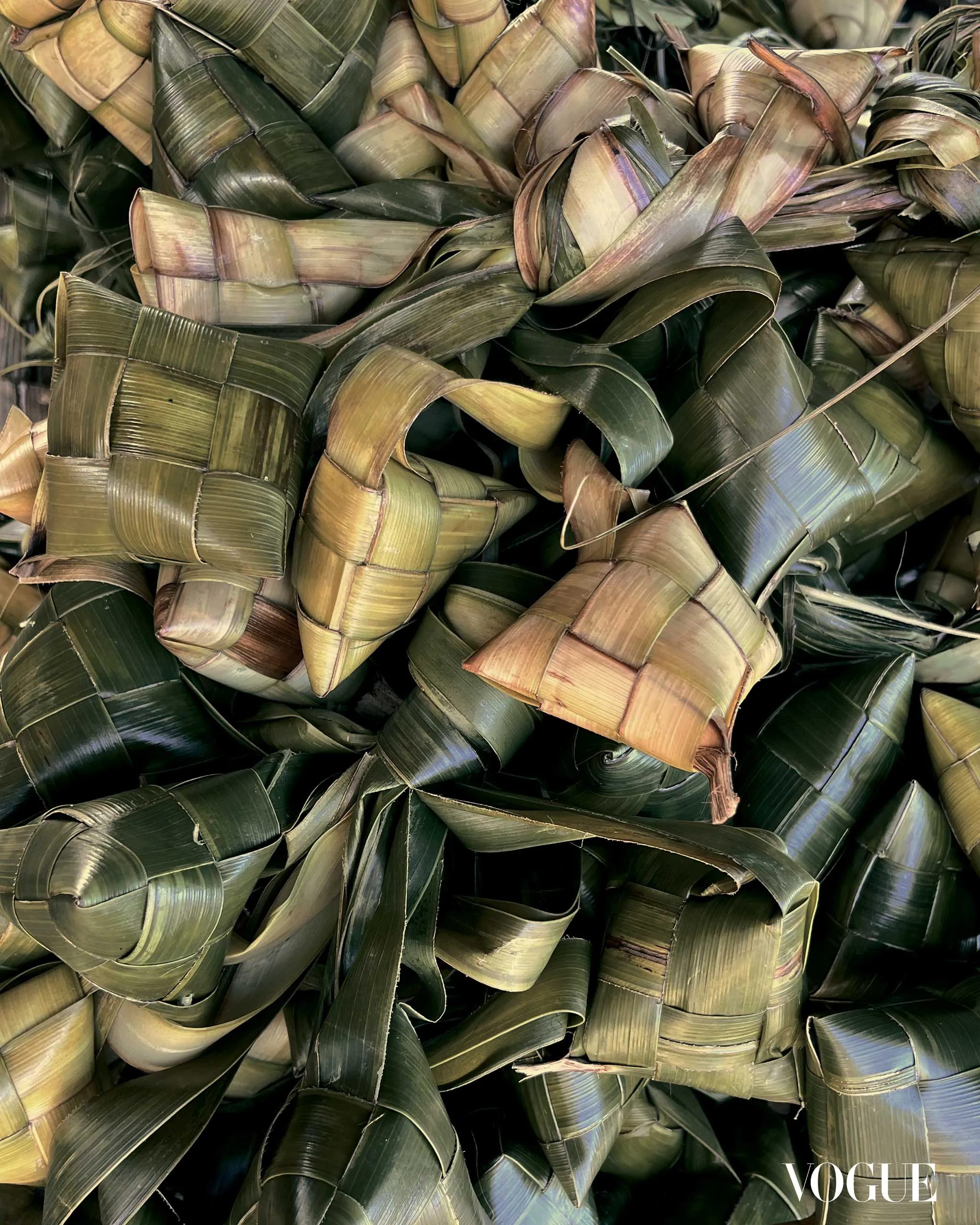
Clint Ramos always brings back pasalubong of dried mangoes and masareal, a peanut candy bar, from Cebu. Sometimes even fried danggit. JUN ESCARIO top and trousers. Portrait by JV Rabano for the November 2026 Issue of Vogue Philippines
This is how the trailblazing creative’s hometown continues to shape his imagination.
What Clint Ramos loves most about Cebu is the island’s age. Beyond the beaches and the food, the obvious answers, Ramos is drawn to the idea that it is very old. “There’s a certain oldness about the island and the city,” he says. “That feels comforting to me.”
Cebu is a place that constantly reminds you of its station in Philippine history. It was where the first Christian baptisms were held, where the image of the Santo Niño, passed from Magellan to Rajah Humabon’s wife Juana, inspires fervent devotion to this day, and where Magellan was killed less than two weeks later. Yet even before the Spanish expedition’s arrival, Sugbu was a busy entrepôt frequented by traders from China and other parts of Southeast Asia and Mindanao. As Resil B. Mojares described it, Cebu was the navel of the archipelago. In the 16th century it possessed the finest harbor in the country; it has always been a nexus of movement, of departures and arrivals.
Ramos also was part of this flow, in his time. Growing up in Mandaue, across the bridge from Mactan Island, he traveled easily and often between sea and city, a foundational ritual of going to the water. He remembers intensely bright skies reflecting on the pink Mactan stones, against a very blue sea. It is a vision of his hometown he still chases whenever he comes home, comparing it to an iris that keeps getting smaller. One thing that hasn’t faded is Cebu’s smell: the particular aroma of danggit wafting through the market, mingling with the scent of ripe mangoes and nangka. “That’s a very Cebuano smell to me.”
His own departures began early. Barely in his teens, he left home to study at Philippine Science High School in Manila, where a drama teacher introduced him to the world of street protest theater during the volatile early ’80s. He saw how live performance could both move and mobilize an audience. Though expected to take up law, he studied Theater Arts at the University of the Philippines Diliman, before moving to New York in the 1990s, where he earned an MFA in Design from NYU on scholarship. He has been based there ever since, working as a costume designer, scenographer, producer, and creative directorCreative DirectorThe person who sets the overall visual vision of a fashion house, publication, or campaign and guides designers, photographers, and stylists toward it. A creative director's influence shapes collections, imagery,Go to Creative Director Glossary. In 2016, he won a Tony Award for Best Costume Design for a Play for Eclipsed, becoming the first Filipino, and non-white designer to do so.
A New Yorker for more than three decades, Ramos feels the changes in Cebu most acutely when he flies back home once or twice a year, returning each time to a place transformed. “It’s different, and I have to come to terms with that. Cebu really is the place where I remind myself to let go.” He feels haunted by Cebu, and has strange dreams where childhood friends intermingle with people from his current life, or the past showing up in the present. For someone who has spent much of his life away from home, Cebu remains with him even as he tries to release it. What he can’t give up, however, is the sea. Wherever he lives, it has to be near the coast. “If I touch that water, I feel like I’m connecting to the Philippines,” he says. “Across oceans, it’s the same body of water.”
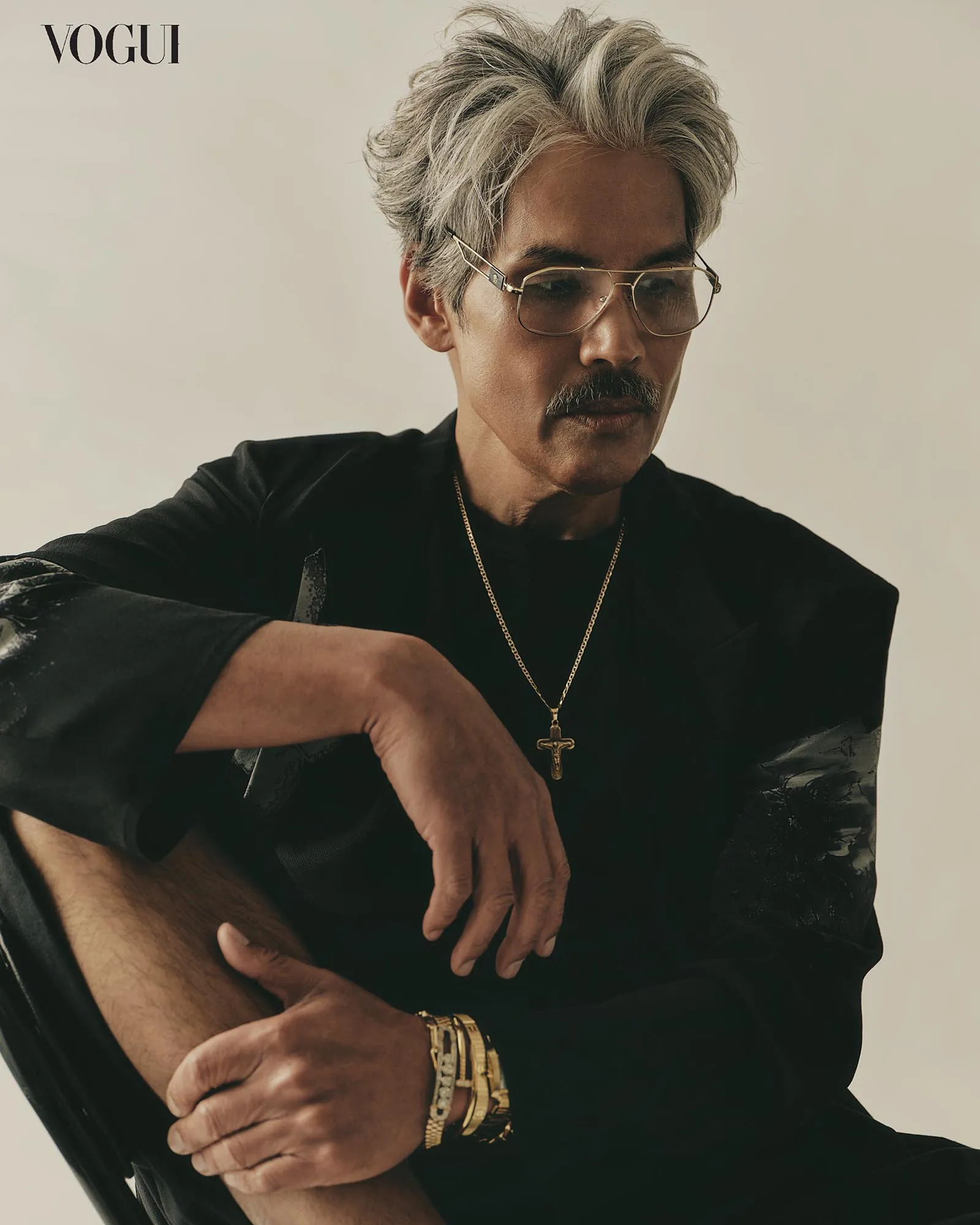
Asked how Cebu has shaped him as an artist, Ramos can’t pinpoint any specific influence. He believes it’s more spiritual. “There’s a certain spirituality that’s tied to the Catholic faith, but there’s also a very nature-focused psychology, and so I think that has influenced me in terms of my work,” he says. “I don’t think my work would look or feel the way it does if I didn’t grow up in Cebu. For lack of a better term, there’s a naiveté about my work that I think is influenced highly by growing up in Cebu.”
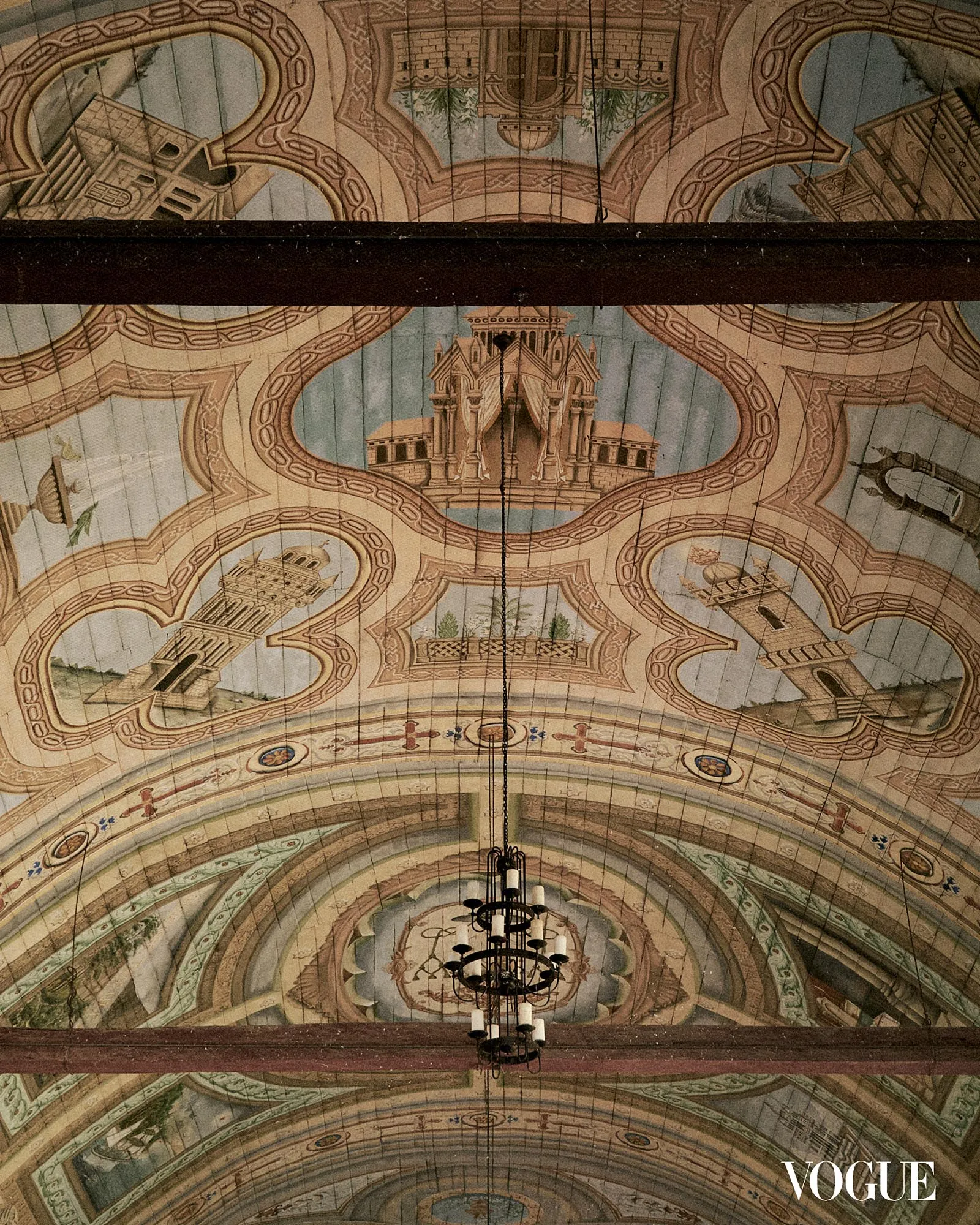
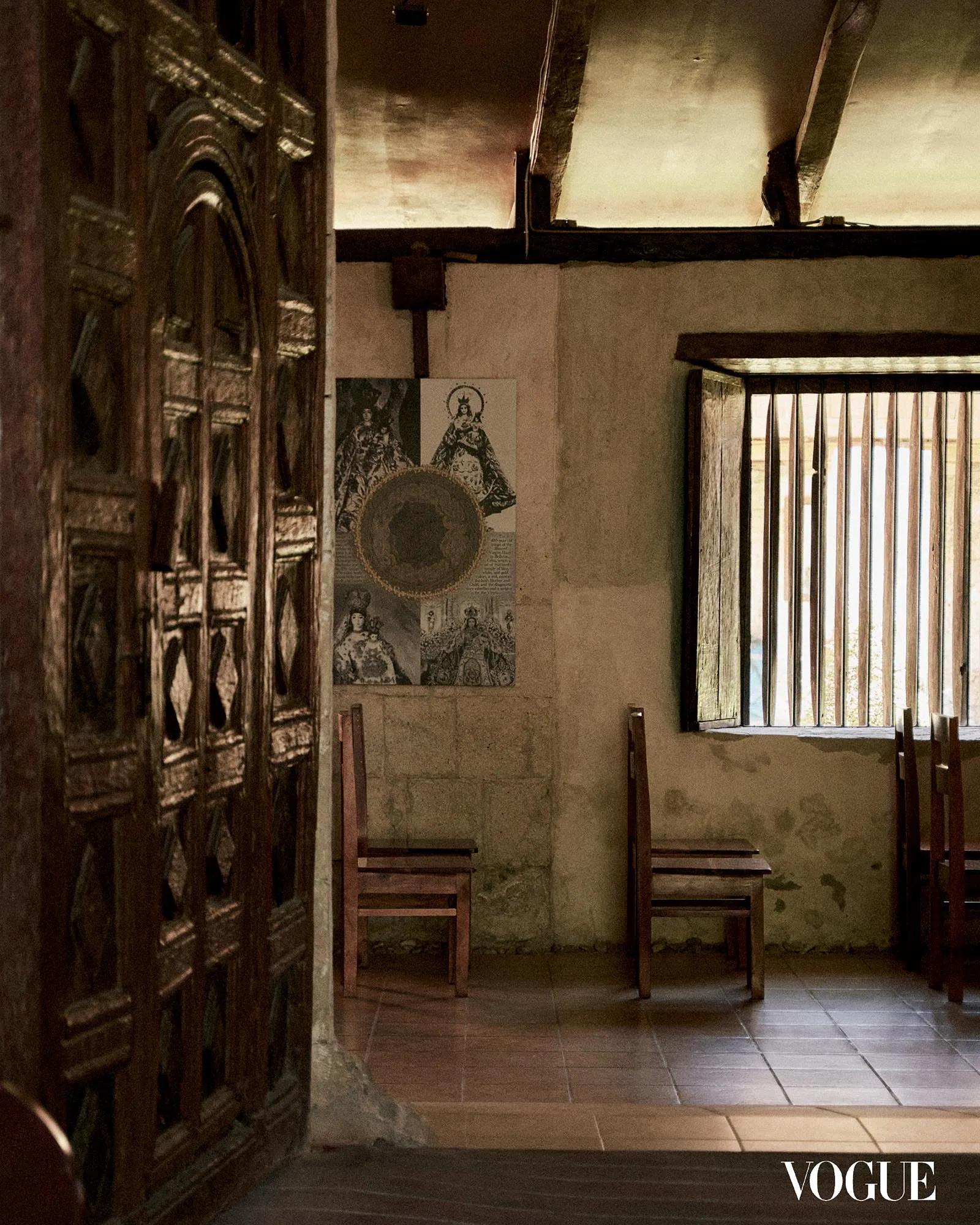
One core memory he holds close is of celebrating Mass at the Basilica Minore del Santo Niño de Cebu, the church that holds the country’s oldest relic, on a hot Sunday. The cacophony of fans. The slow whispering in Cebuano from women walking penitently on their knees, from the back of the church all the way to the altar. Smoke rising slowly from candles. “This is what I’m talking about, a very hot Catholic thing.”
“We put on things to make the world believe what we want them to believe about who we are.”
He still considers himself Catholic, but defined on his own terms. He disavows much of the doctrine, particularly on LGBTQ people and women, but finds comfort in keeping the rituals. Saying the rosary calms him down. “There’s a sense of duty towards love, and I love that about the Catholic Church.”
If anything, growing up in Cebu provided the fertile ground from which his sense of visual storytelling emerged. Ramos remembers looking forward to visits from his grandfather, who came from Bohol, and begging him to tell stories of aswang and the supernatural, but also accounts of the family’s experiences during the war: how his grandparents and their ten children endured the Japanese occupation, stories that embedded in Ramos an understanding of resiliency. “I learned about myself through storytelling, and I can’t think of a life where I don’t get to tell stories.”
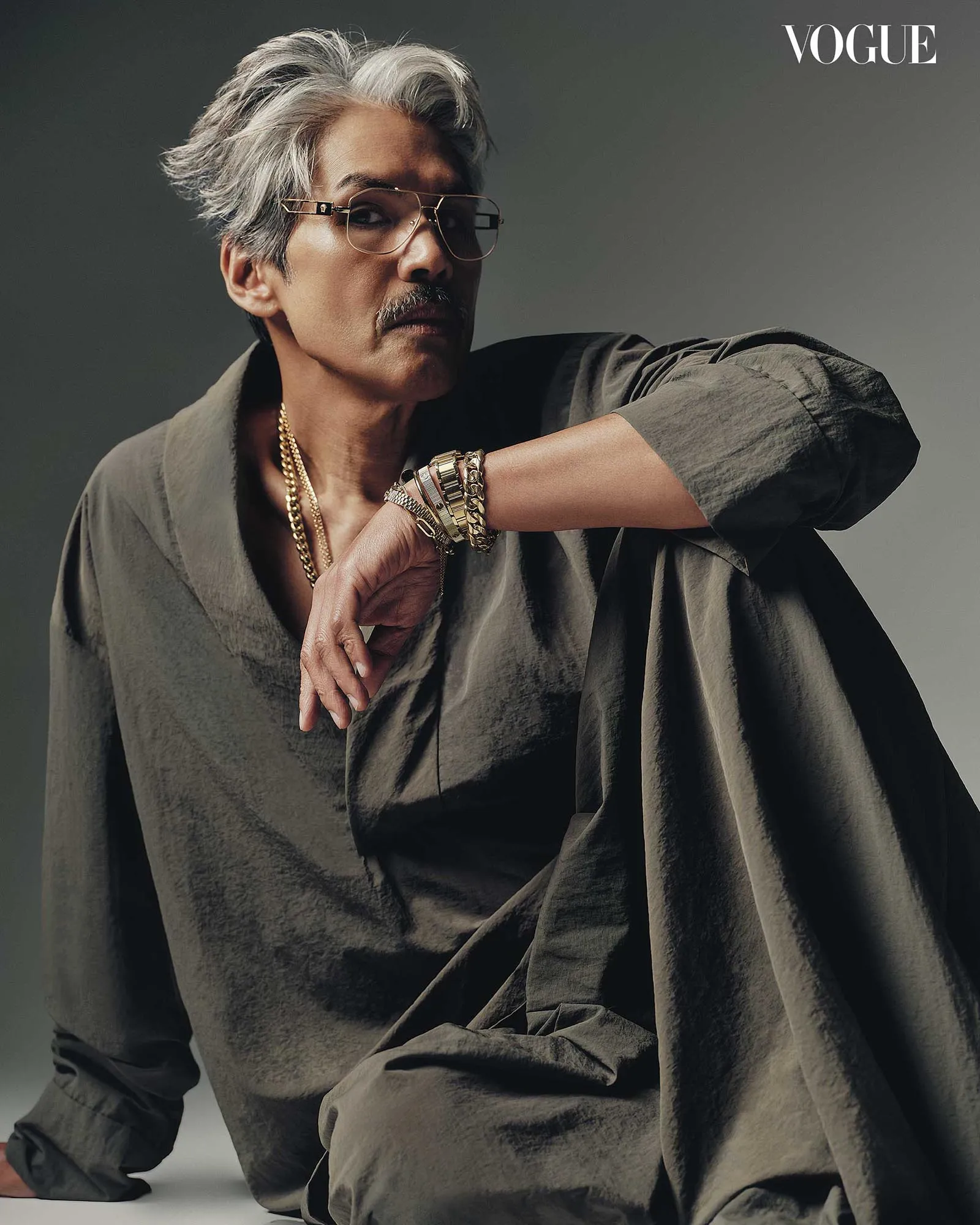
His appreciation for garments, and the way clothes can forge a different persona, can be traced to his parents. From his father came the value of made-to-measure clothing, even for something as utilitarian as a school uniform. “We would go downtown to buy the fabric for my pants and the shirt, and we would bring it to the tailor. I remember my dad doing all of that.” His mother, meanwhile, was a busy lawyer. But he would watch in awe as she got dressed for a night out, teasing her hair, putting on the false lashes, spritzing perfume while also smoking a cigarette. “I would be like, oh my God, look at you, just transforming yourself into something. And I think this is where I initially felt so in love with this idea of fashion, transformation, and costume. That’s what we do. We put on things to make the world believe what we want them to believe about who we are.”
After designing more than 200 shows, Ramos has increasingly turned toward producing and programming, where he knows he can affect more change in the industry, creating space for artists and stories that have long been overlooked. Since the pandemic, he felt he needed to contribute more to the Philippines. Theatre Group Asia was born, with the goal of bringing Filipino artists from the diaspora together with local talent. “Every time we do a show, it feels like a global reunion,” he says.
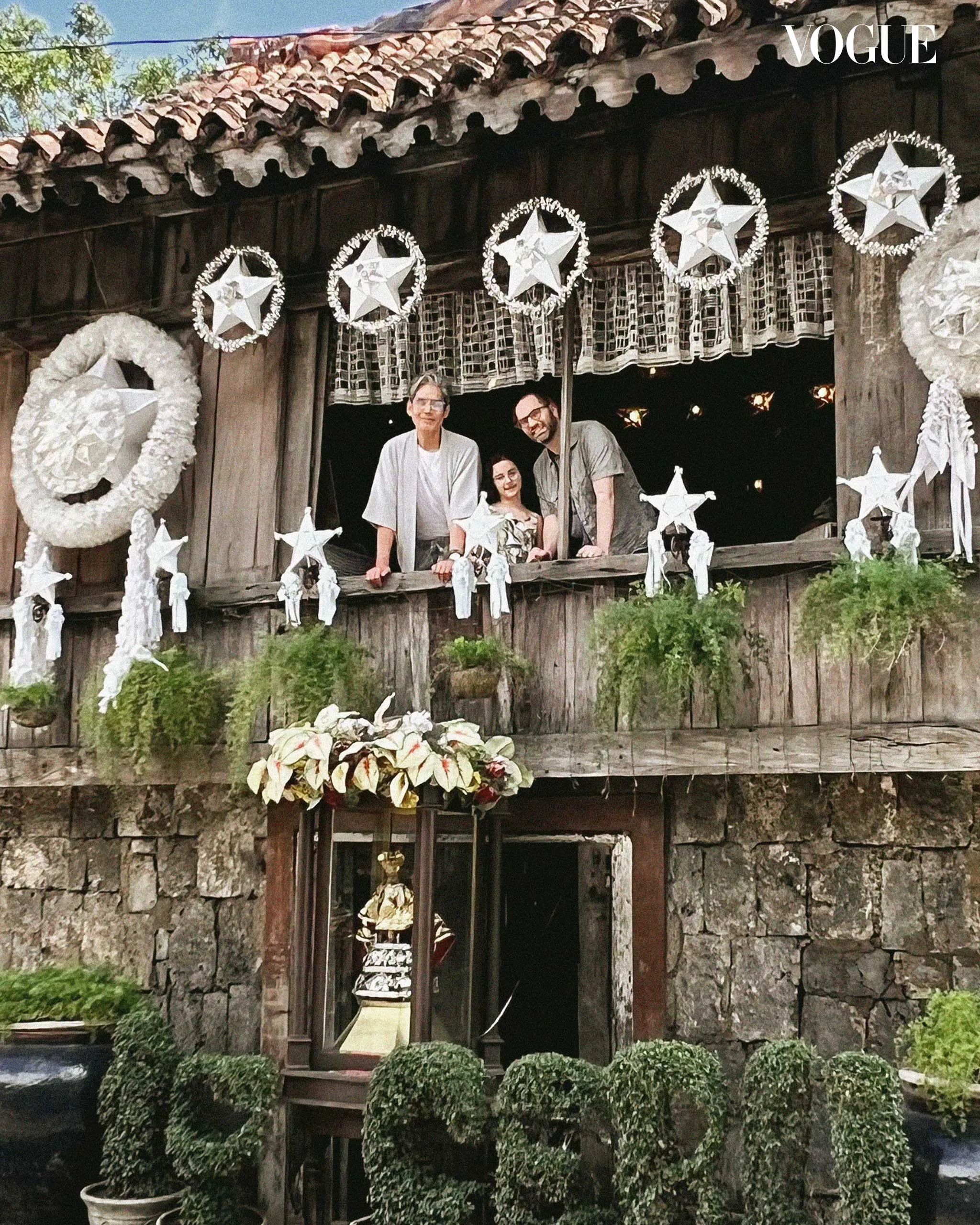
When he first moved to America, Ramos tried to assimilate by being “as blank as possible,” so people wouldn’t perceive him through the lens of race or nationality. Over the years, living abroad and watching the Philippines from a distance has deepened his understanding of his own Filipinoness. “The pride of being Filipino sometimes is overwhelming,” he says. “I can’t think of any other people who have gone through what we’ve gone through and somehow developed a human language that feels both joyful and also in resistance.”
Ramos believes that the most Cebuano thing about him is this “unfettered access to both rage and joy.” As a builder of worlds, he is fascinated with the friction between what is perceived as beautiful and ugly. In theater, he loves this idea of beautiful people behaving badly, or ugly people behaving honorably. “That, to me, is what magic is, what life is like, what is drama.”
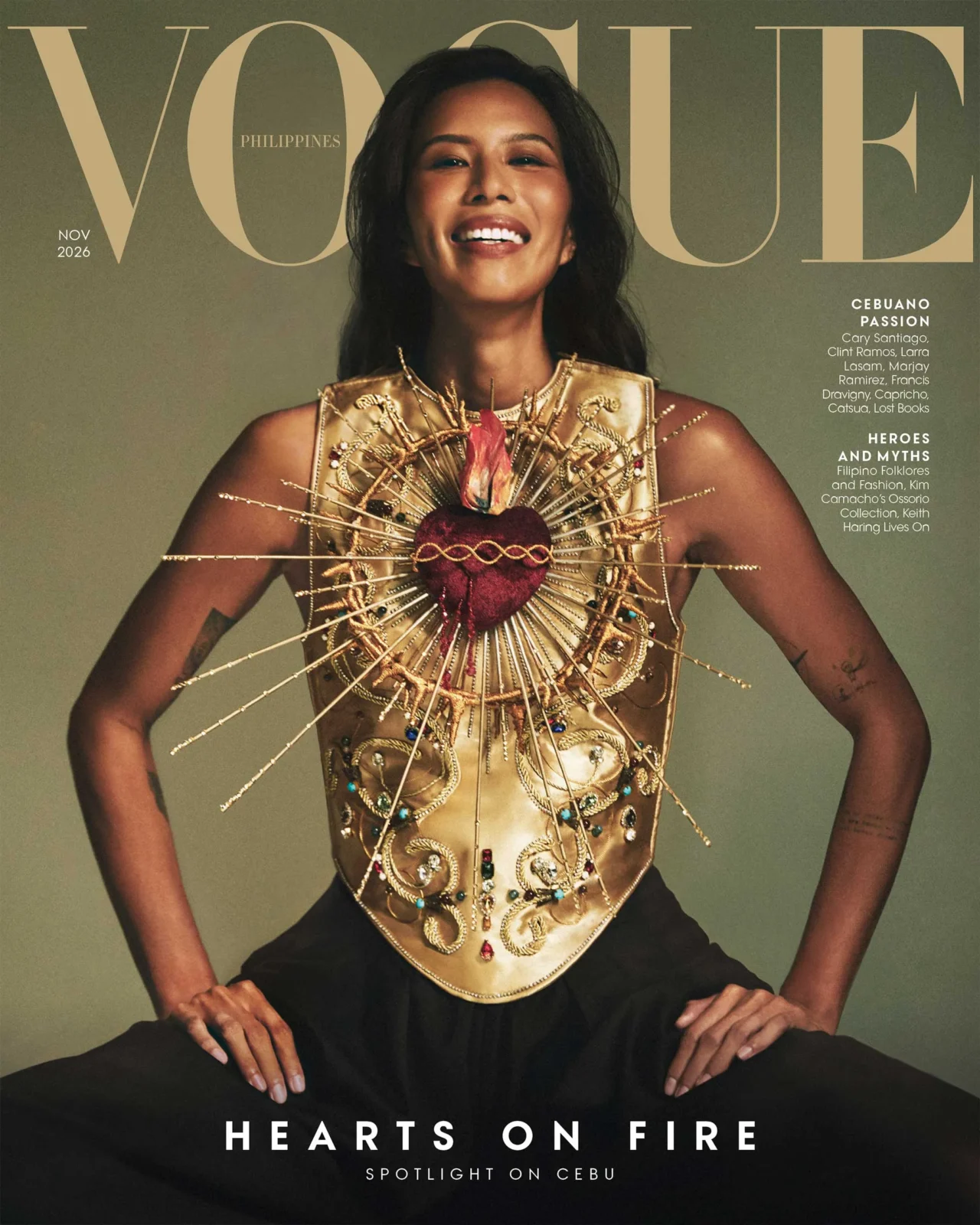
By AUDREY CARPIO. Interview by BIANCA CUSTODIO. Portraits by JV RABANO. Styling by NEIL DE GUZMAN. Talent: Clint Ramos. Beauty Editor: Joyce Oreña. Fashion Editor: David Milan. Art Director: Jann Pascua. Producer: Mavi Sulangi. Videographer: Robyn Josue. Makeup: Jan Dayaon. Hair: JA Feliciano. Photography Assistant: PJ Salazar. Videographer’s Assistant: Jom Ablay