
Bulgari Brings Kaleidos: Colors, Cultures and Crafts to Shanghai


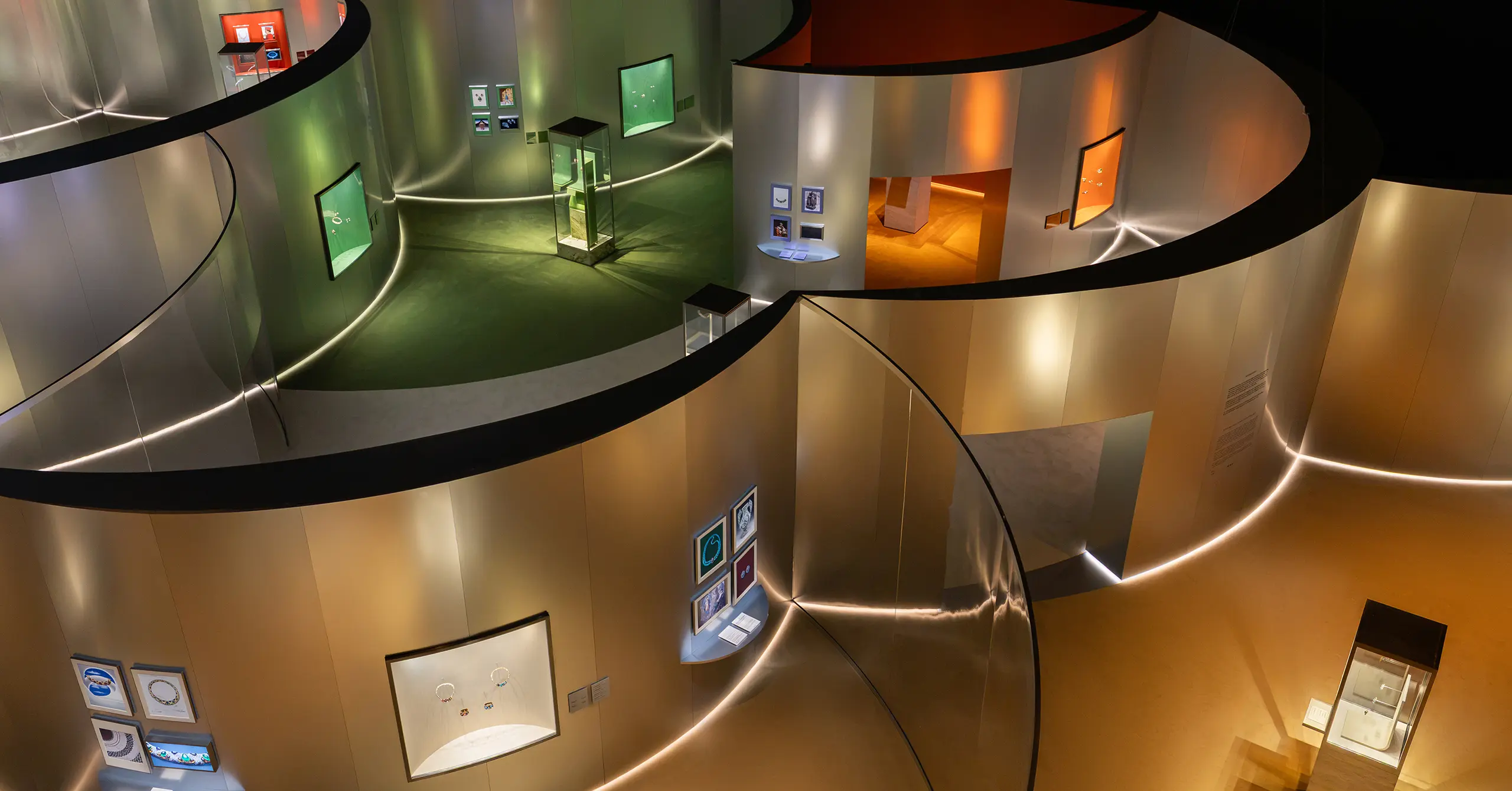
Photo courtesy of Bulgari
Photo courtesy of Bulgari
The Italian luxury maison’s latest exhibition opens at Shanghai’s Power Station of Art, featuring a new selection of jewelry and contemporary art.
After presenting its largest-ever exhibition at The National Art Center in Tokyo last year, Bulgari continues to deepen its connection with Asia with a showcase in China, transforming its enduring relationship with color into a dialogue between Italian jewelryJewelryDecorative adornments worn on the body, from fine pieces in gold, diamonds, and pearls to fashion jewelry made of accessible materials. Jewelry completes an outfit and often holds sentimental orGo to Jewelry Glossary, Chinese culture, and contemporary art.
Inspired by the Greek words kalos (beautiful) and eidos (form), Bulgari Kaleidos: Colors, Cultures and Crafts brings together more than 300 chromatic masterpieces, spanning High JewelryJewelryDecorative adornments worn on the body, from fine pieces in gold, diamonds, and pearls to fashion jewelry made of accessible materials. Jewelry completes an outfit and often holds sentimental orGo to Jewelry Glossary, pieces from the Bulgari Heritage Collection, private loans, and newly commissioned works by Chinese artists Liang Manqi and Zhang Ding.
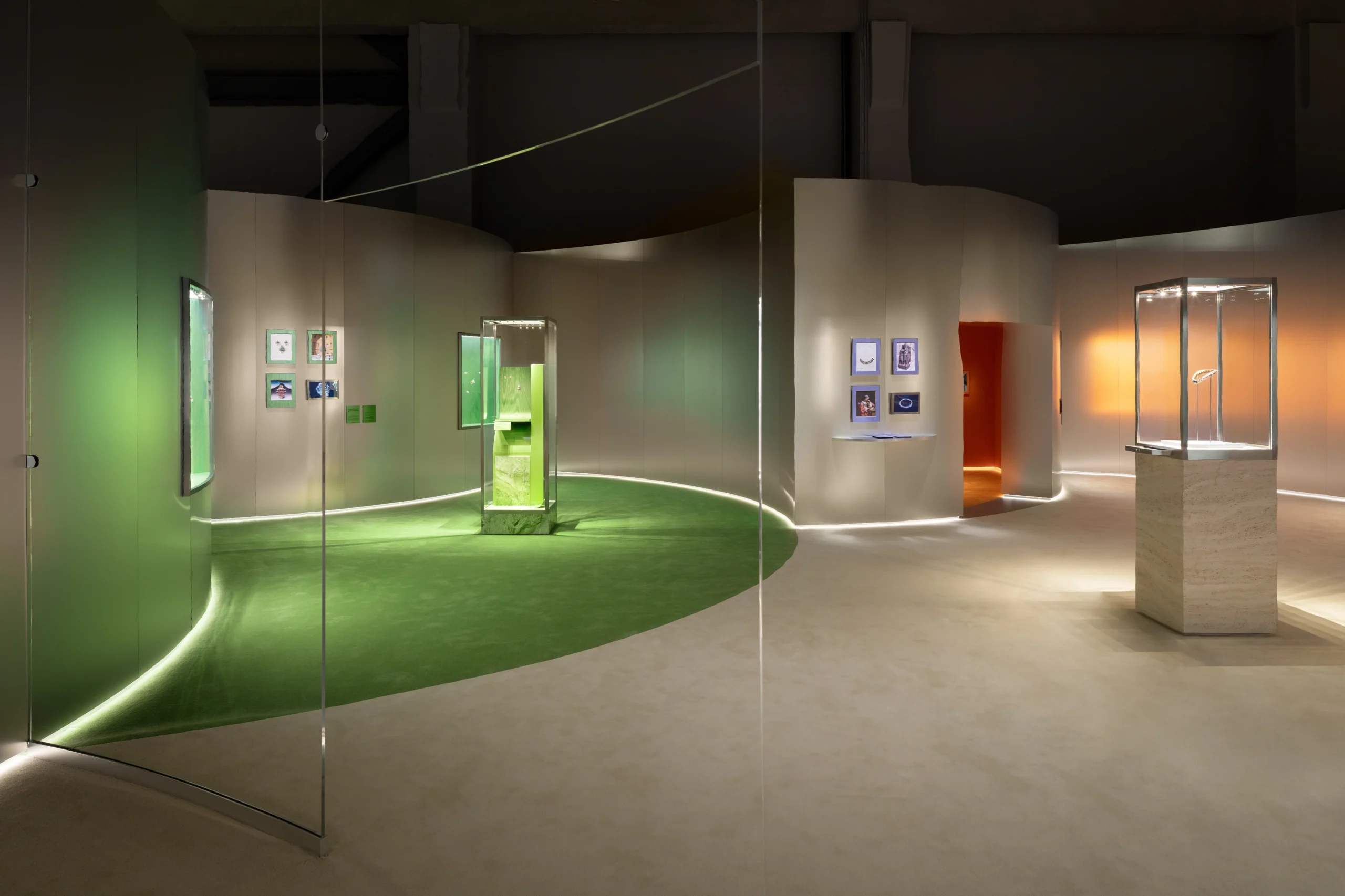
Spanning the Power Station of Art’s entire 2,300-square-meter second floor in Shanghai, the exhibition unfolds across three chapters: The Science of Colors, Color Symbolism, and The Power of Light. Together, they consider color as both a visual phenomenon and a cultural language, placing Western theories of color alongside the Chinese Five Elements system, or Wu Xing.
For Gislain Aucremanne, Heritage curator director of Bulgari, the decision to bring Kaleidos to Shanghai was an opportunity to create something that could speak directly to its surroundings. “The exhibition is not a brand exhibition; it’s a cultural exhibition about color,” he says.
The selection also reflects Chinese traditions and symbolism, from jade and porcelain to pearls and imagery connected to Chinese mythology. “It was about selecting the right elements to speak to the public, so they will learn something that won’t get lost at the same time,” Aucremanne explains.
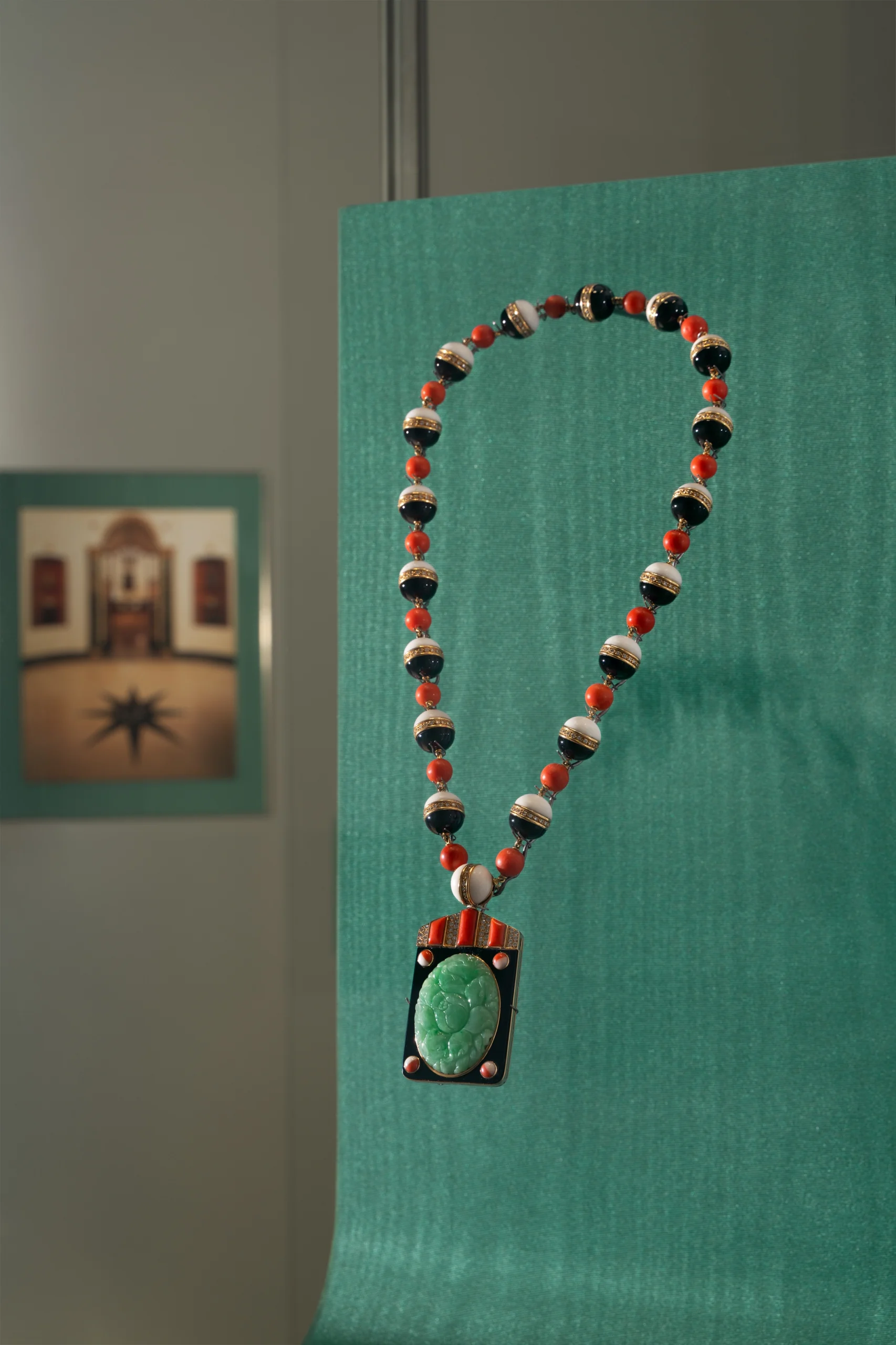
Color has been central to Bulgari’s identity since the mid-20th century, when the Roman Maison began challenging the conventions of traditional High Jewelry. Rather than relying primarily on platinum and diamonds, Bulgari embraced yellow gold, cabochon-cut gemstones, and unexpected combinations of vibrant hues.
“By the late ’50s, and especially throughout the ’60s, Bulgari would put two, three, four, five, or even more colors together to create distinctive color combinations,” Aucremanne says. “This is how the maison developed its own specific language.”
That history is brought into the present through the work of Liang Manqi, whose Boundless Synesthesia transforms one of her paintings into an immersive, three-dimensional environment. Using red, green, and blue, the artist translates the geometric language of her painting into acrylic forms and wallpaper. “From my perspective, color represents feeling and emotion,” Liang says. “Color can be an abstraction of my current state of being, and it can also be used as a way to express words or meaning.”
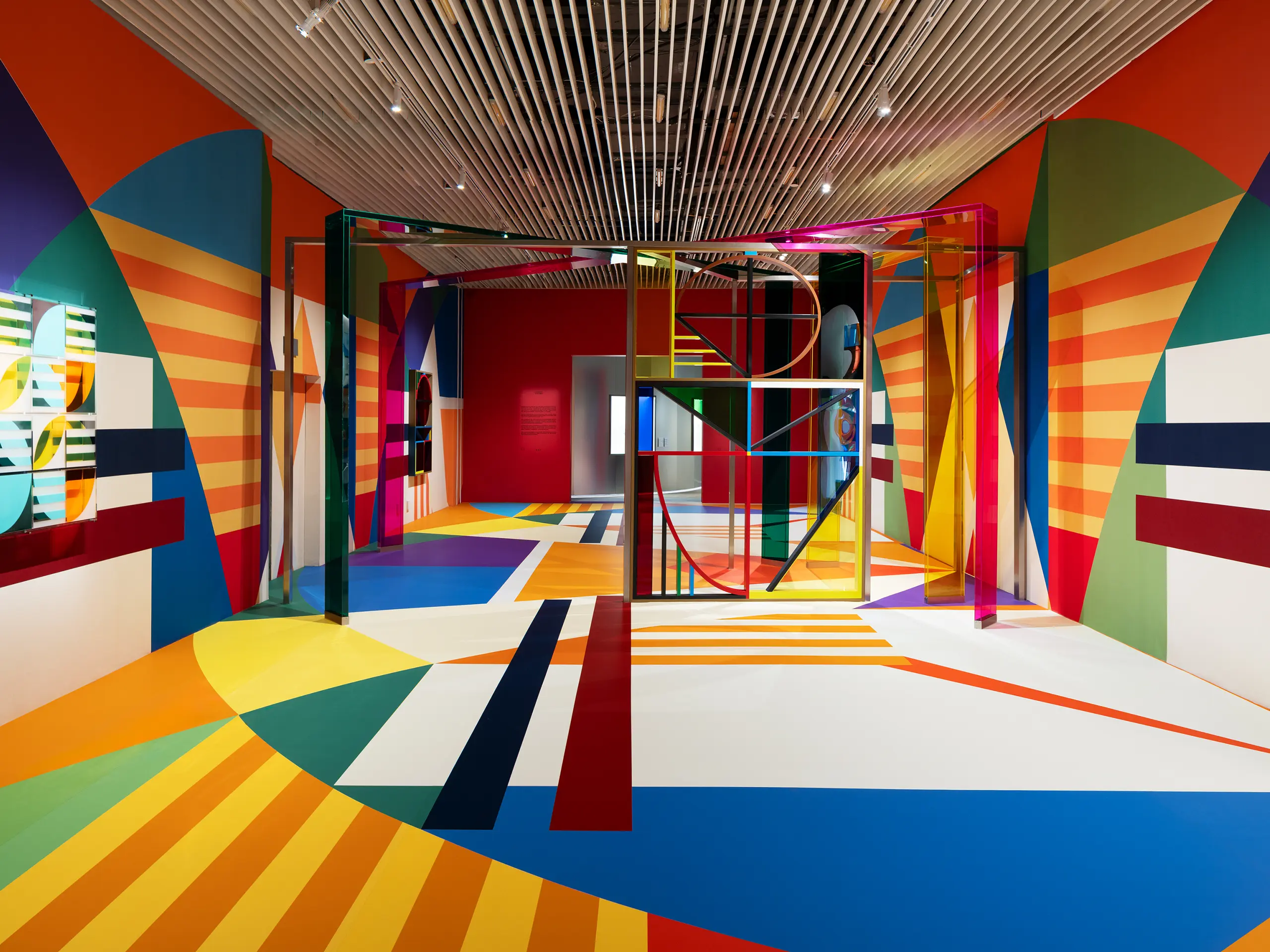
For Liang, the connection between her practice and Bulgari’s jewelryJewelryDecorative adornments worn on the body, from fine pieces in gold, diamonds, and pearls to fashion jewelry made of accessible materials. Jewelry completes an outfit and often holds sentimental orGo to Jewelry Glossary comes from their shared attention to observation and reinterpretation. “Color has no boundaries or restrictions. It is something shared by people around the world,” she says. “Everyone, even a child, can appreciate color from their own perspective.”
Zhang Ding takes a different approach, using light as the central element of The Form of Light. Golden light panels and transparent glass humanoid heads create a quieter, almost meditative space between the exhibition’s second and third chapters. Rather than directly referencing Bulgari’s Serpenti, the futuristic forms explore the relationship between light, transparency, gemstones, and the human experience.
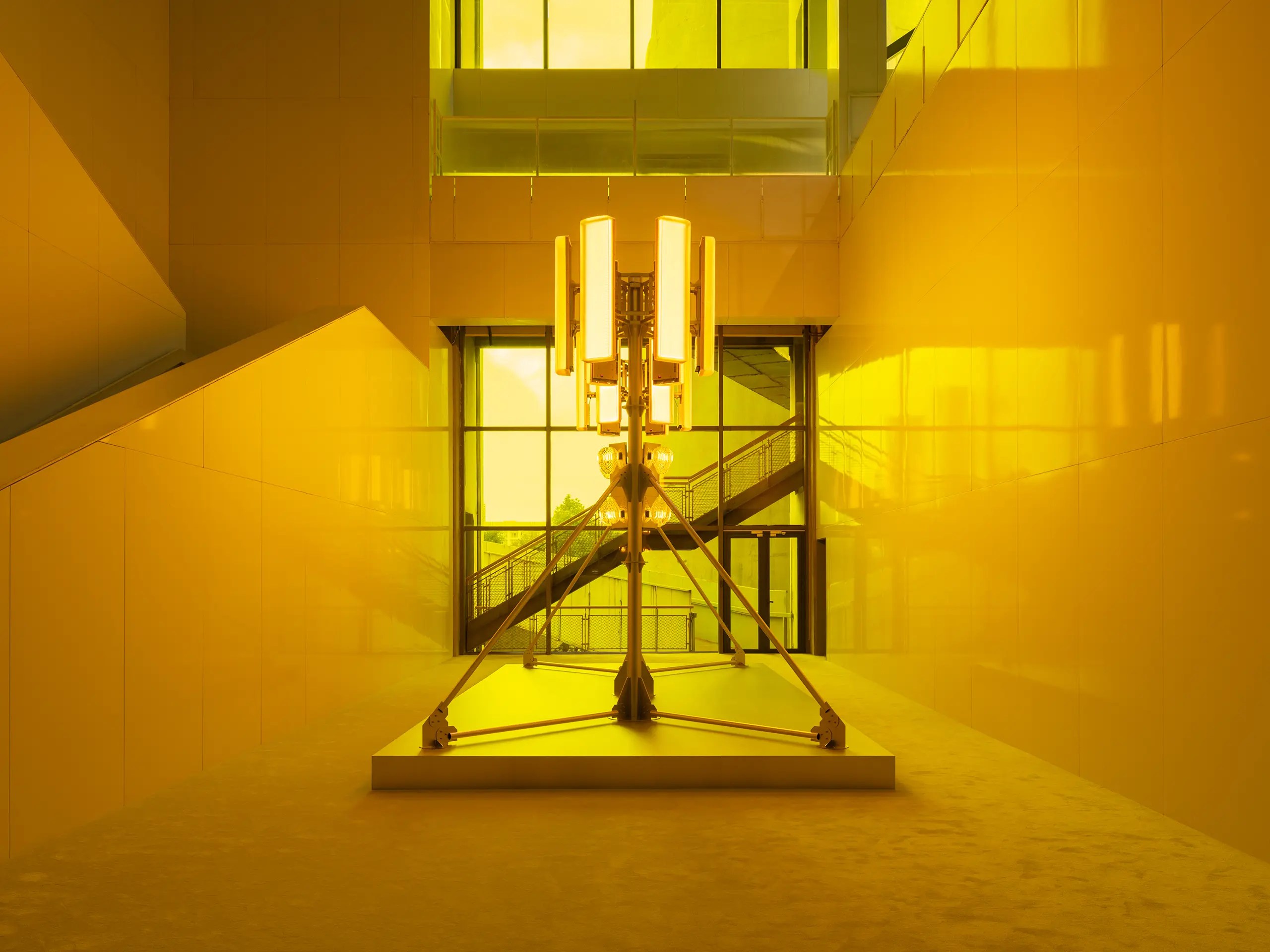
It offers a moment of pause amid the abundance of gemstones and color. “Every color is a form of light, and light is the beginning of all manifestations,” he says. Ultimately, he hopes visitors leave with the feeling that “there are still many beautiful things in this world that are worth looking at, working for, and cherishing.”
As Aucremanne says, “I don’t see cultural differences as gaps; I see them as bridges.”
Frequently Asked Questions
Bulgari is an Italian luxury maison founded in Rome in 1884, best known for its jewelry, watches, and distinctive use of colorful gemstones.
Bulgari Kaleidos: Colors, Cultures and Crafts is an exhibition exploring Bulgari’s relationship with color. The Shanghai edition brings together more than 300 jewelry pieces, including High Jewelry and works from the Bulgari Heritage Collection and private collections, alongside contemporary art by Chinese artists Liang Manqi and Zhang Ding.
The exhibition is being held at the Power Station of Art in Shanghai, China.
Color has been an important part of Bulgari’s identity since the 1950s and 1960s, when the maison became known for combining colorful gemstones, yellow gold, and different cuts.
Bulgari Kaleidos is open from September 5 to October 31, 2026.