
The Next Generation of Filipino Weavers Is Keeping Tradition Alive


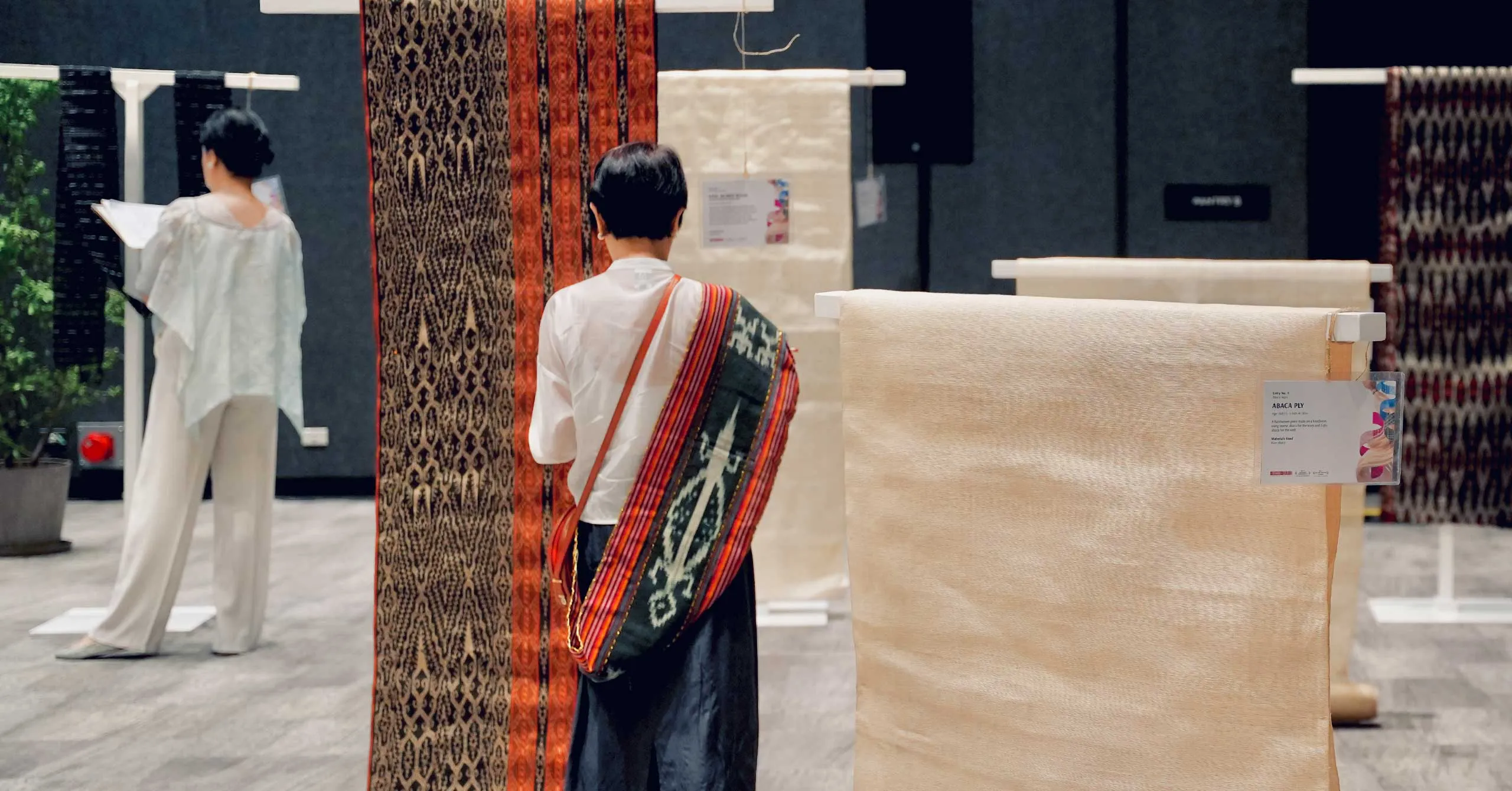
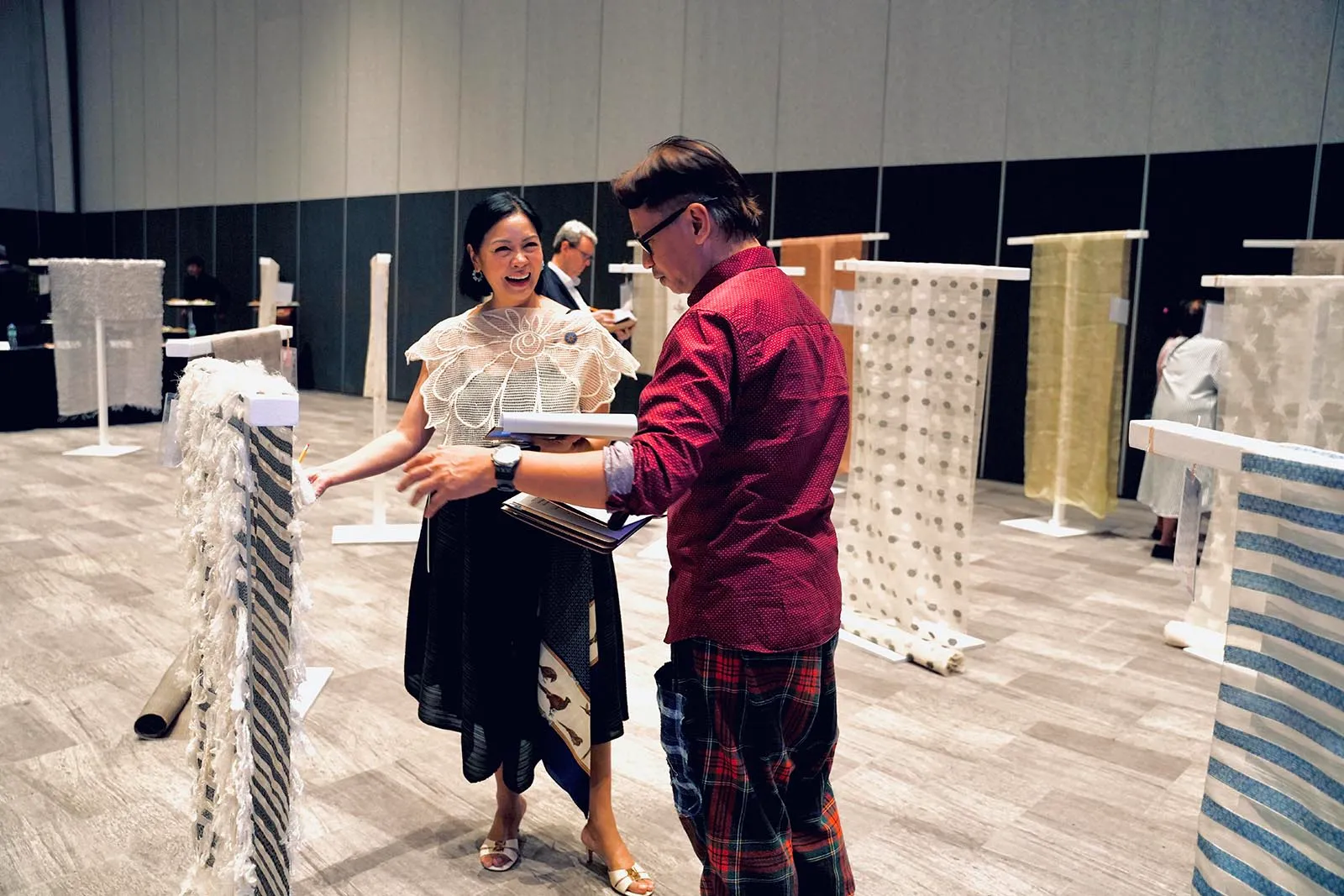
A display of entries from Habi’s 2026 weaving competitions. Courtesy of Habi
A display of entries from Habi’s 2026 weaving competitions. Courtesy of Habi
Through Habi’s annual weaving competitions, artisans are finding new ways to push the possibilities of piña and abaca while preserving generations-old techniques.
When Habi: The Philippine Textile Council was founded in 2009, it gave a new generation of artisans the opportunity to pick up the shuttle and continue the work that the country’s master handloom weavers had been doing for centuries.
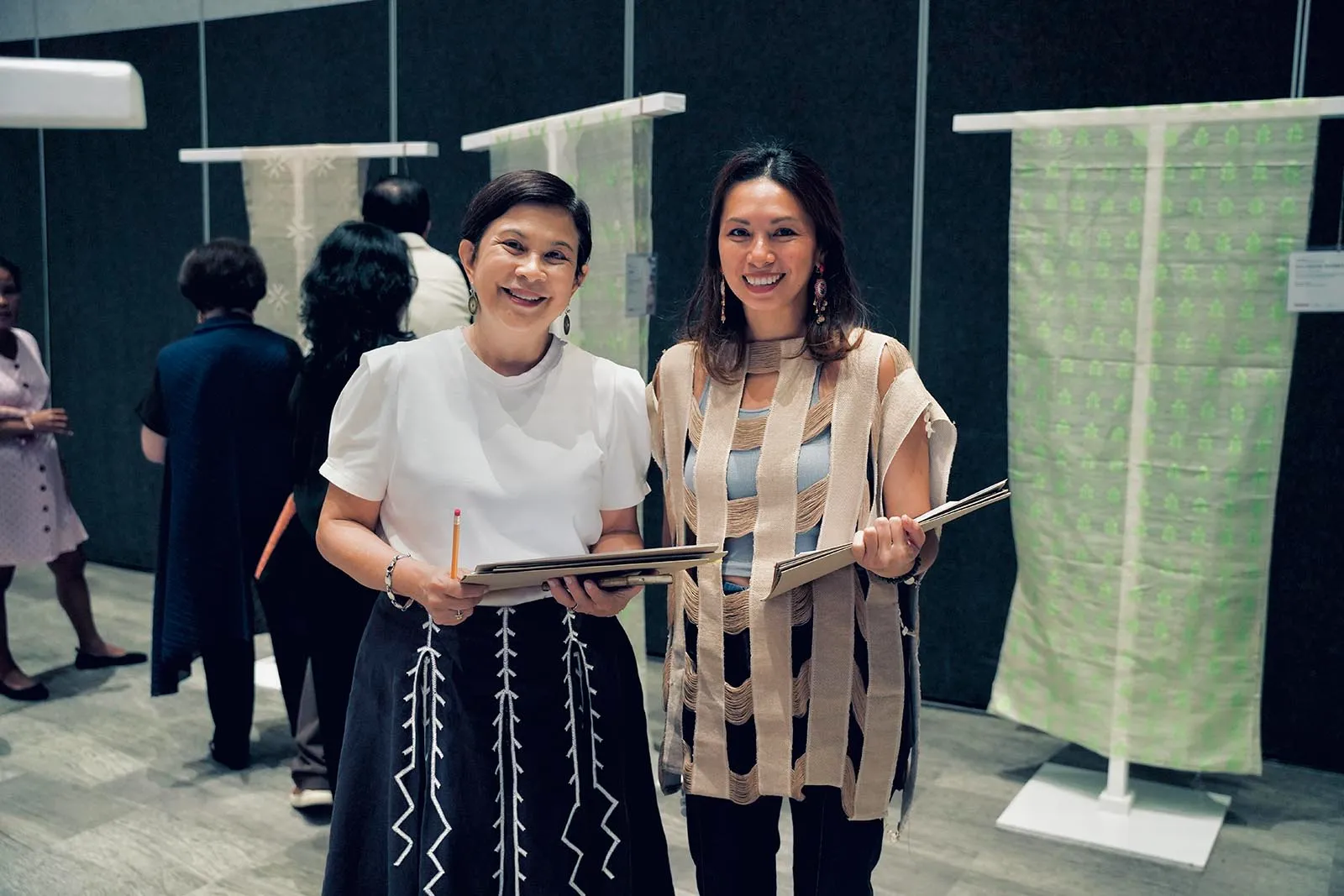
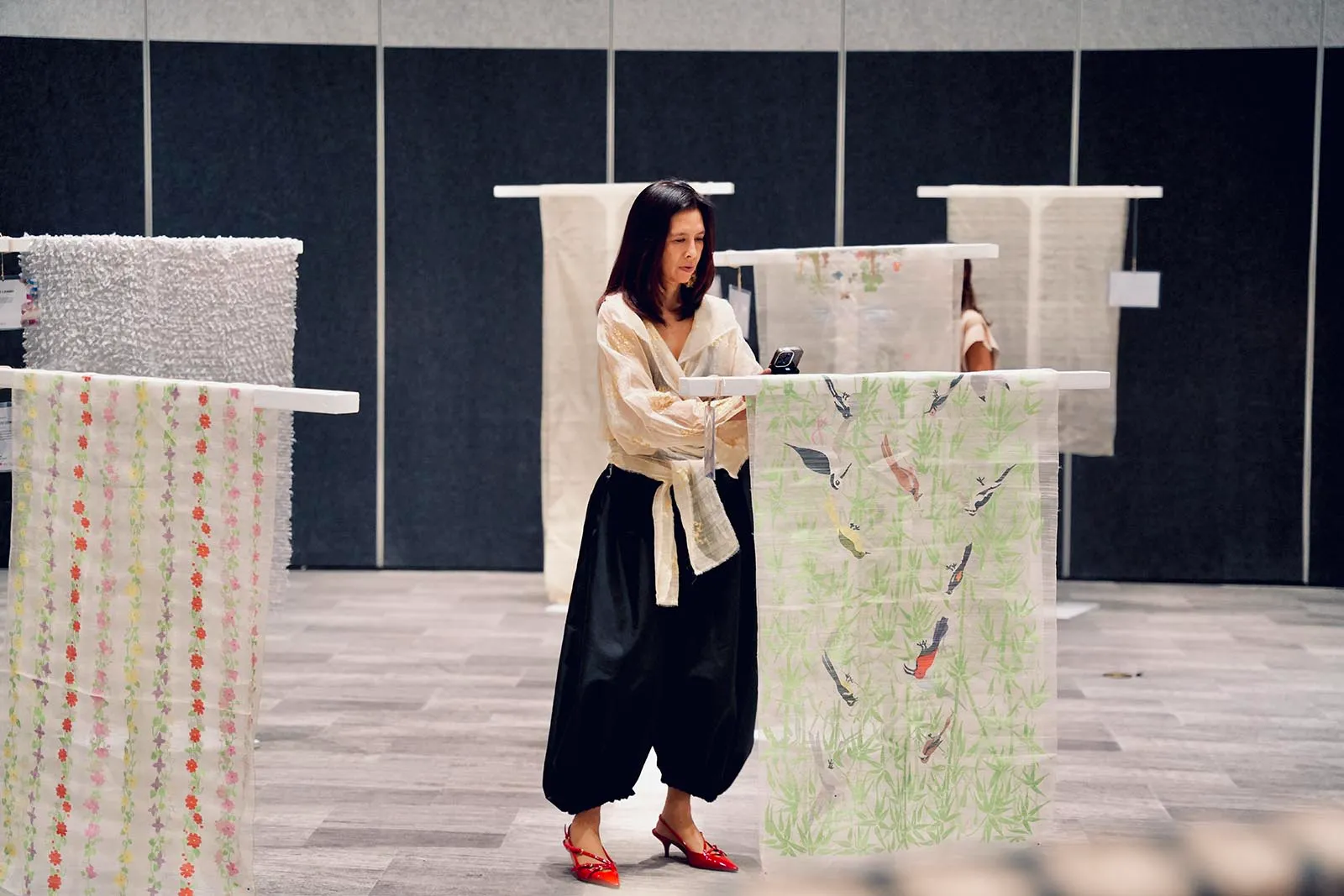
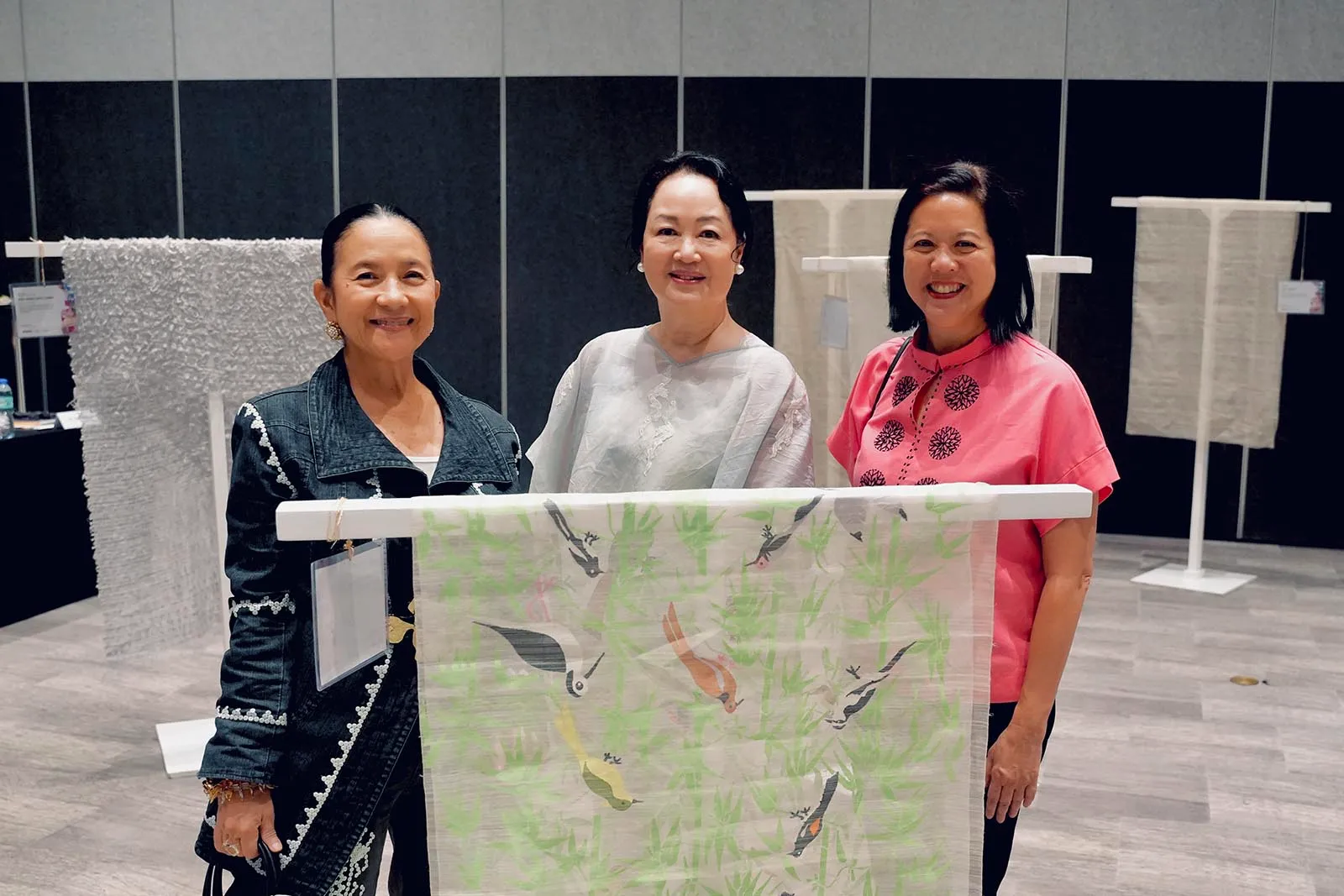
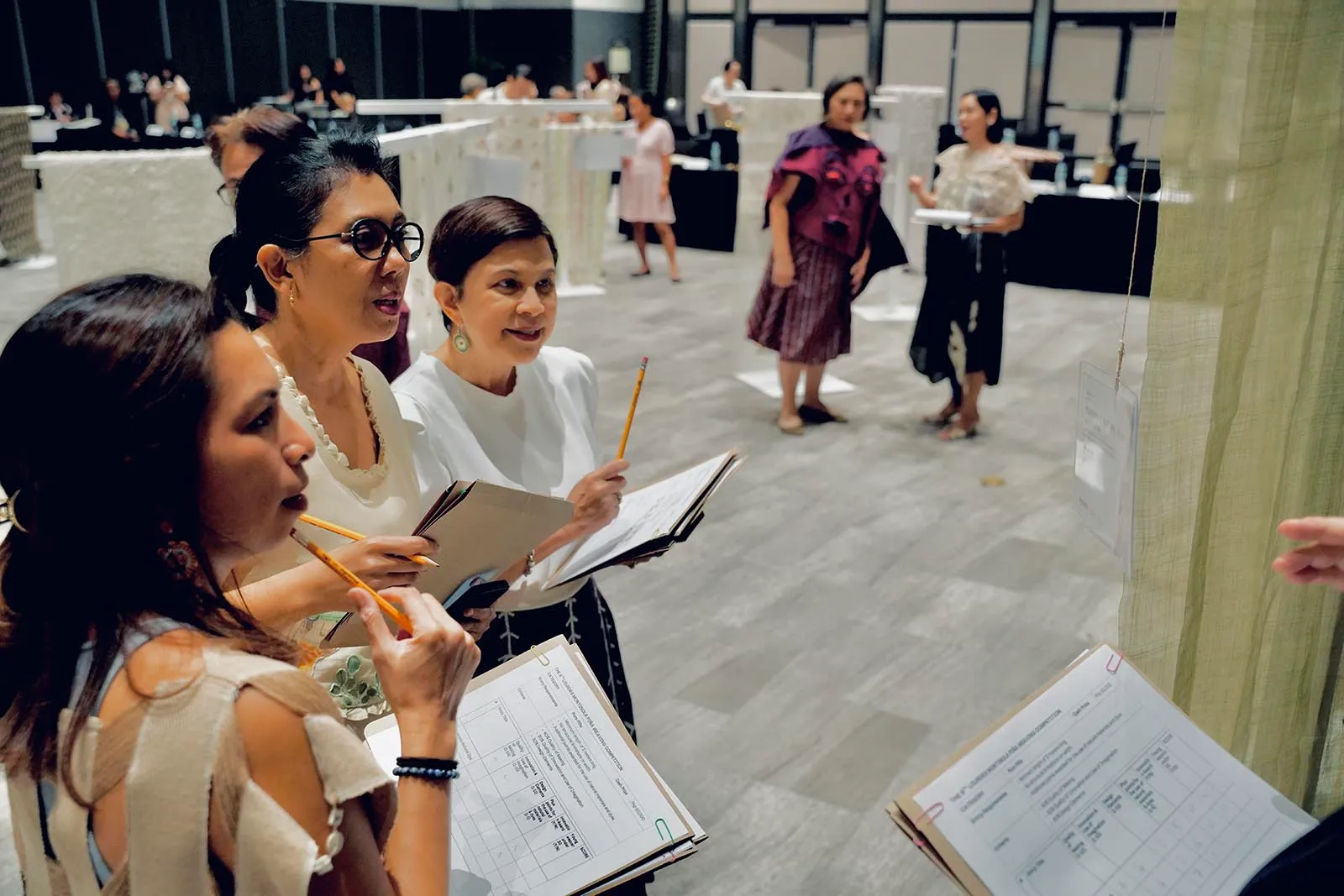
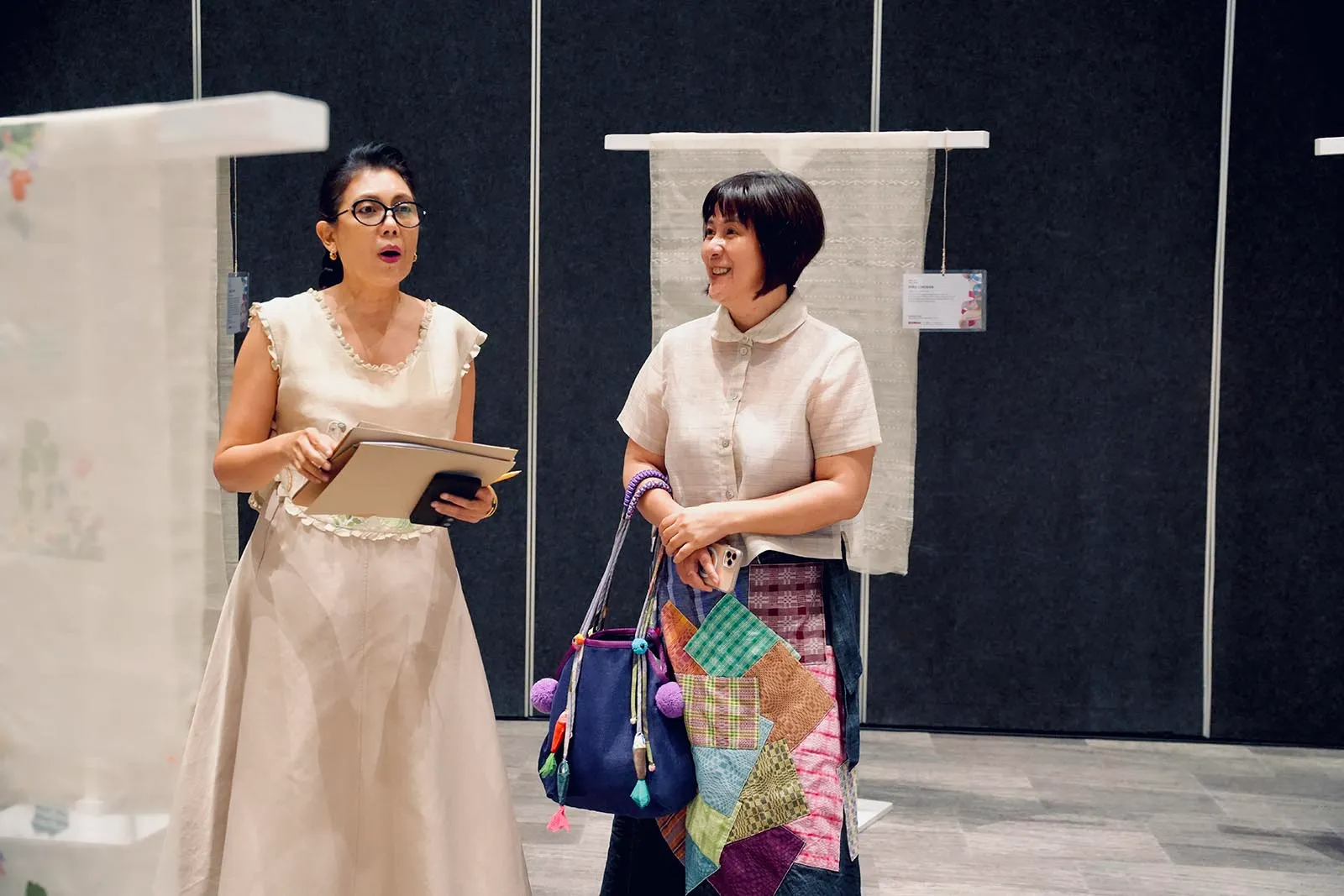
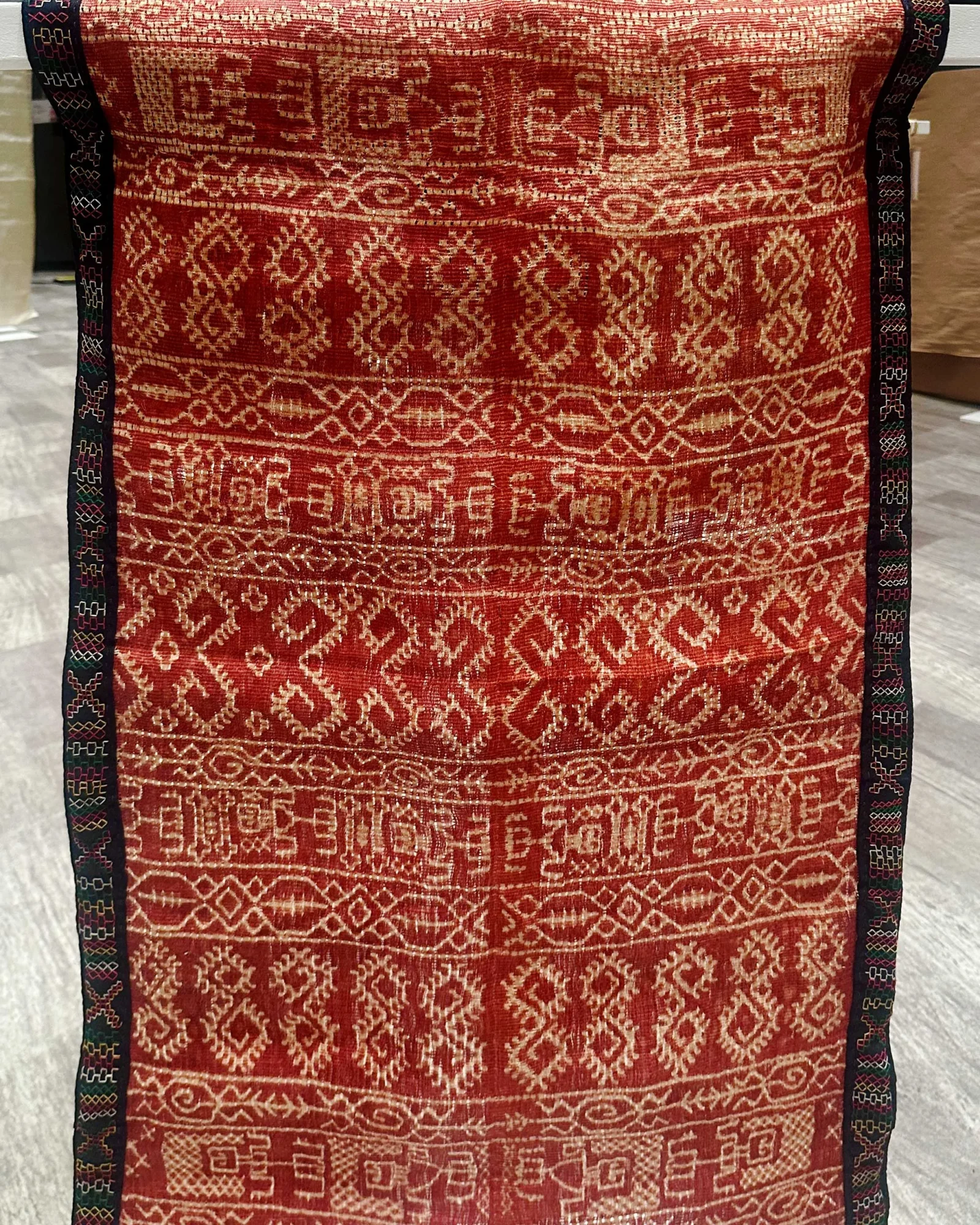
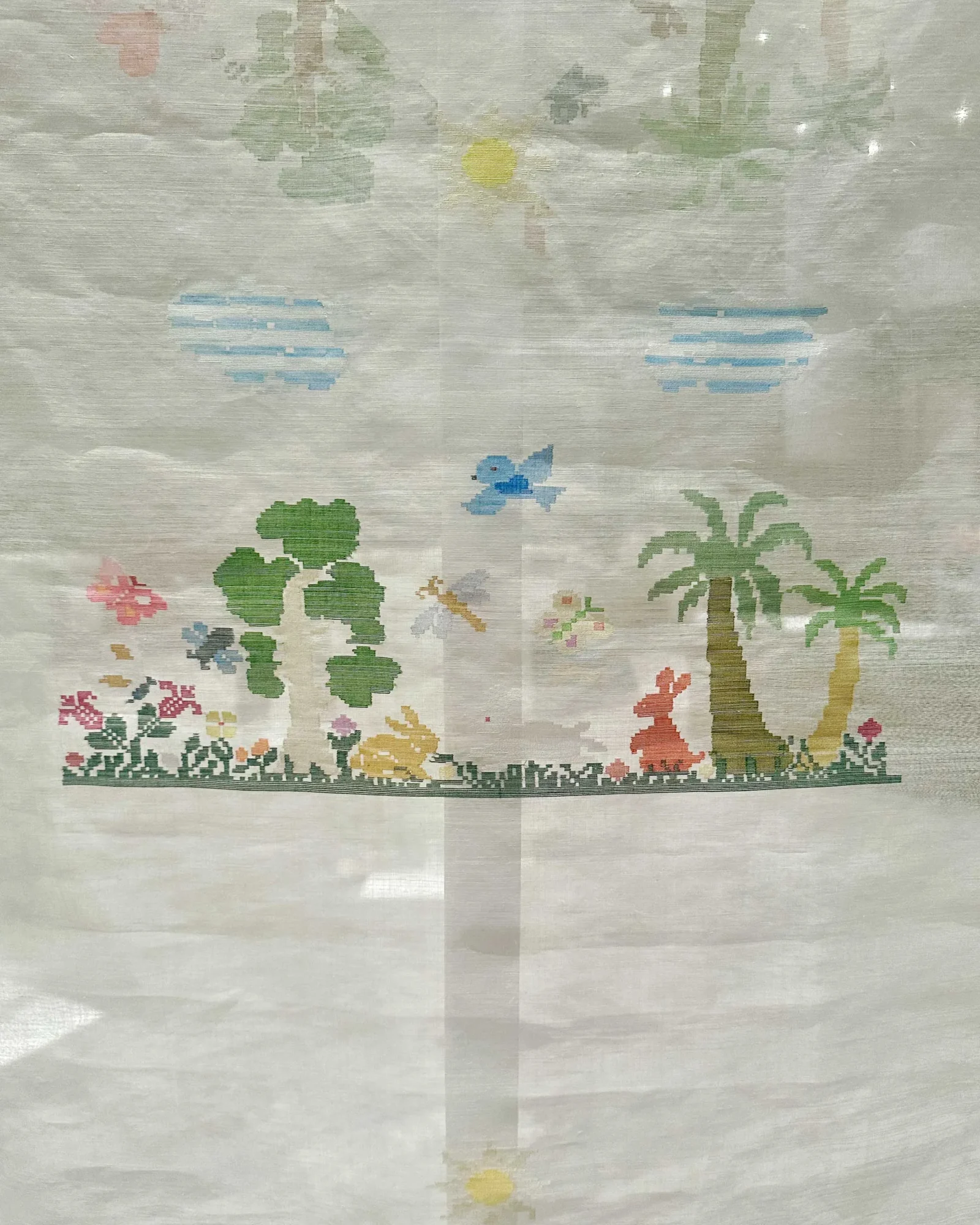
The council celebrates two of the Philippines’ most important textile traditions: the Lourdes Montinola PiñaPiñaA luxurious, translucent fabric hand-woven from pineapple leaf fibers, most closely associated with Aklan in Panay. The painstaking process of extracting and knotting the fibers makes piña rare and costly,Go to Piña Glossary Weaving Competition, which began in 2018, and the Eloisa Hizon Gomez Abaca Weaving Competition, which began in 2022. This year, 40 entries across six categories have been given a platform to demonstrate their skills and traditional techniques while experimenting with fibers, dyes, patterns, and contemporary designs. The categories are Liniwan, Pure Piña, and Natural Fiber Blends with Piña under Lourdes, and Abaca Nipis, Resist Dye on Abaca, and Abaca Craft under Eloisa.
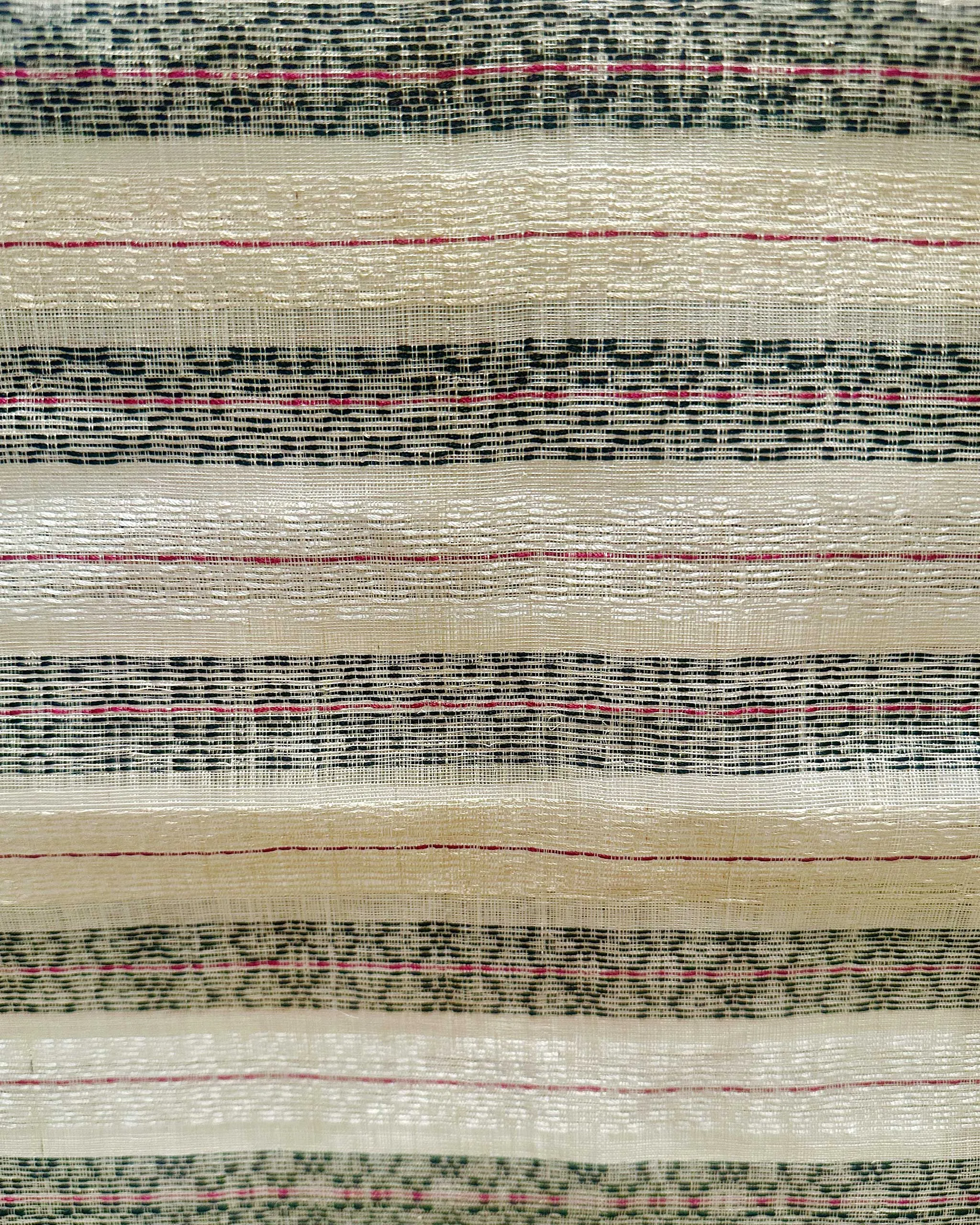
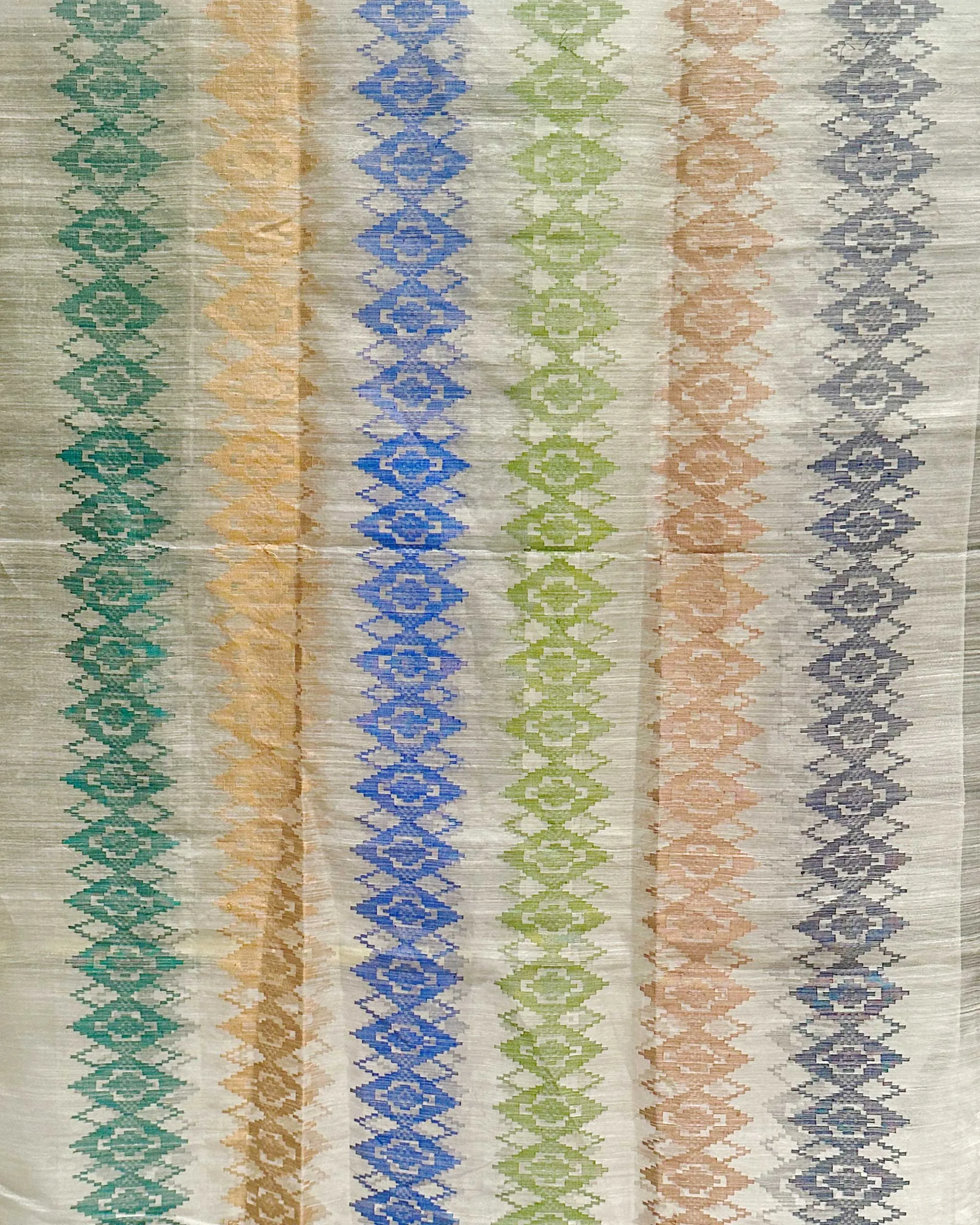
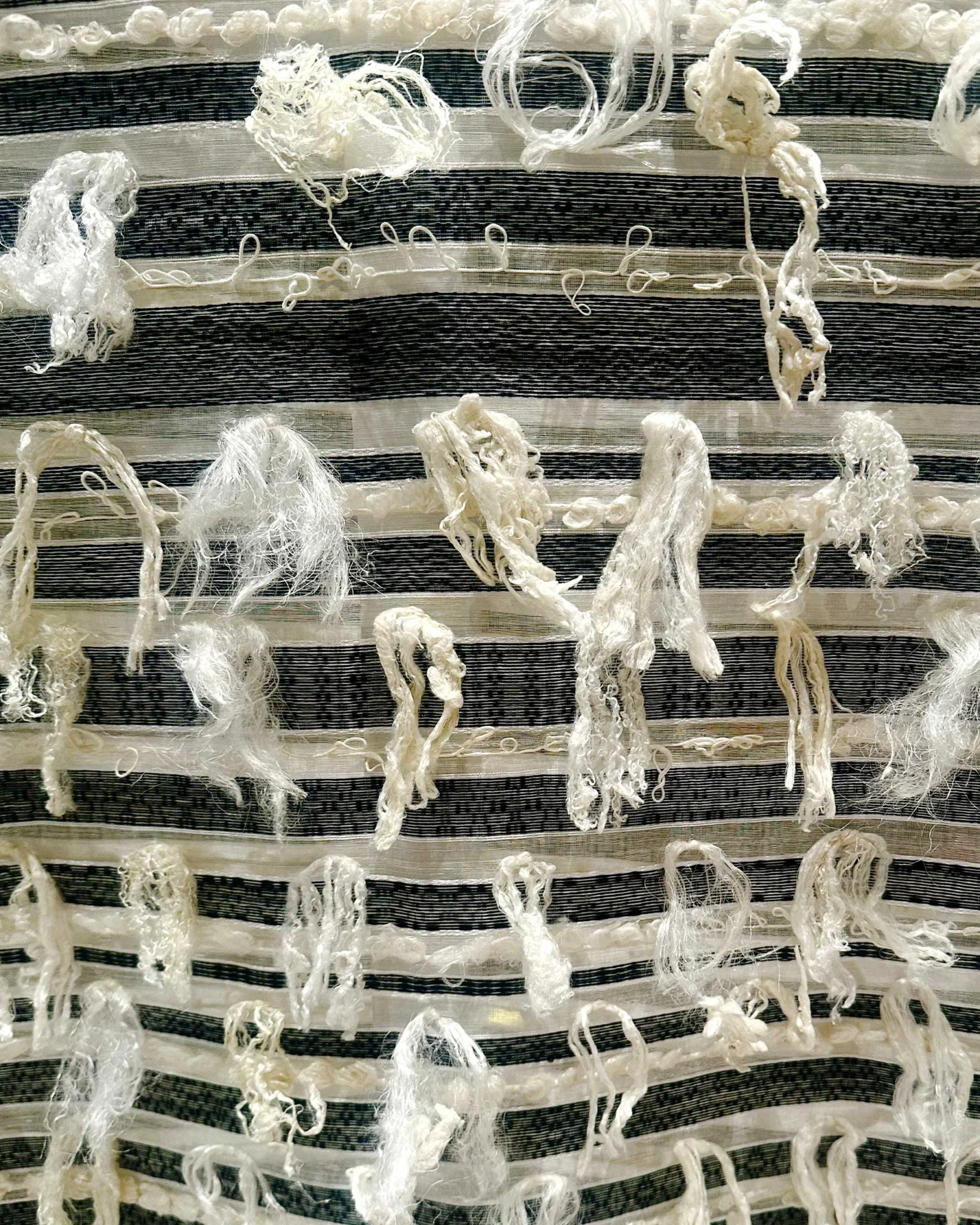
Trickie Lopa, Vogue Philippines’ editor-in-chief, was present to observe the judging of the competitions. Among the abacaAbacaA strong natural fiber from the abaca plant, also called Manila hemp, native to the Philippines. Designers and weavers use it for textiles, bags, hats, and sculptural fashion, prized forGo to Abaca Glossary entries, two pieces in particular caught her eye: Abaca Fino with Square Dot, a subtle square-and-dot motif that highlights a grid woven through traditional sinuksok inlay, and Famukan na Pigsugawan, a piece featuring anthropomorphic figures that revives ancient Tagakaolo tritik designs.
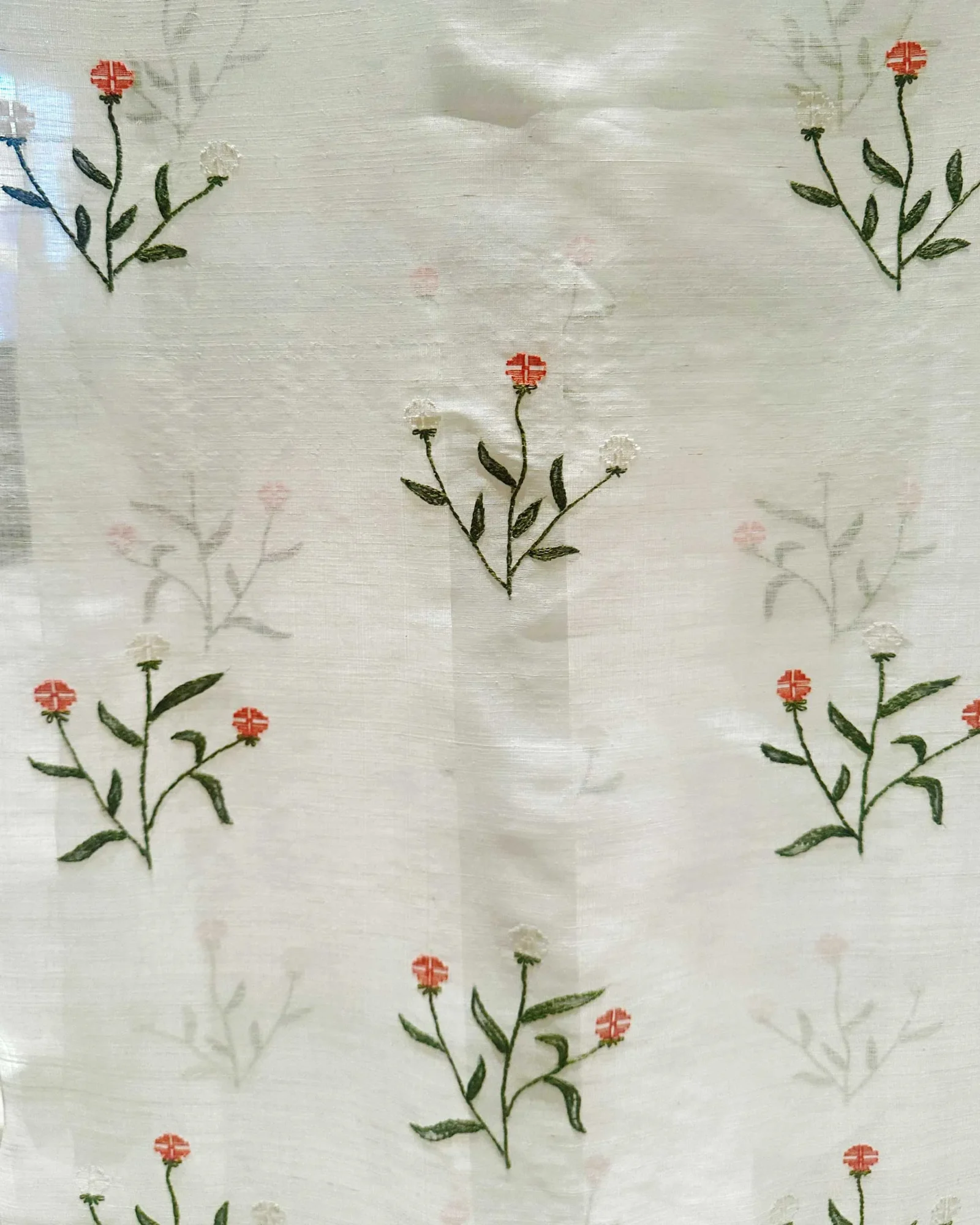
For piñaPiñaA luxurious, translucent fabric hand-woven from pineapple leaf fibers, most closely associated with Aklan in Panay. The painstaking process of extracting and knotting the fibers makes piña rare and costly,Go to Piña Glossary, she singled out Hinabing Bulaklak, a Piña Seda Sok-sok textile featuring a delicate floral motif intricately woven into the fabric, and Piña Liniwan, a sheer piña liniwan with wave-like sinuksok patterns floating over a thin grid.
Beyond the cash prizes awarded for each category, Habi also recognizes outstanding weavers through major overall distinctions, including the Nadres Young Weaver Award for weavers under 30 years old and the Filip + Inna Innovation Award for modern design.
The winners will be announced at the Likhang Habi Market Fair on October 9-11, 2026 at Space at One Ayala, Makati City.
-
 Courtesy of Habi1/15
 -
 Courtesy of Habi2/15
 -
 Courtesy of Habi3/15
 -
 Courtesy of Habi4/15
 -
 Courtesy of Habi5/15
 -
 Courtesy of Habi6/15
 -
 Courtesy of Habi7/15
 -
 Courtesy of Habi8/15
 -
 Courtesy of Habi9/15
 -
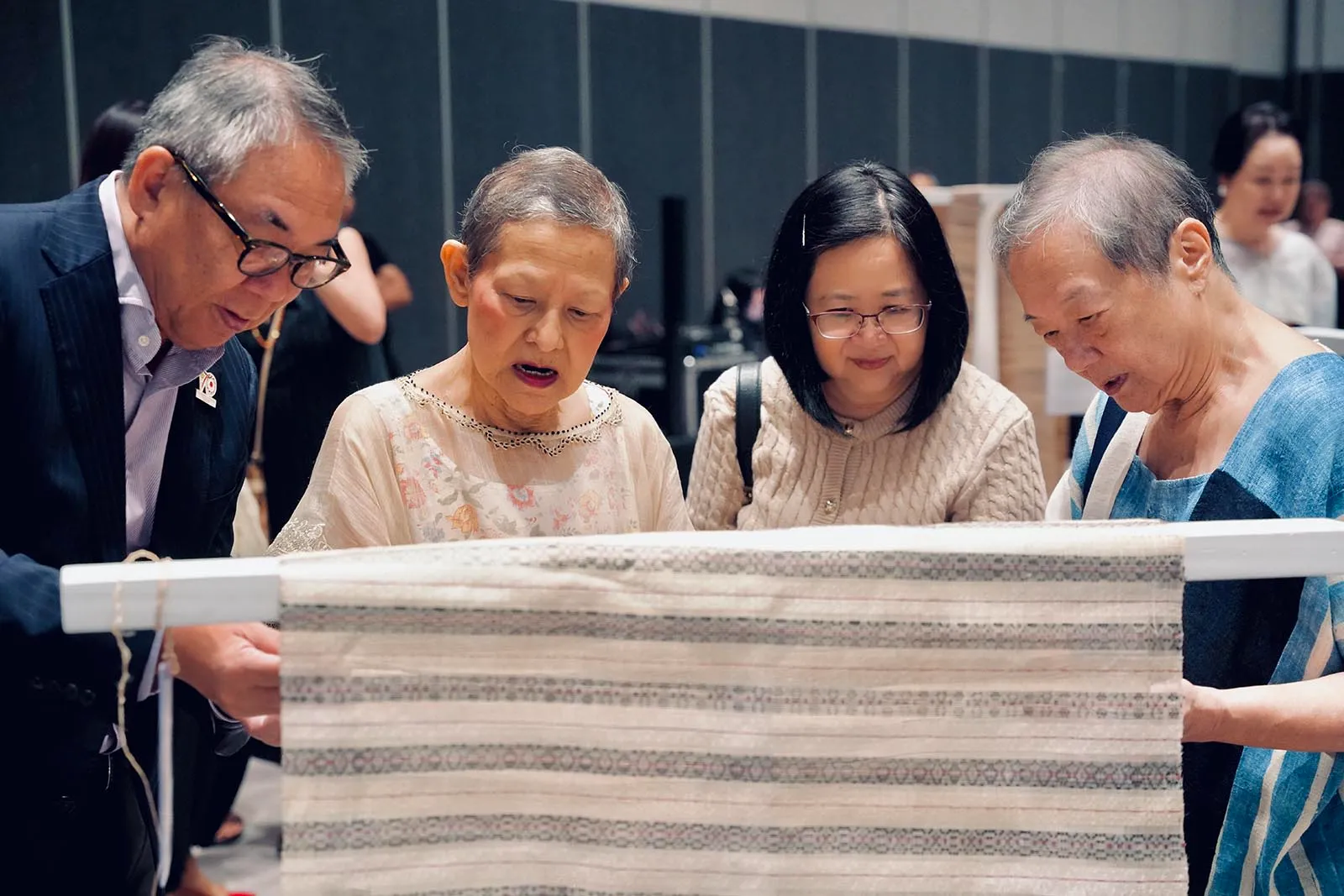
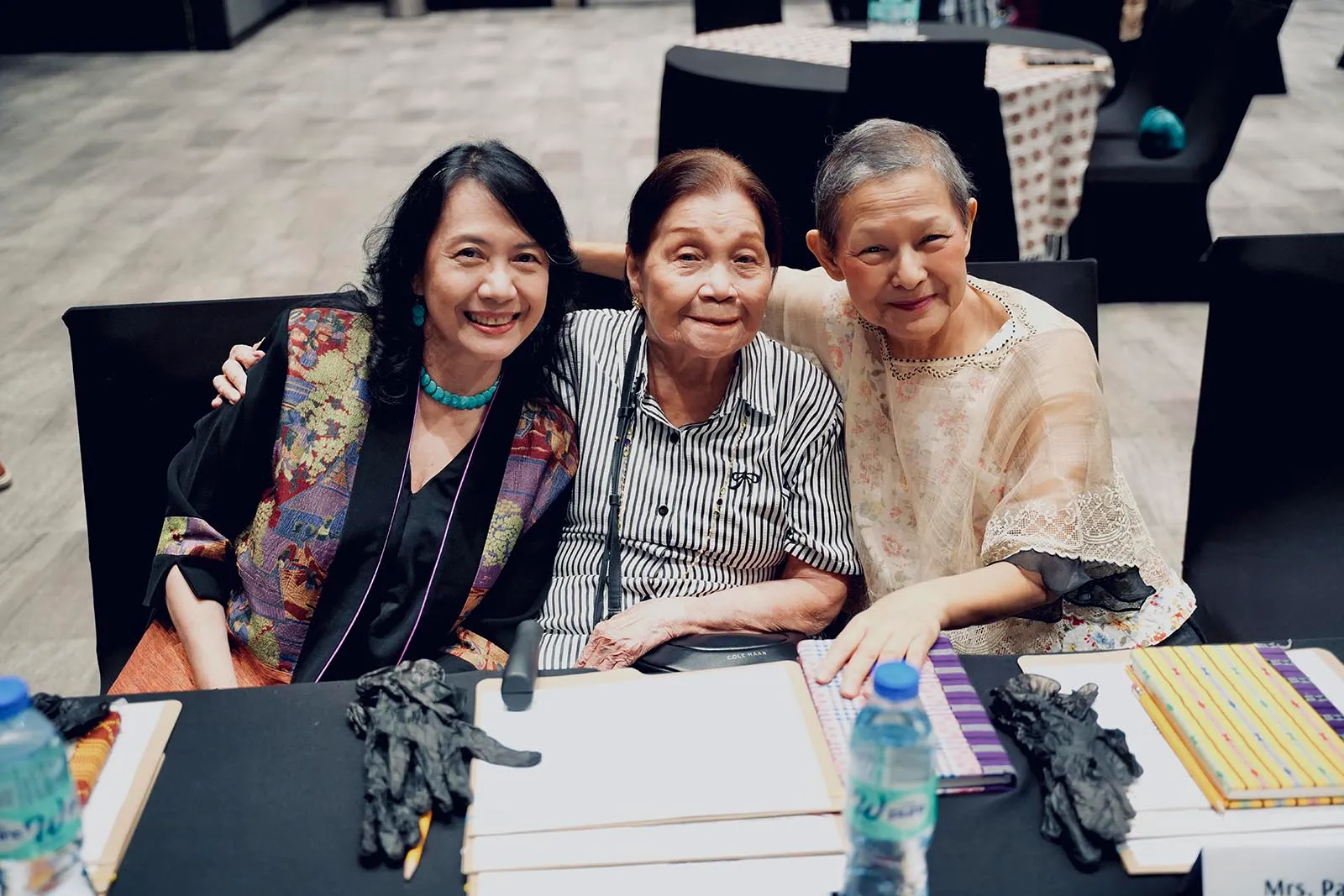
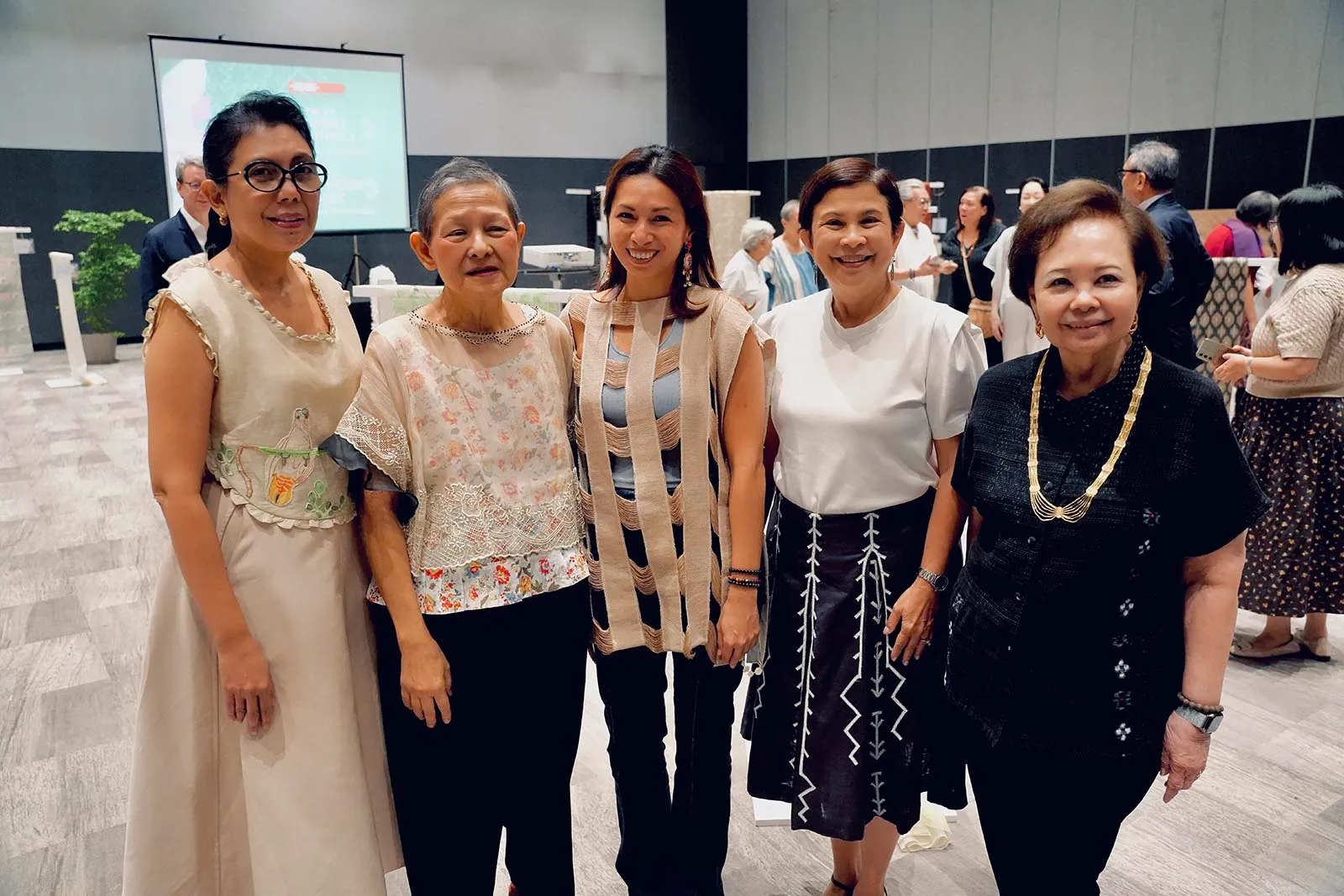
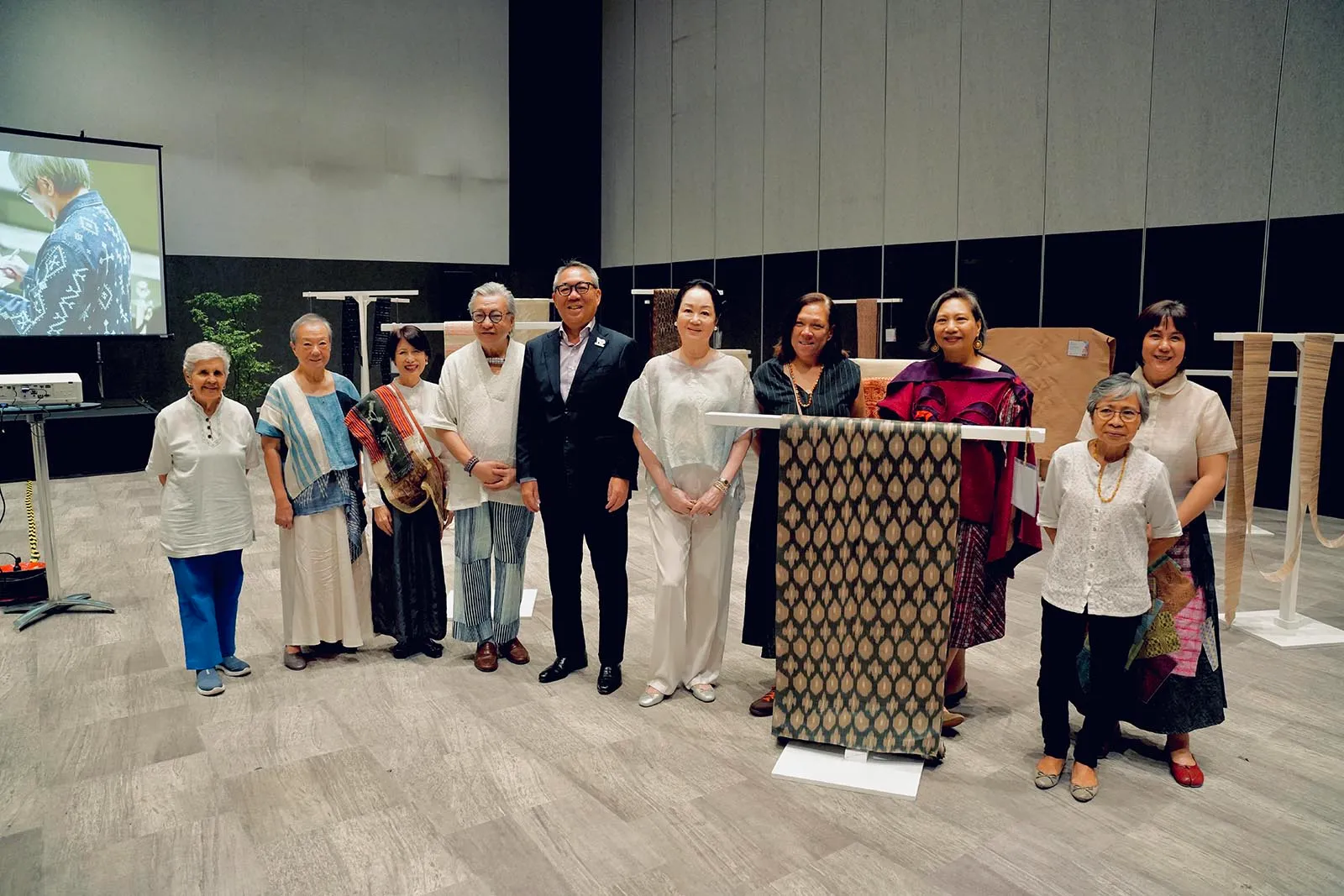
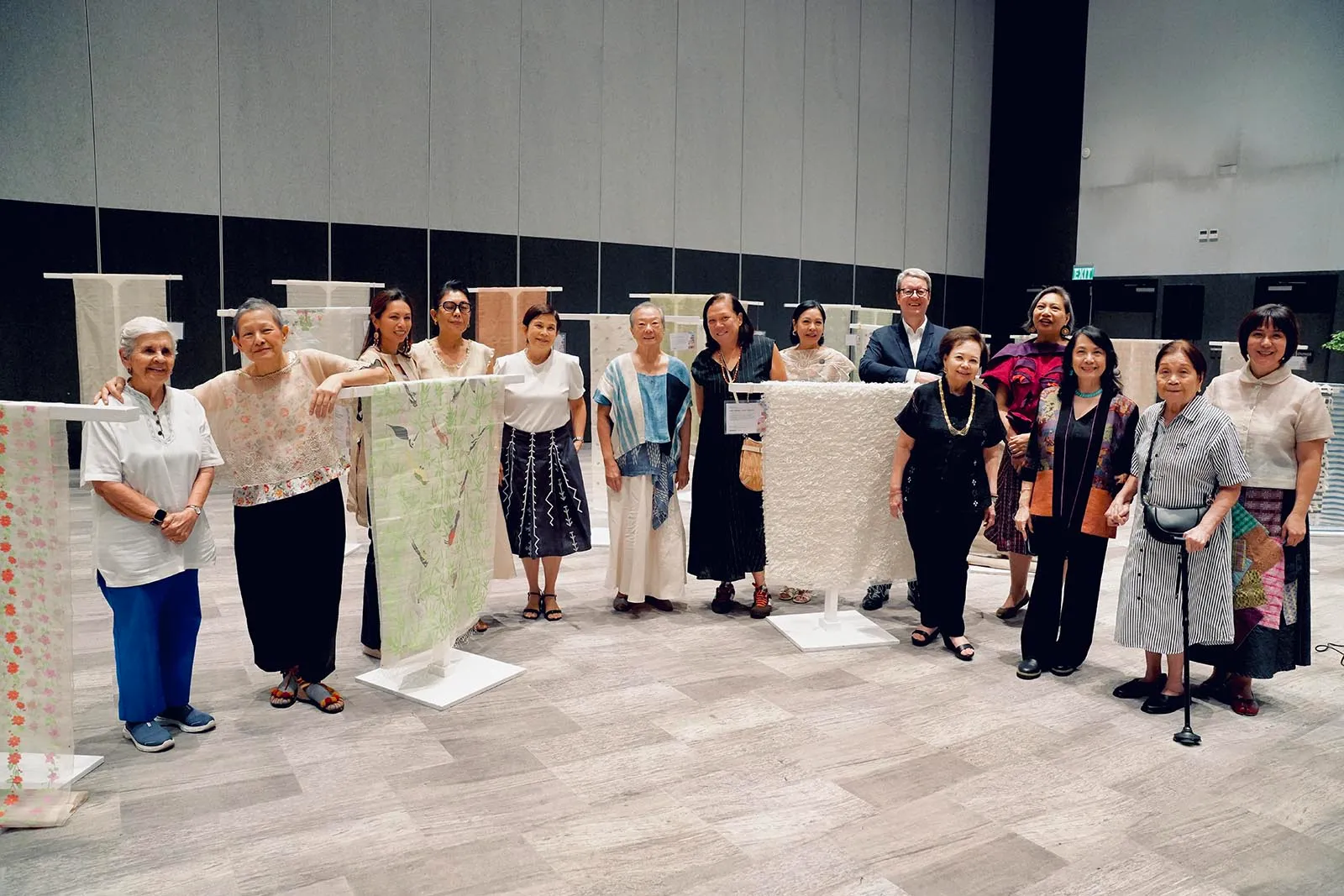 The 9th Lourdes Montinola Piña Weaving Competition Judges. From left: Maria Isabel Ongpin, Patis Tesoro, Adrienne Charuel, Len Cabili, Gianna Montinola, Adelaida Lim, Mia Villanueva, Carmina Sanchez-Jacob, Timothy Daniels, Vicky Sales, Elma Laguinia, Mitzi Reyes, Felicidad Nadres, and Wilma Huang. Courtesy of Habi10/15
 -
 Courtesy of Habi11/15
 -
 Courtesy of Habi12/15
 -
 Courtesy of Habi13/15
 -
 Courtesy of Habi14/15
 -
 Courtesy of Habi15/15
Frequently Asked Questions
Habi: The Philippine Textile Council was founded in 2009 to give Filipino artisans the chance to continue the country’s centuries-old handloom weaving traditions through competitions and market events.
Habi runs the Lourdes Montinola Piña Weaving Competition, started in 2018, and the Eloisa Hizon Gomez Abaca Weaving Competition, started in 2022, judging piña and abaca entries annually.
The 2026 competitions judge six categories: Liniwan, Pure Piña, and Natural Fiber Blends with Piña, plus Abaca Nipis, Resist Dye on Abaca, and Abaca Craft.
Beyond category cash prizes, Habi gives the Nadres Young Weaver Award to weavers under 30 and the Filip + Inna Innovation Award for modern piña and abaca design.
Winners of Habi’s 2026 piña and abaca competitions are announced at the Likhang Habi Market Fair, October 9 to 11, 2026, at Space at One Ayala, Makati City.