
What To Do After Wading Through Floodwater to Prevent Infection


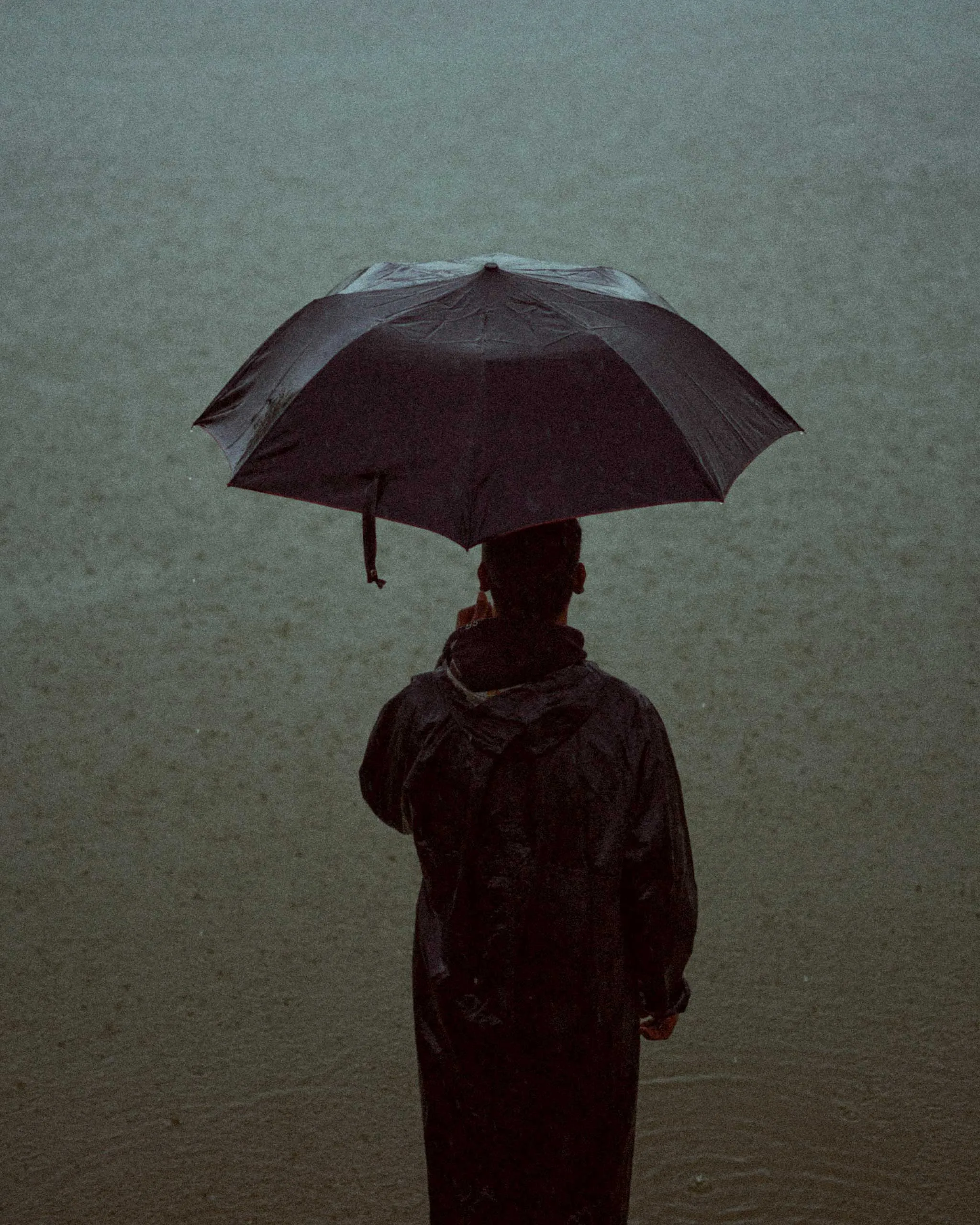
Pexels / Abhishek Sanga
As the southwest monsoon intensifies, bringing heavy rains and flooding, flood-related diseases are expected to increase. To help prevent such illnesses, infectious disease specialist Dr. Daisy Ilagan-Tagarda shares her expert advice.
In the Philippines, the habagat, or the southwest monsoon, coupled with typhoons and low-pressure areas, has been wreaking havoc, causing floods in various parts of the country. This week, Philippine Atmospheric, Geophysical and Astronomical Services Administration (PAG-ASA) reports that tropical depression “Neneng” and a neighboring low-pressure area will continue to enhance the southwest monsoon, bringing more heavy rains, floods, and landslides across Metro Manila, Luzon, and parts of Visayas. With the increase in heavy rains and flooding comes growing concern for flood-related illnesses. In 2026 alone, the Department of Health (DOH) recorded 2,177 leptospirosis cases from January 4 to June 6, and the numbers are only expected to spike as the southwest monsoon intensifies.
As Filipinos brave the floodwaters, infectious disease specialist Dr. Daisy Ilagan-Tagarda shares the risks and the symptoms, as well as prevention and treatment options, for flood-related illnesses.
The health risks
According to Dr. Ilagan-Tagarda, wading through floodwaters can expose us to various infections. The most common, of course, is leptospirosis, a bacterial infection caused by the Leptospira bacteria found in water, mud, or soil contaminated by rodent urine.
Aside from leptospirosis, the rainy season also increases the risk of mosquito-borne diseases such as dengue, zika, and chikungunya. If floodwater is ingested, diarrhea may also be a concern, accompanied by a high-grade fever and abdominal pain.
Some people are also more at risk than others, particularly those with comorbidities such as diabetes, hypertension, and heart failure. For those who become infected, complications include kidney and liver failure, pulmonary bleeding, and pulmonary hemorrhage.
Prevention of diseases
For Dr. Ilagan-Tagarda, the best way to prevent such infections is to completely avoid exposure to floodwater. However, when it’s not possible, protective gear such as rain boots is an important measure to minimize the risk.
If you are exposed to floodwater, the first thing you should do is thoroughly wash yourself with soap and water to decrease the chances of Leptospira bacteria entering your system. Secondly, she recommends consulting a doctor for the proper prophylactic medication, which is used to prevent a disease or infection before it starts.
When you should use doxycycline
A popular medication during these times is doxycycline, an antibiotic that is used for the prophylaxis of leptospirosis. Although the medication is often a necessary intervention, Dr. Ilagan-Tagarda strongly recommends consulting a doctor first to check if you should take the medication, as doxycycline can be risky during pregnancy, for breastfeeding women, for children under eight years old, if you have allergies, or when combined with certain foods, supplements, and medications that can block its absorption.
When it comes to the dosage, doxycycline can be taken within 72 hours after exposure to floodwater. Then, the dosage will depend on the degree of exposure. If you had low-risk exposure, the dose can be two capsules a day; if you’re at medium-risk exposure, you have to take the medication for three days. To properly determine the dosage, it is also highly recommended to consult your doctor.
When you should seek medical treatment
The worrying part of leptospirosis is that the symptoms will only be present seven to 14 days after exposure. According to Dr. Ilagan-Tagarda, a few of the most common symptoms she encounters include high-grade fever, chills, and body aches. Some patients will also complain of abdominal pain and vomiting.
In cases of moderate leptospirosis, yellowish discoloration of the skin or the eyes can indicate organ failure. A decrease in urine output could also indicate renal or kidney failure. “You don’t want to reach that stage because the mortality is actually high for patients with moderate to severe leptospirosis,” she says. As soon as you experience the above-mentioned symptoms, seek medical help immediately.
Frequently Asked Questions
Habagat is the Southwest Monsoon, a seasonal wind pattern that brings warm, humid air and frequent heavy rains to the western parts of the Philippines.
August is the month with the most typhoon activity in the Philippines, while the broader peak season spans from July to October, according to data from the Philippine Atmospheric, Geophysical and Astronomical Services Administration (PAG-ASA).
Floods can expose people to contaminated water, which carries illnesses such as leptospirosis, dengue fever, cholera, and severe skin infections.
To prevent diseases from floods, avoid wading in contaminated water, practice good hygiene, and consult a doctor immediately for advice on post-exposure prophylaxis if you were exposed.
Doxycycline is typically administered after exposure to flood water. For the proper dosage, it’s important to consult your doctor.