
How a Life of Fractures Led George Inaki to the 2026 CFDA/Vogue Fashion Fund Finals


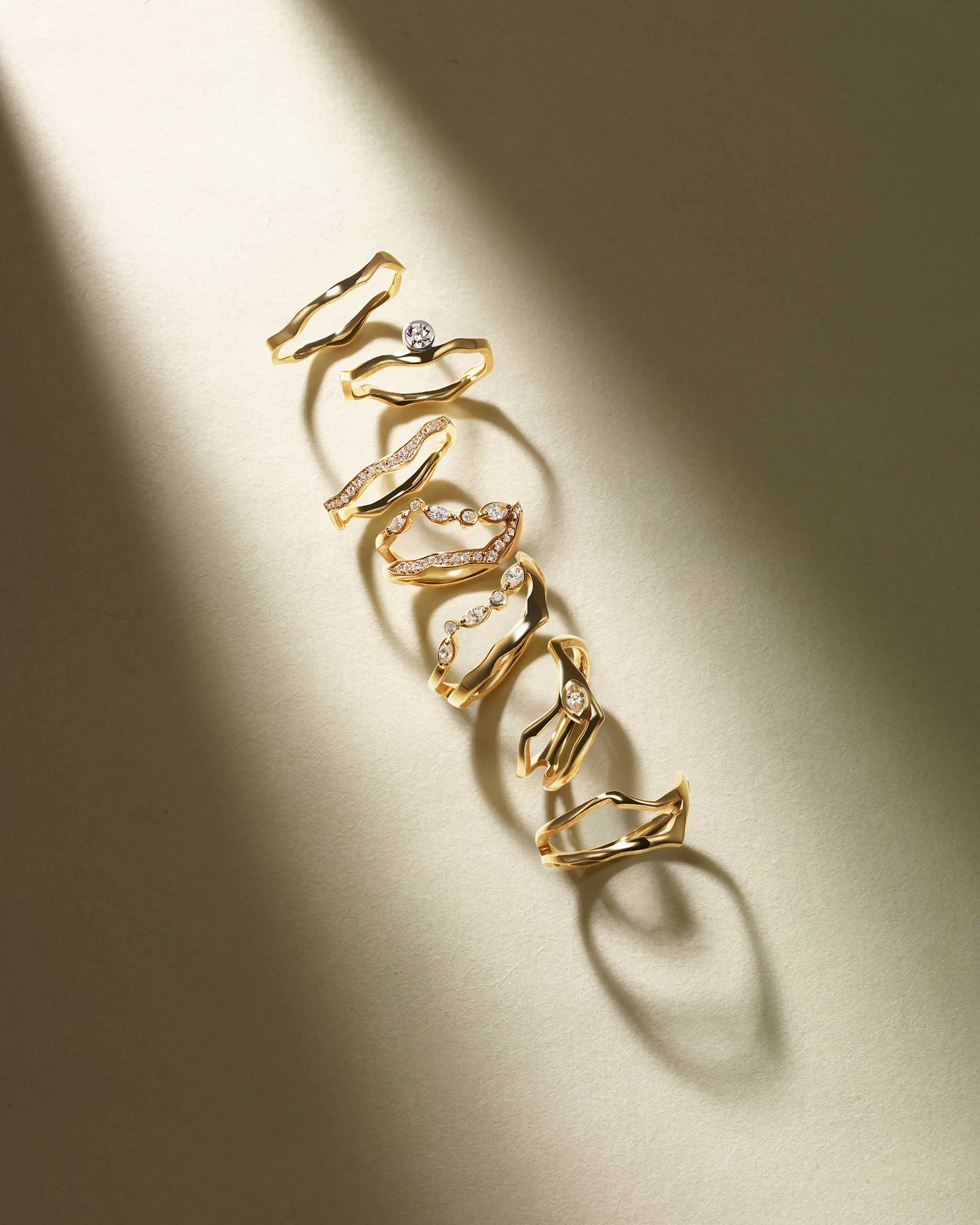
Photographed by Daiki Ueda, courtesy of Milamore
The Milamore founder’s interpretation of the Japanese philosophy of kintsugi earned him a place among fashion’s most exciting emerging talents.
Named one of this year’s CFDA/Vogue Fashion Fund finalists, Filipino Japanese designer George Inaki of Milamore joins an inner circle of designers shaping the future of American fashion. Yet when the call came, his first reaction wasn’t celebration. “When I got a call from Steven [Kolb], who is the CEO of CFDA, I literally panicked,” Inaki confesses over Google Meet.
“It took me a full day to really let it sink in because it was a lot of pressure. It is such an honorable thing, and I applied myself, but I wasn’t expecting to be a finalist.” Like Charlie stepping into the Chocolate Factory, it wasn’t until he arrived at American Vogue’s headquarters in One World Trade Center and stood alongside the other finalists that the recognition truly sank in. “I think that’s when I realized, ‘Oh shit, I am really in the ecosystem of designers in America,'” he says.
“It was kind of like a kid in the candy store knocking on the window, and then suddenly you’re a part of it… it’s really an American dream moment for me.”
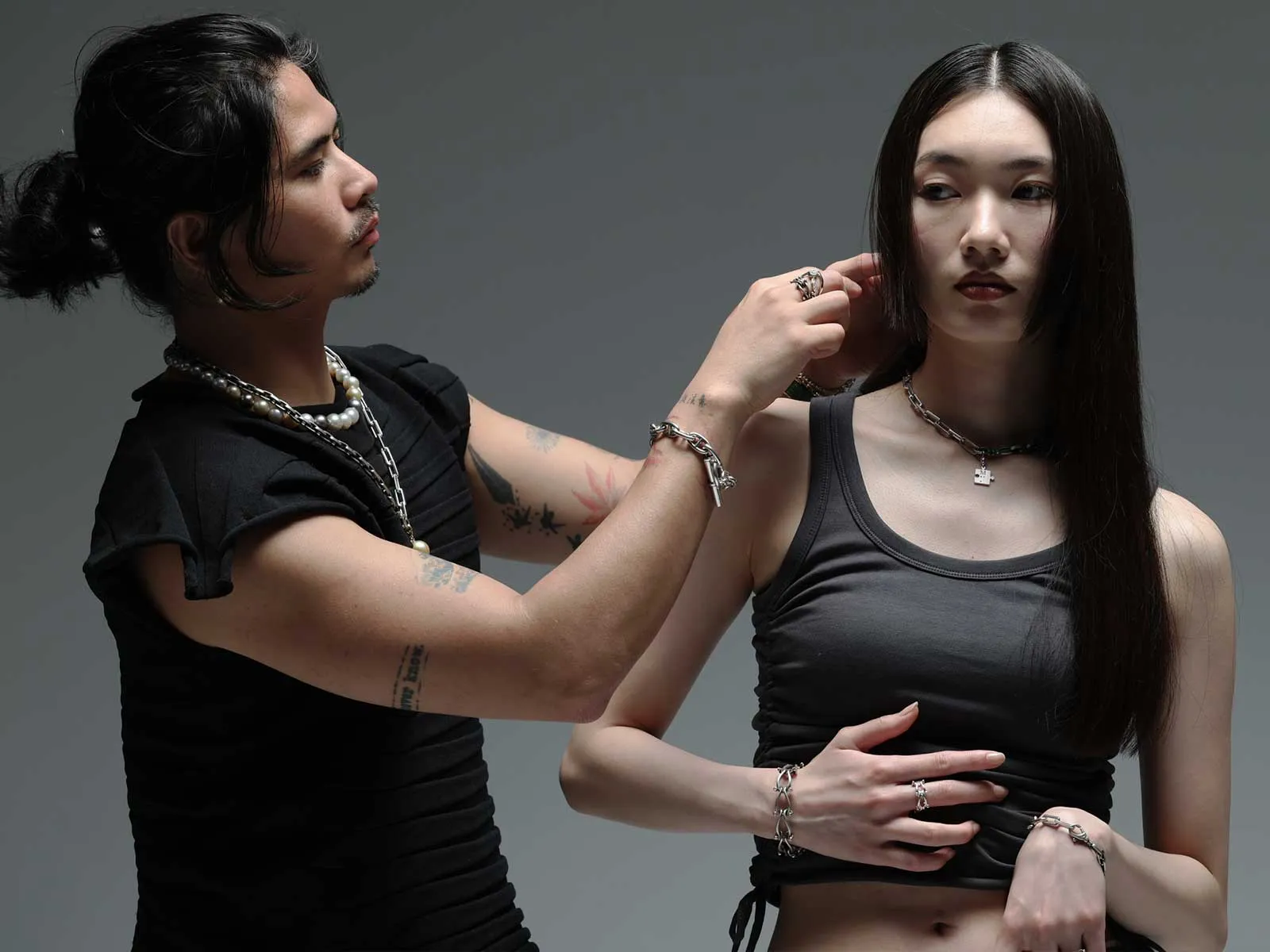
That dream began 8,520 miles away in Manila, where Inaki was born before relocating to Japan at the age of nine. His earliest memories are of his grandmother, whom he still considers the heart of home. “I grew up with my lola. She’s the love of my life. That’s why I named it after her, Mila, for Milamore,” he says.
“I remember the Philippines being all about fiestas, Christmas, and New Year’s. My lola would cook me sinigang, wear polka dots on New Year’s, and take me to church. I remember sampaguita everywhere. Those are such strong memories.” Those flashbacks have since inspired everything from Milamore’s jewelry to a sampaguita-scented candle that pays tribute to his storied Filipino childhood.
Life did a 180-degree after he moved to Japan to be with his mother, who had spent years away working to support the family, juggling factory shifts and moonlighting as a bartender and hotel cleaner. Inaki learned Japanese through Pokémon, Dragon Ball, and Sailor Moon while adjusting to life as one of the few mixed-race kids in his community. Determined not to lose his tongue, he found an ingenious way of preserving the language he had grown up speaking in the Philippines. “From nine to 18, I didn’t really have a chance to speak English,” he says. “I’d watch Prison Break, The Simple Life, American movies and dramas, just to maintain my English.”
Like most parents concerned about their children’s futures, his mother hoped he would pursue a more practical vocation. “She wanted me to work in a factory,” he chuckles. “I was like, ‘Mom, no. My nails are gonna get dirty.'” Fashion wasn’t even on his radar. “I wasn’t even planning to be in fashion,” he says. “The first time I ever stepped into a gallery or museum, I was 26 or 27.”
Instead, Inaki ascended the corporate ladder in public relations before realizing it wasn’t his forte. “I didn’t really like myself when I was doing PR,” he says. “I felt like, if that’s my career, what is the reason for my existence?” While working in New York, he correctly predicted the growing popularity of gold hoop earrings, prompting one of his clients to make an unexpected offer. “She said, ‘My family business is your production. Do you want to start a brand?’ That’s how it happened,” he recalls.
“For me, it didn’t really matter what it was going to be,” he says. “I just needed to get out of the PR world.” When Milamore launched in 2019, it was built around a clear identity: contemporary designs conceived in New York and handcrafted in Japan. “For me, New York means jewelry you can effortlessly wear every day,” he explains. “I really respect Japanese craftsmanship, but if I’m going to create a brand, it needs to be tied to my identity.”
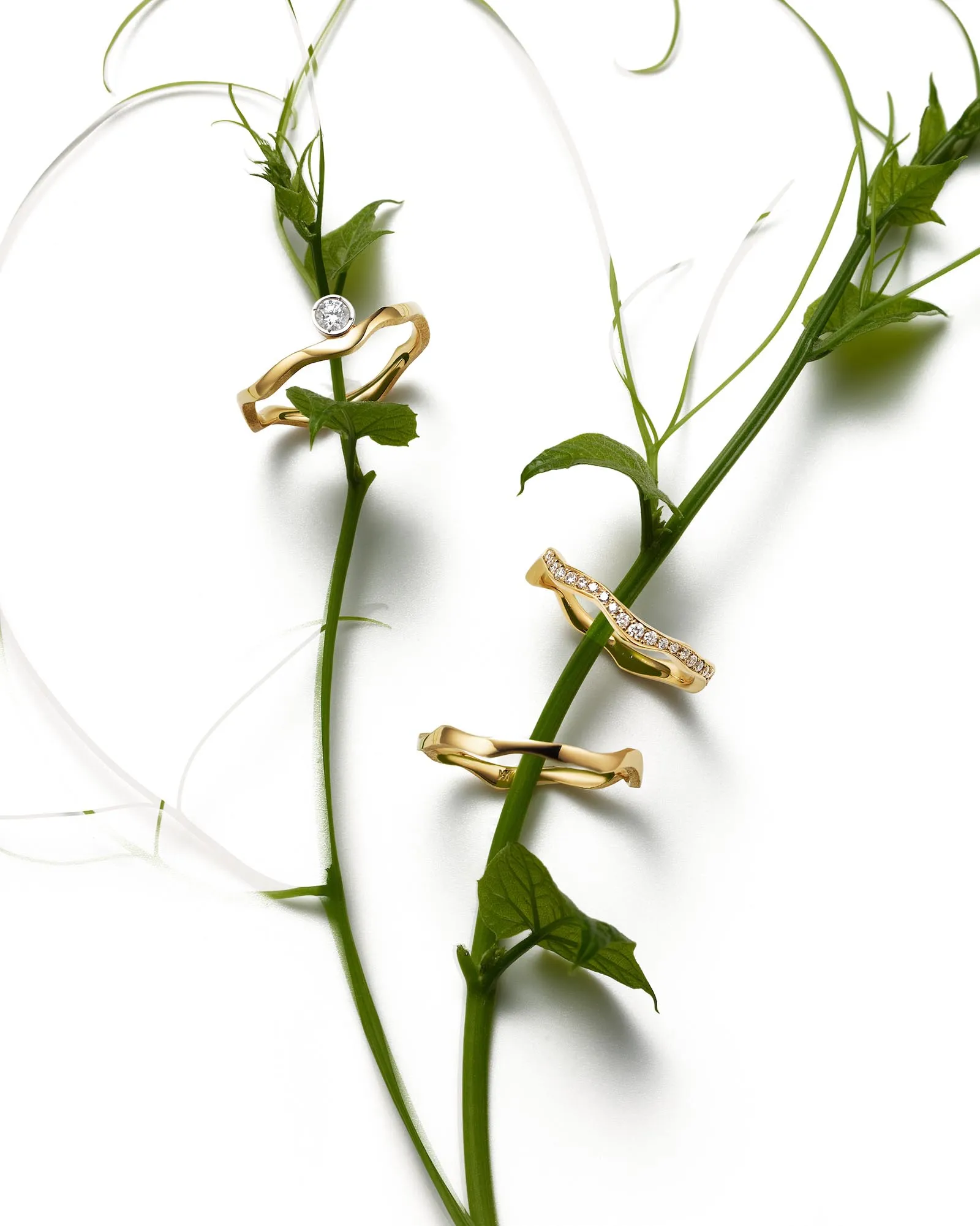
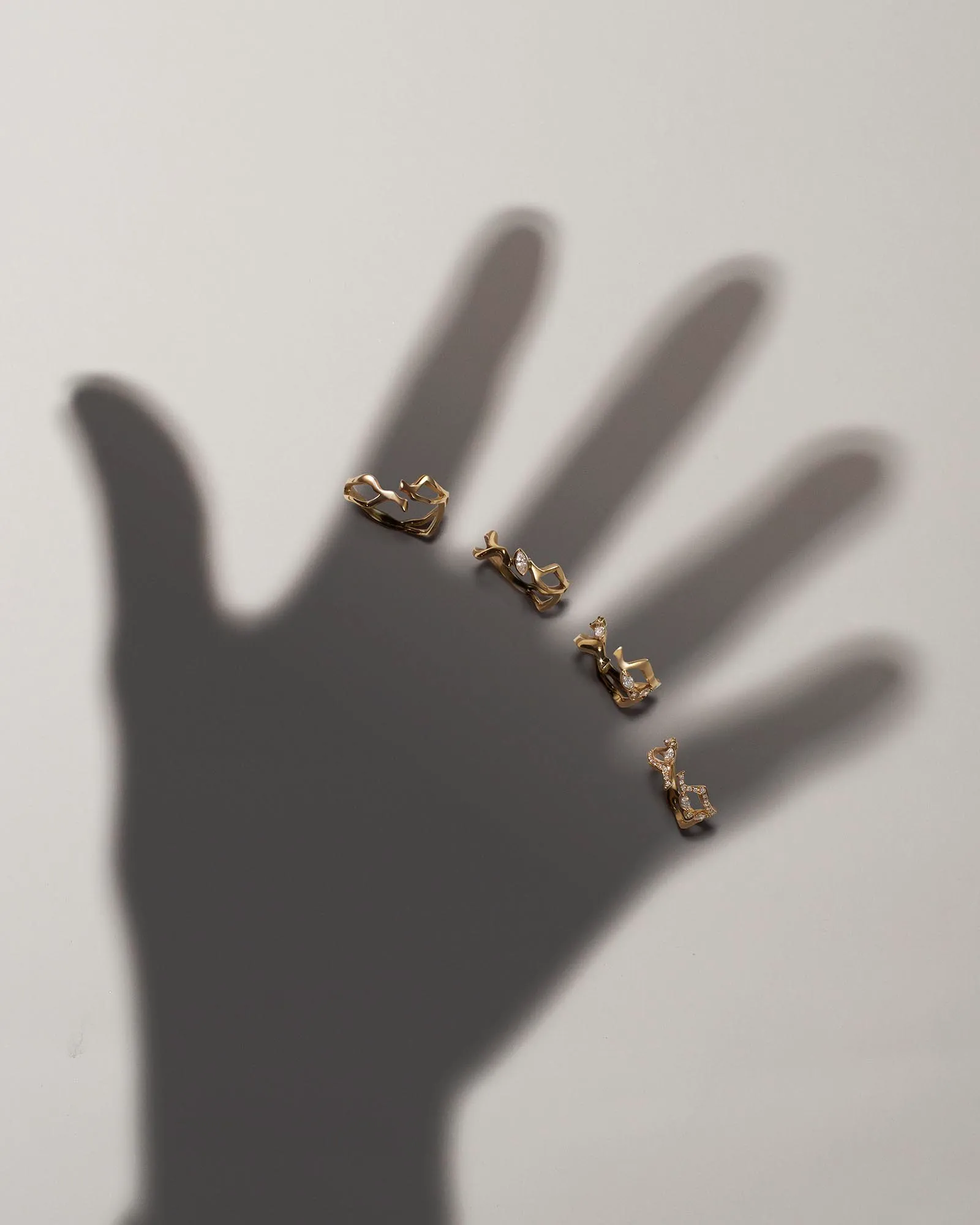
This search for authenticity ultimately led him to kintsugi, the centuries-old Japanese practice of repairing broken ceramics with lacquer dusted in precious metals. More than a visual motif, it became the philosophy that defines Milamore today. “When I started the kintsugi rings, essentially I wanted to heal myself,” he says. “Then I realized if I’m feeling broken, everyone feels broken. I want people to feel not broken, but mended through my designs.”
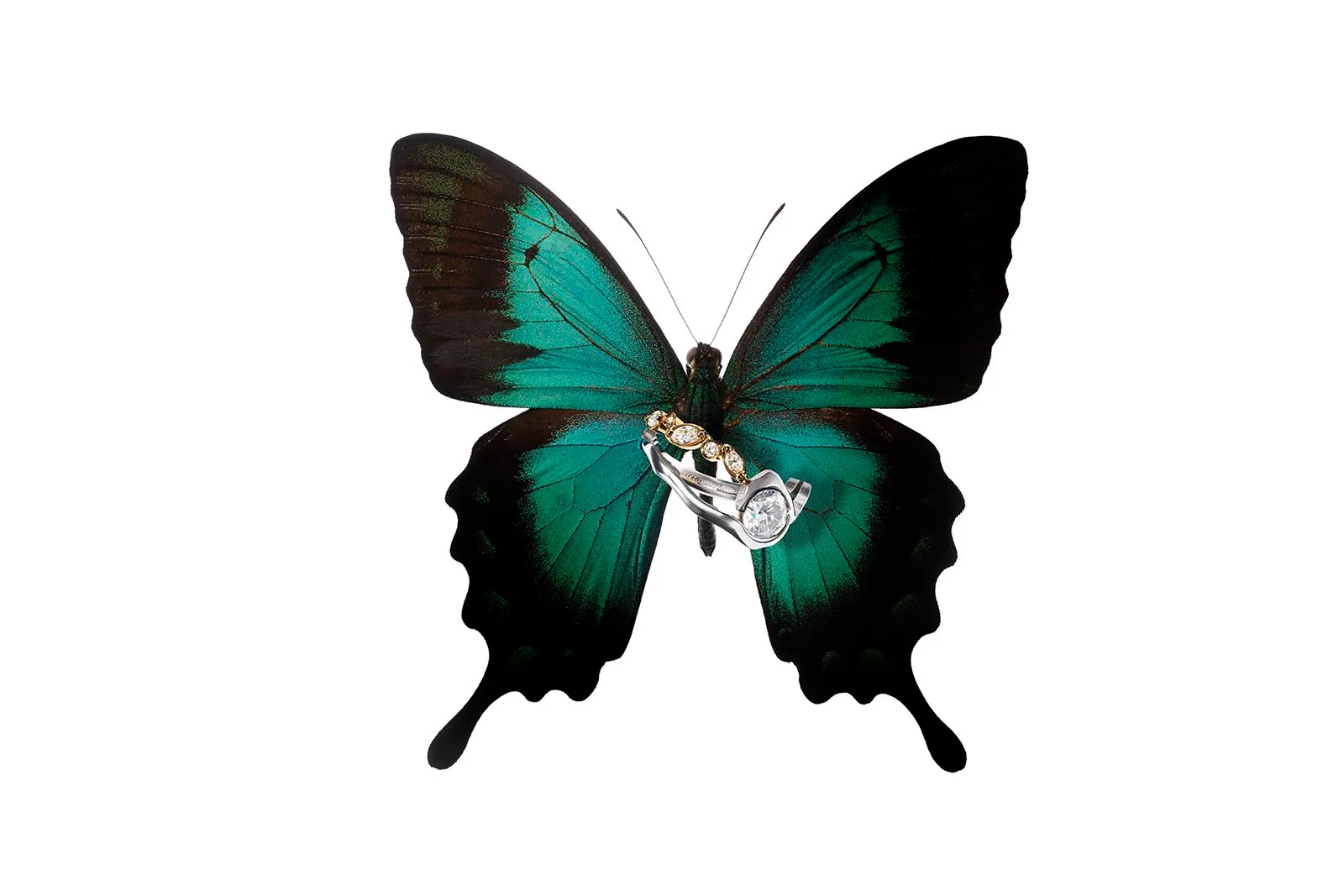
Rather than simply rehashing the resourceful aesthetic, Inaki translated its delicate veins into solid form, celebrating the battle wounds of healing, with gold lines echoing repaired fractures across the body. While kintsugi remains the keystone, it represents only the beginning of Inaki’s ever-changing design legacy, with the next chapters still waiting to be written.
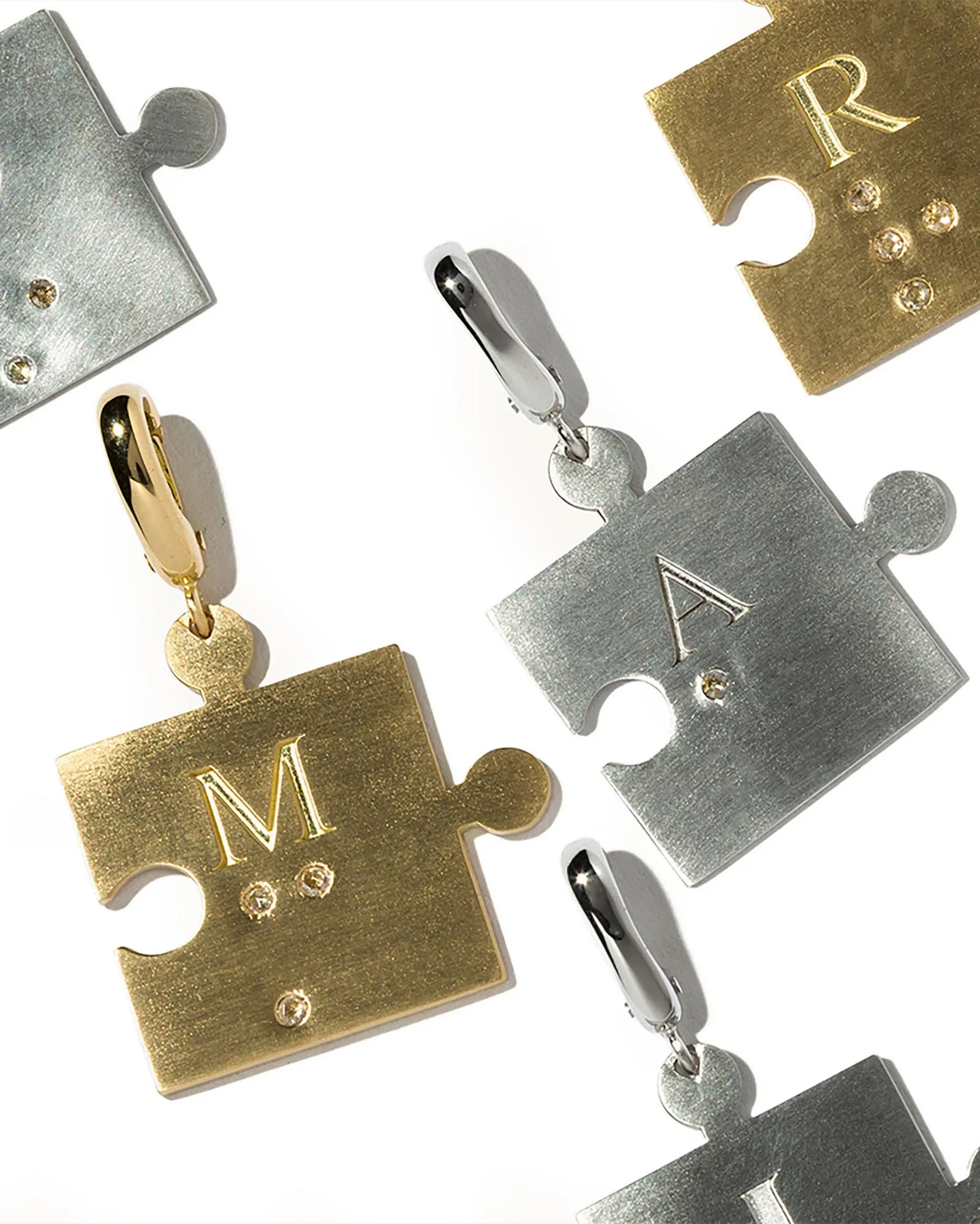
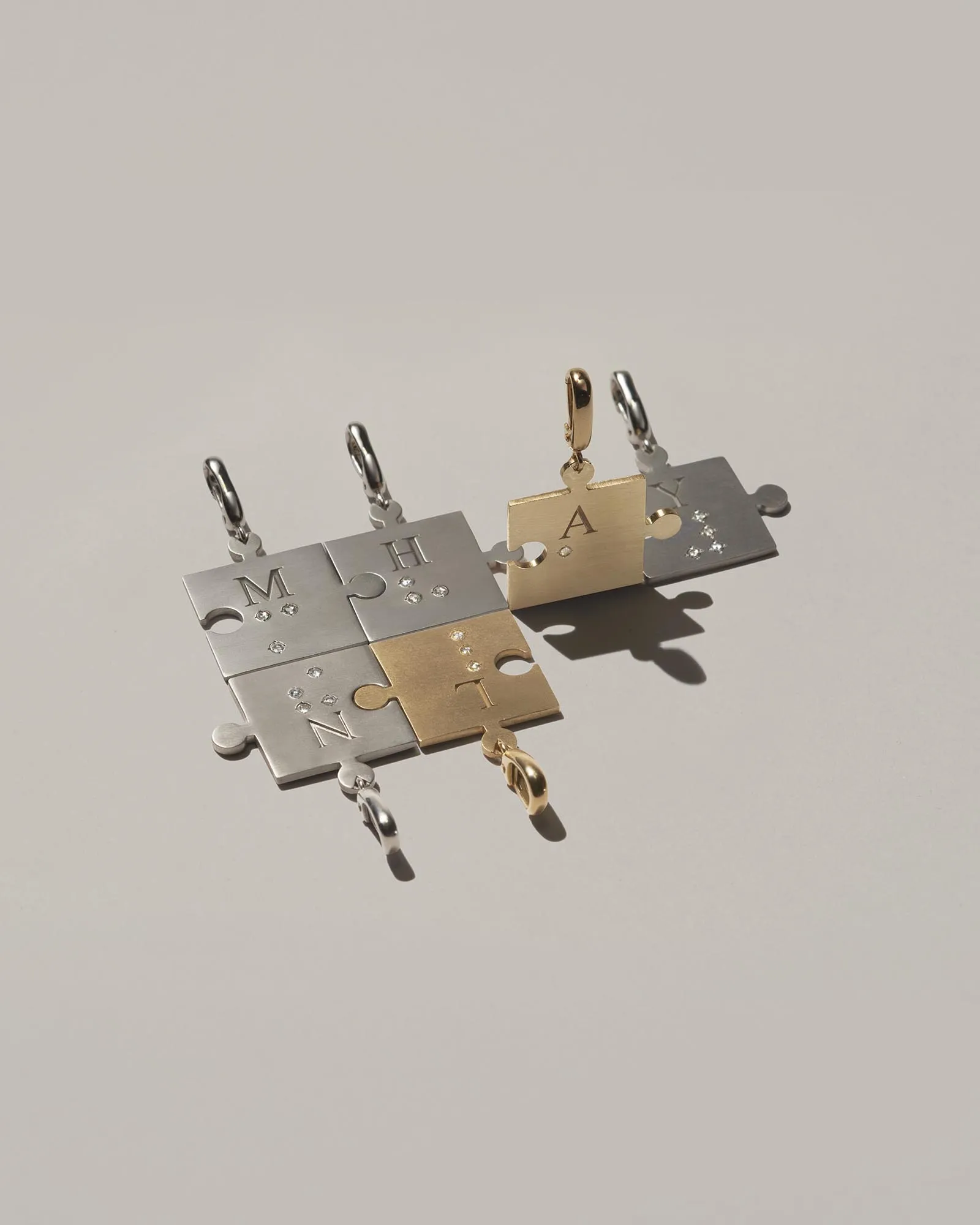
“When I launched the brand, I had the Duo Chains, the Zodiac, and kintsugi,” he says. Since its introduction, the Duo Chains have become a holy grail product for the brand, reimagining antique watch chains through a necklace design that juxtaposes silver and gold. Over the years, the series has expanded to include a variety of chain styles, from paperclip, figaro, and cable links to designs featuring South Sea pearls. This inclusivity is also present in his Braille collection, where pavé diamonds form messages that can be read by touch. “In Japan they teach us universal design, so we learned about Braille, why it’s important, and its history,” he explains. “I always thought the gesture of reading with your fingertips was beautiful and poetic. Then I thought, let’s make it diamonds.”
In the world of bling-bling, Inaki’s hero is the revolutionary designer Elsa Peretti, whose mastery of form continues to captivate generations, with creations that command prices beyond the value of the sterling silver. Rather than centering on carat weight, Peretti shifted attention toward the natural beauty of the human form, an approach that deeply resonates with Inaki. “She was revolutionary because when you think about Tiffany, it’s about diamonds and how rare the stones are,” he says. “I admire designs more than the stones.”
One piece, in particular, left a lasting impression: Peretti’s Bone Cuff, a design inspired by a 17th-century Capuchin bone crypt and the architecture of Antoni Gaudí. “The Bone Cuff covers the wrist bone. That’s when I realized the wrist bone is very beautiful. That’s why I designed the kintsugi bangle that traces the wrist bone.” Like Peretti, Inaki approaches jewelry as an extension of the physique, creating pieces that follow its contours rather than simply adorning it.
Becoming a finalist carries meaning beyond a personal badge of honor. “I’ve been living in New York for 12 years,” he says. “People call me George of New York. But now I feel like I really, really made it.” As someone born in the Philippines, raised in Japan, and now building a business in America, he hopes his story encourages others who may feel their background limits their ambitions. “I wanted my recognition not for me, but for people who want to break into the industry,” he says. “If you’re not coming from financial backup, it’s almost impossible. I wanted to give them a path.”
His advice to emerging designers begins with one question: “Ask why your brand needs to exist in this oversaturated industry. Why does your design need to exist?”
Looking ahead, Inaki’s ambitions stretch well beyond the realm of frosting. He envisions Milamore growing into a lifestyle brand expanding into objects for the home, fragrance, and experiences that reflect his world. Yet his greatest dream remains surprisingly simple. “It would be an honor if my kintsugi pieces were at the MET Museum,” he says. “I would love to be in major museums throughout the world because I believe the philosophy of kintsugi is universal. It doesn’t matter where you’re from, your gender, or your background.”
Ultimately, he hopes people leave with something more lasting than a beautiful object. “When you wear the kintsugi, you become the kintsugi,” he says. “That’s the message that I want to give.”
The winner of the 2026 CFDA/Vogue Fashion Fund Finals will be announced at a gala in New York on October 20, 2026.
Frequently Asked Questions
George Inaki is a Filipino-Japanese jewelry designer and the founder and creative director of Milamore.
Milamore is a New York-based fine jewelry brand founded by George Inaki that creates handcrafted pieces inspired by Japanese artistry and philosophy.
The name draws inspiration from the Spanish phrase mi amor (“my love”), symbolizing the warmth, affection, and meaningful connections that define the brand.
Much of Milamore’s work is inspired by kintsugi, the Japanese art of repairing broken ceramics with lacquer mixed with gold. Rather than hiding imperfections, kintsugi celebrates them. George transformed this idea into the brand philosophy “Mended, Not Broken,” encouraging people to embrace life’s scars as part of their beauty and growth.
The CFDA/Vogue Fashion Fund is a prestigious annual program that supports emerging American designers through mentorship, business development, and financial grants. Since its launch in 2003, it has helped launch brands such as Proenza Schouler, Altuzarra, Brother Vellies, Bode, and Christopher John Rogers. The winner of the 2026 CFDA/Vogue Fashion Fund Finals will be announced at a gala in New York on October 20, 2026.