
A Decade On, Xyza Mizrahi Is Still Mother to the Philippine Ballroom Community


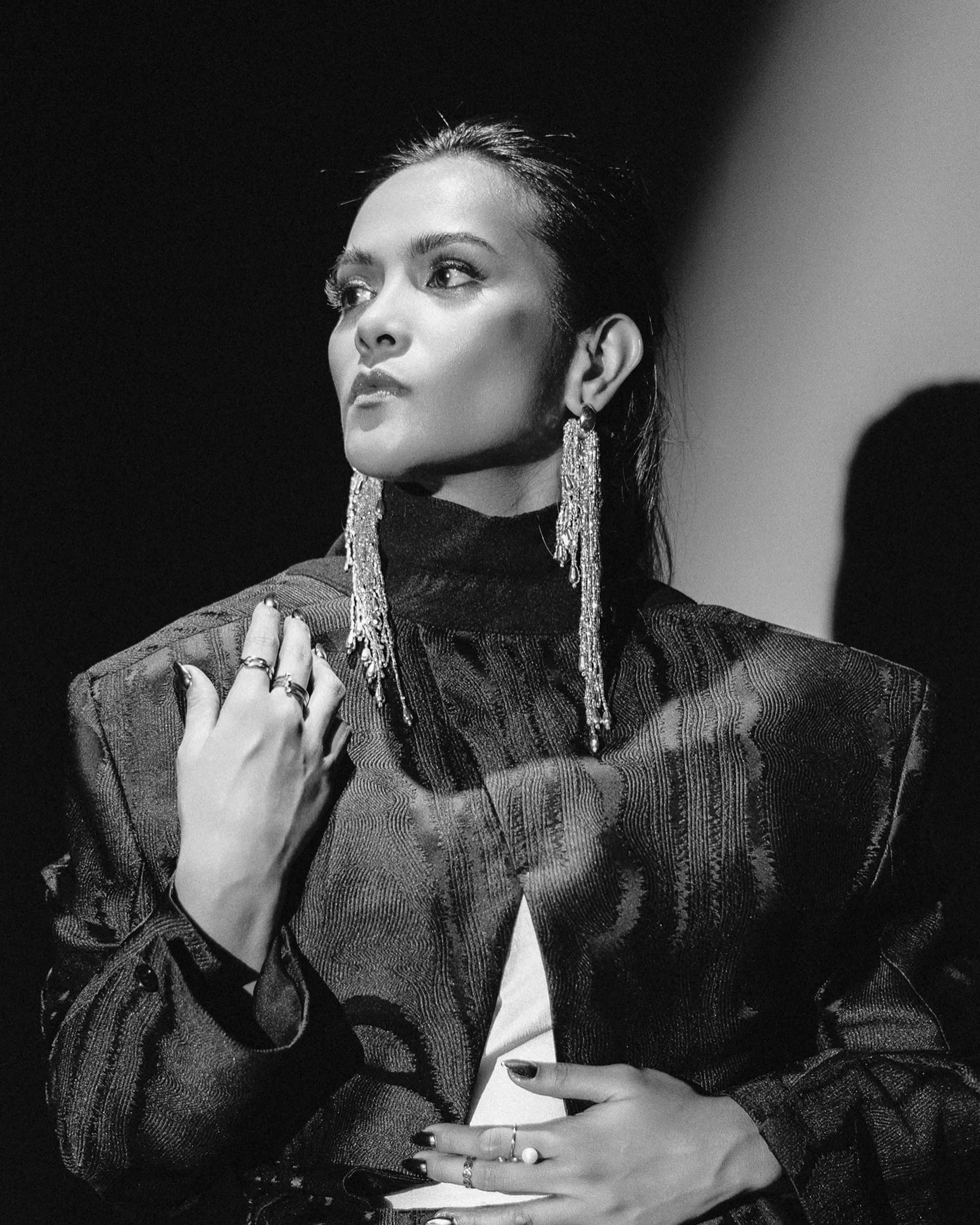
Photographed by Christopher Sy
Ten years ago, Xyza Mizrahi brought international ballroom culture to the Philippines. Now, the movement is spreading throughout different regions of the country.
When you don’t have a home, you can always find a House. In the Philippines, the ballroom community is thriving, with trailblazer and up-and-coming legend Xyza Ragunjan, better known as Xyza Mizrahi.
A safe space for the queer community, ballroom or ball culture is an underground LGBTQIA+ subculture that originated from the Black and Latino community in the 1970s in New York City. Here, people can find their “Houses,” alternative families led by “Mothers” and Fathers” who mentor young, often ostracized queer individuals. And in these “balls,” individuals and Houses walk the runwayRunwayThe platform or catwalk on which models present a designer's collection to an audience of editors, buyers, and guests. Runway shows establish the creative statement of a season, and Vogue'sGo to Runway Glossary and compete in categories such as vogueing, runway, realness, face, body, and more, that were designed to allow the community to dream.
On the floor, realness is the test of “passing,” where competitors perform an identity (such as schoolboy, business executive, or cisgender) to show that they can blend into heteronormative society. Vogueing, of course, refers to the stylized, rhythmic dance form referencing high-fashion poses. In the runwayRunwayThe platform or catwalk on which models present a designer's collection to an audience of editors, buyers, and guests. Runway shows establish the creative statement of a season, and Vogue'sGo to Runway Glossary category, participants walk the runway modeling fashion looks. Meanwhile, face and body celebrate facial beauty and physique.
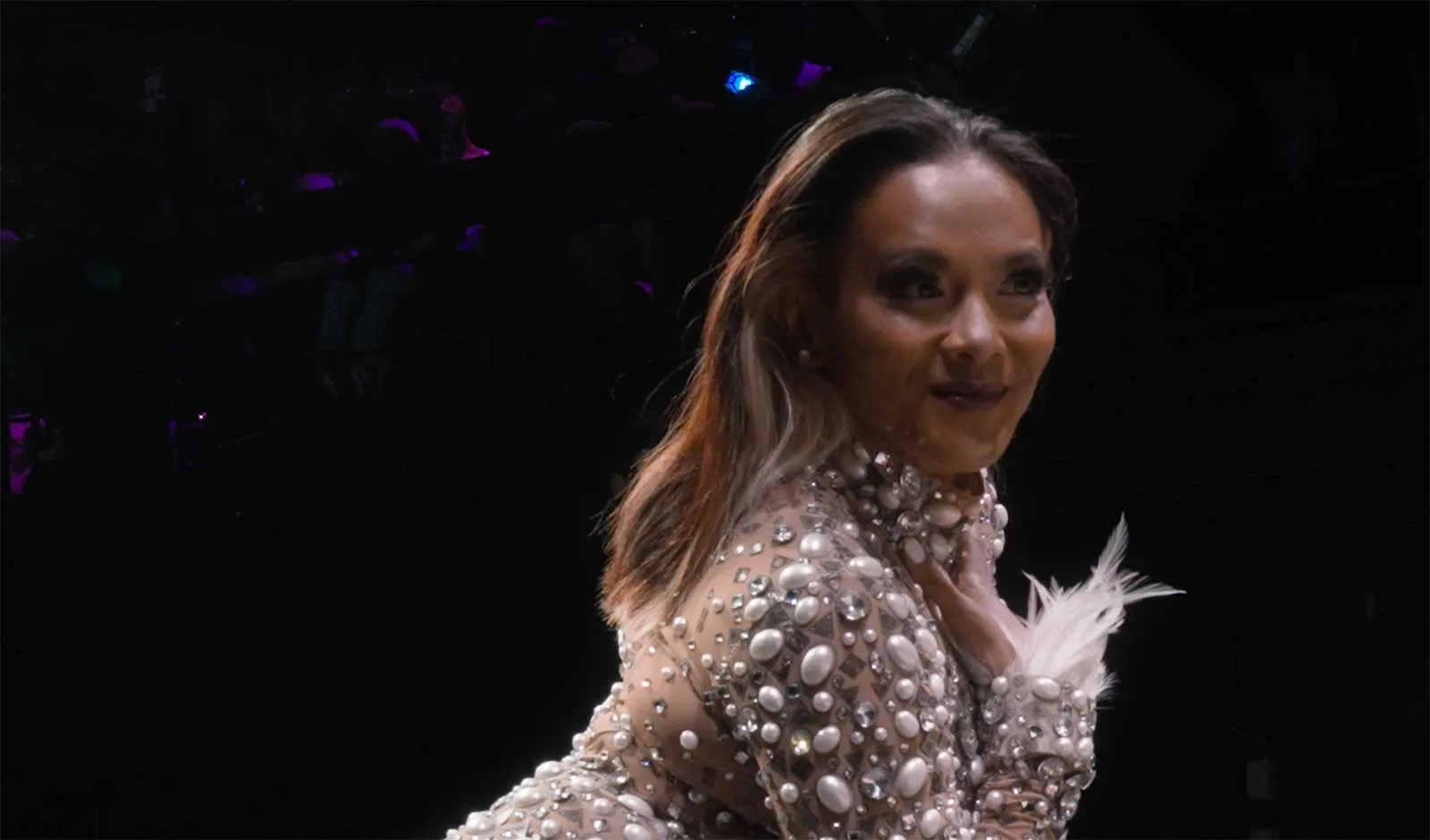
Ballroom culture was initially founded as a means for the queer community to live out their dreams, but it is also a home, a safe space, and a second family to many. It’s not hard to see why it took off in the Philippines, where pageantry and community are deeply rooted in the culture.
Xyza, Mother of House Mizrahi in the Philippines, discovered the scene while exploring her dance artistry. Competing both locally and internationally, she eventually stumbled upon voguing and house music, falling in love with the culture. “I was able to tap my feminine energy,” she shares. Ballroom also allowed her to merge her passion for dance and fashion and find her community.

“One thing that inspired me with ballroom is the authenticity of the members, the audacity, their confidence, their ability to own their identity,” she says. “It’s a community holding each other, supporting each other, and it’s really a community that would be there to fight for each other.”
After watching videos online, Xyza looked for a mentor. She found Mother Koppi Mizrahi in Japan, then saved up, traveled, and learned the art form. “I learned that voguing is not just movement. There’s a deeper culture, and there’s a deeper meaning to each movement,” she says. Experiencing the thrill of ballroom, Xyza then wanted to share that feeling with the Philippine scene. In 2016, she threw her first ball and subsequently brought the House of Mizrahi to the Philippines; it’s the country’s first international House, founded by Andre Mizrahi in New York City.
Back then, she shares, the biggest challenges in organizing balls were securing funding and explaining what ballroom culture even is. “We were lucky if we had three balls in a year, but now, we already have a ballroom calendar schedule filled until December,” she shares. From its beginnings in Metro Manila, ball culture is also finding its way in other regions of Luzon, in Cebu, and they have their fingers crossed that there will be a community in Davao soon.
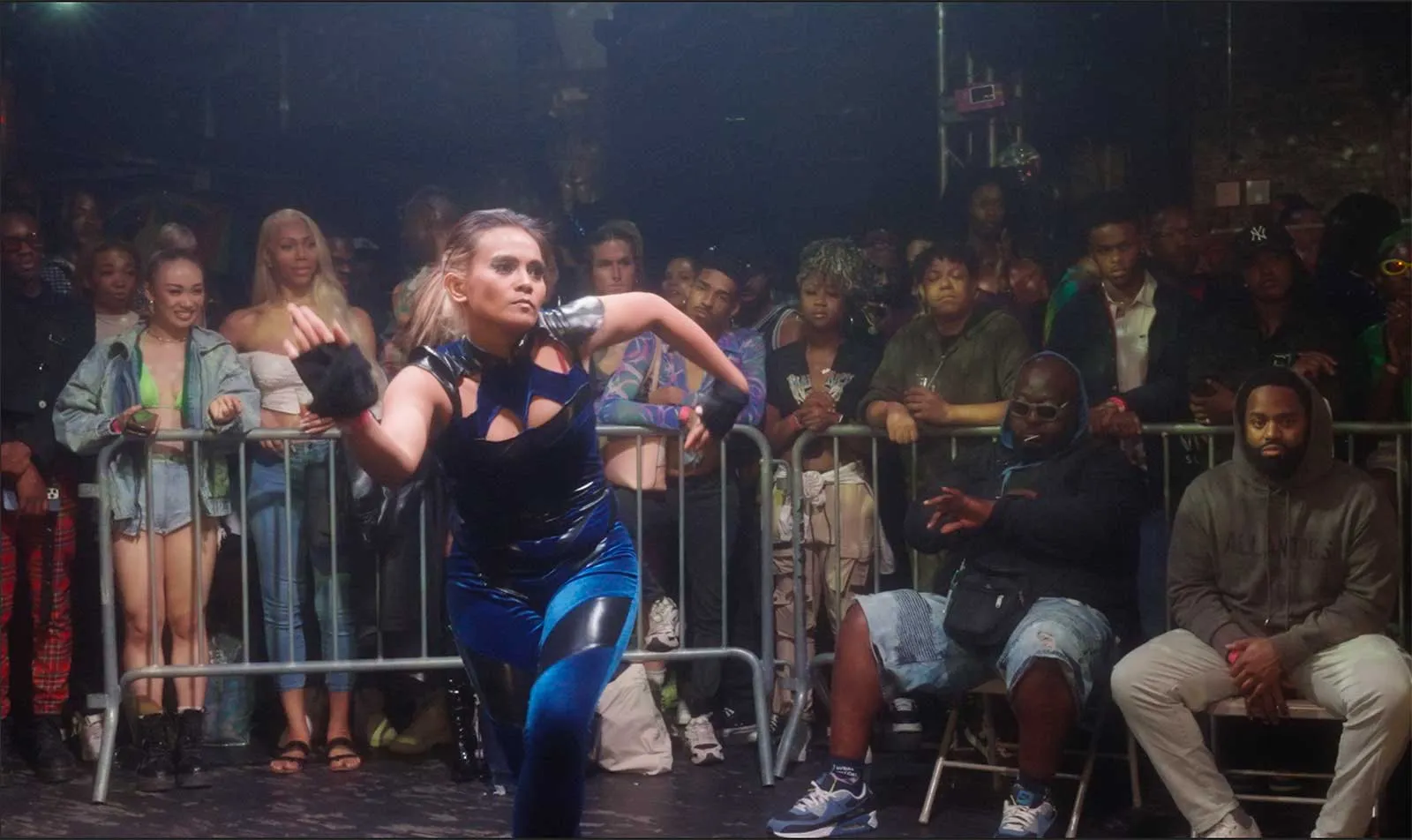
“It’s the consistency, the hard work of not just me but the rest of the House members, the rest of the other members of the community. Talagang always showed up because they wanted to be a part of the space. They wanted to express themselves through this movement,” she says.
Aside from reaching different regions, the culture is also reaching younger generations, with kids as young as nine years old. Balls serve as a means of self-expression and a venue to showcase their talent. “[We’re] preparing them for the real world,” she says. “When they step off the runwayRunwayThe platform or catwalk on which models present a designer's collection to an audience of editors, buyers, and guests. Runway shows establish the creative statement of a season, and Vogue'sGo to Runway Glossary, they’re ready for a job interview, a competition, a pageant, or whatever path they want in life outside the ballroom.”
For Xyza, what sets the Philippines apart from other countries is its rich culture, creativity, and expression. “How they [Filipinos] express themselves on the floor is very soulful, very intentional with every performance, with every pose,” she says. “Every month is a different look; there’s a different energy. Never-ending creativity on the floor.”
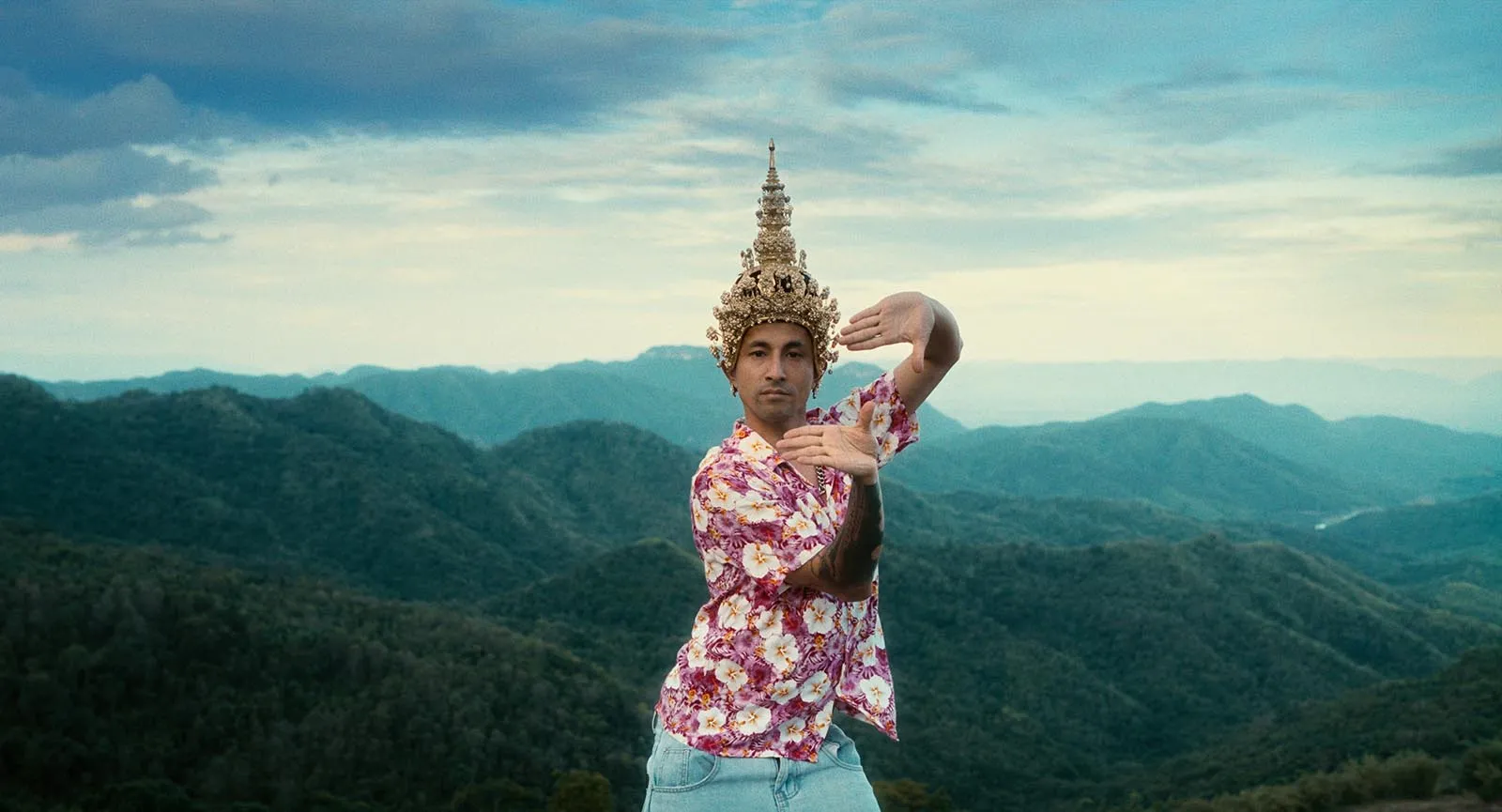
The same energy is spreading throughout Southeast Asia. In the documentary 10s Across the Borders, director Chan Sze-Wei followed the rise of ball culture in Thailand, Malaysia, the Philippines, and Singapore. Since its release last year, the film has been showcased at film festivals around the world, earning nominations from the Asia Pacific Screen Awards and the Sofia Pride Film Festival. As the culture’s trailblazer in the Philippines, Xyza was a key cast member in the film, showing their journey over the past seven years. “Every time I see it, I think, ‘Yes, this is the reason why I’m here,” she says.
This year, the Philippine ballroom culture celebrates its 10th anniversary. “I can’t believe it’s 10 years, and I can’t believe that I’m seeing where we are now, which was just a dream 10 years ago,” she reflects. “Now, I have a bigger vision for the community.”
No matter how big the community gets, they will always go back to the culture’s roots of fighting oppression, fighting for freedom of expression, Xyza says. “A lot of people sacrificed their lives just for this culture to exist. It always boils down to that.” As the movement spreads throughout the Philippines, she hopes for one thing: that every person who steps on the floor feels the same love that she felt 10 years ago.
Frequently Asked Questions
Ballroom or ballroom culture is an underground LGBTQIA+ subculture created in the 1960s and 70s by Black and Latin transgender women and queer people in New York City.
Xyza Mizrahi is a multi-disciplinary movement artist, choreographer, and the trailblazer of the Philippine ballroom scene.
Yes, there is a growing underground LGBTQIA+ ballroom and voguing culture in the Philippines.
The ballroom categories you can “walk” or compete in usually consist of Realness, Performance, Face, Body, Sex Siren, Runway, and Bizarre.
Ball culture and voguing events are largely concentrated in Metro Manila, with major balls and Kiki nights held in LGBTQIA+-friendly event spaces, nightclubs, and theaters.