
Inside DesignMarch 2026: Where Iceland’s Nature and Design Meet


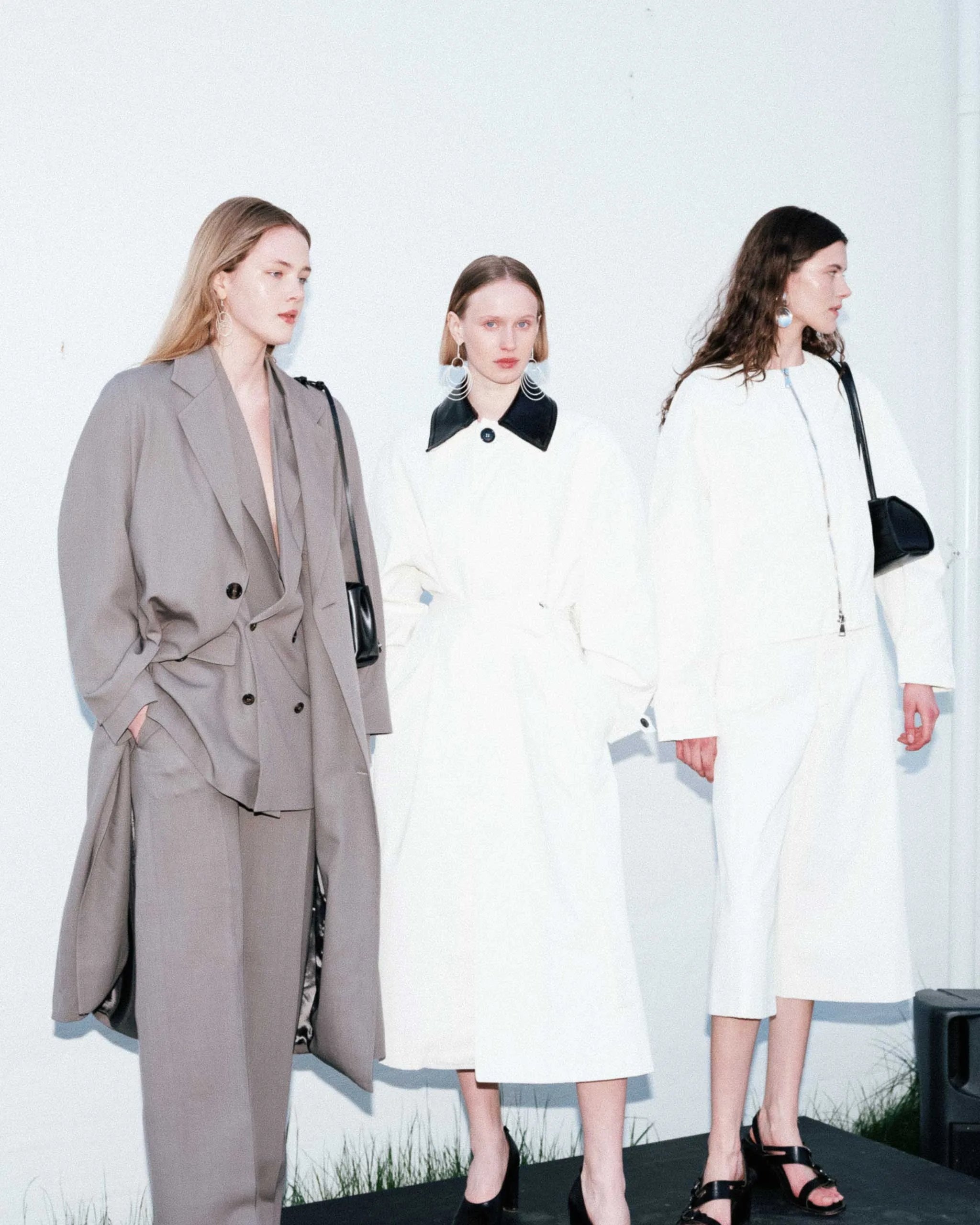
Photographed by Max VM
Vogue Philippines takes a look back at the events of last May’s event through the lens of Filipino fashion curator, strategist, and creative director Rylé Tuvierra.
It was late spring when I arrived in Reykjavík, mornings sharp with cold, softened by daylight that lingered close to midnight. Iceland is known for glaciers and black sand beaches, but beyond the landscapes lies a quietly radical creative industry, one where design, sustainability, and cultural memory exist in constant dialogue.
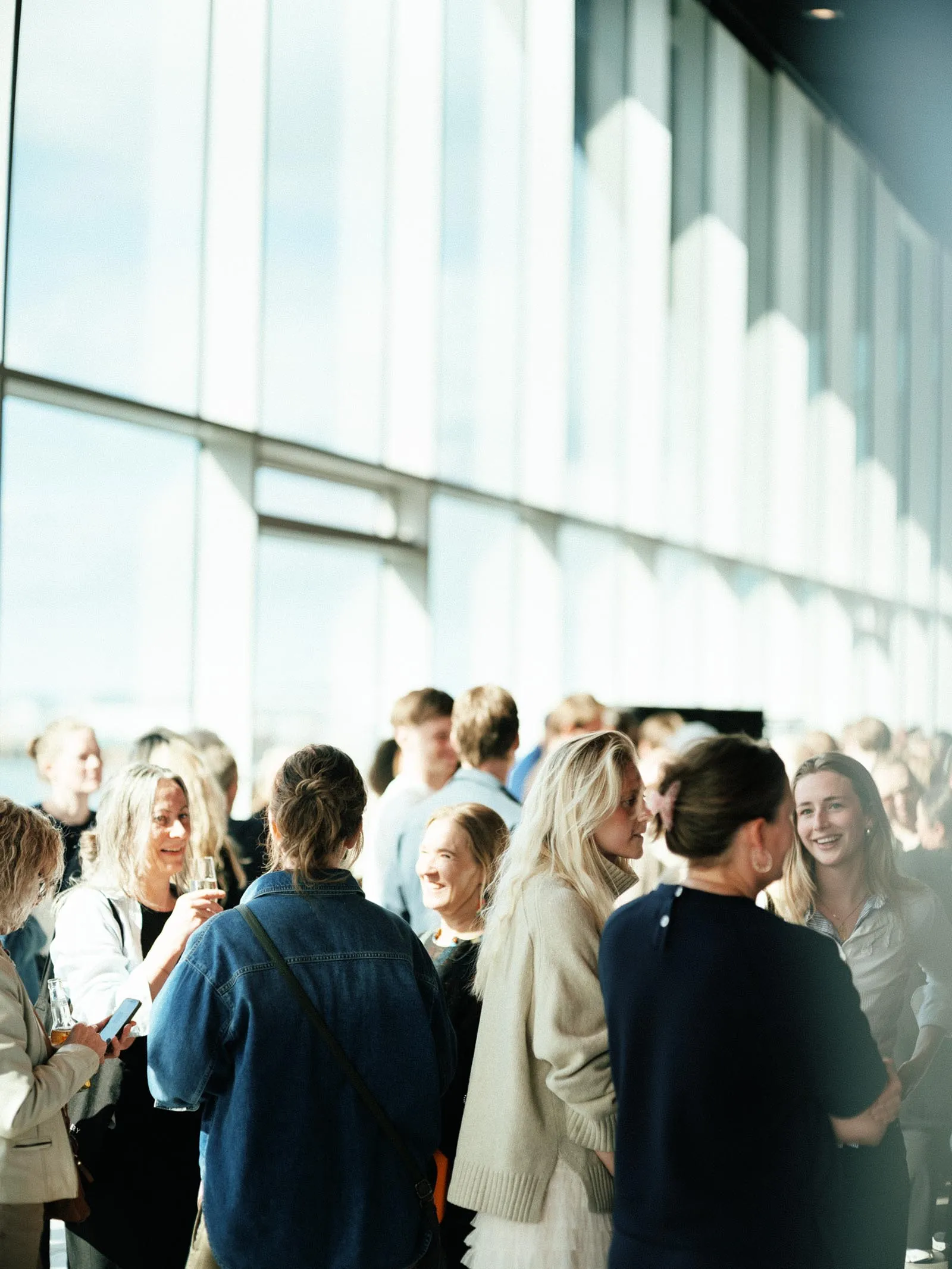
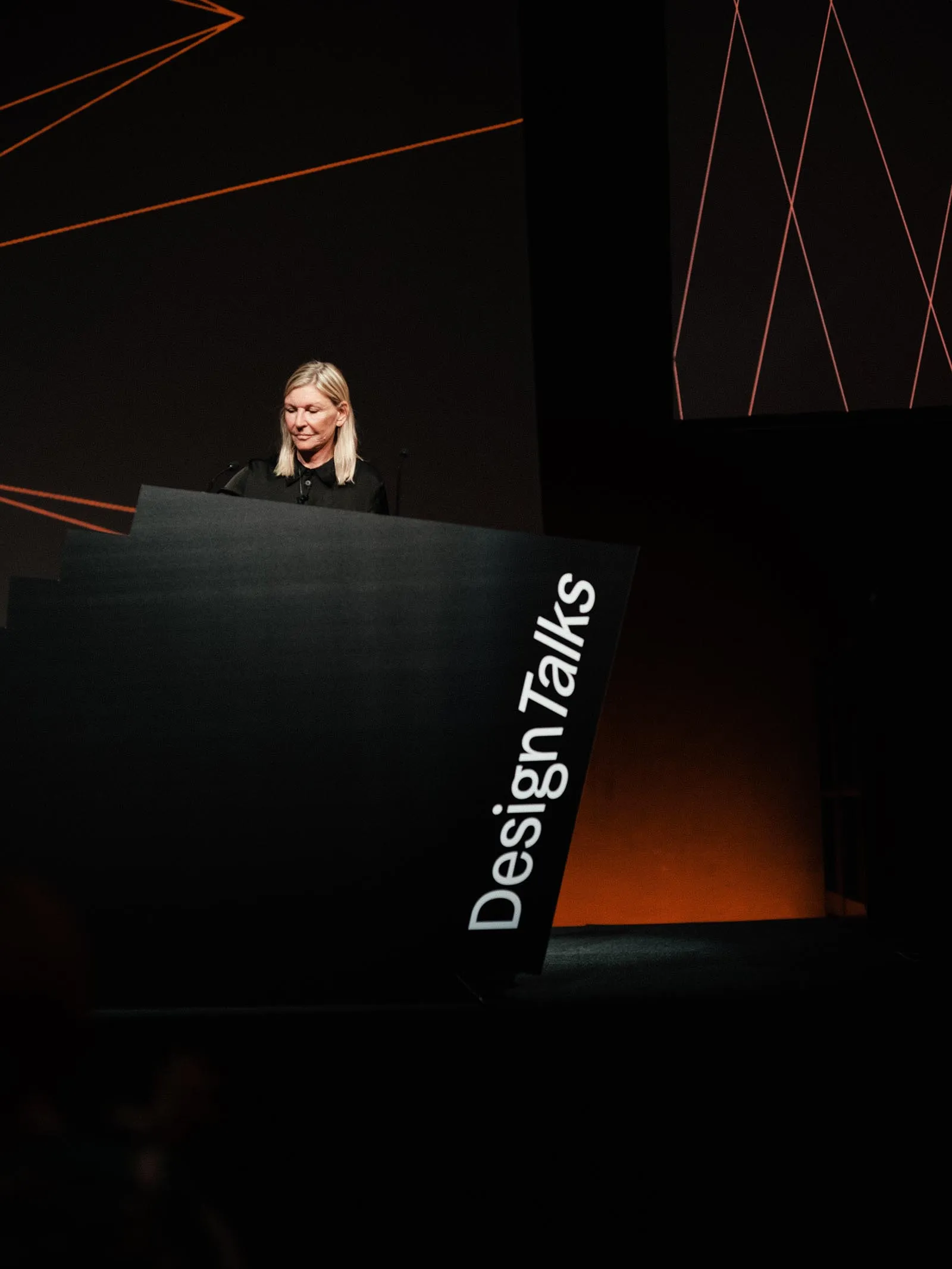
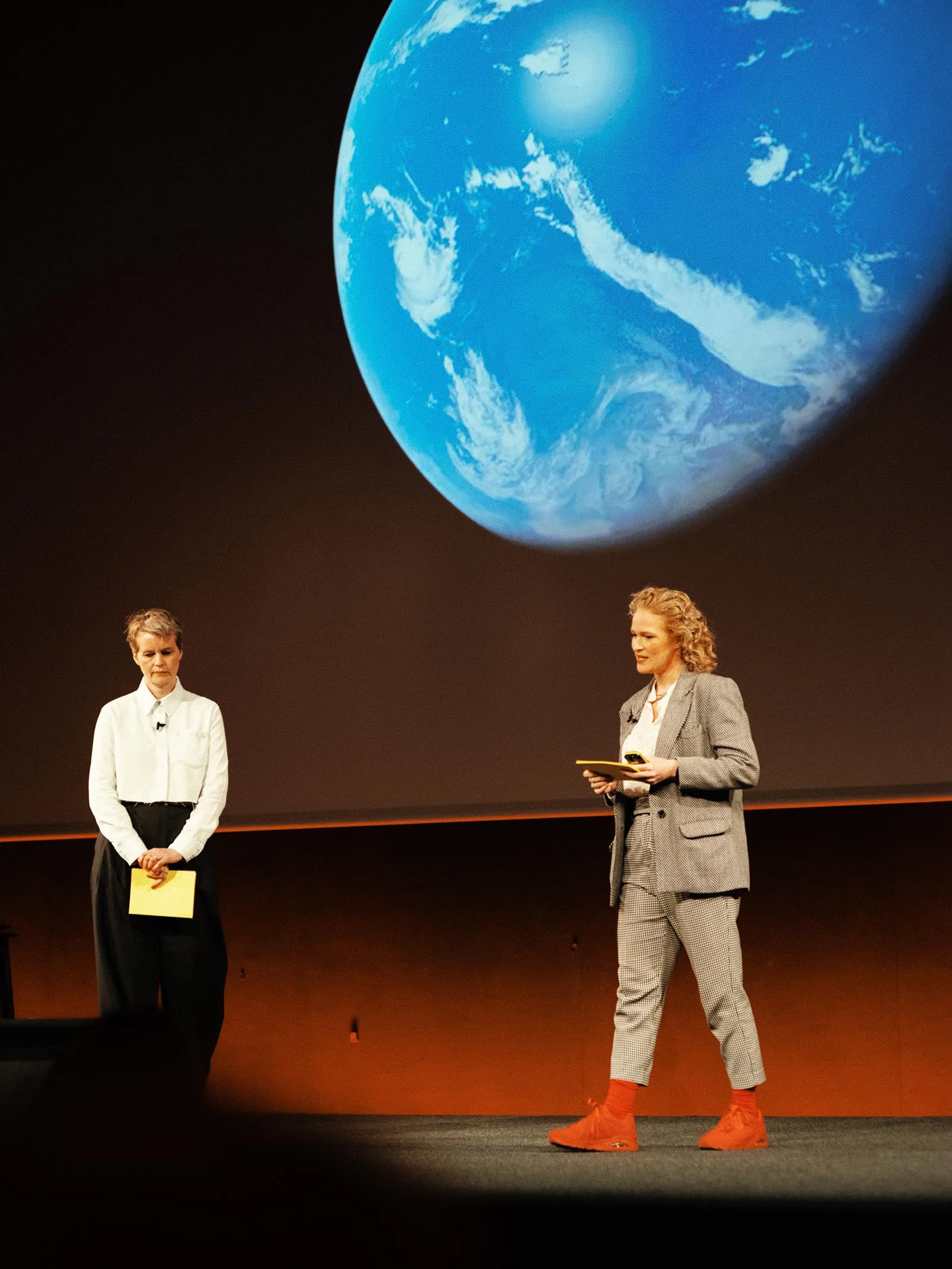
At the heart of it is DesignMarch, Iceland’s annual design festival, a platform for ideas, where design is understood not simply as aesthetics but as a framework for how we choose to live. It opened with DesignTalks, themed Connections: despite unprecedented digital connectivity, we keep drifting from ourselves, our communities, the physical world. Across the week, one idea kept surfacing: Design today carries responsibilities that extend far beyond beauty. It shapes systems, culture, emotion, and increasingly, survival.
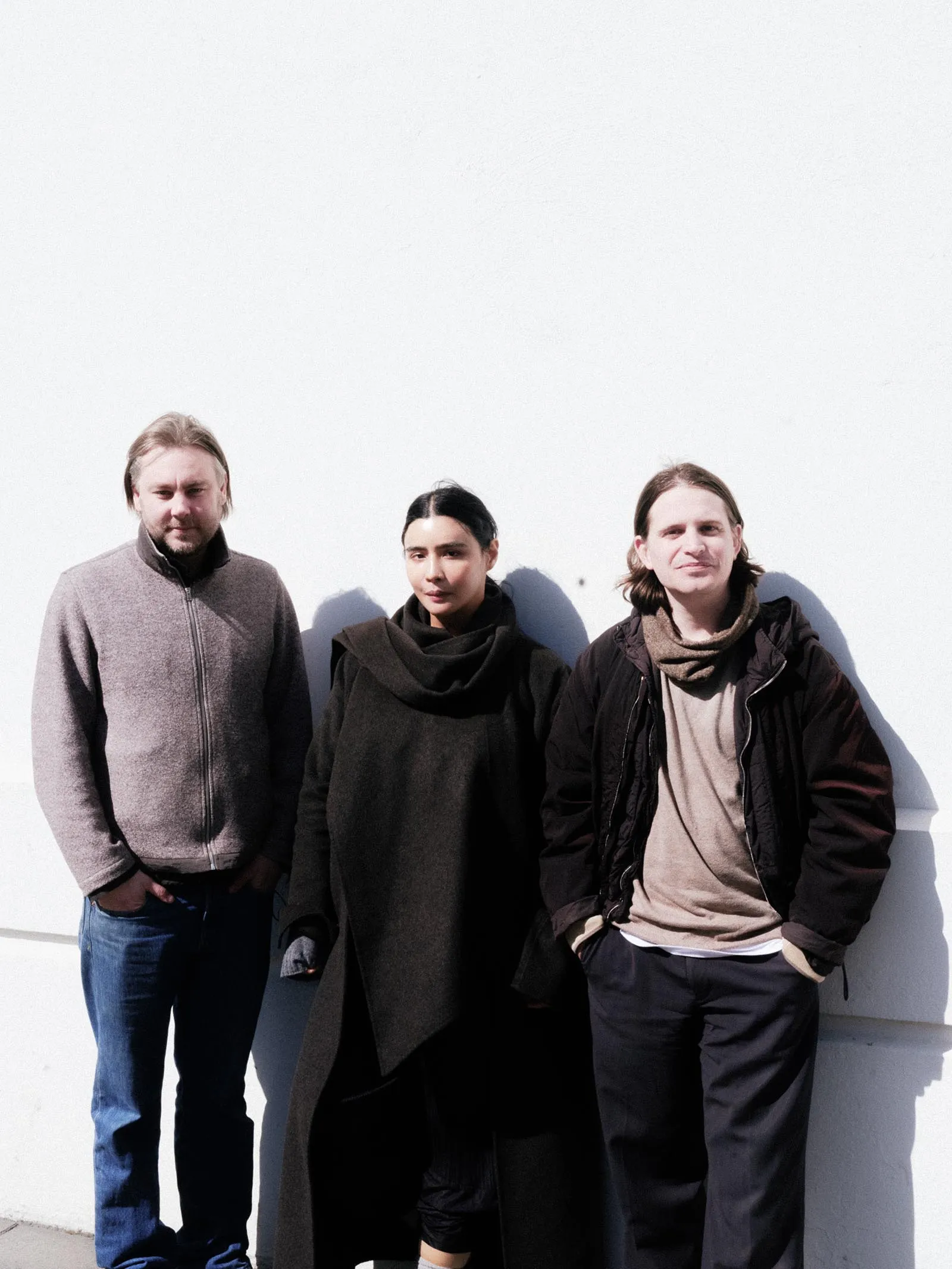
That philosophy ran through the festival’s brands. RANRA, led by Arnar Már Jónsson and Luke Stevens alongside 1 Granary’s Jorinde Croese, showed technical outerwear cut to loosen and layer with wear rather than hold one fixed shape—gear built for an Icelandic winter, not a single season.
At the Nordic House, Suskin turned its Everbag into a slow, repeated performance of setting down and lifting the object, testing how routine turns a bag into an heirloom. Stylist Anna Clausen framed the festival’s wider mission: international visibility for Icelandic creatives, built on stronger local connection.
Kristín Ferrell’s sculptural garments, woven and draped from natural fibers with real restraint, proved craftsmanship and innovation don’t have to compete. At Fischersund, fragrance became storytelling. One scent opened on wet stone and birch tar before settling into something like a snuffed candle, an entire autumn evening in a single note.
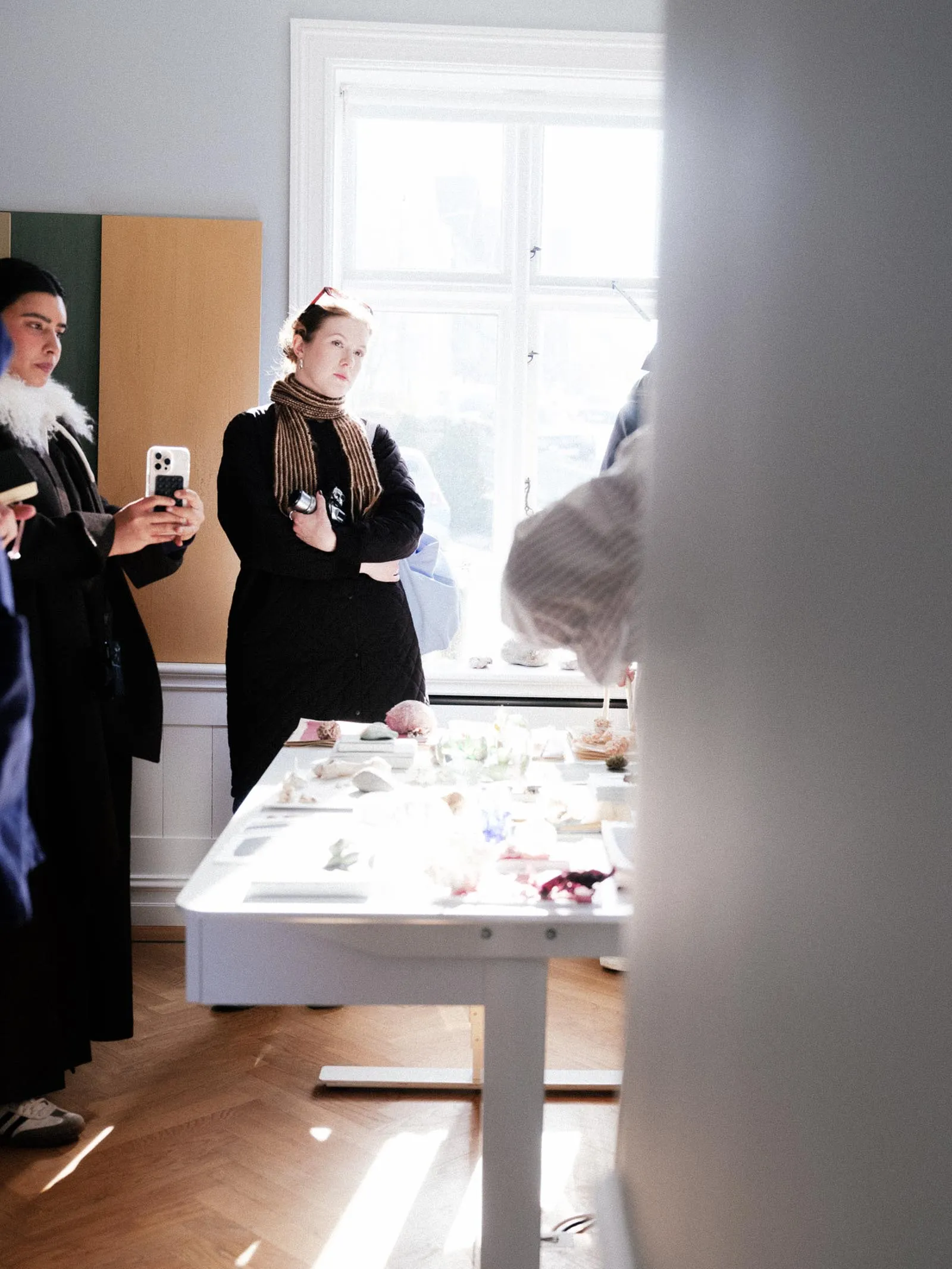
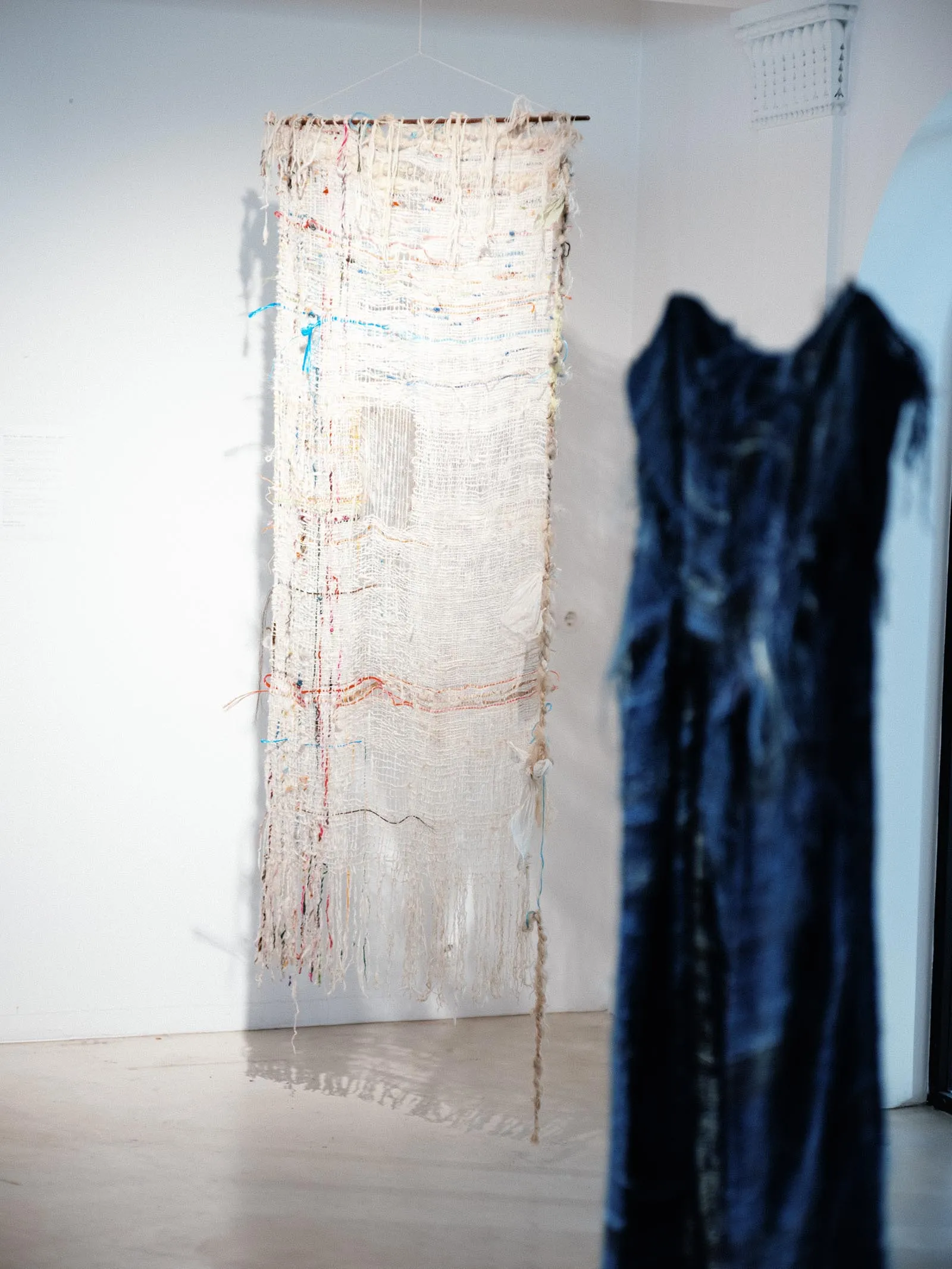
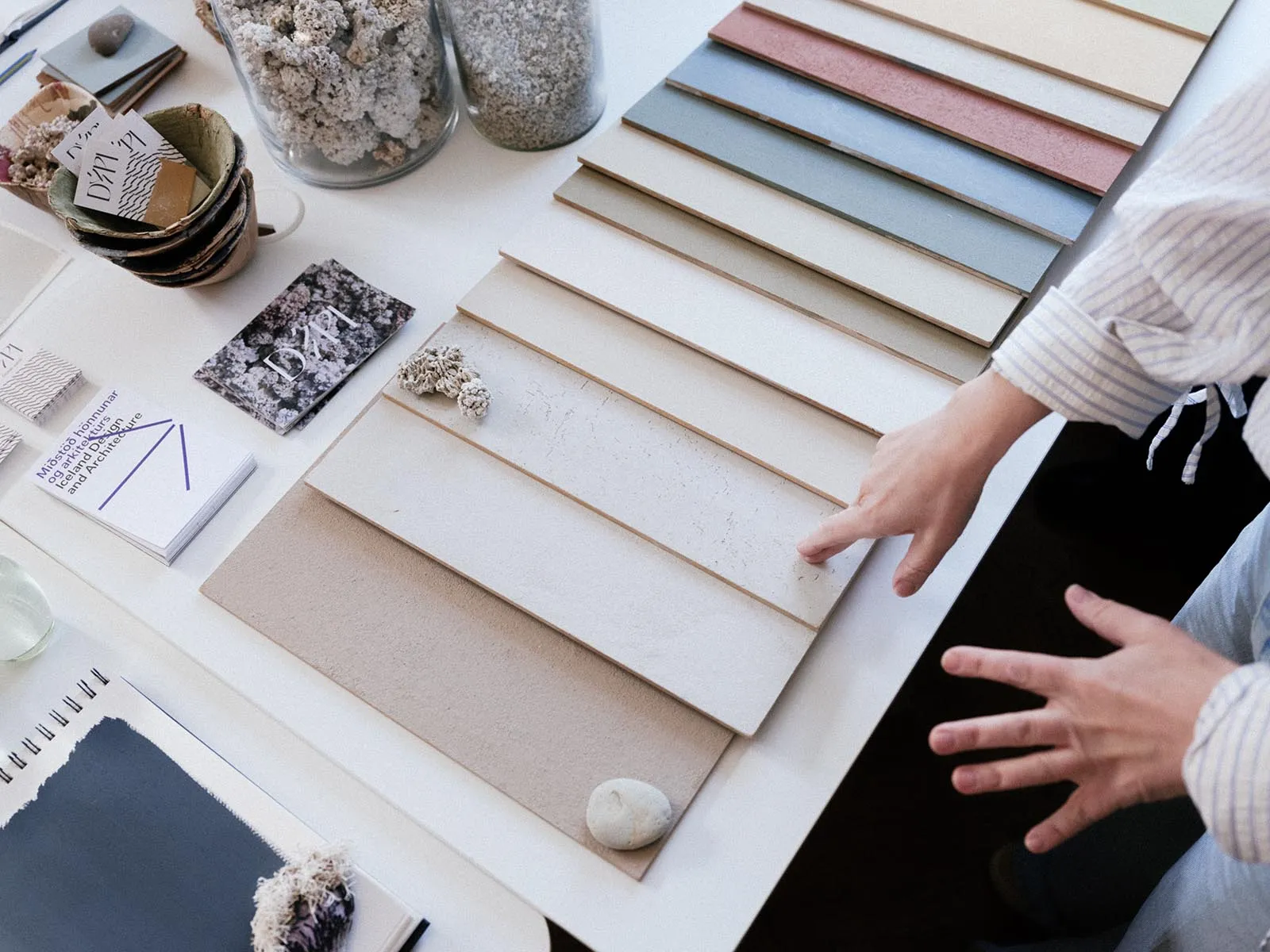
The sustainability conversations moved past familiar rhetoric. At Dýpi, co-founder Sirrý Ágústsdóttir described how her family’s decades of harvesting North Atlantic algae has become environmentally conscious paint. One line stayed with me: “Instead of cleaning the ocean, now it’s cleaning the air for us.” Sustainability here felt less like strategy than an ongoing relationship between nature and human ingenuity.
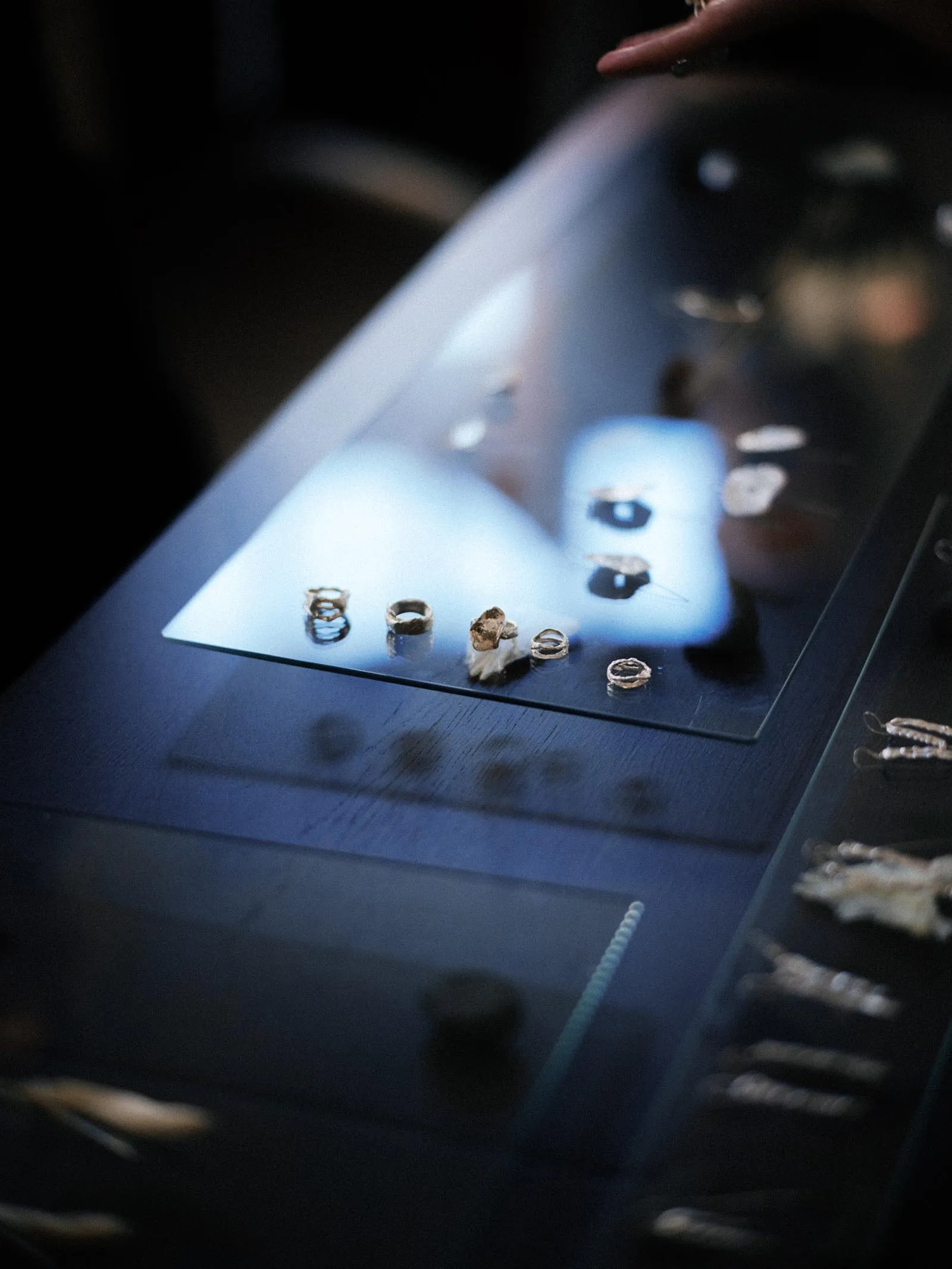
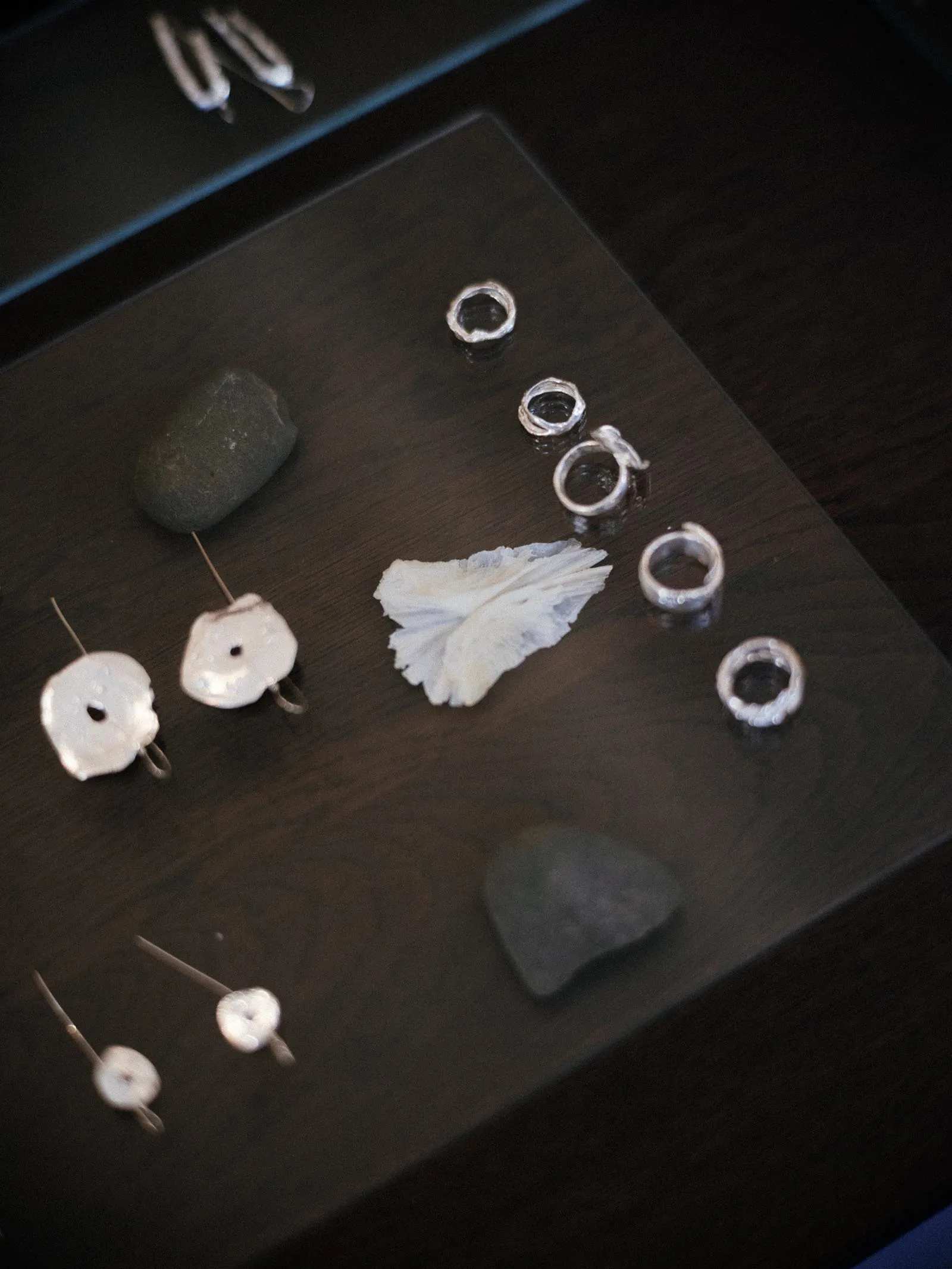
Among the most affecting installations was Archive of Them, by Thijs Fisser and Valgerður Birna Jónsdóttir—archival footage projected onto Icelandic wool, exploring grief through softness and impermanence. Rather than treating loss as something to overcome, the work suggested it becomes something we quietly learn to live beside.
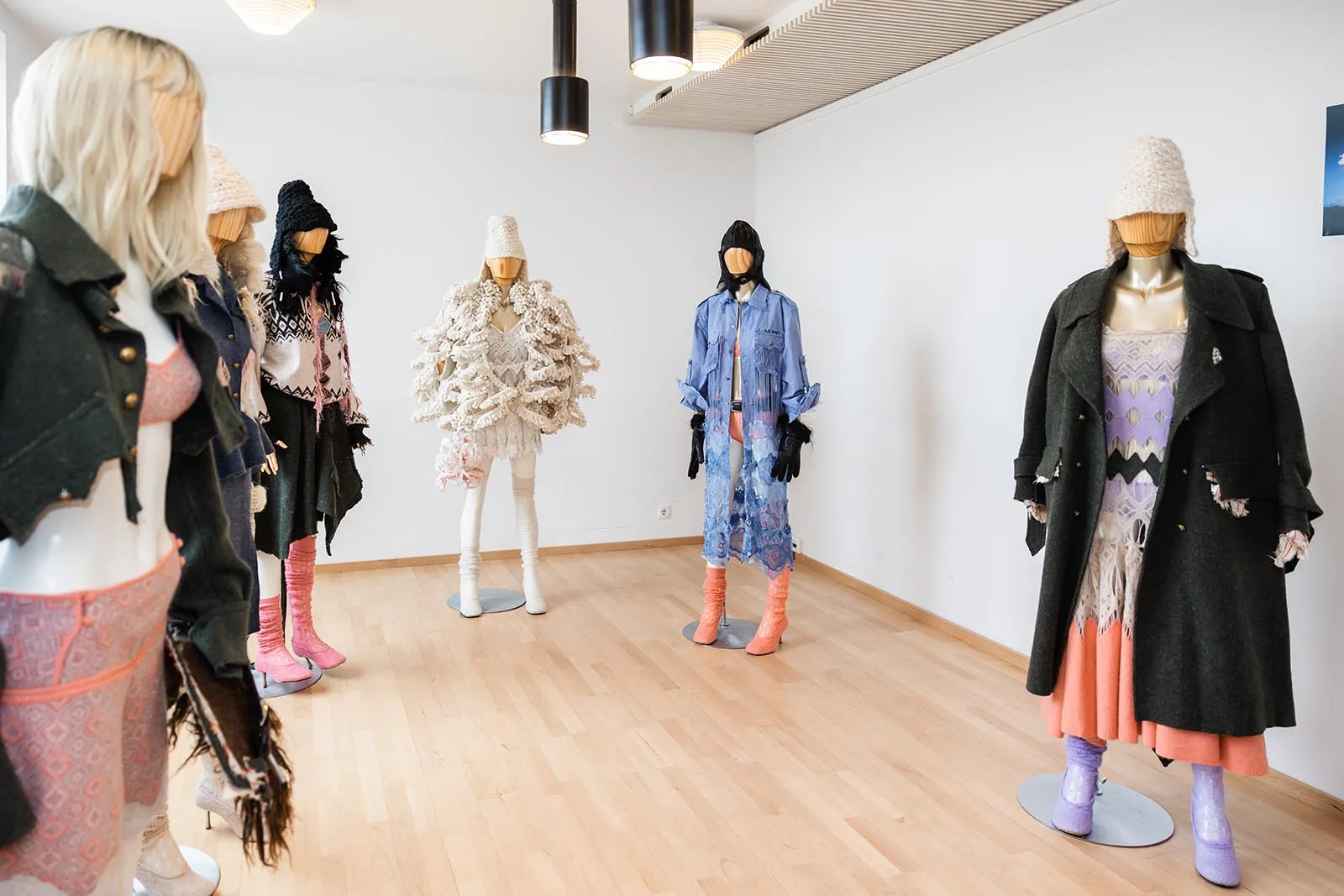
For director Helga Ólafsdóttir, that emotional resonance reflects the festival’s larger ambition: design recognized not only as expression but as a driver of cultural and economic transformation.
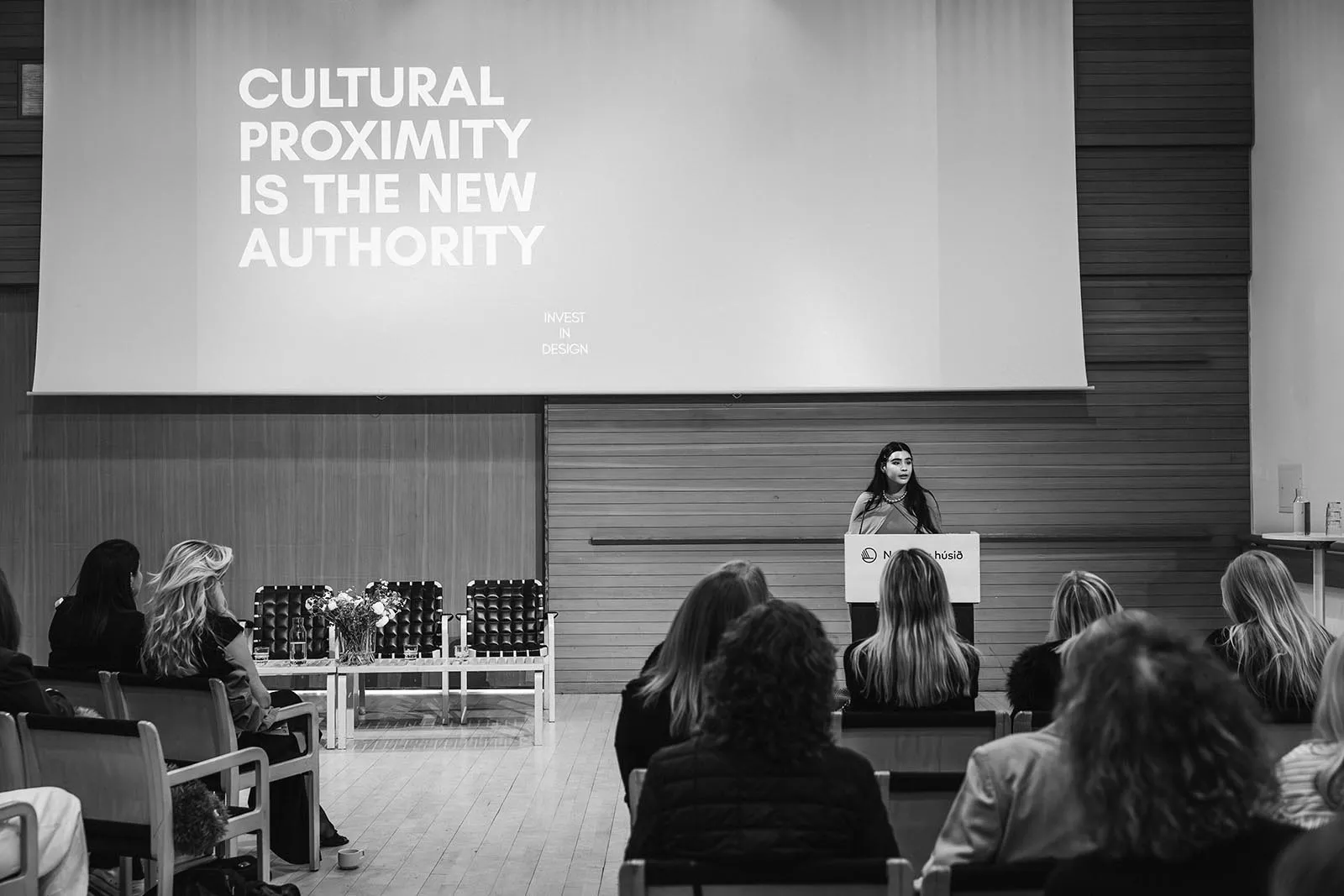
Toward the end of my visit, I joined the Invest in Design panel with Steinunn Sigurðardóttir and Vera Thordardottir. My presentation centered on one idea: Relevance is the new currency. As creators become cultural operators, proximity to community and authentic storytelling now carry more value than visibility alone. I spoke about how Filipino design has long been read internationally through craft and material; weaving, embroidery, natural fiber—much the way Iceland’s own creative economy is now read through wool, geothermal materials, and algae. The parallel felt worth naming: conversations like these matter because they position Filipino creatives not as observers of global culture, but as active contributors shaping it.
I ended the journey at Hvammsvík Hot Springs, in geothermal water overlooking mist-softened mountains. It was the right close to a week that revealed Iceland’s greatest strength isn’t its landscapes, but the culture grown from them.
DesignMarch is not simply creating a festival. It is shaping cultural memory through community, dialogue, and thoughtful design. And perhaps that is what makes it unforgettable.
Frequently Asked Questions
DesignMarch is Iceland’s annual design festival held in Reykjavík, presenting design not simply as aesthetics but as a framework for how people choose to live.
Rylé Tuvierra is a Barcelona-based Filipino creative storyteller, curator, strategist, and creative director, and founder of Baby Drama and The Fierce Walker Lab.
DesignMarch 2026 opened with DesignTalks under the theme Connections, examining how people drift from themselves and their communities despite unprecedented digital connectivity.
At Dýpi, co-founder Sirrý Ágústsdóttir described turning decades of harvested North Atlantic algae into environmentally conscious paint, describing it as cleaning the air.
Rylé Tuvierra’s Invest in Design talk centered on the idea that relevance, built through community proximity and authentic storytelling, is the new currency.