
In Midnight Girls, Filipina Entertainers Are Put in the Spotlight


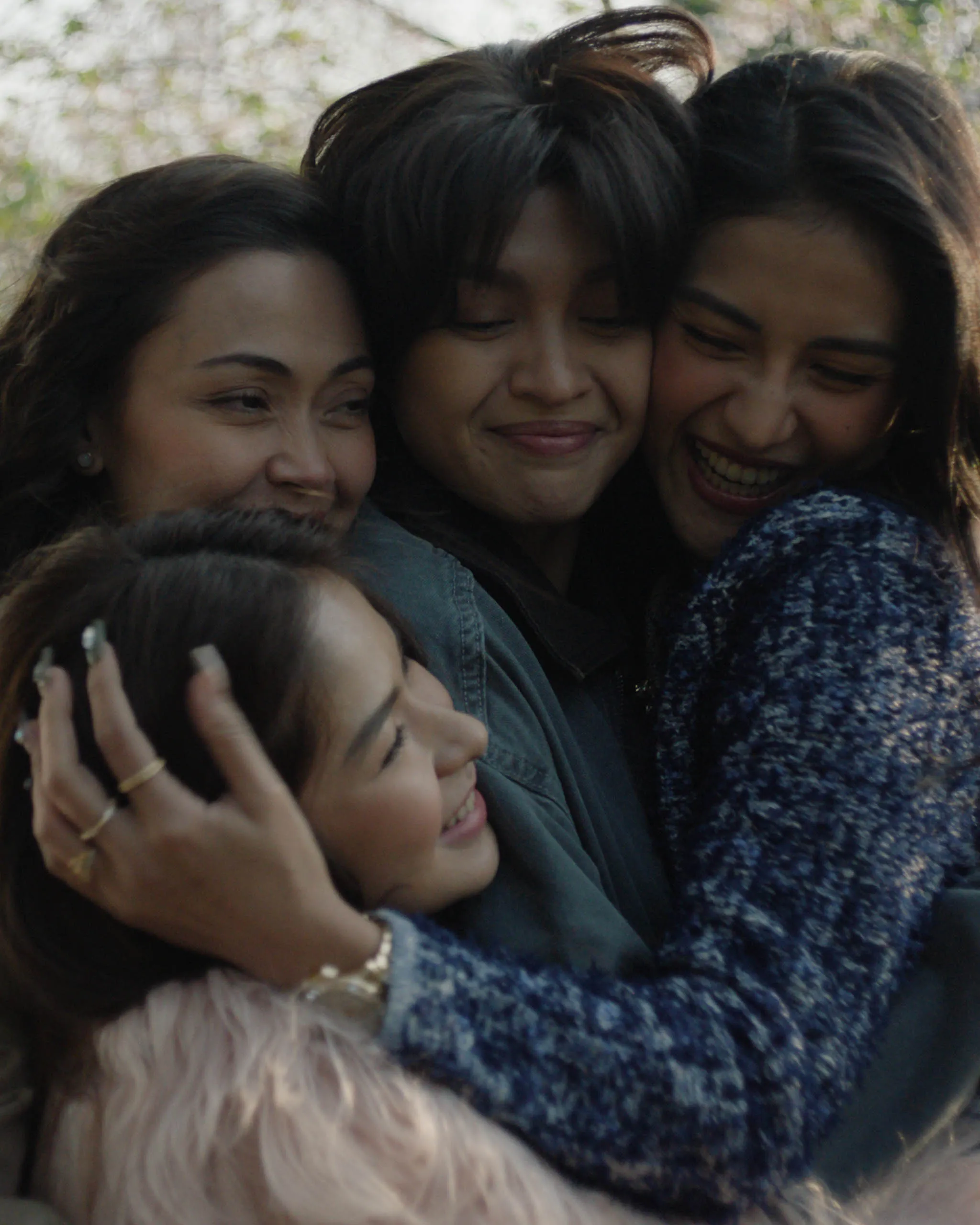
Jodi Sta. Maria, Jane Oineza, Sanya Lopez, and Loisa Andalio in Midnight Girls. Photo courtesy of Lunchbox
Following Irene Villamor’s blockbuster hit, The Loved One, comes Midnight Girls, a film on the lives of four Filipina entertainers in Japan.
Last February, when I spoke with director Irene Villamor for The Loved One, she was already teasing another film. “It’s about Filipinos who are entertainers in Japan,” she shared. “[It’s about] womanhood, friendship, family, OFW (Overseas Filipino Workers) themes.” Fast forward to May, and we learned the title of this new film: Midnight Girls.
Starring Jodi Sta. Maria, Sanya Lopez, Jane Oineza, and Loisa Andalio, Midnight Girls follows four Filipina entertainers (Vicky, Paris, Saki, and Wanna) working in Nagoya, Japan. The film is set to have its Philippine debut on May 13, 2026, and has already premiered overseas at the recently concluded Far East Film Festival.
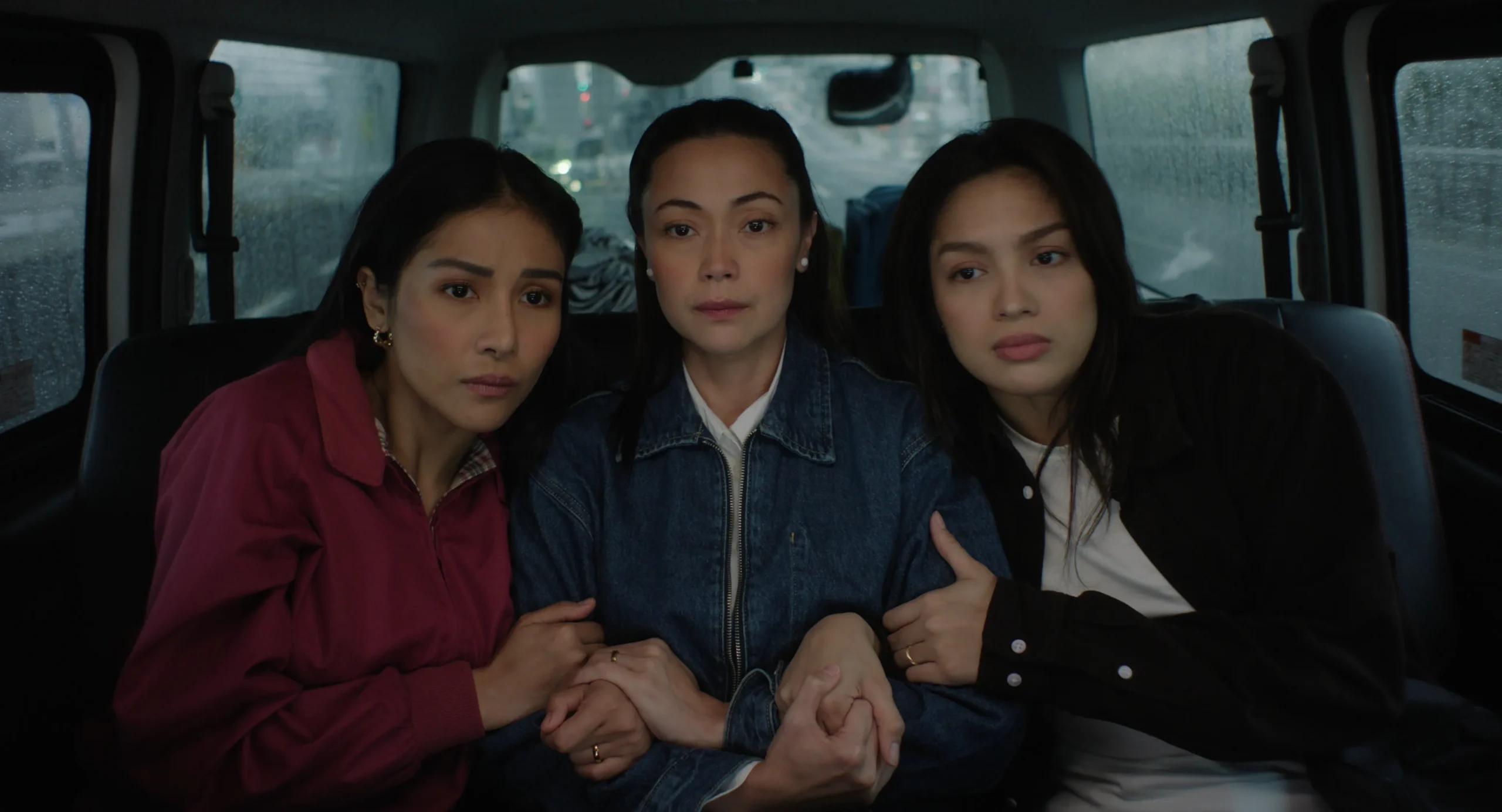
The film’s inception began with an immersion in Nagoya, where Villamor and the crew researched and learned first-hand the stories of Filipina entertainers. In 2004, there were around 40,000 OFW entertainers in Japan, giving rise to the term “Japayuki,” which came with stigma. Although the number of Filipina entertainers is not publicly updated these days, as of 2025, over 250,000 Filipinos are employed in Japan. Villamor describes the earlier drafts of the script as more plot-heavy and physical, focusing on the film’s external aspects. Later on, the direction changed to something more introspective, giving way to developing more discussion about the characters’ womanhood.
When we spoke before, Villamor shared that there was no final title for the film yet. Later on, I learned at an advanced screening talkback that in earlier drafts, the working title was HM, Sis? (How much, sis?). “But then, as I was reading the script, hindi naman ganun (it’s not like that)” shares Sta. Maria. “Ano ba ang core ng pinag-uusapan natin dito? Yung sex work ba ng mga babae? Pero hindi niya kasi dun dinala. [More on] inner lives, and she kept yung human dignity intact.” (What’s the core of the conversation here? Is it the sex work of the women? But that’s not where she brought it. It’s more about inner lives, and she kept their human dignity intact.)

A key part of the film is that they included interview snippets of the Filipina entertainers they interviewed, which were initially supposed to act as “bookends” for the film. “Ang rich nung mga sinabi nila, nung mga experiences nila, we decided to, sa edit, to spread it [throughout the film] to help yung truth ng mga experiences ng mga characters,” says Villamor. (What they shared with us was very rich, we decided to, during editing, spread it throughout the film to help the truth of the characters’ experiences.)
Just as the crew did, the cast also participated in an immersion to prepare for their roles. “It made the characters and the script more human and more real, because we got the chance to meet these ladies in Nagoya,” shares Sta. Maria. In the film, she plays the role of Vicky, who has a story that we know all too well: a mother who left the country to provide for her child and family. Sta. Maria reflects on a lot of things, about how things may seem alright from a material perspective, but there’s a psychological burden that stems from being away from family.
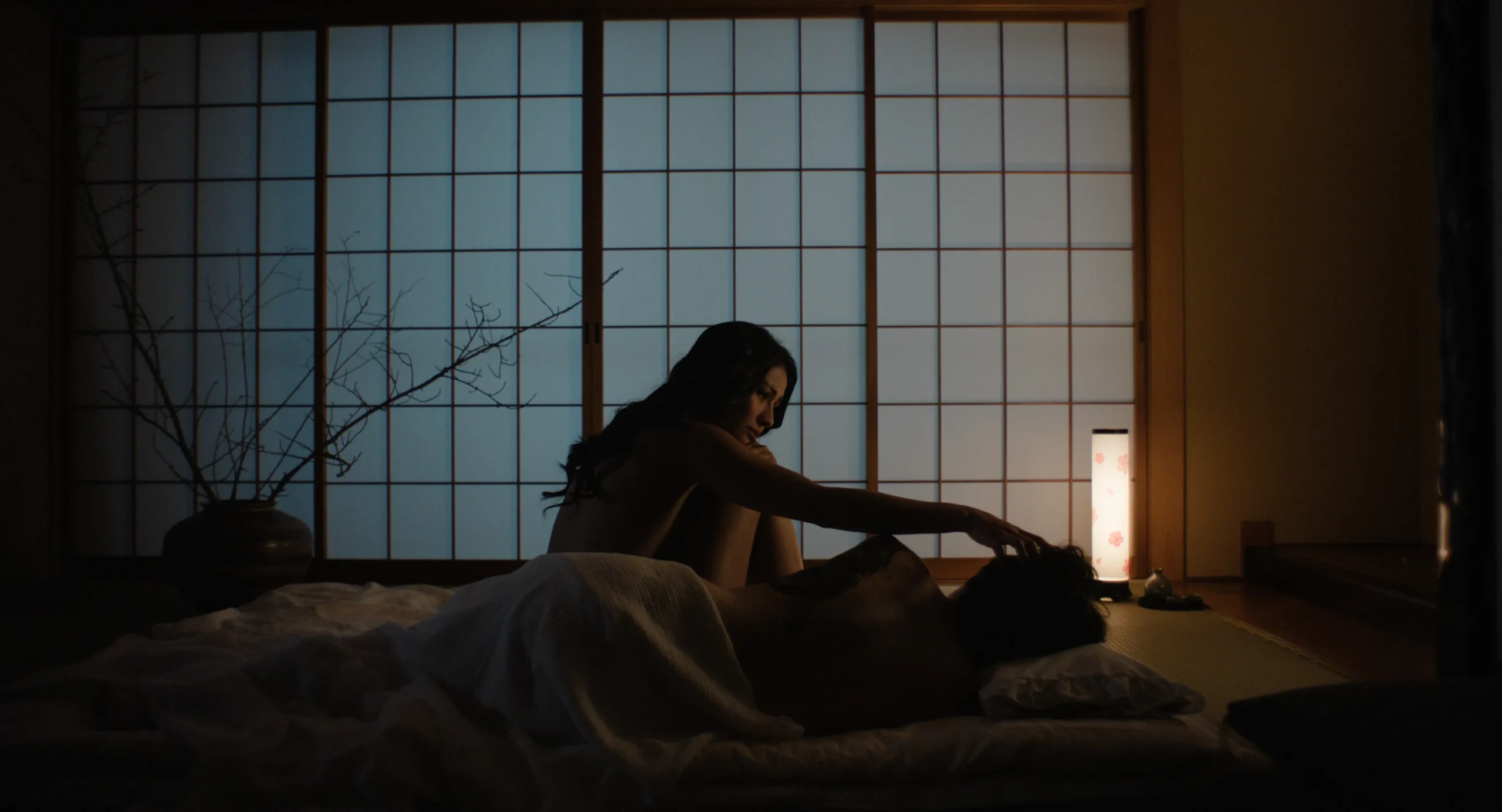
“Only if there were, like, better conditions, better economic situation, better jobs, mas mataas na wages, maaari siguro na kung may mga improvement sa mga bagay na ‘to, walang tao na kailangang umalis ng Pilipinas para mag-migrate o magtrabaho sa ibang bansa,” she says. “Yung migration dapat option lang siya, pero hindi siya nangyayari. Parang nagiging first go-to solution sa problema ng kahirapan.” (Only if there were, like, better conditions, better economic situation, better jobs, higher wages, maybe if there were any improvement on these things, no person would need to leave the Philippines to migrate or work in another country. Migration should only be an option, but that’s not what’s happening. It becomes the first go-to solution for our problems with poverty.)
The film dives into different topics: transnational families, migration, queerness, the stigma of being an entertainer, and the burden of being the breadwinner of the family. All topics that Villamor hopes to humanize the characters and the women behind the story. “Maraming OFW kwento and they are the ‘Bagong Bayani ng Bayan’, pero pagdating sa mga entertainers, with these kinds of jobs, parang hindi sila kasali dun, kasi may stigma yung sa sex work part of it,” she says. (There are a lot of OFW stories, and they are the ‘New Heroes of the Country’, but when it comes to entertainers, with these kinds of jobs, they’re not included because there’s stigma with the sex work part of it.)
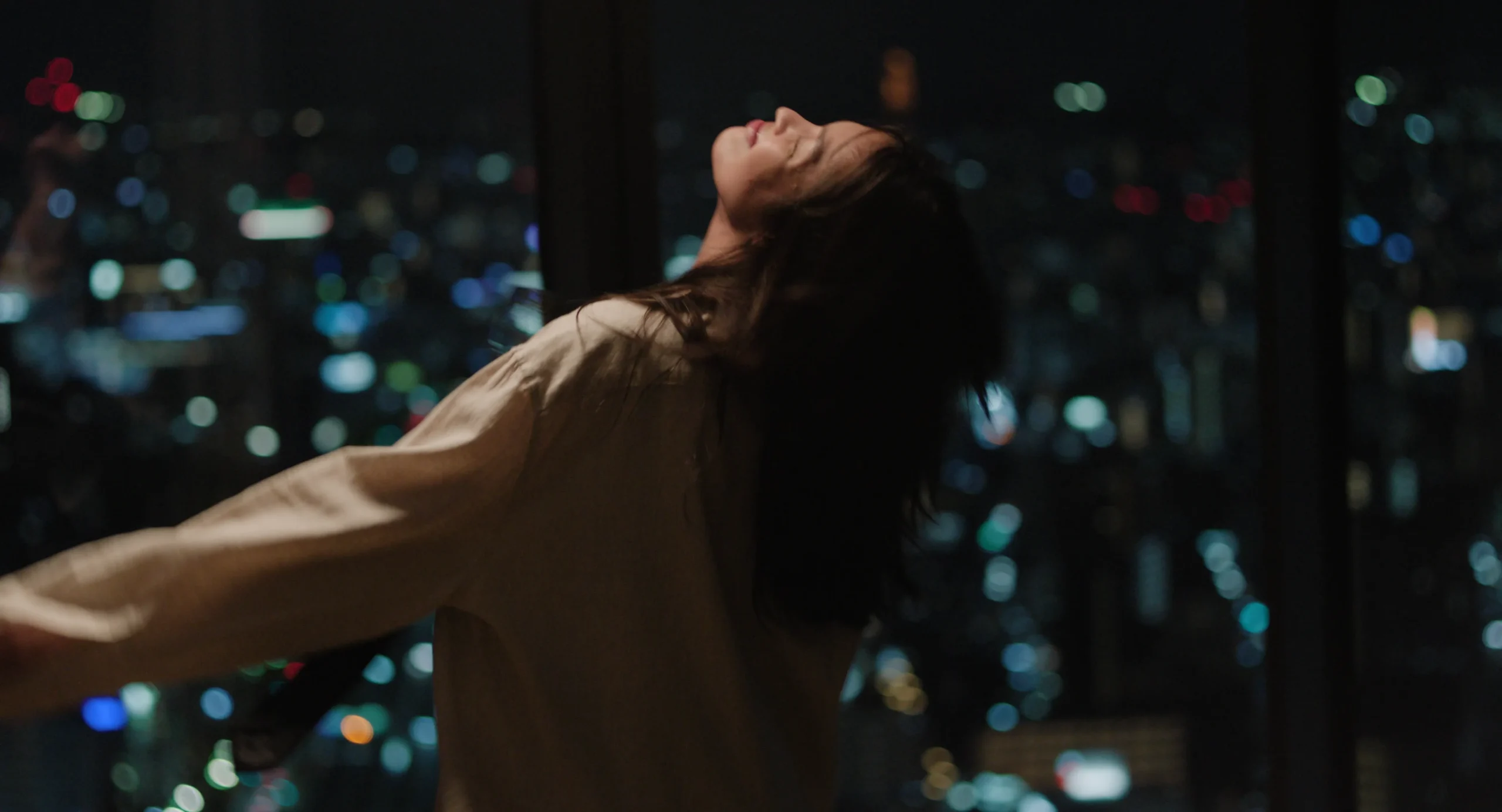
“Let’s stop stigmatizing people just because of a particular job that they do. Before natin sila husgahan, alamin muna natin yung storya nila (Before we judge them, let’s learn about their stories),” says Sta. Maria. “Ang mga babaeng ito, they’re also human beings na kailangan din ng pagmamahal, mga human beings din sila na nalulungkot. Yung mga needs nila ay mga needs din na meron din tayo; iba-iba lang tayo ng estado at ng sitwasyon sa buhay.” (These women, they’re also human beings who need love, they’re human beings who get sad. Their needs are also needs that we have; we just have different states and situations in life.)
The spirit of the film could be captured in one Filipino word: laban (fight). Despite the struggle, these women are fighting for a better life, for themselves and their loved ones. And all it asks of audiences is to come in with an open mind and listen to their stories.
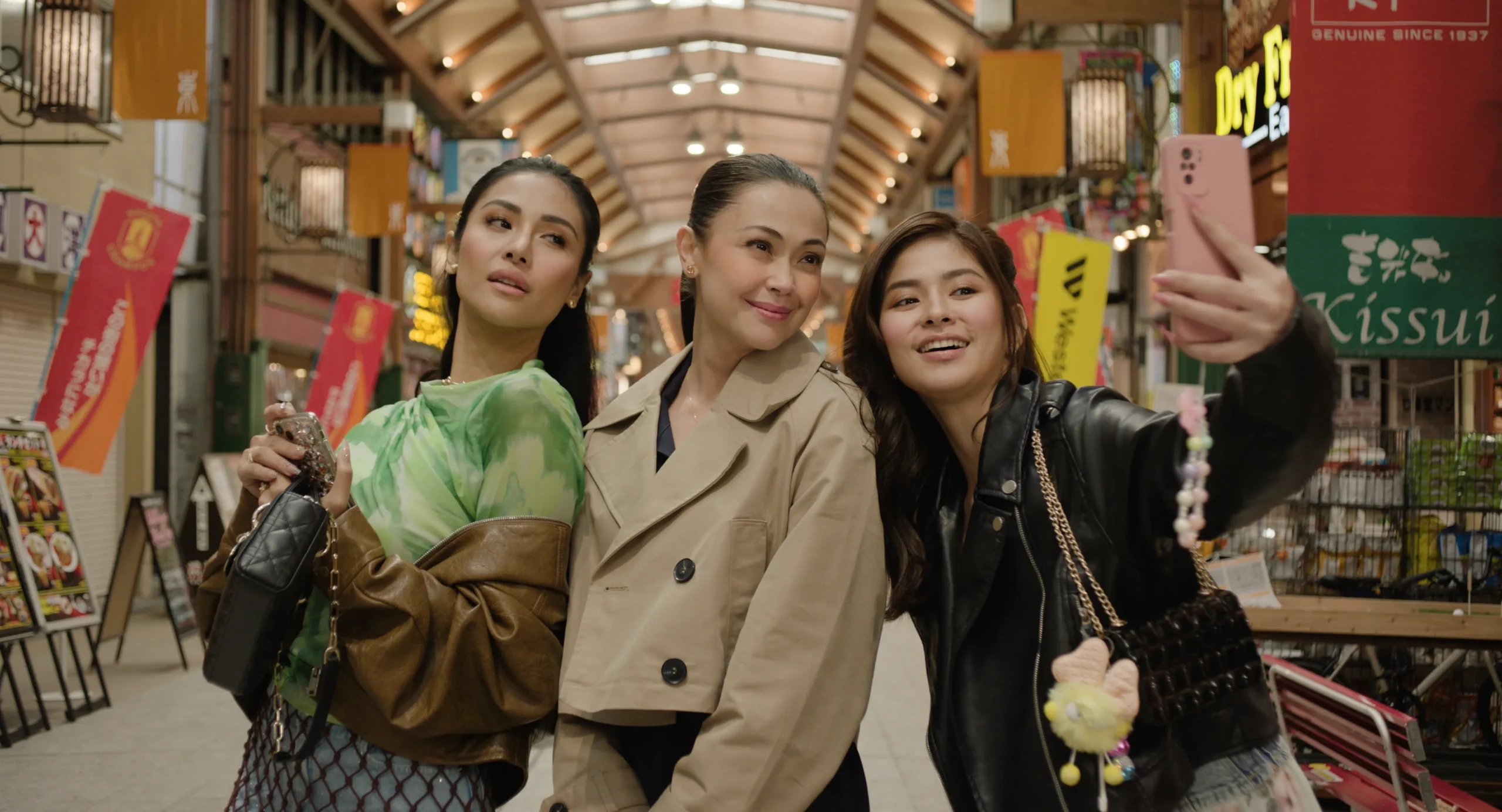
Midnight Girls will be showing in Philippine cinemas nationwide starting on May 13, 2026.
Frequently Asked Questions
Midnight Girls is a Filipino drama that follows four Filipina entertainers or “Japayukis” working in Nagoya, Japan.
Midnight Girls is directed by Irene Villamor.
Midnight Girls stars Jodi Sta. Maria, Sanya Lopez, Jane Oineza, and Loisa Andalio.
Midnight Girls is showing in Philippine cinemas on May 13, 2026.
Midnight Girls explores critical social themes surrounding transnational families, economic migration, human dignity, queerness, and the unfair cultural stigmas tied to entertainment and sex work.