
Aariana Rose Philip on Attending Her Historic First Met Gala: “Girls, I’ve Made It.”


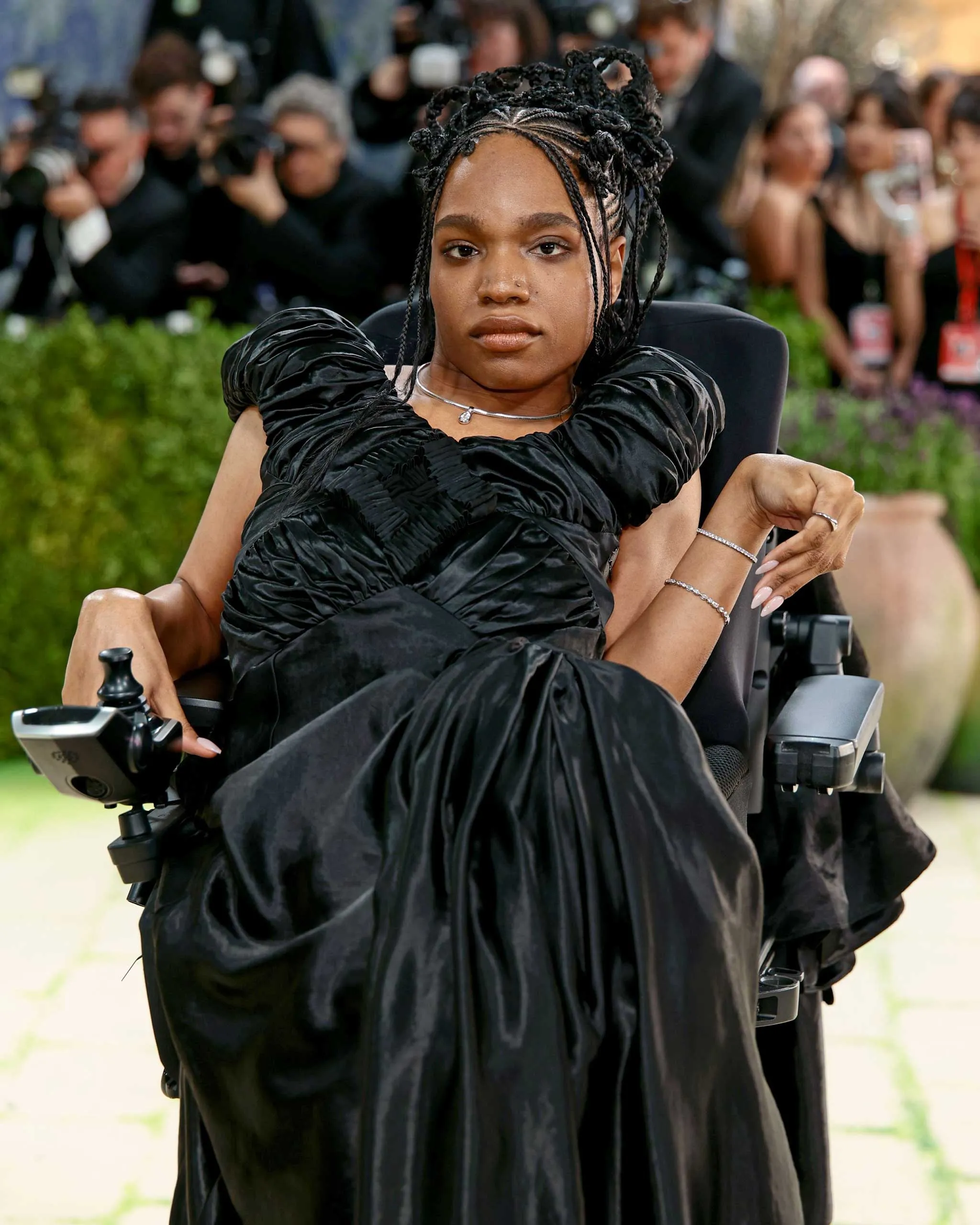
Photo: Dimitrios Kambouris/Getty Images
Aariana Rose Philip is an Antiguan American model and musician who has quadriplegic cerebral palsy. She is a runway regular at New York’s own Collina Strada and has appeared on the cover of British Vogue. For this year’s exhibition at the Metropolitan Museum of Art’s Costume Institute, Philip modeled for the Met as one of the mannequins in the exhibition. She also appeared in Vogue’s May issue leading up to the occasion, modeling a look designed by Louise Linderoth. Philip is the first wheelchair user to ever attend the Met Gala; here, she tells Vogue about the whirlwind experience.
This whole thing is so wild to me. The Met Gala itself is something that, even if you’re not in the fashion world, is such a major spectacle. It permeates pop culture. So it’s your mom, your grandma, your siblings—they know about it even if they don’t watch the runways that we watch.
But, for so long, disabled people were not represented anywhere. The thought of even being able to exist at an event like this…nobody even went there. To go from that to now, somehow finding myself there—I can’t say how blessed and honored I feel attending.
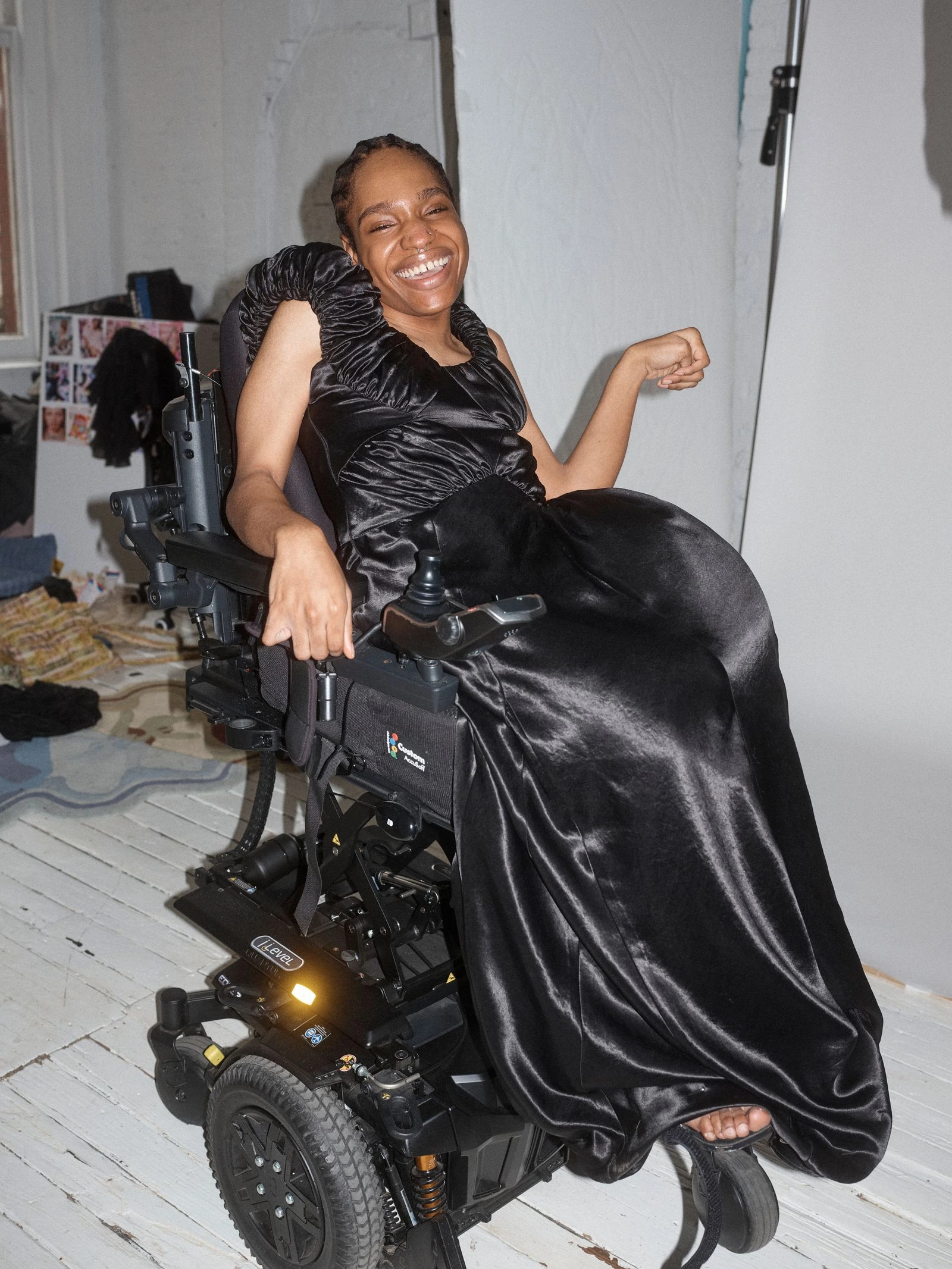
I think that for a long time, it’s been easy to see a disabled person in the public eye and label them an activist because we have no other choice but to speak up for ourselves in the spaces that we inhabit, because other people are not familiar with our bodies or how to accommodate us. We’re given the title of activist because we are challenging a social system. I think that people realize that there’s no choice but to do that if you have a disability in a major public space, because we have been so historically marginalized and pushed aside. Unfortunately, with the fascist shift in our global society, we are seeing people return to ableism and eugenics and harmful rhetoric toward disabled people.
However, it’s also so important that we’re showing disabled people as a part of the fashion industry—as models, as talent, as photographers versus purely just activists and advocates. It shows that there is more variety to the disabled experience, and desires of disabled people, beyond challenging big social causes. At the end of the day, so many of us are just people who maybe feel passionately about something and want to contribute.
The reaction that I’ve been getting on my Vogue debut has been so supportive—and I love how they told the story of the exhibition through us models, and how our different perspectives were embodied through what [stylist] Amanda Harlech chose. I really did feel like high art.
Then, with the gala—this whole thing was unbeknownst to me. I had already booked Vogue, and I thought to myself, This is it. This is the tippity top of the pitch. Girls, I’ve made it. So you can probably imagine that my getting the call about the Met Gala made me almost fall out of my wheelchair onto the floor—that’s precisely what happened.
The past two weeks have been incredibly chaotic and busy. The whole look we’ve been planning is so ornate, and fabulous, and beautiful, and timeless, so I’m very excited. We have a ponytail moment. Hillary [Taymour, the creative director of Collina Strada] is my family. I love her so dearly. We’ve been working together for almost a decade, so I let her lead—we have an unspoken language. I’m very open to what she does. I would call myself a shape-shifter over the course of my modeling career. I’ve taken on a lot of different forms over the past few years—even names and identities.
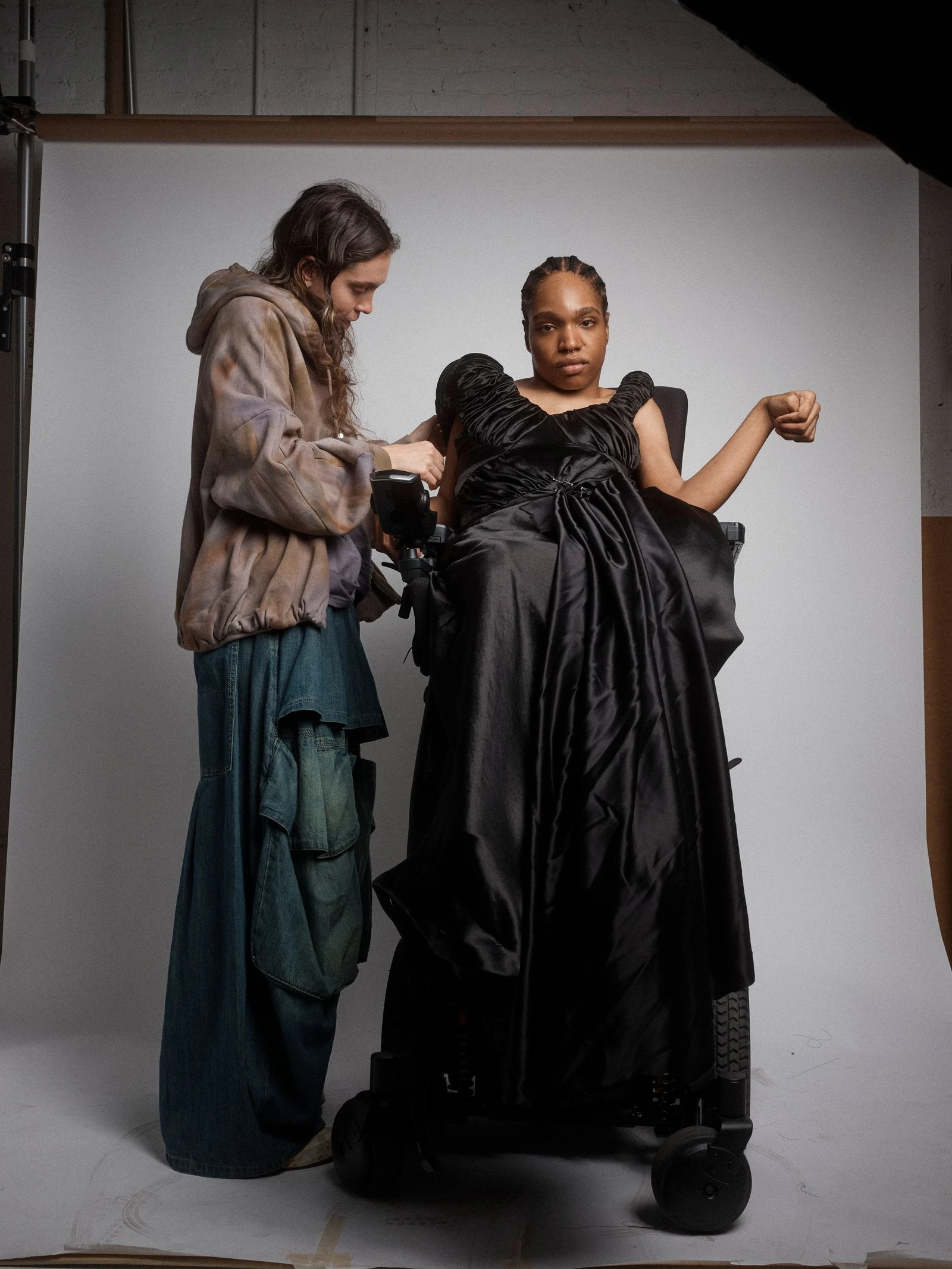
Attending the Met feels almost like an inauguration into this space. And I’m nervous! But I’ll be with these amazing people. More than ever, there is a visceral need for kindness and empathy. I felt like I had to fight for almost a decade to feel heard and valued in the industry. Next, I want to see more opportunities for other disabled models like Lauren Wasser and Jillian Mercado. I feel like fashion has had a lot of frontiers that it’s been able to reach in terms of race and gender identity, but it has never quite crossed the threshold with disability. And I think now is that time.
The Met Gala will be the first time I see my mannequin. When people see my mannequin, I want them to see a beautiful, sexy lady. I want them to see a supermodel and a legend. I want them to see that disabled and Black trans people matter always, and that we should’ve been in these spaces for a long time, and that there’s nothing wrong with being people like us—and there’s never been anything wrong with us.
This article was originally published on Vogue.com.
Frequently Asked Questions
Aariana Rose Philip is an Antiguan American fashion model, musician, and the first wheelchair user to ever attend the prestigious annual Met Gala fashion event.
Aariana Rose Philip has quadriplegic cerebral palsy, navigating her modeling career and historic public appearances using a motorized wheelchair to challenge systemic fashion industry barriers.
Designer Hillary Taymour of Collina Strada created the ornate, timeless look for Philip’s historic debut, drawing from a collaborative relationship spanning nearly a full decade.
Philip made history as the first wheelchair user to attend the Met Gala, while also serving as a real-life mannequin for the Costume Institute’s exhibition.
Philip actively advocates for increased visibility and runway opportunities for prominent disabled models within the high-fashion industry, specifically naming peers Lauren Wasser and Jillian Mercado.