
Prabal Gurung on the Power of Being Unapologetically You


Courtesy of Melbourne Fashion Festival
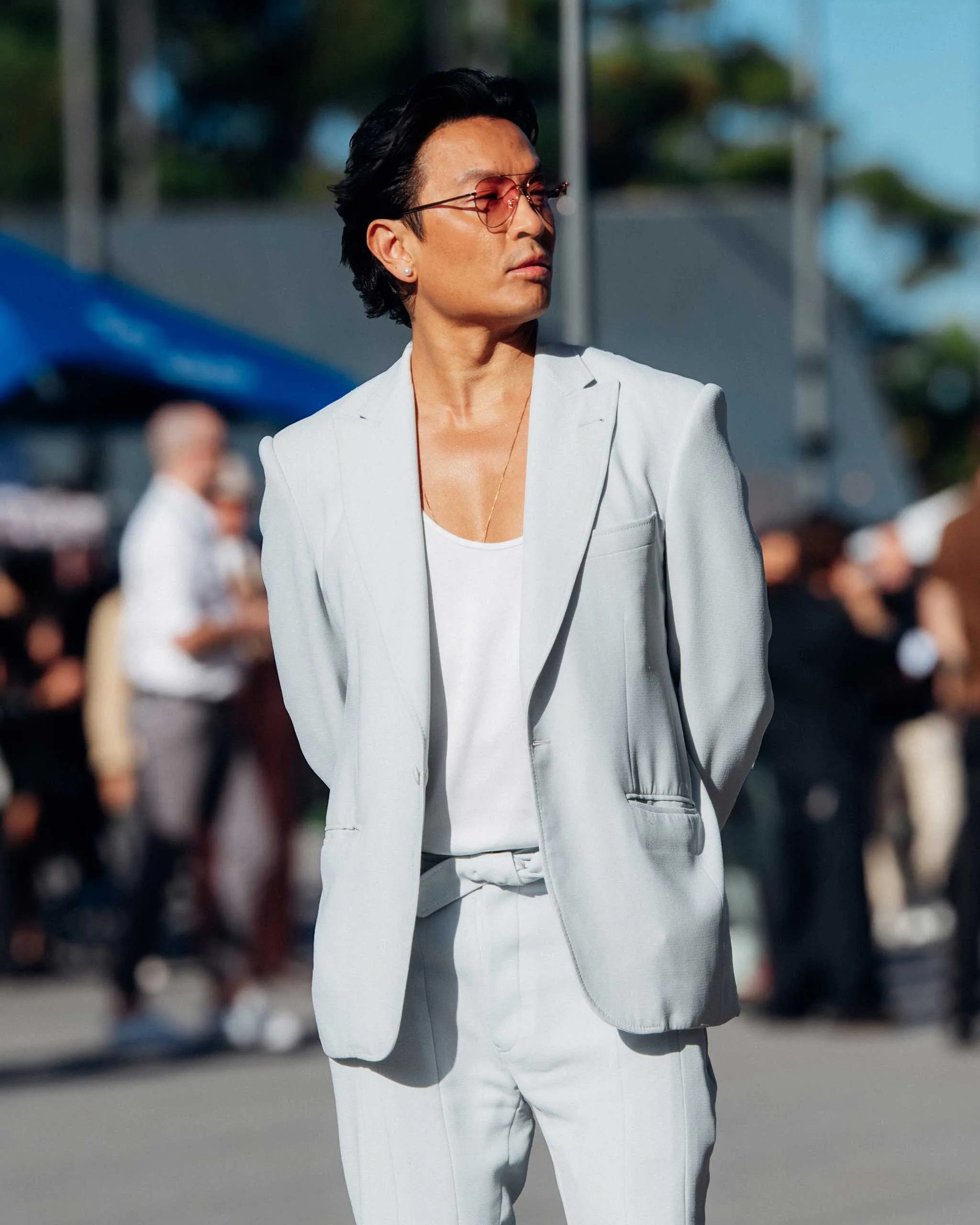
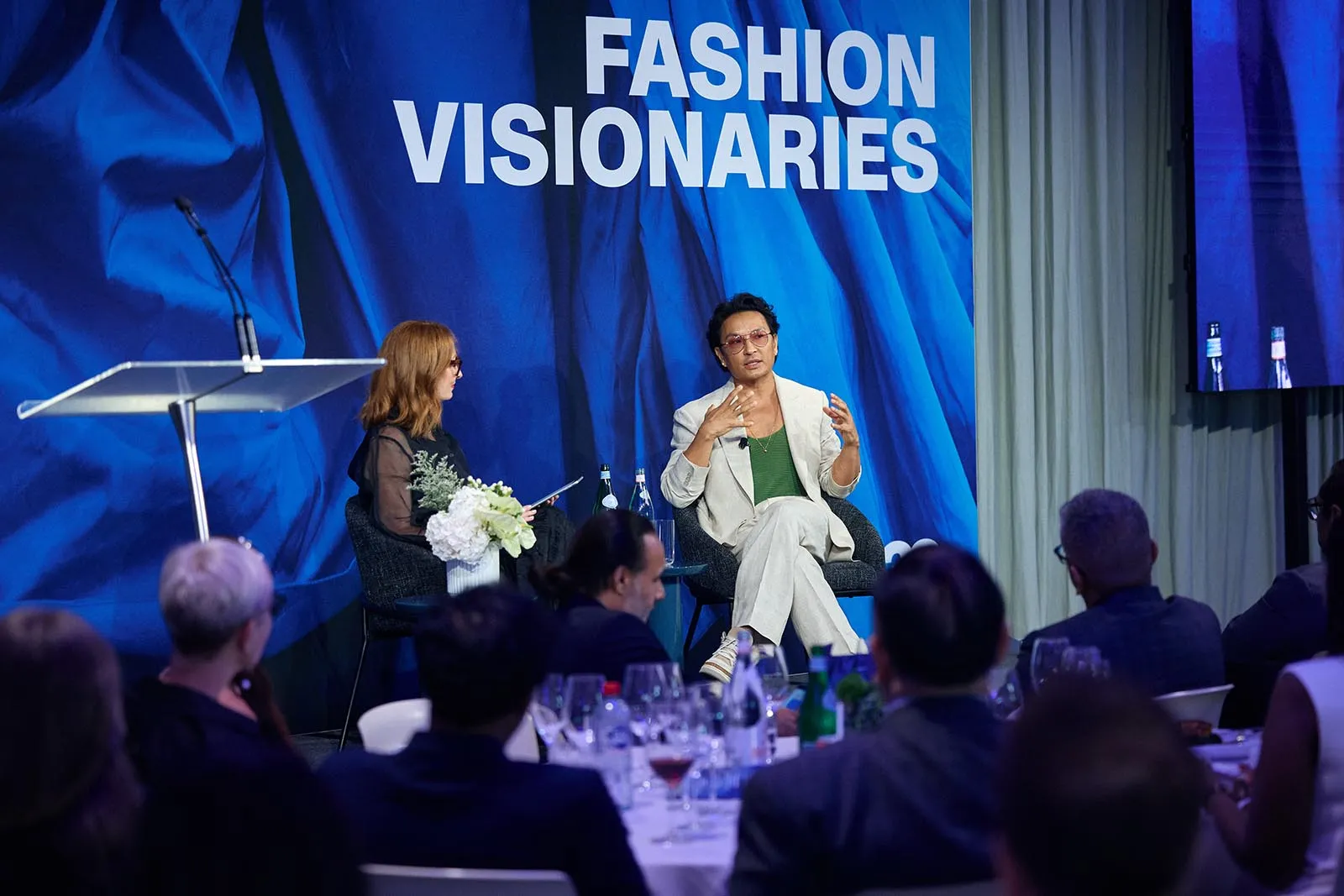
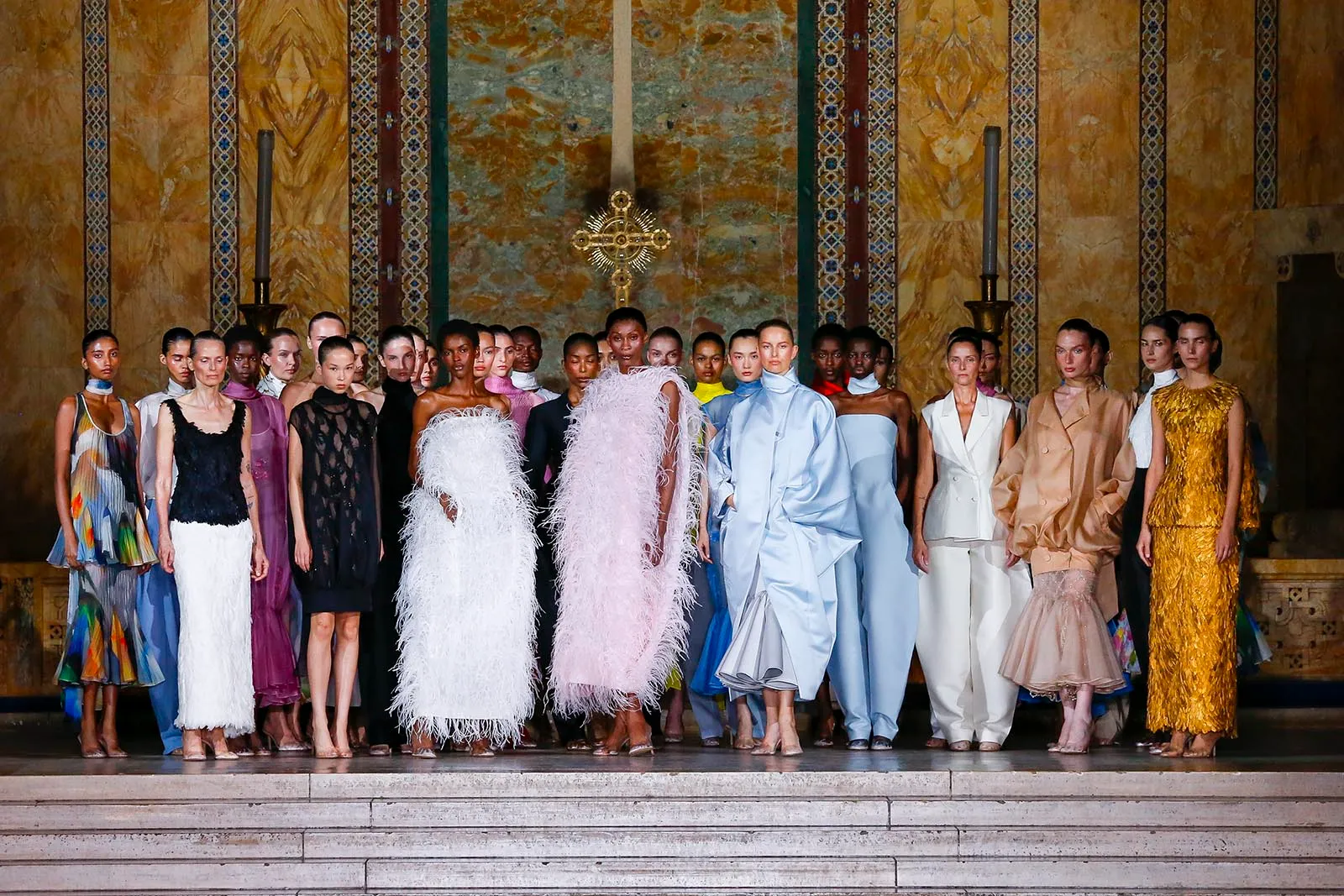
Prabal Gurung takes the stage at the Melbourne Fashion Festival to reflect on identity, his career, and the rising influence of Asian designers.
Born in Singapore, raised in Nepal, worked in New Delhi, and now lives in New York, Nepalese-American designer Prabal Gurung is a true citizen and lifelong student of the world. After an early stint in India, where he studied at the National Institute of Fashion Technology and designed under Manish Arora, Gurung moved to New York to complete his education at Parsons, and went on to hone his craft at Cynthia Rowley and Bill Blass before launching his eponymous label in 2009.
Since then, Gurung has built a cult following, dressing figures such as Michelle Obama, Catherine, Princess of Wales, Shakira, Alia Bhatt, Sarah Jessica Parker, and Anne Hathaway. From collaborations with Target and JCPenney, designing uniforms for Sephora, and currently serving as Vice Chair of the CFDA, shaping the future of the industry while still running his own business.
This year, Gurung spoke at the Melbourne Fashion Festival to mark the release of his memoir, Walk Like a Girl, where he speaks exclusively with Vogue Philippines about his journey and shares advice for the next generation.
You built your creative identity in Southeast Asia before establishing your career in New York. What from this region still shapes the way you think and design today?
My identity wasn’t something I had to go out and find; it was woven into the fabric of my life in Singapore, Nepal, and India. In this part of the world, craft and creativity were always part of everyday life, something so natural that it never felt extraordinary. Growing up surrounded by such a riot of colors, textures, and deep-seated beliefs, I learned early on that diversity isn’t a ‘concept’—it’s just the natural state of beauty.
But more than the aesthetics, it was the women who shaped me. My mother, my sister, my aunts—they were my first masters of grace. Women have always been my greatest source of inspiration, from the women in my family to the women who wear my designs. They taught me that vulnerability isn’t a weakness; it’s a form of resilience. When I design today, I’m not just thinking about a silhouette, I’m trying to capture that specific dignity they carried. I want my craft to make people feel not just seen, but heard.
Do you see momentum building in Asia outside the traditional fashion capitals? What role could cities like Manila play in that shift?
Absolutely. The momentum is real, and it’s been building for some time. There is a shifting global fashion conversation that moves away from the idea of East meeting West, and the Asia Pacific region is playing a crucial part in that shift. Countries like the Philippines, Singapore, and Thailand are offering a new approach to fashion, one that moves beyond the Western lens and crafts its own narrative. And neighboring regions like Australia are contributing to that shift as well — Melbourne, for example, just celebrated the PayPal Melbourne Fashion Festival last February, bringing together artists from across the region and around the world and making fashion accessible and public. I think that is really important.
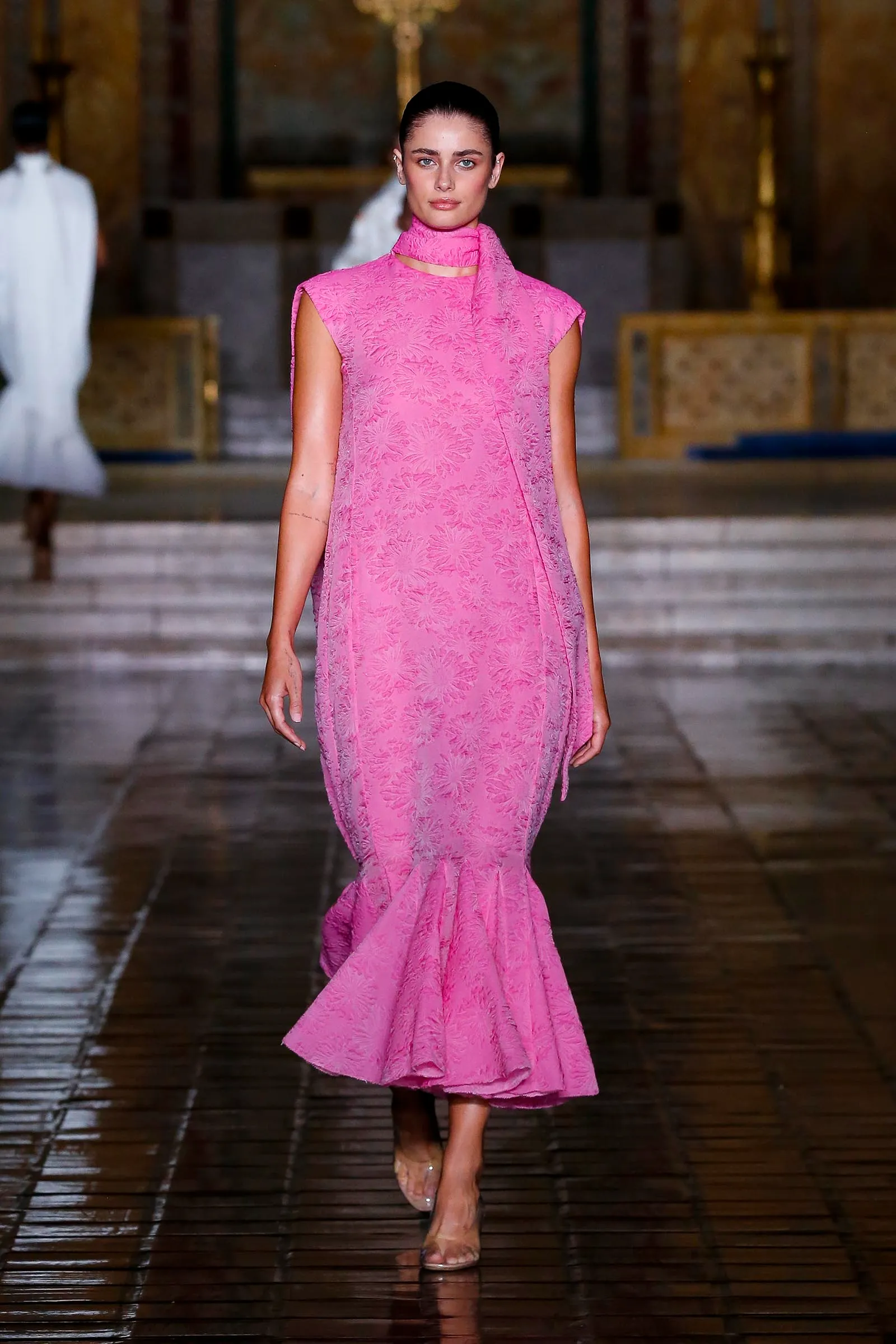
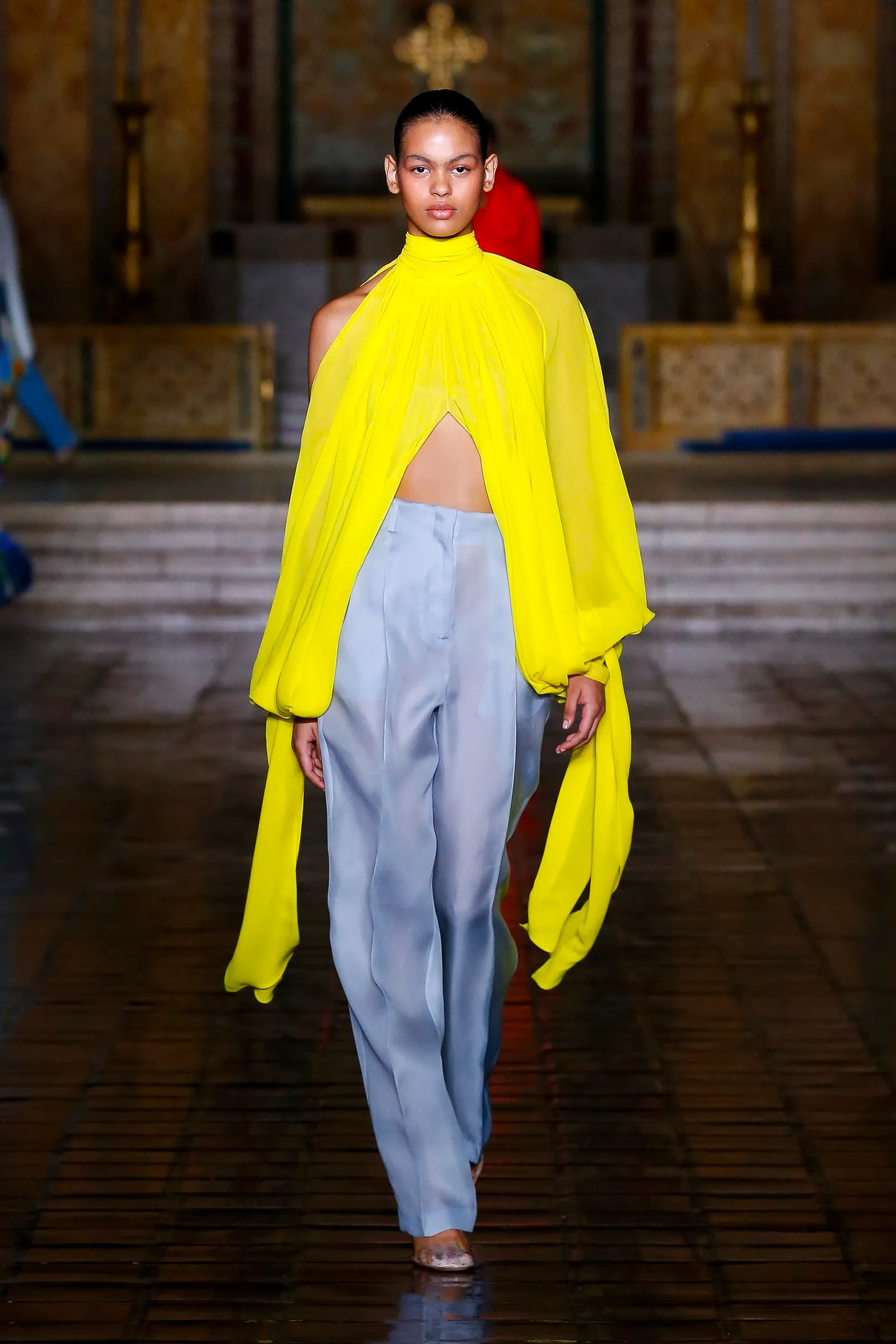
Many young Filipino designers see your journey as proof that global success is possible from this part of the world. What lessons would you share with Filipino talent navigating today’s industry?
Believe in your craft, in your story, in your heritage — and do not seek validation from others. The moment you stop waiting for permission from other people, that’s when everything shifts. At the end of the day, it comes down to having the courage and conviction to follow your own truth. As I’ve shared with young talents during a masterclass at an event in the PayPal Melbourne Fashion Festival, do not be afraid to fail or to get messy. Your path will not be a straight line—mine certainly wasn’t.
So, own your story fully. Embrace the experiences that shape you and your individuality, your culture, your struggles and joys—because that builds your identity and your creativity, and it will naturally create a connection between you, your craft, and the rest of the world. The world doesn’t need another version of something that already exists. It needs your voice—told honestly, fearlessly, and with purpose. Be unapologetically yourself.
How has your Southeast Asian upbringing informed the way you think about dressing powerful women?
Growing up in Southeast Asia, I was always surrounded by women. From my mother, my sister, and my aunts, to the women I saw in the streets, I’ve always admired their natural beauty, their empathy, and the quiet courage and strength they showed in juggling multifaceted roles, as well as the grace they carried in everything they did. They were my first inspiration, and they still are. They taught me that power comes with humility, that dignity lives in softness, and that femininity is not something to overcome but something to lead with.
When I dress a woman in power, I’m looking to amplify her essence, not overshadow it. I want the garment to feel like an extension of her story. It’s my way of saying that I see you, you matter, and your story is worth telling.
In Walk Like a Girl, you write about identity and building a career on your own terms. What does the memoir reveal about the realities of coming from this part of the world and succeeding at the highest level of fashion?
I wanted to be honest: it wasn’t all glamour. It was hard. I was bullied back home for ‘walking like a girl,’ and when I got to New York, I faced a different kind of wall—racism, gatekeeping, and being told I ‘wasn’t American enough.’ Coming from where we come from, you often have to work twice as hard just to get through the door. For many people from our part of the world, there has historically been pressure to assimilate or diminish parts of their identity just to survive.
But the real reveal of the book is that my background was actually my superpower. I reclaimed the things people tried to shame me for. My mother’s lessons on ‘courageous softness’ are what got me through those closed doors. I wrote this for the kid in Nepal, India, or the Philippines who feels like they don’t belong—to show them that the very things that make you ‘different’ are exactly what will make you extraordinary.
What excites you about the Filipino fashion community today, and where do you see its greatest potential on the global stage?
What excites me is their confidence in their craft and stories. During the Melbourne Fashion Festival, we saw designers from across Asia, including Filipino creatives, showcasing their craft, and it was powerful. When they own their stories and stay true to themselves, the possibilities are extraordinary. That’s how you move from being part of the conversation to leading it.
Frequently Asked Questions
Prabal Gurung is a Nepalese-American fashion designer born in Singapore and raised in Nepal. He studied in New Delhi and New York, worked under Manish Arora, Cynthia Rowley, and Bill Blass, and launched his eponymous label in 2009.
Walk Like a Girl explores Gurung’s experiences with bullying in Nepal and racism and gatekeeping in New York’s fashion industry, reframing his identity and background as sources of strength rather than obstacles to overcome.
Gurung sees momentum building in countries like the Philippines, Singapore, and Thailand, describing a shift away from traditional East-meets-West fashion narratives toward regions crafting their own independent creative voice on the global stage.
Gurung encourages Filipino designers to trust their craft and heritage without seeking outside validation, embrace failure as part of the creative process, and tell their stories honestly and fearlessly rather than imitating existing fashion narratives.
Prabal Gurung has dressed high-profile figures including Michelle Obama, Catherine, Princess of Wales, Shakira, Alia Bhatt, Sarah Jessica Parker, and Anne Hathaway, alongside collaborations with Target, JCPenney, and Sephora.