
At Full Tide: A Cultural Guide to Pangasinan


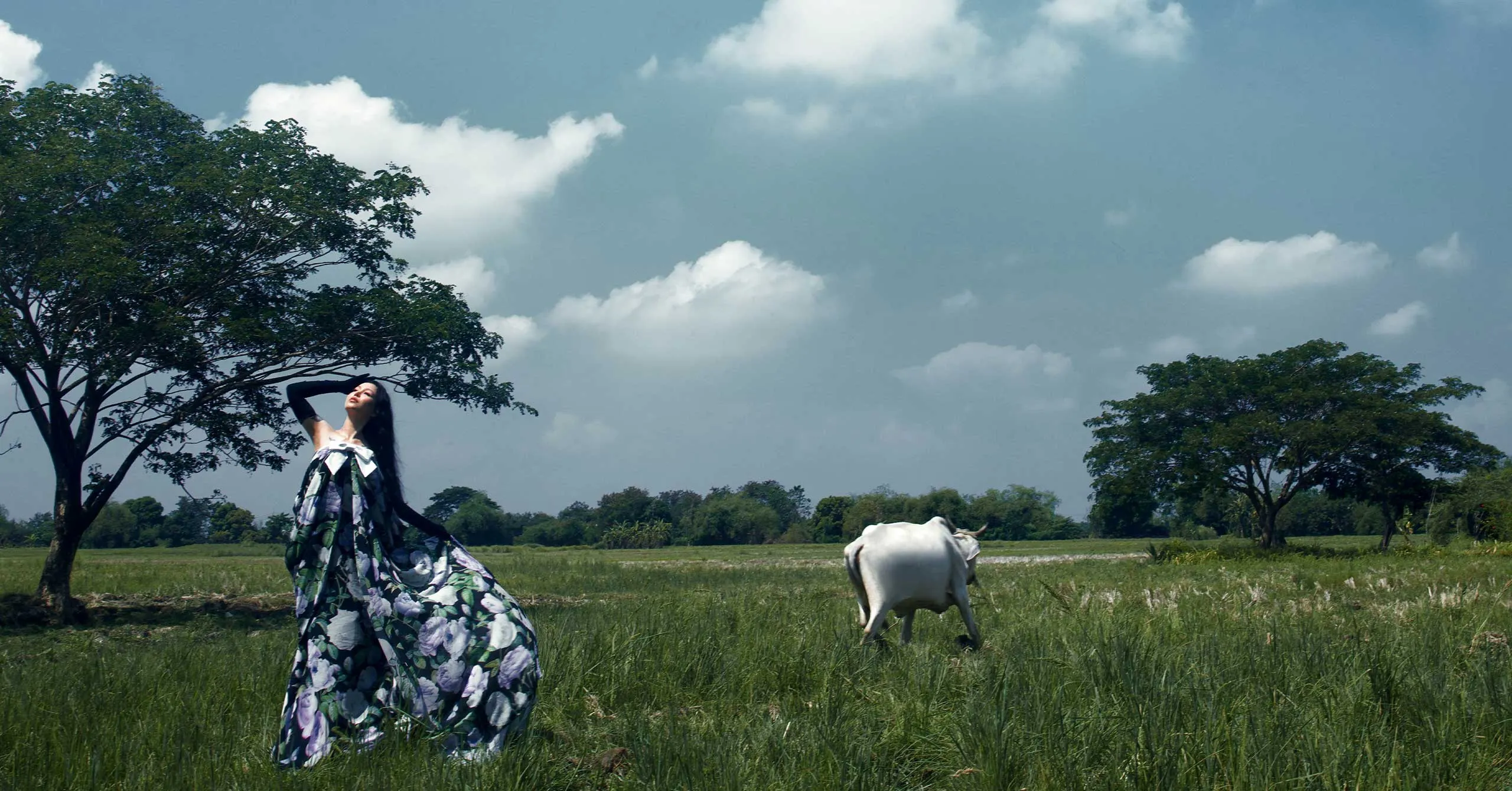
RICHARD QUINN dress and gloves. Photographed by Mark Nicdao for the October 2025 Issue of Vogue Philippines
RICHARD QUINN dress and gloves. Photographed by Mark Nicdao for the October 2025 Issue of Vogue Philippines
In Pangasinan, culture moves between shrine and shoreline, grill smoke and gallery wall. From Manaoag and San Fabian to Dagupan, the province offers a distinctly layered kind of travel, one shaped by devotion, coastal memory, culinary pride, and a growing contemporary arts scene.
In Pangasinan, culture does not announce itself in a single register. It arrives in the scent of bangus charring over open grills, in the swell of pilgrims climbing toward Manaoag, in the long light that hits San Fabian’s coast, and in the new creative currents gathering artists across the province’s fourth district. If there is one way to understand Pangasinan now, it is as a place where devotion, memory, food, and contemporary practice meet.
For those timing a visit around the cultural calendar, Pangasinan’s events reveal the province at its most public and expressive. In Dagupan, the Bangus Festival remains the city’s signature celebration, a longstanding tribute to the industry that made it known as the Bangus Capital of the Philippines. Official city materials trace the festival’s beginnings to the early 1990s, when it began as a bangus harvest for balikbayans before evolving into a full civic spectacle of street dancing, performances, and the famed Kalutan ed Dalan.
Rex Catubig, consultant on arts and culture for Dagupan, describes it with fitting directness: “It’s actually a celebration of our bangus culture.” He recalls the festival as both community ritual and street party, with dancers drawing from the footwork of fishermen and the city gathering around its most enduring symbol. It is the kind of event that says everything about a place in one sweep: what it grows, how it moves, and what it loves. The city itself frames Bangus Festival as one of Dagupan’s strongest cultural markers and best advertisements for its prized milkfish.
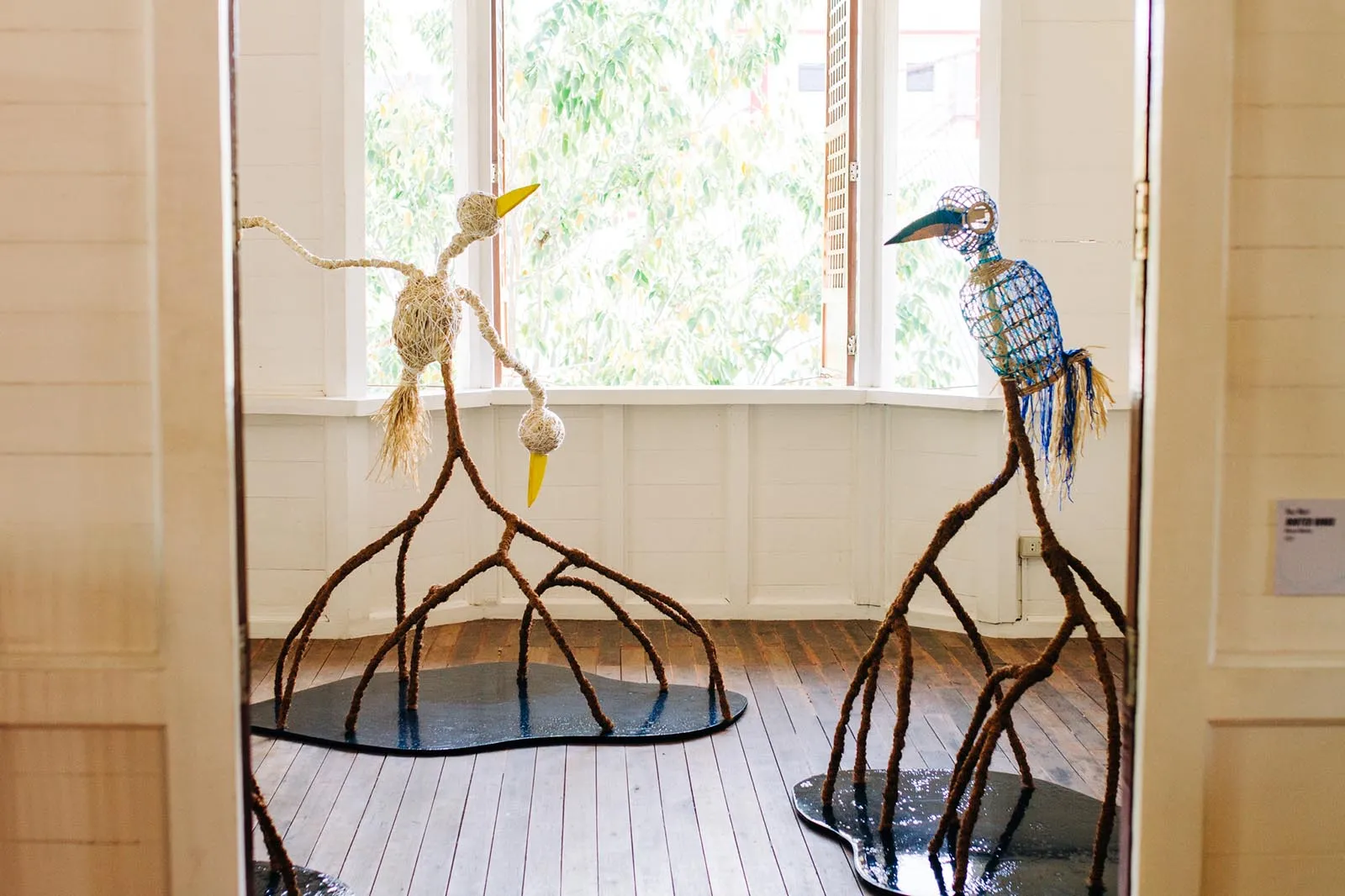
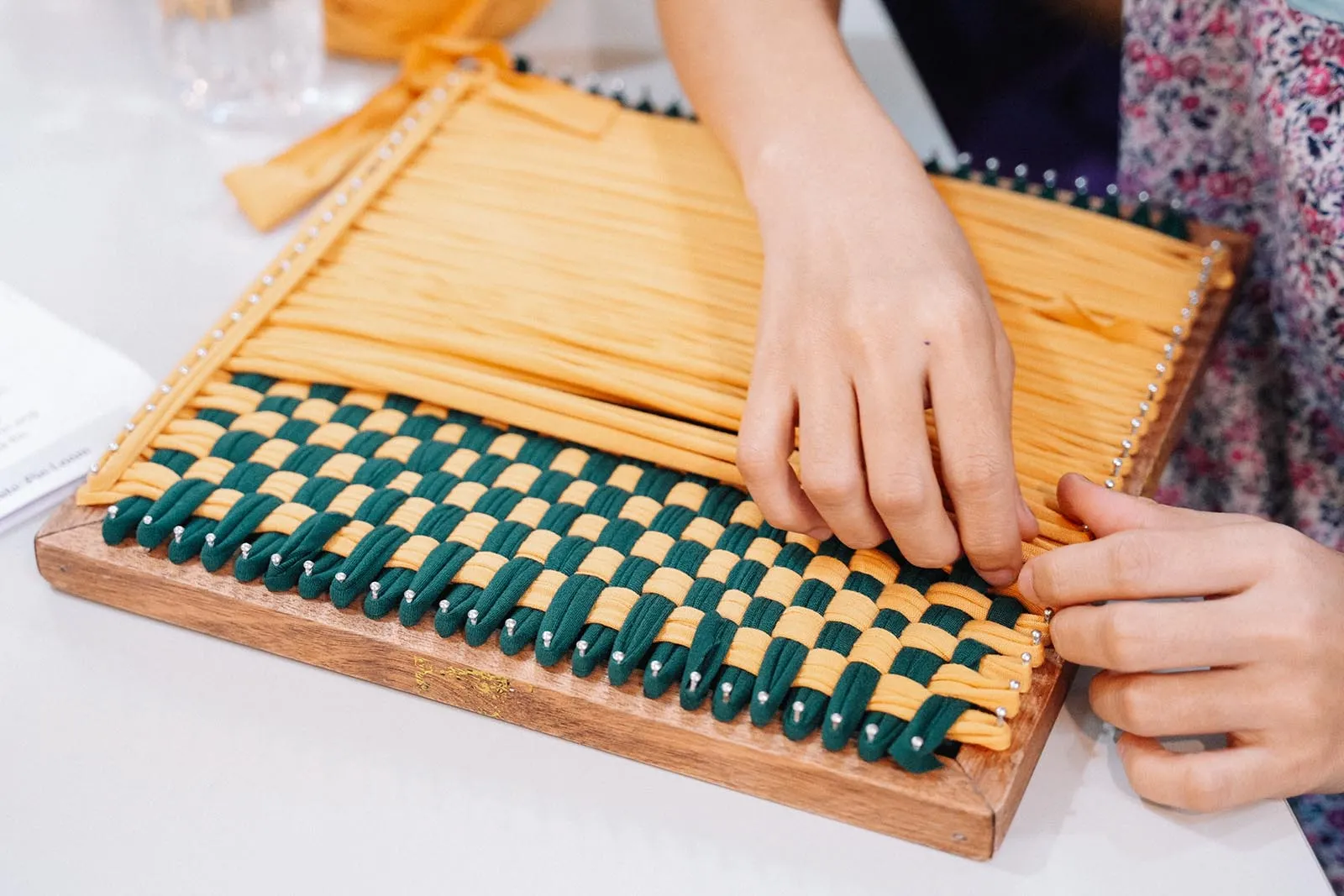
But Pangasinan’s cultural life is not only inherited; it is actively being made. In the province’s fourth district, Galila Arts Festival has emerged as a multidisciplinary platform for exhibitions, performances, workshops, film screenings, and community-led programming. Its 2024 edition ran from September 13 to 29, extending the idea of an arts festival beyond a single venue and into the everyday spaces of Pangasinan.
Alongside it is the Anakbanwa Creative Residency, founded in November 2021 by Congressman Christopher de Venecia. The program was created to immerse artists in the “rich cultural heritage and ecological landscapes” of Pangasinan’s fourth district, which includes Dagupan, San Fabian, and Manaoag. More than a residency, it positions the province itself as material: a place to study, respond to, and create from.
That framing matters. Pangasinan is often discussed for its beaches or pilgrimage sites, but Galila and Anakbanwa suggest a fuller view of the province, as an arts and culture hub where contemporary practice can sit beside older forms of memory and devotion.
Where to go: Manaoag, San Fabian, Dagupan
Start in Manaoag, home to the Minor Basilica of Our Lady of the Rosary of Manaoag, one of the country’s best-known pilgrimage sites. The shrine has long been central to Catholic devotion in Northern Luzon and was elevated to minor basilica status in 2014, with the solemn proclamation held in 2015. The basilica’s continuing draw is spiritual, certainly, but it is also cultural: a reminder that in Pangasinan, faith has long shaped public life, architecture, and movement itself.
Then head toward San Fabian, where the coast opens up and history lingers just beneath the leisure of a beach town. The municipality, founded in 1717, sits along Lingayen Gulf and remains one of Pangasinan’s most recognizable seaside stops. Its shoreline is not only scenic; it is historically resonant. During World War II, San Fabian’s landing zones were known as White Beach and Blue Beach, names that remain part of local memory.
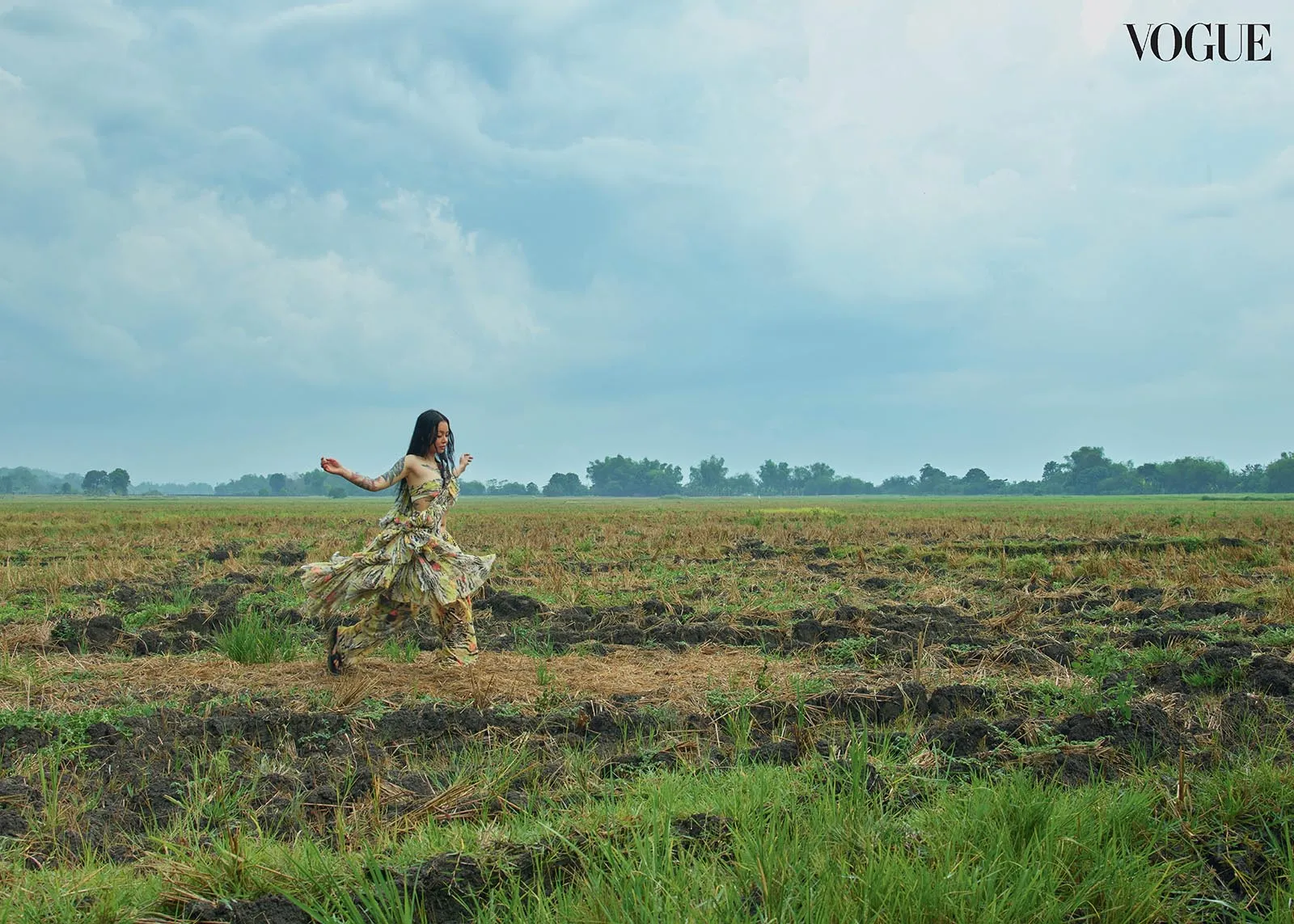
In Dagupan, that relationship between geography and memory grows even denser. Official city tourism materials describe Dagupan as a place “nestled by the sea and traversed by seven rivers,” a landscape that has long informed trade, foodways, and movement. It is here that bangus becomes identity, and where World War II history remains close: Catubig notes that MacArthur’s landing at Bonuan Blue Beach and the route to his headquarters are among the stories travelers should know. “If they are World War II aficionados,” he says, “they can trace where MacArthur landed and trace the route from the beach to his headquarters.”
Still, Pangasinan’s greatest charm may be less about a single landmark than a way of being. Catubig’s description of local temperament is affectionate and exact: “Pangasinan is, for me, maingay magsalita. When we talk, it can sound like we’re fighting, although it’s just lively banter.” It is a vivid line, and perhaps the best shorthand for the province itself: warm, animated, unvarnished, full of character.
To see Pangasinan well is to resist reducing it to one image. It is pilgrimage and performance, coastline and cuisine, archive and afterlife. And in the space between Manaoag, San Fabian, and Dagupan, the place unfolds not as one to pass through on the way north, but a province with its own cultural tempo, one best understood slowly, and in full color.
Frequently Asked Questions
The Bangus Festival is Dagupan’s signature celebration honoring its milkfish industry, tracing back to the early 1990s as a bangus harvest for balikbayans before evolving into street dancing, performances, and the Kalutan ed Dalan, cementing Dagupan’s identity as the Bangus Capital of the Philippines.
The Minor Basilica of Our Lady of the Rosary of Manaoag is one of the Philippines’ best-known pilgrimage sites and a center of Catholic devotion in Northern Luzon. It was elevated to minor basilica status in 2014, with its solemn proclamation held in 2015.
San Fabian’s landing zones, known as White Beach and Blue Beach, and Dagupan’s Bonuan Blue Beach, are tied to General Douglas MacArthur’s WWII landing route to his headquarters, remaining significant sites for history-focused travelers exploring the region.
Anakbanwa Creative Residency is a program founded in November 2021 by Congressman Christopher de Venecia, immersing artists in the cultural heritage and ecological landscapes of Pangasinan’s fourth district, which includes Dagupan, San Fabian, and Manaoag.
Galila Arts Festival is a multidisciplinary arts platform in Pangasinan’s fourth district, featuring exhibitions, performances, workshops, and film screenings. Its 2024 edition ran from September 13 to 29, extending programming beyond a single venue into everyday spaces across the province.