
Five Filipina Designers on What Motivates Them to Keep Creating


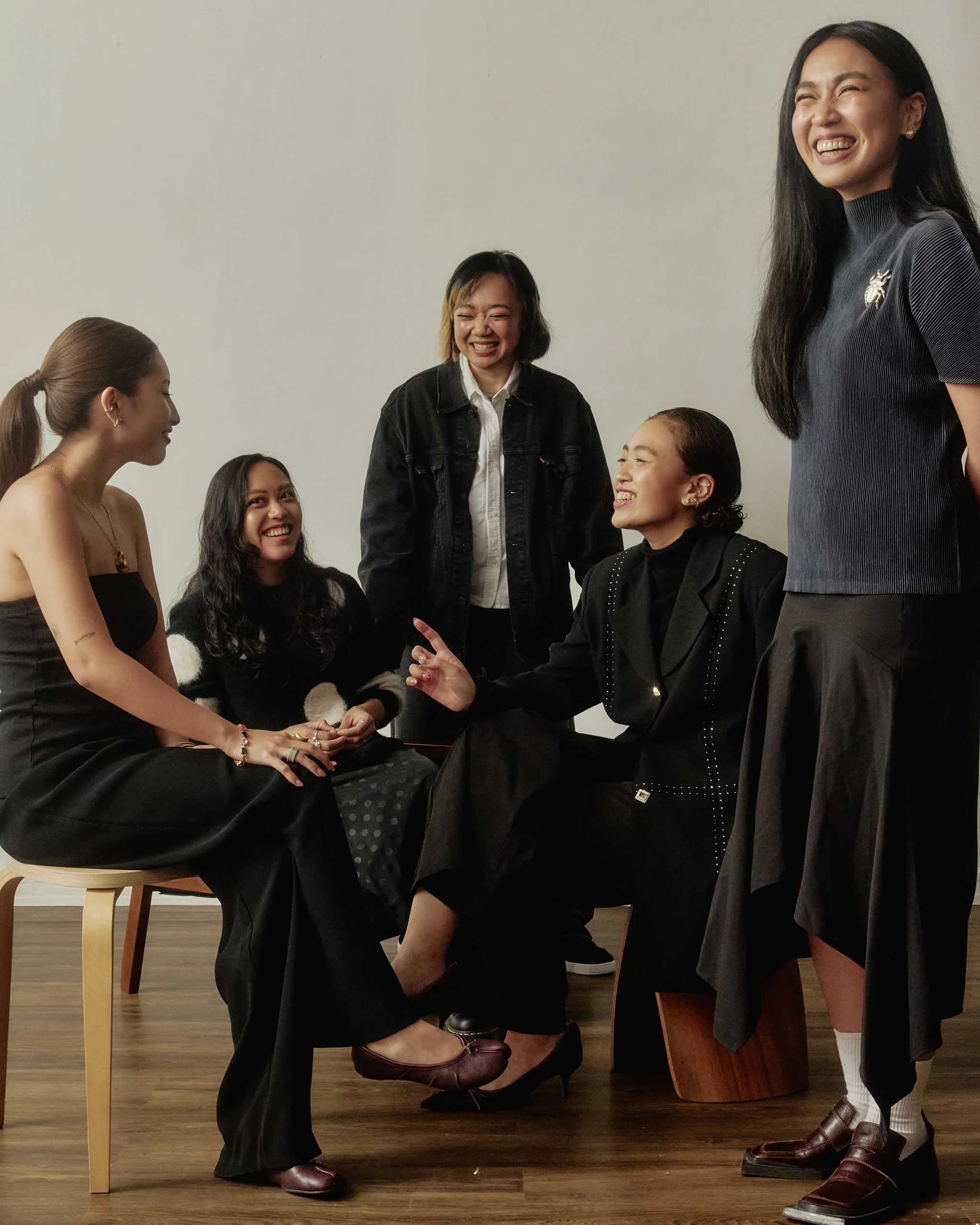
Photographed by JV Rabano for the March 2026 Issue of Vogue Philippines
Is it possible for emerging fashion designers to balance retail and bespoke, on the web and on-ground? Five Filipina designers tell us how.
When the designers file into the studio one by one, we gradually discover that each of them is on the brink. Renée De Guzman of R/Studios had just enrolled in terno-making classes, childhood friends Jilliane Santos and Paulina Dayrit of Palengke are nervously preparing for an upcoming video shoot in their yet-to-exist studio, Krizia Jimenez of her namesake jewelry brand and Antler Accessories is getting sorted for her pop-up happening the next day, and Steph Verano, designer at her eponymous label and perhaps the most flustered on arrival, has come in just slightly after call time, thanks to mid-afternoon traffic from one end of Metro Manila to the other: Parañaque to Quezon City, where we’re holding our fashion shoot. She was absorbed in the task of finishing a couple of pieces we requested to photograph, and had unexpectedly lost track of time.
This whirlwind of further studies, sporadic jitters, and the perpetual pursuit of excellence persists for creatives of all kinds, but perhaps most of all for females in the field, who are, for better or for worse, innately predisposed to prove themselves.
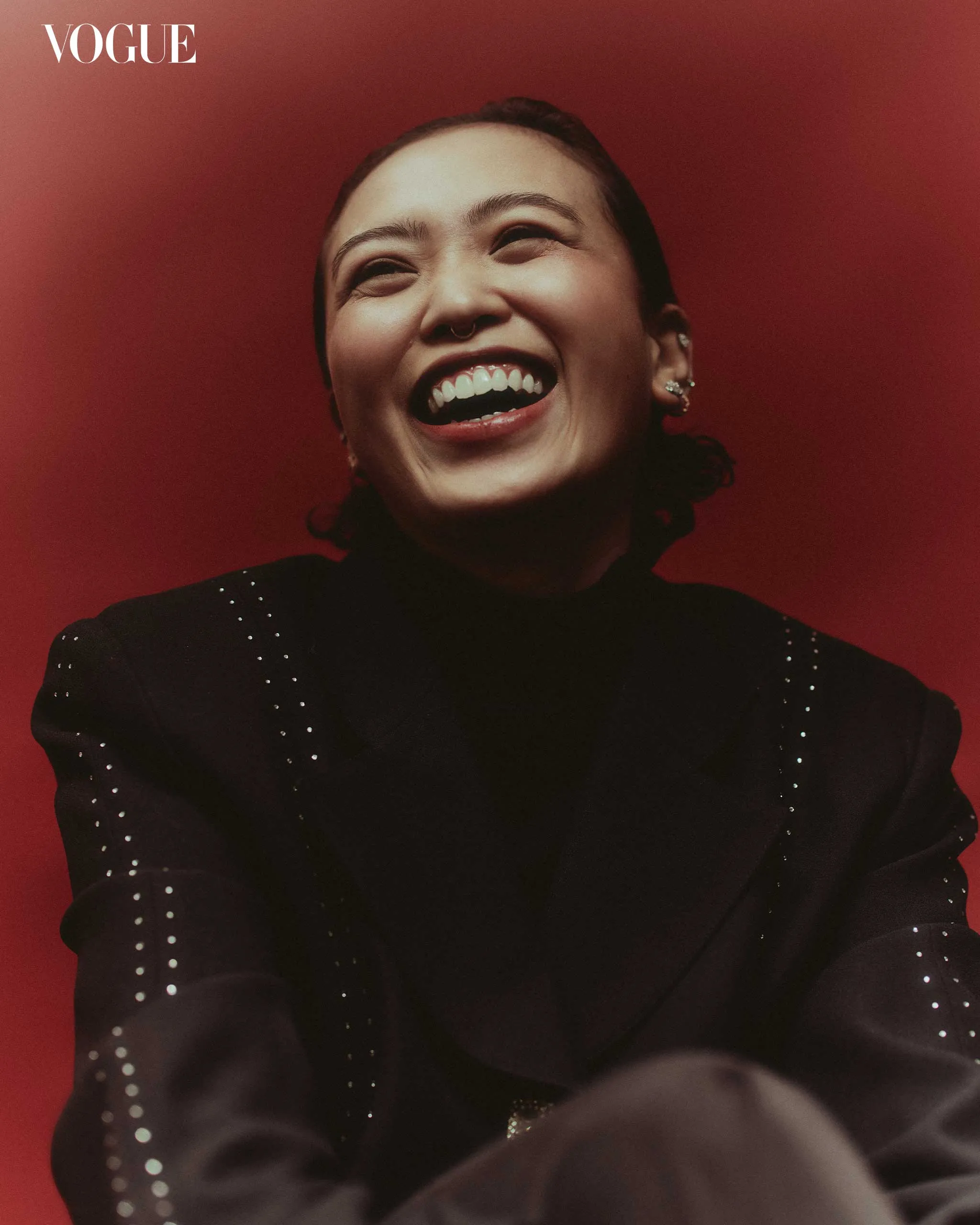
In the midst of it, they find a way to show up and set all else aside for the meantime. The five are jovial in each other’s presence, exchanging pleasantries of familiarity (“We know each other,” Krizia says of Steph) and relief (“Wait, is this our first time meeting in person? Finally!” Renée exclaims to Paulina) upon being introduced.
Ask any designer: the Philippine fashion industry is both intimate and expansive. The rate at which new crops are sprouting seems to be growing faster and faster each year; just last January, the De La Salle-College of Saint Benilde’s fashion design and merchandising program showcased their latest graduates, a big batch of 91.
Still, virtually everyone knows everyone, owing to word of mouth and unsurprisingly, Instagram. The social media platform has connected publications to designers, designers to fellow designers, and designers to consumers. Over Covid lockdowns, the app became a powerful conduit for connection and consumerism, optimizing its tools not just for media-sharing, but also selling. With mandates to stay indoors, people turned to creative mediums to cope, and for some, it was fashion. Friends banded together to exchange ideas, and then materialized them by keeping the business close to home. Textiles and artisans were sought within their immediate communities, leading to a plethora of small, casual fashion labels from Bacolod to Makati that frequently focused on linen.
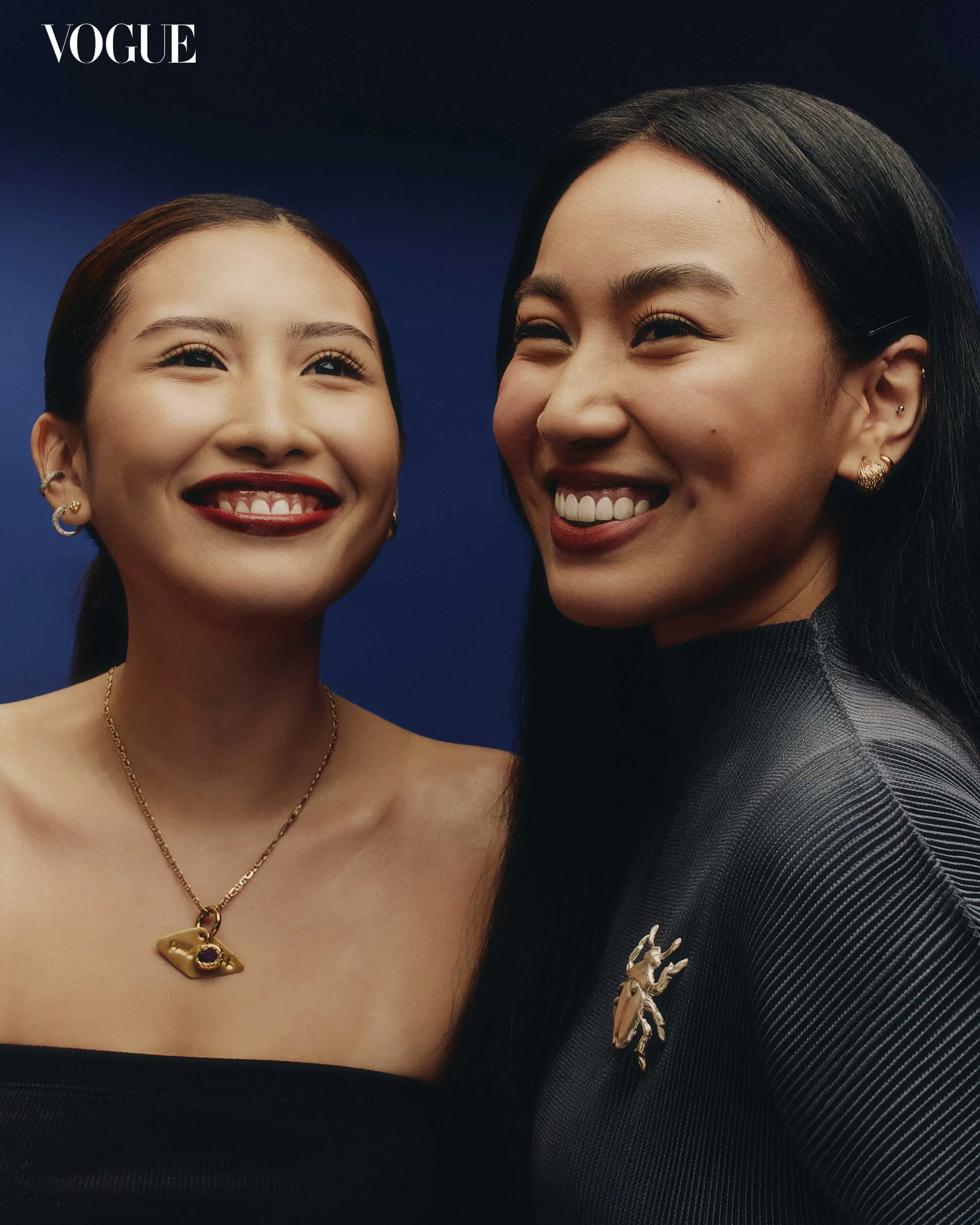
Some pandemic projects withered. Others, like Palengke, stood the test of time. Jilliane and Paulina launched in 2021 with the Sayaw top and Sitaw trousers, modeling and shooting the clothes themselves. The resulting campaign was kitschy, loaded with Filipino elements like a videoke machine and colorful striped banig that resonated with a market of 20-something girls their age. “Having an online presence has definitely paid off,” Paulina says. “It’s where people first discovered Palengke, and it’s where our world primarily lives. We started on Instagram, then launched our website, and now we’re beginning to expand into physical spaces through consignment with stores like Comme Ci and Purveyr.”
Post-Covid, the Instagram-first collegiate shoppers have graduated and grown up. On a local scale, the generation’s proclivity for slow and local fashion abounds, but the in-person retail experience, as the designers have found, has become necessary.
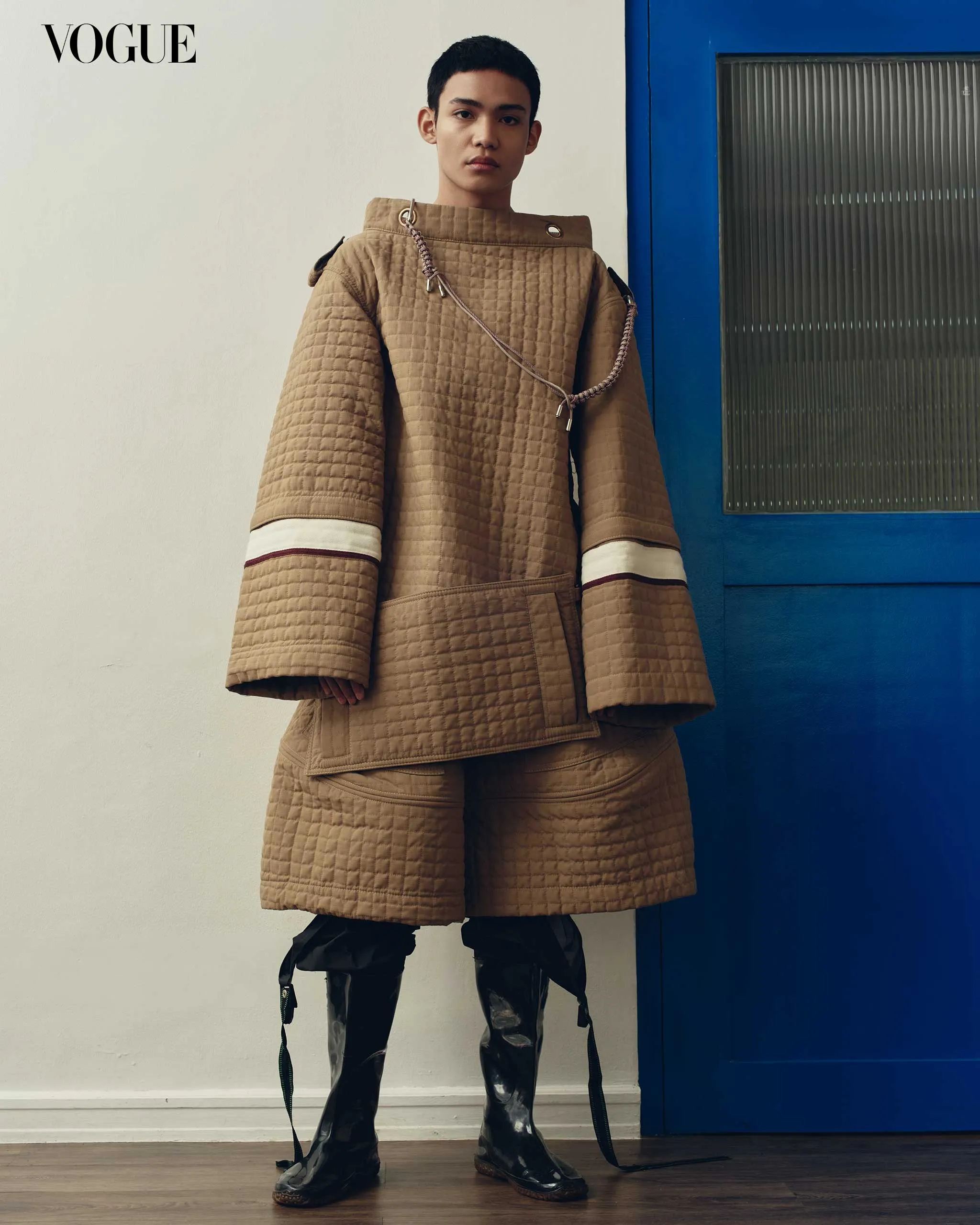
All four brands have participated in their share of pop-ups, but only Renée and Steph have done one together. For Renée, they’re valuable opportunities to exchange narratives. “Several clients have been curious about the story and the process of the brand, which is a conversation that really occurs in those pop-ups. They really appreciate it when they meet the designer because it gives them a deeper perspective of what really goes on in the designing process of the pieces,” she explains.
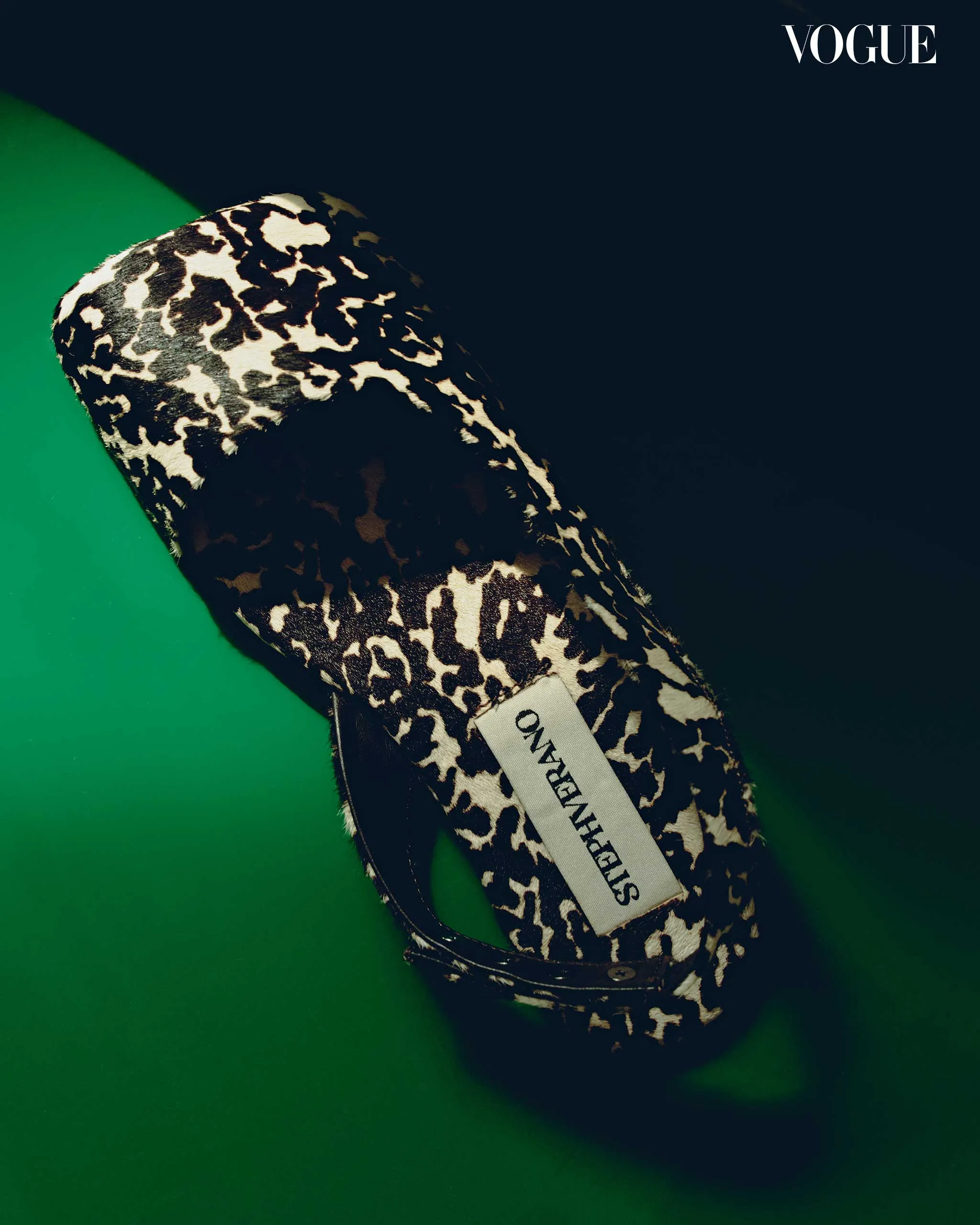
While Steph agrees, she tends to face a somewhat heartwarming dilemma. “In-person selling made me realize that I’m not fit for in-person selling, since I can be too emotionally attached to the things I make,” she says with a laugh. “Kidding aside, pop-ups help me get to know more about the people who buy my stuff and their preferences. It’s also very energizing personally, to do pop-ups with other designers who are also very committed in the making aspect of their brand.”
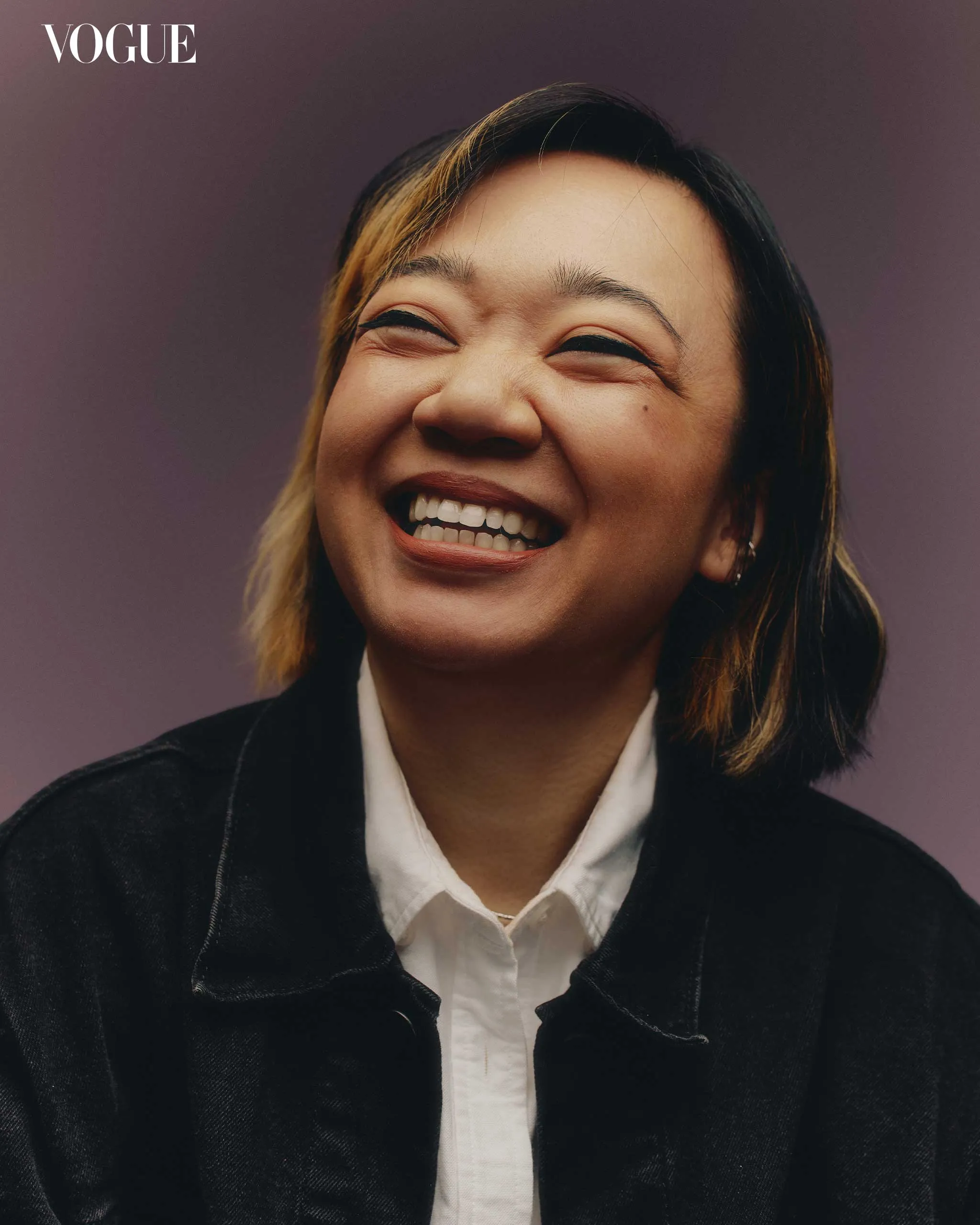
Operating as one-woman (or in Palengke’s case, two-woman) teams, the five have learned to be savvy on all fronts of the business, from design to production to branding to marketing to merchandising to retail. It’s a mouthful. It’s a handful.
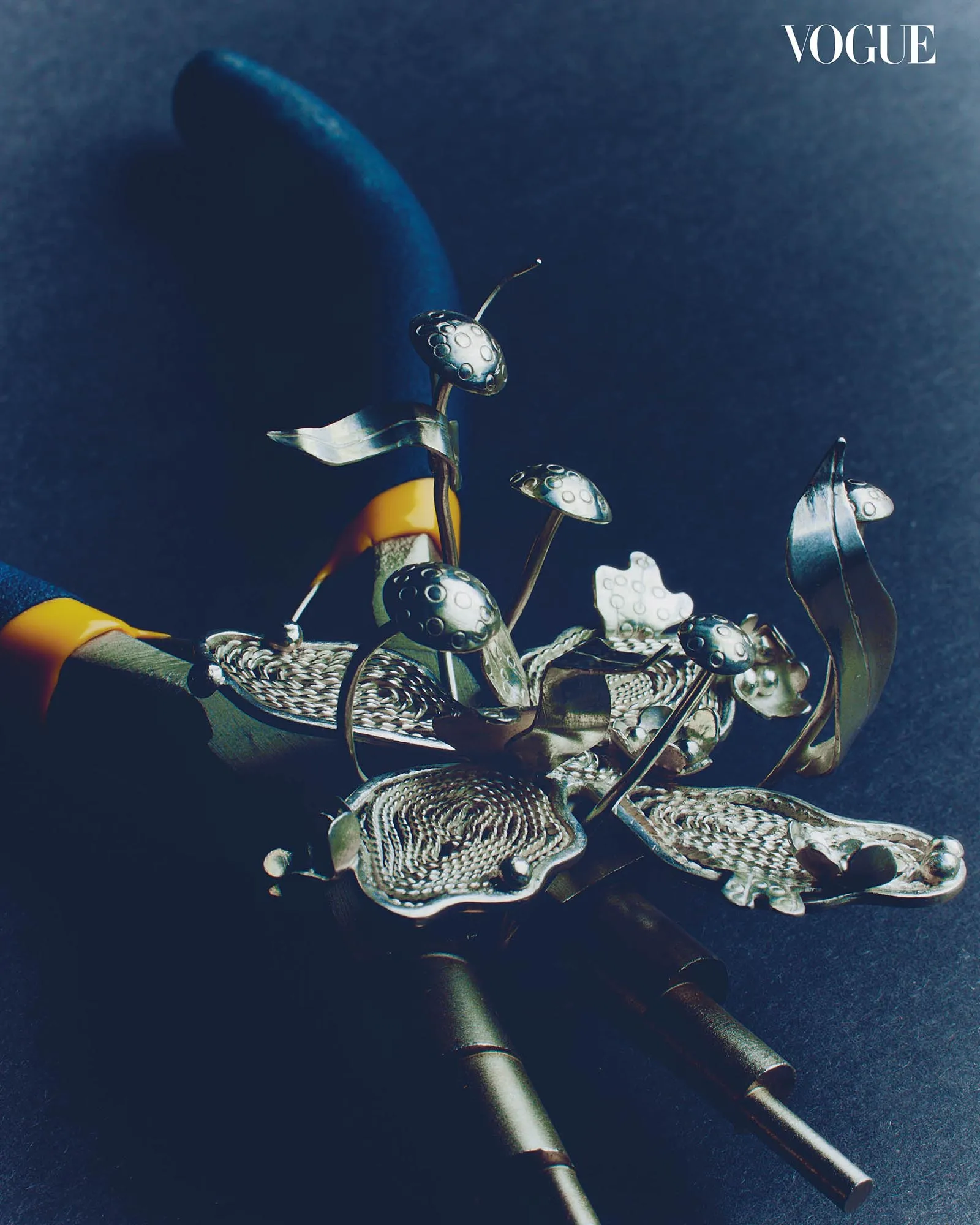
“I’m still currently a one-woman team, so it does get challenging to try and pursue many things all at once,” admits Krizia. “I just try my best to plan ahead and manage my time across brands and projects. I compartmentalize between brands and projects and try to work on them one at a time without mixing. I’m also lucky to have a few hands that help from time to time.”
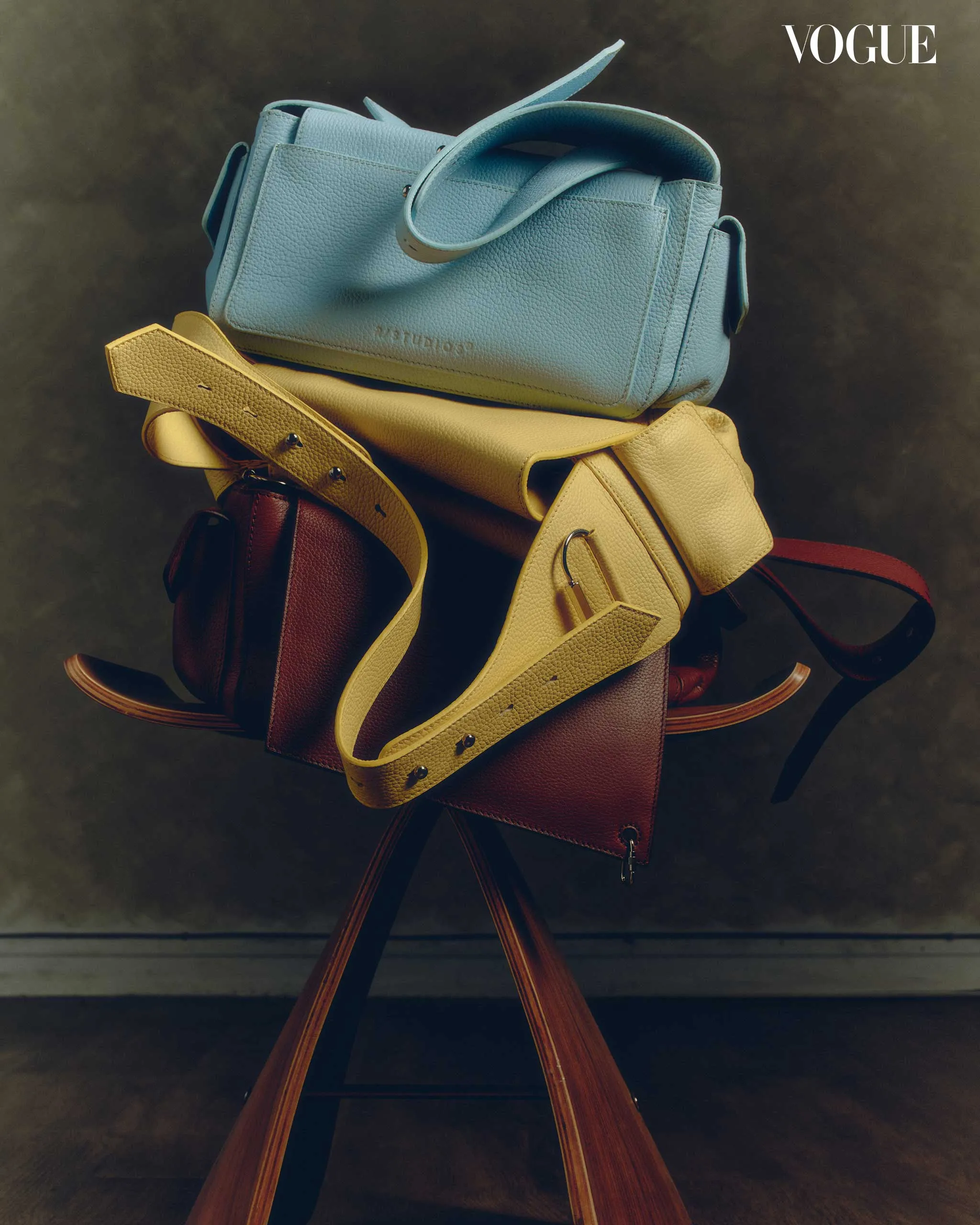
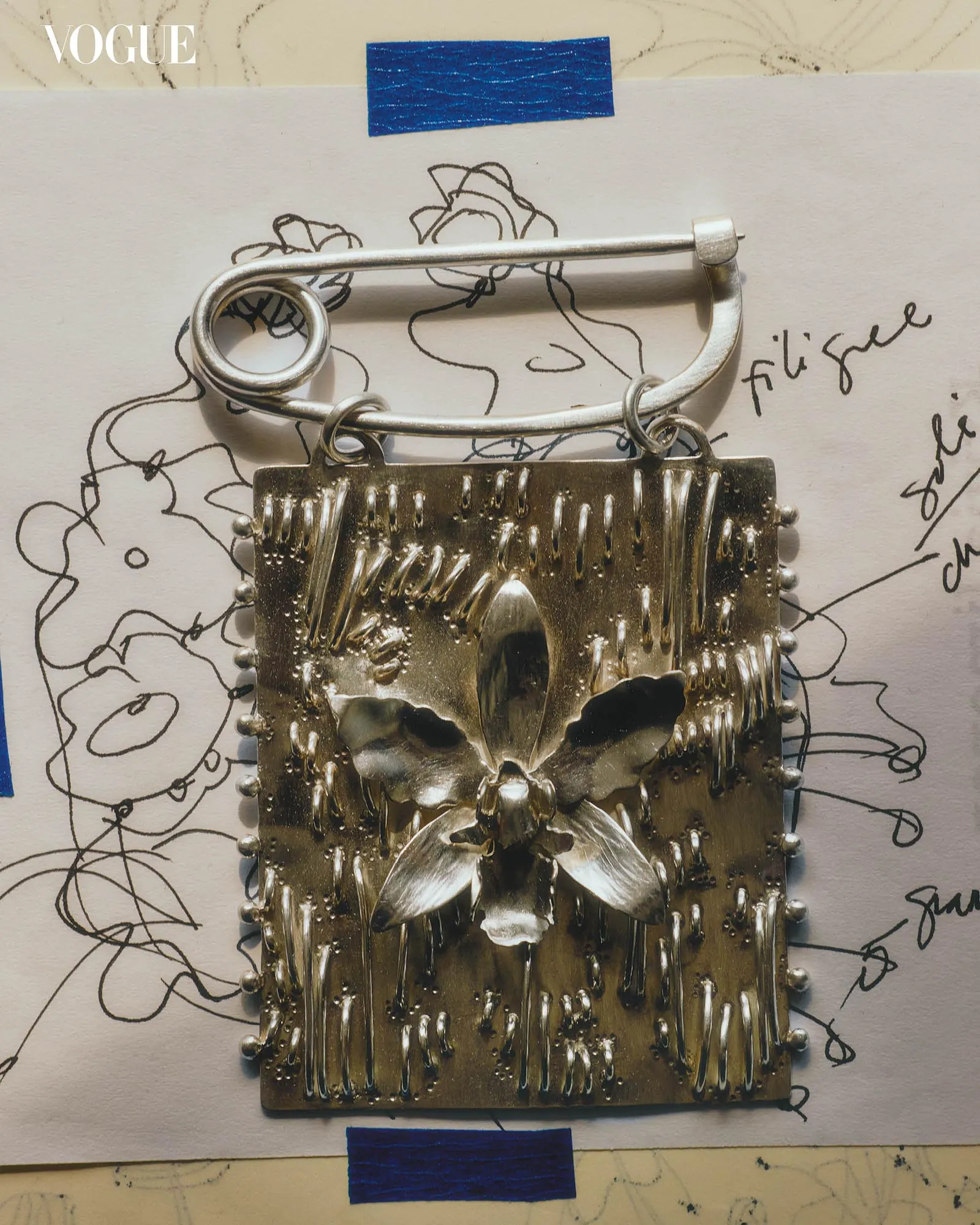
The designer helms Antler, the ready-to-sell and pre-order accessories brand she started early in college for “quirky, fun, one-of-a-kind” pieces. On the other hand, the bespoke line under her name is more elaborate and artisanal, and “is really for expressing myself; thoughts and ideas that I can’t always communicate in words.”
When it comes to fashion, Krizia believes that design and branding are inextricably linked. Like her peers, she makes it a point to take photos of her work and keep an updated portfolio and website. Branding, as Renée describes, “is just as important as designing because that is how one conveys the storytelling.”
For the duo behind Palengke, it isn’t optional, but essential. “Investing in branding early just felt natural to us,” Jilliane asserts. “Paulina and I usually geek over international campaigns or shoots that really resonate with us. Of course, we don’t have the same resources, especially at this stage. But we try to do it in our own practical way. Even if it’s scaled down, the intention is always there.”
Paulina emphasizes, “For us, a great product only really works if people understand it, and branding helps us bridge that gap.”
Production-wise, their agility enables them to operate not just on cross-business functions but also on both bespoke and ready-to-wear models. An ingrained Philippine tradition of pasadya or custom-made makes the former practice straightforward enough: set an appointment, present a sketch, propose materials, make revisions, produce the garment. But with the onslaught of pop-ups, fashion shows, and shoots, which they all gamely participate in, a healthy inventory has also become a priority.
“It also boils down to being able to forecast the quantity per product, which is crucial when running any business and most especially, a fashion brand,” comments Renée. To avoid wastage, Krizia limits stocks and produces in batches, “while going for designs that can last through seasonality and trends.”
As opposed to one-off events that allow emerging brands longer intervals to replenish their wares, stocking in multi-brand concept stores makes demand forecasting even more vital due to higher foot traffic and prolonged merchandise visibility. For Palengke, who now stocks at two brick-and-mortar concept stores, “You don’t want to overproduce, but at the same time, if you want to be a sustainable and profitable business, you need to have stock moving,” offers Jilliane. “Finding that sweet spot is hard. Especially here, because a lot of artisans operate with higher minimums. It’s not really practical for them to make just five pieces since it takes time, labor, and resources. So ready-to-wear becomes a lot about timing and quantities, figuring out what makes sense for both us and the people we work with.”
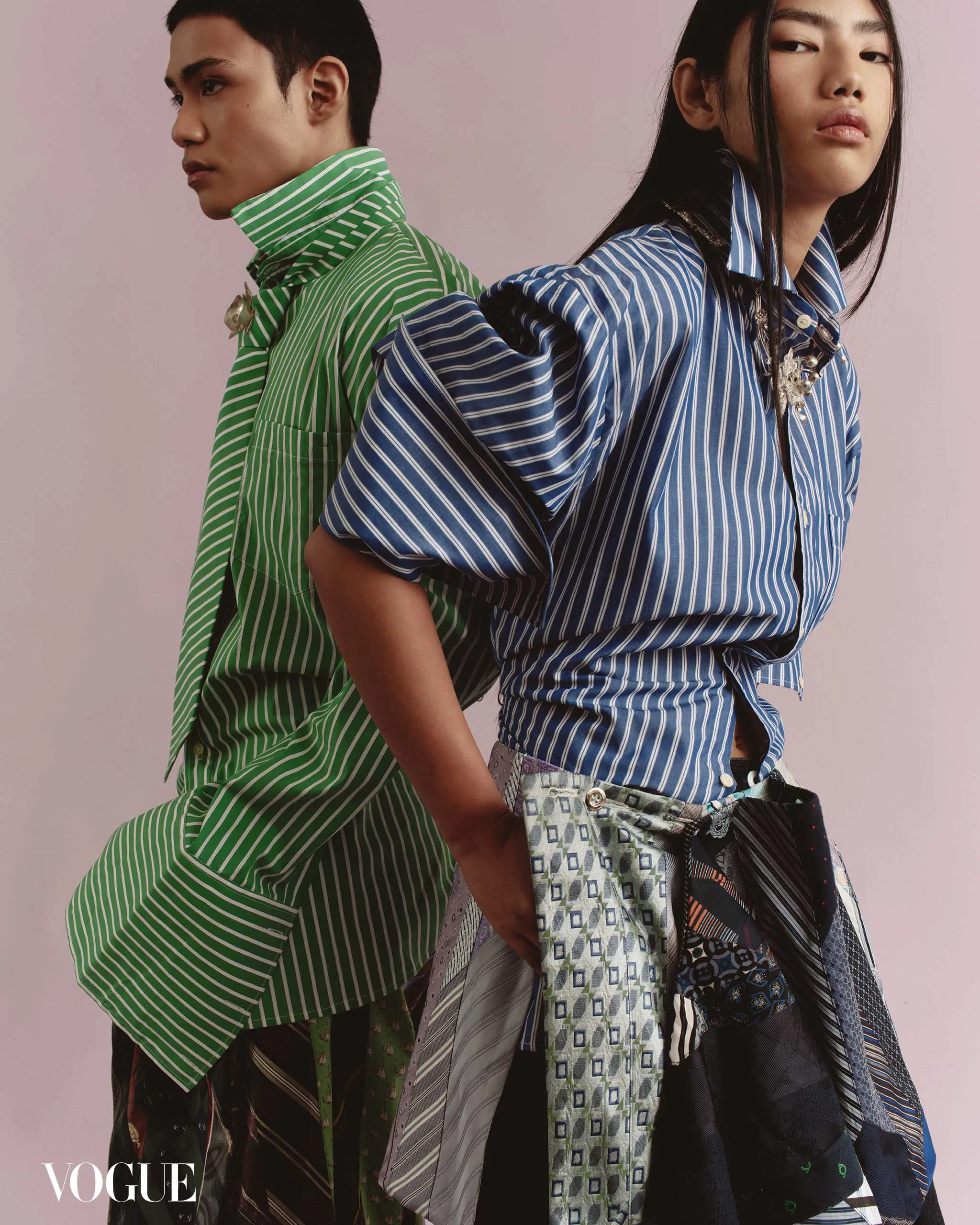
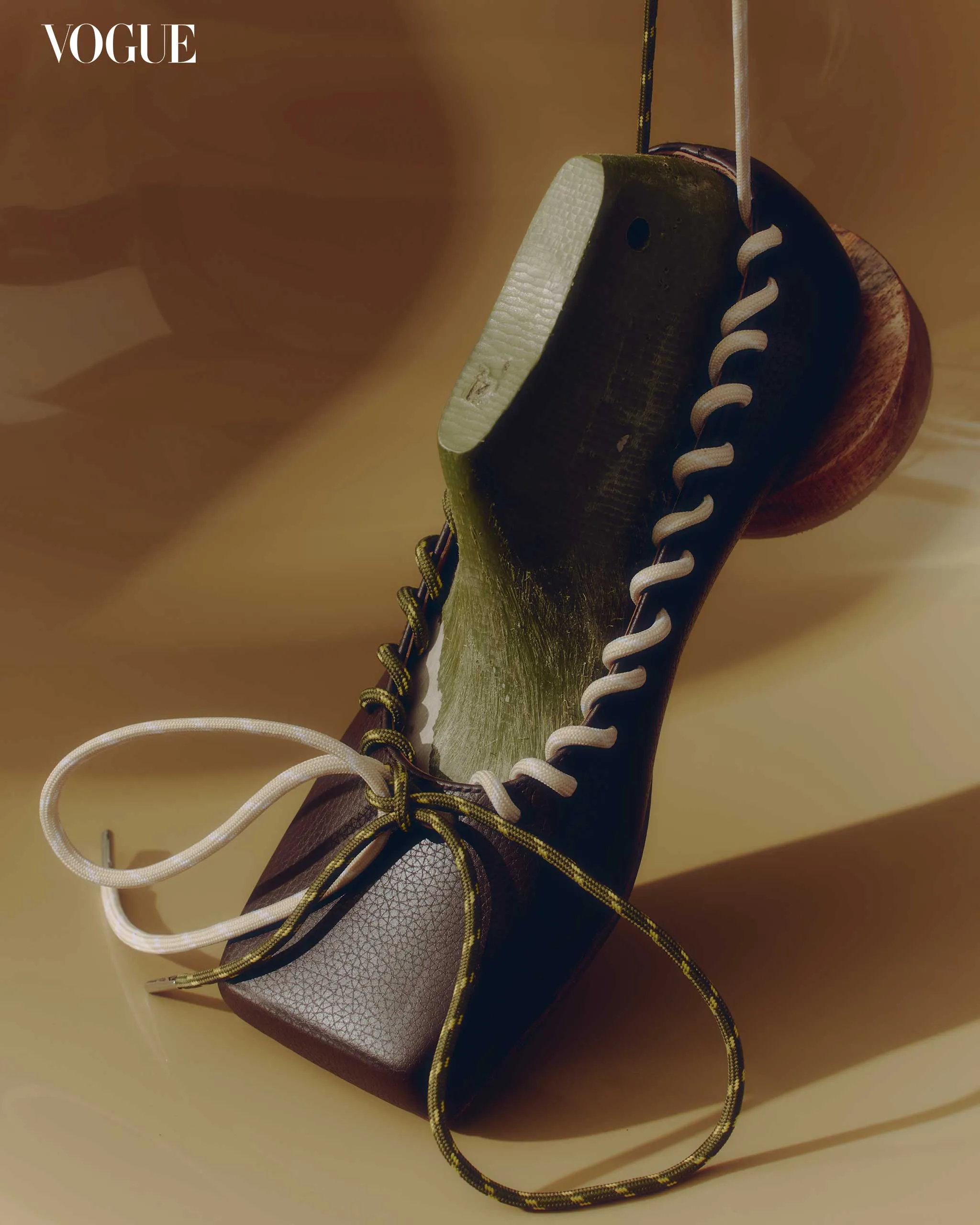
All four brands have managed to make this happen while maintaining multiple product lines. They each offer clothing and accessories, whether bags, footwear, jewelry, objects, or all four. In 2020, Krizia stood out as one of TernoCon’s finalists, by incorporating digitally rendered underwater photos onto the fabrics of her contemporized terno. Just last year, Steph emerged as one of the winners of the Bench Design Awards, where Renée also finished as a finalist. Steph’s collection stemmed from vintage photographs of European fisherfolk, while Renée drew from the sentimentality of found objects, from pressed flowers to tickets, notes, and receipts. In their final release of 2025, the Palengke girls ventured into hammered brass lighter cases for their Pukpuk collection, expertly crafted in their hometown of Pampanga.
Despite doing this for years, Renée, Jilliane, Paulina, Krizia, and Steph can’t seem to sit still. To rest on their laurels is to relent to stagnancy. But maybe that’s less to do with where they are now, and everything to do with where they have yet to go. As Krizia puts it, the focus, most of all, will always be on creating.
By TICIA ALMAZAN. Photographs by JV RABANO. Styling by NEIL DE GUZMAN. Talents: Krizia Jimenez, Steph Verano, Renée de Guzman, Jill Santos, and Paulina Dayrit. Models: Francheska of Luminary Models and Harold of Monarq Models. Makeup: Booya Mocorro. Hair: Gab Villegas. Producer: Bianca Zaragoza. Stylist: Neil de Guzman. Multimedia Artist: Mcaine Carlos. Editorial Assistant: Mavi Sulangi. Photography Assistants: Choi Narciso and PJ Salazar. Shot on location at Archive Haus
Frequently Asked Questions
The piece features Renée De Guzman of R/Studios, Krizia Jimenez of her namesake label and Antler Accessories, Steph Verano of her eponymous brand, and Jilliane Santos and Paulina Dayrit, co-founders of Palengke.
Palengke launched in 2021 with the Sayaw top and Sitaw trousers, with founders Jilliane Santos and Paulina Dayrit modeling and shooting the campaign themselves. The brand began on Instagram, expanded to a website, and now stocks at concept stores including Comme Ci and Purveyr.
The designers rely on the Philippine tradition of pasadya, or custom-made pieces, for bespoke work, while managing ready-to-wear inventory carefully to avoid overproduction. Krizia Jimenez limits stock and produces in batches to reduce wastage while accounting for artisan minimum order requirements.
Krizia Jimenez was a 2020 TernoCon finalist for a contemporized terno using underwater photography. Steph Verano won the 2025 Bench Design Awards with a collection inspired by vintage European fisherfolk photographs, where Renée De Guzman was also a finalist.
The designers view branding as inseparable from design, since it communicates storytelling and helps products connect with buyers. Palengke’s founders describe investing in branding early as essential, even while working with limited resources compared to larger international campaigns.