
Rylé Tuvierra Writes a Love Letter to Copenhagen Fashion Week


Courtesy of Stine Goya
Exclusively for Vogue Philippines, Rylé Tuvierra offers an insider’s perspective on Copenhagen Fashion Week, unpacking the brands, business strategy, and community-first ethos that set the Nordic capital apart.
“Copenhagen Fashion WeekFashion WeekA series of seasonal events where designers debut their latest collections, setting the tone for upcoming fashion trends and showcasing creativity, craftsmanship, and innovation across the global fashion industry.Go to Fashion Week Glossary this season felt particularly intentional. Beyond the shows, there was a strong sense of systems-thinking: brands weren’t just presenting collections but also reinforcing values through format, location, and community-building. Sustainability felt less performative and more embedded, from material choices to how brands hosted, gathered, and spoke to their audiences. Craft, heritage, and modern utility were consistently in dialogue, making the experience feel grounded rather than aspirational for aspiration’s sake.”
For Rylé Tuvierra, the week began with an instant confrontation with the climate Copenhagen Fashion Week caters to. “I was welcomed with a strong wind, and it was snowy,” she says on our Google Meet. There was no gentle easing into the schedule. “[When] I arrived at my hotel, I had to rush and run to my first meeting, which is Holzweiler, and I was welcomed by the team from Stockholm.”
That immersion set the tone; what struck her most was not glam-squad grandeur, but the real connections. “These brands aren’t just working with images, content creators, influencers, or tastemakers; they also focus on building relationships. That’s what I love about Scandic and Nordic brands; it really feels like a family, like a casual get-together.”
When asked what defined Copenhagen’s fashion landscape this season, she was clear: “Their sustainability is not performative. Unlike with other fashion weeks or other brands, in Copenhagen, it’s a way of living for them.” The runway is not a fantasy detached from daily life. “The things that you will see on the runway are the same pieces and the same looks that you will see on the streets with normal people. So, it’s a reflection of living, basically.”
STINE GOYA
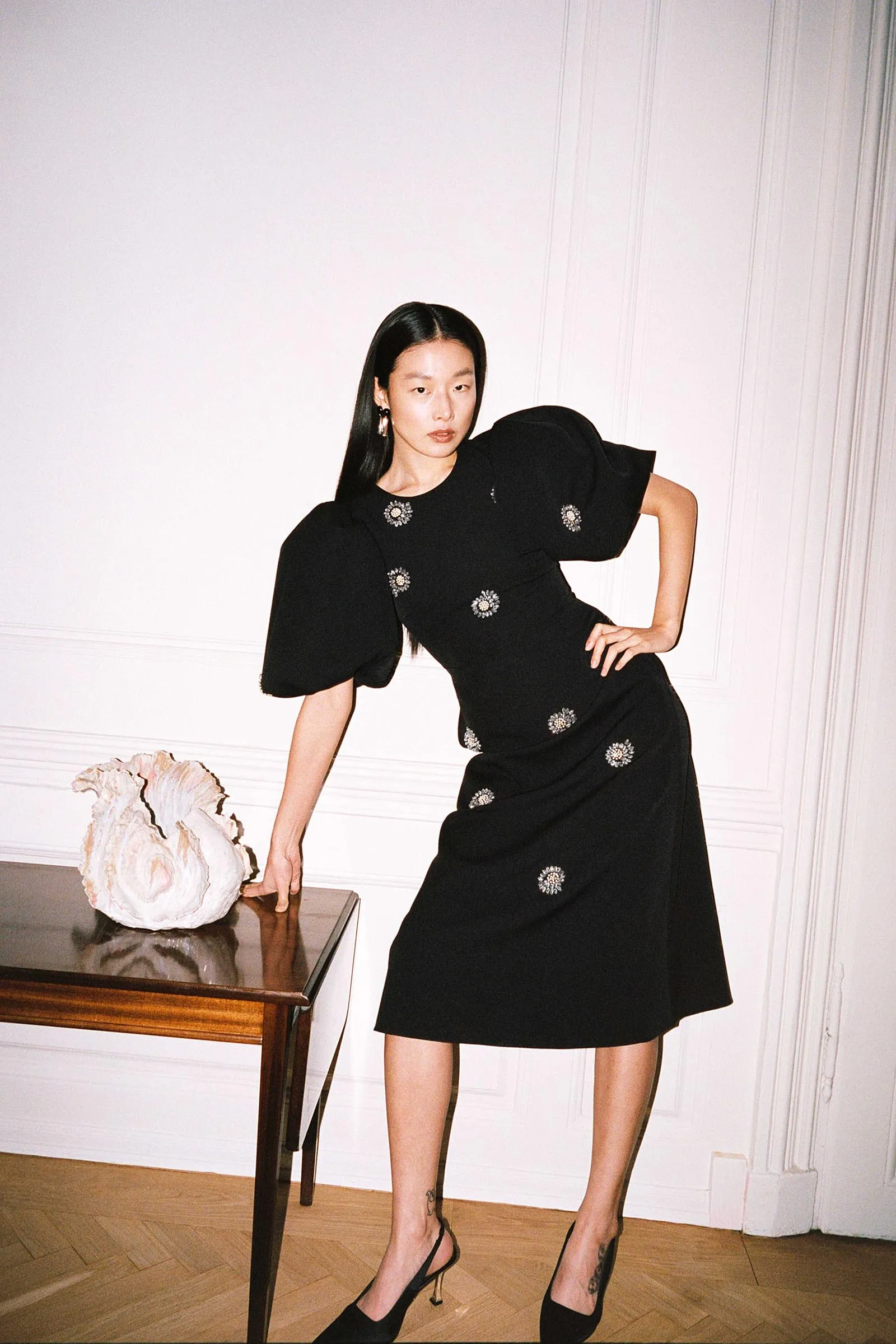
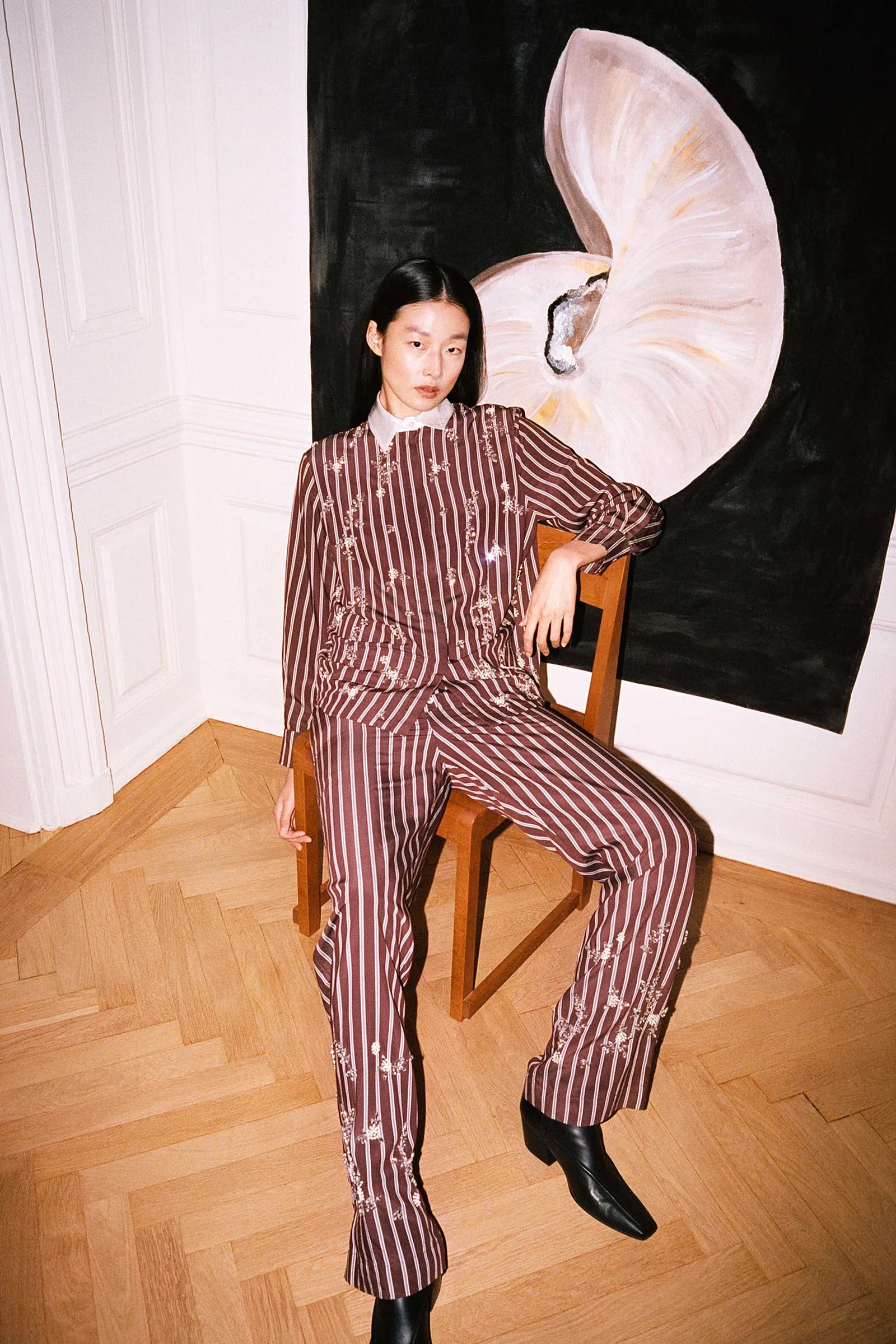
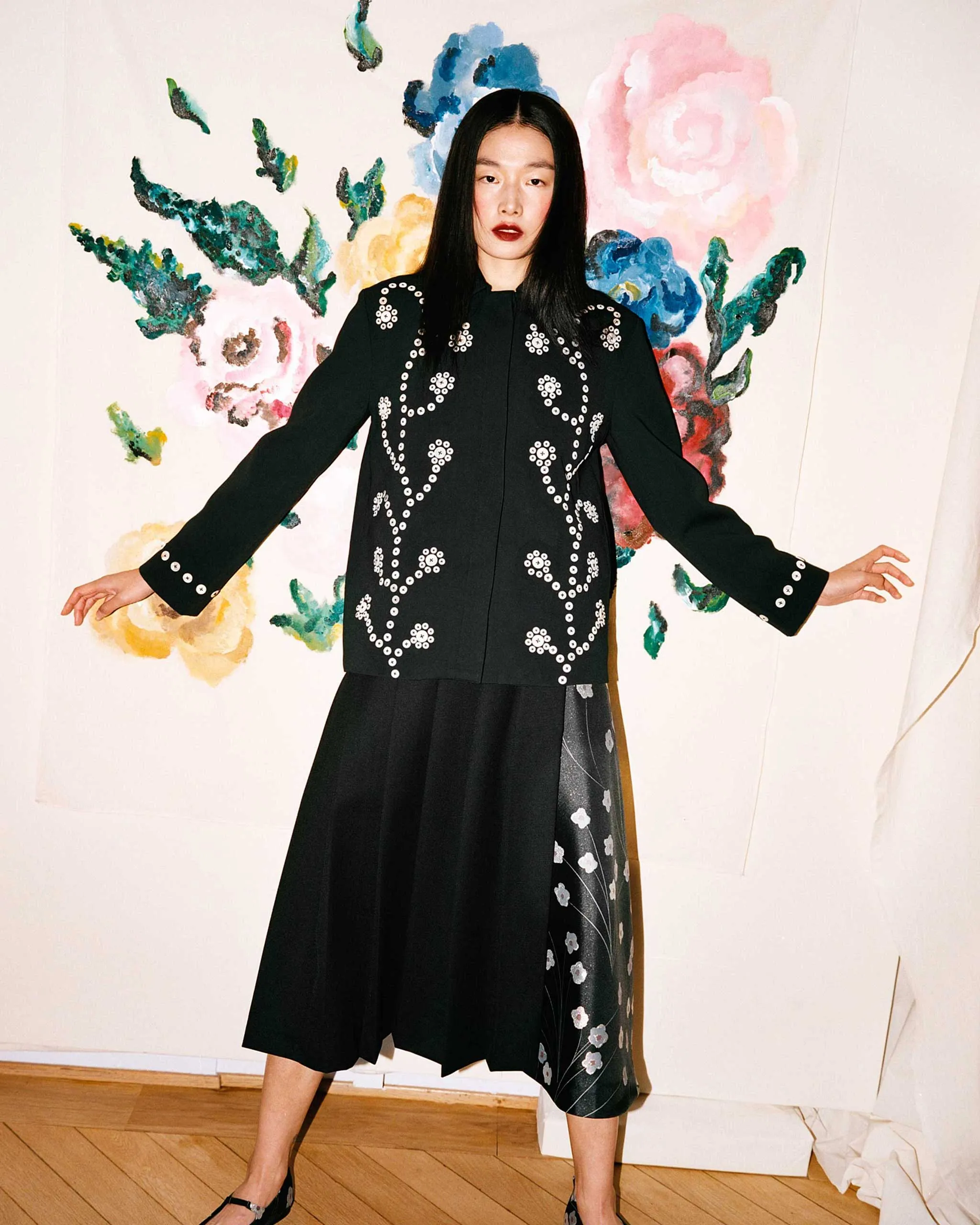
“If there’s one brand that felt instantly relatable, it was Stine Goya. For AW26, Here You Are celebrates the power of showing up exactly as you are and recognizing the same individuality in others. Built around three personas, The Sentimental Individualist, The Layered Achiever, and The Uniform Perfectionist, the collection felt emotionally fluent. The color story moves from Butter Cream, Straw, and Skyway Blue into Aubergine, Dark Olive, Chestnut, and Wine Red, punctuated by Lemon Curry, Poinciana, and Twist of Lime. Velvets, devoré, silks, tailoring, and responsible knits created a tactile wardrobe that feels as good as it looks. There’s something very Filipino in the way it embraces color and softness without overthinking it fashion that feels just as right by the beach as it does in the city.“
Rylé explains that Stine Goya no longer stages traditional runway shows. “For the past two years, they stopped doing shows. They’re only doing private show appointments at their office.” Instead, the showroom allows visitors to engage directly with the process, particularly the brand’s commitment to craft. “They have an in-house designer who creates their own floral designs. She paints them, and then they turn them into scarves or clothing. In fact, I have a lot of dresses from Stine Goya that were hand-painted.” Increasingly, she says, the house is moving away from mid-market to the high-end rack: “Because they’re made from mother-of-pearl, [and] quite expensive to produce. Stine Goya is evolving; they’re moving from experimental to premium.”
GESTUZ
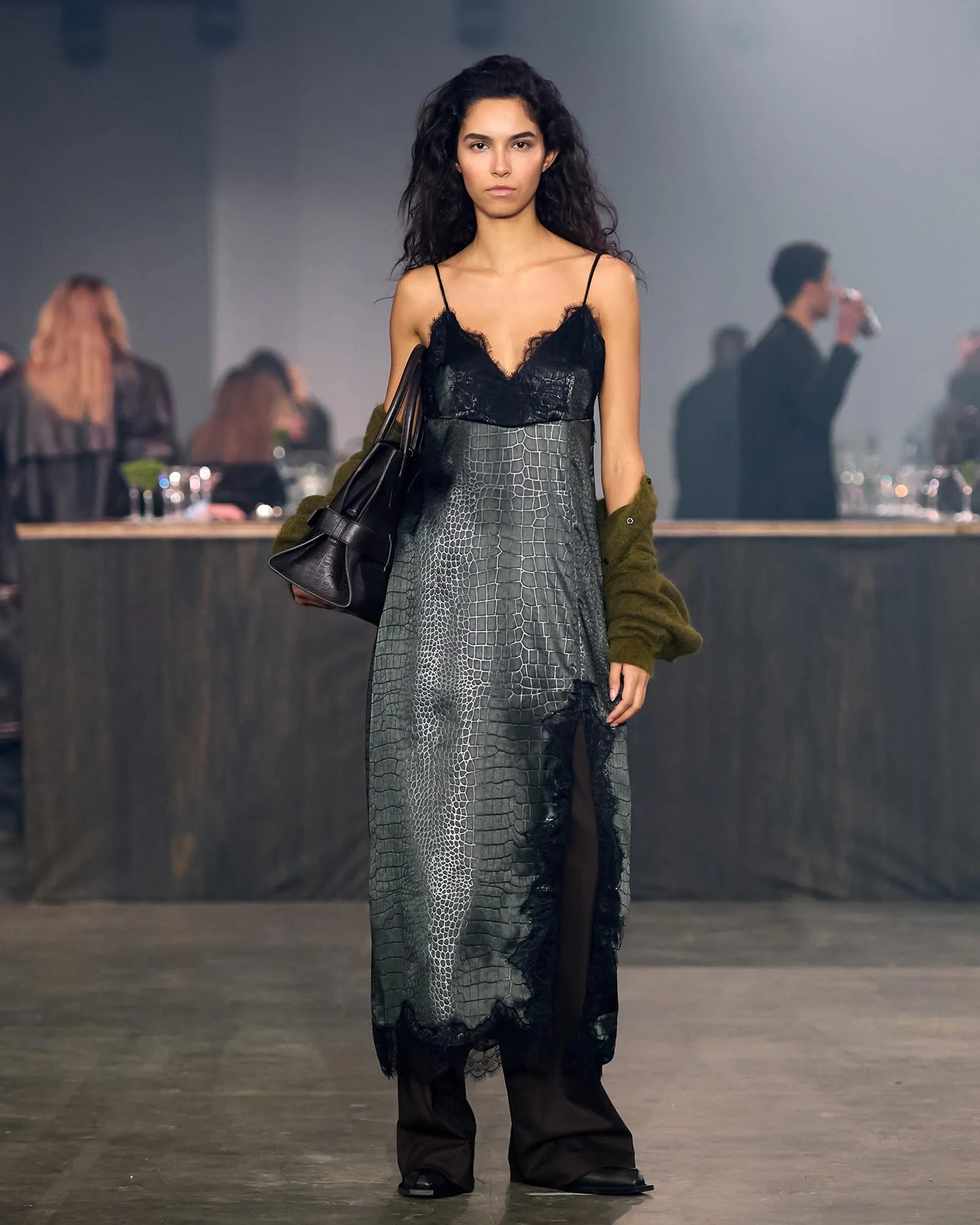
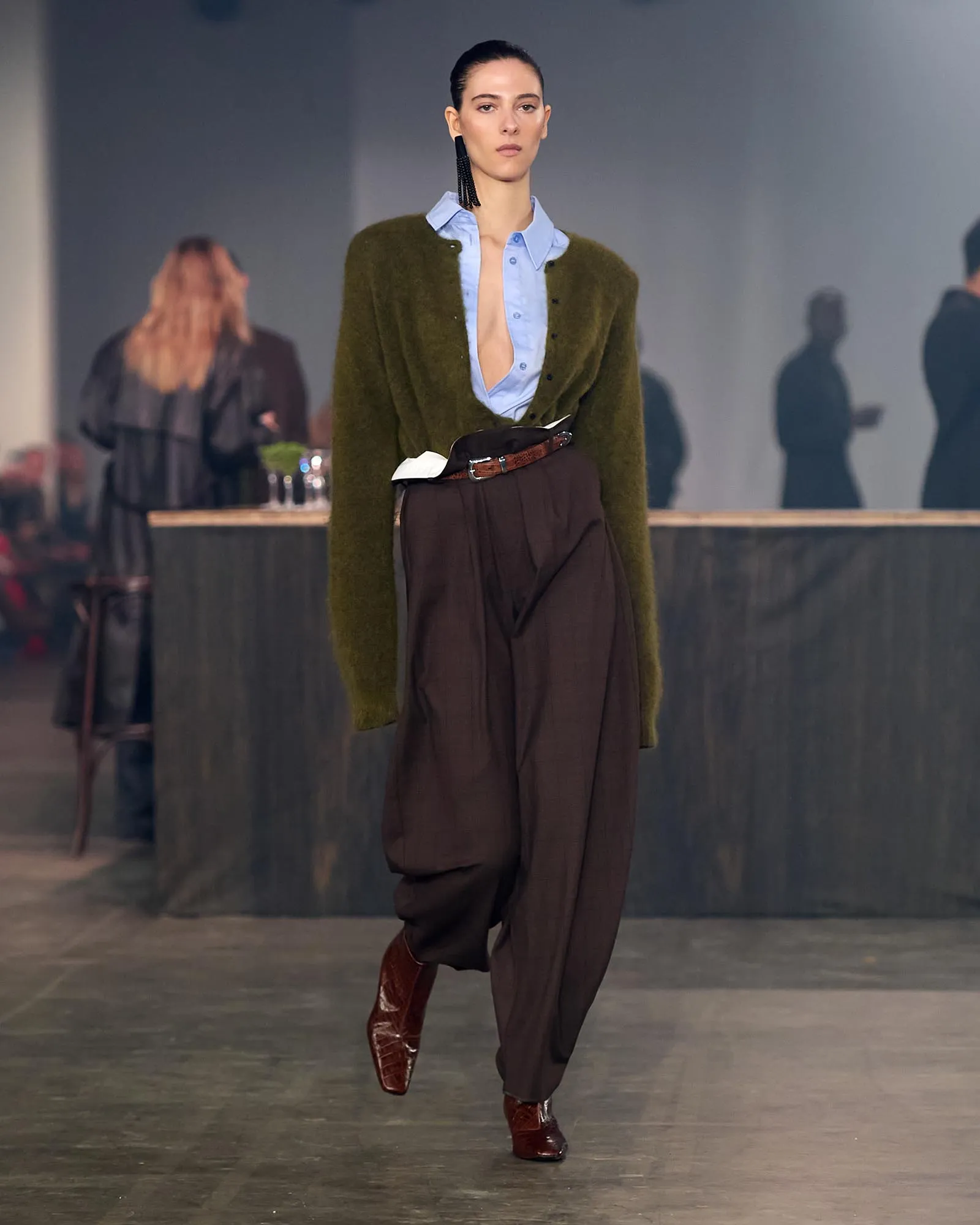
“Gestuz understands nightlife. Shearling, leather, lace, wool, and denim came together in pieces made for movement for dancing, for staying out longer than planned. It’s stylish without trying too hard, which is often the hardest balance to strike.“
“It is my favourite this season,” Rylé admits without hesitation. “They had models, they were drinking as if it were set up in a club… and then when the music started, that’s when I knew it’s actually a show.” The atmosphere was gritty, dark, and sensual, yet ornate and elevated; exactly the kind of scene a Danish trustafarian would revel in, and shows me a midnight blazer-dress hybrid with a zipper that can be styled in multiple ways on her iPhone.
BAUM UND PFERDGARTEN
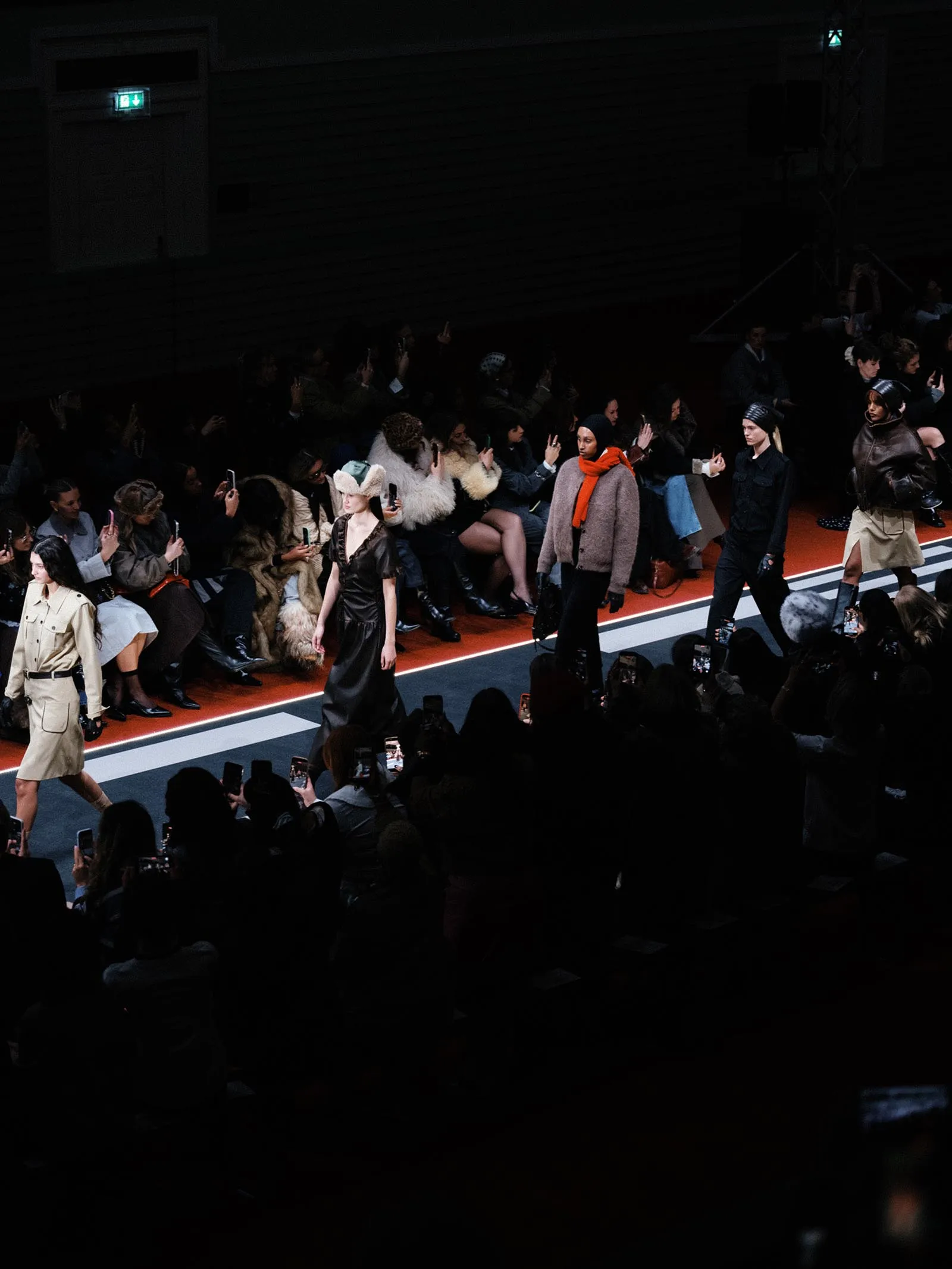
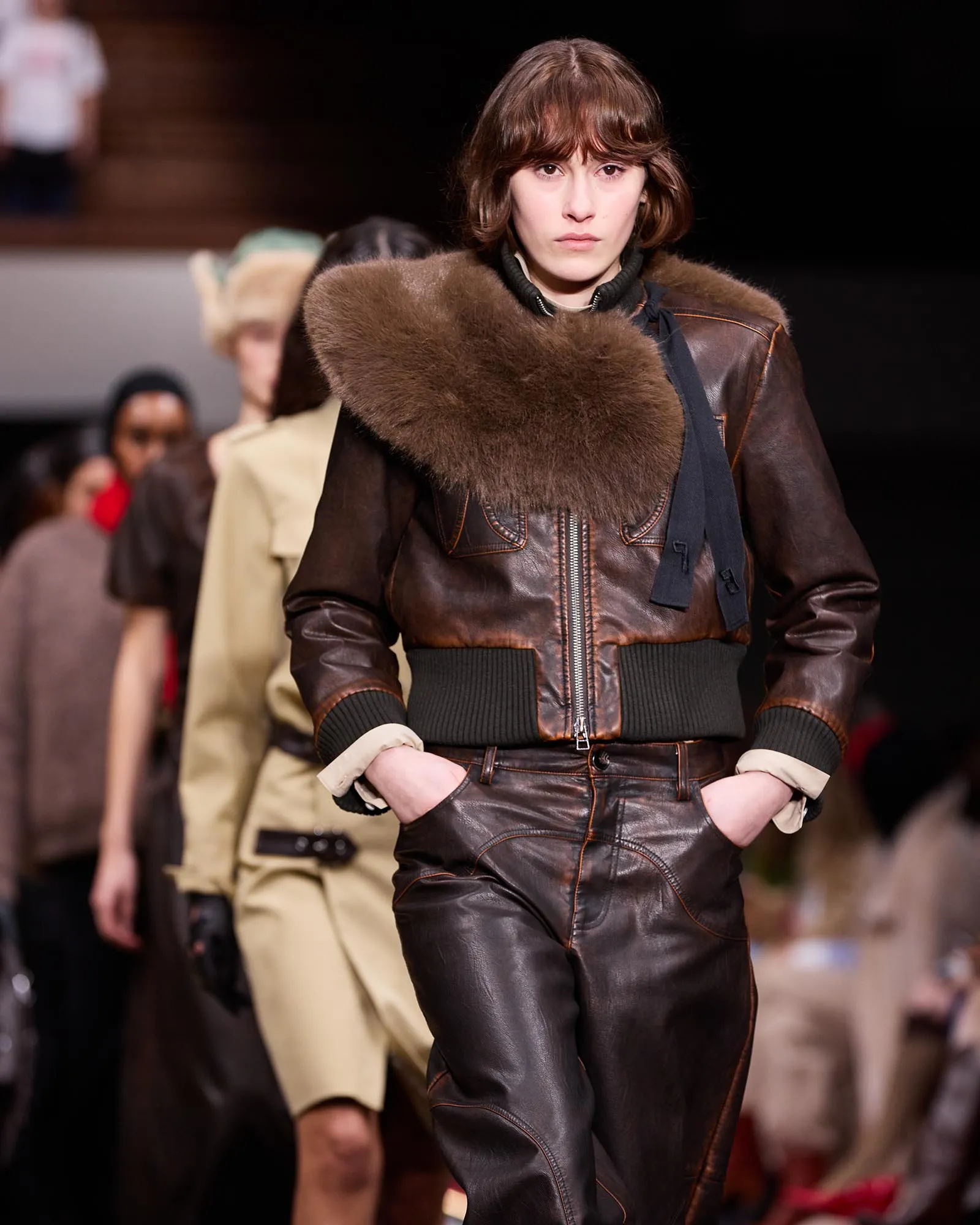
“Baum und Pferdgarten leaned into texture and layering while keeping things playful. Denim, leather, cotton shirting, silk scarves, and shearling accessories worked through prints and proportion with experimentation that still felt polished. For Filipinos who love mixing high and low, vintage and new, this hits that sweet spot between fun and refinement.”
Rylé’s relationship with Baum runs deep. “I’ve worked with Baum since… 2019. I was still in Dubai.” When she relocated to Europe, the bond strengthened, a brand she considers “one of the oldest and one of the OG brands of Copenhagen Fashion WeekFashion WeekA series of seasonal events where designers debut their latest collections, setting the tone for upcoming fashion trends and showcasing creativity, craftsmanship, and innovation across the global fashion industry.Go to Fashion Week Glossary,” with a hedonistic position within the community. “They’re like the wild child in the family… heavy on leather, texture, and sequins. They’re more into sheer fabrics…[The] pieces actually hold resale value because everyone knows Baum. It’s like the Chanel of Copenhagen.”
RABENS SALONER
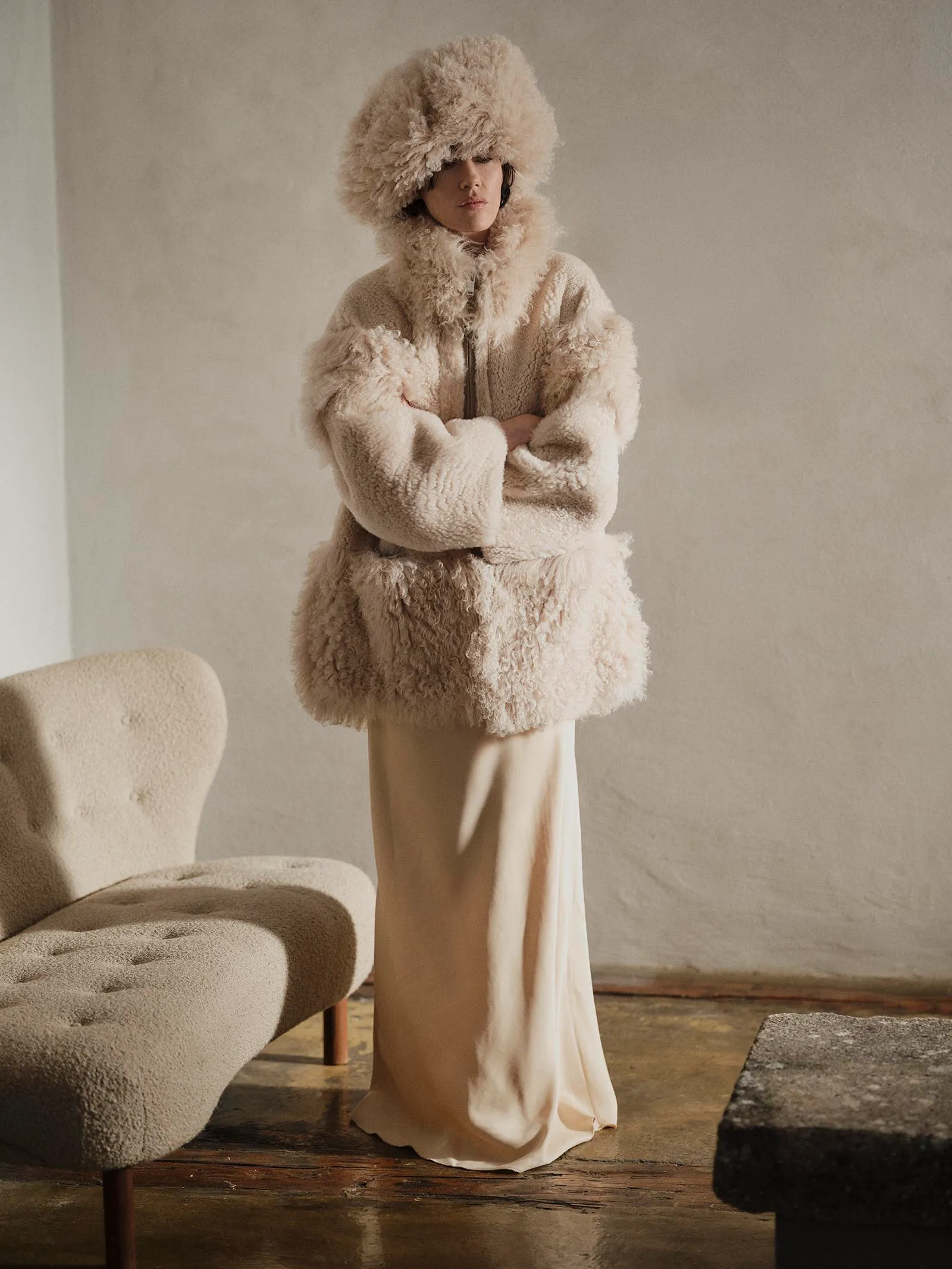
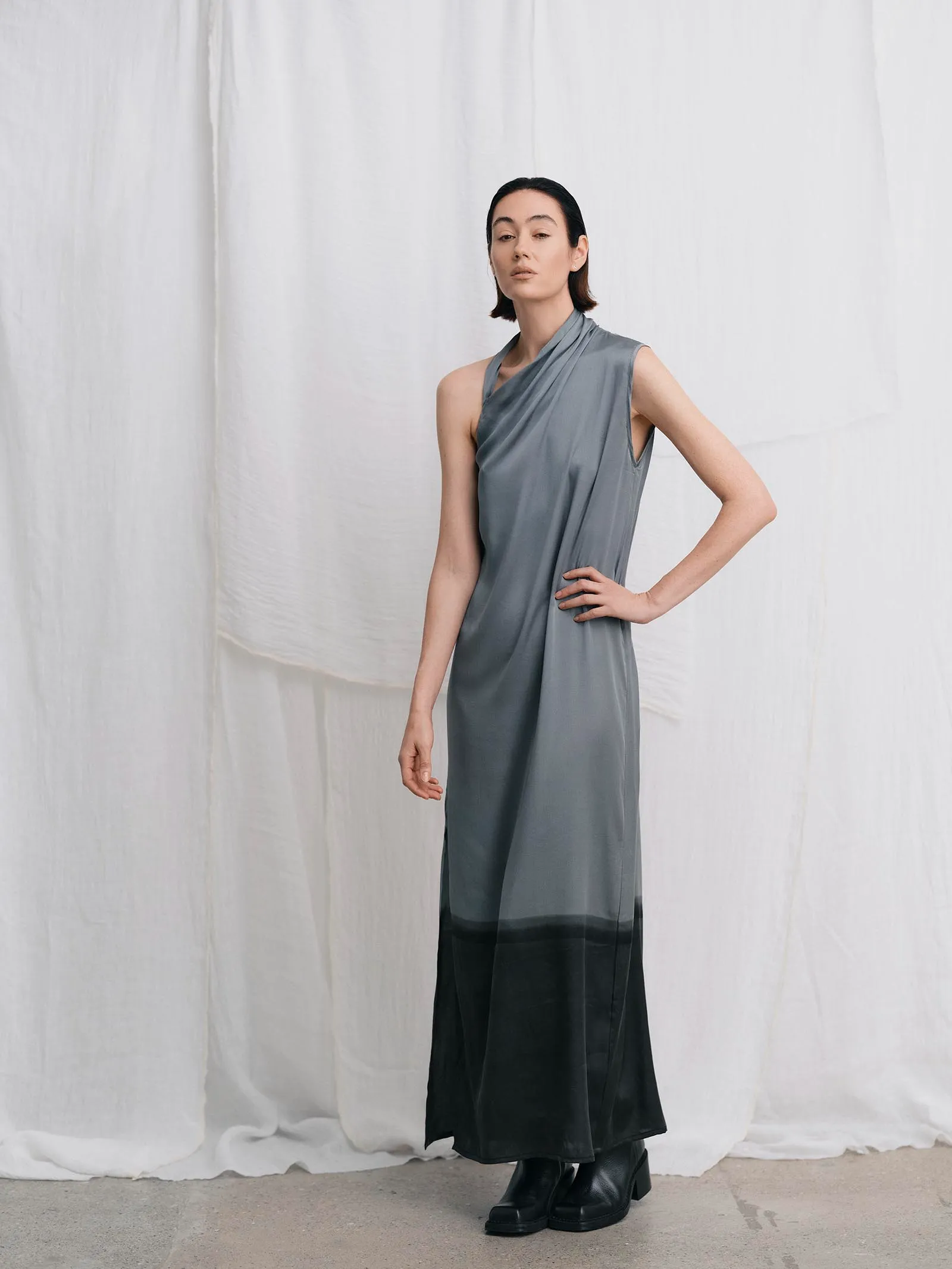
“Rabens Saloner sits comfortably between worlds. Technical cotton pieces, a shearling cocoon-sleeved jacket, circular skirts, nylon parkas, hand-dyed crewnecks, and poncho sweaters felt relaxed but not lazy, chic but not precious. It’s editorial enough to feel special, yet wearable enough to truly live in, especially relevant for a culture that values versatility and day-to-night fluidity.”
Rabens’ connection to Southeast Asia resonates with Rylé. “They have artisans in Bali… they were helping a lot of people, indigenous people, you know, to create this Balinese style when it comes to their prints.” Tie-dye appears consistently. “They always include tie-dye pieces in their collections.” This season’s highlight for her was a shearling jacket she’s already put an order for. “It’s more like a cocoon, like hibernation. They want to hibernate in a sense, but still look chic.”
HOLZWEILER
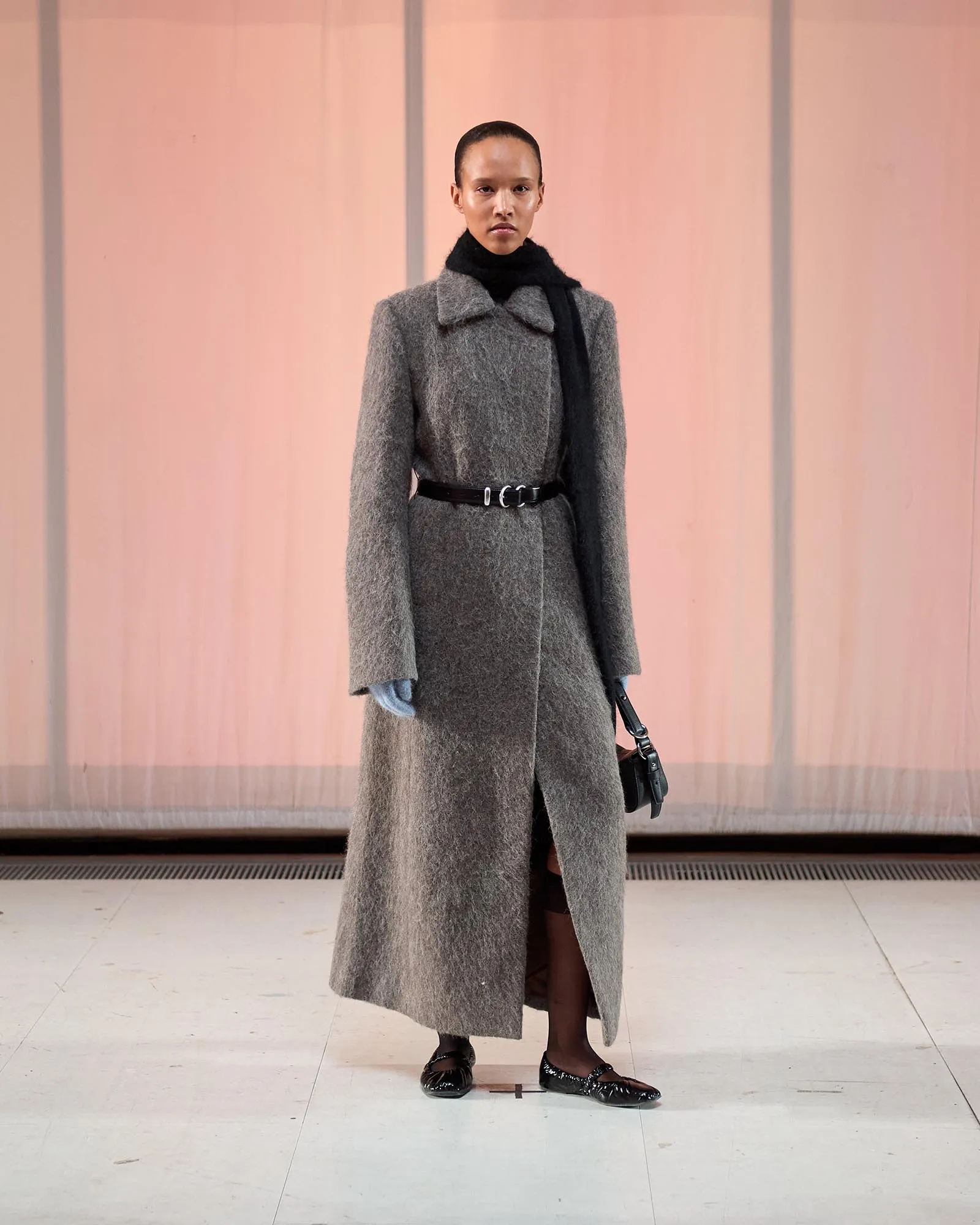
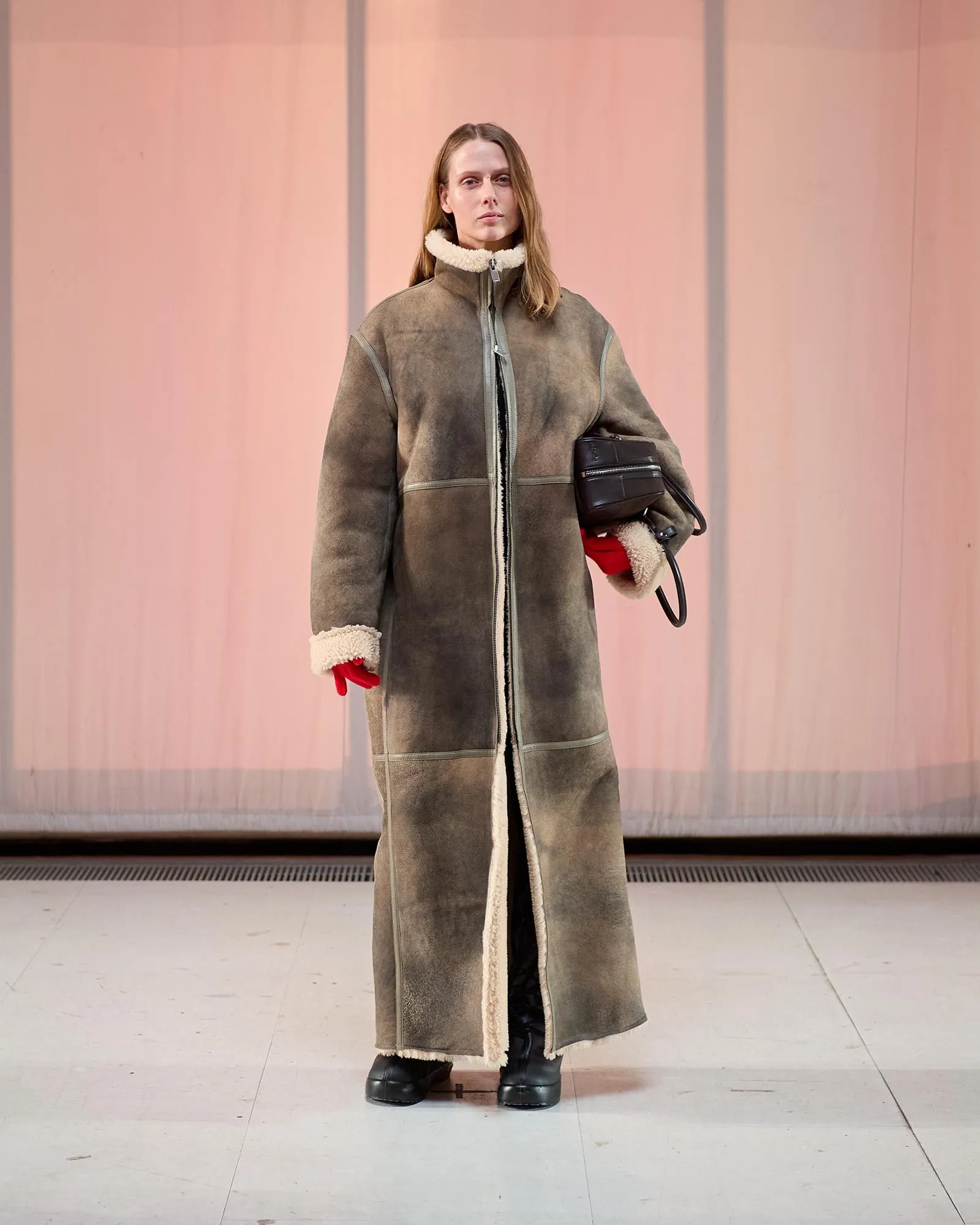
“With Holzweiler, the collection is a homecoming to Copenhagen. Through wrapping, layering, and protective gestures, it explored how we protect what matters and hold onto what feels important. Silhouettes gently covered the skin, fabrics draped and folded fluidly with the body, referencing archival methods of concealment and care. Looking at the world today, that quiet protection felt deeply resonant.”
“Holzweiler; it’s basically a comeback for them,” she explains. The highlight for her was a denim look, “it’s a flocked denim.” She describes the show space as a white bubble where models moved along the perimeter. “It felt like going from backstage… It’s like a reversible backstage.” For Rylé, the brand is evolving. “Now I feel like they’re experimenting more with casual, but still elevated pieces.”
VAGABOND
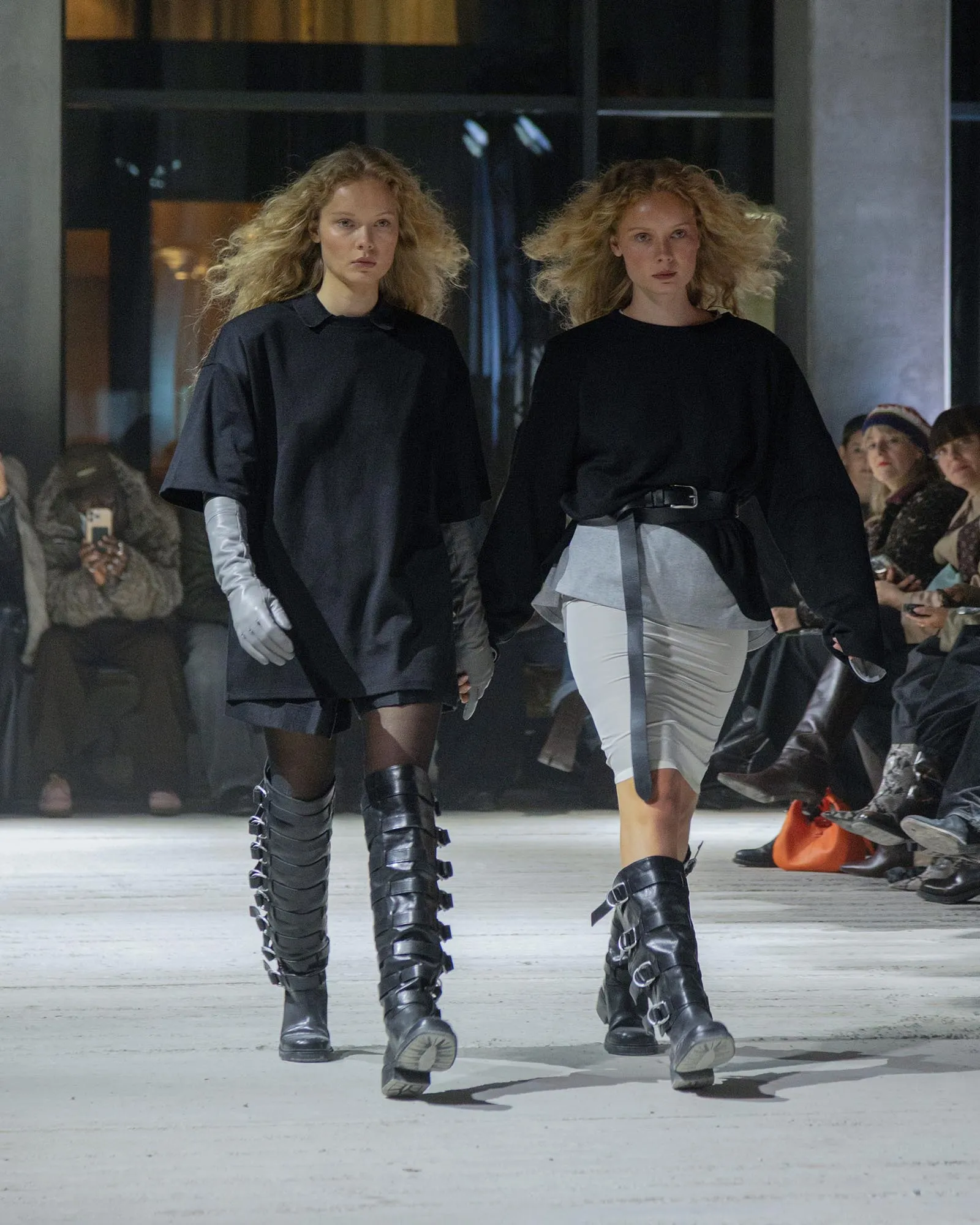
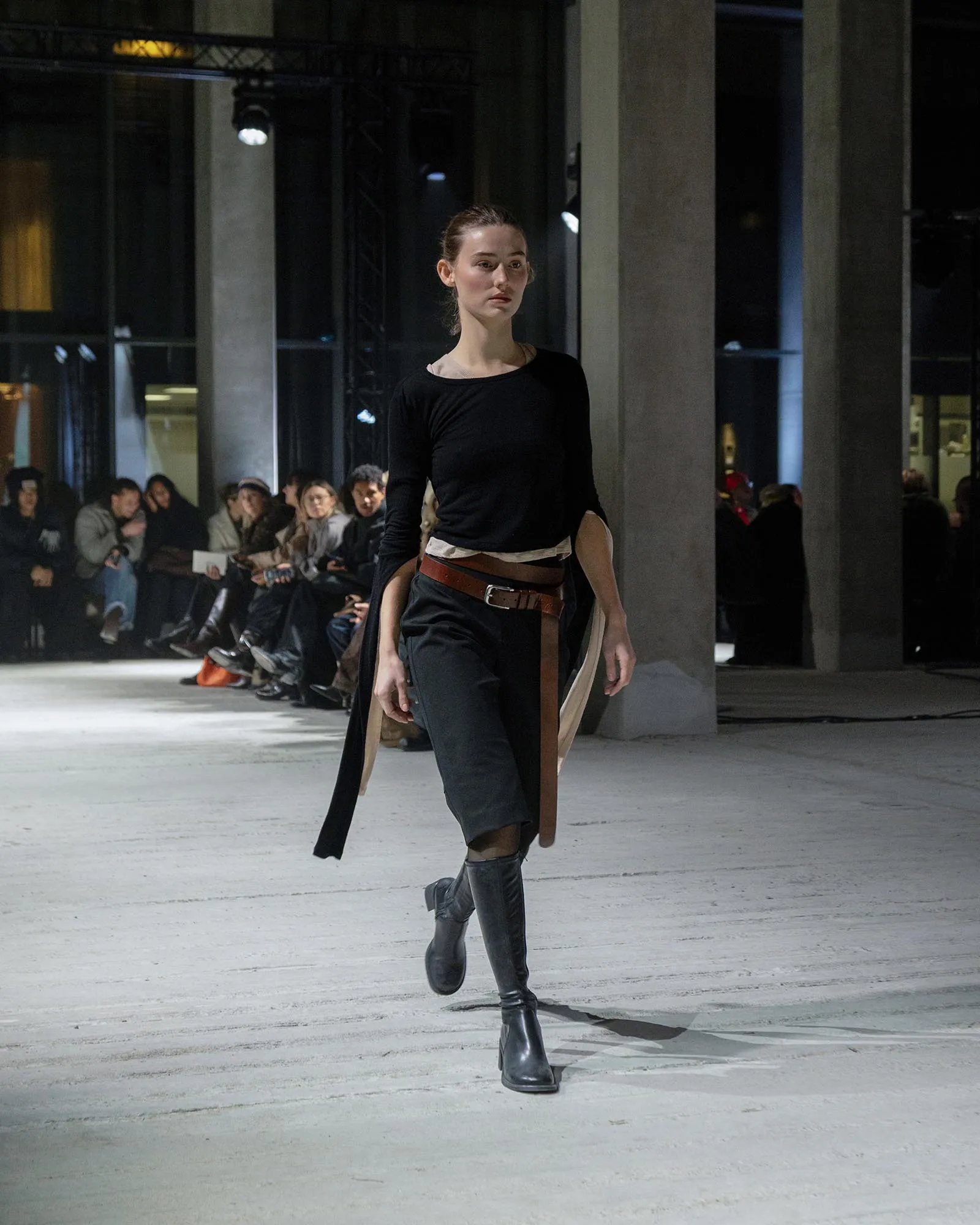
“Vagabond is the quiet constant, always reliable, always intentional. The See Now, Buy Now collection offered clean silhouettes, quality materials, and minimal layers ideal for Filipino travellers who pack light but dress well. These are the kinds of pieces you wear again and again, in different cities, in different versions of yourself.”
“They’re some of the most comfortable shoes ever,” she laughs. “I have seven pairs now.” The clothing remains minimal, but the leather accessories define the brand. [That’s what] they’re known for, it really elevates the look.”
HERSKIND
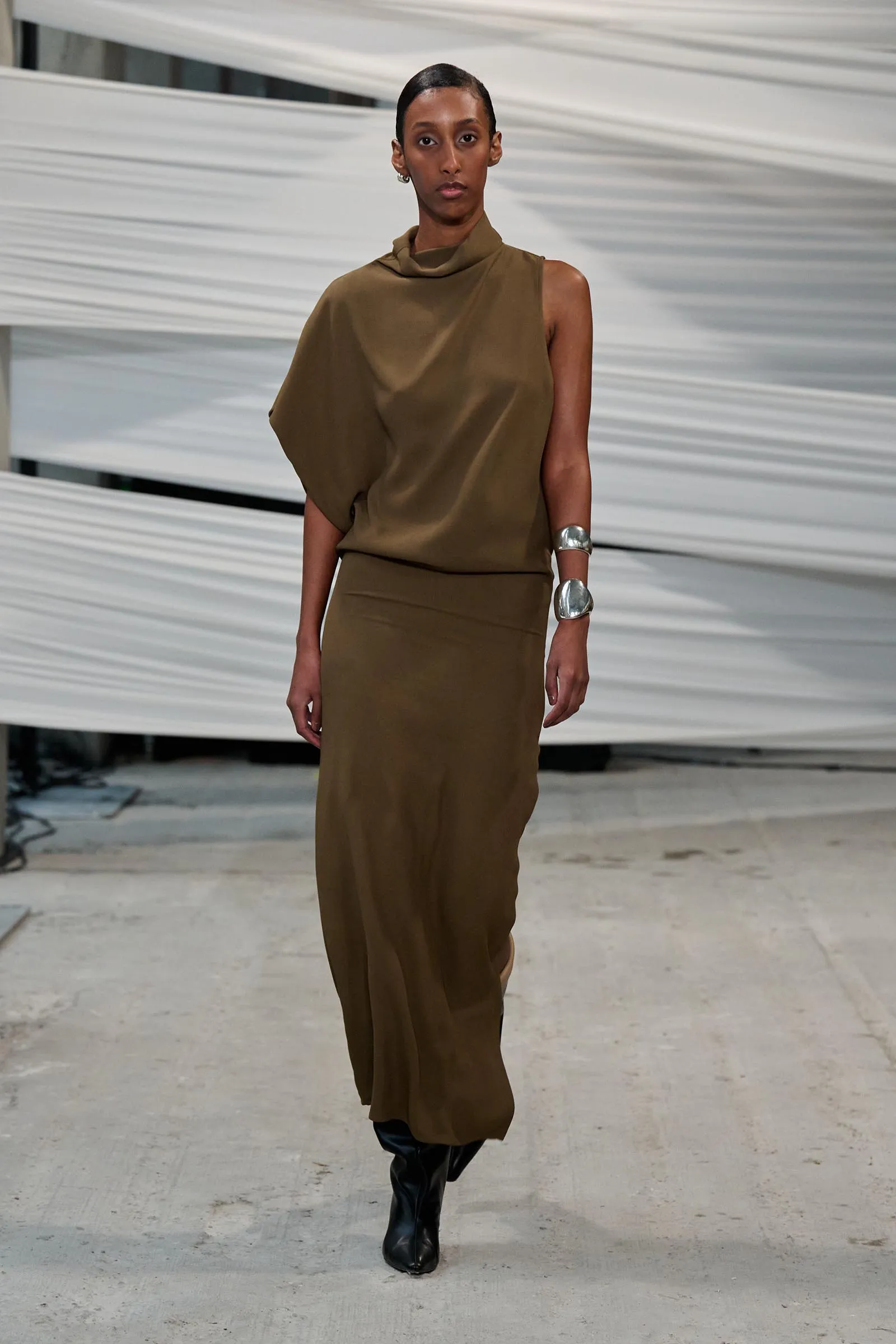
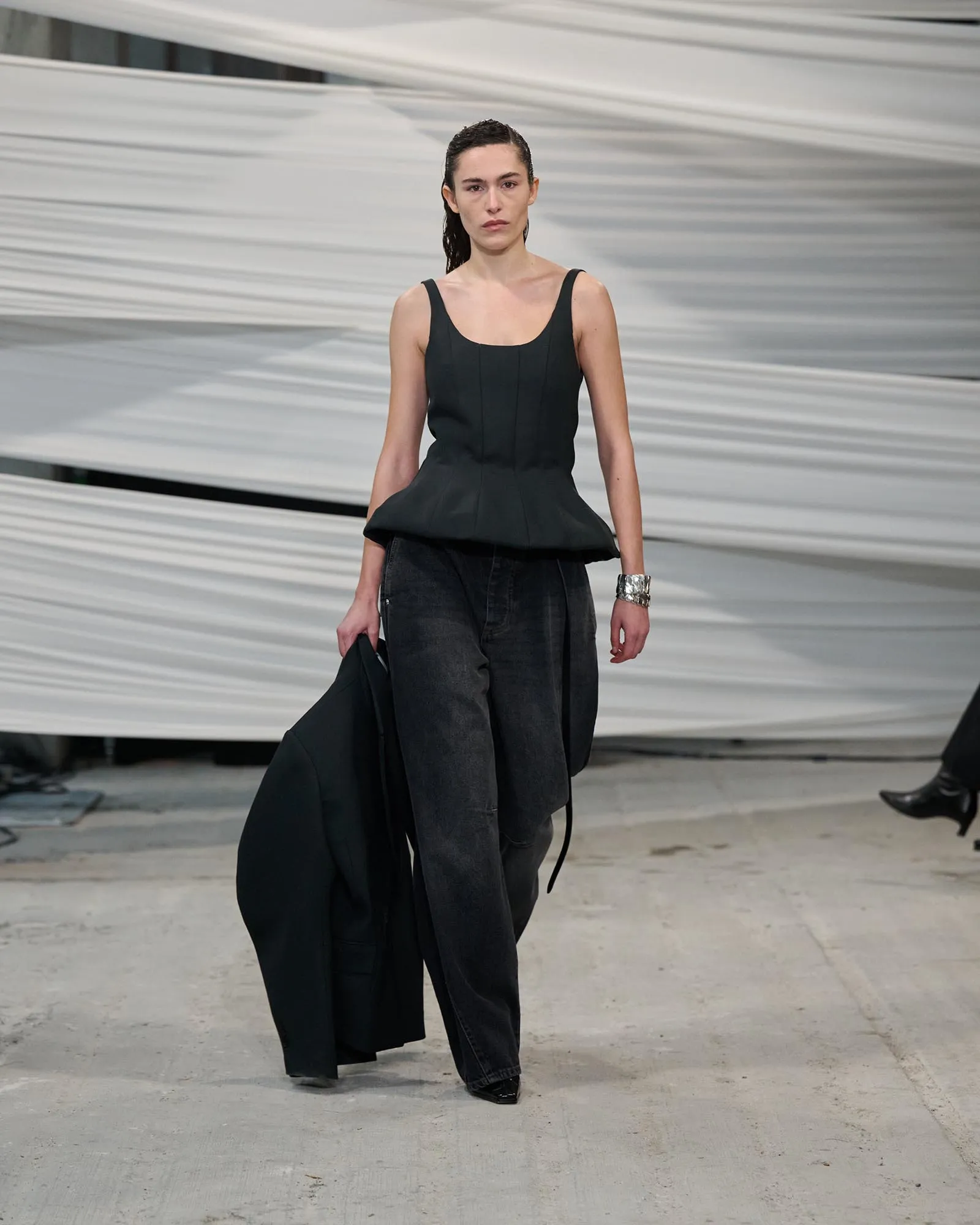
“Herskind proves that minimalism doesn’t have to feel cold. Clean lines and strong silhouettes are softened by layers of fabric and touches of leather, creating warmth and texture. It’s Scandinavian restraint done with intention, perfect for those who believe good tailoring and thoughtful layering say more than logos ever could.”
“With Herskin, it’s always been refined. Classic silhouettes,” she says. She describes it as dressing for women “who know their style and exactly what they bring to the table without being too much.”
MUNTHE MAGAZINE
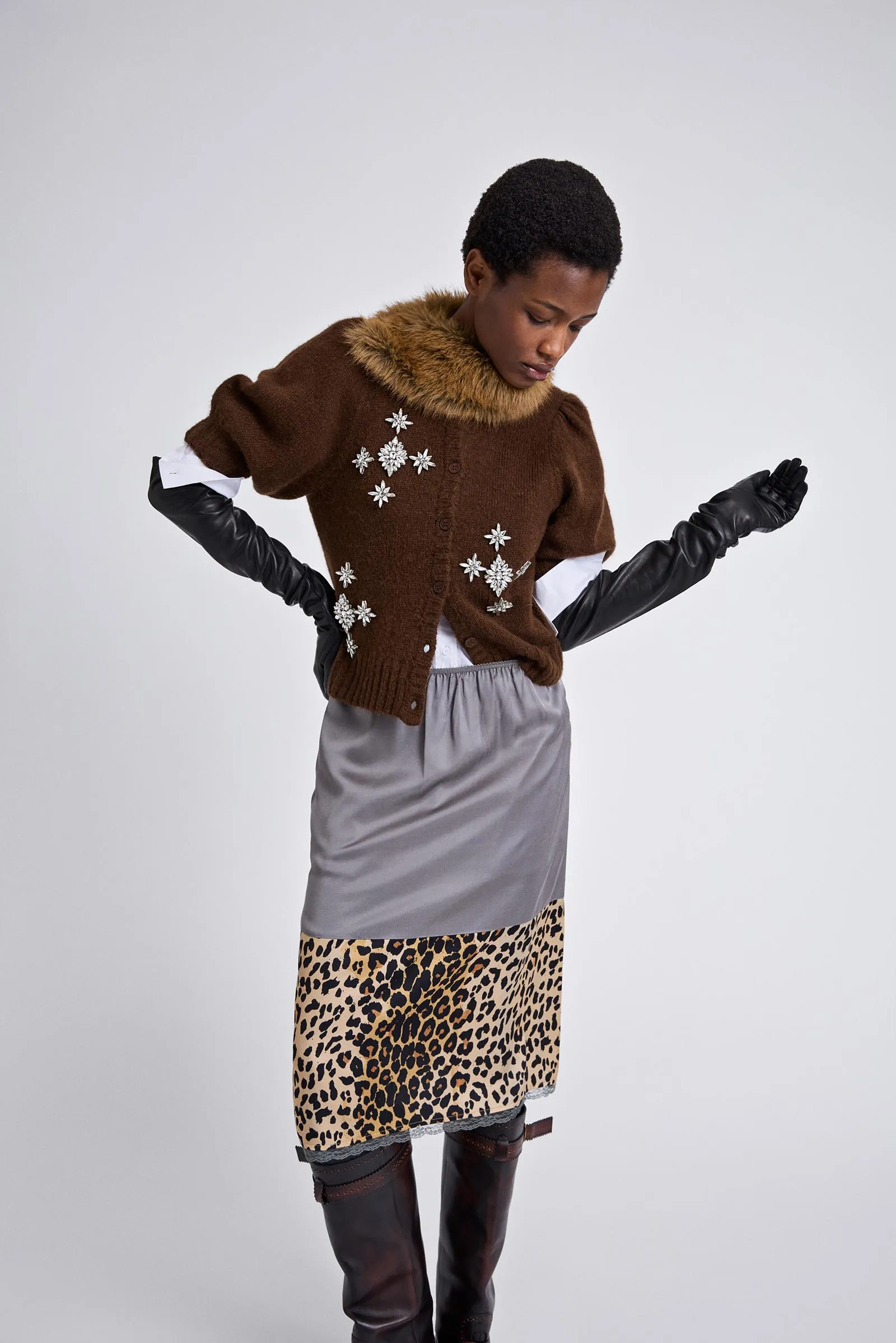
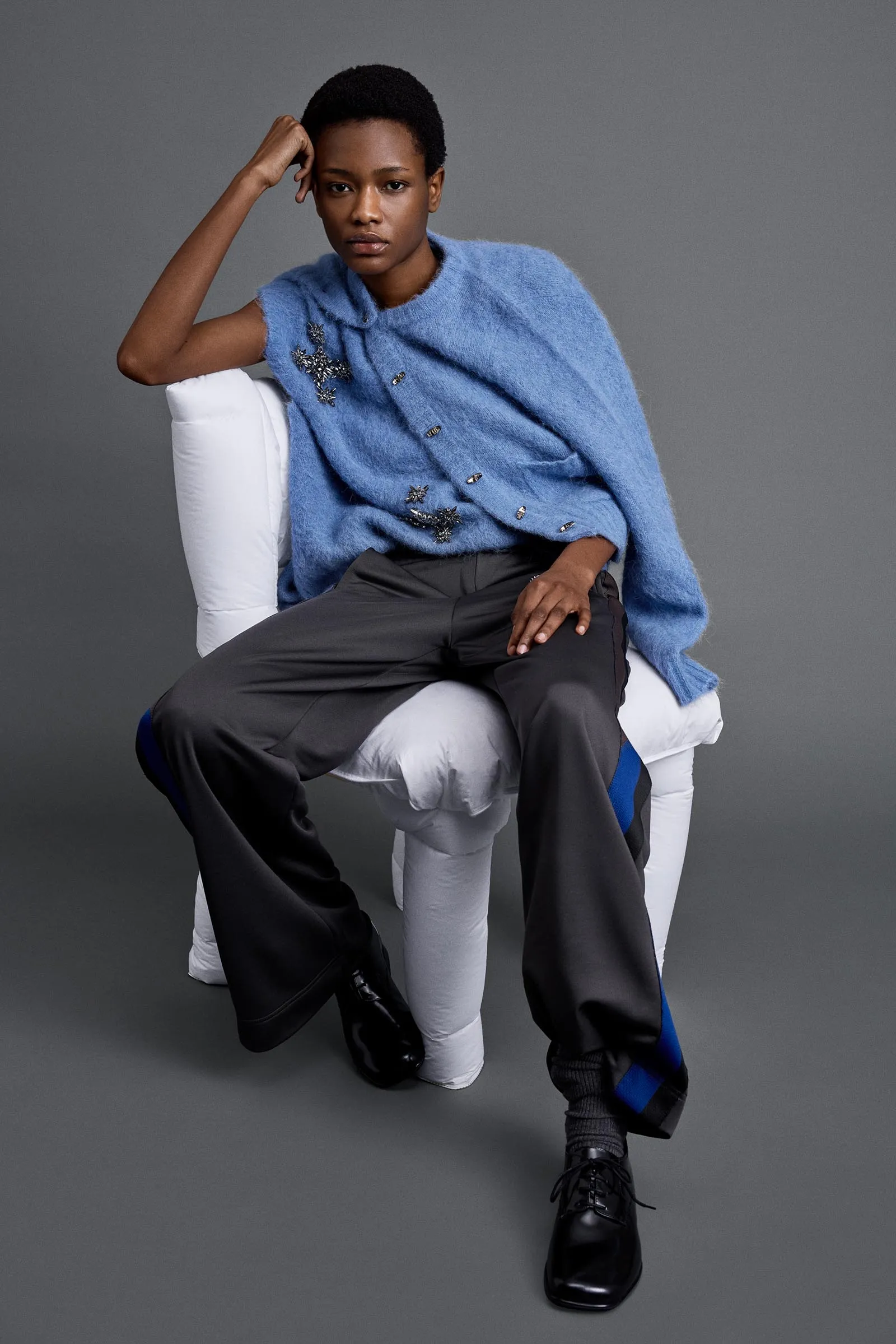
“The launch of Munthe Magazine made it clear that fashion is part of a bigger conversation. The collection reflected this mindset: printed wool, sequins, faux fur, and elevated essentials felt expressive without being overwhelming. It’s fashion for those who enjoy storytelling through clothes, textures, and details.”
‘The MUNTHE dinner at their HQ quickly became a tradition and was equally meaningful. Being there alongside Alana Hadid, Naja Munthe, and the MUNTHE muses (myself included) reinforced how the brand continues to build not just collections, but a living, evolving community around it.”
TEKLA FABRICS
“One of my most memorable moments was the Tekla Fabrics invitation at Sofiebadet. Built in 1909 as a public bathhouse to promote hygiene and health, the space carries so much history. Tekla booked it for two early-morning hours during the height of fashion week, and I was completely alone. It was quiet, intimate, profoundly human, a perfect reflection of their philosophy of care, ritual, and everyday luxury. In a week defined by constant movement, that pause felt like real luxury.”
For Rylé, it was transformative. “They close the sauna, the oldest sauna in Copenhagen… for two hours just for you.” Exhausted midway through the schedule, she adds, “I needed to re-energise myself. It gives me a boost and the energy to finish the whole fashion weekFashion WeekA series of seasonal events where designers debut their latest collections, setting the tone for upcoming fashion trends and showcasing creativity, craftsmanship, and innovation across the global fashion industry.Go to Fashion Week Glossary with flying colours.”
CIFF x 10 CORSO COMO
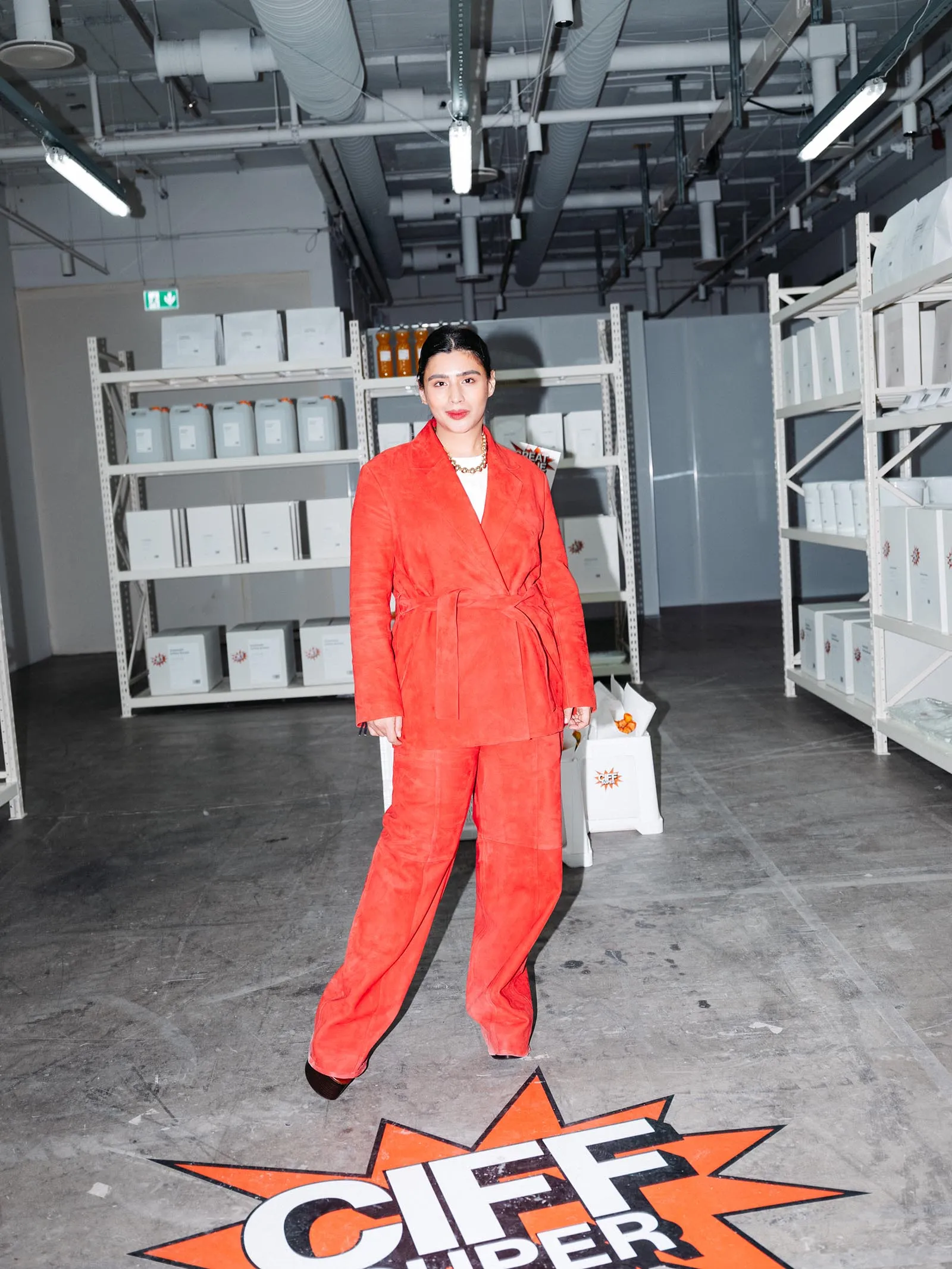
“Strategically, the CIFF x 10 Corso Como partnership was exciting to witness. They’ll continue the collaboration in Milan this June, with Danish brands presented at 10 Corso Como, an important cultural exchange positioning Danish design more firmly within a global context.”
“They want to highlight the exchange of Italian brands showcasing in Copenhagen, and vice versa.” With over 2,000 brands each season, CIFF represents infrastructure. “If you are a brand that wants to enter the Scandinavian market, you have to showcase at CIFF.”
LOUISIANA MUSEUM OF MODERN ART
“To close my stay, I visited the Louisiana Museum of Modern Art for the opening of the Jean-Michel Basquiat exhibition featuring a never-before-seen collection of his works. It felt like the perfect final note. Basquiat’s rawness, urgency, and layered visual language served as a powerful reminder that fashion, at its best, is also about commentary, identity, and courage. Ending Copenhagen Fashion WeekFashion WeekA series of seasonal events where designers debut their latest collections, setting the tone for upcoming fashion trends and showcasing creativity, craftsmanship, and innovation across the global fashion industry.Go to Fashion Week Glossary immersed in that kind of artistic intensity was both refreshing and deeply inspiring. It reframed the week not just as a fashion journey, but as a broader cultural dialogue.”
LAST WORDS
“Overall, Copenhagen felt less about spectacle and more about substance this season. It wasn’t about who could shout the loudest, but who could articulate their values most clearly and live them.”
Her closing words are resolute. “The future of the fashion industry should look at Copenhagen Fashion Week.” Why? “First, their sustainability and inclusivity are not performative. Second, the brand’s focus on commercial success and community building. Third, they value hospitality.” And perhaps most importantly, “There’s no sense of gatekeeping… You are all there as a community.”
The city may be cold. The season may be colder. But, as she puts it, “They show their warmth and their love through their gestures.”
This is “my fierce love letter to Copenhagen.”
Frequently Asked Questions
According to Rylé Tuvierra, Copenhagen’s sustainability is not performative but embedded in daily life — runway looks mirror what’s actually worn on the streets, reflecting sustainability as a lifestyle rather than a marketing angle.
No, Stine Goya has stopped staging traditional runway shows for the past two years, instead hosting private show appointments at their office where visitors can engage directly with the brand’s craft process.
Rabens Saloner works with artisans in Bali, including indigenous communities, to create Balinese-style tie-dye prints that appear consistently across the brand’s collections.
CIFF, a Copenhagen trade fair representing over 2,000 brands, partners with Milan’s 10 Corso Como to showcase Danish brands in Italy and Italian brands in Copenhagen, continuing the collaboration in Milan in June.
Tuvierra closed her stay with a visit to the Louisiana Museum of Modern Art for the opening of a Jean-Michel Basquiat exhibition featuring never-before-seen works.