Art Fair Philippines Expands at Circuit Makati for Its 13th Edition


Photographed by Angelo Tantuico
A bigger venue, wider international presence, and deeper digital focus defined Art Fair Philippines 2026 at Circuit Corporate Center One.
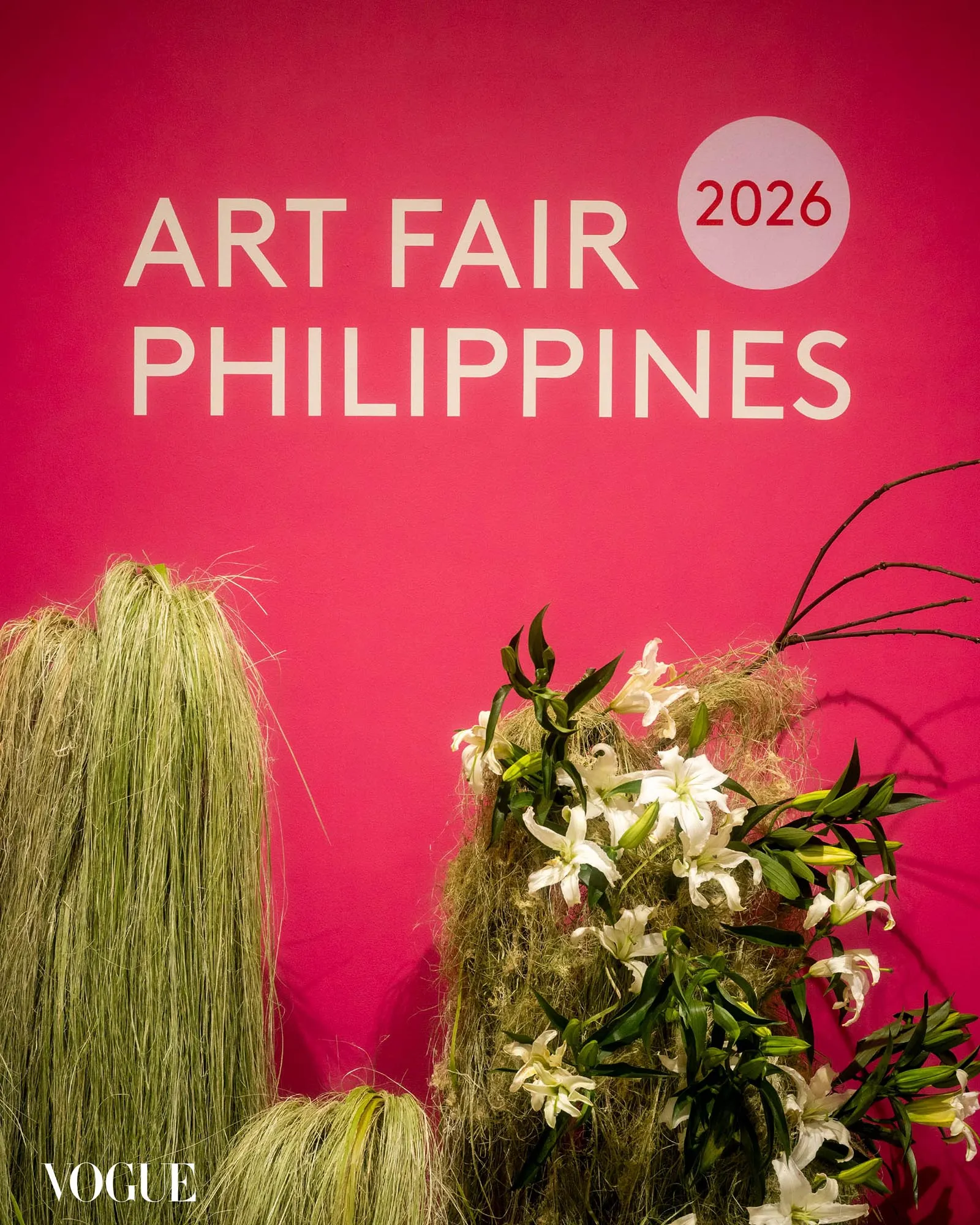
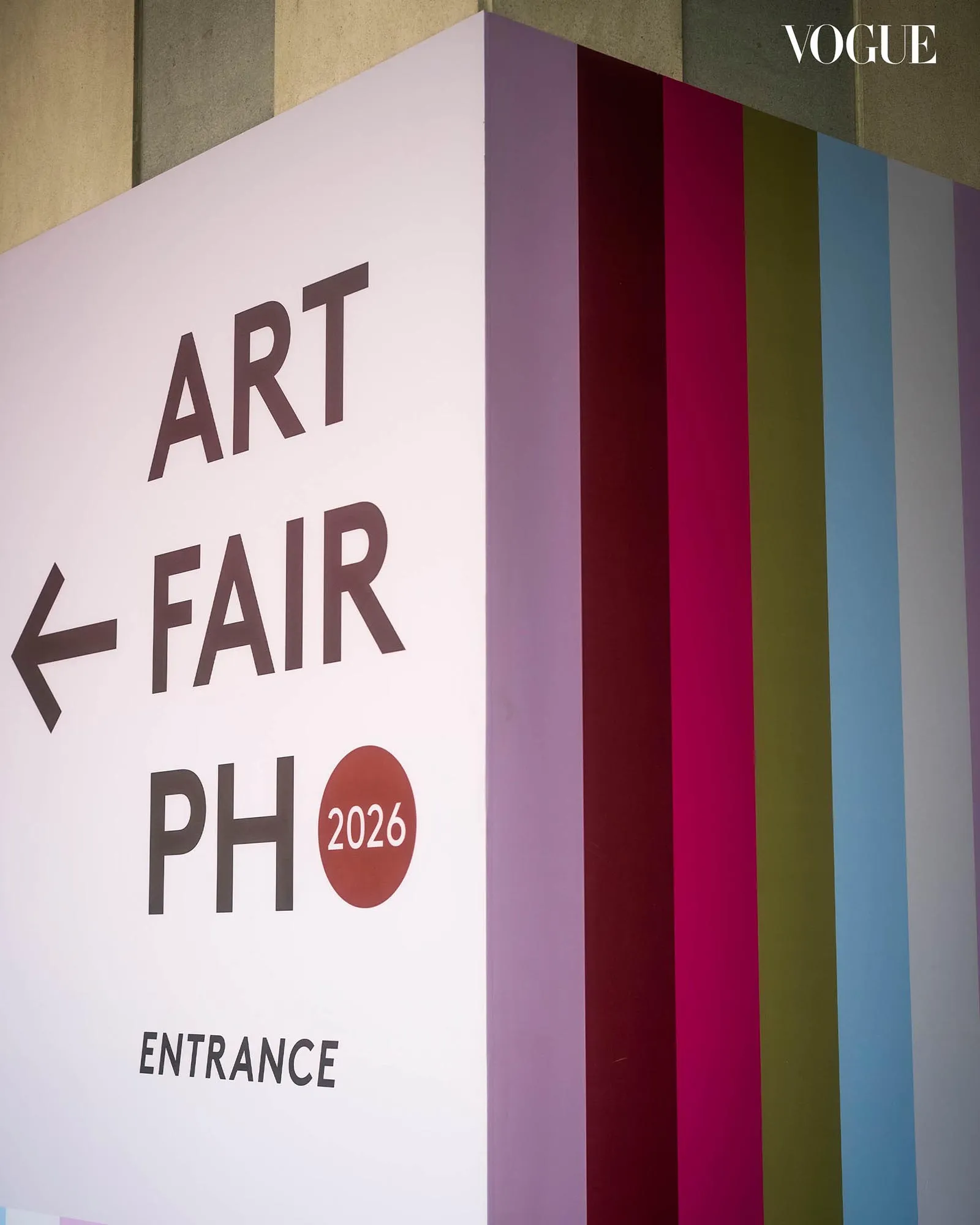
From a car park at The Link to an urban garden at Ayala Triangle, Art Fair Philippines moved into a new location, Circuit Corporate Center One, this year. For its 13th edition, held from February 6 to 8, the six floors of a former office building were transformed into a vertical showcase for contemporary art.
The fair gathered around 55 galleries from the Philippines and abroad, reaffirming Manila’s growing role in the regional art market and the fair’s original goal: expanding public awareness and engagement with contemporary art. “There will always be many things to say about the Philippine art scene, but I think the most overpowering observation most people have about it, especially foreign observers, is how creative we Filipinos are,” says Lisa Ongpin-Periquet, co-founder of Art Fair Philippines. “Art Fair Philippines always remains a platform for showing the landscape of creativity Filipinos are capable of.”
There was a sense of continuity in the crowd with collectors, students, artists, and first-time visitors moving between floors. Attendance in recent editions has hovered between 25,000 and 30,000 visitors annually, nearly a third of them students, a statistic that still underpins the fair’s educational ambition.
“As a first-time attendee of the fair, the experience I could say is considered ‘one for the books’ especially from the standpoint of a beginning artist who started to embrace and cultivate his craft,” says Rain Balmoja, a graphic designer, artist, and first-time attendee. “I got to witness pieces that struck me both visually and emotionally, as well as exchanged dialogues with some of the makers and know their motivation and process in giving birth to those pieces.”
The move to Circuit Makati also signaled something larger: the emergence of a new arts district in the former racetrack complex, which is also set to house a major Contemporary Art Center in the coming years.
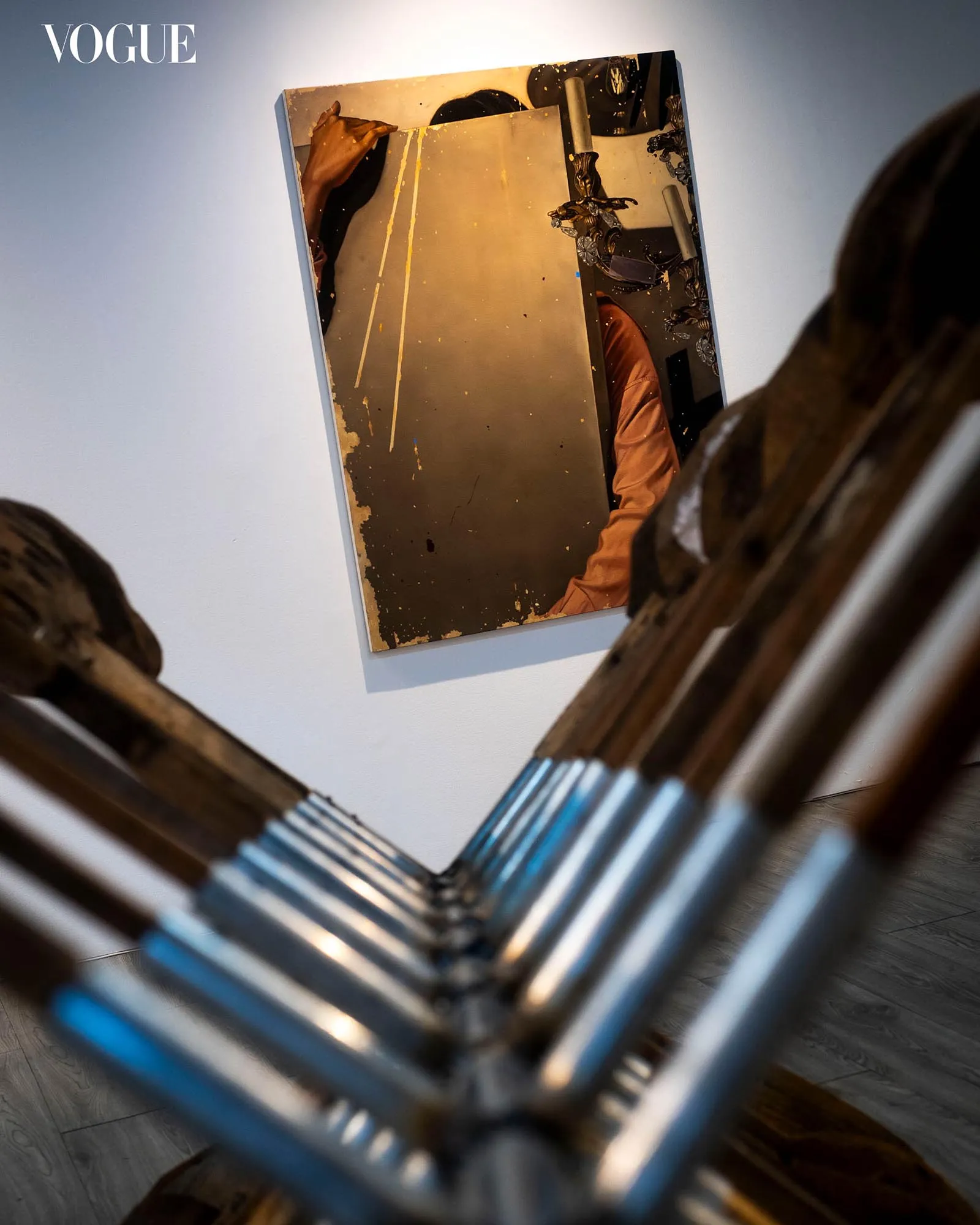
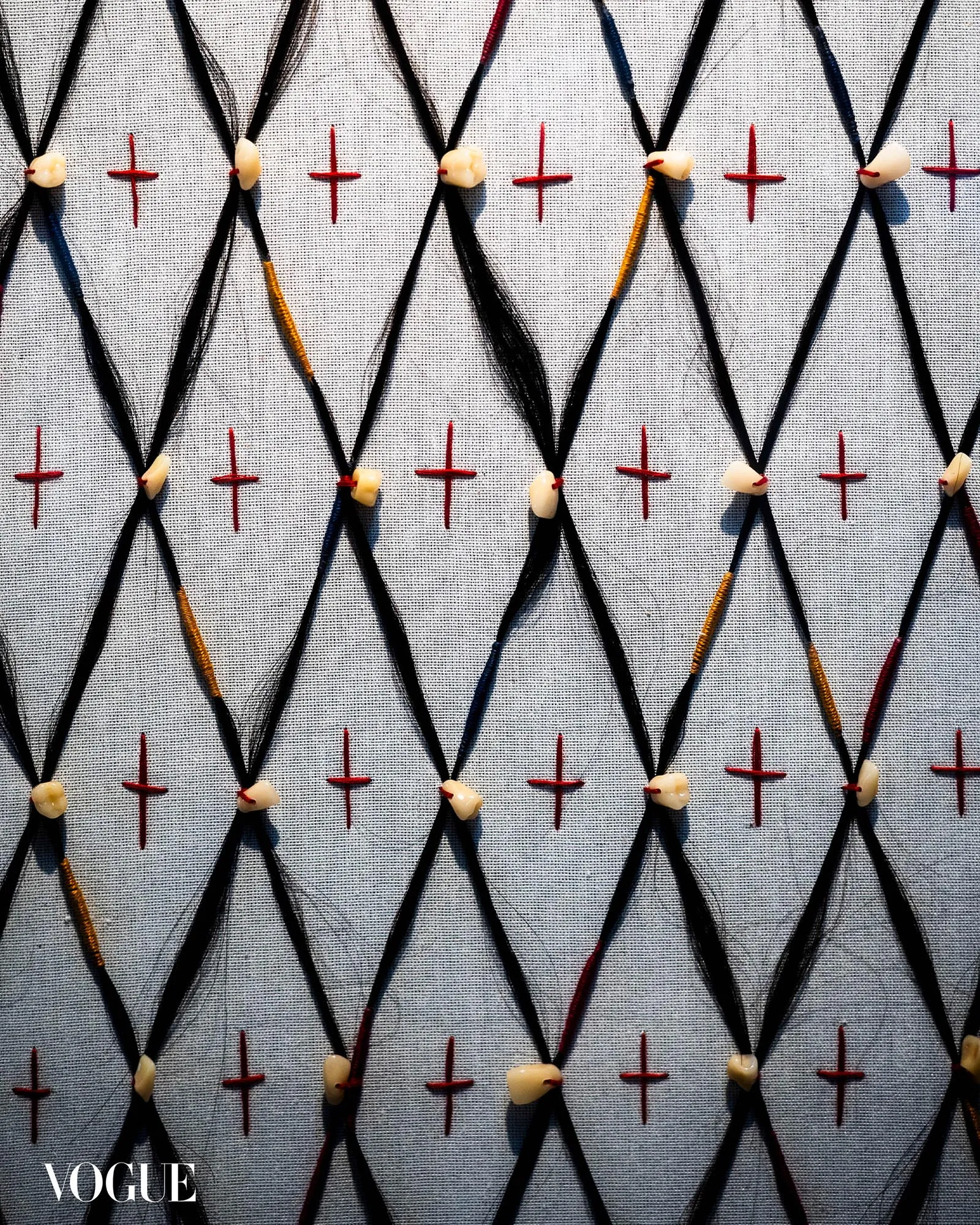
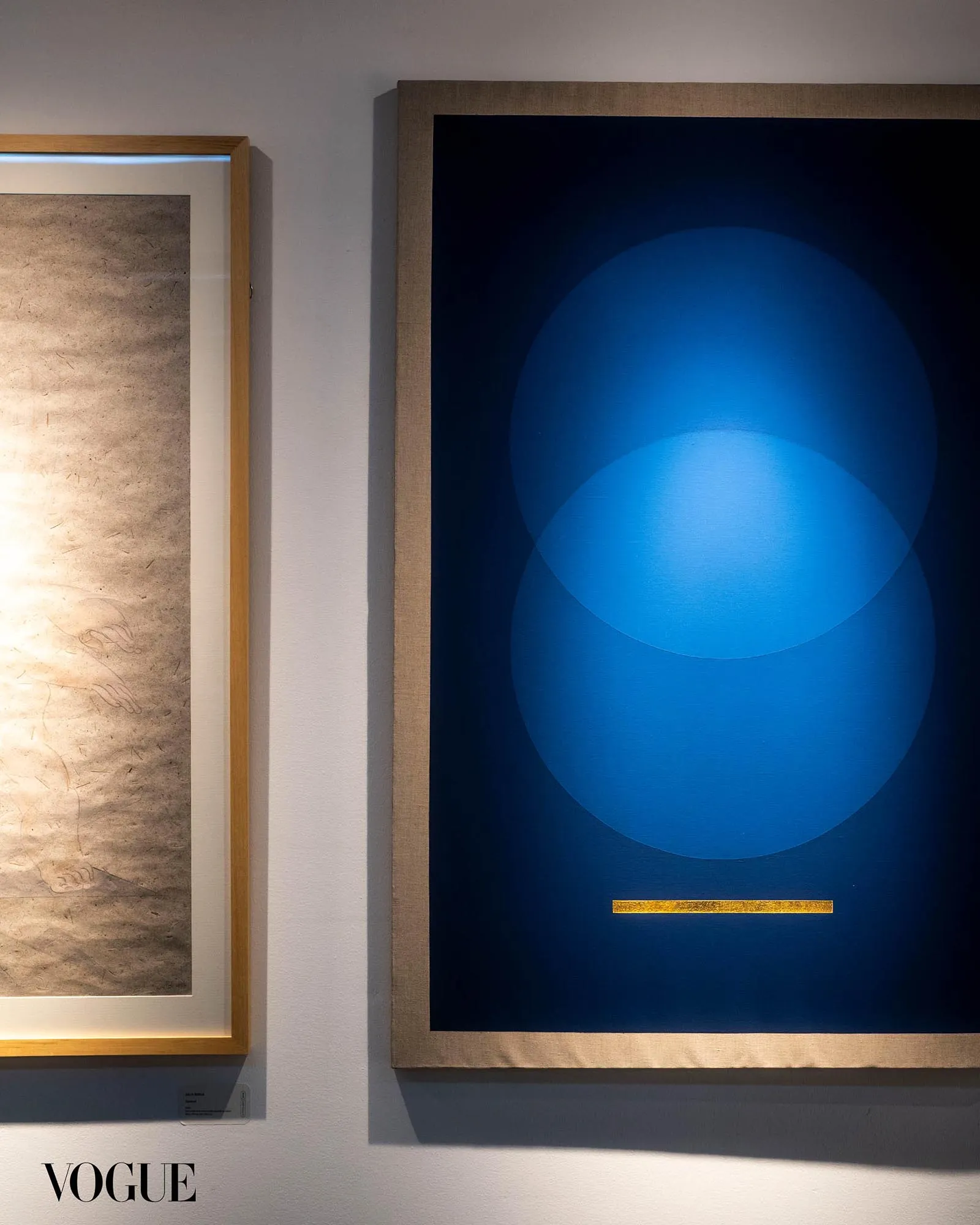
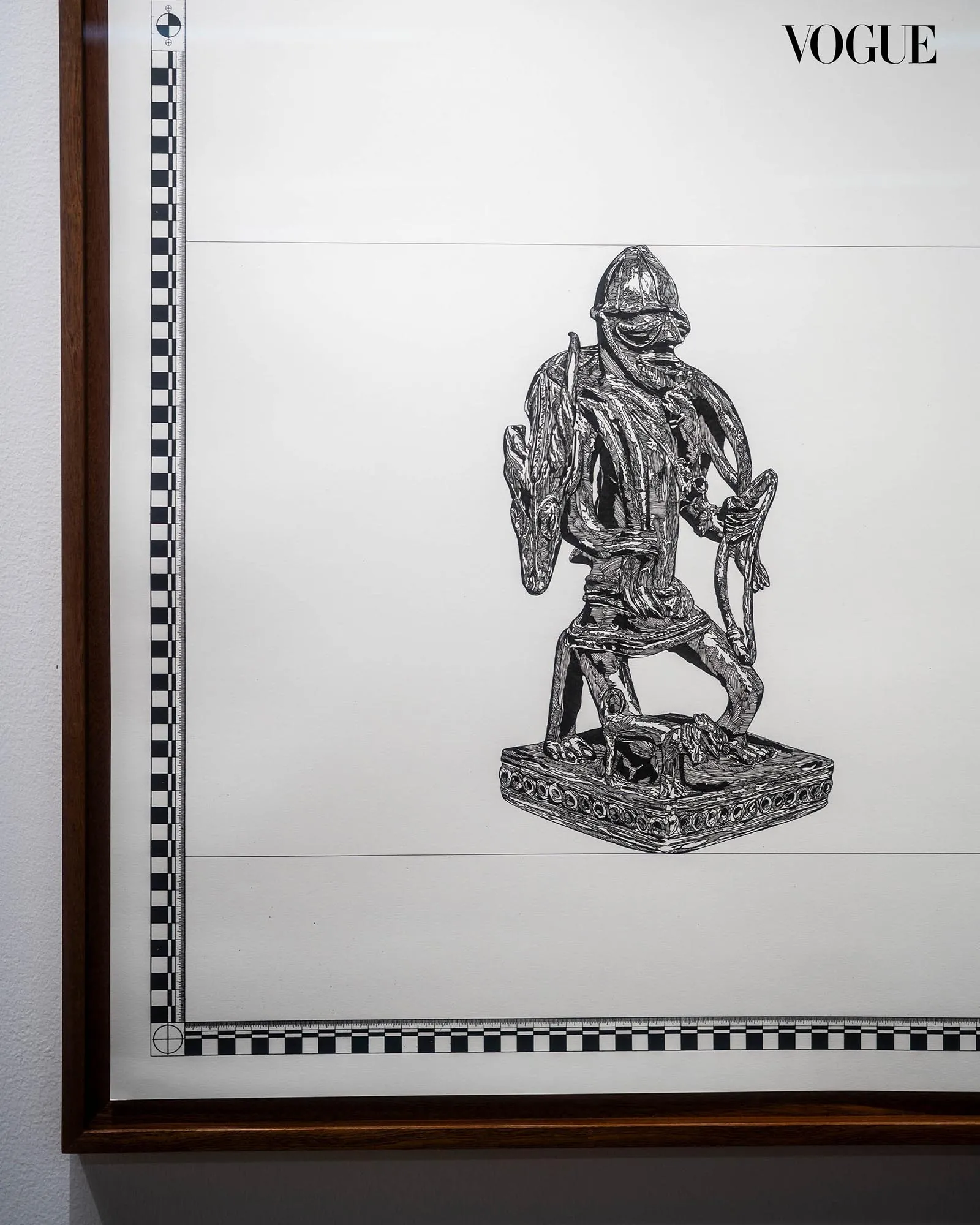
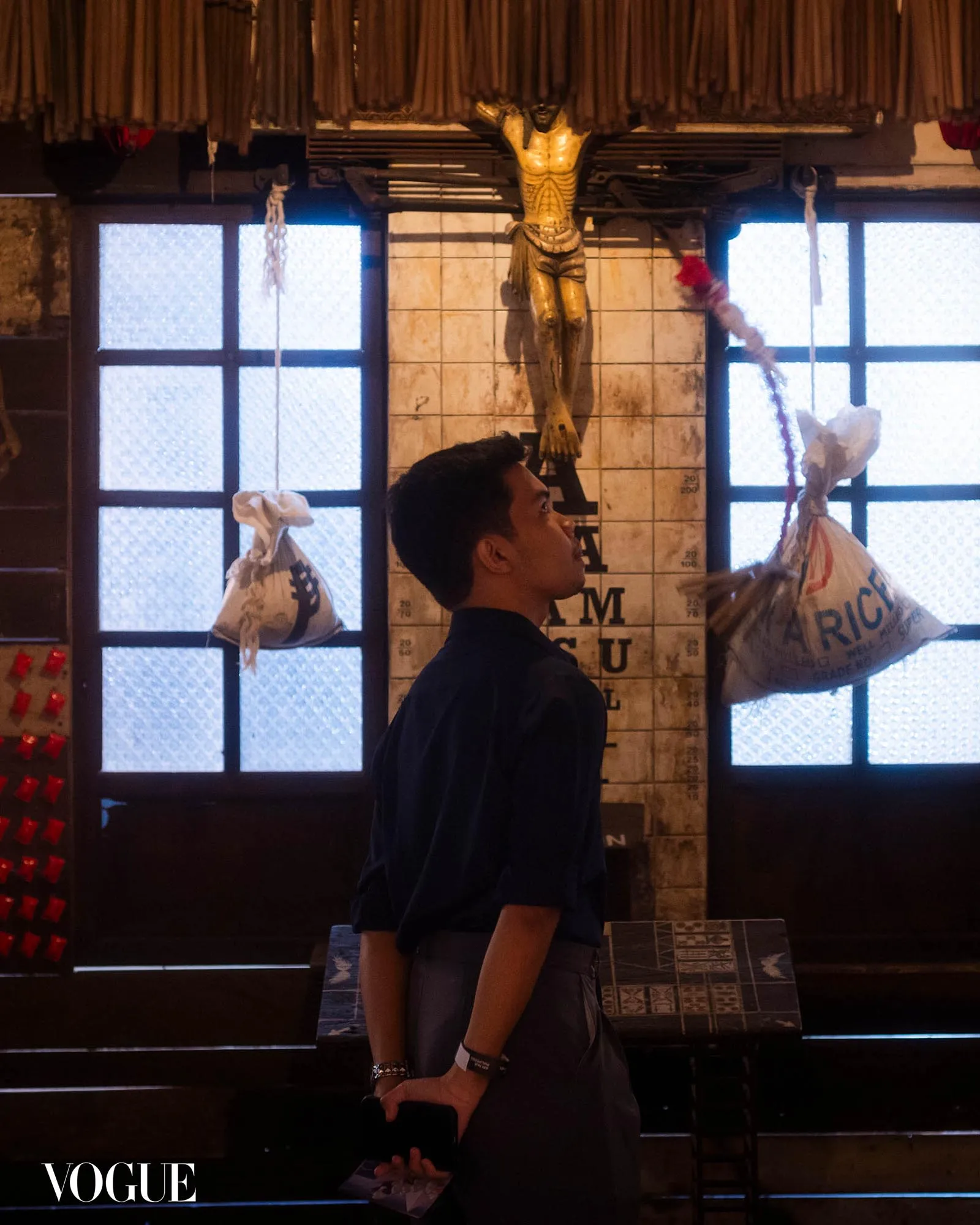
Inside the building, the architecture shaped the experience. Galleries were set up across repurposed offices, similar to the fair’s earliest days in The Link carpark. Returning galleries such as Leon Gallery, Galerie Stephanie, J Studio, White Walls Gallery, and Orange Project anchored the exhibition, presenting works by rising contemporary artists alongside established names and National Artists, including BenCab, Jose Joya, and Ang Kiukok.
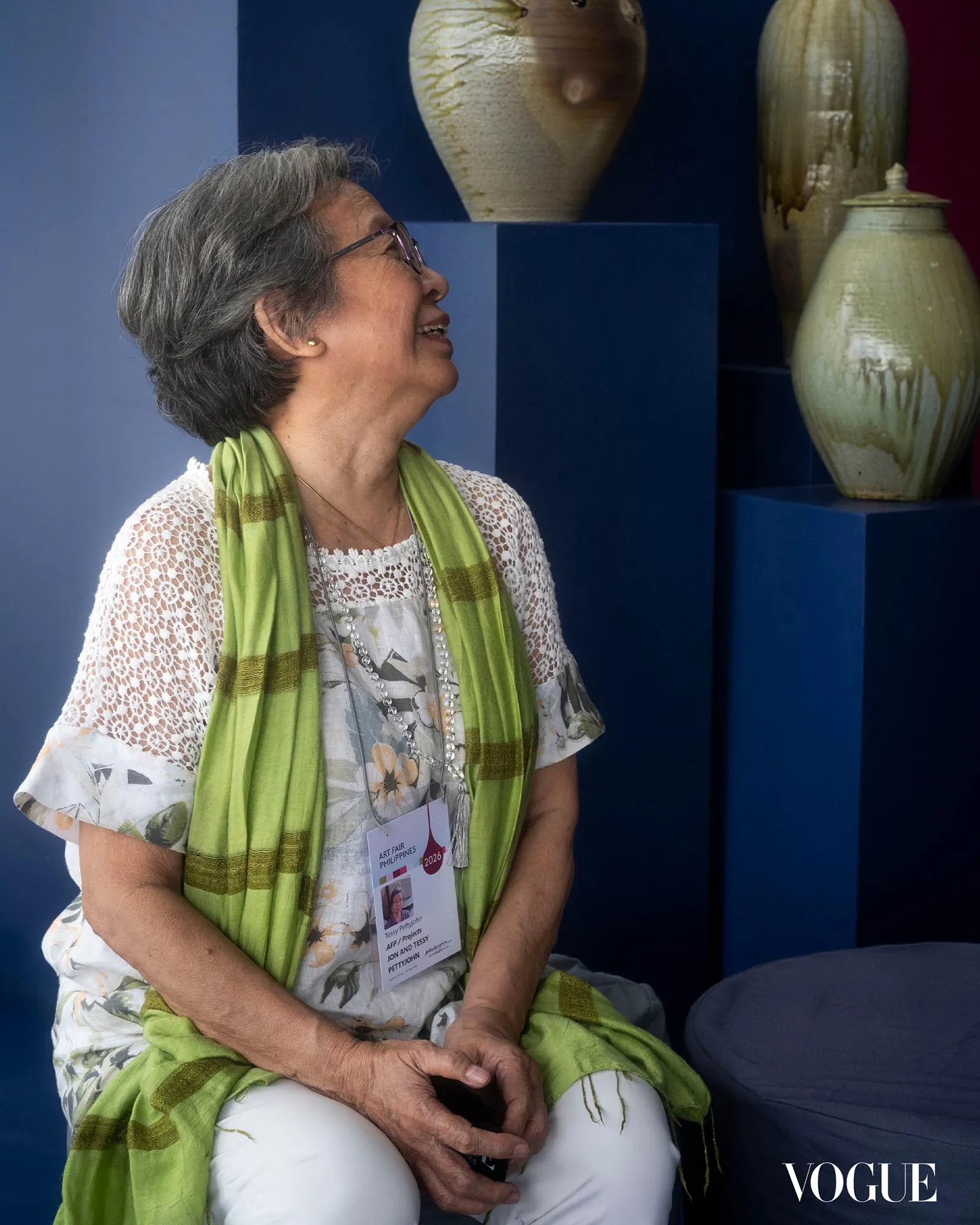
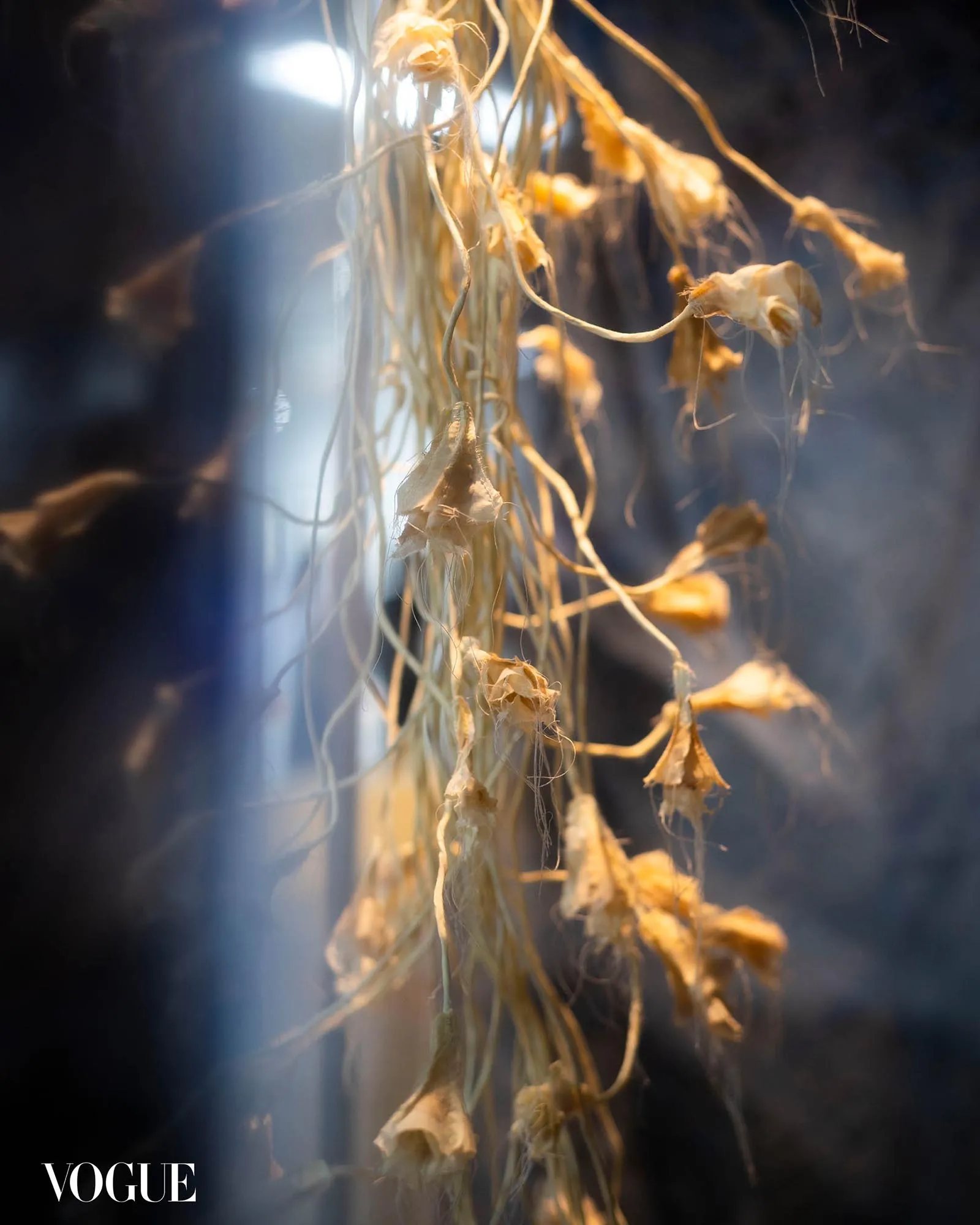
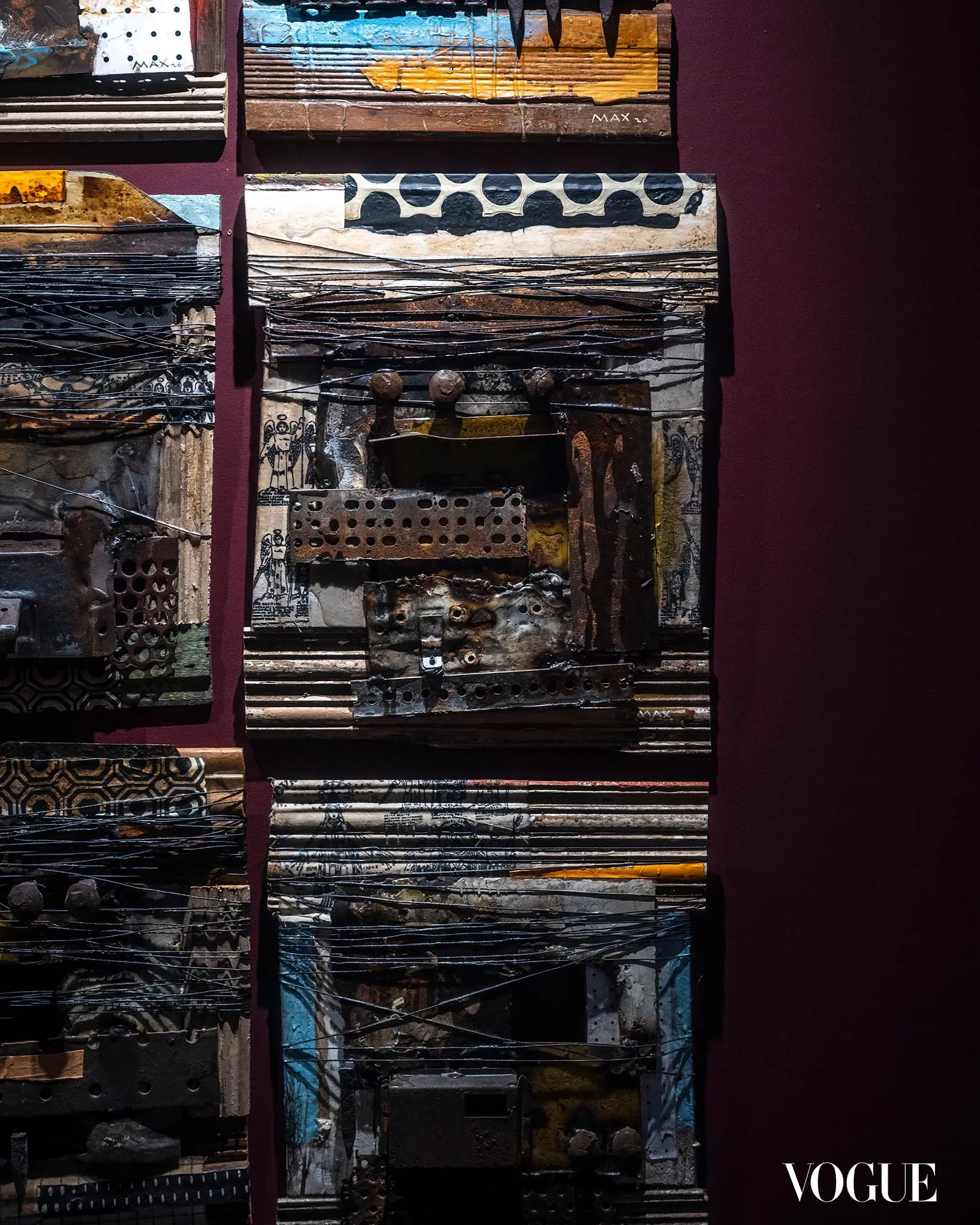
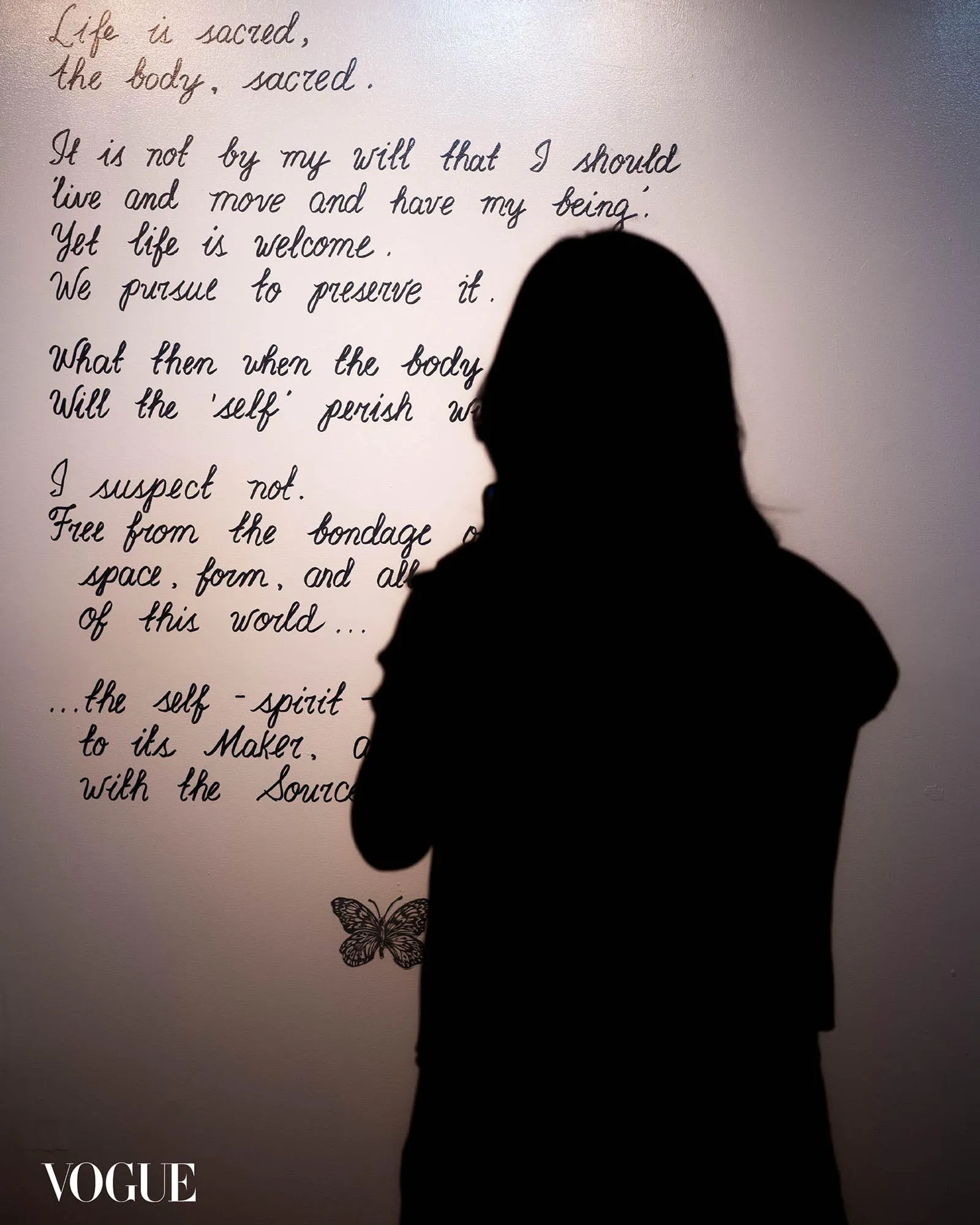
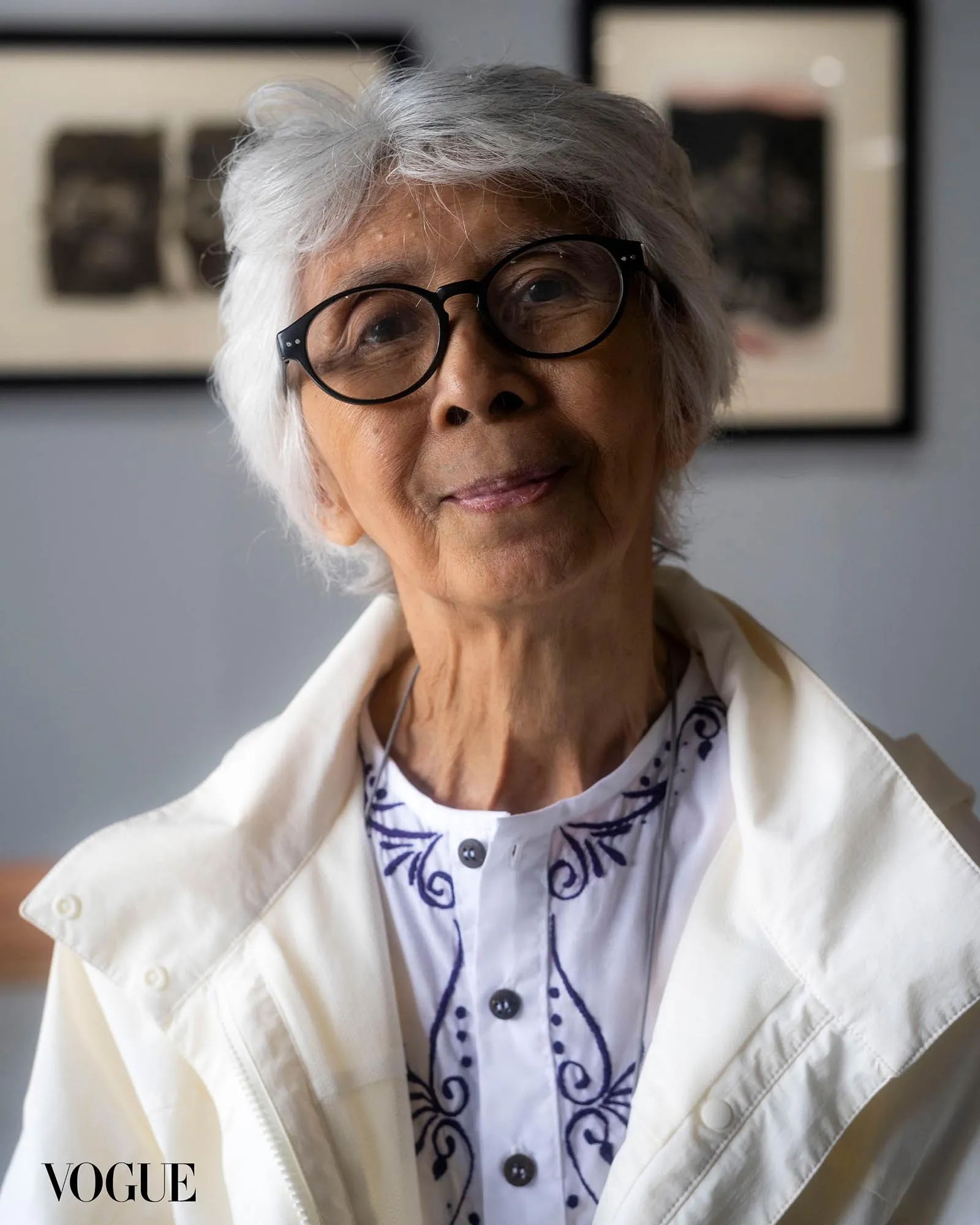
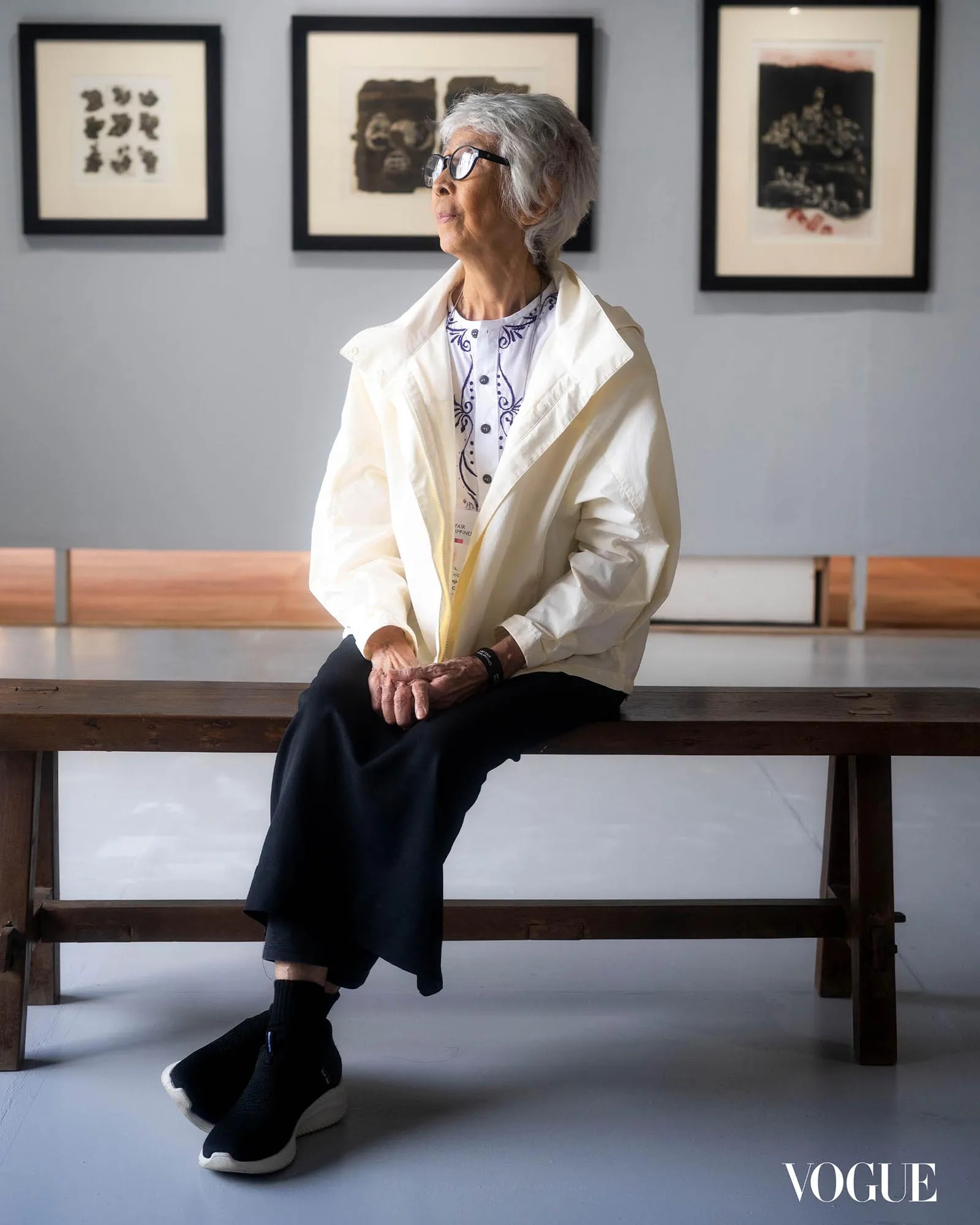
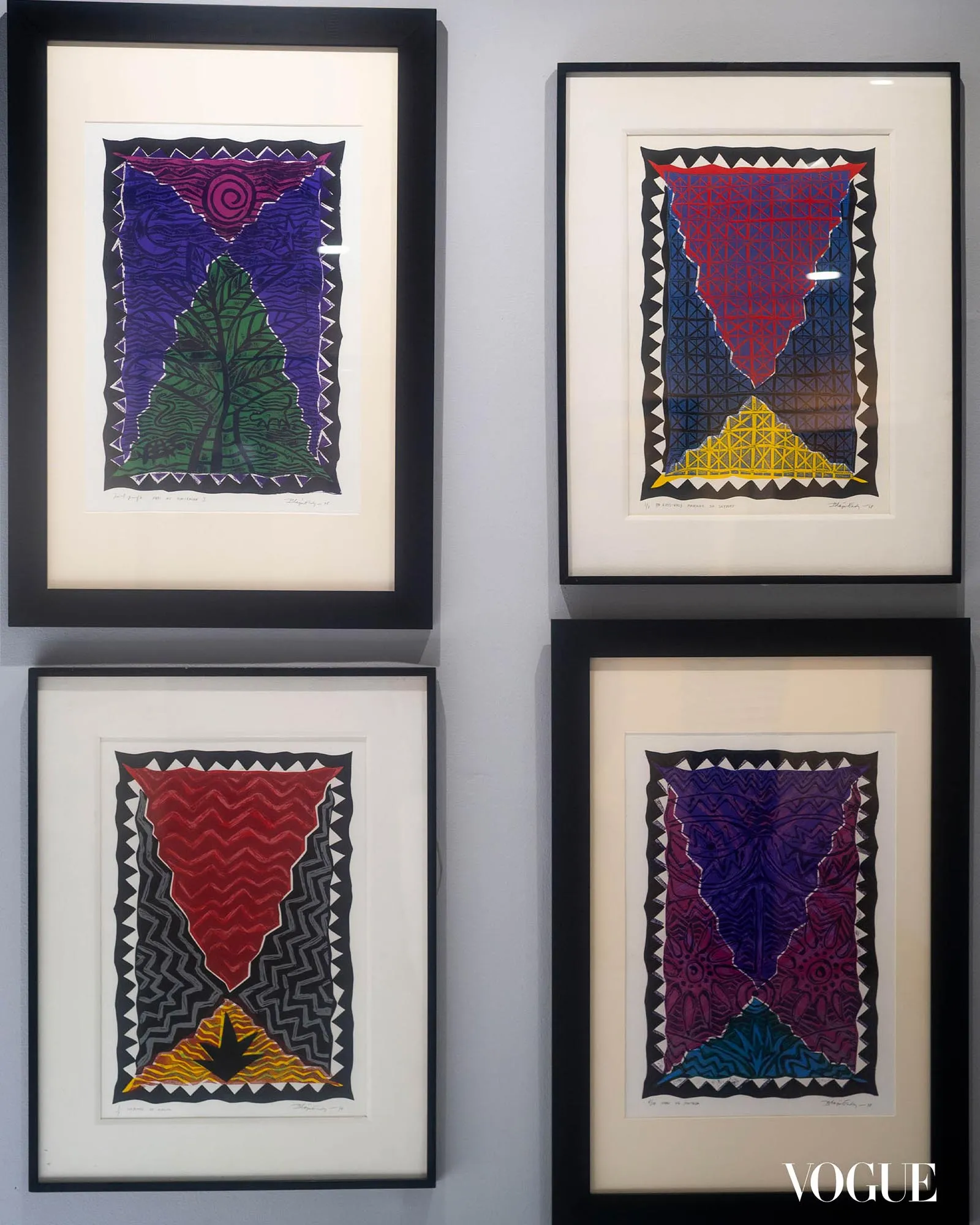
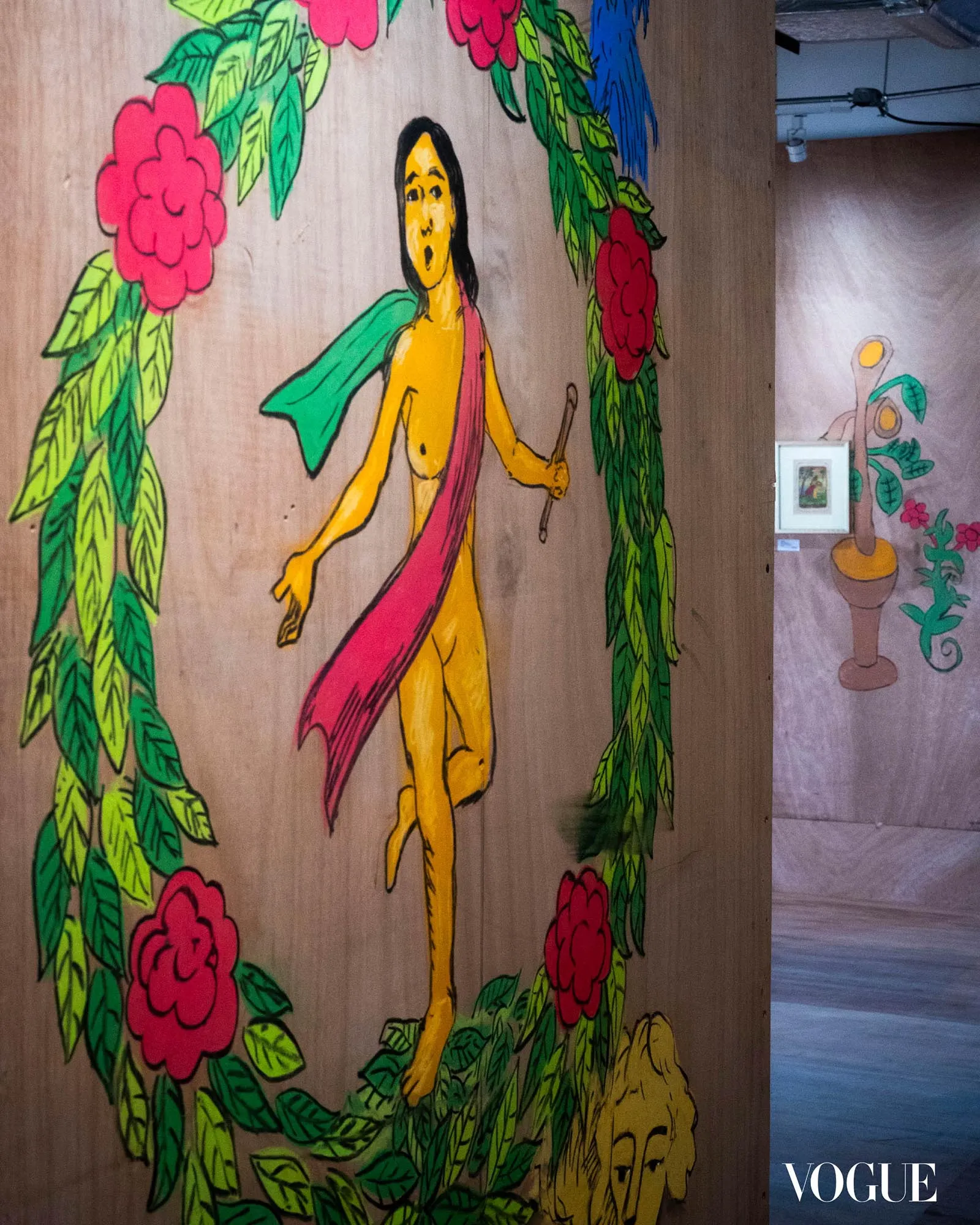
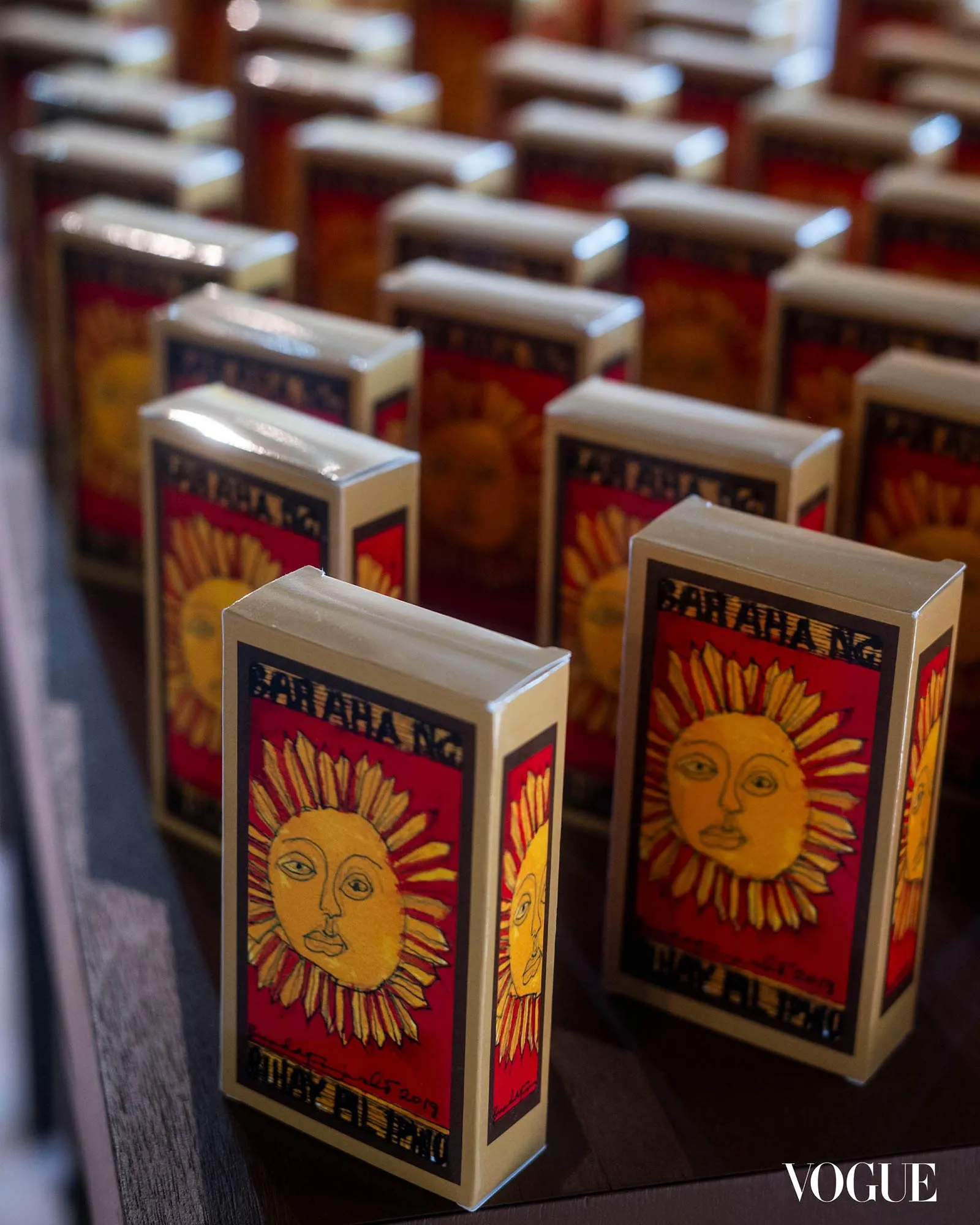
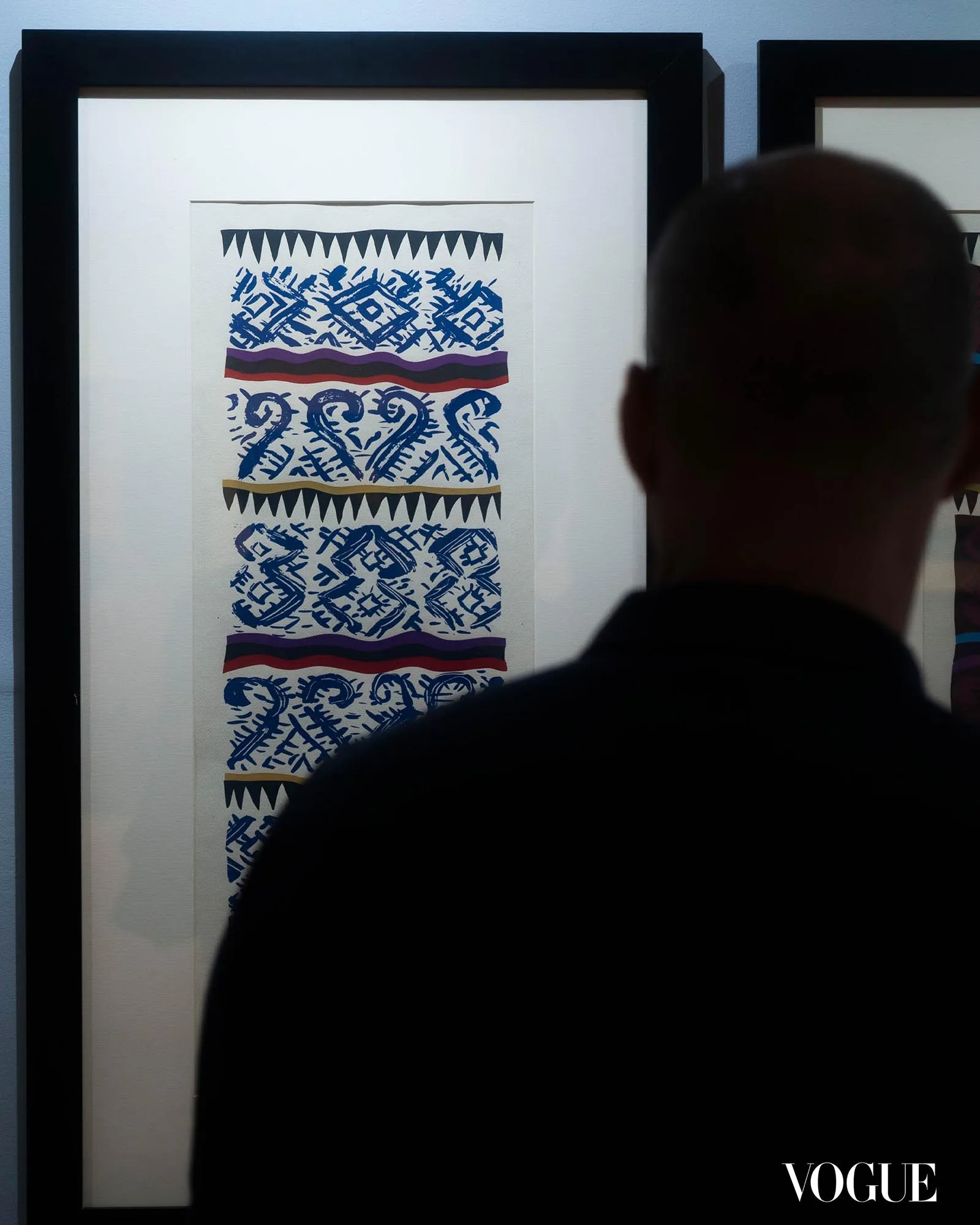
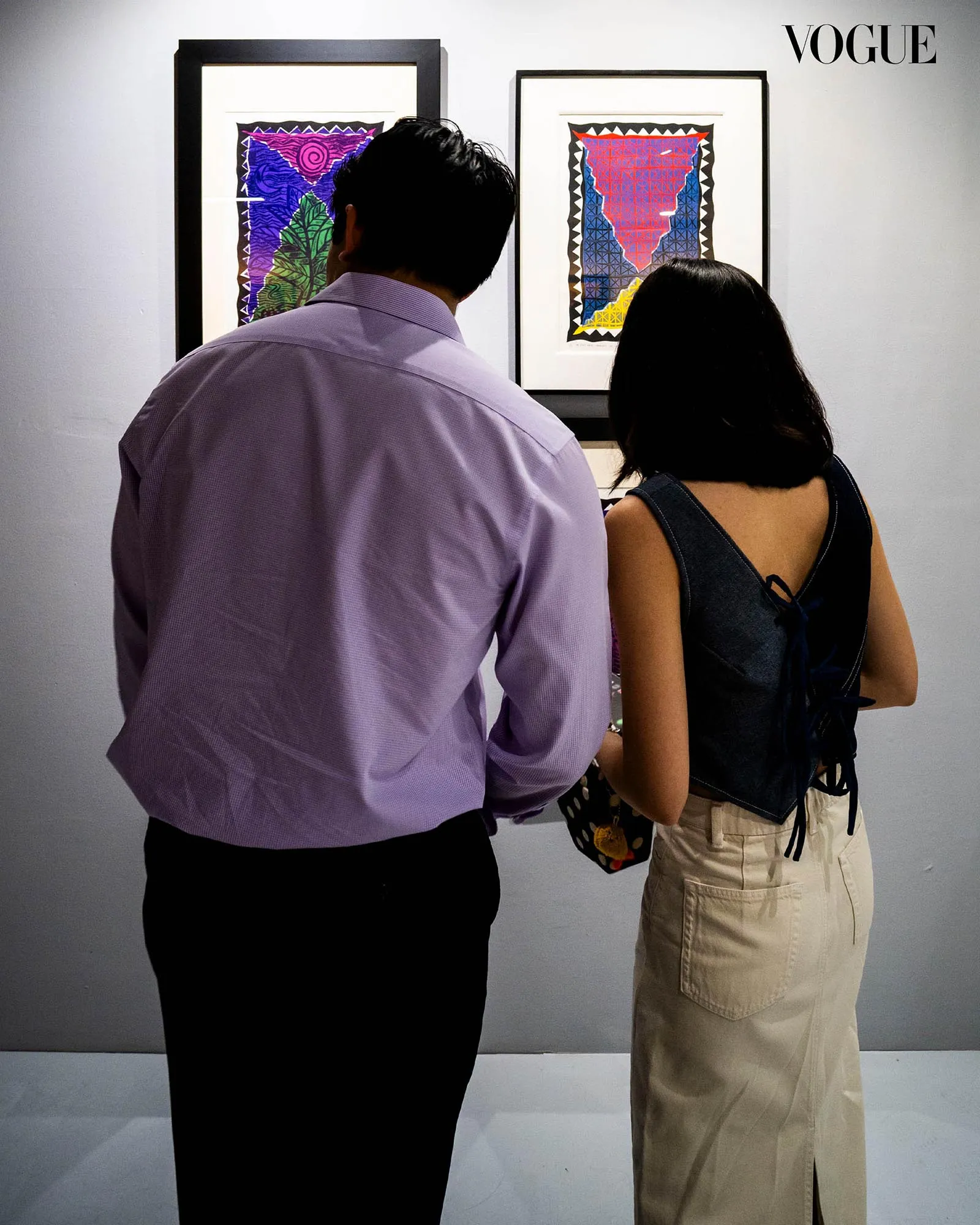
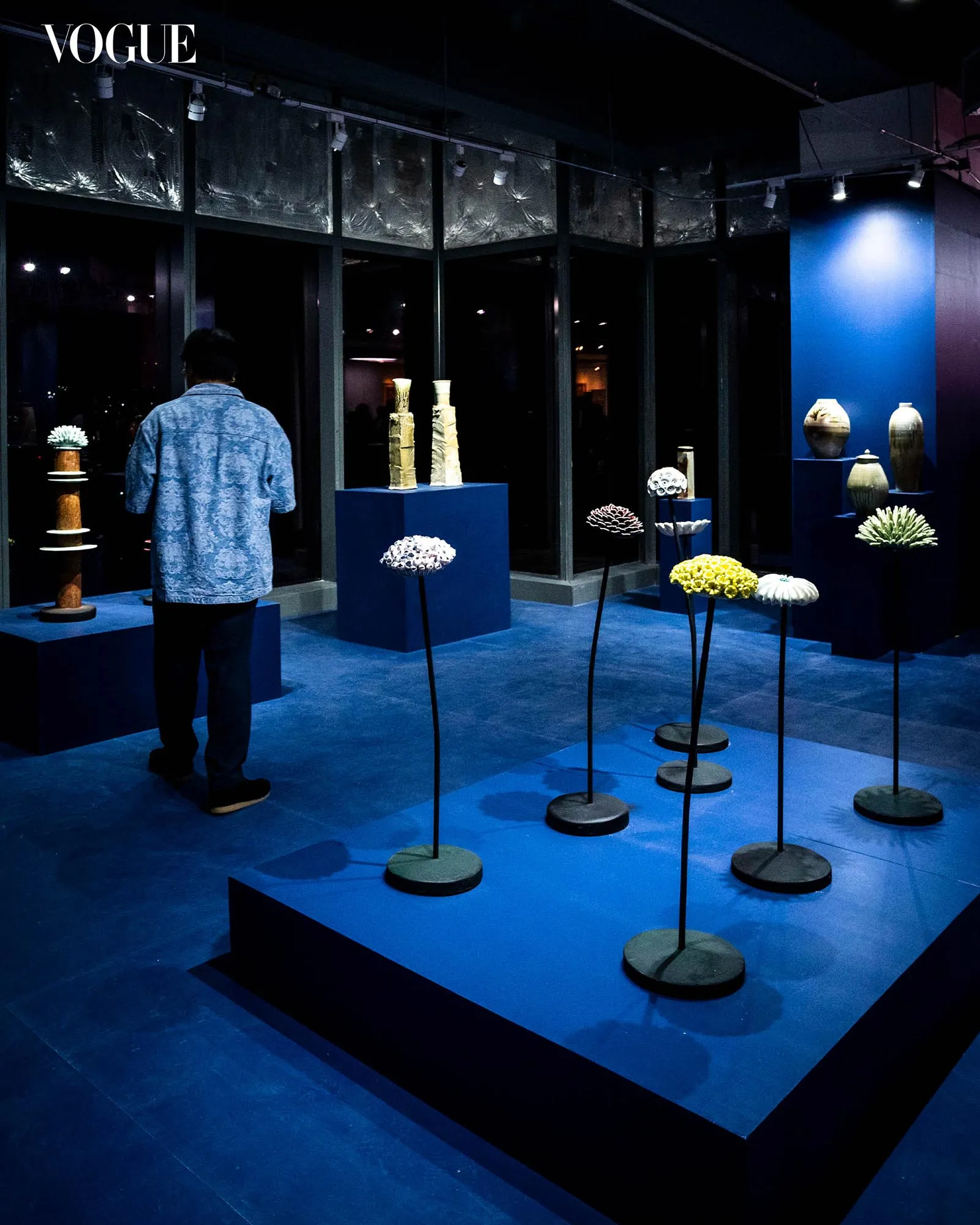
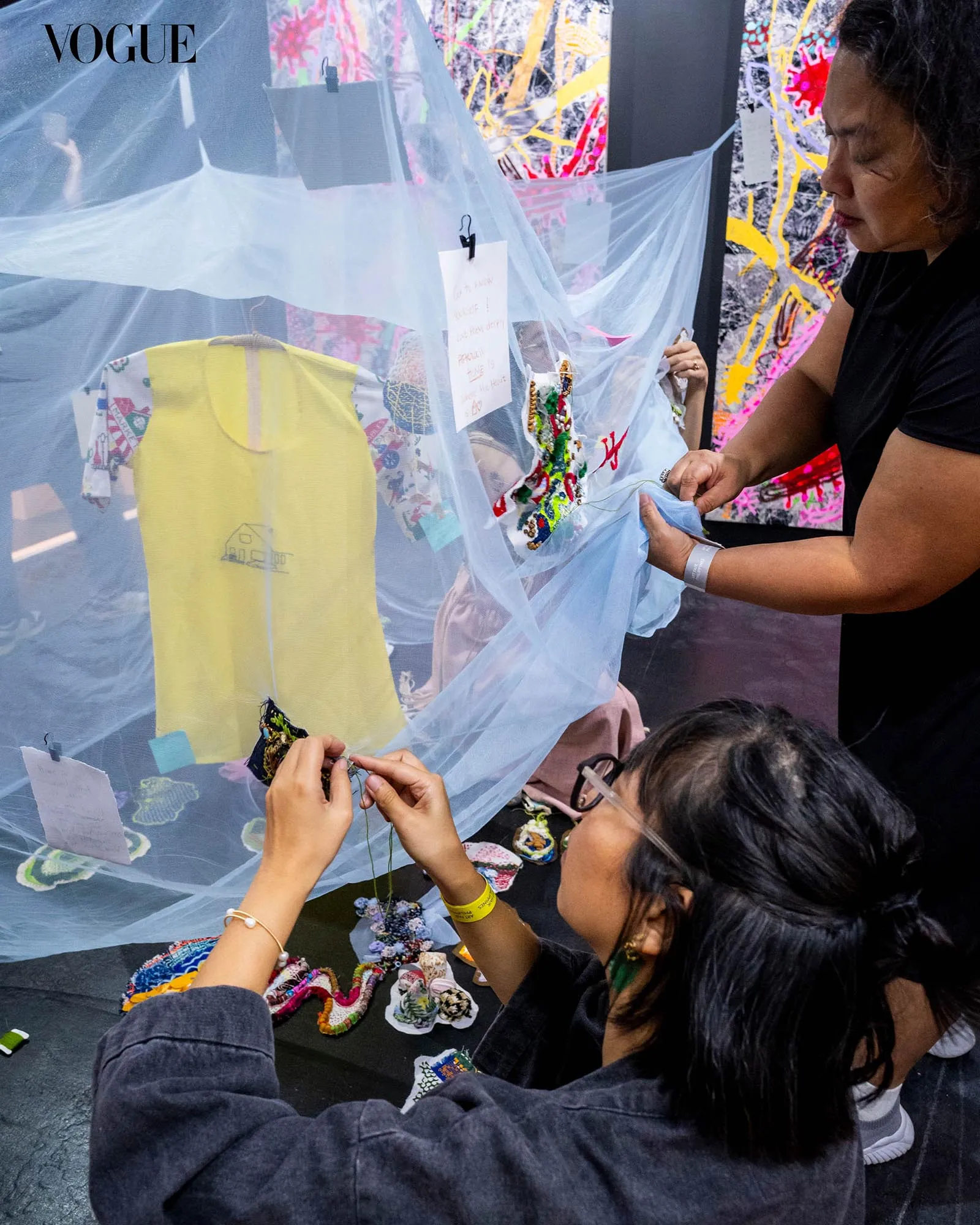
The sixth floor housed one of the fair’s most anticipated sections: ArtFairPH/Projects. Expanded this year, the program brought together contemporary practitioners and late masters in a conversation across generations. In a space designed as a town plaza setting, Imelda Cajipe Endaya led the lineup with work exploring domesticity, migration, and women’s empowerment. She was joined by Ambie Abaño, Max Balatbat, Ged Unson Merino, and ceramic pioneers Jon and Tessy Pettyjohn.
Balatbat, who is the artist behind the crowd favorite “Kapilya,” expresses his gratitude for the fair. “It’s a big thing for me,” he says in Filipino. “Honestly, as long as they’ve included my name in the ticket, I’m already happy.
Meanwhile, Abaño still feels excitement over attending the fair. “The exciting part is the fact that people always come. And these are people from all walks of life. So it only means that Art Fair is showing that art is relevant, art is important, art is appreciated, art thrives, art is life-giving, art is always being talked about,” she says.
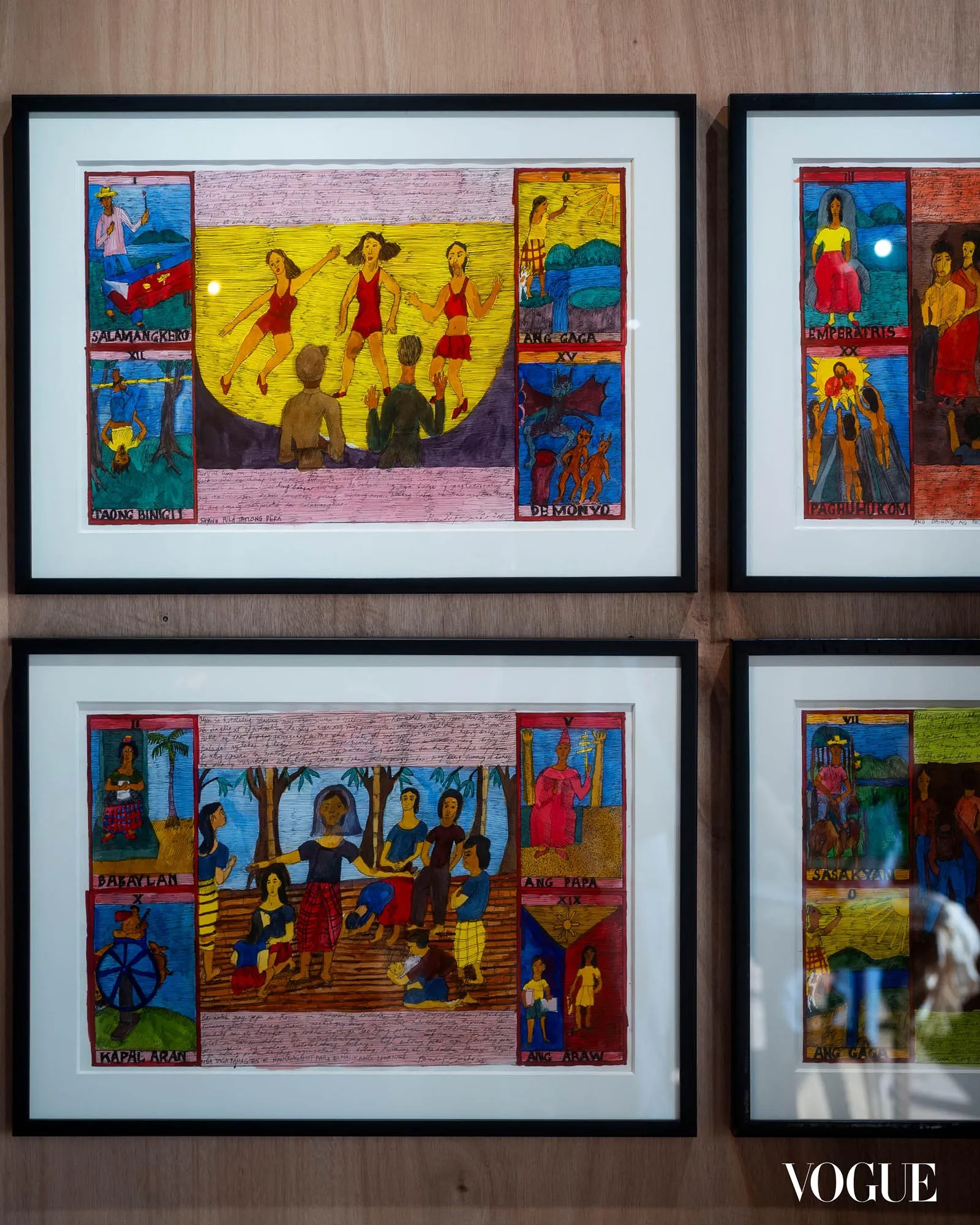
Equally significant was the presence of four late Filipino masters, Brenda Fajardo, Constancio Bernardo, Solomon Saprid, and Romeo Tabuena, whose inclusion grounded the fair in historical continuity, while reminding viewers of the foundations that shape today’s practices.
ArtFairPH/Digital continued to explore technology’s growing role in contemporary art. Painter and graphic artist TRNZ premiered the animated short film The Keeper, while TLYR Collective presented generative and augmented-reality works that questioned identity in virtual spaces.
Beyond the galleries, ArtFairPH/Talks, held in partnership with the Ateneo Art Gallery and the Museum Foundation of the Philippines, offered daily conversations on the evolving art landscape. Meanwhile, the ArtFairPH/Residencies program opened applications for its grant, led by New York-based curator Anne-Laure Lemaitre, reinforcing the fair’s commitment to international exchange.
And after the fair opening hours, DJ sets by DJ Ysa and Not Anj were enjoyed by the guests at the ArtFairPH/After Hours. Parties were also held during the weekend; the fair kicked it off with a party after the vernissage at the City Flats Makati, a Closing Party with the band Overdrive on day two, and a Jazz Night with Colby dela Calzada Jazz Quartet on day three.
Ultimately, Art Fair Philippines 2026 was about scale and evolution: a bigger venue, a wider international presence, and a deeper investment in education and digital experimentation. Yet the fair’s most enduring achievement may be its consistency. Each year, it finds new ways to bring art closer to the Filipino public; reimagining spaces, expanding audiences, and strengthening Manila’s place in the global art conversation.
In a city constantly reinventing itself, the fair continues to prove that art thrives wherever space is opened for it, even in the middle of a corporate tower.
-
 Photographed by Angelo Tantuico1/43
 -
 Photographed by Angelo Tantuico2/43
 -
 Photographed by Angelo Tantuico3/43
 -
 Photographed by Angelo Tantuico4/43
 -
 Photographed by Angelo Tantuico5/43
 -
 Photographed by Angelo Tantuico6/43
 -
 Photographed by Angelo Tantuico7/43
 -
 Photographed by Angelo Tantuico8/43
 -
 Photographed by Angelo Tantuico9/43
 -
 Photographed by Angelo Tantuico10/43
 -
 Photographed by Angelo Tantuico11/43
 -
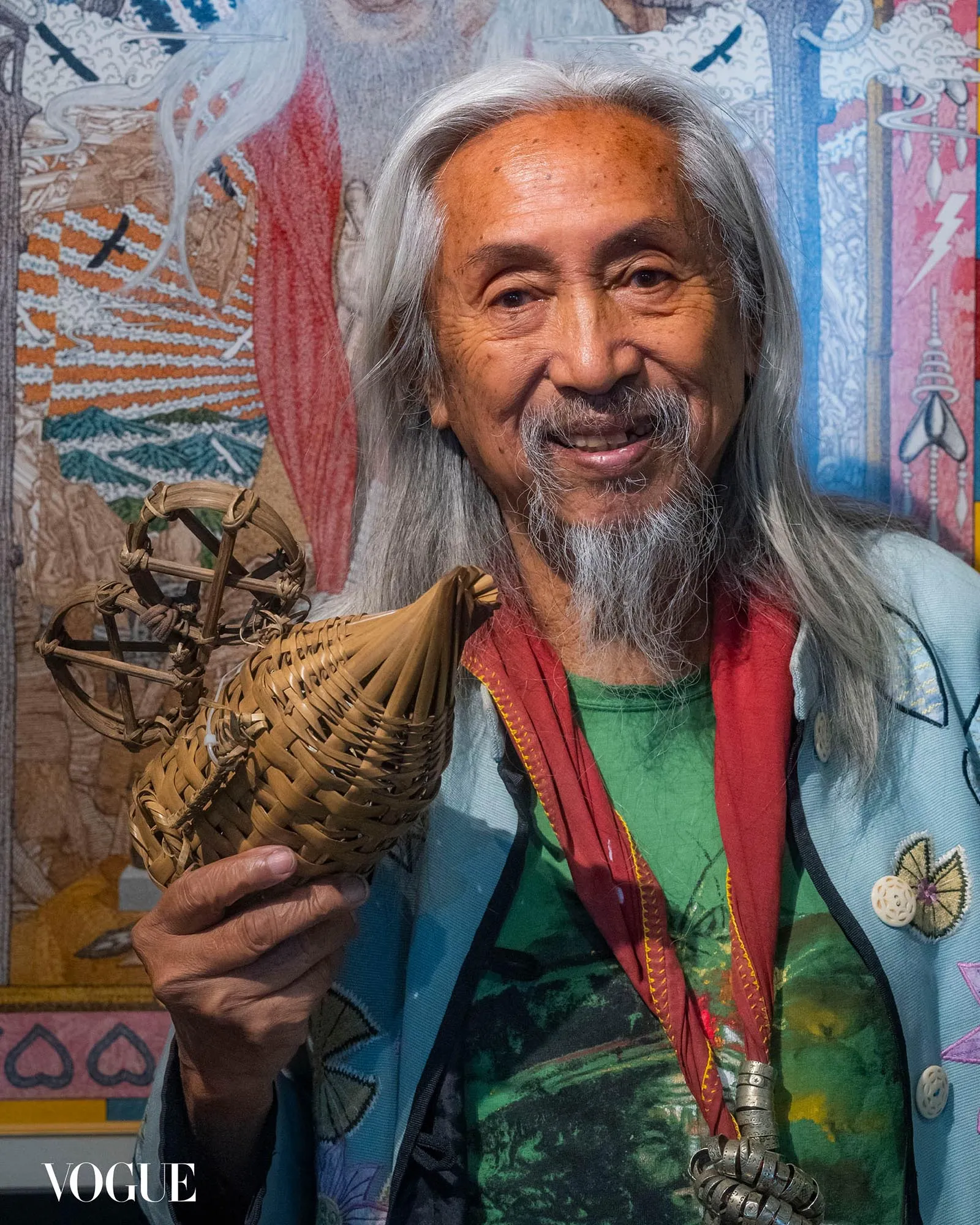 Kidlate Tahimik. Photographed by Angelo Tantuico12/43
 -
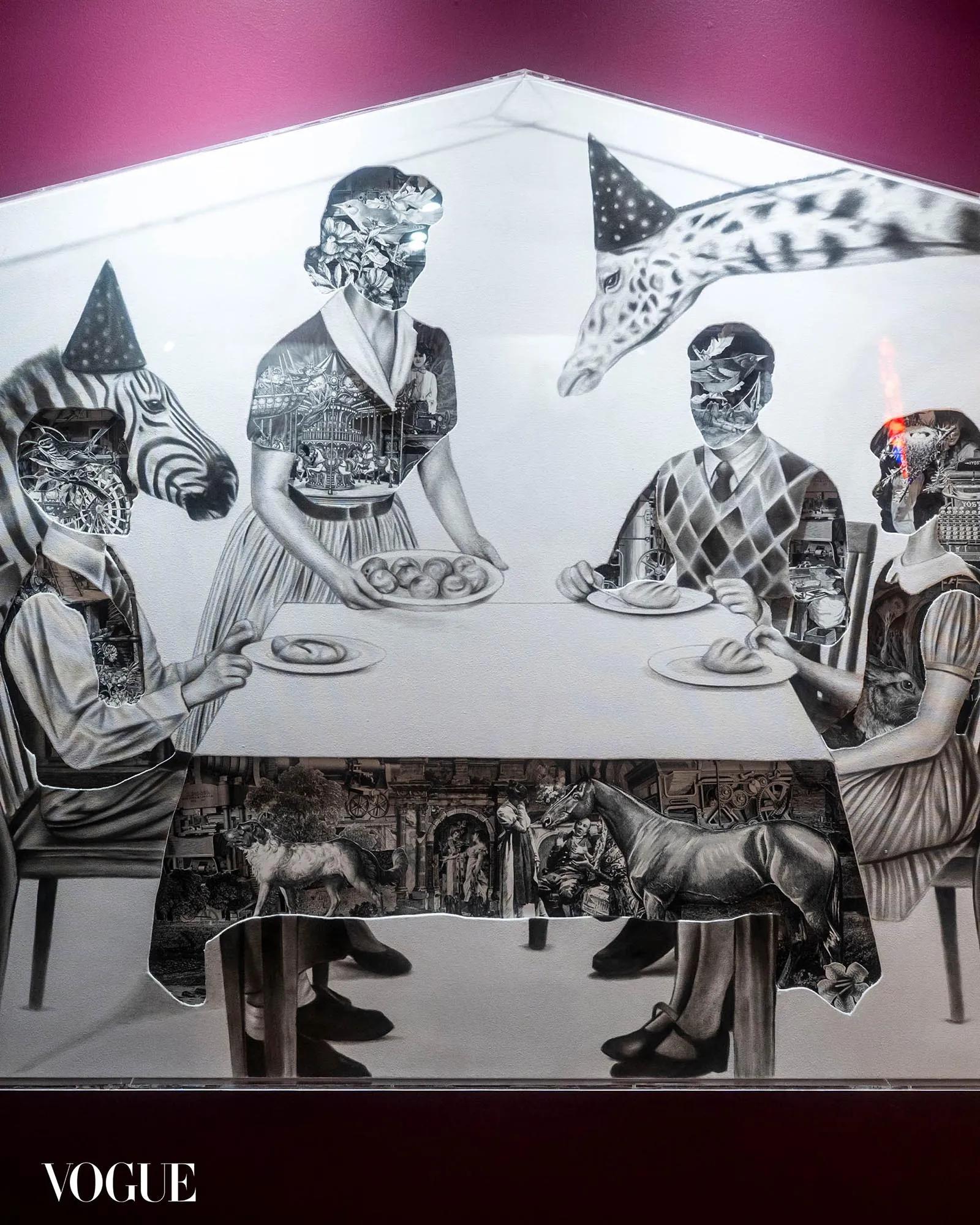 Photographed by Angelo Tantuico13/43
 -
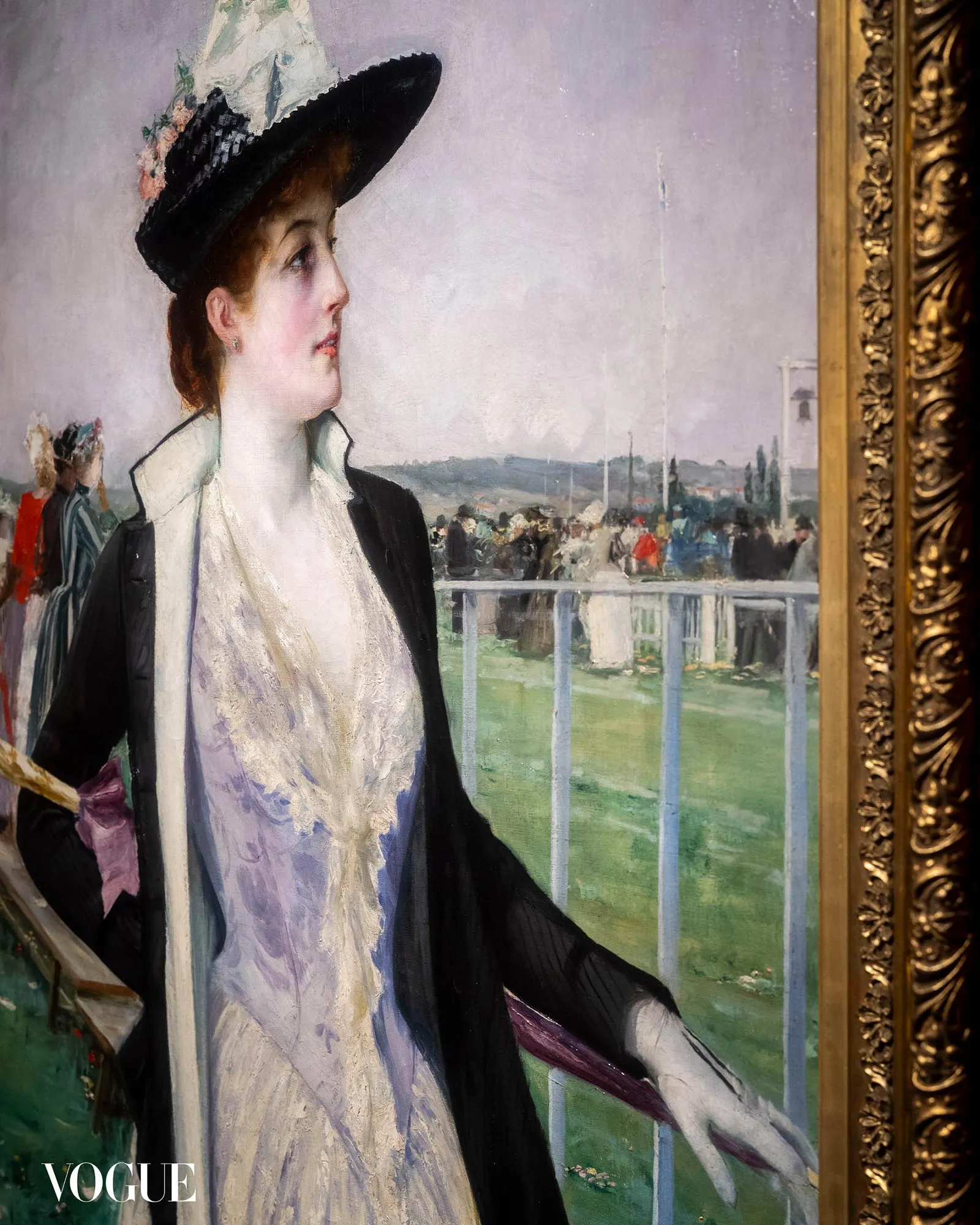 Photographed by Angelo Tantuico14/43
 -
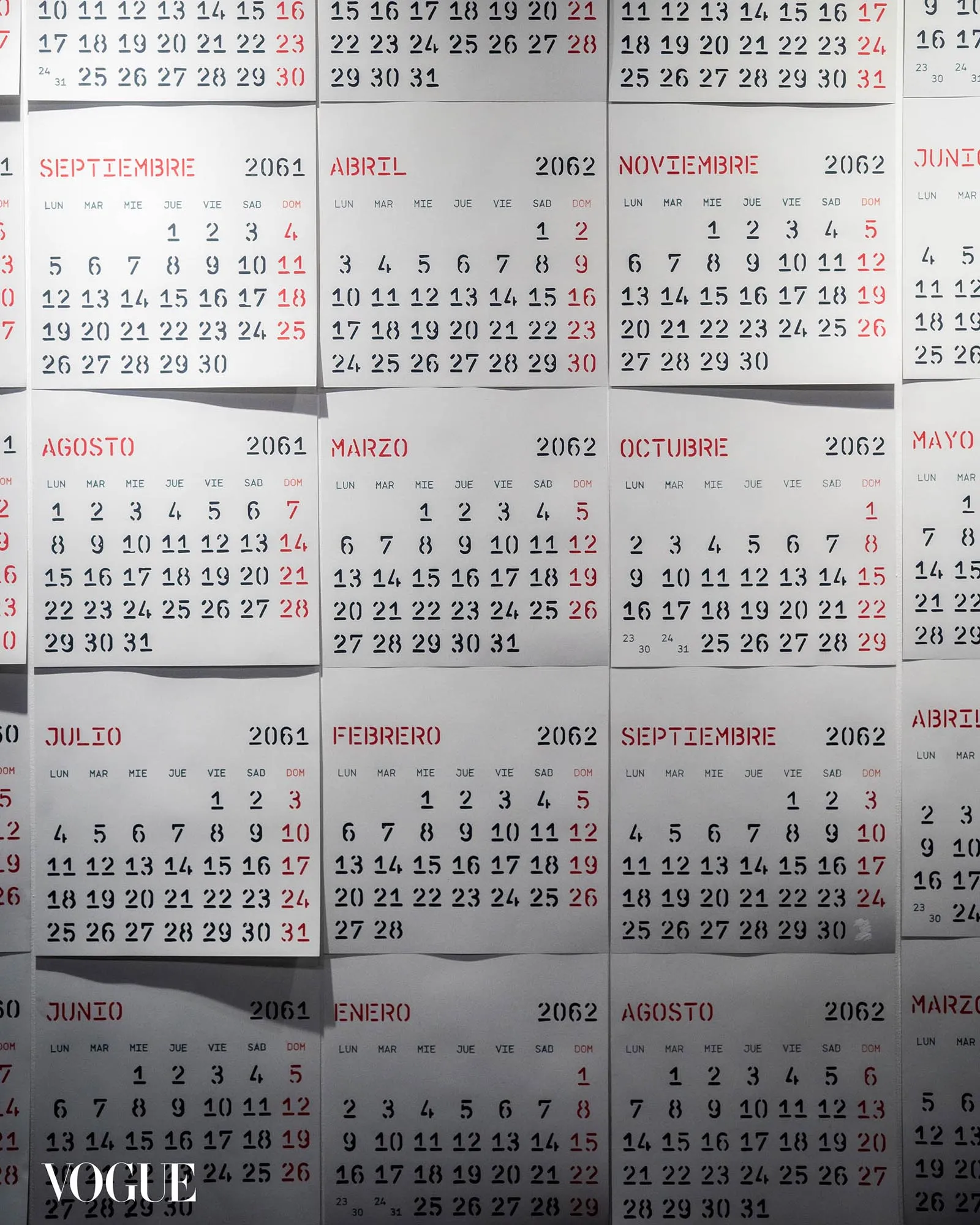 Photographed by Angelo Tantuico15/43
 -
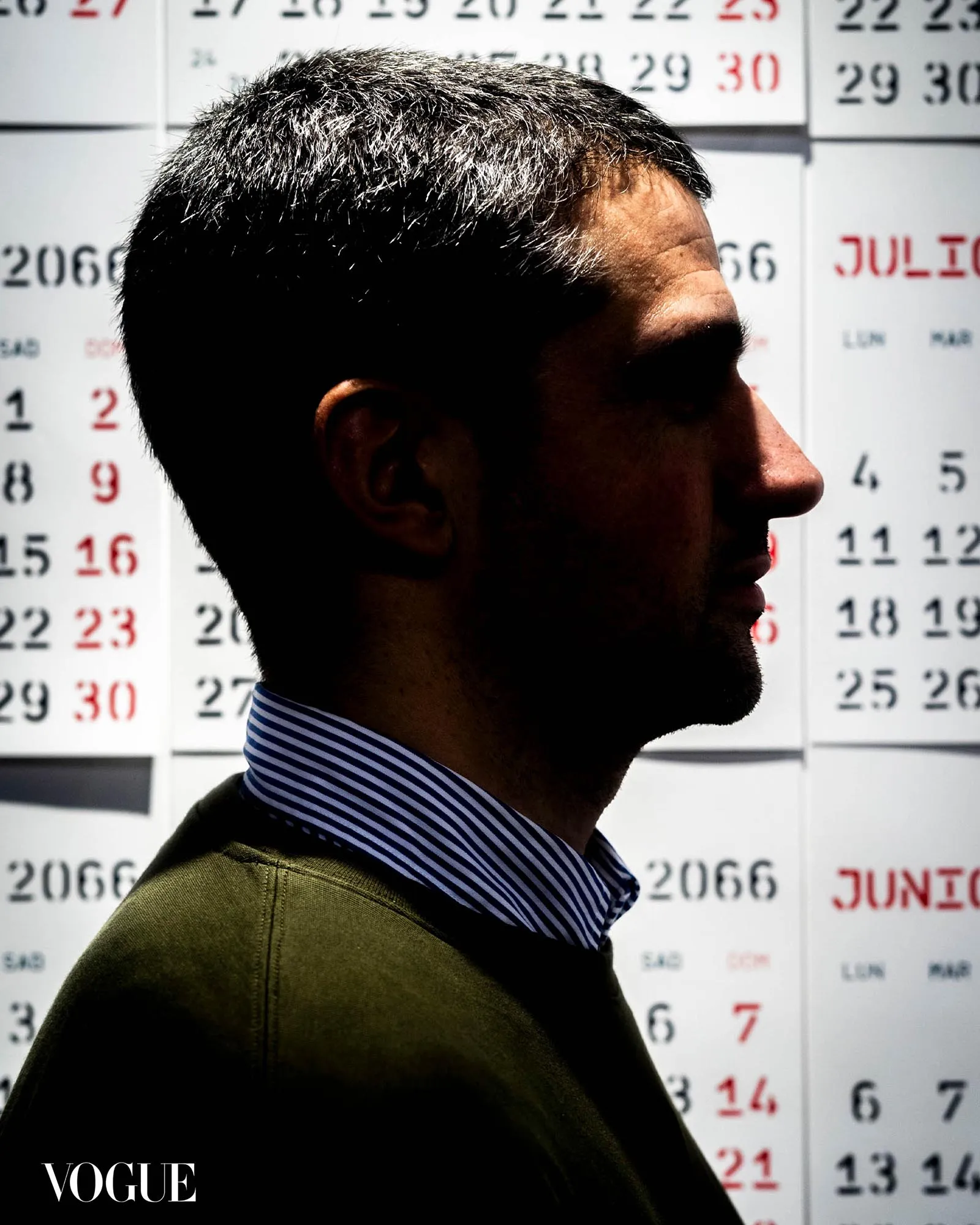 Amparito. Photographed by Angelo Tantuico16/43
 -
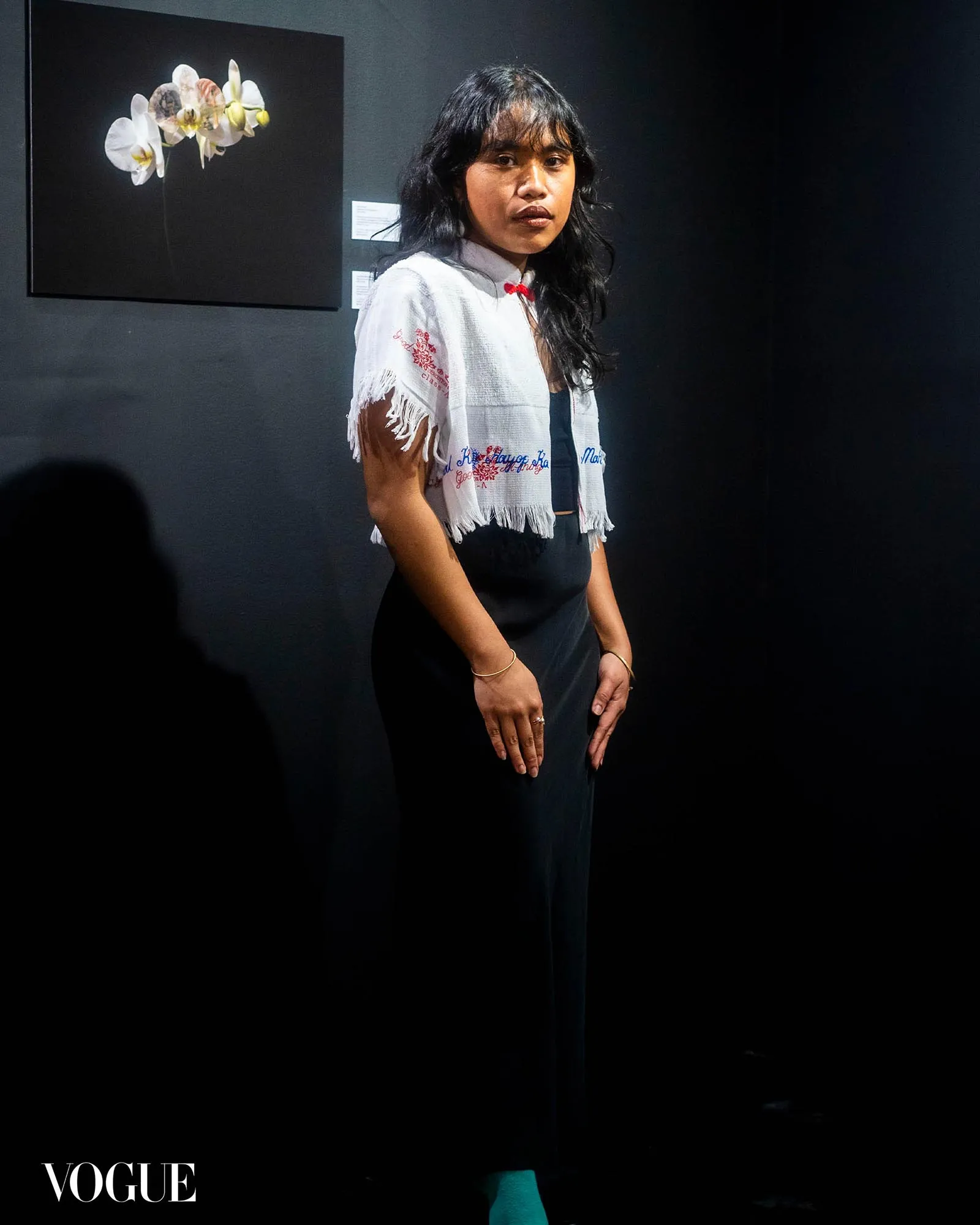 Anna Bernice delos Reyes. Photographed by Angelo Tantuico17/43
 -
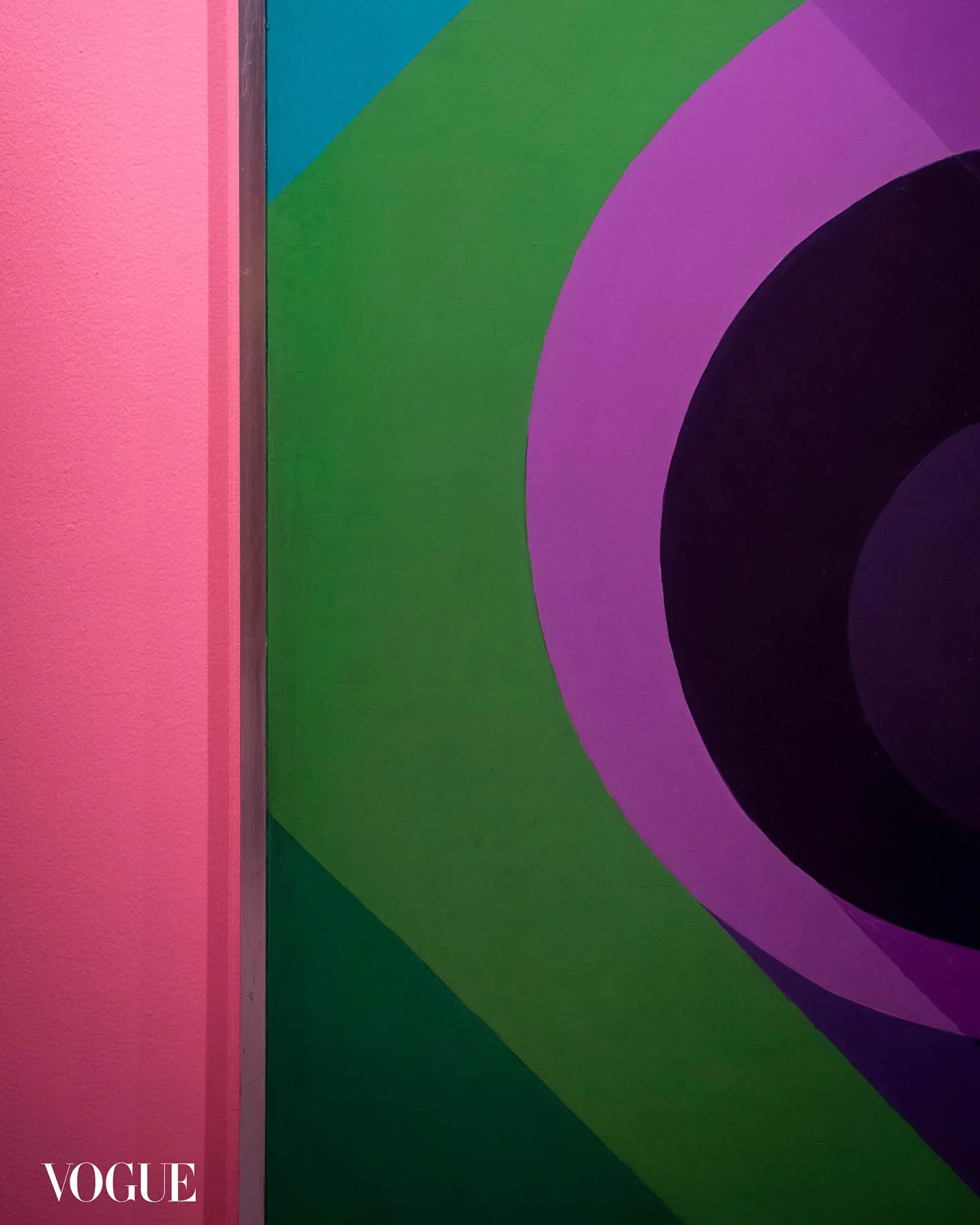 Photographed by Angelo Tantuico18/43
 -
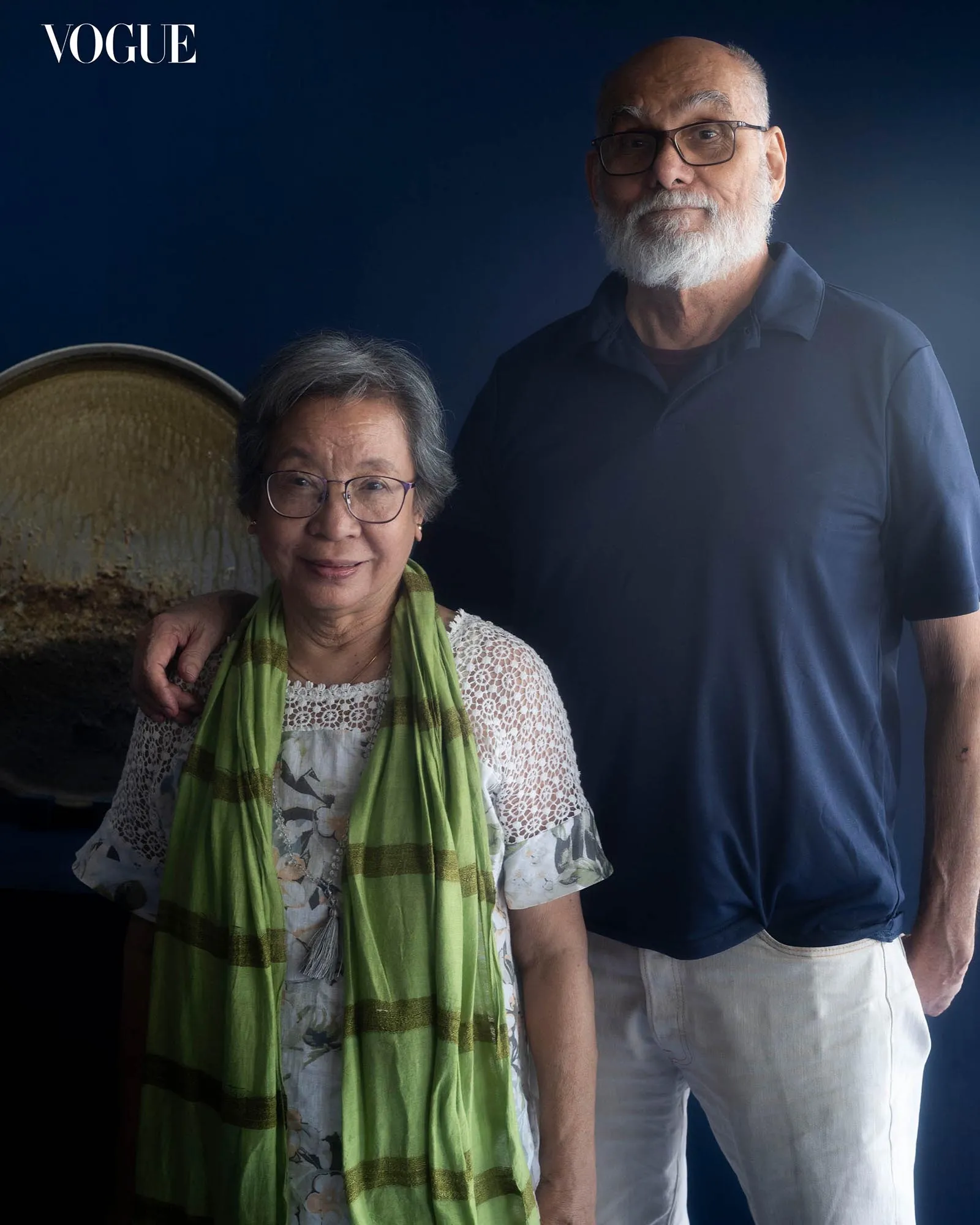 Tessy and Jon Pettyjohn. Photographed by Angelo Tantuico19/43
 -
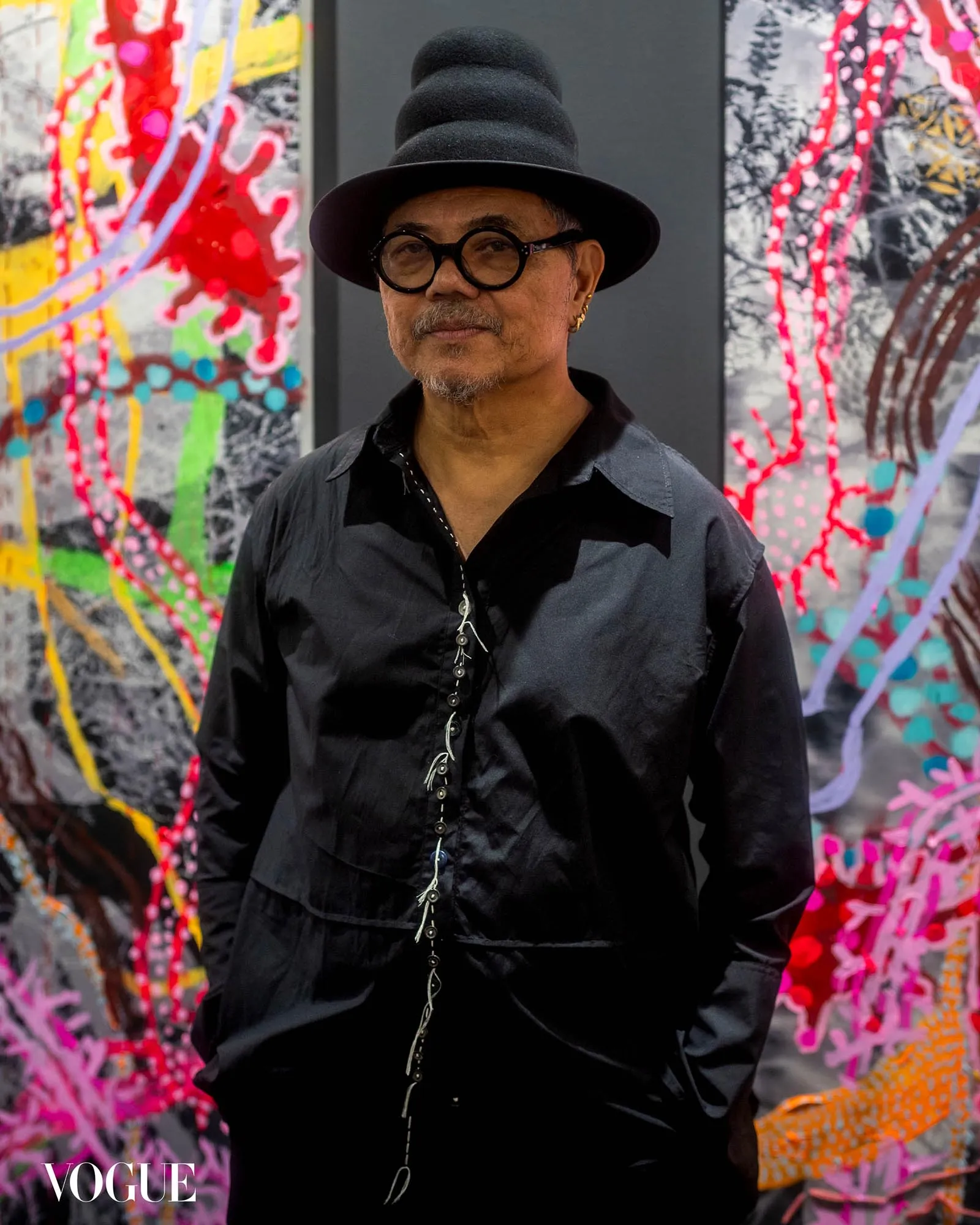 Ged Merino. Photographed by Angelo Tantuico20/43
 -
 Photographed by Angelo Tantuico21/43
 -
 Photographed by Angelo Tantuico22/43
 -
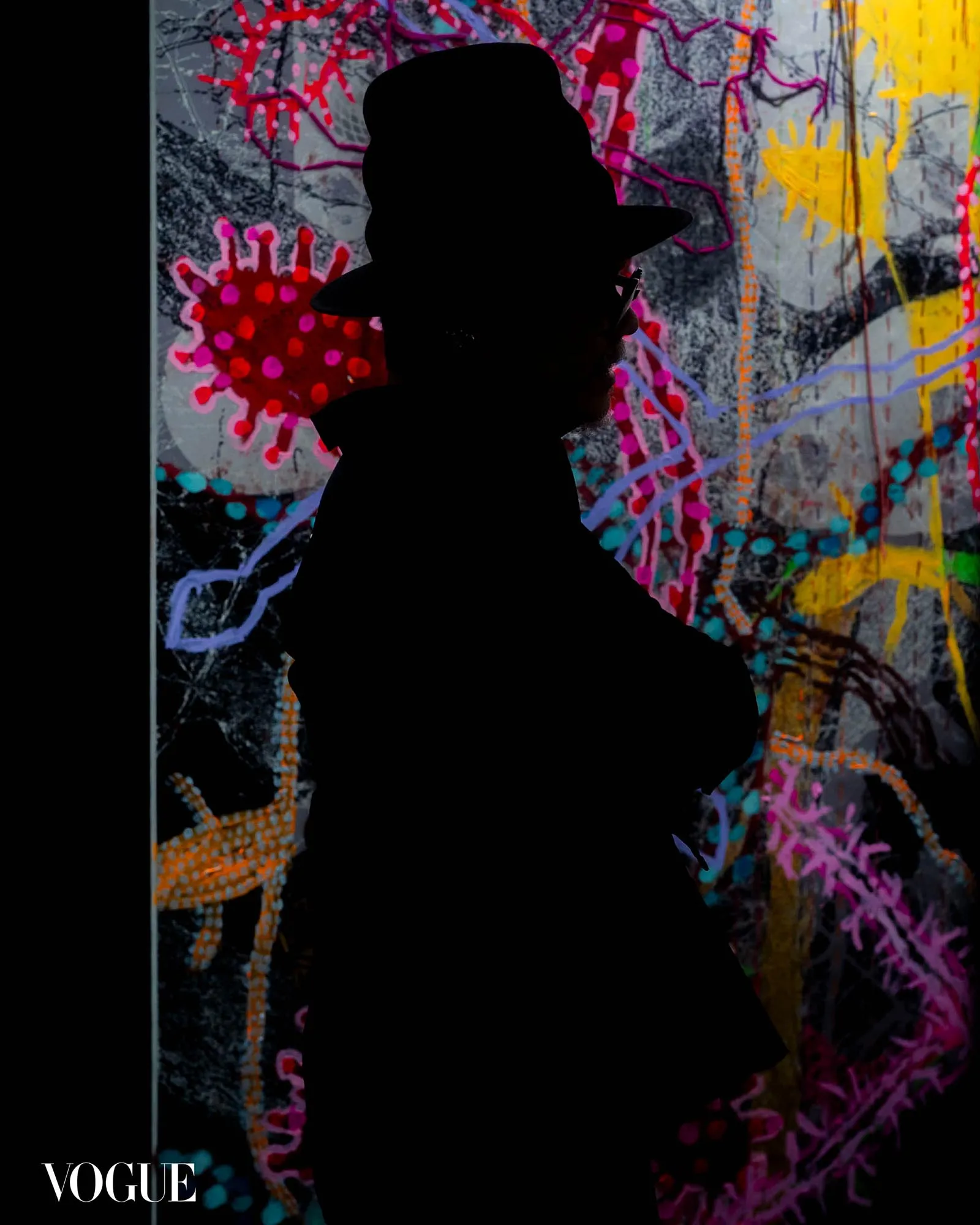 Ged Merino. Photographed by Angelo Tantuico23/43
 -
 Photographed by Angelo Tantuico24/43
 -
 Photographed by Angelo Tantuico25/43
 -
 Photographed by Angelo Tantuico26/43
 -
 Imelda Cajipe Endaya. Photographed by Angelo Tantuico27/43
 -
 Imelda Cajipe Endaya. Photographed by Angelo Tantuico28/43
 -
 Photographed by Angelo Tantuico29/43
 -
 Photographed by Angelo Tantuico30/43
 -
 Photographed by Angelo Tantuico31/43
 -
 Photographed by Angelo Tantuico32/43
 -
 Photographed by Angelo Tantuico33/43
 -
 Photographed by Angelo Tantuico34/43
 -
 Photographed by Angelo Tantuico35/43
 -
 Photographed by Angelo Tantuico36/43
 -
 Alvin Collantes. Photographed by Angelo Tantuico37/43
 -
 Photographed by Angelo Tantuico38/43
 -
 Photographed by Angelo Tantuico39/43
 -
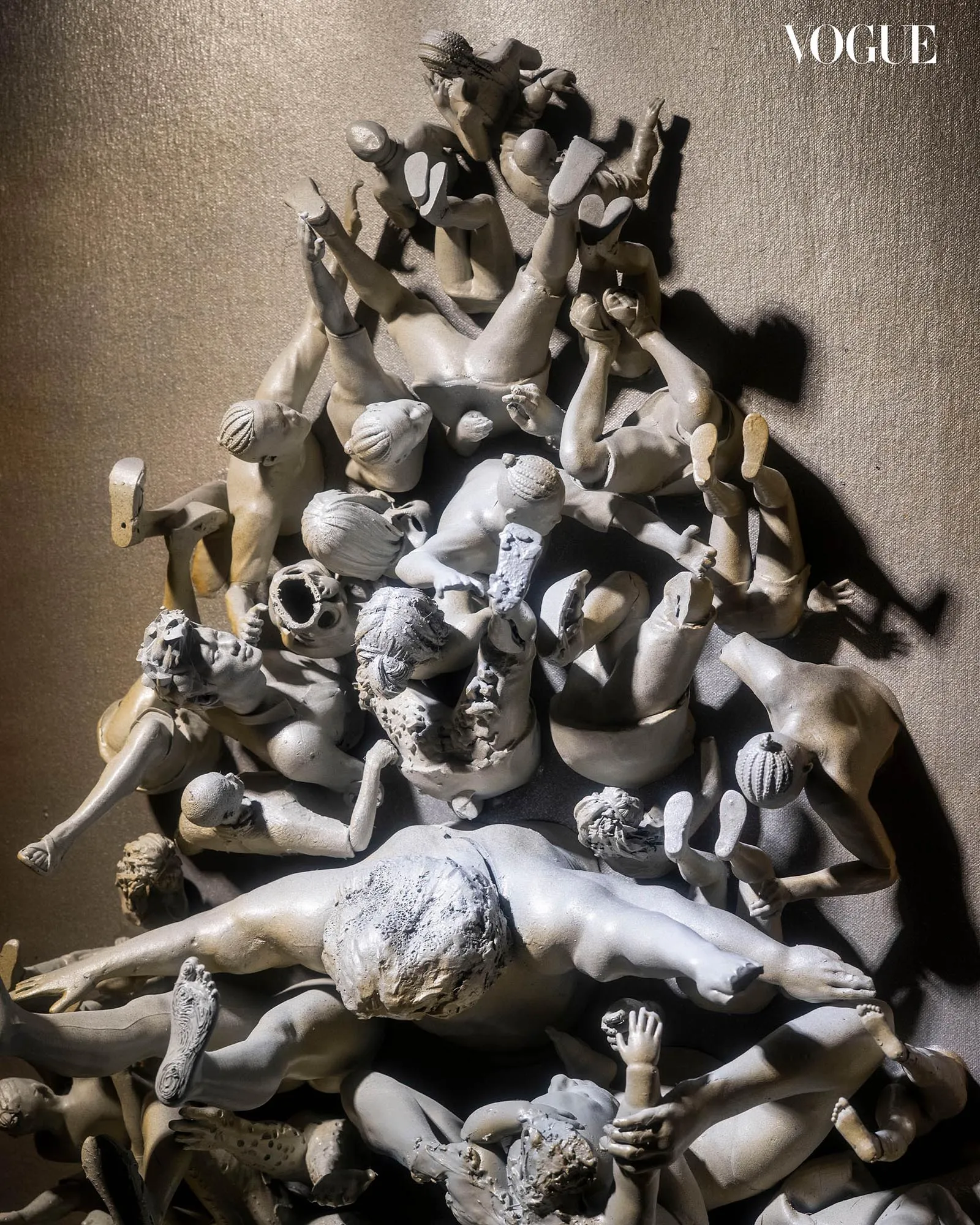 Photographed by Angelo Tantuico40/43
 -
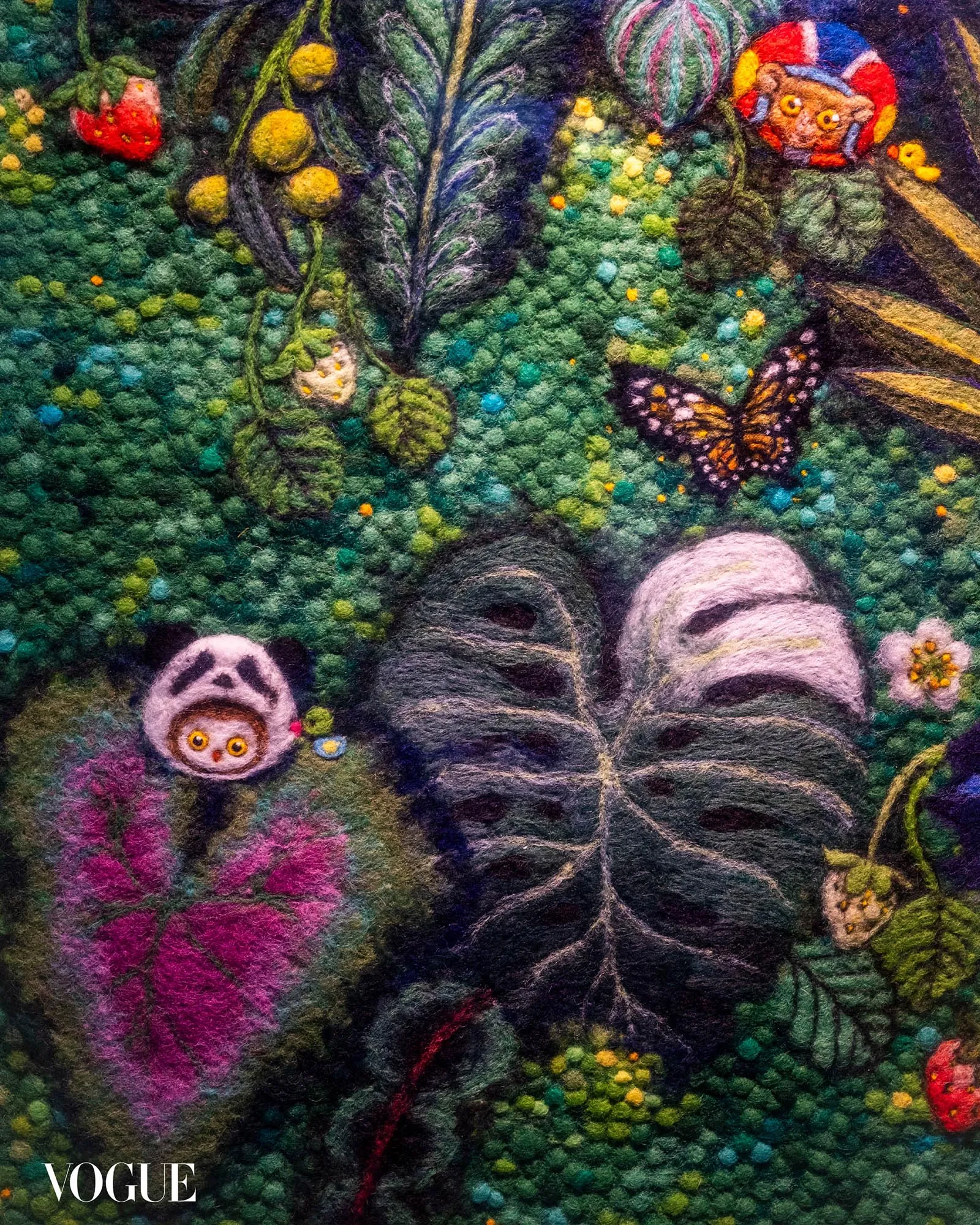 Photographed by Angelo Tantuico41/43
 -
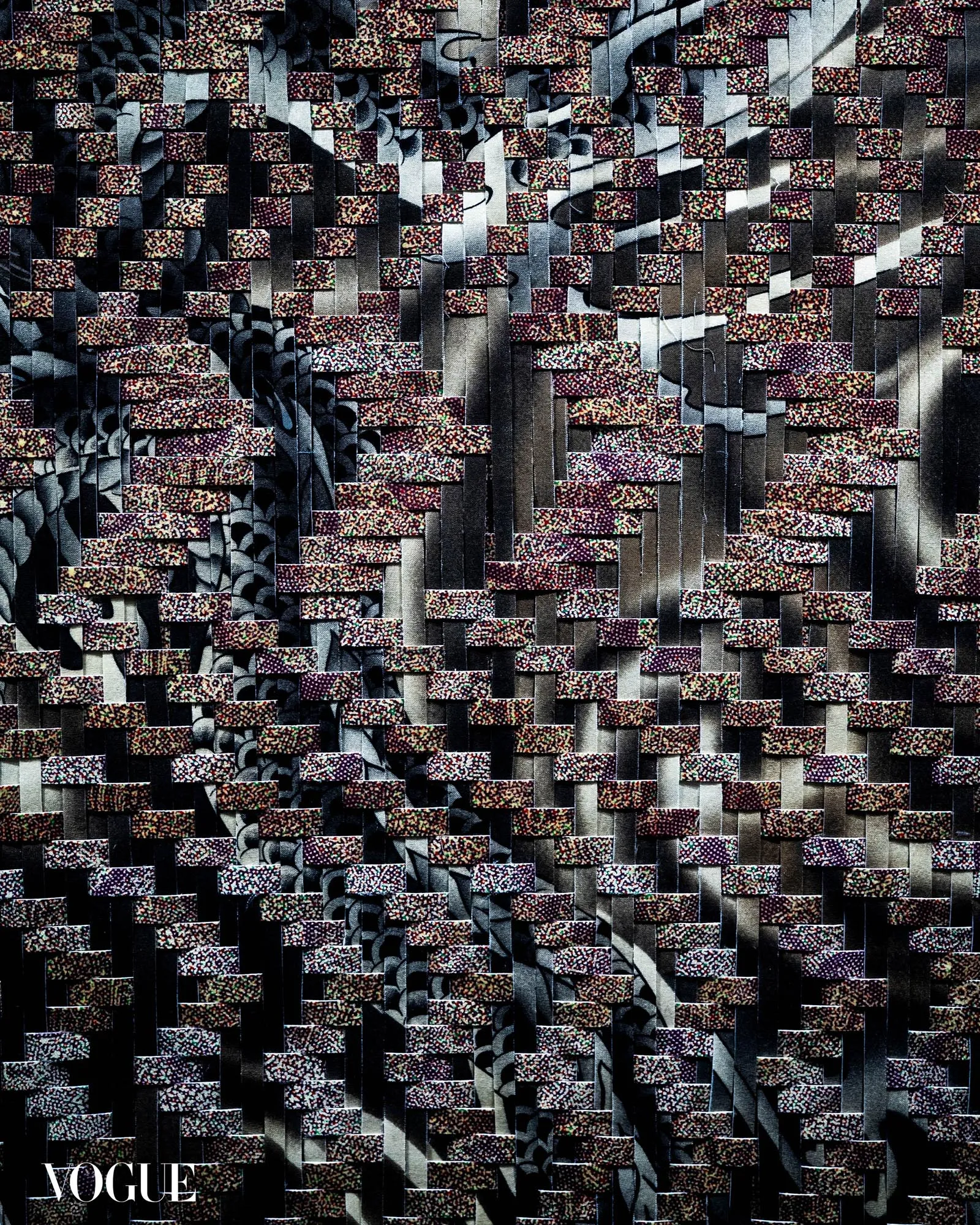 Photographed by Angelo Tantuico42/43
 -
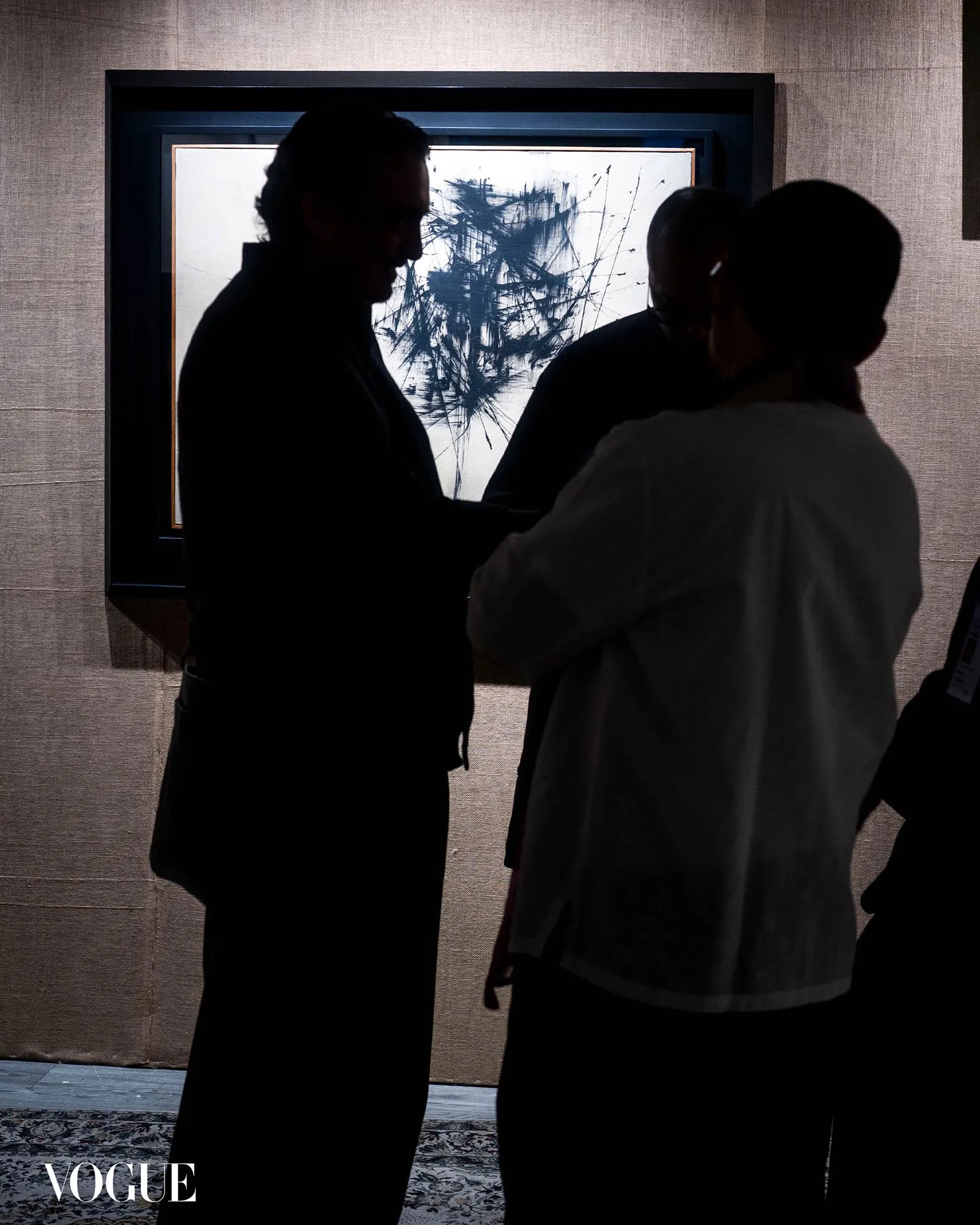 Photographed by Angelo Tantuico43/43
Frequently Asked Questions
Art Fair Philippines 2026 was held at Circuit Corporate Center One in Circuit Makati, marking its 13th edition and a move from its previous venue, transforming a six-floor former office building into a vertical exhibition space.
Around 55 galleries from the Philippines and abroad participated in Art Fair Philippines 2026, featuring returning exhibitors like Leon Gallery, Galerie Stephanie, J Studio, White Walls Gallery, and Orange Project.
ArtFairPH/Projects is an expanded program bringing together contemporary practitioners and late masters. This year’s edition was led by Imelda Cajipe Endaya, alongside Ambie Abaño, Max Balatbat, Ged Unson Merino, and ceramic pioneers Jon and Tessy Pettyjohn.
Recent editions of Art Fair Philippines have drawn between 25,000 and 30,000 visitors annually, with roughly a third being students, reflecting the fair’s continued educational focus and public engagement mission.
ArtFairPH/Digital explored technology’s role in contemporary art, featuring painter TRNZ’s animated short film The Keeper and TLYR Collective’s generative and augmented-reality works questioning identity in virtual spaces.
- Sa Tahanan Co. Finds Their Way Home at Art Fair Philippines 2026
- Imelda Cajipe Endaya Looks Back Through Decades of Printmaking at Art Fair Philippines 2026
- Jon and Tessy Pettyjohn Let Their Works “Intersect” at Art Fair Philippines 2026
- What Participating Artists and Attendees Thought of Art Fair Philippines 2025