Monogram Forever: Louis Vuitton Turns 130 in Three New Acts


Courtesy of Louis Vuitton
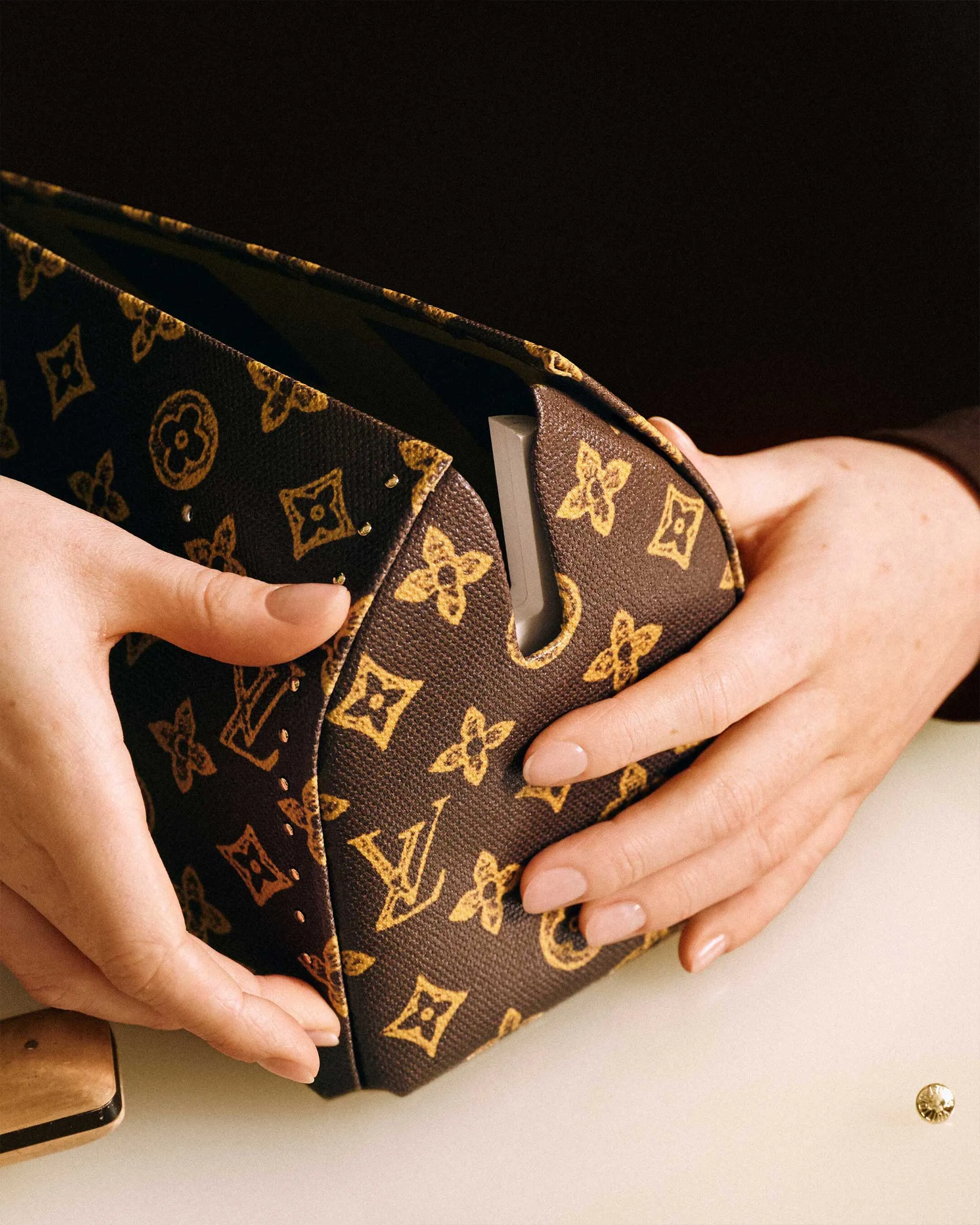
Louis Vuitton honors 130 years of its legendary Monogram with three anniversary collections, inspired by the maison’s archival codes and vachetta leather.
Originating in 1896 as Georges Vuitton’s method of safeguarding his father’s trunk business from counterfeits, the Louis Vuitton monogram is not just a logo; over 130 years later, it has created its own cultural terrain in civilization. It’s Neo-Gothic diamonds, Japonisme-inflected petals, and interlaced ‘LV’ initials became an instant dialect in which luxury could be read and worn by men and women across continents around the world.
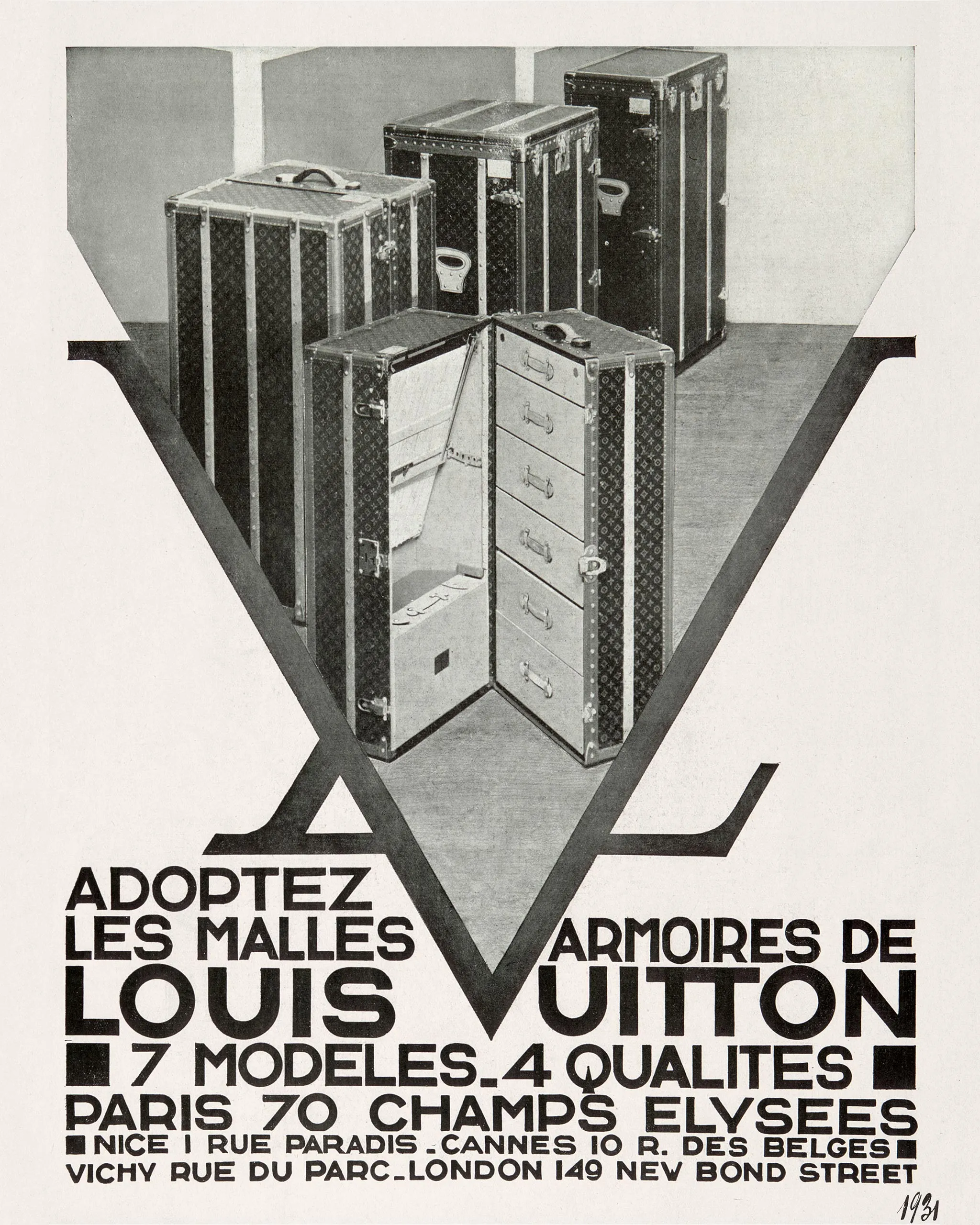
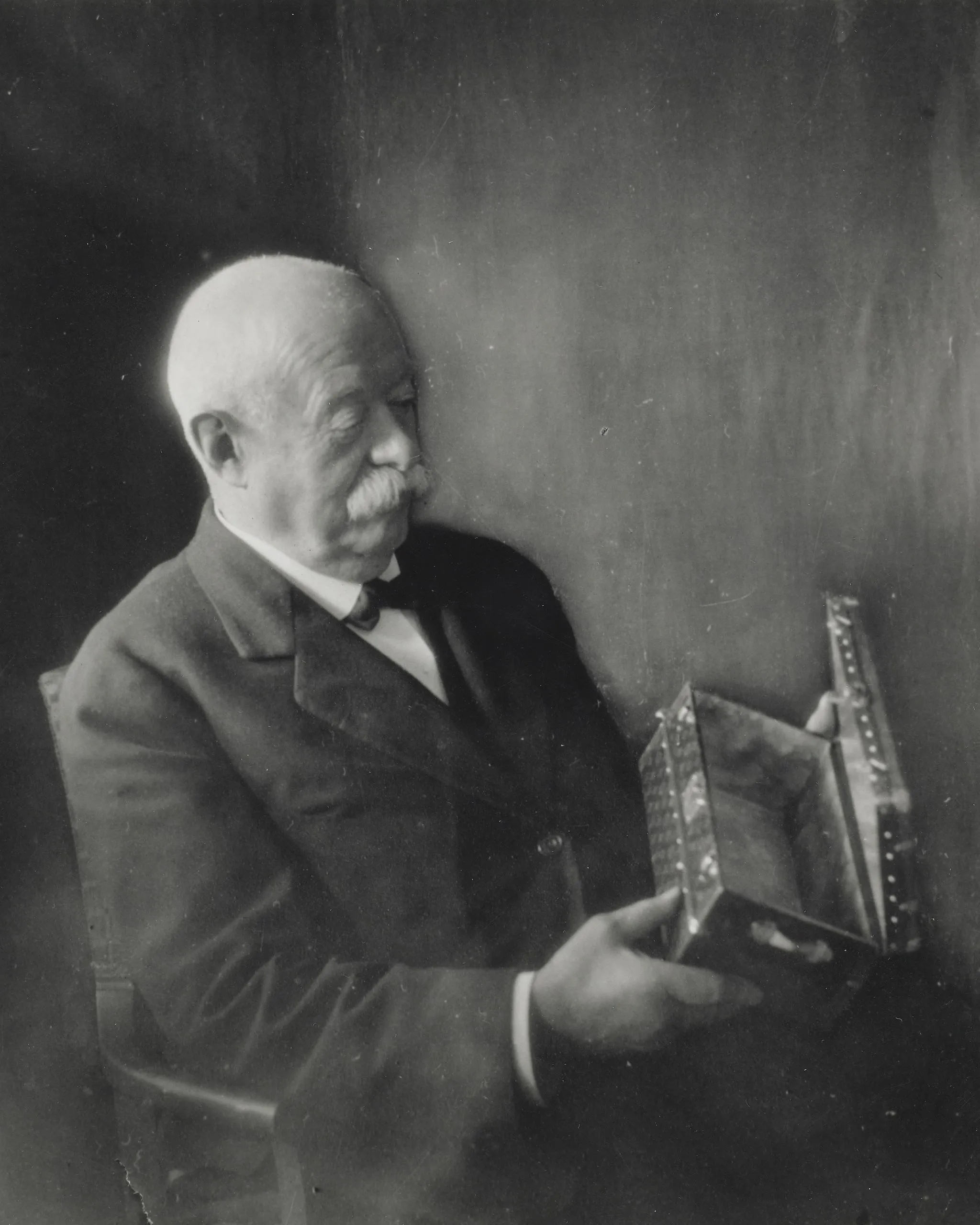
To mark the Monogram’s 130th anniversary, Louis Vuitton has launched three new limited edition collections that commemorate its ever-evolving legacy. Rather than simply reissuing and revamping classic styles such as the Speedy or Alma, each line demonstrates how the Monogram has endured without saturation by allowing itself to be continually rewritten.
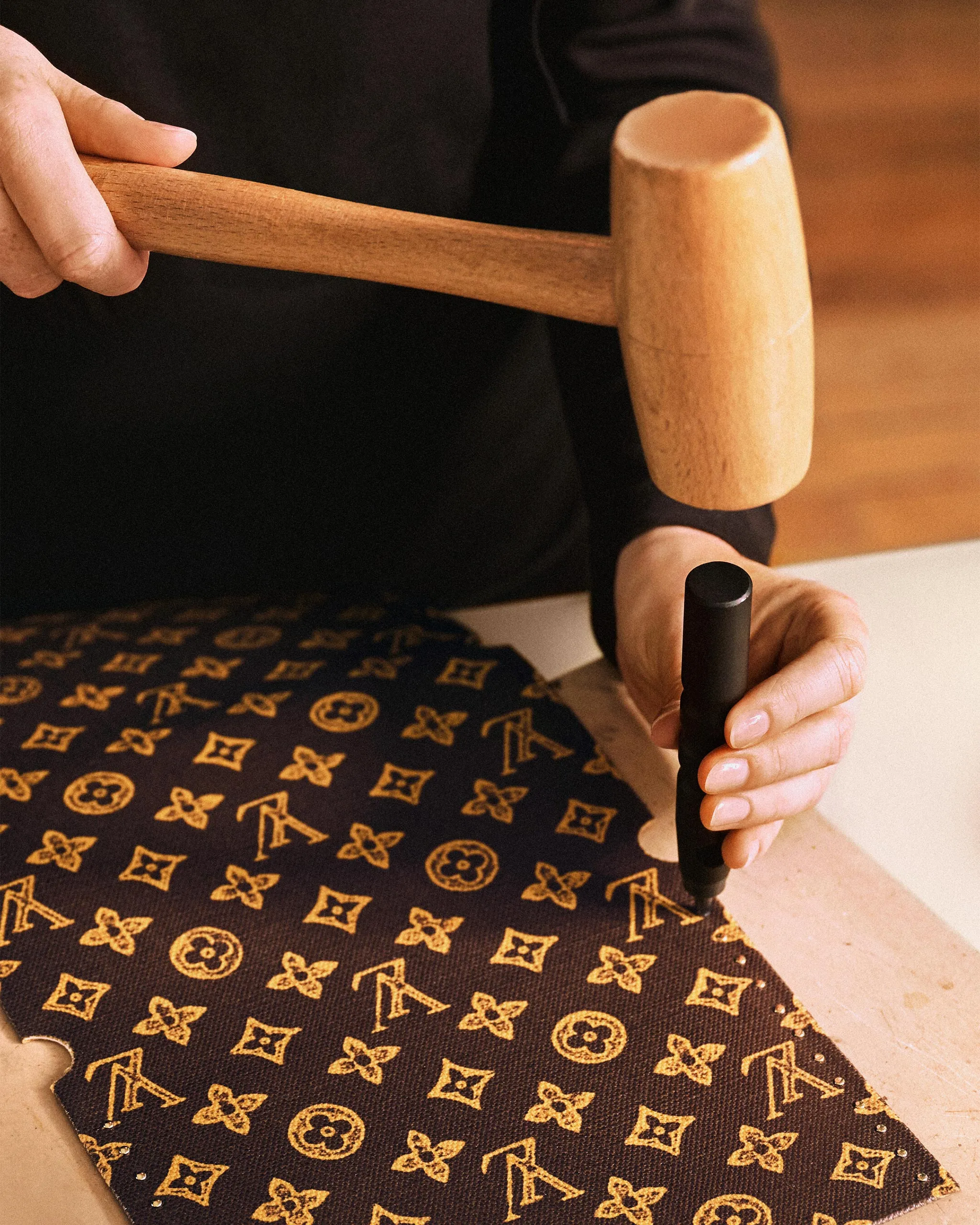
Monogram Origine reaches back to the earliest language of the House, with a newly redeveloped linen-and-cotton jacquardJacquardA fabric woven with intricate, raised patterns using a Jacquard loom, which controls individual threads to form complex designs. Seen in brocades and damasks, jacquard adds texture and richness toGo to Jacquard Glossary inspired by a 1908 archival client register, resurrecting the organic flaws with modern precision of the first Monogram loom weaves. VVN (Vache Végétale Naturelle) turns the signature vegetable-tanned cowhide of handles and trimmings into the main character. Left untreated, the leather is intended to deepen and darken through use, becoming a record of the wearer’s life. Time Trunk collapses the House’s history into a single illusionistic surface, using high-definition trompe-l’œil prints of archival trunks to render heritage as a hyperreal artefact.
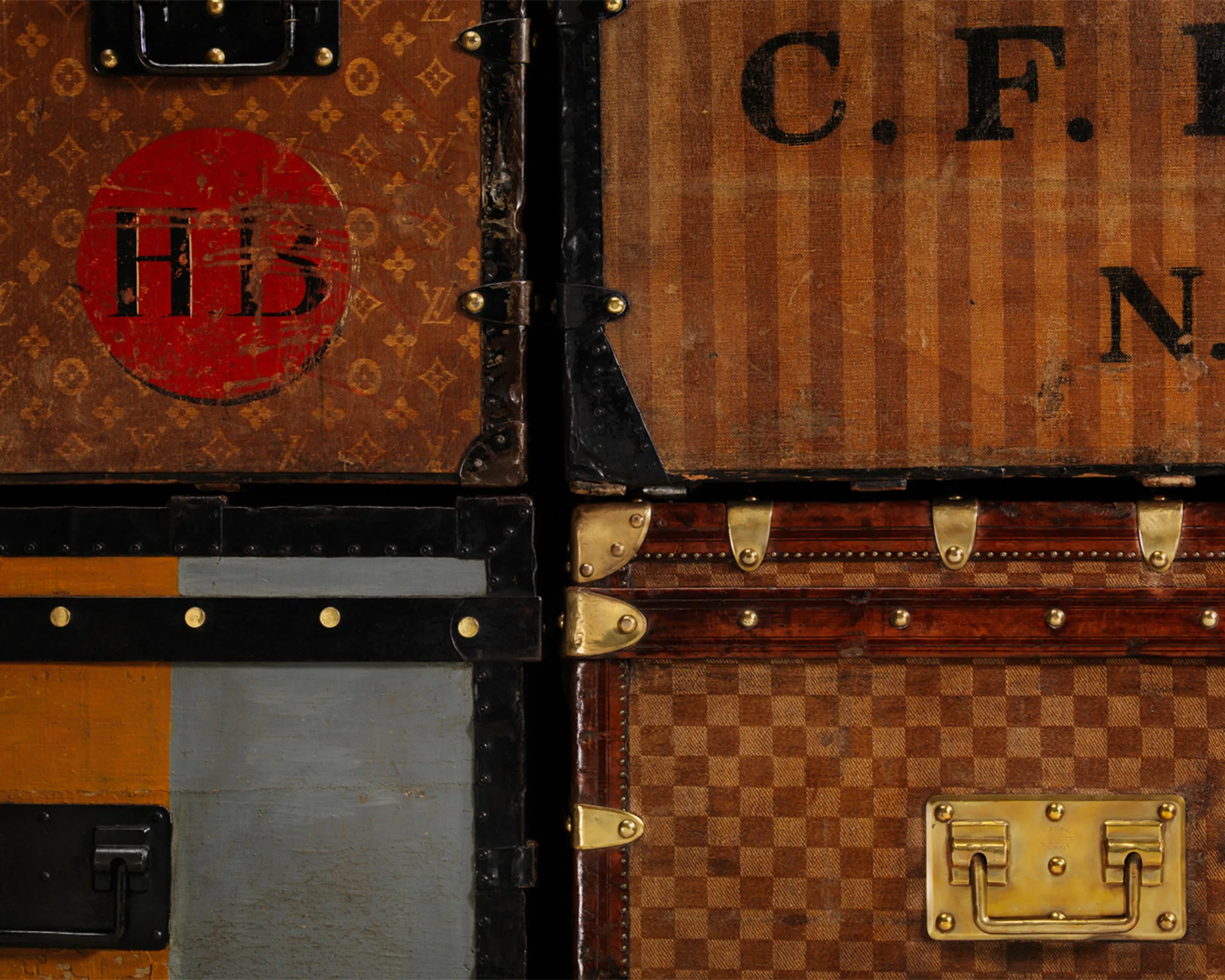
As the first installment in a series of three releases planned for this year, it questions the notion that longevity requires stagnation. The classic Monogram has endured because it remains adaptable. Incorporating the essences of Stephen Sprouse’s graffiti, Takashi Murakami’s vibrant pop art, Yayoi Kusama’s obsessive repetitions, and Urs Fischer’s distortions. Each addition pushed the Monogram’s expressive boundaries without abandoning its core heritage.
At 130 years old, the Monogram is neither purely retrospective nor entirely futuristic. Instead, it functions as a dynamic archive, and in this new phase, it communicates with the same clarity as in 1896: a symbol that travels, evolves, and persists.
Frequently Asked Questions
The Louis Vuitton Monogram originated in 1896, created by Georges Vuitton as a method to protect his father’s trunk business from counterfeits. It is celebrating its 130th anniversary with three new limited edition collections.
Monogram Origine is one of Louis Vuitton’s three 130th anniversary collections, featuring a newly redeveloped linen-and-cotton jacquard inspired by a 1908 archival client register, recreating the organic texture of the House’s earliest Monogram loom weaves.
VVN, or Vache Végétale Naturelle, refers to Louis Vuitton’s signature vegetable-tanned cowhide, left untreated so it deepens and darkens with use over time, becoming part of the anniversary collection’s focus on natural leather craftsmanship.
Time Trunk is one of Louis Vuitton’s Monogram 130th anniversary collections, using high-definition trompe-l’œil prints of archival trunks to render the House’s heritage as a hyperreal, illusionistic surface on modern pieces.
Artists including Stephen Sprouse, Takashi Murakami, Yayoi Kusama, and Urs Fischer have each reinterpreted the Louis Vuitton Monogram through graffiti, pop art, obsessive repetition, and distortion, respectively, expanding its expressive range while preserving its core heritage.
- Takashi Murakami on His Louis Vuitton Re-edition Collection—“20 Years Have Passed in the Blink of an Eye”
- Louis Vuitton Launches La Beauté, In Partnership with Pat McGrath
- Inside Nicolas Ghesquière’s Spectacle Show: An Exclusive Look Backstage at the Louis Vuitton Fall 2024 Collection
- Grace Coddington Sends Her Cats Into Space In Her Latest Louis Vuitton Collection