
Watch: Physical: Asia’s Team Philippines Is In the Spotlight


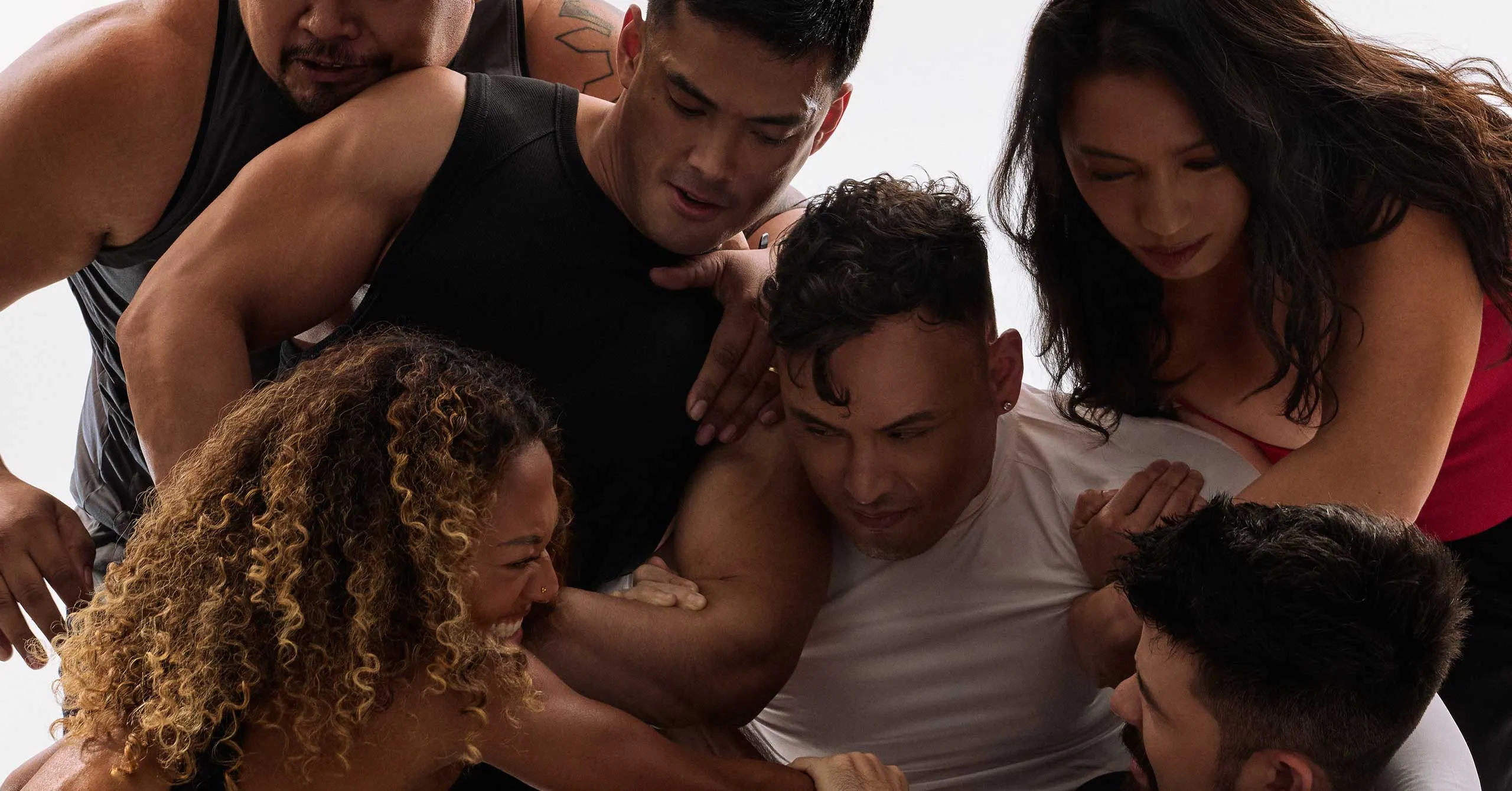
“Don’t even think about just giving your best,” Justin Hernandez recounts team captain Justin Coveney before his game. “You have no other choice but to win this.” Photographed by Koji Arboleda
“Don’t even think about just giving your best,” Justin Hernandez recounts team captain Justin Coveney telling him before his game. “You have no other choice but to win this.” Photographed by Koji Arboleda
More than a test of strength, Physical: Asia revealed how different cultures compete. For Team Philippines, the show became a platform for a distinctly Filipino athletic identity rooted in adaptability, trust, and a collective strength, one that continues beyond the competition.
Ten months after the hit Netflix show Physical: Asia wrapped, Team Philippines reunites for the first time in the Vogue Philippines studio.
Representing a range of disciplines, the team consists of track-and-field athlete Robyn Brown, national rugby player Justin Coveney, CrossFit athletes Lara Liwanag and Justin Hernandez, mixed martial artist Mark “Mugen” Striegl, strongman Ray Querubin, and boxing legend Manny Pacquiao, with Hernandez joining mid-season in place of Pacquiao. While the season has only just finished airing, the show has taken on a second life online, with teams continuing to connect and collaborate across countries, making this reunion widely anticipated.
Netflix’s Physical: Asia is the international expansion of the Korean hit Physical: 100. The inaugural show quickly gained traction for raising the stakes of the already in-demand franchise. For the first time, the series shifted from individual competition to a nation-versus-nation format, assembling teams from South Korea, Japan, Mongolia, the Philippines, Indonesia, Thailand, Turkey, and Australia. Each team was composed of high-level athletes, drawn from different disciplines, to compete in physically demanding endurance challenges and combat-based quests that tested strength, coordination, strategy, and composure under pressure. As the show circulated widely across Asia and beyond, the format did more than showcase peak physicality, it sparked conversation worldwide on how different cultures approach teamwork and competition.
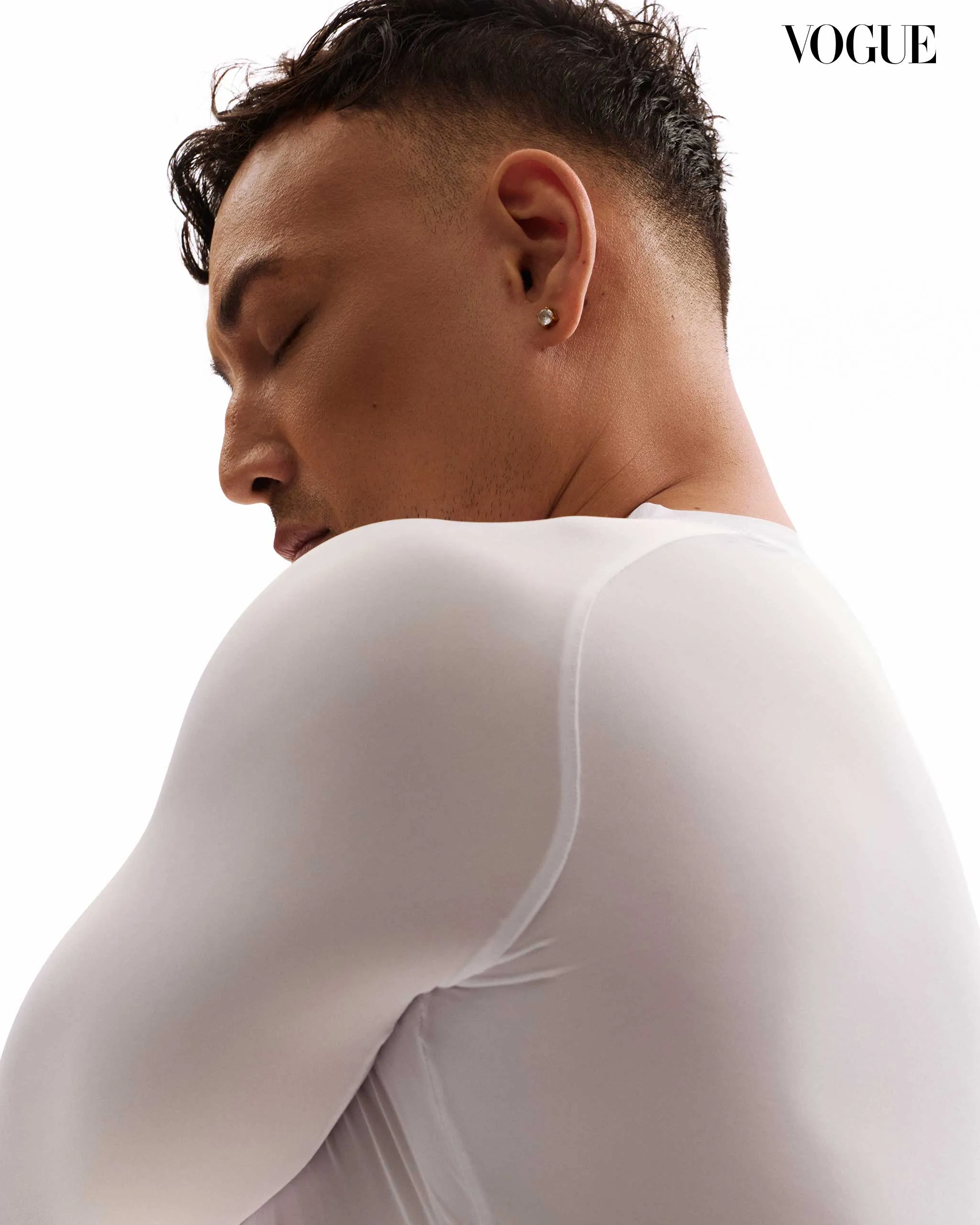
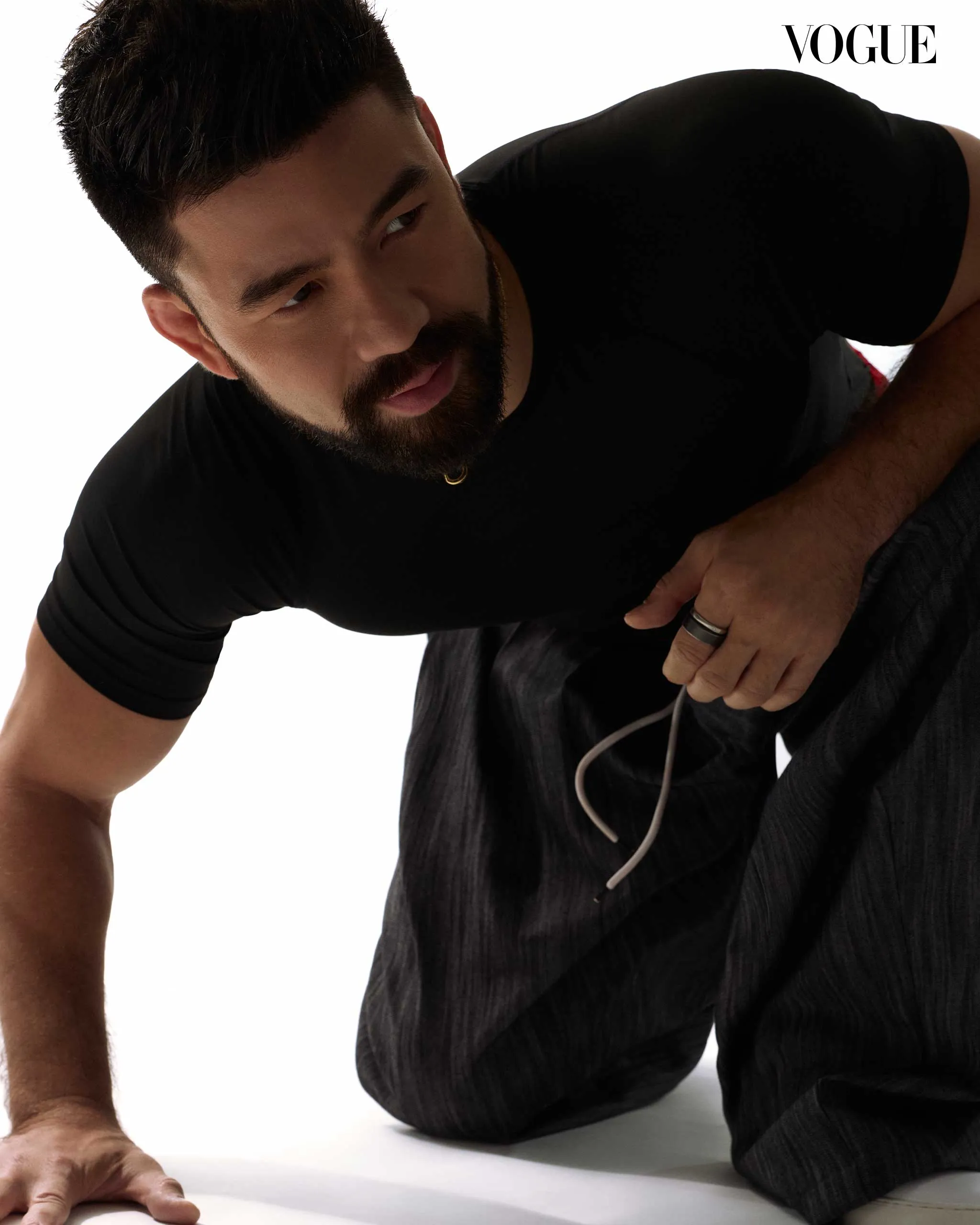
Among the things that set Team Philippines apart was the diversity of its lineup, not just in sporting disciplines but in background and origin as well. Coveney, who is based in Australia; Mugen, a Filipino American born and raised in Tokyo; Brown, a Filipino American athlete; Querubin, who hails from Bohol; Liwanag from Pampanga; and Hernandez from Manila brought different personal and athletic contexts into the team. Despite their wide reach, they agree that it didn’t take long for the group to gel and find common ground.
According to the team, none of them knew who their teammates would be until the day before their first meeting. But in the cold of South Korea’s February, when they came together for the first time, “It was a real special bond immediately,” says Coveney. “It immediately felt like family, and to this day, it is still family, and we contact each other regularly.”
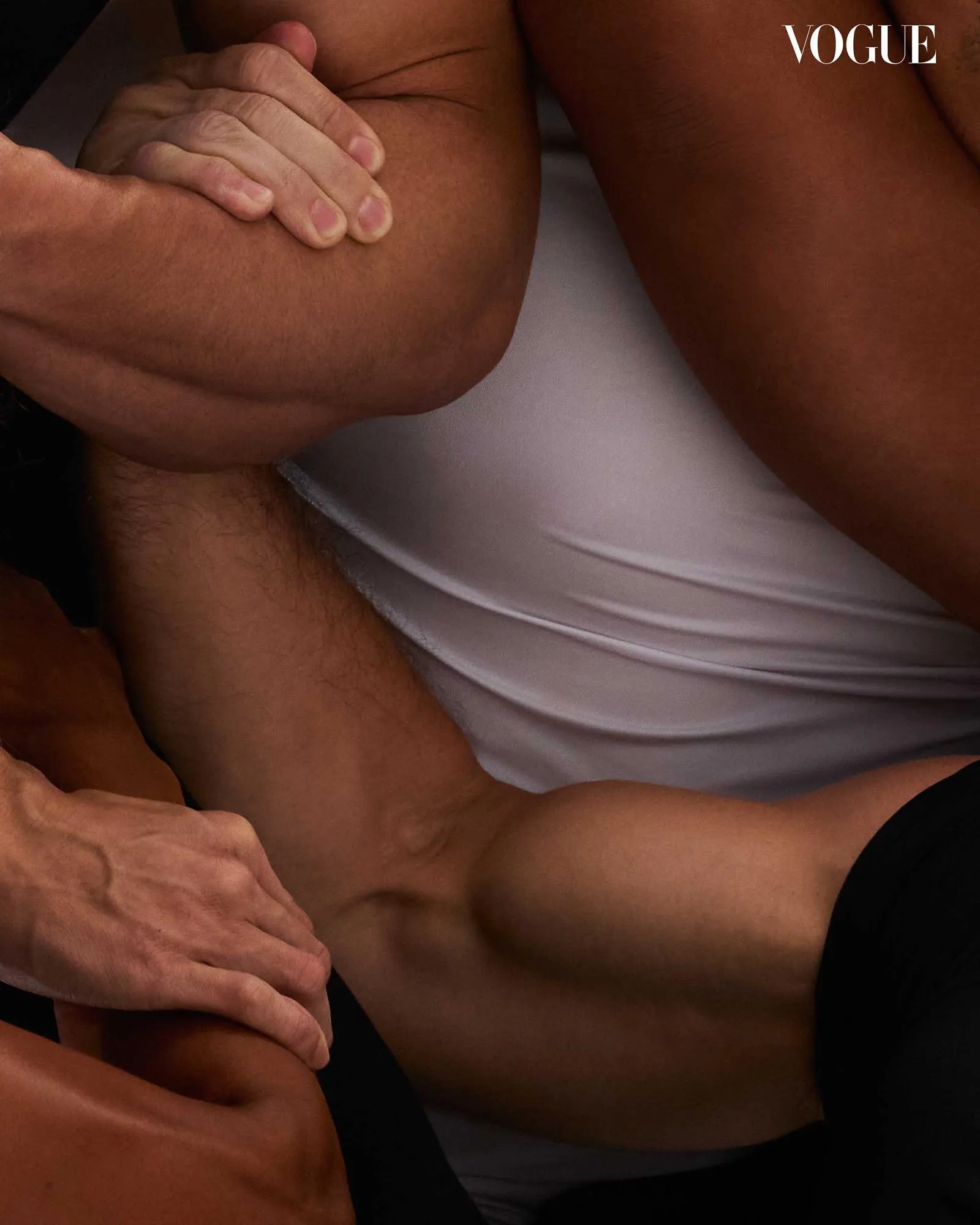
As they reunited again today, they arrived from different places once more, but the familiarity returned almost instantly. Trickling into the studio one after the another, it looked just like any other spirited Filipino reunion (apt for the holidays!). Greetings turned loud quickly: nicknames shouted from across the room, arms thrown over shoulders, laughter cutting through the space. Between layouts, they slipped into their own shared rhythm, recounting memories, teasing each other between takes, and sneaking in time to film silly videos. During their group photo, they folded into each other naturally, bodies overlapping, muscles taut, trying (and failing) to keep from laughing. The pose they fell into recalled their strategy from the very first challenge they faced, the “Jeepney Blitz”: tightly packed and moving as one.
While Team Philippines exited after the third challenge, the response that followed suggested their run left a deeper impression than their placement indicated. Viewers and fellow competitors alike praised the team’s grit, particularly after they constantly held their own against larger, looming teams like Korea and Australia in their final challenge. They may not have taken the final win, but what stood out was how diverse yet equally strong-willed the team was throughout the competition. In the show, some contestants described Team Philippines as a “dark horse,” a team not to be overlooked. Even afterward, many of the show’s fans still point to Team Philippines’ key moments as among the most memorable of the season.
This reputation did not come from chance. It was shaped by how they approached each challenge, especially as the stakes shifted mid-season. When Justin Hernandez stepped in in Pacquiao’s place, the pressure intensified almost immediately. “I was very nervous to step in, especially to have to replace Manny Pacquiao,” he recalls. “He’s such a big name, he’s such a legend. I had a very big pair of gloves to fill.” He remembers a moment ahead of his challenge with then-captain Justin Coveney that has stayed with him. “‘Don’t even think about just giving your best,’” Hernandez recounts of his advice. “‘You have no other choice but to win this.’”
He laughs, “It just added extra pressure!”

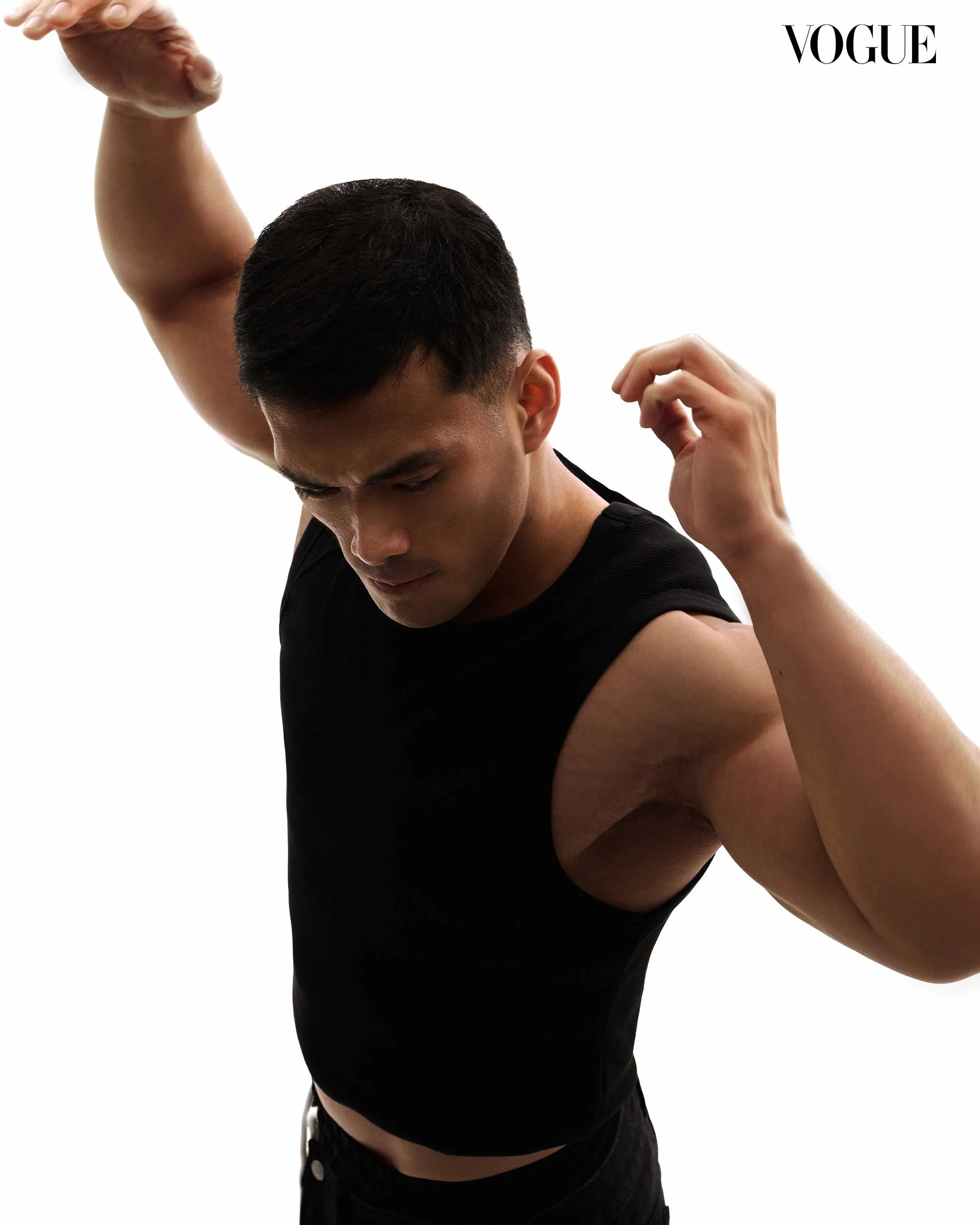
Coveney says that was intentional. “I find that a lot of people like to play it safe and when they go out in the field they say, ‘I’ll do my best,’” he says. “But for me, doing your best leaves a door open to fail.” Instead, he believes in committing fully to the winner’s mindset. “It might be a really fierce mentality and a little bit aggressive, but I always go out there and say I’m going to win. And look, sometimes that doesn’t happen. I’ve failed many many times, but as long as I know I went out there to win and didn’t give any opportunity for a loss, then if the result doesn’t fall my way, [I know] I did everything I could.”
That mentality led to some of the team’s most memorable moments on the show. One of them was the death match, a signature challenge of the Physical franchise, where Lara Liwanag, later nicknamed the “clutch queen,” pulled three bodies, including teammate Robyn Brown, over the territory line to secure the win. Another was the shipwreck challenge, where Ray Querubin was pushed to his physical limits, visibly winded as the task wore on, yet supported by his team as he pushed through. There was also Mark Mugen’s endurance test, where he hung on to hoops for nearly two hours and forty-five minutes, a feat that drew respect across teams.
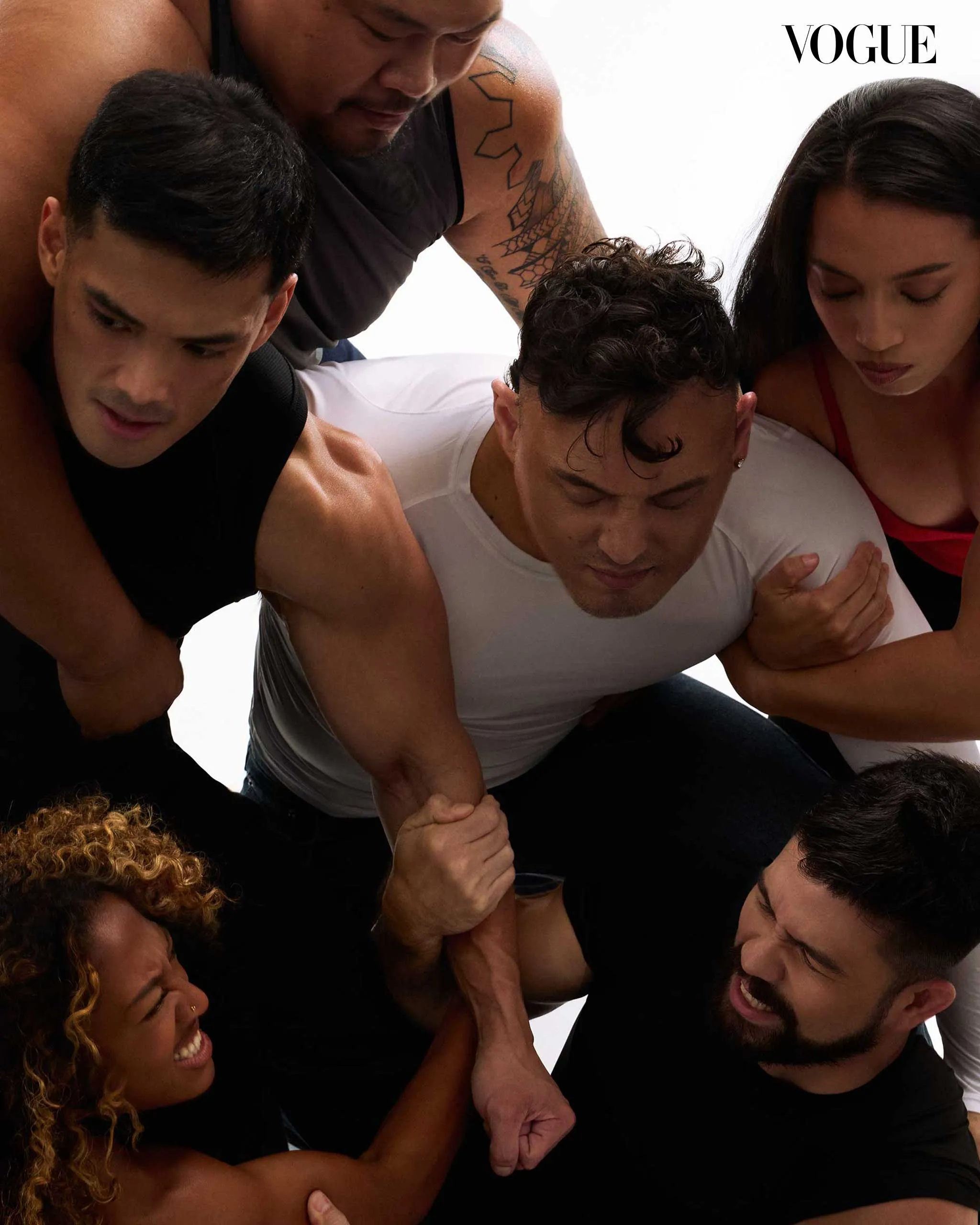
Coming from a martial arts background, Mugen admits the experience challenged him in unexpected ways. “MMA is a very individual sport, so something like [Physical: Asia] was very different because we’re teammates. We all have to work together, and there has to be cohesion for us to achieve the goal,” he says. “You’re carrying the flag on your jersey, you know? So it’s a lot of pressure. But like they say, pressure is a privilege. We just had to step up and work hard together.”
For Liwanag, the moment reinforced a mindset she has long carried into competition. “My mentality is really that I’m an underdog,” she explains. “I don’t think of myself as the best CrossFitter, especially in the Philippines. It’s more like ‘I’m competing with myself.’ Every moment, I know there’s room for improvement. What I want is always progression. I never think that I’m already at the top, because if you think you are, the next step is down. So when I think of myself as an underdog, I’m always striving upward, to be better.”
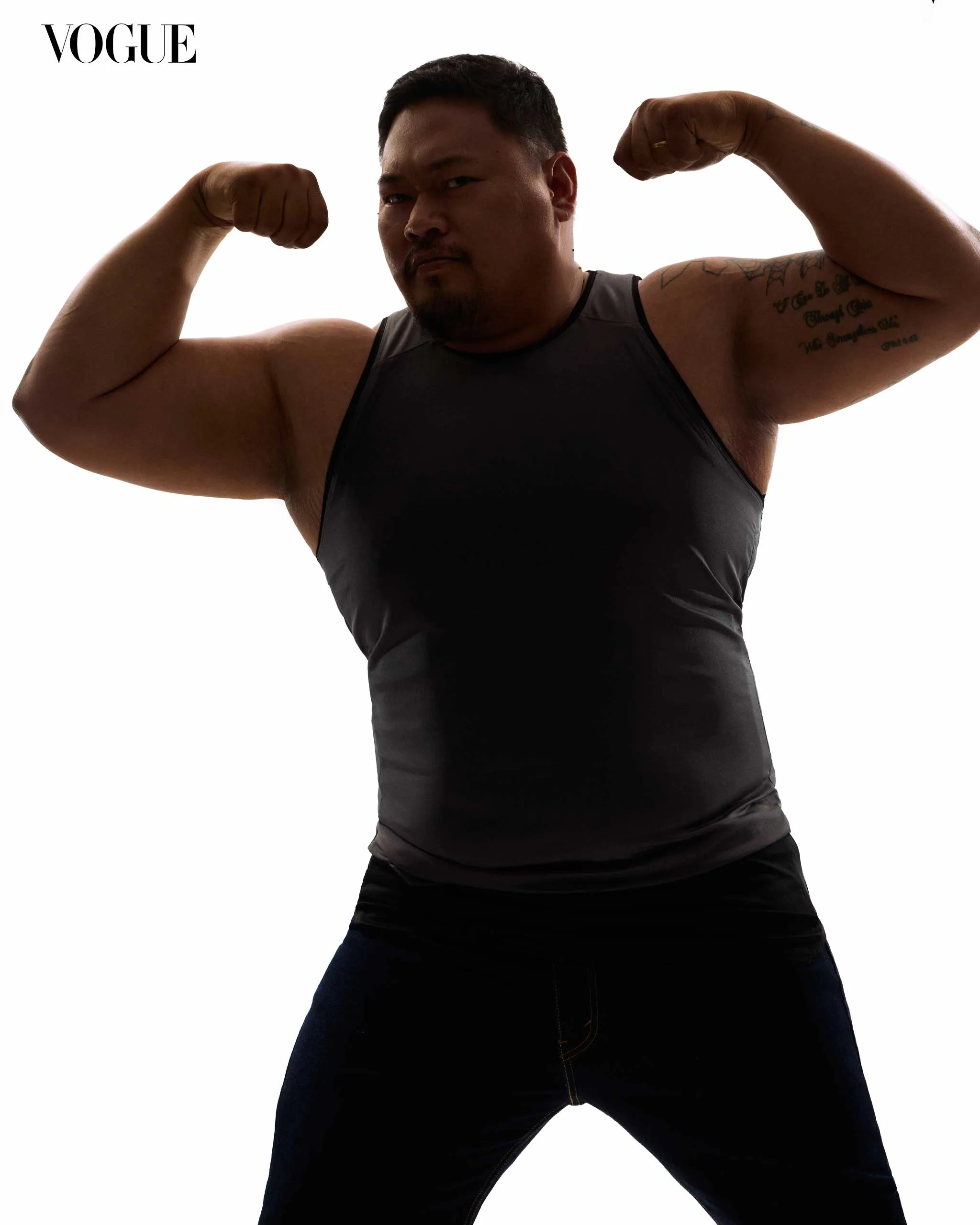
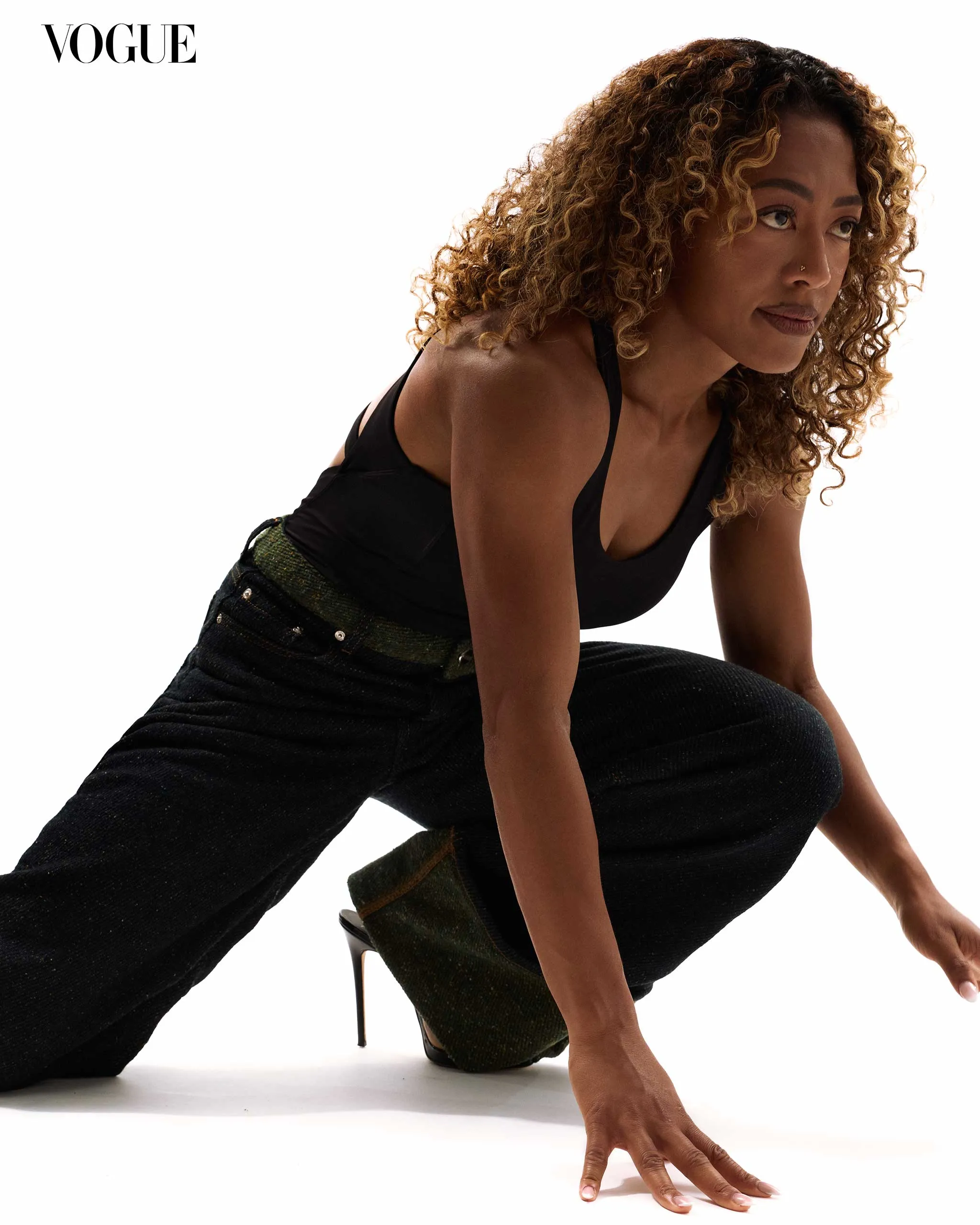
Even after the show aired, the team continued to approach public response as a unit. Reflecting on the shipwreck challenge, Querubin recalls receiving a mix of criticism and support. “I received a lot of backlash, and I accepted it with an open heart, both the love and the criticism,” he says. He credits his teammates, particularly Mugen, for helping him process all the attention. “Mark told me to filter both the good and the bad comments, and use them as fuel to be the best version of myself.”
The biggest lesson Querubin walks away with, he says, is simple: “Don’t stop learning. You have to learn something new every day. Embrace your weakness and turn it into your strength. That’s what makes you stronger, the best version of yourself.”
“Everyone is entitled to an opinion, whether it’s grounded in proper facts and science or it’s grounded in emotion,” Coveney chimes in. Hopefully, in the end, all these comments and opinions can bring up Philippine sports in general, because it is very, very much needed. More focus, more direction from the government and from the authorities toward Philippine athletes and Philippine sports.”
As the team moves forward, the prevailing sentiment is gratitude. Gratitude for the experience, for the support they received, and for the opportunity to represent Filipino athletes on a global platform. All share they’ll continue training and preparing for future competitions in the coming year, carrying the same sense of pride and responsibility into what comes next for them as individuals.
The journey has been deeply personal for some, like Robyn Brown, who recently took home silver in the 400m hurdles and bronze in the 4x400m relay at the 2025 SEA Games. “It’s been insane, the amount of support and love,” she says. “Being half-American, half-Filipino, my identity has always been a struggle, going back and forth: Who am I? How much am I of either side? Where is my confidence based?” Over time, she says, running for the Philippines helped ground her. “Through my track career and just growing up, I’ve gotten to know myself better. After not making the Olympics last year and even thinking about quitting, it’s funny how time comes around. I’m blessed with opportunities again, and I just feel whole.”
With the Philippines bagging over 100 medals in the recent SEA Games, Team Philippines’ run on Physical: Asia feels more like a reflection of the broader athletic momentum happening nationwide; the show made visible what athletic excellence our national athletes already possess. In this sense, Team Philippines is not a one-season story but part of a longer, ongoing chronicle of the tenacity of Filipino athletes. A show of excellence for the flag, and for each other.
By BIANCA CUSTODIO. Photographs by KOJI ARBOLEDA. Styling by STEVEN CORALDE of Qurator Studio. Digital Associate Editor: Chelsea Sarabia. Media Channels Editor: Anz Hizon. Producer: Julian Rodriguez. Hair: Gab Villegas. Makeup: Lala Flores, Bea Mocorro. Video by Lorenzo Corro. Digital multimedia artists: Bea Lu, Myc Priestley. Media Channels video editor: Wainah Joson. Lighting director: Joey Alvero. Video assistant: Heinrich Torres. Media Channels producer: Angelo Tantuico. Copywriter: Aylli Cortez. Stylist’s assistants: Jermainne Lagura, Charlotte Sombillo.
Frequently Asked Questions
Team Philippines consists of track-and-field athlete Robyn Brown, national rugby player Justin Coveney, CrossFit athletes Lara Liwanag and Justin Hernandez, mixed martial artist Mark “Mugen” Striegl, strongman Ray Querubin, and boxing legend Manny Pacquiao, with Hernandez replacing Pacquiao mid-season.
Physical: Asia is Netflix’s international expansion of the Korean hit Physical: 100, shifting to a nation-versus-nation format with teams from South Korea, Japan, Mongolia, the Philippines, Indonesia, Thailand, Turkey, and Australia competing in physically demanding endurance and combat challenges.
Team Philippines exited after the third challenge but earned praise for holding their own against larger teams like Korea and Australia, with viewers and competitors describing them as a “dark horse” and one of the season’s most memorable teams.
Justin Hernandez joined Team Philippines mid-season in place of Manny Pacquiao, describing significant pressure to fill the boxing legend’s role, particularly ahead of a key challenge under then-captain Justin Coveney’s guidance to compete solely to win.
Key moments included Lara Liwanag, nicknamed the “clutch queen,” pulling three competitors over the territory line during the death match; Ray Querubin’s endurance during the shipwreck challenge; and Mark Mugen hanging on hoops for nearly two hours and forty-five minutes.