A New Language of Production Takes Shape at Parallax Studio


Photographed by Angelo Tantuico
Photographed by Angelo Tantuico
In its 20th year, the production studio continues to shape how Filipino creativity is seen both on local sets and global screens.
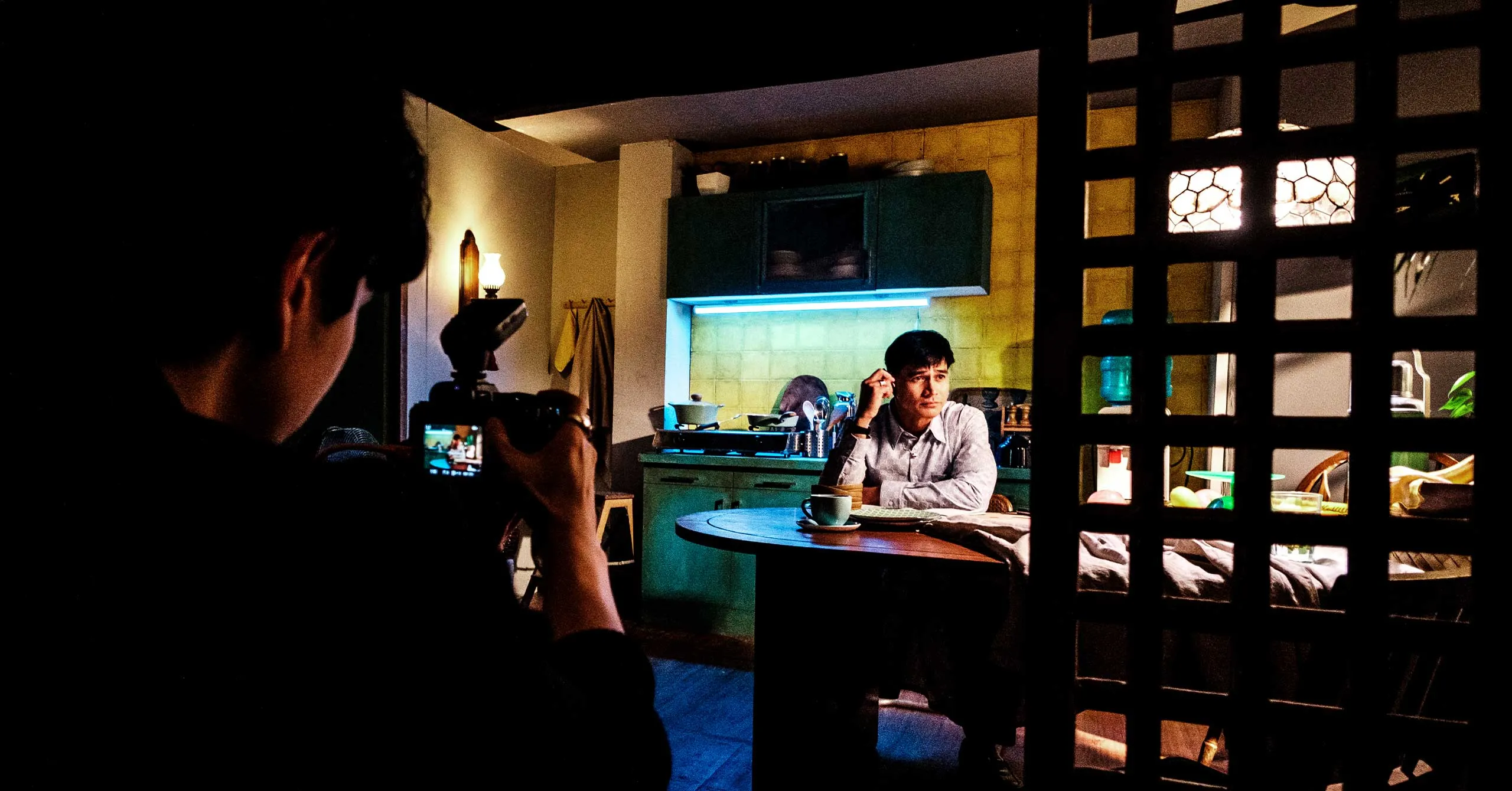
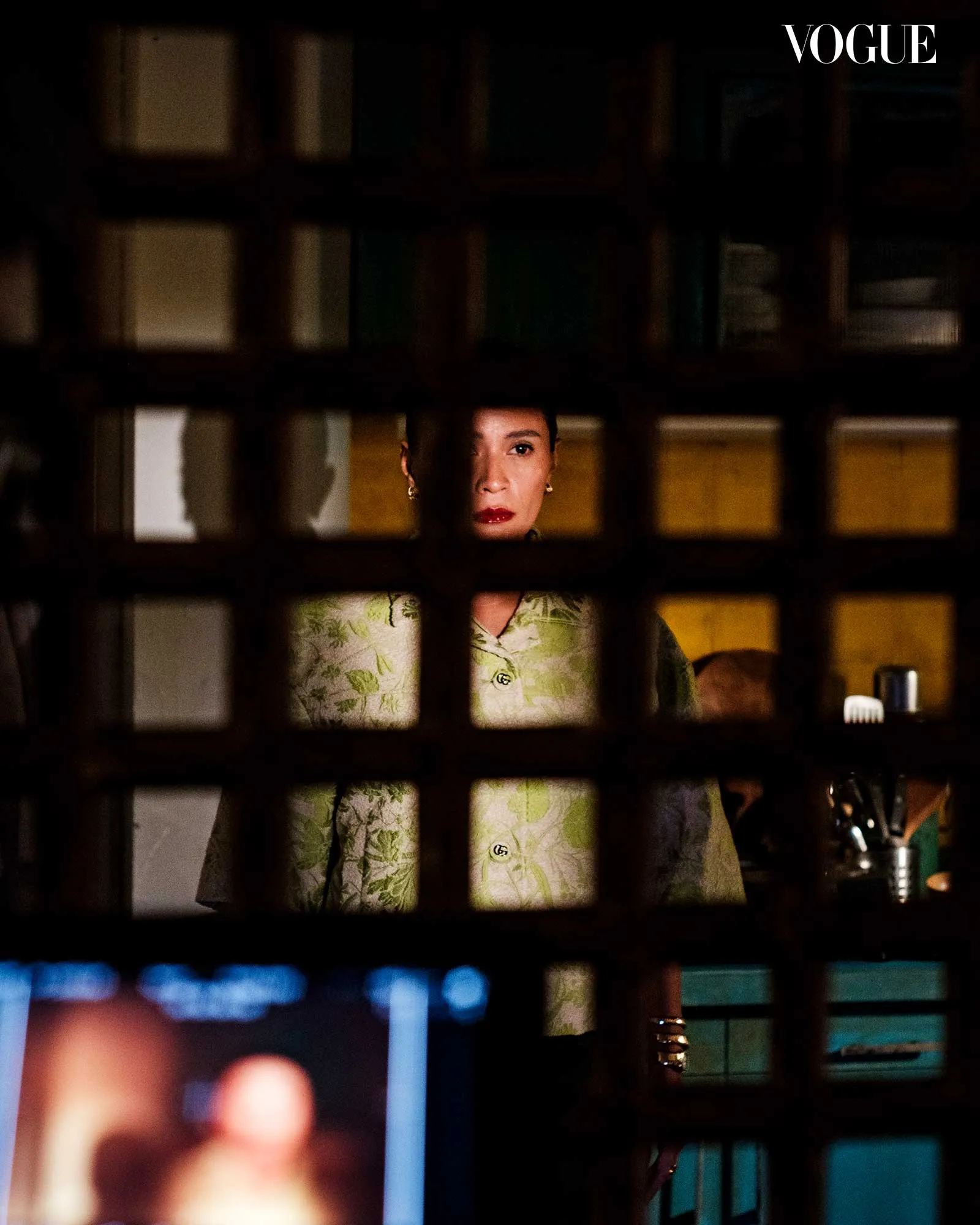
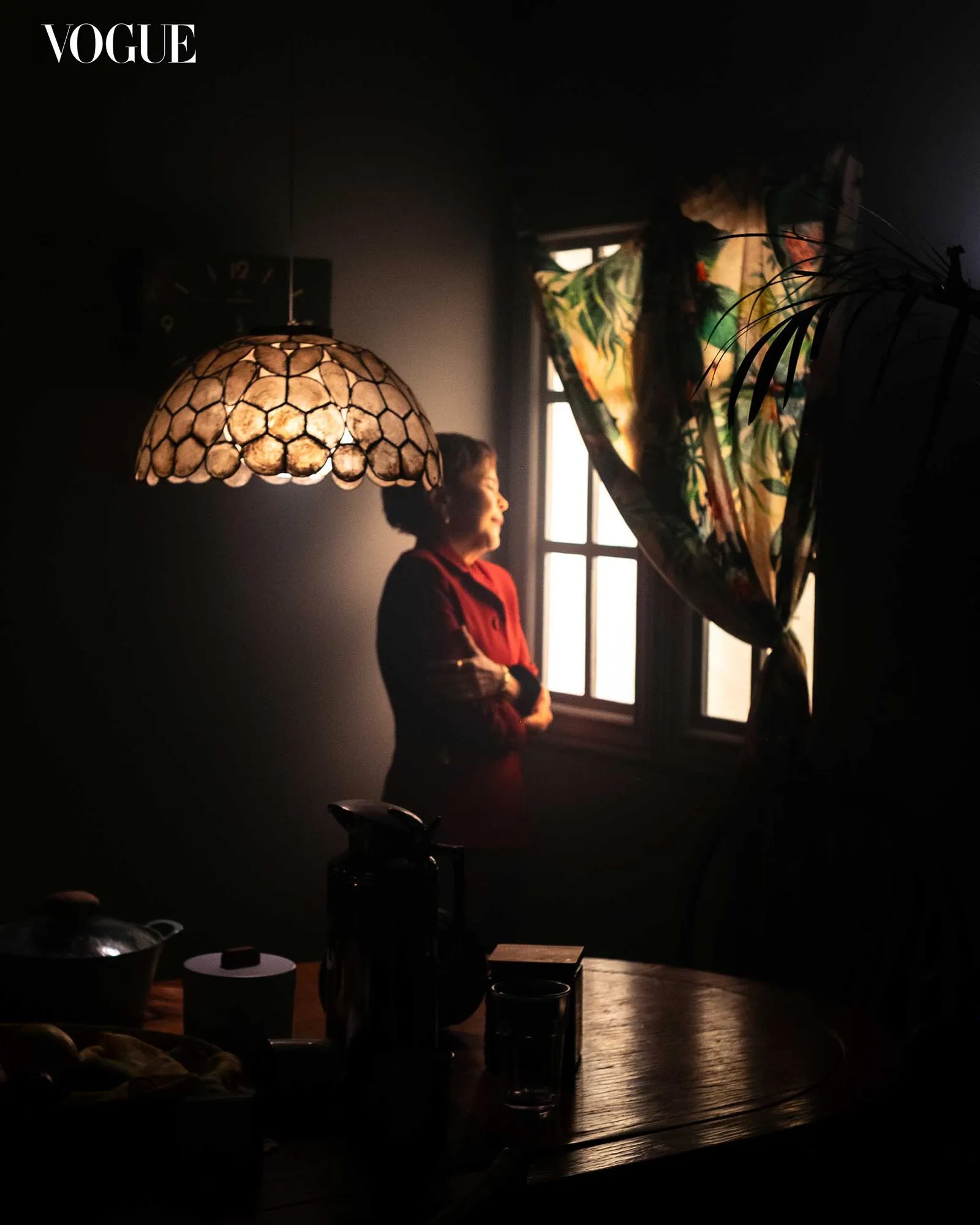
One humid Manila morning, the panels of Parallax Studio glinted under the sun, and the hum of air conditioning units harmonized with murmurs of preparation. This was the setting for Vogue Philippines’ shoot with AKTOR, a league of Filipino actors which included the likes of Iza Calzado, Dingdong Dantes, and Jasmine Curtis-Smith in their board. And by the time the cast and crew stepped in, the space had been transformed: modular rigging overhead, camera gear aligned, and monitors standing by. It was here, within these walls, that Parallax would serve as both a backdrop and a collaborator, the staging ground for portraits that would become part of AKTOR’s story.
But despite its size, the studio wasn’t a traditional monolithic soundstage. Its current location (its fourth in twenty years), was designed for adaptability. When you walk through the space, you notice rail systems overhead, modular walls, and open sight lines that allow light, grip gear, and sound rigs to shift with ease.
In owner and director Wesley Villarica’s words, this flexibility is key to what sets Parallax apart. While many studios lean hard on fixed infrastructure, he describes his operation as a “lean team, but up to date with current technology.” “We are actually digitally powered,” he says, combining traditional workflows with AI and virtual tools to produce reels, films, and concept visualizations. The studio also taps into strategic partnerships (e.g. for large soundstages) and teams like Robosheep, which handles more meticulous sets and alternative modes of production. He points out: “We have a team that specializes in virtual production here,” citing large-scale shoots with racer Bianca Bustamante and other international stars for a series of commercials. “That was all shot in a studio through virtual production, and we’re the only ones doing that in the Philippines,” he adds, being the first team in the country to execute this using real time in-camera tracking and VFX.
From the first client briefing to final delivery, the studio also positions itself not just as a service provider but as a creative partner. Villarica explains that clients with smaller budgets may enter with rough sketches; others arrive with fully formed treatments. In either case, the studio “helps shape the visual or technical direction.” For example, the latest documentary he’s working on about the healthcare system was one where he also stepped in as director, giving shape to both the concept and production. He is also deliberate about how collaborations begin, “the communication lines have to be open. He also emphasizes establishing “non-negotiables,” the parameters that the studio must protect, while remaining flexible to client needs.
When asked about what was perhaps the most challenging setup, he cites a Korean co-production to be released by the first quarter of 2026, where one of the biggest logistical hurdles was language. “There’s no AI-powered glasses that can translate directly from Korean to English. So I had to hire a whole team of Korean interpreters,” Villarica remembers. Add to that cultural expectations, systems, and borrowed gear cost differences: “In Korea, they work via grip trucks, but here, you send the gear list, and they will charge you the moment that it’s out of their warehouse. Cost-wise, we are more than double in terms of equipment cost.” But that experience reinforced his willingness to blur lines between local and international, co-partnering with Birns & Sawyer in Calgary, Canada, to offer pathways for Filipino productions to collaborate abroad and to have access to better distribution, equipment, and incentives for the North American market.
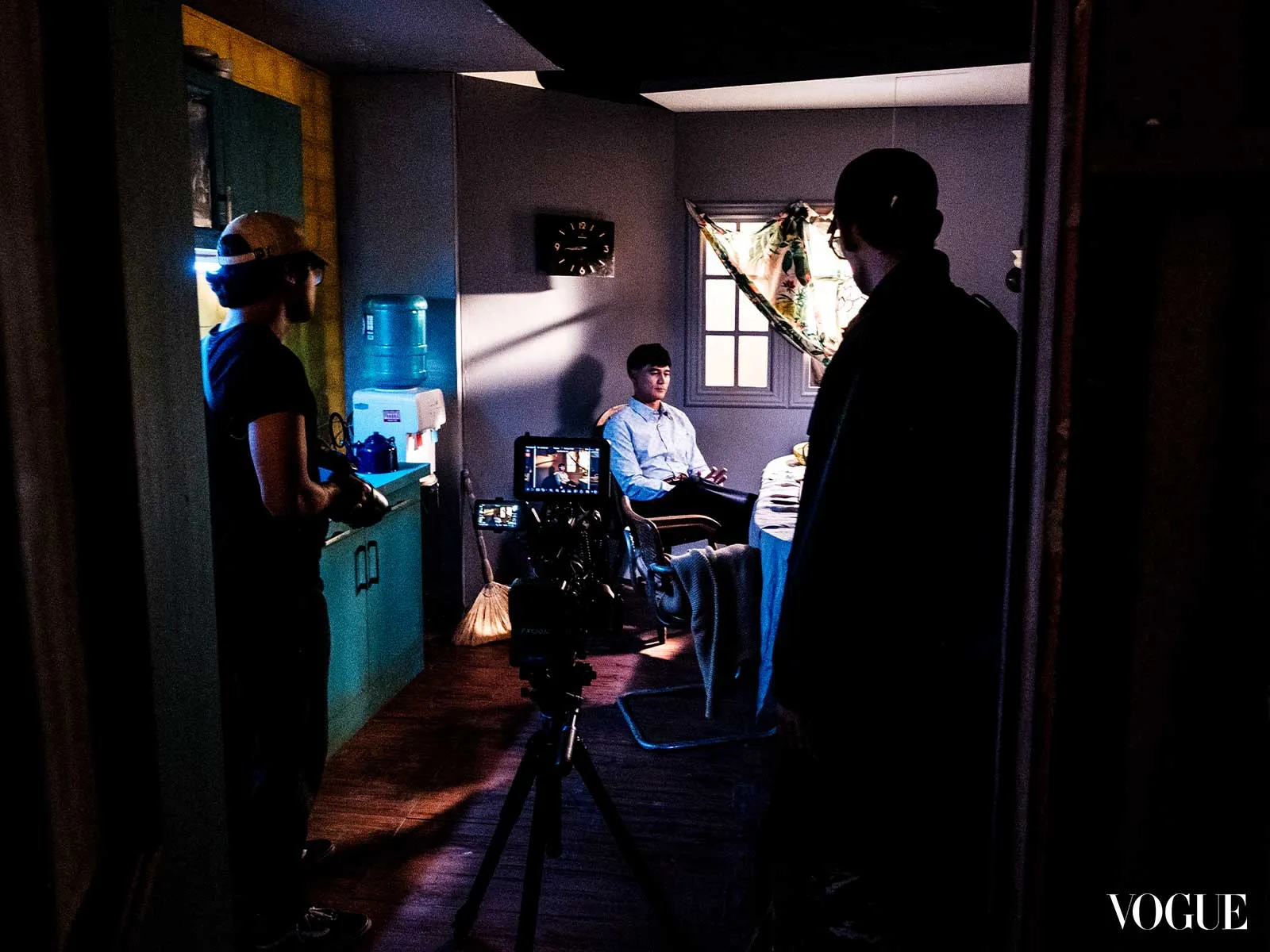
With an extensive track record in advertising and film work (including their 2013 Metro Manila Film Festival entry Nilalang, which Villarica produced), Parallax is poised for an evolution. Their future projects include their Korean co-production titled The Guardian, starring Nam Woo Hyun of the K-Pop band Infinite, Park Eun Hye of Alchemy of Souls, and Han Jae Sok, a leading man from All About Eve; with Yassi Pressman, Eric Ejercito, and Wilbert Ross rounding out the local cast. Villarica will also be co-producing and co-directing Nurse The Dead with Birns & Sawyer, a supernatural dramedy slated to be a flagship show on IWant, ABS-CBN’s streaming platform. As he puts it, “the next five years is going to be a creator culture.” He’s on the cusp of signing a 10-year lease for his new space, which he hopes will be the last 10 years until someone takes over.
He also speaks candidly about the power of emerging virtual production tools, explaining that “if you’re able to leverage AI technology to bolster a studio, you should use it as a tool,” and not as something to be afraid of. His vision is for Parallax to become a digitally powered content factory where shooting real people, virtual production, and AI tools coexist to support artists in executing their visions. And in that same morning of the AKTOR shoot, Wesley felt that vision partially come to life. Through the actors that were present on set, there were feelings beyond the gear and lenses; a concrete example of his aspirations to promote local creativity. And armed with the right tools, equipment, and platforms, Villarica believes that Filipinos are ready for the world.