
What Participating Artists and Attendees Thought of Art Fair Philippines 2025


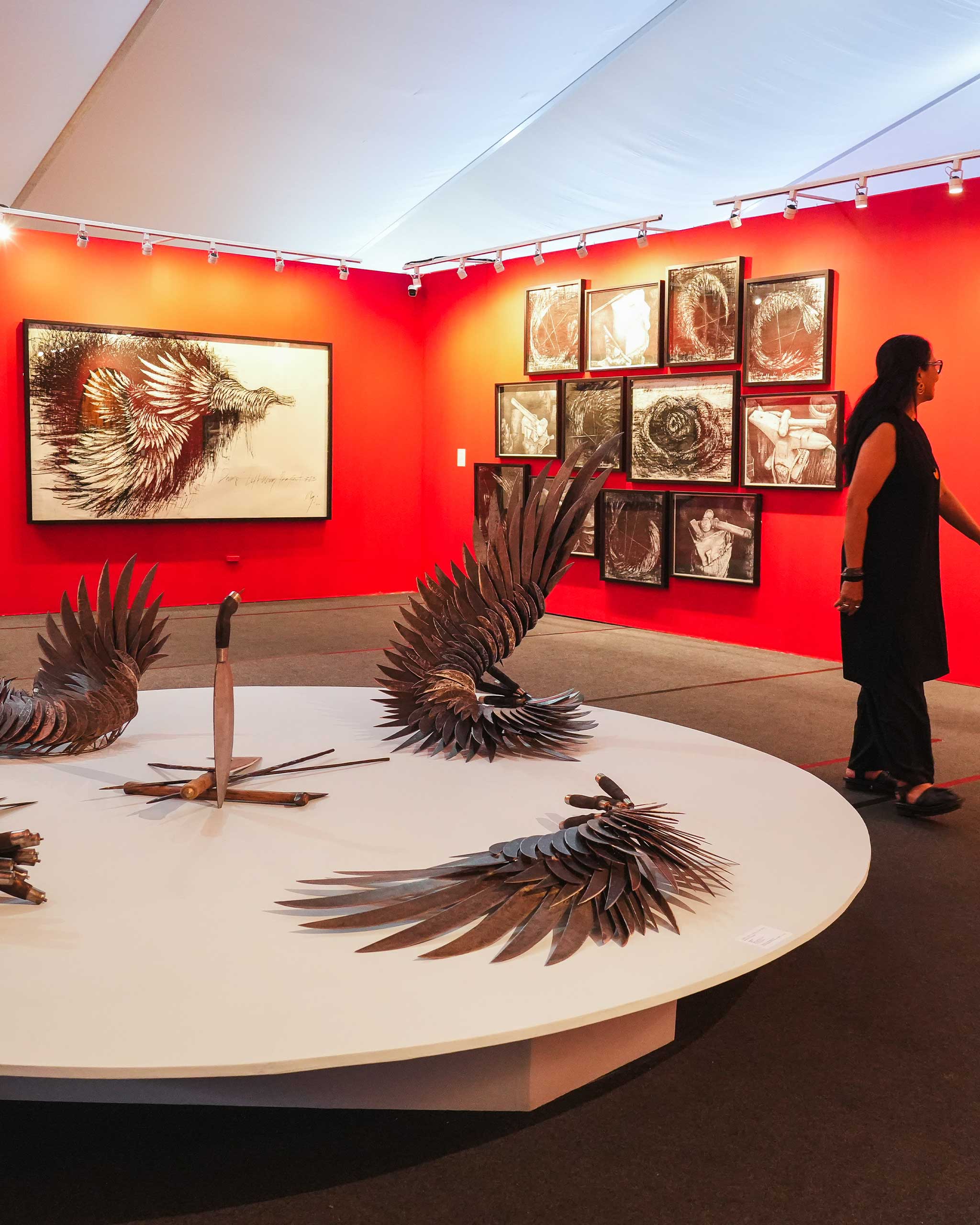
Photographed by Kieran Punay
The work showcased at Art Fair Philippines 2025 opens up discussions on culture, technology, and the Philippines’ evolving art scene.
Inside the tents sprawled across Ayala Triangle Garden, over 50 galleries participated in this year’s Art Fair Philippines, bringing together a mix of local and international artists from various practices and mediums.
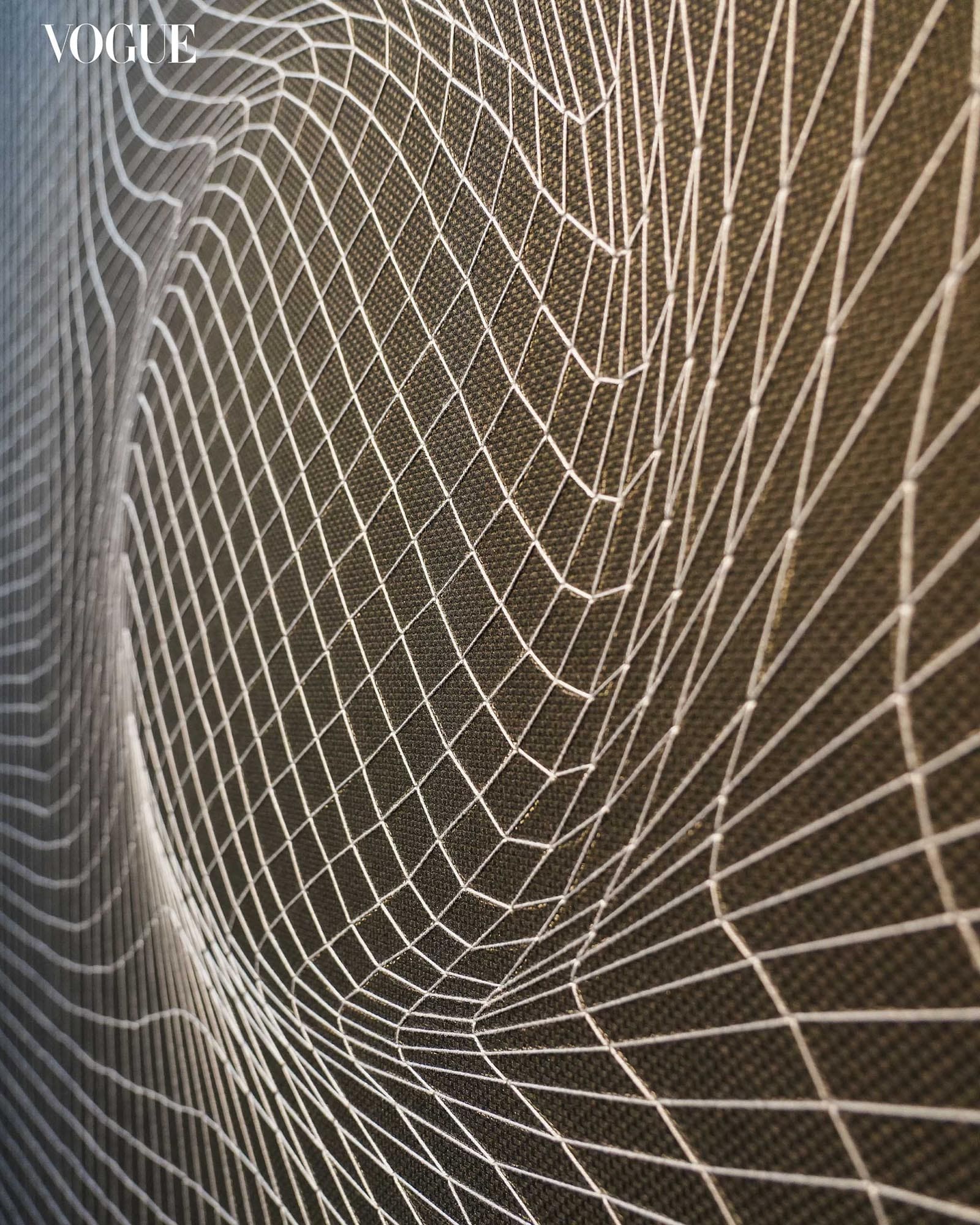
Still arranged in a labyrinth-like manner, the maze of galleries and booths lead guests to artists both familiar and new. In one tent, you could look at the vibrant works of Pacita Abad and Nena Saguil. In another, Celine Lee’s artworks invite you to look closer. A Banksy statue and a couple of Pablo Picasso paintings are displayed at Leon Gallery’s booth. There’s the internet favorite “Sari-Sari Sabi-Sabi” exhibition by Carlo Tanseco, which celebrates the simple joys of life through reimagined versions of Filipino snacks.
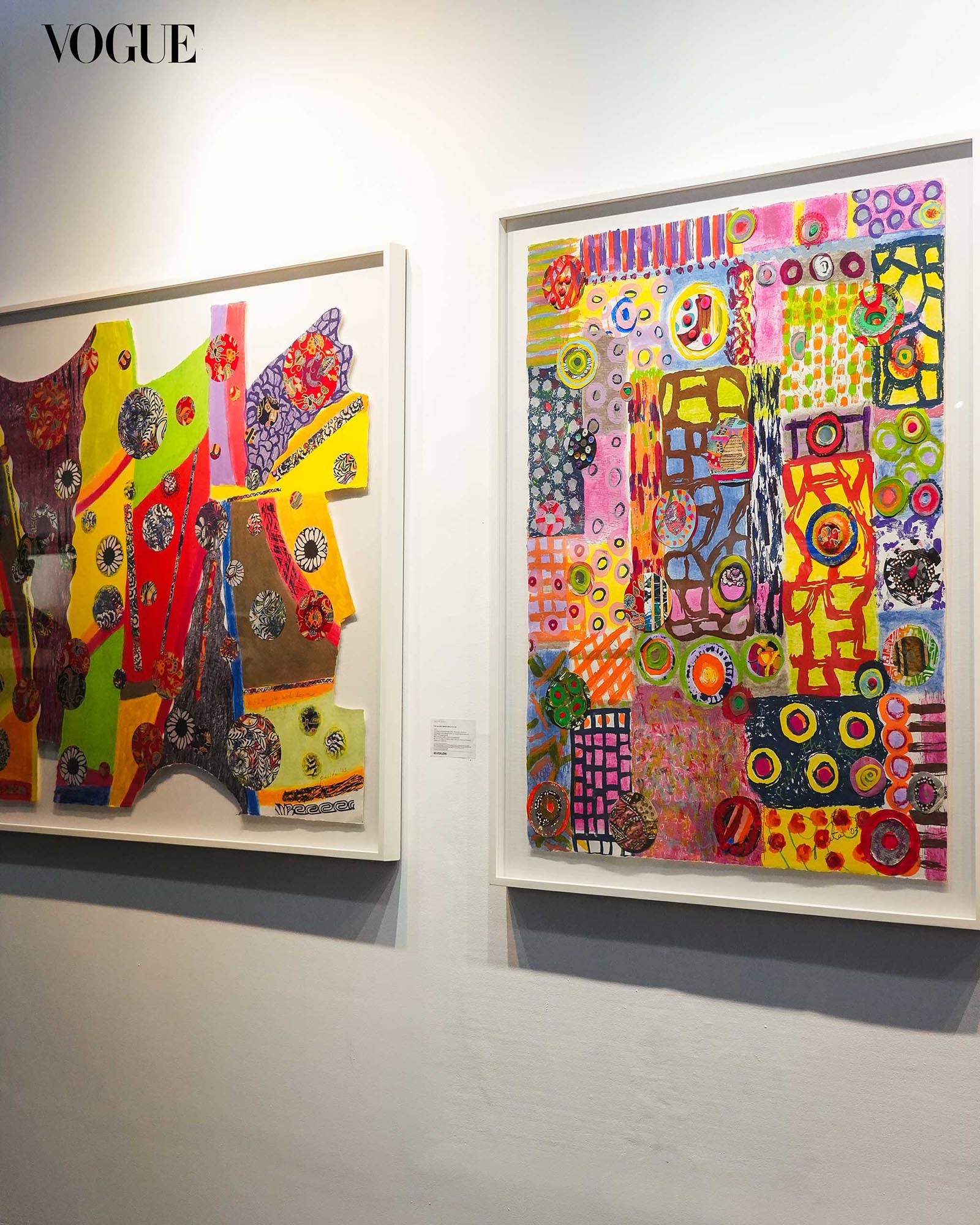
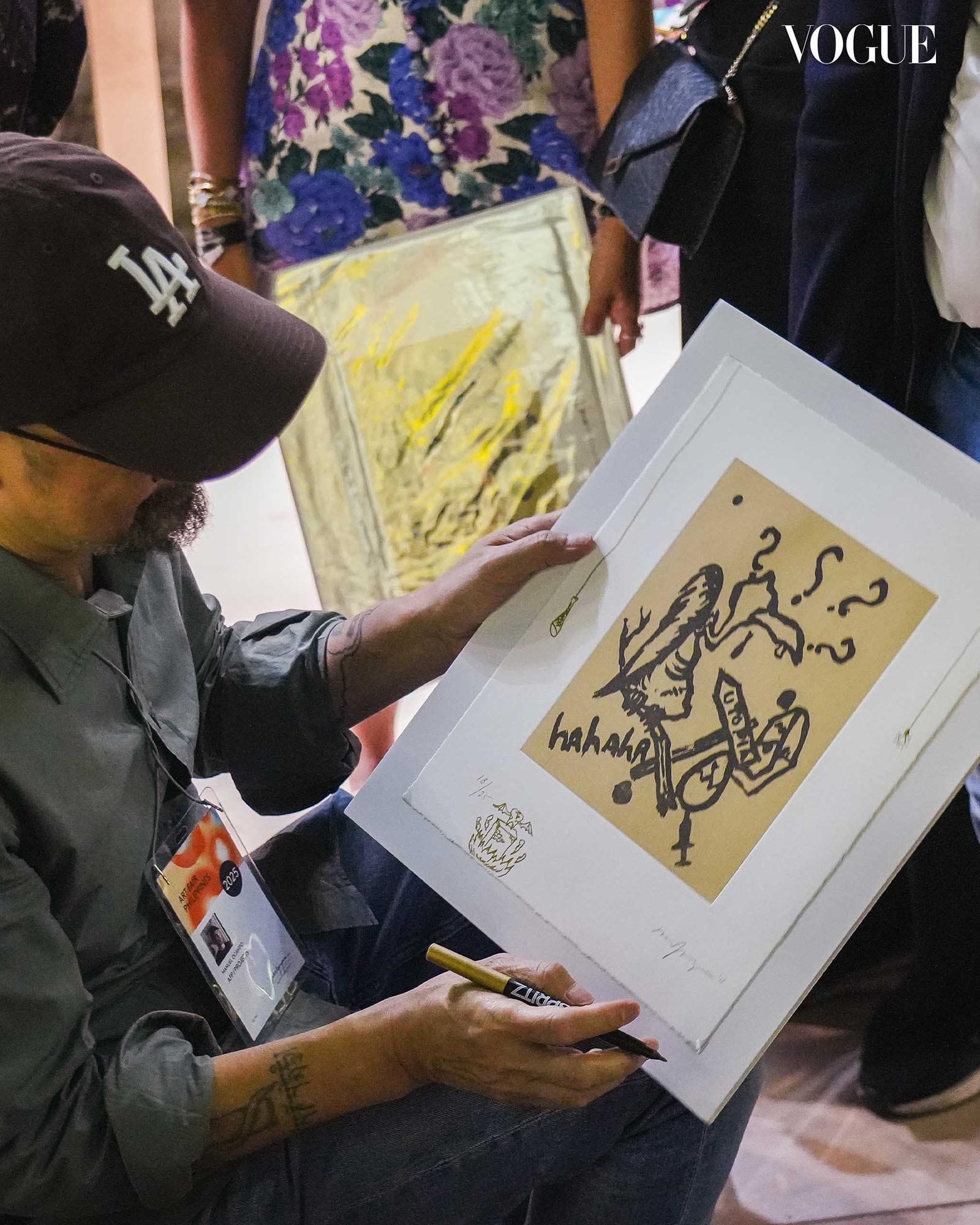
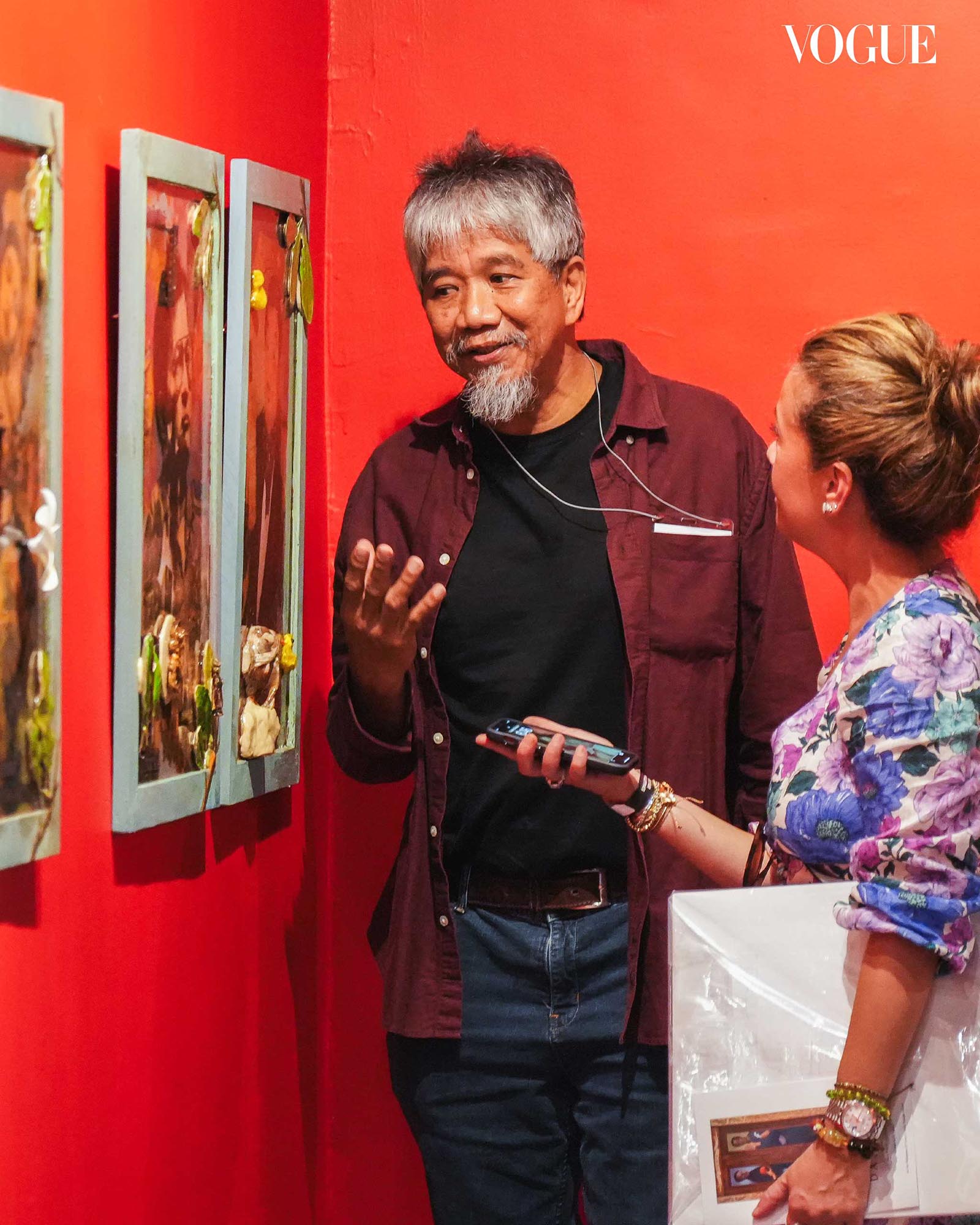
Manuel Ocampo, one of the featured artists in this year’s Art Fair PH/Projects space, was perusing the Silverlens gallery. He just finished his talk with Manny Garibay, which discussed grappling with today’s realities as an artist. “An artist who goes to an art fair is like a cow going to a butcher shop,” he said while at the gallery. Earlier that day, he was caught off-guard when a touring group invited him to speak about his exhibition. “I should have slowly escaped,” he joked.
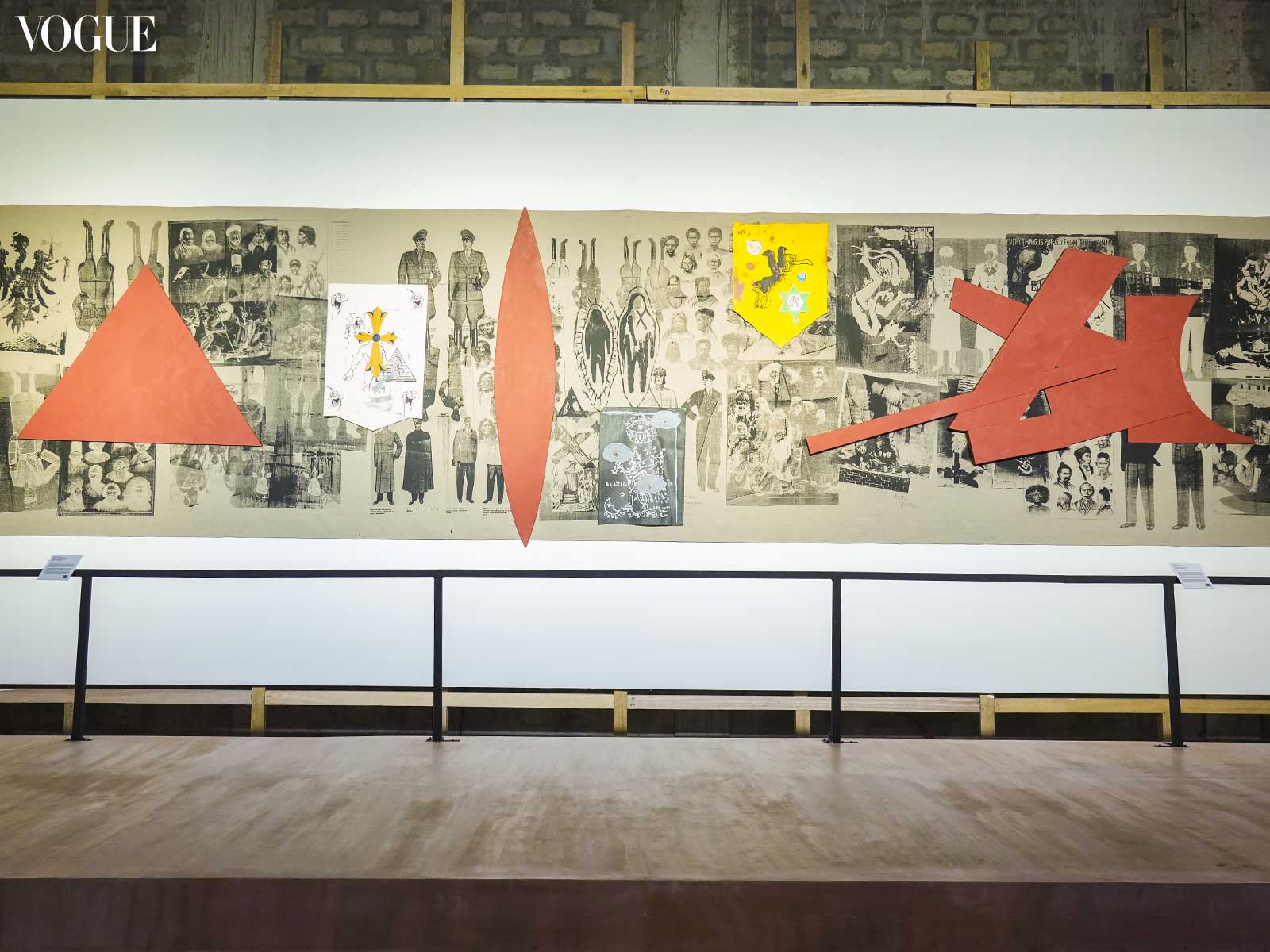
Though he finds art fairs exhausting, he is always looking forward to seeing the works of his fellow artists, such as Geremy Samala and Robert Langenegger. “When I was starting out, it was a couple of galleries and the conversation was with fellow artists,” he said. “Now, it’s become very competitive.”
If Ocampo felt like eluding the crowd, his fellow featured artist, Jezzel Wee, enjoyed watching attendees interact with her exhibition “Pagbulong (To Whisper)”. There’s a ringing throughout the space, coming from the rolling beads inside her ceramic dolls that were being shaken. “When they actually make a wish, some people close their eyes and shake the object,” she said. “That’s when I can smile at the corner.”
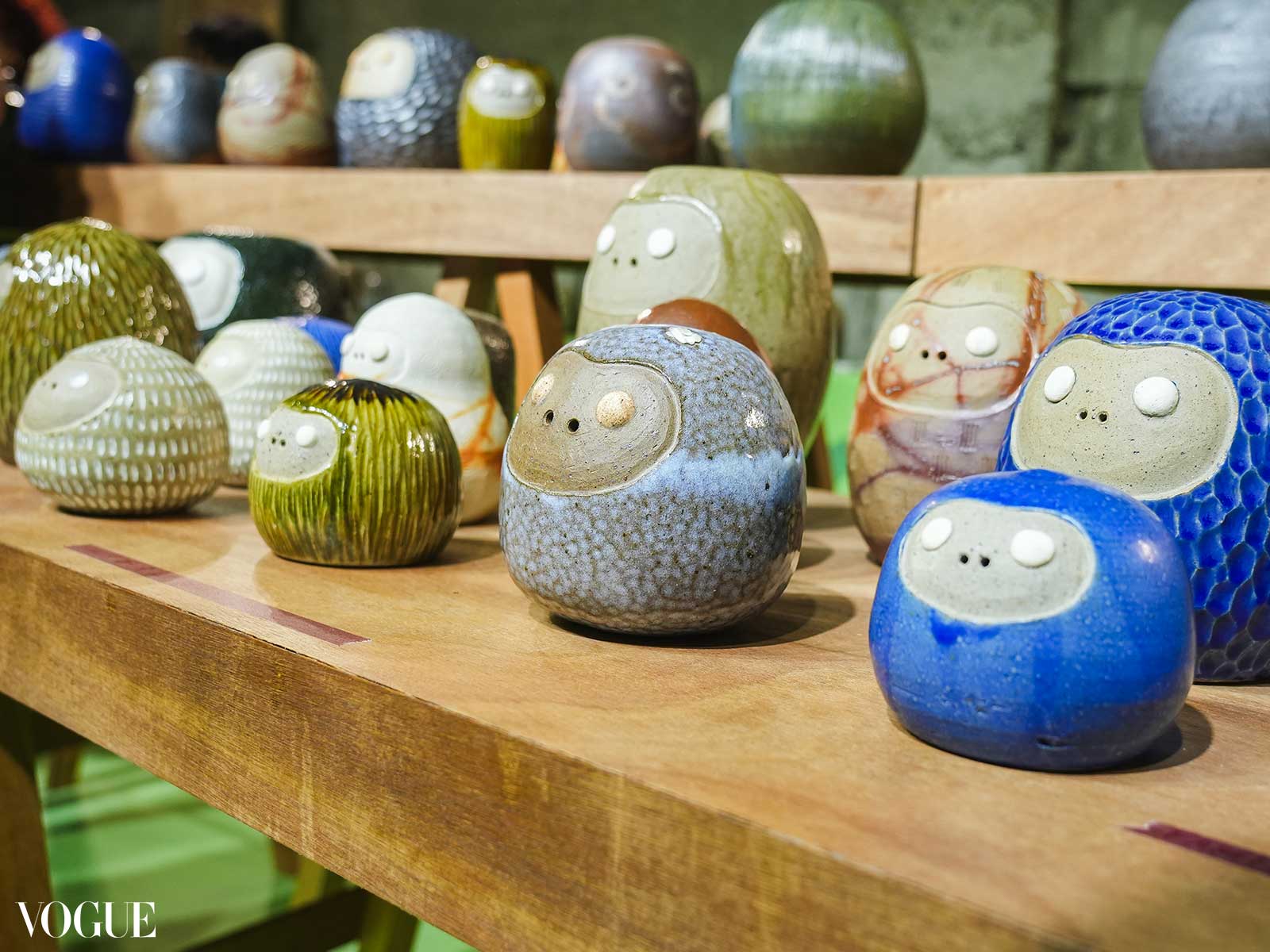
Wee also shares that she appreciated the variety in this year’s art fair. “The materials are diverse, plus the traditional ones,” she said. “The appreciation for art becomes wider, it opens up a wide range of things we can do with art.”
Artist Marika Callangan, an attendee, shares the same sentiment as Wee. With an interest in seeing how artists explored their materials, Callangan mentions Arianna Bongato’s “Curing Salt” and Goldie Poblador’s “The Rise of Medusa.” “There is also so much to explore when it comes to developing new forms through material exploration. New media and digital art is also something AFP should be looking into providing a space for in the future,” she said.
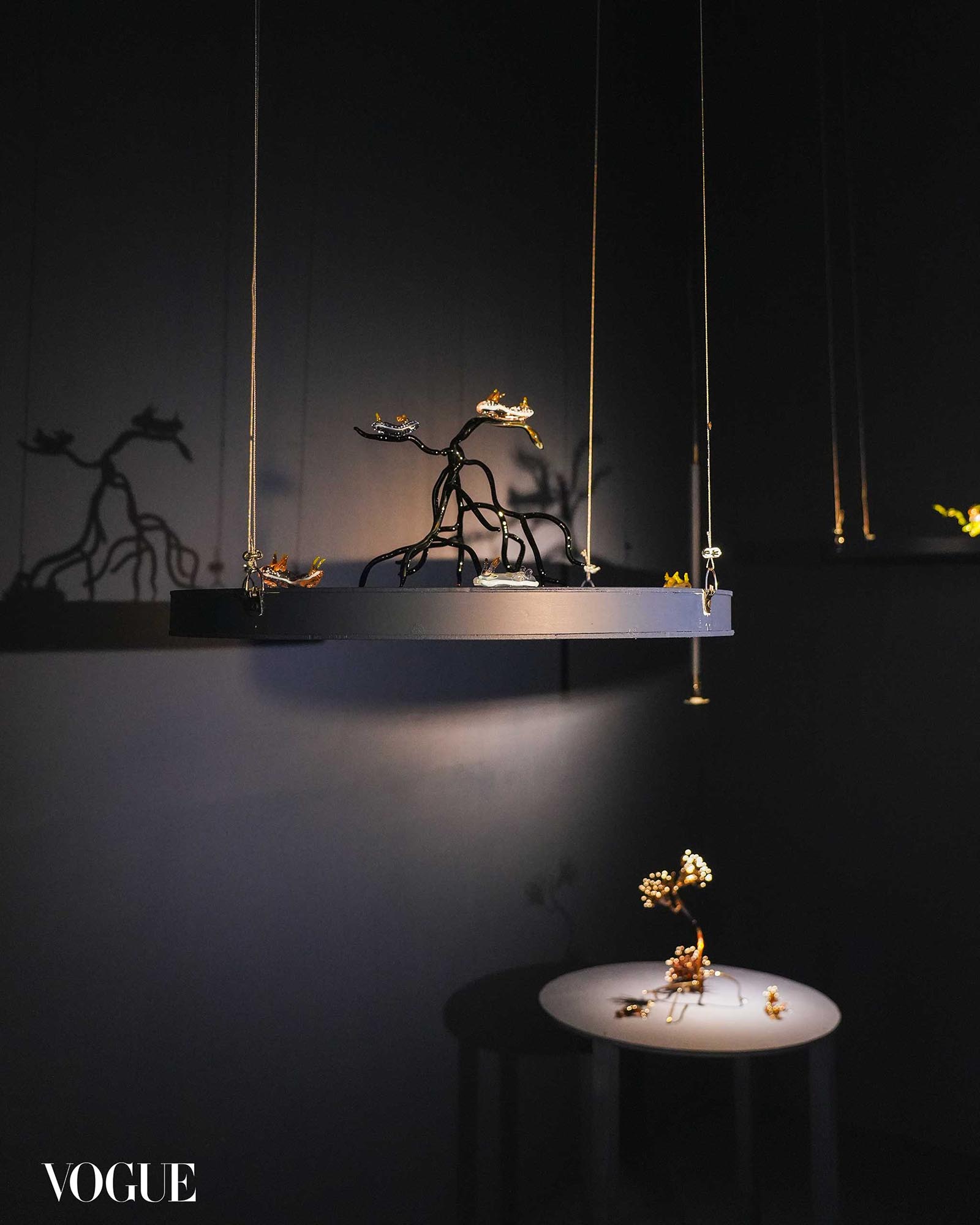
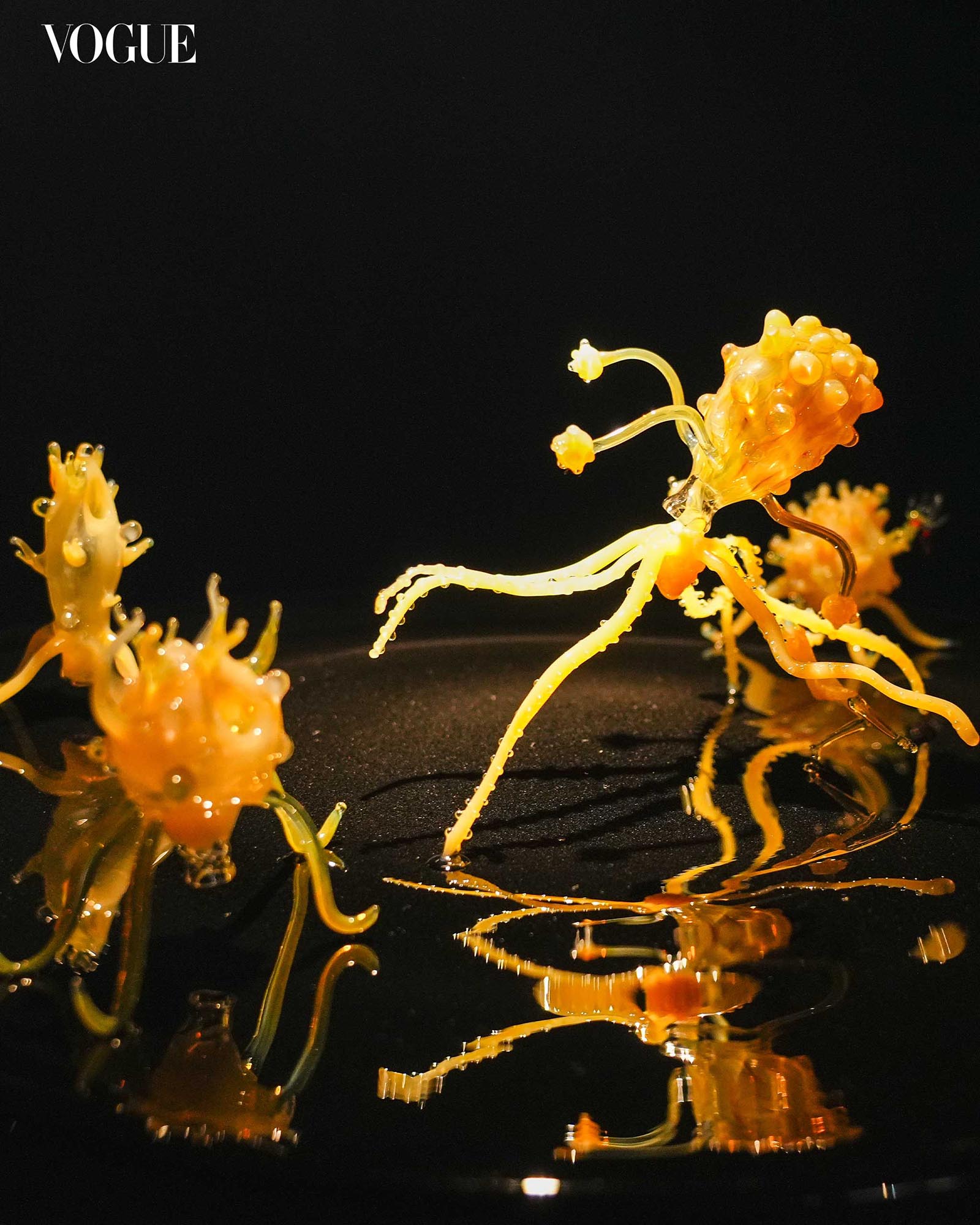
As one of the biggest art events of the year, Art Fair Philippines provides a glimpse into the ever-changing landscape of art and culture. Throughout the fair, discussions surrounding technology, social realities, and identity abound, particularly about the threat that emerging technologies pose to artists. Some remain optimistic, including Maritess Pineda, who is a long-time patron of the arts. “I think that there’s more that we have to learn,” she said. “But I think that there’s that eagerness to move forward in the arts.” Ryan Rubio, also a featured artist, shares his appreciation for Art Fair Philippines as a platform that showcases Filipino culture. “I think Filipino art will go far,” he said in Tagalog. “We have a culture here that can grow, that can accompany international countries.”
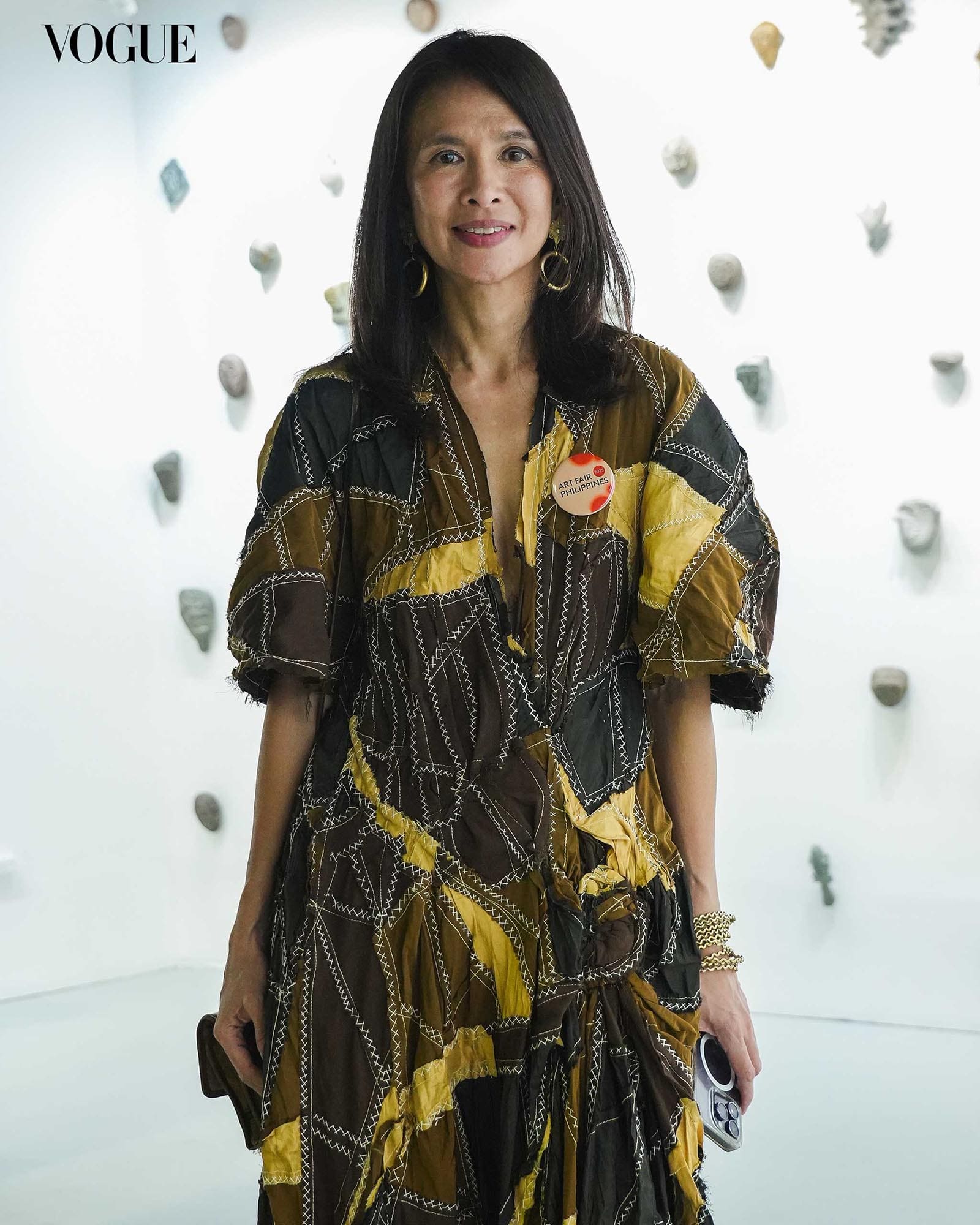
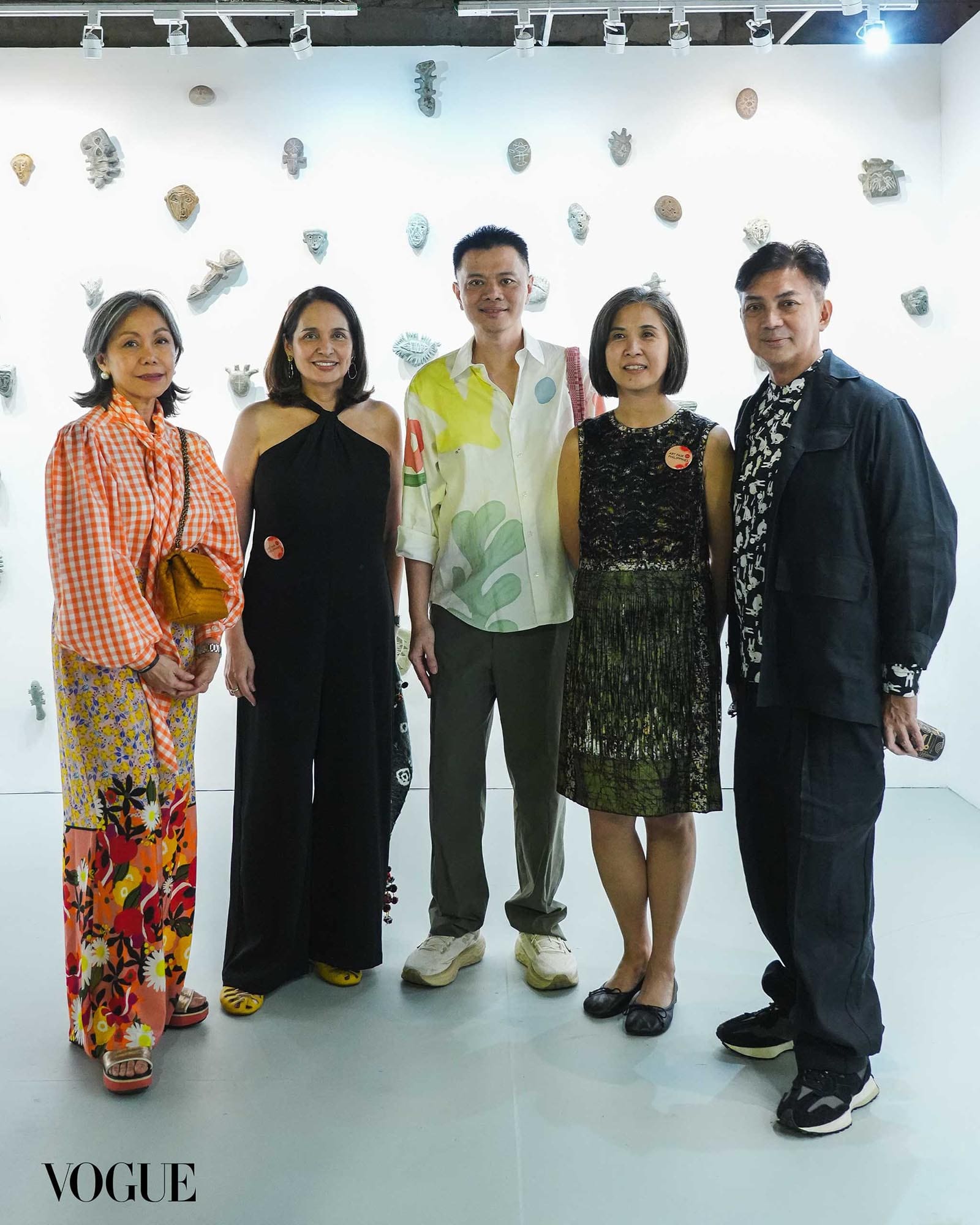
As the four-day fair came to a close, Art Fair Philippines founder Trickie Lopa felt a sense of pride. “I can’t help but say, ‘Oh my gosh, we did it!’” she shared. With each passing year, the event continues to showcase the local and international art scene. More than just thriving, it is moving forward with fresh perspectives and a growing global presence.
-
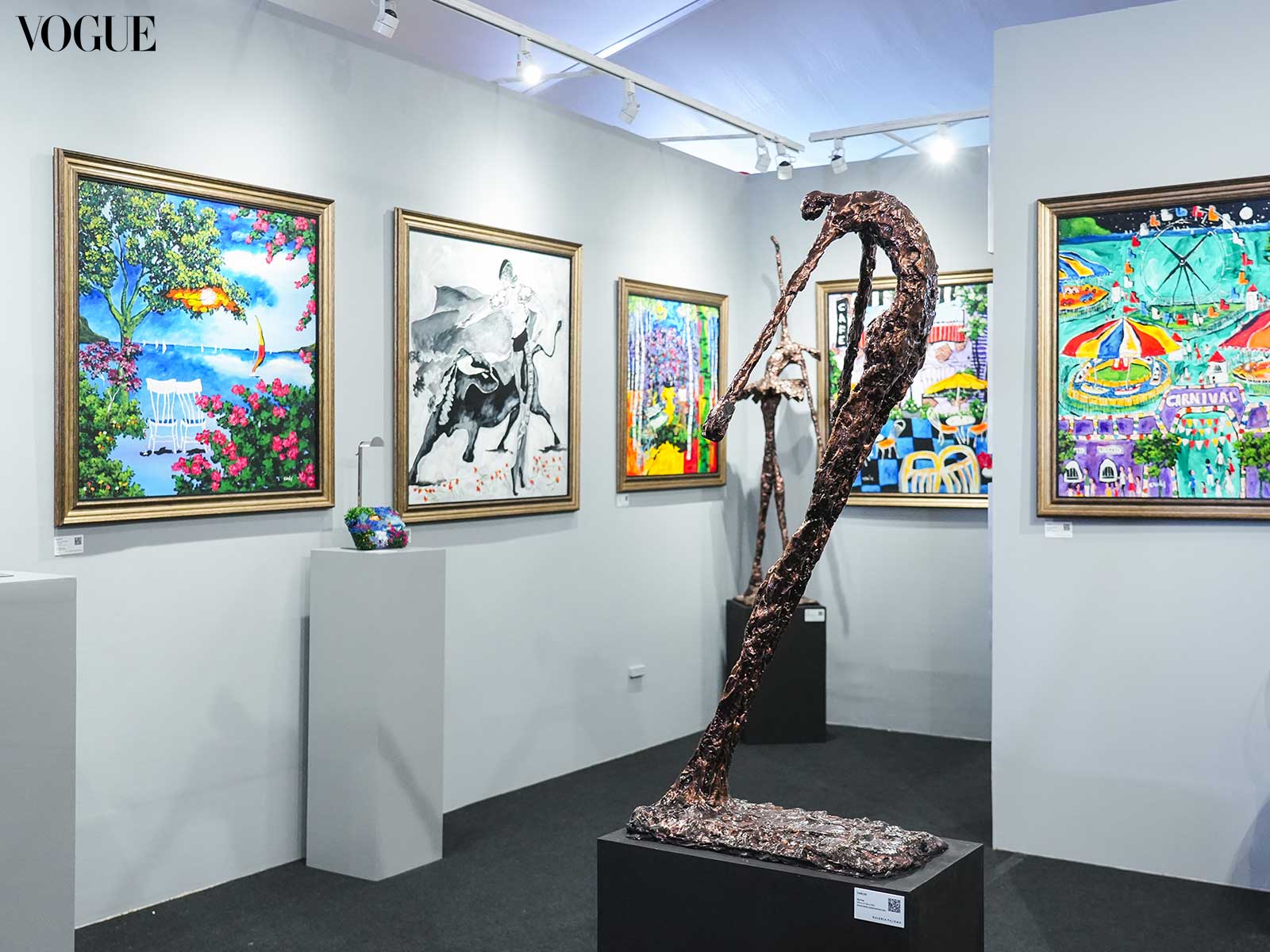 Galeria Paloma. Photographed by Kieran Punay1/19
 -
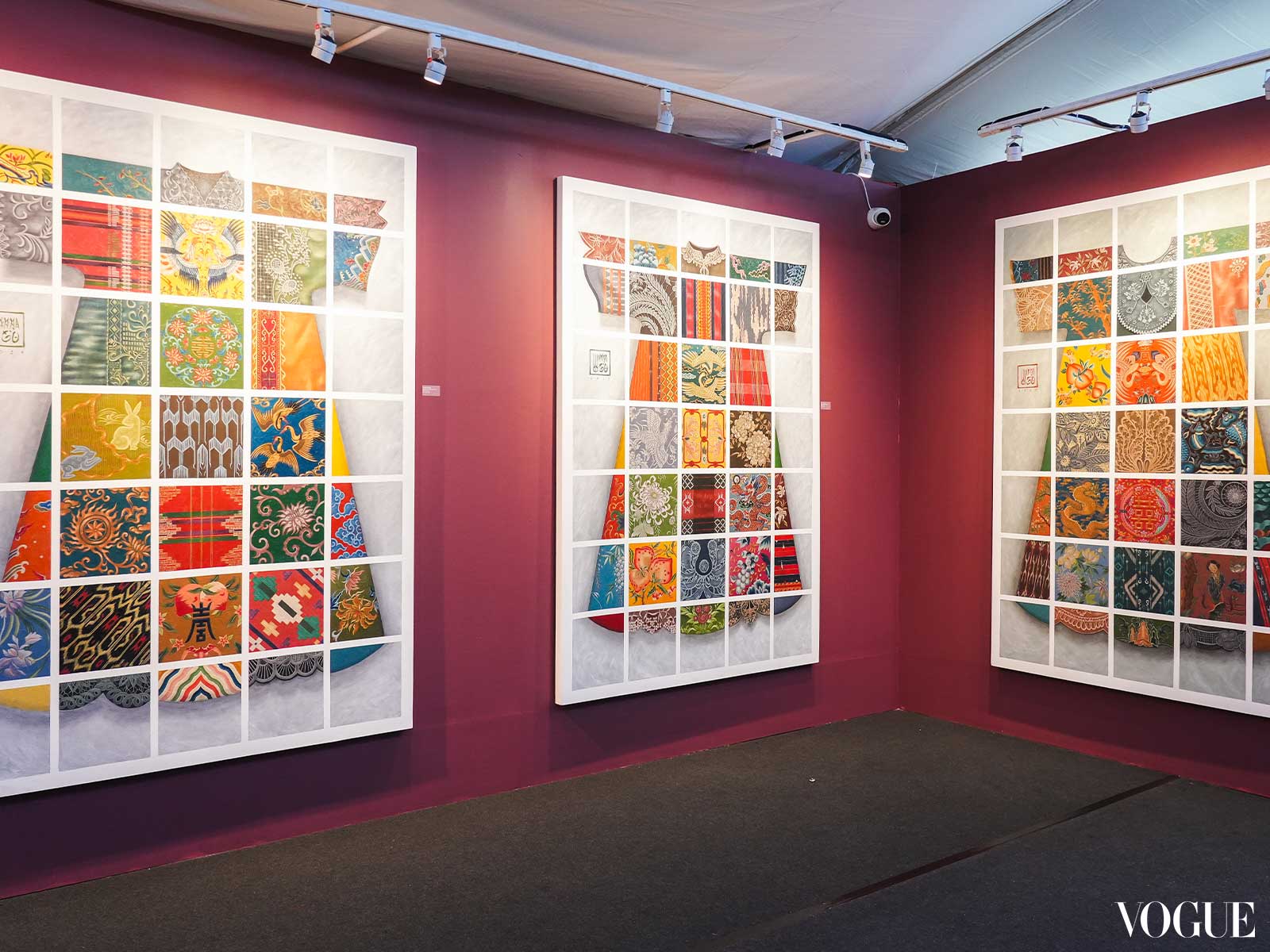 Art Verité Gallery. Photographed by Kieran Punay2/19
 -
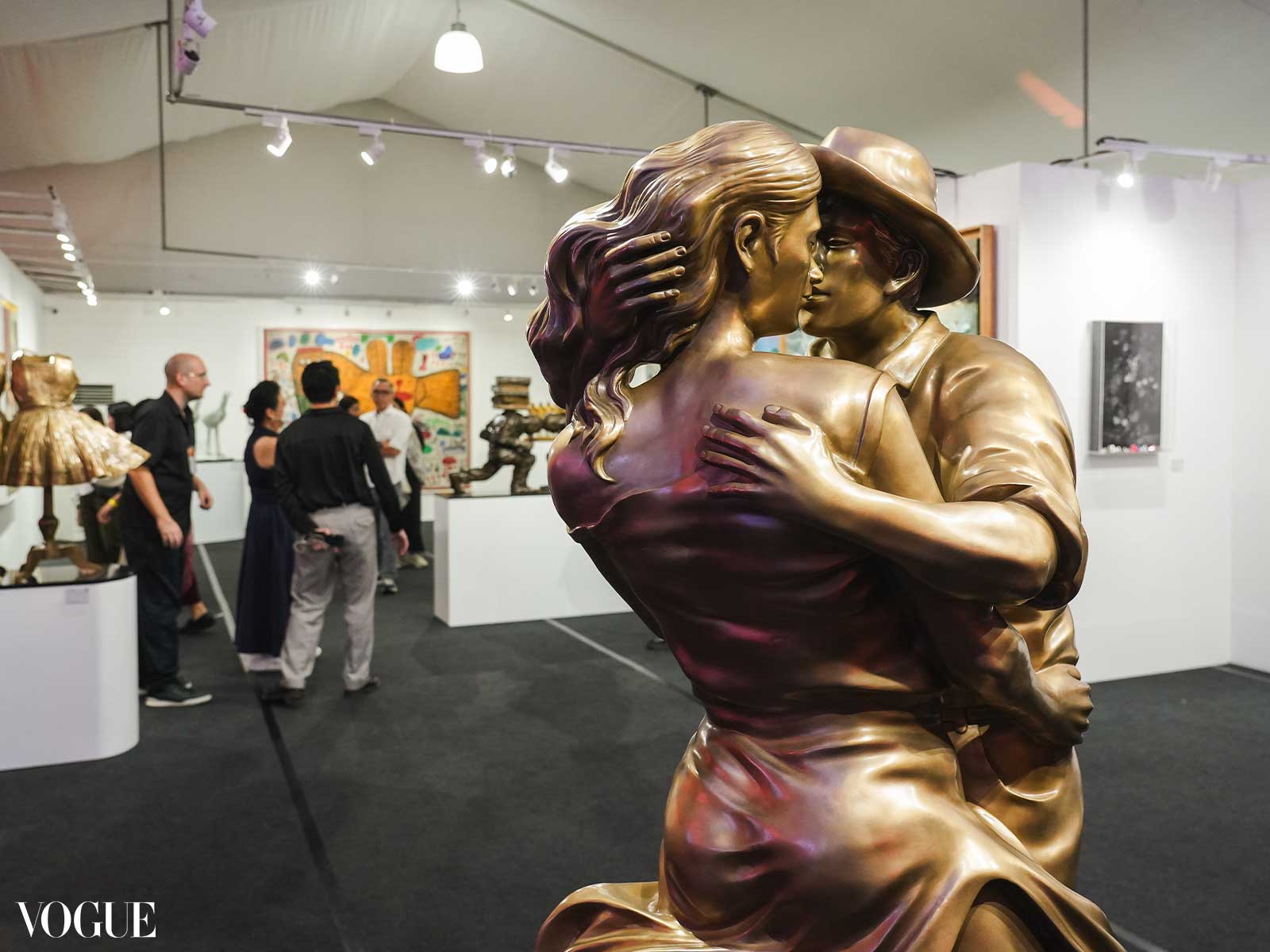 Gajah Gallery. Photographed by Kieran Punay3/19
 -
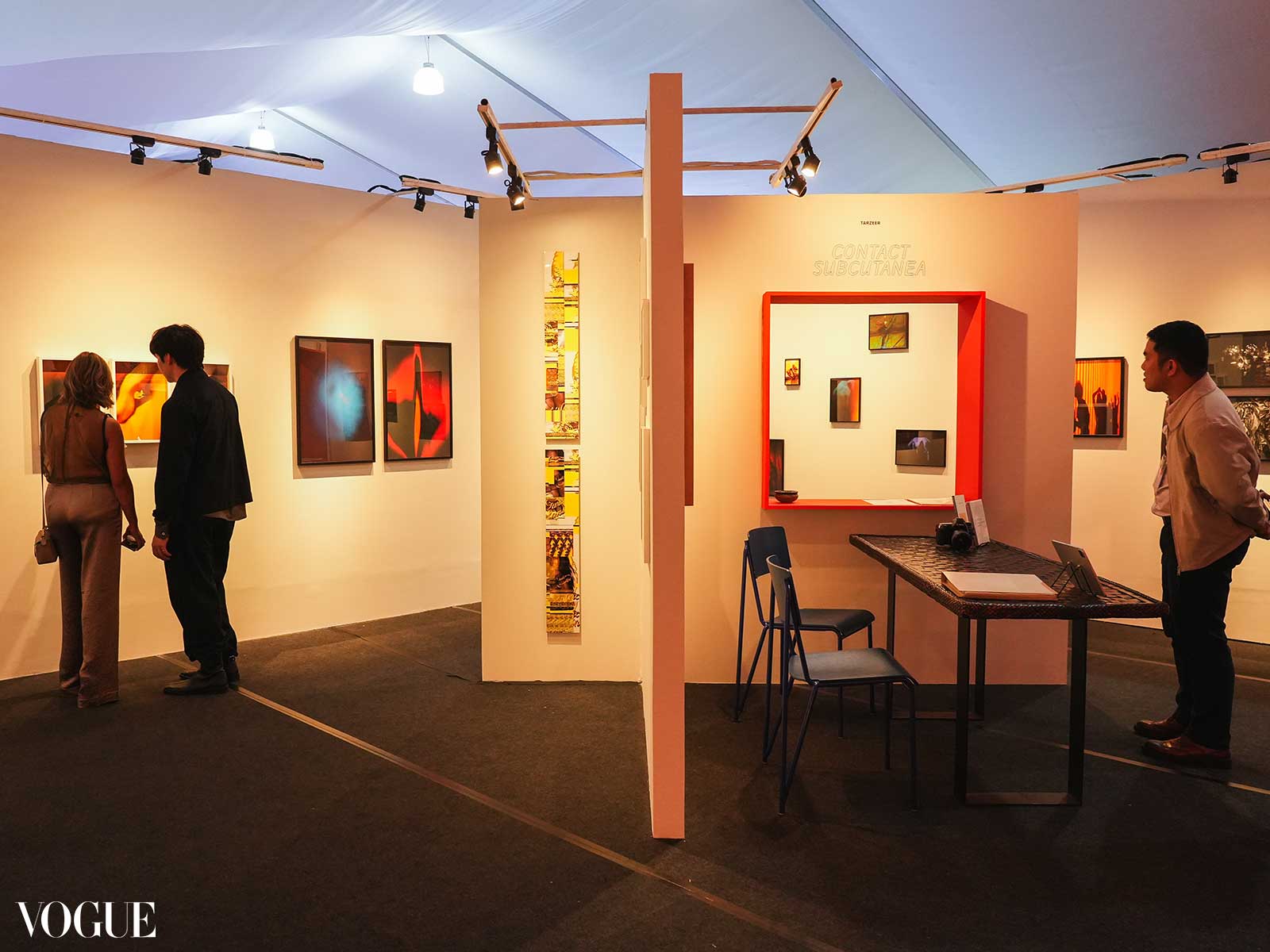 Tarzeer Pictures. Photographed by Kieran Punay4/19
 -
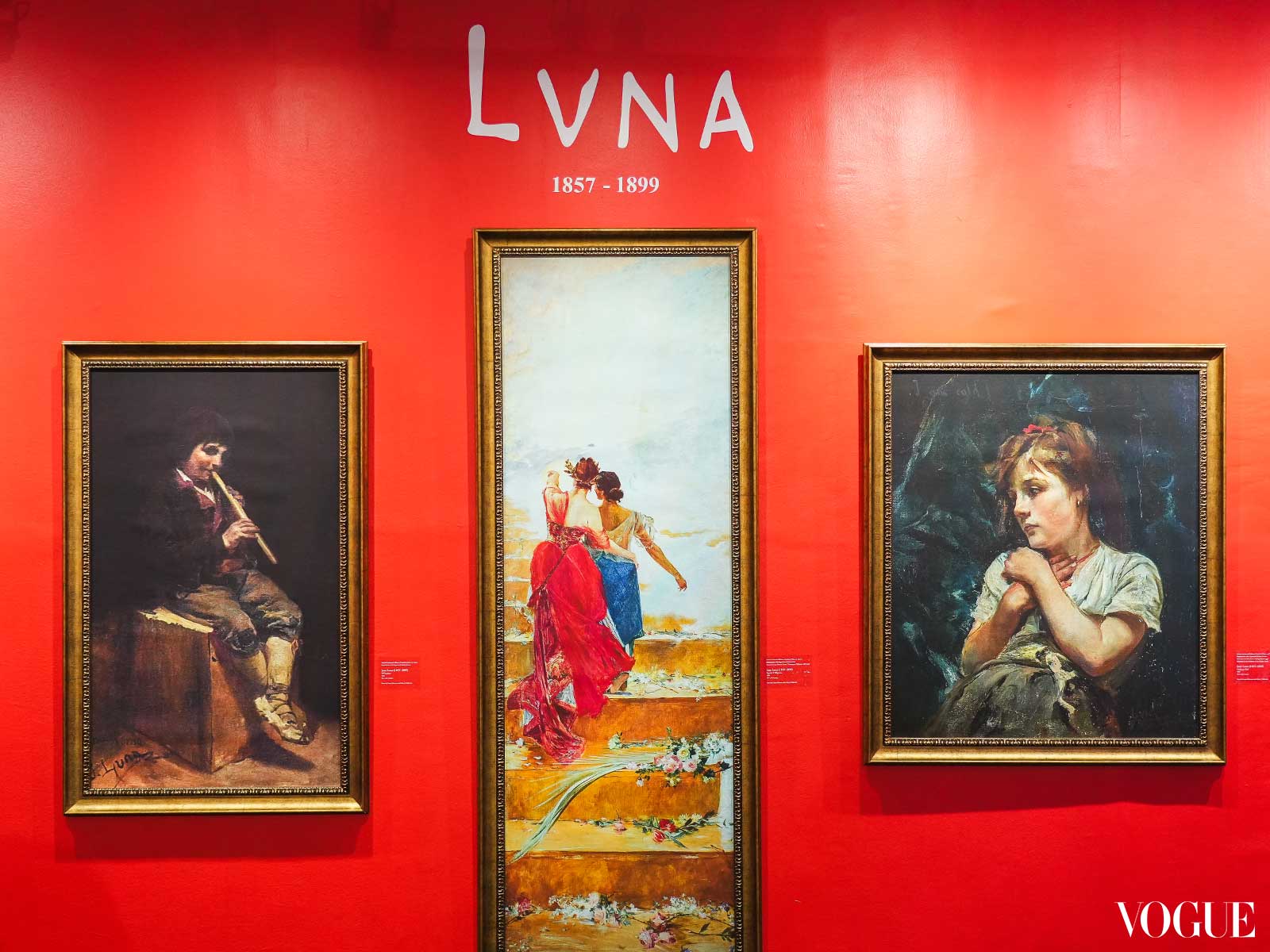 Lopez Museum. Photographed by Kieran Punay5/19
 -
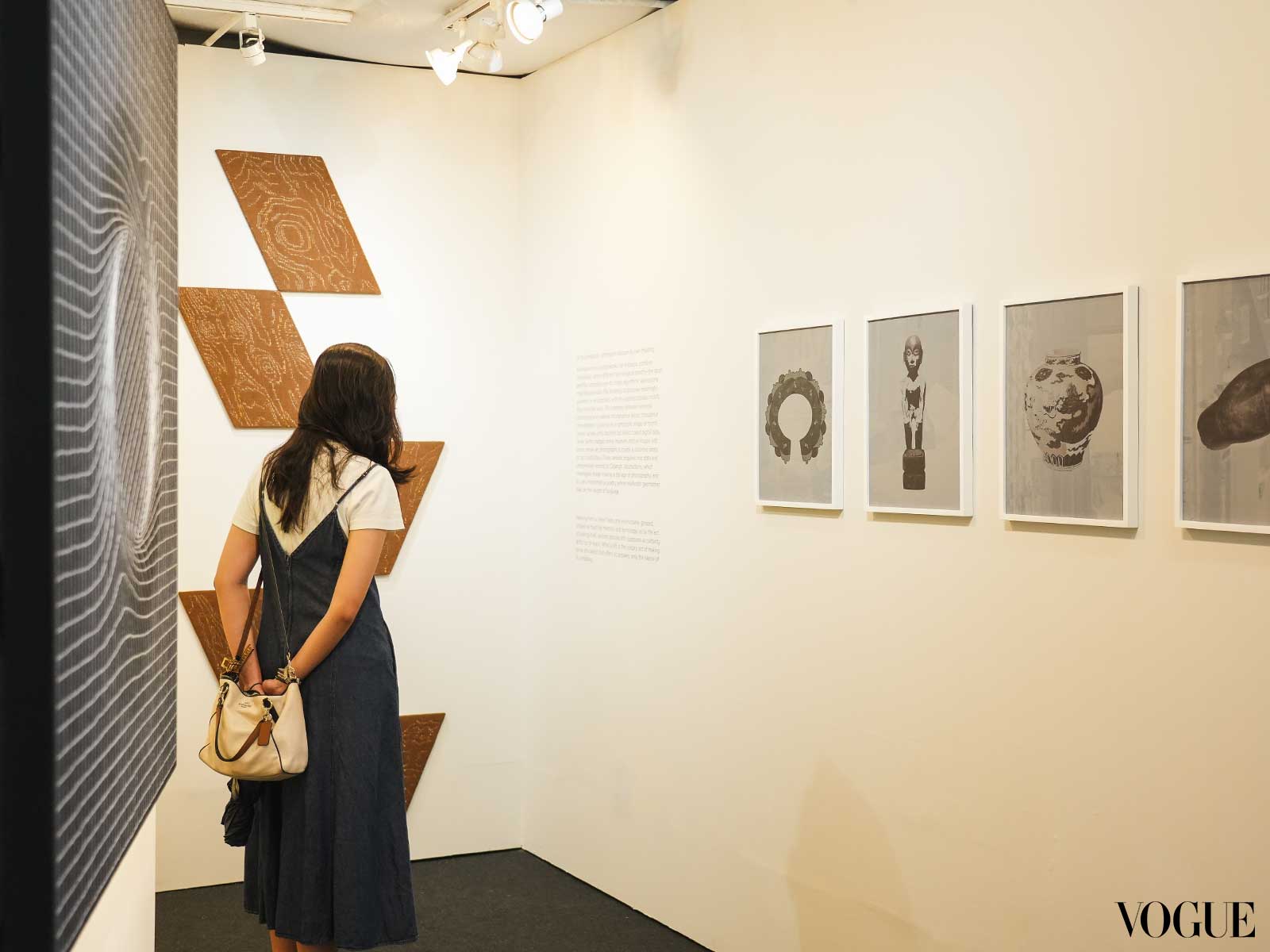 Cartellino. Photographed by Kieran Punay6/19
 -
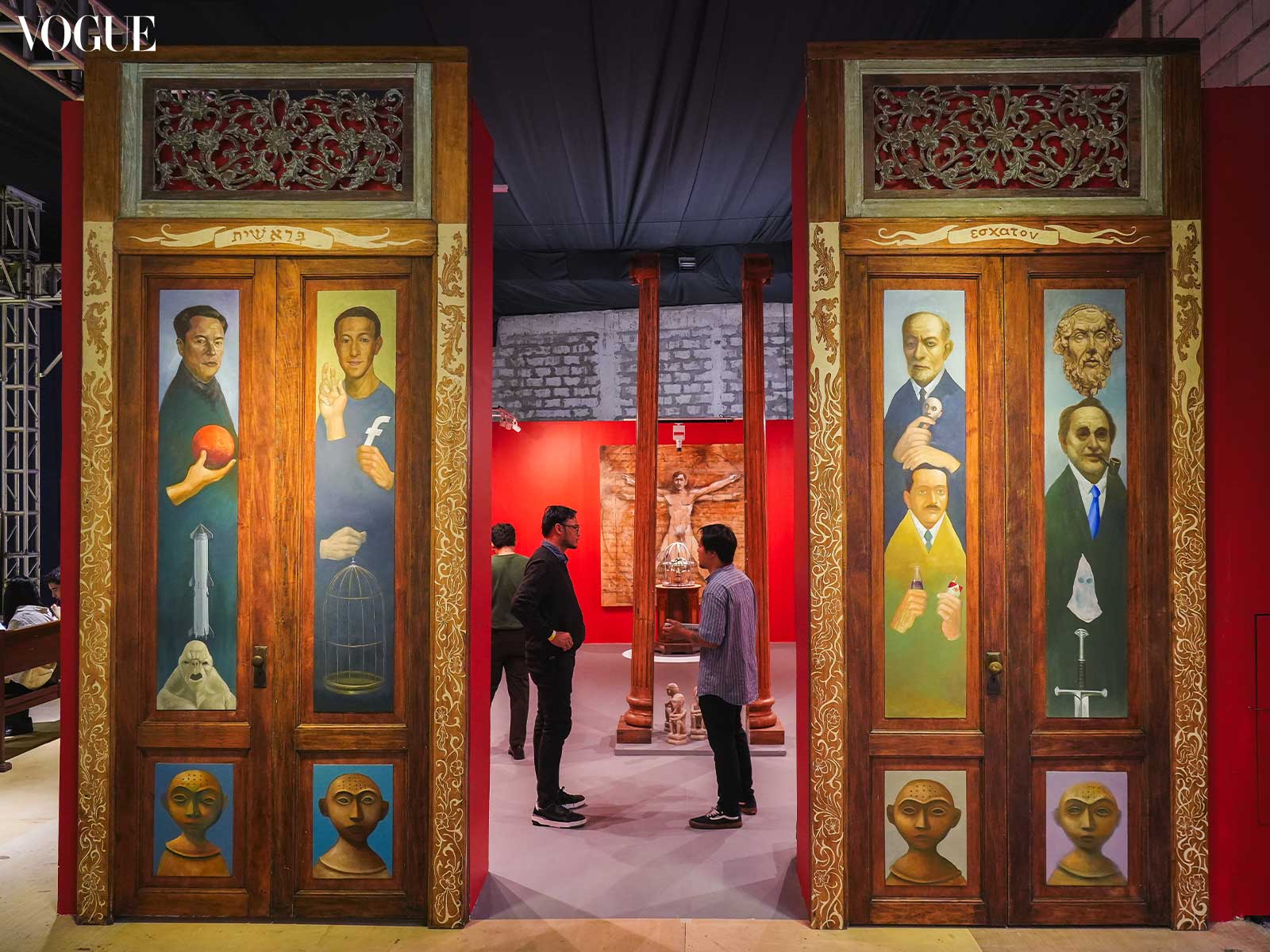 “Dambana: A Critical Reflection of Belief, Power, and Memory” by Manny Garibay. Photographed by Kieran Punay7/19
 -
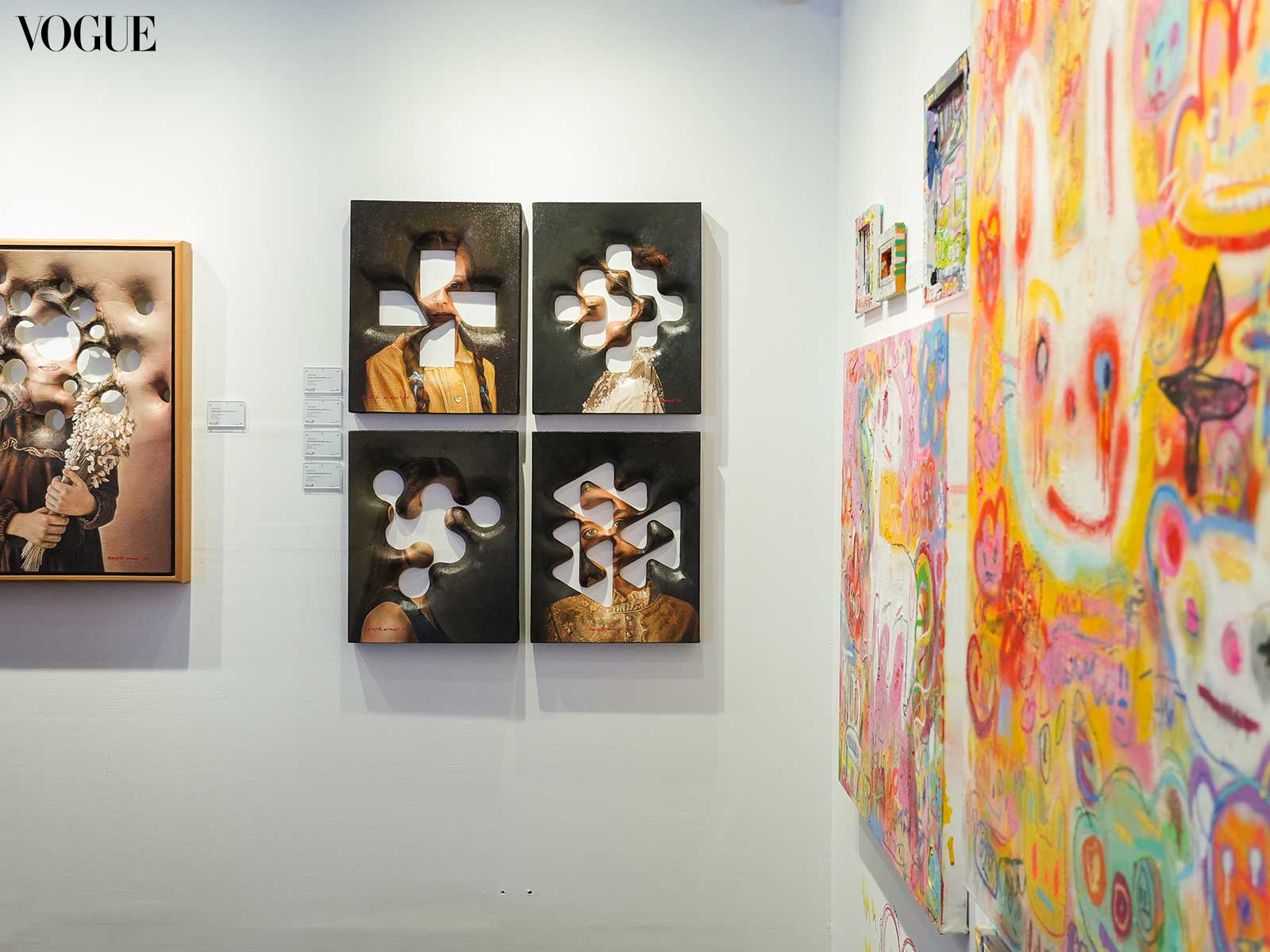 Artemis Art. Photographed by Kieran Punay8/19
 -
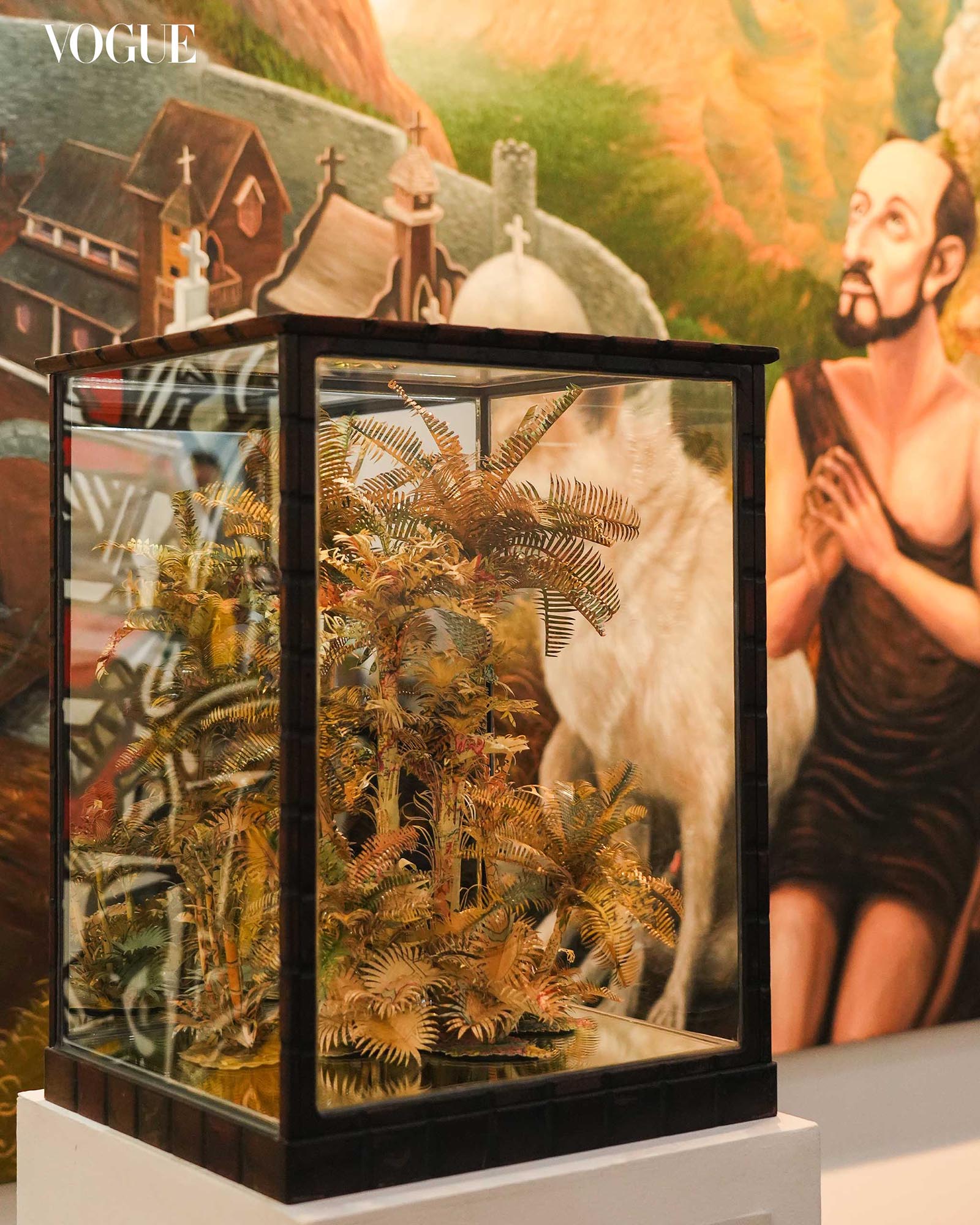 Silverlens Gallery. Photographed by Kieran Punay9/19
 -
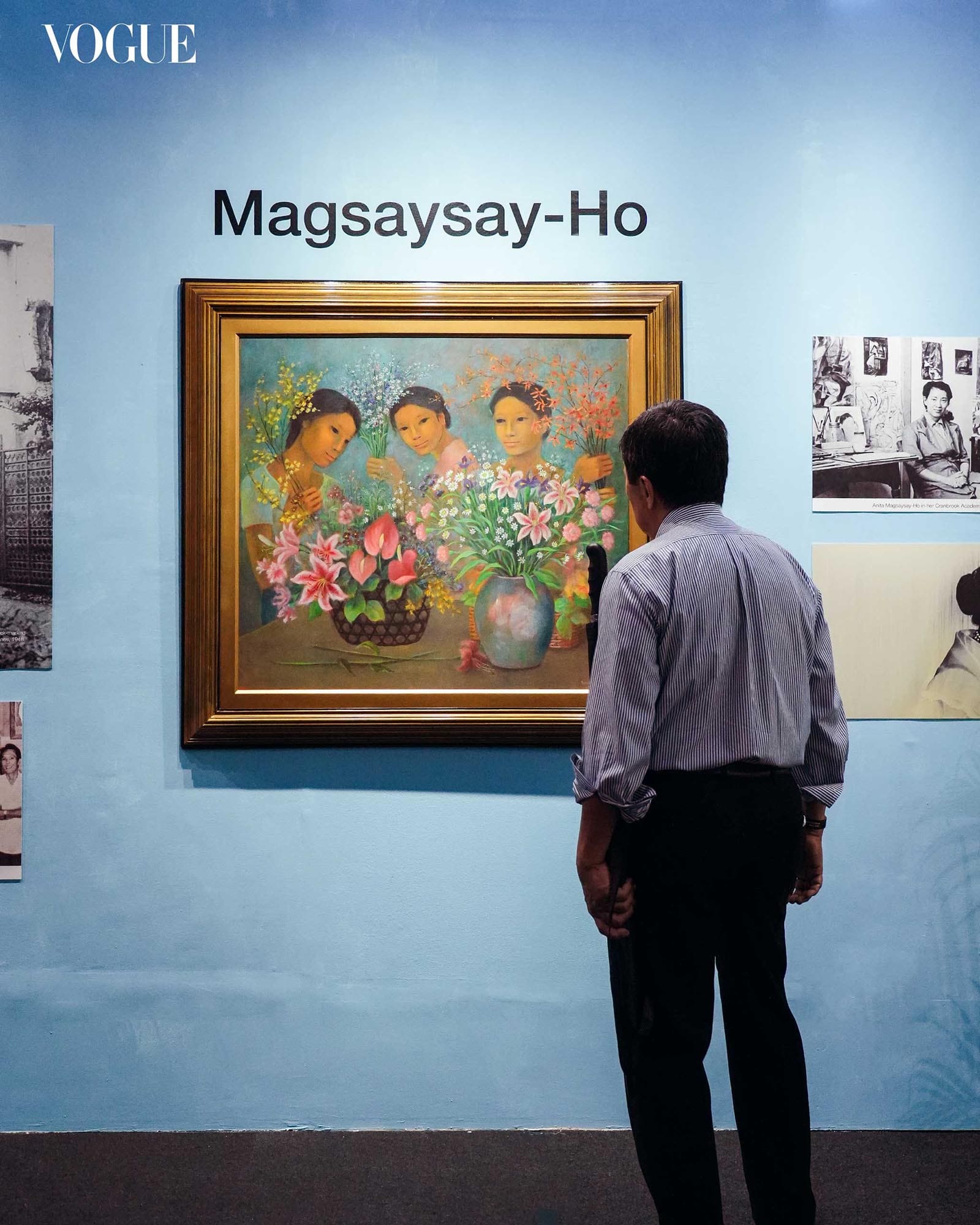 León Gallery. Photographed by Kieran Punay10/19
 -
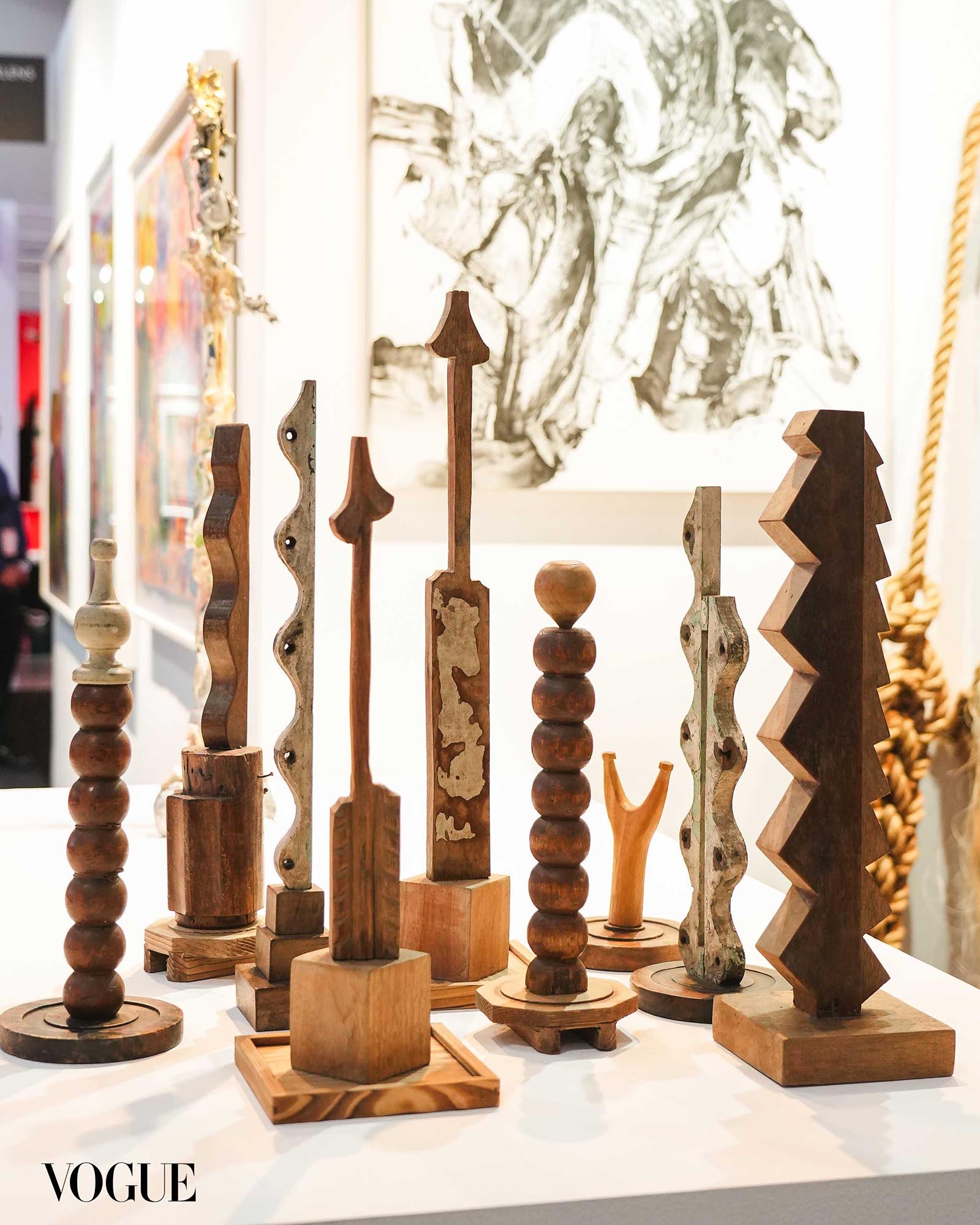 Silverlens Gallery. Photographed by Kieran Punay11/19
 -
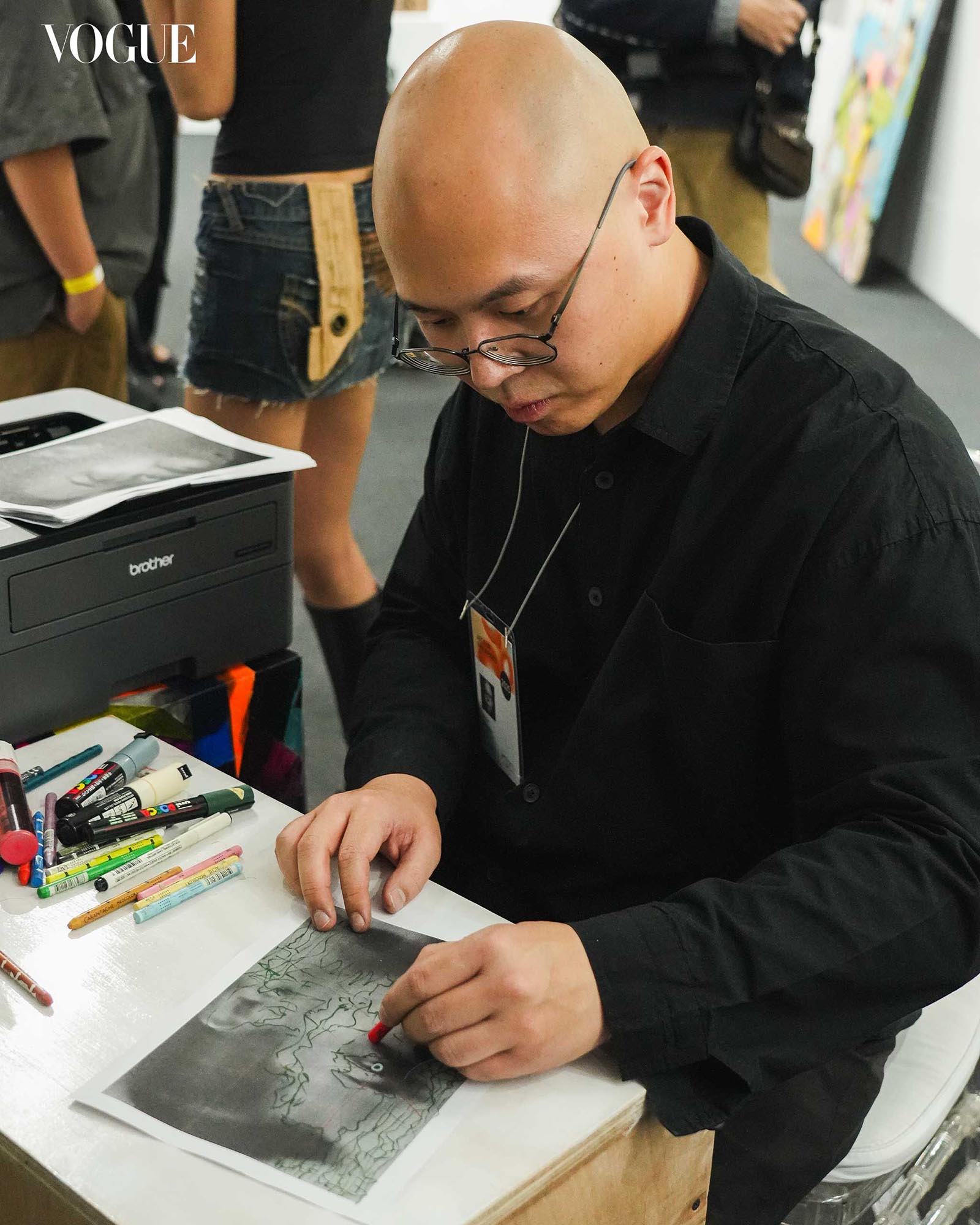 E.S.L. Chen. Photographed by Kieran Punay12/19
 -
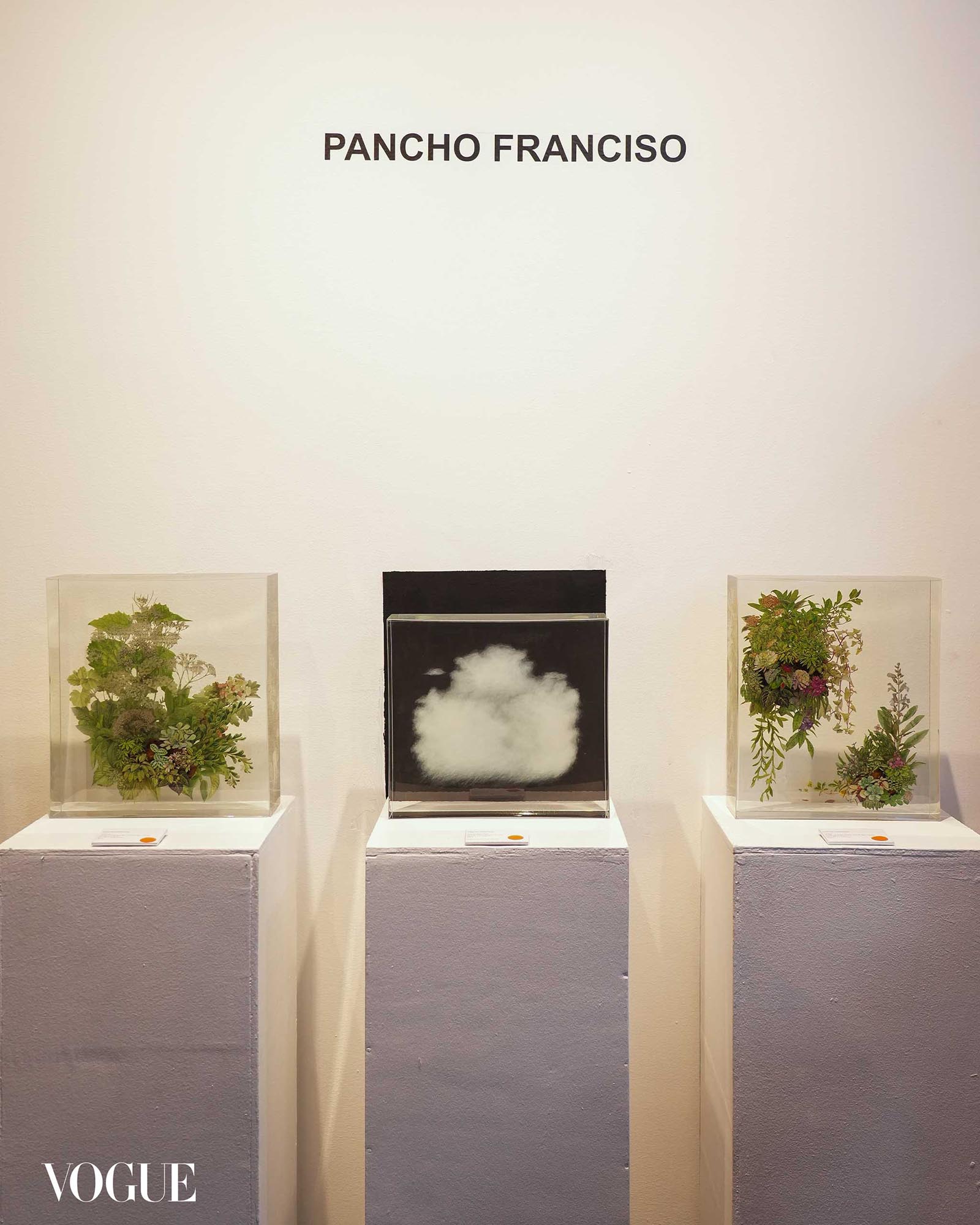 J Studio. Photographed by Kieran Punay13/19
 -
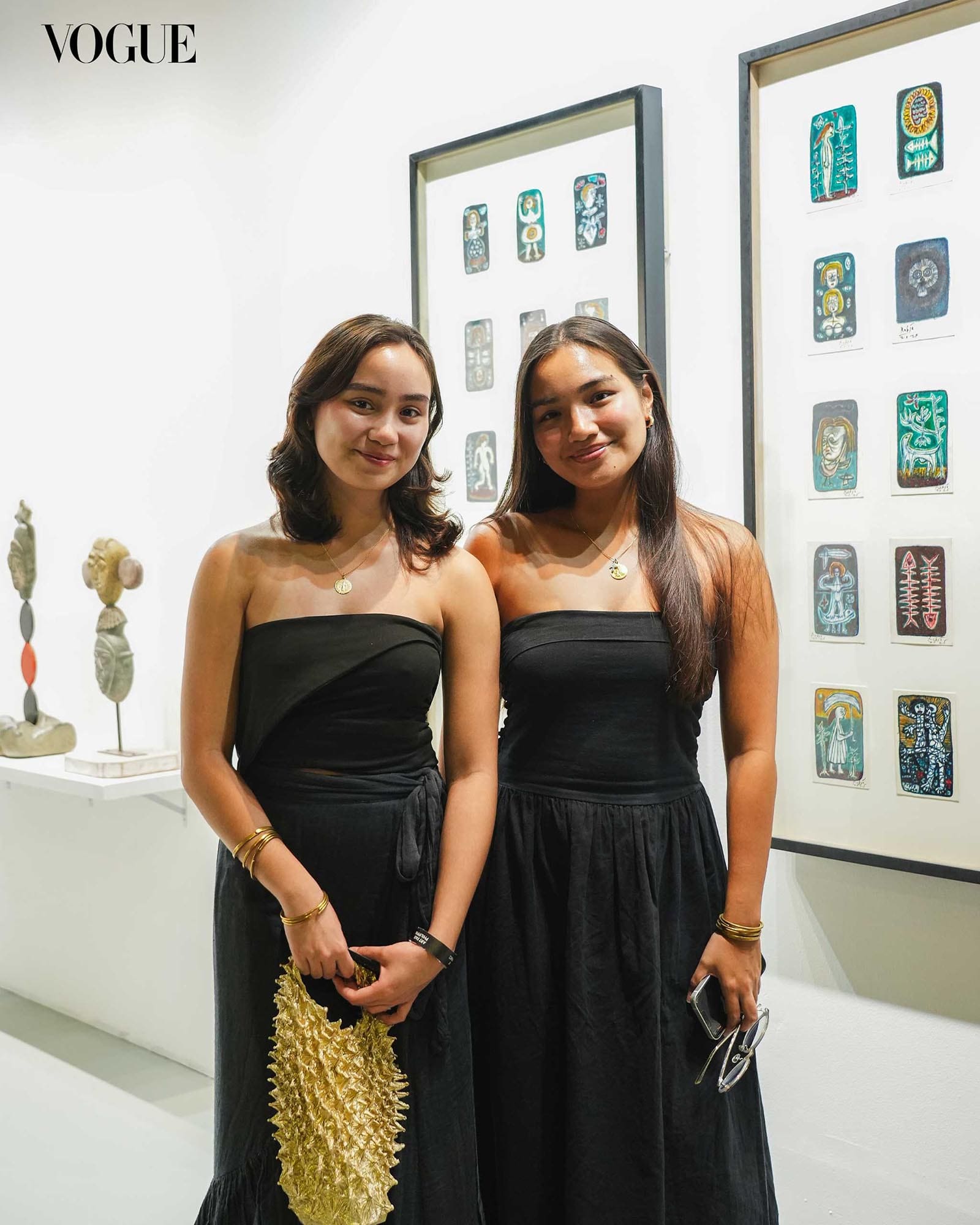 Tasha and Bella Tanjutco. Photographed by Kieran Punay14/19
 -
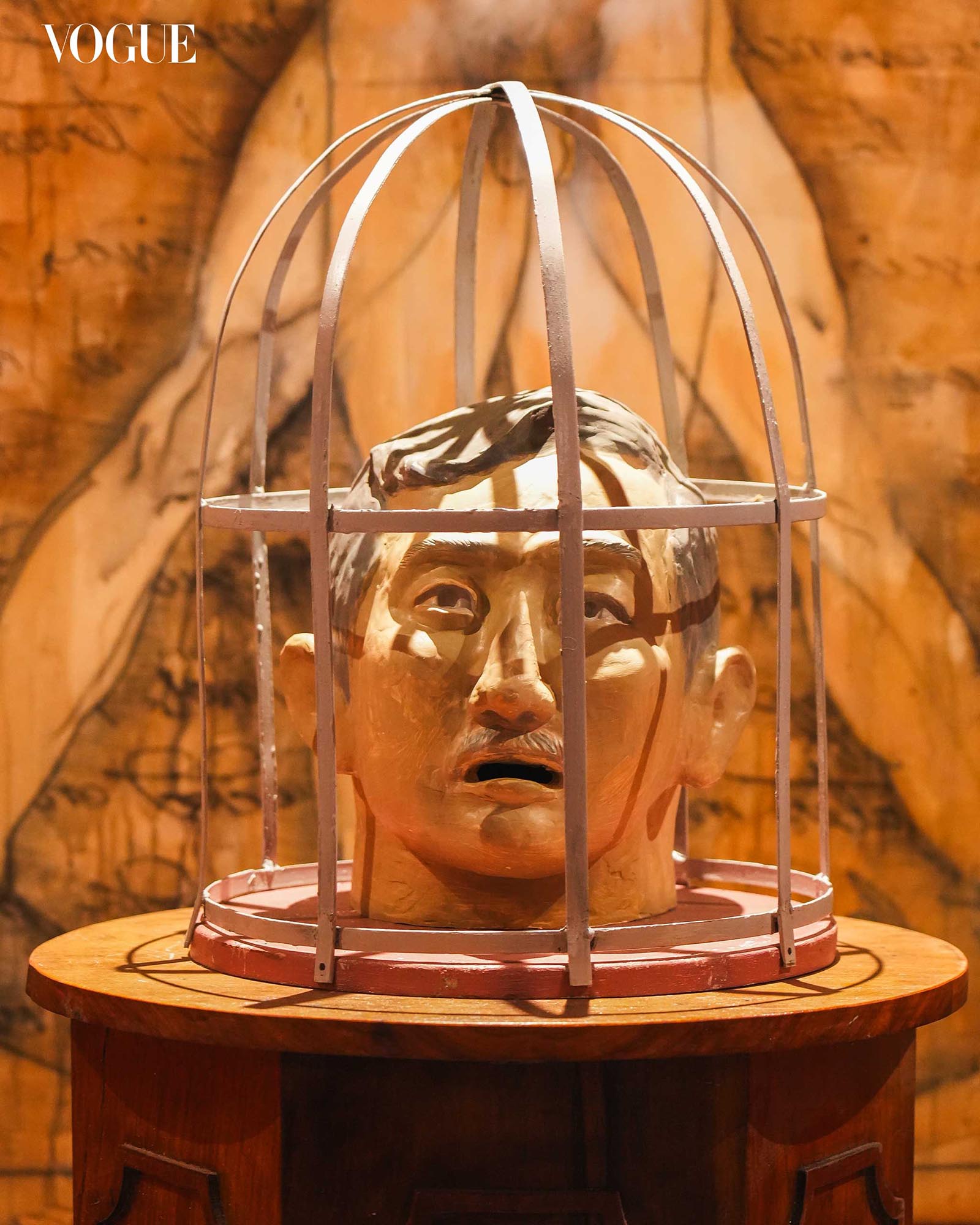 “Dambana: A Critical Reflection of Belief, Power, and Memory” by Manny Garibay. Photographed by Kieran Punay15/19
 -
Manny Garibay at inside his exhibition, “Dambana: A Critical Reflection of Belief, Power, and Memory.” Photographed by Kieran Punay16/19
-
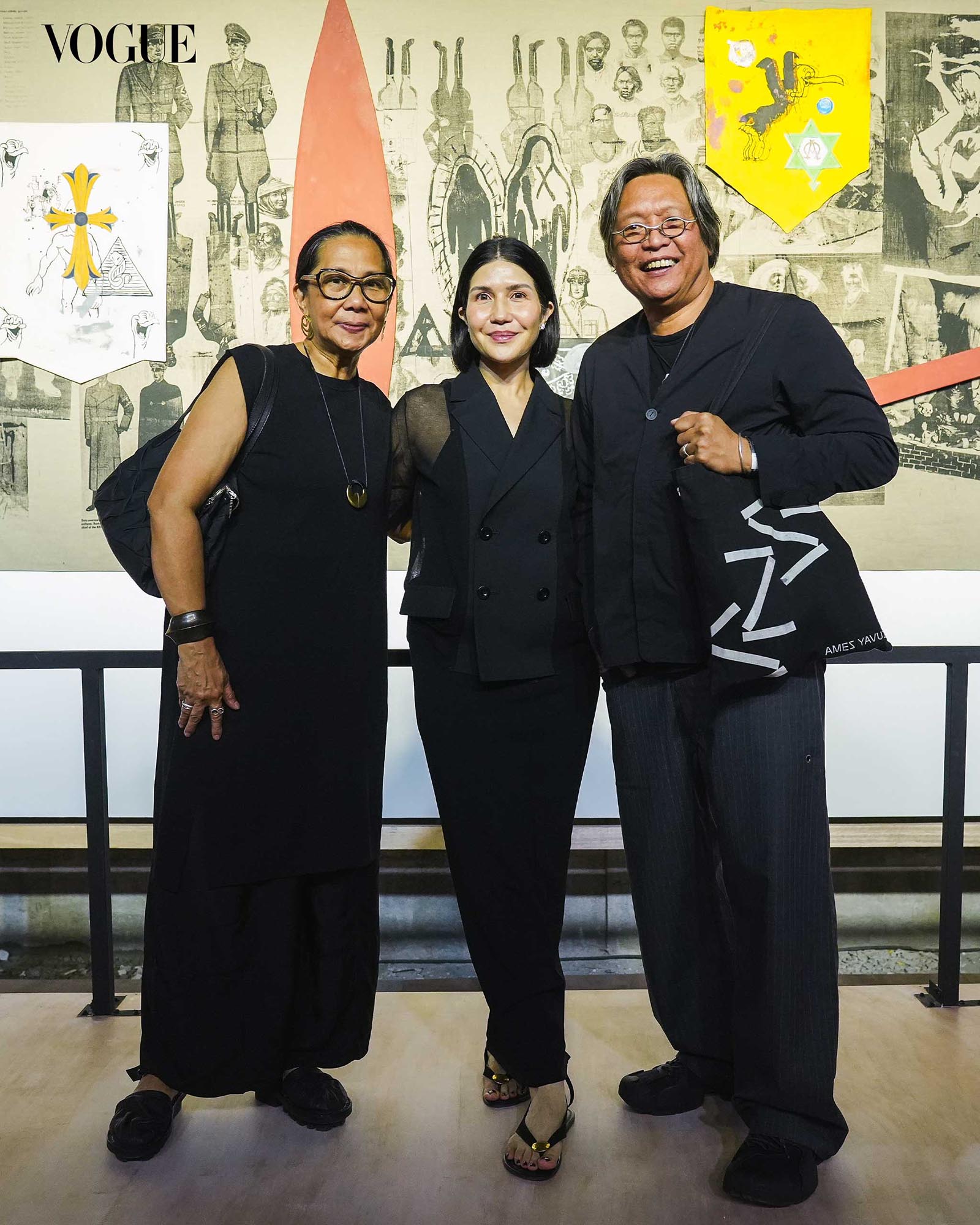 Isabel Gaudinez-Aquilizan, Pam Gonzales Lopez, and Alfredo Juan Aquilizan. Photographed by Kieran Punay17/19
 -
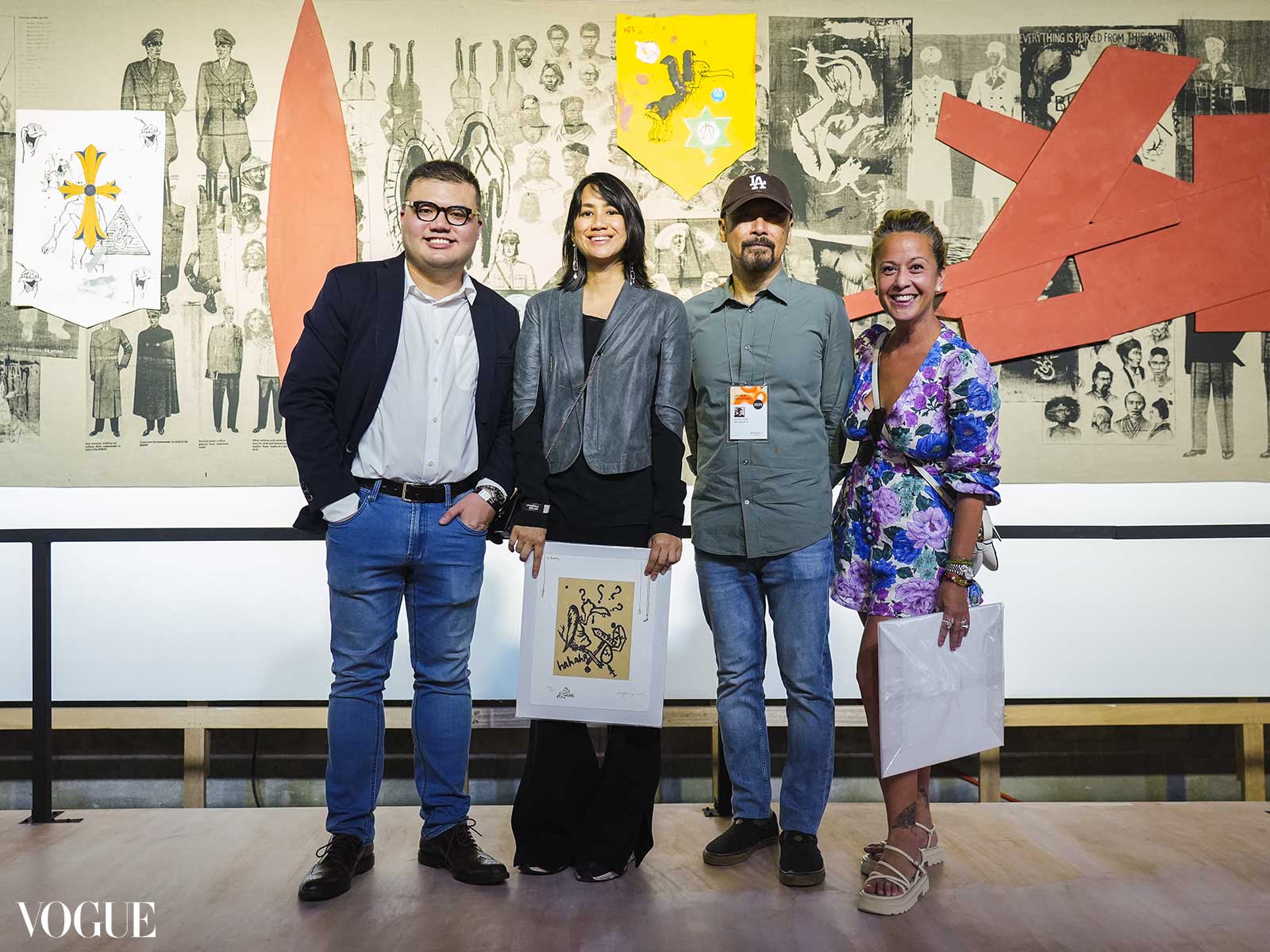 Matthew Lopez, Audrey Carpio, Manuel Ocampo, and Tanya Schulze. Photographed by Kieran Punay18/19
 -
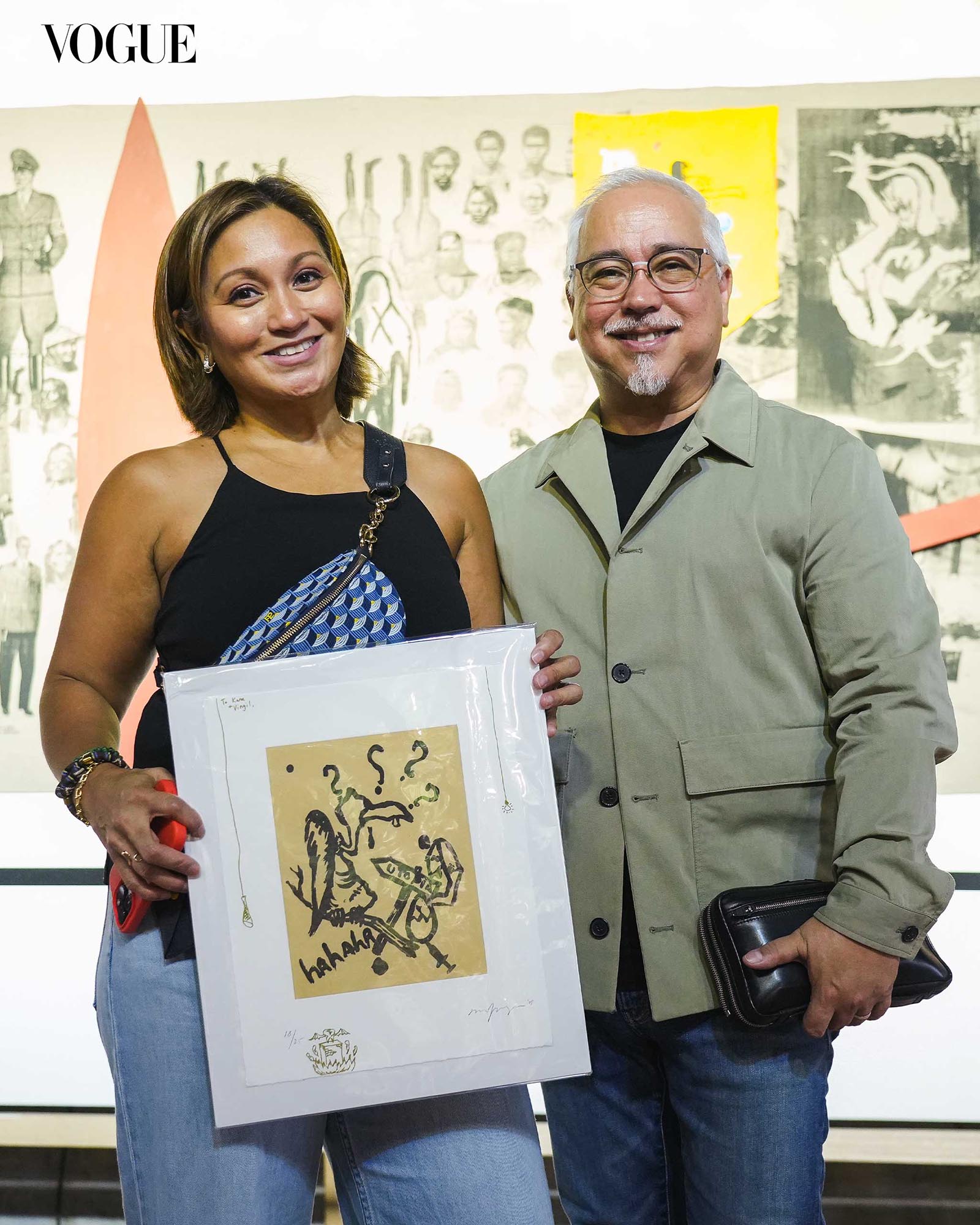 Kara and Virgil Prieto. Photographed by Kieran Punay19/19