
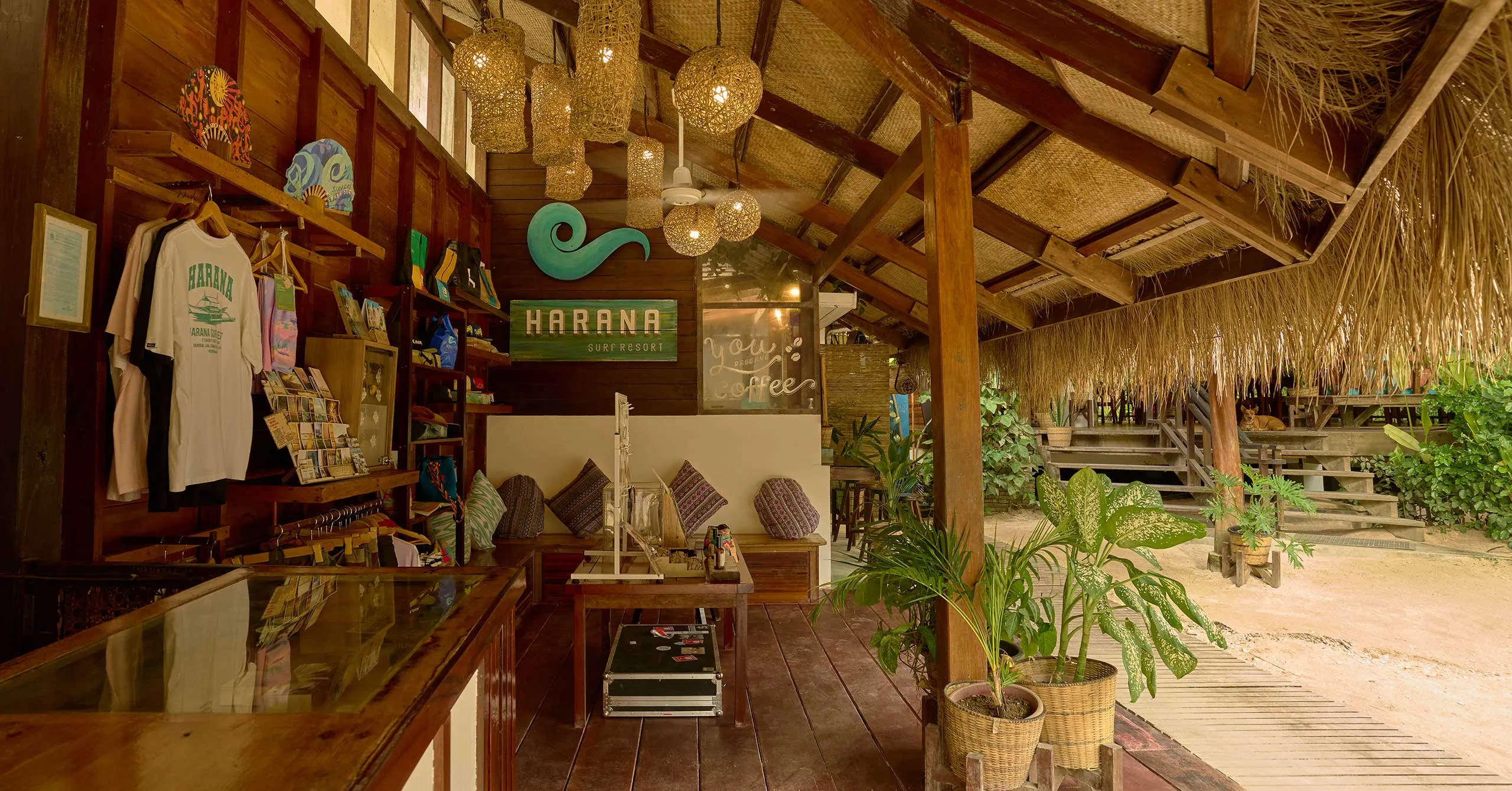
“If you go to Harana, you go to surf,” Ian Sermonia says. “At the end of the day, surfing is what has made Siargao. It has always been what the draw is.” Photographed by Choi Narciso
Photographed by Choi Narciso
Founders Mooks Medina and Ian Sermonia talk to Vogue Philippines about the origins of Harana Surf: from being serenaded at early dawn and finding community to an endless love of surf.
People describe Siargao as if it were a feeling, something that settles quietly and refuses to loosen its grip. When Mike “Mooks” Medina and Ian Sermonia first arrived there in 2012, the pull was immediate. “There was something mystical and magical about Siargao,” Mooks says. “After day one or two, we already knew this was the place.” The island was raw then, all dirt roads and a handful of cafés and homestays, but from the first moments, they knew this was the place.
Both had grown up in Manila, though Mooks spent years in the United States for school and work. During a visit to the US, Ian floated an idea that sounded wild at first: move to a beach town and build a surf resort. “It wasn’t really that wild,” Mooks says now. When he moved back in 2011, the two loaded up their boards and surfed their way around the country. They visited Zambales, Baler, early-days La Union, Catanduanes, Pagudpud, and Mati, searching for a place that felt like home. Only Siargao answered.
“Back then, everyone thought we were crazy,” Mooks shares. “No one ever heard about the place. But, like the common answer you hear from others who also moved here, it’s the community.”
They found land on Tuason Point the following year and opened Harana Surf in 2015. The name was inspired by the welcome they received when they first came to the island. “It was Ian’s birthday. The locals all came together at the crack of dawn with candles lit, guitars in their hands, and even an electric piano. They sang for over 30 minutes. To this very day, they still serenade [us] on our birthdays. It’s quite an emotional, warm, and loving experience, and it’s nice to see that old traditions are still alive and well,” Mooks recalls. That gesture shaped their philosophy. Community was not a marketing line, it was the island’s pulse.
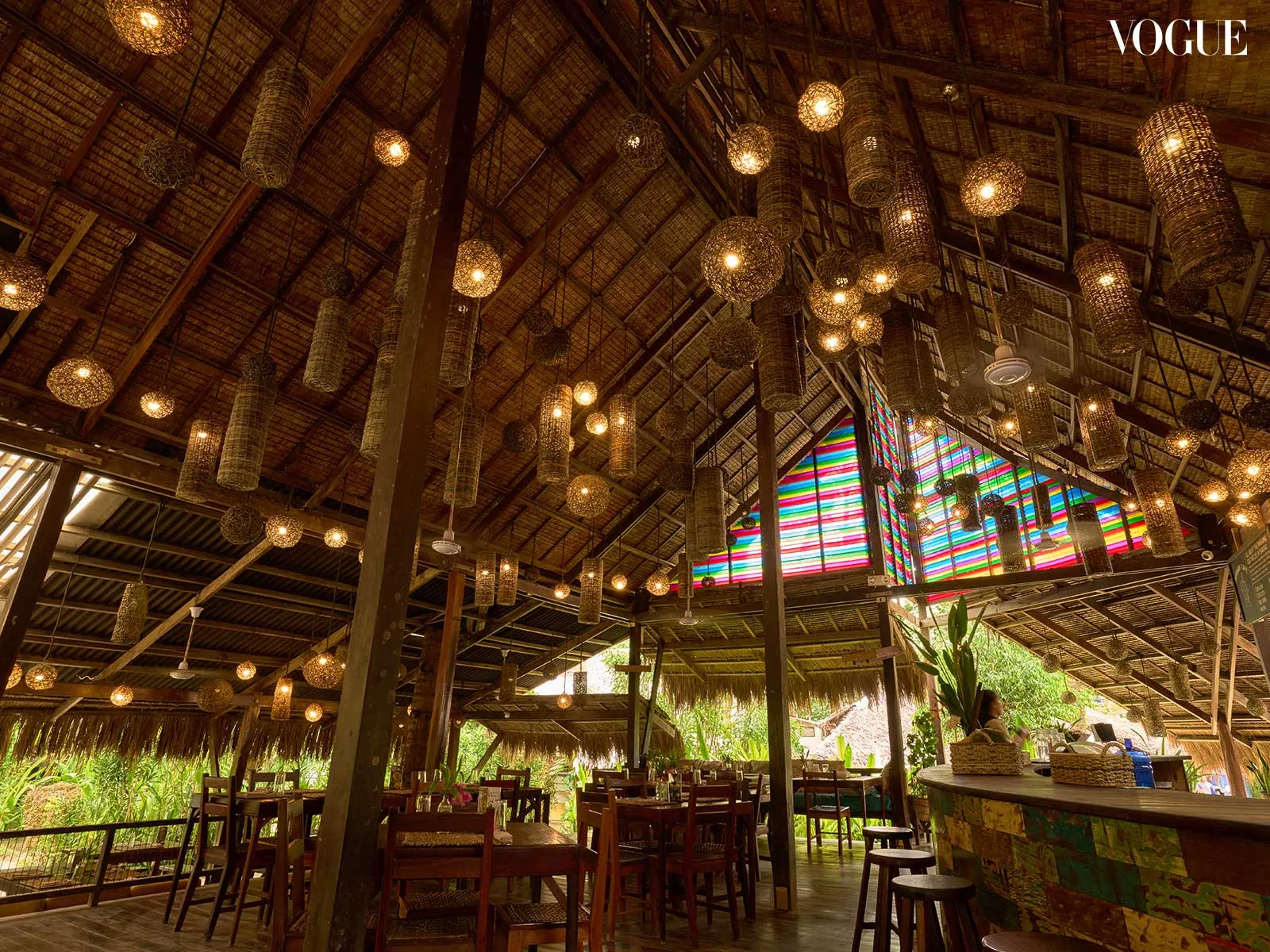
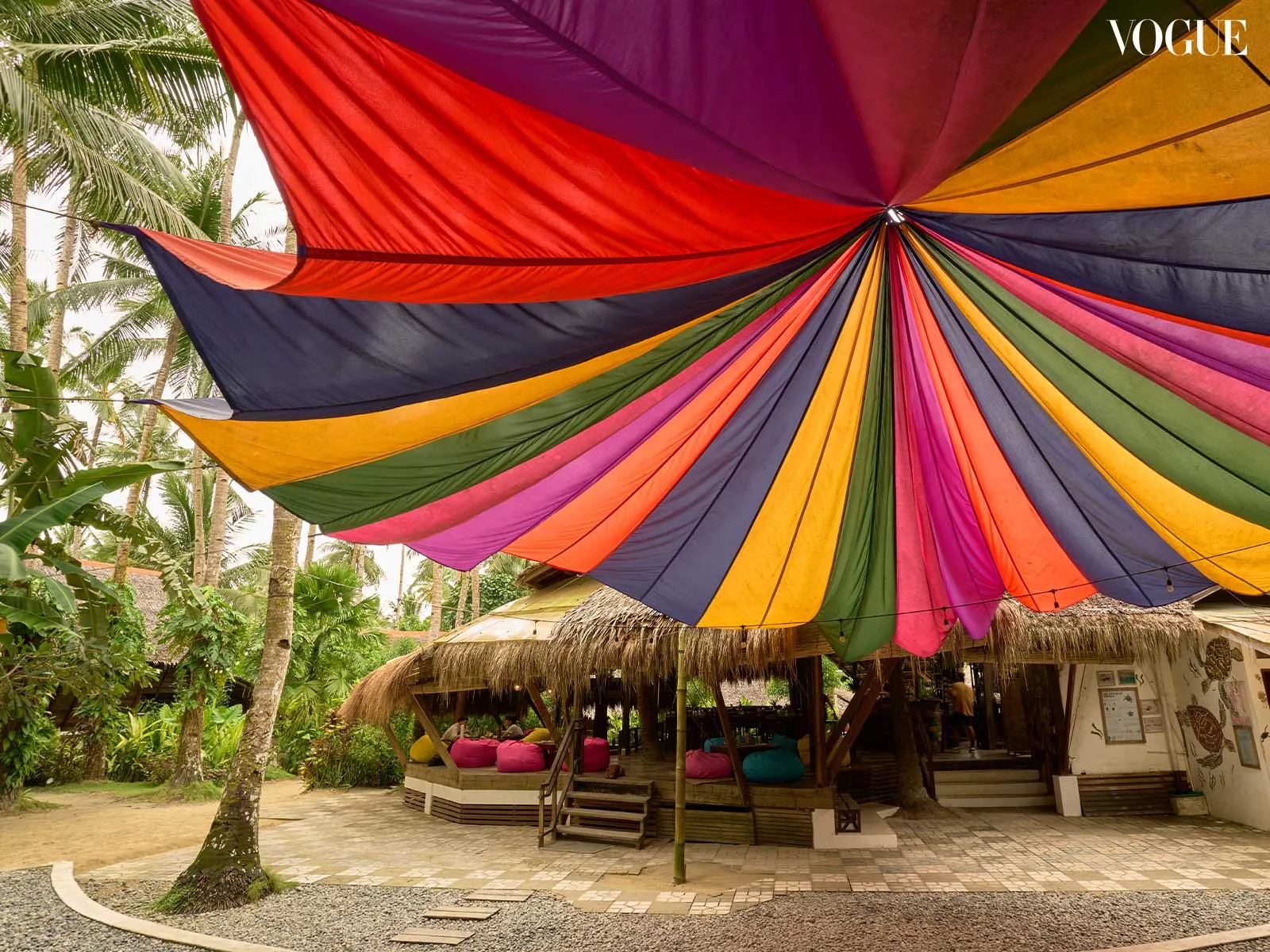
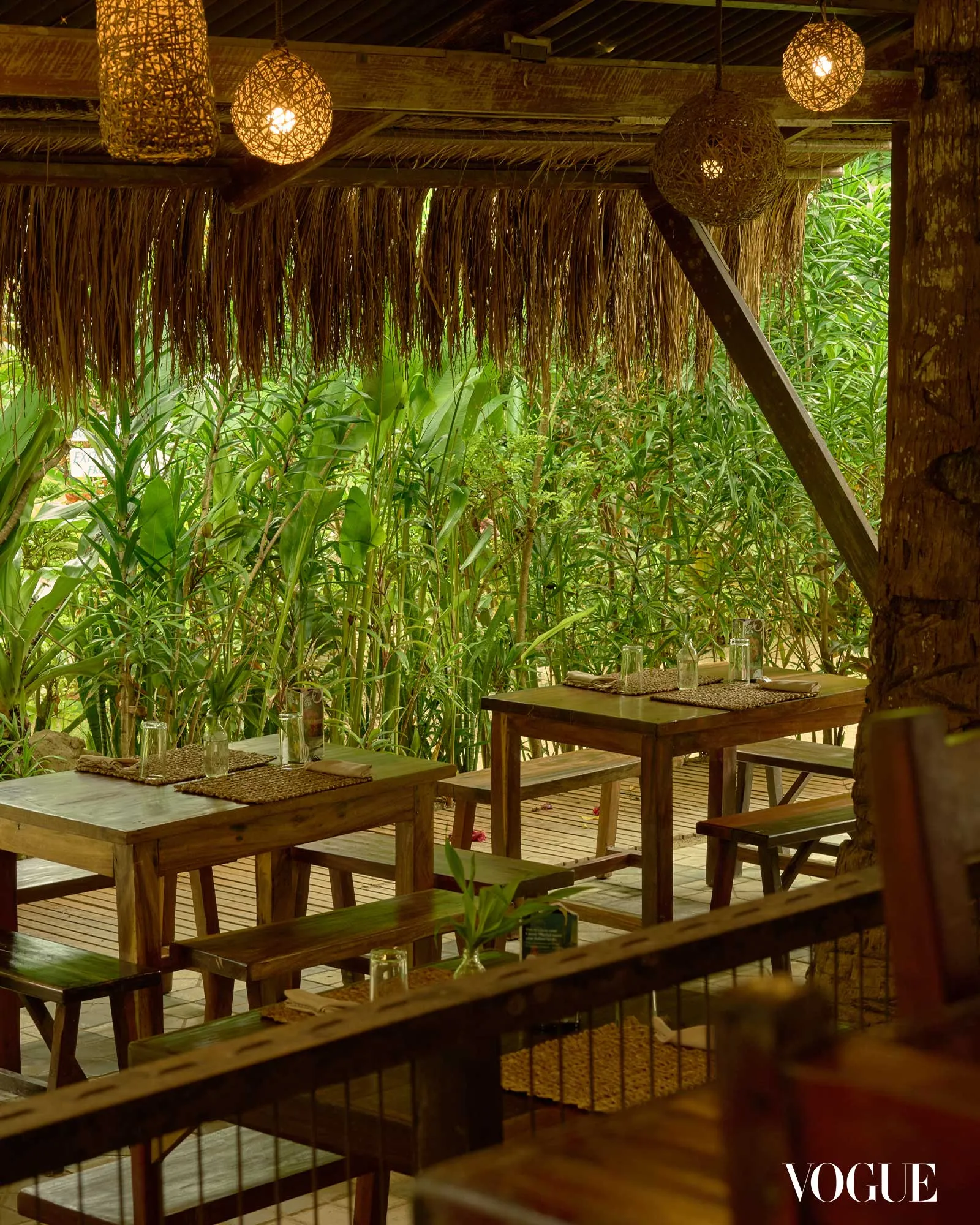
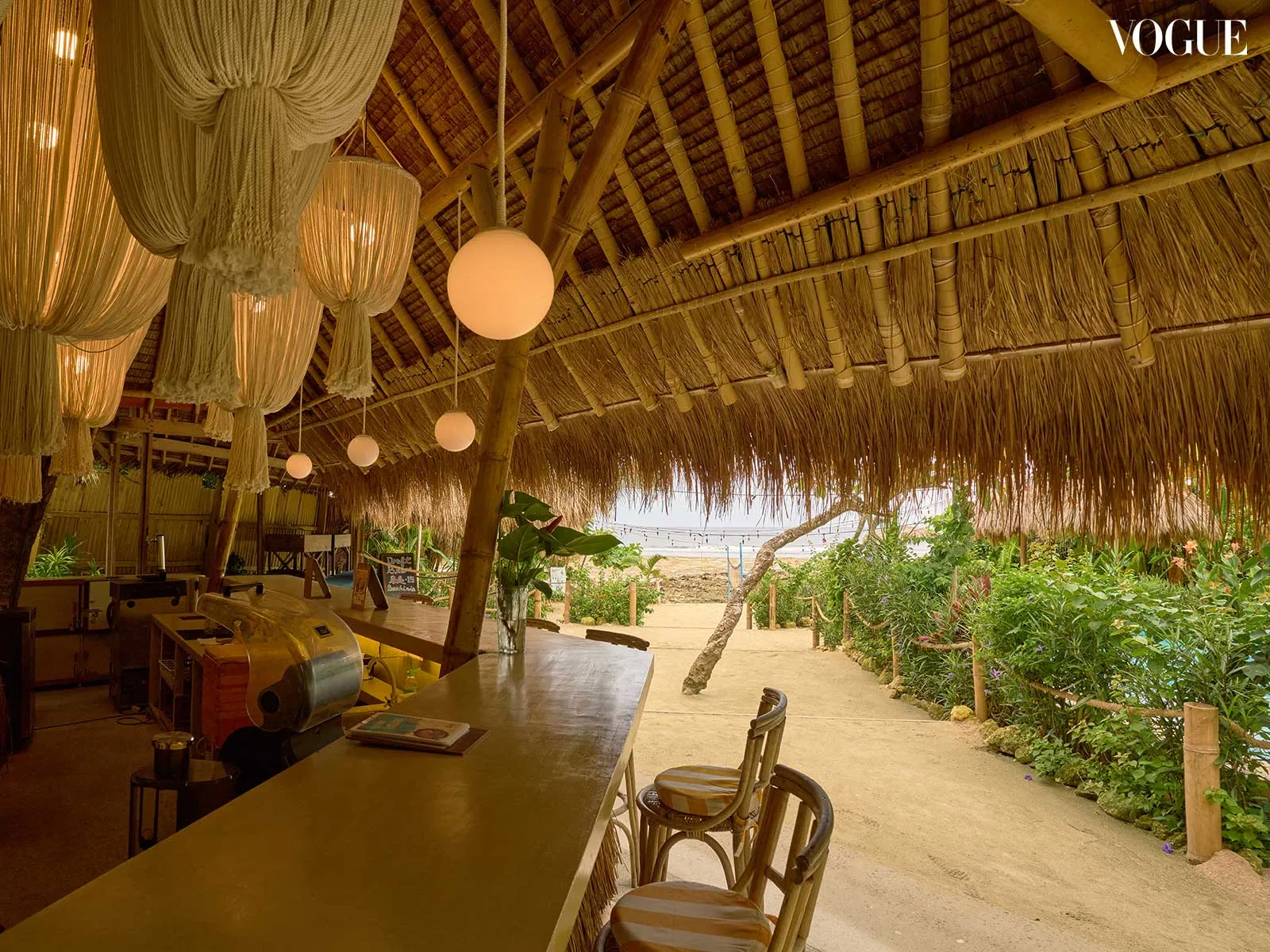
Harana Surf is a beachfront property with eight deluxe room villas for two to three guests, one “barkada” villa for five, and two dorm-style cottages that can fit 10 in each one, all comfortably appointed, and with air-conditioning and running water. They also have a beach bar, a pool, and an ice cream shop that will soon be serving Razon’s famous halo-halo, and a gift shop. All of these stand around a central garden and are designed to blend with the surroundings.
“Even before we started construction, our business plan revolved around sustainability and community,” Ian explains. “We knew we had to market the place, but it was fragile. It could become so big and popular that it loses its identity. We felt it was our responsibility to protect what makes Siargao special.”
Mooks adds, “Harana champions eco-friendly practices and supports local talent, traditions, and livelihoods. We are the only internationally certified resort in Siargao for sustainability. When we first started planning the resort, we partnered with Stoke Certified, which is based out of San Diego, California. Our goal was not only to be environmentally sustainable, but also to focus on the other pillars of sustainability: economic, wellbeing, and society.”
Today, ninety-five percent of Harana’s staff are locals living within a two to three kilometer radius. Instead of recruiting pre-trained workers from larger cities, they brought in experts to train residents, giving them skills for roles often filled by applicants from Cebu or Manila. “Our employees are now the breadwinners of their families,” he adds. “That is the economic sustainability we wanted for the island.”
Ian notes that surf tourism has shaped many coastal towns in the Philippines. “Places like Siargao, La Union, and Baler grew because of surf,” he says. “What makes Siargao different is the older businesses and locals are still part of the community. Newcomers, especially bigger corporations, are not always involved, but we are working to get them more engaged.”
Their resort is one of the few with a surf break. “If you go to Harana, you go to surf,” Ian says, adding, “at the end of the day, surfing is what has made Siargao, and made the vibes what they are. It has always been what the draw is.
“Also, we have one of the top surf schools in the country, where we teach theory in addition to surf lessons. It’s headed by one of the national team coaches, Wilmar Melindo,” Mooks adds. The school is known not only for teaching theory and how to surf, for its emphasis on safety and proper etiquette, a culture they believe protects both guests and local lineups.
Their guest profile has widened over the years, now including seniors and families with young children alongside solo travelers and backpackers, though most remain the curious and active kind who want to stay somewhere that mirrors the island’s pace. The resort funds select community efforts, so every stay loops back to the people who call Siargao home.
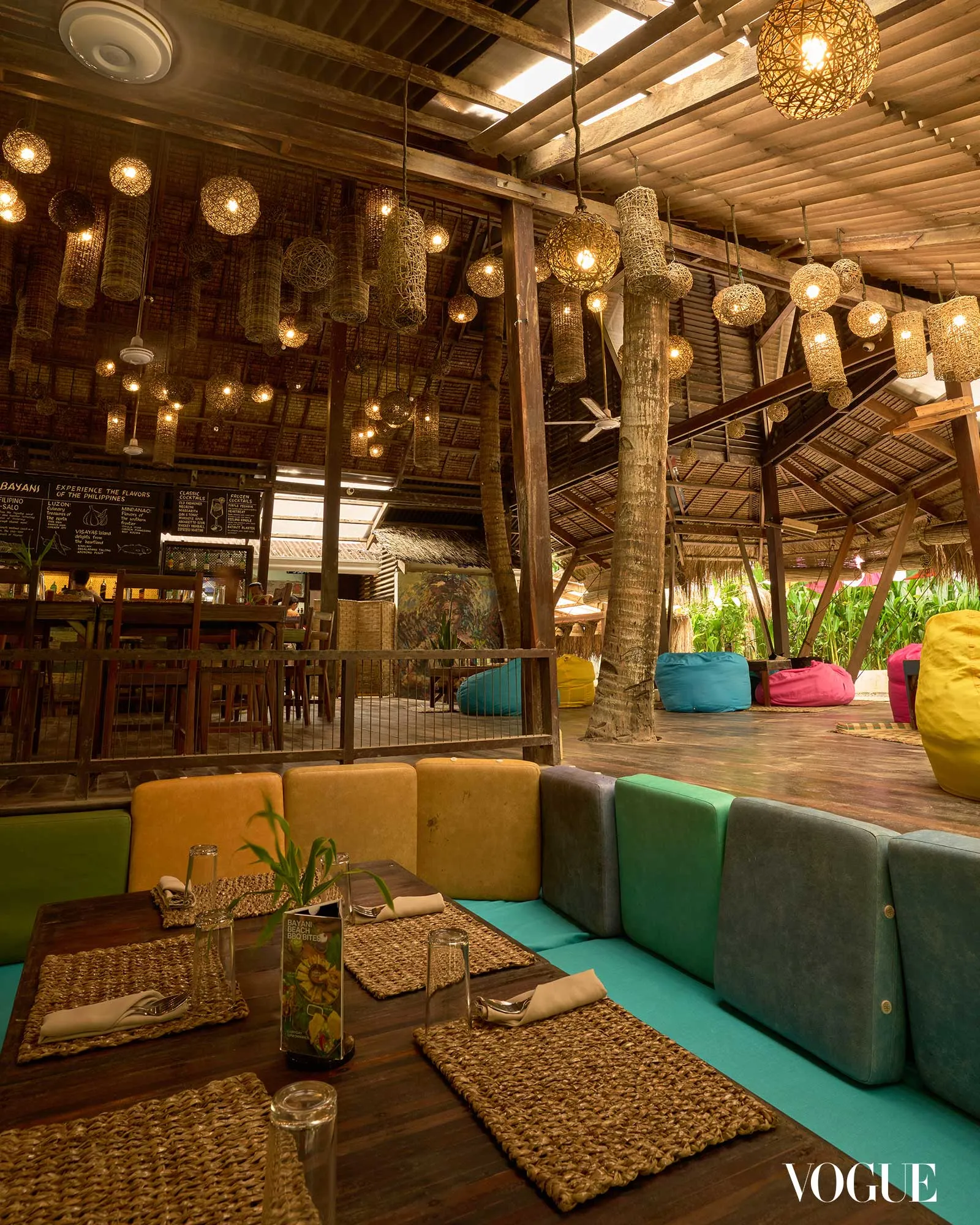
Guests do not necessarily come for quiet, as Harana still has what locals consider its now-legendary Saturday parties, “which end at midnight, I have to stress,” Mooks hastens to say. “This is not only to respect our neighbors, but also it’s a reasonable time so we can wake up and surf early.”
He continues, “If you want to feel like you are in Siargao, you stay somewhere that is part of the community. Harana is inclusive. You see locals, tourists, foreigners, domestic travelers. Everyone hanging out, talking, learning from one another.” It is a reminder that the island’s culture is not meant to be observed from afar.”
Mooks and Ian take turns managing Harana, splitting their time between Manila and Siargao as they raise young families, though the island remains their second home. Their spouses work in Manila, so staying partly in the city made sense. Harana has become their business starting point, but they were fortunate enough to build it in an island they love and with the support they didn’t think they would get. “We are the only operating partners,” Ian explains. “The rest, [all good friends from high school], are silent investors. We kind of just saw each other’s strengths, and naturally slid into the different roles. Mooks is basically into the finer details and is more passionate about the aesthetics of the place. I’m more of a functional guy.”
Both still surf. “Although we are definitely older, we still love it,” they laugh, but they are the first to point out that it is never too late to pick up a board. To prove that point, Ian recalls the day they hosted the Talaandig tribe from the mountains of Bukidnon. One of their elders, Nanay Adelfa, a revered wisdom keeper, respected cultural and spiritual figure, and a daughter of one of the tribe’s late Supreme Chieftain, hasn’t failed to impress them. “They were from the mountainous region. She was almost ninety then, [when] she surfed for the first time. She stood up! She was so stoked.”
Mooks muses, “The beautiful thing about surfing, which you never have to worry about, is looking like a fool, because if you ask any surfer, no matter how long they’ve been doing it, is that you never stop learning. You learn a lot about yourself when you learn how to surf. When you look around at surfers, they’re environmentalists, they all care about the ocean.”
He offers the simplest explanation for why people continue to return to Siargao. “You relax. You feel human again. That is the magic.”
It is the same magic that drew them here more than a decade ago, and it is the one Harana quietly protects for anyone who arrives, wondering what it is about Siargao that stays with you long after you leave.


