
Courtesy of Tuloy! PH Volunteer Team
When typhoons Crising and Emong hit the Philippines last week, Trining’s Kitchen Stories stepped up to warm up evacuees’ stomachs in Metro Manila.
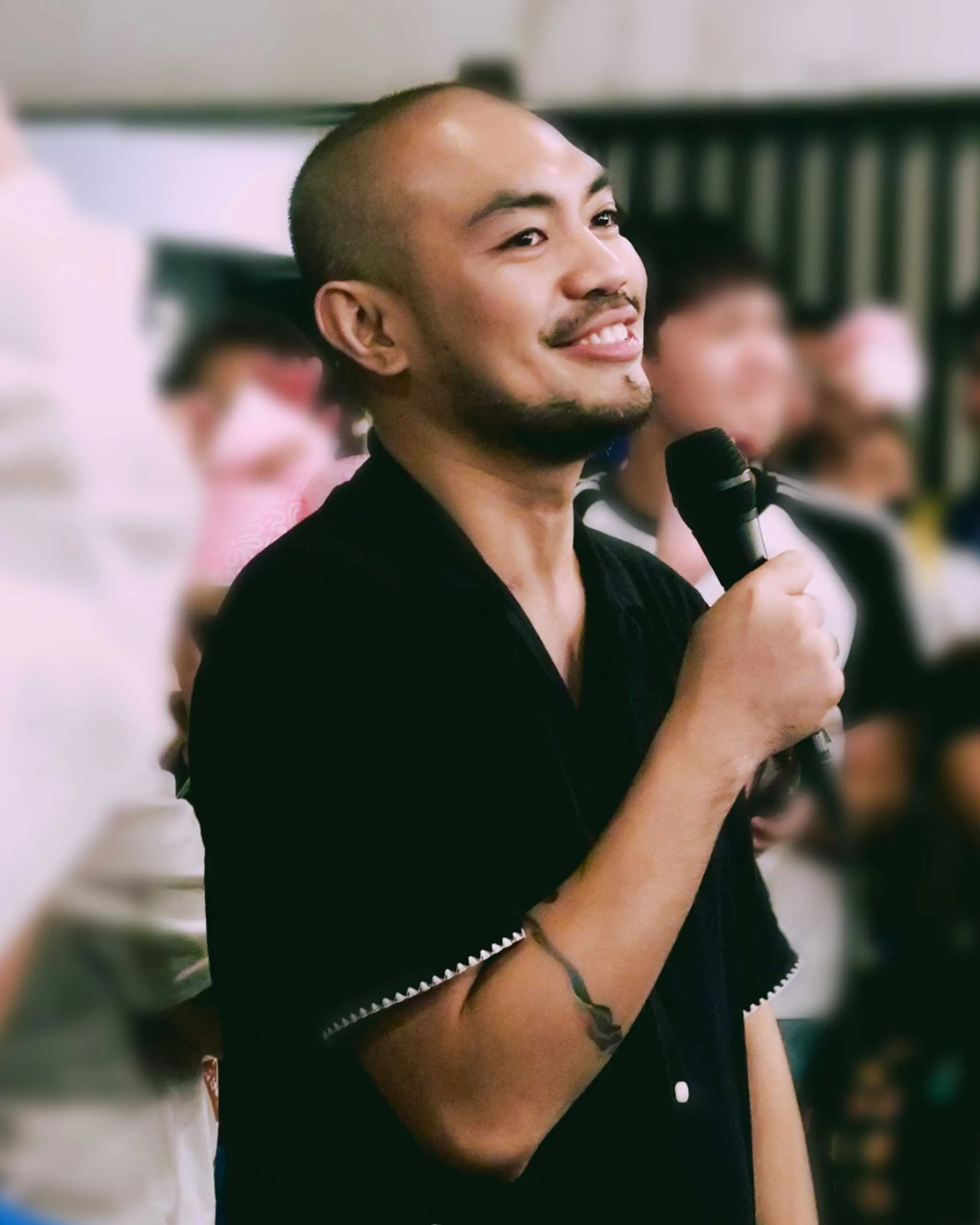
There’s a surge of emotions and thoughts flooding Jayson Maulit’s mind. It’s a Sunday afternoon, and they just finished their relief operations the day before. “[There are] so many feelings right now, but the emotion I feel above everything else is [that anything] is possible,” he says.
For most Filipinos, the past week has been devastating as two typhoons, namely Typhoon Crising and Emong, have hit the Philippines, globally known as Typhoon Wipha and Co-may, respectively. Throughout that week, areas of Metro Manila and other provinces experienced flooding, forcing residents to leave their homes. And at Trining’s Kitchen Stories, Maulit and the volunteers at Tuloy PH were trying to battle a different storm: the evacuees’ hunger.
It was the second time that their kitchen met this kind of dilemma. Last year, they also cooked meals during Typhoon Crarina, sending 10,000 meals to various evacuation centers. This time around, operations were bigger, with more volunteers, donations, and support from chefs and restaurants across Metro Manila, such as AF Hospitality and The Moment Group. With an initial target of 25,000 meals, the team surpassed that number with over 50,000 dishes served.
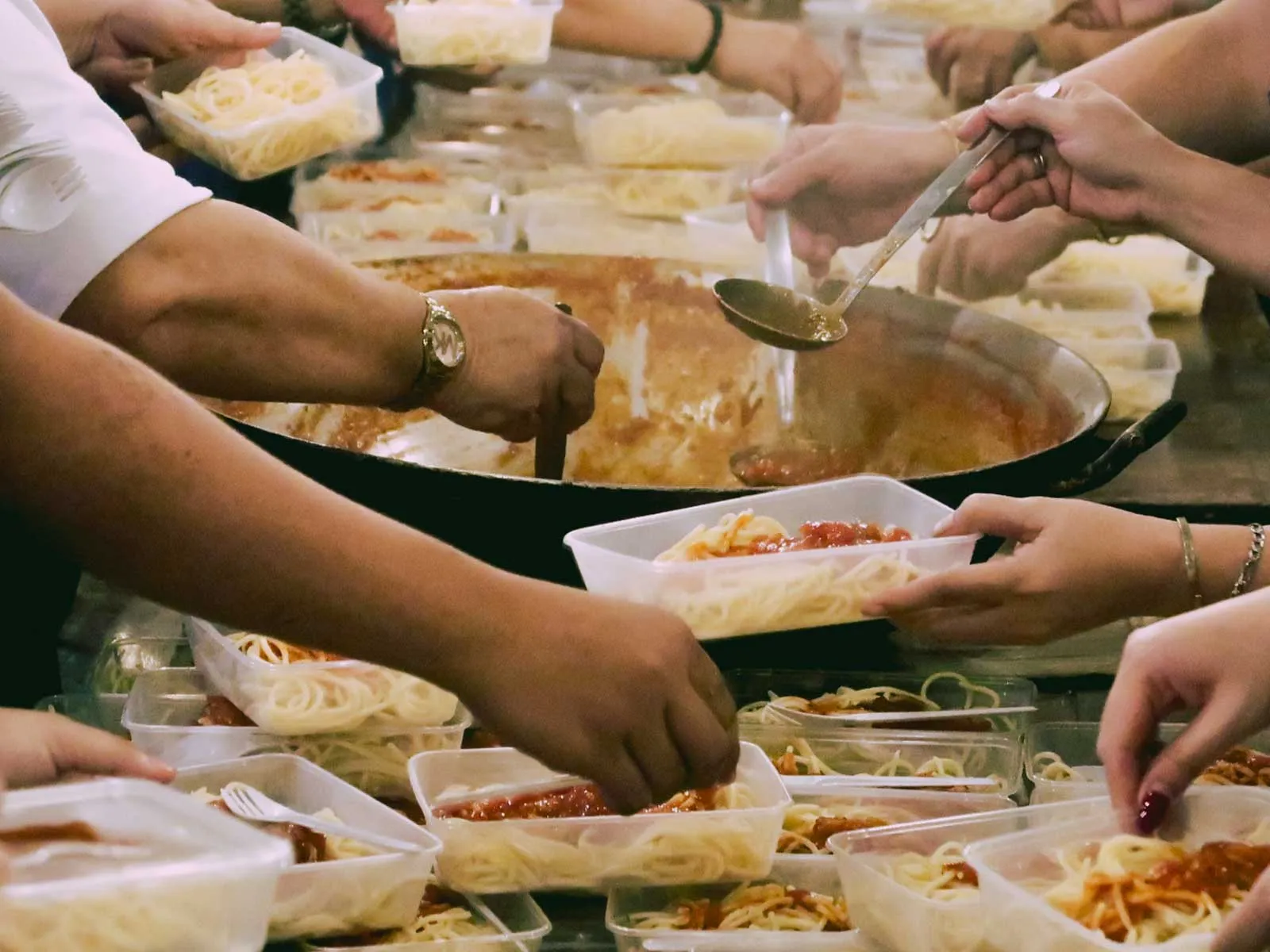
At the core of their operations is the restaurant’s principle of food dignity. “To me, a crisis is a battle for dignity,” Maulit clarifies. In an Instagram post, Maulit recalls how people commented that their dishes didn’t look like evacuation food. As a chef, he didn’t view it as a compliment. Instead, he views it as a failure of systems and as poor leadership. He wrote, “It exposes how long our expectations have sunk, how easily we accept that, in times of crisis, the poor should settle for less.”
“In reality, the vulnerable are stripped of dignity multiple times: before, during, and even after the storm,” he continued. “But food is often the first dignity stripped in a crisis, and a hot meal becomes more than just nutrition; it is inclusion and belonging, made visible through the way food is prepared, handed over, and shared.”
With the level of attention and care Tuloy PH and Trining’s put into their dishes, evacuees eventually started looking for their meals at centers. “They were asking where the food was from,” Maulit says in Filipino. He shares that before, there were mothers who would return to their homes in the middle of a storm because they were worried about food. But this time, they chose to stay when they found out that Trining’s will continue to be served. “It’s not a one-time meal; it has to be multiple meals of dignity. This is the care that we deserve, especially during a time of crisis,” he says.
It’s a principle that’s rooted in his own experience. Maulit recalls his first memory of struggling during a crisis: “One of my first memories of the Metro was seeing flood water seep through the gate of our house,” he shares. At the time, Maulit’s parents didn’t have much, and they were renting a garage space as their living quarters. His mother had asked for help from the owner to see if they could seek shelter inside until his father arrived. “I remember the woman of the house telling my mom that if we need to relieve ourselves, we have to use the trash can.”
The look on his mother’s face is embedded in his mind. It was the same feeling he had when his grandmothers died during the surge of the COVID-19 pandemic. “This was not born out of inspiration. This was born as a form of resistance, as a form of anti-erasure,” he says. “Because I don’t want that experience to happen again.”
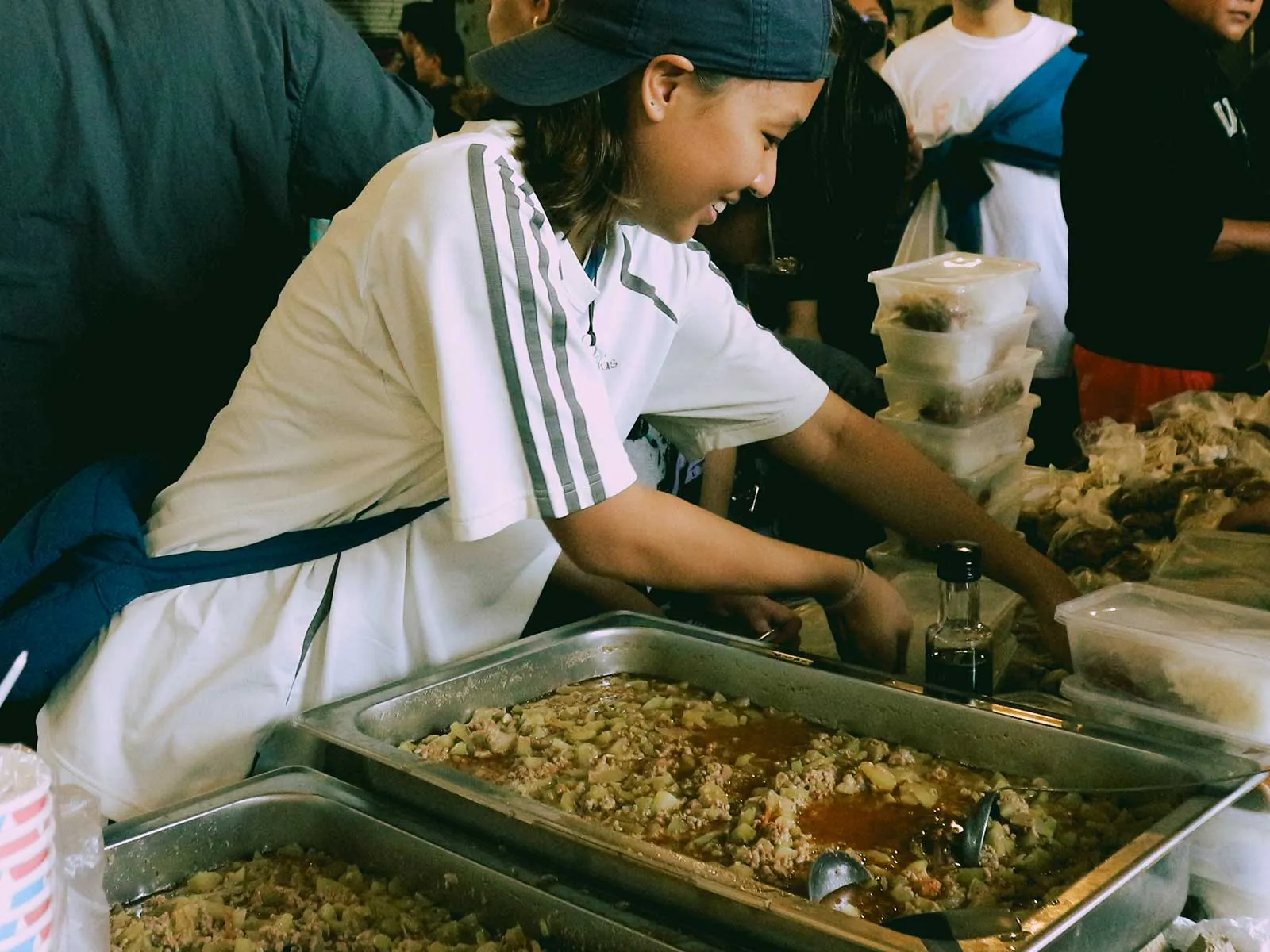
That feeling was also the catalyst for the inception of Trining’s Kitchen Stories. The restaurant was initially a way for Maulit to “remember the voices of his grandmothers,” but after reflecting on their experiences of systemic failures, he founded Trining as a test lab for social impact.
Aside from reimagining Filipino dishes, Maulit wanted to explore how food can be used to start conversations about human dignity, evacuation, nutrition, access, and equity, among other things. “They start with how we understand the value of food to one person,” he says. “And to us, it’s not just nourishment, it’s returning the dignity of people who are very vulnerable in crisis.”
During their operations last week, he was able to serve his family’s dishes. Seeing the volunteers and evacuees enjoy the dishes, Maulit feels a sense of pride. Not for himself, but for how far his grandmothers’ recipes have come. “Her food now doesn’t just feed the family. In fact, her food now isn’t just feeding,” he says. “Her food now is a standard of resistance, care, and comfort.”
He continues, “Trining’s feels like a personal story at the start, which allowed others to be part of the story. Now that the story has many writers, many chapters, but still with one north star, and that is food dignity.”
When asked about what he thought his grandmother would feel about what he’s accomplished, he recalls one of his last few memories with her. “The last message my grandmother sent me before she died was, ‘Nasaan yung kaldero?’ (Where’s the cauldron?)” he shares with a smile. “I think she’s forgiven me for not returning it.”


