
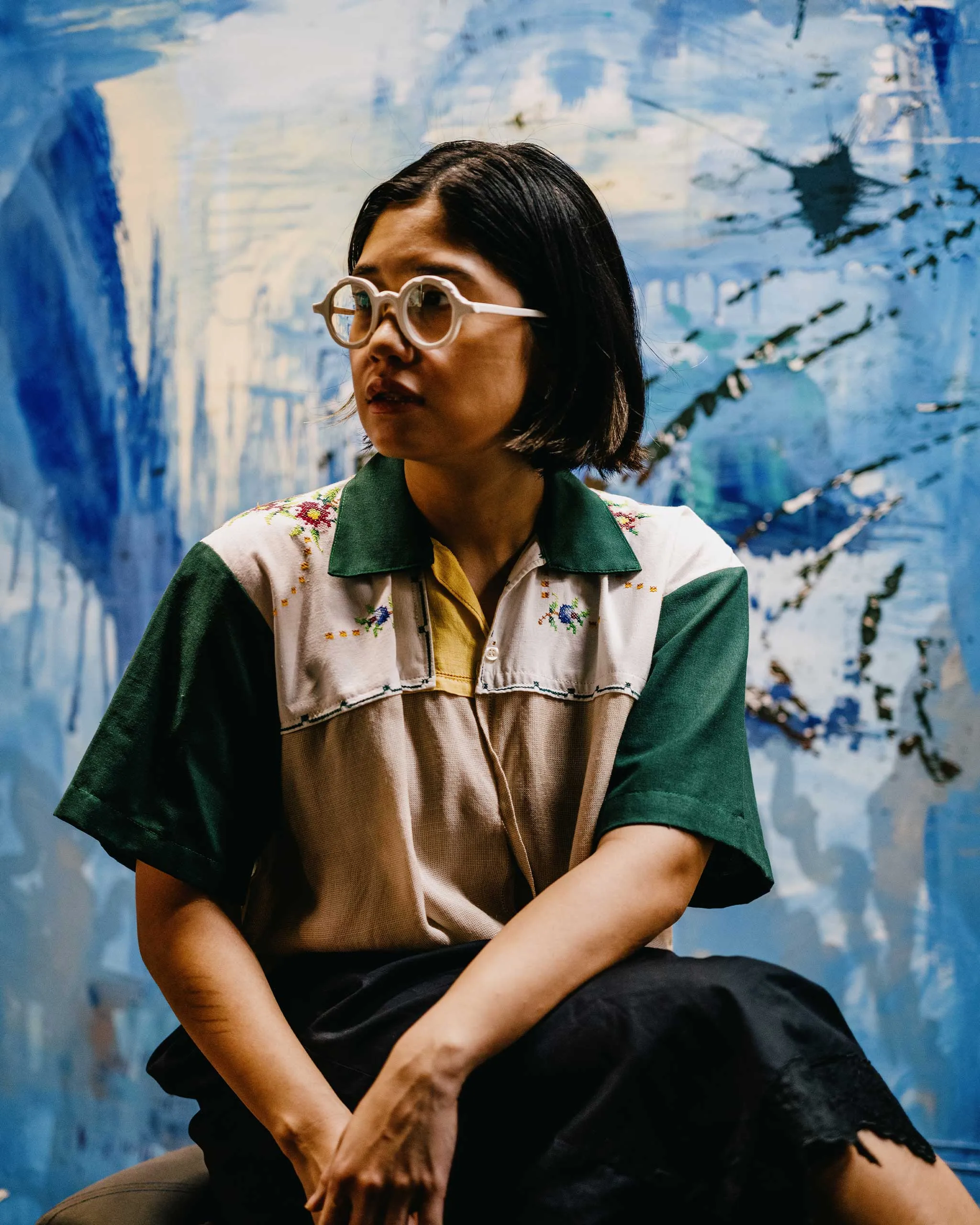
Portrait of Isabel Reyes Santos. Photographed by Bryan Kong, courtesy of Now Now Canteen
Now Now Canteen continues to push food forward with their reNOWn artist residency program.
“What if artists, not chefs, led the conceptualization of a menu?” Bryan Kong asked his childhood friend, Patrick De Veyra. When Bryan opened Now Now Canteen with his wife, Maxine, last year, they knew they wanted to be more than a restaurant. They saw it as an incubator for ideas that haven’t been done before.
A few days later, his friend called back and said, “I already have a lineup. The best of the best from Manila’s contemporary art scene.” That was the beginning of reNOWn, a cultural incubation and artist residency program dedicated to exploring the intersection of gastronomy and contemporary art.
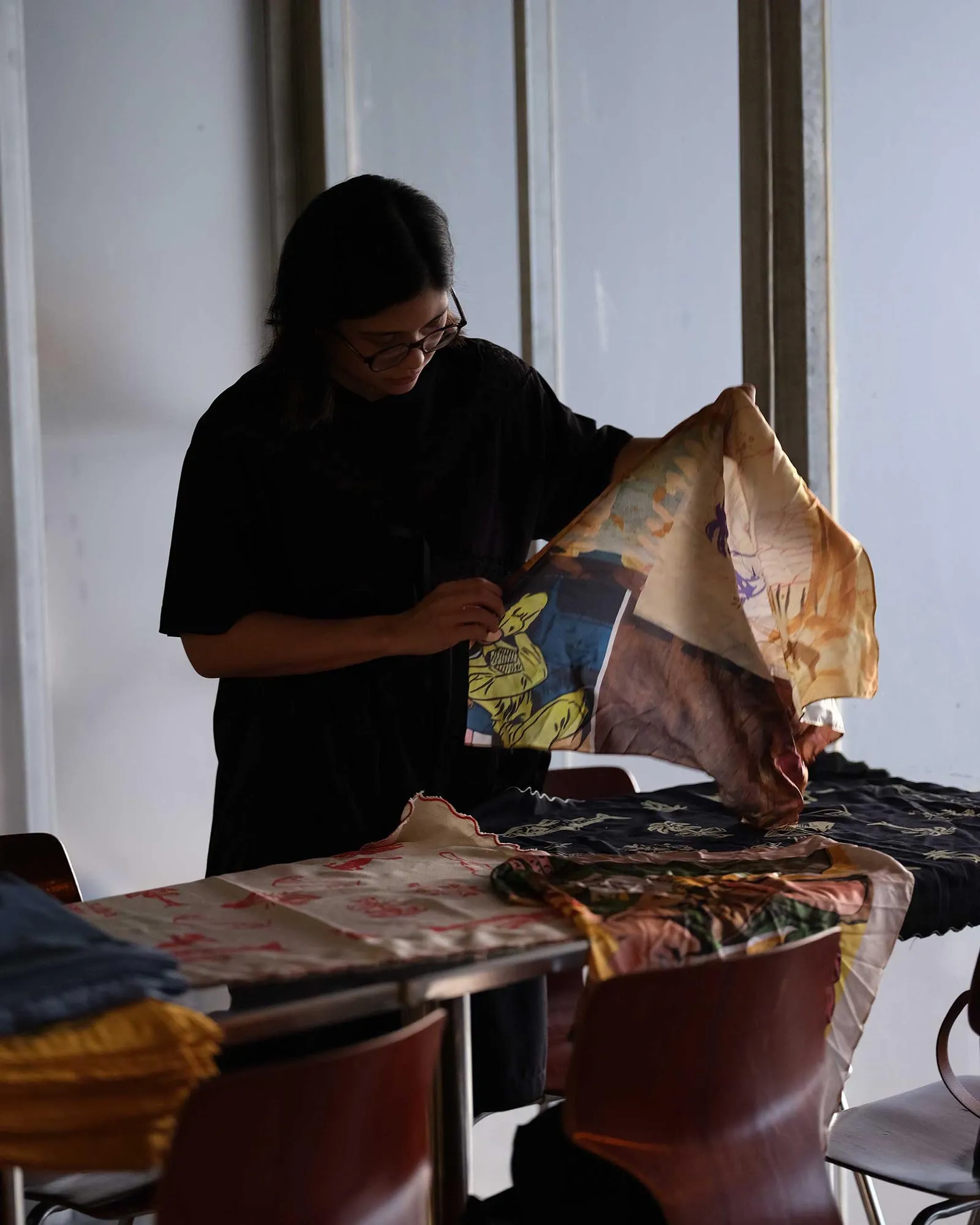
For a limited number of seatings this May, Now Now’s first reNOWn edition will serve a seven-course tasting menu inspired by Japanese cuisine and the visual iconography of artist Isabel Reyes Santos, an award-winning visual artist who has exhibited in art galleries in the Philippines and abroad. She is backed by the curatorial team composed of head curator Patrick De Veyra, Now Now co-founders Bryan Kong and Maxine Kong, and hospitality systems designer Zoilo “Chino” Recto.
The gastronomy team is led by resident chef Kelvin Pundavela and sous chef Keona Liuson under the supervision of Now Now Executive Chef Mateusz Łuczaj and Executive Pastry Chef Lisane Łuczaj.
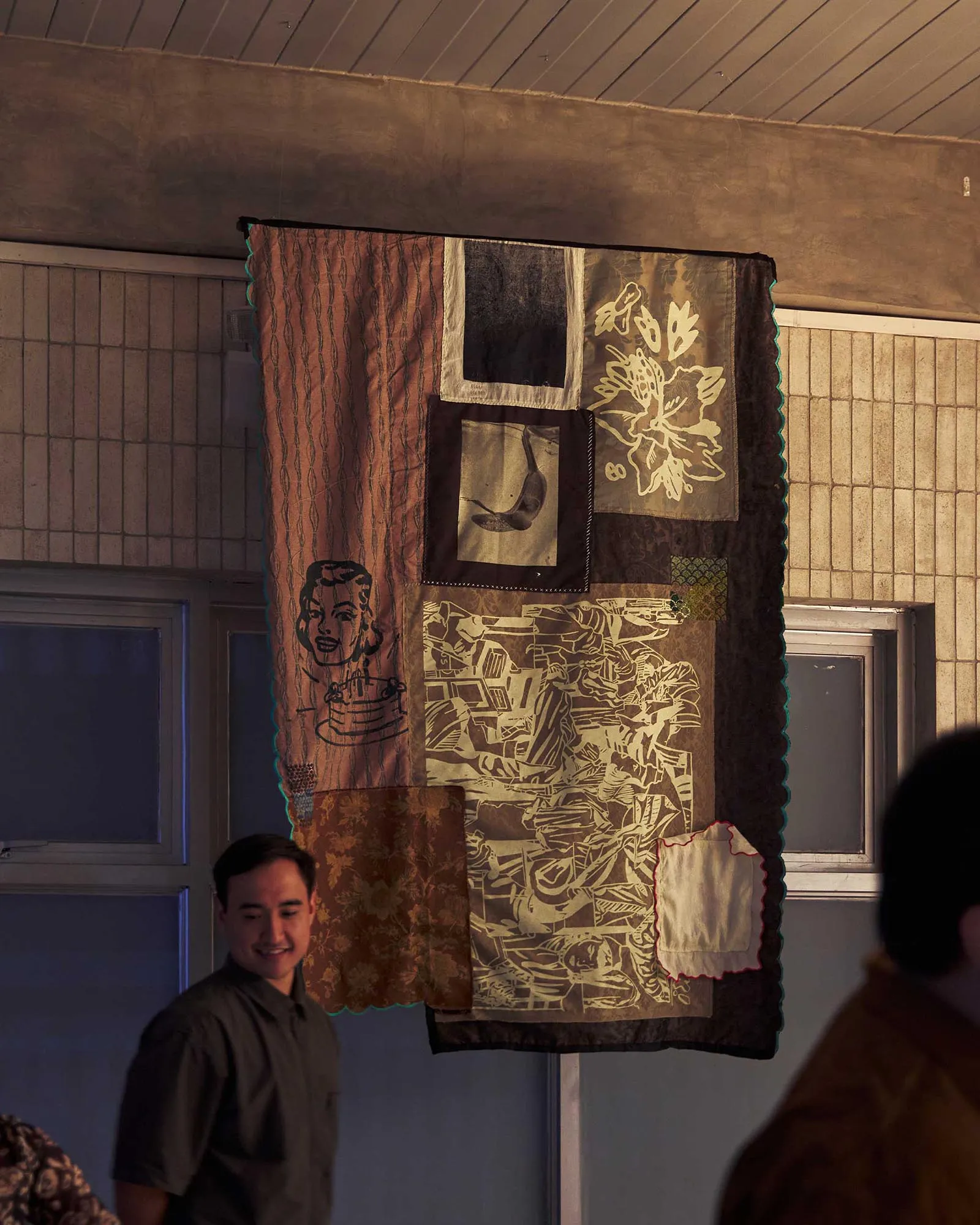
Through every dish, guests get to know the artist a little better, as Isabel’s current practice is deeply personal to her. Her work involves reconstructed iconography from Western popular culture, broken down and pieced together again to retain some familiarity, but ultimately producing something uncanny. “I am attracted to glamor and these fashionable figures [from the ‘40s and ‘50s], but knowing what goes on behind the scenes, demystifies it for me […] The reconstruction of fragments are projections of my anxieties, regarding the societal gaze historically set on women by a patriarchal system.”
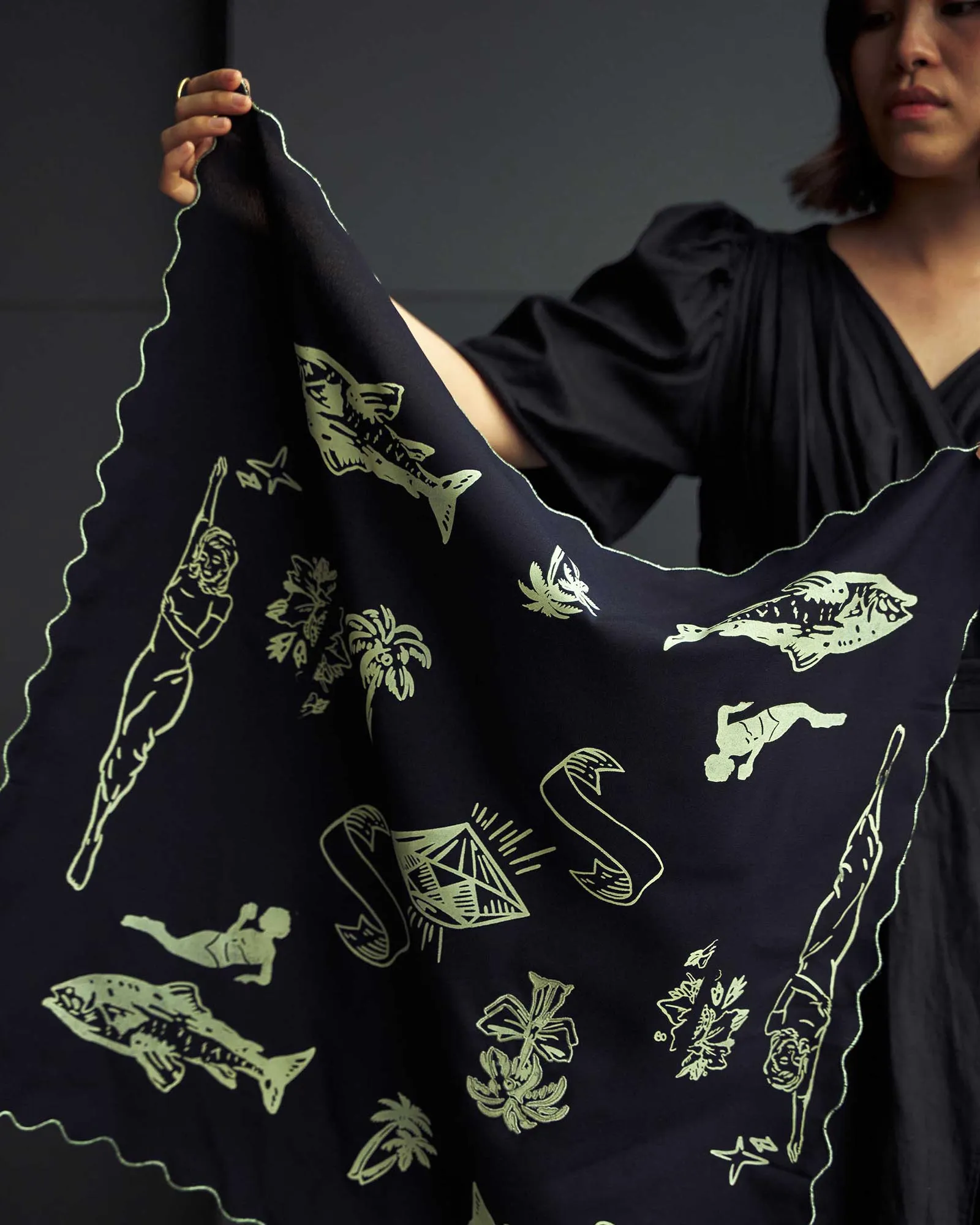
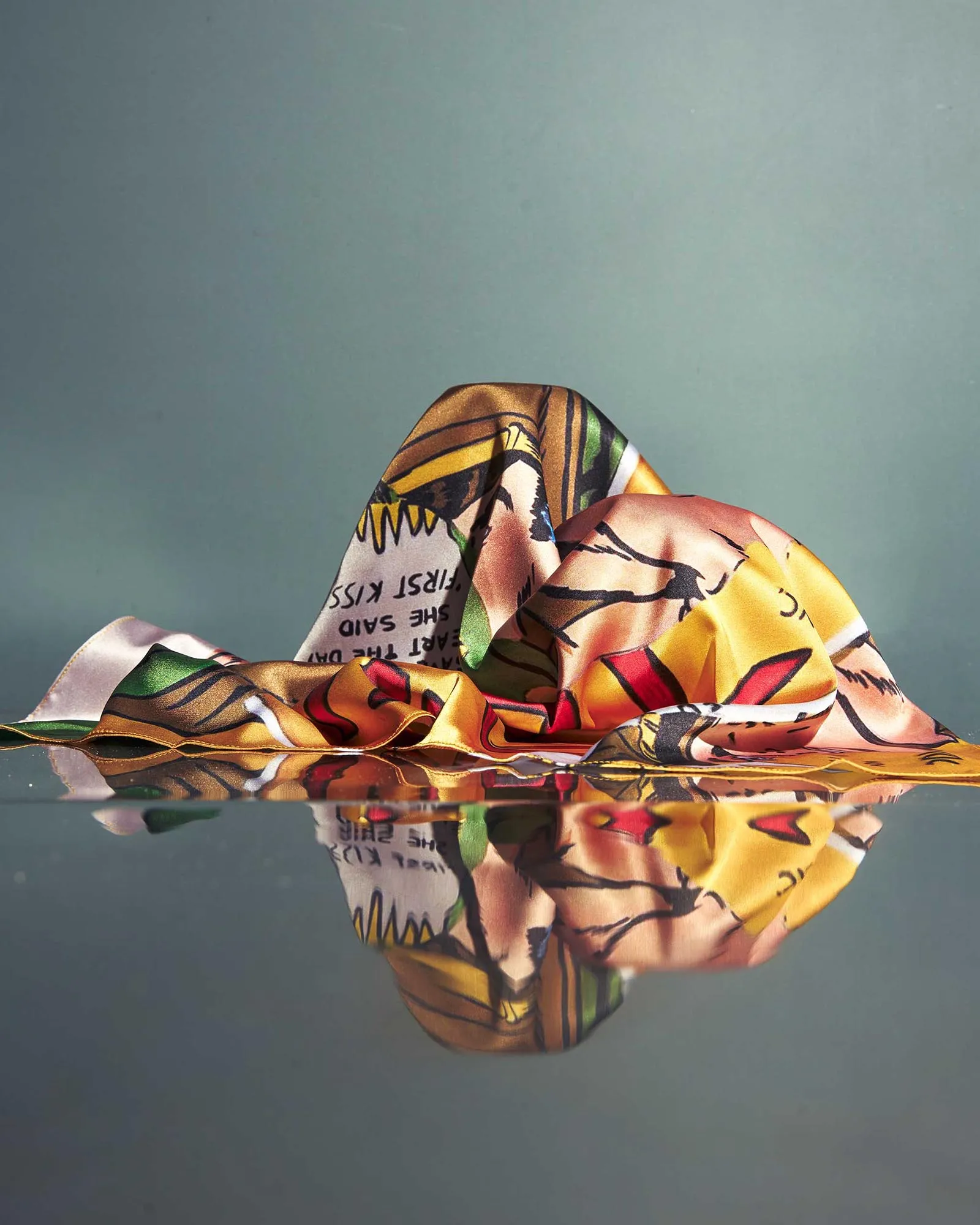
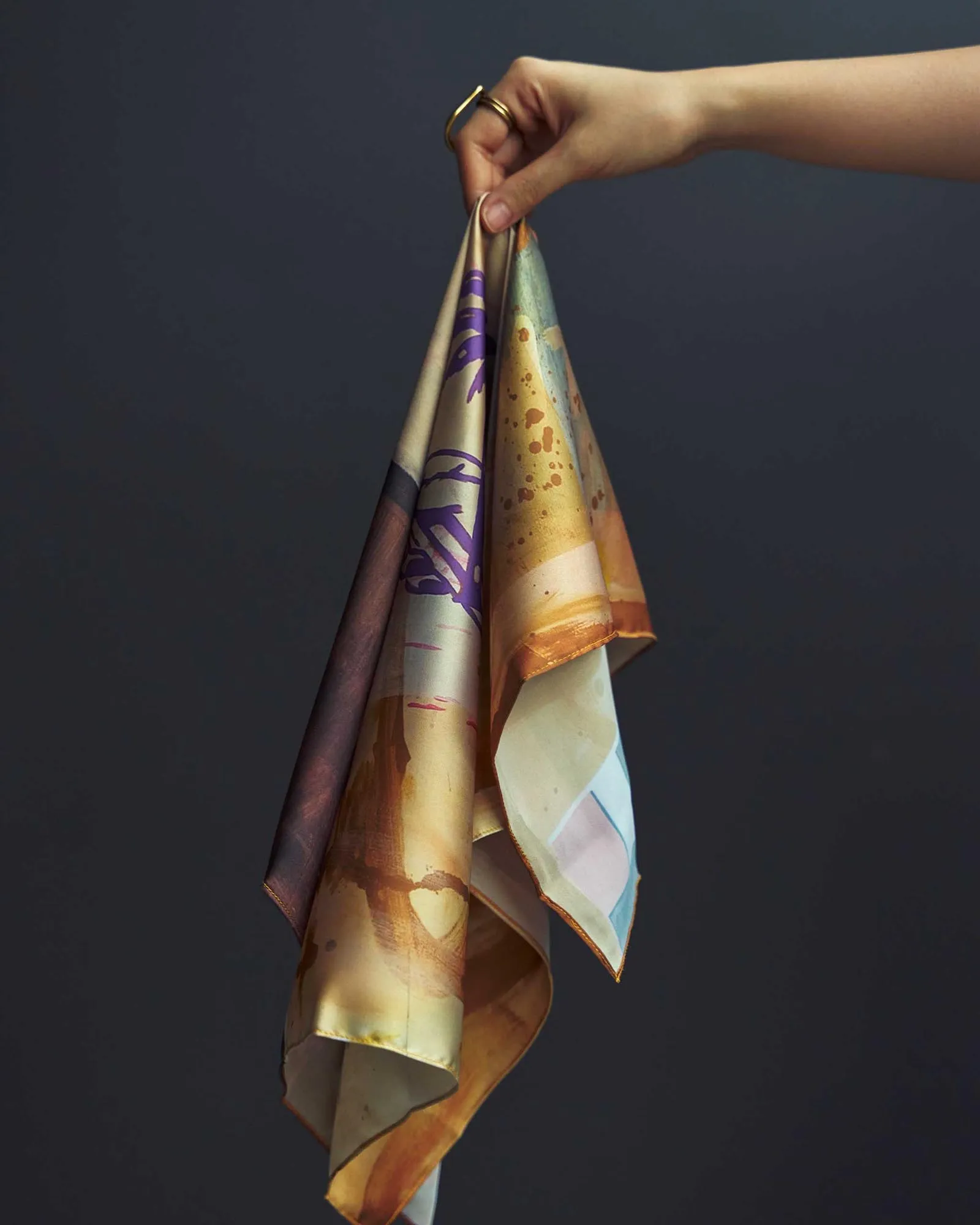
These fragments of her art are found all over the Now Now Canteen during her residency. Apart from the dinner courses, the guests take home an art course: a limited edition artwork by Isabel featuring the same iconography from the meal.
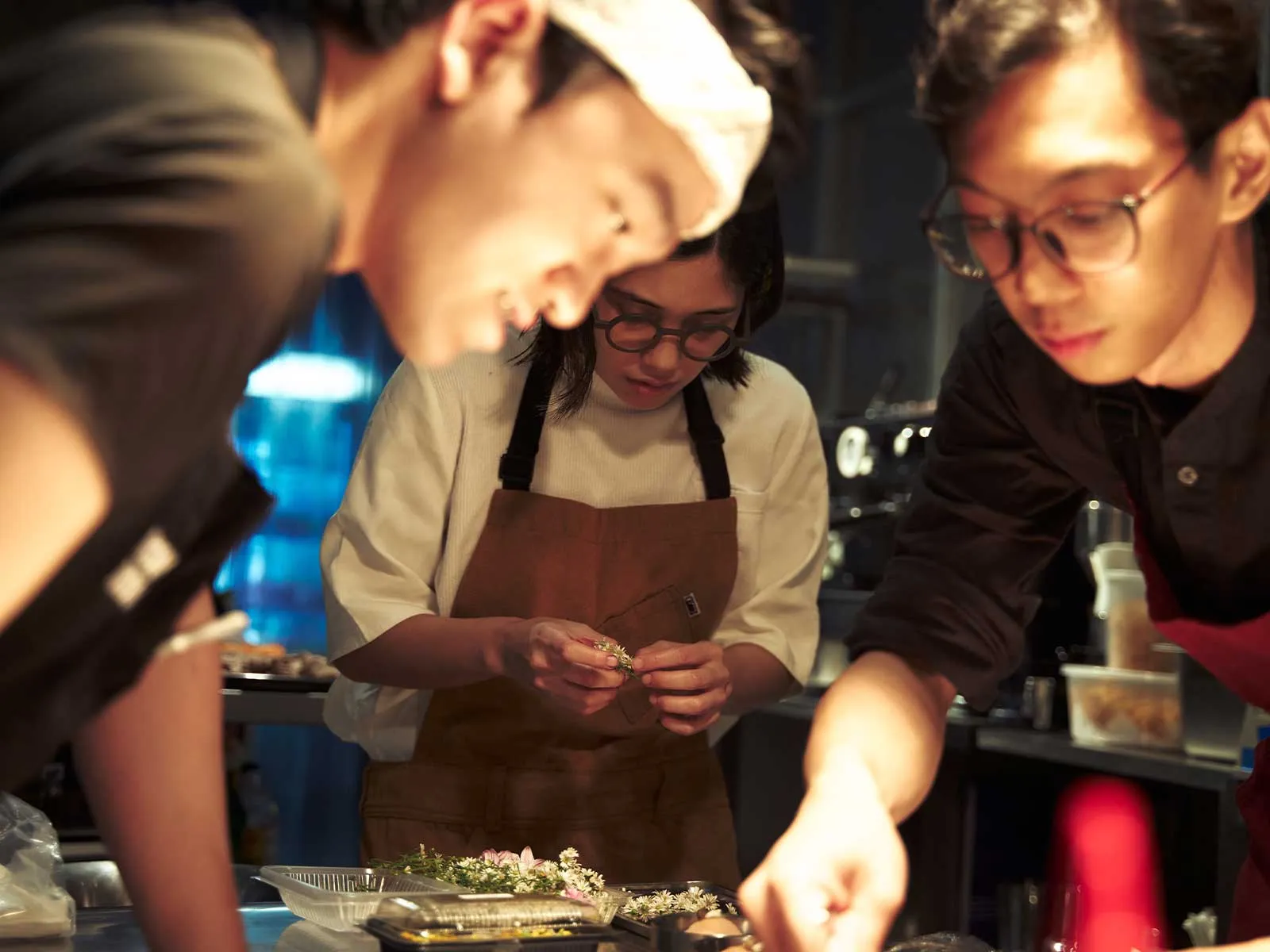
“We’re excited about exploring new food formats, ways of eating that we haven’t tried before. But more than that, we’re excited to champion these artists and make their work more accessible,” Maxine says. “Not everyone can afford to collect art, but maybe they can experience it through a dish, or even take home a piece of it. We’re building a space where visual art and food meet in a way that’s not intimidating, but inviting. And I think that’s a powerful thing.”
Isabel’s illustrations of women, swordfish, and scallops grace the frosted glass above the kitchen, immersing the guests in her art and cluing them into the meal that awaits them. The same scallops are served right on the table as the Capesanto Sando, made with fermented corn shokupan and katsu scallops. Beside it are the Puffed Pasta and Frutti di Mare bites paired with different flavors of kombucha showcasing the restaurant’s signature fermentations.
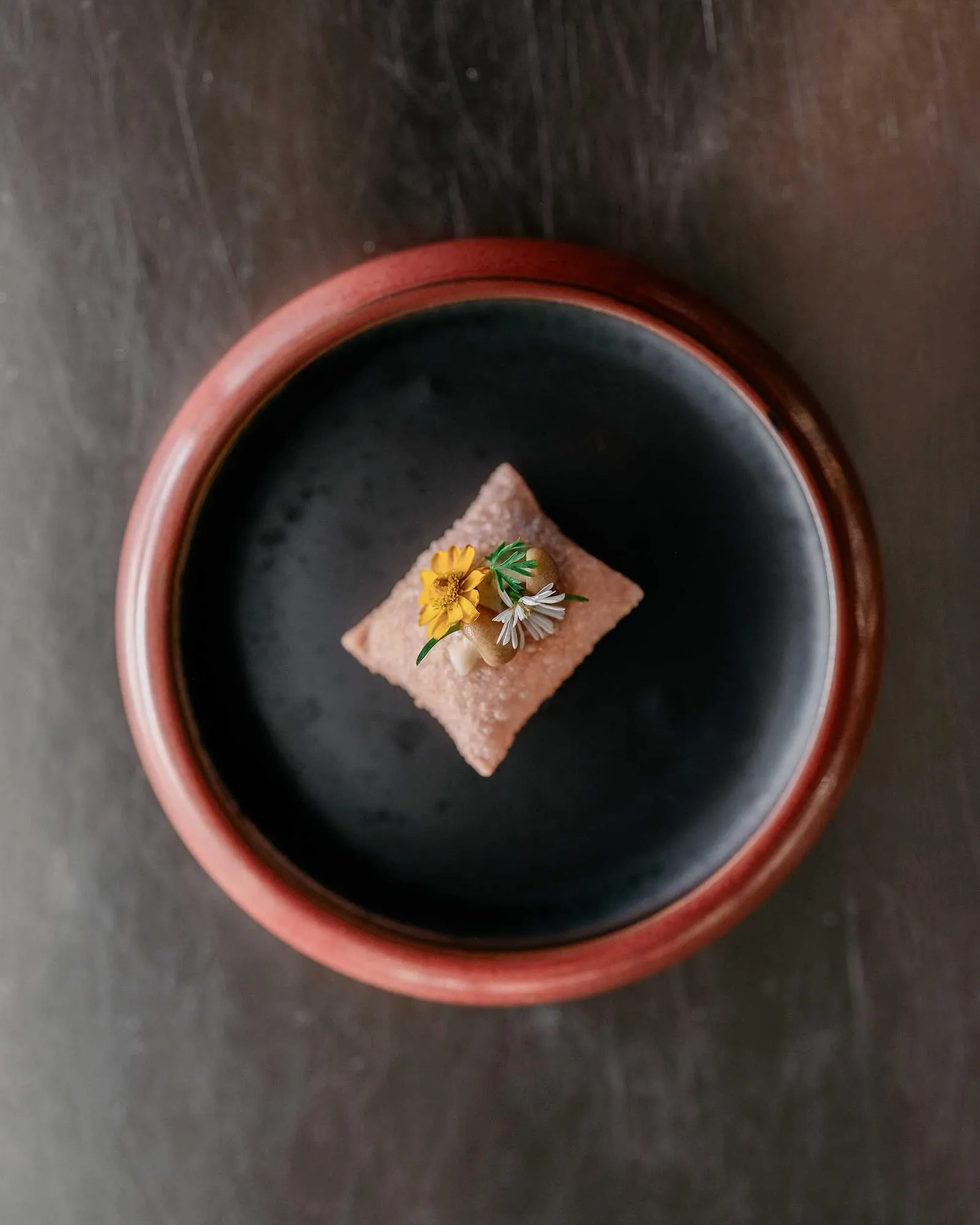
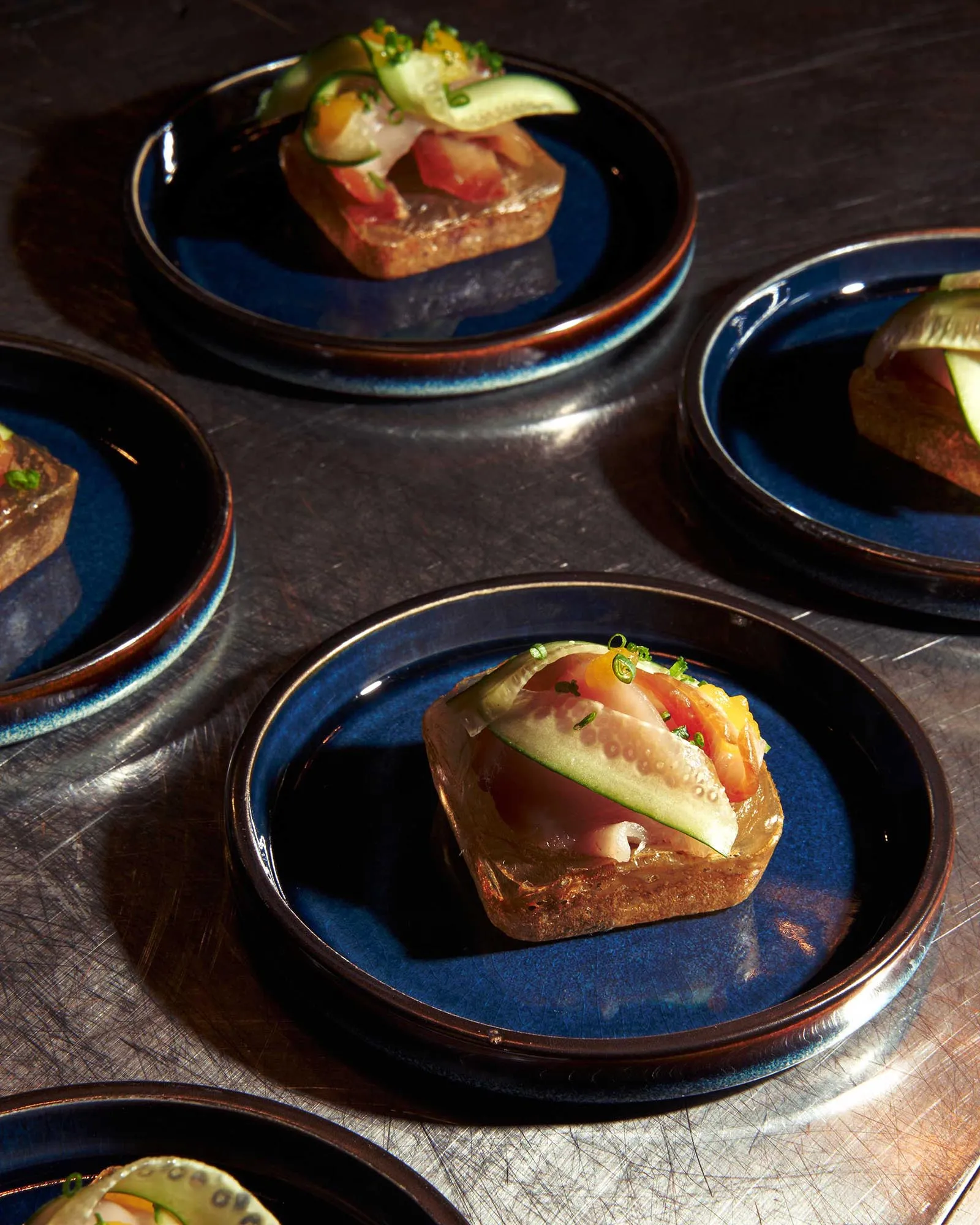
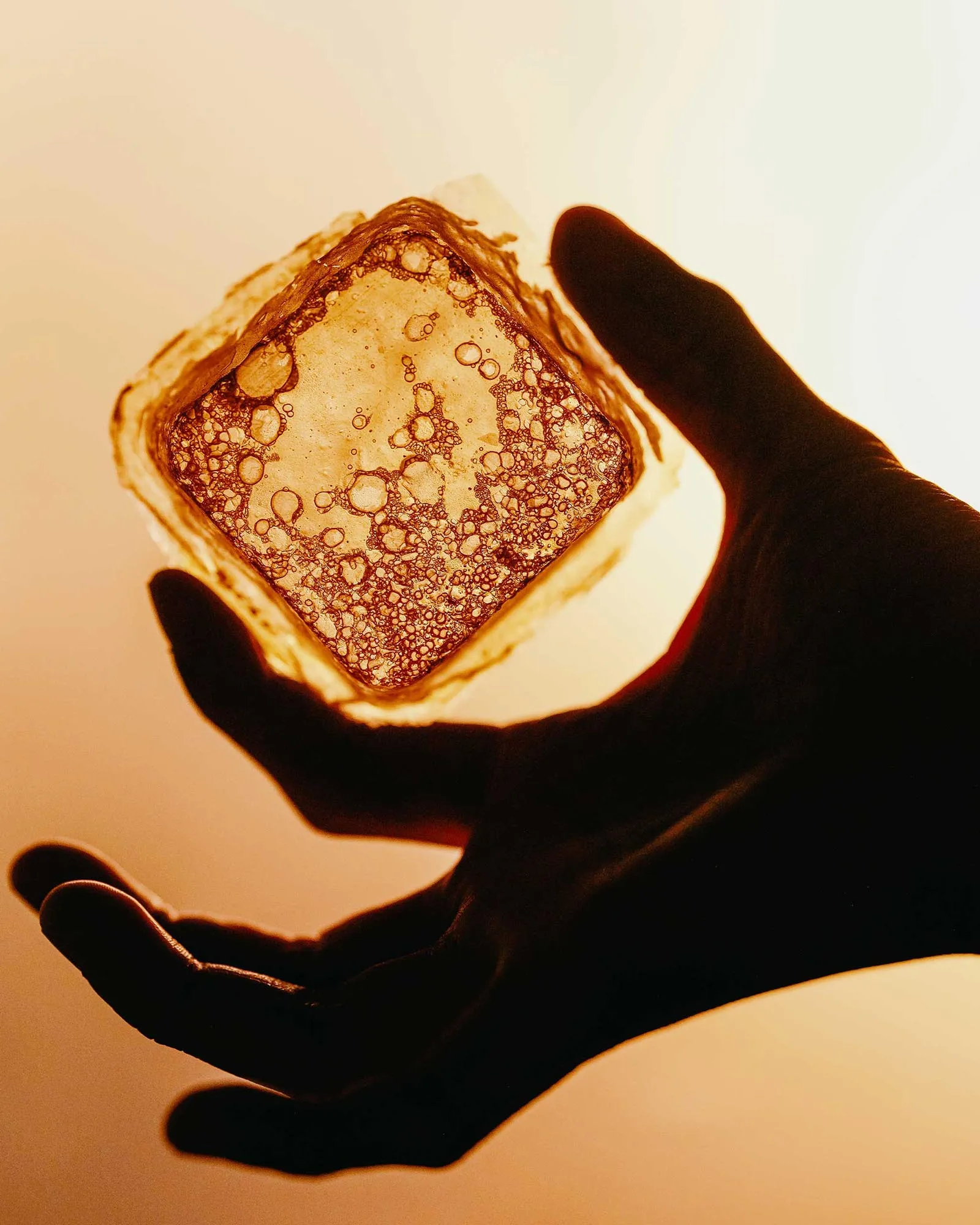
The Now Now chef team’s technical prowess is most visible in the Swordfish Crudo. Layers of fresh swordfish rest on top of a shatteringly thin and hollow cube of crystal bread, its color reminiscent of the yellow ochre paint that Isabel frequently uses in her works. Hold it up at eye level to see the dinner lights pass through it like a window. Then, take a bite to savor a play of textures: first, the crisp, crystalline crust made of Japanese kuzu flour, then the rich and soft bite of the crudo, and finally, a lingering touch of acidity from the preserved lemons, ponkan gel, and cucumber.
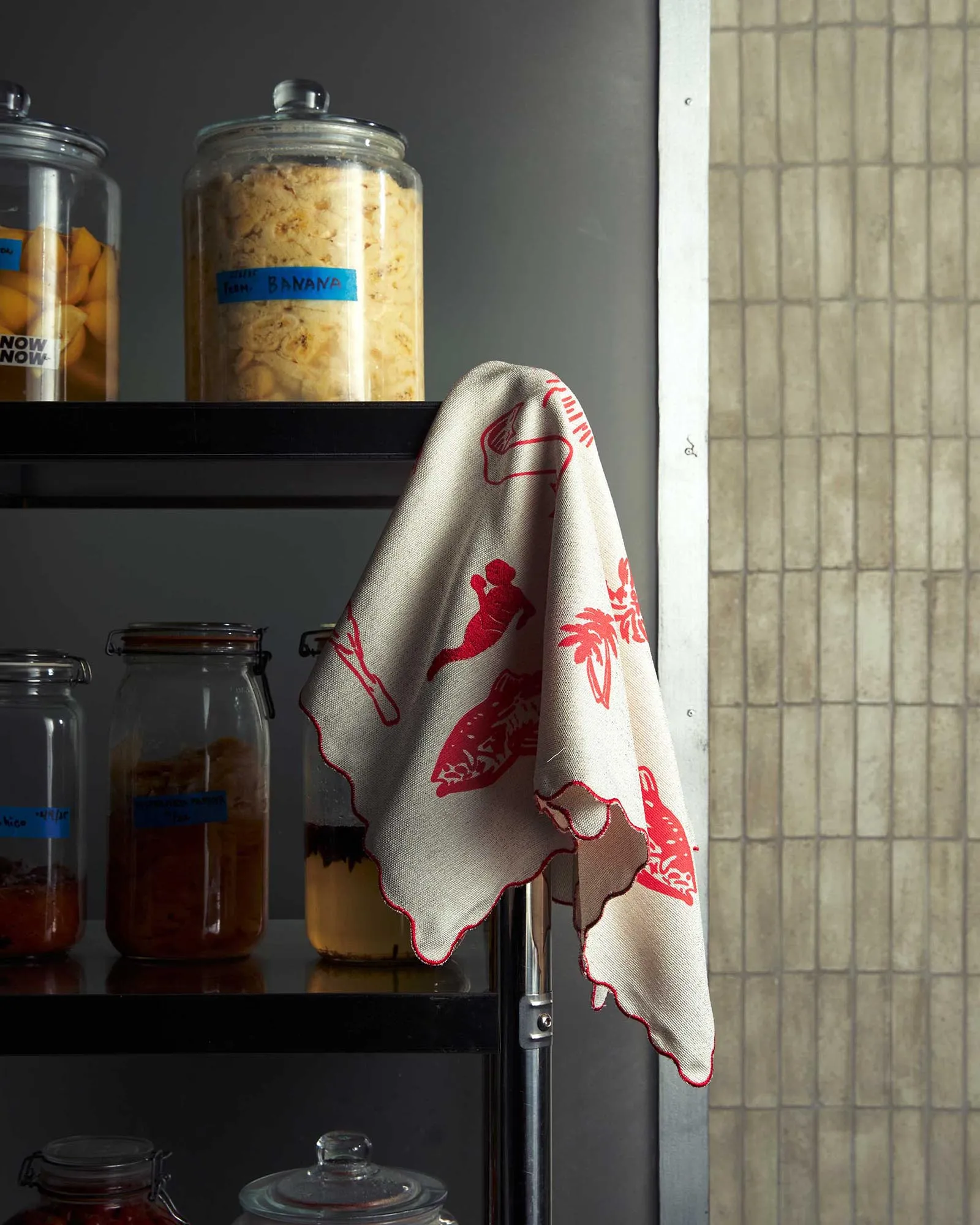
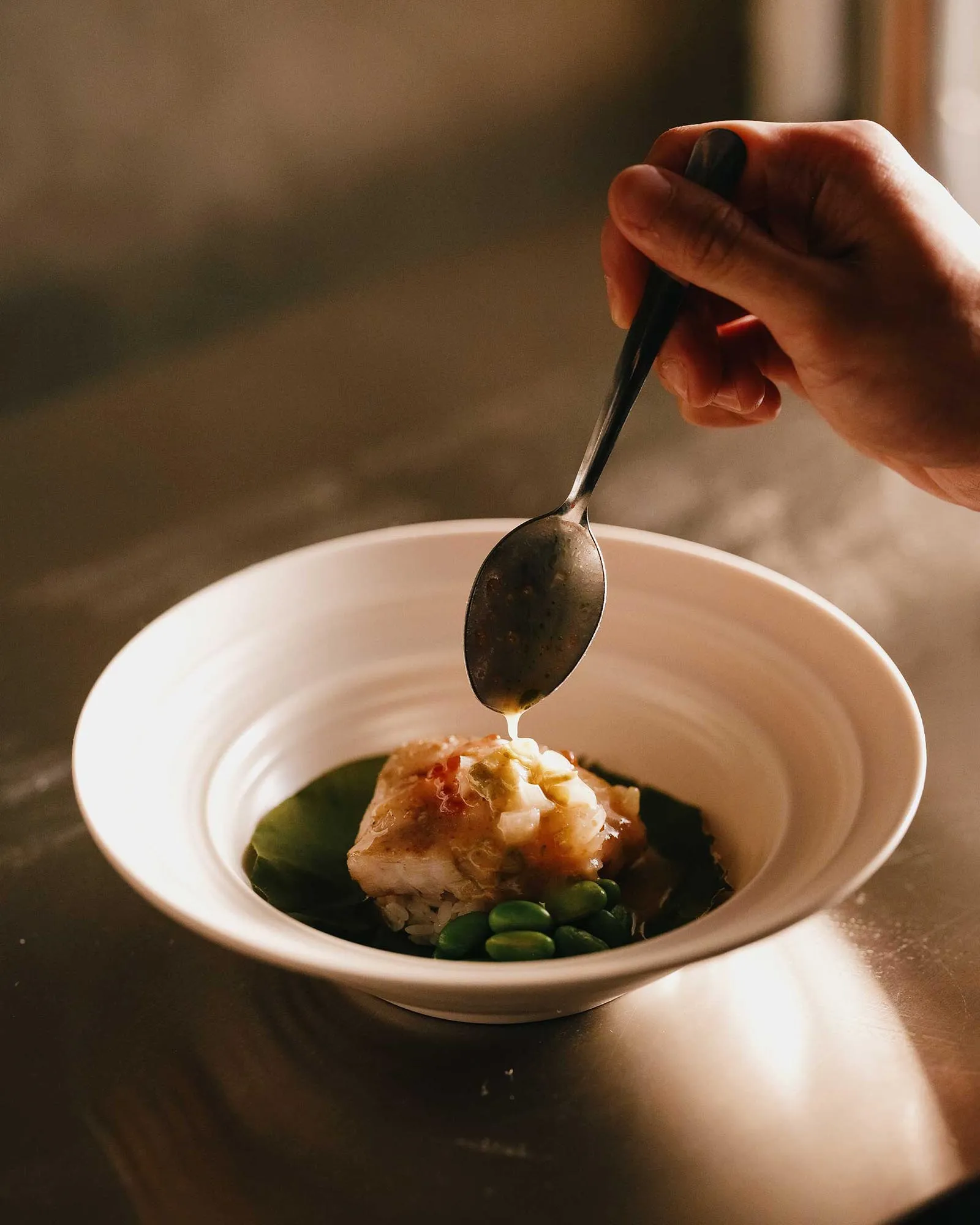
The next dish then arrives: the halibut with miso butter served on a plate obscured by a napkin designed by the artist. Isabel has a penchant for building anticipation by using layers in her art, now forcing a pause before you pour the rich Amazake caper sauce over the ikura and the rice to dig in.
For the main course, a gyutan lasagna with a patchwork of pasta sheets in green, orange, and yellow. Tucked under the pasta blankets are dollops of curry sauce and beef tongue surrounded by swirls of black garlic cheese, nori pesto, and papaya chutney. Among all the dishes in the menu, this one precisely captures and translates Isabel’s art style most directly.
“I was shocked [at] how chef Kelvin integrated my comfort food, curry, in such a surprising way,” Isabel shares. Kelvin’s process entailed him to understand Isabel as a person, first. So, he started by asking her questions about her own preferences and eating habits. Then, he visited Isabel’s exhibit opening at Blanc Gallery last March. And with Isabel’s advice on iconography, visual language, and colorways, he was able to digest her style and who she was as an artist. From that deep understanding comes inspiration that is brought to life through his technical talent.
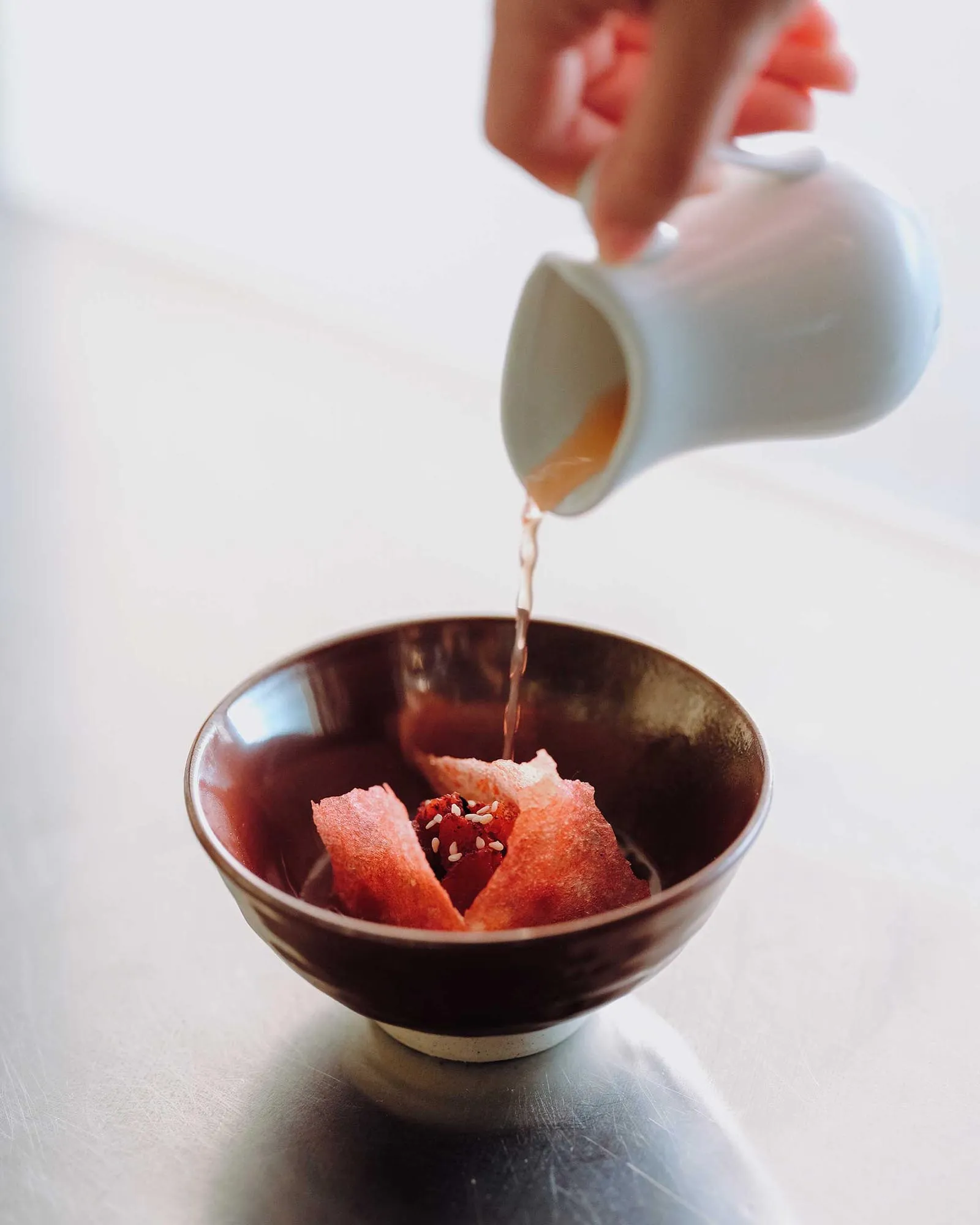
The last course was Kelvin’s interpretation of Isabel as a person. Sitting inside a bowl was a delicate Strawberry Hiyyayakko made from sweet silken tofu, kombucha strawberry, and beetroot molasses. Soft, sweet, and with just the right amount of tartness.
This dessert was also a testament to what the reNOWn team hoped to do, which was to enrich both art and culinary disciplines and break down the reticence these separate creative industries in the country may have that hinders deeper, fuller collaborations.
Earlier in January, before research and development for the reNOWn program began, all the chefs and artists of the program sat down altogether on their “Day Zero” to get acquainted and exchange initial ideas on how their disciplines could intersect.
“[On Day Zero], I remember Ayka Go asking how culinary schools train chefs to think creatively. Chef Kelvin replied, quite frankly, that they don’t.” Bryan shares. One small, yet crucial thing that the artists and chefs learned about each other during the initial stages of this collaboration is the differences in their methods. The chefs are taught to build their skills first, then cultivate their own style and creative flair later. For artists, it was the other way around. “That was a pivotal moment. We all realized there’s a gap, a bridge that needs to be built between art and cuisine.”
Bryan continues, “Since then, the dynamic has grown deeper. The artists challenge the chefs, and the chefs inspire the artists. There were definitely moments of tension: different languages, different processes. But we’ve learned to trust each other, and to trust the unfamiliar.”
The curatorial team deeply believes that the boundaries between the different creative industries in the Philippines should be more porous, and the reNOWn program is a step towards breaking down the walls. “I feel that at the heart and soul of reNOWn is that drive and desire to create a creative space that is safe, but not just safe, but inspired [and] critical. So it becomes sustainable. It becomes something that goes beyond the surface,” Patrick says.
The reNOWn team shares that they have artist collaborations slated each quarter of the year until 2027. Isabel’s degustation is the first iteration, but the residency will not be confined to tasting menus in the future. With imagination and creativity at the forefront of this residency, she and the team are most excited about how other artists and chefs will be expanding the program in the future.


