
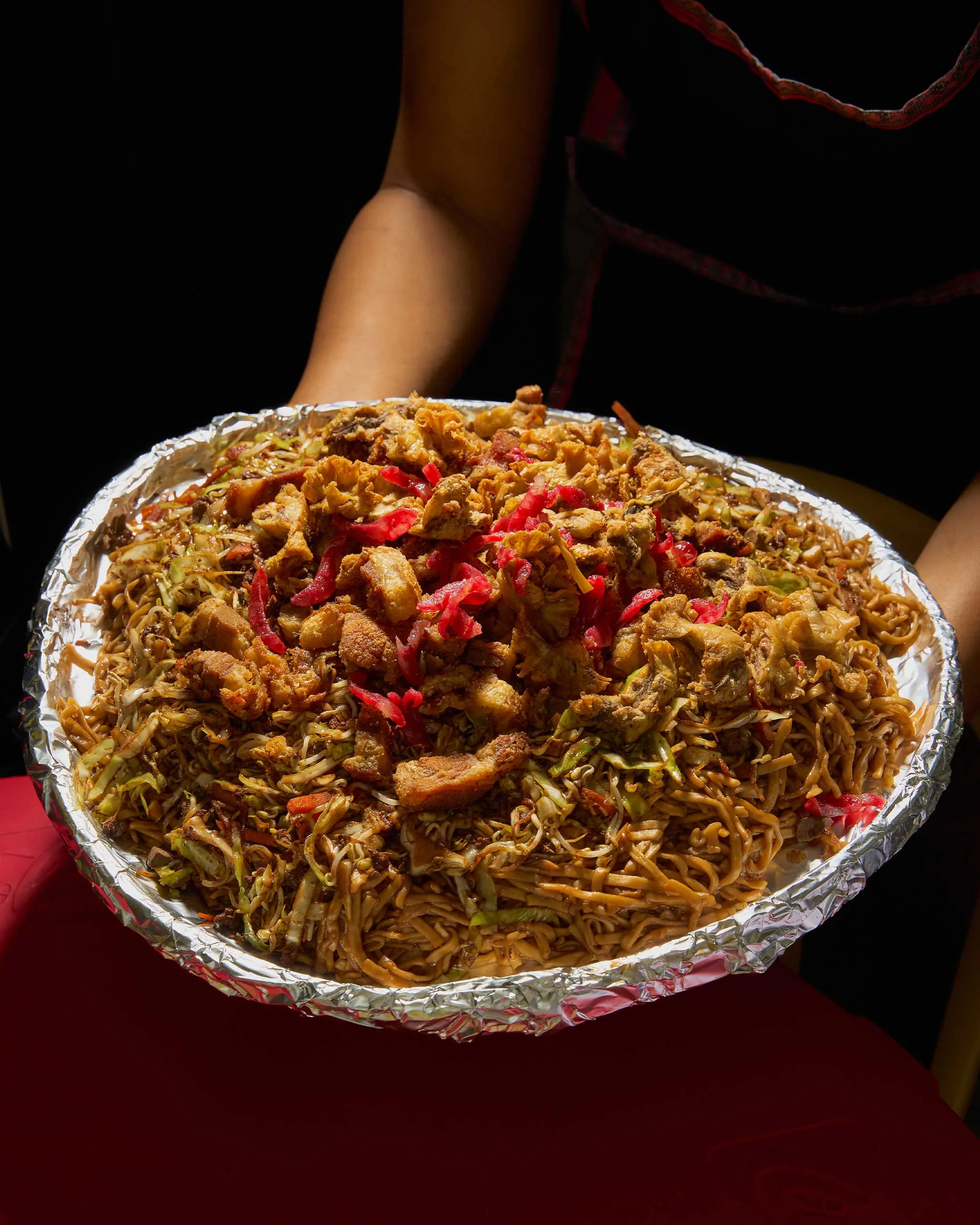
Photographed by Fern Dy
From Tuguegarao, Pancit Batil Patung makes its way to Makati through Chie Chie’s Tuguegarao Pancit Batil Patung.
At Dian Street in Makati, Chie Chie’s Tuguegarao Pancit Batil Patung can be found among a bakery, a barber shop, and a neighboring chicharon and fruit stand. Around lunchtime, the small dining area begins to fill with people from all over the city: office workers, students, regulars, and first-timers who have heard about the pancit. Red plastic tables fill the space, some with a pile of paper bags and foil-covered bilaos, as diners eat and wait for their pancit. According to neighborhood locals, Chie Chie’s has always been busy, but when the panciteria was selected to be part of the Philippines Michelin guide, the crowd has since doubled.
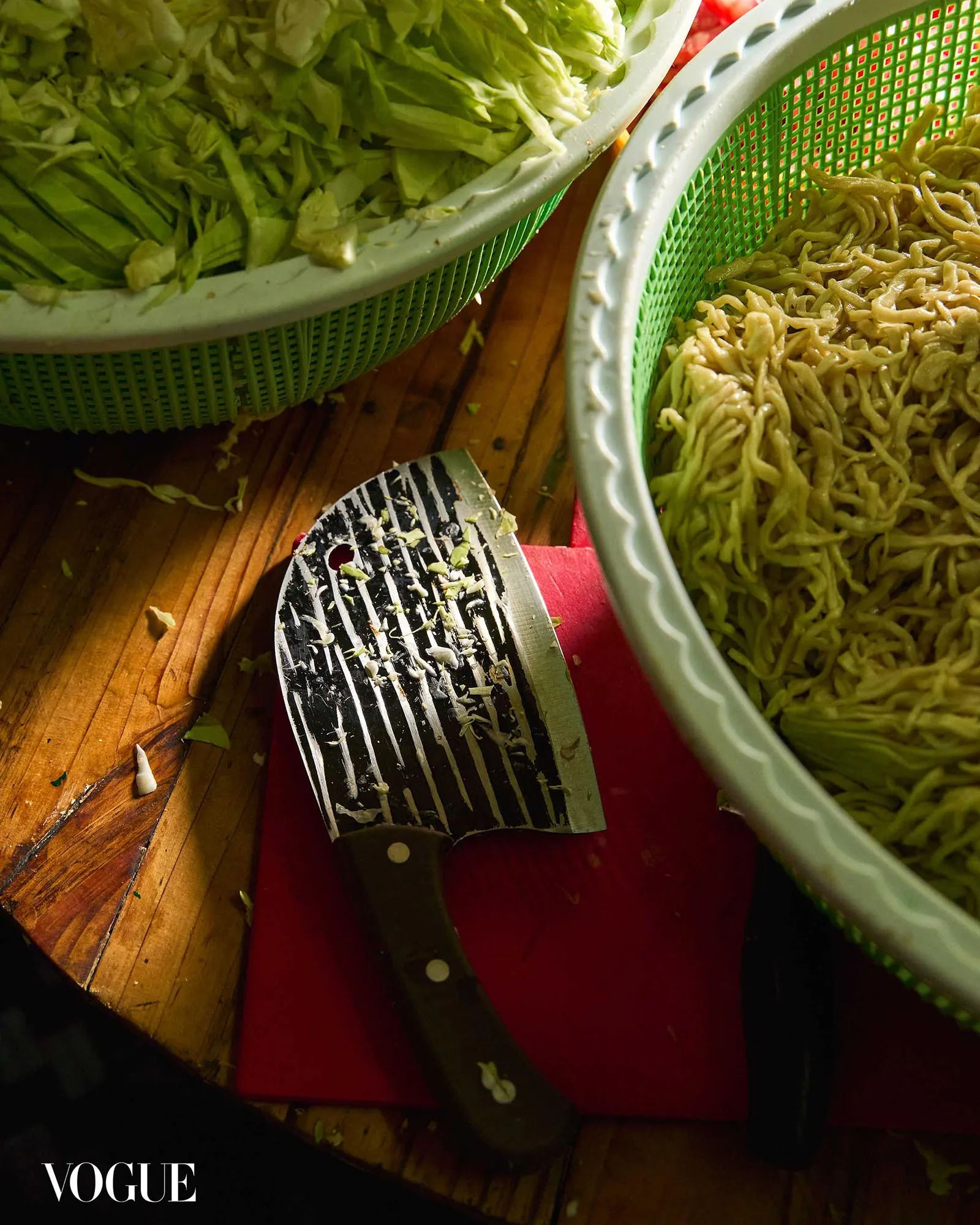
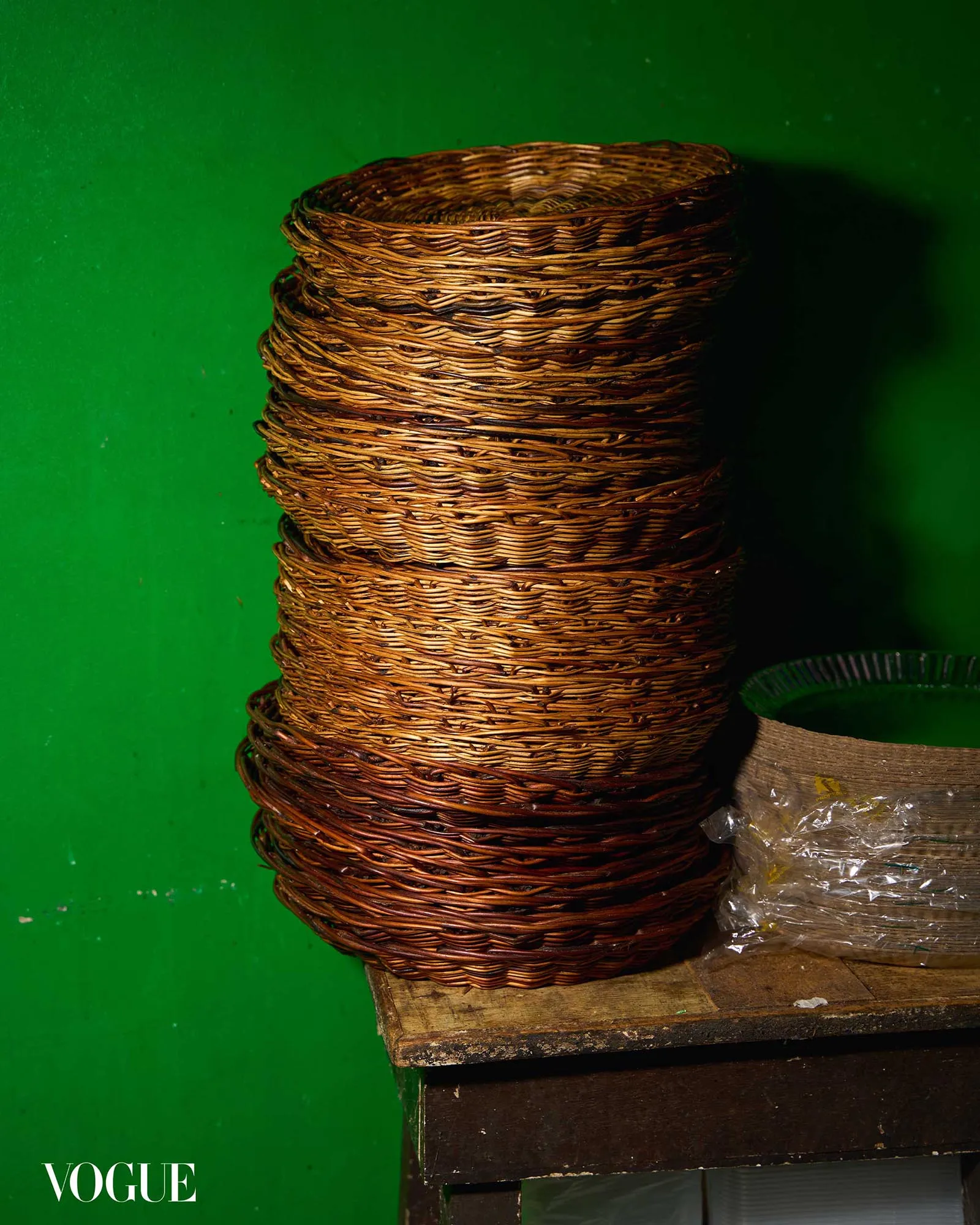
Two kitchen areas can be found. Inside is the assembly and chopping station, where meat is cut atop a refrigerator and vegetables are prepped on a well-worn wooden table. In front of the store, a makeshift kitchen enclosed by metal gates serves as the heart of the operation. From the kitchens, the sound of cooking can be heard: the scrape of metal against wok, the sizzle of noodles hitting heat, and the sound of pancit being tossed.
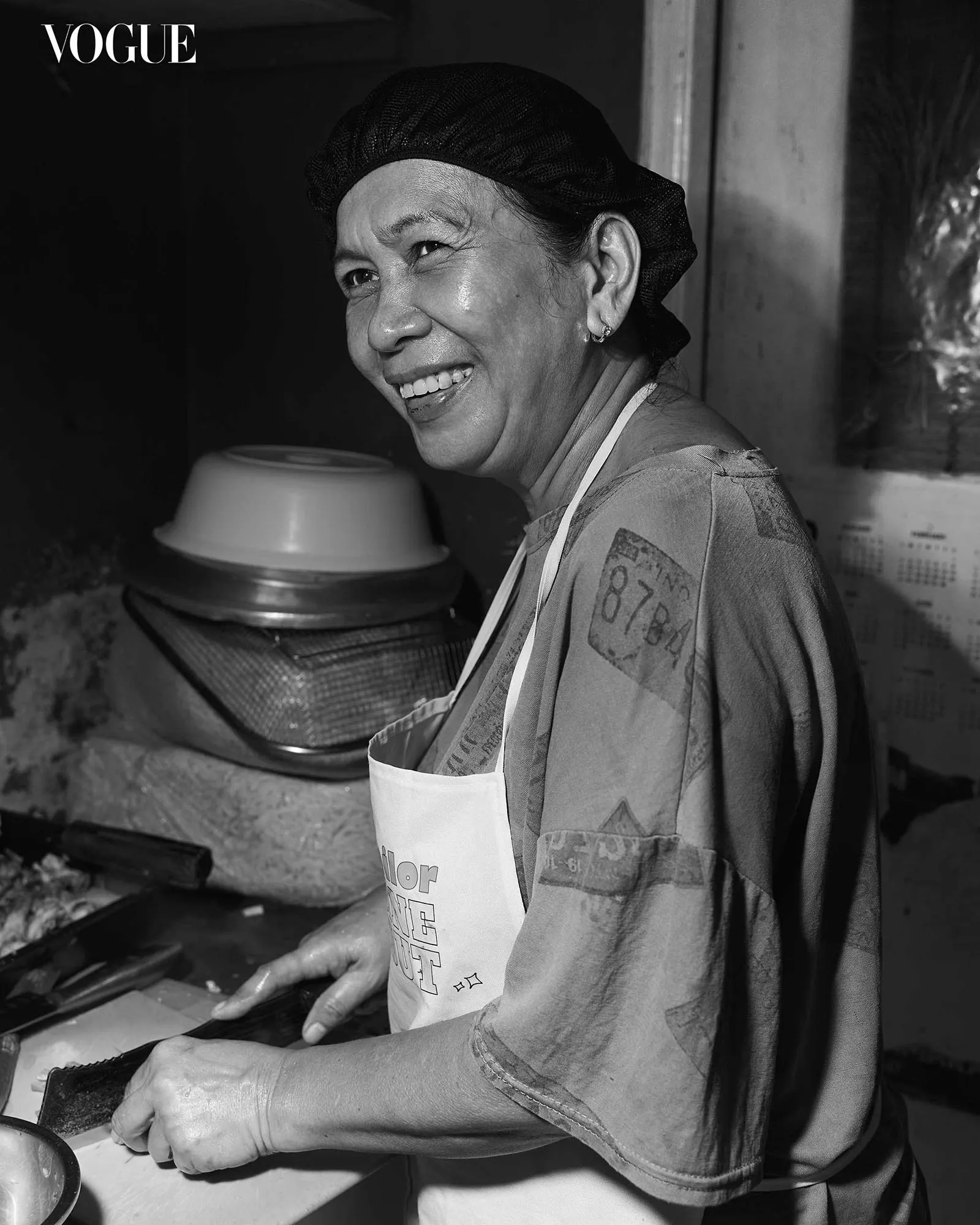
Behind the counter, the team works mostly in silence. Ingredients and components are passed from one person to the next with little need for instruction. During the lunch rush, the pace intensifies, but the staff remains calm. Orders stack up, bowls move from station to station, and the kitchen works steadily through them.
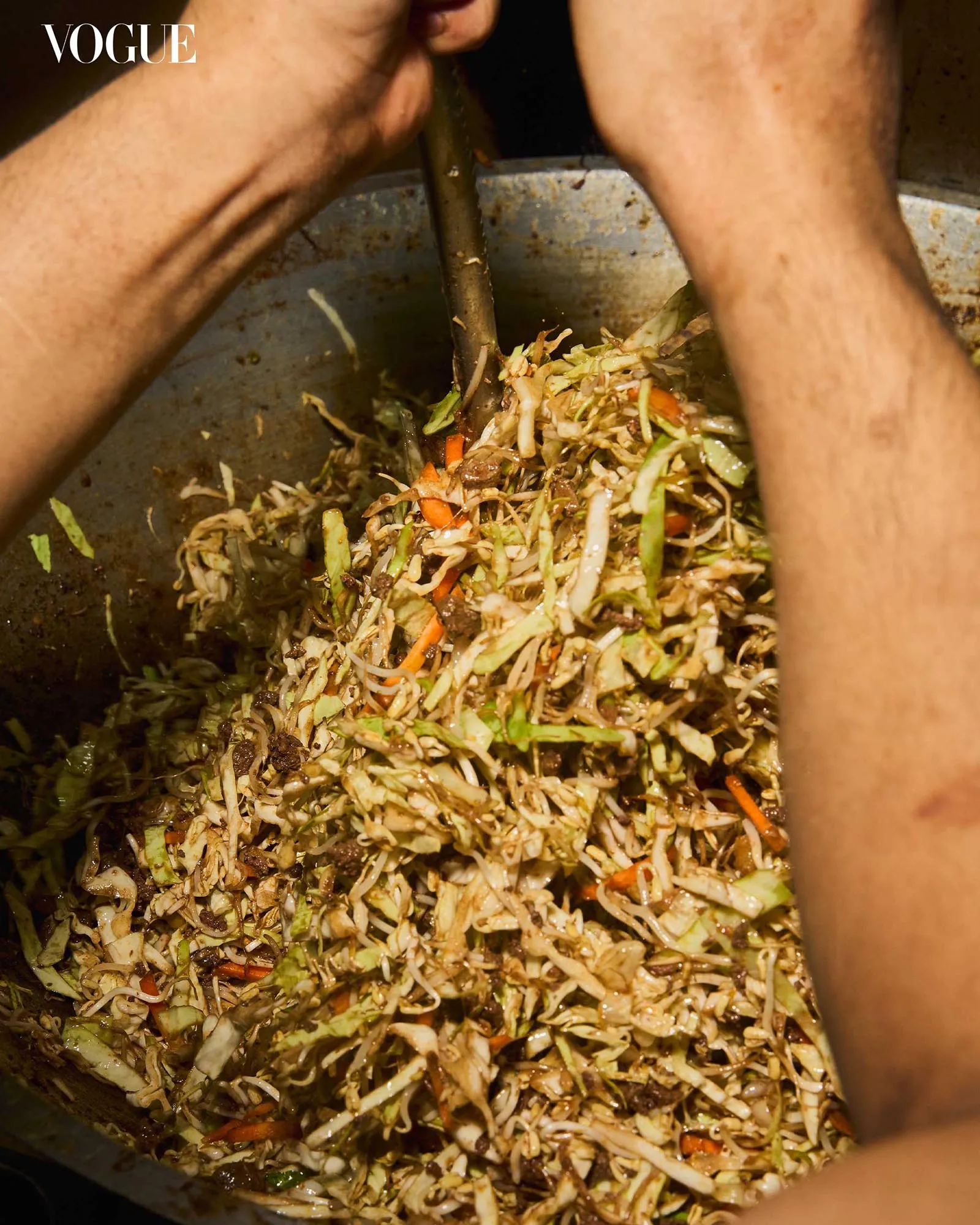
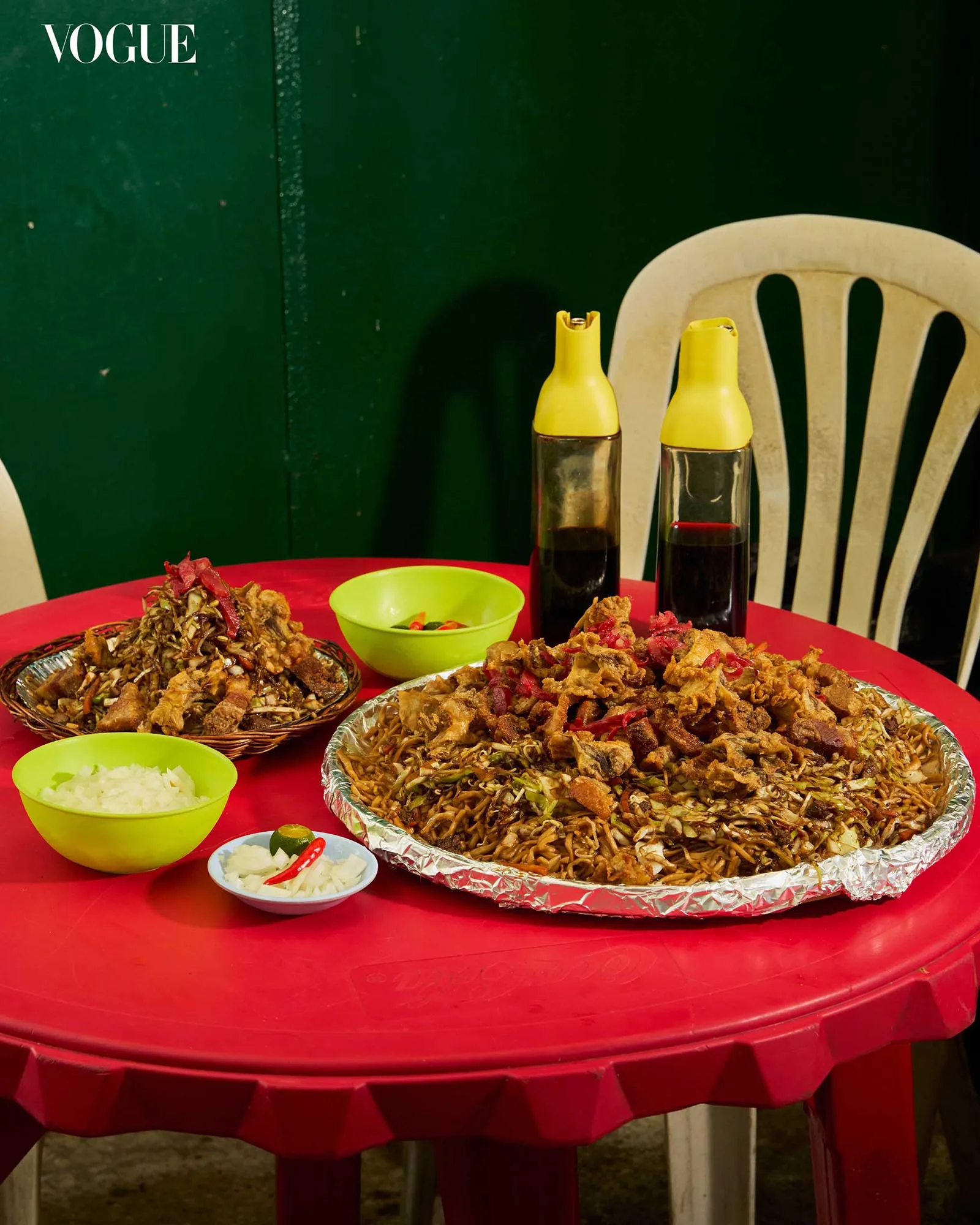
Pancit itself traces its roots to Hokkien migrants who introduced noodles to the Philippines, which eventually gave rise to regional interpretations. Originating from Tuguegarao City, Cagayan, Pancit Batil Patung is one of these, named for its structure: “batil,” referring to beaten eggs stirred into broth, and “patung,” meaning to place on top.” In Tuguegarao, Batil Patung is eaten at all hours, often late at night or after long days of work.
At Chie Chie’s, the dish arrives with a mountain of toppings. Fresh miki noodles serve as the base, thicker and softer than bihon, built to absorb flavor without losing their bite. They are topped with ground carabao meat, or cara-beef, along with pork liver, sautéed aromatics, and bean sprouts, then finished with a poached egg that binds everything together once broken. On the side comes the batil broth, made from beef stock and beaten egg. Of course, there is also the seasoning. Diners can mix it to their own preference, but the seasoning typically consists of calamansi, vinegar, soy sauce, chilies, and onions, making no two bowls the same.
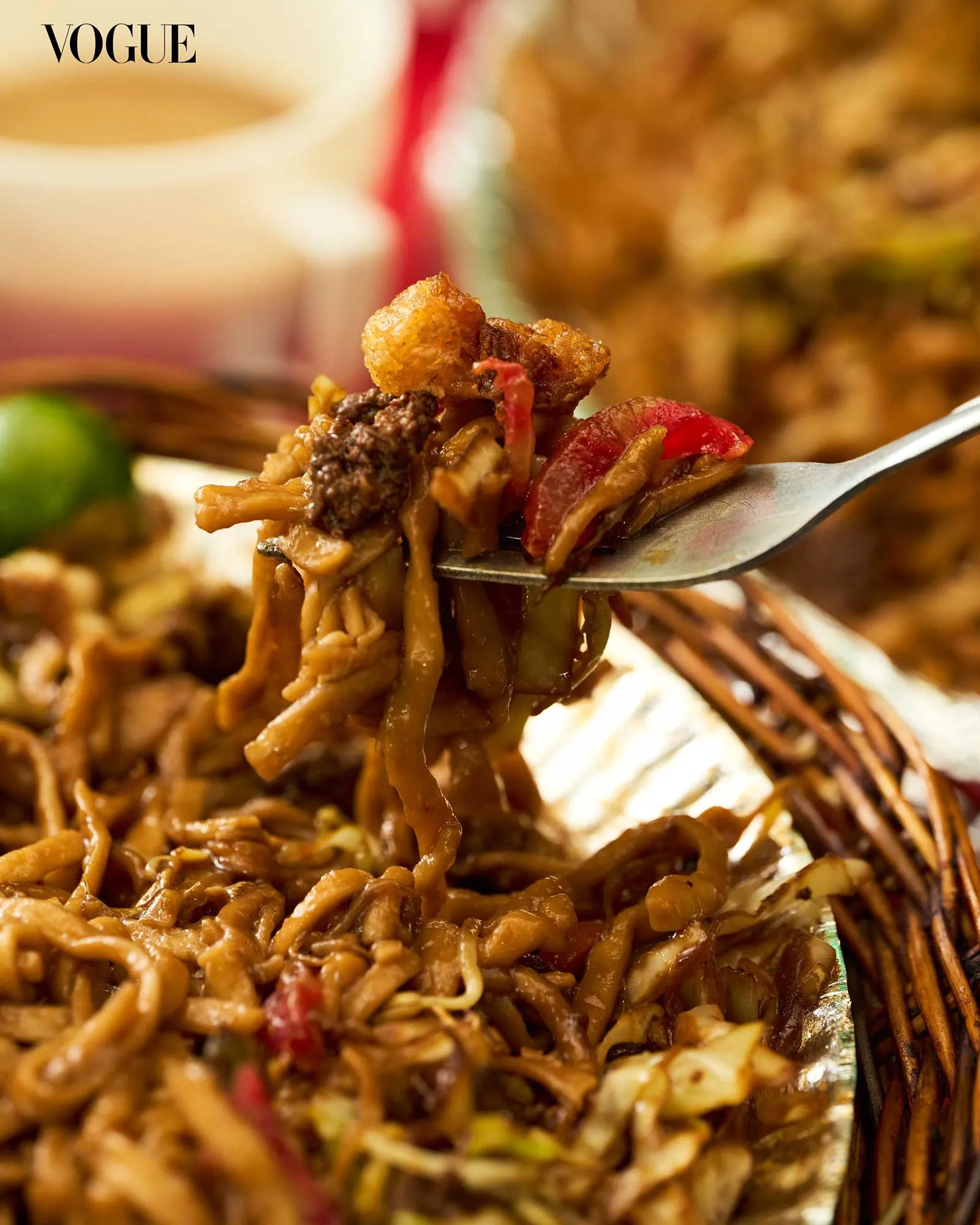
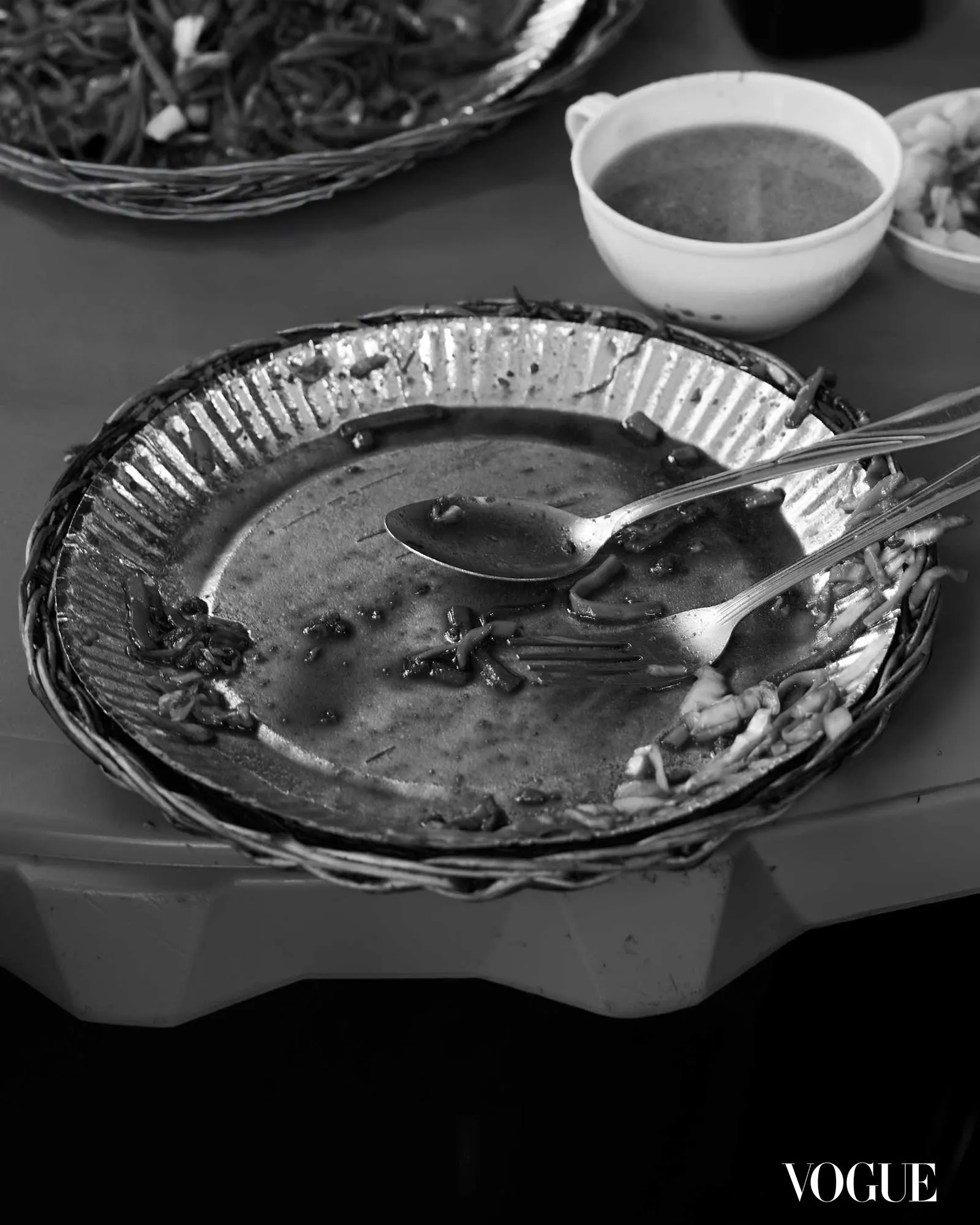
As the lunch crowd thins, the sounds from the kitchen continue. The wok still scrapes, noodles still hit the heat, and the team keeps moving. The Michelin plaque sits on the shelf, above the assembly area of the pancit. A grand recognition for a small panciteria, yet the plaque feels like just another part of the kitchen. The true star remains the pancit itself.
BY DAPHNE SAGUN. Photographs by Fern Dy. Producer: Julian Rodriguez. Digital multimedia artist: Myc Priestley


