
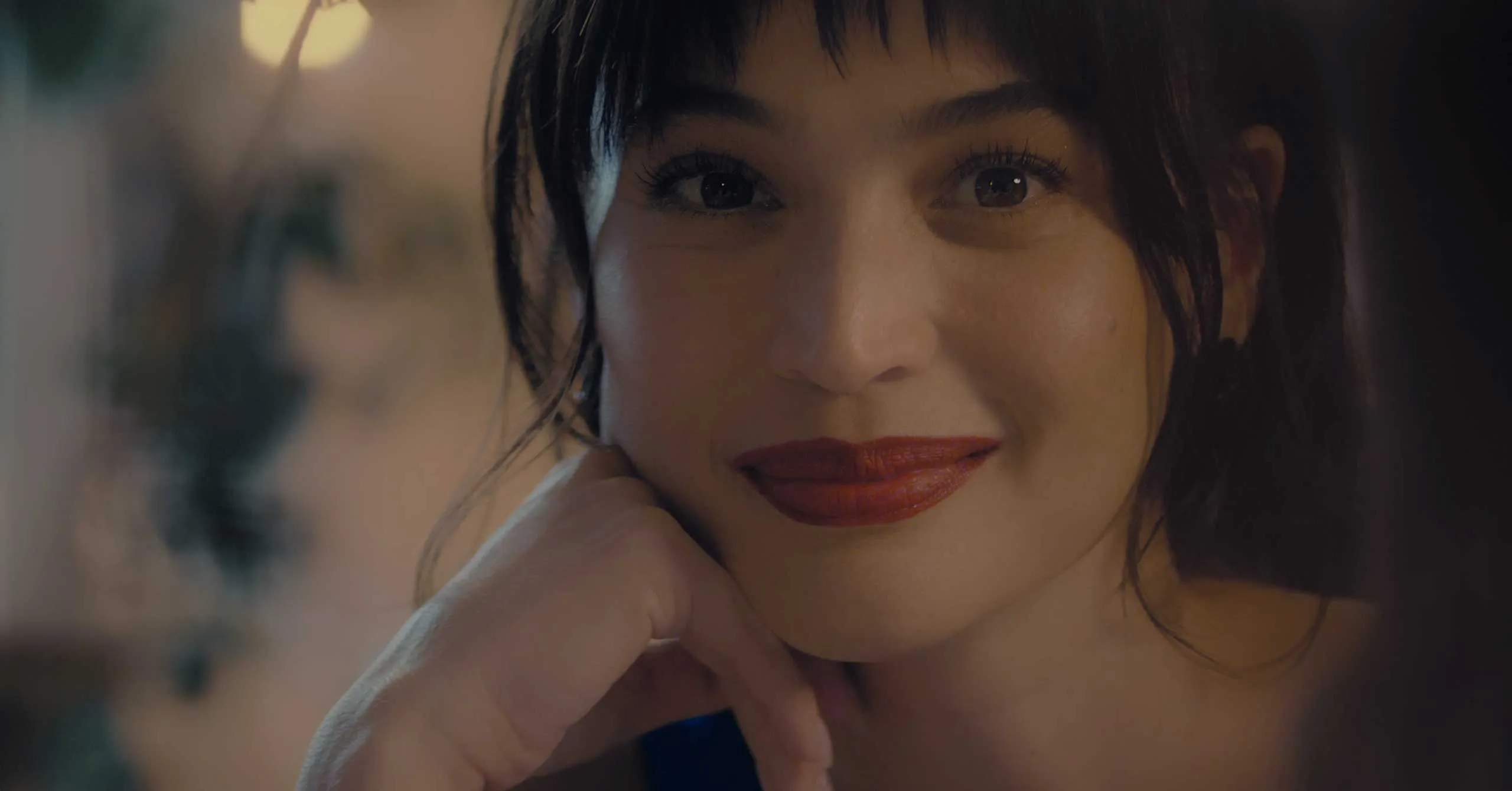
Anne Curtis as Ellie in The Loved One. Courtesy of Lunchbox
Anne Curtis as Ellie in The Loved One. Courtesy of Lunchbox
This Valentine’s season, director Irene Villamor looks into love and relationships in her upcoming film, The Loved One.
As A Cup of Joe’s “Multo” plays in The Loved One’s trailer, the film already delivers a blow to the viewers: “Dahil ako ang mas nagmahal, ako ang lagi naghihintay,” says Jericho Rosales, who plays the leading man in the film. It sets the tone for the upcoming Valentine’s season movie: heartbreaking, intense, and confronting truths.
After doing a string of romance films, such as Meet Me in St. Gallen (2018) and Sid & Aya: Not a Love Story (2018), director Irene Villamor was asked to pitch another concept for a love team. She’s already done brief encounters in Meet Me in St. Gallen; in Sid & Aya: Not a Love Story, she explored transactional relationships. So, for her next love story, she decided to look into something that most can relate to: the longevity of a relationship.
In The Loved One, two former lovers, Eric and Ellie (played by Rosales and Anne Curtis), cross paths after 15 years. In doing so, the characters confront their heartbreaks, feelings, and unresolved emotions. The film looks at these themes through the lens of French philosopher Roland Barthes, who authored the book A Lover’s Discourse: Fragments. A collection of “figures” or short, fragmented entries, Barthes analyzes anxiety, passion, and the solitude of “the lover.”
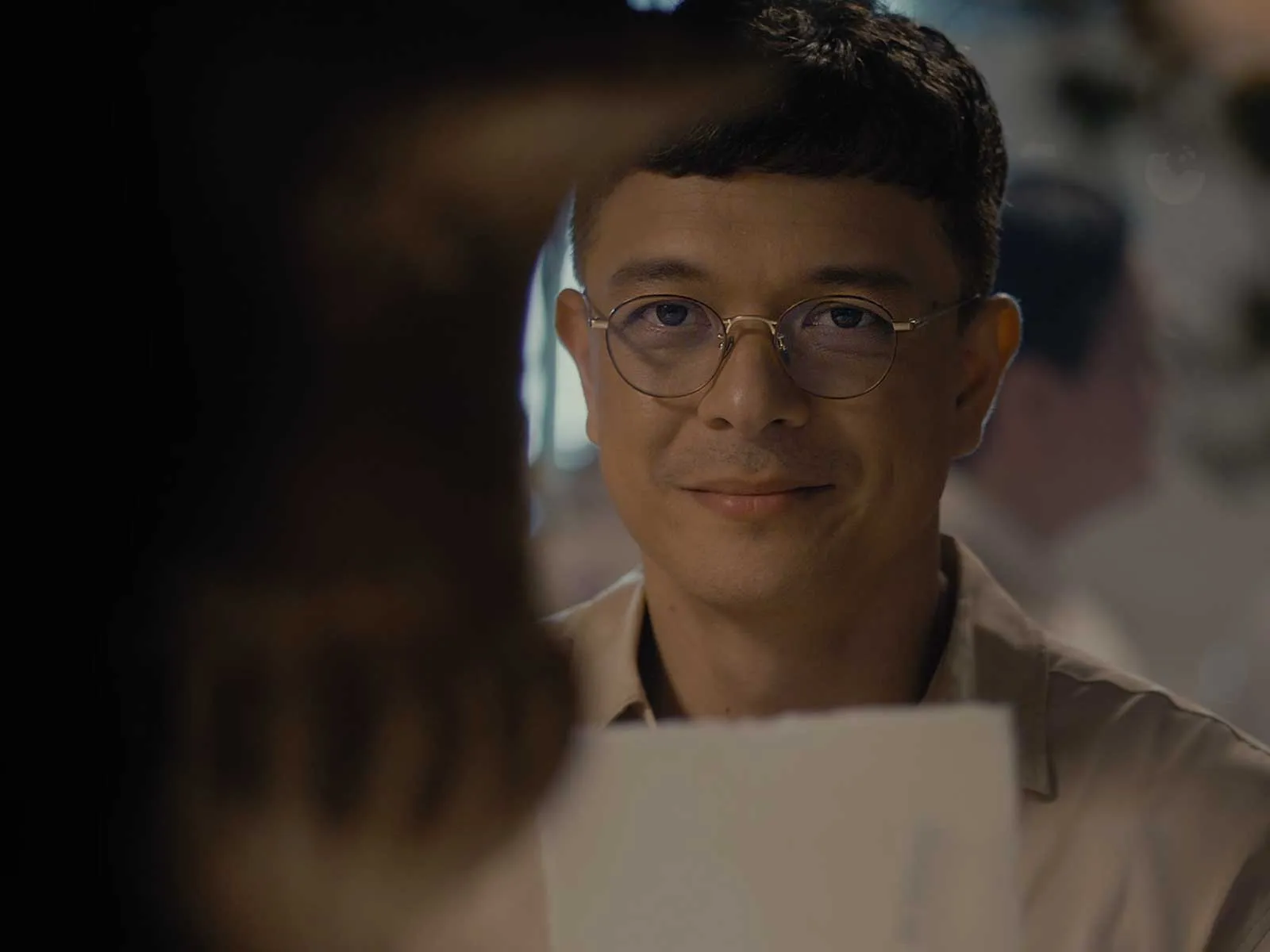
The book’s philosophies manifest through the character of Eric, who is considered “the Lover” in the film. Eric’s line, “Dahil ako ang mas nagmahal, ako ang lagi naghihintay,” references one of Barthes most well-known quotes from the book: “The lover’s fatal identity is precisely this: I am the one who waits.” Ellie, on the other hand, is known as “the Loved One.”
Aside from asking if you’re the lover or the loved one, Villamor has a few more in mind for the audience. “When you look back at a long relationship, what are your memories of that relationship?” she asks. “Is a relationship really a survival? Is it supposed to be a sacrifice? What is love in a relationship? Is it freedom?”
It is no wonder, then, that when Rosales and Curtis read the script, they immediately said yes and even brought their own thoughts into the film. In fact, the biggest change came from Curtis, who proposed to add the Loved One’s perspective in the film. “The film is from the Lover’s point-of-view, and he may be an unreliable narrator,” Villamor says. And since the film is a recollection of the past, the perspective of the Loved One is necessary. “Kung meron kayong friendsna nag-break, mapapakinggan mo yung girl version, mapapakinggan mo yung male version,” she says.
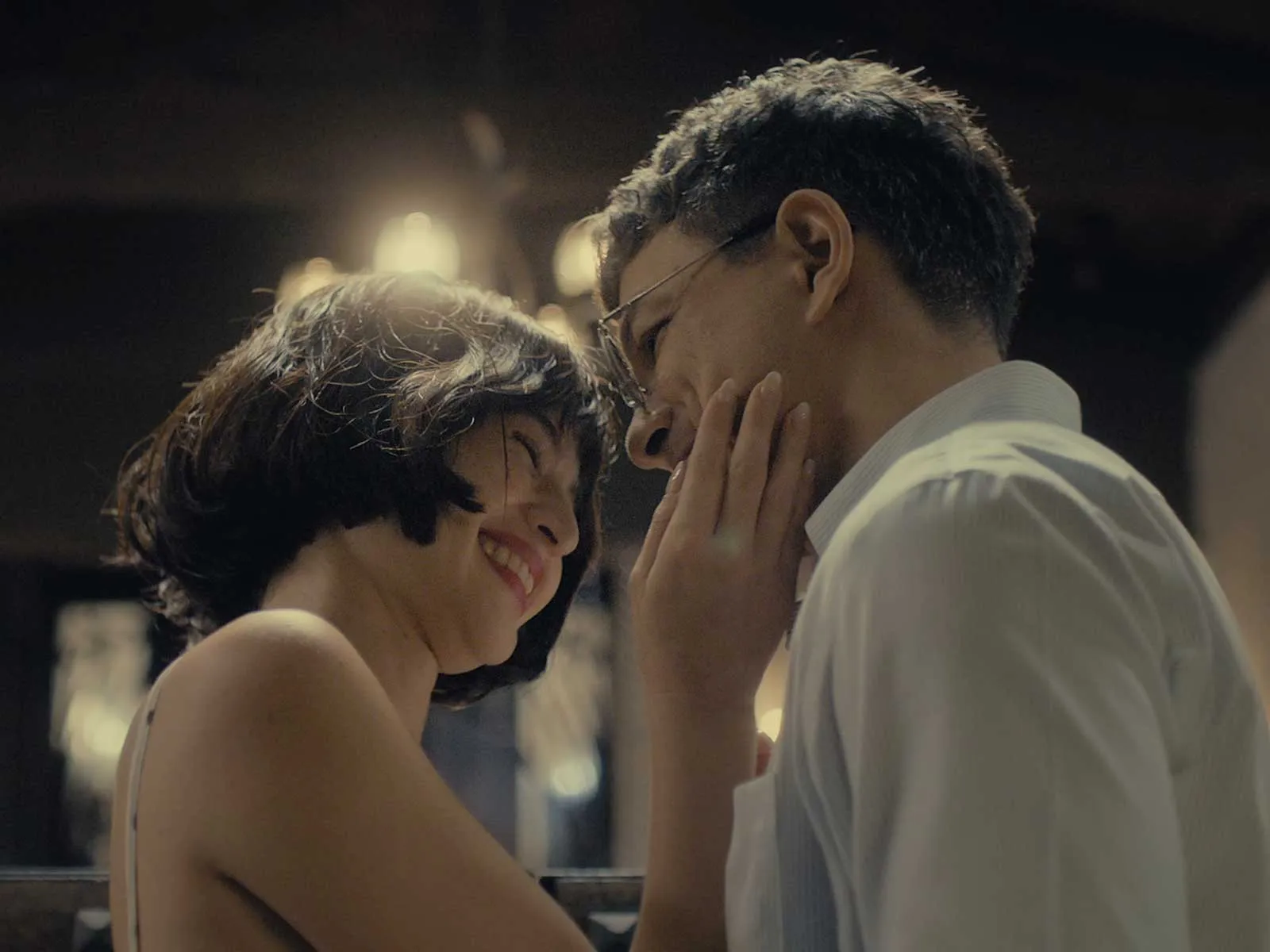
On the other hand, Rosales brought his perspective into the performance. “Ang binigay niya is yung pain ng lalaki, kasi di ko alam yun!” Villamor says. “Yung effect of loving someone like a storm na dumating sa buhay ko, tapos parang wala na siyang kontrol sa pagmamahal.”
Visually, the film uses both color and black and white to communicate time. When referring to the present, the film uses black and white to focus on the character’s emotions, without the distraction of colors. “Kita mo yung rawness nung how they look back at the past, kasi kailangan yun.”
For the past, the film takes cues from French color schemes, particularly taking inspiration from French Swiss director Jean-Luc Godard’s films. “Because we were already doing Barthes, we thought that we should do Godard for the treatment,” Villamor shares while laughing. In Godard’s films, he frequently used vibrant primary colors to evoke moods, themes, and characters, especially in Pierrot le Fou (1965), A Woman is a Woman (1961), and Contempt (1963). This treatment allowed the colors in the film to really pop, such as Ellie’s cobalt blue dress. “It’s not from The Materialists,” she clarifies, laughing. For that particular chapter of Ellie’s life, the director says that the reference is actually Zoe Kravitz, leaning into the edgier side of the character.
When asked if she’s the Lover or the Loved One, Villamor makes a joke. “Right now, loveless!” she says, laughing, sharing that it’s a joke from their producer. On a more serious note, she answers that she’s a lover. “Mas gusto ko na ako yung lover. Mas gusto ko na ako yung nagbibigay,” she says. The director seems to be an optimist when it comes to love. Despite the film exploring the more uncomfortable aspects of loving, Villamor hopes it serves as a reminder not to be afraid of love. She says, “I hope that you’re still willing to accept and give love, whatever happens. Whatever heartbreak na ma-experience mo, ang importante is hindi mauubos yung love.”
The Loved One will be in cinemas nationwide on February 11, 2026.


