
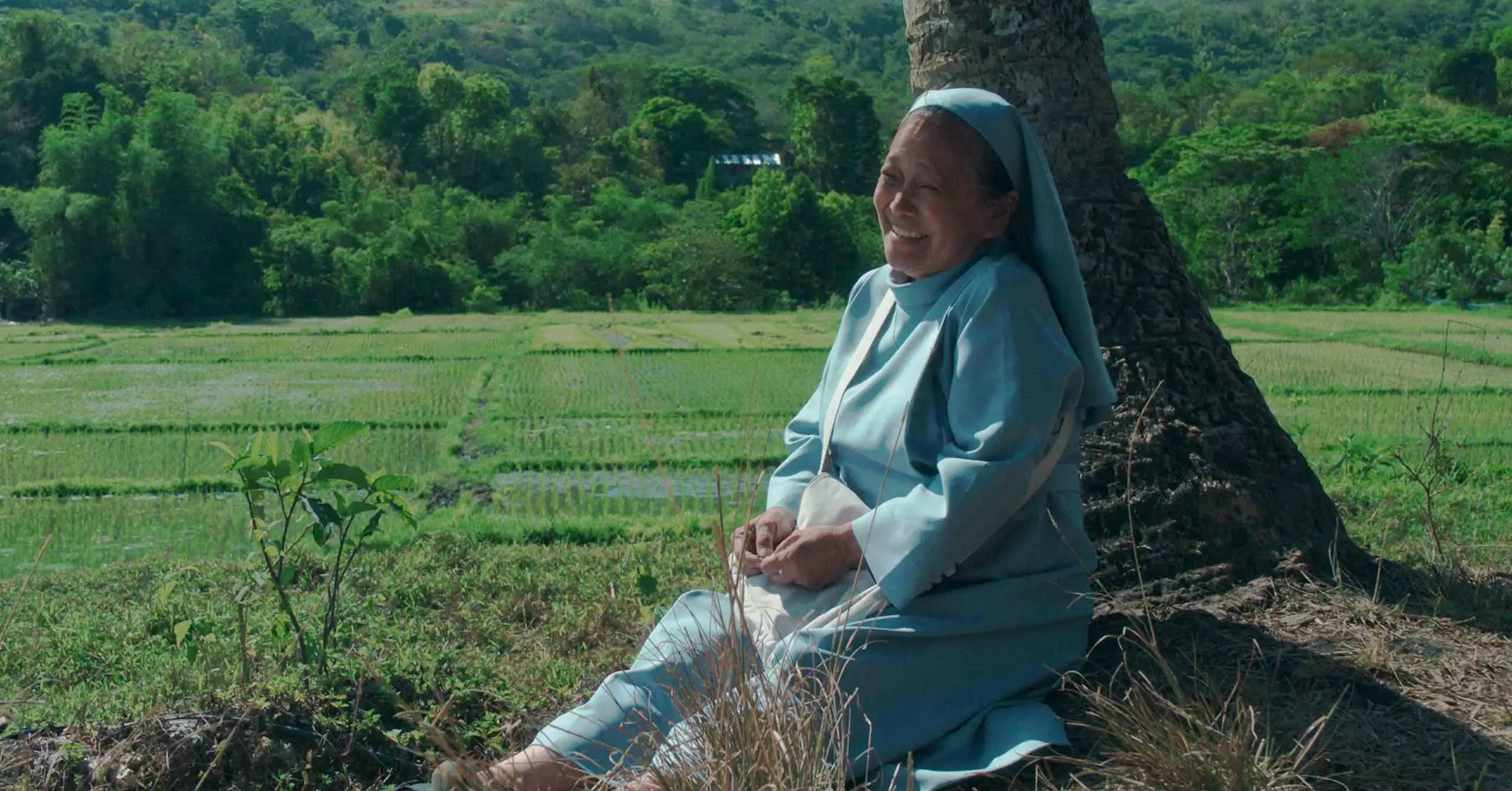
Ruby Ruiz in ‘First Light.’ Courtesy of Melbourne International Film Festival (MIFF)
Before First Light premiered at the Melbourne International Film Festival last weekend, Vogue Philippines talked to director James J. Robinson and actresses Ruby Ruiz and Kare Adea.
In the mountains of the Philippines, dawn breaks slowly. Fog drapes itself over the hills, rice terraces flitter under the first touch of light, and the clang of church bells cuts through the air. For Sister Yolanda, these sounds have been the rhythm of her life for decades, until the day a young construction worker dies in unusual circumstances, disrupting the quiet order she has maintained for so long.
First Light, the debut feature of Filipino-Australian filmmaker James J. Robinson, tells this story with the stillness and sensitivity of memory. Ruby Ruiz inhabits the role of Yolanda, whose faith is deep but weathered, her devotion complicated by hypocrisies she can no longer ignore. The arrival of Sister Arlene (played by ballerina Kare Adea in her first film role) becomes a mirror for the life Yolanda might have lived had she possessed the younger nun’s courage to question and to speak.
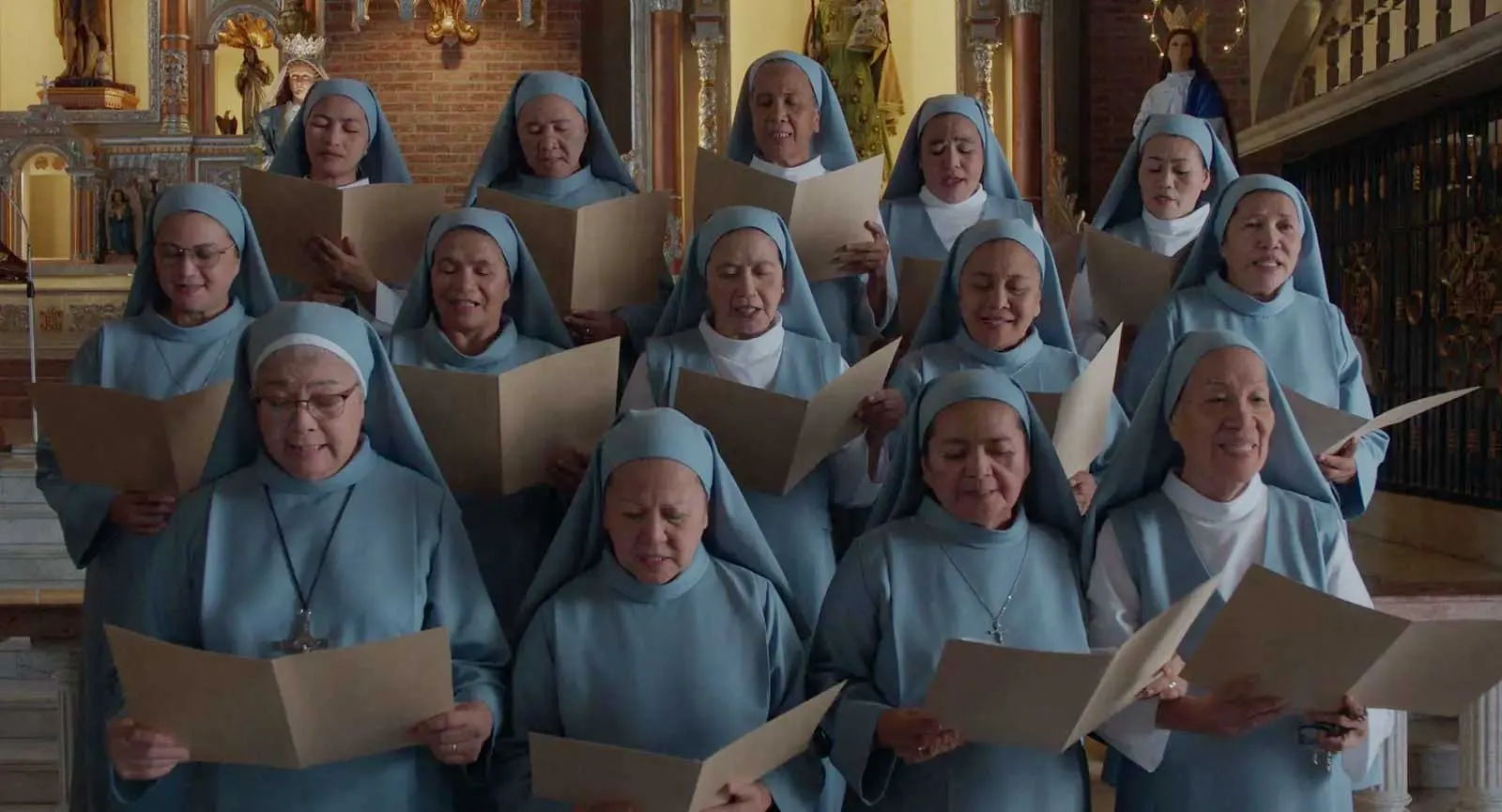
Shot in Ilocos and Calabarzon regions, the film grounds itself in the textures of the land and its people. Cinematographer Amy Dellar renders every image with care: the muted light of a convent corridor, the gold haze of late afternoon over the sea, the sudden shadow of bats crossing a twilight sky. Composer Ana Roxanne’s score folds into the silences, lending the film a meditative tone that lets questions of faith and truth breathe.
For Robinson, First Light is both a personal reckoning and a cultural homecoming. Raised queer in a Catholic school under a Filipino household in Australia, he has long navigated the gap between the church’s spiritual ideals and the institutional power that can distort them. “How can the gracious ethics of a religion be warped into rousing support for things inherently unethical?” he asks. The film, he says, is his “essayistic interrogation” into that question, or a mapping of his spiritual growth, framed by the two antithetical perspectives he carries as a mixed-race director.
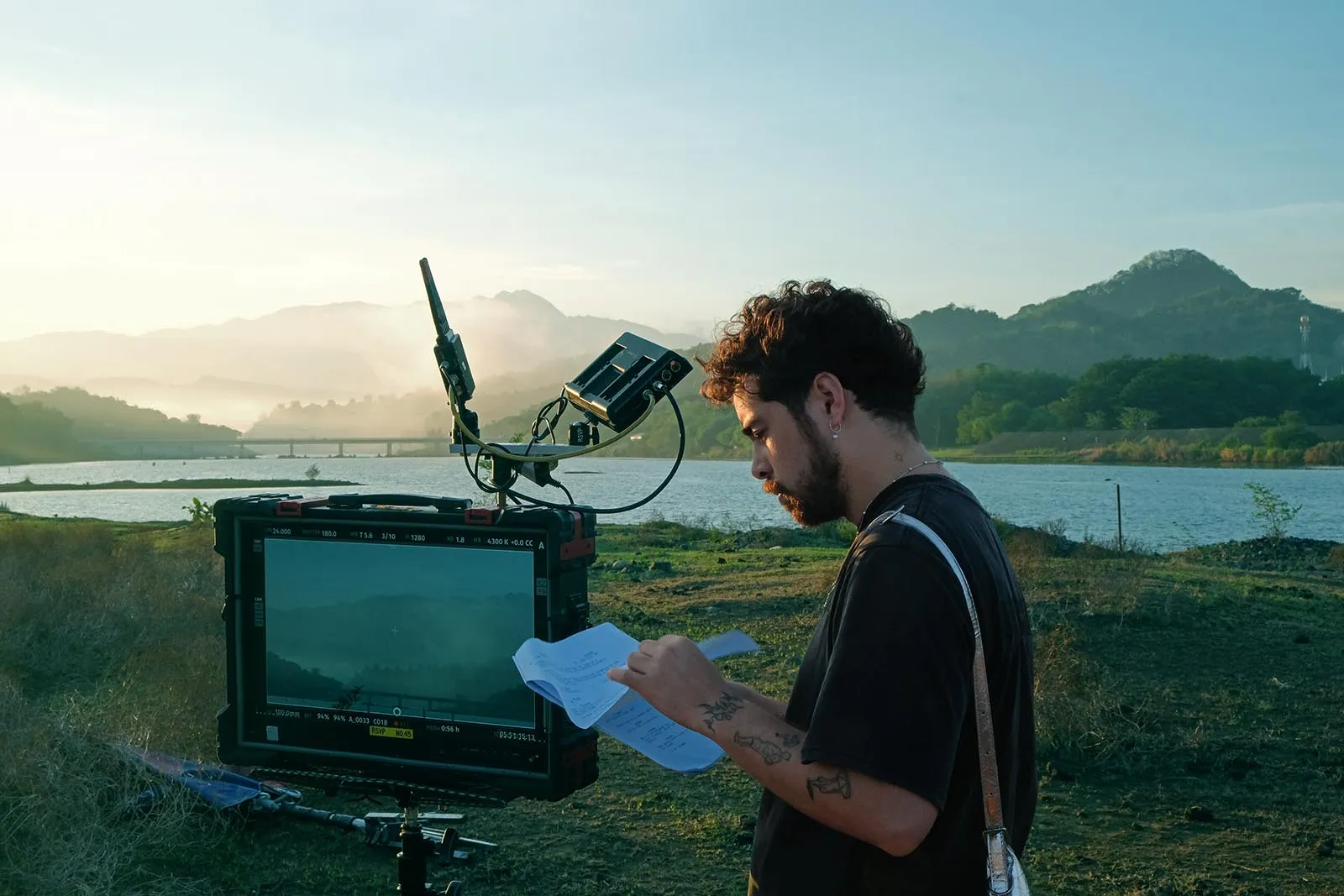
Making the film in the Philippines was more than a location choice; it was an act of return. Robinson’s mother left the country at 16, moving to Australia during the White Australia policy era. In a bid to protect her children from the discrimination she faced, she discouraged them from speaking Tagalog. For Robinson, spending extended time in the Philippines during production was a way to reconnect with his heritage, collaborate with local artists, and answer what he describes as “a call from the ancestors.”
On set, Robinson fostered an atmosphere of openness. Rather than dictating every shot or performance, he treated his creative team as collaborators. “I’d give my ideas as a starting point, but I wanted them to bring themselves into it,” he says. That approach left room for moments of serendipity: a dragonfly hovering in sync with a character’s line, a sudden flock of bats filling the background during a long take. These unscripted details, impossible to stage, became part of the film’s organic storytelling.
For Ruiz, stepping into Yolanda’s shoes was an act of personal reflection. A devout Catholic but not strictly observant, she related to the nun’s ability to live with faith while acknowledging the flaws of her institution. At first reluctant, Ruiz found herself drawn in with each script revision. “She’s not just a passive kind of person,” she says. “She fights quietly. She’s enlightened to the hypocrisies of the church.”
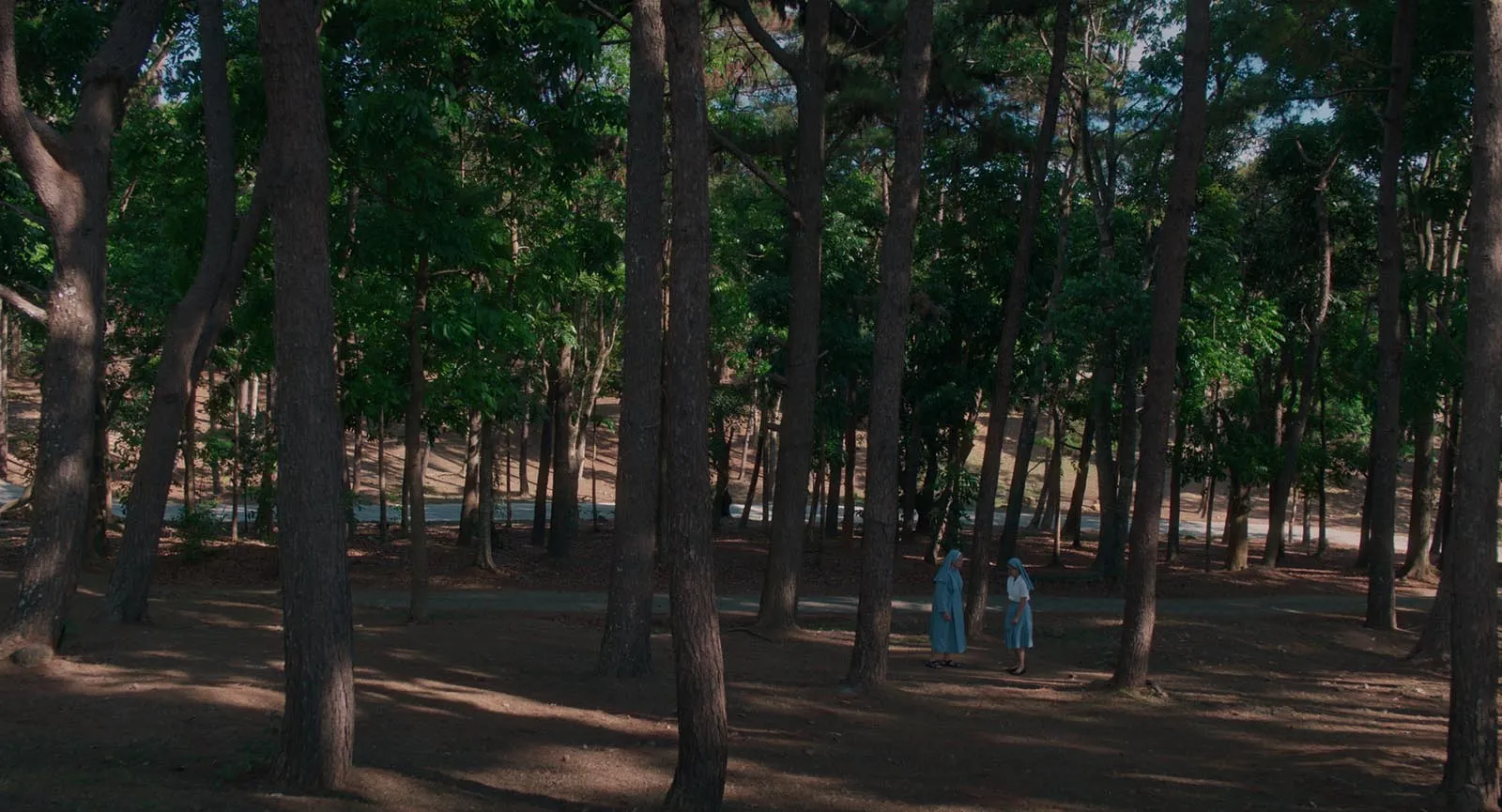
Adea, who grew up in a devout Catholic family yet often questioned its traditions, saw parts of herself in Sister Arlene’s introspection. The bond between the two actresses grew naturally, just as their characters’ relationship in the story. Ruiz describes admiring Arlene’s courage in speaking truths she would have swallowed at that age, and encouraging her character’s independence. Adea, in turn, credits Ruiz with making her first acting experience feel safe and collaborative.
Each character in First Light carries a facet of Robinson’s own inner conversation with religion. Yolanda embodies the core grace of belief, the quiet, unannounced kind. Arlene is the possibility of a future faith untethered from rigid institutions. Linda Dela Cruz (Maricel Soriano) represents the moral compromises of capitalism, while Cesar (Emmanuel Santos) is a reminder of humanity’s original connection to the land. Together, they form a spectrum of belief and doubt; never simplified, never reduced to a single “right” answer.
“By making it so local, it becomes so human, and therefore universal.”
Though deeply Filipino in language, setting, and context, the film’s themes reach far beyond its borders. “By making it so local,” Robinson reflects, “it becomes so human, and therefore universal.” He shares that viewers in Australia, Morocco, and other countries have found that the story relates to their histories and dilemmas in its exploration of morality, spirituality, and identity.
As First Light celebrates its premiere at the Melbourne International Film Festival and prepares for its eventual homecoming to the Philippines, Robinson’s hopes extend beyond the screen. Many of his collaborators were working on their first feature film: Adea, Dellar, costume designer Kevin Cheung, and even editor Geri Docherty. “I believe in everyone so deeply in this project,” he says. “I hope it becomes a reason for people to hire them, to see what they can do.”
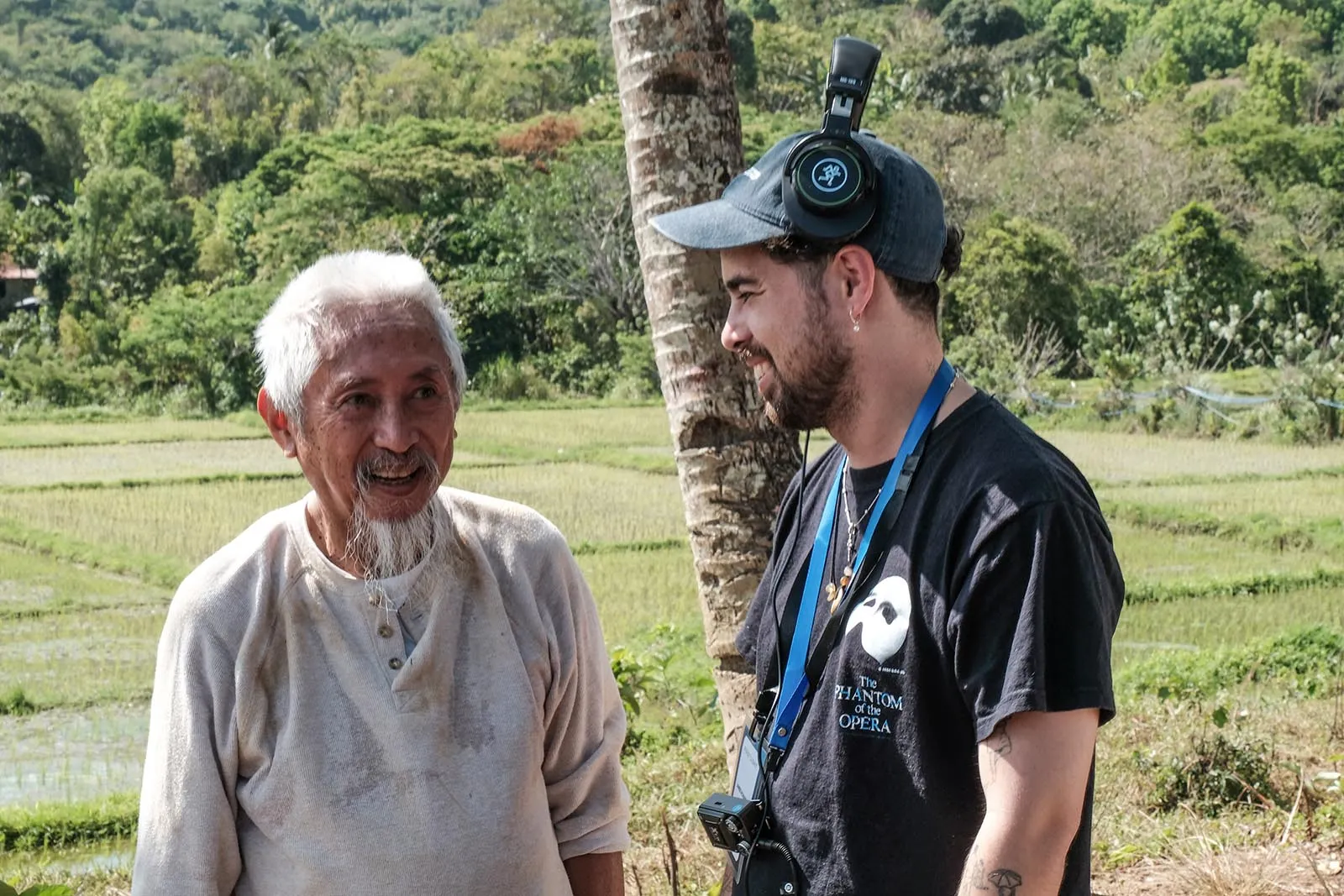
The film’s central question (“Has she been dutiful to the wrong thing?”) is left unresolved, trusting the audience to wrestle with it long after the credits. But in its closing images, the answer feels less important than the possibility: that divinity might be found in the rice fields, in the trees, and in the kindness exchanged between strangers. In that way, First Light is not just a story about faith; it’s an invitation to seek it in the spaces between certainty and doubt.
- A Taxonomy of Sofia Coppola and Marc Jacobs’ Friendship, in Honor of Her Upcoming Documentary ‘Marc by Sofia’
- Baby Ruth Villarama’s Latest Documentary Is a Love Letter to Filipino Fishermen
- This Upcoming Documentary on the Life of Pilita Corrales Will Take Viewers From Shipwreck to Stardom
- The Cast and Crew of Filipino Short Film Agapito on Competing at Cannes


