
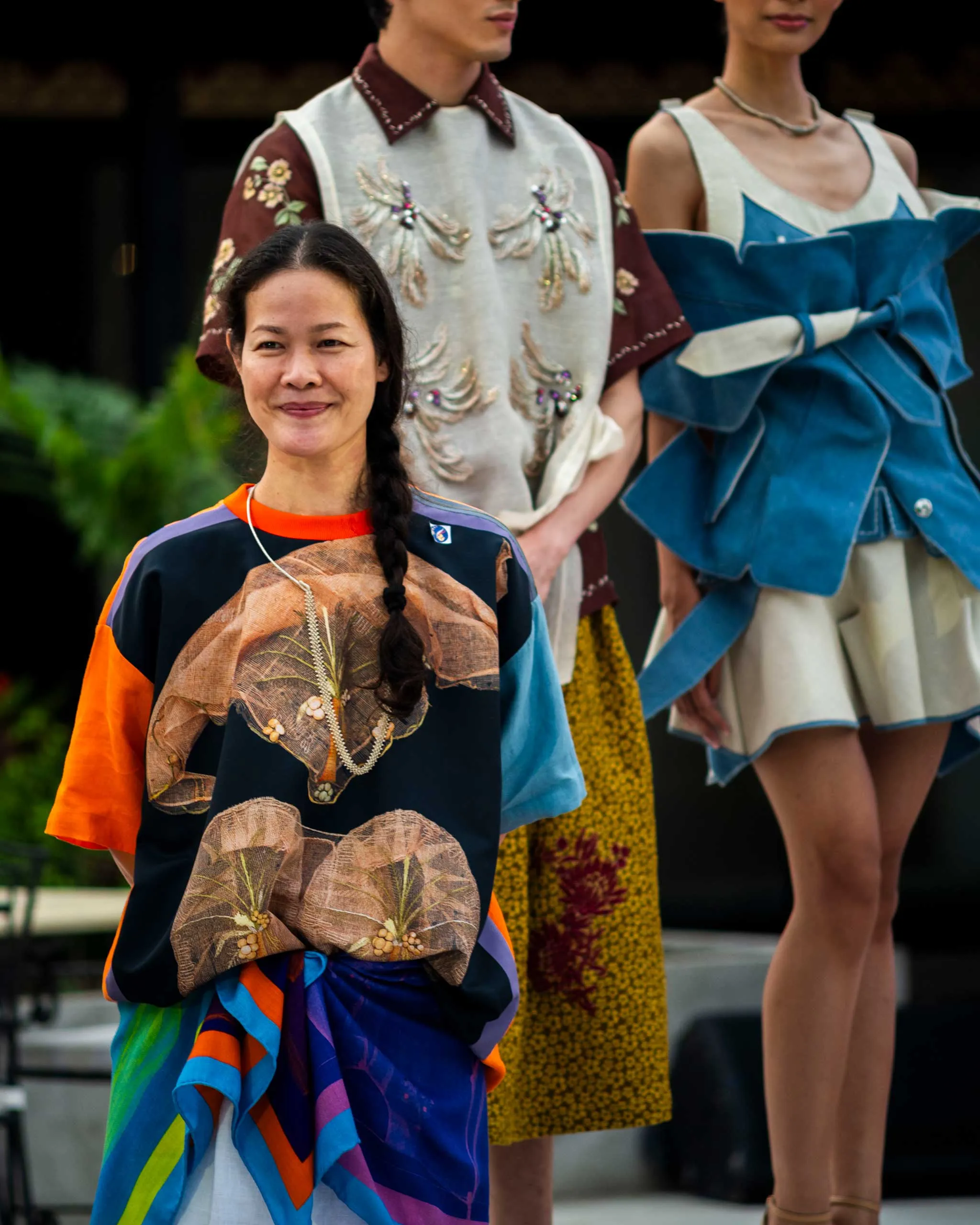
Jo Ann Bitagcol. Photographed by Angelo Tantuico
From heritage crafts to contemporary design, Likhang Filipino reopens as a living archive and collaborative space for the Philippine creative industries.
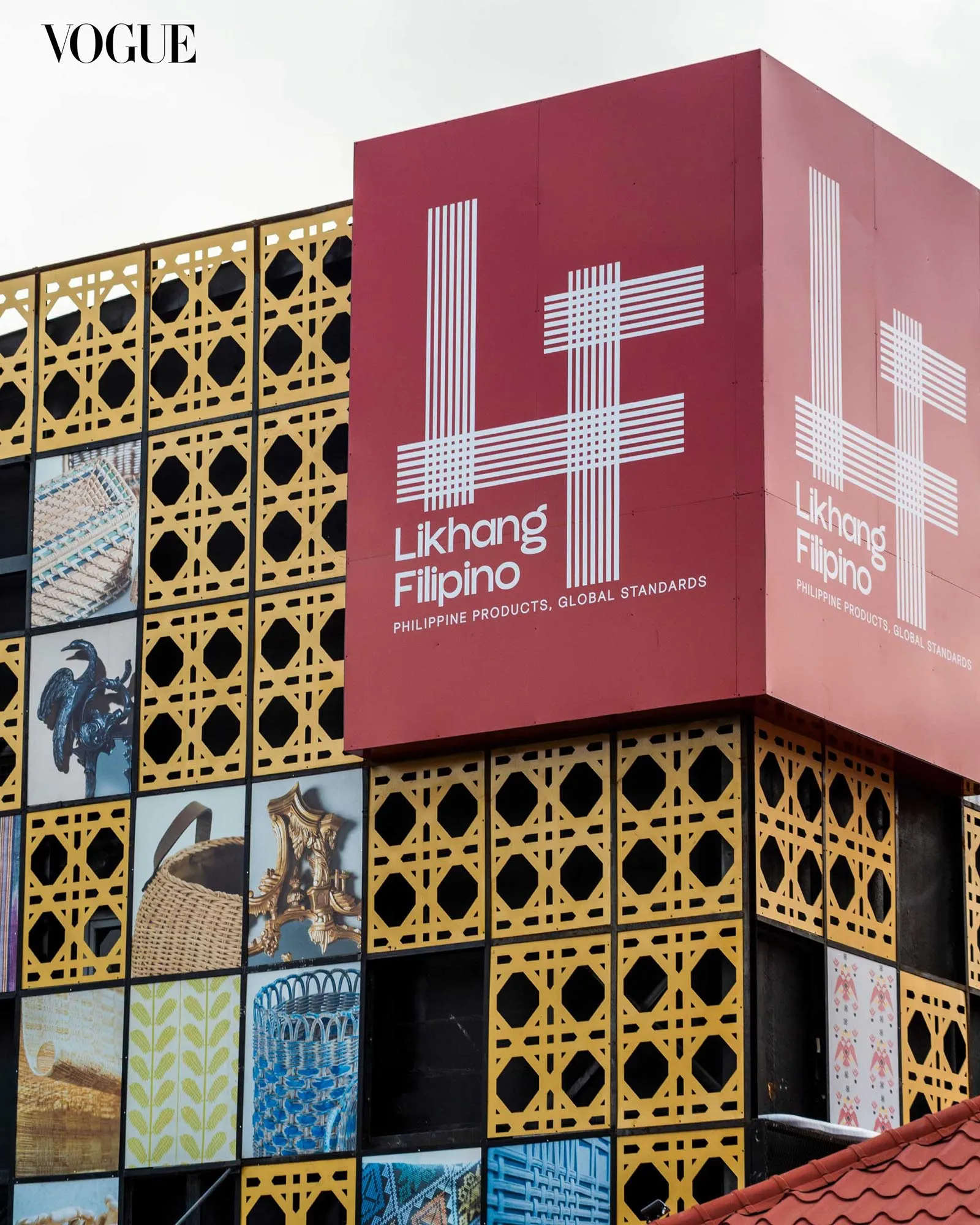
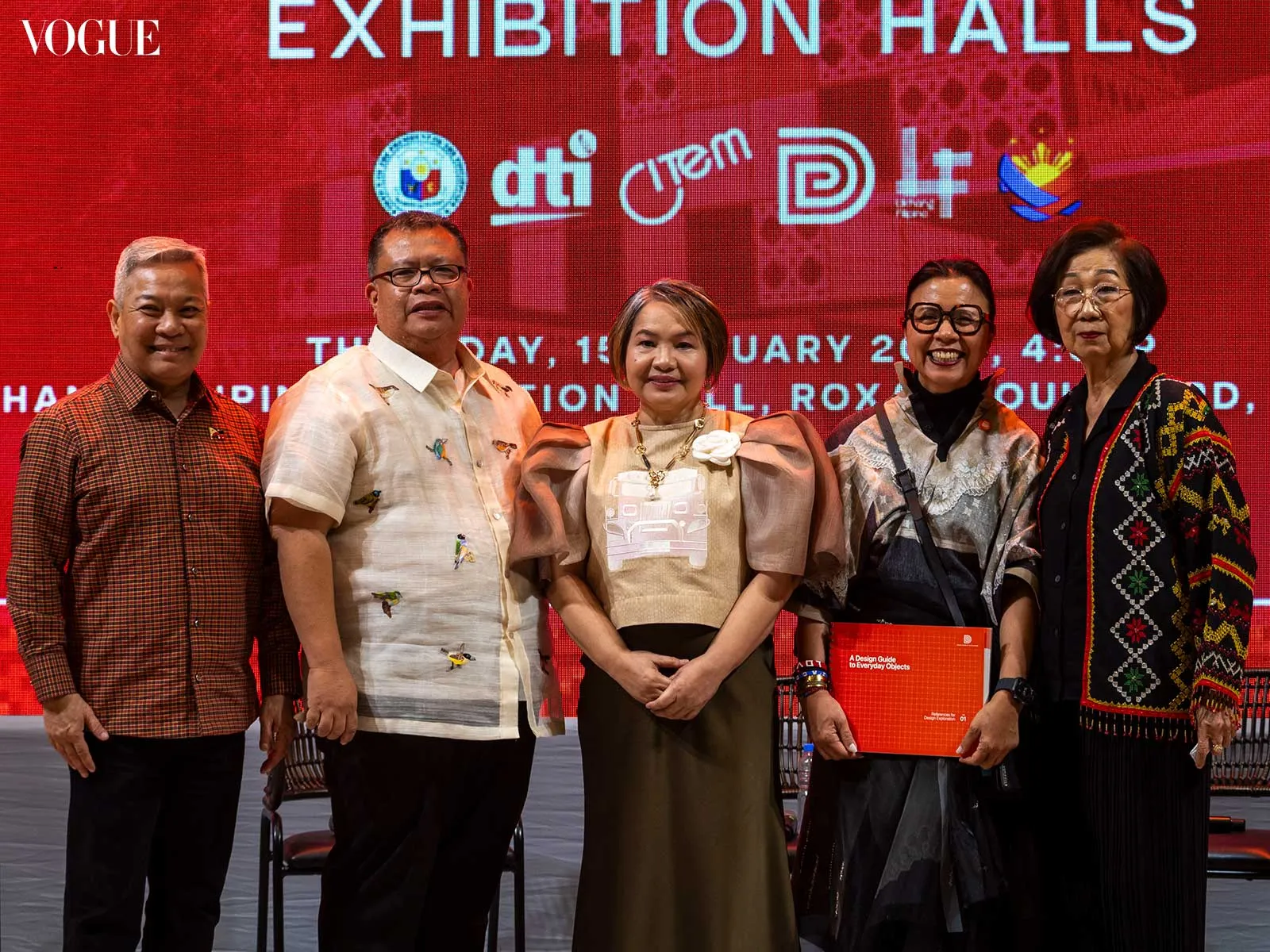
At the edge of Roxas Boulevard, Likhang Filipino reopens as an idea revived. Rising on the former grounds of the PhilTrade Center, the newly unveiled Likhang Filipino Exhibition Hall signals a renewed confidence in Philippine creativity.
Conceived as a year-round exhibition, retail, and incubation space, Likhang Filipino gathers the breadth of Filipino design, craft, food, and wellness under one roof. Spearheaded by the Office of the President through the Center for International Trade Expositions and Missions (CITEM), the space fulfills a long-held ambition: to provide local makers, designers, and manufacturers with a permanent address where their work can be showcased, sourced, and supported beyond the calendar of trade fairs.
A history is embedded in the site itself. The original PhilTrade Center, inaugurated in 1979, once stood as a symbol of the country’s export ambitions, its vernacular-inspired architecture asserting that Filipino craftsmanship could hold its own on the world stage. Its revival as Likhang Filipino is both a homage and a recalibration.
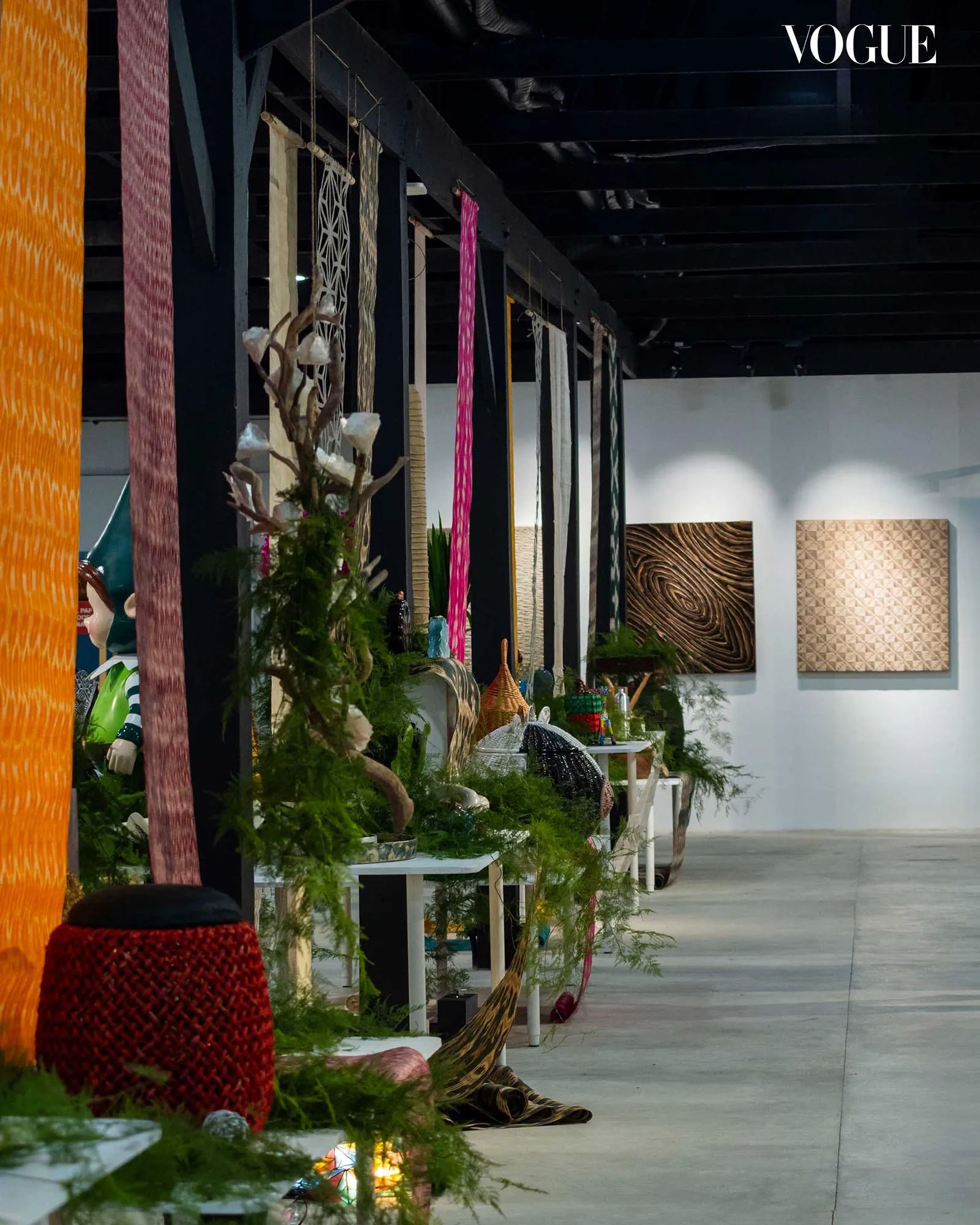
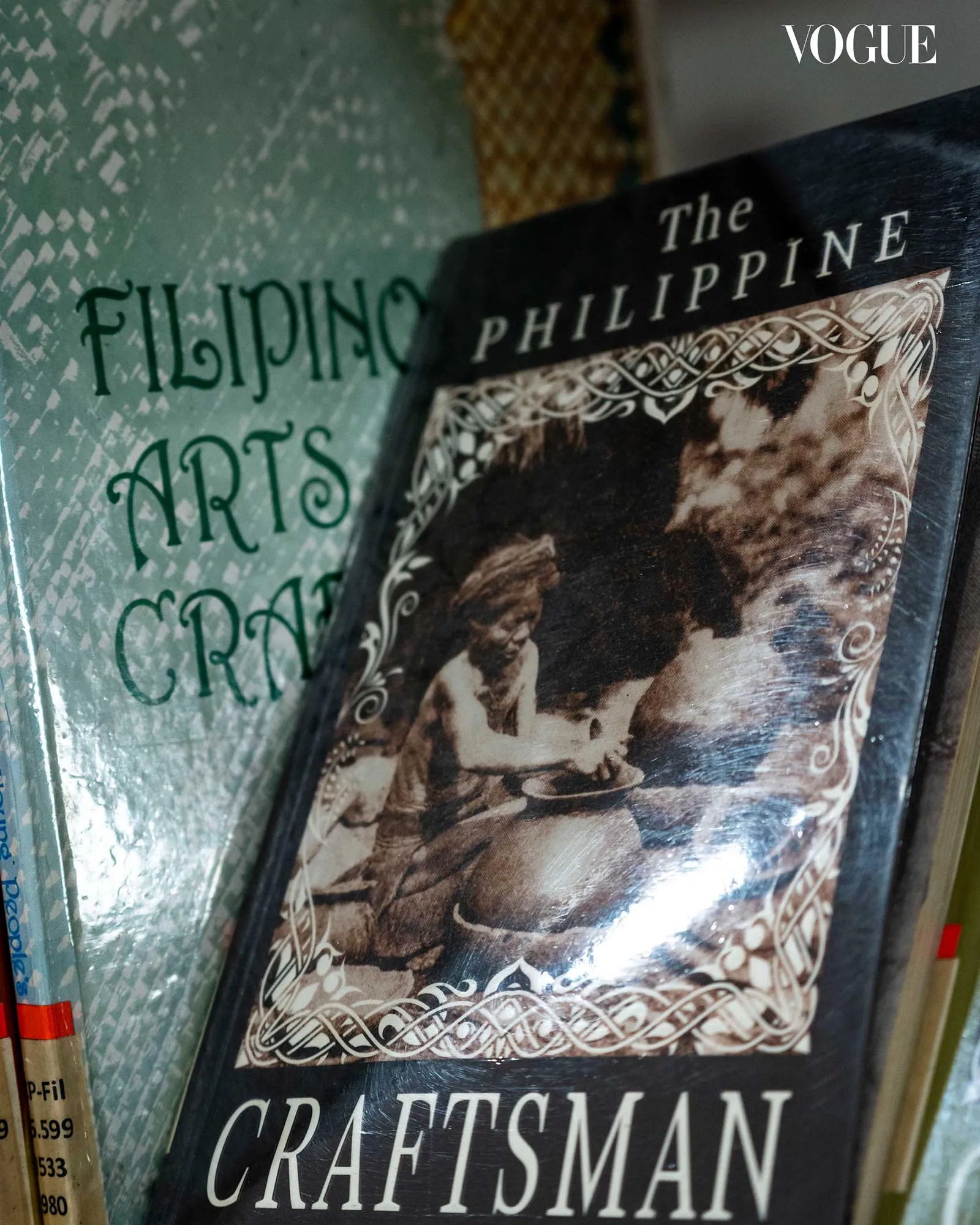
Inside, the Exhibition Halls are held across six galleries, each highlighting a different section of Filipino craftsmanship. It begins in Gallery 1, also known as the Black Box, a space dedicated to special exhibitions and a design library that traces over five decades of Philippine design. Here, experimentation takes center stage. Objects function as both artifacts and provocations, situating contemporary works within a lineage that stretches back to the creative breakthroughs of the 1970s.
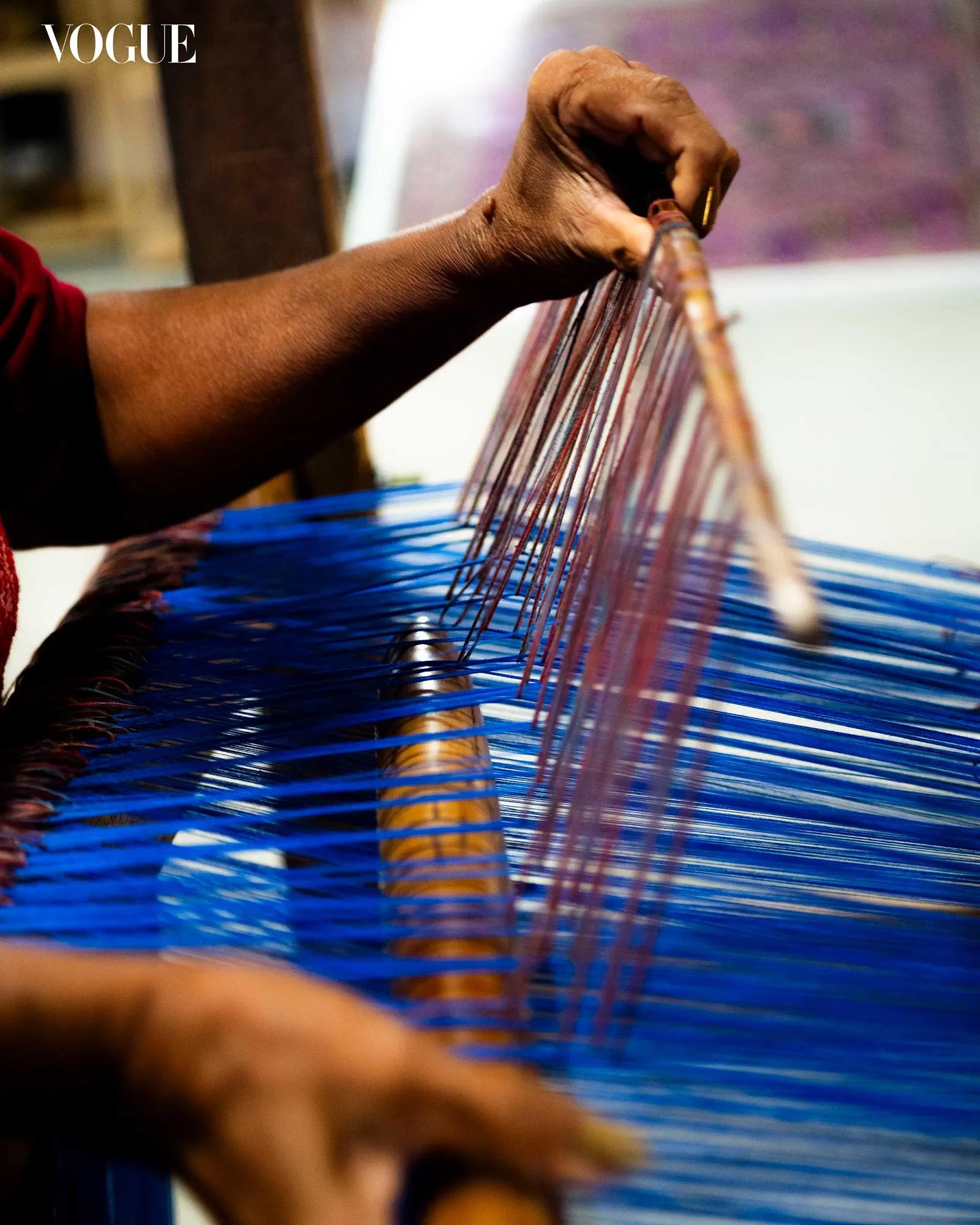
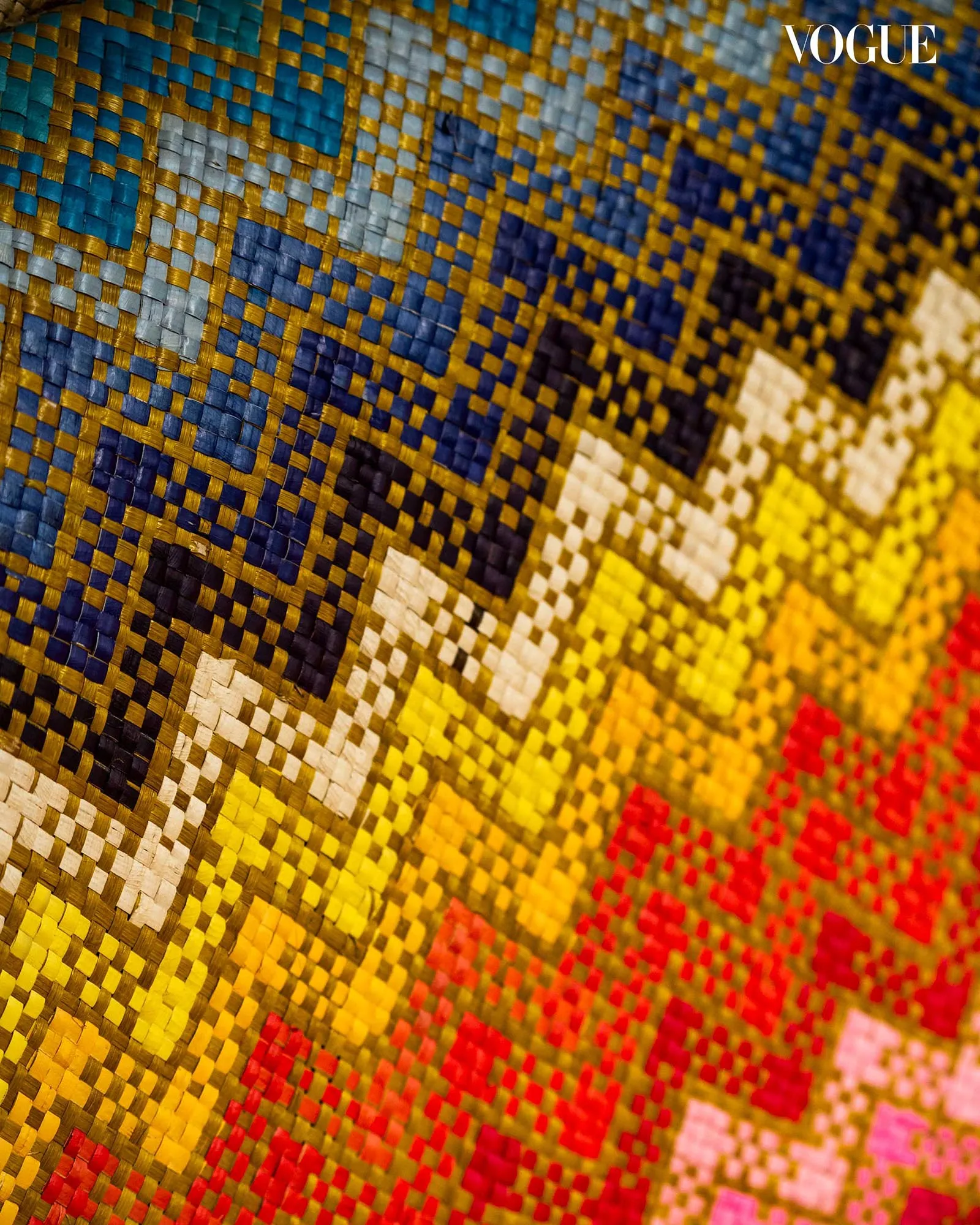
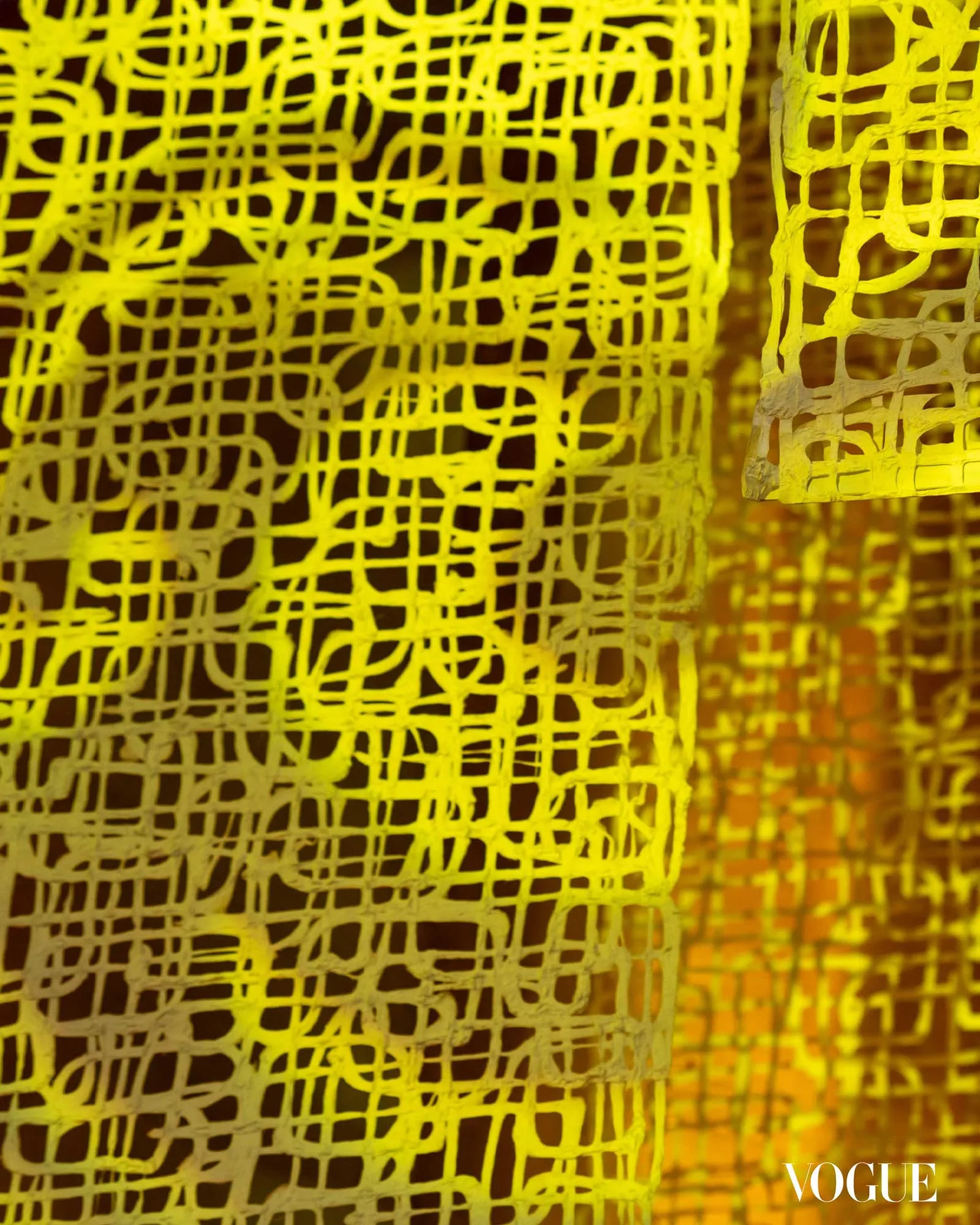
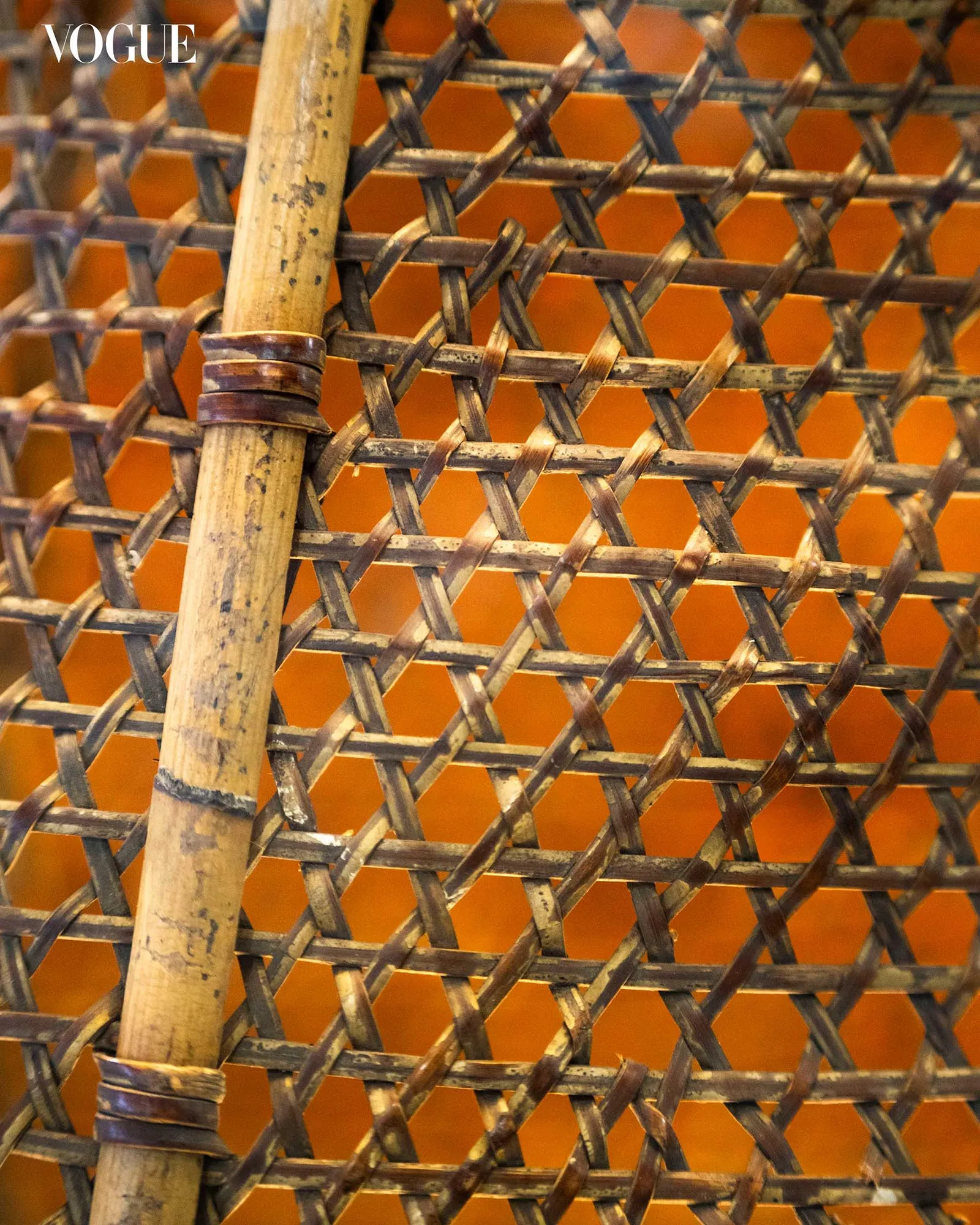
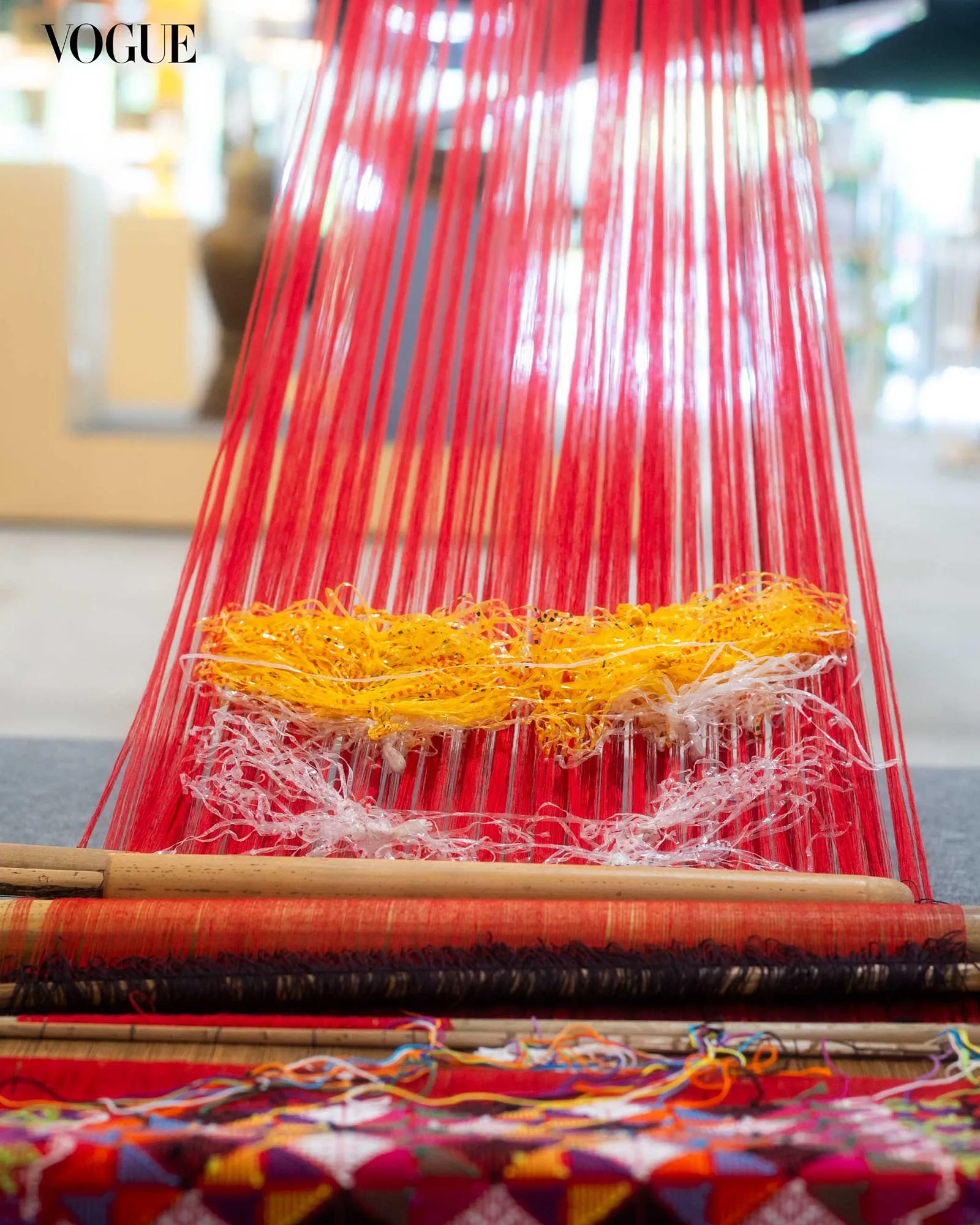
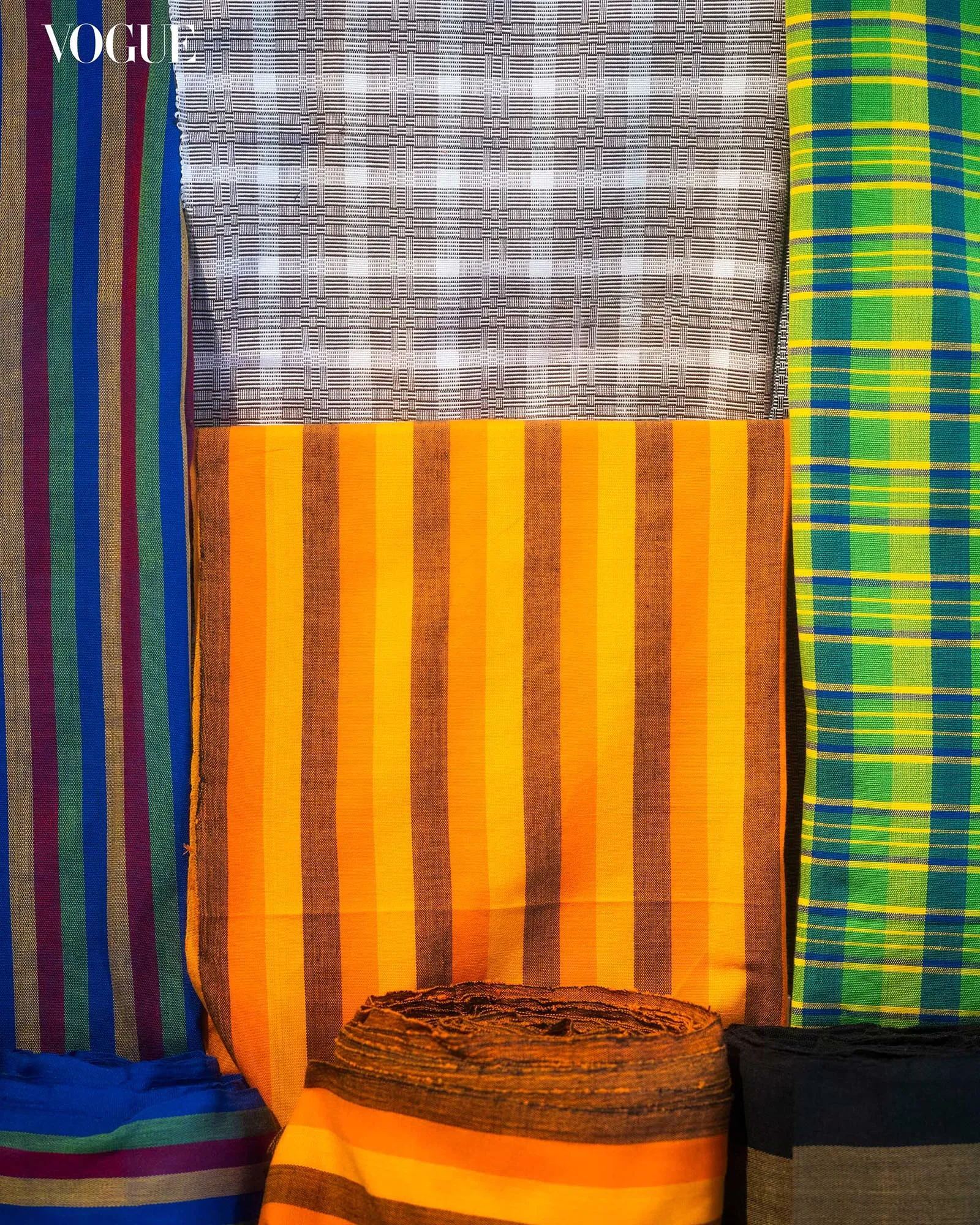
From there, Gallery 2 grounds the experience in heritage. Traditional arts and crafts take on renewed relevance through pieces made with indigenous knowledge and craftsmanship. Handwoven textiles, carved wood, baskets, musical instruments, and heirloom forms speak of communities where making is inseparable from identity.
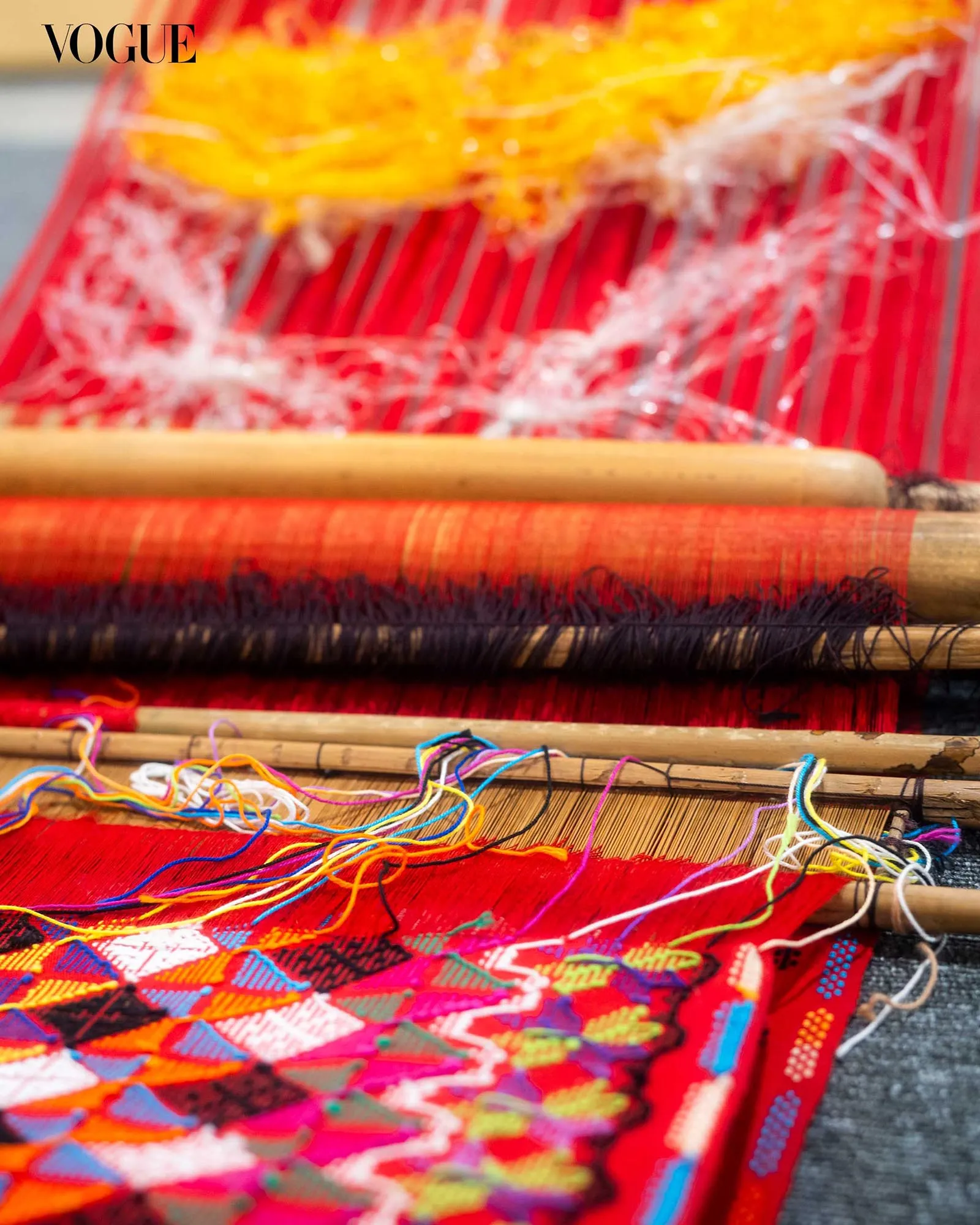
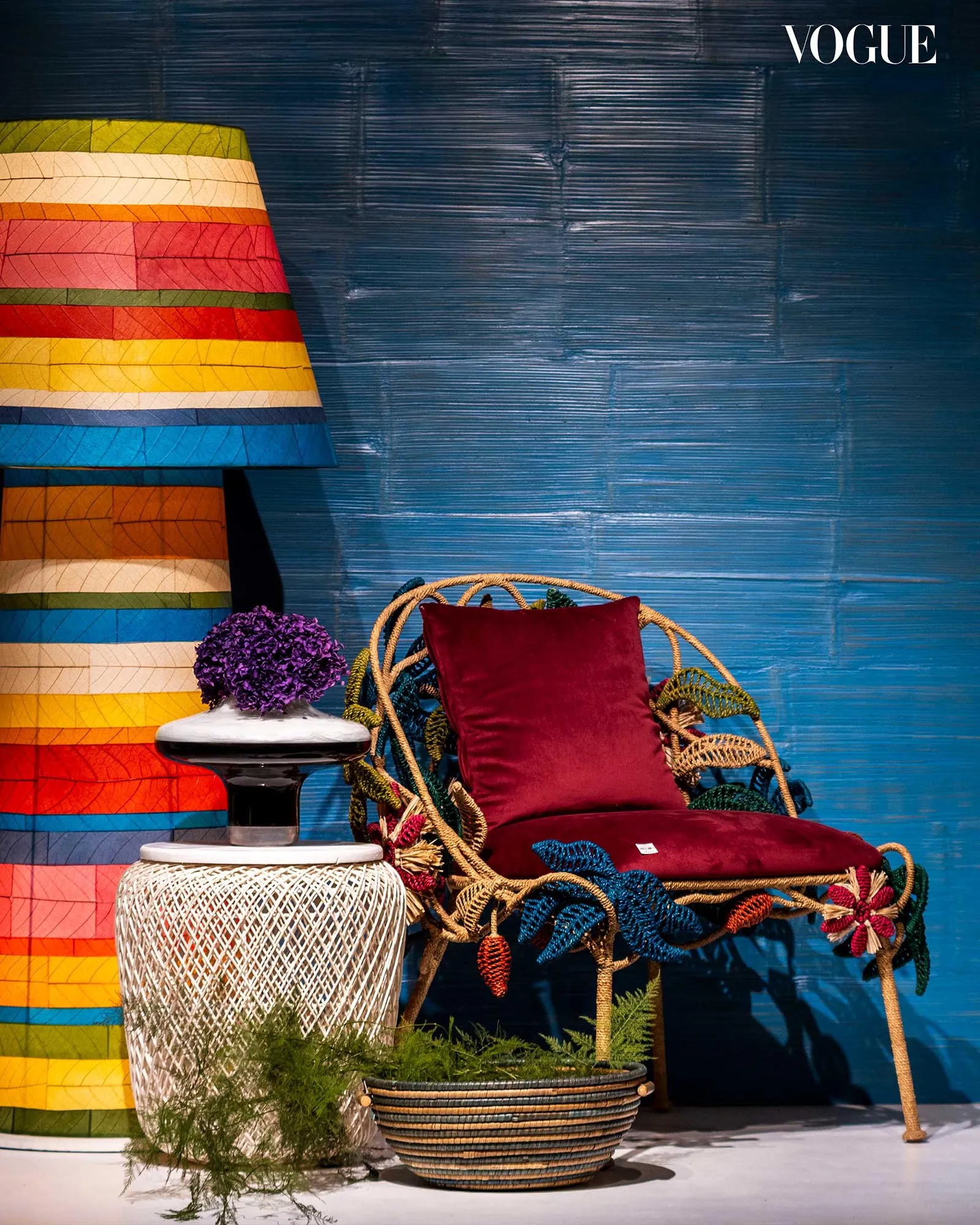
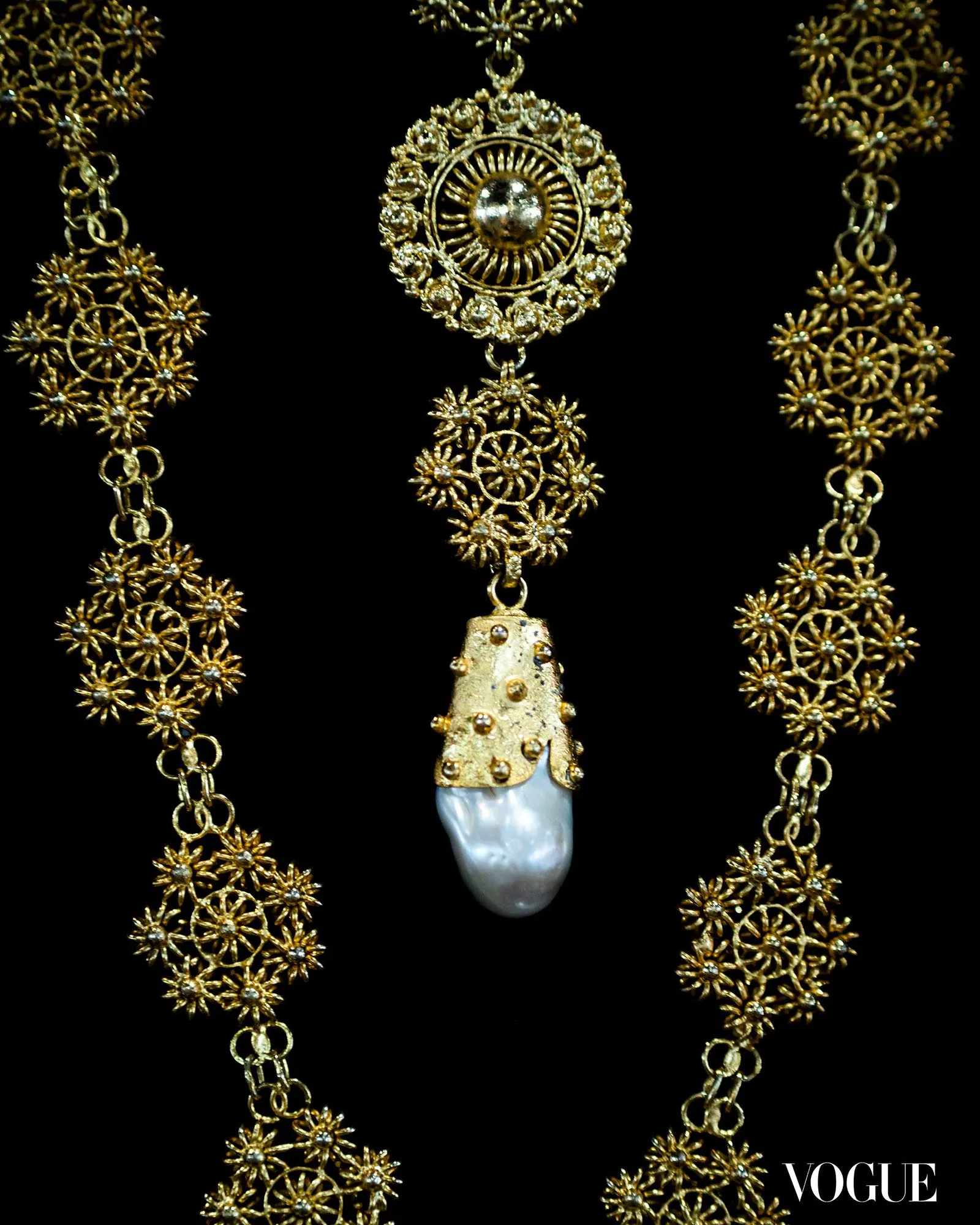
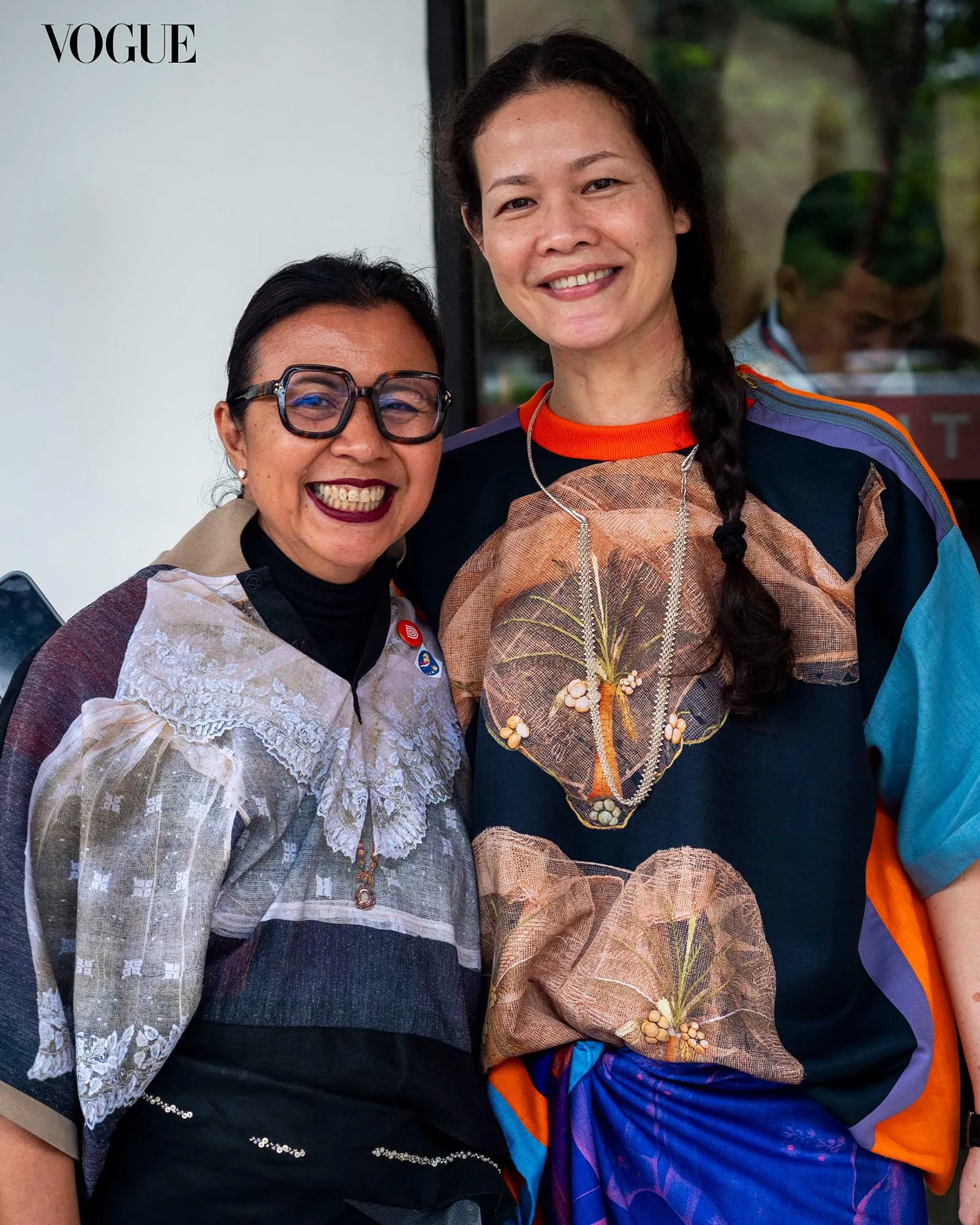
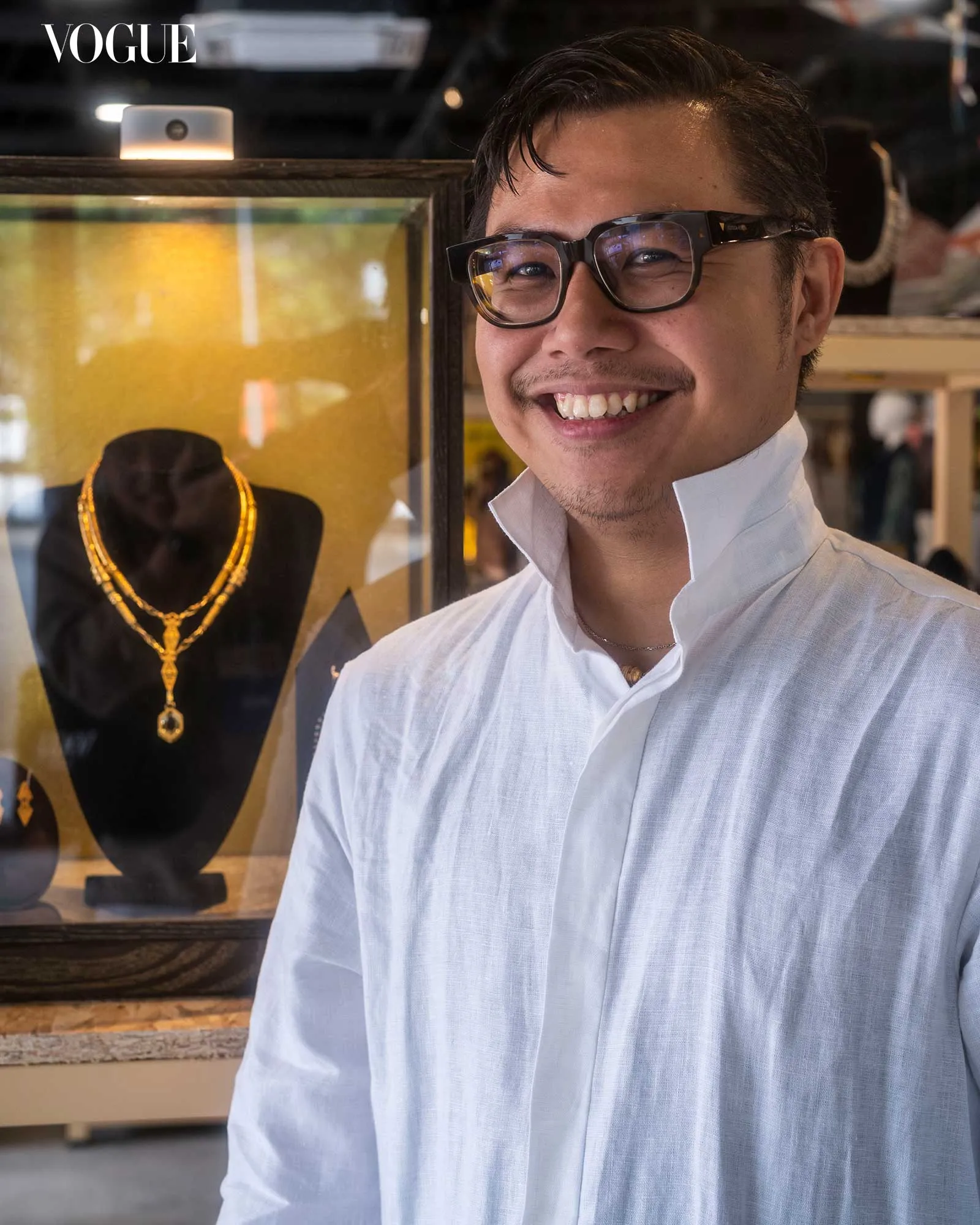
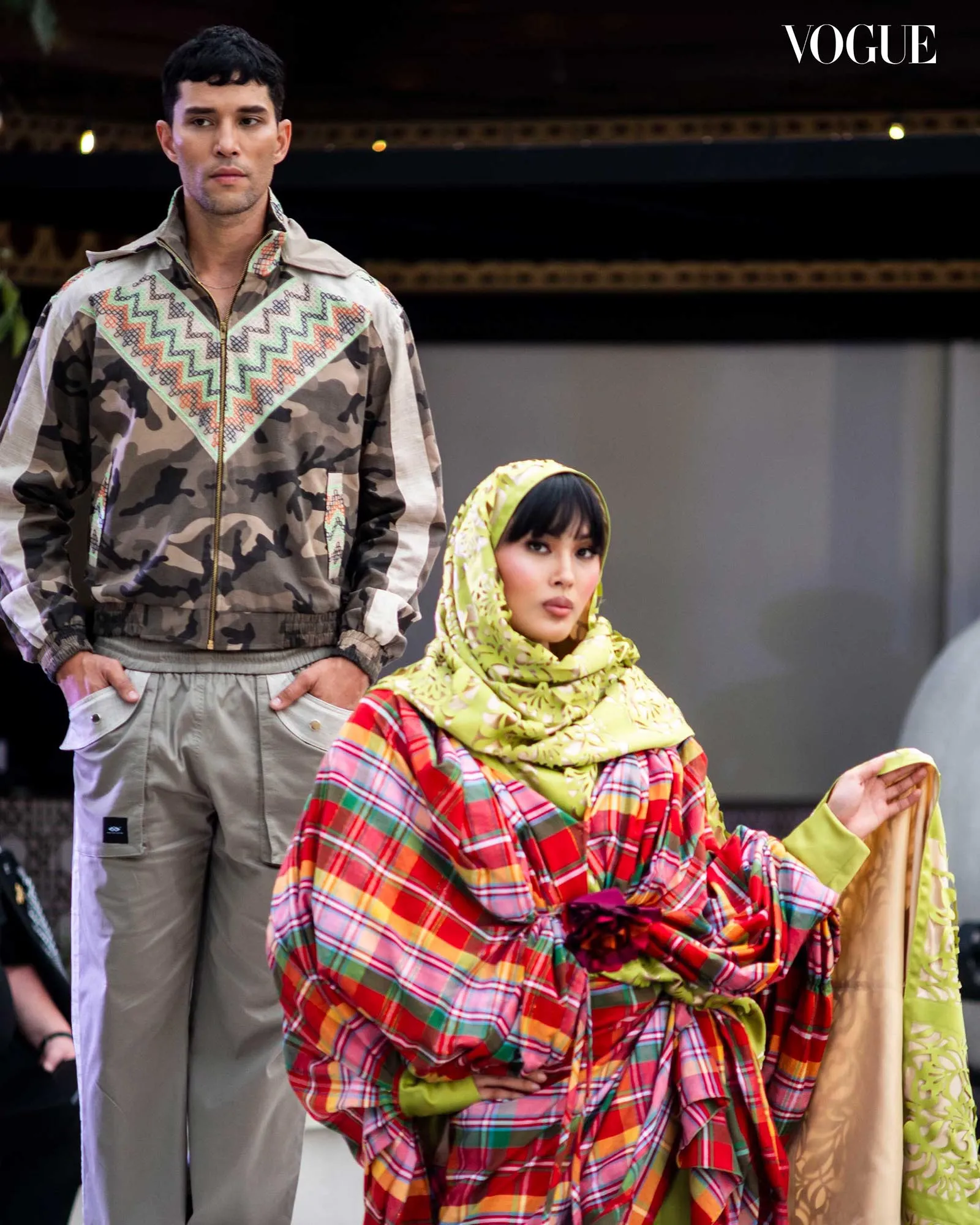
Gallery 3 shifts the lens to fashion, textiles, and accessories, where craftsmanship meets contemporary silhouettes. Clothing, footwear, bags, jewelry, and accessories highlight how Filipino designers translate local materials and techniques into wearable forms that resonate both locally and internationally. In Gallery 4, furniture and lighting anchor the halls with a sense of scale and spatial presence.
Gallery 5 brings the focus back to our homes. Decor, gifts, and holiday pieces that meet tradition and modern design, offering objects that add flair to everyday life. Completing the experience is Gallery 6, a hub for food, health, and wellness. Shelves are lined with chocolates, coffee, teas, condiments, snacks, and ready-to-eat specialties, alongside herbal remedies, essential oils, aromatherapy, organic skincare, and spa accessories.
For Rhea Matute, Executive Director of the Design Center of the Philippines, the reopening signals a shift in how creativity is understood and sustained today. “It’s really about collaboration,” she explains. “Creativity is not just a thing that you do by yourself; you feed off each other’s energy.” In gathering designers, manufacturers, and cultural workers into a shared space, she sees the halls becoming a catalyst for informal exchanges where new networks, ideas, and partnerships emerge through conversation as much as curation.
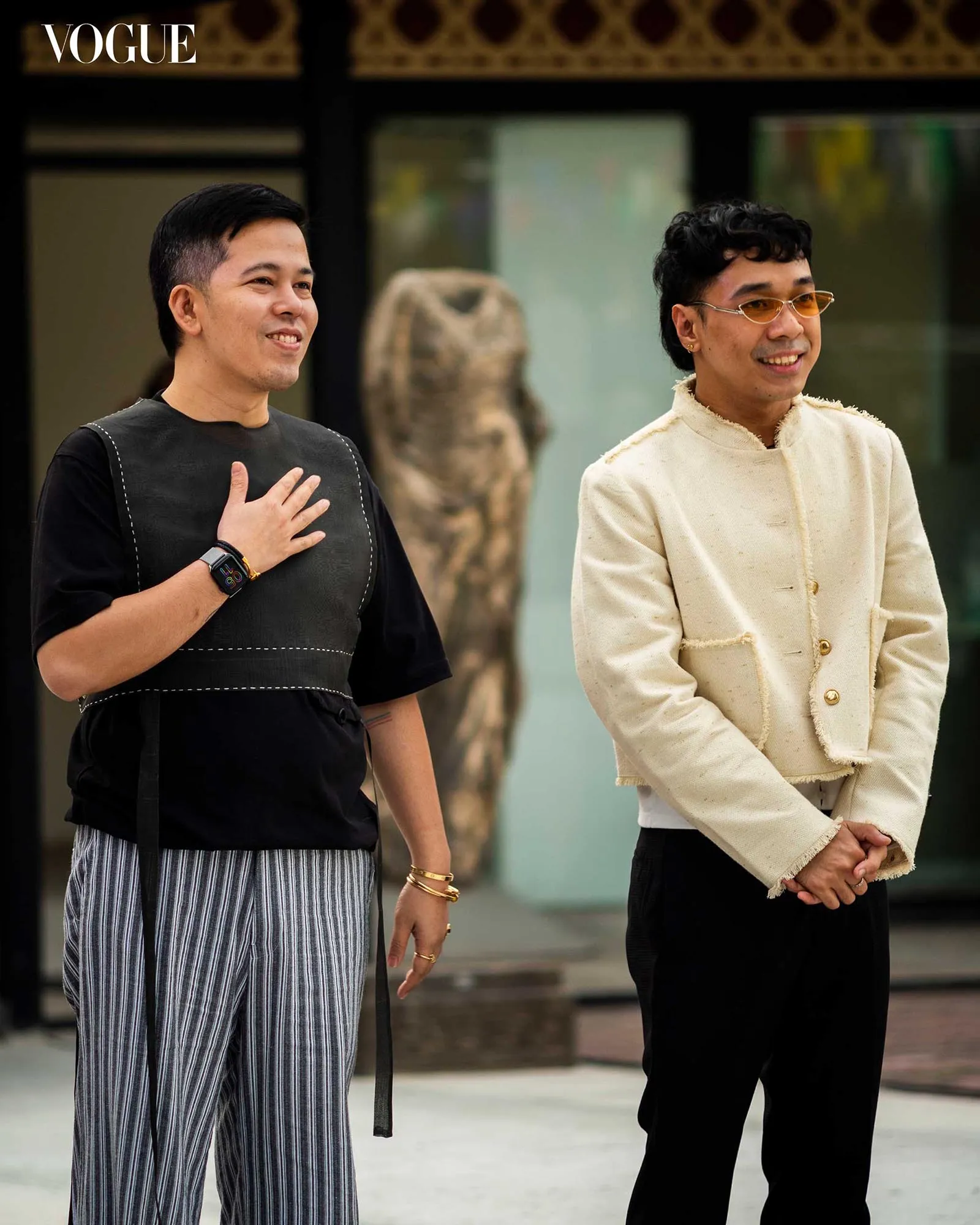
Matute underscores the importance of access to resources, references, and histories that were previously fragmented or unavailable. With manufacturers on hand and archives made visible, creative ideas can move more fluidly from concept to finished product. “That potential alone is really exciting for us,” she says, noting how the design timeline and historical material on view provide younger creatives with a depth of inspiration they may not have encountered before. For her, the value lies not only in reaching the achievements of earlier generations, but in inheriting their ambition, the gumption to imagine even more.
More than a showroom, Likhang Filipino is an assertion of intent. In reviving a historic site and reimagining its purpose, the space offers a vision of what happens when design, industry, and heritage move forward together.
Likhang Filipino is open to the public at the International Trade Center Complex along Roxas Boulevard, Pasay, from Tuesday to Sunday.
-
 Photographed by Angelo Tantuico1/15
 -
 Photographed by Angelo Tantuico2/15
 -
 Photographed by Angelo Tantuico3/15
 -
 Photographed by Angelo Tantuico4/15
 -
 Photographed by Angelo Tantuico5/15
 -
 Photographed by Angelo Tantuico6/15
 -
 Photographed by Angelo Tantuico7/15
 -
 Photographed by Angelo Tantuico8/15
 -
 Photographed by Angelo Tantuico9/15
 -
 10/15
10/15 -
 Photographed by Angelo Tantuico11/15
 -
 Photographed by Angelo Tantuico12/15
 -
 Photographed by Angelo Tantuico13/15
 -
 Photographed by Angelo Tantuico14/15
 -
 Photographed by Angelo Tantuico15/15
- Keeping Craft Alive: Likha 4 Continues to Celebrate Filipino Artisanship
- Embracing Heritage: LIKHA 2 Celebrates Filipino Crafts, Culture, And Independence This Weekend
- Connecting Threads: How To Preserve Craft Will Survive For Future Generations
- Paradise Found: Kalinga Creative Irene Bawer-Bimuyag Weaves in Color


