
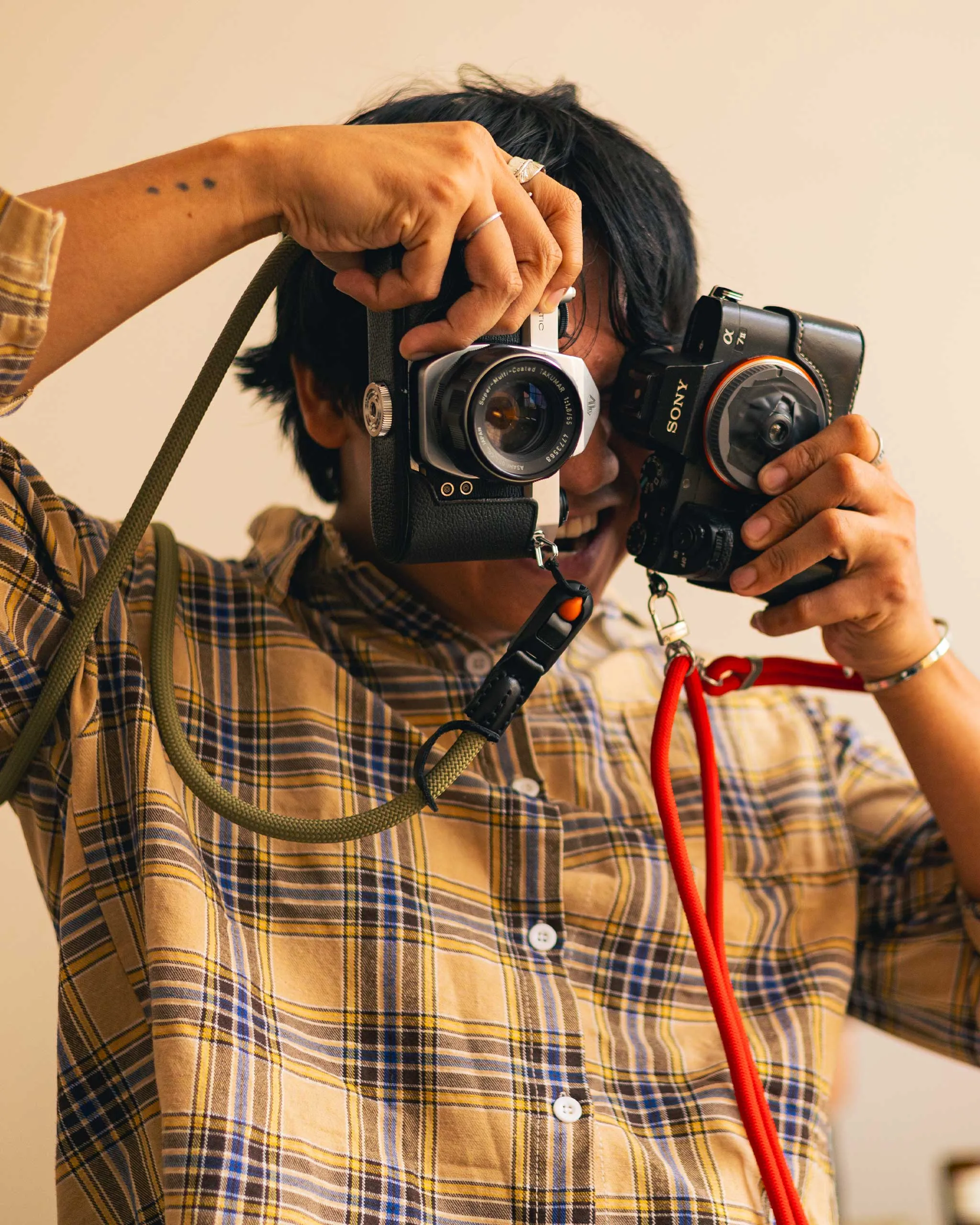
Photographer playing around with their cameras at Hola, Escolta. Photographed by Meinard Navato, courtesy of First United Building
In Manila’s “Queen of the Streets,” a new generation of cultural hub is taking shape.
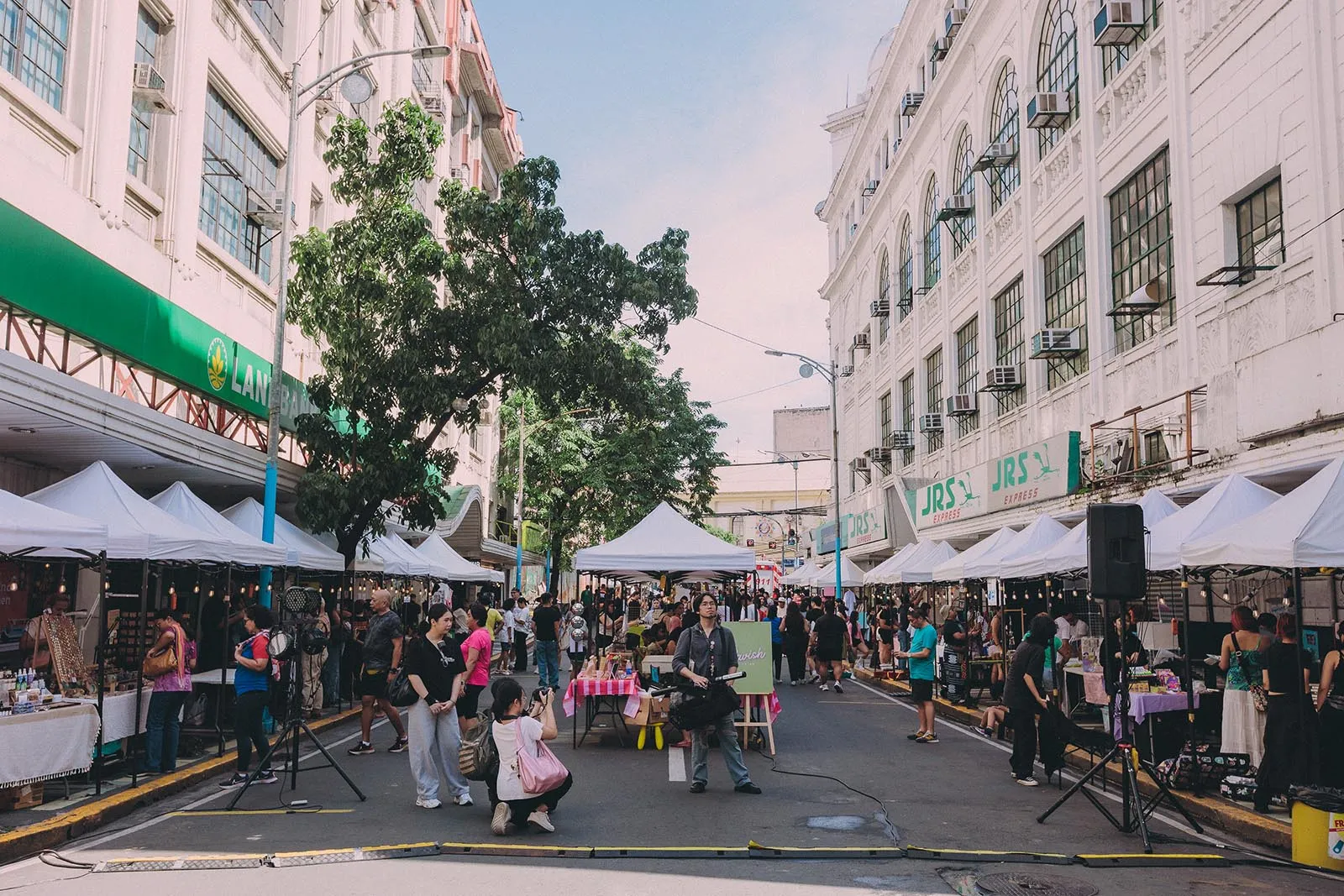
As I got off on Escolta Street, the sky was gloomy, yet there was a crowd outside the First United Building (FUB). A white banner hung on the bridge read, “Welcome! Hola, Escolta!” Welcome, indeed. Young and old, locals and visitors, familiar and new faces filled the street. Children from neighboring areas drew chalk figures on the asphalt, lines were formed at the street market, and FUB was literally buzzing with music and chatter in its hallways and rooms.
At the building’s gate, Andre Chan’s art installation Prison/Free soon greets the eye. Made from donated cardboard boxes and plastic bottles, birds hung on the metal grate, exploring themes of life’s duality, paradox, and shifts. Two weeks ago, I watched Chan present the installation sketches during the Hola, Escolta weekly meeting.
Held inside the First Co-Working Community, the weekly meeting gathered the building’s creatives to align their plans for the festival. You could feel the excitement and some degree of stress in the room. Most of them were still in the middle of their preparations, with some not even posting their posters online yet. Architect Arts Serrano, the festival’s director, jokes that this is the nature of creatives.
“We all have our plans now, but as with any creative process, the creatives like to cram,” he says, as we converse inside his architecture studio, One Zero Design Co. Under a skylight, Serrano, designer Ziv Rei Alexi, animator Agustin “Agu” Crisostomo, and FUB’s managing director, Robbie Sylianteng, sit with us to talk about the festival.
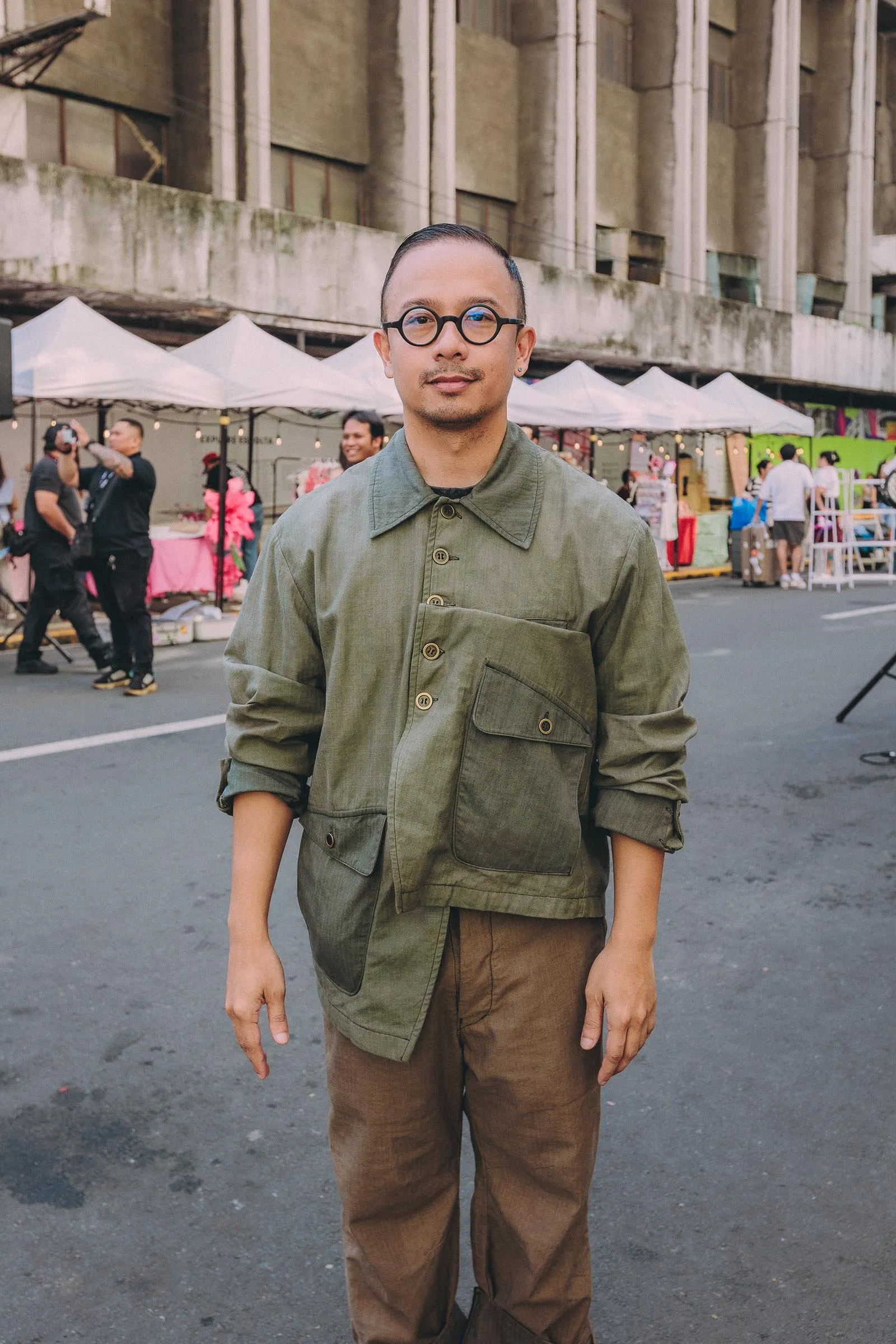
“I remember in Belg’s [Belgica] space, it was just a random conversation,” Serrano says, recalling Hola, Escolta’s beginnings. He shares that this was not entirely new to Escolta, noting that the current festival is another iteration of Escolta’s infamous block parties before the COVID-19 pandemic. When the pandemic hit, priorities shifted, and the world slowed down. Previous FUB residents moved out; some stayed.
“At that moment, we were kind of confused and worried about the future of the regeneration of Escolta, with COVID happening,” he says. In 2022, as lockdown eased in the city, new faces came to the building. Despite things shutting down, creatives naturally gravitated towards the energy of space. With new life slowly coming in again, they started to entertain the question, “What if we start organizing again? ” And so, Hola, Escolta came to be.
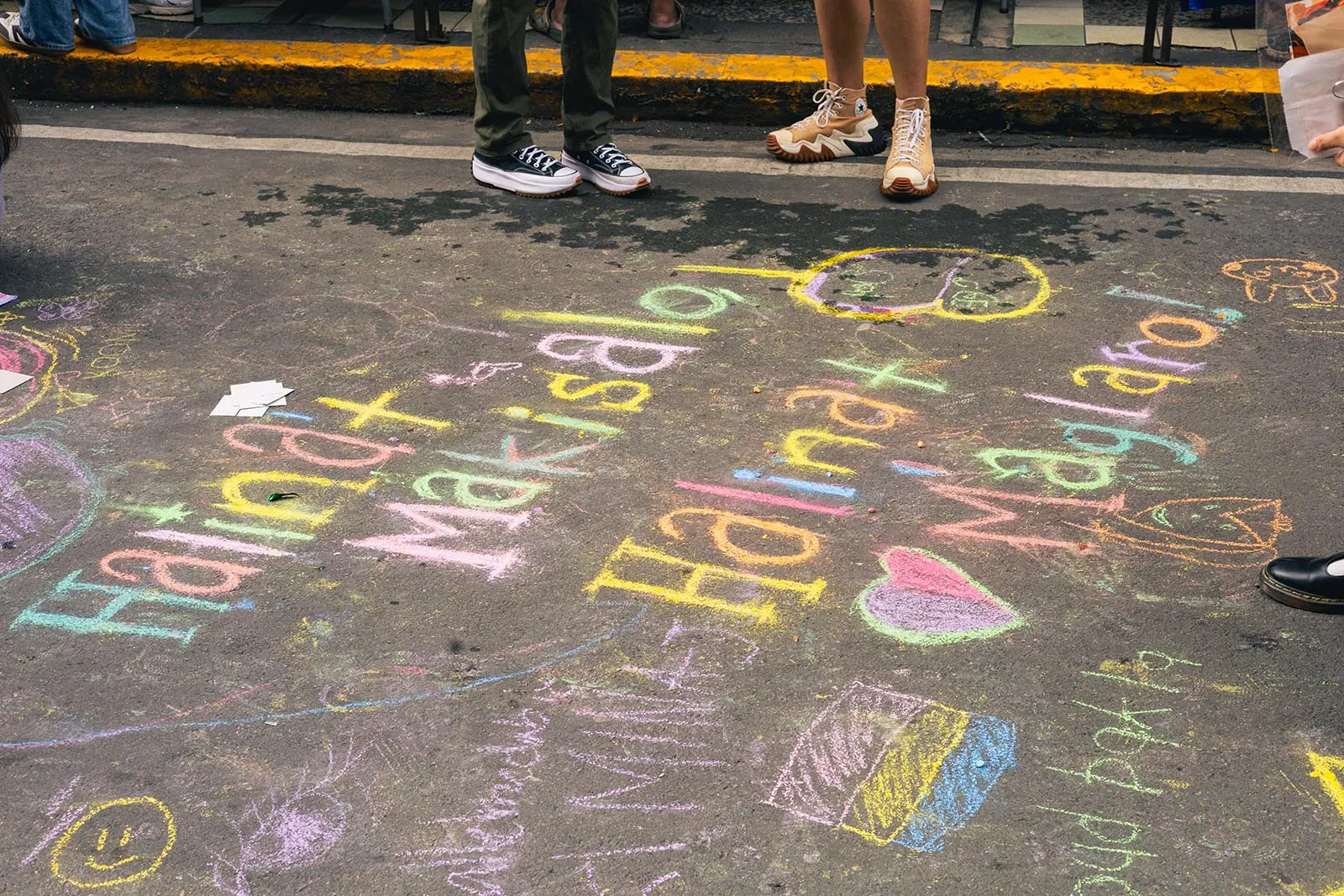
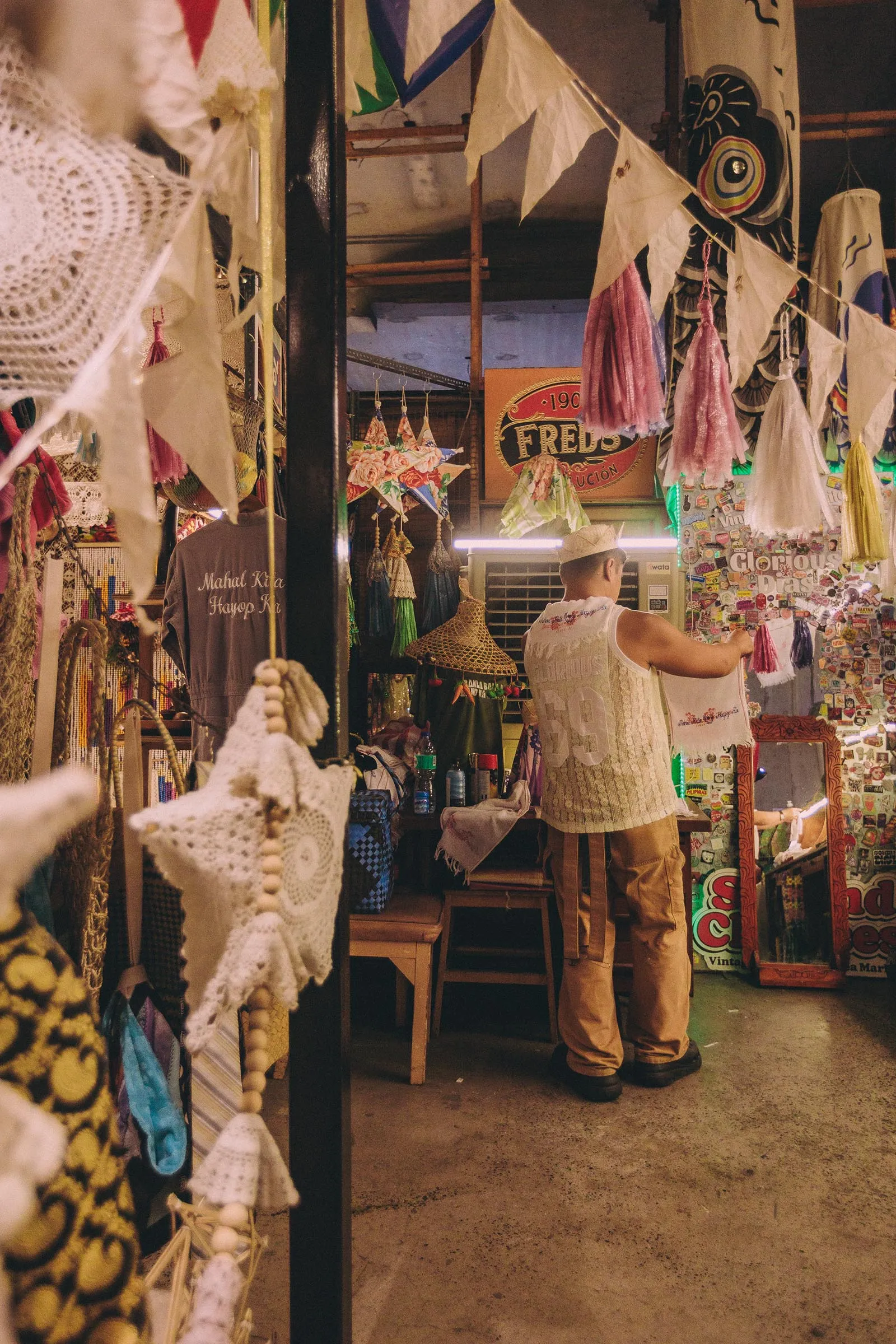
Now in its third year, the festival keeps growing. Previously held on a single day, this year’s iteration expanded the festival to a full week, offering a range of programs, activities, and exhibitions for everyone to enjoy. “It’s like an organized chaos,” Serrano says. It’s true; every corner of FUB and two blocks of Escolta were bursting with life and creativity. On the streets, people lined up to purchase arts and crafts from local artists, to play with the children in the neighboring areas, and to dance to the music. Inside FUB, every floor offered something for everyone: a photo exhibition, free-to-play games, more art markets, music performances, workshops, pop-up shops, and even karaoke.
There’s a sense of freedom in the air for festival-goers, participants, and organizers. Freedom in the sense that they could do anything that they wanted; every year, there’s no structure that they have to adhere to. “We have our own events. But when you put it all together, it’s super alive,” Serrano says. Each creative in the building is guided by their passion: Alexi with fashion, Belgica with photography, Crisostomo with animation, and Serrano with heritage architecture, to name just a few.
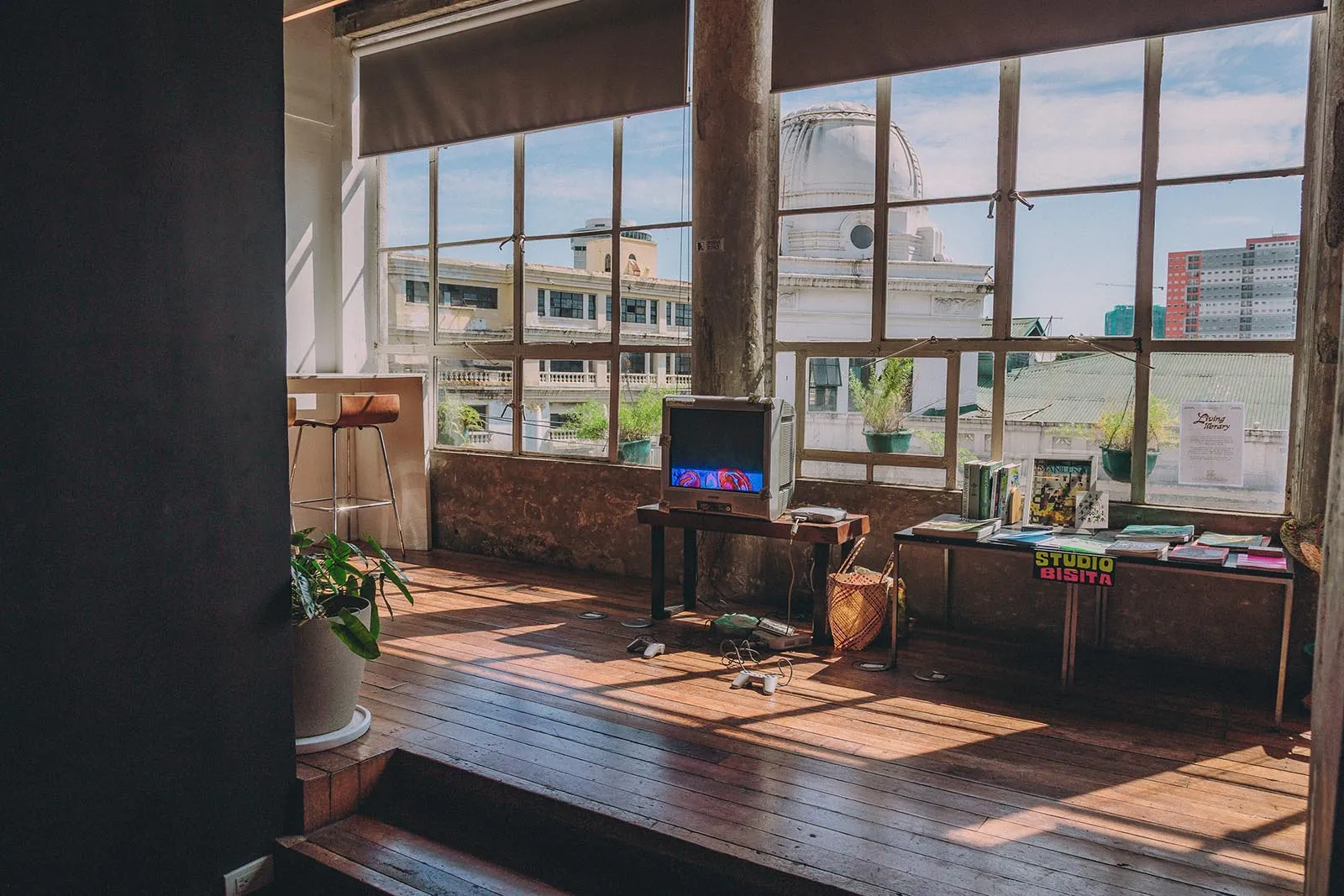
“We would think about the things that we would want to see. And oftentimes, we would open the doors for everyone who would want to be in the same space with us,” he says. He shares that others may look at heritage or “run-down” parts of the city and think that it’s condemned, but Hola, Escolta is shattering that narrative. “Spaces like this can still thrive and can still grow with how the cities around us grow.”
Festival-goers also never shied from expressing themselves, dressing however they wanted to, from alternative fashion to ensembles inspired by traditional Filipino attire. Inside the HUB Make Lab, Jodinand “Jodee” Aguillon enthusiastically mans his store, Glorious Dias, welcoming all into the space. “You simply have to experience Escolta. From the hoopla of Hola, Escolta, to the everyday magic that happens within these historic walls,” he says. “Escolta doesn’t just pull people in; Escolta pulls people together.”
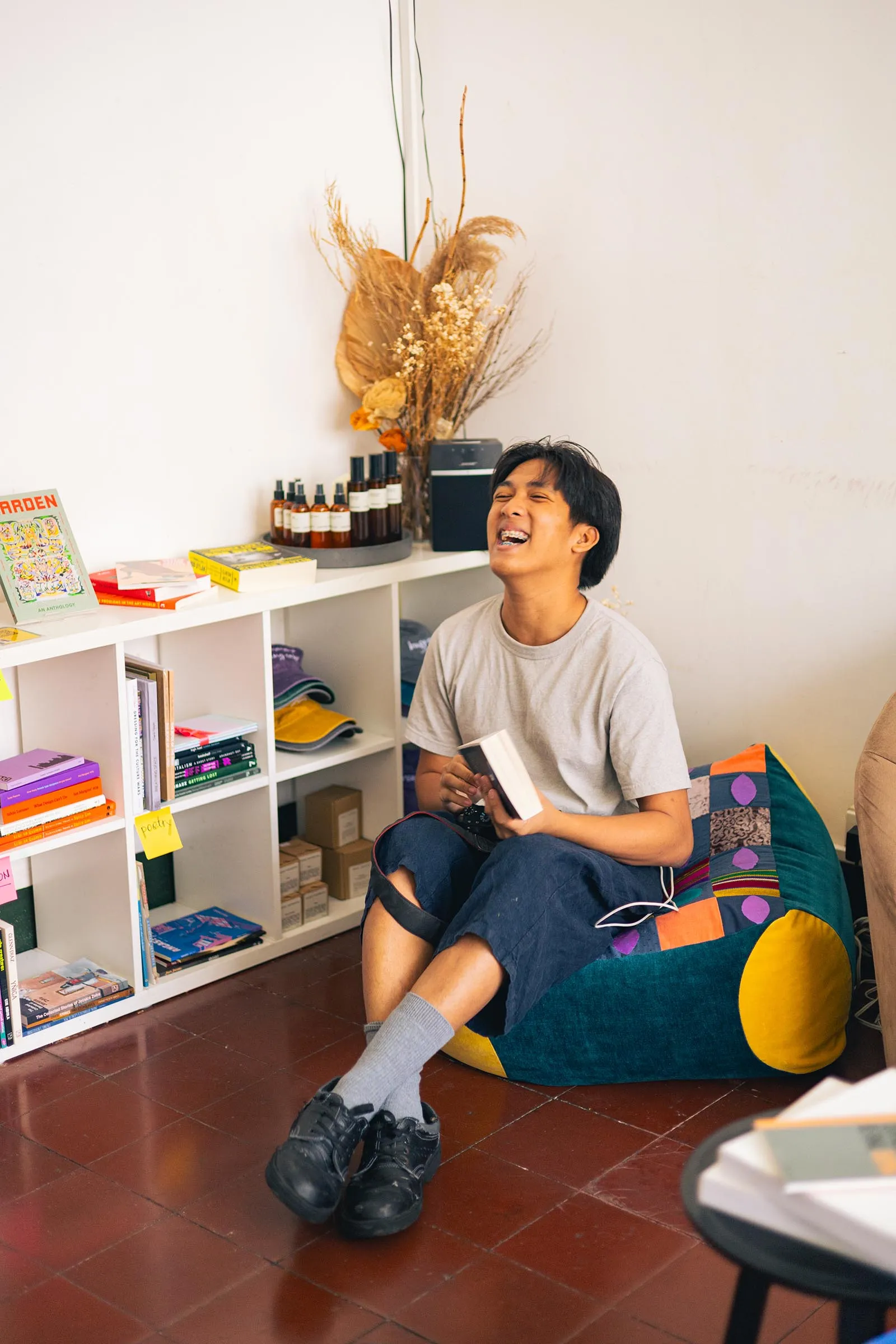
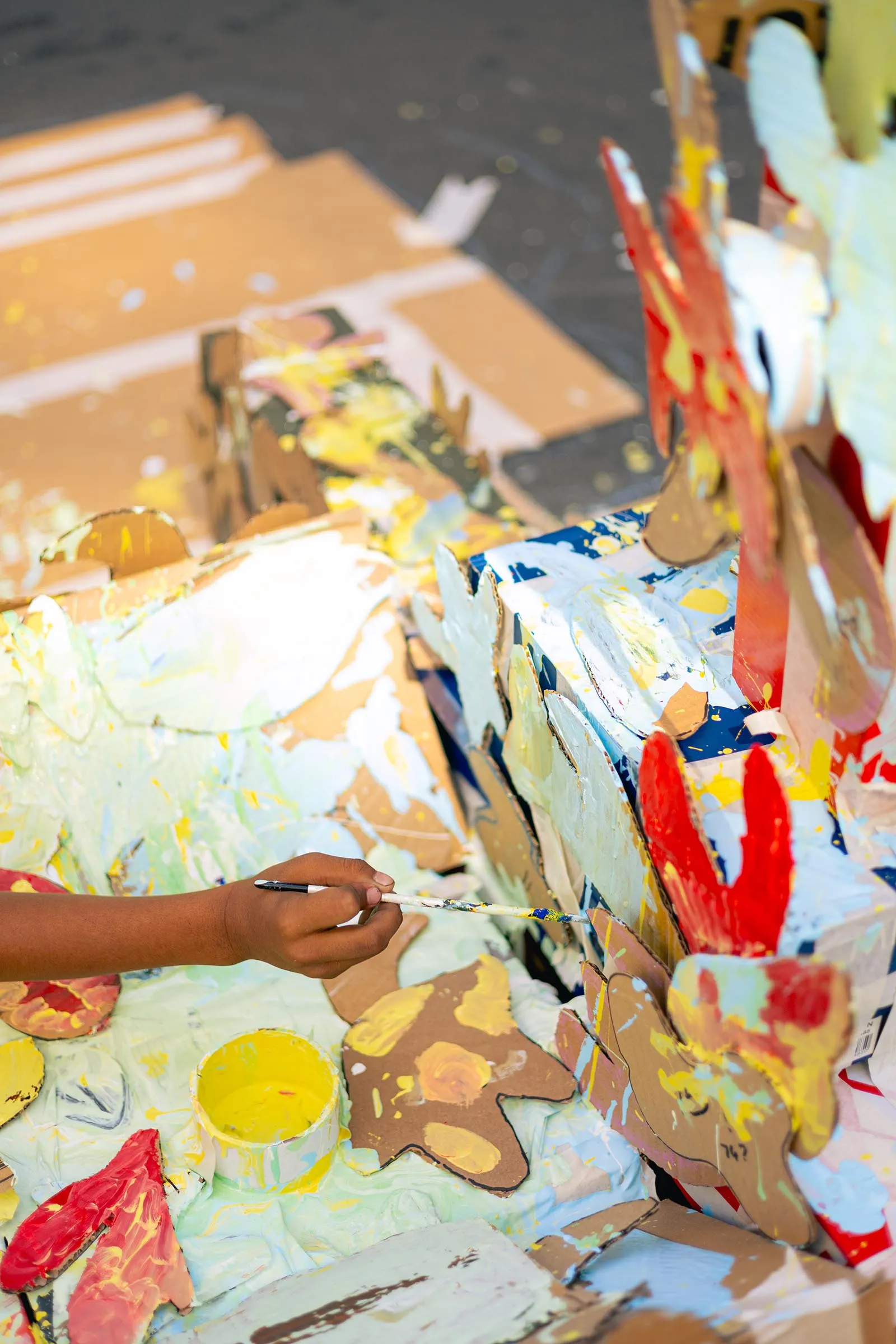
Upstairs on the third and fourth floors, Project Lemon’s Thea Rodriguez keeps herself busy with their art market in the hallways and the programs in their studio. She shares that as the festival went on, she found herself wondering what else she could explore creatively. “You end up going and wanting to do so many things! ” she says. “The theme for Hola, Escolta [this year], is ‘Parade of Dreams,’ and I hope that’s true for a lot of people who shared the week with us; the desire to create or perform marches with us well past Hola.”
As the afternoon gave way to the evening, a larger crowd formed outside the building, ready to dance the night away with a downtown disco. For its last day, the festival closes with DJ sets by Freqelevant, Versailles, Chain Messages, Horseboy, and Celeste Kuh, and performances by Ballroom Culture PH, Naia Black, Shewarma, Ourselves the Elves, and Tarsius. Even as it began to rain, the crowd paid no mind, put their umbrellas up, and continued dancing.
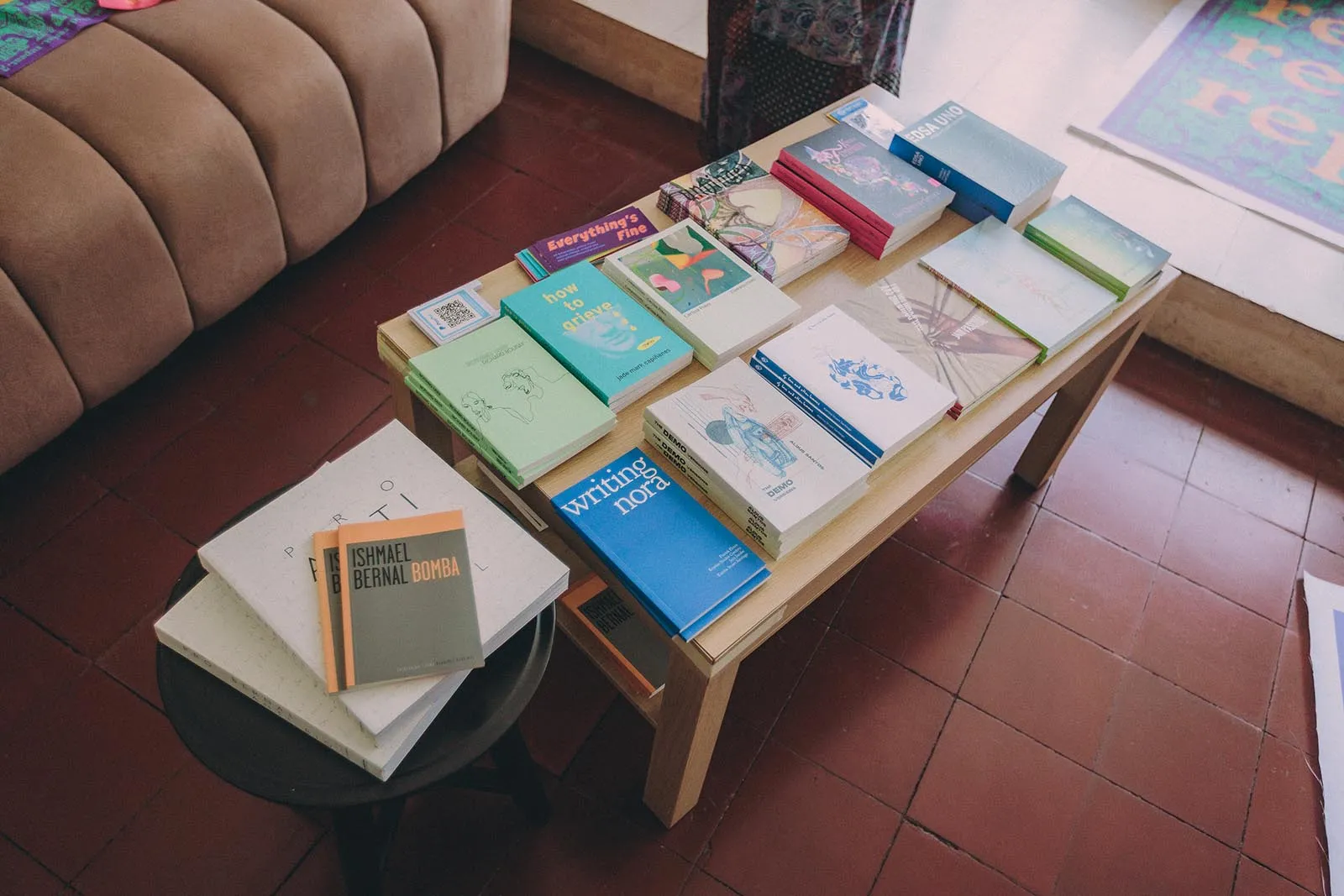
Inside FUB, its hallways became quieter as the party outside grew. Yet you could still hear karaoke in Alexi’s studio; there were only a handful of people inside now, as they began to wind down. Sitting on the floor, he expresses that he had achieved what he sought to do: to build a sense of community that is entirely organic. He recalls how, throughout the day, people would just open the door and begin talking and singing with each other.
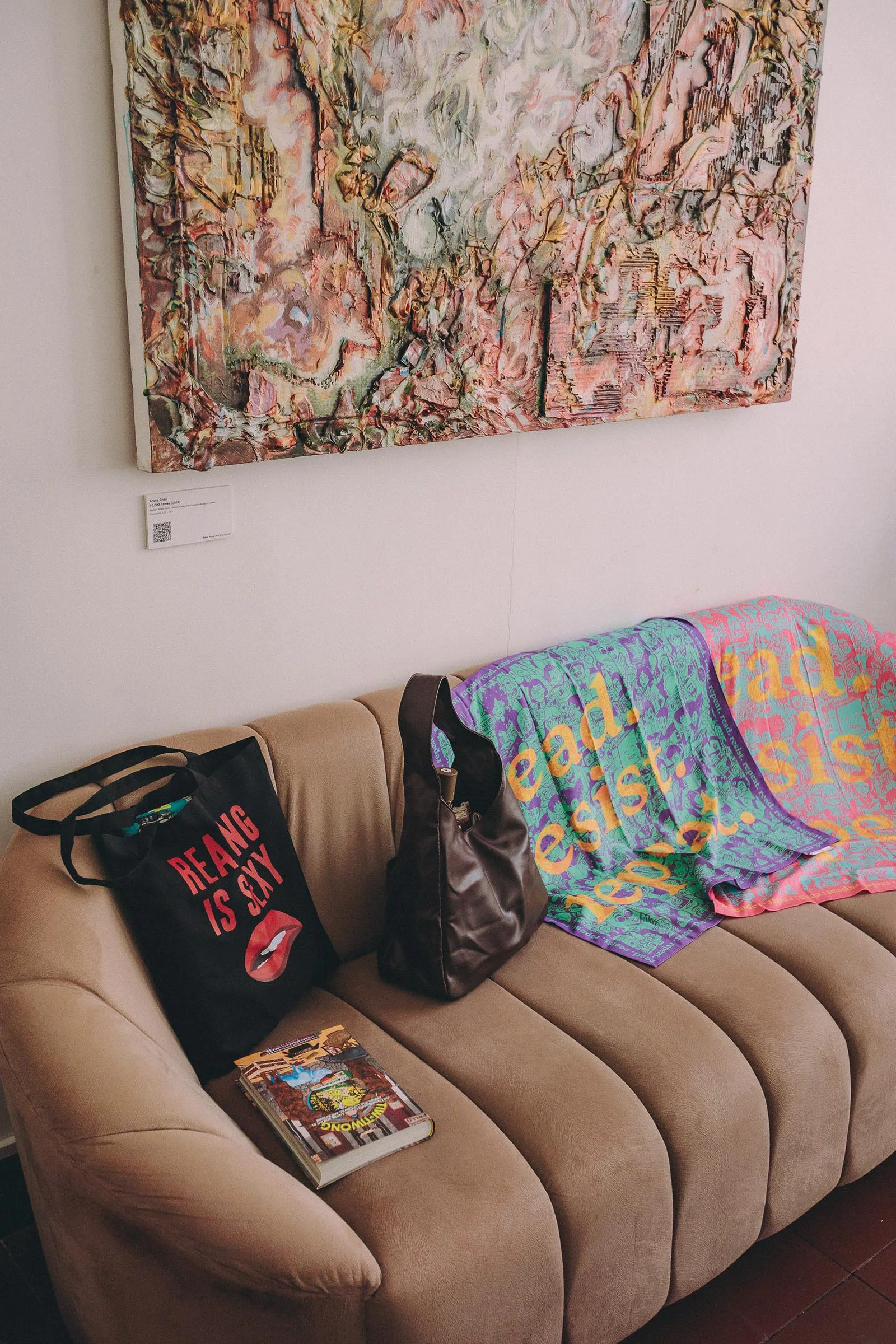
In Belgica’s studio, Espacio Creativo Escolta, remnants of Saan Saan and Sequence Coffee’s pop-up earlier in the day lingered. As he sat on the couch, exhausted yet feeling fulfilled from the week, he noted how there was a clear longing for community. “It’s not just a music festival,” he says, talking about the misconception that people may have. For him, it’s a place where creativity, community, and dreams thrive.
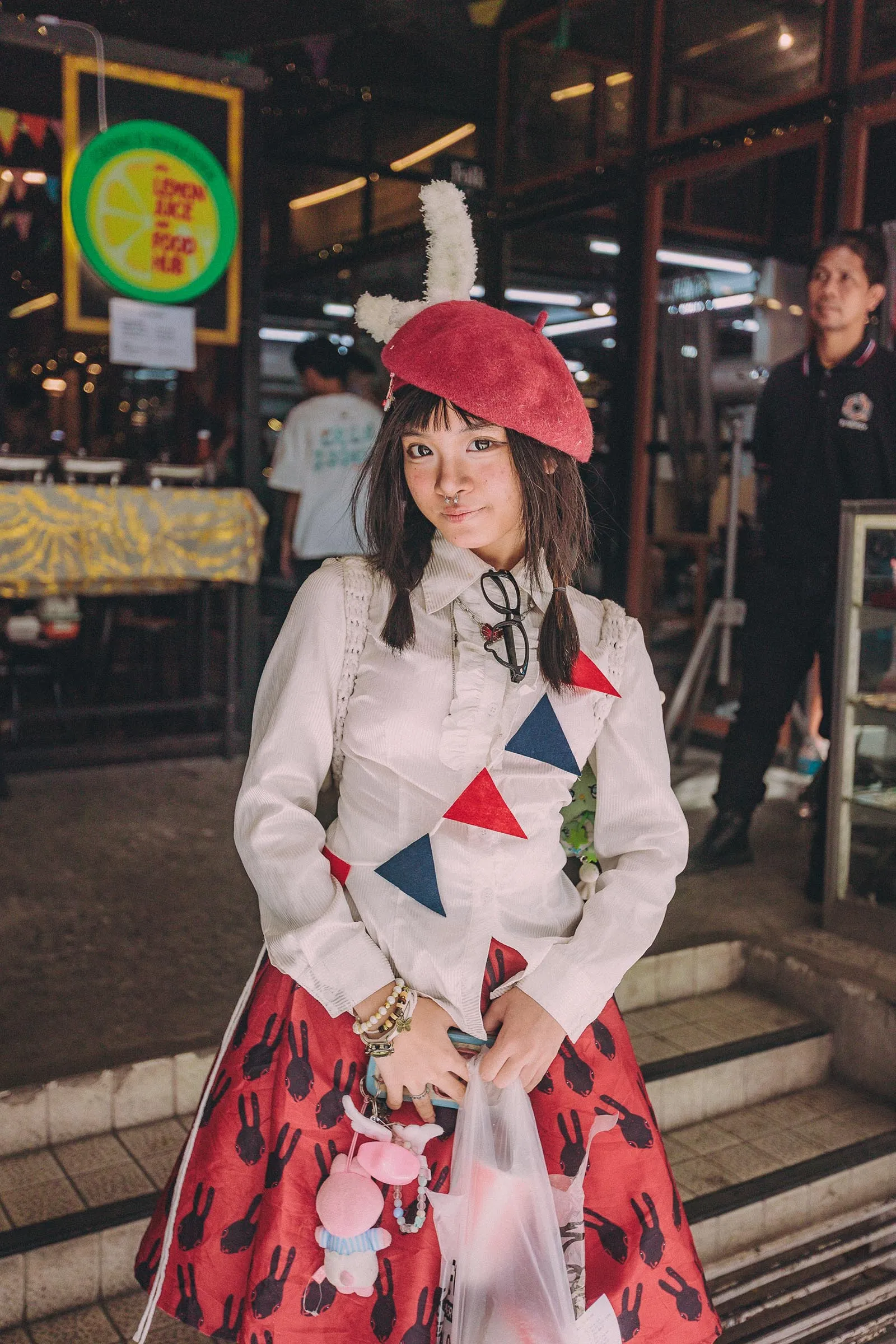
It takes me back to my earlier conversation with Serrano. I had been asking about how they measure Hola, Escolta’s success, and the answer may seem counterintuitive to today’s corporate-driven world. “We’re looking at it from a very long-term perspective, that as long as what we’re doing here has an impact on at least one person, to enable them to create something for themselves, and see that there is space for the type of creativity that they exhibit, then we’re happy with that,” Serrano says, stating firmly that the festival is not driven by profit, but always by their values and passion.
As I watched the crowd from the fifth-floor balcony, words and phrases floated in my head: diversity, cultural hub, melting pot, loud, artistic, chaos, but a wonderful chaos. I made my way downstairs, and the spirit must have gotten to me, because I started dancing on the street. And in that moment, I felt free.
-
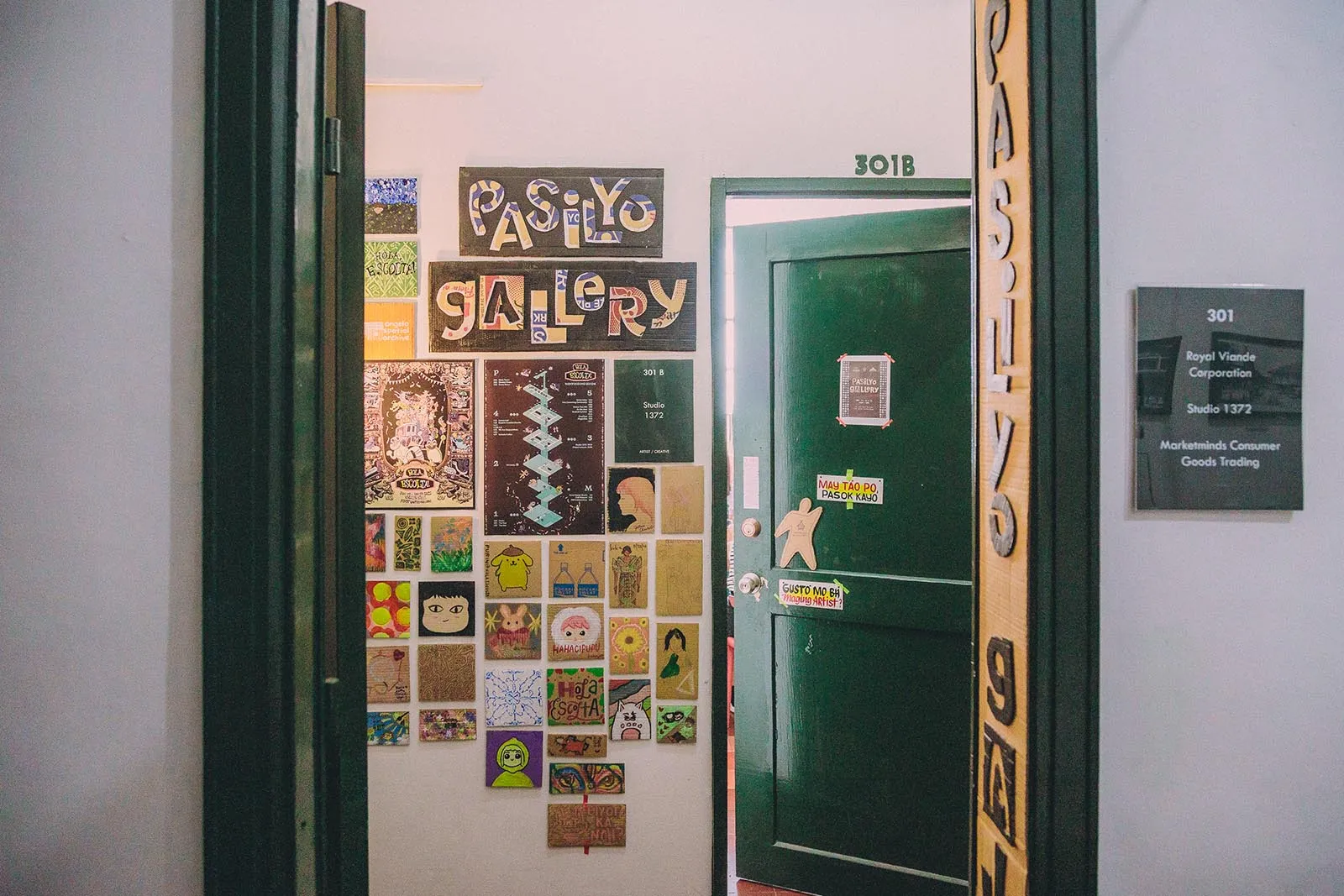 Pasily Gallery at Studio 1372. Photographed by Yane Estrada, courtesy of First United Building1/22
 -
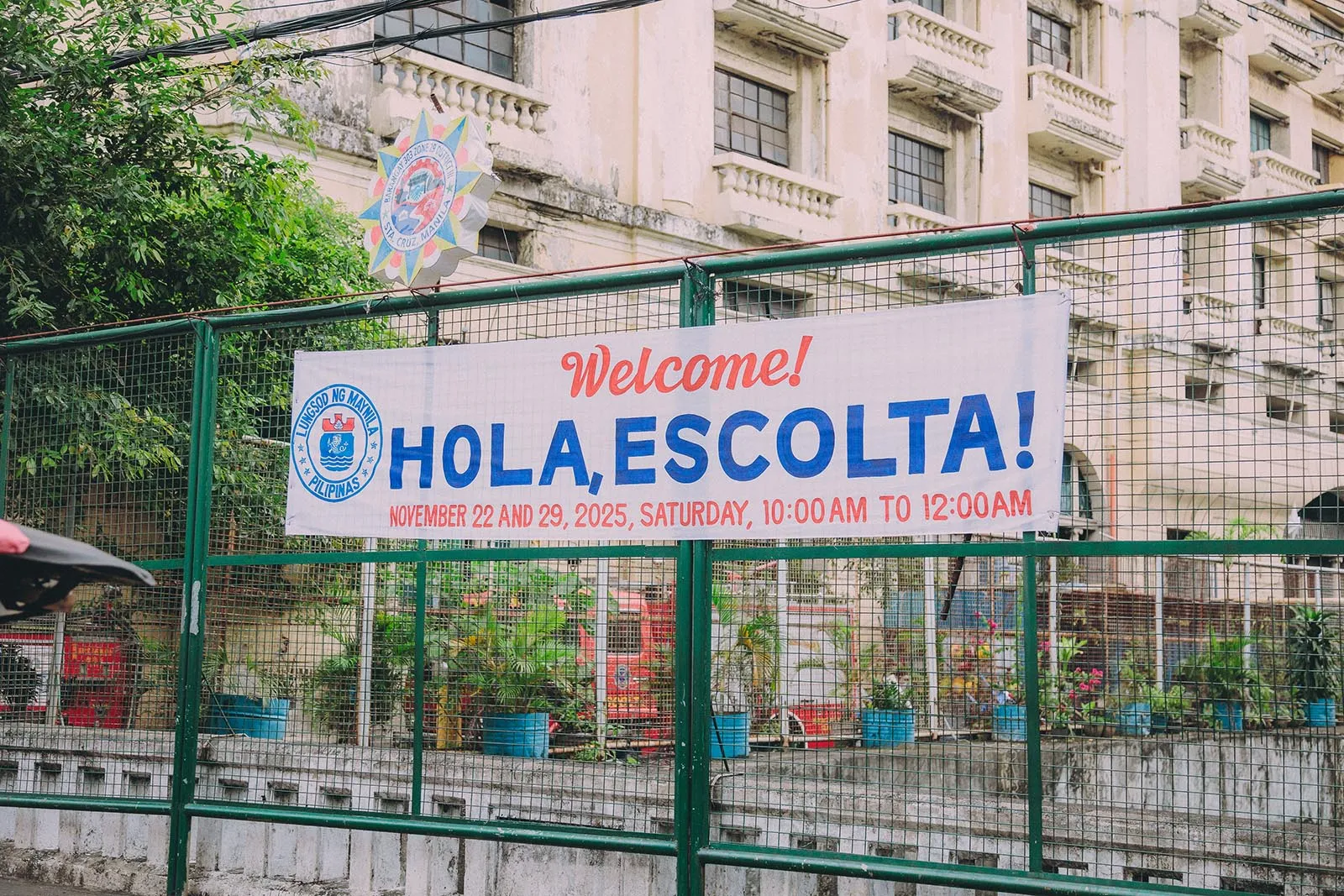 A banner welcoming festival-goers. Photographed by Yane Estrada, courtesy of First United Building2/22
 -
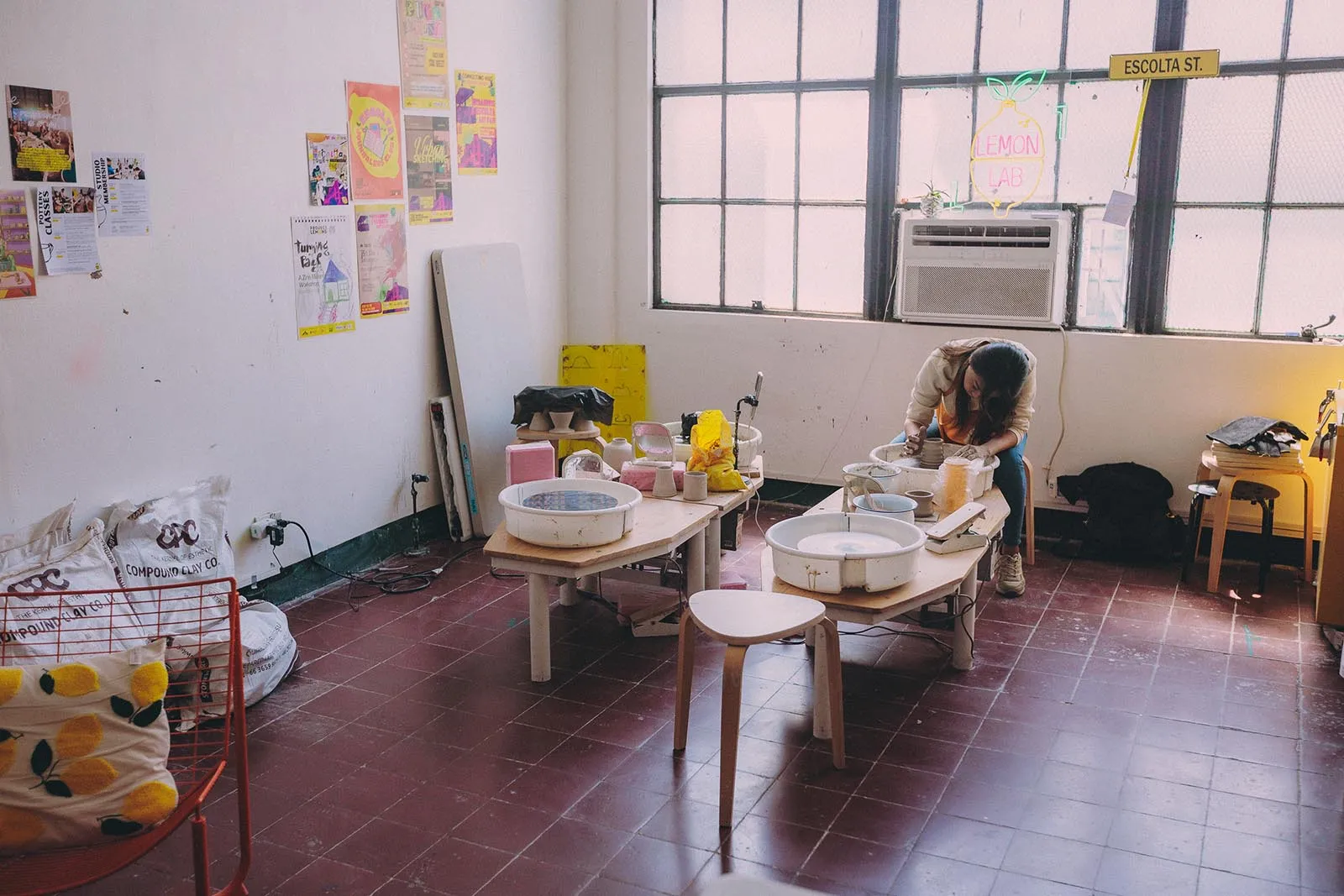 Lemon Lab’s pottery studio. Photographed by Yane Estrada, courtesy of First United Building3/22
 -
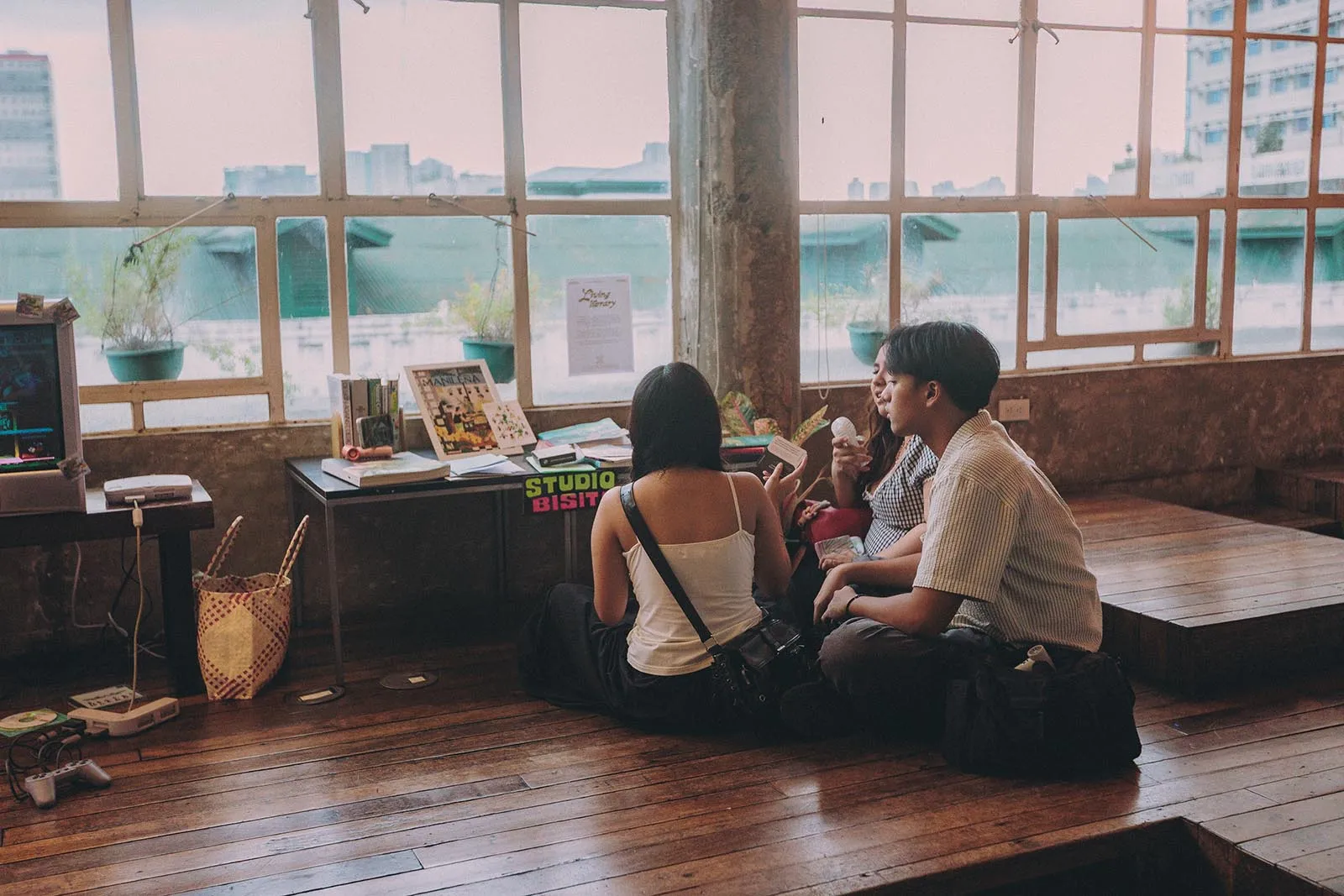 Guests playing free-to-play games. Photographed by Yane Estrada, courtesy of First United Building4/22
 -
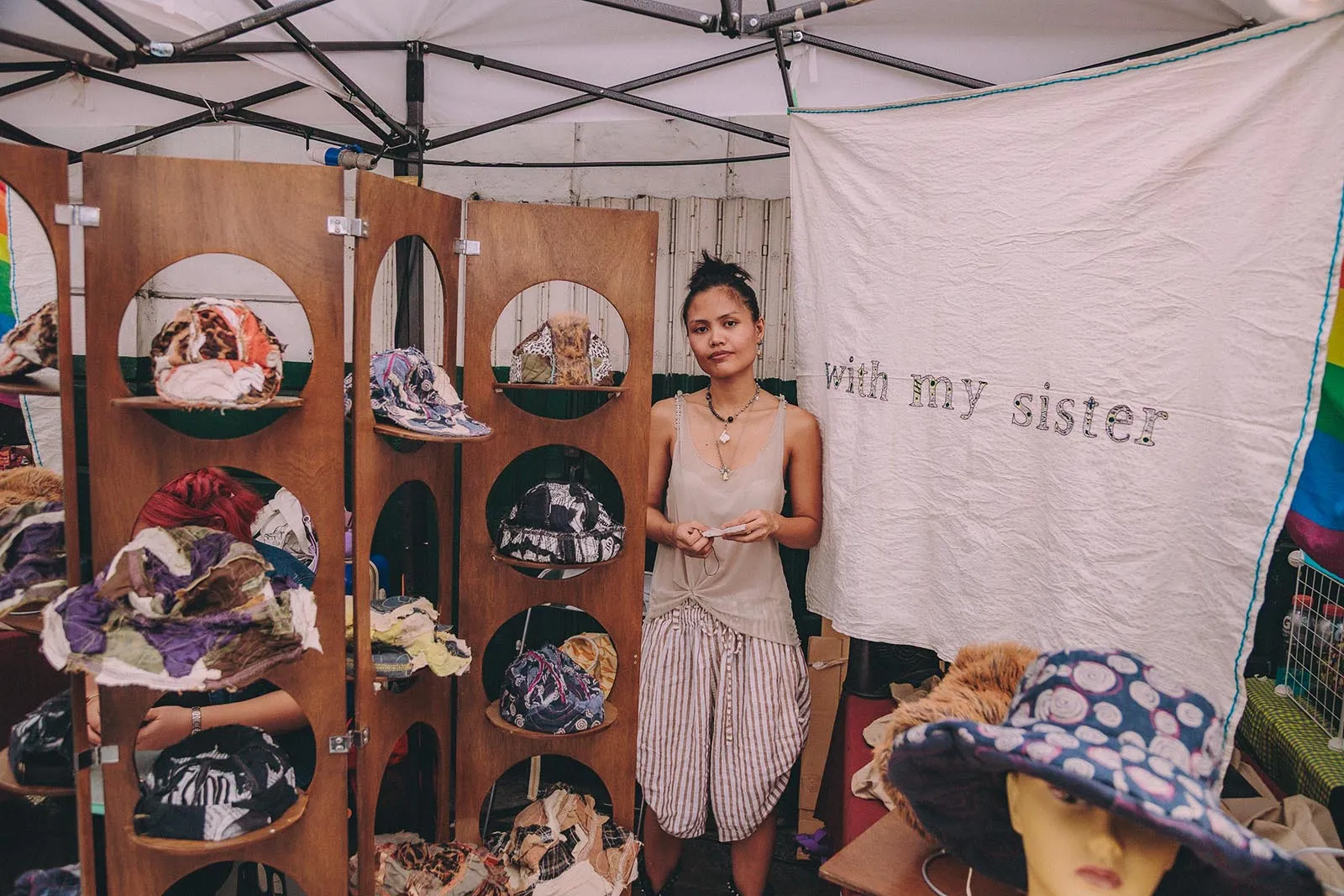 With My Sister’s booth at the street market. Photographed by Yane Estrada, courtesy of First United Building5/22
 -
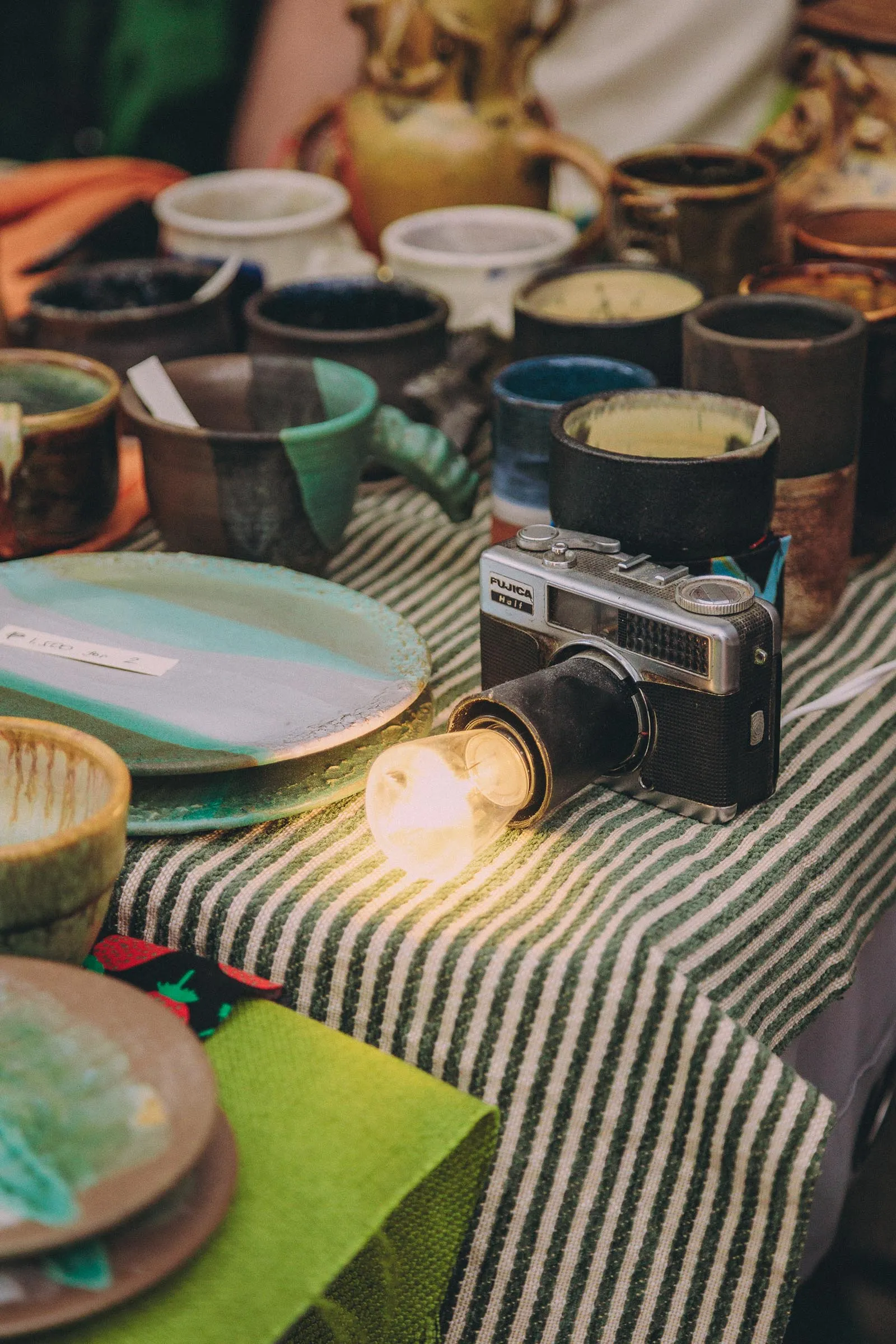 Ceramics display at Hola, Escolta. Photographed by Yane Estrada, courtesy of First United Building6/22
 -
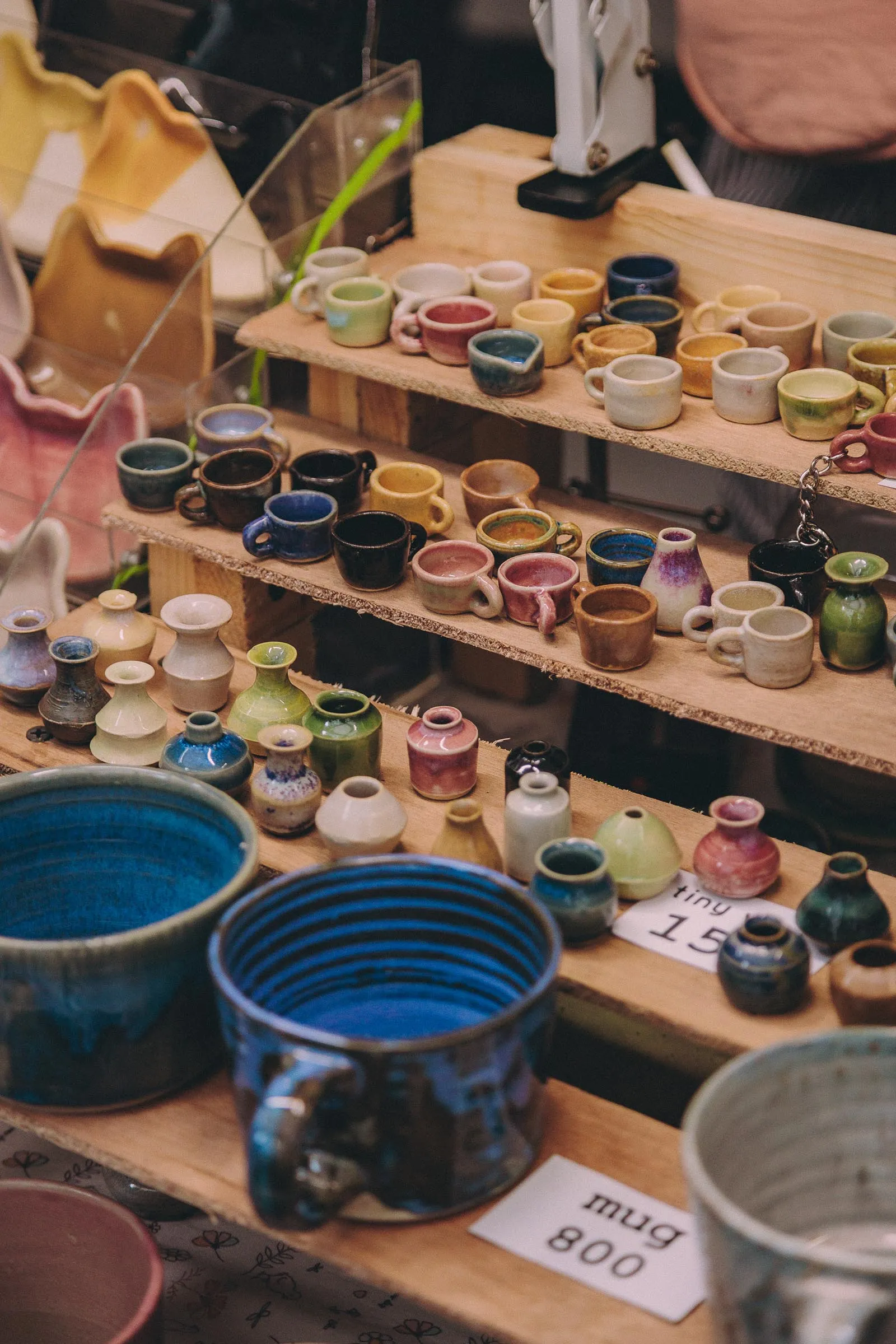 Ceramics for sale at the street market. Photographed by Yane Estrada, courtesy of First United Building7/22
 -
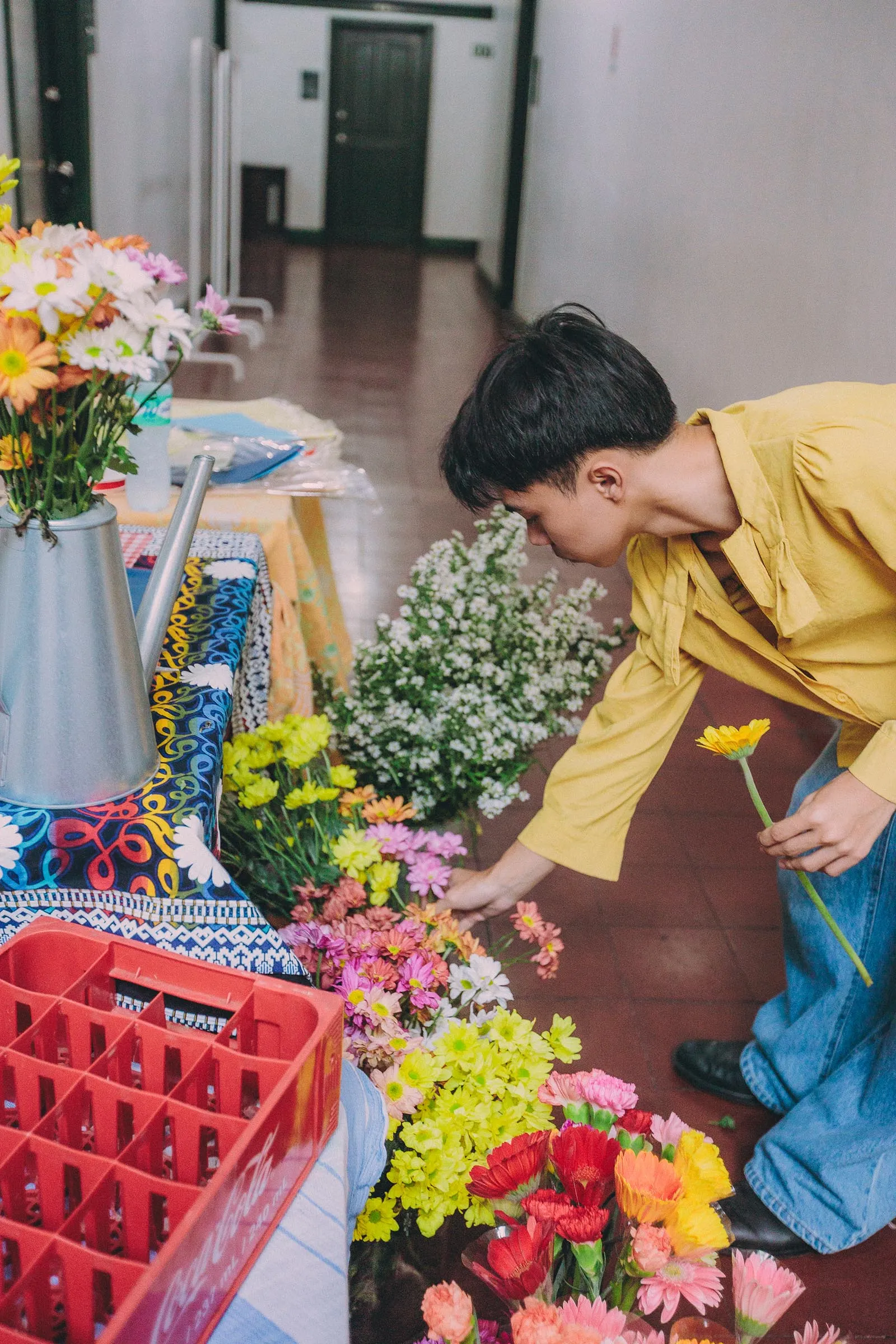 A flower shop inside the building. Photographed by Yane Estrada, courtesy of First United Building8/22
 -
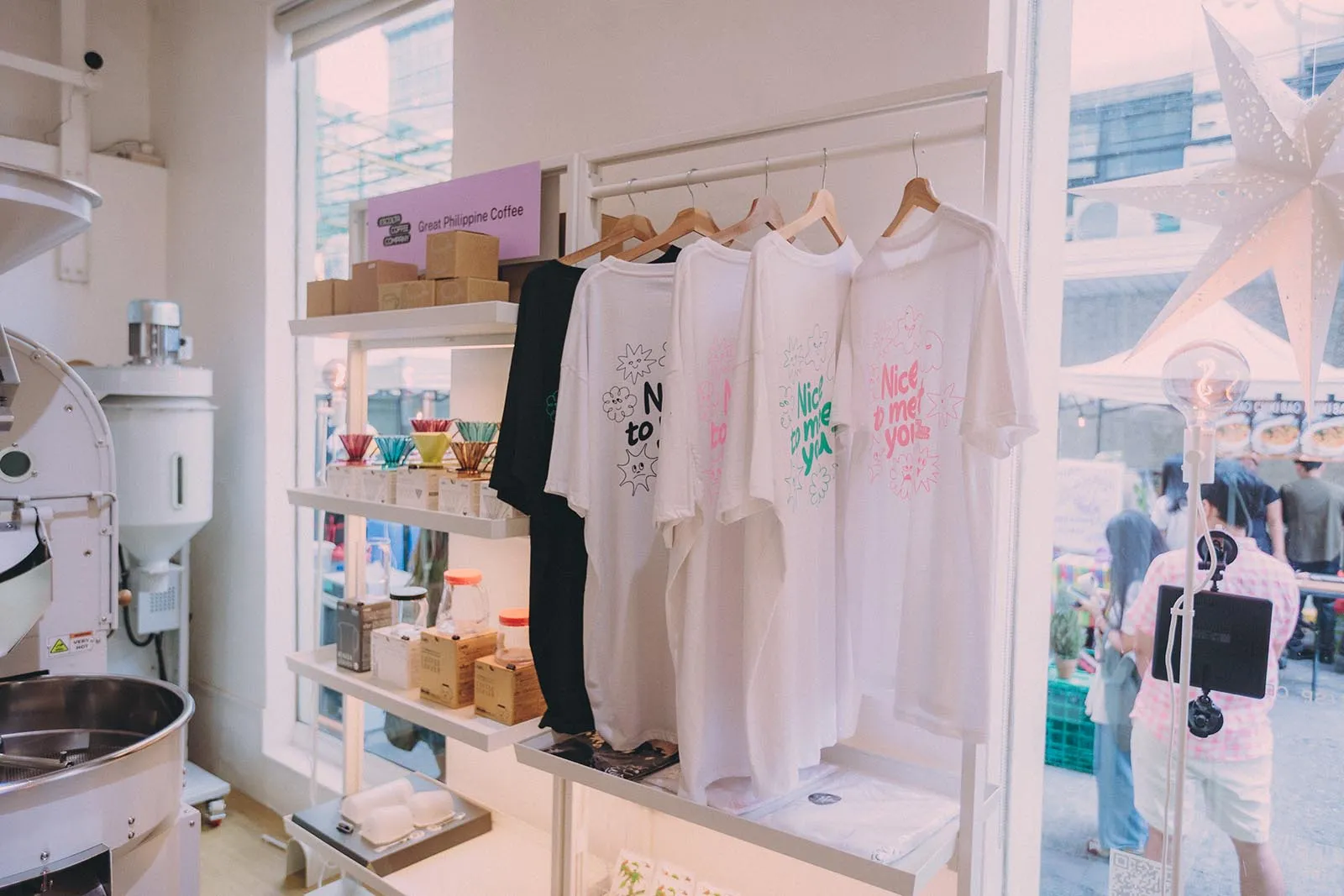 Store merch inside Escolta Coffee Company. Photographed by Yane Estrada, courtesy of First United Building9/22
 -
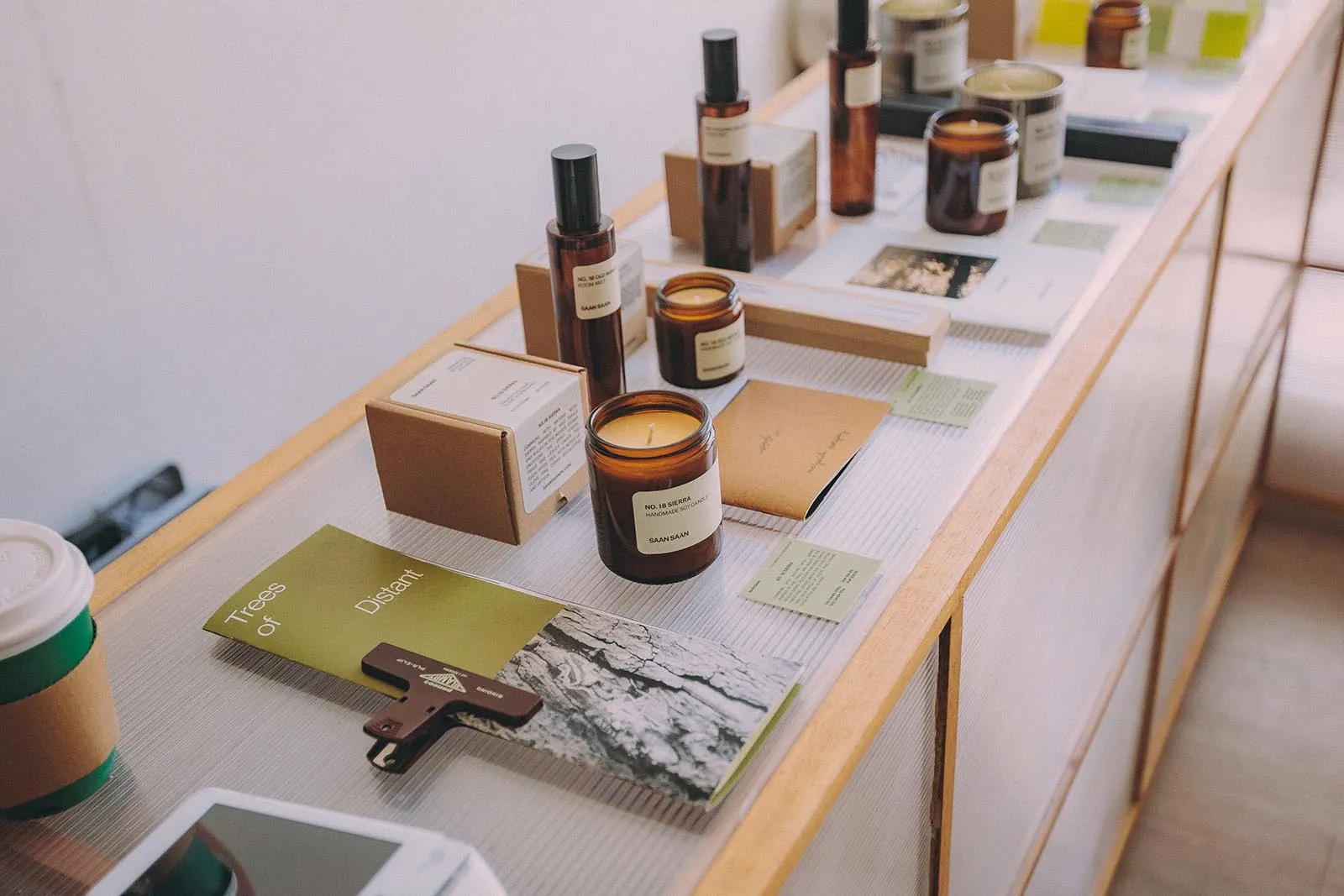 Saan Saan’s pop-up store at Espacio Creativo Escolta. Photographed by Yane Estrada, courtesy of First United Building10/22
 -
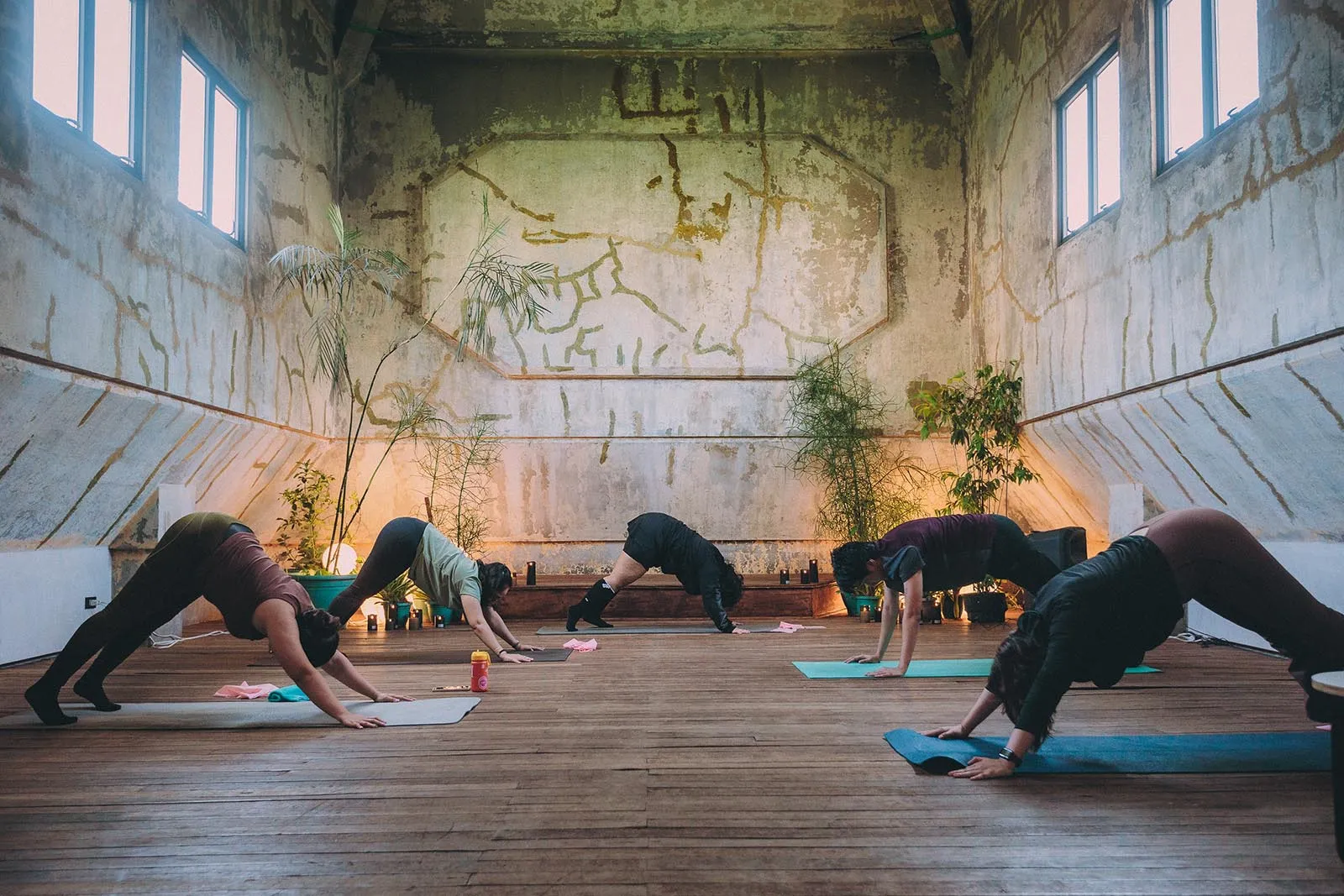 Upstairs at the Dome, a pilates class was held by Essentia Pilates Studio. Photographed by Yane Estrada, courtesy of First United Building11/22
 -
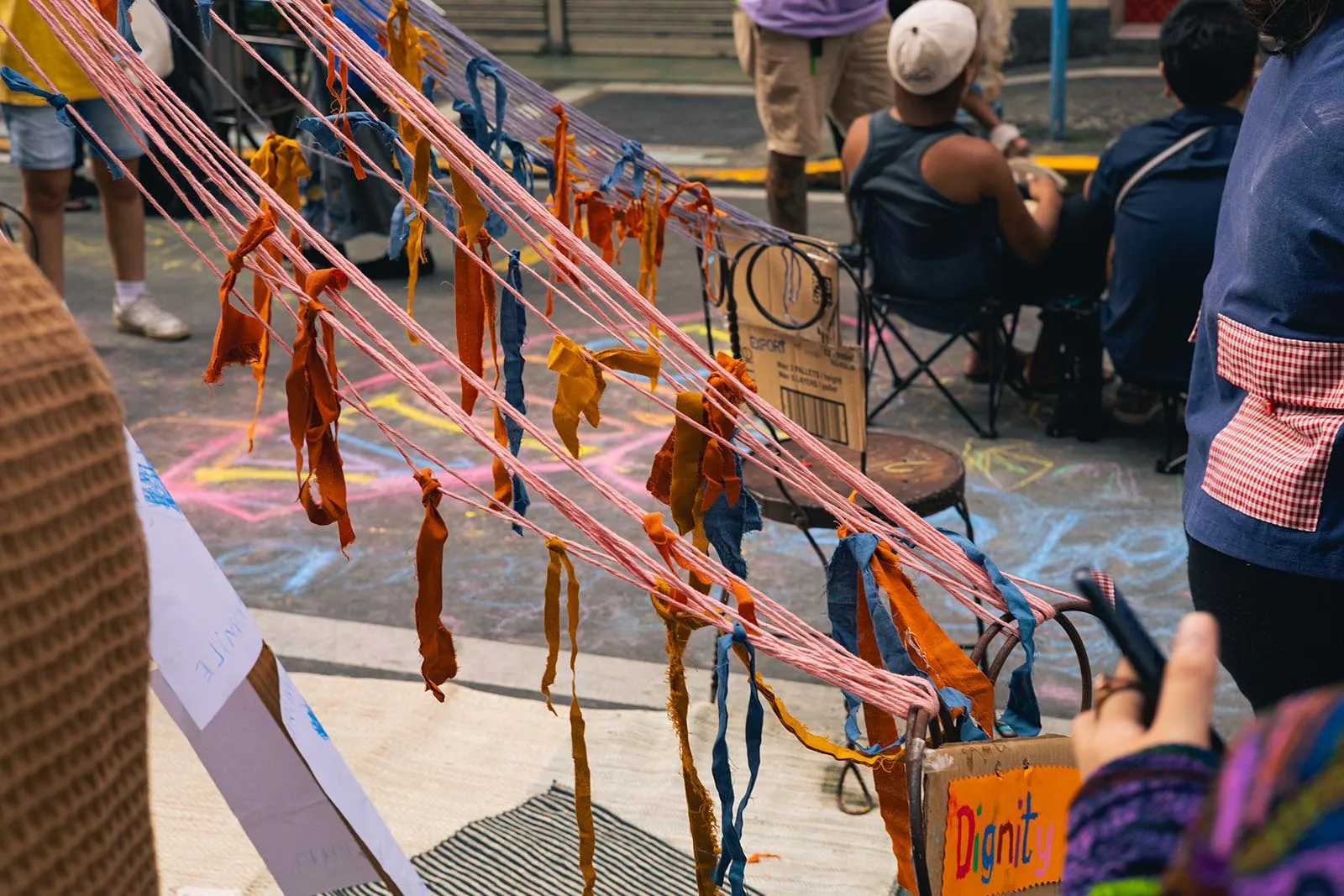 On-street craft activities for festival-goers. Photographed by Meinard Navato, courtesy of First United Building12/22
 -
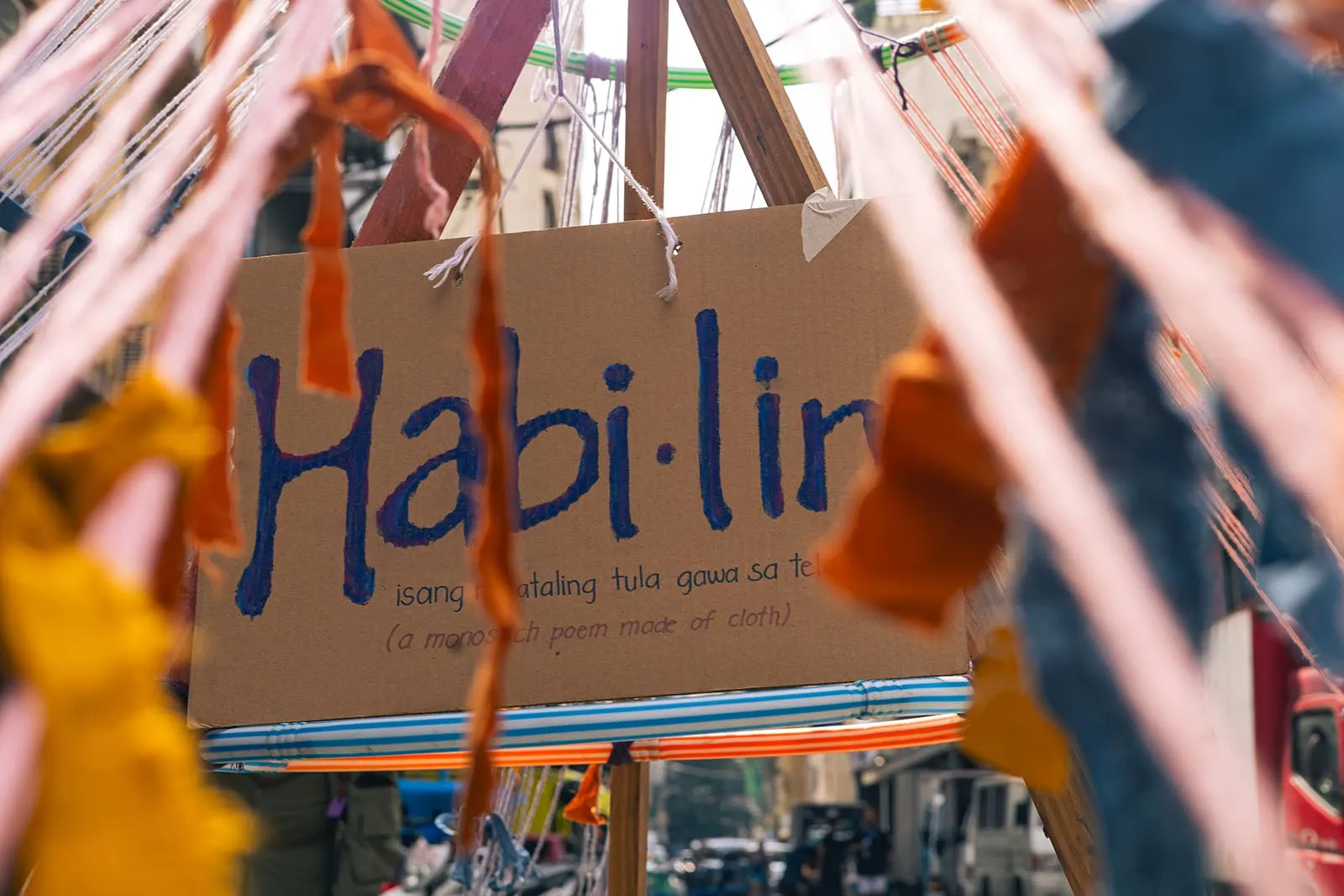 Guests were invited to participate in on-street activities. Photographed by Meinard Navato, courtesy of First United Building13/22
 -
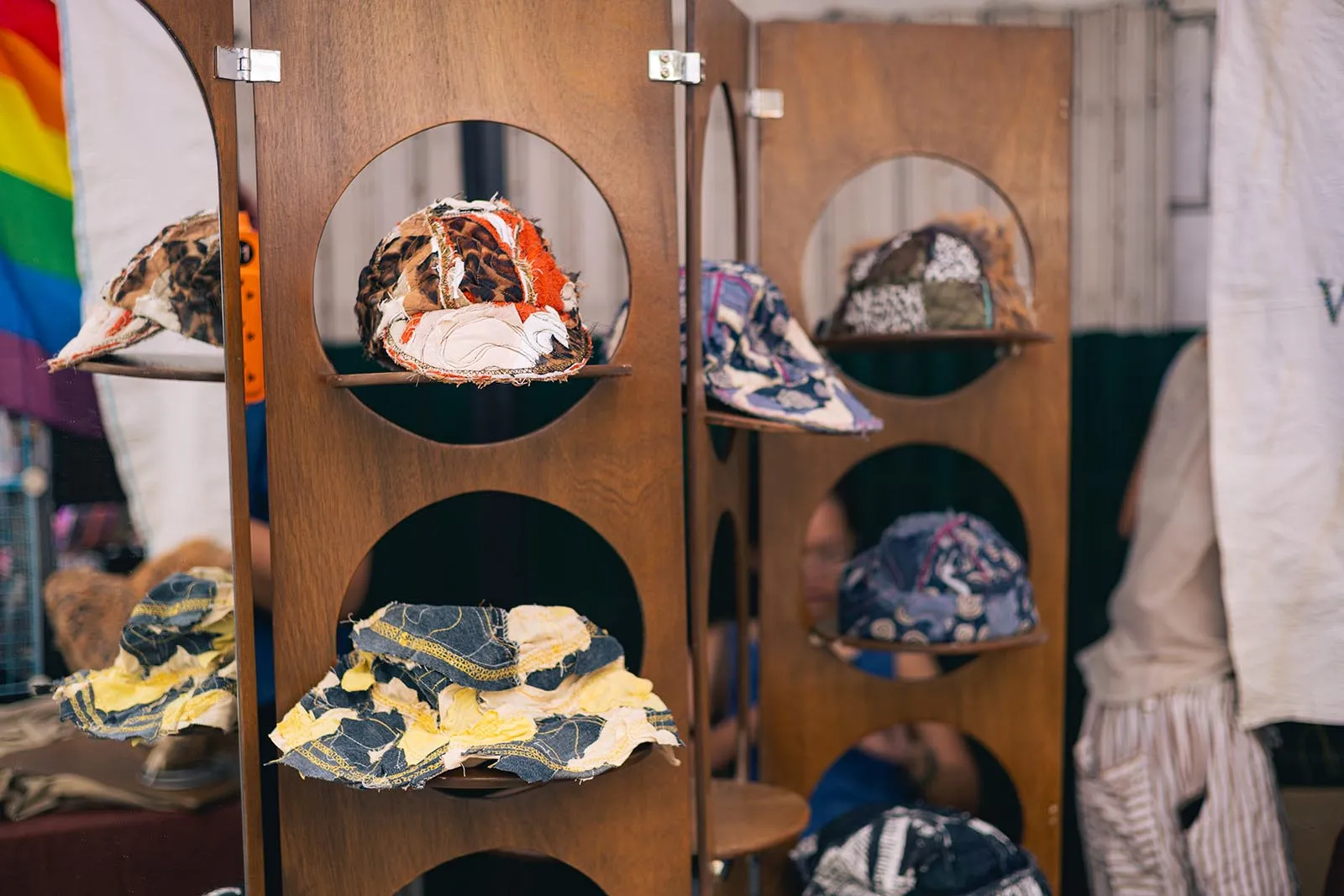 With My Sister’s caps made out of fabric scraps. Photographed by Meinard Navato, courtesy of First United Building14/22
 -
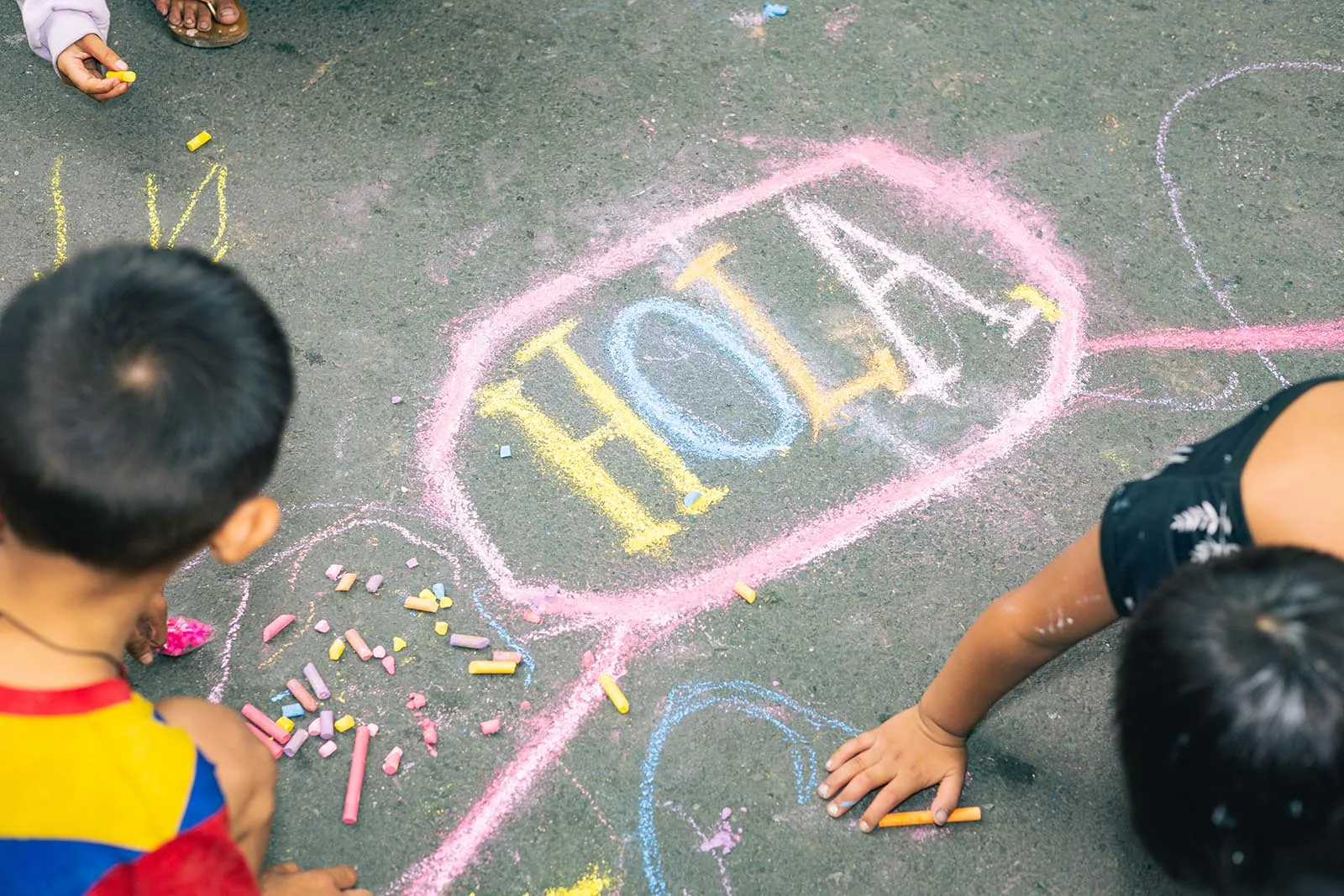 Chalk writings by the children at Escolta. Photographed by Meinard Navato, courtesy of First United Building15/22
 -
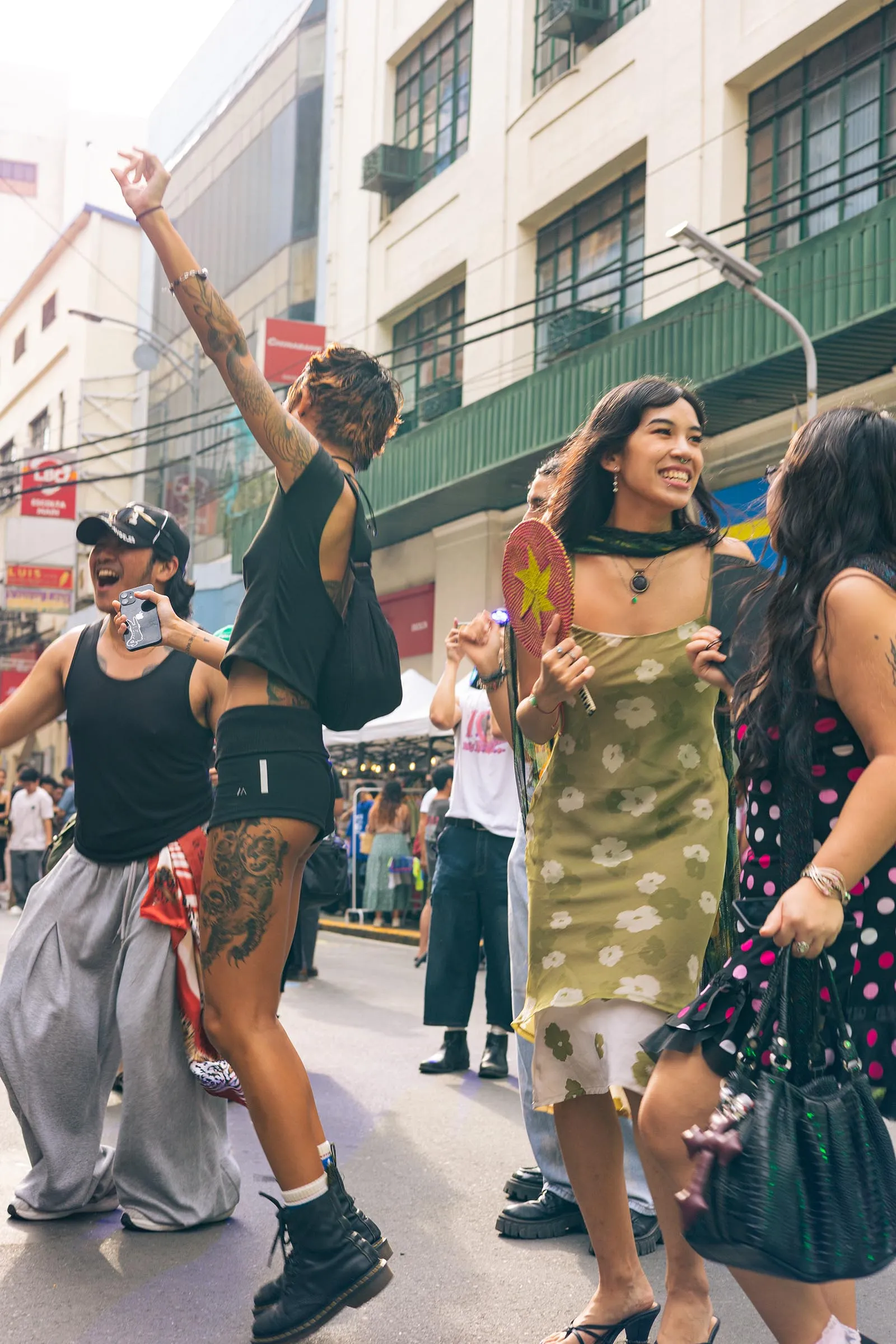 Festival-goers dancing to the music. Photographed by Meinard Navato, courtesy of First United Building16/22
 -
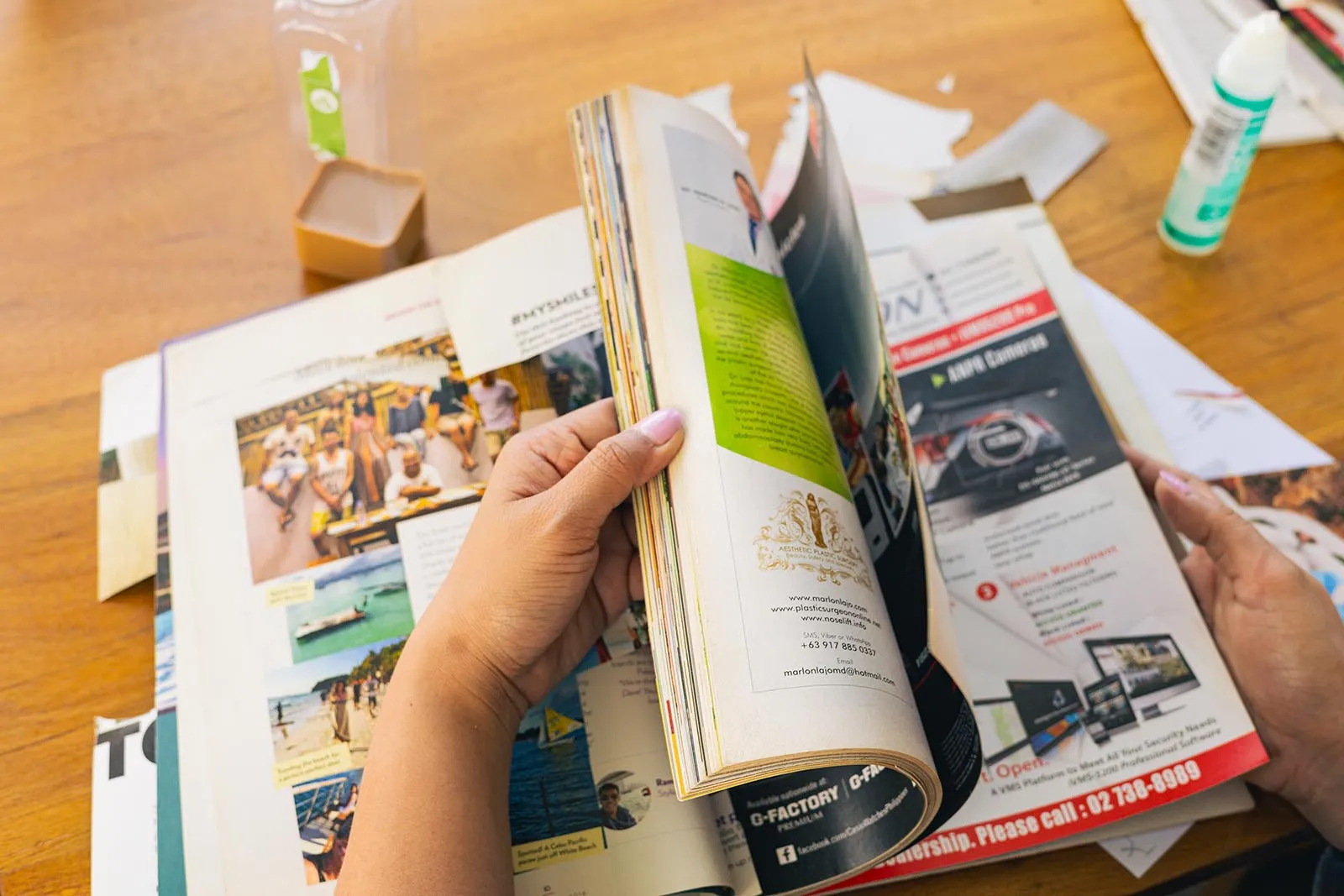 Guest flipping through an old magazine. Photographed by Meinard Navato, courtesy of First United Building17/22
 -
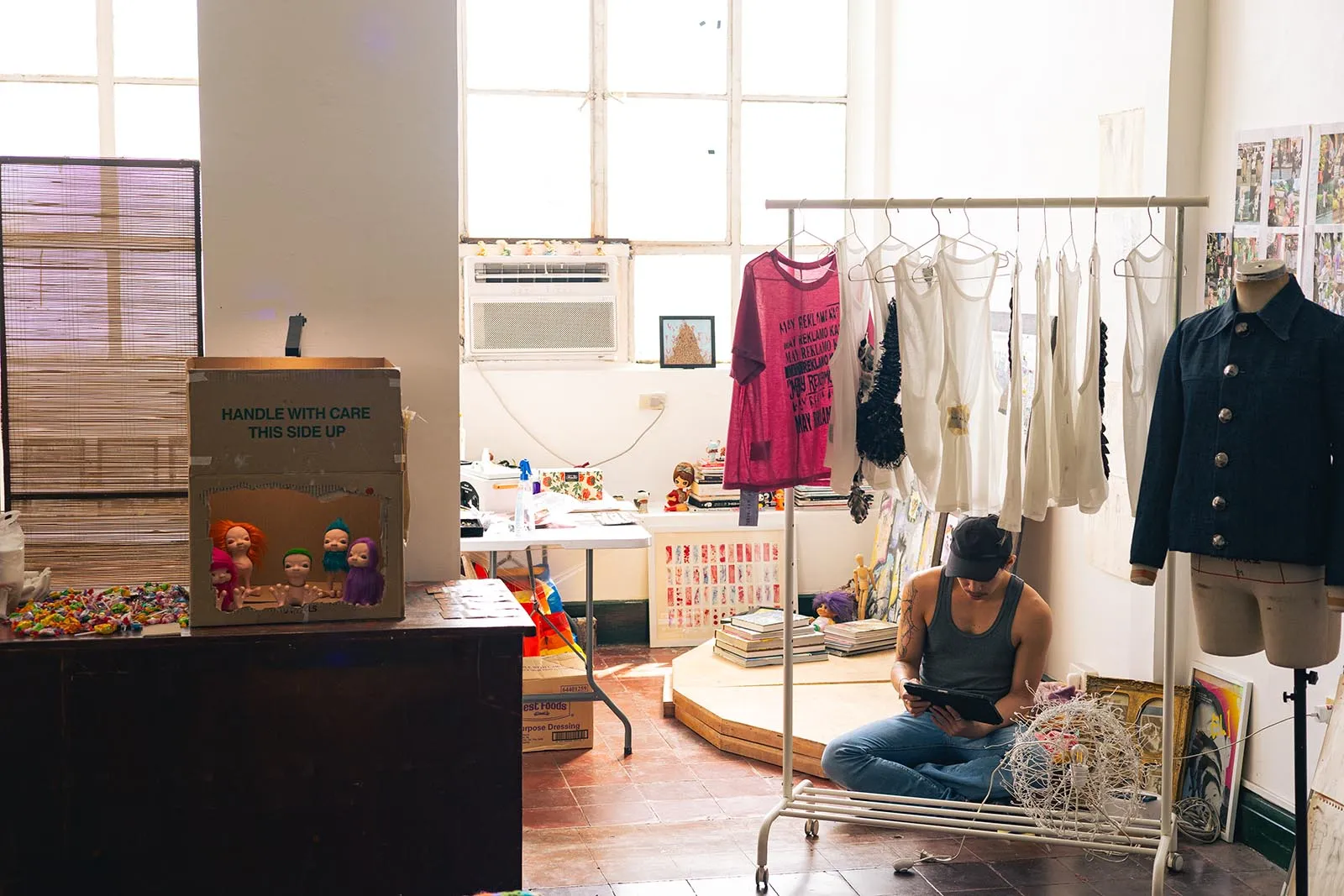 Ziv Rei Alexi’s studio. Photographed by Meinard Navato, courtesy of First United Building18/22
 -
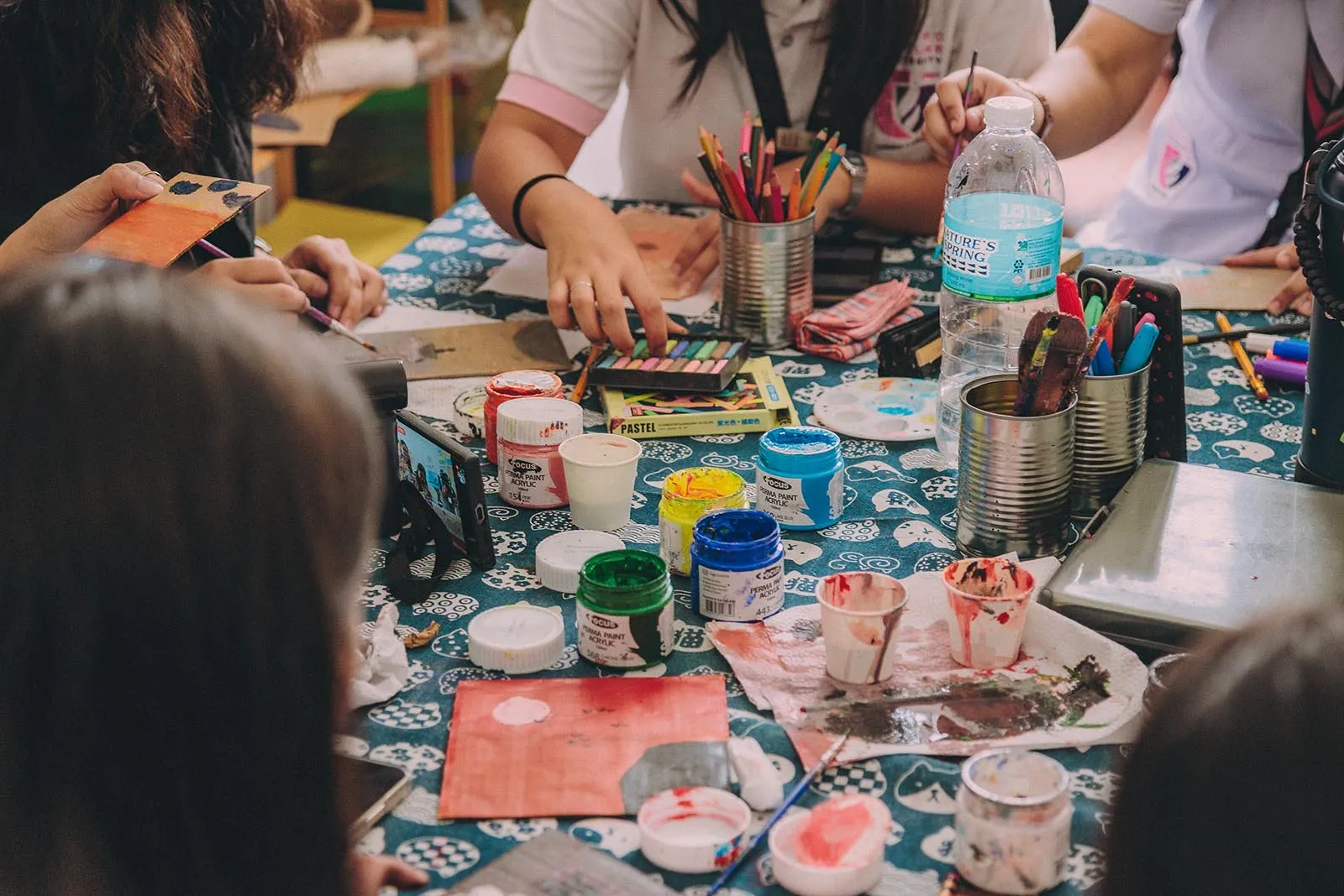 Art activities for the festival-goers. Photographed by Yane Estrada, courtesy of First United Building19/22
 -
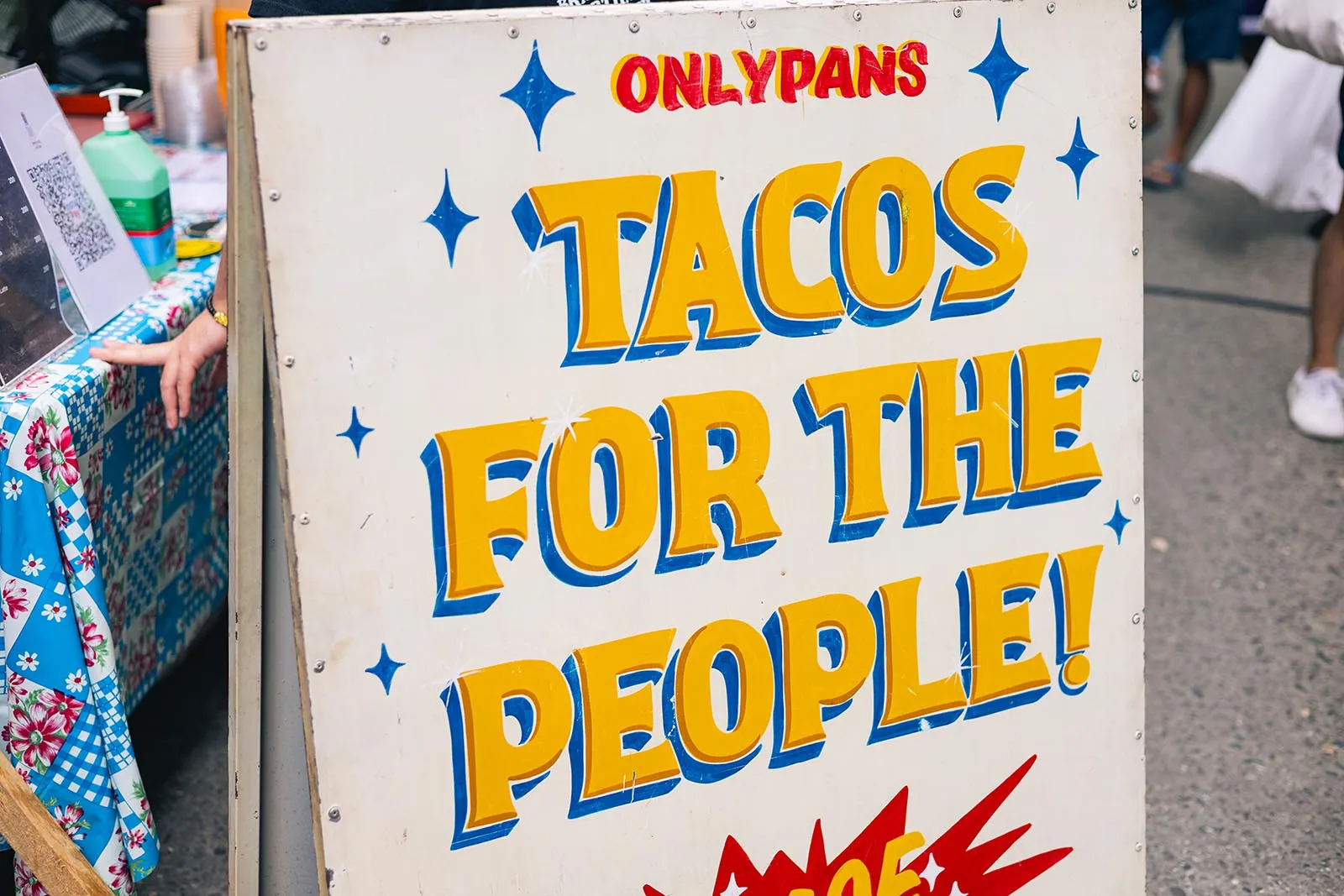 Only Pans at Hola, Escolta. Photographed by Meinard Navato, courtesy of First United Building20/22
 -
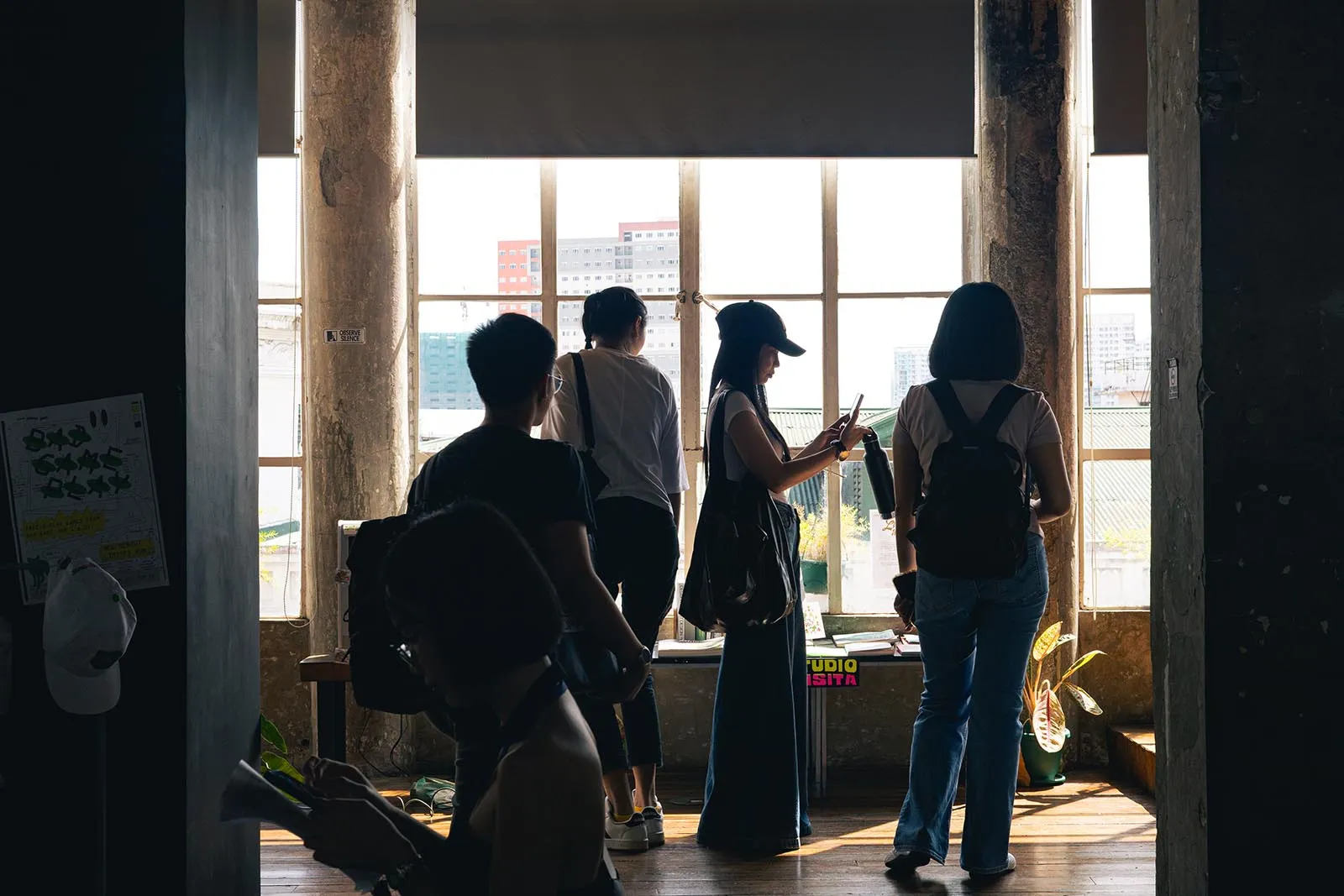 Guests exploring the First Co-Working Community. Photographed by Meinard Navato, courtesy of First United Building21/22
 -
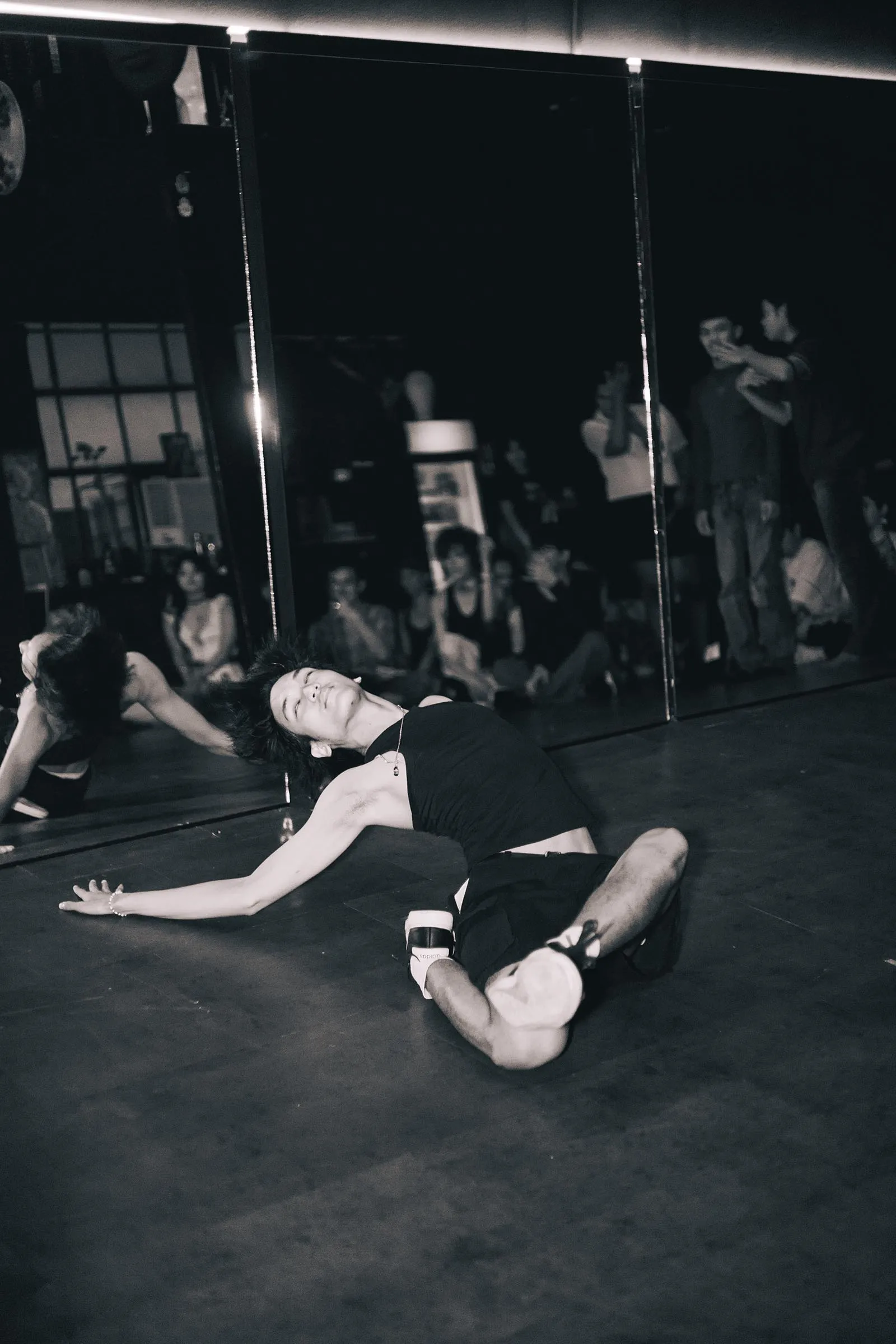 An open jam at We Are Shapeshifters. Photographed by Meinard Navato, courtesy of First United Building22/22
- How First United Building Is Driving Escolta’s Creative Rebirth
- Binondo Cafés: Connecting To the Manila Chinatown Community Through A Cup Of Coffee
- Music, Wine, and Candlelight: Noname Wants to Breathe New Life Into Third Spaces
- From Closet Sales to Workshops, Here’s What’s Happening in Manila This November 2025


