
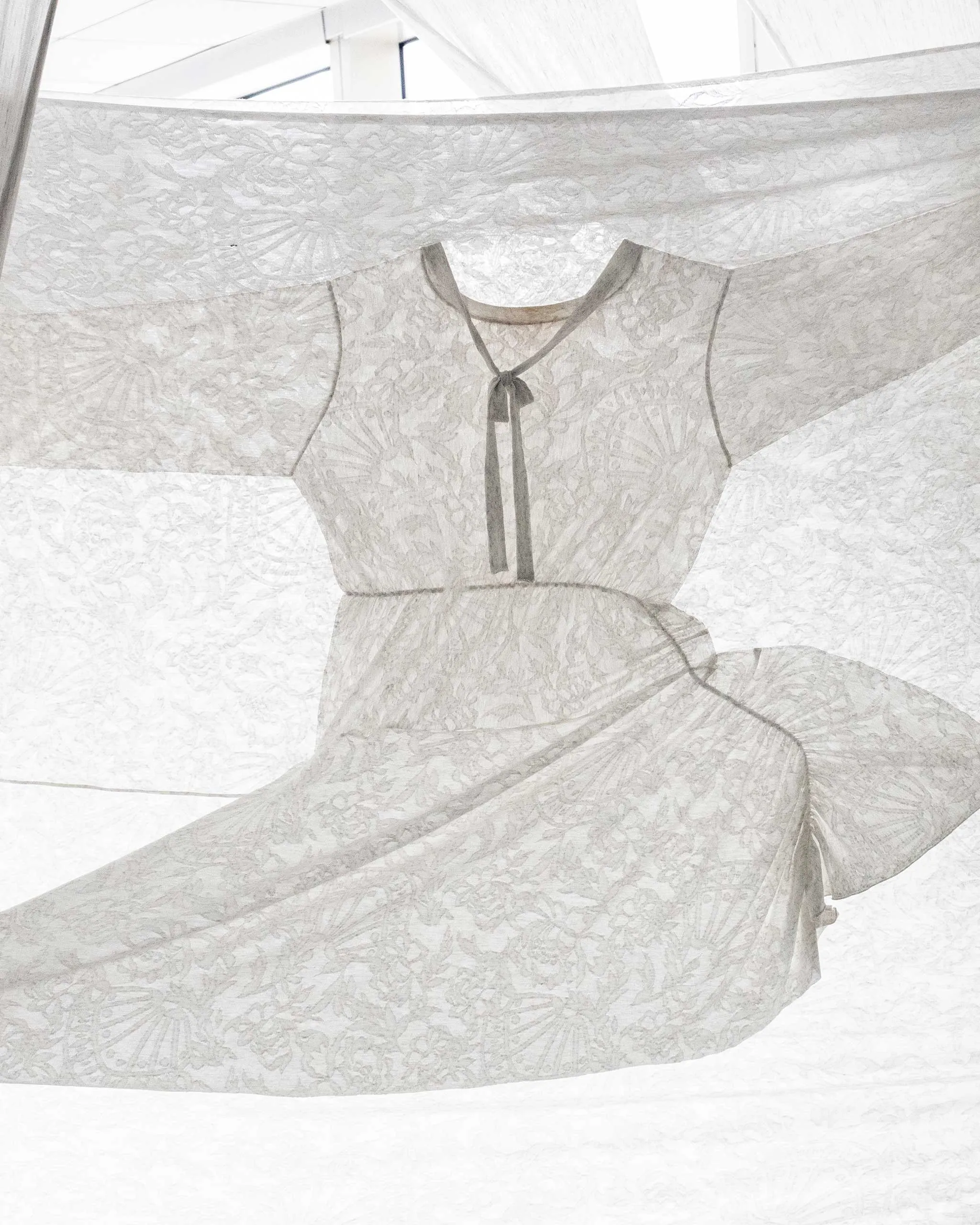
Photographed by Dom Pamatmat
In this year’s edition of the FIFTH WALL, the creative gathering pushes viewers into the spotlight with analog art that encourages dance and play.
FIFTH WALL VI begins as it ends: from one end of the stage, to another. It’s a loop; one that invites you to replay your everyday gestures and rethink the routines of living within the bustling business district of the city.
From October 25 to 26, the RCBC Plaza housed new works for FIFTH WALL in collaboration with ES SE, Marco Ortiga, Lando Cusi, Novel, and WHYNoT. Audiences for the weekend were pushed into the role of performers, flipping the script and allowing them to experience the art installations the way they were intended to be: as scaffoldings for movement and mindfulness that follow these audience-performers even after they’ve stepped out of the building.
“I’ve had a deep yearning for the analog form over the past year, ever since I began conceptualizing Edition VI. That’s why, for this iteration, blending the principles of architecture and dance with the concept of movement notation, made the most sense,” says Madge Reyes, founder and festival director of FIFTH WALL.

At a time when digital and AI formats seem to be the next and newest fascination in the realm of art, Reyes curated this year’s event to be tactile and analog. “While I’m really interested in the possibilities that digital and AI formats open up, this year I felt drawn to slow things down and lean into the physical, sensory aspects of making and experiencing art,” she says. “There’s something grounding about tactility – about being in a space, handling materials, and engaging the body as much as the mind […] working in a more analog way felt like a natural counterbalance to the increasingly virtual nature of creative work right now. [This FIFTH WALL edition] wasn’t a rejection of digital tools, but more of a reminder of the connection and immediacy that can only happen through the physical encounter.”
In a way, FIFTH WALL VI is just as true in its intentions as its first iterations. It has always been about meeting the dancers, the artists, and the audience where they are. It began as a virtual film festival that connected everyone staying at home for the lockdowns. Now, it is creating shared, in-person experiences that heighten the awareness of space and presence in real life.
Participatory guided tours where friends of the platform share their personal approaches to understanding movement are a new addition this year. As they lead participants through the floor, these figures in the architecture, dance, fashion, theater, and other industries lend their eyes to guide the audience to see each piece in the unique way that they perceive it.

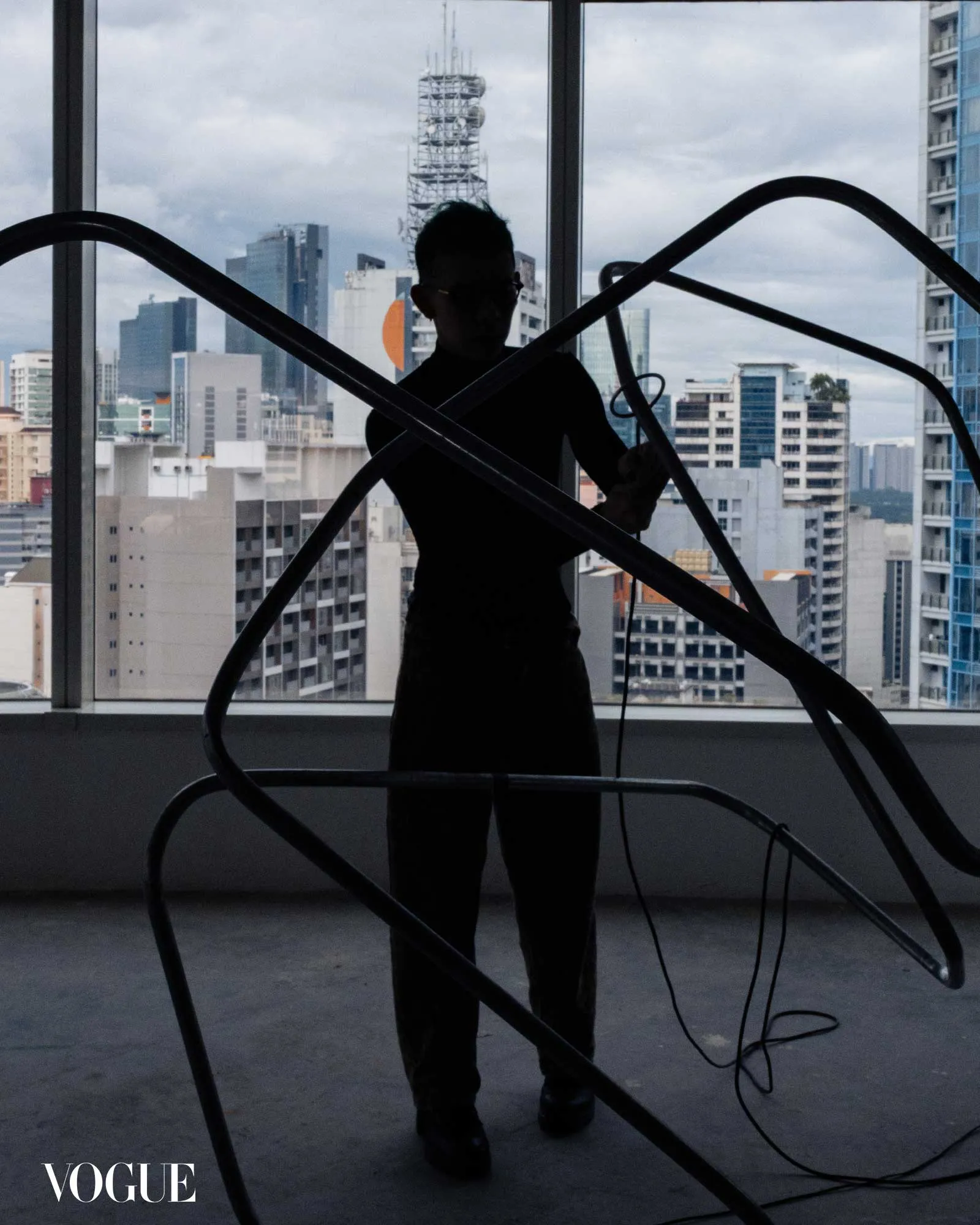
Architect and founder of One/Zero Design Co. Arts Serrano describes how being a guide is, in a way, collaborative. He and the others enrich the inherent perceptions of each guest as they walk through the space: “From our lens as architects, we hoped to broaden every visitor’s ways of seeing the work. Some of the works spoke of nostalgic things, like games we used to play as a kid or how your body knows how to put on a shirt. Apart from describing how the installations manifest physically, we hoped to help people remember and interact with the works […] in relation to the pieces.”
The role of a guide and a participant often interchanges and completes the experience, as Serrano adds, “Speaking as an outsider from the design and fabrication of the installations, it was exciting to experience the works with the visitors.” Similarly, visual artist Andre Chan says that his experience touring a group was casual, yet profound. “Integration is another word for [it],” he shares. “Perspectives make objects more human. The intermingling of different elements from visual, tactile, auditory viewpoints create the whole experience”
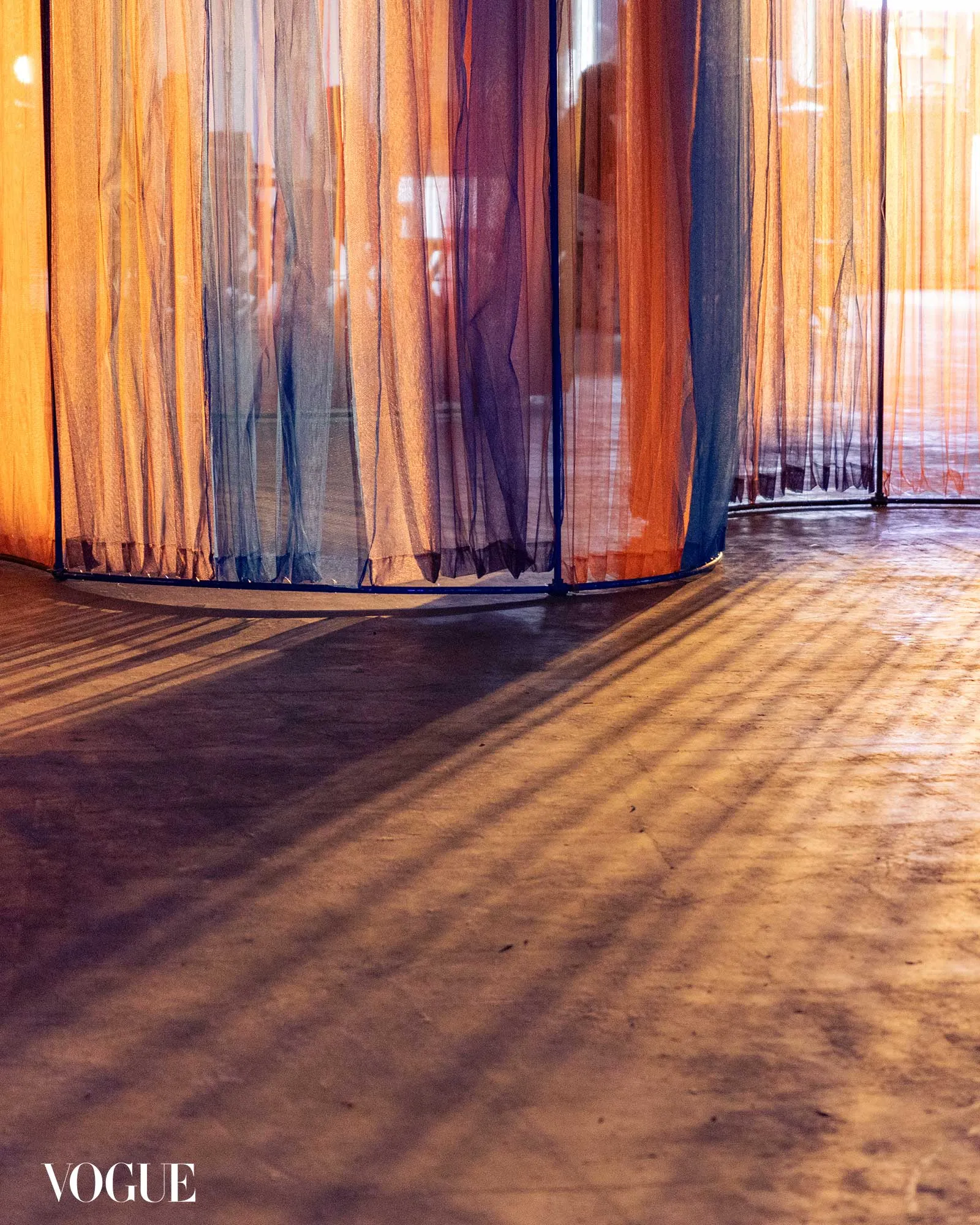

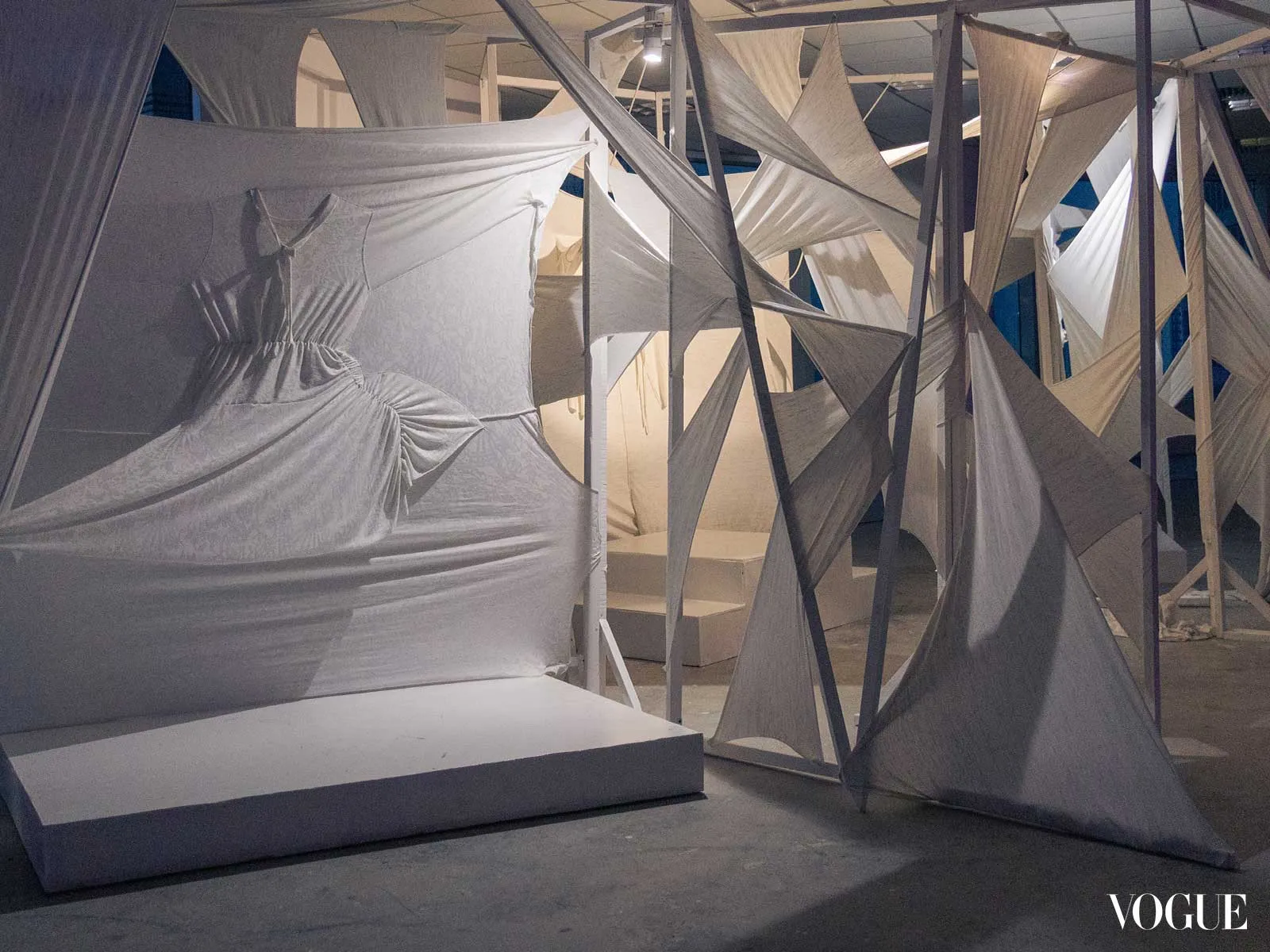
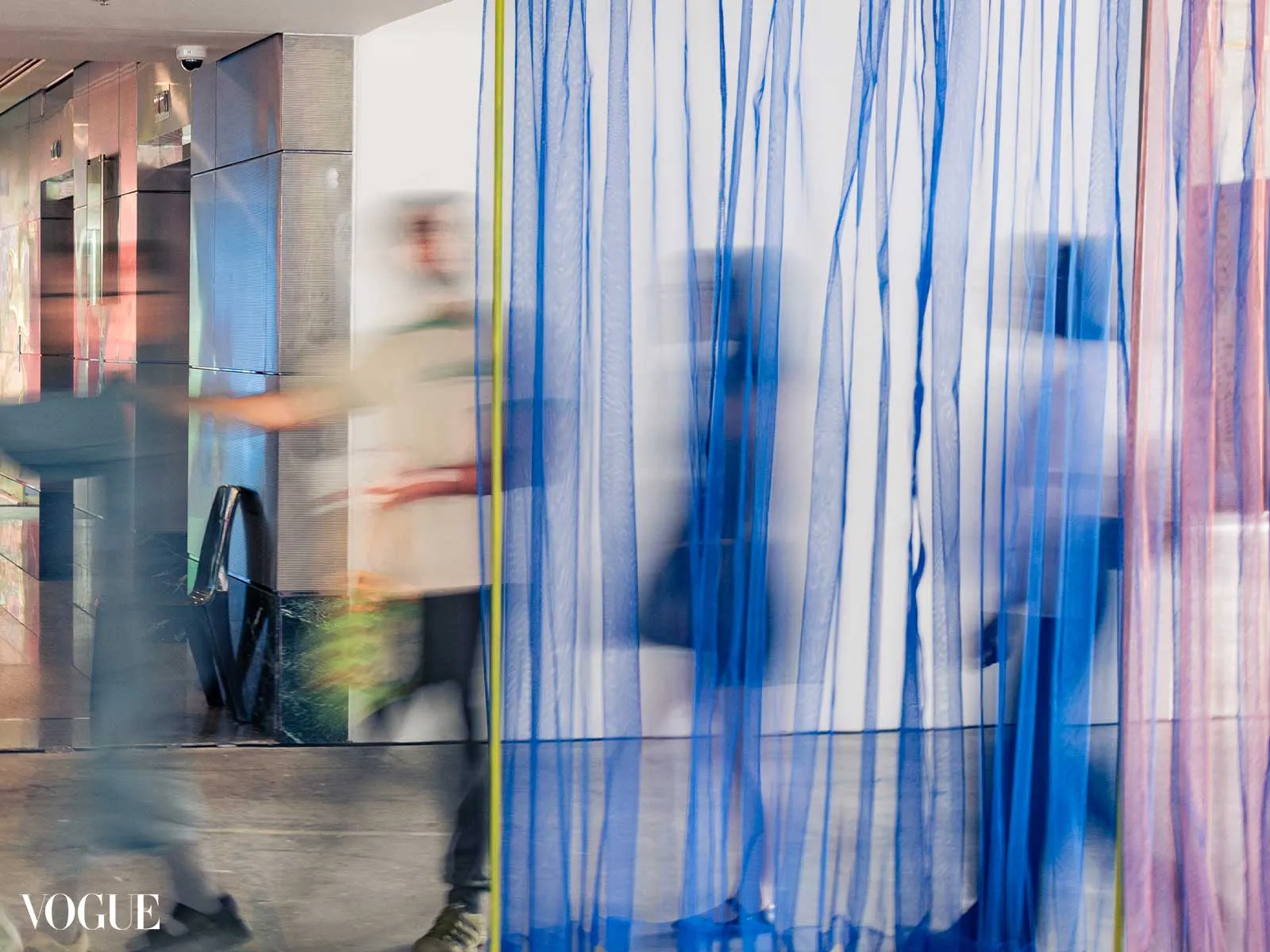
The theme of Muscle Memory expressed with this year’s analog installations prompts audiences to explore the relationship between architecture and dance. It begins with Stage Left, Stage Right created in collaboration with independent art organization WHYNoT. Fabric curtains ripple and reframe how movement is perceived through colors and changing light. Moving through the fabric also means changing the way you see your fellow performers.
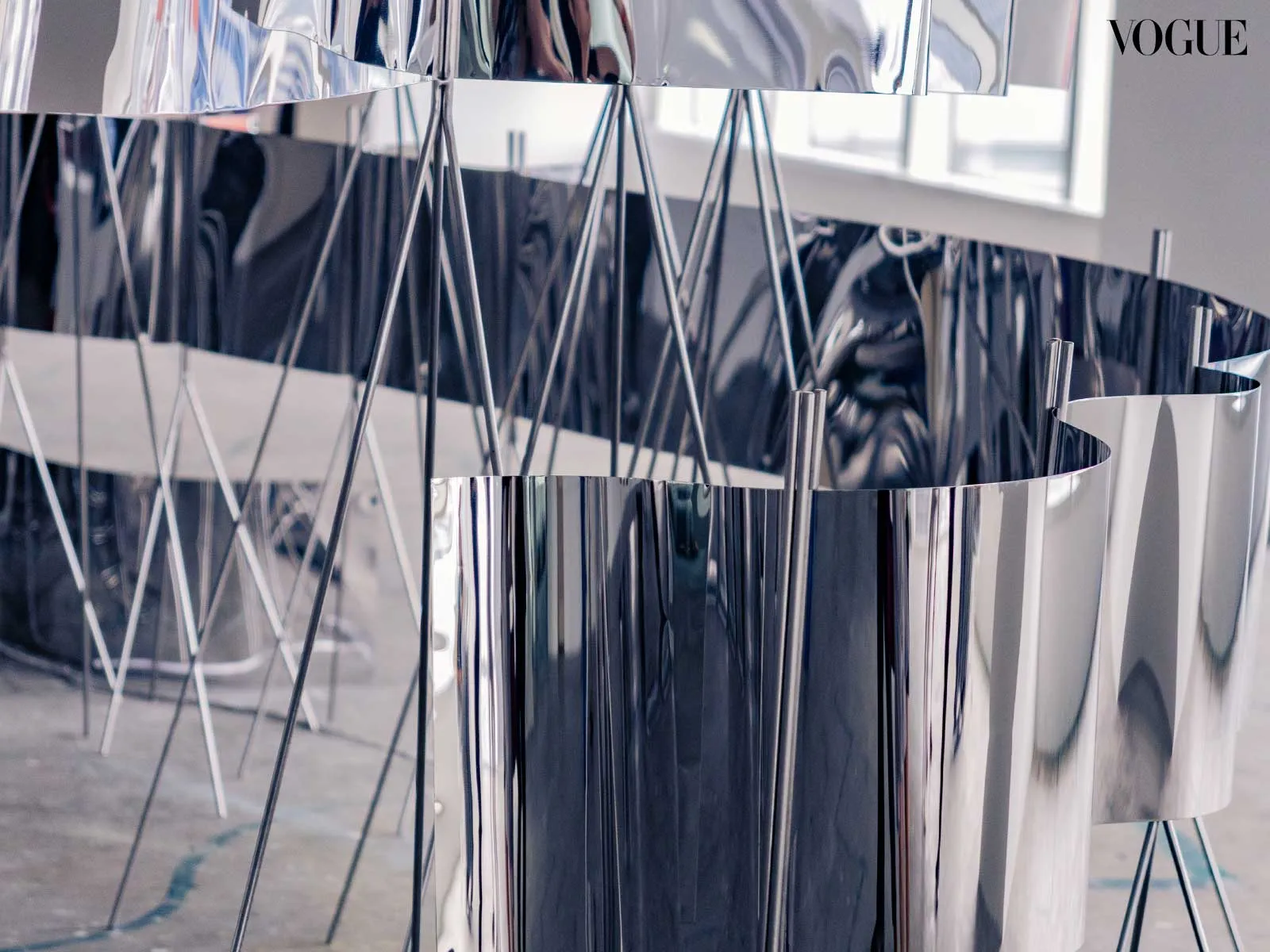
The metallic structure of Out-of-body Experience by ES SE juts out in stark contrast to the billowy fabrics prior. There’s no music playing, but looking at the reflective steel panels somehow, you feel it tugging at your bones. In this installation, rhythm and stillness is explored through the steel echoes of your figure and the towering skyline behind you. Designer Jearon Espacio embodies musical notation, well, through your own body.
The next installation on the tour is reminiscent of the flurry of fabric that comes and goes in between costume changes. Jersey and the Body by Novel leads you through a choreography of dressing and undressing with jersey textiles fastened to large frames that play with weight and tension. Members of the audience who try on the costumes sewn into the fabric walls slip their bodies through the “clothes” and find themselves stretching and moving in different ways.
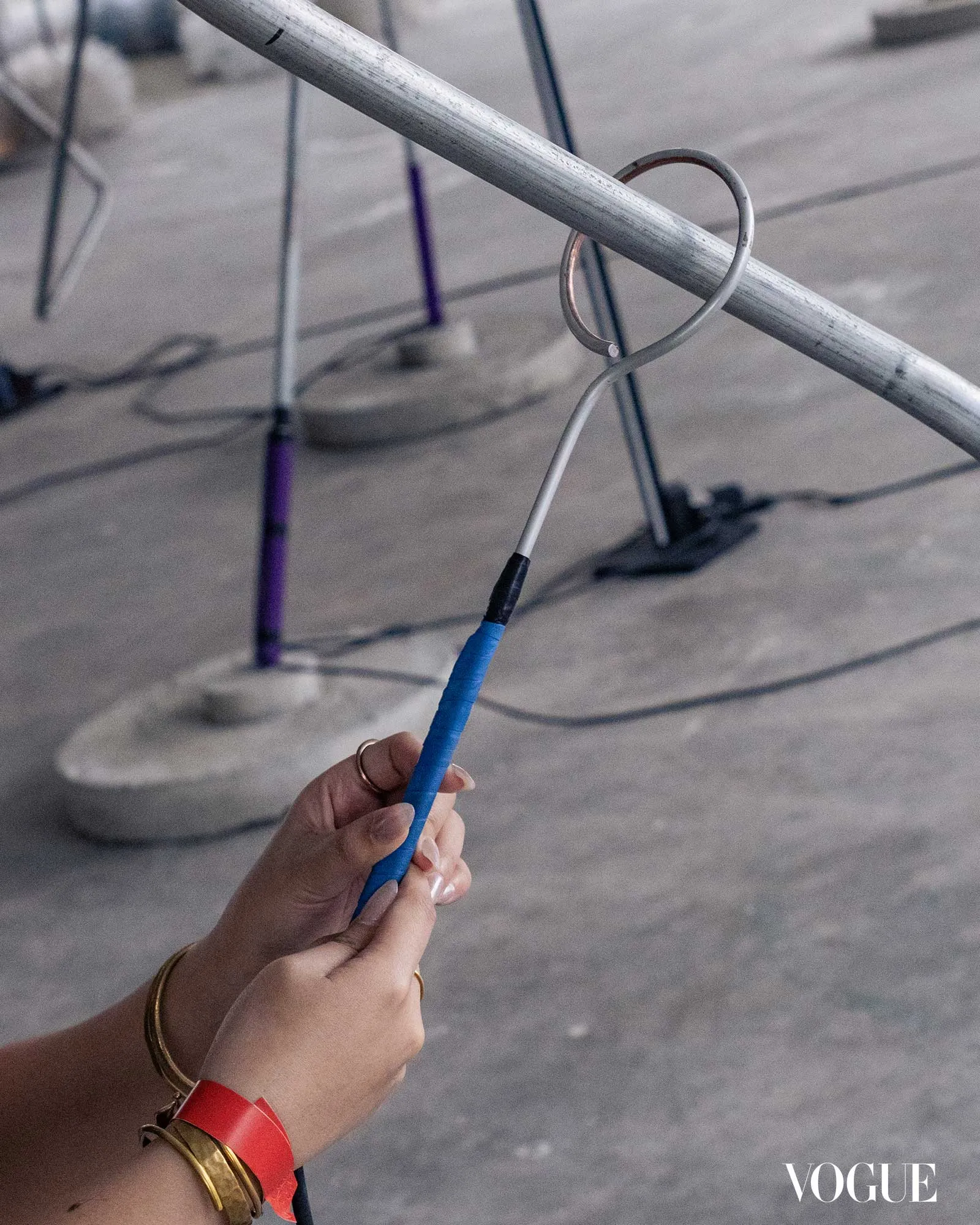
Buzz Off by artist Marco Ortiga deftly toes the line between dance and play. In a series of wire sculptures reminiscent of old carnival games, players are tasked to bring a metal wand through one end to the other, careful to not touch the sides of the sculpture, or they will have to start from the beginning all over again. The players become dancers tethered to the wires that act like a cheeky partner forcing them to move in unusual, yet careful ways.


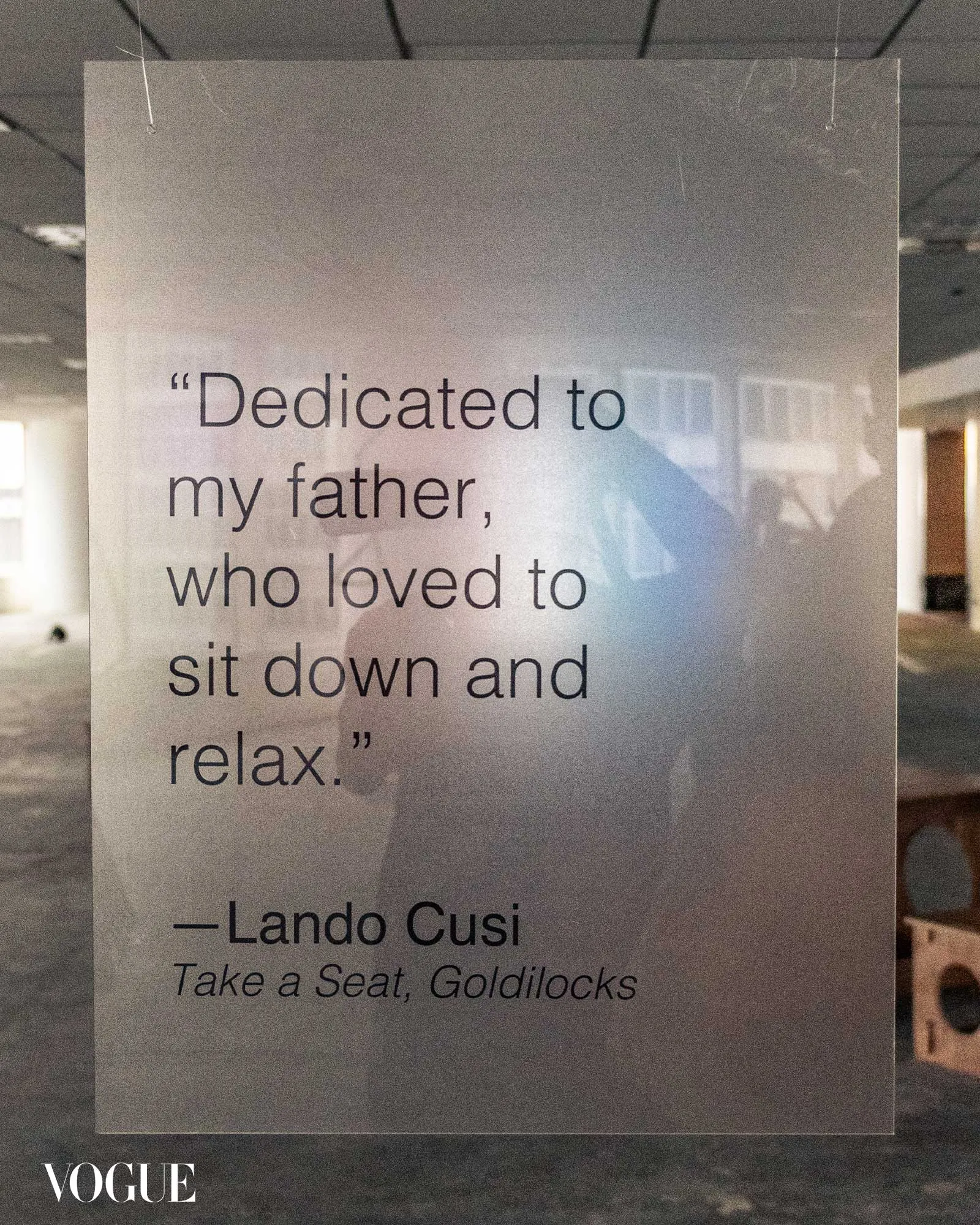
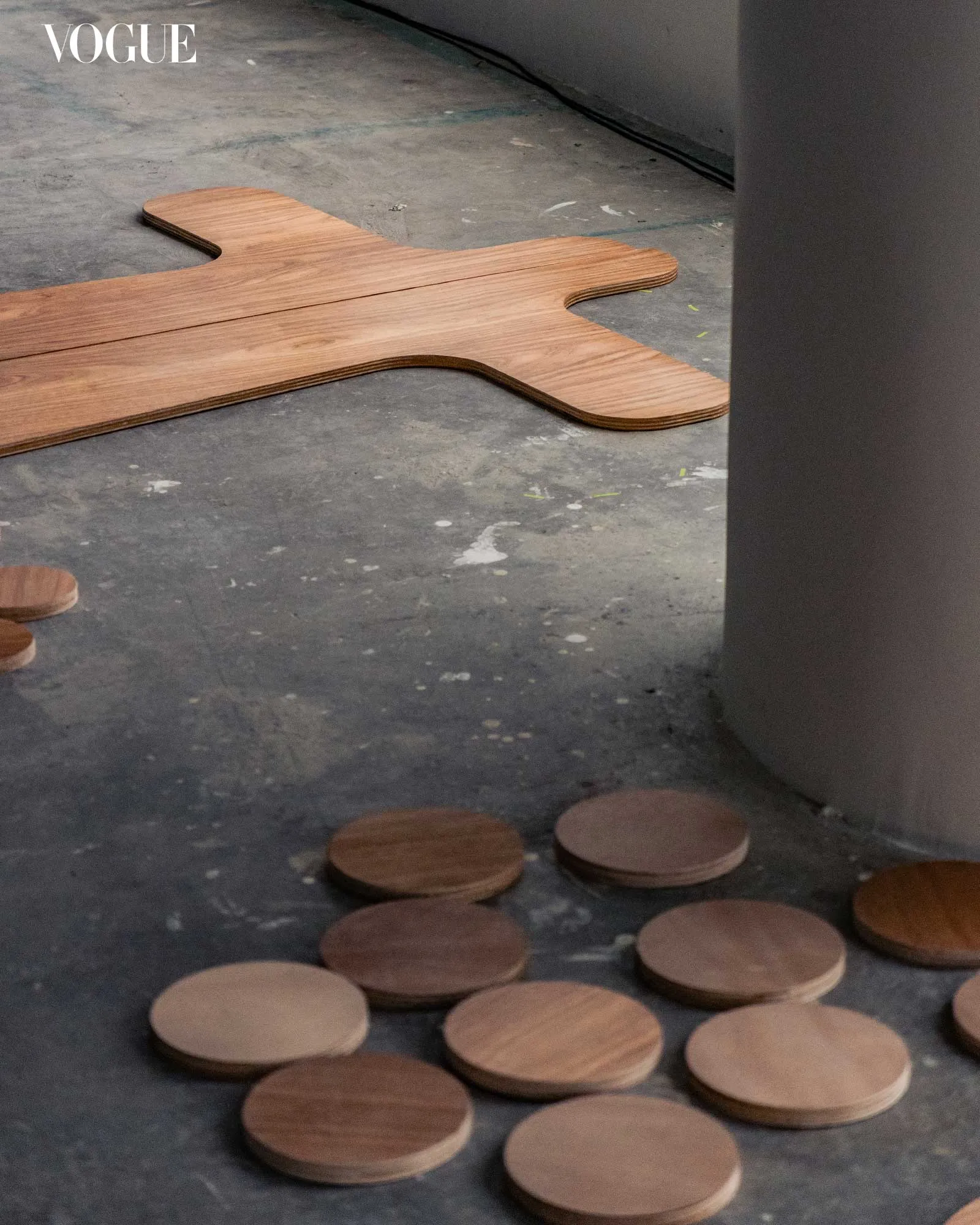
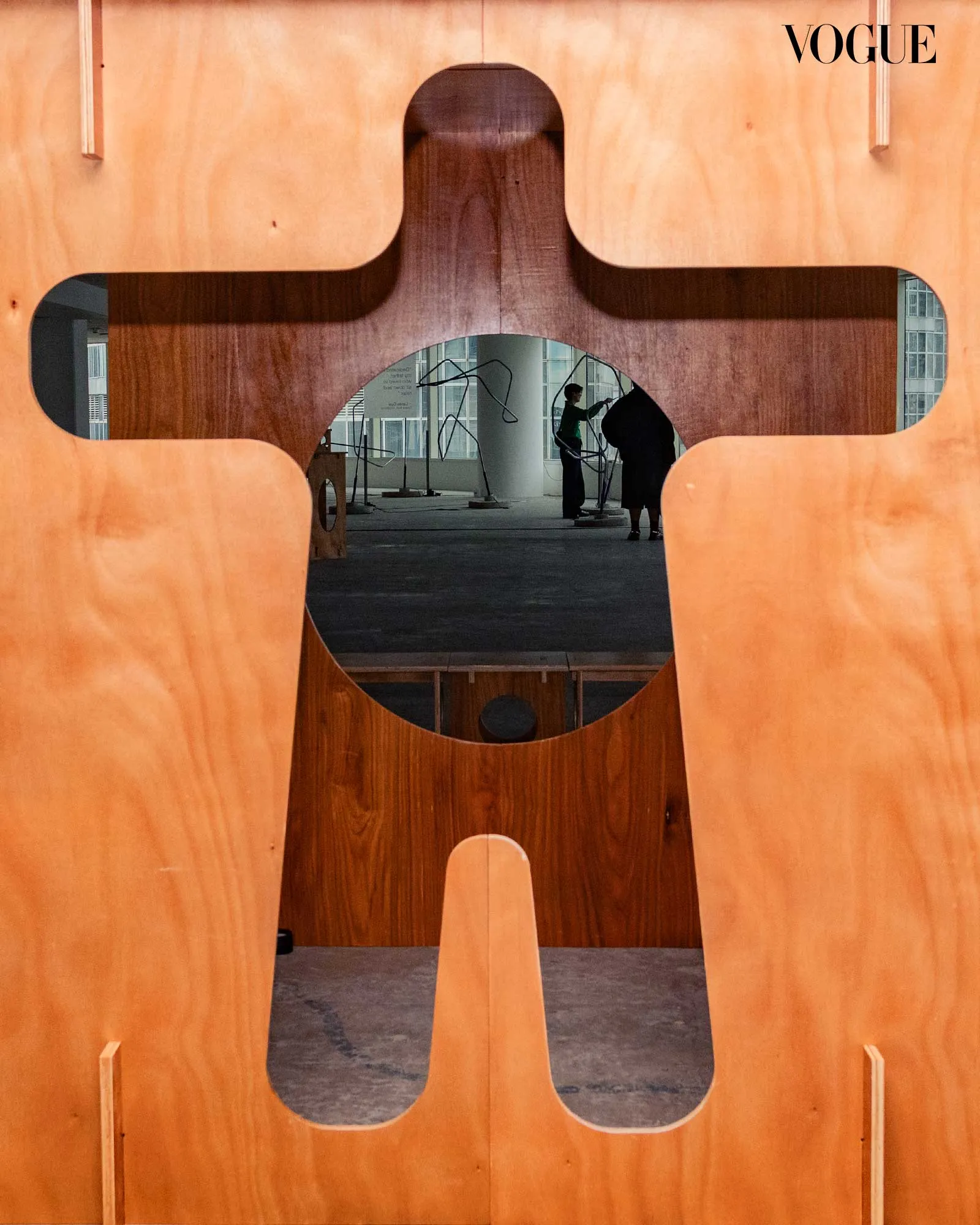
A short pause is then offered with architect Lando Cusi’s series of works, dedicated in memory of his father. Even at rest, the artist plays with scale and proportion through a collection of wooden furniture called Take a Seat, Goldilocks. Each piece’s design starts with the typical dimension of a stool, but once it’s stretched out, shrunken down, or manipulated in varying ways, it serves a different purpose. A stool becomes a table, becomes a bench, becomes a pedestal with small but defining changes. In one area, a large piece called “Papa Bear & Baby Bear” creates an abstraction of the Vitruvian man as guests walk through the cut-out shapes.
Then, the exhibit ends where it began, with Stage Left, Stage Right. Colored panels invite movement again, tinting each gesture. A camera set up at the end of the loop makes a digital film that plays back the dances you make with your tour group with a delay, calling to mind again the routinary lives we live, as well as the small leaps, the bursts of energy, and spontaneous movements we make in between. “In true FIFTH WALL form, we always leave room for fun and spontaneity. This year’s format speaks to both kids and kids-at-heart, and perhaps even awakens the dormant, playful movement in everyone,” Reyes says.

The idea of this year’s FIFTH WALL was already simmering last year. As egress comes again, surely, Reyes is already thinking about what next year’s programs could be. In this yearly routine, she says she has learned how much the project depends on rhythm and community. “Doing it over six editions has taught me that the consistency of the practice. Showing up, experimenting, adjusting is just as meaningful as the outcomes themselves. Each iteration reveals something new about process, collaboration, and how audiences engage over time.”
This year’s iteration has made her want to push the idea of participation even further, to continue blurring the lines between artist, audience, and even dancer. “The process this year reminded me how energizing it is when the structure feels open and responsive, so I want to carry that sense of experimentation and dialogue into whatever comes next.”
-
 Photographed by Dom Pamatmat1/8
 -
 Photographed by Dom Pamatmat2/8
 -
 Photographed by Dom Pamatmat3/8
 -
 Photographed by Dom Pamatmat4/8
 -
 Photographed by Dom Pamatmat5/8
 -
 Photographed by Dom Pamatmat6/8
 -
 Photographed by Dom Pamatmat7/8
 -
 Photographed by Dom Pamatmat8/8


