
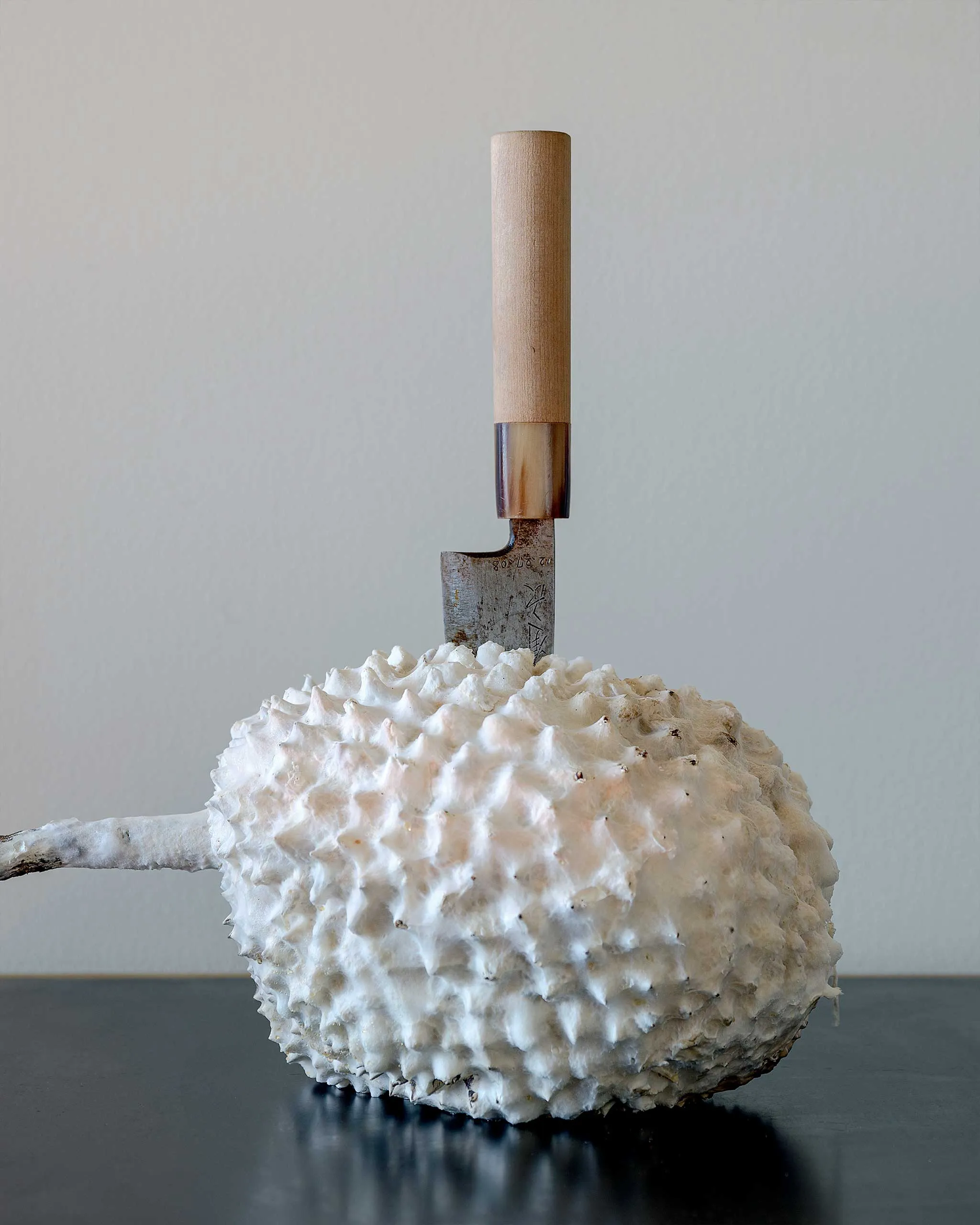
Photographed by Dr. Benjamin Campomanes for the June 2025 Issue of Vogue Philippines
Dr. Benjamin Campomanes’ photographs in “Death to Fruits” pay tribute to fallen colleagues.
There’s a surgical precision to the way the knife is impaled in the center of the fruit, leaving it intact. Rather than slicing through the flesh, as a knife is supposed to do, it becomes part of the fruit, embedded in an assemblage of steel, skin, and wood. Dr. Benjamin Campomanes “Death to Fruits” series approaches classical still life composition with a contemporary, minimalist edge, conveying the sense of mortality in a memento mori. Created during the first year of the pandemic, the photographs began with the durian and cleaver, apt symbols of the healthcare workers who, despite all their protective armor, succumbed to COVID-19.
Freezing the moment where metal meets fruit was the doctor’s own way of dealing with the trauma of losing so many colleagues. As chief medical officer of the St. Luke’s Medical Center system, Campomanes was responsible for taking care of two hospitals during the most harrowing health crisis of our generation. His wife Mae, a pulmonologist, was on COVID duty for 10 days at a time, and would come home with heartbreaking stories of patients dying in isolation, unable to see their loved ones. Campomanes photographed nearly 50 different fruits, a haunting reminder of the devastating human toll of the pandemic.
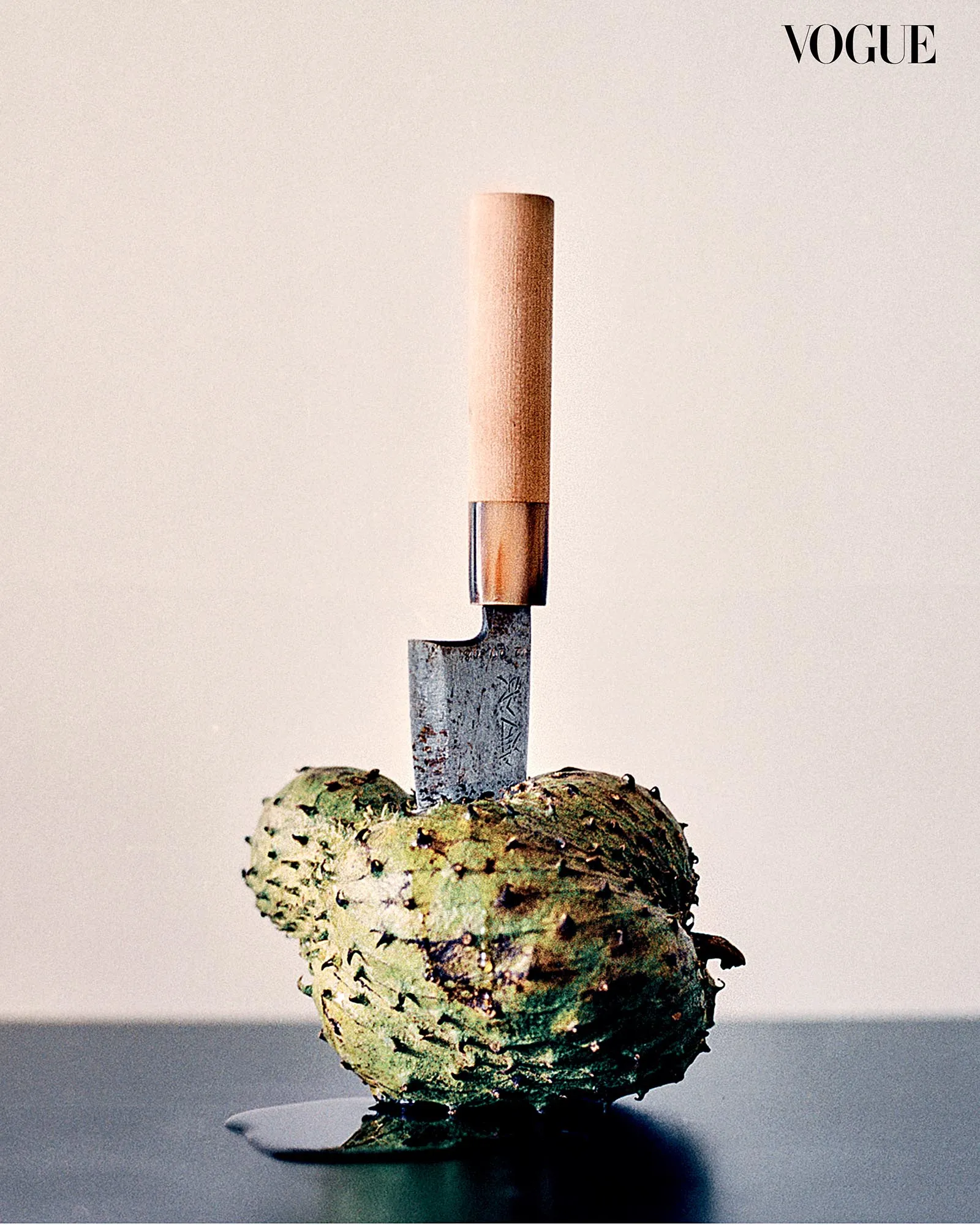
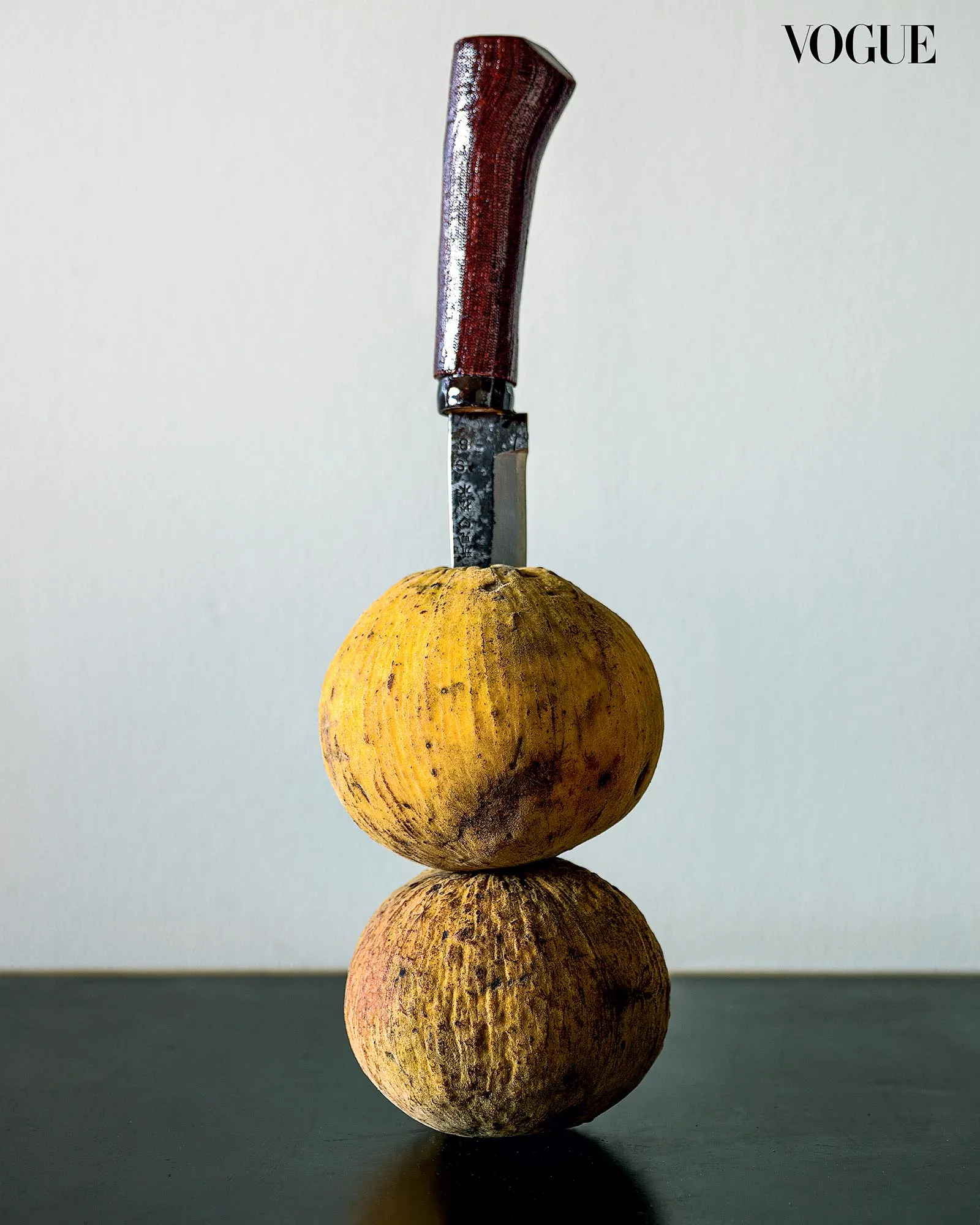
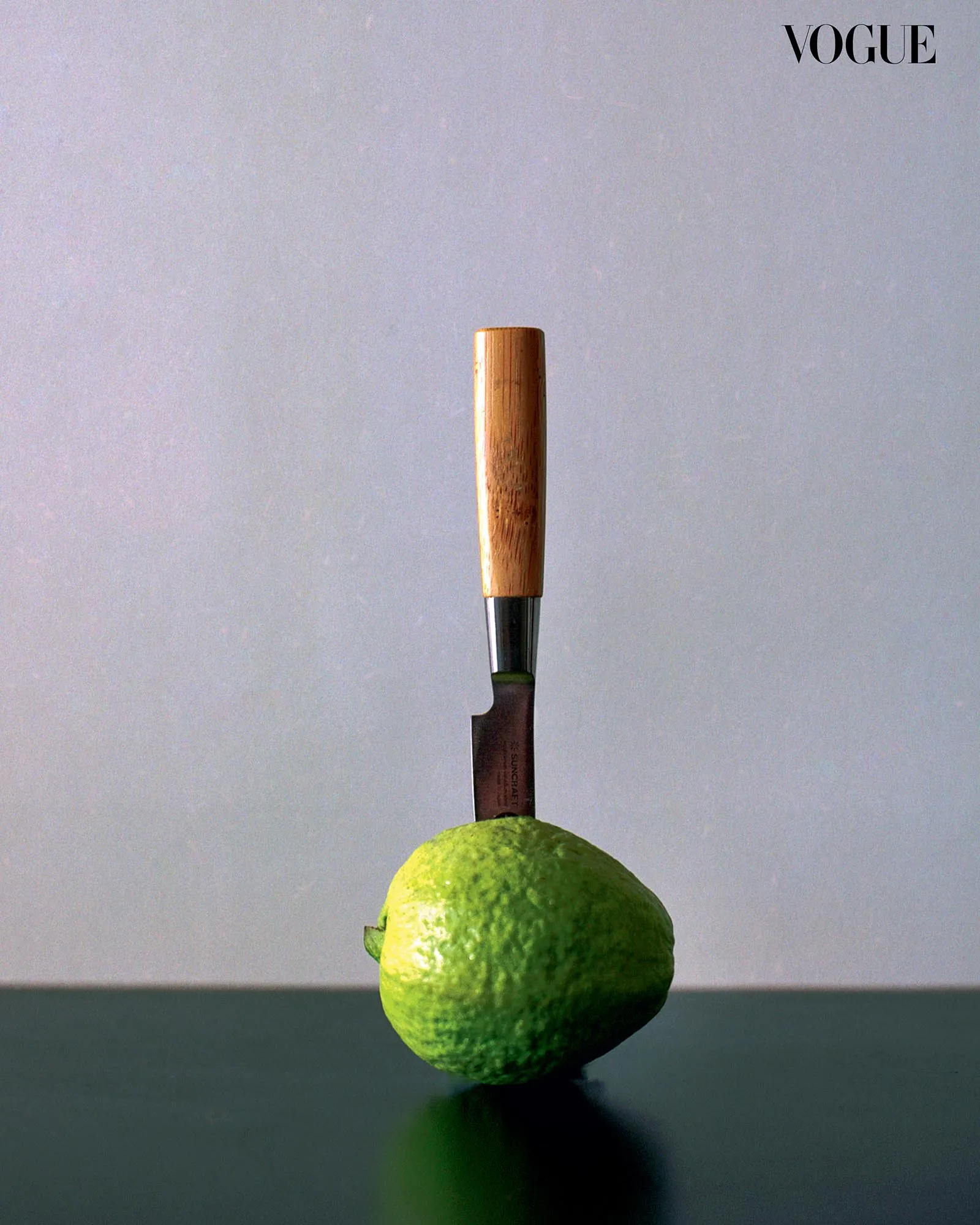
After retiring as CMO a few years ago, Campomanes was then appointed president of St. Luke’s Medical Center Foundation, the hospital’s non-profit arm providing critical medical services and scholarships for marginalized communities. “I decided I was going to raise money first for the foundation, so I had these printed as a boxed set,” he says, indicating the selection of 12 images. In November 2023, the photographs were exhibited in the lobby of St. Luke’s BGC, a hospital guided by the philosophy that art, and not just medicine, can heal. Its hallways are adorned with artworks by BenCab, John Santos, Juvenal Sanso, Betsy Westendorp, as well as hundreds of photographs from the hospital’s own doctors. From his show alone Campomanes raised nearly PHP1.5 million for the foundation’s training programs.
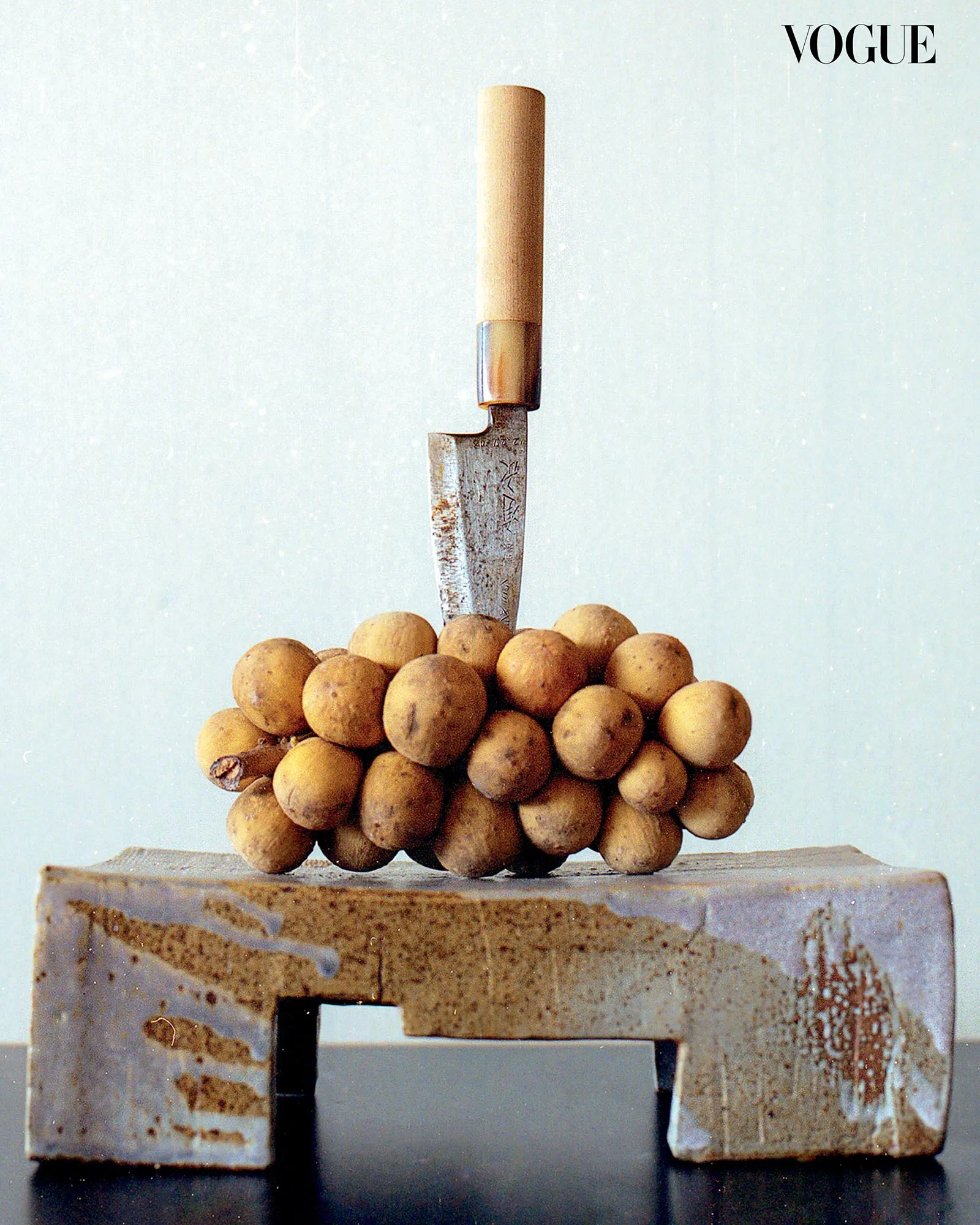
His path to Art Fair Philippines last February 2025 came from an invitation from Tom Epperson, who had seen the exhibition. There, he was part of Fotomoto’s group show titled “Kuha,” sharing wall space with both established and emerging artists. The physician-photographer admits to feeling apprehensive about being placed in the company of two veterans of Philippine photography. “Neil Oshima was on my right side, and Tom Epperson was on my left,” he says, recalling how nervous he was, “and I was there in the middle.”
As a frequent traveler, Campomanes uses his trips as an opportunity to experiment with film photography, taking his trusty Leica when carrying his Hasselblad is, well, a hassle. During one medical mission to Cuyo, Palawan, he shot a pair of fishermen wading in the shallow waters at low tide, their silhouettes bent over as they searched for clams. The black-and-white print now hangs in his office, among other images he took around the world. His artistic explorations extend to collaborative pieces with Juvenal Sanso and Soler Santos, a series where he crumples the finished print, and self-portraits made using an X-ray machine.
” I want to cultivate generosity in people.”
Though he has always been drawn to the intentionality required by analog photography, where each roll of film imposes a limited number of exposures, Campomanes says his main work is with the foundation and its fundraising efforts. “I want to cultivate generosity in people,” he explains. He recounts a remarkable story: Last year, a donor from San Francisco contributed USD25,000, which Campomanes used on surgical missions. Impressed by the impact of his gift, the benefactor, who had once studied medicine in the Philippines, invited Campomanes to California for a meeting. “He was willing to give us one million dollars, can you imagine? He said he was doing this because he doesn’t believe in generational wealth.” This generous donation enabled St. Luke’s to establish a charity ward in its Quezon City facility, set to open in July this year. “We converted one wing into what we call a Dana wing. Dana [in Sanskrit] means to cultivate generosity. So we have one full free ward of 40 beds for indigent patients.”
The karmic effects of cultivating generosity have returned to Campomanes in unexpected ways. A few weeks earlier, he received a call from Gloria Reyes, the widow of Dr. Carlos Reyes, a pioneering neuro-otologist who passed away in 2020 at age 80. “She told me, I think Caloy would want you to have one of his cameras. So I went to pick it up, and it was a Leica M7 film camera.”
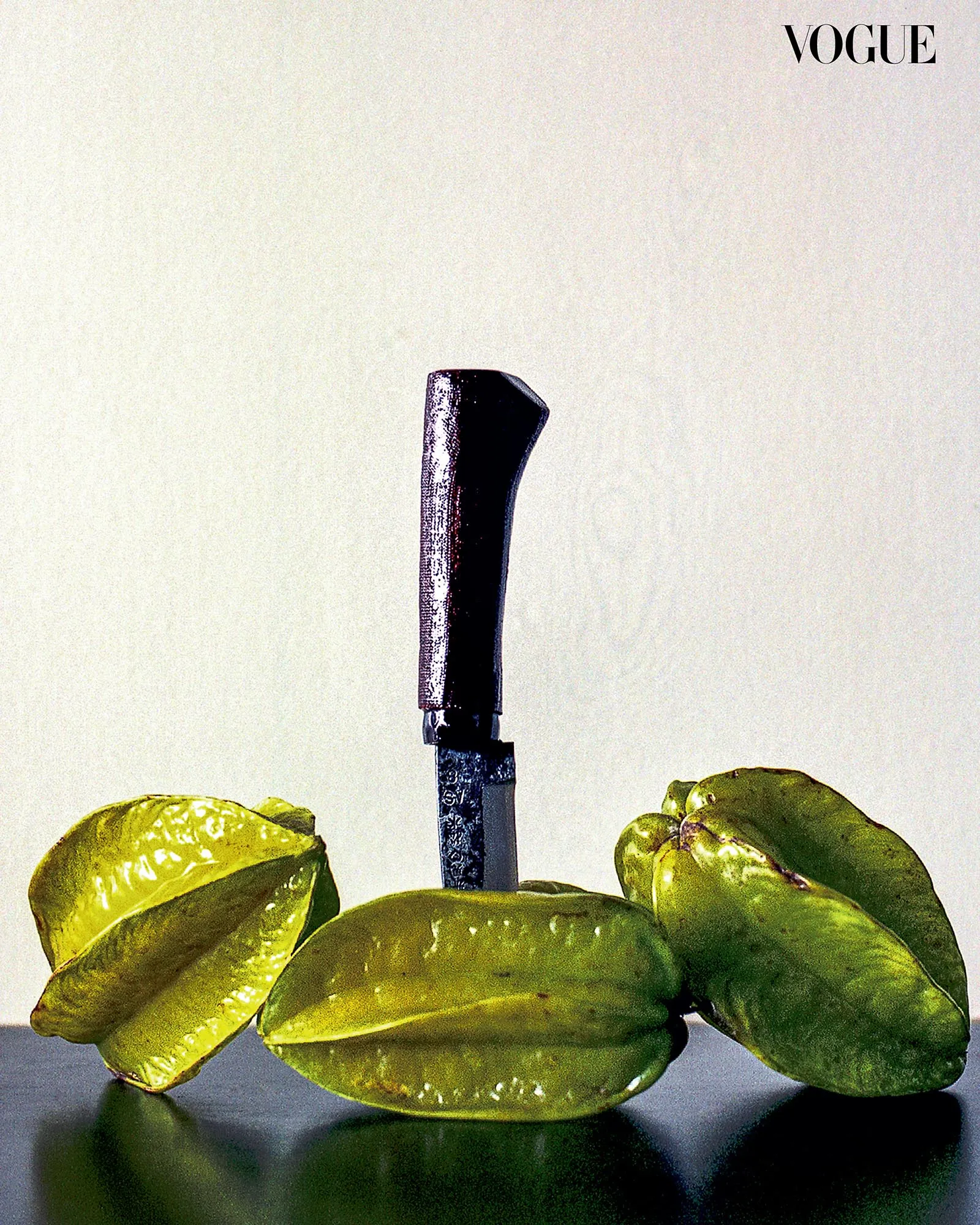
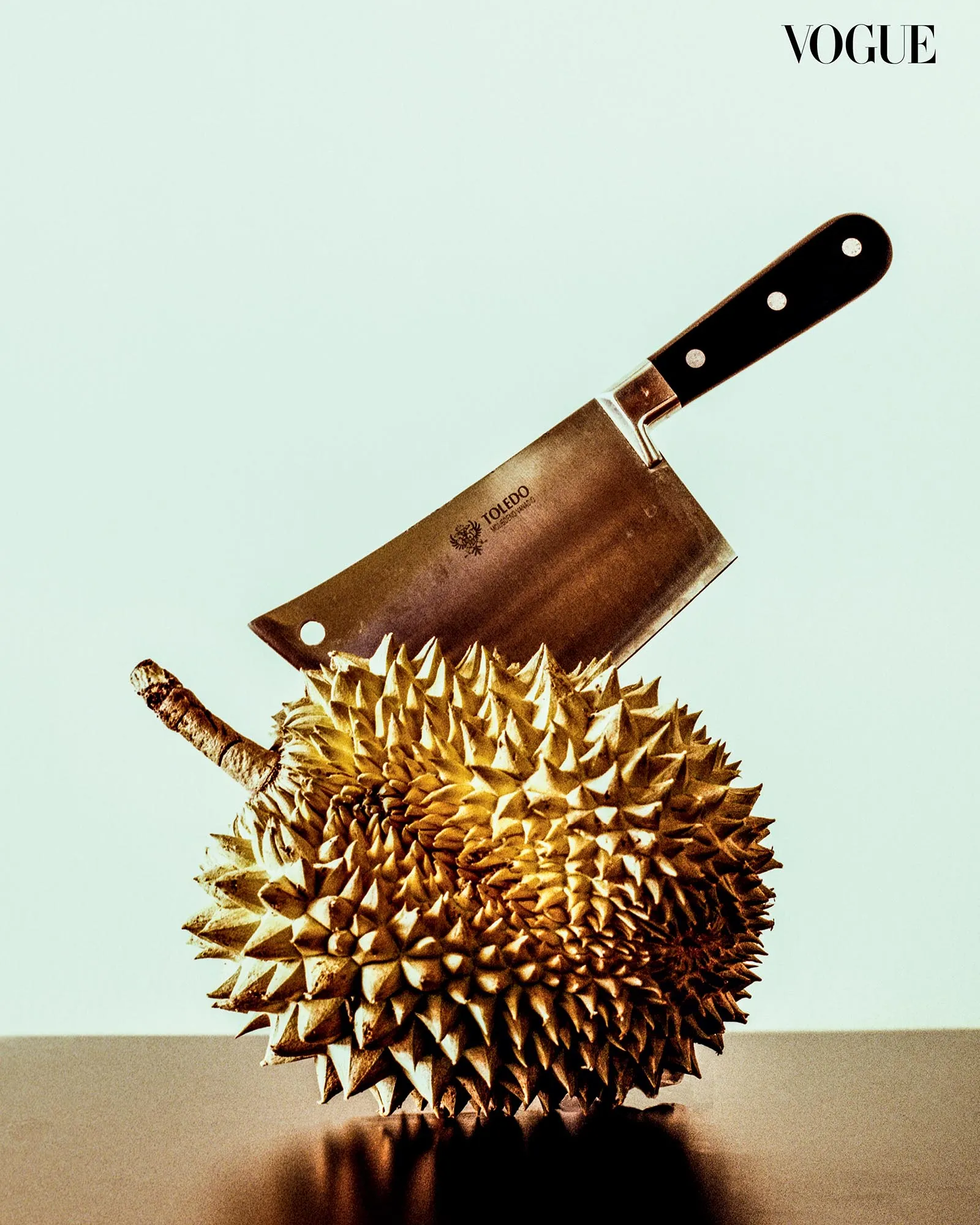
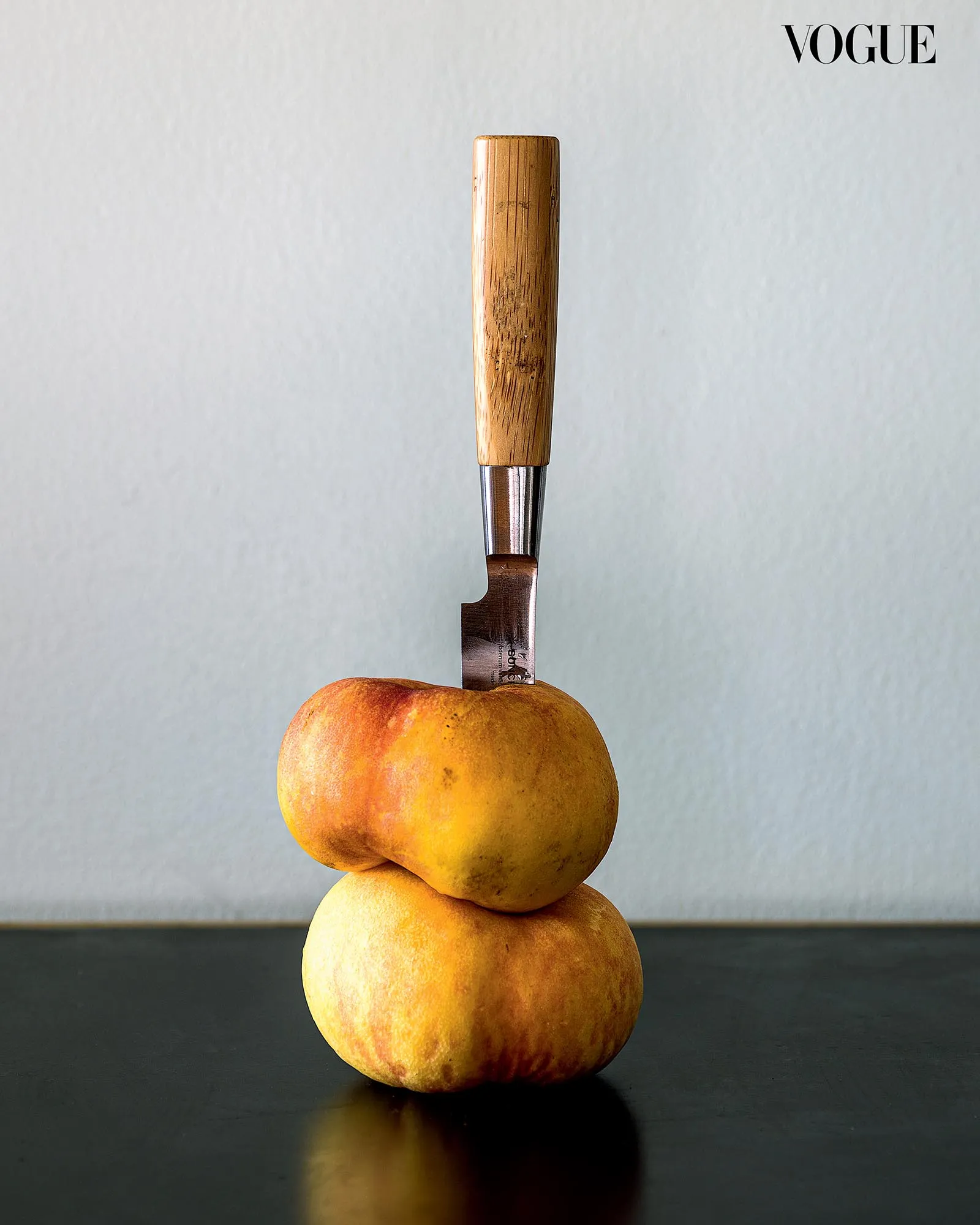
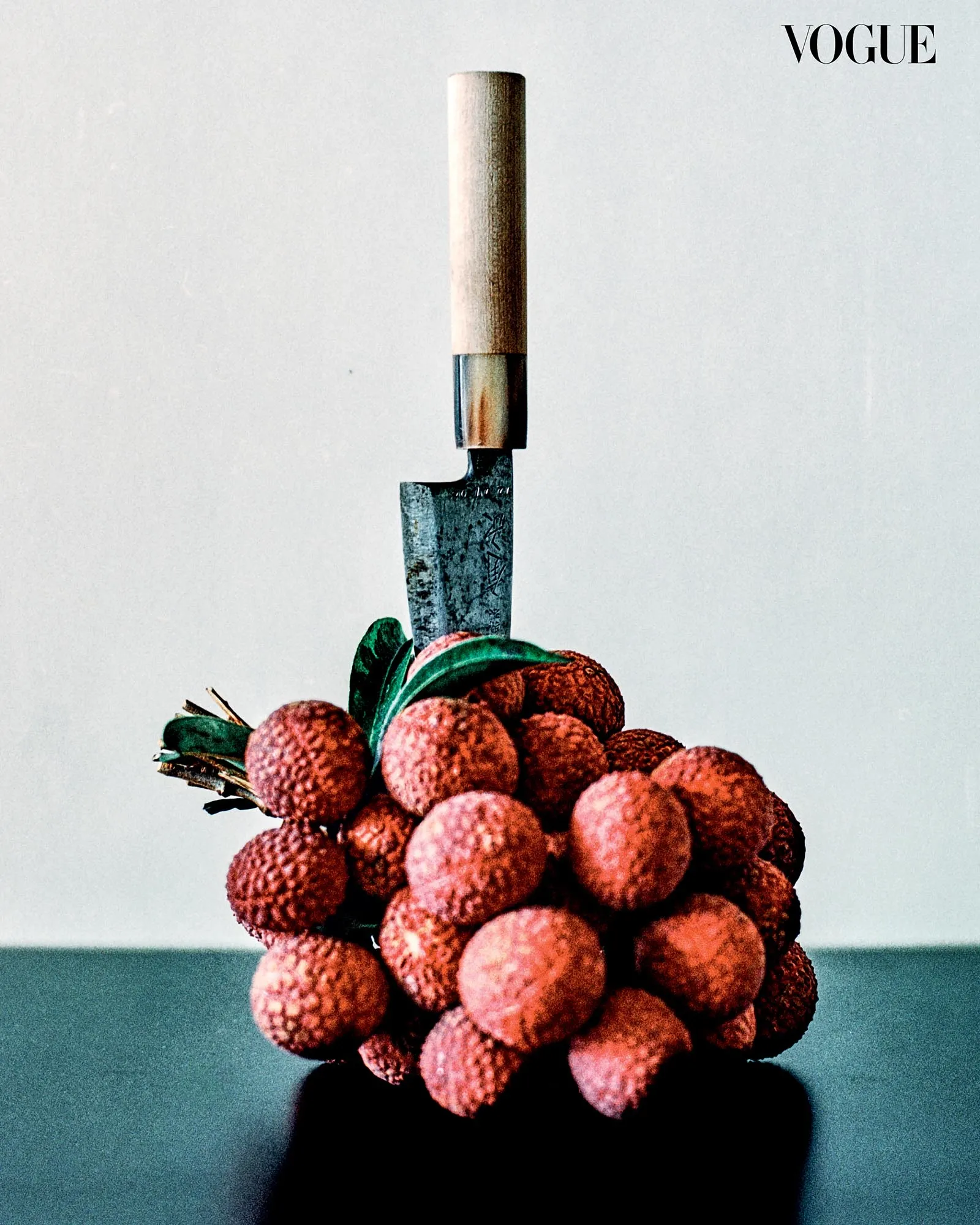
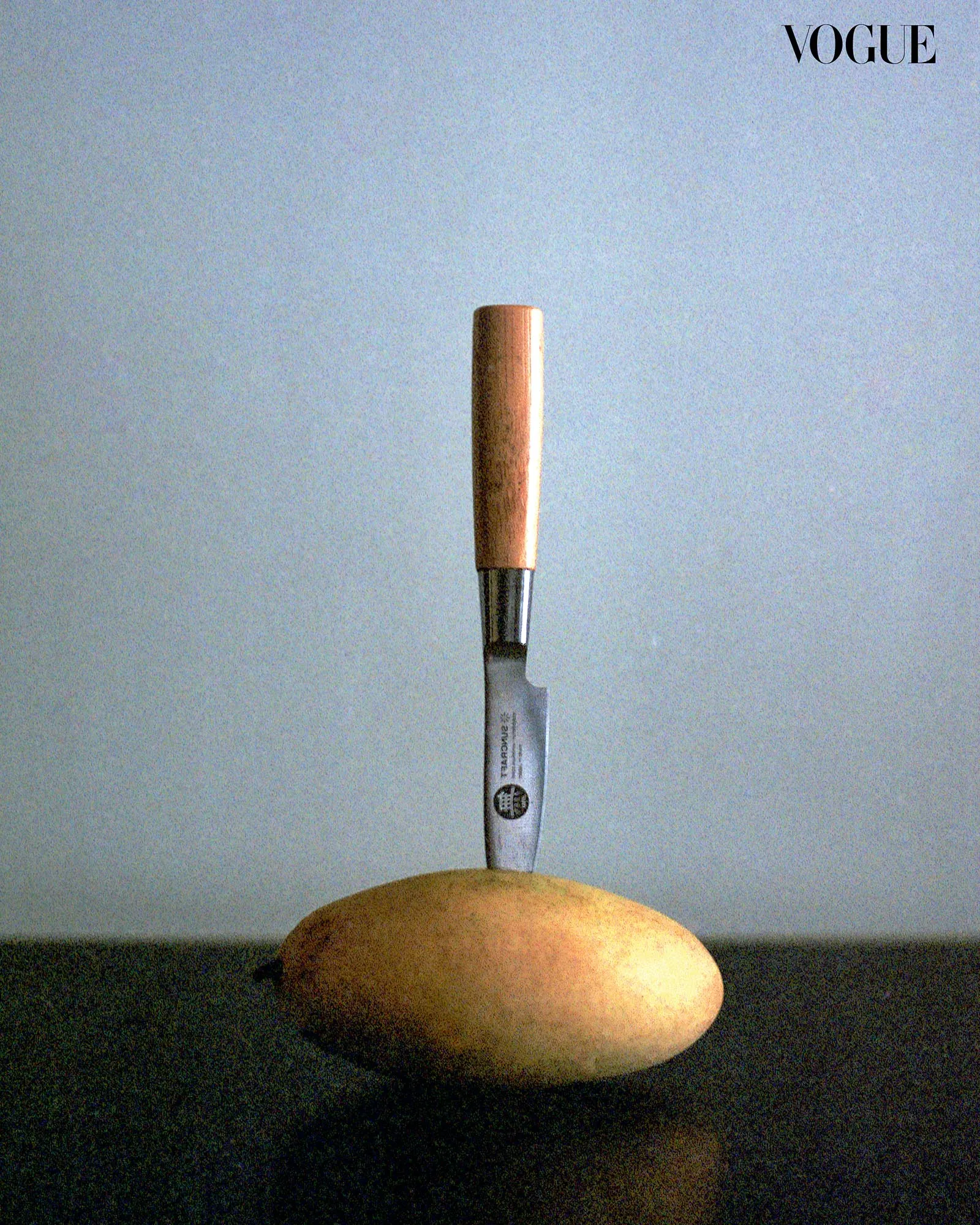
In “Death to Fruits,” Dr. Reyes was the mango. More melancholy than the others, the mango image seemed to unsettle viewers. “It’s the darkest photo of the series,” Campomanes shares. “His death was the one that affected me the most.” Aside from being his mentor, Dr. Reyes was a friend and neighbor with whom he would spend weekends shooting film or tinkering with vintage automobiles. The Reyeses had a mango tree in front of their house, and they would often pick from its fruit.
At Art Fair Philippines, the “Death to Fruits” prints were nearly sold out, a win Campomanes counts for his medical outreach initiatives: “I promised myself that all the proceeds of whatever I make from my photography goes to the foundation.” Through the contemplative process of film photography, Campomanes has turned personal grief into a memorial of hope benefiting those who need medical care the most. These fruits have died, so others may live.

By AUDREY CARPIO. Photographs by DR. BENJAMIN CAMPOMANES.


