
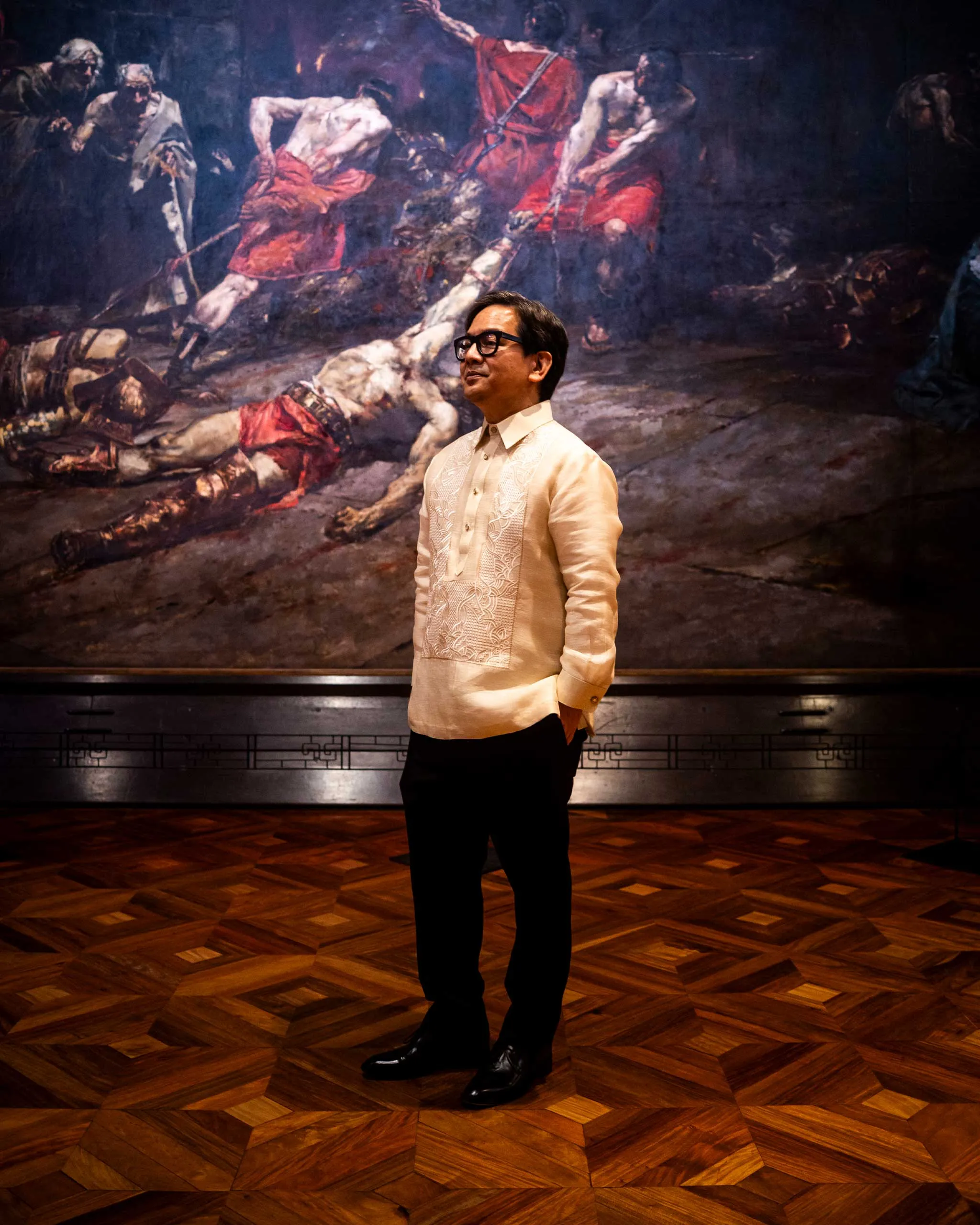
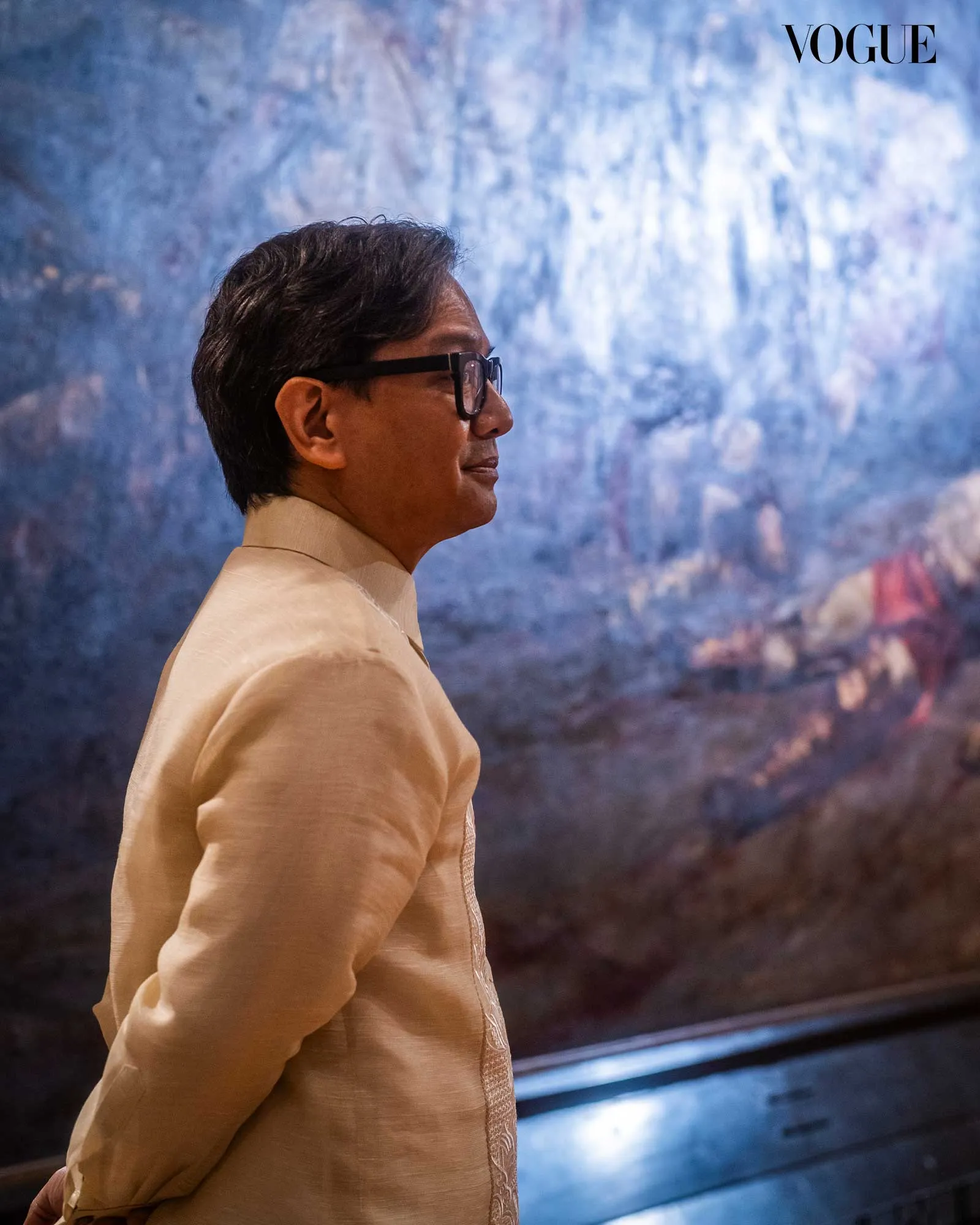
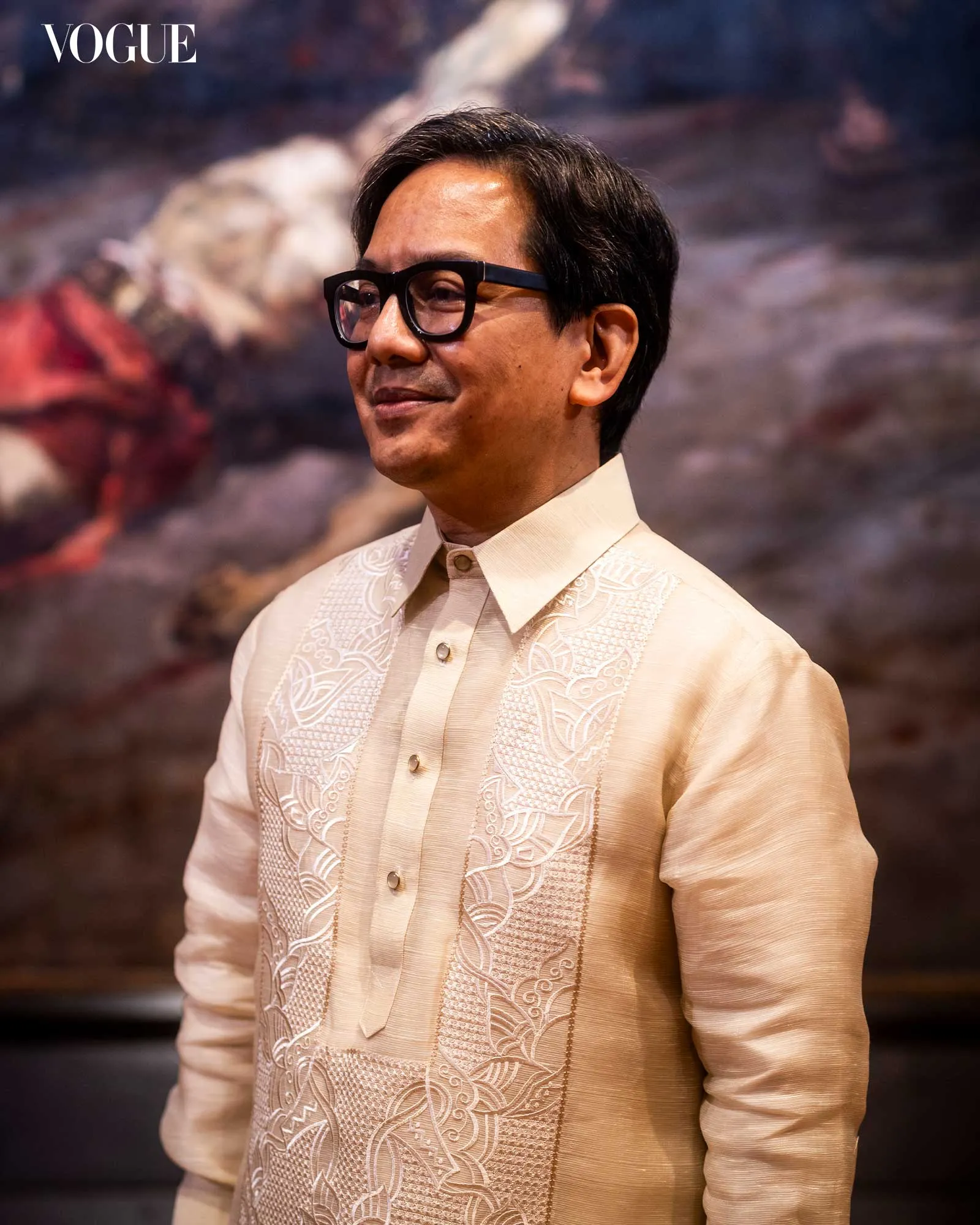
Miguel Rosales with the Spoliarium in the background. Photographed by Angelo Tantuico
The Art Deco exhibition spans two galleries, and runs until May 2026.
As Art Deco celebrates its centennial with exhibitions around the world, the National Museum of the Philippines presents a showcase of how the style uniquely shaped Filipino culture.
“From the very start, what we were expecting to do was to design and build Art Deco buildings exactly as they were meant to be from the day they were built,” says Arnulfo Dado, Head of Architectural, Arts, and Built Heritage at the National Museum of the Philippines. The exhibit will run from November 16, 2025, to May 31, 2026.
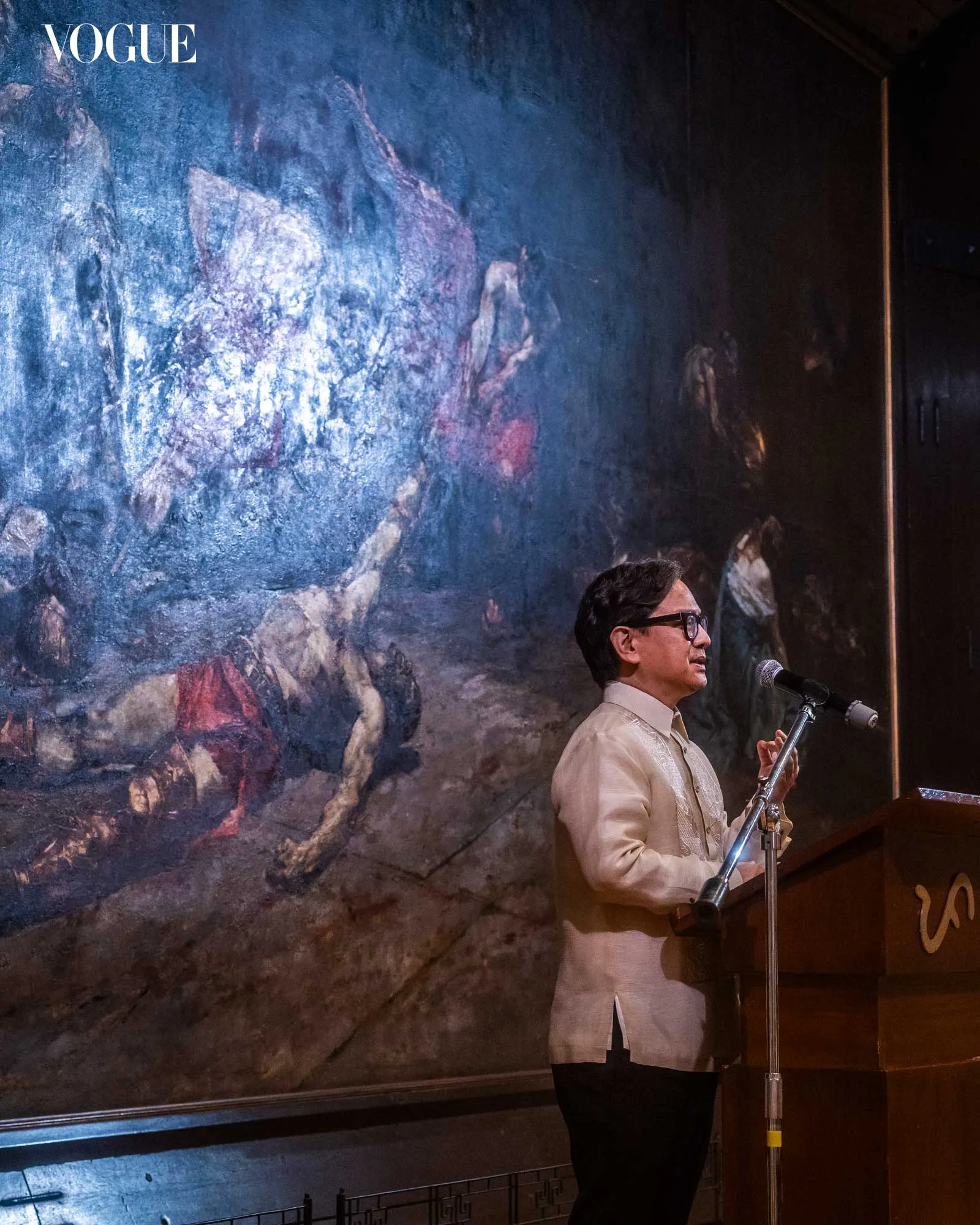
While the style first made its presence felt in architecture, it takes its name from the International Exposition of Modern Decorative and Industrial Arts in Paris in 1925. It soon expanded beyond buildings to influence sculpture, fashion, furniture, visual arts, and graphic design. On its centennial year in 2025, the movement celebrates its milestone with an exhibition on its impact in the Philippines, featuring guest curators Miguel Rosales and Ivan Man Dy alongside Dado for the opening.
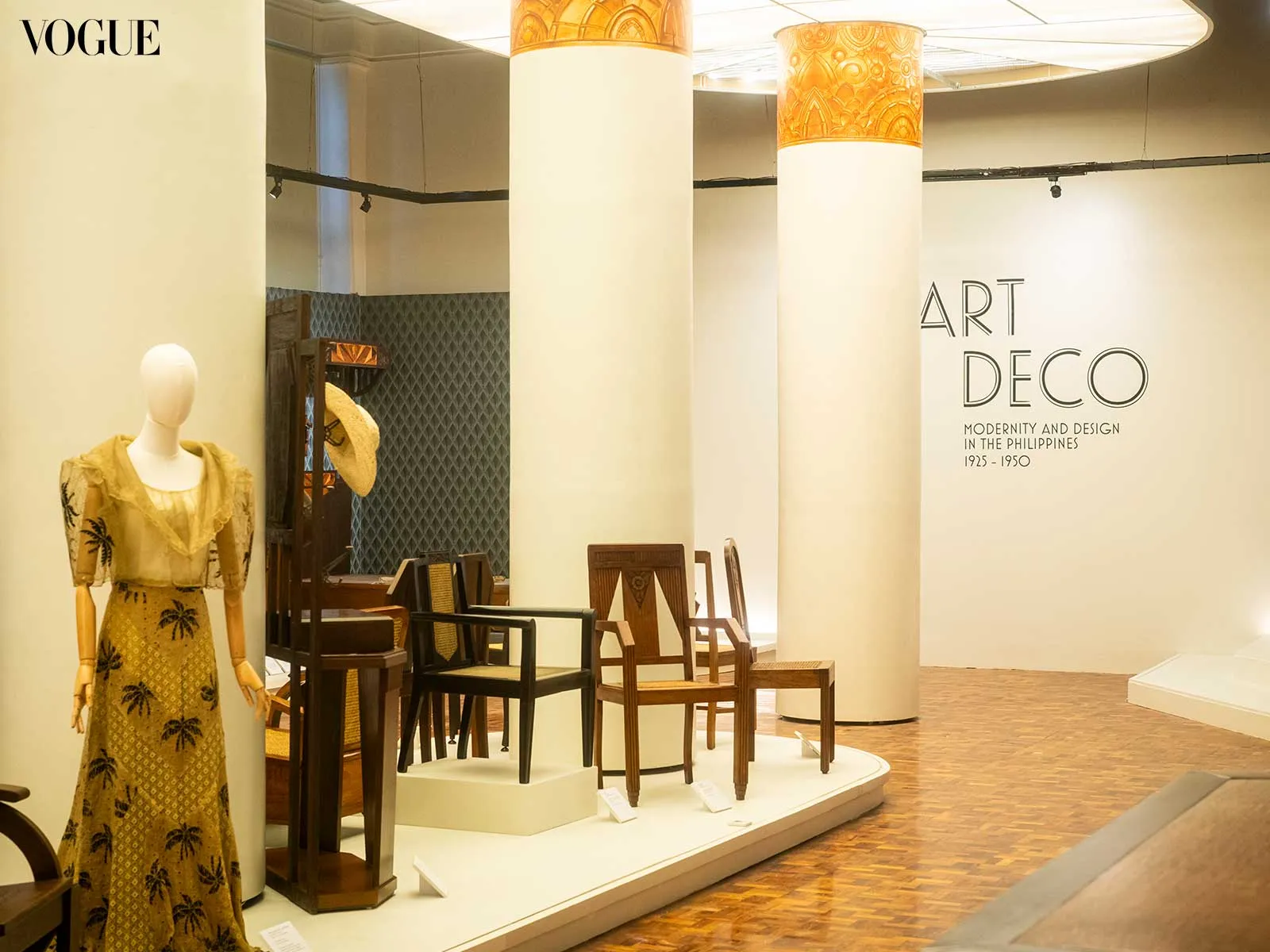
Part of a global series of centennial celebrations, the Art Deco exhibition at the National Museum brings together over 40 institutional and private collections from across the country, offering a distinctly Filipino perspective alongside similar shows in the West. During the media preview, the three curators explained that what sets this exhibition apart from its Western counterparts is its focus on the impact of Art Deco on Filipino life across multiple art forms, whereas Western exhibitions tend to highlight only the art forms for which they are best known.
Gathering artifacts from across the country, guest curator Ivan Man Dy says one of the biggest challenges was transporting them safely to Manila for the exhibition. “We’re not talking about one bottle, we’re talking about bringing whole beds, and [even] aparadors,” he says. In choosing the best of what they had found, everything was up for discussion due to the limited space available. He then mentioned that this was where Rosales came in.
Amid these logistical challenges, the curators also had to consider how each piece would contribute to the exhibition’s overall narrative. Standing near the Filipiniana ternos worn by First Lady Aurora Quezon and First Lady Maria Agoncillo-Aguinaldo, with a wooden armoire placed between them, Rosales explained that their focus was on selecting strong individual pieces that could also engage in a dialogue with one another. “I think they had to have this lively conversation happening between them, highlighting themselves but also contributing to Philippine Art Deco as a whole,” he says.
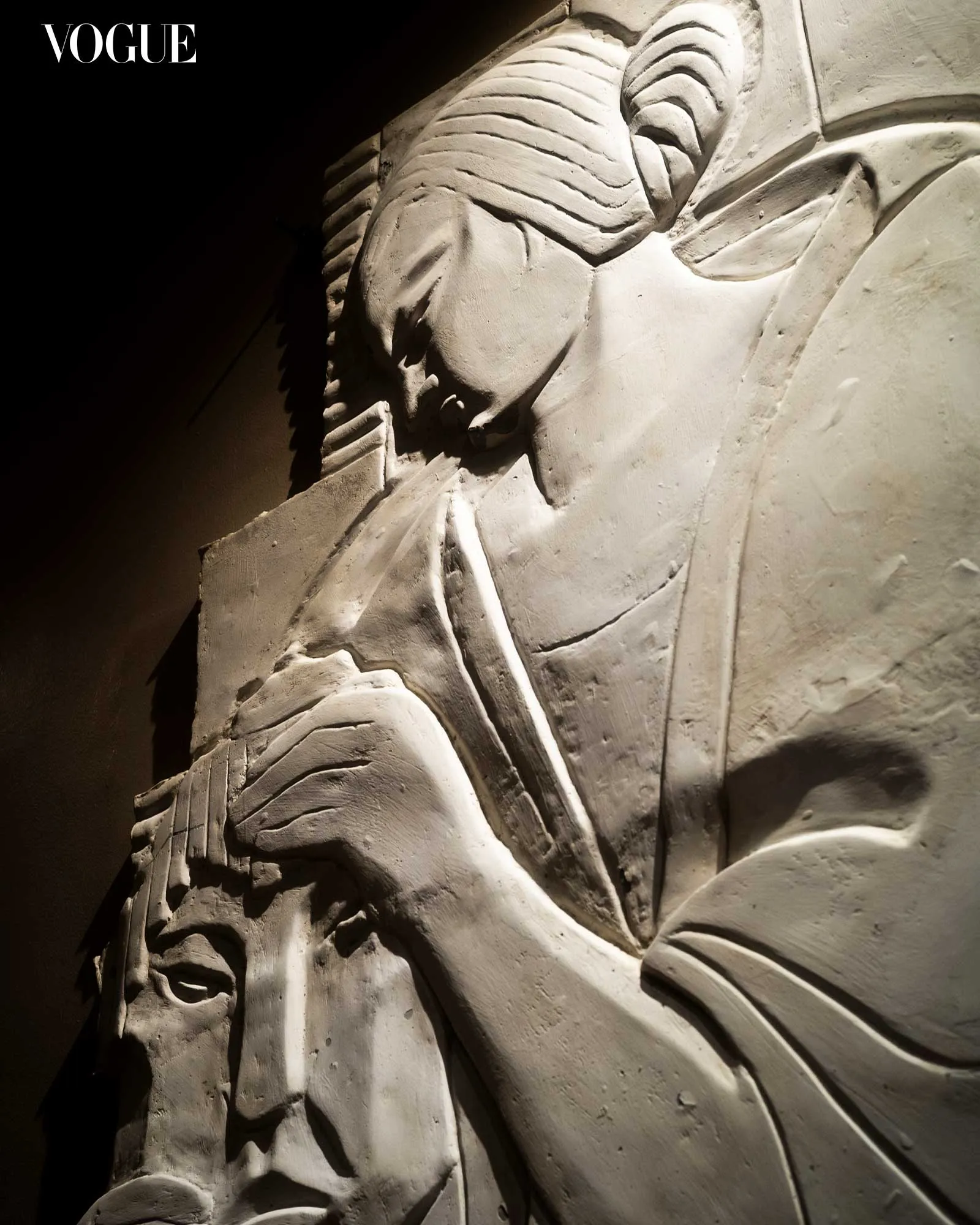
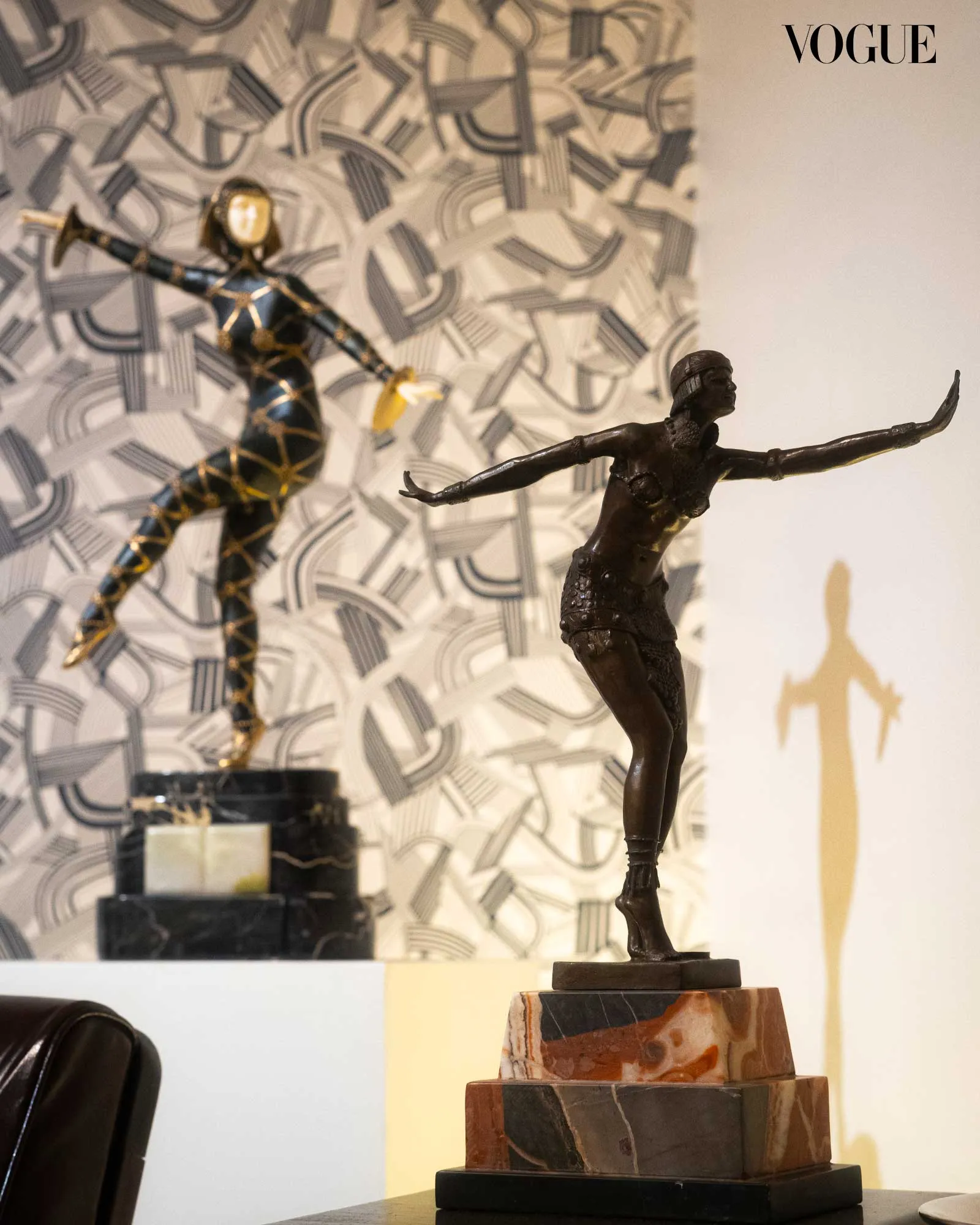
The Art Deco exhibition spans two galleries, featuring a diverse array of historical pieces, including Guillermo Tolentino’s sculptures, an architectural model of Juan Arellano’s Metropolitan Theater, wooden furniture from across the Philippines, Filipiniana ternos, and more.
-
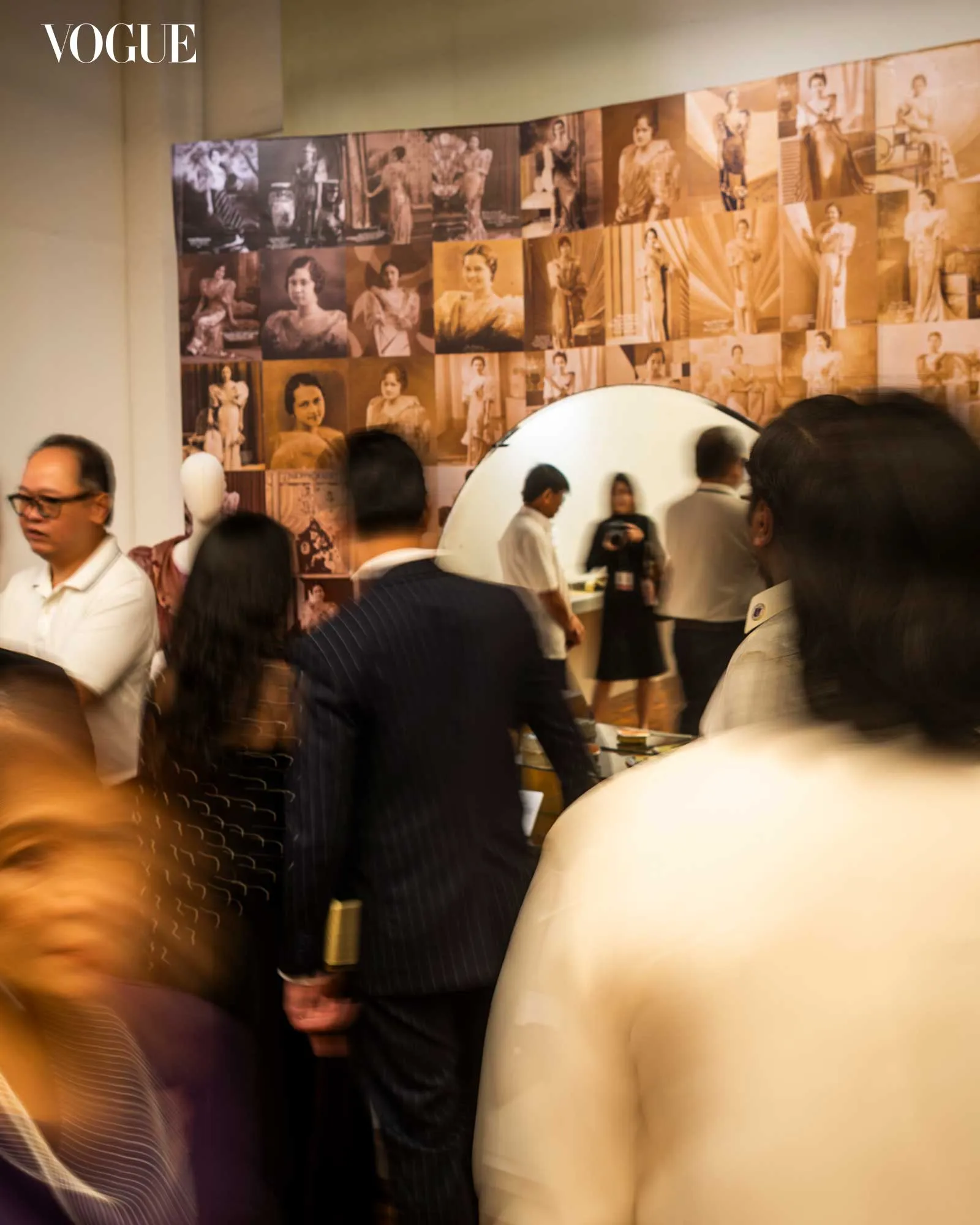 Photographed by Angelo Tantuico1/25
 -
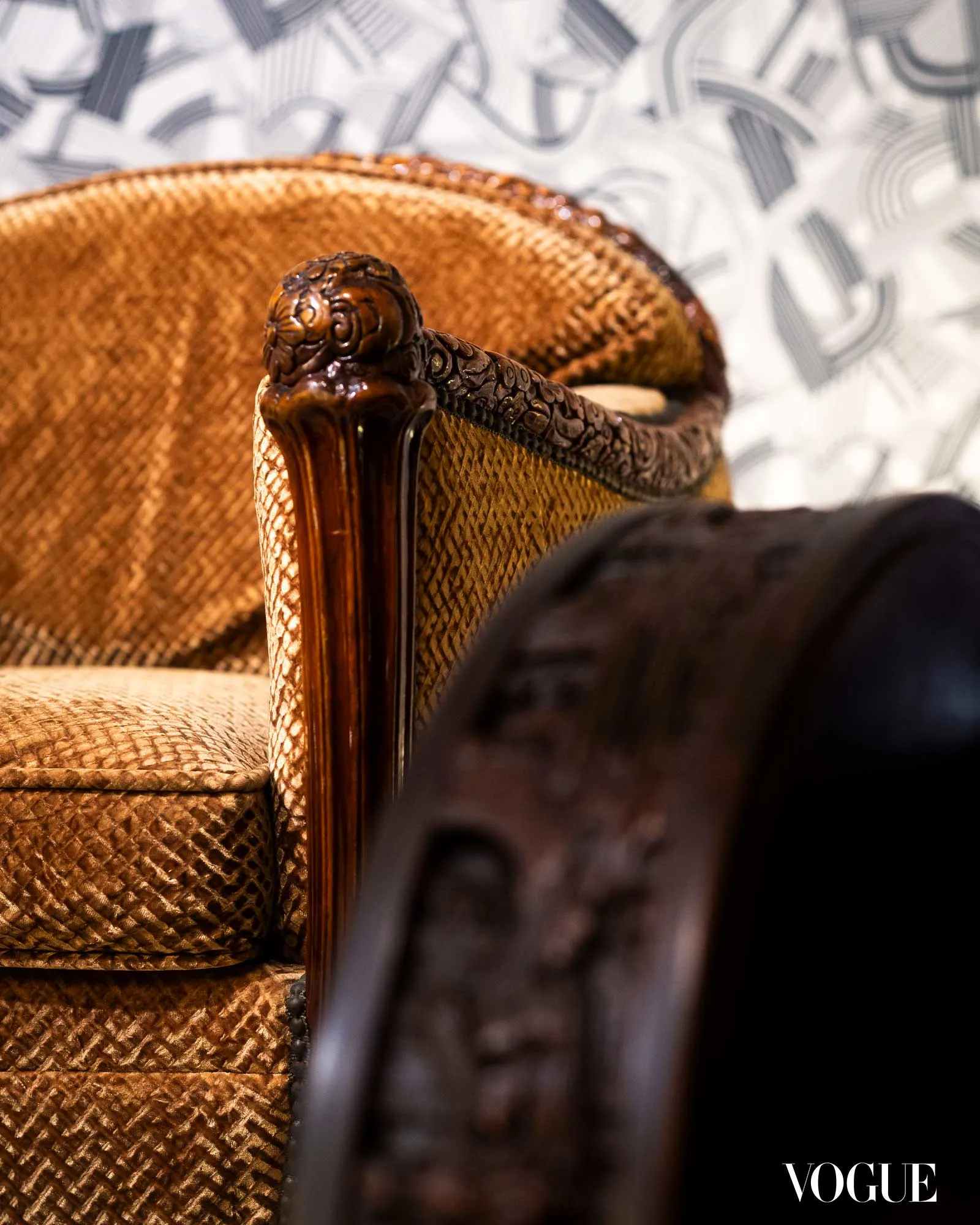
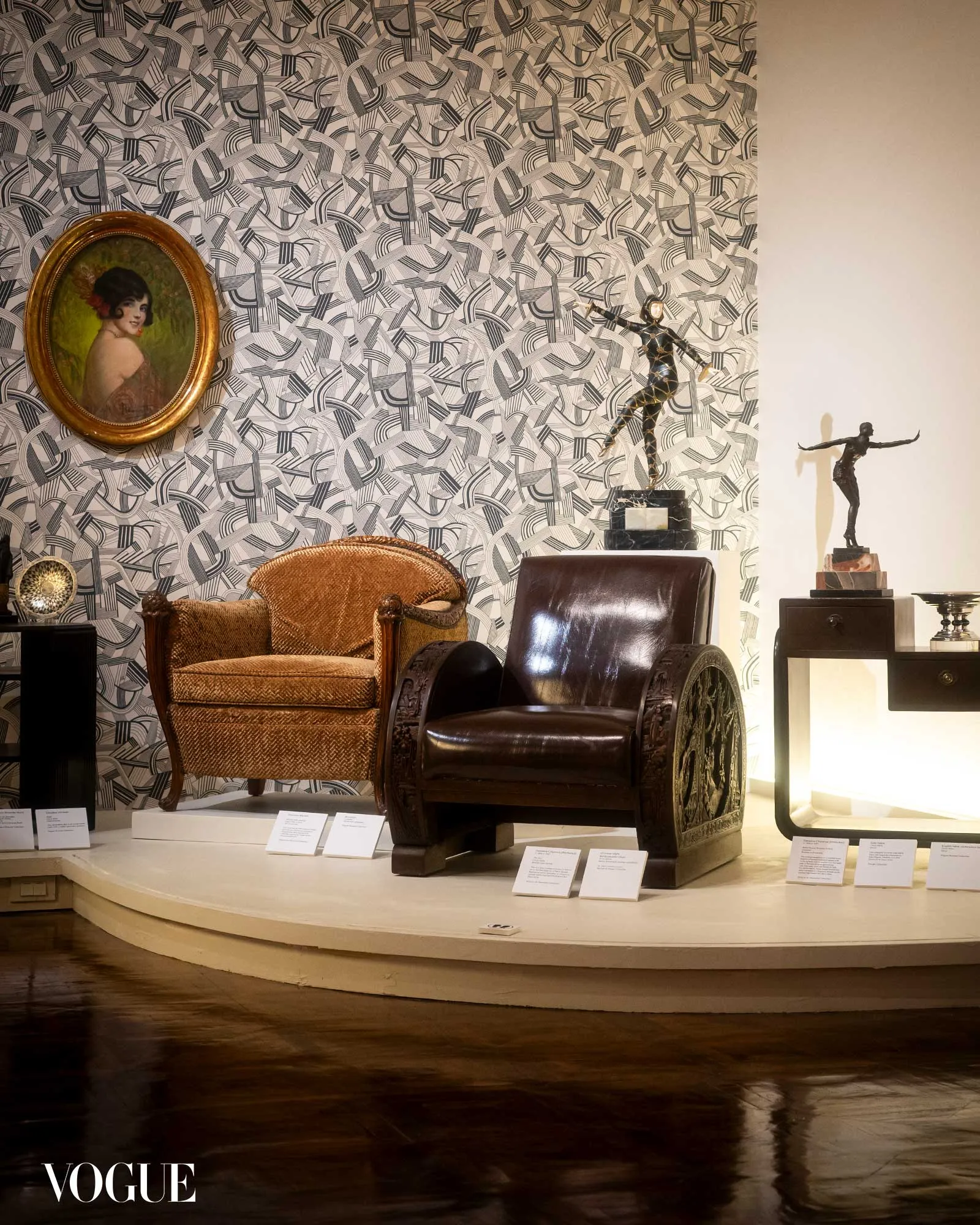 A European carved chair in a transitional style sits beside an Art Deco armchair with a carved wood frame from Shanghai. Photographed by Angelo Tantuico2/25
 -
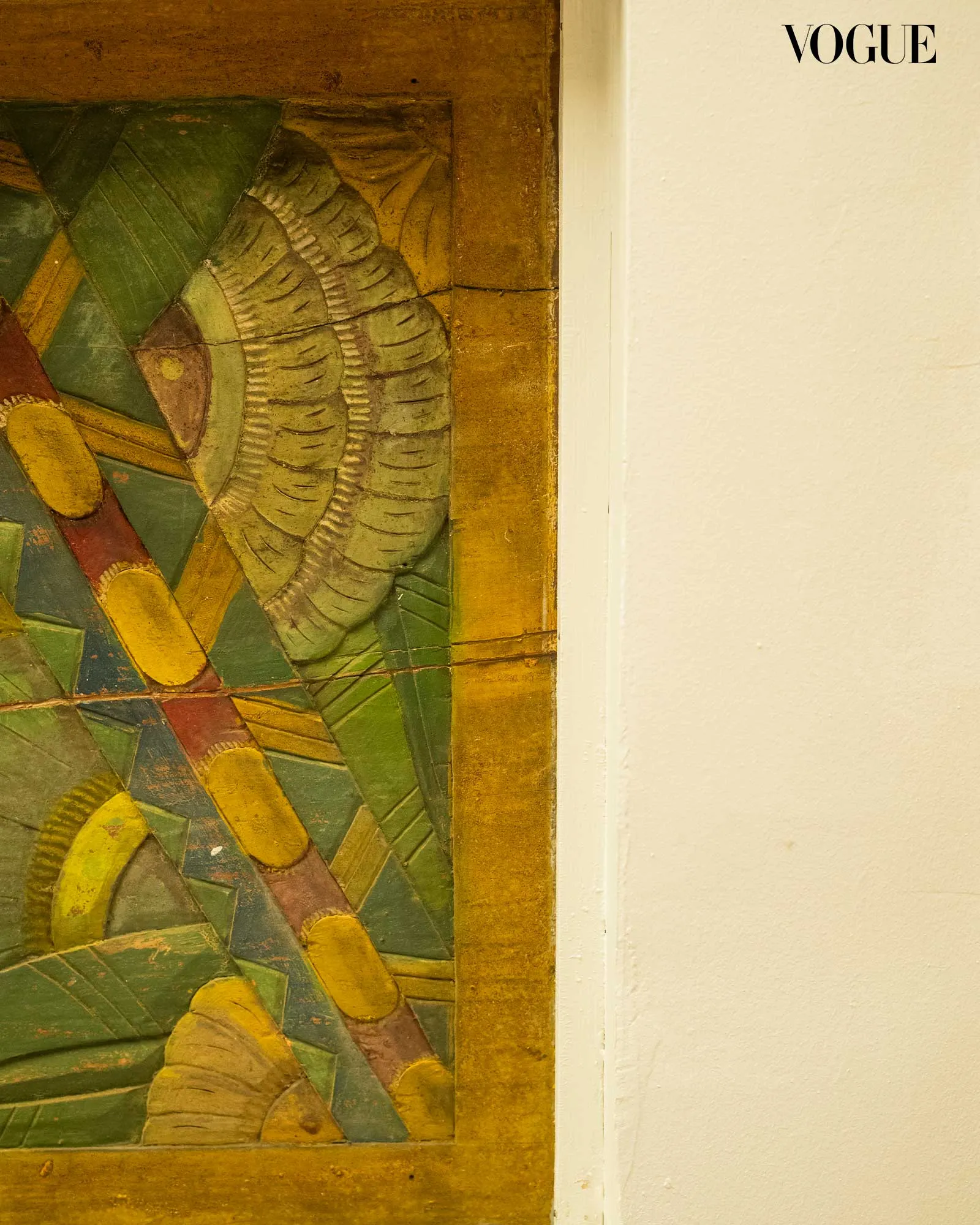 Used both for decoration and ventilation, a carved transom in its original polychrome paint from a house in Bulacan. Photographed by Angelo Tantuico3/25
 -
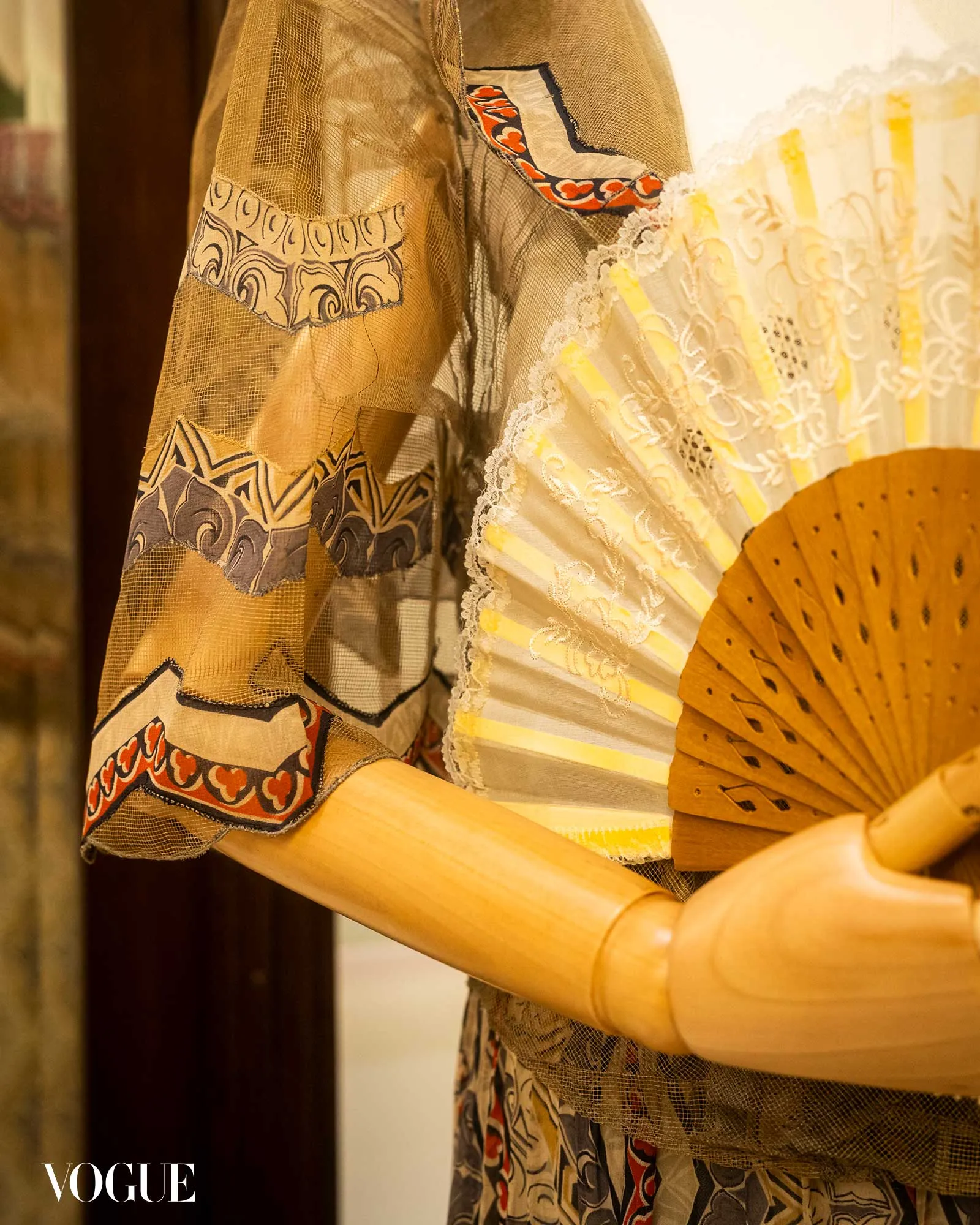 Terno of First Lady Maria Aguinaldo Circa 1930s. Photographed by Angelo Tantuico4/25
 -
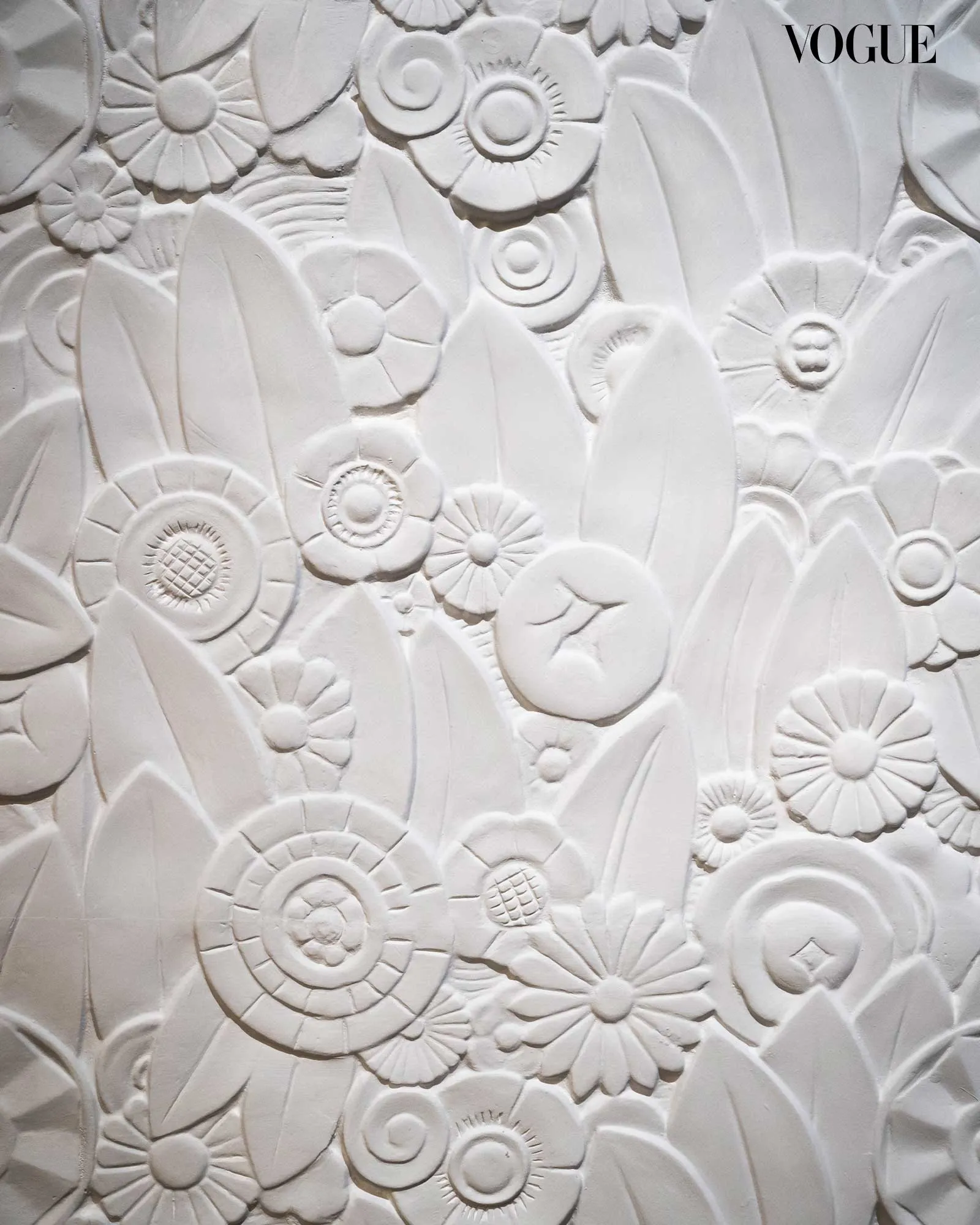 A House of Precast creation carved in the late 1950s, during the waning years of the Art Deco period. Photographed by Angelo Tantuico5/25
 -
 6/25
6/25 -
 Photographed by Angelo Tantuico7/25
 -
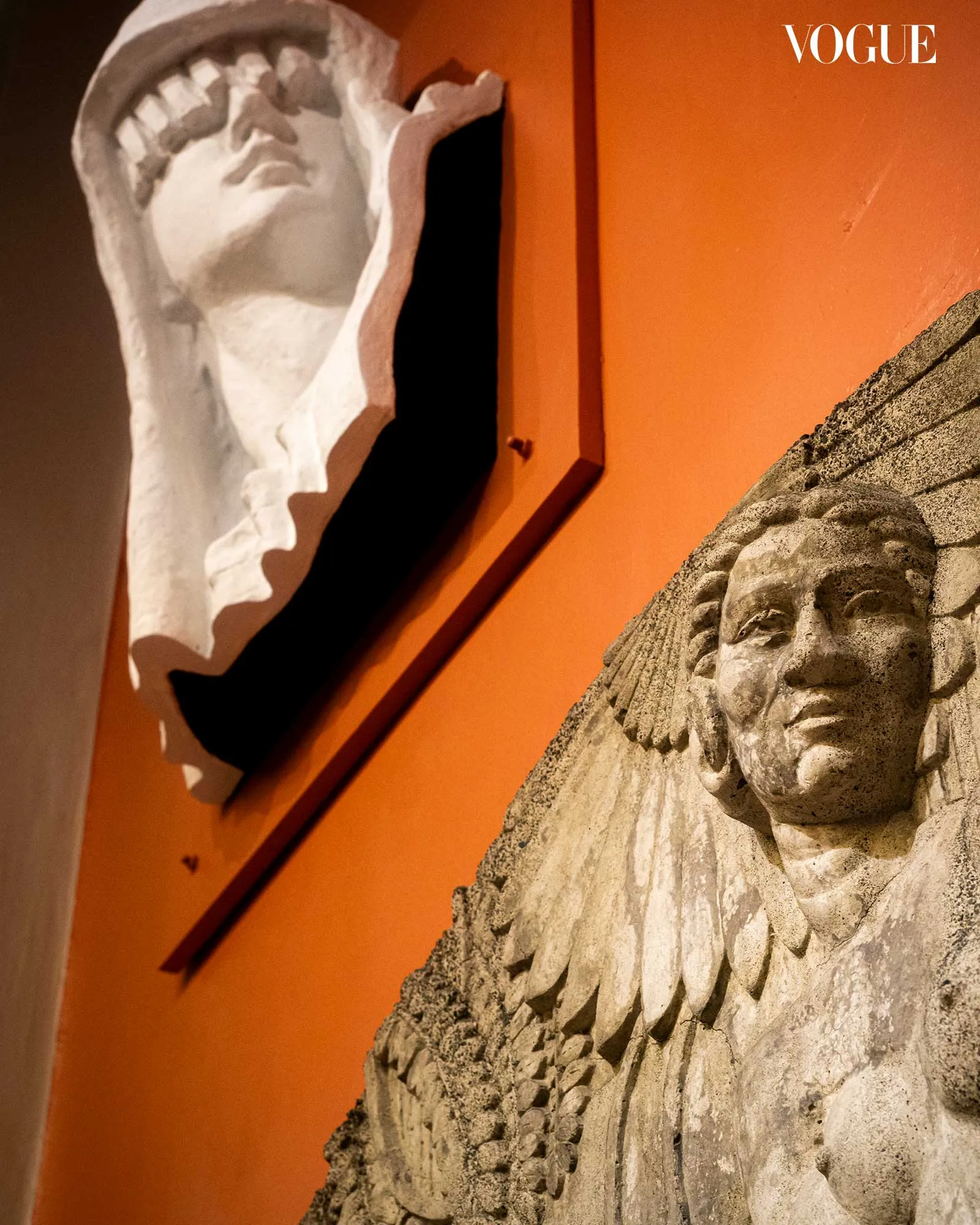 The white cast sculpture on top was created by Francesco Monti. Below is a relief from the House of Mapúa. Photographed by Angelo Tantuico8/25
 -
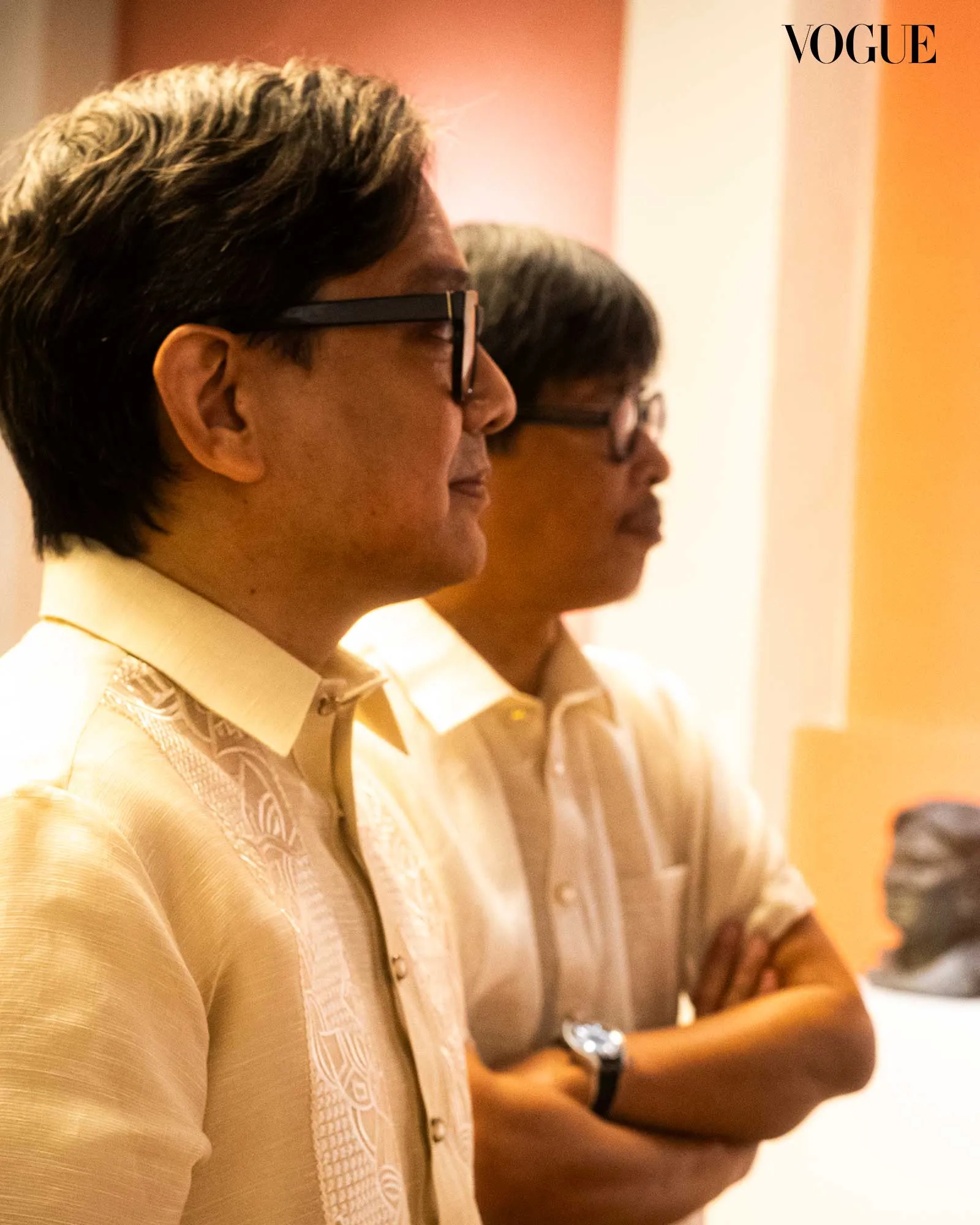 Miguel Rosales and Arnulfo Dado. Photographed by Angelo Tantuico9/25
 -
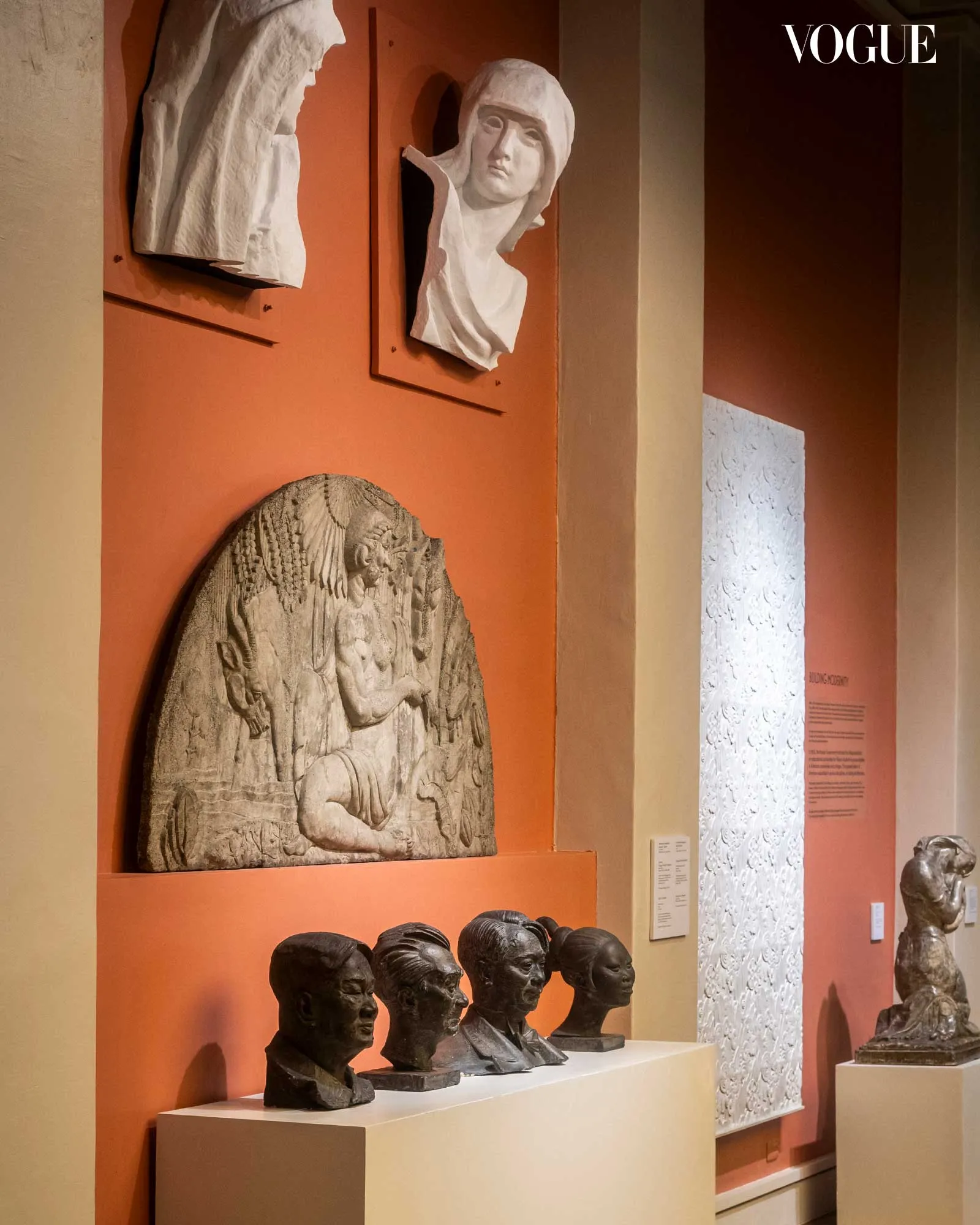 Bust sculptures of Eulogio “Amang” Rodriguez, former President Manuel Luis Quezon, former President Sergio Osmeña, and a lady. Photographed by Angelo Tantuico10/25
 -
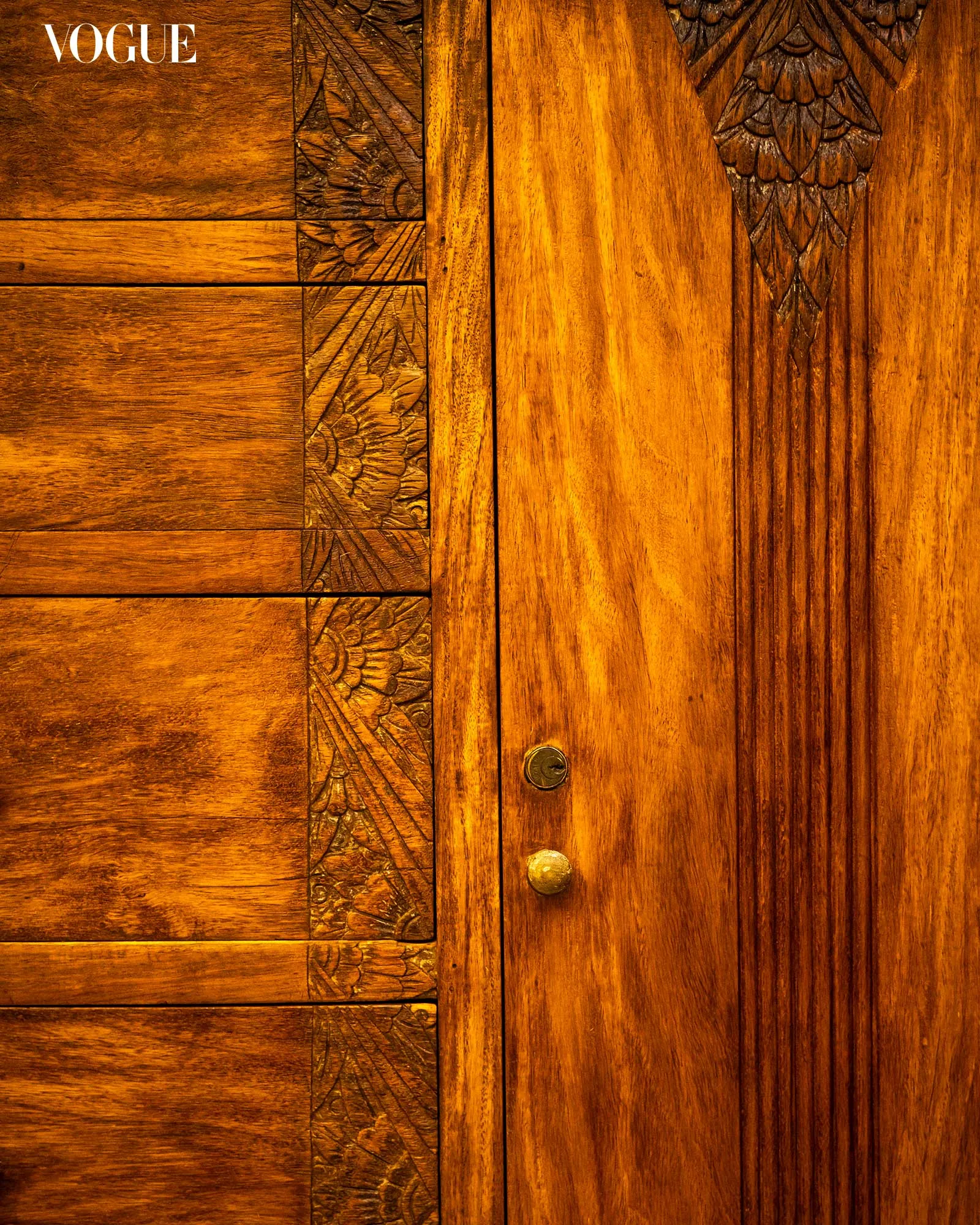
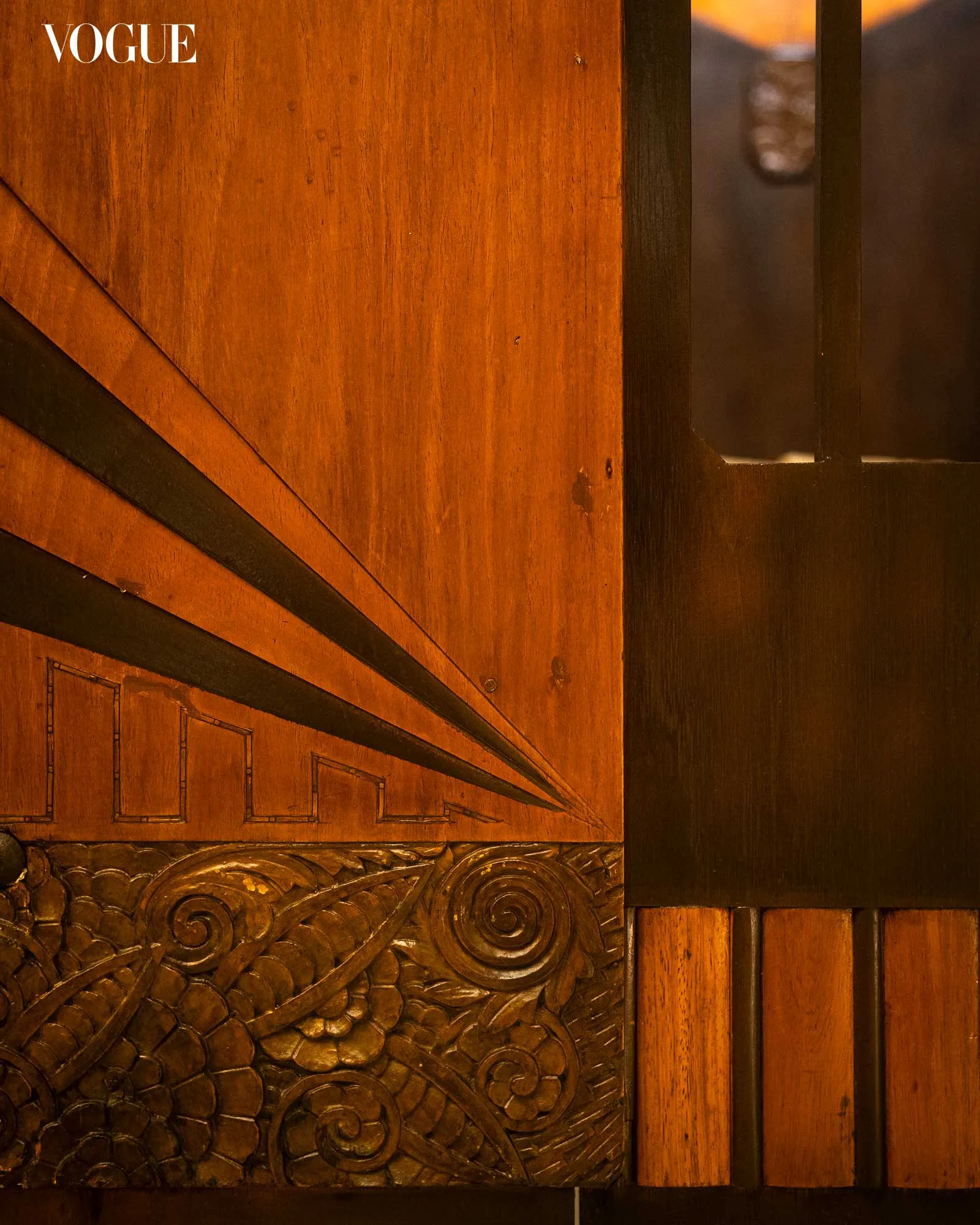 A low-relief carving that combines floral and geometric patterns, reflecting the typical Art Deco style. Photographed by Angelo Tantuico11/25
 -
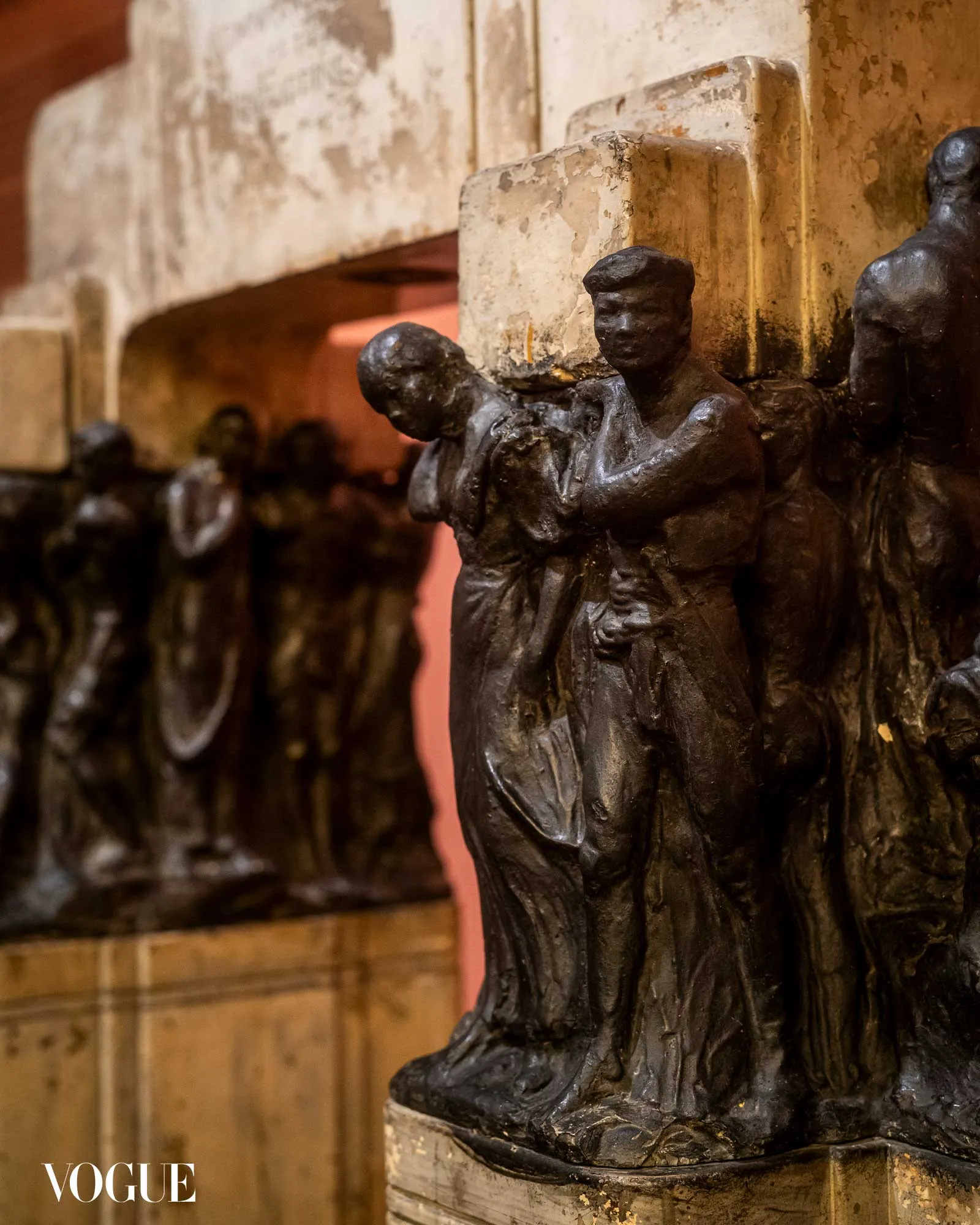 Maquette by National Artist Guillermo Tolentino, of a proposal for a commemorative arch depicting Filipino people symbolically carrying the Commonwealth. Photographed by Angelo Tantuico12/25
 -
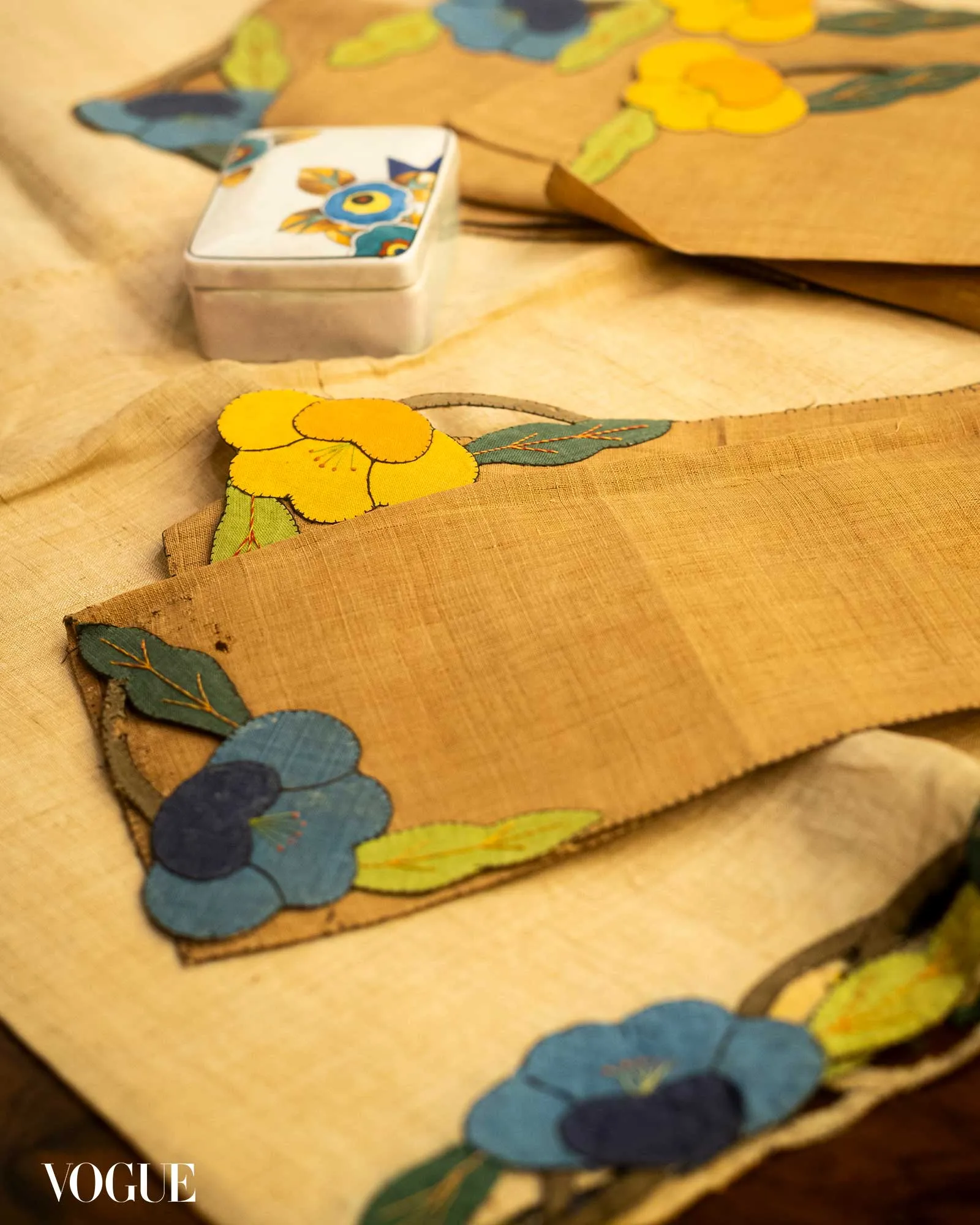 Guest curator Miguel Rosales’ grandmother’s tea linens with vibrant embroidery on local weaves. Photographed by Angelo Tantuico13/25
 -
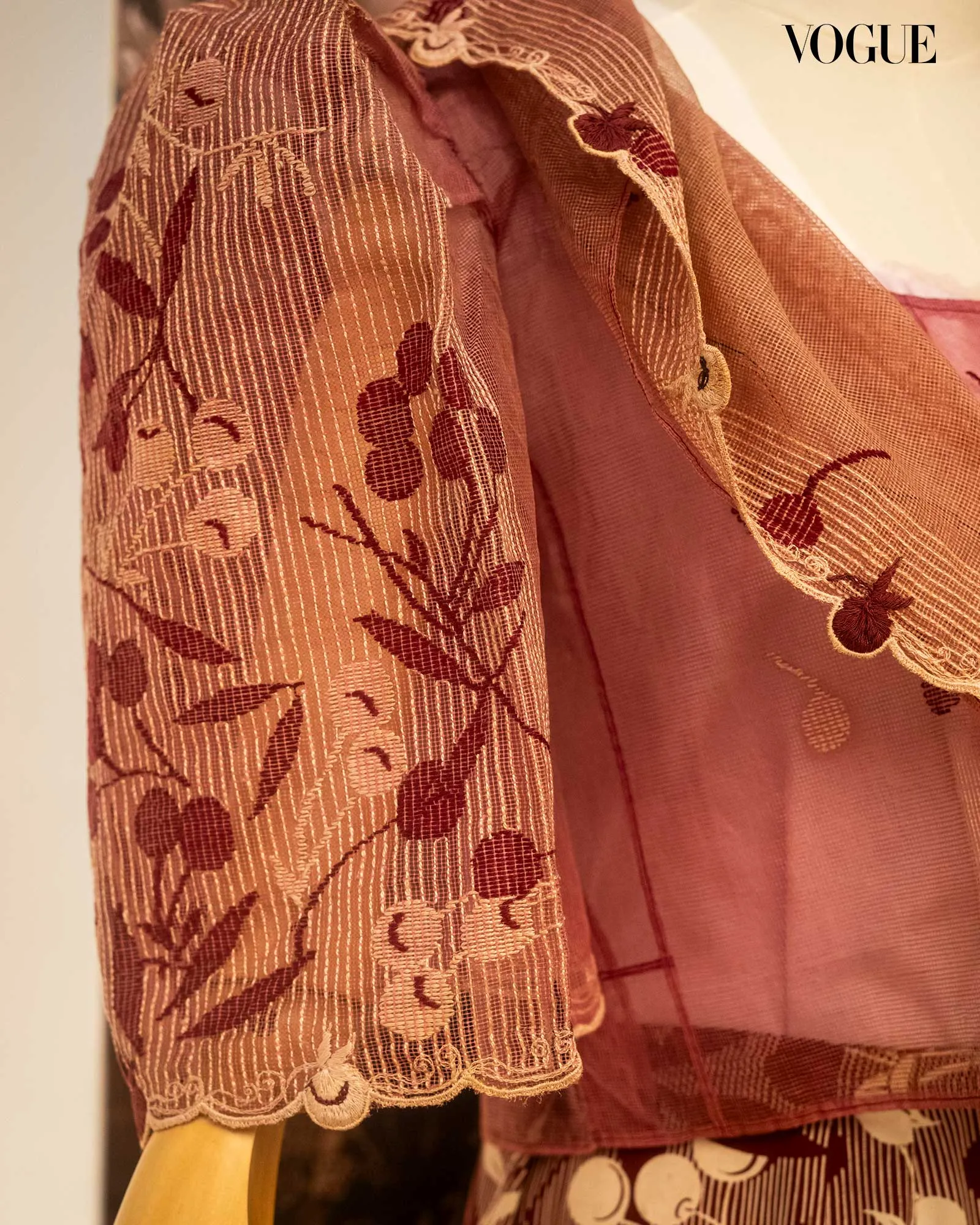
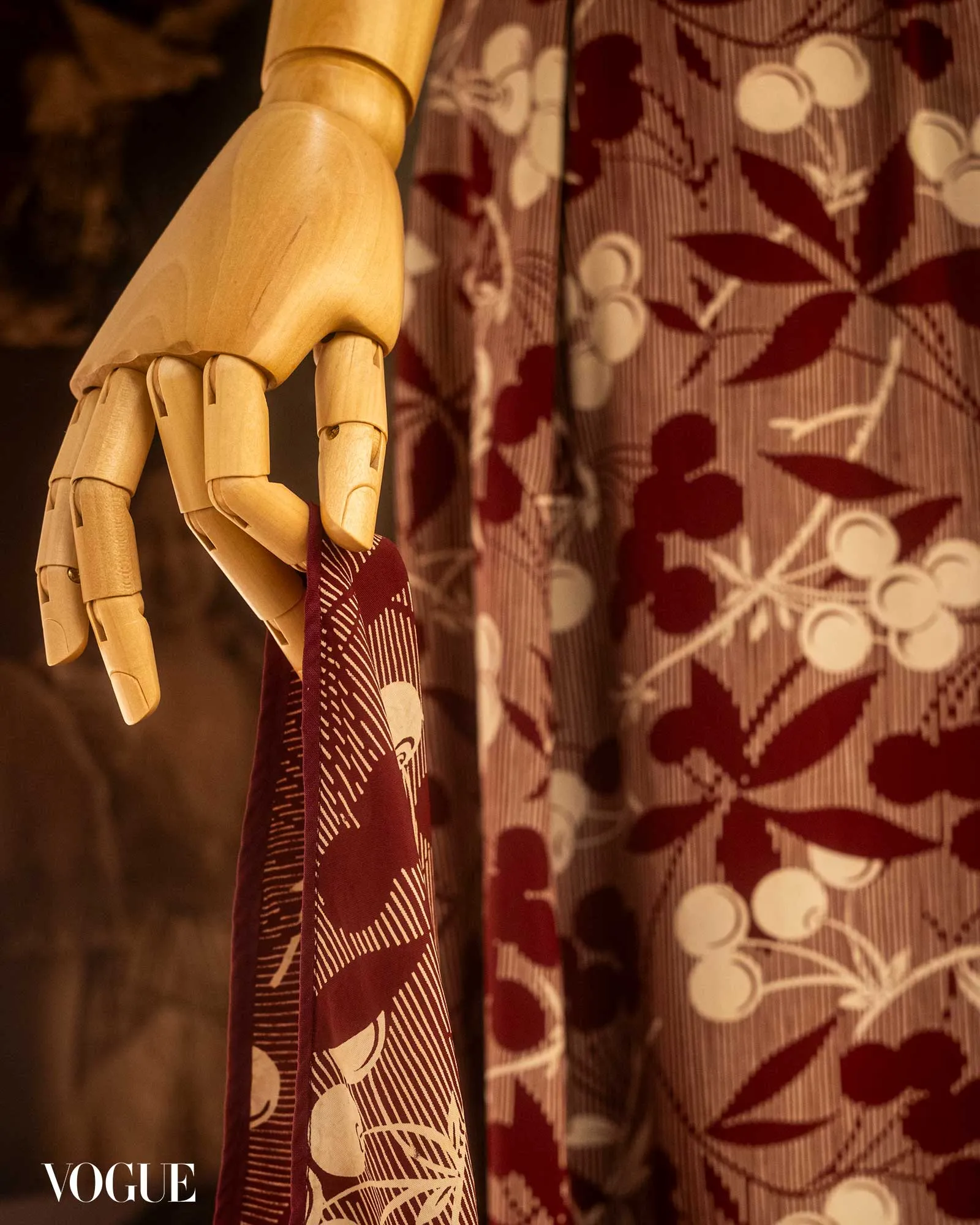 A motif of cherry patterns found on a Filipiniana dress on loan from the UP Clothing Museum. Photographed by Angelo Tantuico14/25
 -
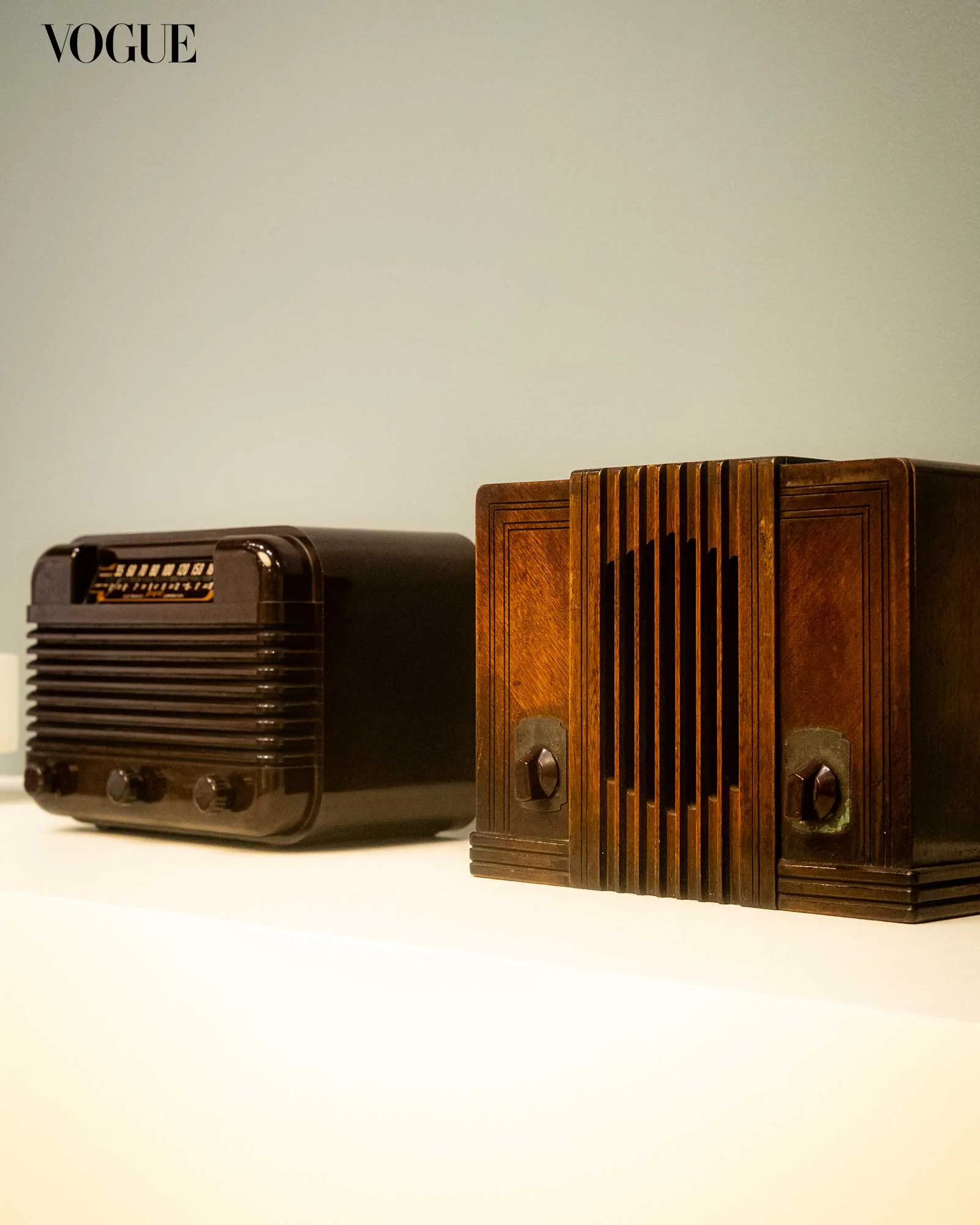 Photographed by Angelo Tantuico15/25
 -
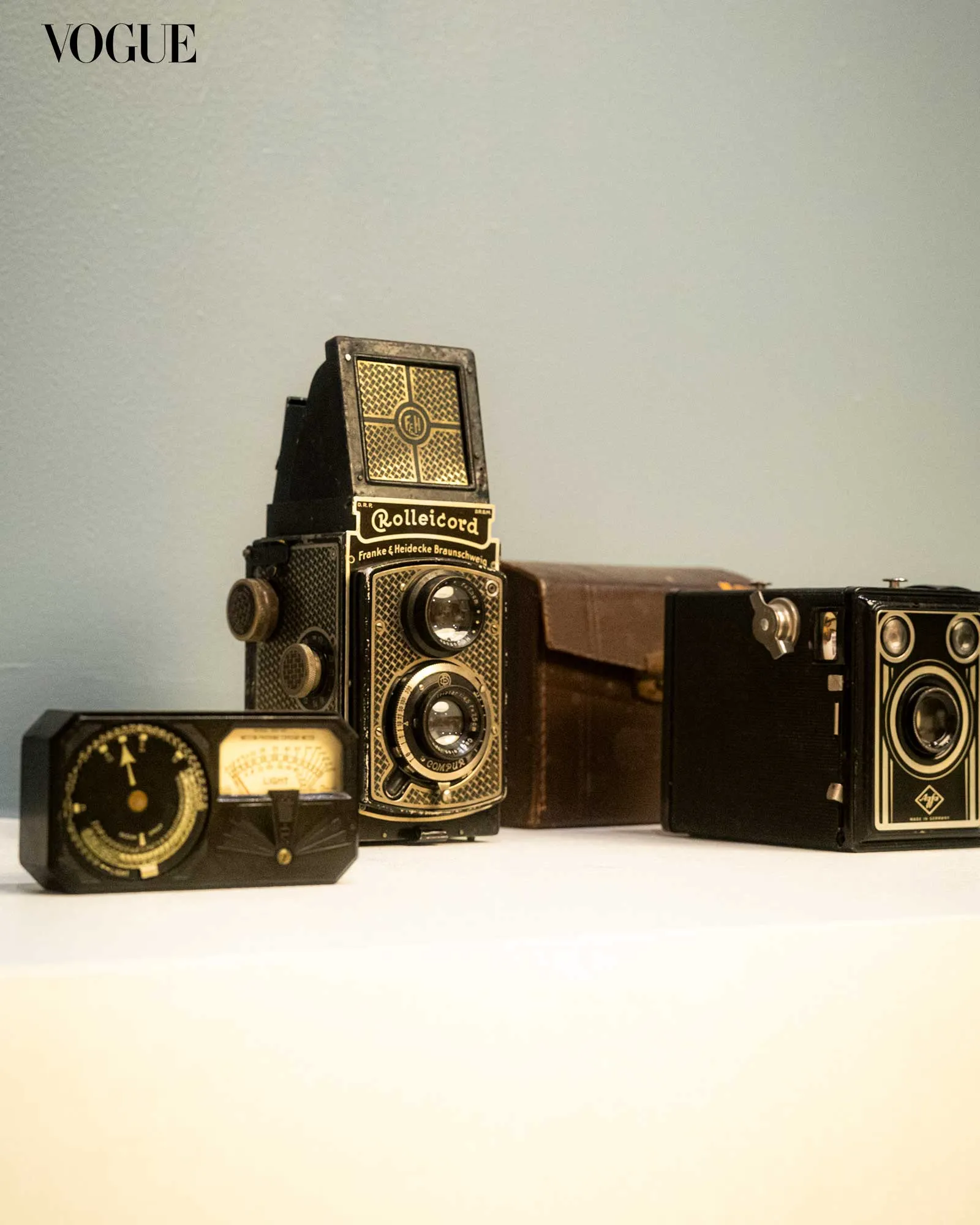 Photographed by Angelo Tantuico16/25
 -
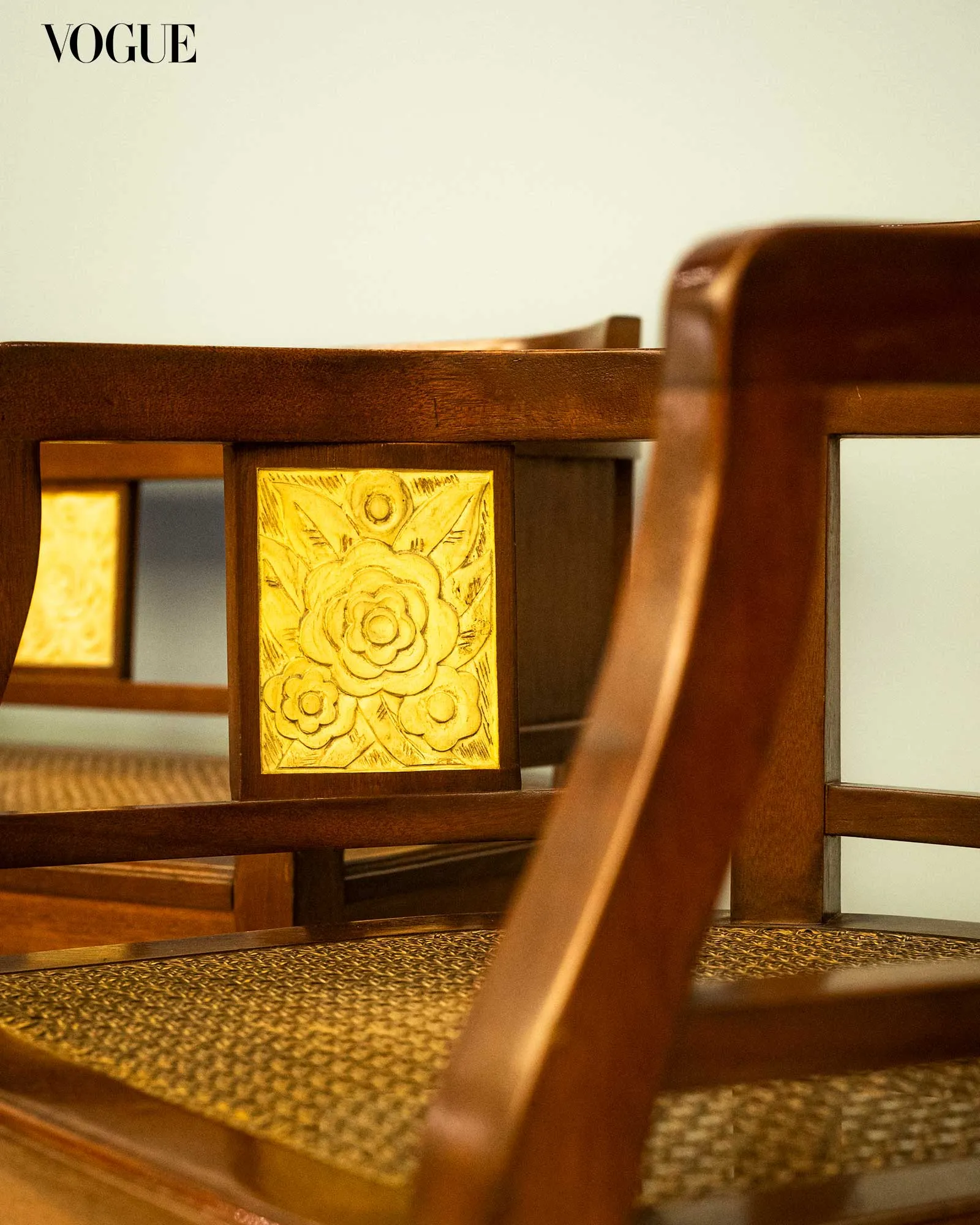 Art Deco motif are visible in this floral settee from the estate of Tomás Mapúa. Photographed by Angelo Tantuico17/25
 -
 Photographed by Angelo Tantuico18/25
 -
 19/25
19/25 -
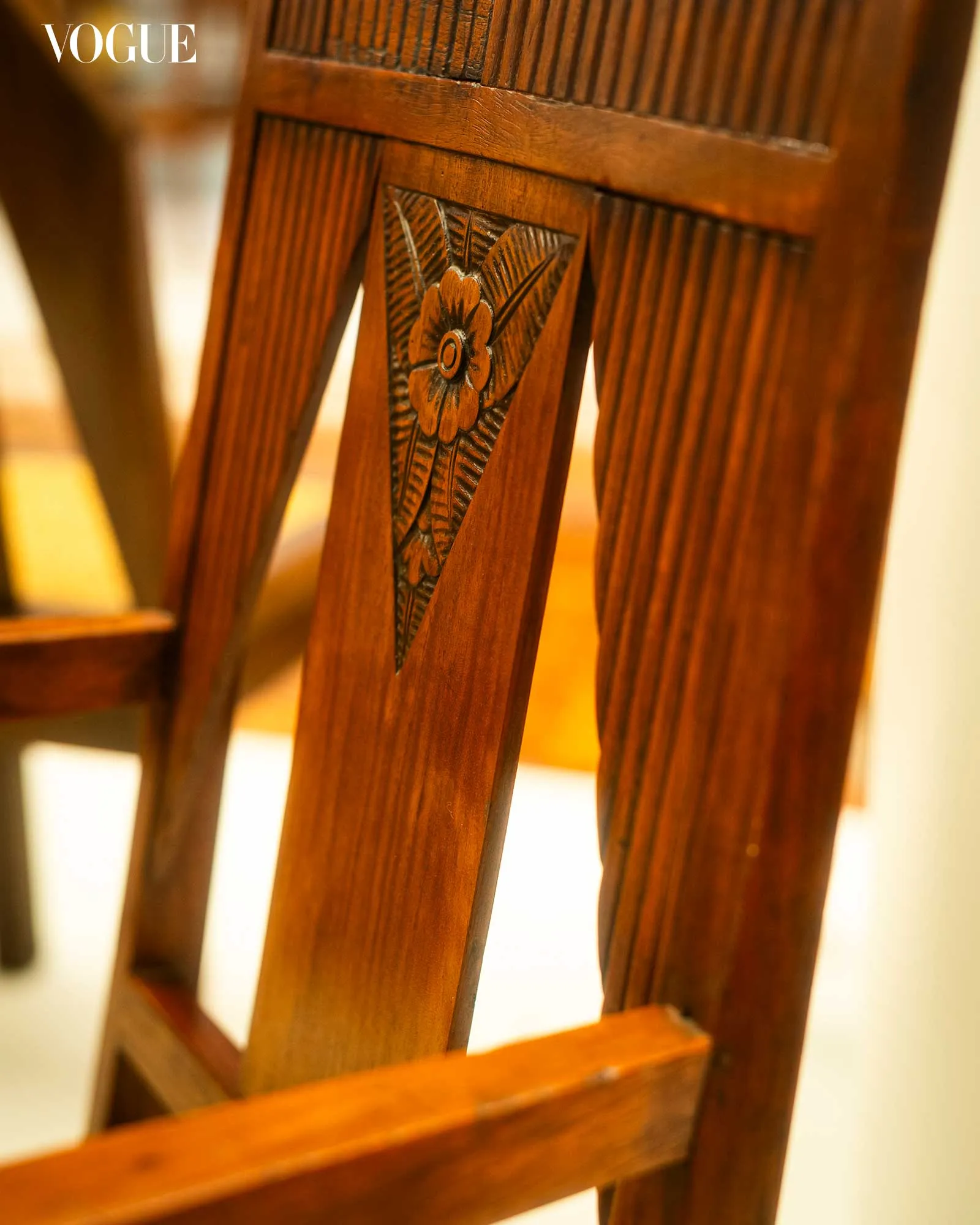 A wooden chair features tropical Art Deco flower designs on its back seat plate. Photographed by Angelo Tantuico20/25
 -
 Photographed by Angelo Tantuico21/25
 -
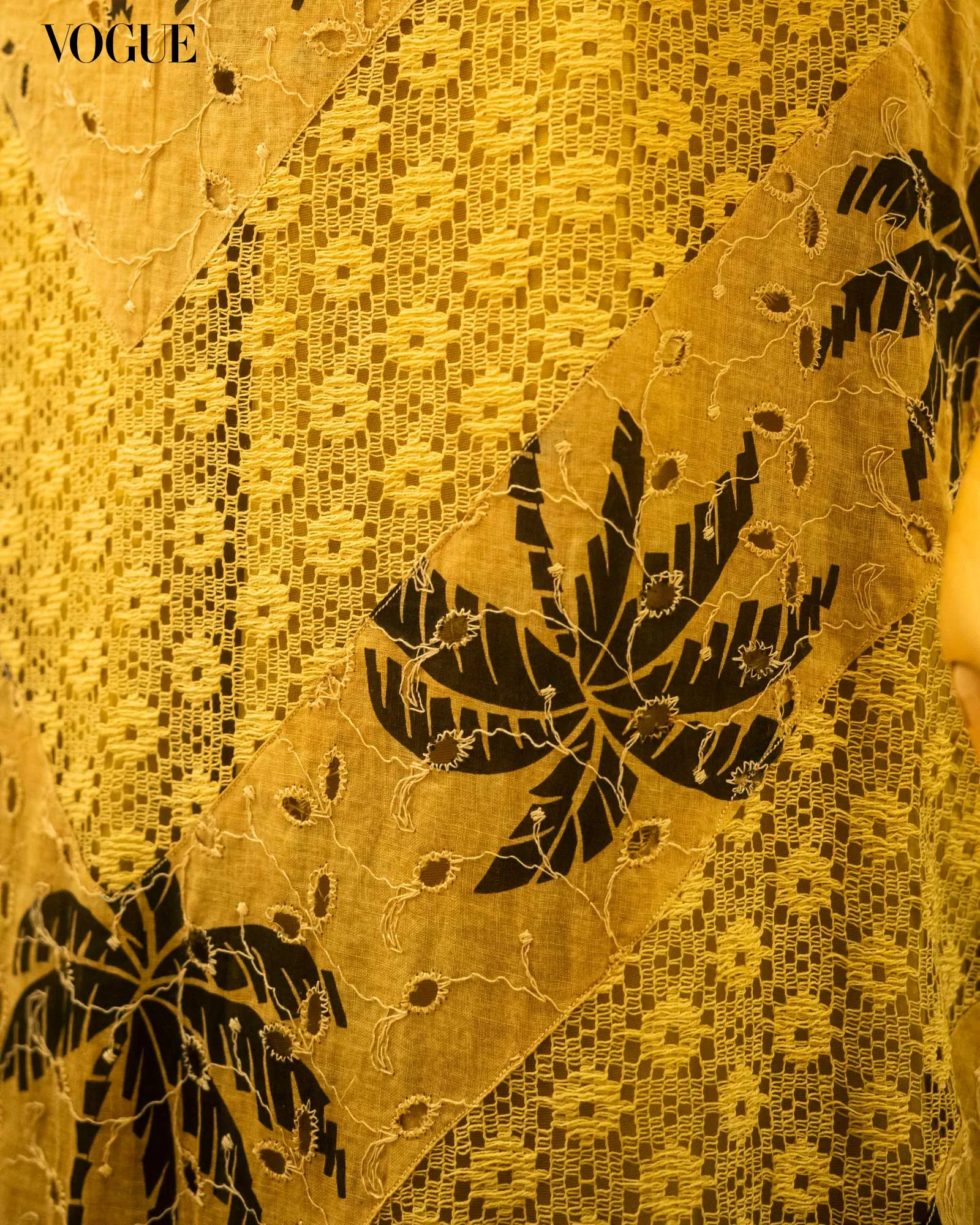 A layered skirt with multiple cuts, featuring a tropical-themed design. Photographed by Angelo Tantuico22/25
 -
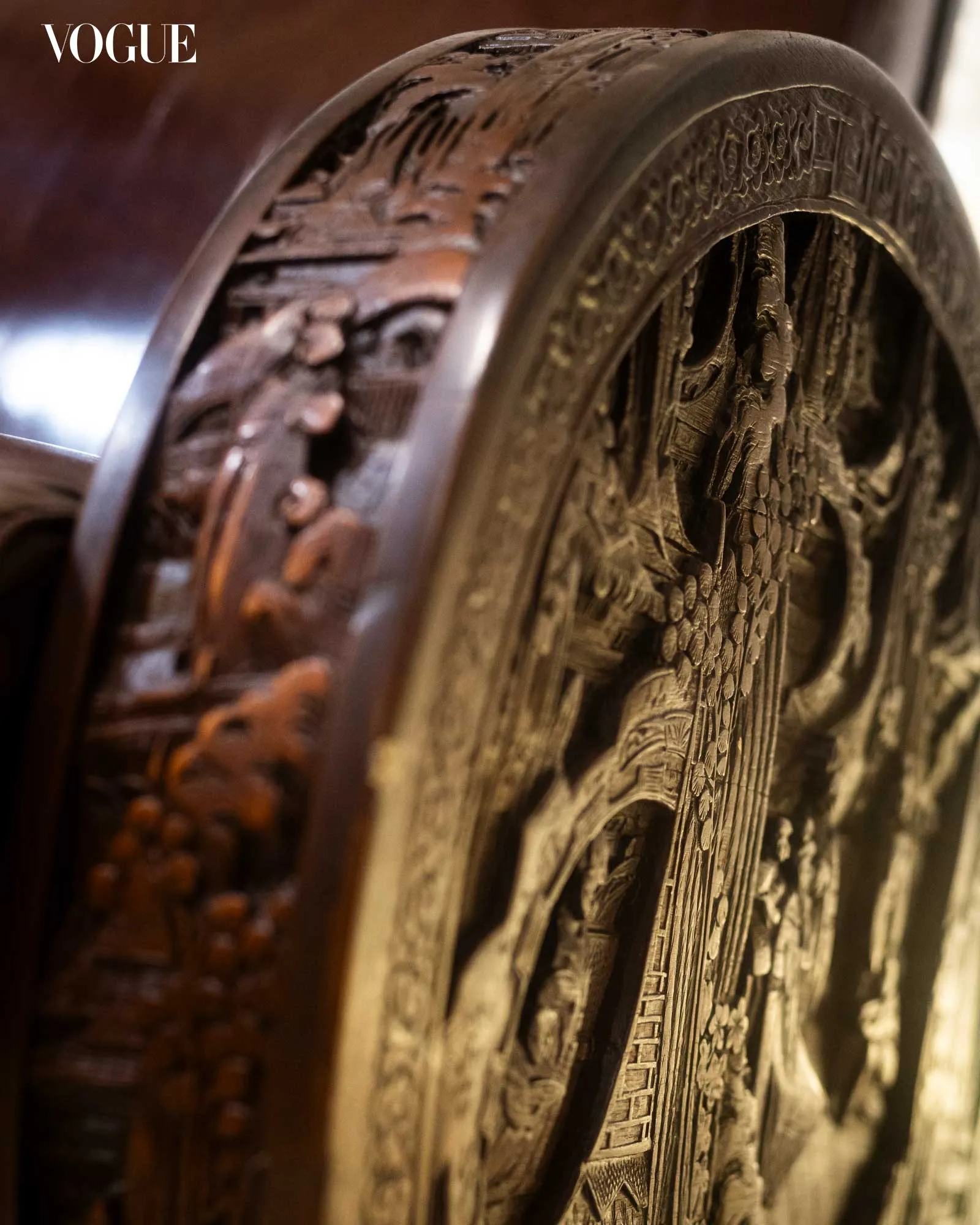
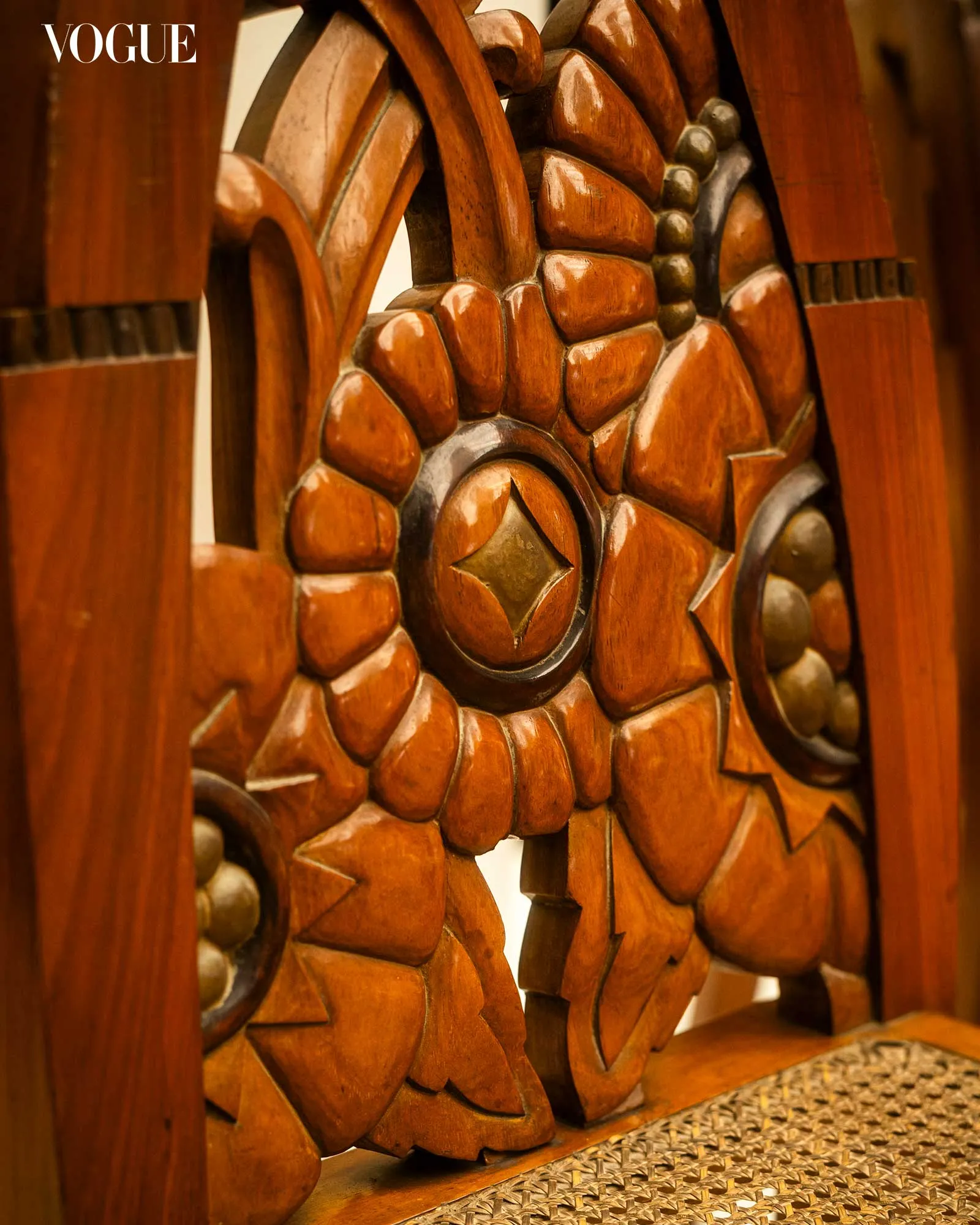 Carved details from a set of chairs on loan from the Marquez collection. The piece is made of Narra with Kamagong wood insets. Photographed by Angelo Tantuico23/25
 -
 Photographed by Angelo Tantuico24/25
 -
 Photographed by Angelo Tantuico25/25


