
Courtesy of Saad Amer
Courtesy of Saad Amer
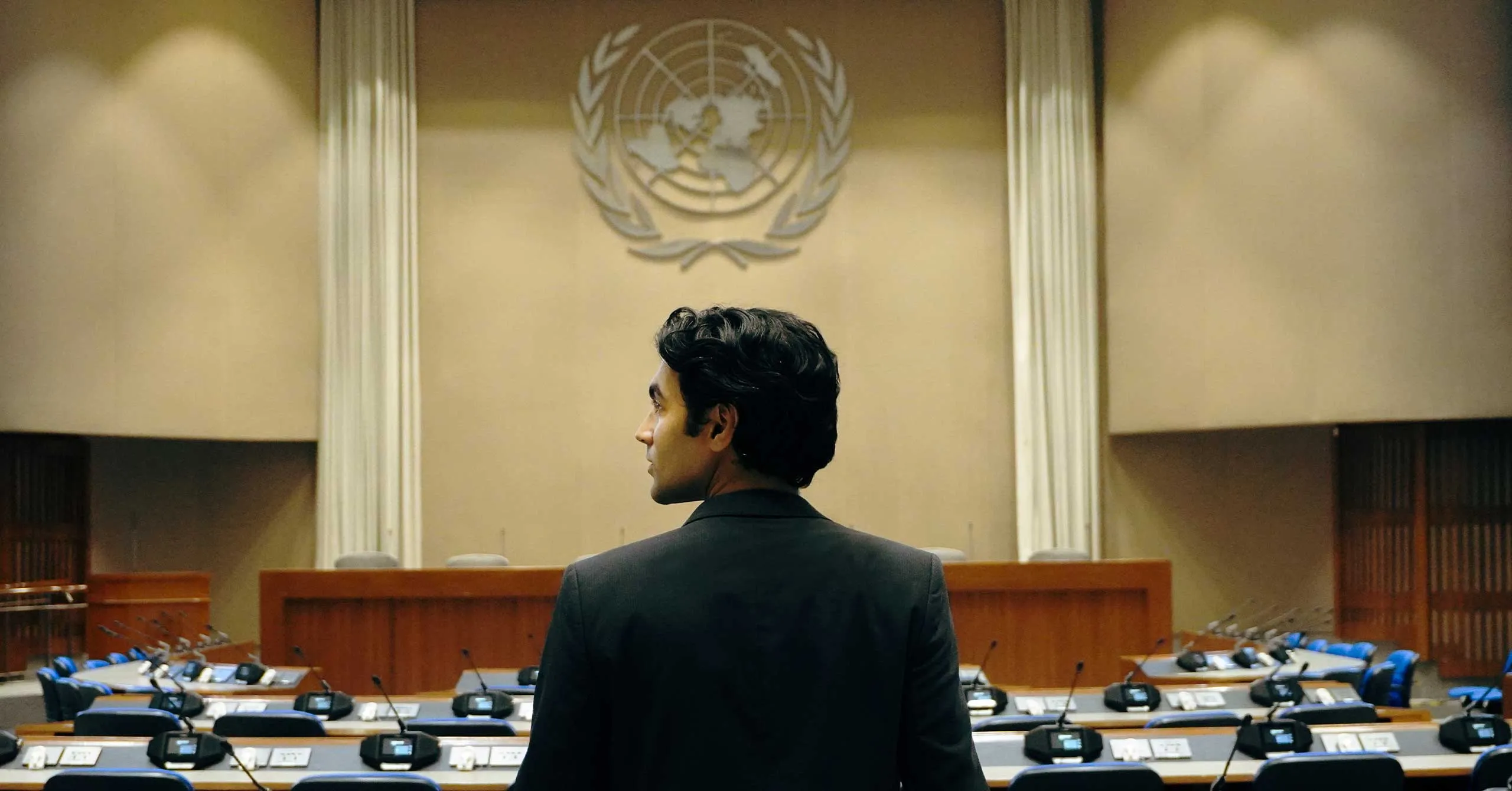
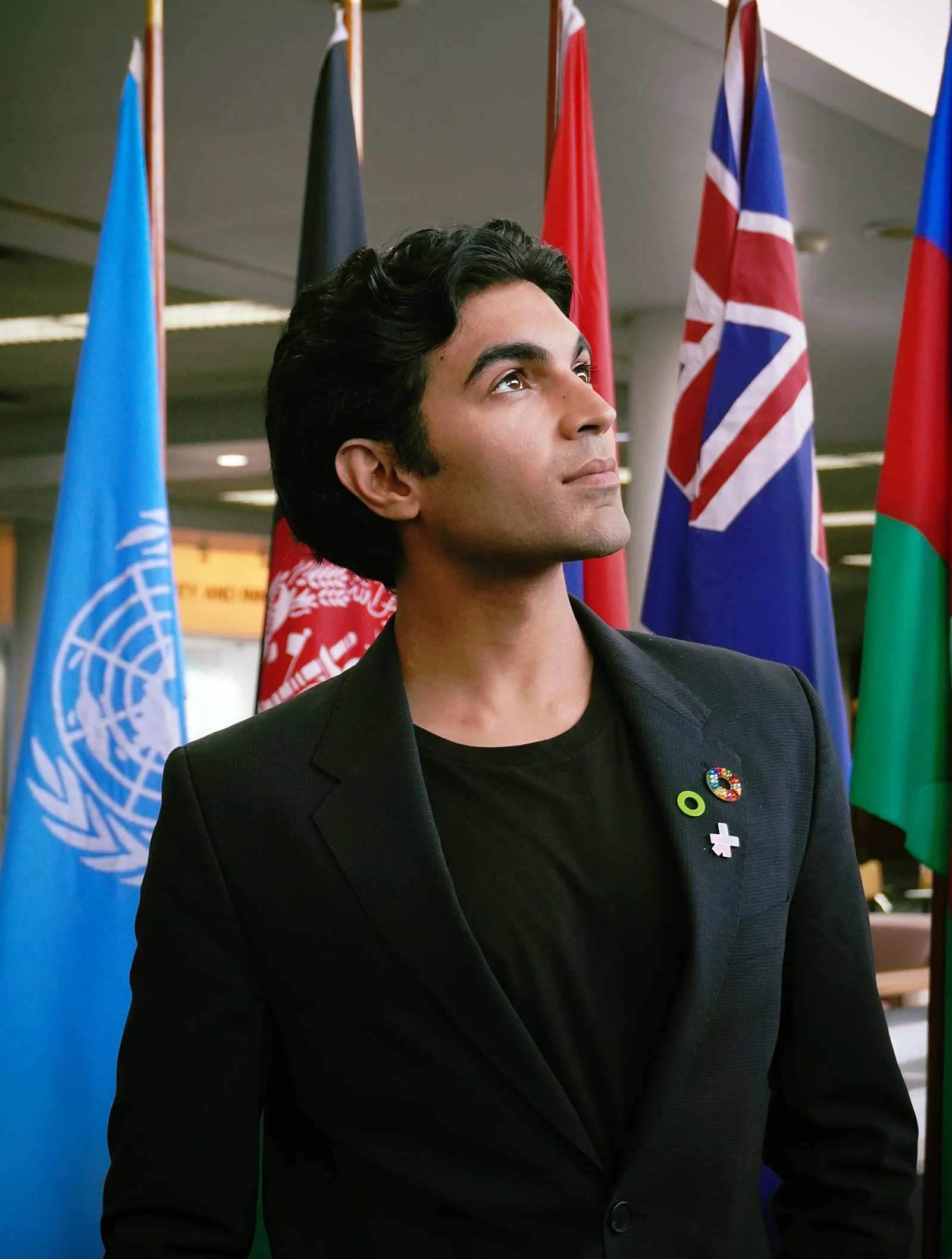
At the United Nations Environment’s (UNEP) Better Air Quality conference, Saad Amer calls for immediate global action.
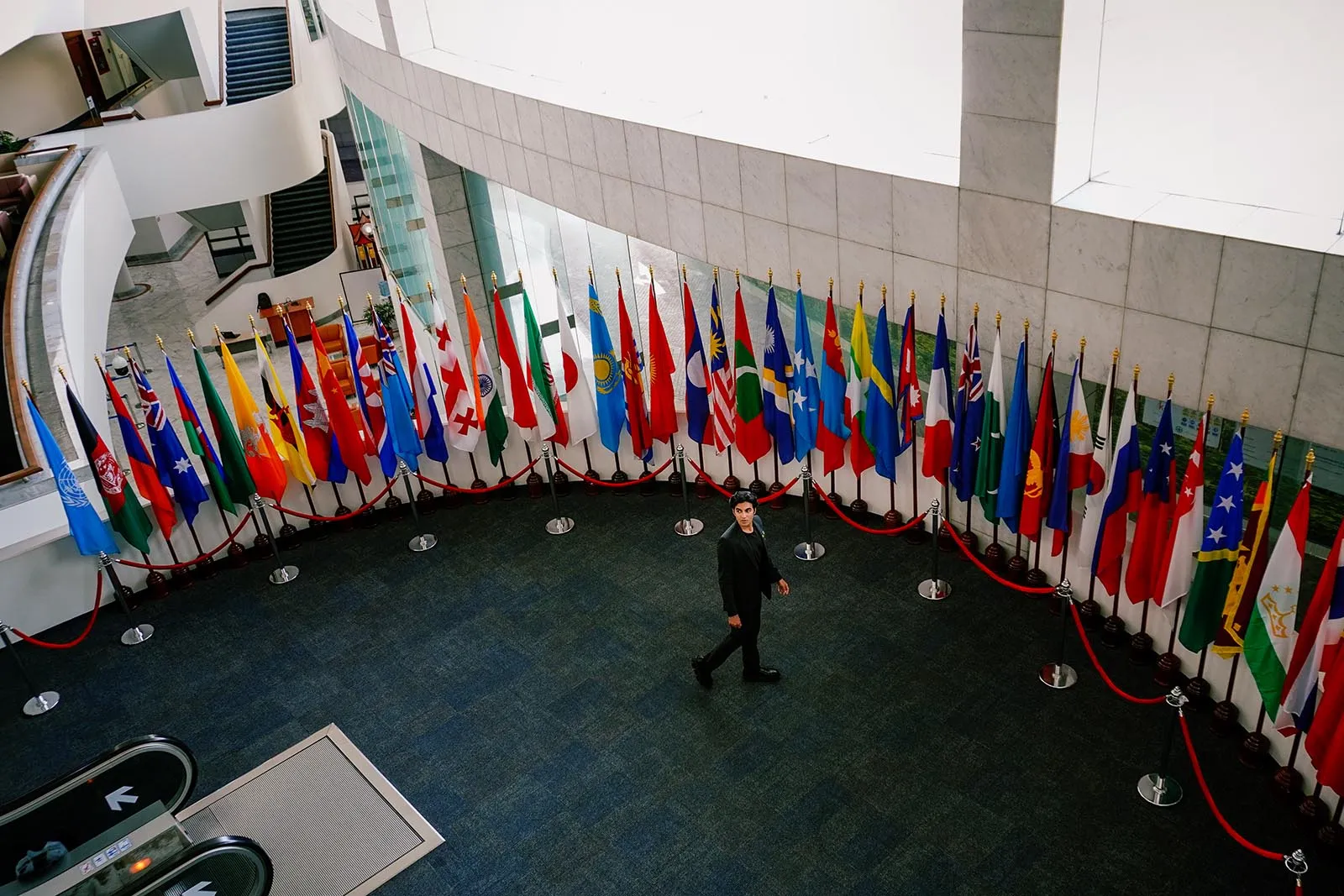
At the recent Better Air Quality conference in Thailand, climate activist Saad Amer delivered a speech that was as personal as it was political, moving between lived experience, global statistics, and a pointed critique of the systems shaping the climate crisis today.
Amer, founder of Justice Environment, opened with a reminder that for many communities, the climate crisis is not theoretical. “My family is from Pakistan, a third of which was underwater just months ago,” he said, referencing the devastating floods that displaced millions. The consequences, he emphasized, ripple far beyond environmental damage. “Poverty, to pain, to migration, to violence. Without even a breath of fresh air.”
That lack of clean air became a central thread throughout his address. Pointing to real-time data, he noted how cities like Lahore consistently rank among the worst globally for air quality. “If you look up the Air Quality Index live in this moment, you can see Lahore ranking number one in the world for the worst quality air,” he said.
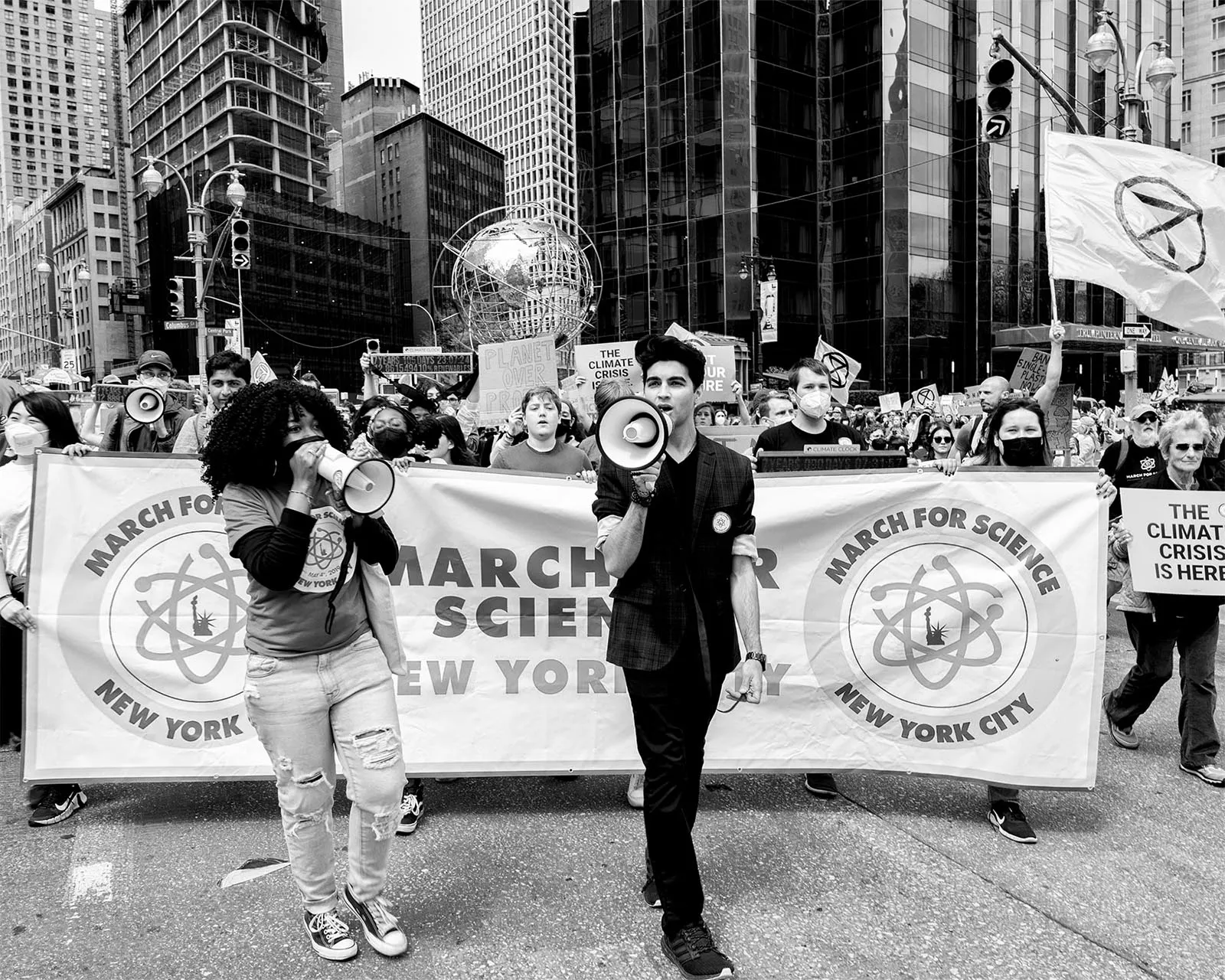
But Amer’s speech went beyond environmental observation. It was a direct indictment of inaction. “They have turned the forest into a fire, the ocean into a dumpster, the sky into a sewer,” he said, before adding, “Then deny and delay and delay and deny.”
Drawing from his own experience working in South Asia, including time in India with environmental research organization ATREE after graduating from Harvard, Amer grounded his advocacy in on-the-ground realities. He recalled entering a villager’s home where indoor air pollution was immediately apparent. “My eyes burned.” Efforts like building improved cookstoves, he explained, demonstrate how targeted interventions can reduce both environmental impact and health risks, yet these programs remain vulnerable to shifting political priorities and funding cuts.
The speech also expanded outward, connecting environmental degradation to broader geopolitical tensions. Referencing ongoing conflicts and attacks on oil infrastructure, Amer warned of compounding crises. “Airstrikes on oil facilities blackening skies, as children cry. Let us not forget that conflict costs our communities, our people, our planet.”
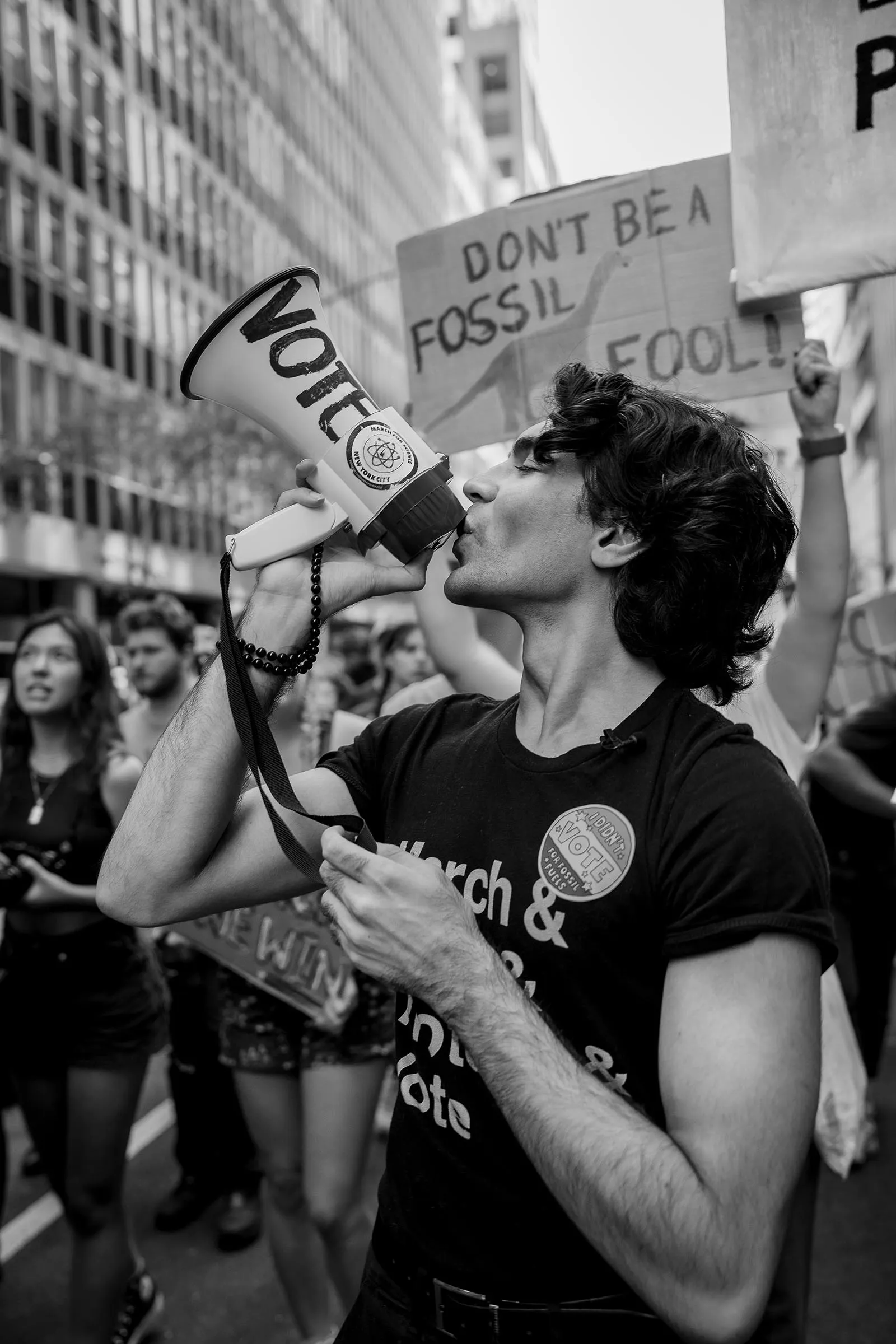
For Amer, these intersecting crises are not coincidental. They are systemic. “99 percent of the world breathes polluted air,” he said, underscoring how exposure is unevenly distributed. “The number one determination of who gets to breathe clean air is your proximity to a pollution source.” The result, he argued, is a form of environmental injustice where vulnerable communities bear the brunt of both pollution and policy failure.
Citing global health data, he noted that ambient air pollution contributed to an estimated 4.2 million premature deaths in 2019, with nearly 90 percent occurring in low and middle-income countries. “This means they are choosing, consciously choosing, which communities live shorter lives,” Amer said. “They choose which communities are disposable, who gets to live in a sacrifice zone.”
He challenged the framing of climate change as an unintended consequence, rejecting the notion of a “tragedy of the commons.” Instead, he described it as a product of deliberate systems that continue to prioritize fossil fuel investment over public health. Between 2018 and 2024, he noted, roughly $600 billion was allocated to fossil fuel subsidies, compared to just USD 3 billion for outdoor air pollution mitigation.
Still, amid the urgency, Amer returned to something more reflective. Recounting a recent experience in Phuket where he became a certified scuba diver, he described how the act of breathing underwater reframed his understanding of air itself. “Each time a diver descends beneath the waves, every breath becomes deliberate, measured, and precious,” he said. “You realize how extraordinary clean air truly is.”
That moment of clarity underscored a broader point that would define the tone of his closing remarks. If climate action is to resonate, it must move beyond data. “If we want people to act, we need to connect them deeper, beyond statistics and language,” he said. “We need to connect to people’s hearts.”
Amer ended with a call for a just transition, a shift toward a cleaner and more equitable system not defined by race, class, or geography. It is a vision grounded not just in policy, but in collective responsibility.
“Because if we want peace, if we want justice,” he said, “it takes just us.”


