
Photographed by Shaira Luna
For this year’s International Women’s Month, Vogue Philippines invites leading and rising Filipino women to share their stories. In culture and education, these five Filipino women are sharing their stories on craft, identity, and community.
Filipina changemakers have made contributions to academia and the cultural sphere. There is Encarnacion Alzona, a historian and educator who dedicated her life to advocating for women’s suffrage and education. In the same vein, Paz Marquez-Benitez co-founded the Philippine Women’s University. The first Asian woman to be admitted to Harvard Medical School was Filipina; her name is Dr. Fe del Mundo, and she also founded the first pediatric hospital in the country.
From advancing literature and heritage to redefining science and research, each has carved a distinct path. Yet, shared values connect them: curiosity, critical thinking, and a drive to make knowledge meaningful. Through their work, they challenge assumptions, highlight overlooked histories, and create spaces for learning. These are the five Filipina women whose work continues to impact education and culture in the Philippines.
Marissa Halagao
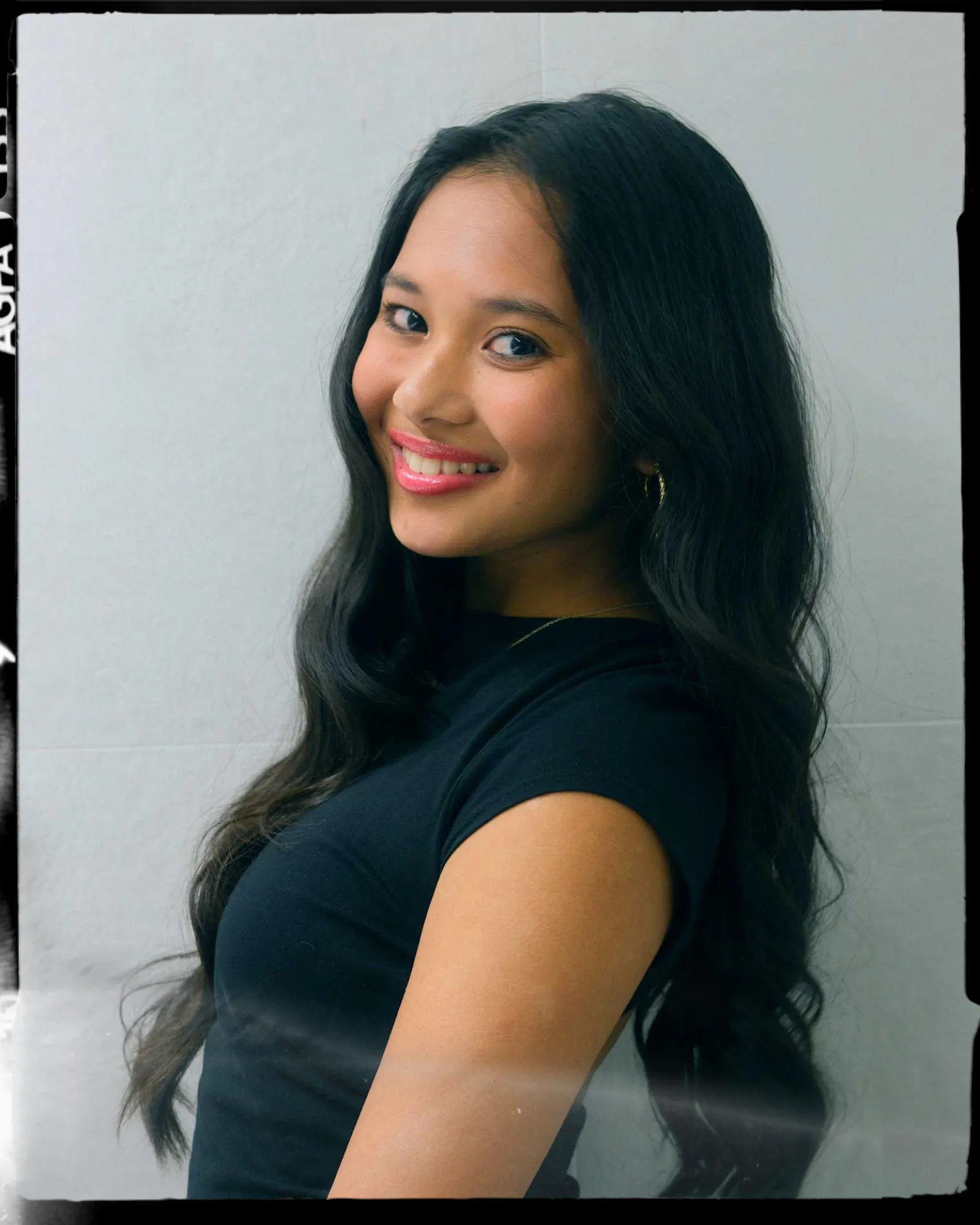
As a Hawai‘i-born Filipina, Marissa Halagao first recognized both the power and limits of education in her second year of high school, when Filipino history was excluded from her required Asian history class. Feeling unseen, she founded the Filipino Curriculum Project in 2021, a student-led initiative uniting Filipino students across public and private schools to advocate for representation. “As a young woman, it has felt so empowering to know that my voice and the perspective of our community matters, and that the movement of this course has inspired many others,” Marissa shares.
She became the first high school student to earn a college-level Filipino Academic Subjects Certificate after enrolling in classes at the University of Hawai‘i. Now studying Ethnicity, Race, and Migration at Yale University, she is working with educators to build a transnational classroom exchange between high school social studies classes in the Philippines and Hawai‘i, comparing Filipino resistance movements across the diaspora and homeland.
When asked who inspires her most, she points to her mother. “She showed me the power of education and community work, always leading with such grace and passion.” Halagao plans to visit Ilocos, her father’s birthplace, to further study migration, social movements, and diaspora.
Dr. Dolores Ramirez
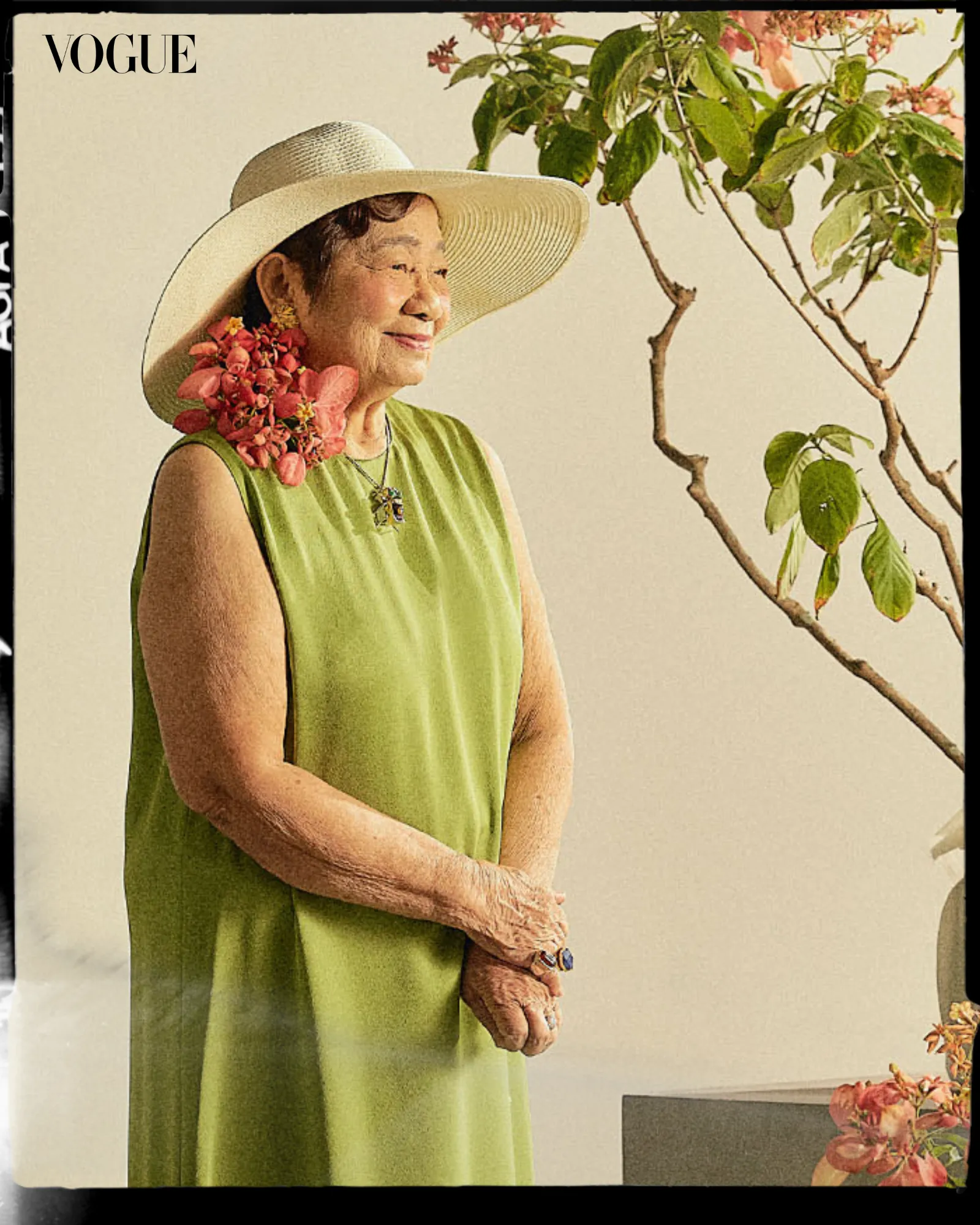
Long before STEM became a buzzword in schools, National Scientist Dr. Dolores Ramirez was already opening doors for it. In a 2023 interview with Vogue Philippines, Ramirez shared insights from her long career as a geneticist and educator, emphasizing the role of teachers and the environment in learning. She explained her ethos as a professor: “The genetic component in one’s aptitude for mathematics is only 12 percent. That means the gene contributes only 12 percent, and 88 percent comes from the environment,” highlighting how crucial good teaching is to student success.
Ramirez began teaching at the University of the Philippines in 1956 and built a legacy in genetics and plant breeding that extends well beyond the lab. Her research contributed to practical advances in crop studies, and her approach to teaching placed value on experimentation and curiosity. She is also known for having a gumamela hybrid and a mussaenda hybrid named after her. “When you work, you have a goal in mind that is sometimes even beyond your own,” she said. “These add to your accomplishments. And your accomplishments contribute to your self-worth and essentially spread goodwill.”
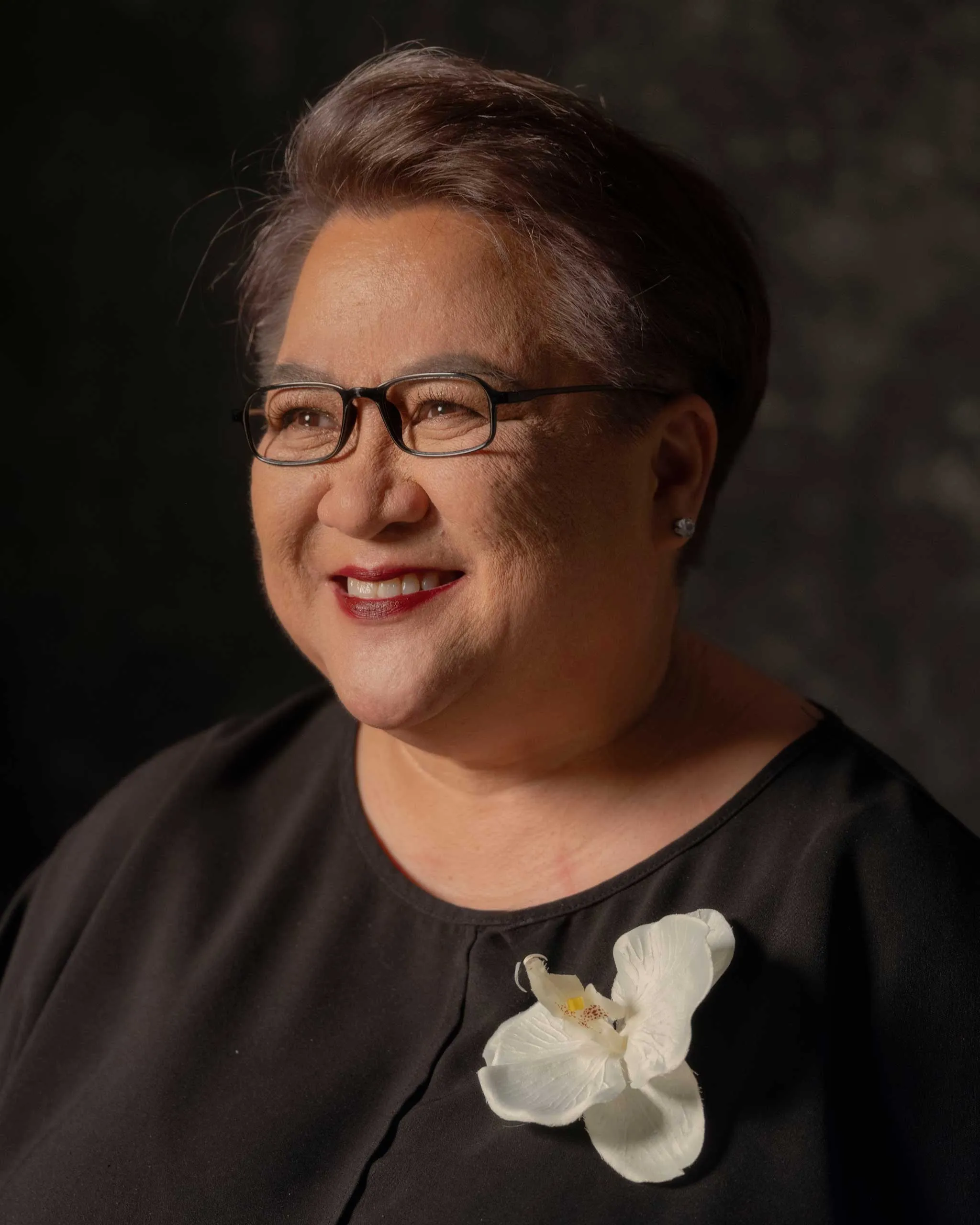
Mona Magno-Veluz
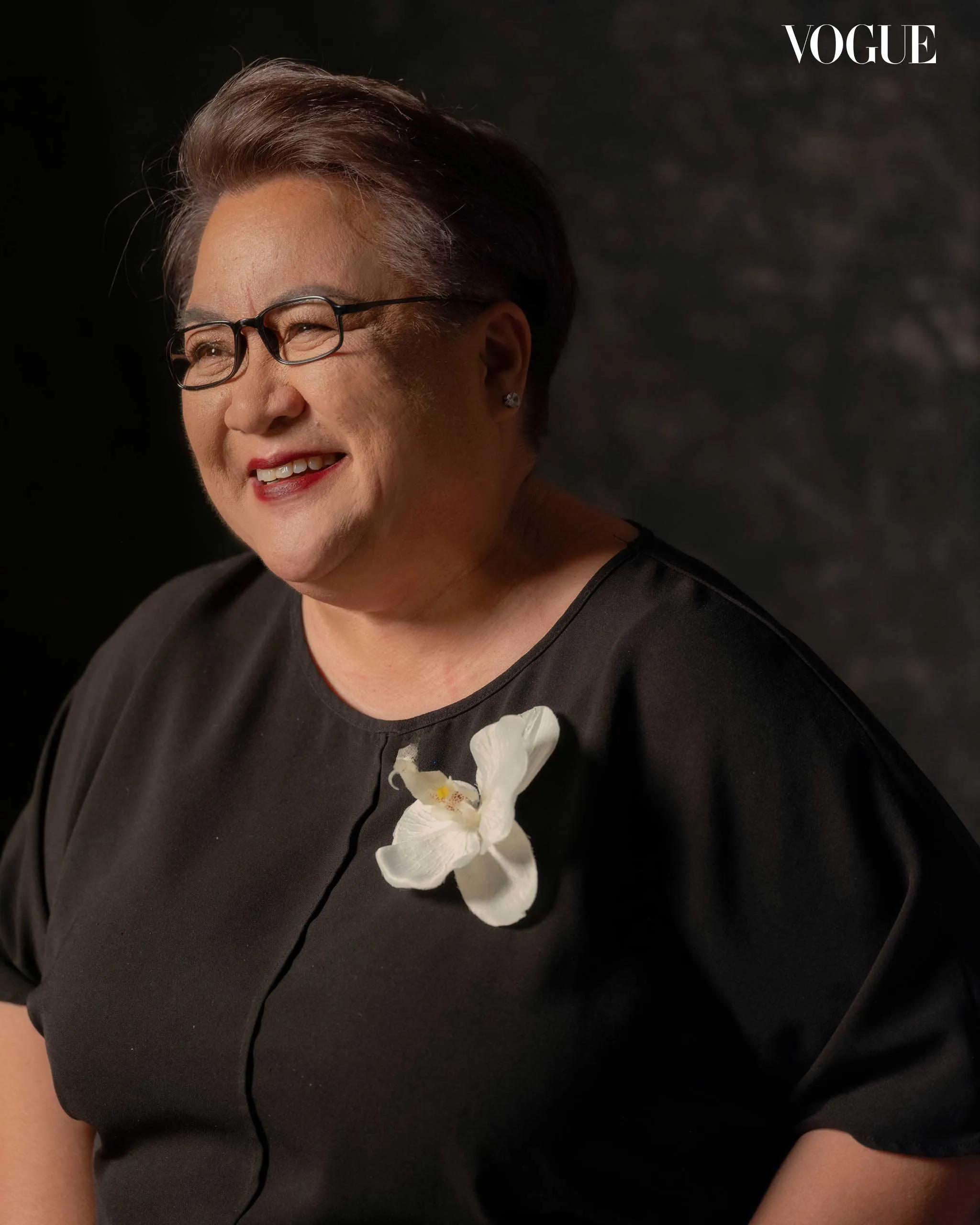
Her journey into history began with a simple goal: tracing her family tree. Mona Magno‑Veluz soon realized that understanding one’s lineage requires a deeper grasp of the society it exists in, and this discovery made her more compassionate.
During the pandemic, noticing the lack of accessible content on Philippine history, she turned to TikTok to share stories, even if she initially believed no one would listen, jokingly calling herself a “tita on TikTok.” Her platform has since become a space for uncovering overlooked narratives and making history more engaging for a wider audience.
Beyond history, Magno-Veluz is also an advocate for individuals on the autism spectrum and their families. Working closely with the Autism Society Philippines, she highlights how much of the community is sustained by mothers and caregivers. “I am hopeful that at least for women and for vulnerable groups where my son belongs, I think there will always be voices that will be there to defend them and continue where we stopped.”
For Magno-Veluz, the ability to merge her passion with her advocacy defines her sense of fulfillment. “It is very important for women today to mentor and also to learn from those who came ahead of us, because that is the only way we’re going to see the progress that is necessary for women and society in general.”
Marian Pastor-Roces
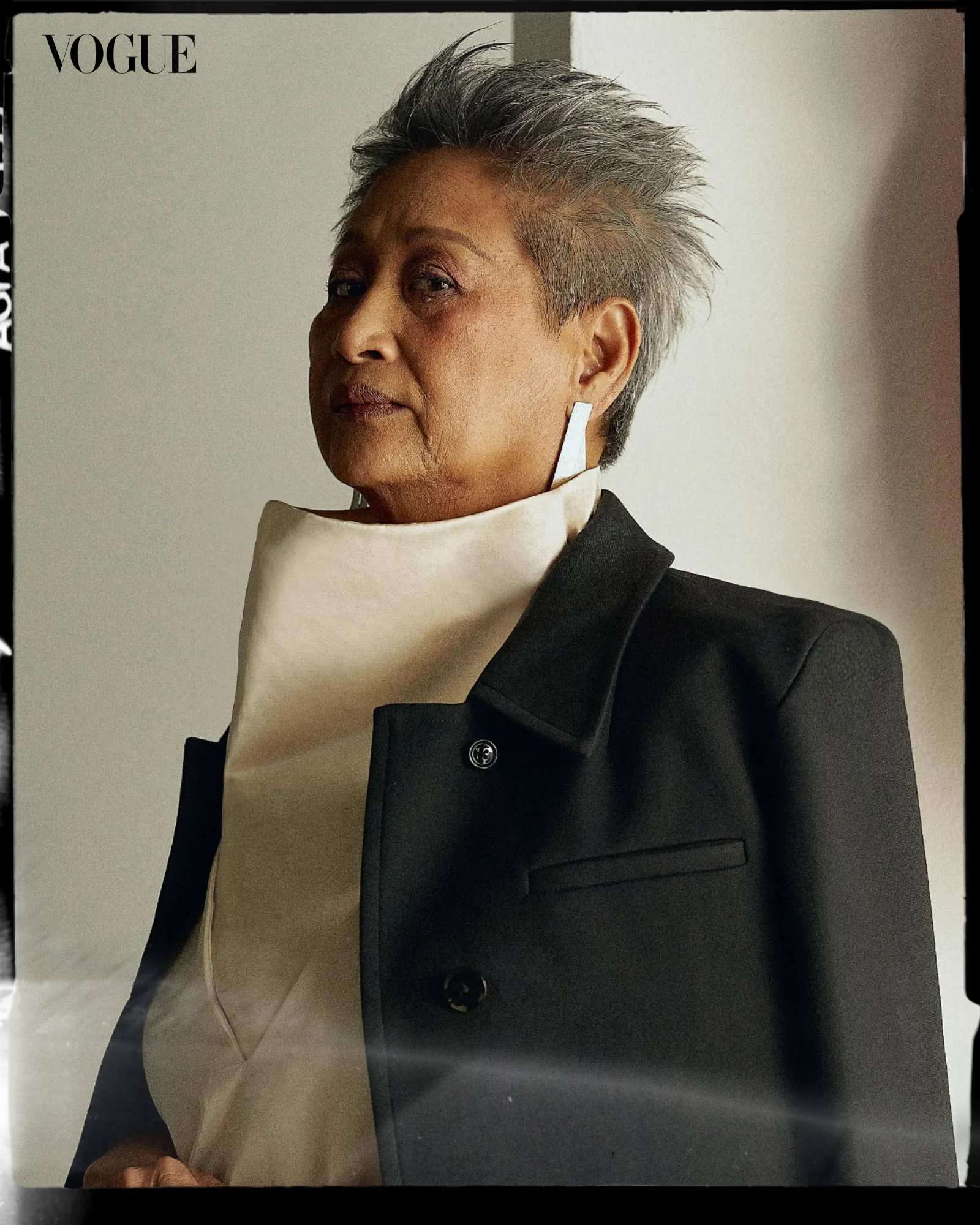
An academic, curator, author, historian, and advocate for Philippine literature and education, Marian Pastor‑Roces has dedicated her career to promoting Filipino language and culture in schools and universities. Her work focuses on integrating literature and critical thinking into the curriculum, encouraging students to engage with Philippine history, identity, and society. In an interview with Vogue Philippines in 2023, Pastor‑Roces spoke about why she challenges assumptions about Filipino identity and history, pushing audiences to rethink what they think they know. “We had to take up the operations of beauty in the political, historical, and economic fields to mount a robust critique,” she said.
Over the last half century, her projects have included curating museums across the Philippines and organizing cultural conversations that highlight how history, art, and identity intersect in everyday life. Her work continues to shape how students, educators, and the public engage with Philippine culture and literature.
Felice Prudente Sta. Maria
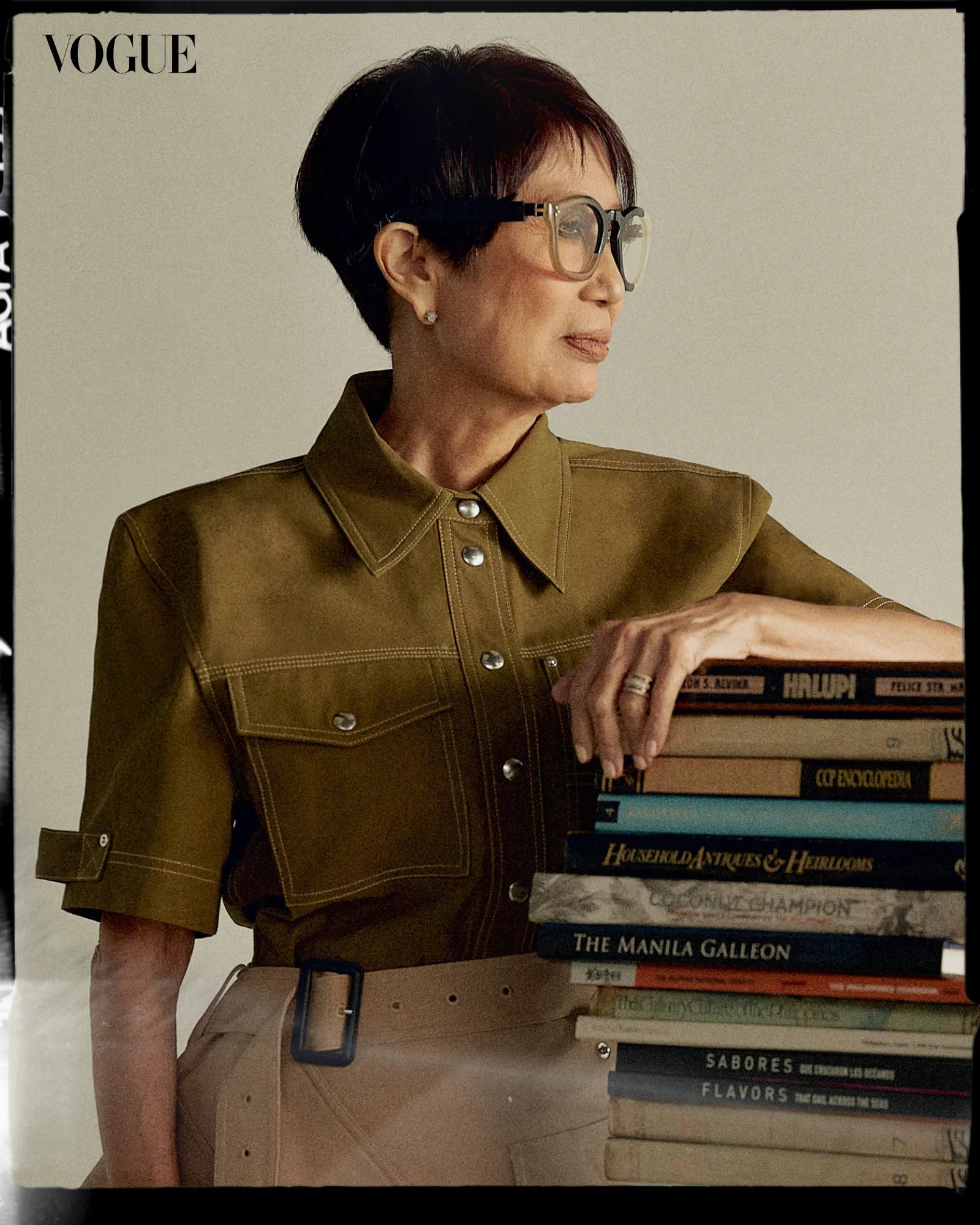
In a 2023 interview with Vogue Philippines, cultural historian and educator Felice Prudente Sta. Maria reflected on her decades‑long journey in writing, teaching, and heritage work. She described how her early columns eventually became A Cultural Worker’s First Manual, a collection that explores how everyday experiences shape cultural appreciation. “We put some of the columns into a book when I was done. I was convinced to turn the book into A Cultural Worker’s First Manual… I said, ‘Nobody’s going to buy this,’ and sure enough, nobody bought it,” she recalled with humor.
Sta. Maria has also written and contributed to books on Filipino food history, including The Governor‑General’s Kitchen, The Foods of Jose Rizal, and Kain Na!: An Illustrated Guide to Philippine Food, connecting culinary heritage to broader cultural narratives. She defined herself as a thinker, even reading her dictionary in her spare time. “It’s because we don’t know enough. That’s the whole point,” she said.


