
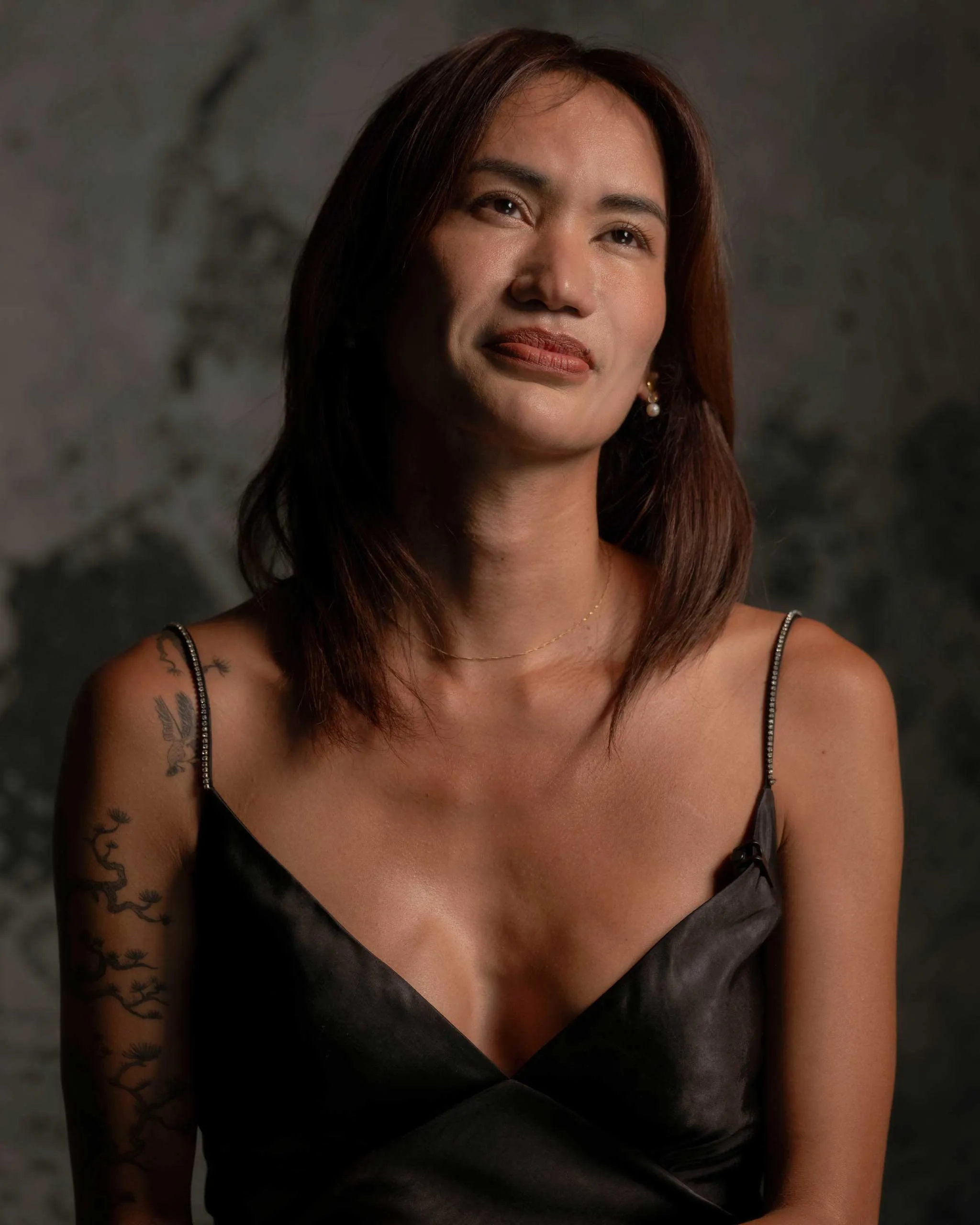
Photographed by Shaira Luna
Across different paths and practices, these women are shaping fashion through local craftsmanship and collaboration.
This Women’s Month, 10 Filipino designers, founders, and creatives, Vania Romoff, Vina Romero, Steph Verano, Cheetah Rivera, Meg Manzano, Ariana Coronel Go, Eya Uy, Nana Uy, Esme Palaganas, and Veejay Floresca, reflect on the paths they have built across fashion and the wider creative industries.
Many speak to the role of collaboration, whether working with sisters, creative partners, or teams of women, and how these relationships influence both process and perspective. Together, their stories offer a snapshot of Filipino artistry today, defined by evolving practices, distinct points of view, and the realities of building something that continues to grow.
Vania Romoff
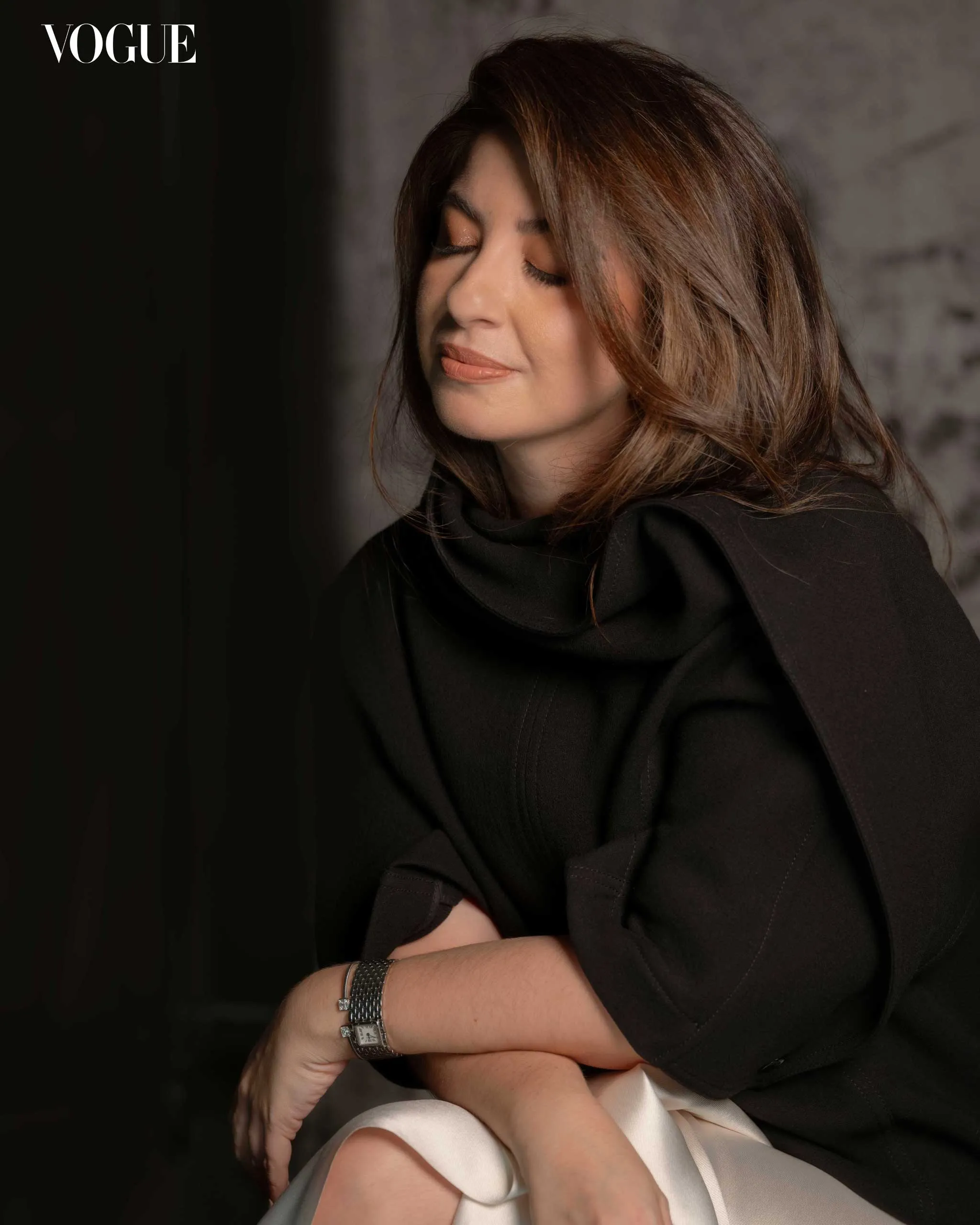
If Blair Waldorf were a Manila girl, she would be donning the creations of Vania Romoff. Originating from Cebu, she’s a third-generation designer, continuing the legacy of dressmaking established by her grandmother Viring Romoff. A graduate of SoFA, she established her eponymous label in 2010 and has captured the hearts of the smartest women in town for her bespoke and ready-to-wear collections with locations in Rockwell, Greenbelt, and Shangri-La Plaza.
Reflecting on her journey, Romoff points to the expectations placed on women as both a challenge and a catalyst. “I feel that as women we are often, you know, boxed in, or there are certain stereotypes, and we always feel the need to fit in. I feel that we just need to be ourselves and do what is, what makes sense for us.”
She believes empowerment begins within. “We need to inspire ourselves first… when we’re comfortable with ourselves, we ultimately inspire others as well,” she says, emphasizing self-trust as a foundation for growth. Juggling a career spanning nearly two decades with motherhood, she has learned to reject perfection. “It’s about giving ourselves grace… grace to be soft.”
Viña Romero
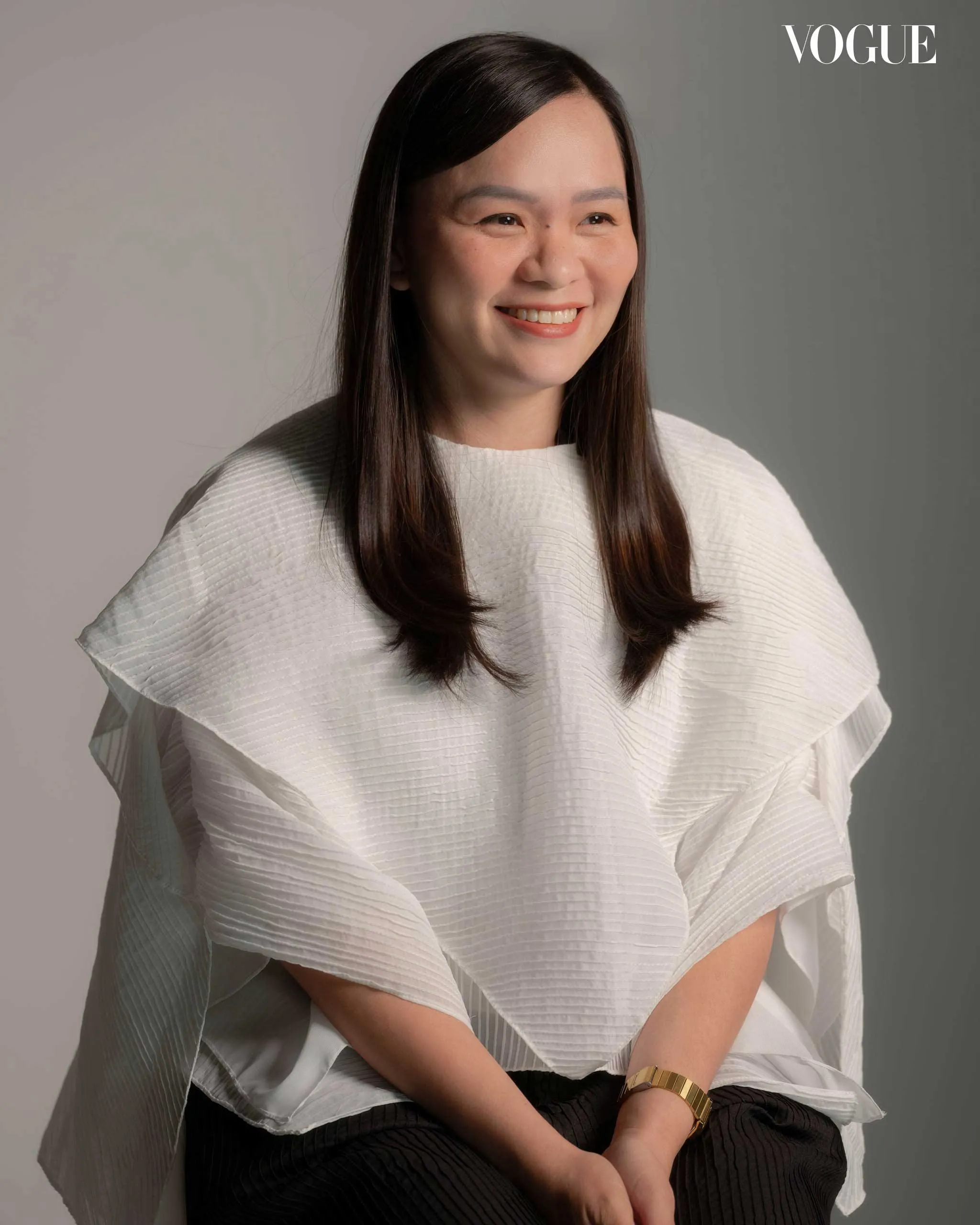
As a teenager, Viña Romero grew up with two ambitions: to become a doctor or a fashion designer. After completing a degree in AB Fashion Design and Merchandising at De La Salle-College of Saint Benilde, she won a scholarship to study in London before establishing her own brand. Ten years later, she’s stocked in Rustan’s, beloved for her trademark ‘Pintox’ fabric and fluid silhouettes, lovingly made by her team of artisans and seamstresses in her province of Bulacan.
Her philosophy on womanhood derives from her own empirical knowledge. “As a woman, we play a lot of roles… we carry a lot of roles… we were quietly strong,” she says, describing the adaptability that defines many women’s lives. In Romero’s eyes, empowerment begins with the confidence to be seen. “When a woman moves forward… we also open doors… even if I’m just doing this small thing,” she reflects, recognizing how progress can ripple outward.
She’s candid about the myth of balance. “You don’t need to balance… you just need to try every day… not perfect,” she says, reframing success as a constant habit rather than unsustainable perfection. “You just need to show up every day… hindi perfect… but if you really like what you’re doing, continue lang talaga.”
Esme Palaganas
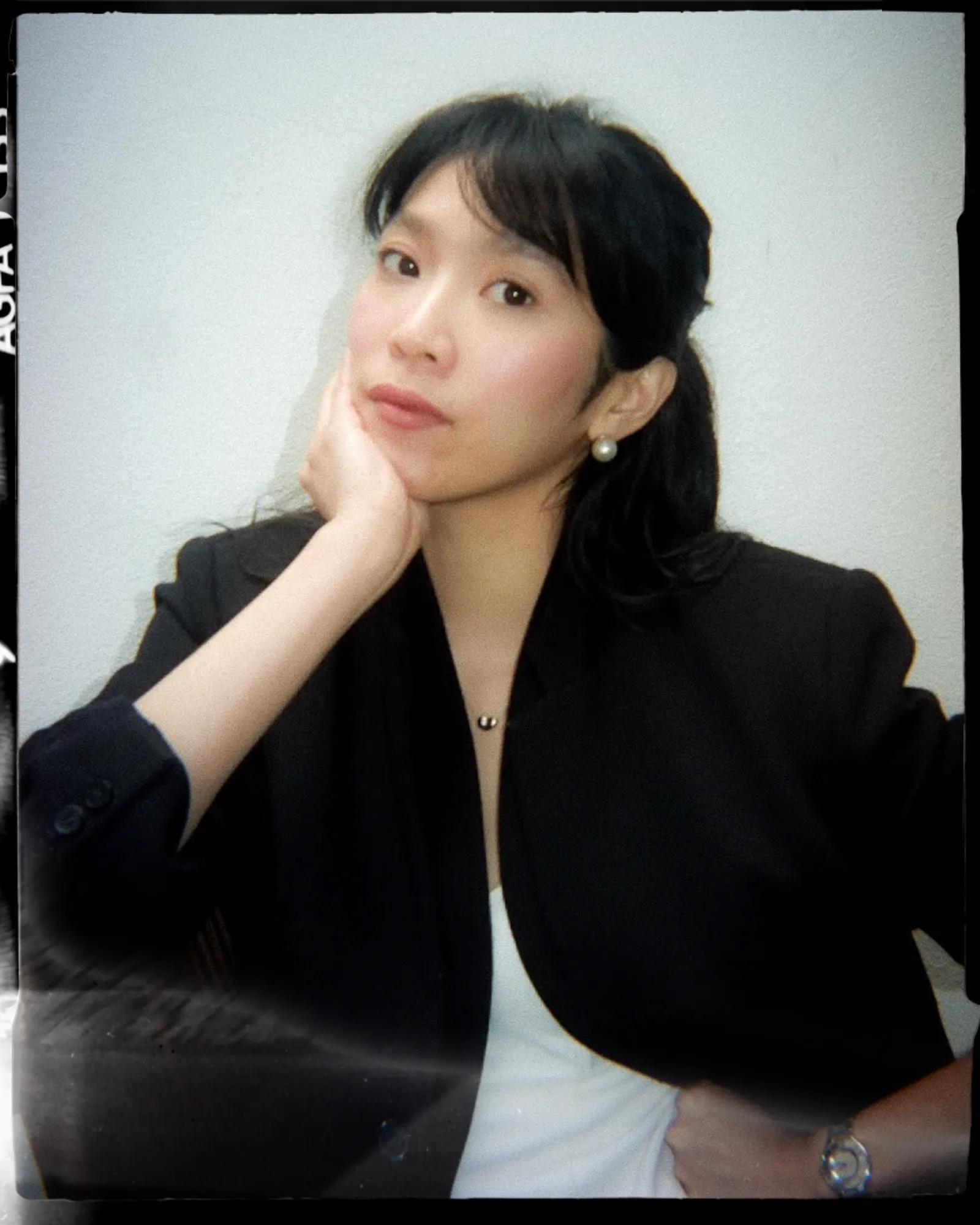
Some people work with their hands, others with their minds, but Esme Palaganas works with both. As a polymath currently studying a PhD focusing on Intellectual Property and Creative Industries at City University of London, she works remotely as a researcher and advisor for designers and brands back home through A BLANK CD and the women-led leadership initiative HERDD based in Singapore.
After nearly a decade running her own brand across ready-to-wear, made-to-order, and e-commerce, she encountered both opportunity and limitation, particularly for women navigating the industry without established systems of support. These experiences led her to co-found PHx Fashion Group and contribute to the legislation of the Creative Industries Policy of the Philippines.
Women who inspire her include her mother, Ruth Bader Ginsburg for her “love and commitment to both her work and her home life,” and Len Cabili, Amina Aranaz-Alunan, and Lulu Tan Gan, who “indulged me and my questions through the past years!”
Leadership, for her, is about action. “When you see things that need to be said, barriers that need to be lowered, or wisdom that should be shared, you step up and do it. You can’t just wait for someone else to speak for you.” She adds, “Ask bold questions, choose your mentors wisely, and remember: it’s okay to pivot as you grow.”
Veejay Floresca
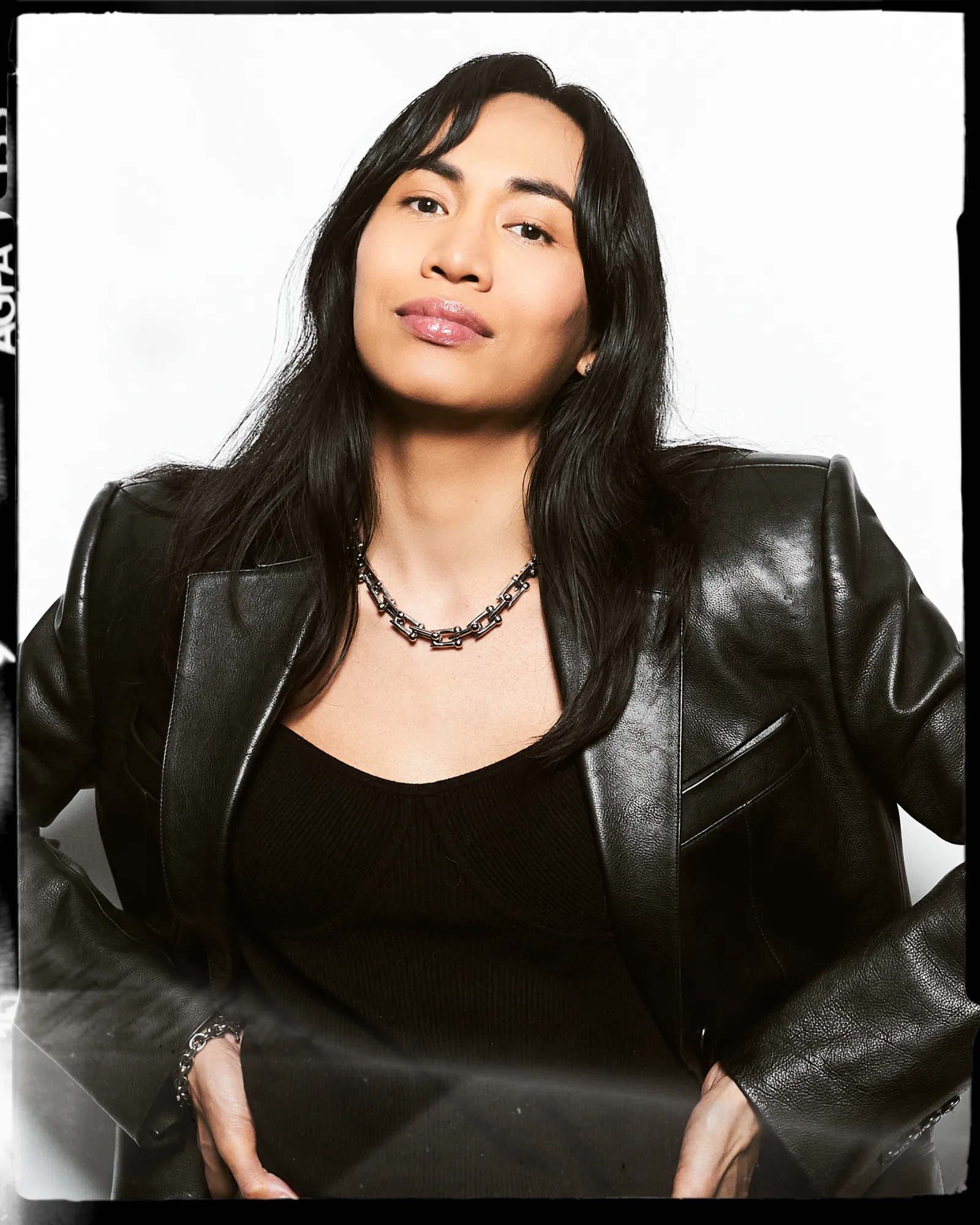
Before winning Project Runway, Veejay Floresca first won the internet’s heart as one of the four fans in the legendary Miss Universe 2010 reaction video, unknowingly captured at the moment Maria Venus Raj was announced in the Top 15. Before moving to the United States, she had already established herself as a sought-after bridal designer, creating wedding gowns for hundreds of brides. She trained at De La Salle–College of Saint Benilde, Central Saint Martins, and the Academy of Art University in San Francisco.
While she might be in the fast lane, Veejay enjoys helping others and appreciates the simple things in life, “like a cup of coffee every morning, walking my dog, and spending quality time with my family, friends, and fiancé.” She’s just had her debut show at NYFW and sees her designs as “a reflection of who I am and what I believe fashion should be: a safe space for everyone. I strive to help create an industry that celebrates inclusivity and empowers women. It’s non-negotiable for me to always include and uplift my community in everything I do, because they have supported me every step of the way.”
Floresca is a firm believer in turning rejection into strength, fighting for your dreams, and wants “the next generation to see that being trans is a unique gift, not something to hide or view as a flaw.” Reinforcing her statement, “as a trans woman of color, I’ve chosen to see my identity as a superpower rather than a barrier.”
Ariana Coronel Go
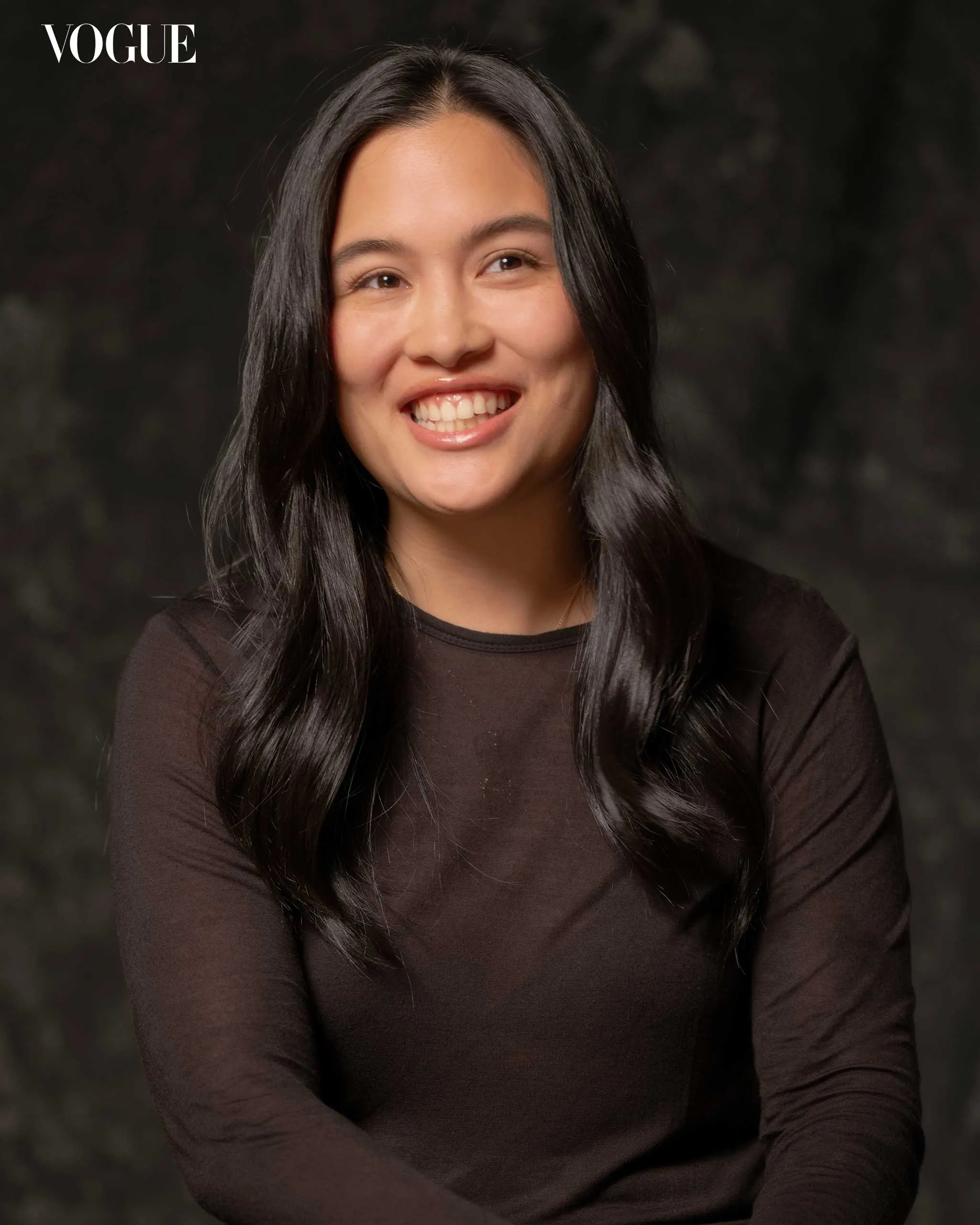
As co-founder of Apara and founder of children’s wear platform The Kid Edit, which was among the first to bring brands like Stella McCartney Kids, The New Society, and Tinycottons to the Philippines, Ariana Coronel Go navigates her roles with a hard-earned dexterity from the school of life. “I think as women, there’s a lot of expectations, both from a professional and personal level, what leadership looks like, what work looks like, and even what raising a family looks like,” she says.
Her approach to building both brands is guided by intention rather than excess. “But I think I realized ultimately, it’s about choices, what you show up for, who you show up for, and what has to take a back seat.” Apara, a passion project with the Uy sisters, with whom Ariana has been best friends since childhood, creates modular “blank canvas” garments that offer the liberty to express personal style. “I think that’s really the root of it all, that whoever you are, whatever your past wardrobe looks like, these are pieces that can fit seamlessly into it. They take the guesswork out of every morning when you’re asking yourself, ‘What am I going to wear?'”
As a new mother, she values the privilege of being able to “nurture my son and the family we’re building alongside evolving in my work” with Apara and The Kid Edit. Yet clarity remains at the heart of everything. “Being clear with yourself who you are, what your priorities are, what you value most and least, and the more comfortable you become with those choices, and the more you trust your own instinct, then everything else is just noise.”
Eya Uy
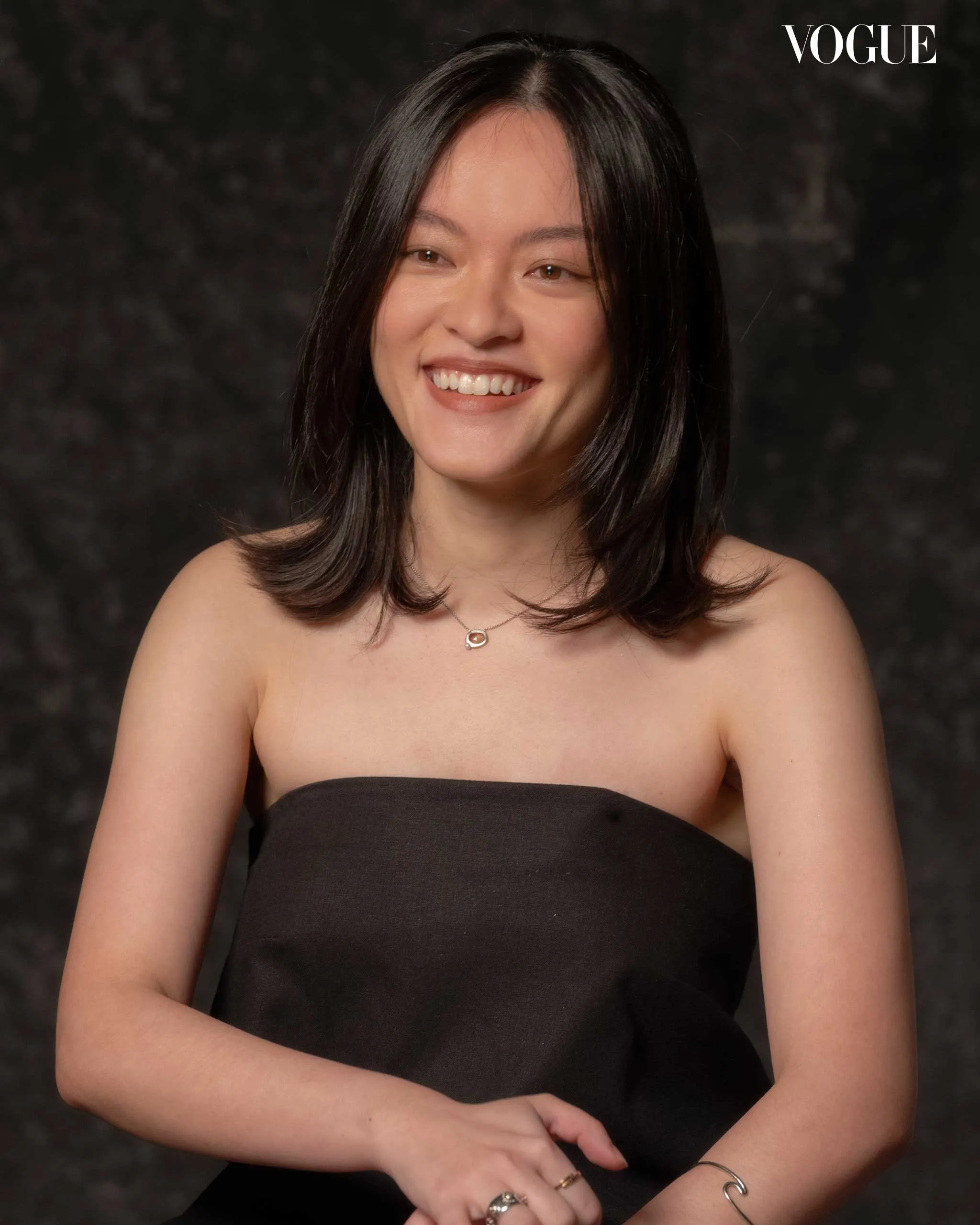
Hannah Montana once sang about the ‘Best of Both Worlds,’ and Eya Uy embodies it, balancing her weekdays as a practicing speech and language pathologist with taste-making designs for Apara on weekends. “I always tell myself that you have to build something for yourself, and when you build that something, whatever it is, it’s building that support with other people.”
Uy finds fulfilment bridging healthcare and fashion. She delights in helping women “build a capsule wardrobe that they can keep in their closets forever” and supports children and adults in rebuilding essential life skills, knowing that “every struggle, every hardship is worth it; helping one patient, that’s enough.”
As a co-founder of Manila’s answer to Barcelona’s Paloma Wool, she treasures working alongside her sister Nana Uy and Ariana Coronel Go, and the vibrant community that has grown around the brand. “It’s the people we encounter, the customers who wear our pieces as well, and I think that’s what’s been amazing about starting this brand. We’ve met so many inspirational women, and everybody comes from a different background.”
She believes that softness is a form of strength, one that everyone, regardless of gender, should bring into their everyday lives. “It means that you can care more, that you can allow yourself to be vulnerable, and when you are vulnerable with others, and with yourself, that’s where you begin to be strong.”
Meg Manzano Nepomuceno
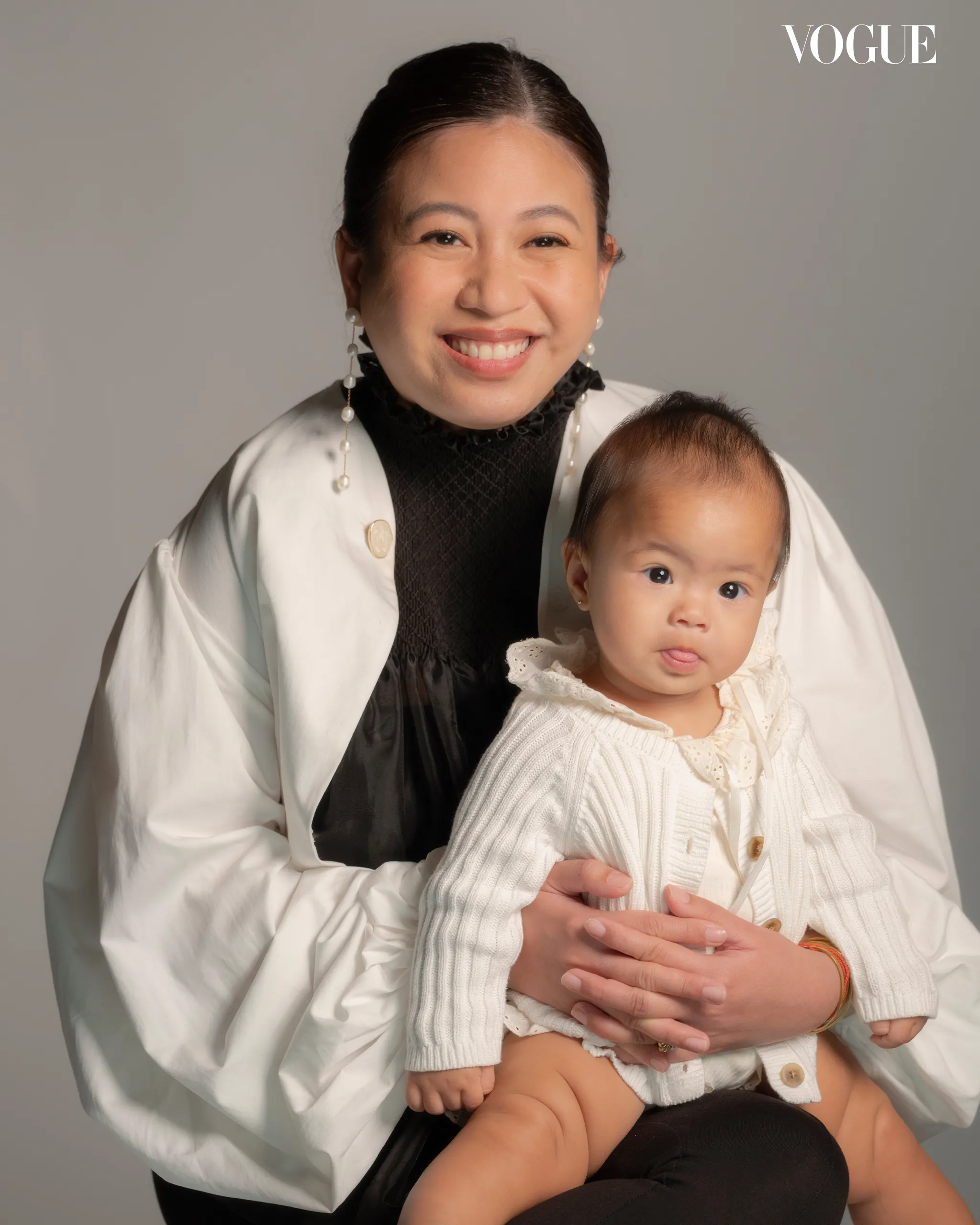
Fashion becomes a tool for storytelling and social impact in the work of Meg Manzano Nepomuceno. As a stylist and creative director, she navigates between editorial projects and nonprofit collaborations across the Philippines, using visual narratives to highlight issues such as access to clean water and community development.
For Manzano, empowerment happens in collective action. “It’s very important… to inspire and empower other women… but more often than not… It’s about… holding space,” she says, reframing leadership as something shared. Her experience within her communities has shaped this perspective. “Once something helps them… they want to be able to help other people too,” she reflects, pointing to the instinct to uplift others.
Raised by strong women, she never felt the need to diminish herself. “There was never a point… where I felt like I had to shrink myself,” she says. Now, as a mother, that awareness is concrete in her stride. “If I shrink myself… then I’m telling her that there’s not enough space for her in the world,” she reflects.
Nana Uy
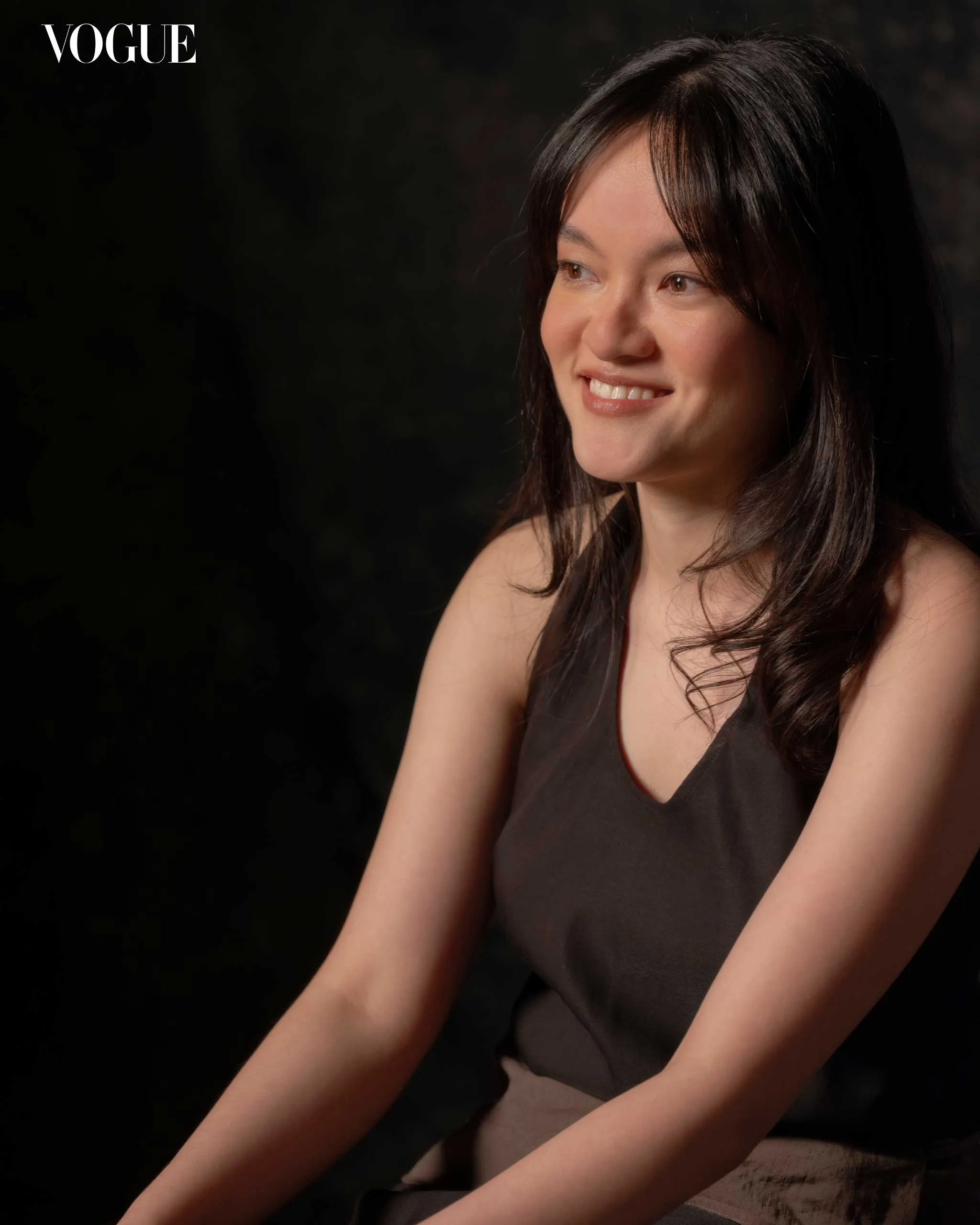
Moving seamlessly between science and fashion, Nana Uy embodies a kind of rockstar that refuses to be defined by a single path. Like her sister, she is both a speech and language pathologist and co-founder of Apara with Ariana Coronel Go, together forming a dynamic trio reminiscent of Ashley, Mary-Kate, and Elizabeth Olsen.
She balances a clinical career while building a brand on the side, designing timeless staples that solve sartorial problems, informed by how women actually live and dress. “Well, women, we love chat. We love to tell stories. So why not through our clothes?” At its core, the label is envisioned as an antidote to overconsumption, offering thoughtful and lasting additions to the modern wardrobe.
Launched in 2021, Apara began as both an experiment and a response. “Everything was a risk… when we started this brand… we didn’t want to shop in the same stores anymore,” she recalls, reflecting a shift toward more intentional, everyday pieces rather than following what’s being sold in Zara or Topshop “I didn’t think I would be in the creative world… because I’m a speech and language pathologist,” she says. What followed was a process of discovery, “I didn’t know I was capable of all of these other things… making a collection, thinking about fabric.”
Community became central to that growth. “Overcoming challenges will only happen if we work together… you always need a community,” she explains. “Women already have these inner insecurities, and it doesn’t help that we are our own demons, so having other people around can help pull you out.”
Steph Verano
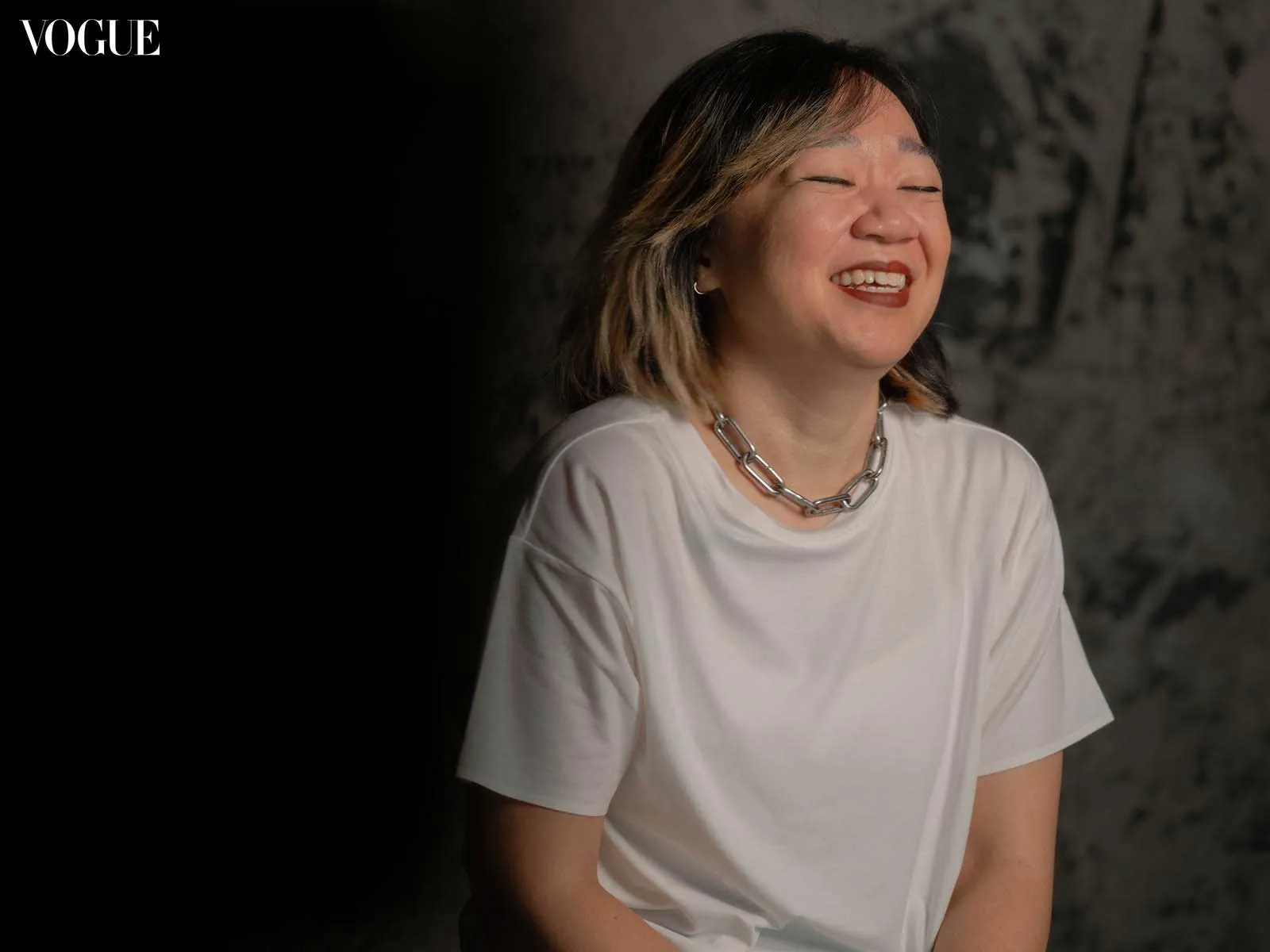
Sitting between ready-to-wear and bespoke, Steph Verano refuses definition and follows what her clients desire. She graduated from Ateneo de Manila University with a degree in sociology, and later pursued fashion design at Slim’s Fashion and Art school, before earning a diploma from ESMOD Paris, interning for the likes of Vetements, Leonard Paris, and Coralie Marabelle. Last year, she was one of the winners of the Bench Design Awards with a runway show at Rakuten Fashion Week in Tokyo.
“In the beginning… out of necessity… that was the best option for me,” she says, acknowledging how experience shaped her creative path towards design. What defines her perspective is honesty. “I think ngayon na-realize ko… ang hirap talaga mag-isa… you need people (I think I realized now that it’s hard to be alone. You need people),” she shares, emphasizing the importance of community and support.
She also speaks to the hesitation many women experience. “Madalas… feeling natin hindi tayo ready (Often, we feel like we’re not ready),” she says, reflecting on the pressure to wait for certainty. Yet, it is through others that she finds encouragement. “Pag nakita mo… ‘nagawa niya… mahirap, pero nagawa niya,’ nakaka-encourage (When you see others do it, even when it’s hard, but they do it, it’s encouraging,” she notes, pointing to the power of shared visibility.
Ultimately, her message returns to action. “Kailangan mong mag show up… no path is ever easy… but if you’re willing… go (You need to show up, no path is ever easy, but if you’re willing, go).”
Cheetah Rivera
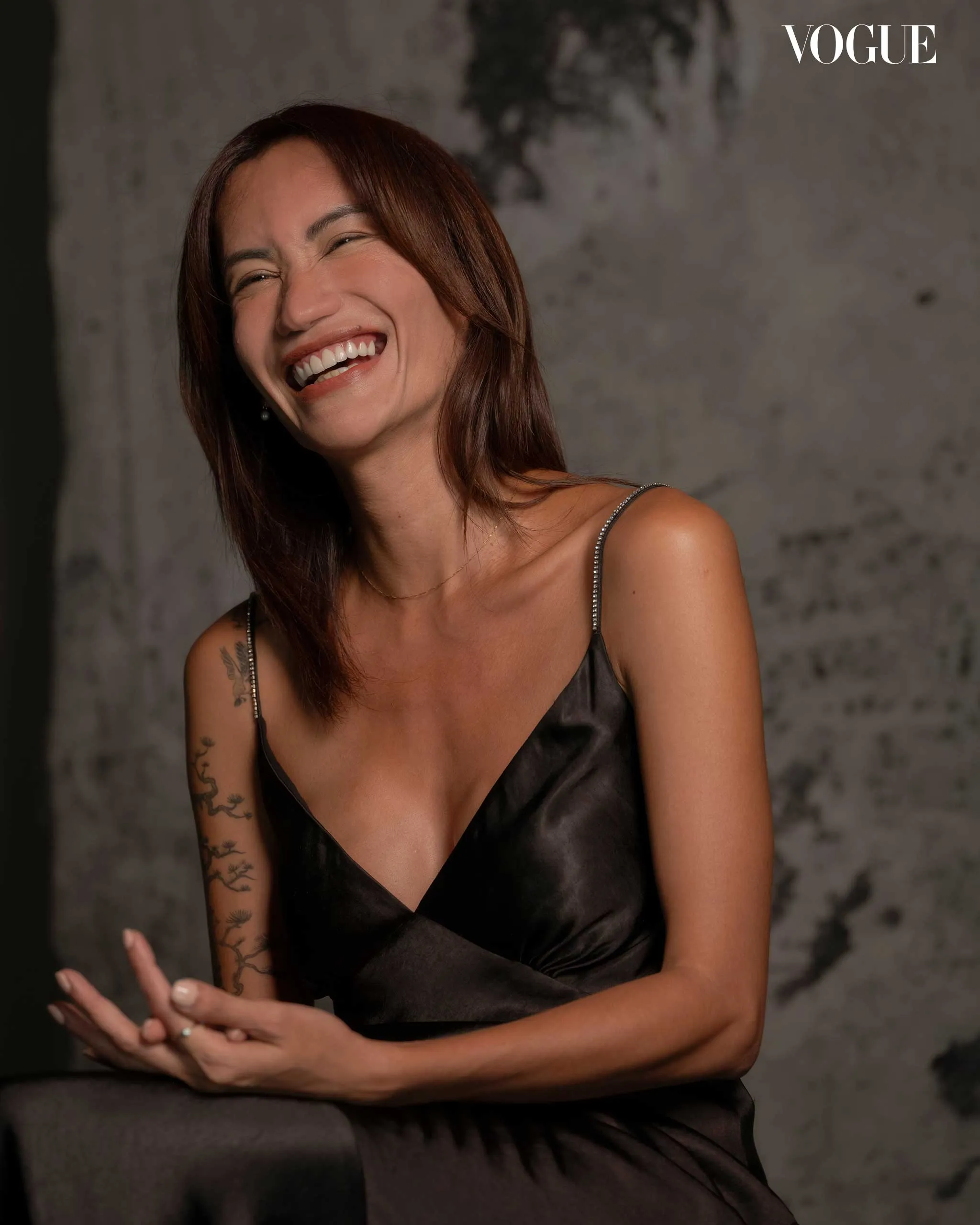
At the intersection of fashion and identity, storytelling informs the work of Cheetah Rivera. As a designer and trans woman, she is known for advancing conversations around authenticity and inclusivity within the creative industry. She trained at the Fashion Institute of the Philippines and later became a runner-up on Project Runway Philippines. She’s participated in Ternocon, and her designs have been sported by the likes of Heart Evangelista, Gabbi Garcia, and Marina Summers.
“It really takes courage… to embrace who you are… just be authentically you,” she says, reflecting on the importance of self-acceptance. Her philosophy is driven by purpose as much as craft. “Dreams do really come true… it wasn’t easy… but I’m glad I had a support system,” she shares, acknowledging both struggle and support in her journey. For Rivera, empowerment is also about community. “It wouldn’t hurt to applaud for someone else’s success… we will all have our moments,” she says, advocating for a more supportive creative environment.
At the heart of her message is self-worth. “You really have to love yourself… you won’t be able to do those beautiful things if you don’t love yourself,” she shares.


